
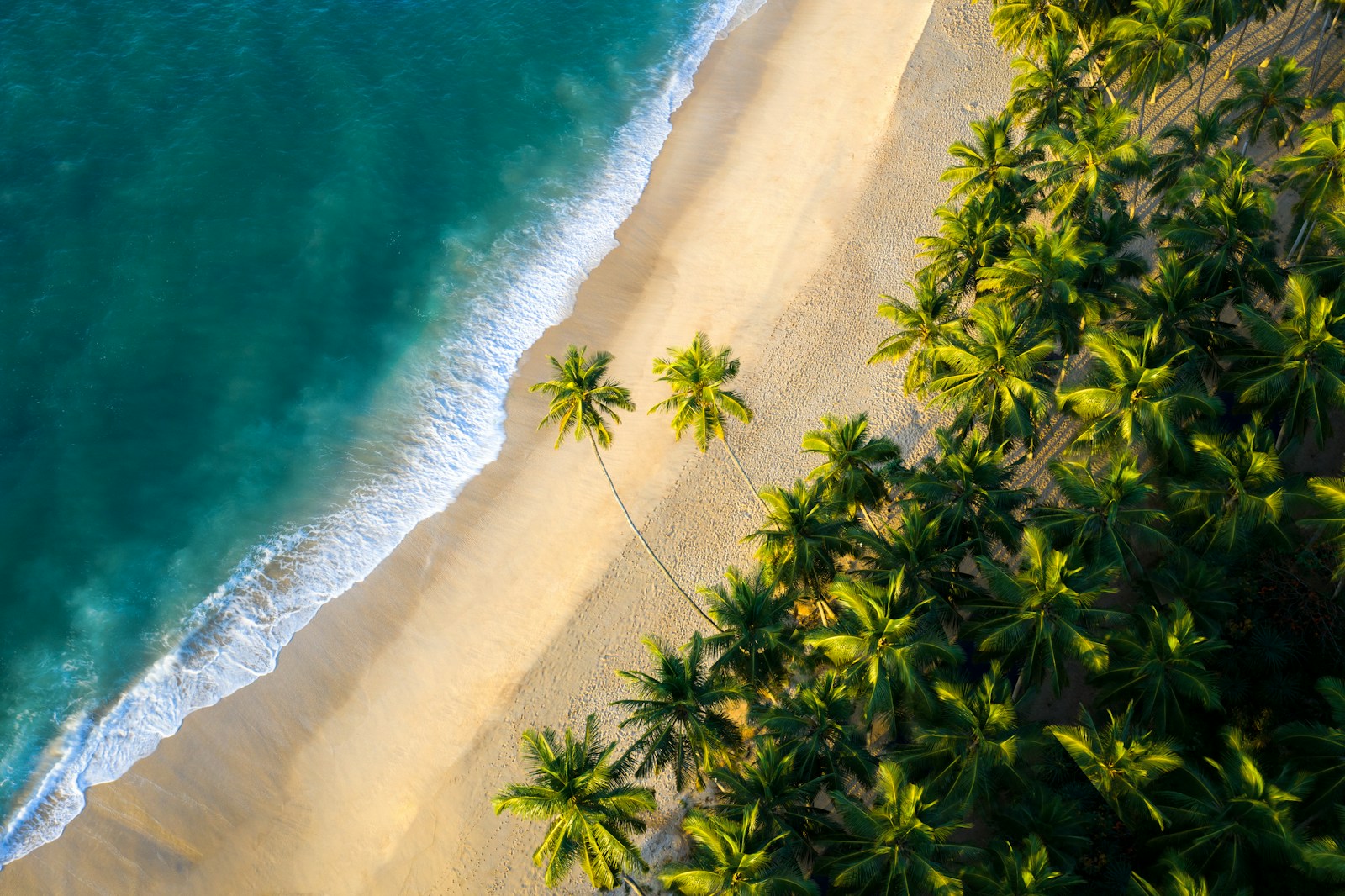
Sri Lanka is one of those rare destinations where a single journey can change character several times without ever feeling as though you have left the same country behind. You can begin with warm Indian Ocean water and four slow days on the east coast, spend the afternoon eating fresh seafood beside a palm-fringed beach, and then, within a day or two, find yourself surrounded by misty mountains, emerald tea plantations and cool highland air. From there, the journey can move into wildlife country before finishing among Colombo's colonial buildings, markets, cafés and modern restaurants.
This itinerary is designed around that change of pace. Rather than trying to race around the entire island, it gives the Nilaveli and Trincomalee coast four nights, then moves inland for three nights in the central highlands, adds a carefully chosen wildlife experience, and finishes with one or two nights in Colombo.
Who This Sri Lanka Itinerary Is For
This journey suits travellers who do not want to choose between a beach holiday and a cultural adventure. Ten days entirely on the coast can leave you wondering what the interior looks like; ten days of nonstop temples and parks can leave you wishing for one more afternoon by the sea.
The first four days are for travellers who genuinely want time to relax — swim before breakfast, spend an afternoon at the resort, snorkel when you feel like being active, and explore Trincomalee without another hotel check-in waiting that evening. The second half then changes the mood: cooler highland air, tea plantations, Kandy's cultural centrepiece, a scenic train, wildlife country and a softer Colombo finish.
Best Time to Visit Sri Lanka's East Coast
Sri Lanka rewards careful planning because the island experiences different monsoon patterns on different coasts. For Nilaveli and Trincomalee, the generally more favourable beach period is when the northeast monsoon has eased and the east coast is in its drier, sunnier season. Sri Lanka Tourism notes that the island's two monsoon systems create different beach seasons, with the east coast becoming favourable when the southwest monsoon affects the opposite side of the country.
For this itinerary, broadly look toward May through September for the east coast, while checking current local conditions before booking snorkeling, boat trips or whale watching. The central highlands have their own weather patterns and will generally be cooler than the coast — that contrast is one of the pleasures of the route.
Where to Stay
Nilaveli: Four Nights by the Beach
A beachfront resort is ideal. Choose somewhere with genuine beach access and a pool or shaded outdoor space if possible. The point of four nights in Nilaveli is a proper beach break, so a property that makes it easy to spend a whole afternoon doing nothing is more valuable than one that is simply close to a road. A smaller boutique property also works if you prefer a quieter, more personal atmosphere.
Central Highlands: Three Nights
Consider a boutique hotel, heritage property, tea estate or mountain-view stay. The setting matters almost as much as the room. Nuwara Eliya leans cooler and more colonial; Ella is more relaxed, scenic and outdoors-oriented. Kandy works particularly well as the cultural stop before heading deeper into tea country.
Colombo: One or Two Nights
Finish in a stylish city hotel or modern boutique property in an area that makes restaurants, cafés, historic buildings and the waterfront easy to reach. Colombo is much more enjoyable when you can walk or take a short tuk-tuk between experiences rather than spending your final day in traffic.
How to Get Around Sri Lanka
For this itinerary, strongly recommend a private car and driver for the longer road journeys — especially Colombo Airport to Nilaveli and the east coast to the highlands. That does not mean you need a private car for every moment of the trip. Switch to trains for the scenic highland journey and use tuk-tuks or short local transfers once you are settled in each destination.
Sri Lanka's railway network is a major part of the travel experience, but schedules and services can change, so check current official information rather than an old timetable. The combination of private car, scenic train and local tuk-tuk gives comfort when distances are long, scenery when the railway is the point, and local character around town.
Sri Lanka Railways – Official Website
Day 1 — Colombo Airport to Nilaveli: Straight to the Coast
Pace: Easy and unhurried
Arrival: Land in Colombo
After landing at Bandaranaike International Airport, complete immigration, collect luggage and meet your pre-arranged driver. If you arrive late at night, do not force the long journey to Nilaveli — stay near the airport and begin the drive the following morning.
Afternoon: Drive Towards Nilaveli
The journey is substantial, so settle in rather than turning the transfer into a sightseeing tour. A private driver makes it easier to stop for refreshments and stretch your legs. You may pass towns, villages, farmland and tropical countryside that already feel very different from Colombo.
Late Afternoon and Evening
Check in, change into something comfortable and walk towards the beach. Keep dinner close to your accommodation — resort seafood or a nearby restaurant with a good local reputation rather than choosing purely on online popularity.
Food note: Begin with fresh seafood, rice and curry, dhal, coconut sambol or grilled fish. After a long journey, something fresh and uncomplicated is usually enough.
Do not miss: Walk onto the beach after arriving, even for ten minutes — seeing the Indian Ocean after a long journey is part of what makes Day 1 memorable.
Logistics: Arrange the private transfer before arrival and share exact accommodation details. Keep water, medication and documents in hand luggage. For current entry requirements, use the official Department of Immigration and Emigration and the official ETA system rather than third-party visa websites.
Sri Lanka Department of Immigration and Emigration – Official Website
Official ETA / Online Visa Application
Day 2 — Nilaveli: Your First Full Day by the Indian Ocean
Pace: Very easy
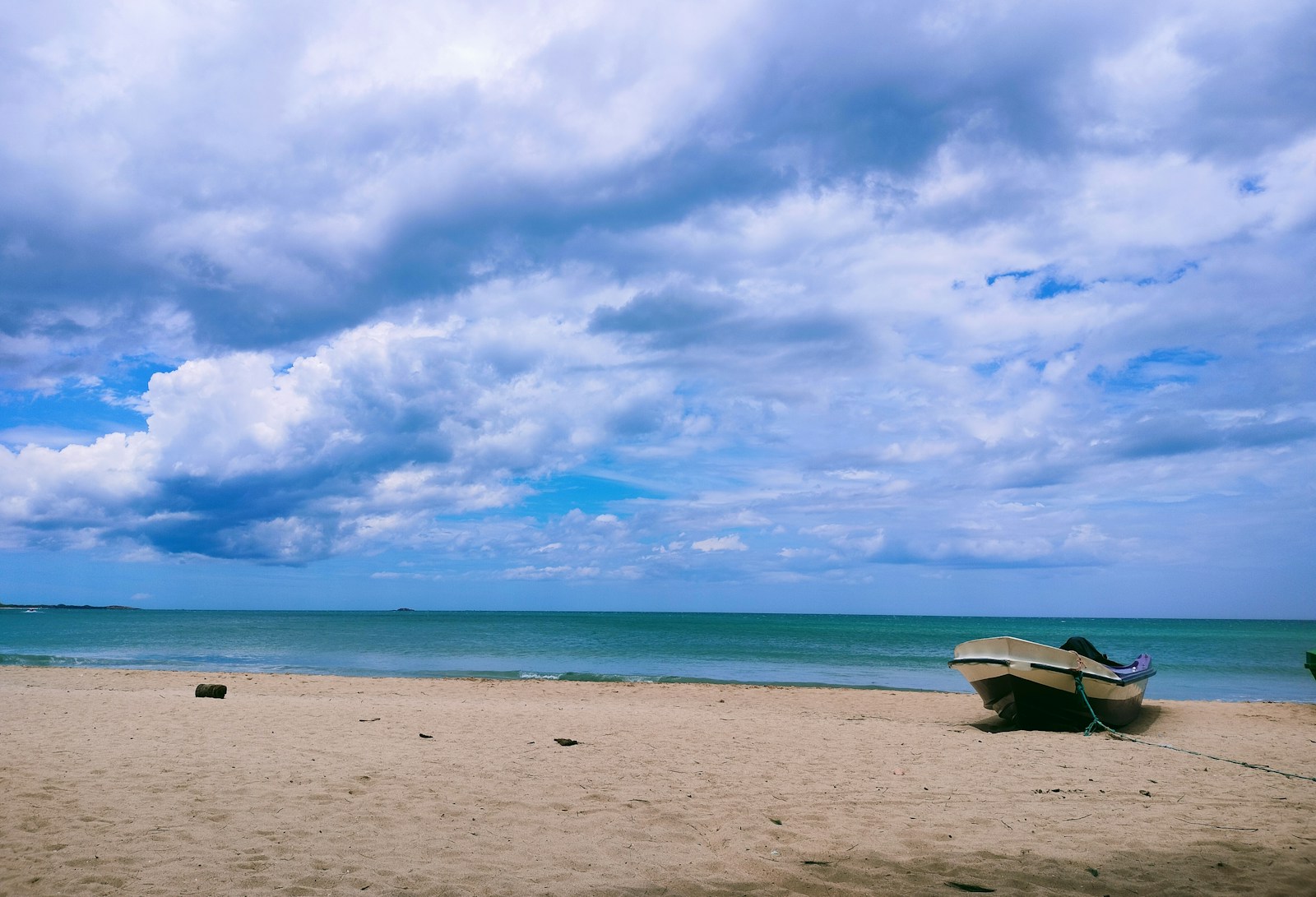
Morning: Beach and Swimming
If you are an early riser, walk to the beach before the heat builds. Soft light and calmer water create a completely different atmosphere from midday. After breakfast, spend a couple of hours relaxing at the property.
Afternoon: Optional Snorkeling or Coastal Activity
If sea conditions are favourable, ask your resort or a reputable local operator about snorkeling. Treat this as an introduction to the coast. If conditions are not suitable, stay on the beach. Sri Lanka's east coast is seasonal — never treat an online photograph as a guarantee of what you will find on a particular day.
Late Afternoon and Evening
As the heat softens, take another coastal walk and notice quieter details. Make dinner a highlight: fresh fish, prawns, crab or another local seafood preparation with coconut, chilli, curry leaves and spices.
Food note: Look for seafood with coconut and local spices, paired with rice and vegetable curries — or grilled fish with sambol if you want something lighter after sun.
Do not miss: Do not fill the afternoon with sightseeing; leave a few uninterrupted hours beside the water so Nilaveli feels like a beach holiday.
Logistics: Keep today flexible ahead of Pigeon Island. Check sea conditions before independent snorkeling. Avoid touching coral or marine life, standing on reefs or collecting shells. Move the snorkeling day if conditions are better another morning.
Day 3 — Pigeon Island National Park: Snorkeling, Swimming and Life Beneath the Surface
Pace: Moderate and water-focused
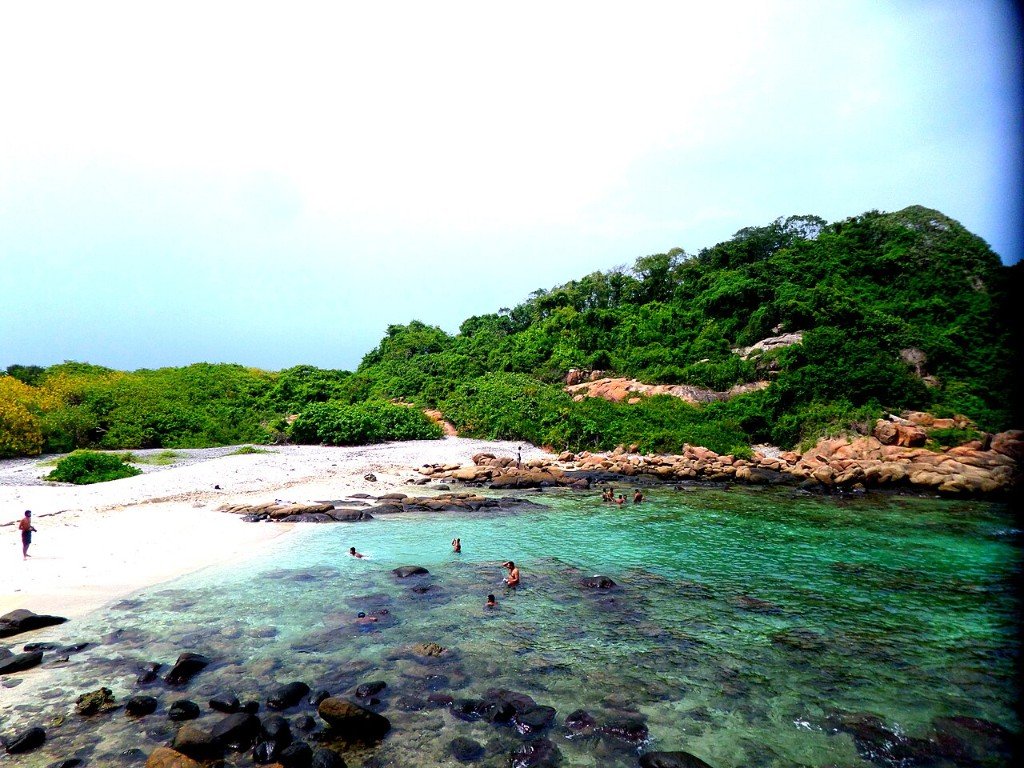
Morning: Head Out Towards Pigeon Island
Have an early breakfast and meet your boat operator. An early start helps before stronger sun and changing sea conditions. The short boat ride is worth watching — Nilaveli from the water looks different from the beach you have walked for two days.
Late Morning: Snorkeling Around the Island
Explore the water according to current local guidance. Move slowly. If visibility is good, you may see colourful fish around coral communities and other marine life depending on conditions. After snorkeling, allow time simply to swim and enjoy the setting rather than rushing to the next activity on a tour clock.
Lunch, Return and Evening
Lunch may be included or back on the mainland — expect something simple: rice, fruit, grilled food or light local dishes. Drink water throughout; heat, salt and sun tire you more than expected. Once back at the resort, schedule nothing else. If you feel rested, return to the beach in the cooler late afternoon, then keep dinner local and uncomplicated.
Food note: Fresh seafood is an obvious choice after snorkeling, but do not overlook vegetable curries and dhal. A traditional rice-and-curry spread is an excellent way into Sri Lankan food culture.
Do not miss: Spend a few minutes looking at the reef without photographing everything — floating quietly above coral is more memorable when you are present for it.
Logistics: Book through a reputable operator and confirm marine conditions, boat capacity, equipment, park or conservation fees and return time. Use reef-safe practices, follow guide and park-staff instructions, and tell your guide if you are not a confident swimmer. Do not remove coral, shells or other marine material.
Seasonal Whale and Dolphin Watching
In a suitable season you may also arrange whale or dolphin watching from the east coast. Sightings are never guaranteed. Ask local operators about current conditions, maintain a safe distance and follow marine-wildlife guidelines.
Day 4 — Trincomalee: Temples, Coastal Views and Local Life
Pace: Easy to moderate
Morning: Drive Towards Trincomalee
Leave after the morning rush has eased. The journey from Nilaveli is relatively short, so you need not sacrifice the entire beach morning.
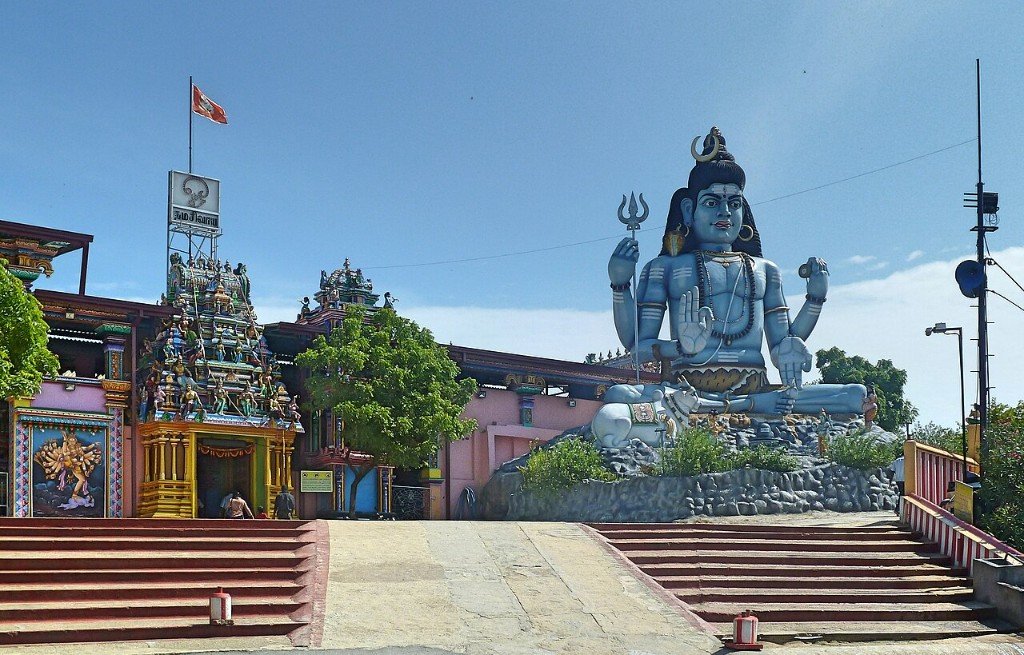
Late Morning: Visit Koneswaram Kovil
Begin with one of Trincomalee's most important religious sites. The temple occupies a dramatic position overlooking the Indian Ocean. Dress respectfully, follow local instructions and treat the site as a living place of worship rather than simply another viewpoint.
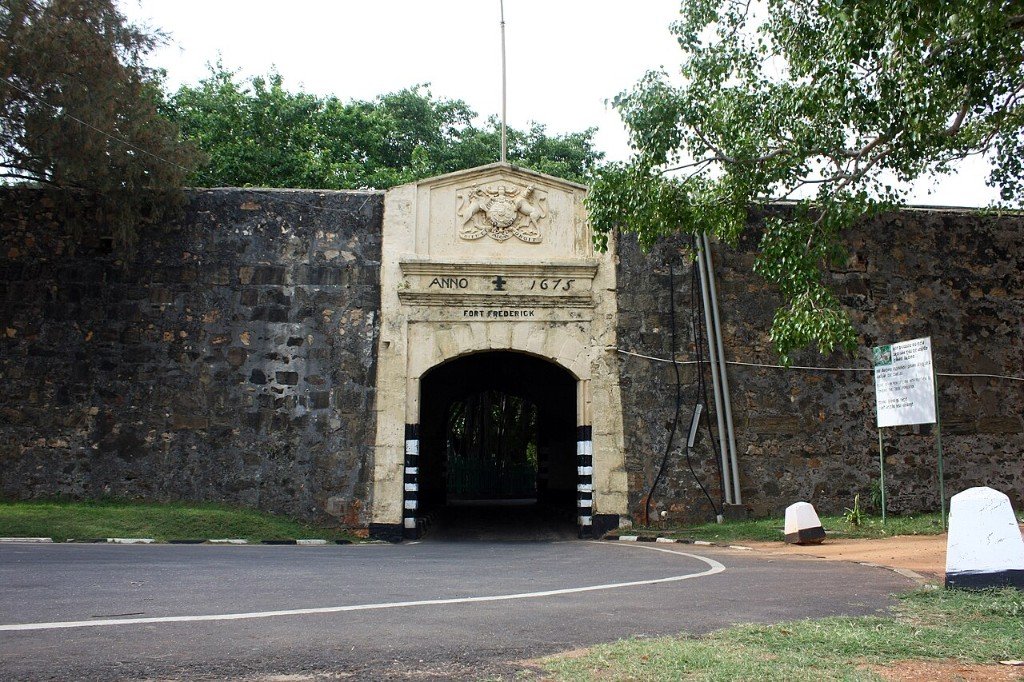
Midday: Fort Frederick and Local Lunch
Continue toward Fort Frederick on the same broader headland. As you walk, notice how geography explains the town's strategic history. Have lunch in or around Trincomalee — rice and curry, seafood, kottu or another local speciality — rather than immediately returning to the resort.
Afternoon and Evening
Return to Nilaveli for beach time, stop at another coastal viewpoint, or explore a little more with your driver. For the final Nilaveli evening, make dinner a little more special — a beachfront table or seafood dinner if the resort can arrange it. The setting does most of the work.
Food note: One final east-coast seafood meal before moving inland: fish or prawns with Sri Lankan spices, coconut and chilli, plus sambol or vegetable curry.
Do not miss: A final walk along Nilaveli Beach after dinner — quiet evening coastline often becomes one of the clearest memories later.
Logistics: Wear clothing appropriate for religious sites; carry a cover for shoulders and knees if needed. Respect photography restrictions. Confirm tomorrow's pickup time, route and duration with your driver before leaving Nilaveli.
Sri Lanka Tourism – Official Website
Day 5 — Nilaveli to Kandy: Leaving the Coast for the Hills
Pace: Easy to moderate, with a long scenic drive
Morning: One Last Breakfast by the Sea
Wake early enough for a final Nilaveli breakfast and, if time allows, a short beach walk before checkout. Meet your driver and begin the multi-hour journey toward Kandy. Stop when you need a break; ask your driver about local food, tea and places that interest you along the way.
Midday: Local Lunch on the Route
Stop somewhere along the route rather than waiting for Kandy. A simple local restaurant — rice and curry, dhal, vegetable dishes, roti — is often the better introduction to inland Sri Lankan food.
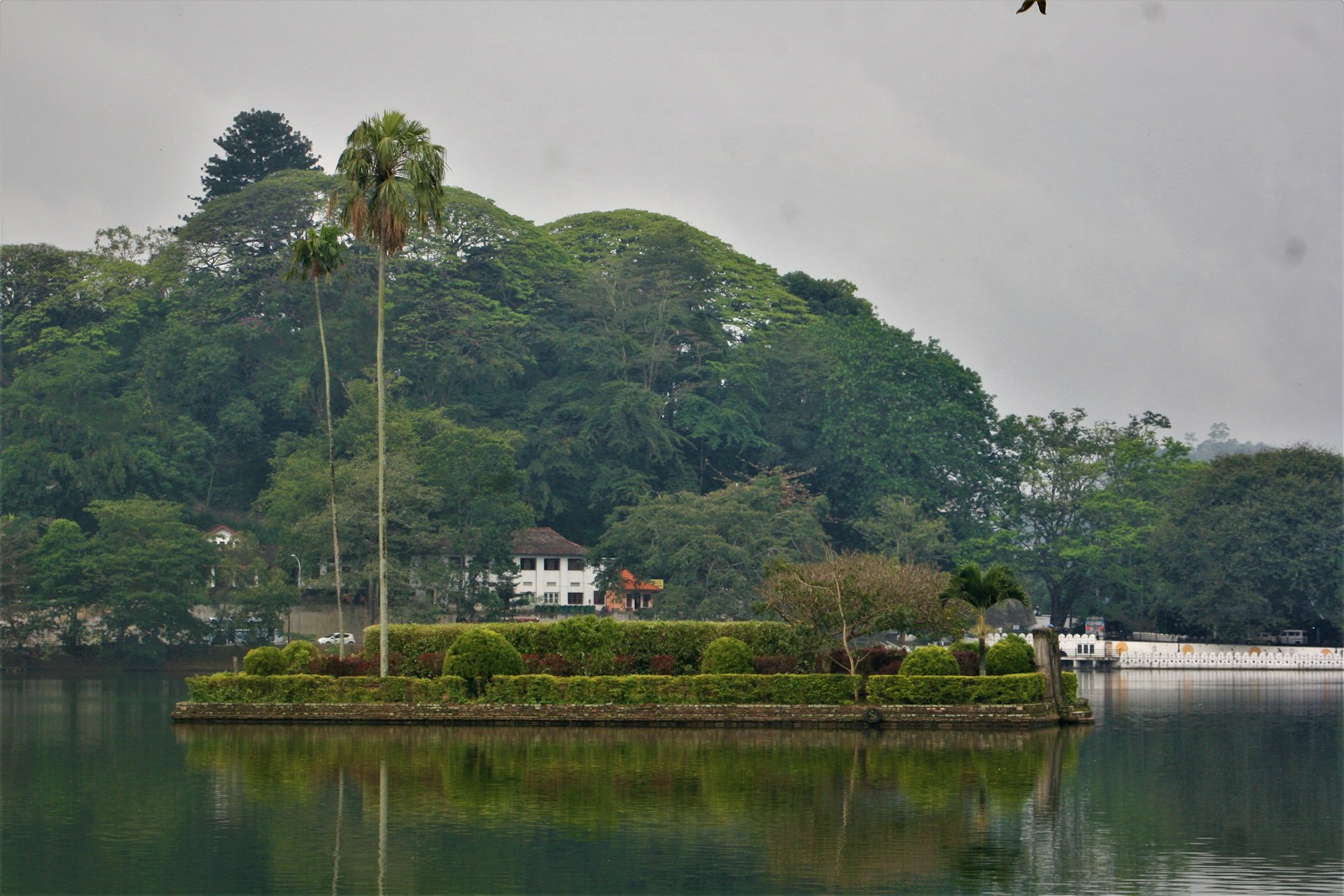
Afternoon: Arrive in Kandy and Walk the Lake
As you approach, the landscape grows hillier. The city sits around a lake among green mountains — a completely different atmosphere from the coast. Check in, settle, then take a gentle walk around Kandy Lake if you still have energy. Find a restaurant serving inland Sri Lankan food: curries, roti, sambols, vegetable dishes and local sweets. After several seafood days, the change is welcome.
Logistics: Confirm the driver the evening before; build in at least one proper break. If you want a spice garden or other stop, discuss timing beforehand.
Day 6 — Kandy: Sacred Temples, Spice, Markets and Local Flavours
Pace: Moderate and culture-focused
Kandy was the last capital of the ancient kings of Sri Lanka and remains one of the country's most important cultural centres. Its most famous landmark is the Temple of the Sacred Tooth Relic (Sri Dalada Maligawa). The city is a UNESCO World Heritage Site, and Sri Lanka Tourism describes it as a centre of traditional culture, architecture, art and music. The most enjoyable version of Kandy combines landmarks with markets, food and time simply wandering.
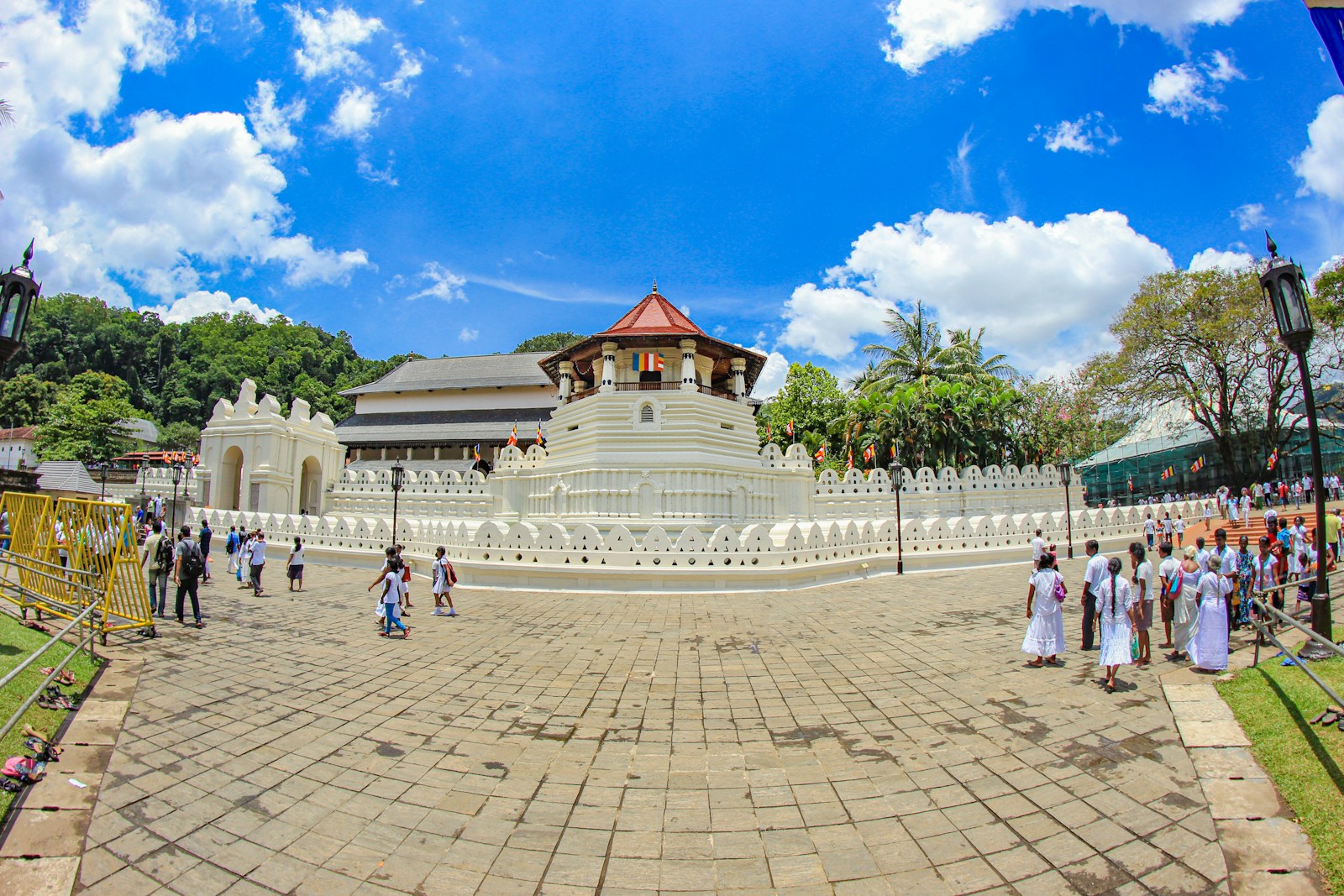
Morning: Visit the Temple of the Sacred Tooth Relic
Dress modestly, cover shoulders and knees, remove shoes where required and follow temple staff. The temple houses the sacred tooth relic of the Buddha and has played a central role in Sri Lanka's religious and political history. Daily rituals take place several times a day; if your schedule aligns with one, the atmosphere can be particularly memorable.
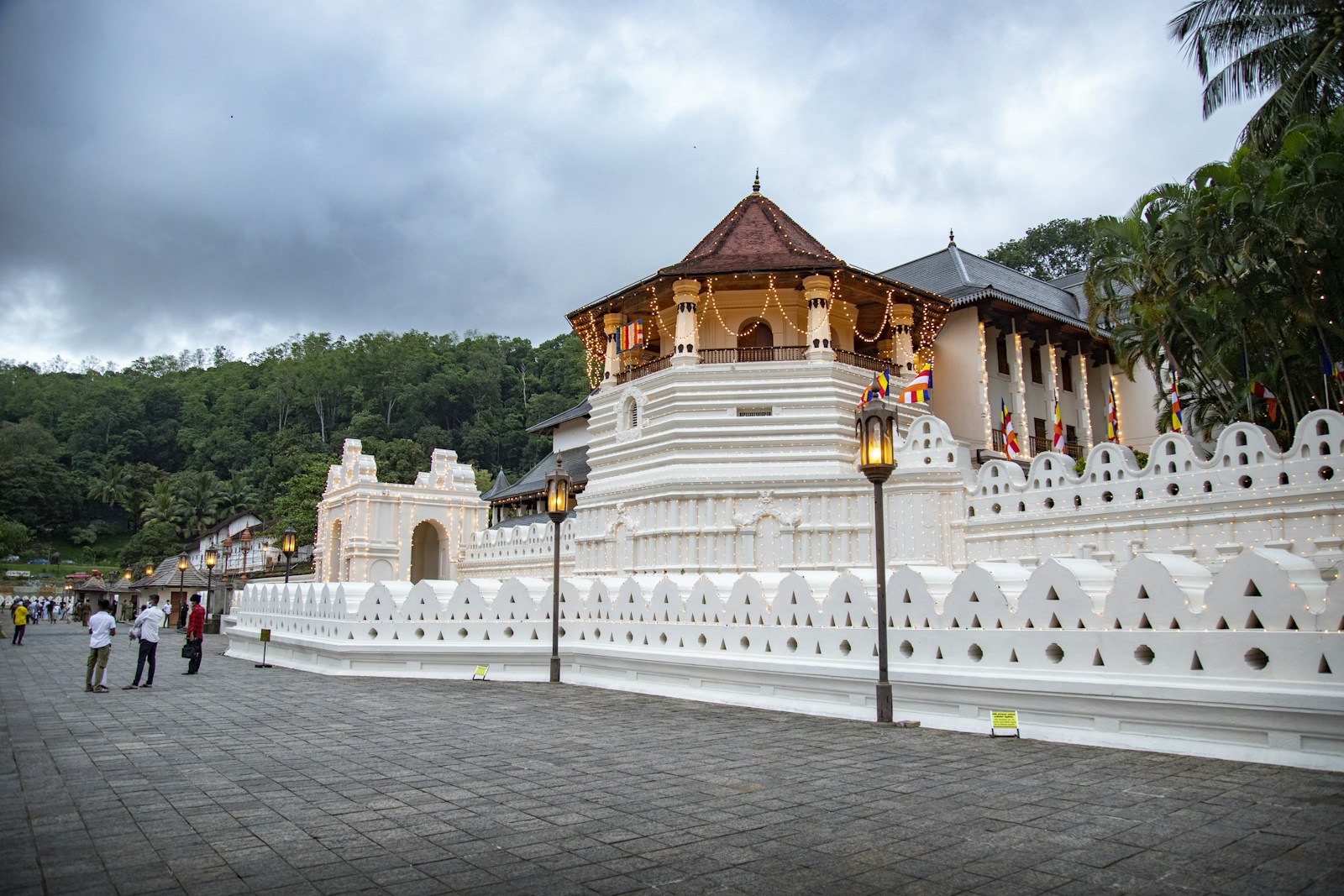
Late Morning Through Afternoon
Walk or drive through the surrounding area — architecture, lake views and everyday streets. If interested in food culture, visit a reputable spice garden that explains how cinnamon, cardamom, cloves, pepper and nutmeg are grown and used rather than becoming only a sales pitch. Make lunch a proper rice-and-curry meal with several vegetable curries, dhal and fish or chicken. Spend part of the afternoon in a market for fruit, spices, tea and handicrafts.
Evening
Rest before tea country tomorrow. For dinner, try hoppers (bowl-shaped fermented rice-flour pancakes) or string hoppers (delicate steamed rice-flour noodles) with curries and sambols if you have not already.

Food note: Make tonight a chance to try something beyond the usual rice-and-curry plate — hoppers, string hoppers, dhal and coconut sambol show the variety of Sri Lankan cooking.
Do not miss: Experience the Temple of the Sacred Tooth Relic as a living place of worship, not only a landmark.
Logistics: Dress appropriately and expect to remove shoes in designated areas. Carry a light scarf or cover-up. Check current visiting arrangements and ritual timings before you go.
Day 7 — Kandy to Tea Country: The Scenic Train Into the Highlands
Pace: Moderate and scenic
Morning: Board the Train
If the current railway schedule works with your itinerary, take the train from Kandy toward the highlands. This is one of the moments when public transport becomes part of the experience. The landscape grows greener, hills appear, tea plantations cover the slopes, and the journey becomes a moving panorama of central Sri Lanka.
Late Morning: Watch the Landscape Change
Sit by the window. You may see tea pickers among the plantations, villages in valleys and waterfalls between the trees. Popular services can be crowded, so manage expectations.
Midday and Afternoon: Nuwara Eliya or Ella
For Nuwara Eliya, alight around Nanu Oya and arrange onward transfer. For Ella, remain on the train if the service continues. Once at your highland base, visit a working tea estate or factory — rows of tea bushes climbing into mist matter as much as the tasting. Use late afternoon for a short waterfall or viewpoint. Nuwara Eliya offers cooler weather and colonial-era character; Ella offers easier scenic walks and outdoor viewpoints.
Evening: Tea Country Dinner
Temperatures can drop after sunset — this may be the first evening you want a light jacket. Dinner at your accommodation or a well-regarded local restaurant, with a proper cup of Ceylon tea, can feel like an entirely different holiday after warm Nilaveli nights.
Food note: Order something warm and comforting, and leave time for tea sourced from the region you have just travelled through.
Do not miss: Do not treat the train as mere transport — sit by the window and let the journey itself become a major experience.
Logistics: Check the current schedule before travel day. For reserved seats, use the official railway reservation system where available. With large luggage, consider having your driver or accommodation handle part of the transfer. Pack a light jacket for cooler highland evenings.
Sri Lanka Railways – Official Schedules and Reservations
Nuwara Eliya or Ella: Which One Should You Choose?
Choose Nuwara Eliya for tea estates, cool weather, colonial architecture, gardens and a more traditional highland atmosphere — a good fit for slow travel and scenic drives.
Choose Ella for hiking, viewpoints, waterfalls and a more relaxed outdoors-oriented town with cafés and casual restaurants.
For this itinerary: lean toward Nuwara Eliya for luxury, tea estates and slow travel; choose Ella for hiking, waterfalls and a more energetic mountain experience.
Day 8 — Wildlife in Sri Lanka: Elephants, Open Landscapes and an Ethical Safari
Pace: Moderate and wildlife-focused
Morning: Toward Wildlife Country
Leave after breakfast and continue toward your chosen national park or safari base. Discuss the route with your driver the previous evening. Tea plantations gradually give way to drier, more open landscapes associated with Sri Lanka's parks. If staying overnight near the park, check in before the safari when timing allows. Do not schedule a long-distance transfer immediately after a safari unless you have no alternative — drives can run longer than expected.
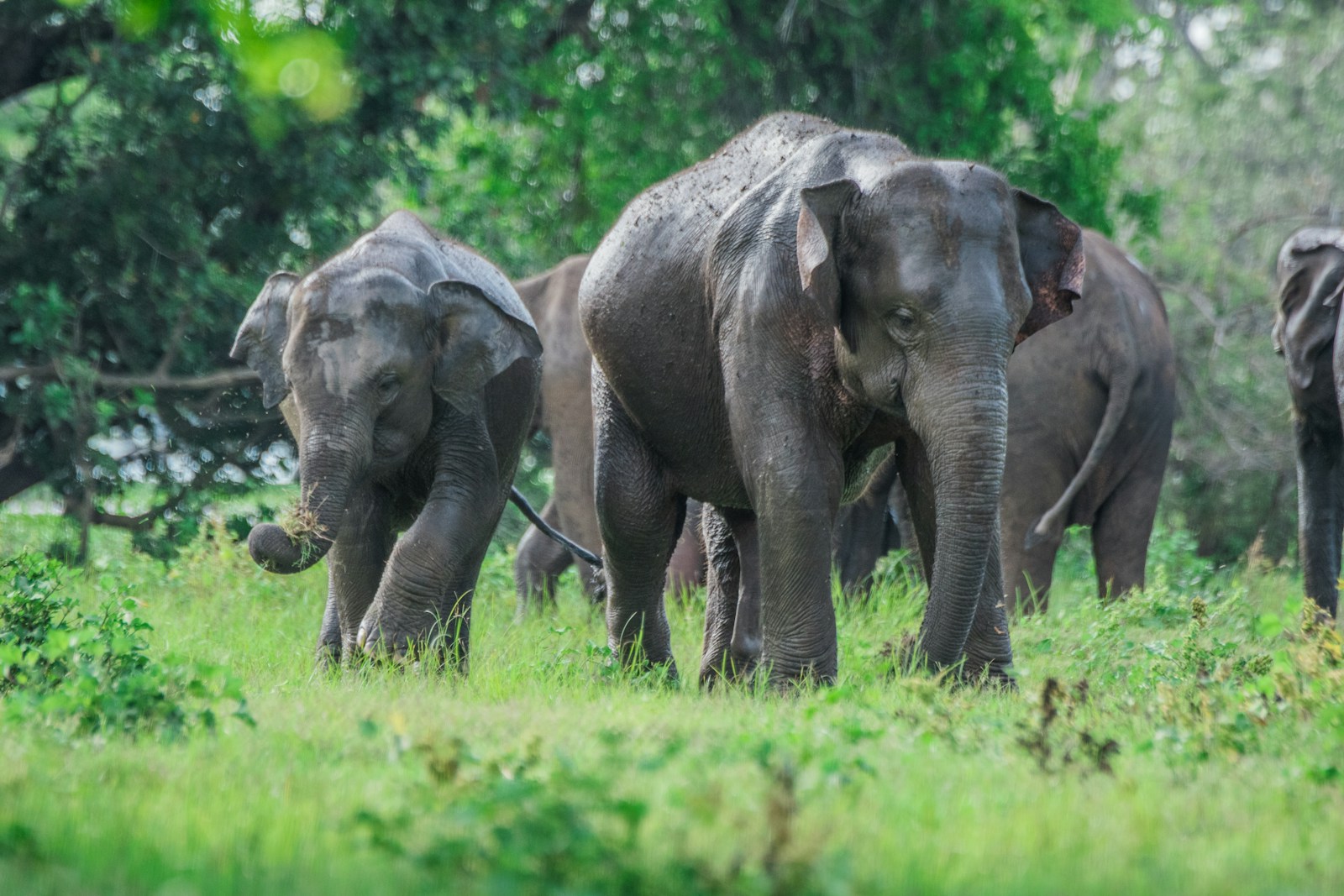
Afternoon: Safari Through the Park
Set out with a licensed or reputable safari operator. Observe the landscape as carefully as the animals — open grassland, woodland, water holes, birds and mammals. Sometimes an hour passes without anything dramatic; that is still part of a good safari.
Elephant Encounters: Give Wildlife Space
Remain inside the vehicle unless your guide directs otherwise. Do not encourage the driver to move closer for a photograph, feed animals, or shout to attract attention. Sri Lanka's elephants are wild animals. A responsible safari prioritises their welfare even when that means more distance than you might prefer.
Sri Lanka Department of Wildlife Conservation – Official Website
Evening
Return to your lodge or continue toward your next overnight stop. Keep the evening quiet. A simple Sri Lankan meal after hours outdoors is perfectly appropriate.
Food note: Wildlife lodges often serve straightforward Sri Lankan meals — exactly what you need after a long day outside.
Do not miss: Do not measure the safari only by elephant count; birds, smaller wildlife and landscape matter too.
Logistics: Choose the park for your actual route and current conditions. Confirm whether park entry, vehicle fees and guide services are included. Do not book a safari that promises guaranteed sightings.
Minneriya or Udawalawe?
Choose Minneriya if you want the chance of large elephant gatherings during favourable seasonal conditions around water sources — especially useful on central or north-central routes toward Colombo.
Choose Udawalawe if elephants are a major priority on a more southern or southwestern route; the park is also known for broader wildlife and birdlife.
For this journey, do not choose solely on reputation. Pick the park that creates the least complicated route from your highland base toward Colombo while supporting a responsible wildlife experience.
Day 9 — Wildlife Country to Colombo: From Forests to the Capital
Pace: Easy to moderate, with travel and an evening in the city
Morning and Midday: Drive Toward Colombo
If you stayed near the park, enjoy a quiet breakfast, then begin the drive. Rural landscapes grow denser; traffic and buildings increase until tropical countryside gives way to Colombo's urban edge. Stop for lunch along the way — rice and curry, kottu or roti — rather than waiting for a sophisticated restaurant after check-in.
Afternoon: Arrive and Reset
Check in and take time to reset. You have moved from beach to hills to wildlife country and now into the city. The final stretch should feel easier. Choose a neighbourhood that interests you and explore it slowly.
Late Afternoon: Galle Face Green
If you arrive early enough, head to Galle Face Green, Colombo's oceanfront promenade. It is an excellent first introduction to the capital because it needs no museum ticket or carefully planned tour — you simply need to be there, watching everyday city life unfold beside the Indian Ocean.
Evening: Colombo Food
Choose somewhere that shows the city's contemporary food scene — modern interpretations of Sri Lankan dishes alongside international cuisine — or keep things traditional. Either works after a week of coastal and inland meals.
Food note: Use Colombo for a more modern side of Sri Lankan food, while still leaving room for street-food favourites if something tempts you near Galle Face.
Do not miss: Spend at least part of your first Colombo evening beside the ocean at Galle Face Green — a wonderful contrast to quiet beaches and mountain landscapes earlier in the trip.
Logistics: Confirm expected journey time before departure; traffic can change arrival dramatically. In the city, use reputable taxis or ride-hailing for longer journeys; for shorter distances, tuk-tuks work if you agree on fare or use a metered/app option. Keep sightseeing close to your hotel so traffic does not consume the evening.
Day 10 — Colombo: Colonial Streets, Markets, Cafés and One Last Taste of Sri Lanka
Pace: Easy and flexible
Morning: Fort, Pettah and Local Life
Begin with historic districts around Fort and Pettah, where colonial-era architecture, commercial streets, markets and everyday city life sit side by side. Wander rather than following a rigid sequence. If markets interest you, spend time in Pettah — busy, colourful and energetic. Keep valuables secure and be respectful when photographing people. Practical souvenirs such as spices, tea and locally made products often travel better than purely decorative ones.
Midday and Afternoon
Escape the heat with a Colombo café stop — coffee, tea or something small. Depending on flight time, choose one final experience: another cultural stop, a gallery, the waterfront, or simply a café or hotel pool. The itinerary leaves this open because the final day should respond to how you feel.
Late Afternoon and Departure
Before the airport, have one final meal — a favourite curry, kottu or seafood that feels like a proper farewell. Allow plenty of time for the transfer to Bandaranaike International Airport; traffic can take significantly longer than expected. Ask your hotel or driver for a realistic departure time based on your flight.
Do not miss: Before leaving, look back at the arc from beach to highlands to wildlife to city — that variety is what makes even ten days feel longer in the best way.
If You Only Have 8 or 9 Days
The full ten-day version gives the trip breathing room, but it can be shortened without destroying the balance. With nine days, the easiest adjustment is to reduce Colombo to one night and keep the main east-coast and highland experience intact. With eight days, remove either one highland day or shorten Nilaveli from four nights to three.
A Note on Ethical Wildlife Experiences
Sri Lanka is extraordinary for wildlife, but the way you experience it matters. Elephants, leopards, birds and other animals live within protected ecosystems. A responsible experience prioritises conservation and animal welfare over guaranteed sightings or close encounters. Avoid operators that crowd animals, chase wildlife, block movement or create unnatural interactions for photographs. For elephants especially, distance and patience matter — sometimes the most beautiful encounter is watching from far away as an animal behaves naturally.
Practical Budget Notes for 8–10 Days
This itinerary is designed around comfort and convenience rather than strict backpacker budgeting. The largest variable is usually transportation: a private car and driver for longer journeys adds cost but saves time and stress, especially from Nilaveli into the highlands. Accommodation is the next major variable — beachfront Nilaveli, a boutique tea-country stay and a stylish Colombo hotel cost more than simple guesthouses.
Reduce the budget with mid-range hotels and local restaurants rather than resort dining. Budget Pigeon Island, whale watching and safaris separately. Decide which experiences matter most: if a private beach resort is important, save in Kandy; if the tea-estate stay is the dream, choose a simpler beach property; if wildlife is the priority, spend more on a reputable safari operator than on upgrading every hotel.
Sri Lanka Travel Tips for This Route
- Book the long transfers in advance — especially airport-to-Nilaveli and the east-coast-to-highlands drive. Agree on route and approximate travel time before departure.
- Keep the train journey flexible — the highland train is memorable, but should not be the only hinge holding the schedule. Check current services and allow buffer for delays.
- Carry a light layer for the highlands — evenings can feel considerably cooler after several days by the Indian Ocean.
- Use tuk-tuks for short journeys — for longer distances, prefer a private car or reputable ride-hailing service. Agree on fare or use metered/app options where available.
- Don't underestimate road times — map distances can mislead because of traffic, winding mountain roads and village roads. Build realistic travel time into every transfer day.
Official Resources for Planning the Trip
For current information, use official sources wherever possible:
- Sri Lanka Tourism – Official Website
- Sri Lanka Department of Immigration and Emigration
- Official ETA / Online Visa Application
- Sri Lanka Railways
- Sri Lanka Department of Wildlife Conservation
- Bandaranaike International Airport
Frequently Asked Questions
Is 10 days enough for Sri Lanka?
Ten days is enough for a rewarding first trip if you accept that you are experiencing a carefully selected part of the country rather than trying to see everything. This itinerary focuses on the east coast, central highlands, wildlife and Colombo without changing hotels every night.
Is Nilaveli worth visiting?
Yes, if you want genuine beach relaxation alongside the rest of your trip. Proximity to Pigeon Island and Trincomalee means you can combine slow beach days with snorkeling and culture without constantly relocating.
When is the best time to visit Nilaveli and the east coast?
The east coast generally has its most favourable beach conditions when the southwest monsoon affects other parts of the island, broadly around May to September. Check current weather and sea conditions before booking boat activities.
Should I choose Nuwara Eliya or Ella?
Choose Nuwara Eliya for tea estates, cooler weather, colonial character and a slower highland atmosphere. Choose Ella for hiking, waterfalls, viewpoints and a relaxed outdoors-oriented town.
Is the Kandy-to-Ella train really worth taking?
Yes, if you approach it as a scenic public-transport experience rather than a luxury train. The changing tea-country scenery is a major part of the experience.
Should I hire a private driver in Sri Lanka?
For this itinerary, a private driver is especially useful for longer journeys between the east coast, highlands and wildlife areas. Combine the car with trains and tuk-tuks to keep the trip varied.
Can I see elephants ethically in Sri Lanka?
Yes — choose a reputable national park safari and follow responsible wildlife guidelines. Observe wild elephants from a safe distance without feeding, touching, chasing or crowding them.
Is Pigeon Island suitable for first-time snorkellers?
It can be, depending on sea conditions and swimming ability. Beginners should tell their guide about their experience level, use appropriate safety equipment and follow local instructions.
Can I do this itinerary in eight days?
Yes, but you will remove some flexibility. Reduce Colombo to one night and shorten either the Nilaveli stay or the highland section rather than adding more destinations.
Final Take: Let Sri Lanka Change Pace Around You
The best thing about this Sri Lanka itinerary is not any single temple, beach, train journey or wildlife encounter. It is the way the country keeps changing.
Use this itinerary as your starting point, then customize or remix it with Honge around your own interests, travel style, preferred pace and budget.
The perfect Sri Lanka itinerary is not the one that fits in the most places — it is the one that leaves you feeling that you had enough time to actually be there.
Ready to make it yours?
Customize this itinerary with AI
Tailor beach days, highland bases, safari parks and Colombo nights to your Sri Lanka trip.
Related itineraries
- 7 Days in Malaysia: Kuala Lumpur, Penang & Langkawi
- 7-Day San Diego Itinerary: Beaches, Neighborhoods & Southern California
- 10-Day Bhutan Itinerary: Paro, Thimphu, Punakha & Phobjikha
- 10-Day Laos & Cambodia Itinerary: Luang Prabang, Vang Vieng & Angkor
- 8-Day Eastern India Itinerary: Kolkata, Odisha Temples & Darjeeling Tea
- 8-Day Gold Coast Itinerary: Beaches, Rainforests & Coastal Adventures
- 10-Day Berlin & Munich Itinerary: Wall, Museums & Oktoberfest
- 8-Day London and Southern England Itinerary: Museums, Cricket, Bath & Jurassic Coast
- 4-Day Santa Fe & Taos Itinerary: Art, Culture & Rio Grande Gorge
- 7-Day Harry Potter Britain Itinerary: London, Oxford & Scotland
- 10-Day Taiwan Solo Itinerary: Taipei Food, Nature & Culture
- 10-Day Philippines Island-Hopping Itinerary: El Nido, Coron & Bohol
- 7-Day Tuscany Luxury Itinerary: Florence, Chianti & Val d'Orcia
Written by
This blog was contributed by B. Sai Nikita, a travel enthusiast and writer. B. Sai Nikita can be reached at bsainikita10@gmail.com.
About Honge
Honge is an AI travel planning platform focused on practical, experience-led itineraries with realistic pacing and logistics. All blog content is edited and published by Honge. Our Sri Lanka research draws on updated practical logistics as of August 2026. © Honge. All rights reserved.
Image credits: Photos are sourced from Unsplash and Wikimedia Commons. Copyright remains with their respective photographers and rights holders. Unsplash images are used according to the Unsplash License. Wikimedia Commons images are used according to their applicable CC BY-SA 4.0 license terms.
Travel disclaimer
This itinerary is intended as general travel inspiration and planning guidance only — not as personalised travel advice. Conditions change. Before you travel, check the current entry requirements, visa and ETA rules, and any travel advisories issued by your government for Sri Lanka. Complete any required ETA or immigration steps on official government portals, review weather and sea conditions for your specific coast and dates, confirm private-driver arrangements, railway schedules and reservations, national-park entry rules, safari-operator practices, temple dress codes and visiting hours, hotel transfer arrangements, and airport transfer times directly with operators and official sources, and take out comprehensive travel insurance that covers medical, cancellation, and disruption. Honge is not responsible for any changes to conditions, services, or experiences described in this article after the date of publication.