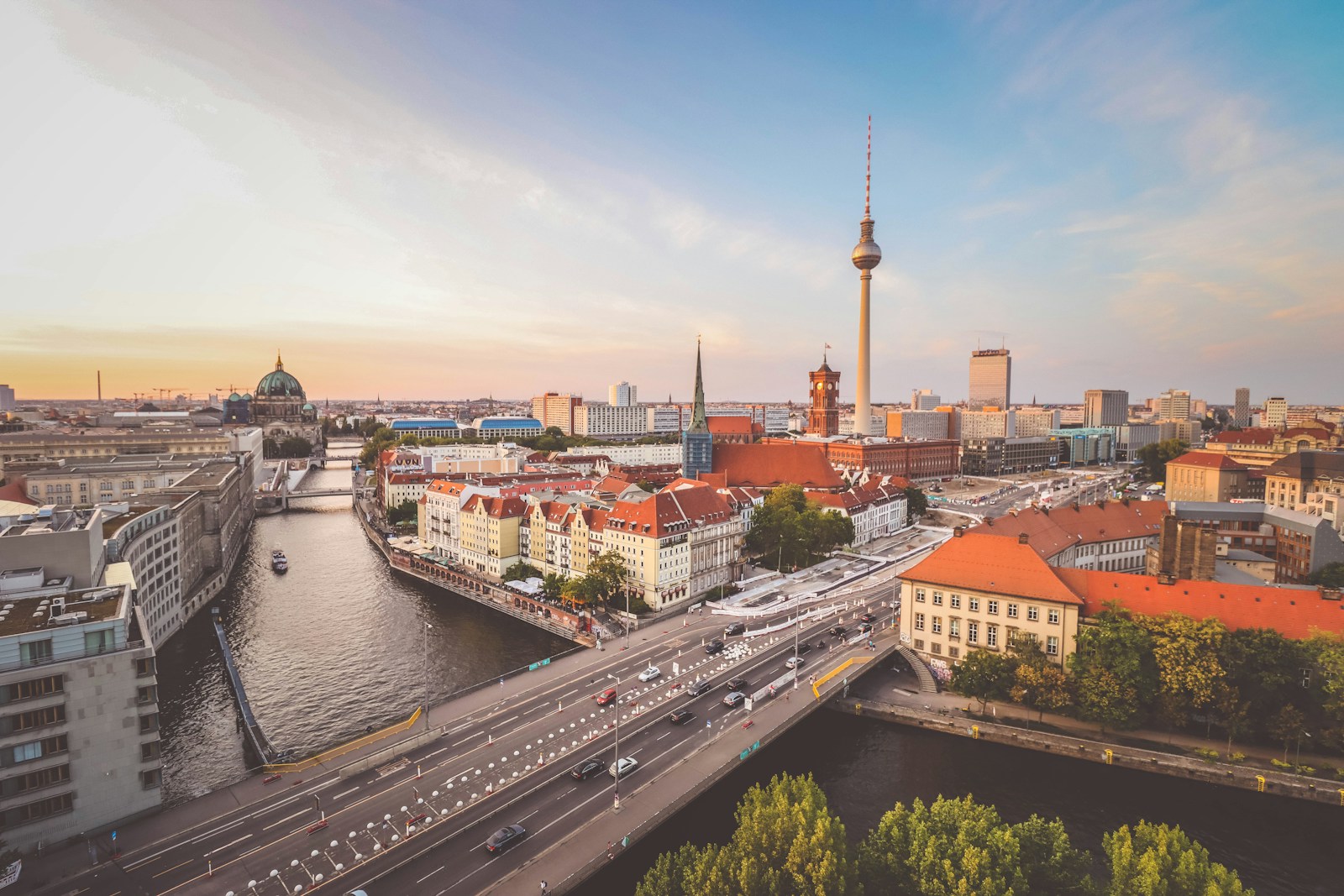
Berlin is a city that remembers, while Munich knows how to celebrate.
This 10-day Germany itinerary brings both sides of the country together. From Berlin’s Cold War history, world-class museums, street art, neighbourhood cafés, and legendary nightlife to Munich’s grand squares, Bavarian traditions, beer halls, and the unmistakable energy of Oktoberfest.
Spend the first half exploring Berlin beyond its famous landmarks, with time for local food, markets, neighbourhoods, and the stories behind the Berlin Wall. Then head south to Munich for Oktoberfest, where traditional costumes, giant beer tents, Bavarian food, fairground rides, music, and millions of visitors turn the city into one of Europe’s most memorable celebrations. With optional day trips, practical transport advice, and plenty of room to explore at your own pace, this is a first-time Germany itinerary that balances history, culture, food, and festival fun.
Where to Stay
Berlin — 5 nights
- Hotel Adlon Kempinski — landmark luxury beside Brandenburg Gate
- Hotel Indigo Berlin – Alexanderplatz — central base near transit and nightlife
- 25hours Hotel Bikini Berlin — design-forward stay overlooking Zoo and Tiergarten
Munich — 4 nights
- Hotel Torbräu — classic Old Town address near Marienplatz
- Platzl Hotel — Bavarian character steps from the Hofbräuhaus
- Hotel Bayerischer Hof — historic luxury in the city centre
Oktoberfest tip: Staying a few U-Bahn/S-Bahn stops away from Theresienwiese can be considerably more practical than paying a premium to stay immediately beside the festival.
What Is the Best Time to Visit Germany?
September to early October is ideal for this itinerary because you can combine pleasant early autumn weather in Berlin with Oktoberfest in Munich. For Oktoberfest specifically, 2026 runs from September 19 to October 4.
How Many Days Do You Need?
Ten days works well for a first trip: 4–5 days in Berlin and 4–5 days in Munich. This gives you enough time for major sights without making the trip feel rushed.
Can This Be Part of a Longer Trip?
Yes. You can easily extend the route into Austria, Switzerland, or the Rhine Valley. Salzburg is particularly easy to add from Munich if you want to continue into Austria.
Do You Need to Rent a Car?
Not for this itinerary. Berlin and Munich are both well connected by public transport, and the Berlin–Munich journey is convenient by train. A car is more useful only if you plan to explore rural Bavaria or take a road trip beyond Munich.
Oktoberfest: Good to Know
When is Oktoberfest?
Oktoberfest 2026 runs from September 19 to October 4 at Theresienwiese in Munich.
Do you need a ticket to enter Oktoberfest?
No. Entry to the main Oktoberfest grounds and beer tents is free. You pay separately for food, drinks and rides. The historic Oide Wiesn costs €4 to enter.
Do you need to reserve a beer tent?
Not necessarily. Some seats are kept available for walk-in visitors, particularly during weekdays. However, reservations are strongly recommended for larger groups, evenings and busy weekends.
What happens on opening day?
The famous O’zapft is! ceremony takes place on the first Saturday. In 2026, the mayor taps the first keg at 12 noon on September 19, officially opening the festival.
What should you wear to Oktoberfest?
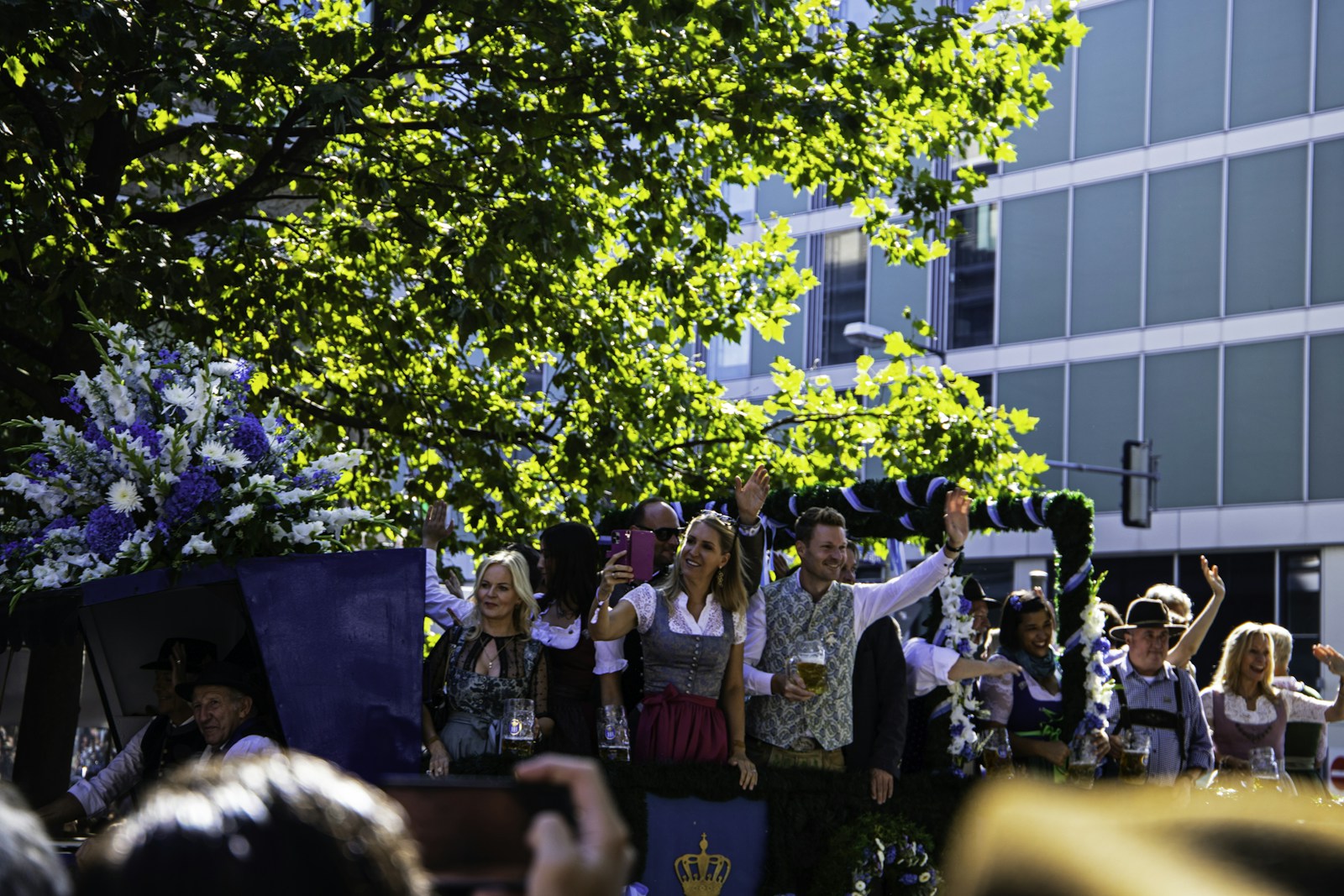
Dirndl and Lederhosen are traditional but completely optional. If you don't want to dress traditionally, normal smart-casual clothing is perfectly fine.
Is Oktoberfest family-friendly?
Yes. Oktoberfest is more than beer tents — it is also a huge traditional fairground with rides, food stalls, music and family-oriented attractions.
How much time should you spend at Oktoberfest?
Plan at least half a day, but a full day works well if you want to explore the rides, food stalls, Oide Wiesn and one or two beer tents without rushing.
Can you visit more than one beer tent?
Yes. You can explore different tents, although entering a tent can become difficult when it is full. Don't plan on moving between multiple tents during peak evening hours without a reservation.
What is a Maß?
A Maß is the traditional one-litre beer served at Oktoberfest. Pace yourself — it is considerably more than a standard pint.
Can you bring a backpack?
Large bags and backpacks are restricted because of security measures. It's best to carry only what you actually need and check the current bag rules before visiting.
What time does Oktoberfest close?
In 2026, the main festival generally closes at 11:30 PM on Sunday–Thursday, midnight on Fridays and Saturdays. Large beer tents generally stop serving beer and music earlier, around 10:30 PM.
Is Oktoberfest expensive?
Yes. Munich accommodation, food and drinks can be significantly more expensive during the festival, so book accommodation early and set aside a dedicated Oktoberfest budget.
What is Oide Wiesn?
Oide Wiesn is the traditional, nostalgic section of Oktoberfest, with historical rides, traditional entertainment and a more old-fashioned Bavarian atmosphere. It is a good choice if you want something different from the huge modern beer tents.
What are the biggest Oktoberfest events?
If you want more than the beer tents, consider the opening parade and keg tapping on September 19, the traditional costume and marksmen's parade on September 20, and the large tent-band concert on September 27 in 2026.
What is the most important Oktoberfest tip?
Don't build your entire Munich itinerary around getting into one specific tent. Go early, stay flexible, explore the fairground and Oide Wiesn, and use the official crowd barometer to choose your day and time.
Oktoberfest Practical Tips
- Weekdays are your friend: If you have flexibility, choose a weekday. It will generally be easier to move around, find seating and enjoy the festival without the extreme weekend crowds.
- Book Munich early: Oktoberfest causes accommodation demand to spike. Staying directly beside Theresienwiese is convenient but expensive; a hotel near a U3, U4, U5 or U6 station can be a smarter compromise because these lines provide convenient connections to the festival area.
- Carry cash: Don't rely entirely on cards at Oktoberfest. Bring enough cash for beer, food, rides and tips, while avoiding carrying more than you need.
- Dirndl & Lederhosen aren't mandatory: Traditional clothing makes the experience more fun, but you don't need it to enter. If you do dress traditionally, avoid extremely cheap costume-like versions. Authentic-looking clothing is preferable — or simply wear normal clothes.
- Dirndl bow etiquette: The traditional convention is that a bow tied on the left indicates single, while the right indicates taken/married. It's a fun cultural detail, but don't treat it as a strict rule everyone follows.
- Leave room for the food: Oktoberfest isn't just beer. Try pretzels, roast chicken, sausages, pork dishes and other Bavarian specialities inside or around the festival.
Oktoberfest Is More Than Beer
Oktoberfest can initially look like a giant drinking festival, but many visitors discover an important point: it's also a Bavarian cultural festival and a huge family-friendly fairground. There are traditional parades, brass bands, costumes, food stalls, rides, historical attractions and family days alongside the beer tents.
Journey Overview
| Day | Destination | Focus | Highlights |
|---|---|---|---|
| Day 1 | Berlin | Arrival & first impressions | Brandenburg Gate, Pariser Platz, relaxed evening |
| Day 2 | Berlin | History & culture | Museum Island, Berlin Cathedral, Holocaust Memorial |
| Day 3 | Berlin | Cold War history & street food | Berlin Wall Memorial, Checkpoint Charlie, East Side Gallery, Kreuzberg food |
| Day 4 | Berlin | Local Berlin | Charlottenburg Palace, Mauerpark, neighbourhoods, nightlife |
| Day 5 | Berlin | Potsdam | Sanssouci Palace |
| Day 6 | Berlin → Munich | City transfer & Old Town | High-speed train, Marienplatz, Viktualienmarkt |
| Day 7 | Munich | Oktoberfest | Theresienwiese, beer tents, Bavarian food |
| Day 8 | Munich | Munich + Oktoberfest | English Garden, Eisbach Wave, Oktoberfest, Oide Wiesn |
| Day 9 | Munich | Day trip | Neuschwanstein Castle or Dachau Memorial |
| Day 10 | Munich | Slow morning & departure | Breakfast, final walk, souvenirs, departure |
Day 1 — Arrive in Berlin & First Impressions
Stay: Berlin
Focus: Brandenburg Gate, Berlin’s historic centre, and a relaxed introduction to the city.
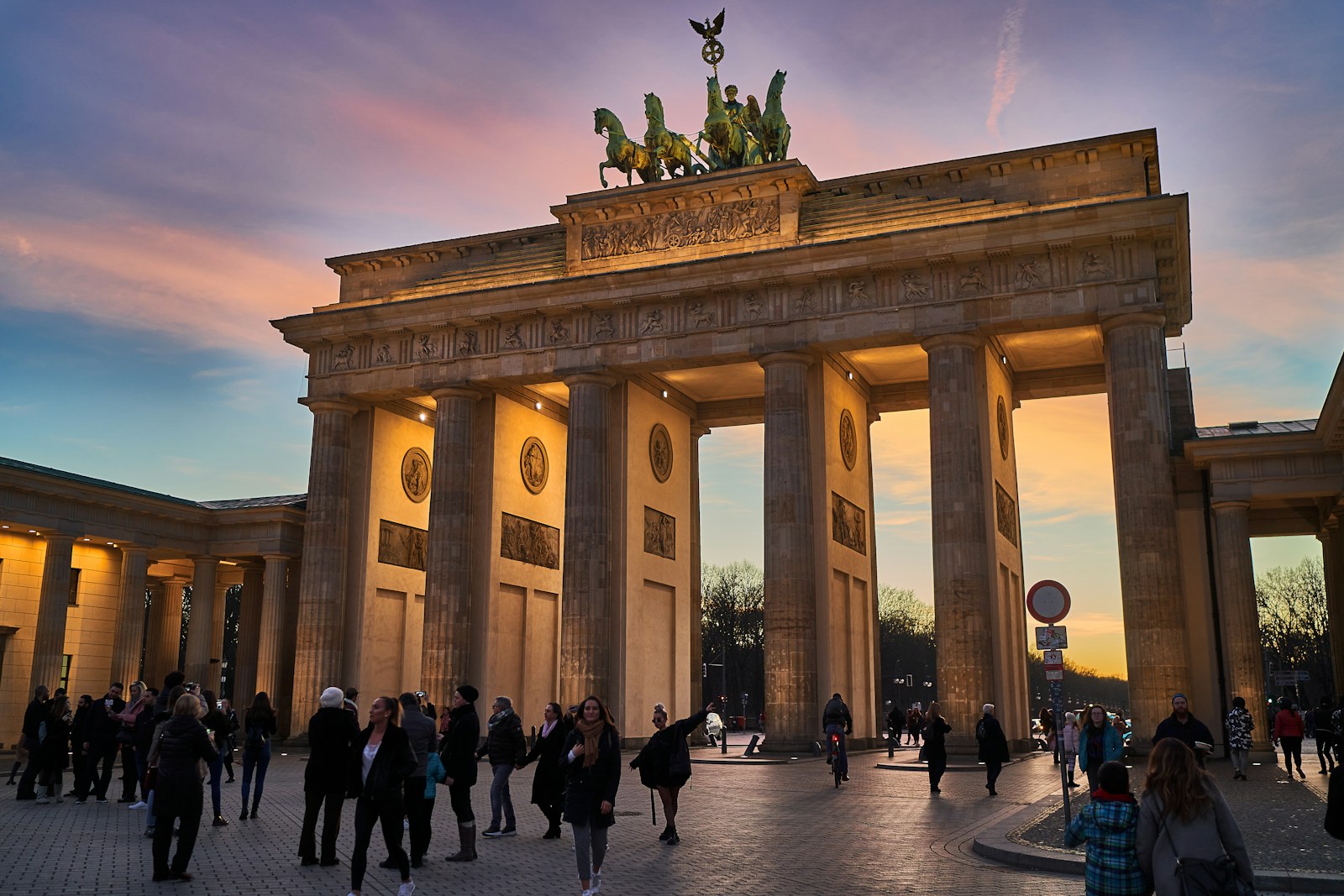
Arrive in Berlin, check into your hotel, and take some time to settle in before heading towards Brandenburg Gate. Walk through Pariser Platz and around the surrounding historic centre. If you arrive with enough time, continue towards the Reichstag and Memorial to the Murdered Jews of Europe, which are both within walking distance.
Keep your first evening relatively relaxed rather than trying to cover too much. Wander through central Berlin and try something such as currywurst, schnitzel, or a pretzel with a local beer.
Day 2 — Berlin’s History & Museum Island
Stay: Berlin
Focus: Museum Island, Berlin Cathedral and Berlin’s historic landmarks.
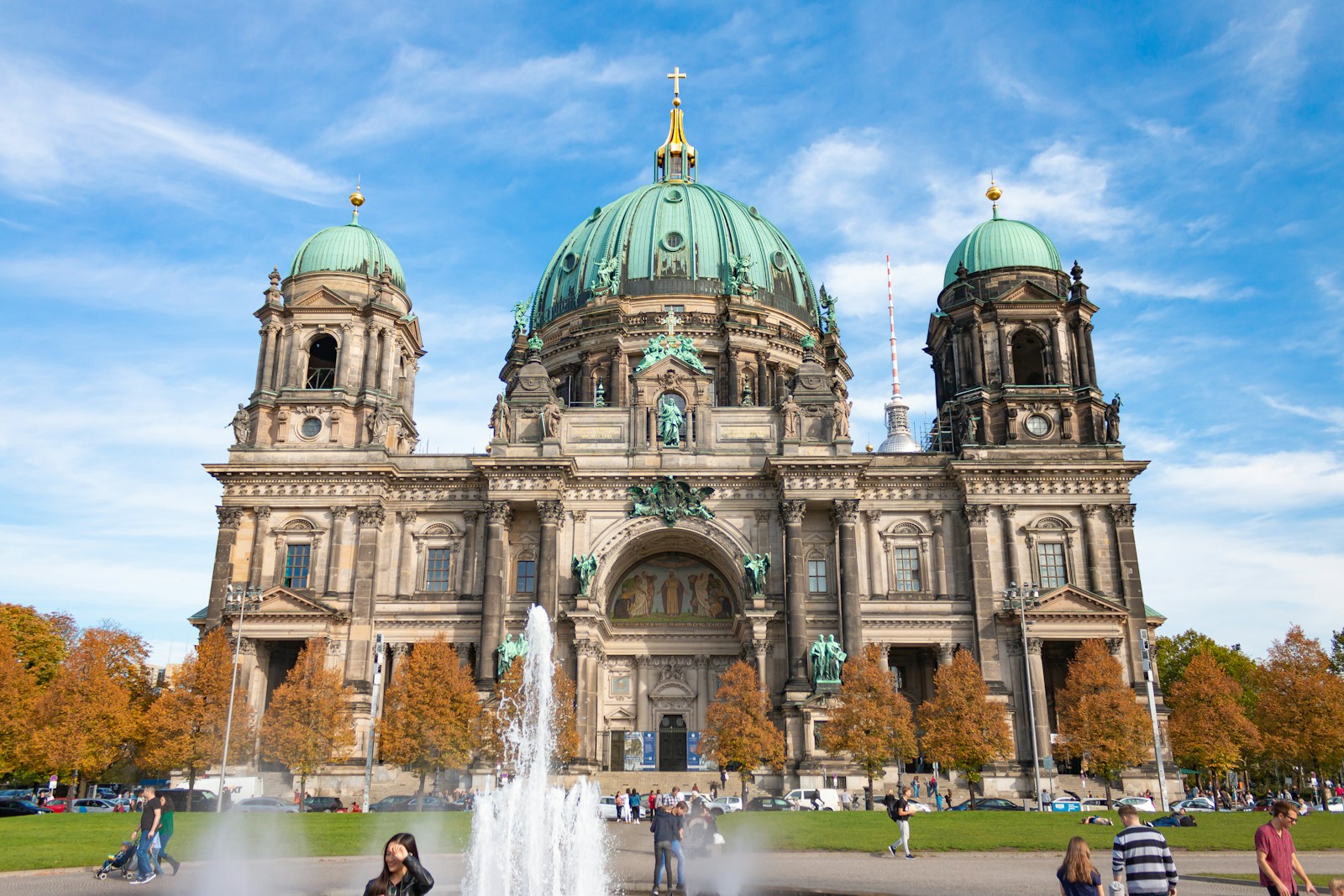
Start the day on Museum Island, a UNESCO World Heritage Site and home to several of Berlin’s most important museums. Choose one or two museums based on your interests. Continue to Berlin Cathedral (Berliner Dom), located right on the island.
In the afternoon, visit the Memorial to the Murdered Jews of Europe and spend some time exploring the surrounding historic centre. Browse the streets around Hackescher Markt, or head to a traditional German restaurant. If you want panoramic city views, you can instead visit the Berlin TV Tower around sunset.
Note: Check the official Museum Island website for museum information, opening hours and tickets: SMB Museum Island opening hours. For public transport and attractions around Berlin, see the Berlin WelcomeCard.
Day 3 — Berlin Wall, East Berlin & Kreuzberg
Stay: Berlin
Focus: Cold War history, East Side Gallery, Berlin’s street-food culture, and Kreuzberg.
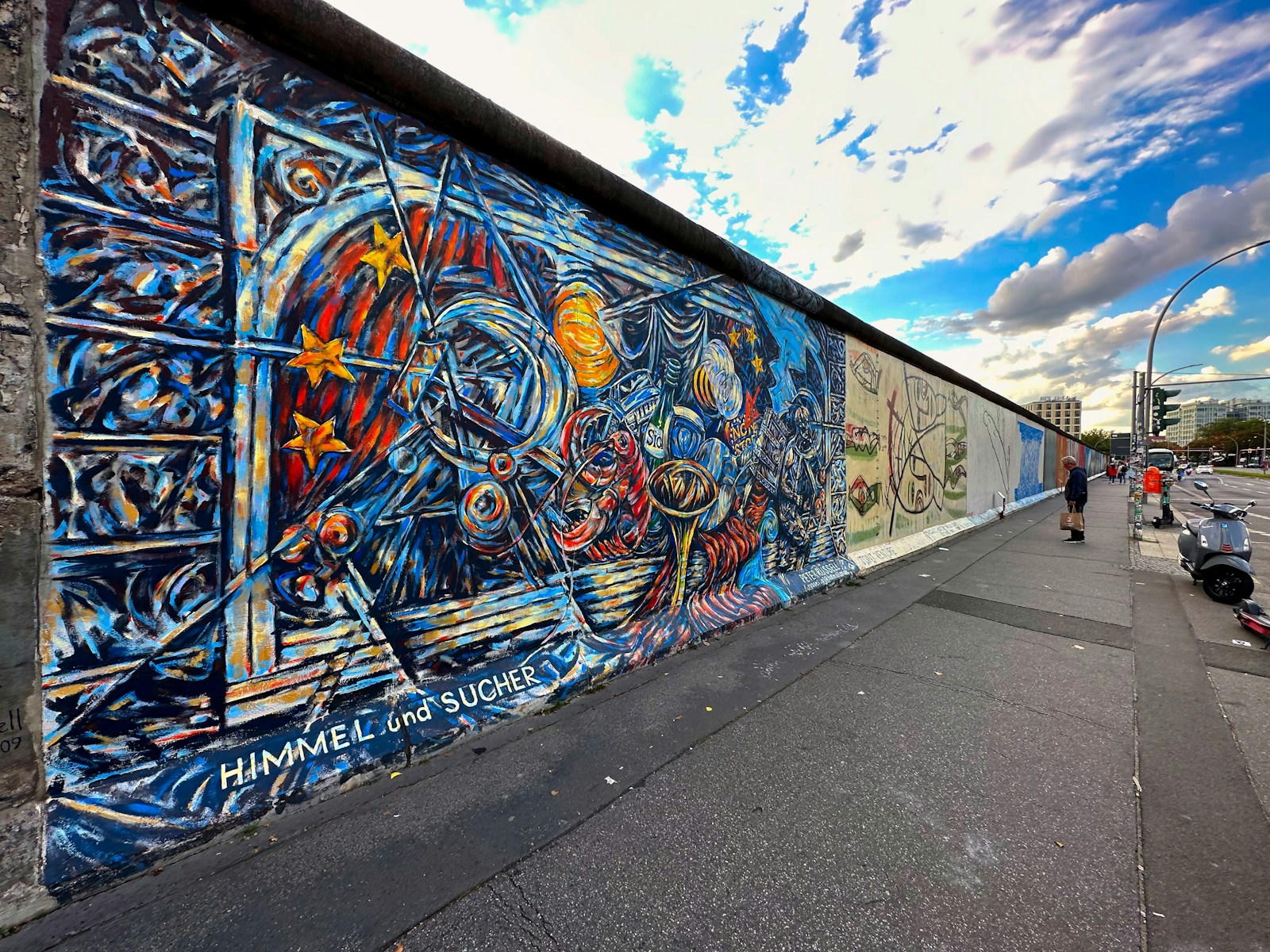
Begin at the Berlin Wall Memorial. Continue to Checkpoint Charlie, one of the former crossing points between East and West Berlin, before heading towards the East Side Gallery.
In the afternoon, make your way to Kreuzberg for one of Berlin’s best food experiences. If you're willing to queue, try the famous Mustafa’s Gemüse Kebap on Mehringdamm; the line can sometimes take an hour or more, so treat it as part of the experience rather than a quick lunch stop. Curry 36, just nearby, is another classic for currywurst, while Burgermeister offers burgers beneath the U-Bahn tracks. End the day with a relaxed walk through Kreuzberg or along the Spree.
Note: Check the official Berlin Wall Memorial website for visitor information and opening hours.
Day 4 — Charlottenburg, Local Neighbourhoods & Berlin Nightlife
Stay: Berlin
Focus: Charlottenburg Palace, local neighbourhoods, cafés, and Berlin’s famous nightlife.
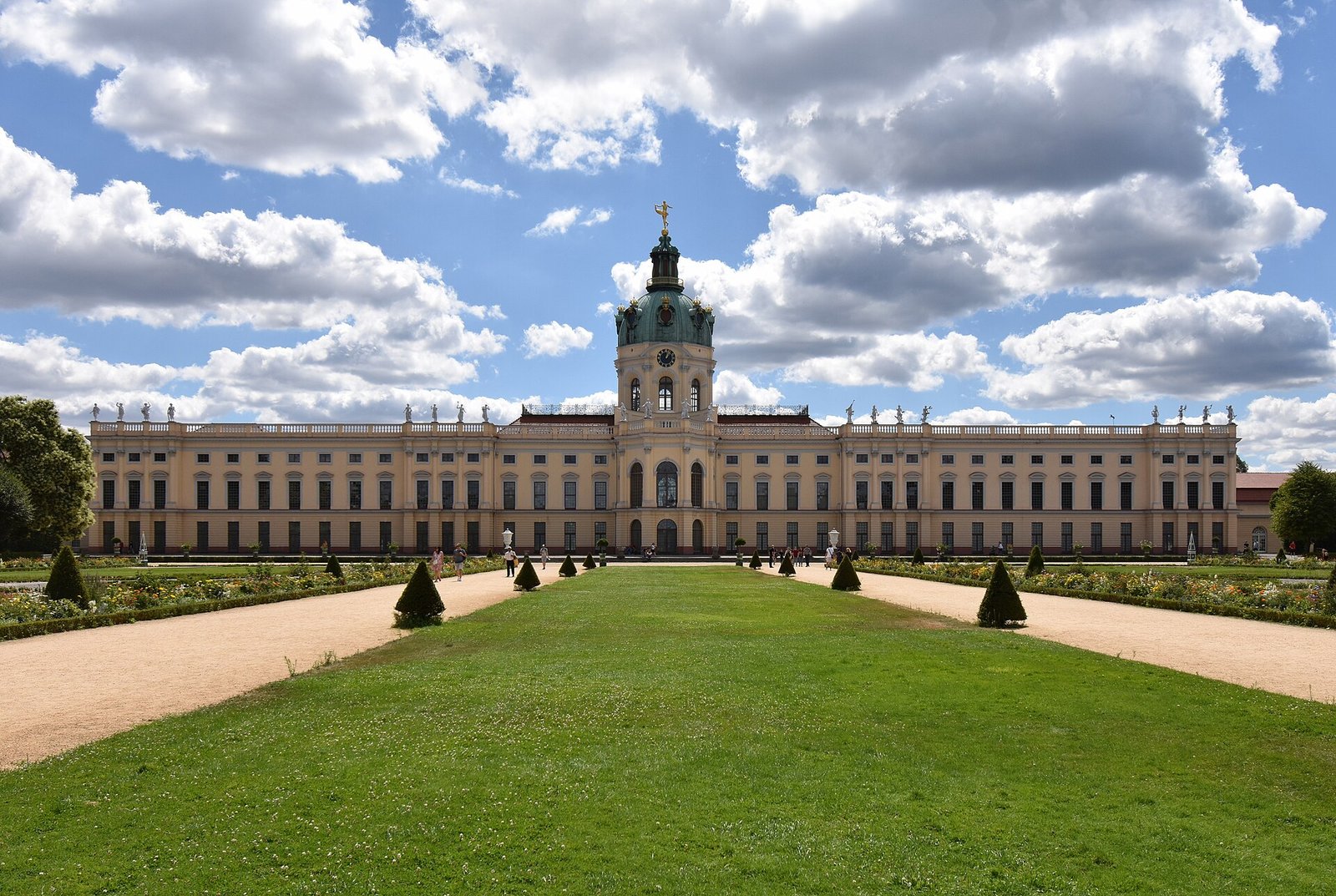
Start the day at Charlottenburg Palace, Berlin’s largest palace. If your visit falls on a Sunday, head to Mauerpark for its popular flea market and lively atmosphere. Otherwise, consider Prenzlauer Berg or Kreuzberg, where independent cafés, small shops, bars, and street art offer a feel for everyday Berlin beyond the major sights.
As evening arrives, experience Berlin’s famously diverse nightlife. Start with a traditional beer garden or local bar before exploring the city’s cocktail bars, live-music venues, or electronic-music scene. You don't need to commit to one of Berlin’s legendary clubs — the city’s Spätis, small neighbourhood shops where locals often grab drinks and snacks, can be just as fun for a casual evening.
Day 5 — Potsdam & Sanssouci Palace
Stay: Berlin
Focus: A relaxed day trip to Potsdam and Sanssouci Palace.
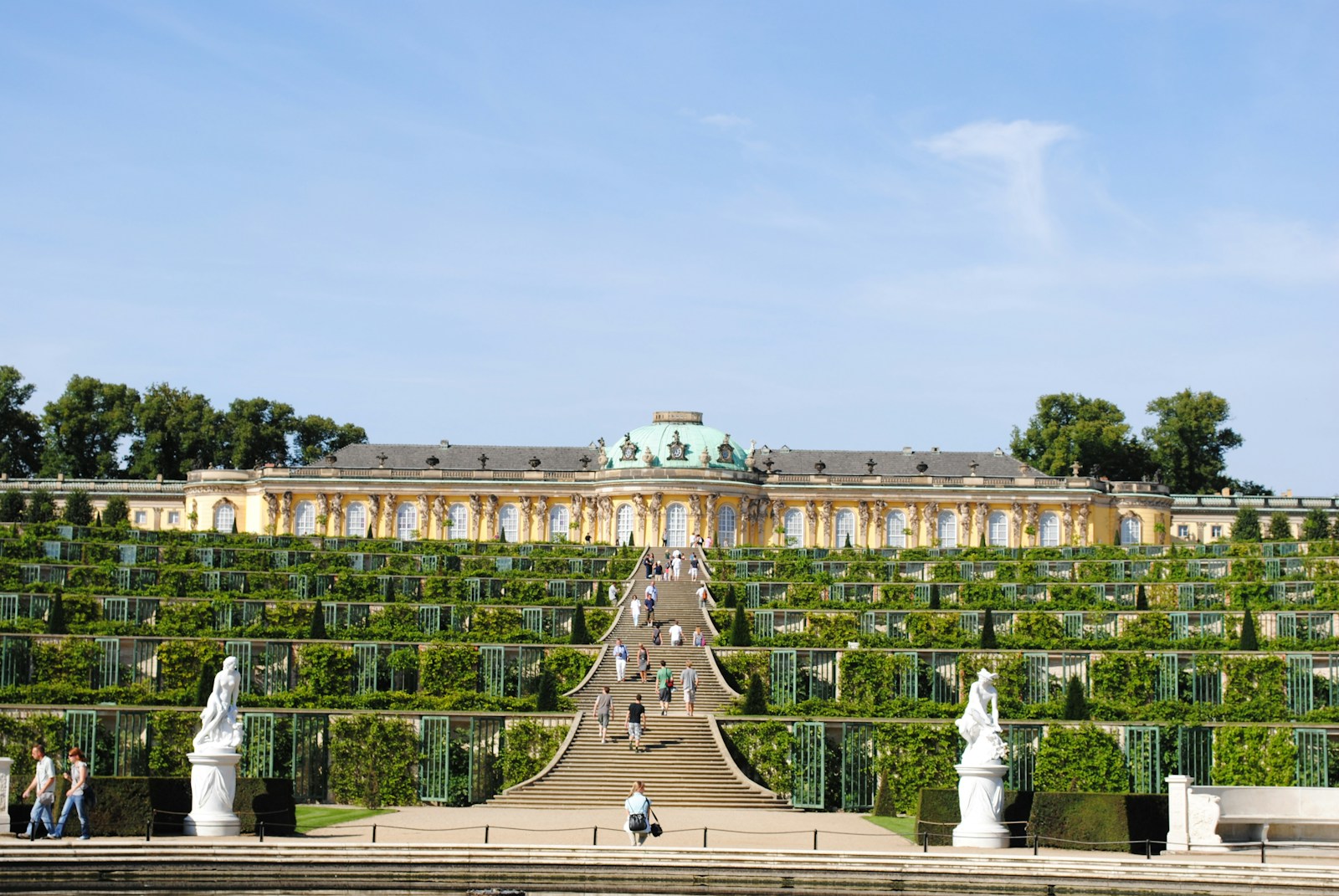
Take a short train ride from Berlin to Potsdam and spend the day exploring the beautiful Sanssouci Palace and its gardens. Walk through the palace grounds, enjoy the surrounding parks, and explore Potsdam’s charming streets before returning to Berlin in the evening.
Note: Sanssouci Palace is open Tuesday–Sunday from 10:00 AM to 5:30 PM during April–October, with fixed admission times, so plan this day accordingly and book your palace visit in advance via the SPSG Sanssouci Palace page. Check current schedules and tickets on Deutsche Bahn before travelling.
Day 6 — Berlin → Munich & Bavarian First Impressions
Stay: Munich
Focus: High-speed train to Munich, Marienplatz, Viktualienmarkt, and an easy introduction to Bavarian culture.
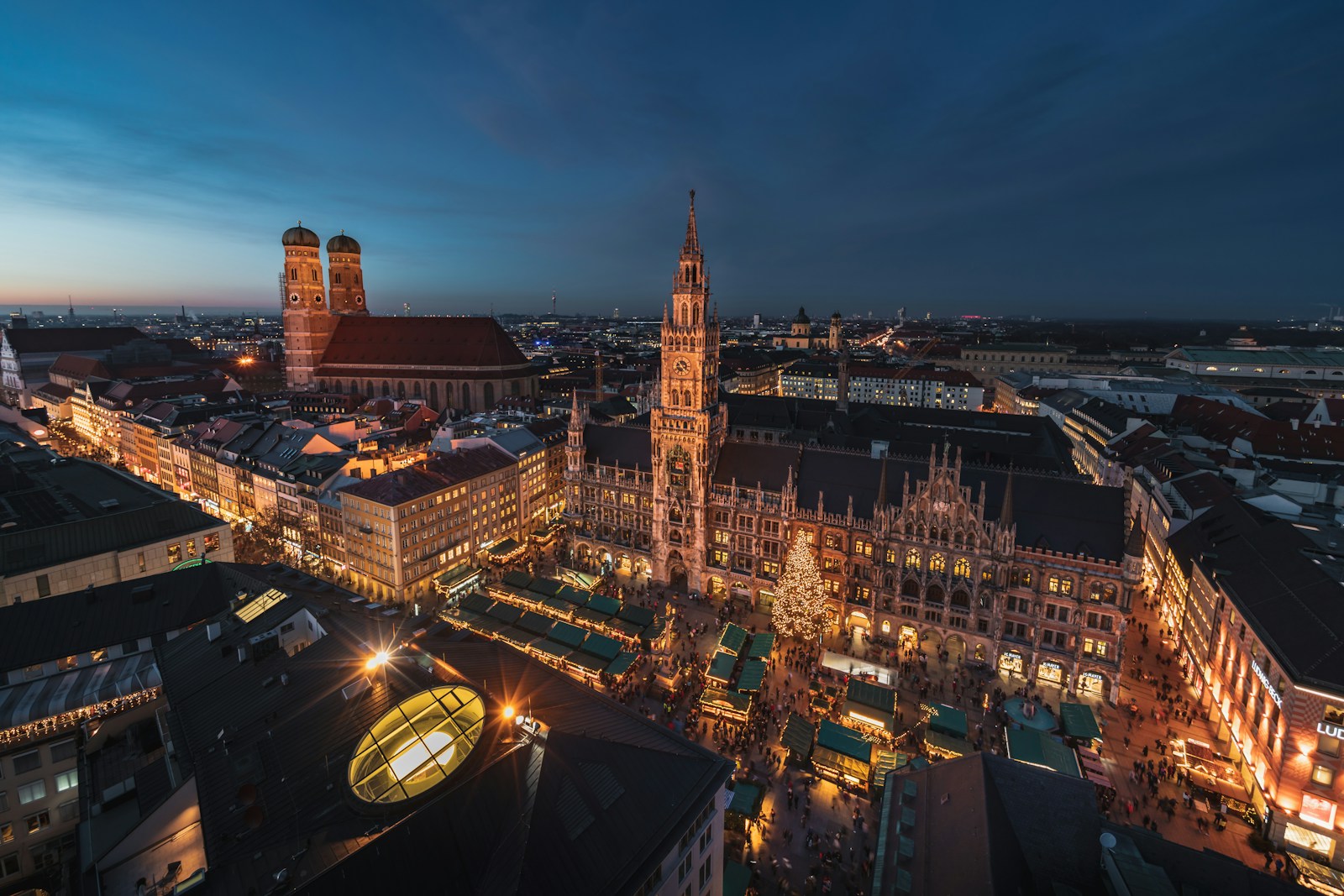
Take a morning high-speed train from Berlin to Munich. Once you're ready, head into Munich's historic centre and explore Marienplatz, home to the Neues Rathaus and its famous Glockenspiel. Continue to Frauenkirche and wander through the surrounding Old Town streets before stopping at Viktualienmarkt to sample Bavarian specialities, fresh produce, cheeses, sausages, and pastries.
Have your first traditional Bavarian dinner at a local beer hall, perhaps trying Weißwurst or Schweinshaxe. If you haven't already picked up your Oktoberfest outfit, this is also a good evening to find a Dirndl or Lederhosen — or simply stick with comfortable clothes.
Note: Compare train times and fares on Deutsche Bahn before booking.
Day 7 — Oktoberfest Experience
Stay: Munich
Focus: Bavarian traditions, Oktoberfest, beer tents, local food, fairground rides, and the festive atmosphere.
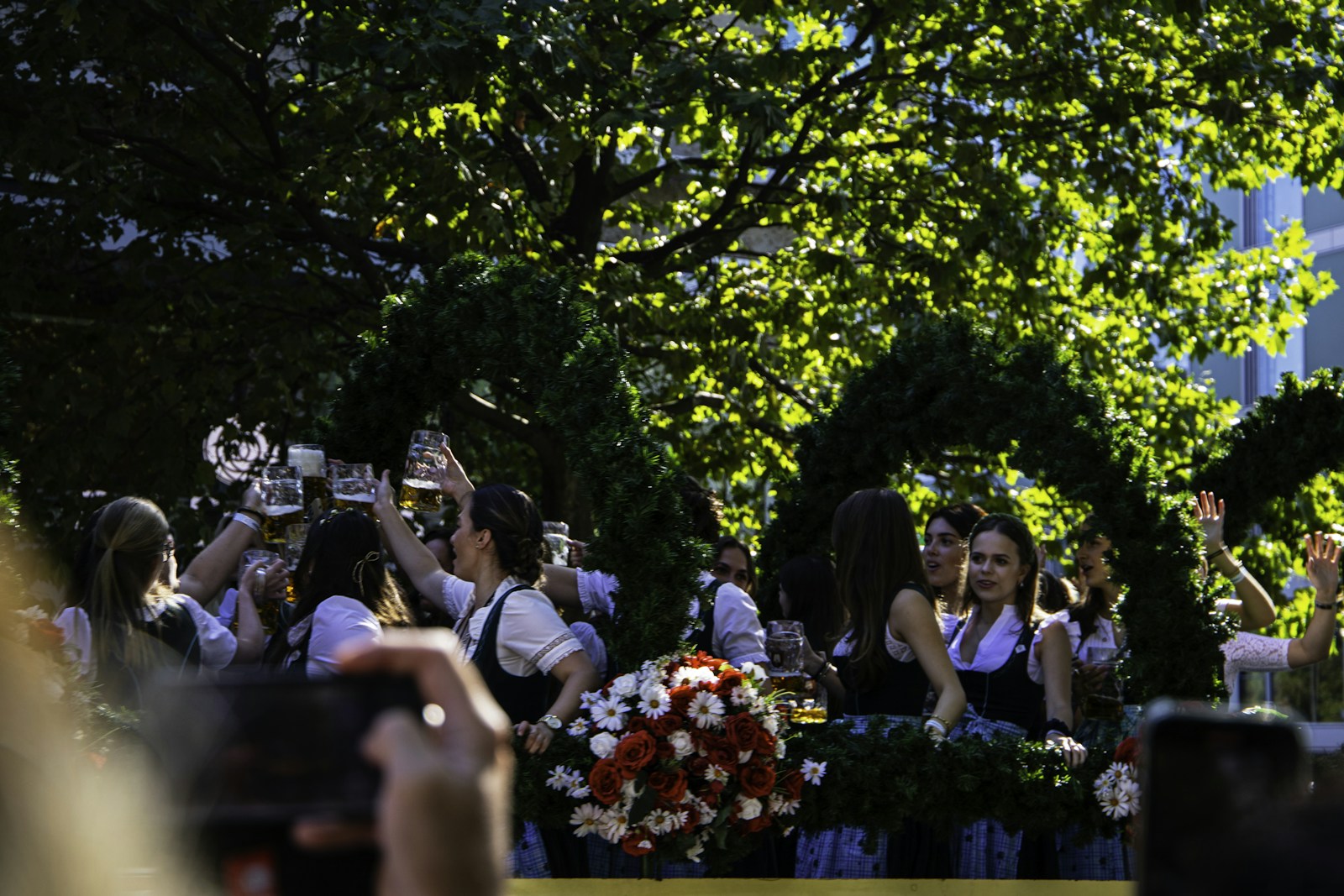
Start your morning slowly with breakfast in Munich before heading to Theresienwiese, the home of Oktoberfest. Spend some time exploring the huge fairground, traditional food stalls, rides, and different beer tents.
Spend the afternoon exploring the beer tents and trying Bavarian favourites such as pretzels, roast chicken, sausages, and other traditional dishes. Look out for Lebkuchenherzen, the decorated gingerbread hearts that make a fun souvenir, and consider visiting Oide Wiesn, the more traditional section of the festival with historic rides and Bavarian entertainment. End the evening enjoying the music and atmosphere from the benches.
Note: For larger groups or anyone wanting a particular tent, reserve a table well in advance, but reservations are not essential for simply enjoying Oktoberfest. Check the official Oktoberfest website for current tent information, events and visitor details, and for public transport to Theresienwiese.
Day 8 — Munich, English Garden & Oktoberfest
Stay: Munich
Focus: English Garden, Eisbach Wave, Munich’s local side, and a second Oktoberfest experience.
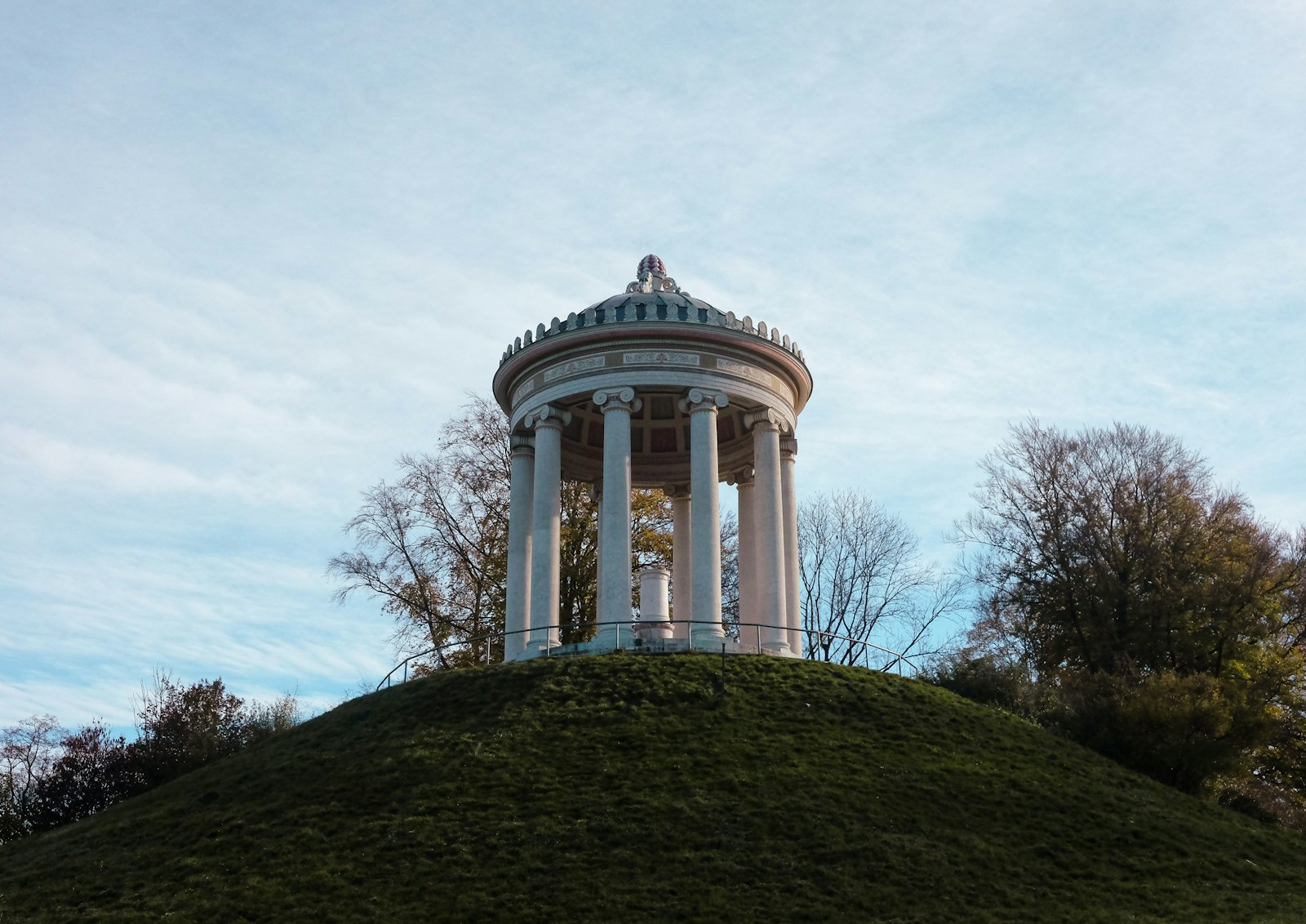
Start the day away from the crowds with a relaxed walk through the English Garden, one of Munich’s largest green spaces. Make your way to the Eisbach Wave, where experienced surfers ride a permanent river wave in the middle of the city, before continuing towards the Chinese Tower. This slower morning gives you a chance to see Munich beyond the Oktoberfest crowds.
Return to Theresienwiese in the afternoon for another Oktoberfest session, this time with more freedom to explore different tents, rides, and food stalls. Check the official visitor barometer before heading over, especially if you want to enter a beer tent without a reservation.
Note: Check the official Oktoberfest website for updated dates, events, opening hours and visitor rules.
Day 9 — Choose Your Munich Day Trip
Stay: Munich
Focus: Bavarian landscapes, history, or a taste of Austria beyond the Oktoberfest crowds.
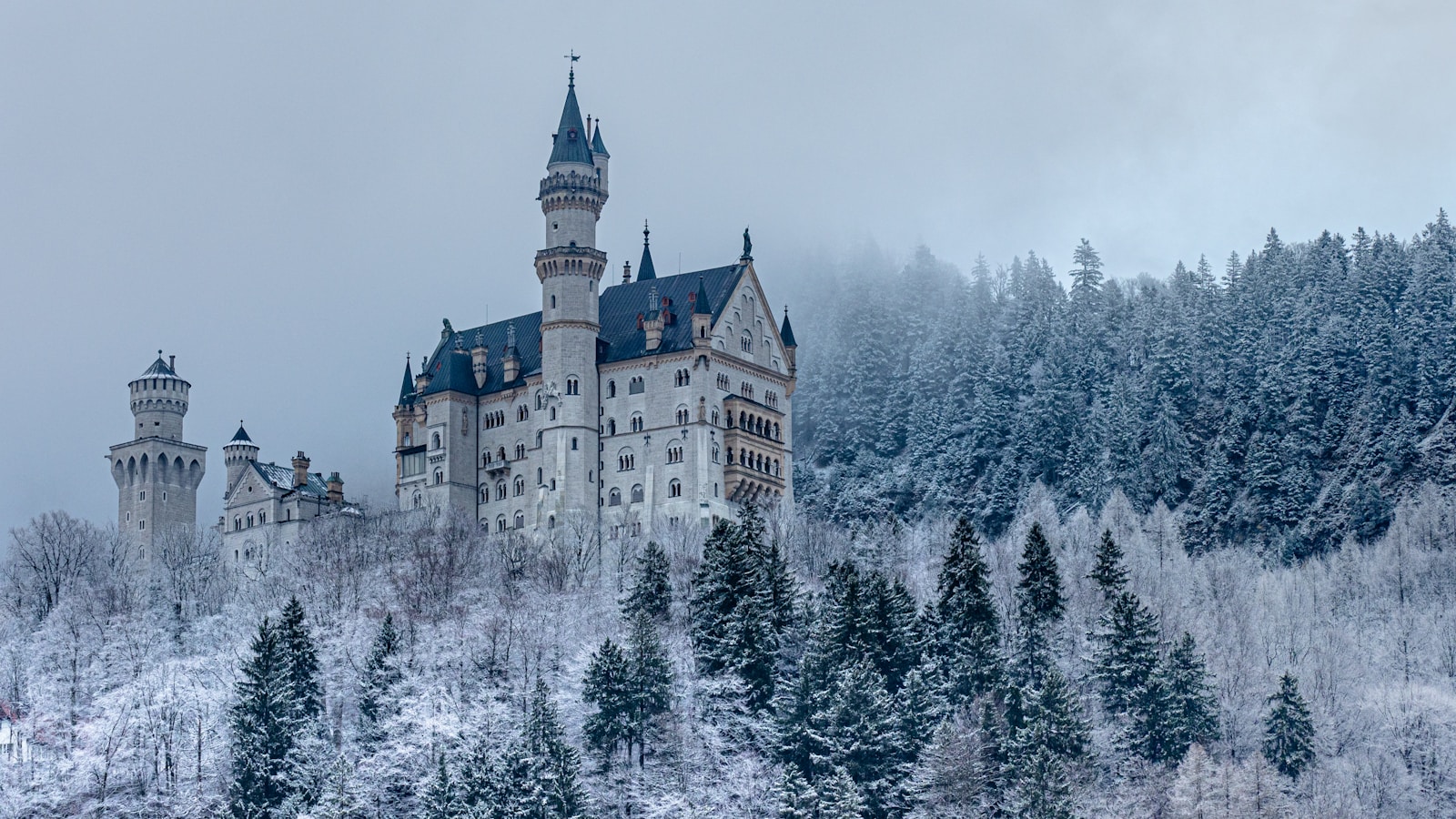
Use today for a change of pace and choose the experience that best matches your interests.
For a fairytale setting, take a day trip to Neuschwanstein Castle, surrounded by the Bavarian Alps and countryside. Arrive early if possible, as the castle and its viewpoints can become busy during Oktoberfest season.
For travellers more interested in Germany's history, choose a visit to Dachau Memorial for a quieter and more reflective day.
Note: Check visitor information and tickets for Neuschwanstein Castle. For the Salzburg alternative see Salzburg.info. For the Dachau Memorial alternative see the Dachau Memorial Site.
Day 10 — Slow Morning in Munich & Departure
Focus: Final Bavarian breakfast, last-minute exploring, souvenirs, and departure.
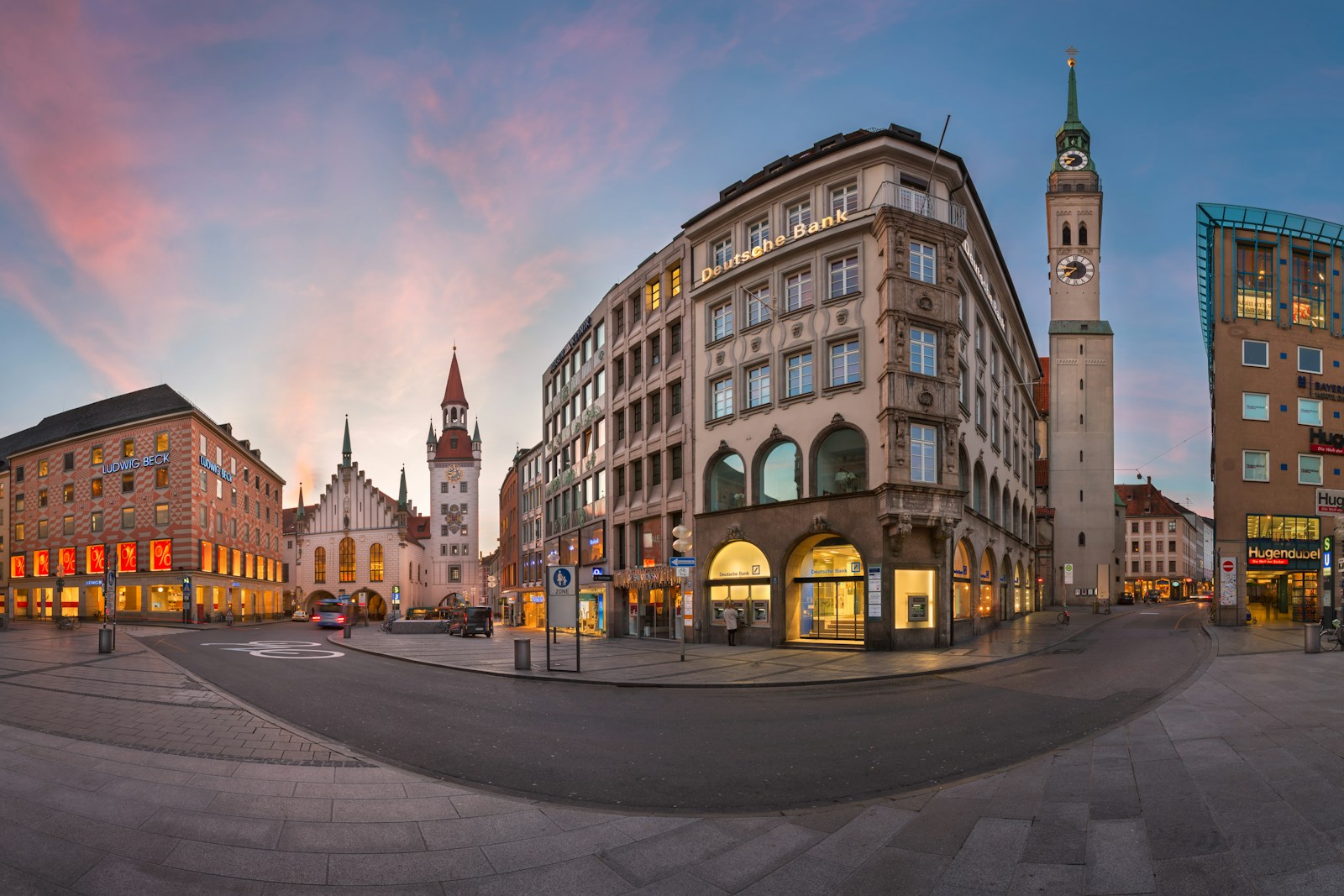
Keep your final morning slow after several busy days. Start with a traditional Bavarian breakfast, then take one last walk through Marienplatz, Viktualienmarkt, or the Old Town to pick up souvenirs and enjoy the atmosphere. Leave enough time for the journey and airport procedures, particularly during the busy Oktoberfest period.
Estimated Budget
Costs vary with season, Oktoberfest demand, hotel choice and how often you eat at restaurants. Approximate totals for this 10-day itinerary (excluding international flights):
- Budget: Around €1,500–€2,200 per person. Budget-friendly accommodation, public transport, casual meals, and a limited number of paid attractions.
- Mid-range: Around €2,500–€3,600 per person, with comfortable hotels, restaurant meals, more attractions, Oktoberfest spending, and a day trip.
- Comfortable: €4,000+ per person, especially if choosing premium hotels in Munich, frequent restaurants, reserved Oktoberfest tables, and higher-end experiences.
Useful Booking & Travel Links
Berlin
Munich & Oktoberfest
Prompts to Try in Honge
- Plan a 5-day Berlin itinerary focused on history, local neighbourhoods, street food, and nightlife, with a relaxed pace and minimal backtracking.
- I’m visiting Munich during Oktoberfest. Build me a practical 3-day plan covering the best beer tents, Bavarian food, local traditions, and the best times to visit to avoid peak crowds.
- Extend my Germany itinerary into a 14-day trip by adding Salzburg, Neuschwanstein Castle, and another scenic destination, while keeping travel days manageable.
- Personalise this Germany trip for my budget, travel dates, interests, and preferred accommodation style, and suggest where I can save money without missing the key experiences.
FAQs
Is Oktoberfest worth planning a Germany trip around?
Yes, especially if you enjoy festivals, Bavarian food, traditional music, and beer culture. Just expect higher accommodation prices and larger crowds during the festival.
Can you visit Oktoberfest without drinking?
Absolutely. Oktoberfest is also a huge fairground with traditional food, music, rides, parades, games, and family-friendly attractions.
How do you get from Berlin to Munich?
The high-speed train is the easiest option for most travellers, connecting the city centres without the extra airport transfers involved with flying.
What are the best day trips from Munich?
Neuschwanstein Castle is best for scenery and fairytale architecture, Salzburg for adding Austria to your trip, and Dachau Memorial for an important historical experience.
Is Berlin expensive?
Berlin can be managed on a range of budgets. Accommodation and dining can vary considerably, while many major attractions and outdoor experiences are free or relatively inexpensive.
Is Munich more expensive during Oktoberfest?
Yes. Hotel prices and demand can increase significantly during Oktoberfest, making early booking one of the most important ways to control your budget.
How much cash should you carry at Oktoberfest?
Carry enough euros for food, drinks, rides, and tips, as cash remains useful at the festival. Avoid carrying your entire travel budget with you.
Plan Your Germany Adventure
Start with this itinerary in Honge, then personalise it to match your travel style, budget, and interests. Adjust your time in Berlin, choose your preferred Oktoberfest experience, add day trips to Neuschwanstein or Salzburg, discover more local food and neighbourhoods, and build your perfect Germany city and festival getaway.
Ready to make it yours?
Plan this trip in Honge
Customise Berlin nights, Oktoberfest days, and your Munich day-trip choices.
Related itineraries
- 7 Days in the Dolomites: The Ultimate Italian Alps Road Trip
- 7-Day Czech Republic Itinerary: Prague, Kutná Hora & Český Krumlov
- 10-Day Budapest to Vienna Road Trip: Balaton, Hallstatt & Salzburg
- 7-Day Finnish Lapland Itinerary: Sauna, Snow & Northern Lights
- 10-Day Philippines Island-Hopping Itinerary: El Nido, Coron & Bohol
- 10-Day Sri Lanka Itinerary: Beaches, Tea Country & Wildlife Safari
- 7-Day Tuscany Luxury Itinerary: Florence, Chianti & Val d'Orcia
Written by
This blog was contributed by Sheba M, a travel enthusiast and writer. Sheba can be reached at shebaranjitha@gmail.com.
About Honge
Honge is an AI travel planning platform focused on practical, experience-led itineraries with realistic pacing and logistics. All blog content is edited and published by Honge. Our Germany and Oktoberfest research draws on updated practical logistics as of August 2026. © Honge. All rights reserved.
Image credits: Photos are sourced from Unsplash and Wikimedia Commons. Copyright remains with their respective photographers and rights holders. Unsplash images are used according to the Unsplash License. Wikimedia Commons images are used according to their applicable CC BY-SA 4.0 license terms.
Travel disclaimer
This itinerary is intended as general travel inspiration and planning guidance only — not as personalised travel advice. Conditions change. Before you travel, check the current entry requirements, visa rules, and any travel advisories issued by your government for Germany. Review festival dates, crowd and security rules for Oktoberfest at Theresienwiese, train and local transit schedules for Berlin and Munich, museum and palace opening hours, day-trip operator inclusions, memorial-site visitor guidance, and hotel check-in times on your specific dates directly with operators and official sources such as Visit Berlin, Munich Tourism, Deutsche Bahn, and the official Oktoberfest website, and take out comprehensive travel insurance that covers medical, cancellation, and travel disruption. Festival conditions, tent access, and prices can change year to year. Honge is not responsible for any changes to conditions, services, or experiences described in this article after the date of publication.