
Start with this itinerary
Open this route in Honge as your starting point, then shape the days, stays, and pace around how you travel.
For millions of readers and film lovers, Harry Potter has always been more than a story. It's a world.
A world where hidden platforms exist inside ordinary railway stations, ancient castles become schools of magic, owls deliver life-changing letters and the Scottish Highlands transform into landscapes where steam trains carry young witches and wizards towards Hogwarts.
The most magical part about this land is that so much of this magical world exists in real life. Across Britain, you'll find medieval streets that feel as though Diagon Alley could appear around the next corner, libraries that inspired Hogwarts, dramatic glens where the Hogwarts Express still crosses towering viaducts, and cities whose quiet cafés once became the birthplace of one of literature's most beloved series.
This itinerary is about experiencing the places where imagination and reality overlap. Some locations appeared directly in the films. Others inspired characters, settings and moments that eventually became part of the Wizarding World. And a few simply possess an atmosphere so wonderfully magical that they feel as though they belong in the pages of the books, even if they never officially did.
Whether you've read every novel multiple times, watched every film more than you can count or simply enjoy Britain's history, architecture and landscapes, this journey offers something genuinely special. You'll begin in London, where hidden corners of the capital quietly reveal connections to Diagon Alley, the Ministry of Magic and Platform 9¾. From there, the route continues to Oxford's magnificent colleges, York's medieval streets, Edinburgh's literary landmarks and finally into the Scottish Highlands, where Britain's most spectacular scenery provides the unforgettable finale.
Sadly, no Hogwarts acceptance letter will arrive during this trip. But for seven magical days, Britain comes remarkably close.
Why Britain Feels Like the Real Wizarding World
One of the reasons Harry Potter continues to resonate with readers decades after its publication is because the magical world never feels entirely separate from reality. Magic exists alongside ordinary life. Diagon Alley hides behind an ordinary London pub. Platform 9¾ sits inside one of Britain's busiest railway stations. Hogwarts itself seems wonderfully isolated, yet the landscapes surrounding it feel entirely believable because they are.
Centuries-old universities, medieval streets, Gothic cathedrals, dramatic castles and mist-covered mountains already possess an atmosphere that requires very little imagination to become magical. Rather than inventing every location from scratch, the books and films drew upon places that already existed, allowing readers to feel that perhaps the Wizarding World might still be hidden somewhere just beyond view.
Is Seven Days Enough?
Seven days provides an excellent introduction because it balances Britain's major Harry Potter locations without making the journey feel rushed. The itinerary allows enough time to enjoy London's famous landmarks before gradually moving north through Oxford and York towards Scotland, where the landscapes become increasingly dramatic.
Could you spend longer? Absolutely. Harry Potter fans could easily devote two weeks to exploring additional filming locations across Britain. However, for first-time visitors or travellers combining literary tourism with a broader holiday, one week creates an enjoyable rhythm. Each destination introduces a different chapter of the story, gradually building towards the Scottish Highlands, where the journey reaches its most cinematic conclusion.
Like any good novel, the ending deserves to feel earned.
Journey Overview
| Day | Destination | Magical Highlights |
|---|---|---|
| 1 | London | Platform 9¾, Leadenhall Market, Millennium Bridge |
| 2 | Oxford | Christ Church, Bodleian Library, Divinity School |
| 3 | York | The Shambles, York Minster, medieval streets |
| 4 | Edinburgh | Victoria Street, Greyfriars, literary inspirations |
| 5 | Fort William & Glenfinnan | Jacobite Steam Train, Glenfinnan Viaduct |
| 6 | Scottish Highlands | Glencoe, Loch Shiel, Highland landscapes |
| 7 | Highlands & Departure | Scenic exploration before returning south |
When Is the Best Time to Visit?
Britain is beautiful throughout the year, but every season creates a noticeably different atmosphere for this itinerary.
Spring (April to early June) is one of the loveliest times to travel. Gardens burst into colour, temperatures become pleasantly mild and the longer daylight hours allow plenty of time to explore without feeling rushed. Popular attractions are generally quieter than during the height of summer, making this an excellent season for photography and relaxed sightseeing.
Summer (June through August) offers the longest days and the greatest flexibility for exploring the Highlands. The Jacobite Steam Train operates during this period, and the surrounding landscapes are at their greenest. However, this is also Britain's busiest travel season, so booking accommodation and train tickets well in advance is essential.
Autumn transforms much of the route into something remarkably atmospheric. Oxford's colleges become surrounded by golden leaves, Edinburgh feels even more literary beneath crisp skies and the Scottish Highlands develop rich autumn colours that seem perfectly suited to the Wizarding World. For many travellers, September and October provide the ideal balance between pleasant weather and fewer crowds.
Winter creates perhaps the most cinematic atmosphere of all. Frost-covered castles, misty valleys and festive Christmas markets add another layer of magic, particularly in Edinburgh and London. While shorter daylight hours require more careful planning, the quieter streets often make Britain's historic cities feel wonderfully timeless.
Whichever season you choose, pack for changing weather. British skies have a habit of surprising even the best-prepared travellers. As Hermione would almost certainly advise, it's always better to be prepared than caught without the right spell — or, in this case, a waterproof jacket.
Getting Around Britain
One of the greatest strengths of this itinerary is that it follows Britain's excellent transport network. The journey between London, Oxford, York and Edinburgh is easily completed by train, allowing travellers to relax while enjoying some of England's most scenic countryside. Advance bookings usually offer significantly lower fares, particularly during busy travel periods.
The only section where a rental car becomes particularly worthwhile is the Scottish Highlands. While organised tours operate from Edinburgh and Fort William, having your own vehicle allows far greater flexibility. Scenic viewpoints, quiet lochs and hidden walking trails are rarely visited on strict tour schedules, and some of the Highlands' greatest moments happen unexpectedly while driving between destinations. If you would rather avoid driving altogether, combining trains with a Jacobite Steam Train excursion still creates a memorable experience.
No broomstick licence required.
How Much Should You Budget?
The cost of this journey depends largely on your travel style rather than the destinations themselves. Britain certainly isn't the cheapest country in Europe, but thoughtful planning can make the itinerary surprisingly manageable.
Travellers staying in boutique guesthouses, using advance rail tickets and dining in traditional pubs rather than fine-dining restaurants can comfortably experience this route without excessive spending. Those wishing to stay in historic hotels, ride first class aboard the Jacobite Steam Train or include luxury countryside accommodation should naturally expect a higher budget.
The one experience worth booking well in advance is the Jacobite Steam Train. Seats often sell out months before departure, particularly during summer. If crossing the Glenfinnan Viaduct aboard the famous steam train is one of your reasons for planning this trip, don't leave reservations until the last minute.
Photography Tips for Capturing the Magic
This itinerary offers extraordinary photographic opportunities, but timing often matters more than expensive equipment.
- London's filming locations are most enjoyable early in the morning before large crowds arrive, while Leadenhall Market becomes particularly beautiful as soft natural light filters through its Victorian roof.
- York is perhaps most magical shortly after sunrise or during the evening, when the narrow medieval streets feel calmer and the warm glow of shop windows transforms The Shambles into something wonderfully atmospheric.
- Edinburgh often reveals its character through changing weather. Low clouds drifting around the castle or sunlight breaking through after rain frequently produce more memorable photographs than cloudless skies.
- The Scottish Highlands seem to reinvent themselves every few minutes. Mist, sunshine, rainbows and dramatic cloud formations can all appear within the same afternoon. As every landscape photographer quickly learns, patience is often rewarded with something far more magical than careful planning.
Visualising the Journey
Imagine the route unfolding like the Hogwarts Express itself. It begins amid the busy platforms and hidden magical corners of London before travelling through the scholarly grandeur of Oxford, the medieval charm of York and the literary heart of Edinburgh. Then, the landscape changes. Stone cities give way to towering mountains, shimmering lochs and sweeping valleys where steam trains still cross one of the world's most famous railway viaducts.
If London introduces the Wizarding World, the Highlands make you believe it truly exists. By the final days of the journey, it's remarkably easy to understand why the films chose Scotland as the home of Hogwarts.
Who Will Love This Itinerary?
Although this route has been designed with Harry Potter fans in mind, its appeal extends far beyond the Wizarding World. History lovers will appreciate Britain's medieval architecture, ancient universities and remarkable castles. Literature enthusiasts will enjoy tracing the creative influences that helped shape one of the world's most successful book series. Photographers will discover landscapes that change dramatically from London's historic streets to Scotland's rugged mountains, while families will find plenty of opportunities to balance sightseeing with moments of genuine wonder.
Perhaps most importantly, this itinerary doesn't require encyclopaedic Harry Potter knowledge to enjoy it. Even travellers who simply appreciate beautiful places, compelling stories and thoughtfully planned journeys will find themselves captivated by Britain's remarkable ability to blur the line between history and imagination.
Over the next seven days, you'll discover that sometimes those stories lead to very real places.
London & Oxford: Where Every Magical Journey Begins
If there is one place where a Harry Potter pilgrimage has to begin, it is London. The British capital isn't simply where Harry first discovered the Wizarding World — it is where the magical and the ordinary exist side by side. Busy railway stations hide secret platforms, Victorian markets transform into magical shopping streets, and familiar bridges suddenly become scenes from one of the darkest moments in the films. The beauty of London is that you don't have to search very hard for magic. Much like Harry's own first journey, it often appears where you least expect it.
Day 1: London — From Platform 9¾ to Diagon Alley
Begin your magical journey in London by visiting Platform 9¾, Leadenhall Market, the Millennium Bridge and other iconic Harry Potter filming locations while discovering how the Wizarding World quietly blends into everyday city life. The day ends with a relaxed evening exploring historic streets, riverside walks or traditional British pubs.
Pace: Easy to Moderate
London has always played an important role in the Harry Potter universe. It is the gateway between the Muggle world and the Wizarding World, where Harry first steps through the entrance to the Leaky Cauldron, boards the Hogwarts Express and gradually discovers that magic has existed around him all along. The wonderful thing about exploring Harry Potter locations in London is that many of them are woven into the city's everyday life. Office workers hurry past buildings that appeared in the films, commuters cross bridges where Death Eaters once attacked, and tourists unknowingly walk through locations that millions of fans instantly recognise.
Morning: King's Cross Station & Platform 9¾
There is no better way to begin this itinerary than at King's Cross Station. Even travellers who have never read the books usually recognise the famous luggage trolley disappearing into the brick wall beneath the Platform 9¾ sign. For Harry Potter fans, however, this is much more than a photo opportunity. It marks the beginning of every school year.
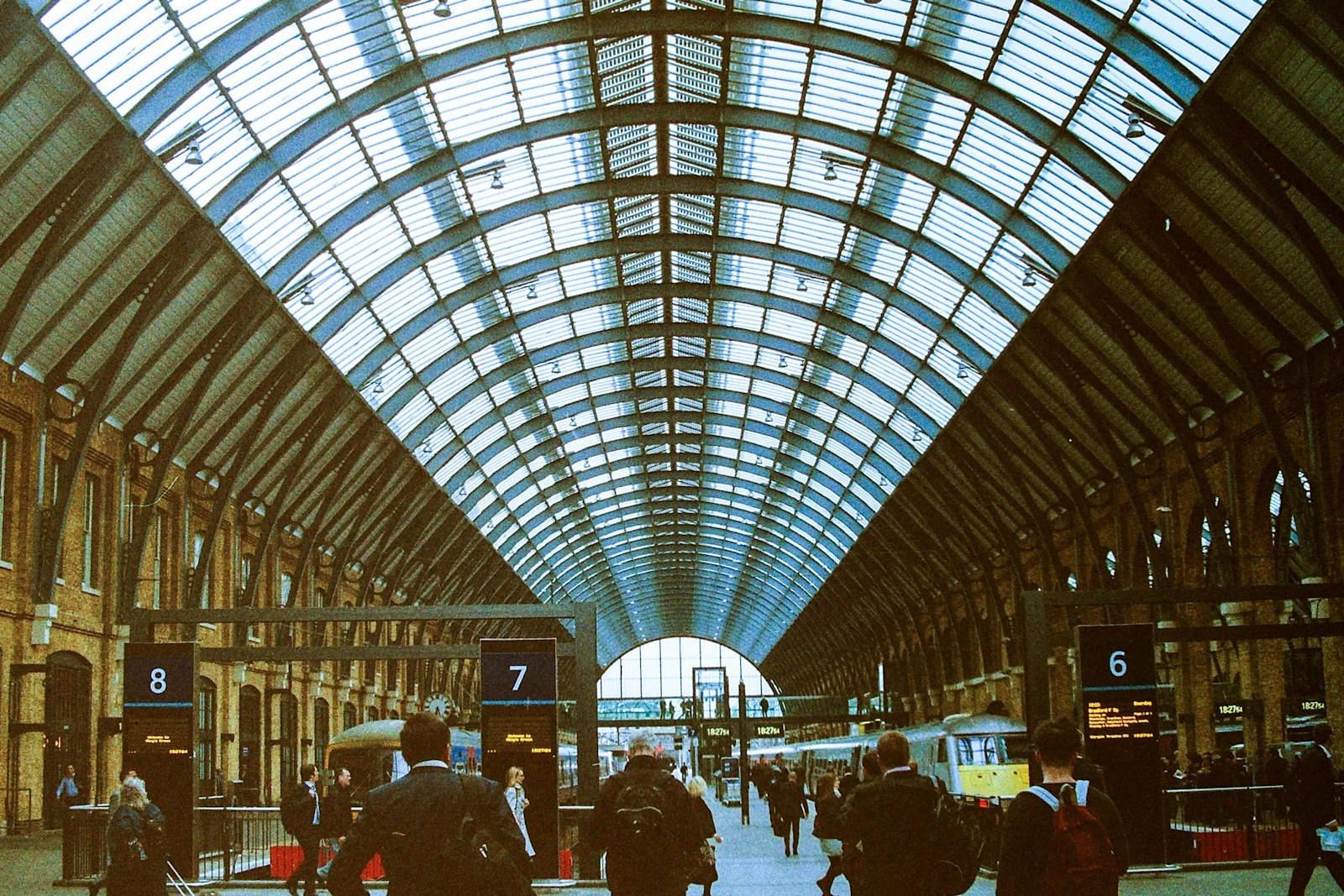
Standing here, it's almost impossible not to picture Harry nervously searching for the hidden platform before Molly Weasley calmly explains the secret that changes his life forever. The recreated Platform 9¾ installation has become one of London's most photographed attractions, complete with the famous trolley, Hogwarts trunks and scarves representing each Hogwarts House. Arriving early in the morning is highly recommended, as queues become considerably longer throughout the day.
Immediately beside the photo area is the Harry Potter Shop at Platform 9¾, one of the best places in Britain to browse official Wizarding World merchandise. Unlike many souvenir stores, the shop feels thoughtfully designed, with wand displays, Hogwarts robes, stationery, house-themed collections and countless small details that make it feel like an extension of the magical world rather than simply another retail space. Even if you aren't planning to buy anything, it's worth stepping inside for the atmosphere alone. After all, every witch and wizard needs supplies before heading to Hogwarts.
Late Morning: Leadenhall Market — London's Hidden Diagon Alley
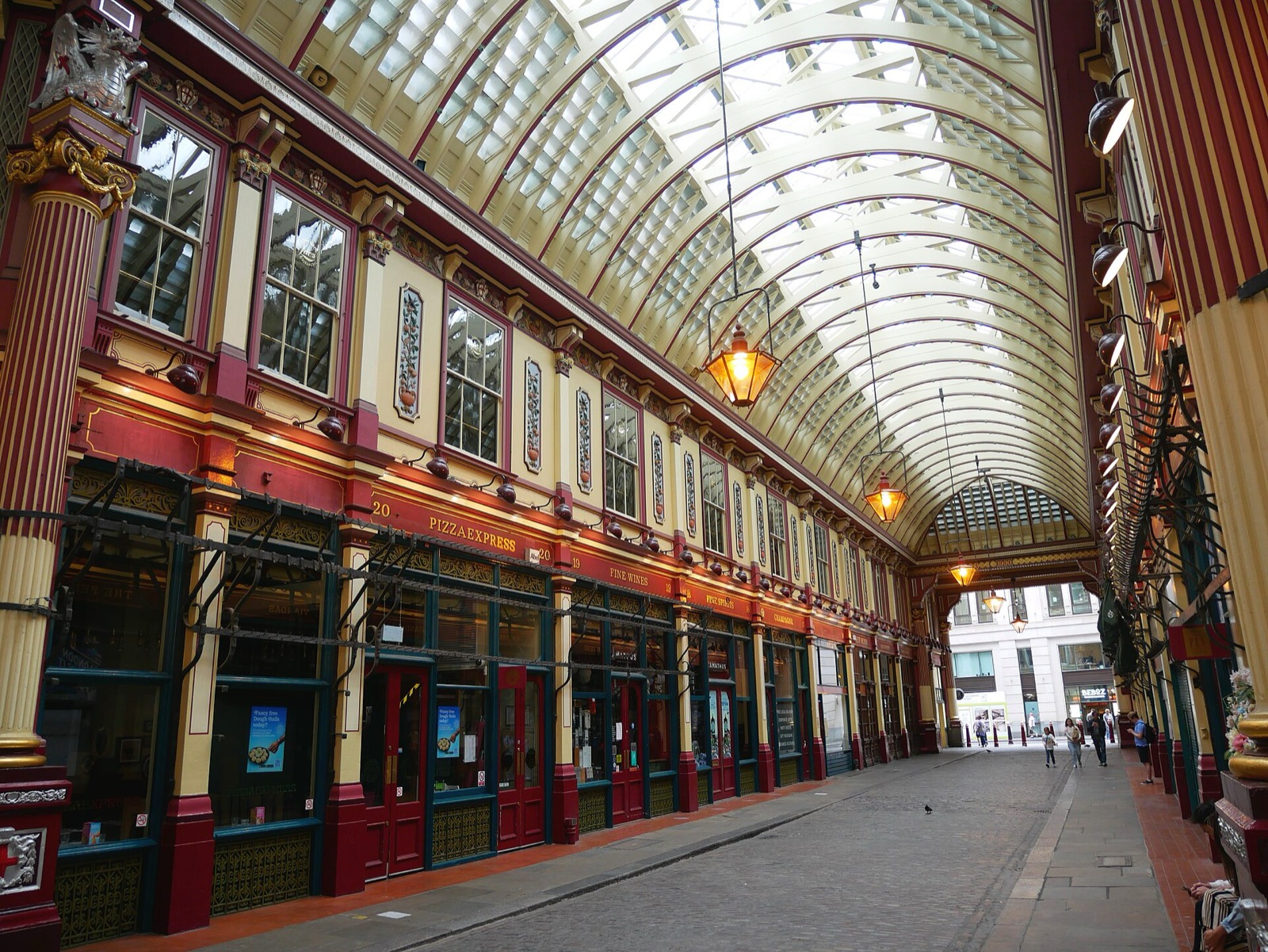
Leaving King's Cross behind, make your way towards the City of London and one of the capital's most beautiful Victorian markets. Leadenhall Market is instantly recognisable to film fans as one of the filming locations used for Diagon Alley in Harry Potter and the Philosopher's Stone. The entrance to the Leaky Cauldron was filmed here, tucked beneath the market's elegant arches and colourful façades.
Even visitors who don't remember the exact scene usually find themselves slowing down as they wander beneath the ornate painted roof. Unlike purpose-built film sets, Leadenhall Market possesses genuine history. Dating back centuries, it has served London as a marketplace long before Harry Potter ever existed, and that authenticity is precisely what gives it such a magical quality.
.jpg)
Visit during the morning if possible, when the crowds are lighter and the market retains a peaceful atmosphere before office workers fill the surrounding streets. As you stroll through the elegant arcades, don't be surprised if your imagination begins filling the shop windows with broomsticks, spell books and owl cages instead of cafés and boutiques.
Unlike in Harry Potter, where going to Slytherin is treated as a mark of darkness, fortunately everyone is welcome here — regardless of House.
Lunch: A Traditional London Pub
After a morning exploring magical London, take time to enjoy lunch at one of the traditional pubs surrounding Leadenhall Market or nearby Borough. Rather than rushing between attractions, embrace the slower rhythm that makes Britain's historic cities so enjoyable. Order a classic fish and chips, steak and ale pie or a Sunday roast if you're visiting at the weekend and simply enjoy the atmosphere. One of the recurring themes throughout the Harry Potter series is that some of the most important conversations happen around a shared meal.
Afternoon: Millennium Bridge & St Paul's Cathedral
The afternoon shifts towards one of the darker chapters of the Harry Potter films. Crossing the Millennium Bridge today feels perfectly ordinary — glass railings frame spectacular views across the River Thames, modern architecture surrounds the riverbanks and pedestrians stroll calmly between the City of London and Tate Modern. Harry Potter fans, however, remember it very differently. In Harry Potter and the Half-Blood Prince, Death Eaters violently destroy the bridge during the opening sequence, signalling that Voldemort's influence has begun spreading into the Muggle world.
Standing here today, with St Paul's Cathedral rising proudly nearby, it's fascinating to compare the peaceful reality with the dramatic cinematic version. From the Thames, continue towards Piccadilly Circus, another location that appears briefly in Harry Potter and the Deathly Hallows – Part 1. This is where Harry, Ron and Hermione suddenly Apparate into the middle of London's busy streets after escaping Bill and Fleur's wedding. Unlike many Harry Potter filming locations, Piccadilly Circus isn't magical because of elaborate scenery — it's magical because it reminds us that the Wizarding World has always existed alongside ordinary London.
A Stop at House of MinaLima
Before finishing the day, Harry Potter fans should make time for one of London's most delightful hidden gems. House of MinaLima celebrates the extraordinary graphic design created for the Harry Potter and Fantastic Beasts films by Miraphora Mina and Eduardo Lima. Inside, visitors can browse original artwork, newspapers from the Wizarding World, magical maps, Hogwarts acceptance letters and countless props that helped bring the films to life. Unlike a conventional museum, the gallery feels wonderfully creative and immersive — one of those places where every room seems to reward careful observation, rather like studying the Marauder's Map.
Optional Extension: Warner Bros. Studio Tour London
Many Harry Potter itineraries attempt to squeeze the Warner Bros. Studio Tour into a busy day exploring central London. The studio tour deserves far more than a rushed afternoon. If your schedule allows, consider adding an extra day before beginning this itinerary or extending your stay in London afterwards. From the Great Hall and the Forbidden Forest to Diagon Alley, Gringotts Wizarding Bank and the original Hogwarts Express, the studio tour offers one of the most comprehensive behind-the-scenes experiences available anywhere in the world.
Think of it as an optional chapter rather than a compulsory stop. Check official tickets and opening hours at the Warner Bros. Studio Tour.
Evening: London After Dark
As evening falls, slow your pace. Walk beside the Thames, admire London's illuminated skyline or settle into a cosy restaurant before tomorrow's train journey.
Day 2: Oxford — Walking Through the Halls of Hogwarts
Travel to Oxford to walk through the magnificent colleges, libraries and cloisters that inspired and appeared as Hogwarts, taking time to appreciate the city's remarkable academic history and timeless atmosphere. Later, continue north by train to York, where medieval streets set the scene for the next chapter of the adventure.
Pace: Moderate
If London introduces the Wizarding World, Oxford reveals where Hogwarts began to take shape. Less than an hour by train from London, Oxford is home to one of the oldest universities in the English-speaking world. Its magnificent colleges, vaulted halls, cloisters and libraries possess an atmosphere so timeless that it's easy to understand why filmmakers repeatedly chose them when bringing Hogwarts to life.
Whether or not every building was directly connected to Harry Potter becomes almost irrelevant once you begin walking through the city. The stone courtyards, ivy-covered walls and echoing corridors seem perfectly suited to a school where portraits talk, staircases move and lessons involve spells rather than mathematics. As Hermione might remind us, books and cleverness have always been central to Hogwarts. There is perhaps no better place to celebrate that spirit than Oxford.
Morning: Christ Church College
Begin your Oxford exploration at Christ Church College, undoubtedly one of the city's most famous Harry Potter locations. The magnificent staircase leading towards the Great Hall appeared in Harry Potter and the Philosopher's Stone, where Professor McGonagall first welcomes Harry, Ron and Hermione to Hogwarts.
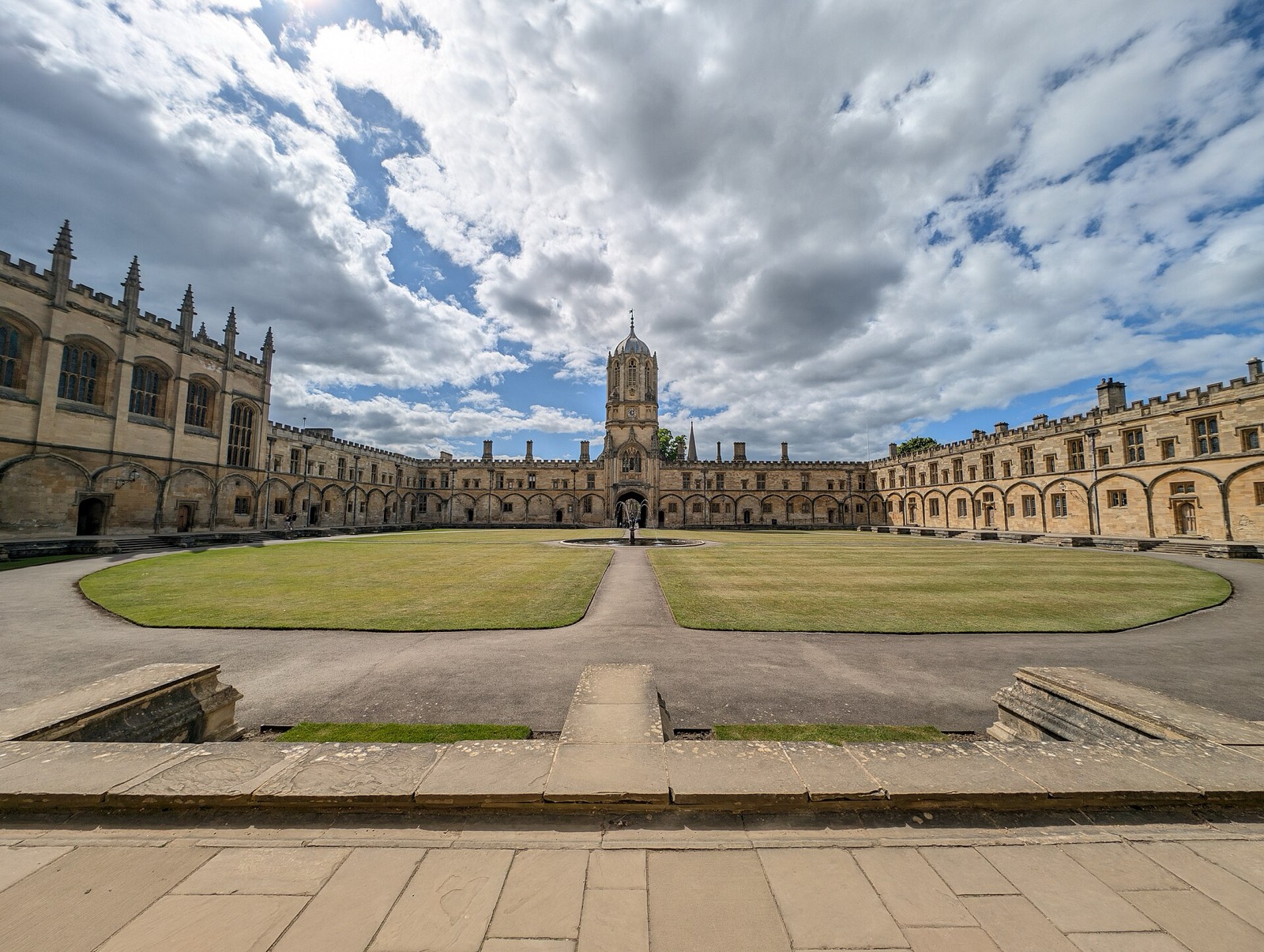

Standing here today feels remarkably familiar. Even visitors who haven't watched the films for years often recognise the elegant stone staircase immediately. Although the Great Hall itself was not used directly for filming, its spectacular architecture inspired the design of Hogwarts' iconic dining hall, complete with soaring ceilings, long dining tables and an atmosphere that perfectly captures centuries of academic tradition. Check visitor information and tickets at Christ Church.
The Bodleian Library: Hogwarts' Ancient Library Comes to Life
A short walk from Christ Church brings you to one of Britain's greatest academic treasures. The Bodleian Library is one of the oldest libraries in Europe, housing millions of books and manuscripts collected over several centuries. While much of the library remains an active academic institution, certain areas can be explored on guided tours — and Harry Potter fans will immediately recognise why they feel so familiar.
The library's medieval interiors became part of Hogwarts in several films, lending authenticity to scenes where students hurried between lessons or searched for forgotten magical knowledge. High vaulted ceilings, carved wooden shelves and centuries-old reading rooms create the impression that every book holds a secret waiting to be discovered. Guided tours and visitor details are available via the Bodleian Libraries.
Divinity School: Hogwarts Infirmary and More
Connected to the Bodleian is the magnificent Divinity School, arguably one of Oxford's most recognisable Harry Potter filming locations. Its spectacular fan-vaulted ceiling immediately captures your attention. The stone seems almost impossibly delicate, creating patterns that appear more like lace than architecture. Sunlight filtering through the tall windows only adds to the illusion that magic might genuinely exist here.
The Divinity School served as Hogwarts' infirmary in several scenes, including moments where Harry recovered after encounters that rarely ended according to plan. Walking through the hall today, it's remarkably easy to imagine Madam Pomfrey moving briskly between enchanted beds while worried professors discuss the latest crisis unfolding somewhere within the castle. What makes this location especially memorable isn't simply recognising it from the films — it's appreciated that the building itself dates back to the fifteenth century. Reality, once again, proves every bit as impressive as fiction.
New College Cloisters: Where Draco Met Mad-Eye Moody
Before leaving Oxford, make time for New College, another location chosen by the filmmakers for its wonderfully atmospheric cloisters. Harry Potter fans may recognise these corridors from Harry Potter and the Goblet of Fire, particularly the memorable scene in which Draco Malfoy is unexpectedly transformed into a ferret by Professor Moody — who was, of course, not quite who everyone believed him to be.
Even without remembering the exact scene, the cloisters are worth exploring. Stone archways frame peaceful gardens, ivy climbs ancient walls and the quiet atmosphere encourages visitors to linger rather than hurry. Pause in a quiet courtyard, listen to chapel bells echo across the colleges and imagine what it might have been like if your acceptance letter had arrived from Hogwarts instead of Oxford University.
An Afternoon Wandering Oxford
Once you've visited the major Harry Potter locations, resist the temptation to rush back to the station. Browse independent bookshops, stop for coffee in one of the city's historic cafés or simply wander the narrow streets connecting the colleges. Oxford's atmosphere encourages imagination in much the same way the books do. Later in the afternoon, board a train north towards York. The journey takes around three hours, offering changing landscapes that gradually replace southern England's gentle countryside with the historic heart of northern Britain. Arriving in York during the evening is ideal — the city becomes wonderfully atmospheric after many day visitors have left, and its softly illuminated medieval streets hint at the magic waiting for tomorrow.
Day 3: York — Wandering Streets That Feel Like Diagon Alley
Spend the day wandering York's beautifully preserved medieval streets, exploring The Shambles, York Minster and hidden alleys that evoke the spirit of Diagon Alley before taking an evening train to Edinburgh. It's a slower day that celebrates Britain's rich history as much as its magical connections.
Pace: Easy
Whether or not The Shambles directly inspired Diagon Alley has been debated for years. J.K. Rowling has never confirmed it as a specific inspiration, and it's important not to present it as established fact. Yet the moment you step into York's most famous medieval street, the discussion almost becomes irrelevant — because it simply feels magical. Narrow timber-framed buildings lean towards one another across the cobbled lane, colourful shopfronts spill onto the pavement and upper floors appear to tilt at impossible angles, as though centuries of history have gradually nudged them closer together. If someone told you Ollivanders was hidden just around the next corner, you probably wouldn't question it. York doesn't imitate the Wizarding World. It naturally evokes it.
Morning: The Shambles
Begin the day early before the narrow street becomes crowded. The Shambles dates back to the medieval period and remains one of Britain's best-preserved historic streets. Once occupied by butcher shops, it has gradually transformed into a charming collection of independent boutiques, cafés and specialty stores. Several shops now celebrate Harry Potter directly, selling wands, robes, magical sweets and themed souvenirs.
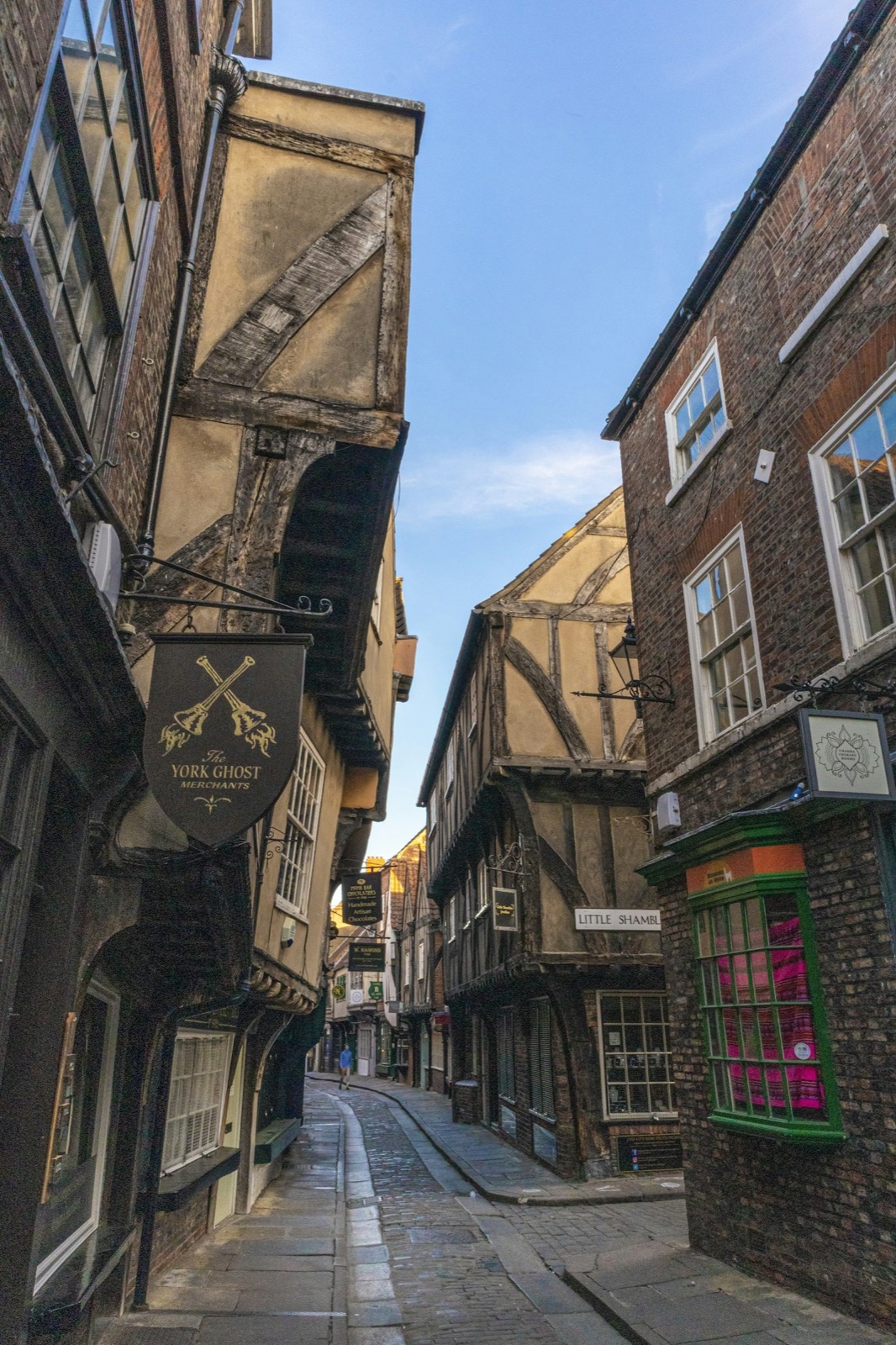
While these themed shops are relatively recent, they fit surprisingly comfortably within the street's centuries-old surroundings. Spend time exploring slowly rather than simply photographing the entrance. Look upwards. Notice the uneven rooflines, carved timber beams and tiny architectural details that have survived for hundreds of years. Like Diagon Alley, The Shambles rewards curiosity.
York Minster: Grandeur Worthy of Hogwarts
A short walk brings you to York Minster, one of the greatest Gothic cathedrals in Europe. Although it has no direct Harry Potter connection, it perfectly demonstrates why Britain became such fertile ground for magical storytelling. Towering stained-glass windows flood the interior with coloured light, soaring stone columns disappear into intricate vaulted ceilings and every corner carries centuries of history. Standing inside, it's easy to imagine Professor McGonagall leading first-year students towards another grand ceremony beneath similarly magnificent architecture. Visitor information is available at York Minster.
In many ways, places like York Minster helped create the language through which the Wizarding World became believable.
An Afternoon of Medieval York
The remainder of the afternoon is best spent without a strict itinerary. Walk along York's remarkably preserved city walls, browse independent bookshops, visit small museums or simply lose yourself among the winding medieval lanes. York possesses an atmosphere that encourages wandering — every narrow alley seems to lead somewhere unexpected, every hidden courtyard feels capable of revealing another secret. As evening approaches, enjoy dinner in one of York's historic pubs before boarding the direct train to Edinburgh. The journey takes around two and a half hours, making it easy to arrive in Scotland the same evening and wake ready to explore the city where the Harry Potter story truly began.
Day 4: Edinburgh — The Birthplace of the Wizarding World
Discover the city where J.K. Rowling brought Harry Potter to life as you visit Victoria Street, Greyfriars Kirkyard, George Heriot's School and Edinburgh Castle, uncovering the literary inspirations behind the beloved series. Finish the day soaking up the atmosphere of Scotland's enchanting capital before heading into the Highlands the following morning.
Pace: Moderate
If Hogwarts belongs to Scotland, then Harry Potter belongs to Edinburgh. Long before millions of readers discovered Harry's story, J.K. Rowling spent countless hours writing in the city's cafés while looking out across rooftops, church spires and the imposing silhouette of Edinburgh Castle. Unlike London or Oxford, Edinburgh isn't primarily about filming locations. It's about imagination. This is where characters developed personalities, chapters gradually became novels and ideas transformed into an entire magical universe. Walking through Edinburgh often feels less like visiting a film set and more like stepping inside the creative process itself.
Morning: Victoria Street — The Street Everyone Imagines as Diagon Alley
Few streets in Britain feel as delightfully magical as Victoria Street. Its graceful curve, colourful shopfronts and layered medieval architecture have led many visitors to associate it with Diagon Alley, even though there is no official confirmation that it directly inspired the famous shopping street. Whether inspiration or coincidence, the resemblance is undeniable. Independent bookstores, quirky boutiques and charming cafés line the cobbled street, creating exactly the sort of atmosphere that encourages wandering without a destination.
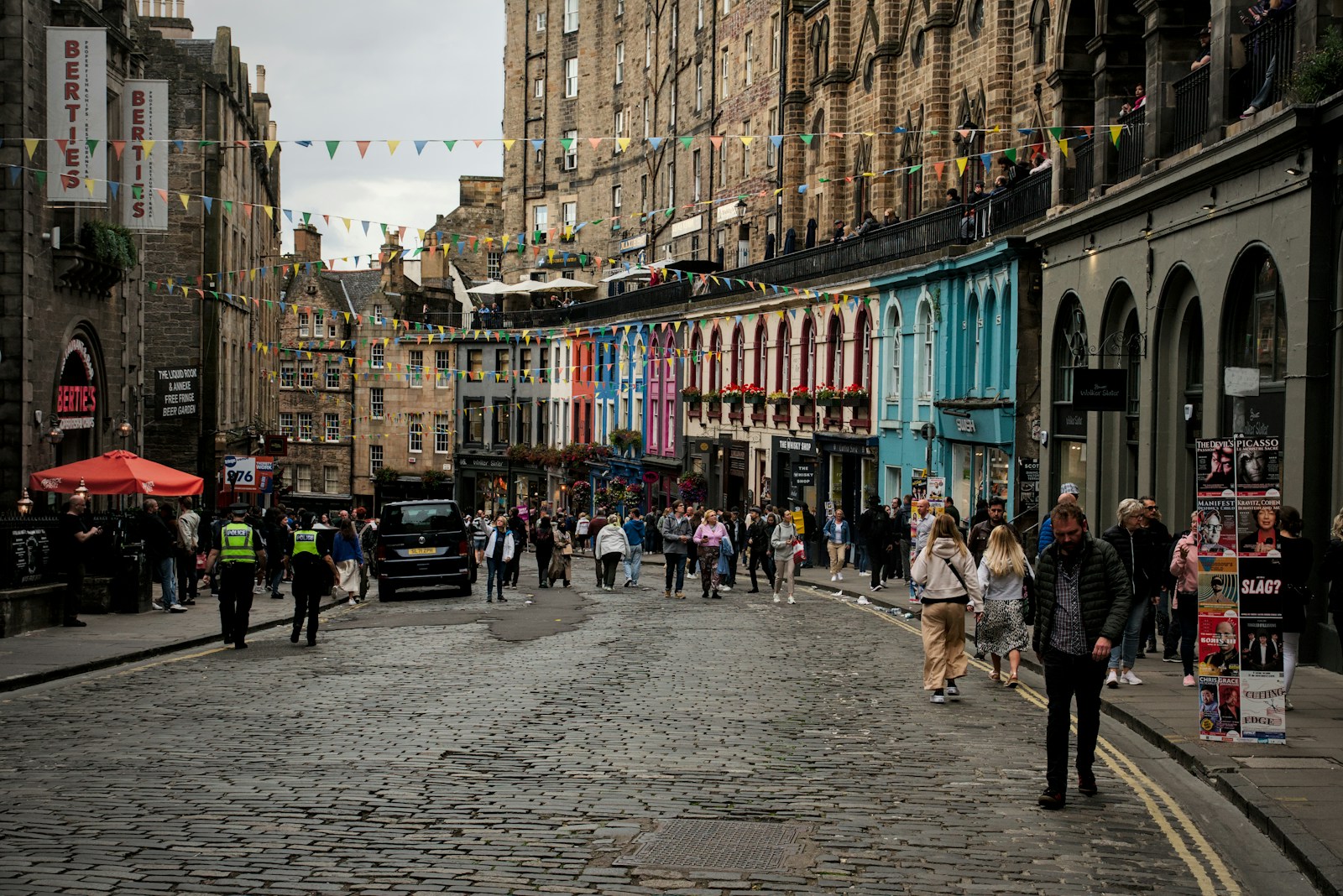
As you wander through the Old Town, it's worth remembering that some of the world's most recognisable fictional characters first took shape not in grand castles or libraries, but in ordinary cafés overlooking extraordinary views. Edinburgh has always been a city of writers, thinkers and dreamers. Harry Potter simply became one of its greatest stories.
Greyfriars Kirkyard: Names Hidden Among the Stones
A short walk from Victoria Street leads to one of Edinburgh's oldest and most atmospheric cemeteries. Greyfriars Kirkyard is peaceful rather than eerie, filled with weathered gravestones, ancient trees and winding pathways that have quietly witnessed centuries of Scottish history. For Harry Potter readers, however, it holds an intriguing literary connection. Several names found within the cemetery appear strikingly familiar. Visitors often search for the grave of Thomas Riddell, whose surname closely resembles that of Tom Riddle, while the name McGonagall also appears among the historic monuments.
Whether these names consciously inspired J.K. Rowling or simply remained in her subconscious after countless walks through the city has never been fully explained. Perhaps that's part of the charm. The quiet atmosphere encourages reflection more than excitement — one of the rare places where the line between literary history and real history becomes beautifully blurred.
George Heriot's School: Could This Be Hogwarts?
Standing just beyond Greyfriars Kirkyard is George Heriot's School, one of Edinburgh's most recognisable buildings. With its towers, turrets and grand stone architecture, it's easy to understand why visitors often compare it to Hogwarts. Although the school wasn't used as a filming location, it has long been suggested that its appearance may have influenced Rowling's vision of a magical boarding school. Whether intentional or coincidental, the resemblance is striking. Sometimes the atmosphere matters more than definitive proof.
Edinburgh Castle: Watching Over the City
No visit to Edinburgh feels complete without making your way towards Edinburgh Castle. Perched dramatically atop Castle Rock, it dominates the skyline from almost every corner of the city. While it doesn't have a direct Harry Potter filming connection, the castle provides something equally valuable: perspective. Looking across Edinburgh's rooftops from the castle walls, it's easy to imagine why the city sparked Rowling's imagination. Church spires pierce the skyline, narrow medieval streets disappear between stone buildings and Arthur's Seat rises quietly in the distance. Official tickets and opening times are available at Edinburgh Castle.
An Evening in Edinburgh
As daylight begins to fade, Edinburgh becomes even more enchanting. Street musicians fill the Royal Mile with music, historic pubs glow warmly behind centuries-old stone façades and narrow closes seem to disappear into hidden courtyards. This is the perfect evening to slow down. Order a hearty Scottish meal, browse independent bookshops or simply wander through the Old Town without a particular destination in mind. Tomorrow, the journey leaves cities behind entirely. The landscapes ahead require no imagination whatsoever.
Day 5: The Scottish Highlands — Riding the Hogwarts Express
Journey into the spectacular Scottish Highlands, where the Jacobite Steam Train crosses the iconic Glenfinnan Viaduct and Loch Shiel brings the magic of Hogwarts' Black Lake vividly to life. Surrounded by dramatic mountains and peaceful lochs, this is the most cinematic day of the entire itinerary.
Pace: Easy to Moderate
If there is one day that almost every Harry Potter fan dreams about, this is it. Today is the day the landscape finally begins to resemble the Hogwarts Express journey that so many readers imagined while turning the pages of the books. Leaving Edinburgh early, travel towards Fort William. The rail journey itself is wonderfully scenic, but those travelling by car enjoy greater flexibility for stopping at viewpoints throughout the Highlands. Either way, the anticipation gradually builds. Mountain peaks become larger. Lochs stretch across the landscape. Roads grow quieter. Modern Britain slowly gives way to something altogether more timeless.
The Glenfinnan Viaduct: Britain's Most Magical Railway
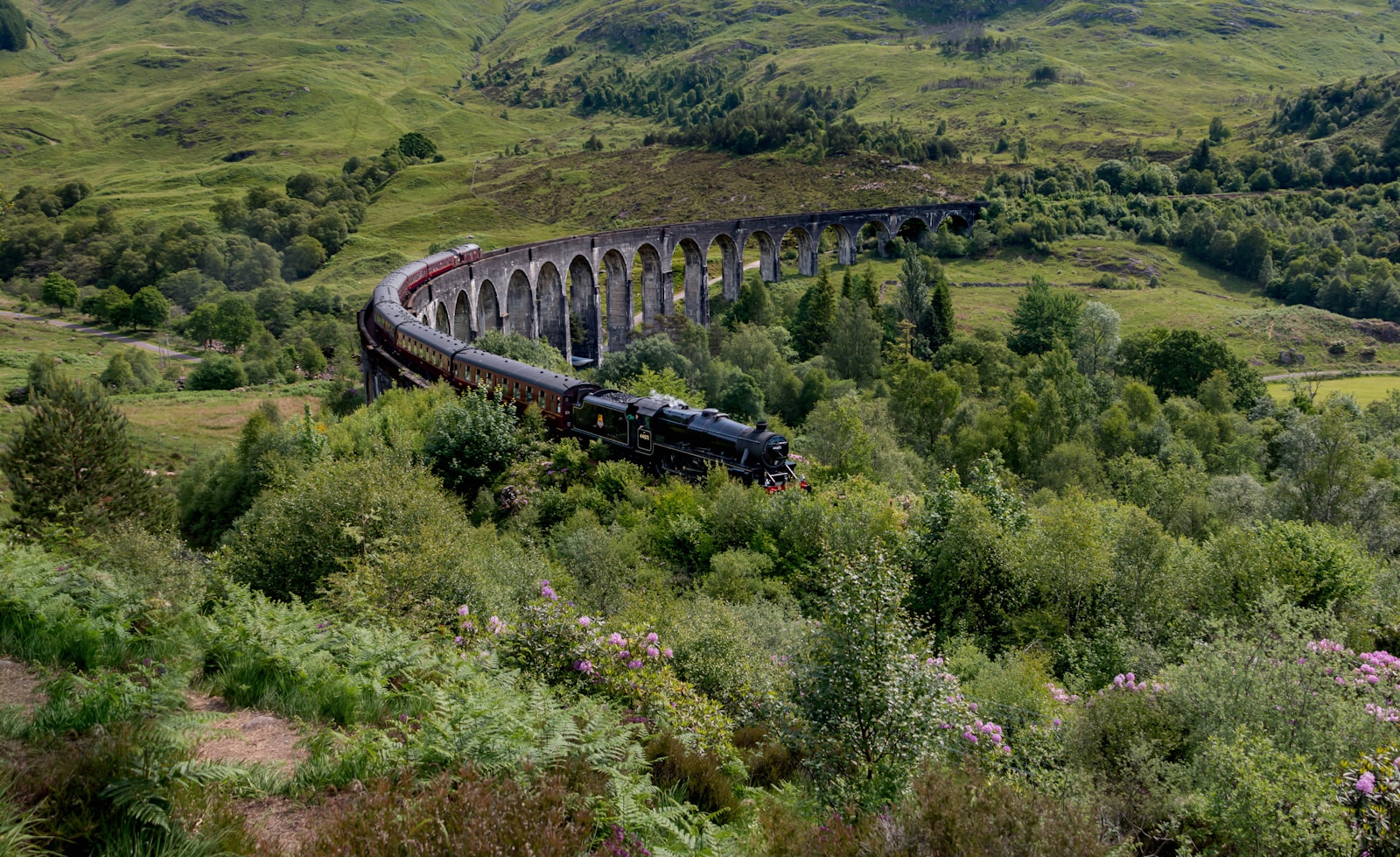
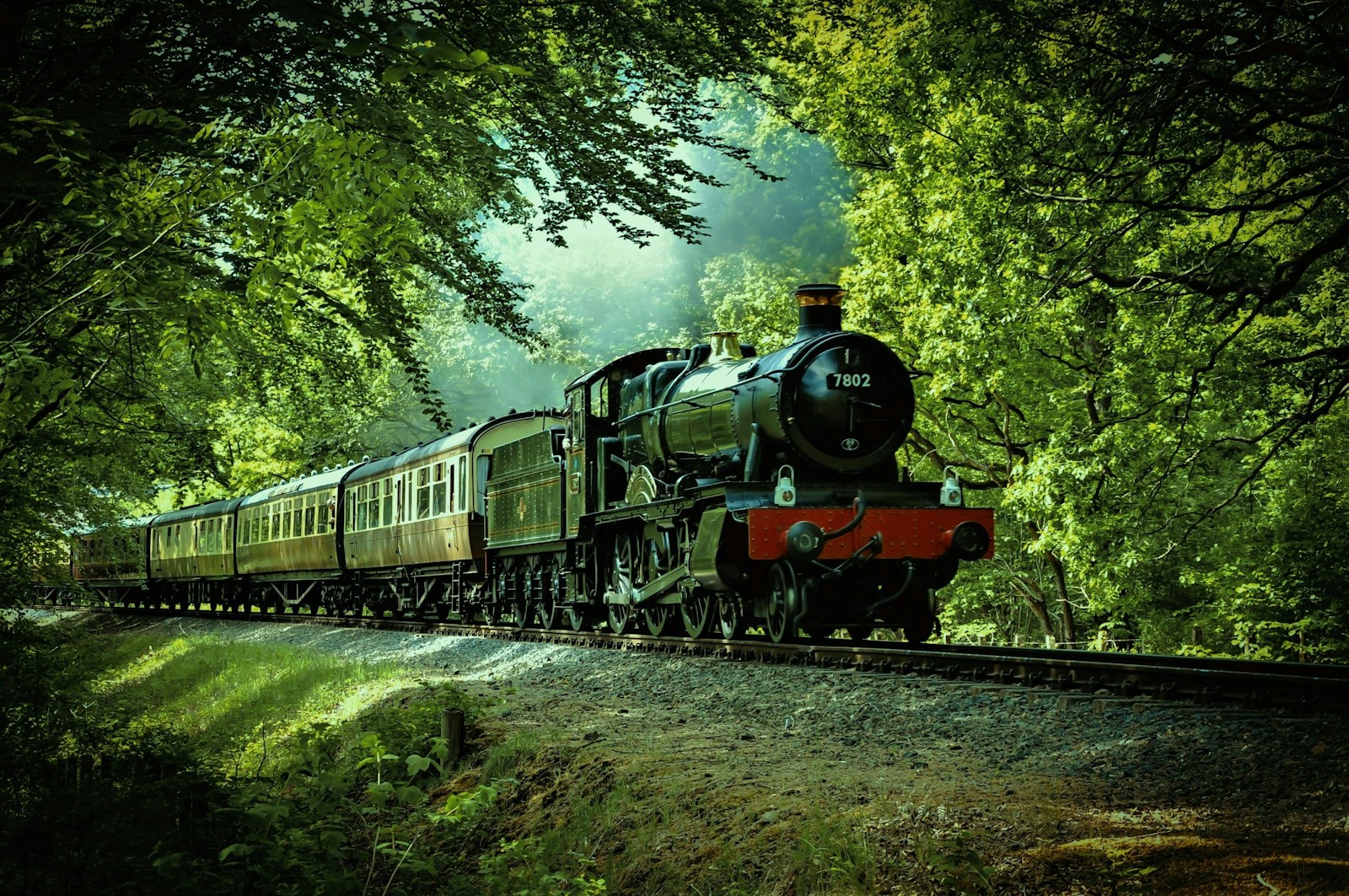
Few places in the world are as instantly recognisable to Harry Potter fans as the Glenfinnan Viaduct. Curving gracefully across the Highland landscape, this remarkable railway bridge became synonymous with the Hogwarts Express throughout the film series. Watching a steam train cross the viaduct is one of those rare travel experiences that genuinely lives up to expectations.
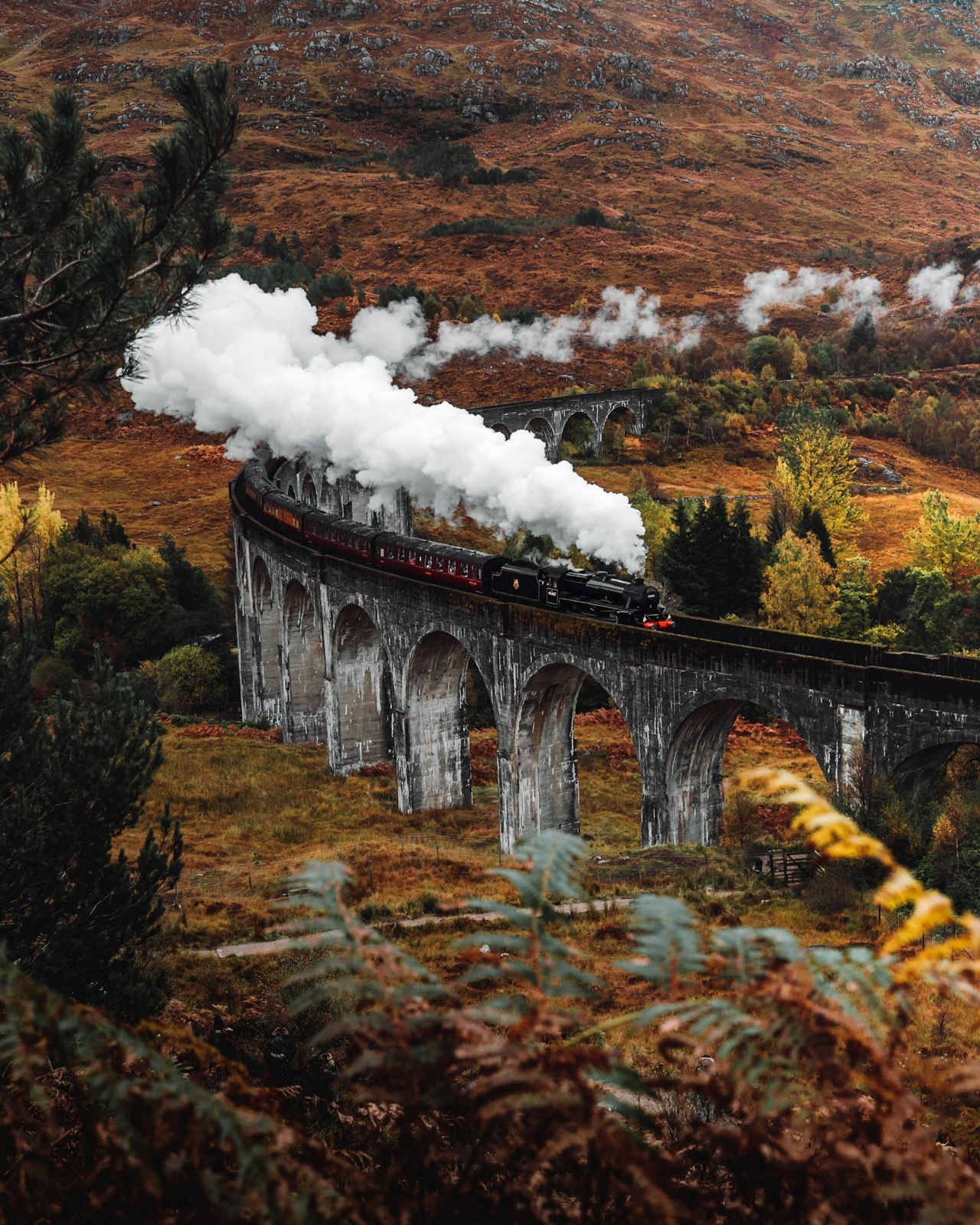
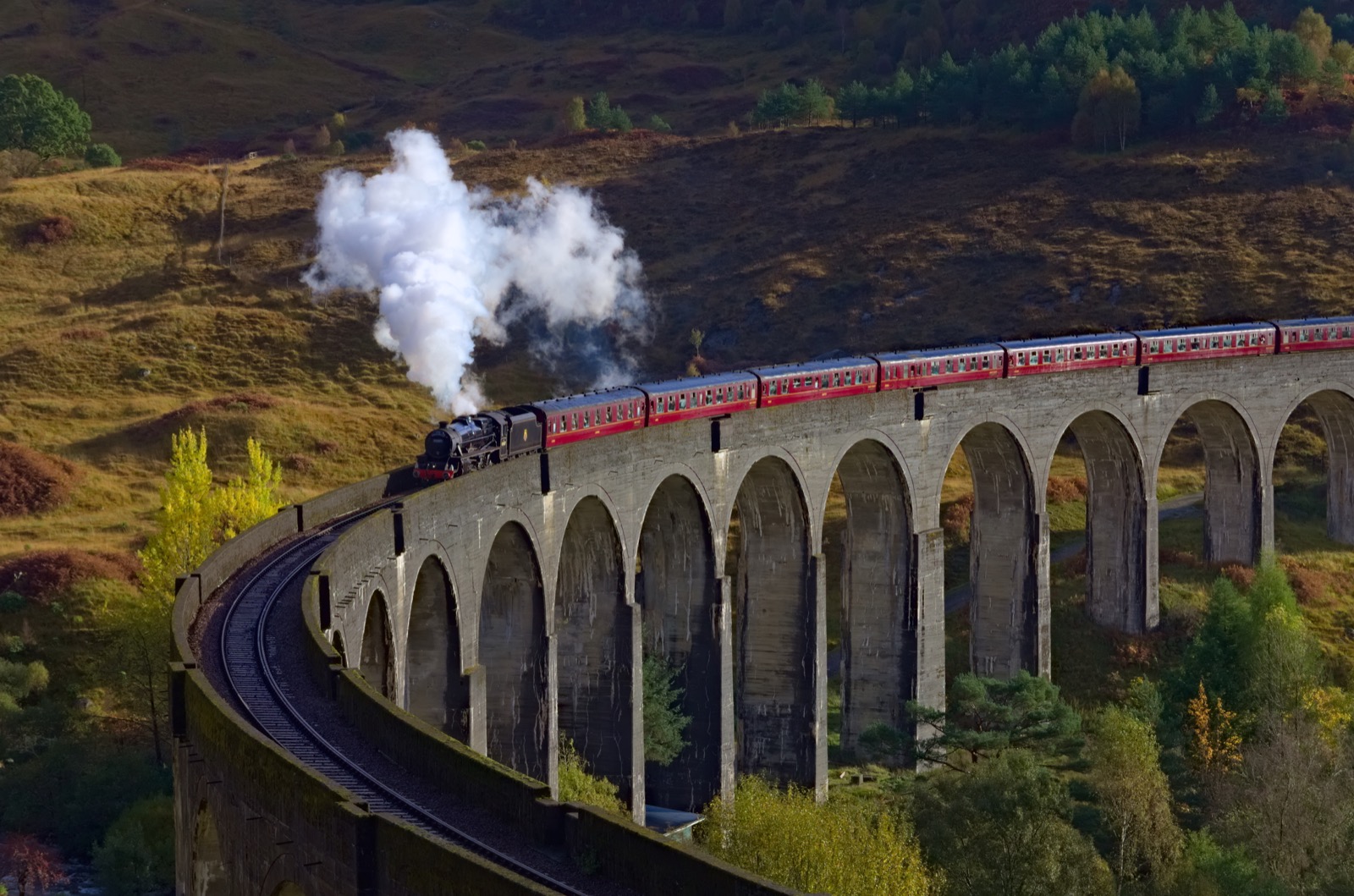

Even visitors with only a passing knowledge of the films often pause in silence. The combination of engineering, landscape and storytelling creates something genuinely unforgettable.
Riding the Jacobite Steam Train
If schedules allow, boarding the Jacobite Steam Train transforms this day from memorable to magical. Frequently described as one of the world's greatest railway journeys, the route travels between Fort William and Mallaig, crossing the Glenfinnan Viaduct before continuing through some of Scotland's most spectacular scenery. The experience isn't simply about Harry Potter. Large panoramic windows reveal shimmering lochs, ancient forests, grazing deer and distant mountain peaks that have inspired travellers for generations. Yet for Harry Potter fans, it's impossible not to imagine chocolate frogs, Bertie Bott's Every Flavour Beans and the trolley witch making her way through the carriages.
Book tickets early via West Coast Railways — The Jacobite.
Loch Shiel: The Black Lake of Hogwarts
Just beyond the viaduct lies Loch Shiel, another location that appeared repeatedly throughout the Harry Potter films. Its calm waters represented Hogwarts' Black Lake, where magical creatures lurked beneath the surface and the Triwizard Tournament challenged competitors with one of its most memorable tasks. Standing beside the shoreline today, it's difficult to imagine a more fitting setting. The loch reflects surrounding mountains with remarkable clarity, while changing weather conditions constantly alter its mood. Bright sunshine transforms it into a peaceful Highland lake; low cloud and drifting mist make it feel as though a giant squid might genuinely be waiting beneath the surface. Photography enthusiasts should allow plenty of time here — every change in light reveals another side of the landscape.
Evening in Fort William
Spend the evening in Fort William, a welcoming Highland town that provides an excellent base for exploring the surrounding region. After several busy days in Britain's cities, the slower pace feels refreshing. Enjoy a traditional Scottish dinner, stroll along the shores of Loch Linnhe or simply relax before another day among some of Britain's most spectacular landscapes.
Day 6: Glencoe — Landscapes Worthy of Hogwarts
Explore Glencoe's breathtaking valleys, the landscapes that once hosted Hagrid's Hut, before continuing through Rannoch Moor and some of Scotland's most dramatic scenery. With fewer attractions and more time outdoors, the day is all about immersing yourself in the wild beauty that made Hogwarts feel so believable.
Pace: Easy
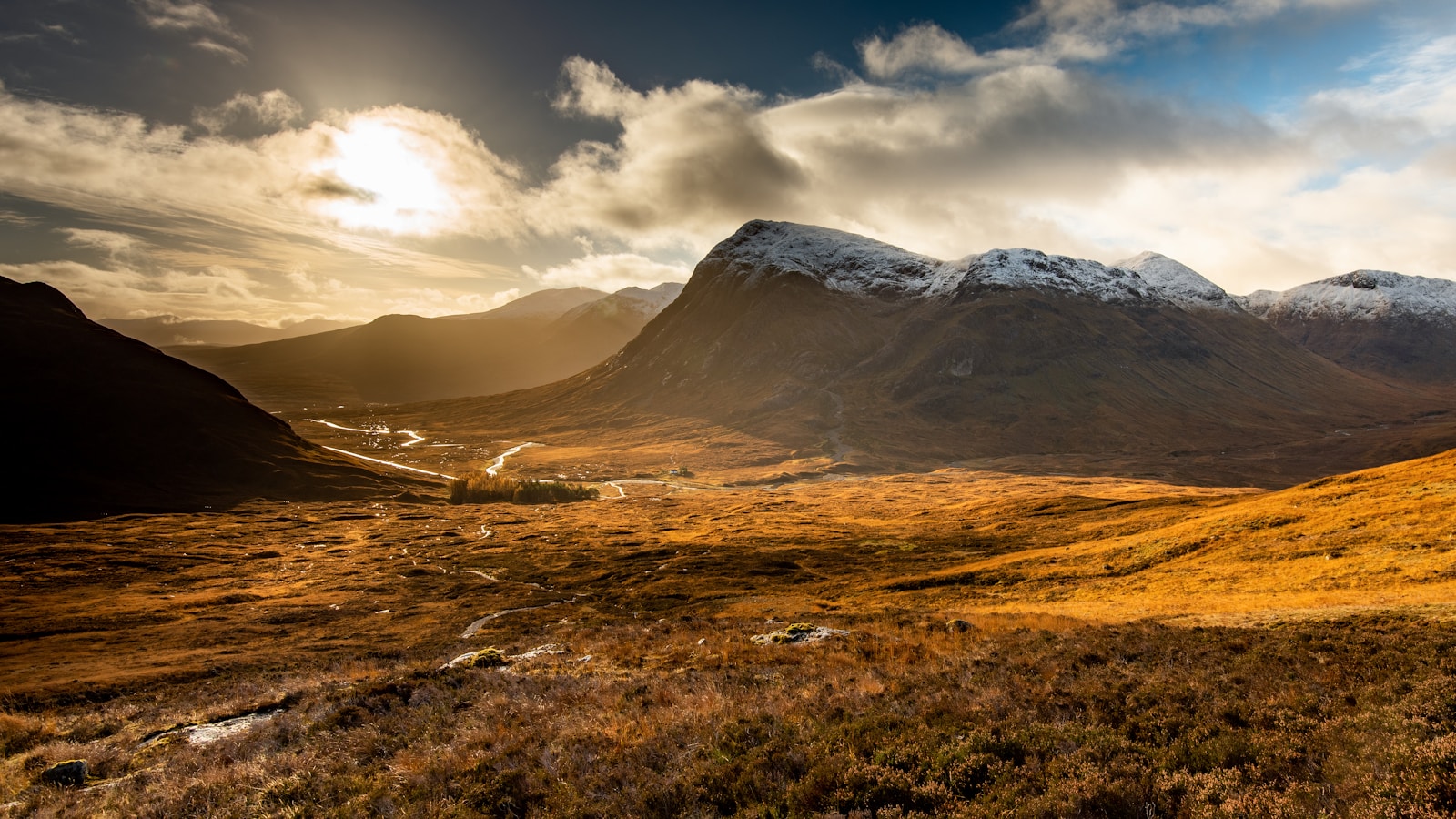
If yesterday belonged to the Hogwarts Express, today belongs to the Highlands themselves. Glencoe is one of Scotland's most dramatic valleys, where towering mountains rise sharply above winding roads and ancient glacial landscapes stretch towards the horizon. Several Harry Potter scenes were filmed in and around this remarkable area, including the location used for Hagrid's Hut during Harry Potter and the Prisoner of Azkaban. The hut itself no longer remains, but the landscape needs very little imagination. Standing here, it's remarkably easy to picture Harry, Ron and Hermione walking across the hills towards another Care of Magical Creatures lesson while Buckbeak waits patiently nearby.
Fortunately, today's dangers are limited to unpredictable Highland weather.
Exploring Glencoe
Rather than treating Glencoe as somewhere to photograph from the roadside before driving on, dedicate time to exploring its quieter corners. Short walking trails reveal waterfalls hidden among the hills, while numerous viewpoints provide spectacular panoramas across the valley. Every season transforms the landscape differently — spring covers the mountainsides in fresh green, summer brings longer daylight hours, autumn paints the valley in rich golden tones, and winter wraps everything beneath snow and mist, creating scenery that looks almost impossibly cinematic.
Rannoch Moor: A Landscape of Silence
Continue across nearby Rannoch Moor, one of Britain's last great wilderness landscapes. Unlike Glencoe's dramatic peaks, Rannoch Moor offers vast open spaces where lochs, peatlands and distant mountains stretch towards the horizon. There are very few buildings. Often, very little sound. It feels wonderfully removed from modern life. If Hogwarts had hidden itself from Muggles, this is exactly the kind of landscape where you might expect to find it. For regional travel information, see VisitScotland.
Day 7: A Magical Farewell to the Highlands
Enjoy one final morning among Scotland's mountains and lochs before beginning your journey home, reflecting on a week spent following the real landscapes that inspired one of the world's most beloved stories. Rather than rushing to fit in another attraction, the final day encourages you to slow down and savour the magic one last time.
Pace: Relaxed
Every great story eventually reaches its final chapter. The beauty of spending your last day in the Highlands is that there's no pressure to tick off famous attractions. Instead, the morning invites you to revisit a favourite viewpoint, enjoy one final scenic walk or simply pause beside a quiet loch before beginning the journey home. Many travellers choose to drive south towards Glasgow or Edinburgh for onward flights, while others continue exploring Scotland beyond this itinerary. Either option feels appropriate.
Like Harry boarding the Hogwarts Express each summer, you'll leave knowing there are still countless adventures waiting for another visit.
By now, after a week spent travelling through Britain's castles, ancient universities, medieval cities and Highland landscapes, the Wizarding World no longer feels quite so fictional. The places are real. The stories simply help us see them differently.
Estimated Budget
The overall cost of this itinerary depends on your travel style, particularly your choice of accommodation and whether you decide to ride the Jacobite Steam Train. As a general guide:
| Travel Style | Estimated Budget (7 Days) |
|---|---|
| Budget | £900–£1,200 |
| Mid-Range (Recommended) | £1,400–£2,000 |
| Luxury | £2,500+ |
Estimates exclude international flights and are intended as a planning guide.
Typical Daily Costs (Mid-Range)
| Expense | Approximate Cost |
|---|---|
| Boutique Hotel / B&B | £130–220 per night |
| Breakfast | Often included |
| Lunch | £15–25 |
| Dinner | £25–45 |
| Coffee & Snacks | £8–15 |
| Local Transport | £10–25 |
| Attraction Entries | £20–60 (depending on the day) |
Approximate Attraction Costs
| Attraction | Estimated Cost |
|---|---|
| Oxford College & Divinity School entry | £15–30 |
| Edinburgh Castle | £20–25 |
| Jacobite Steam Train | £60–90+ (depending on class) |
| Optional Warner Bros. Studio Tour | £55–60+ |
Money-Saving Tips
- Book long-distance train tickets 6–10 weeks in advance for significantly lower fares.
- If you're travelling with another person, compare Two Together Railcard savings, which can quickly offset the cost of the card.
- Stay close to railway stations in London, York and Edinburgh to minimise taxi expenses.
- Traditional pubs often serve excellent-value lunch specials compared with evening dining.
- If visiting in peak summer, reserve accommodation and the Jacobite Steam Train as early as possible to secure better prices.
Travel Tips
- Book the Jacobite Steam Train early: The Jacobite is one of the most sought-after experiences in Scotland and often sells out months in advance during the operating season. If riding the "real Hogwarts Express" is high on your wish list, make this your first reservation after booking flights.
- Travel primarily by train: Almost the entire route through England can be completed comfortably by rail. Trains connect London, Oxford, York and Edinburgh efficiently, allowing you to enjoy the scenery without worrying about driving or parking.
- Consider a car only for the Highlands: While public transport reaches Fort William and Glenfinnan, a rental car offers greater flexibility for exploring Glencoe, Rannoch Moor and the quieter corners of the Highlands. If you enjoy photography or spontaneous scenic stops, hiring a car for the Scottish section is well worth considering.
Useful Official Websites
- VisitBritain — official tourism information, travel inspiration and regional guides
- National Rail — journey planning, train times and advance rail ticket bookings
- Warner Bros. Studio Tour London — official tickets, opening hours and visitor information
- Christ Church Oxford — visitor information, opening hours and ticket bookings
- Bodleian Libraries — guided tours and visitor information for the Bodleian Library and Divinity School
- York Minster — official visitor information and admission tickets
- Edinburgh Castle — official tickets, opening times and accessibility information
- The Jacobite Steam Train (West Coast Railways) — official timetable and ticket bookings
- VisitScotland — official information on the Scottish Highlands, Glenfinnan, Glencoe and road conditions
Pre-Departure Checklist
- Reserved Jacobite Steam Train tickets (if planning to ride it)
- Booked long-distance train tickets in advance
- Purchased attraction tickets for Oxford colleges and Edinburgh Castle where recommended
- Downloaded offline maps for the Highlands
- Packed waterproof clothing and comfortable walking shoes
- Allow enough flexibility in your itinerary to enjoy each destination without rushing
FAQs
Can this itinerary be completed without renting a car?
Yes. London, Oxford, York and Edinburgh are all exceptionally well connected by rail, and many travellers complete the itinerary using trains alone. Renting a car becomes most beneficial in the Scottish Highlands, where it allows greater freedom to stop at viewpoints and explore beyond the main tourist routes.
Is the Warner Bros. Studio Tour included in this itinerary?
Not within the seven days. The studio tour deserves an entire day on its own and is best treated as an optional extension before or after this itinerary rather than squeezing it into an already full schedule.
Is the Jacobite Steam Train the real Hogwarts Express?
The Jacobite Steam Train is the locomotive used for many exterior Hogwarts Express scenes throughout the Harry Potter films. Although the train now operates as a heritage railway experience, riding it remains one of the closest experiences to travelling aboard the Hogwarts Express.
Was The Shambles officially the inspiration for Diagon Alley?
There is no confirmed evidence that J.K. Rowling based Diagon Alley directly on The Shambles. However, its medieval architecture, narrow cobbled streets and leaning timber buildings create an atmosphere that many visitors naturally associate with the Wizarding World.
Where was Hogwarts actually filmed?
Hogwarts was created using several different locations across Britain. Oxford's Christ Church, Divinity School and New College contributed important interiors, while the Scottish Highlands, Glenfinnan Viaduct and numerous landscapes helped establish Hogwarts' spectacular surroundings. The castle itself is a combination of practical locations, sets and visual effects rather than one single building.
Is this itinerary suitable for families with children?
Absolutely. Children who love Harry Potter will recognise many famous locations, while adults often appreciate the history, architecture and landscapes just as much. The route balances cities, train journeys and outdoor scenery, making it enjoyable for a wide range of ages.
What's the best time to ride the Jacobite Steam Train?
The main operating season generally runs from spring until autumn. Morning departures often provide beautiful light for photography, while afternoon services can create equally dramatic scenery depending on weather conditions. Book as early as possible because tickets regularly sell out months ahead.
How many Harry Potter locations does this itinerary include?
Across seven days, you'll experience a blend of official filming locations, places closely associated with J.K. Rowling's writing journey and landscapes that inspired the atmosphere of the Wizarding World. Rather than chasing every filming location in Britain, the itinerary focuses on those that tell the story most naturally.
Conclusion: The Magic Was Never Hidden
By the end of this journey, you'll probably realise something unexpected. The real magic of Britain isn't that it contains Harry Potter filming locations — it's that these places never needed cinema to become extraordinary.
Long before cameras crossed the Glenfinnan Viaduct, trains were already winding through Scotland's mountains. Long before Christ Church inspired Hogwarts, students had been climbing its stone staircases for centuries. Edinburgh's narrow closes, York's medieval streets and London's hidden courtyards all carried their own stories before the Wizarding World invited millions of readers to see them differently.
That's what makes this itinerary so memorable. You're not simply travelling through the world of Harry Potter. You're discovering the real places that gave it life. Perhaps your Hogwarts letter never arrived and perhaps Platform 9¾ never opened when you walked towards it. But somewhere between King's Cross, Oxford, York, Edinburgh and the Highlands, you'll probably find yourself believing, if only for a moment, that magic has been there all along, quietly hiding in Britain's landscapes, libraries, castles and streets.
And maybe that's exactly what Harry Potter has always been trying to tell us. Not that magic belongs only to witches and wizards — but that imagination has the remarkable power to transform ordinary journeys into unforgettable adventures.
Until your next journey through the Wizarding World… Mischief Managed.
Prompts to Try in Honge
Ready to make it yours?
Plan Your Magical Britain Adventure
Start with this itinerary in Honge, then personalise it to match your travel style, budget, and interests. Adjust your route, choose city stays or Highland lodges, add the Warner Bros. Studio Tour, more college time in Oxford, or extra days among Scotland's lochs and mountains — and create your perfect Harry Potter journey across England and Scotland.
Related itineraries
- The Perfect 10-Day Ireland Road Trip: Dublin to the Wild Atlantic Way
- 10-Day Budapest to Vienna Road Trip: Balaton, Hallstatt & Salzburg
- 7-Day Finnish Lapland Itinerary: Sauna, Snow & Northern Lights
- 10-Day Sri Lanka Itinerary: Beaches, Tea Country & Wildlife Safari
- 10-Day Philippines Island-Hopping Itinerary: El Nido, Coron & Bohol
- 7-Day Tuscany Luxury Itinerary: Florence, Chianti & Val d'Orcia
- 10-Day Scotland Road Trip: Whisky, Castles & Mountains
- 8-Day London and Southern England Itinerary: Museums, Cricket, Bath & Jurassic Coast
- 7-Day Iceland Ring Road Itinerary for First-Timers
- Japan Autumn Itinerary for Couples: 10 Days in Osaka, Nikko & Tokyo
- 4-Day Barcelona Itinerary: Gothic Quarter, Gaudí & Flamenco
- 15-Day New Zealand Couples Road Trip: Auckland to Queenstown
Written by
This blog was contributed by B. Sai Nikita, a travel enthusiast and writer. B. Sai Nikita can be reached at bsainikita10@gmail.com.
About Honge
Honge is an AI travel planning platform that helps travelers turn destination ideas into realistic, customizable itineraries.
Image credits: Photos are sourced from Unsplash and Wikimedia Commons. Copyright remains with the photographers and rights holders. Unsplash images are used under the Unsplash License. Wikimedia Commons images are used under their applicable Creative Commons license terms.
Travel disclaimer
This itinerary is intended as general travel inspiration and planning guidance only — not as personalized travel advice. Conditions change. Before you travel, check the current entry requirements, visa rules, and any travel advisories issued by your government for your destination. Review weather forecasts for your specific travel dates, confirm opening hours and ticket availability for attractions directly, and take out comprehensive travel insurance that covers medical, cancellation, and disruption. Honge is not responsible for any changes to conditions, services, or experiences described in this article after the date of publication. Harry Potter, Hogwarts, and related names are trademarks of their respective rights holders; this article is an independent travel guide and is not affiliated with or endorsed by Warner Bros., J.K. Rowling, or related companies.