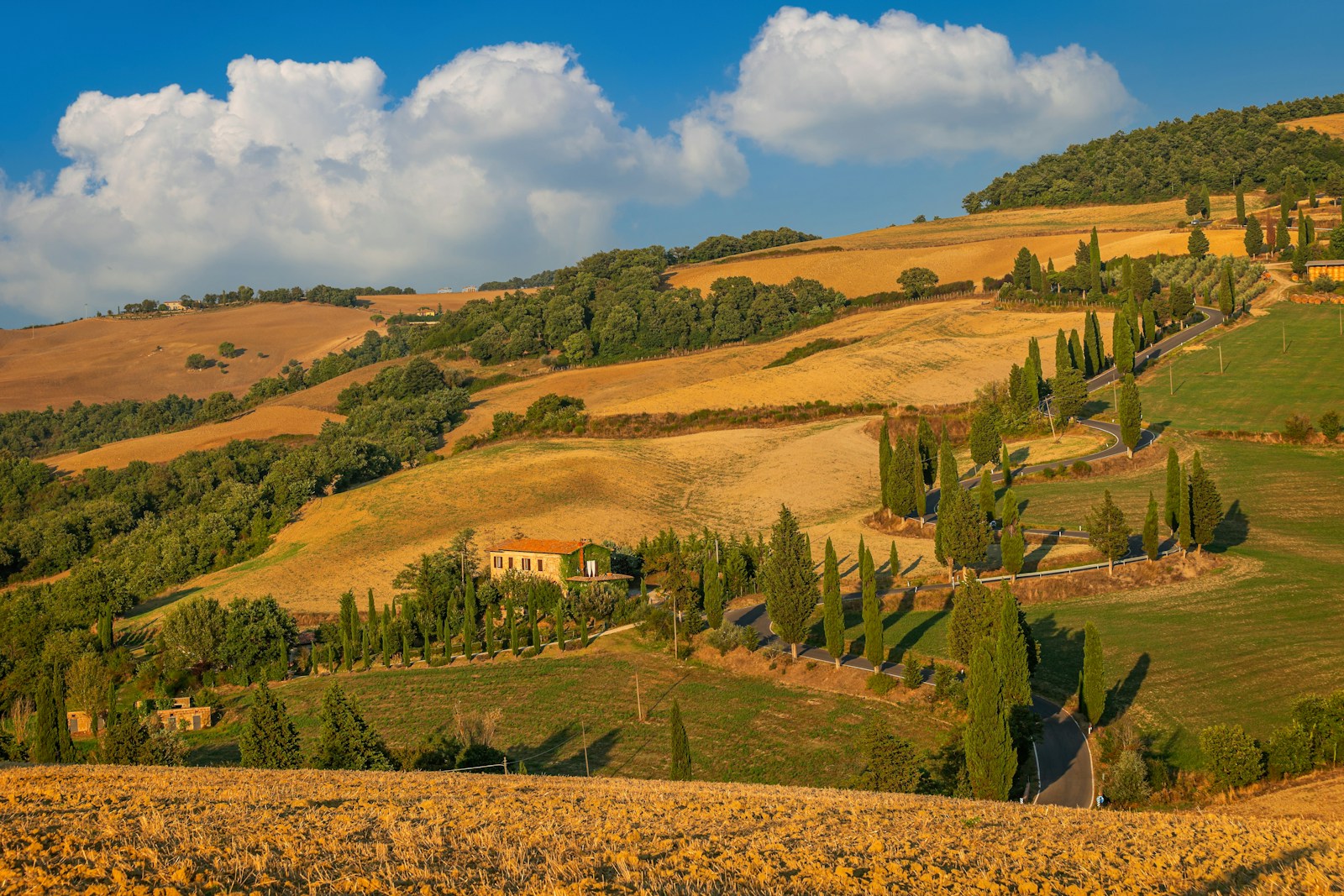
Tuscany is a region where a morning can disappear over coffee in a small piazza, where a vineyard visit can naturally become a three-course lunch, and where a winding country road can be more memorable than the attraction you originally set out to find. Between Florence's Renaissance masterpieces, Chianti's vineyard-covered hills and the cinematic landscapes of Val d'Orcia, Tuscany offers a rare kind of luxury: the luxury of having nowhere you urgently need to be.
This seven-day itinerary is designed around that idea. Rather than changing hotels every night or attempting to visit every celebrated hill town, the route moves gradually south from Florence to Chianti and then into Val d'Orcia, using three carefully chosen bases. The first two nights provide culture, art and exceptional food in Florence. The next two shift into the countryside, where private wine tastings, vineyard lunches and villa living become the focus. The final three nights are reserved for Val d'Orcia, with time for Pienza, Montepulciano, Montalcino, spa treatments and long stretches of countryside where the only real plan is to enjoy being there.
The result is a trip that feels luxurious without being unnecessarily complicated. There is a rental car when freedom matters, a private driver when wine tasting makes driving inconvenient and enough unscheduled time for the itinerary to breathe.
Who This Tuscany Itinerary Is For
Couples and Honeymooners
Tuscany is particularly well suited to couples because its most memorable experiences rarely require a large group or a rigid schedule. A private tasting at a vineyard, an afternoon beside a countryside pool, a long lunch overlooking the hills or an evening walk through a medieval town can all feel intimate without needing to be overly planned. The landscape itself creates much of the atmosphere.
For honeymooners, the itinerary can be made even more indulgent by choosing accommodation with a private terrace, spa facilities, vineyard views or an excellent restaurant. There is also no reason to feel that every day has to contain a major excursion. One of the most luxurious days of the entire trip may simply involve breakfast at the villa, a swim, a leisurely lunch and dinner somewhere nearby.
Luxury Travellers Who Prefer Depth Over Quantity
This trip is designed for travellers who would rather spend three hours enjoying one exceptional wine experience than rush through four wineries simply because they appear on a map.
Food and Wine Lovers
Wine is one of the central threads of this itinerary, but it is not treated as an isolated activity. The food matters just as much. Chianti brings its famous wines and countryside estates, while Val d'Orcia and the surrounding areas offer local cheeses, olive oil, pasta, seasonal produce and celebrated wines from Montalcino and Montepulciano.
Best Time to Visit Tuscany
For this particular luxury itinerary, May, June, September and early October offer one of the most appealing combinations of comfortable weather, beautiful countryside and an atmosphere that suits slow travel.
Spring brings fresh green landscapes and flowering countryside, while September and early October introduce warmer autumn colours and a particularly appealing wine-country atmosphere. July and August can also be beautiful, but temperatures can become high, particularly in Florence and inland areas. If you travel during these months, adjust so major walking and sightseeing happen earlier in the day, with afternoons reserved for swimming, spa treatments or relaxed lunches.
Winter is quieter and can be wonderful for travellers more interested in food, wine, fireplaces and intimate towns than outdoor pool time. However, some countryside properties and seasonal experiences may operate differently outside the main travel season.
Where to Stay for a Luxury Week in Tuscany
Florence: A Refined Boutique Hotel
Spend the first two nights in Florence in a luxury or boutique hotel within comfortable walking distance of the historic centre. This allows you to explore the city without a car and return easily to your room between sightseeing, aperitivo and dinner.
The official Florence tourism platform provides current information about attractions, neighbourhoods, cultural experiences and practical city planning: FeelFlorence – Official Florence Tourism Website.
Chianti: A Countryside Villa or Wine Estate
For nights 3 and 4, move into the Chianti countryside. This is where the accommodation should become part of the holiday rather than simply somewhere to sleep. Look for a luxury villa, historic wine estate, elegant agriturismo or countryside property surrounded by vineyards and olive groves. A pool, gardens, terrace and on-site restaurant can make a significant difference because you will want to spend some of your free time enjoying the property itself.
Chianti's official tourism information highlights the region's vineyards, historic villages, castles, food traditions and scenic countryside: Visit Tuscany – Chianti.
Val d'Orcia: A Countryside Estate
For the final three nights, choose an elegant property somewhere around the Val d'Orcia area, ideally within reasonable reach of Pienza, Montepulciano and Montalcino. A countryside estate with a spa, pool, gardens, vineyard views or a strong restaurant is particularly appropriate here.
Val d'Orcia is not simply beautiful farmland; it is a UNESCO-recognised cultural landscape in which agriculture, historic settlements and the surrounding hills form part of the area's identity: UNESCO – Val d'Orcia.
Car or Private Driver?
The most comfortable approach is to combine the two. You do not need a car in Florence. Walking and occasional taxis are much easier than dealing with parking and restricted traffic zones.
Once you leave Florence, however, a car gives you the freedom that makes Tuscany special. You can stop beside a vineyard, take a slower country road, pull into a hill town for coffee or change your afternoon plans without coordinating with a timetable. There is one day when a private driver becomes especially valuable: wine-tasting day. If you are planning several tastings or a particularly indulgent vineyard lunch, having someone else drive means you can experience the wines properly without thinking about who has to get behind the wheel.
For a truly seamless luxury trip, you can also arrange private transfers between Florence, Chianti and Val d'Orcia, then use a driver for the major wine days. If you prefer more independence, a rental car remains the better choice for the rest of the countryside.
Day 1 — Florence: Arriving Into the Renaissance
Pace: Easy · The first day is deliberately light because arrival days have a habit of becoming unpredictable. Rather than trying to fit a museum, a major landmark, a shopping district and a formal dinner into your first afternoon, allow Florence to introduce itself gradually.
Afternoon: Settle Into Florence
After checking into your hotel, give yourself some time to unpack and recover from the journey. If your hotel has a terrace, courtyard, rooftop or comfortable lounge, start there with a coffee or aperitivo before heading into the historic centre. There is no need to begin with a checklist. Walk towards the Duomo, follow whichever street looks interesting and allow yourself to become familiar with the scale of the city. Florence is compact enough that much of the historic centre can be experienced on foot, which makes it particularly pleasant after a flight or long train journey.
Late Afternoon: The Duomo and Historic Centre
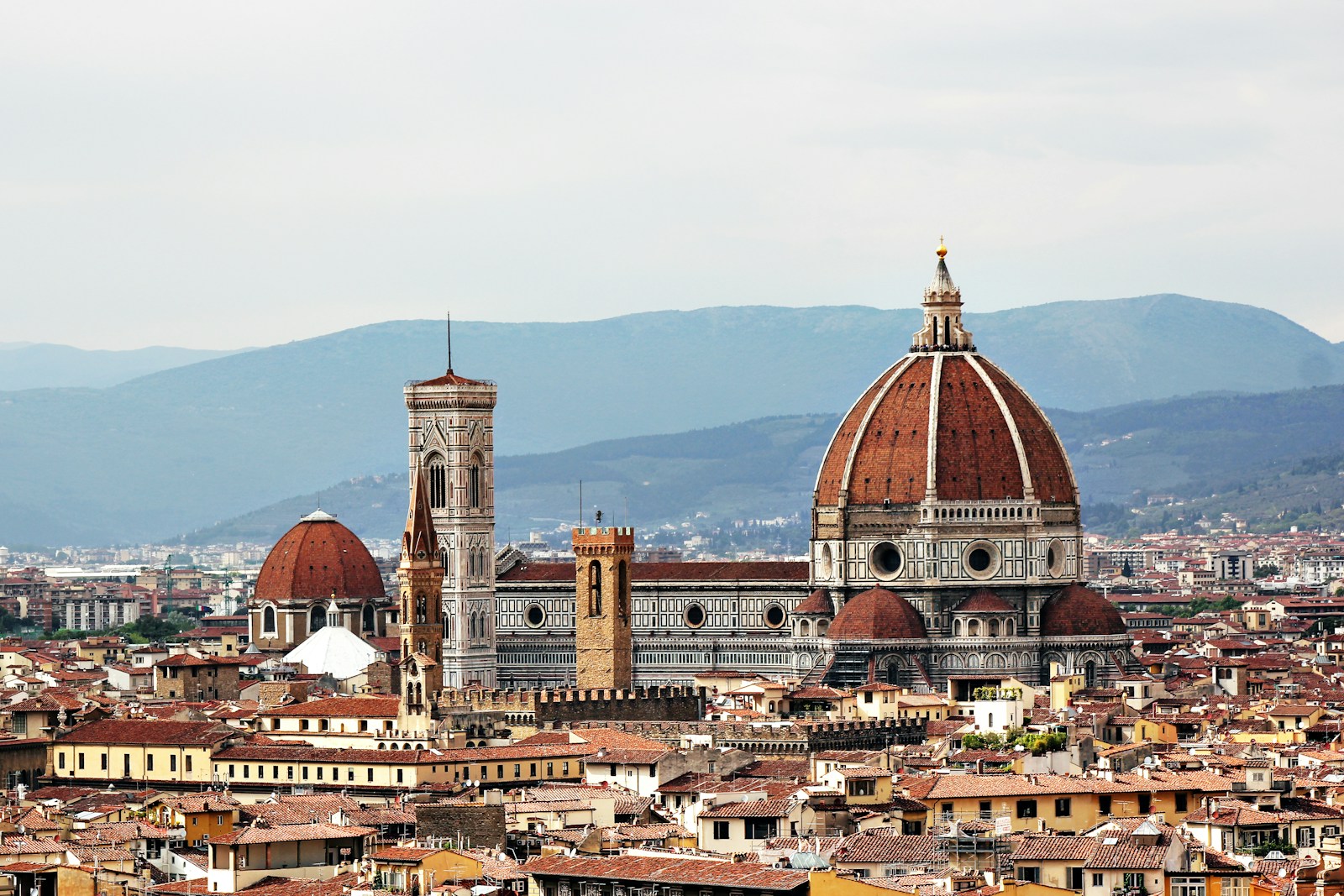
Make your way towards Piazza del Duomo as the afternoon develops. The cathedral, bell tower and baptistery form one of Florence's most recognisable architectural ensembles, but you do not need to turn your first afternoon into a series of queues. Admire the complex from the square, wander through the surrounding streets and allow yourself to notice the smaller details. They are part of slow travel.
Evening: Aperitivo and Your First Tuscan Dinner
As the evening arrives, settle into the Italian tradition of aperitivo before dinner. Choose somewhere atmospheric rather than somewhere simply because it appears at the top of a list. Then allow dinner to become the evening's main event. This is your first opportunity to begin exploring Tuscan food and wine, so there is no need to order hurriedly or keep checking the time. A glass of regional wine, a plate built around seasonal ingredients and a leisurely meal are enough to make the first evening feel distinctly Tuscan.
Food note: For your first dinner, look for a restaurant that focuses on traditional Tuscan cooking and seasonal ingredients rather than trying to sample every famous dish at once. This is a good evening to begin familiarising yourself with Tuscan wines before you enter Chianti and the deeper wine country later in the itinerary.
Do not miss: Take an evening walk through Florence after dinner, when the historic centre begins to quieten and the city's monuments take on a softer atmosphere under the evening lights.
Logistics: You should not need a rental car today, and it is preferable to avoid one altogether while staying in central Florence. Walking is usually the easiest way to move between the major historic areas, while taxis can be useful when you have luggage or want to return to your hotel after dinner. If you are arriving by train, Florence Santa Maria Novella station is centrally located and makes a convenient arrival point for many travellers.
Day 2 — Florence: Renaissance Art, Long Lunches, and Golden-Hour Views
Pace: Moderate · Today is your main Florence sightseeing day, but the luxury approach remains the same: choose a few experiences and give them enough time. Florence contains enough Renaissance art and architecture to fill an entire week, so attempting to see everything would work against the slower rhythm of this itinerary.
Morning: Choose One Major Cultural Experience
Begin with one of Florence's great cultural institutions. For travellers particularly interested in Renaissance art, the Uffizi Galleries or the Accademia Gallery can provide the main focus of the morning. Rather than attempting both, choose the one that best matches your interests and reserve timed entry in advance where necessary.
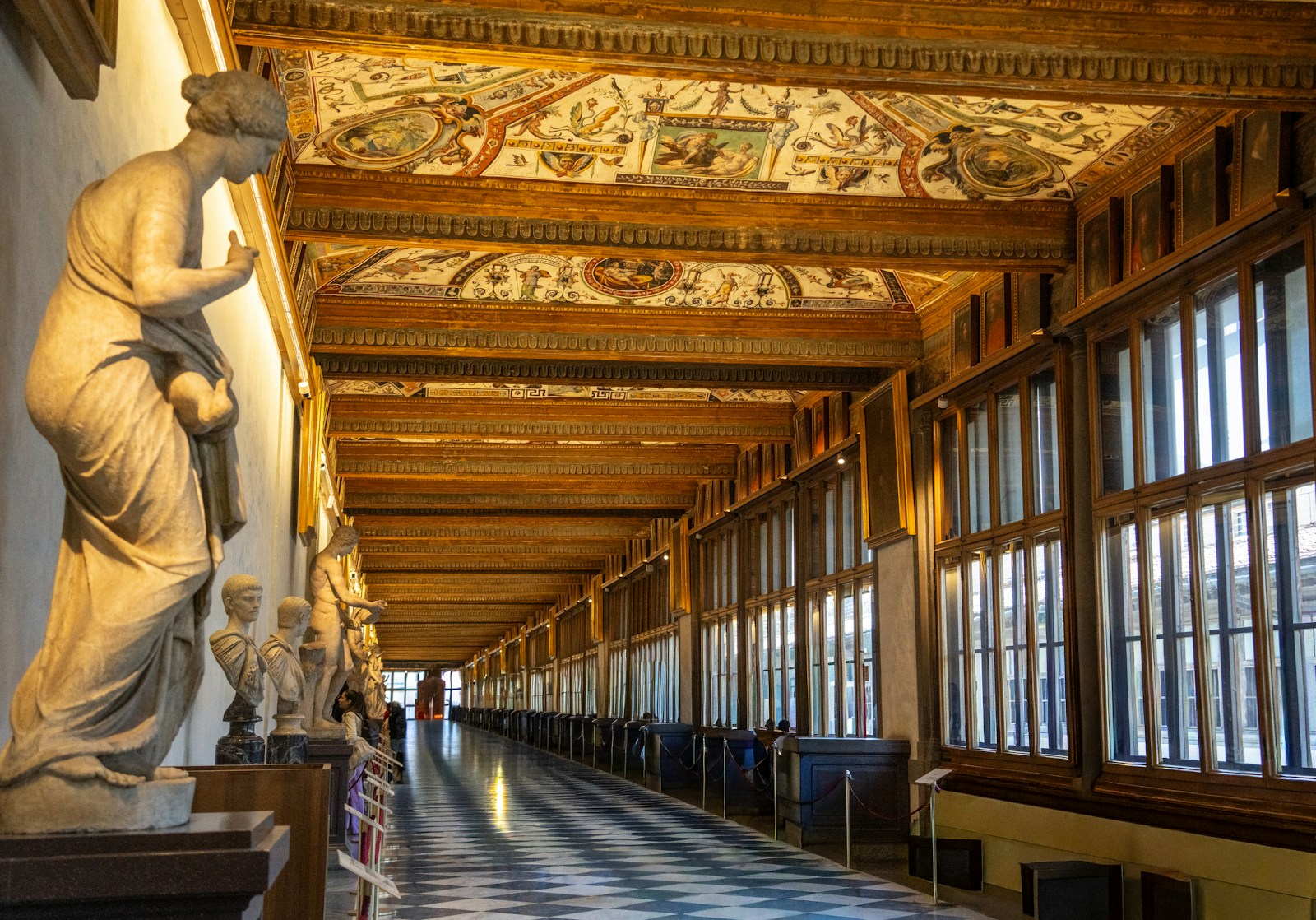
The Uffizi is particularly rewarding if you want to spend time with Renaissance painting, while the Accademia is a more focused experience and is closely associated with Michelangelo's David. The important thing is to avoid turning the morning into a race between museums. Enter with enough time to actually look.
Late Morning: Coffee and a Gentle Wander
After your museum visit, take a proper break. Find a café, sit down and order coffee rather than carrying it around the city. Then wander towards the Arno at an unhurried pace. You may find yourself stopping at a small shop, entering a church or simply crossing a square because you like the way it looks.
Lunch: Give Yourself Time
Make lunch one of the day's major experiences. Choose a restaurant or traditional trattoria where you can sit comfortably for a long meal and explore Tuscan flavours at a slower pace. This is an excellent opportunity to try seasonal pasta, local meats, vegetables, cheese and a Tuscan wine before your journey moves into the vineyards themselves.
Afternoon: Oltrarno and the Arno
After lunch, cross the river into Oltrarno. The area provides a welcome contrast to the busiest tourist streets, with artisan workshops, quieter lanes, historic buildings and a more residential atmosphere.
Late Afternoon: See Florence From Above
As the light begins to soften, make your way towards Piazzale Michelangelo. The elevated viewpoint offers a broad panorama across Florence, including the Duomo, Palazzo Vecchio and the dense red rooftops of the historic centre. After spending the morning surrounded by individual works of art and architecture, the view provides a chance to see Florence as a complete landscape. Take photographs and then return to the city when you are ready.
Evening: A Final Florence Dinner
Tonight is your final evening in the city before the itinerary moves into the countryside. Choose a restaurant with atmosphere and give yourself the freedom to make dinner long. Tomorrow, you will exchange Renaissance streets for vineyard-covered hills.
Food note: Make lunch the main culinary event today and allow dinner to be slightly lighter if that suits you. The objective is to experience Tuscan food as part of the day's rhythm rather than treating meals as short breaks between sightseeing appointments.
Do not miss: Spend enough time at Piazzale Michelangelo to watch the late-afternoon light settle across Florence rather than arriving only long enough to take a photograph and immediately leaving.
Logistics: Book major museum admissions in advance, particularly if you are travelling during spring, summer or early autumn. Continue exploring Florence on foot, using taxis when they save significant time or energy. You should still avoid renting a car today because the historic centre is much easier to navigate without one.
The slow-travel transition begins tomorrow. The first two days have given you Florence's art, architecture and food culture. Tomorrow morning, the atmosphere changes completely. You will leave the dense Renaissance streets behind and begin moving into the hills of Chianti, where vineyards replace city squares and the road itself becomes part of the experience.
Day 3 — Florence to Chianti: The Road Into Wine Country
Pace: Easy to moderate · Today is the first true countryside day, and there is no reason to leave Florence at dawn. Have breakfast slowly, collect your rental car or meet your private driver and begin the journey south into Chianti.
Morning: Leave Florence Without Rushing
Enjoy one final breakfast in Florence before collecting your car. If you are using a rental vehicle, make sure you understand the route out of the city and the rules surrounding Florence's restricted traffic zones before setting off. The historic centre has areas where unauthorised vehicles are restricted, so this is one situation where careful planning is much easier than trying to figure it out after entering the city. Once you are outside Florence, the rhythm changes almost immediately.
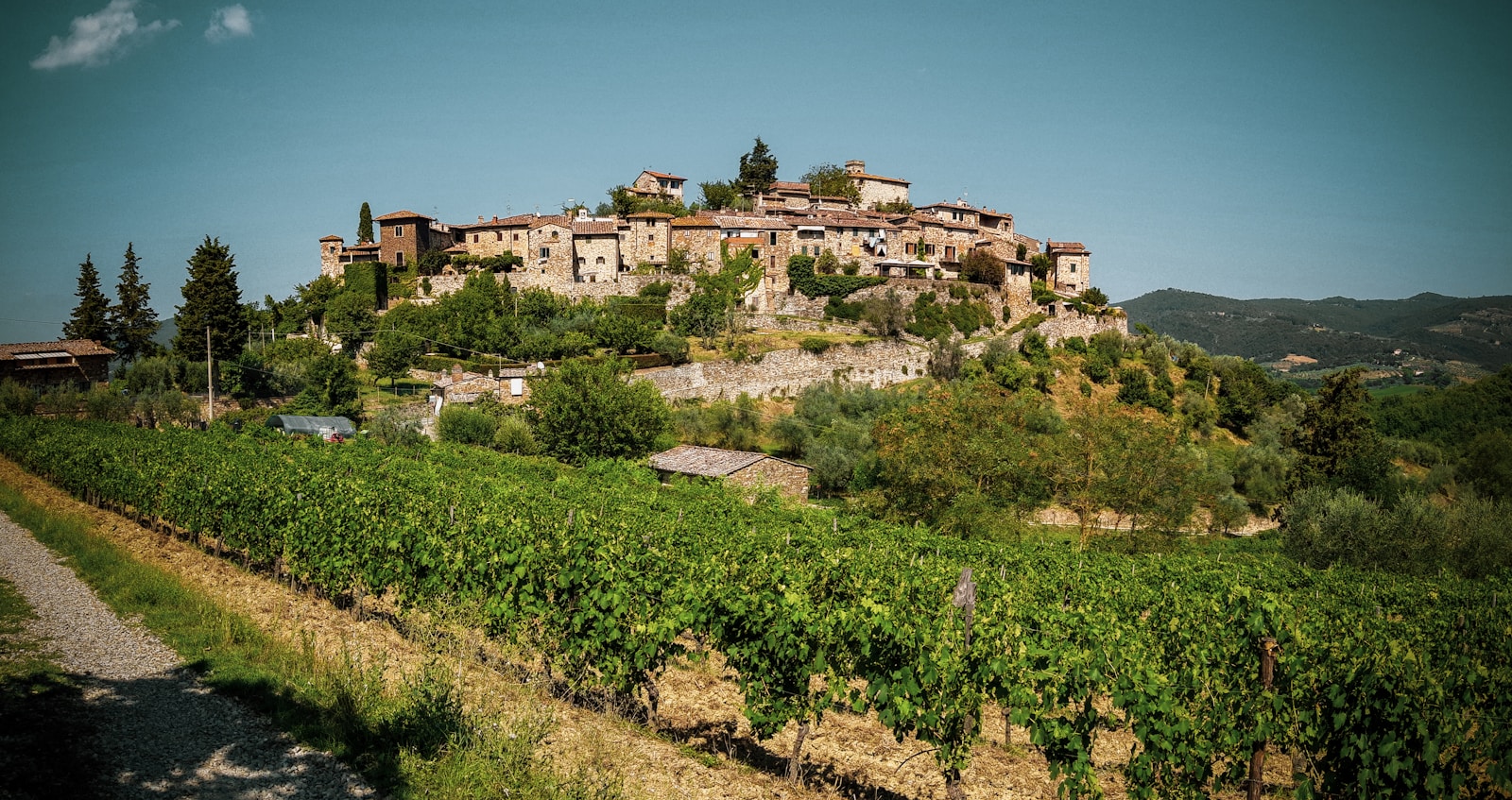
Late Morning: Greve in Chianti
Make your first substantial stop in Greve in Chianti, one of the best-known gateways into the Chianti region. Greve's central piazza has an unusually distinctive triangular shape and provides an easy place to pause for coffee, browse local shops or simply sit outside and watch village life unfold. You don't need a long sightseeing list. Walk through the square, explore a few of the local food shops and allow yourself enough time for a relaxed coffee. If you are interested in Tuscan food, this is also a good place to start noticing how different the countryside feels from Florence.
Lunch: Let the Countryside Take Over
Rather than booking another formal experience immediately after Greve, consider having lunch somewhere in the countryside. A restaurant attached to a wine estate or a traditional property overlooking the vineyards would fit the mood particularly well.
Afternoon: Castellina or Radda
After lunch, continue through the hills towards either Castellina in Chianti or Radda in Chianti, depending on your accommodation and the pace of the day. Both towns offer the kind of experience that works beautifully with this itinerary because neither needs to be conquered. Castellina is particularly atmospheric for a leisurely walk through its historic centre and along the covered Via delle Volte, while Radda provides another classic Chianti hill-town setting surrounded by vineyards and countryside.
Late Afternoon: Arrive at Your Countryside Estate
Continue to your accommodation before the evening becomes too late. This is where the trip should begin to feel noticeably more indulgent. After two nights in Florence, you now have space. Perhaps your room opens onto a vineyard view or perhaps the property has a pool surrounded by olive trees. Whatever the setting, resist the urge to immediately leave again. You have reached the part of Tuscany where the accommodation itself deserves your time.
Evening: Wine, Sunset and a Quiet Dinner
If your property has a restaurant, tonight is a perfect evening to dine there. You have already been on the road, and tomorrow will involve a more structured wine experience, so there is little reason to drive somewhere else simply for the sake of variety. Instead, have dinner at the estate if the food is good, order a local wine and watch the countryside darken beyond the terrace.
Food note: Today is a good day to explore classic Chianti flavours without turning the meal into a formal tasting menu. Look for dishes based on seasonal vegetables, handmade pasta, local meats, Tuscan bread and regional olive oil, and let a Chianti Classico accompany the meal naturally.
Do not miss: Take a short walk around your countryside property just before sunset, because the soft evening light across the vineyards and olive groves is often more memorable than another scheduled sightseeing stop.
Logistics: Florence to the heart of Chianti can take roughly one to one and a half hours depending on your exact base and route, but allow substantially more time if you follow scenic roads and stop in Greve or another hill town. A rental car is particularly useful from this point onwards; a private driver can handle the transfer and scenic stops instead. Choose accommodation with private parking, and avoid entering restricted traffic zones in central Florence unless your vehicle and route are specifically permitted.
Day 4 — Chianti: A Private Wine Day Without the Rush
Pace: Easy and indulgent · This is the day when the itinerary fully embraces the luxury of slow travel. Arrange one exceptional private wine experience, preferably at a respected estate where you can learn about the vineyards, taste several wines and finish with a long lunch.
Morning: Begin Among the Vines
Start with a relaxed breakfast at your countryside property. Your private driver or wine estate experience can begin in the late morning, allowing you to enjoy the morning light, have coffee on the terrace and start the day feeling rested. When you arrive at the vineyard, take your time with the introduction. Learn about the estate's history. Walk through the vines if the season and weather allow. Ask how the surrounding landscape affects the wine. The experience becomes much richer when the tasting is connected to the place where the wine is produced.
Late Morning: Private Tasting
The tasting itself should be the centre of the morning. Rather than rushing through several glasses, allow the host to explain the wines and the characteristics of the region. Chianti Classico is particularly associated with Sangiovese, although the wines of the region can include other grape varieties and vary considerably according to producer, vineyard location and winemaking approach. This is also the perfect opportunity to ask questions. Which wine would the producer drink with lunch? Which vintage is drinking beautifully now? What makes this particular vineyard different? Those small conversations are often what turn a luxury tasting into a memorable travel experience.
Lunch: Stay at the Vineyard
If your chosen estate offers a vineyard lunch, stay. This is the meal around which the entire day can revolve. A long Tuscan lunch overlooking the vines is one of those experiences that sounds almost too stereotypically luxurious until you realise how naturally it fits the landscape.
Afternoon: Choose Between Spa Time and a Hill Town
After lunch, keep the afternoon flexible. If your countryside property has a spa or pool, return there and enjoy the facilities. If you would rather explore, make one gentle stop in a nearby village — Radda, Castellina or another small settlement — or simply drive through the countryside and stop wherever the landscape invites you. The important thing is to choose one. You already had your main experience today.
Late Afternoon & Evening
Come back to your accommodation before sunset. Have a drink on the terrace or take a short walk through the grounds. If the weather is pleasant and your property offers outdoor dining, choose it tonight. After a day of wine tasting, there is no reason to make the evening complicated.
Food note: Today is the day to let the vineyard determine the meal. A proper vineyard lunch should showcase local ingredients and allow the wines to be paired thoughtfully rather than treating wine as an accessory to the food.
Do not miss: Do not leave the vineyard immediately after the final tasting; stay long enough to enjoy the lunch and the setting, because the combination of wine, food and landscape is the real experience.
Logistics: A private driver is strongly recommended for today's wine-focused itinerary. Arrange private tastings and vineyard lunches ahead of time. If you are using a rental car for the rest of the trip, leave it parked at your accommodation today. Reserve spa treatments in advance rather than assuming same-day availability.
Day 5 — Chianti to Val d'Orcia: The Scenic Road South
Pace: Easy and scenic · Today is technically a transfer day, but it should never feel like one. The drive from Chianti towards Val d'Orcia takes you deeper into the Tuscan countryside. Depending on your exact starting point and Val d'Orcia base, the direct drive can take roughly two hours, but with a leisurely lunch and a couple of scenic pauses, it is much better treated as a half-day journey.
Morning: Leave Chianti Slowly
Have one final breakfast overlooking the vineyards before leaving your countryside estate. Take a final walk around the property, finish your coffee and make sure you have everything packed before setting off. The journey south will gradually move you away from the more densely vineyard-covered hills of Chianti and towards the broader landscapes of southern Tuscany. If you are driving yourself, avoid turning the navigation system into your only guide — the fastest route is not necessarily the most beautiful one.
Late Morning & Lunch
As you continue south, stop somewhere small for coffee or an early lunch rather than trying to build another major attraction into the day. A village café or local food shop is enough. For lunch, choose somewhere that allows you to enjoy the countryside rather than somewhere that requires a long detour. This is a good opportunity to start exploring the flavours associated with southern Tuscany, including local pecorino, handmade pasta, seasonal vegetables, cured meats and regional olive oil.
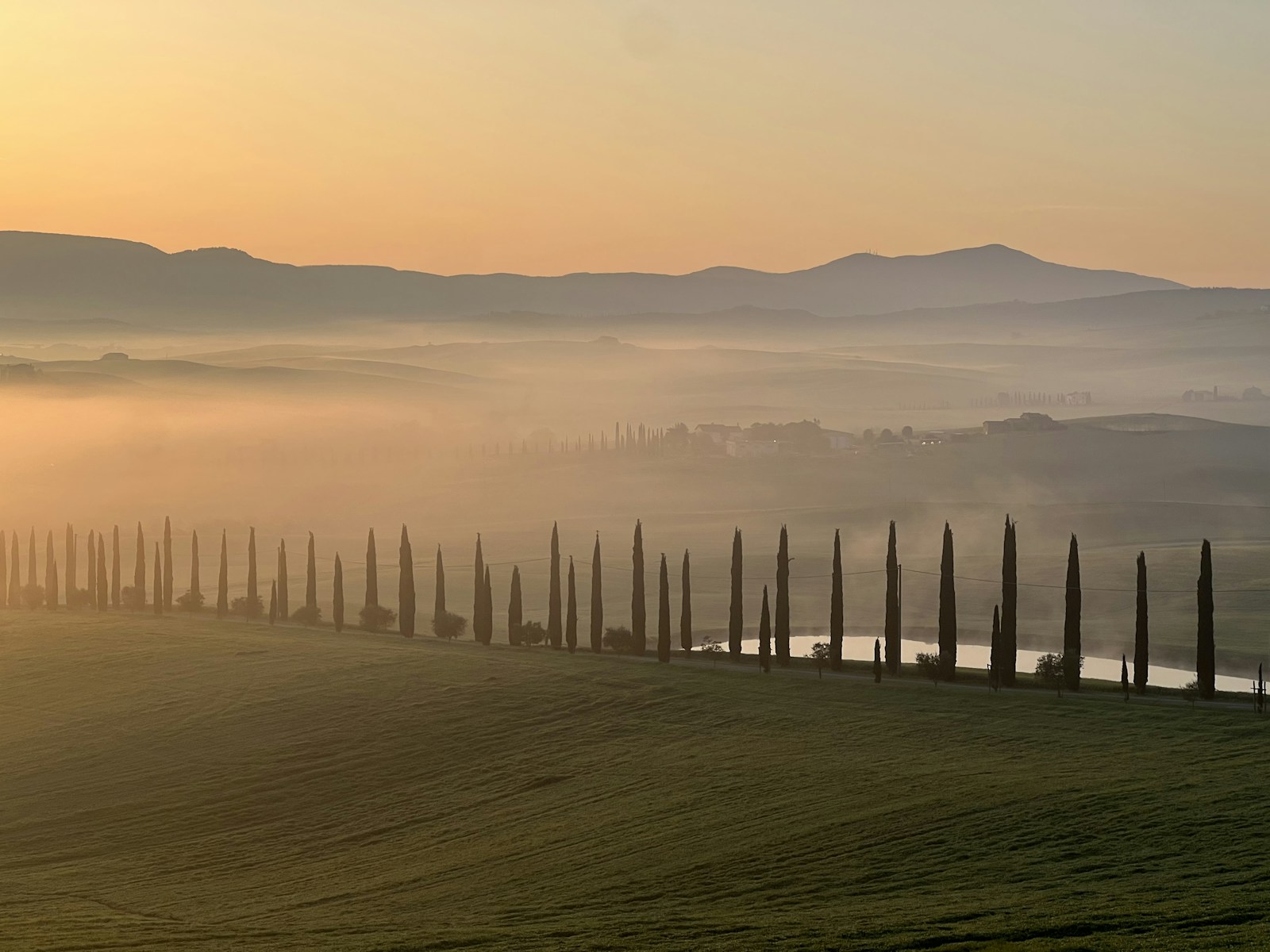
Afternoon: Arrive in Val d'Orcia
Continue towards your countryside property. The landscape will gradually become the star of the journey. If you see a safe viewpoint or a small road leading towards an appealing landscape, stop. Take the photograph and walk for a few minutes. Then continue. Some of Tuscany's most memorable moments come from views that never appeared on the original itinerary.
Late Afternoon & Evening
Arrive at your accommodation with enough time to enjoy the property before dinner. For these final three nights, your accommodation should feel like a retreat rather than simply a convenient base. Spend your first evening without a major excursion. If your property offers dinner, this is an excellent night to eat there. Otherwise, choose a nearby restaurant and return without adding another activity. The landscape is especially beautiful towards sunset, when the hills begin to lose their daytime brightness and the cypress trees become dark silhouettes against the sky.
Do not miss: Spend at least a few quiet minutes outside your accommodation after sunset — open countryside, fading light and minimal noise is one of the simplest luxuries of staying in Val d'Orcia.
Logistics: Chianti to a Val d'Orcia base generally takes around two hours without stops. A rental car is particularly useful here; a private driver is an excellent alternative if you prefer a guided scenic transfer. Choose one base for all three Val d'Orcia nights so you do not need to move luggage between Pienza, Montepulciano and Montalcino.
Day 6 — Pienza and Montepulciano: Hill Towns, Pecorino, and Wine
Pace: Moderate · Today brings two of Val d'Orcia's most memorable hill towns, but the itinerary deliberately avoids turning them into a competition.
Morning: Drive to Pienza
Have breakfast at your accommodation before setting out. As you approach Pienza, pay attention to the landscape — rolling fields, cypress-lined roads and isolated farmhouses creating a remarkable sense of harmony.
Late Morning: Explore Pienza Slowly
Pienza is small enough to explore comfortably on foot. Walk through the historic centre and spend time around Piazza Pio II, where the town's Renaissance character is most concentrated. The streets are compact, so there is no need for a complicated sightseeing route. Instead, allow yourself to wander. And, importantly, don't leave before trying Pecorino di Pienza, the sheep's-milk cheese for which the town and surrounding area are particularly well known.
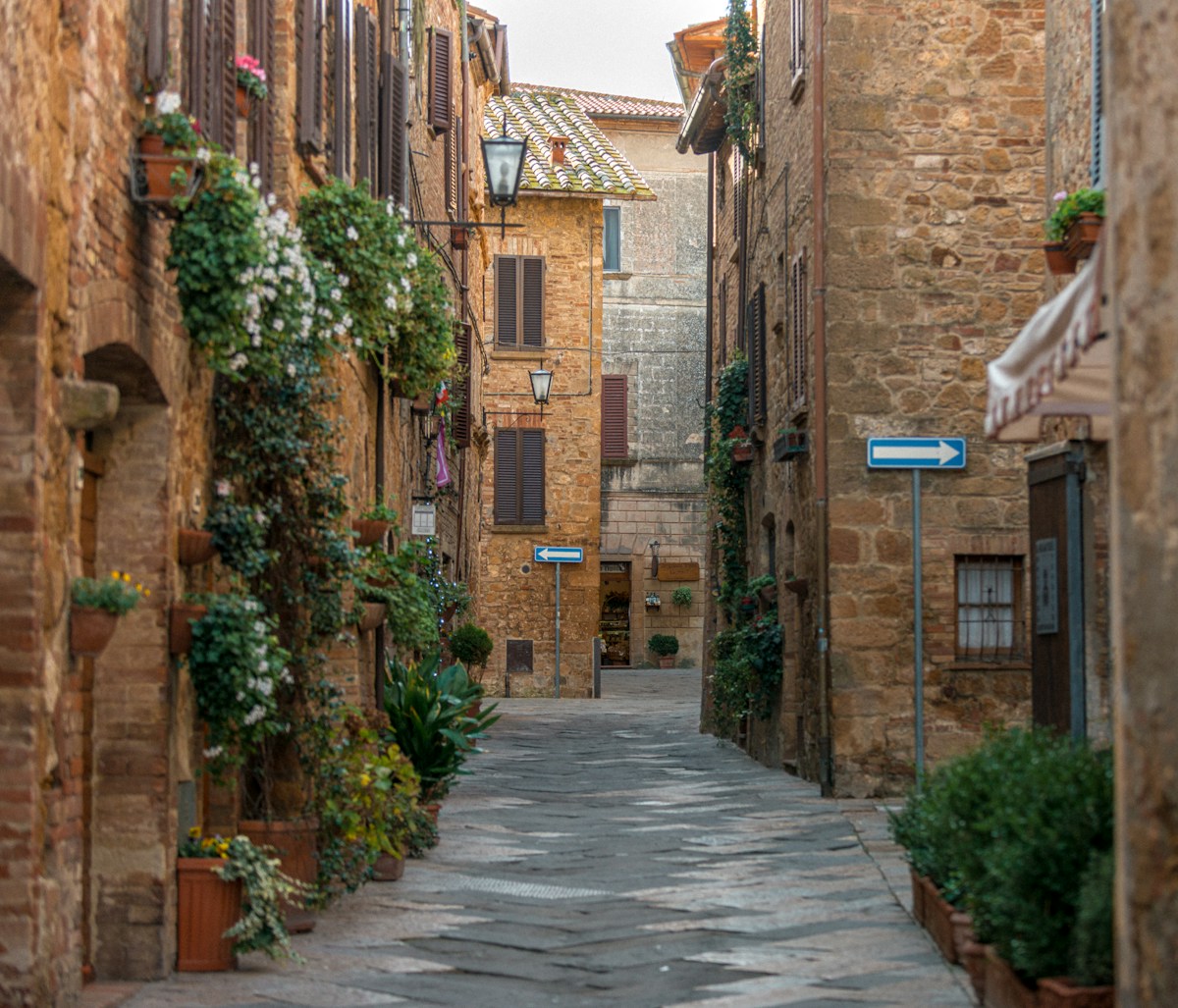
Lunch: Pienza and the Tuscan Table
Lunch in or around Pienza should be deliberately unhurried. This is a wonderful place to build a meal around local pecorino, Tuscan bread, vegetables, pasta and regional meats. If you enjoy wine, choose something from southern Tuscany that complements the food rather than automatically ordering the most famous bottle on the list.
Afternoon: Continue to Montepulciano
After lunch, continue towards Montepulciano. The town rises along a ridge, and exploring it means accepting some uphill and downhill walking. Take it slowly. The effort is rewarded by beautiful views, historic buildings and wine shops where you can learn more about Vino Nobile di Montepulciano. Choose one reputable cellar or tasting room and spend enough time there to understand what you are drinking rather than tasting everywhere.
Late Afternoon & Evening
Before leaving Montepulciano, find a viewpoint across the surrounding countryside. Drive back to your accommodation before dinner. After a day of walking through two hill towns, there is no need to schedule anything else. If your property has a spa, tonight can be a good time for a treatment.
Food note: Pecorino di Pienza deserves a place in today's food experience. Around Montepulciano, consider pairing regional food with Vino Nobile rather than treating the wine as a separate activity.
Do not miss: Take time to look beyond the towns themselves — the countryside surrounding Pienza and Montepulciano is as important to the experience as the historic streets.
Logistics: Both towns have designated parking areas outside or around the historic centres. Comfortable shoes are worthwhile. If you plan to drink more than a small amount, use a private driver or taxi rather than driving afterwards. Reserve a specific tasting or lunch in advance if you have a particular producer or restaurant in mind.
Day 7 — Montalcino: Brunello, Countryside Views, and One Last Long Lunch
Pace: Easy and indulgent · Today should feel less like the final item on a sightseeing list and more like the closing chapter of the holiday. There is one principal destination, one exceptional wine experience and one long lunch. Everything else is optional.
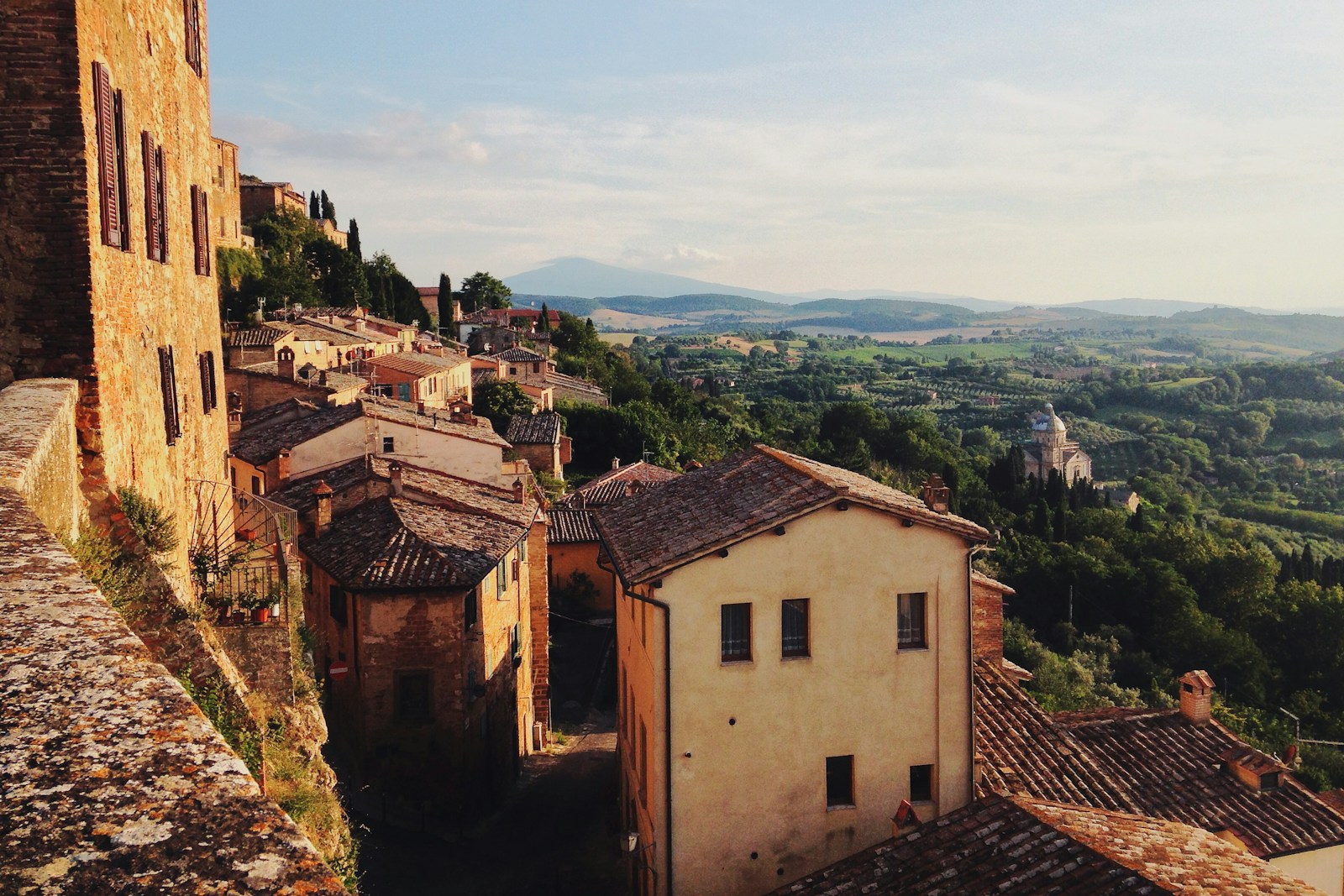
Morning: Drive Towards Montalcino
Have breakfast slowly at your accommodation. The drive towards Montalcino is relatively short from most Val d'Orcia bases. As you approach the town, the landscape becomes increasingly dominated by vineyards and rolling hills. This is Brunello country.
Late Morning: Explore Montalcino
Begin with the town itself before moving into the vineyards. Walk through the historic streets, browse the wine shops and take your time around the Fortezza di Montalcino. Brunello di Montalcino is deeply connected to the identity of the surrounding landscape and the producers who have shaped the region's reputation.
Private Wine Experience & Vineyard Lunch
For the final wine experience of the itinerary, choose quality over quantity. A private tasting at a respected estate is far more appropriate for this trip than trying to visit several wineries in rapid succession. Ideally, the experience should include some combination of vineyard or cellar access, an explanation of the winemaking process and a guided tasting. If your chosen estate offers lunch, stay — there is something particularly satisfying about having your final major meal of the trip in the same landscape that produced the wine in your glass.
Afternoon: Return to Your Estate
After lunch, return to your countryside accommodation. This is where the itinerary deliberately becomes almost empty. If there is a pool, swim. If there is a spa, book a treatment. If there is a terrace overlooking the hills, sit there with a glass of wine. The hotel is not simply the place you return to after sightseeing — it is part of the destination.
Evening: Your Final Tuscan Dinner
Before dinner, take a short walk around the property or along an appropriate nearby route. For your final evening, stay at your countryside estate if the restaurant is excellent, or arrange a private transfer to a nearby restaurant you have been looking forward to. Either way, keep the evening long.
Do not miss: Allow yourself a completely unplanned afternoon after lunch — the most luxurious ending to a week in Tuscany is often the freedom to sit beside the pool, walk through the vineyards or simply watch the countryside without needing to go anywhere.
Logistics: A private driver is strongly recommended if today's wine experience involves multiple tastings. Book your preferred estate in advance. Use designated parking outside the historic centre. Keep the same Val d'Orcia base tonight. If you have an early flight tomorrow, confirm transfer arrangements this evening.
A Note on the Morning After
Although the itinerary is seven days long, treat the following morning as a departure morning rather than squeezing in another attraction. If you are flying home from Florence, allow enough time for the drive from Val d'Orcia, returning your rental car if necessary and reaching the airport with a comfortable buffer.
Making the Itinerary More Luxurious, Relaxed, or Culture-Focused
If your budget allows more indulgence, do not necessarily add more destinations. Improve the experiences you already have: a private transfer from Florence to Chianti, a private sommelier-led tasting, a vineyard lunch, or a private driver on wine days. These upgrades preserve the slow rhythm rather than making the trip busier.
If seven days begins to feel too short, the easiest adjustment is to add two extra nights in Val d'Orcia — one day for Montalcino, one for Pienza and Montepulciano, and one completely free day at your countryside estate. Alternatively, add one more night to Chianti if wine is the primary reason for your trip.
If art and history matter more than wine, keep the same route but give Florence an additional night. You could then dedicate another day to museums, churches, Renaissance architecture or lesser-known neighbourhoods while the countryside portion remains as planned.
Budget Notes for a Luxury Tuscany Week
A genuinely luxury version of this itinerary is shaped primarily by accommodation, private transportation and wine experiences. You do not need to make every element expensive. A luxury countryside estate can be balanced with a simpler lunch in a small village. A private wine tasting can replace several paid attractions. Walking around Pienza, Montepulciano and Florence costs very little while providing some of the most memorable experiences.
Prioritise the quality of the Chianti and Val d'Orcia stays over upgrading every night in Florence — countryside properties are where you will spend more time enjoying the accommodation itself. Use a private driver specifically for main tasting days rather than the entire trip. Choose a comfortable rental vehicle rather than the smallest possible model. Prefer one or two high-quality wine experiences over several inexpensive tastings.
Practical Tips for a Luxury Tuscany Road Trip
- Don't rent the car in Florence too early — collect it when you are actually ready to leave.
- Understand Florence's traffic restrictions before driving into or around the historic centre.
- Don't schedule wine tastings back-to-back — one excellent tasting followed by lunch is far more enjoyable.
- Reserve restaurants, wine experiences and spa treatments ahead of time for a luxury trip.
Official Websites Worth Saving
- Visit Tuscany – Official Regional Tourism Website
- FeelFlorence – Official Florence Tourism Website
- UNESCO – Val d'Orcia World Heritage Site
- Trenitalia – Official Website
Frequently Asked Questions
Is seven days enough for Tuscany?
Seven days is enough for a well-designed first visit, particularly when the itinerary focuses on Florence, Chianti and Val d'Orcia rather than trying to cover the entire region. The key is accepting that you cannot see everything and choosing depth over quantity.
Do I need a car in Tuscany?
You do not need a car in Florence, but a car becomes very useful once you enter the countryside. A private driver is preferable on wine-tasting days.
Should I stay in Florence or the countryside?
For this itinerary, both are important. Two nights in Florence provide access to Renaissance art and city culture, while five nights across Chianti and Val d'Orcia allow you to experience the countryside at a much slower pace.
Can I visit Pienza, Montepulciano and Montalcino in one day?
Technically yes, but I would not recommend it for a luxury itinerary. Giving Pienza and Montepulciano one day and Montalcino another creates a much more relaxed experience.
Is Tuscany good for a honeymoon?
Tuscany is exceptionally well suited to a honeymoon because countryside estates, wine, food, historic towns and romantic landscapes naturally lend themselves to slower travel. Choosing accommodation with a spa, pool or private outdoor space can make the experience even more special.
When is the best time to visit Tuscany for wine lovers?
Late spring and early autumn are particularly appealing, with September and October offering the added atmosphere of the wine season. Check directly with producers when planning a specific vineyard experience.
How many wineries should I visit in Chianti?
For this itinerary, one excellent private tasting is enough. A second tasting can be added if wine is your main interest, but visiting several wineries in one day can quickly make the experience feel rushed.
Is Val d'Orcia worth staying overnight?
Absolutely. Val d'Orcia is much more enjoyable when you experience it as a landscape rather than simply as a day trip from Florence. Staying three nights gives you time to explore the towns while still having entire afternoons to enjoy your countryside property.
The itinerary above is a framework rather than a set of rules. You can add another night in Florence if art is your priority, extend Chianti if wine is your passion, or spend several additional days in Val d'Orcia if your ideal holiday involves doing very little beyond eating well, drinking beautifully and watching the landscape change.
And that is exactly how Honge can fit into the planning process. Take this itinerary as your starting point, then customise the pace, accommodation style, wine experiences, towns and free days until the journey reflects the way you actually want to travel. Because in Tuscany, the most luxurious itinerary may simply be the one that leaves enough room to change your mind.
Ready to make it yours?
Customize this itinerary with AI
Tailor villa stays, wine days, hill towns and free time to your Tuscany trip.
Related itineraries
- 10-Day Berlin & Munich Itinerary: Wall, Museums & Oktoberfest
- 10-Day Sri Lanka Itinerary: Beaches, Tea Country & Wildlife Safari
- 10-Day Philippines Island-Hopping Itinerary: El Nido, Coron & Bohol
- 8-Day London and Southern England Itinerary: Museums, Cricket, Bath & Jurassic Coast
- 4-Day Santa Fe & Taos Itinerary: Art, Culture & Rio Grande Gorge
- 7-Day Harry Potter Britain Itinerary: London, Oxford & Scotland
- 10-Day Taiwan Solo Itinerary: Taipei Food, Nature & Culture
- 10-Day Scotland Road Trip: Whisky, Castles & Mountains
- 7-Day Buenos Aires Couples Itinerary: Tango, Steak & Río de la Plata
Written by
This blog was contributed by B. Sai Nikita, a travel enthusiast and writer. B. Sai Nikita can be reached at bsainikita10@gmail.com.
About Honge
Honge is an AI travel planning platform focused on practical, experience-led itineraries with realistic pacing and logistics. All blog content is edited and published by Honge. Our Tuscany research draws on updated practical logistics as of August 2026. © Honge. All rights reserved.
Image credits: Photos are sourced from Unsplash. Copyright remains with their respective photographers and rights holders. Unsplash images are used according to the Unsplash License.
Travel disclaimer
This itinerary is intended as general travel inspiration and planning guidance only — not as personalised travel advice. Conditions change. Before you travel, check the current entry requirements, visa rules, and any travel advisories issued by your government for Italy. Review weather forecasts for your specific travel dates, confirm museum opening hours and timed-entry tickets, winery and restaurant reservations, ZTL and parking rules, and rental-car or private-driver terms directly with operators and official sources, and take out comprehensive travel insurance that covers medical, cancellation, and disruption. Honge is not responsible for any changes to conditions, services, or experiences described in this article after the date of publication.