Trams and adda in Kolkata, stone chariots on the Odisha coast, and first-flush tea grown on the slope outside your Darjeeling window.
Eastern India is not a side trip you tack onto a Golden Triangle holiday. It is a self-contained arc: river-city culture, living temple towns, and a hill station that still feels like a working tea landscape rather than a checklist stop. Eight days is enough to feel each place if you accept that Kolkata and the Puri belt move quickly, while Darjeeling is designed to slow you down.
This itinerary uses one overnight train (or a short flight), one multi-leg flight day into Bagdogra, and road transfers into the hills. Internal logistics matter more here than in single-base coastal trips — build buffer time, book berths and jeeps early, and treat Day 5 as a full transfer day rather than a sightseeing slot.
Route Overview
This route covers three states and three distinct atmospheres without looping back through Delhi’s usual tourist circuit.
- Cities covered: Kolkata (West Bengal) → Bhubaneswar & Puri (Odisha) → Darjeeling (West Bengal)
- Duration: 8 days, 7 nights
- Best season: October to March. Puri’s coast is humid in April–June; Darjeeling gets monsoon landslides in July–September.
- Internal travel: 1 overnight train (Kolkata–Bhubaneswar) + 1 short flight (Bhubaneswar–Bagdogra, often via Kolkata) + road transfers
- Pace: 2 cities move fast (Kolkata, Puri belt), 1 slows down completely (Darjeeling)
Where Should I Stay?
Base yourself for walkability and early starts rather than chasing luxury for its own sake. Suggested areas below are samples only; specific hotels may appear in Honge when available via vendors.
Nights 1–2 — Kolkata
- Park Street or BBD Bagh: Best for first-timers who want central access to Victoria Memorial, Chowringhee, and evening food culture.
- Around New Market: Mid-range heritage-style stays for character without a five-star price tag.
Night 3 — Bhubaneswar (or early Puri)
- Near the Old Town temple cluster: Cuts cab time for Lingaraj, Mukteswara, and Rajarani. Most mid-range chains also cluster in convenient parts of the city.
Night 4 — Puri
- Marine Parade / Chakra Tirtha Road: Beach access without the pilgrim-lane crowding right beside the temple.
Nights 5–7 — Darjeeling
- Mall Road / Chowrasta area: Walkable to the toy-train station, monasteries, tea shops, and evening promenade culture.
Day-by-Day at a Glance
| Day | Route & Highlights | Stay |
|---|---|---|
| Day 1 | Kolkata → Victoria Memorial → St. Paul’s Cathedral → Park Street → Indian Museum | Kolkata (Park Street / BBD Bagh) |
| Day 2 | Howrah Bridge → Mullick Ghat Flower Market → Jorasanko Thakur Bari → College Street → New Market | Kolkata |
| Day 3 | Overnight train or flight Kolkata → Bhubaneswar → Lingaraj Temple → Mukteswara & Rajarani → Pipili → toward Puri | Bhubaneswar or Puri |
| Day 4 | Puri → Jagannath Temple surrounds → Puri Beach → Konark Sun Temple | Puri |
| Day 5 | Puri → Bhubaneswar → flight to Bagdogra (often via Kolkata) → road transfer to Darjeeling | Darjeeling (Mall Road) |
| Day 6 | Tiger Hill sunrise → DHR toy-train joyride → Padmaja Naidu Zoo → tea estate | Darjeeling |
| Day 7 | Ghum Monastery → Peace Pagoda → Mall Road → tea shopping | Darjeeling |
| Day 8 | Final Mall Road / tea stop → descent to Bagdogra → departure | — |
Day 1 — Kolkata: Colonial Bones, Bengali Food
Stay: Kolkata (Park Street or BBD Bagh)
Focus: Victoria Memorial, Park Street food, and the Indian Museum
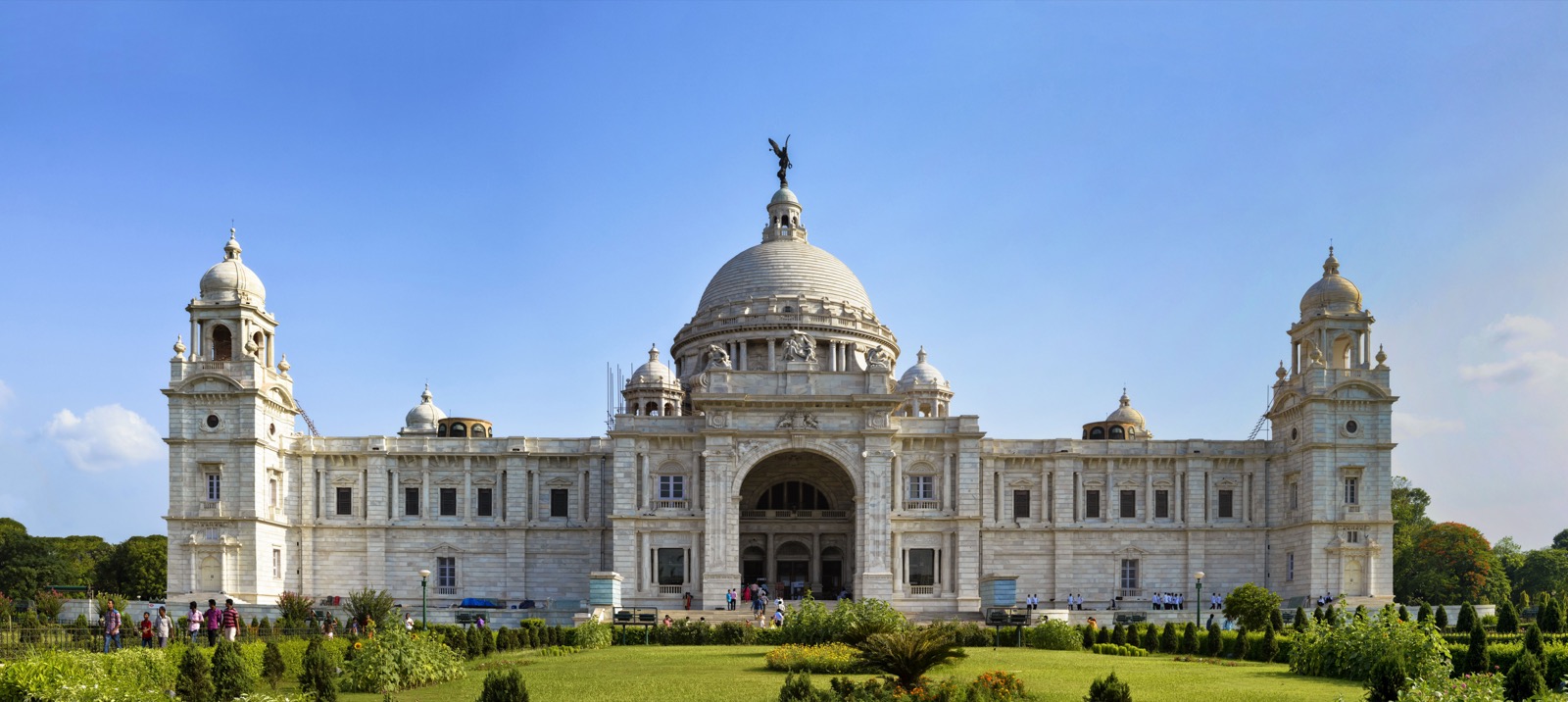
Land at Netaji Subhas Chandra Bose International Airport and head straight to Park Street or BBD Bagh for the first night — both put you within walking distance of the next morning’s stops. Start the trip proper at the Victoria Memorial, a 64-acre white marble complex built in 1921 to commemorate Queen Victoria; the museum inside covers 25 galleries of Raj-era art and manuscripts, and the surrounding gardens are worth an hour on their own.
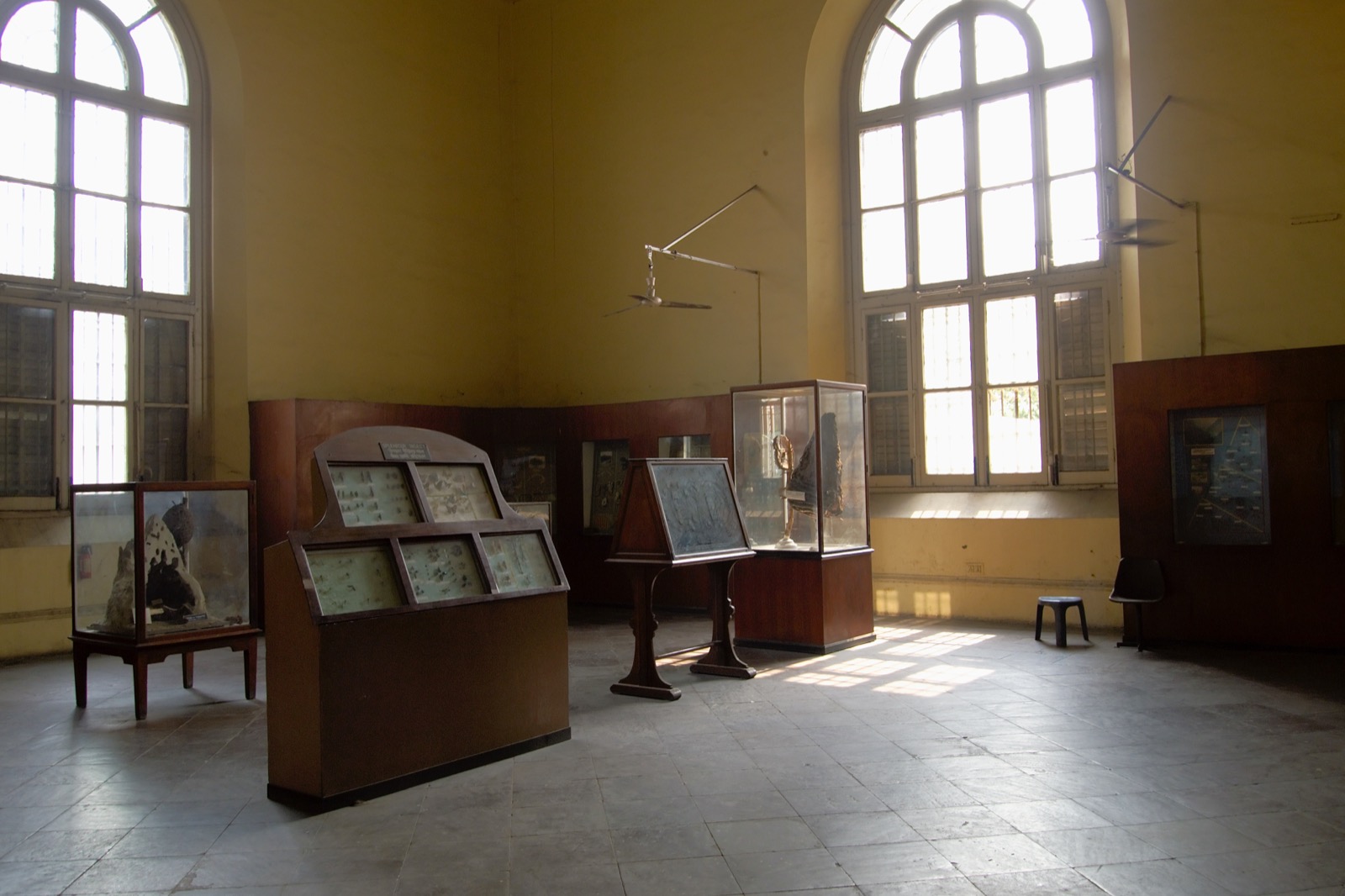
From there, walk or cab to St. Paul’s Cathedral next door, then cut across to Park Street for lunch — Peter Cat’s chelo kebab and Flurys’ English breakfast are both decades-old institutions, not tourist traps. Spend the afternoon at the Indian Museum on Chowringhee, Asia’s oldest and largest museum, founded in 1814, with an Egyptian mummy gallery that surprises most first-timers.
Close the day with a walk down Chowringhee Road as the trams come out — Kolkata is the last Indian city running a working tram network.
Day 2 — North Kolkata: Howrah Bridge, Markets, Adda Culture
Stay: Kolkata
Focus: River views, North Kolkata neighbourhoods, and book-market adda
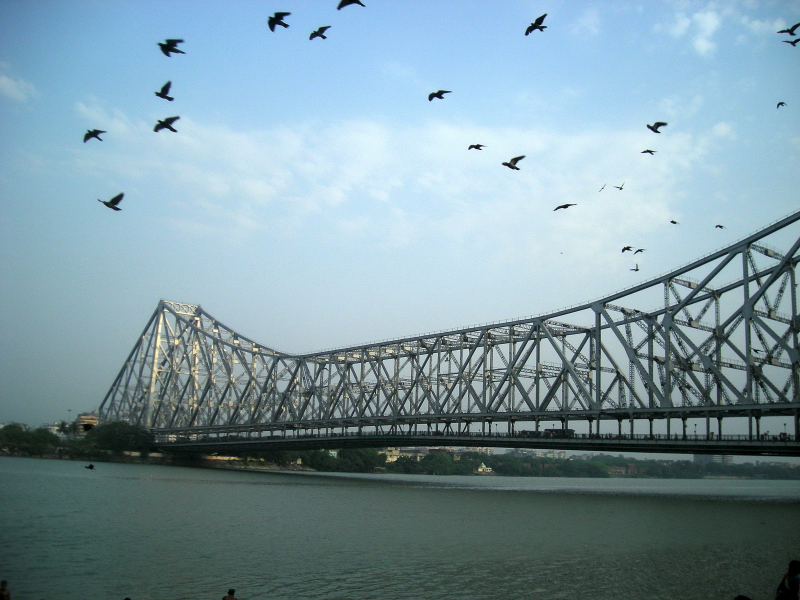
Morning belongs to Howrah Bridge, the cantilever bridge completed in 1943 that carries an estimated 100,000 vehicles and 150,000 pedestrians daily. Arrive by 7am to see it before the crush, ideally from a country boat on the Hooghly for the classic shot. Walk into Mullick Ghat Flower Market right under the bridge, running since 1855 and busiest between 4am and 9am, when wholesalers move marigold and rose by the sackload.
From there, head into North Kolkata’s older neighbourhoods — Shobhabazar and Jorasanko, where Rabindranath Tagore’s ancestral home (Jorasanko Thakur Bari) is now a museum covering the Tagore family and the Bengal Renaissance. Break for lunch at a North Kolkata institution like Golbari (kosha mangsho) or Putiram (kachori-sabzi, running since 1912).
Spend the afternoon at College Street, the largest second-hand book market in Asia, and end at Indian Coffee House on the same street — a 1942 establishment that’s hosted Bengal’s writers, filmmakers, and student politics for over 80 years. If there’s daylight left, add a stop at New Market (est. 1874) for spices, leather, and sweets to carry onward.
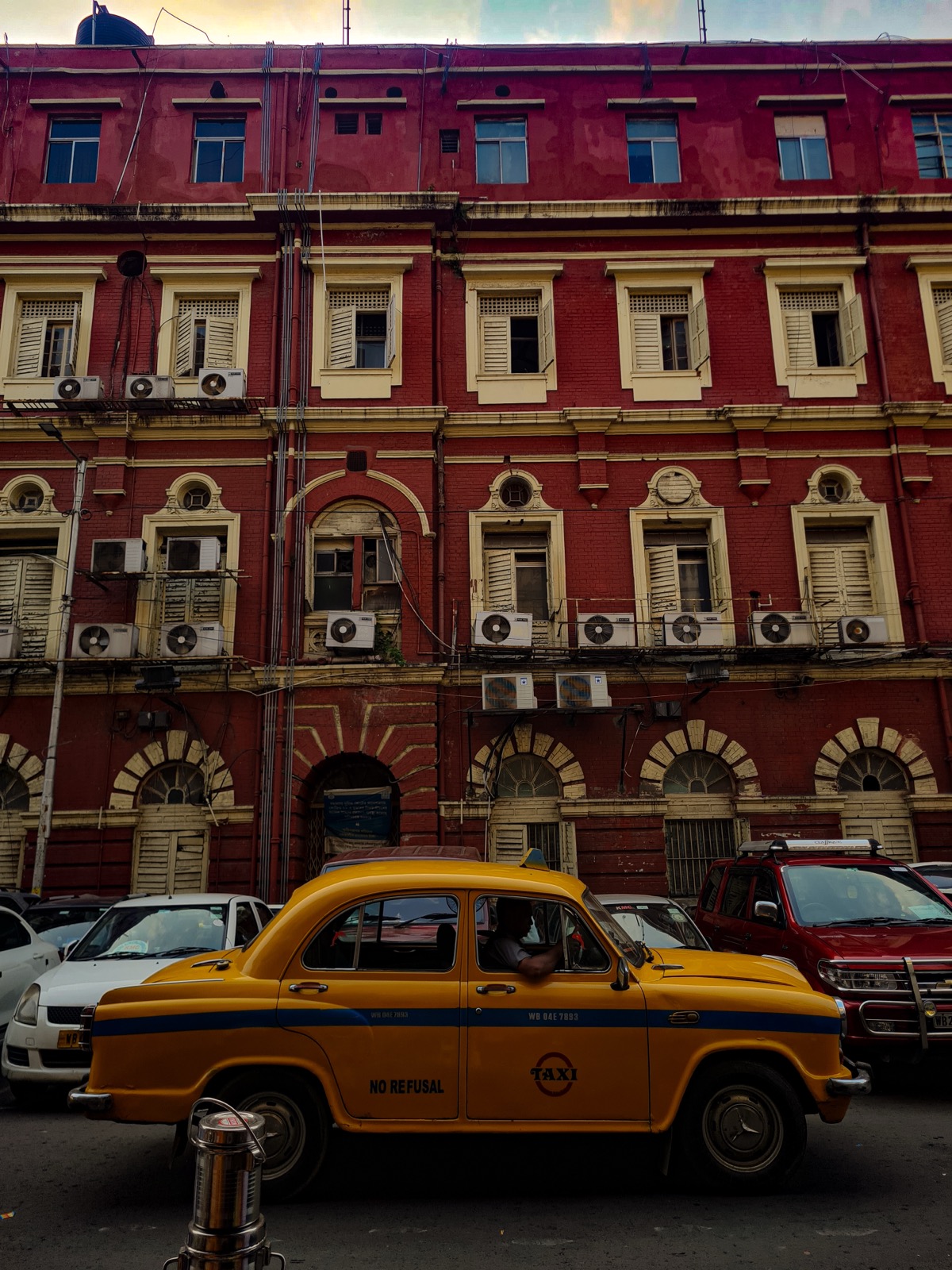
Day 3 — Kolkata to Bhubaneswar: Temple City Arrival
Stay: Bhubaneswar or continue toward Puri
Focus: Overnight transfer, Lingaraj Temple, and Pipili craft
Catch an overnight train — the Duronto Express or Puri SF Express both run Howrah to Bhubaneswar in roughly 6 to 7 hours, so a 10pm departure lands you by 5am with the full day ahead. Alternatively, a 1-hour flight covers the same ground if the schedule works better.
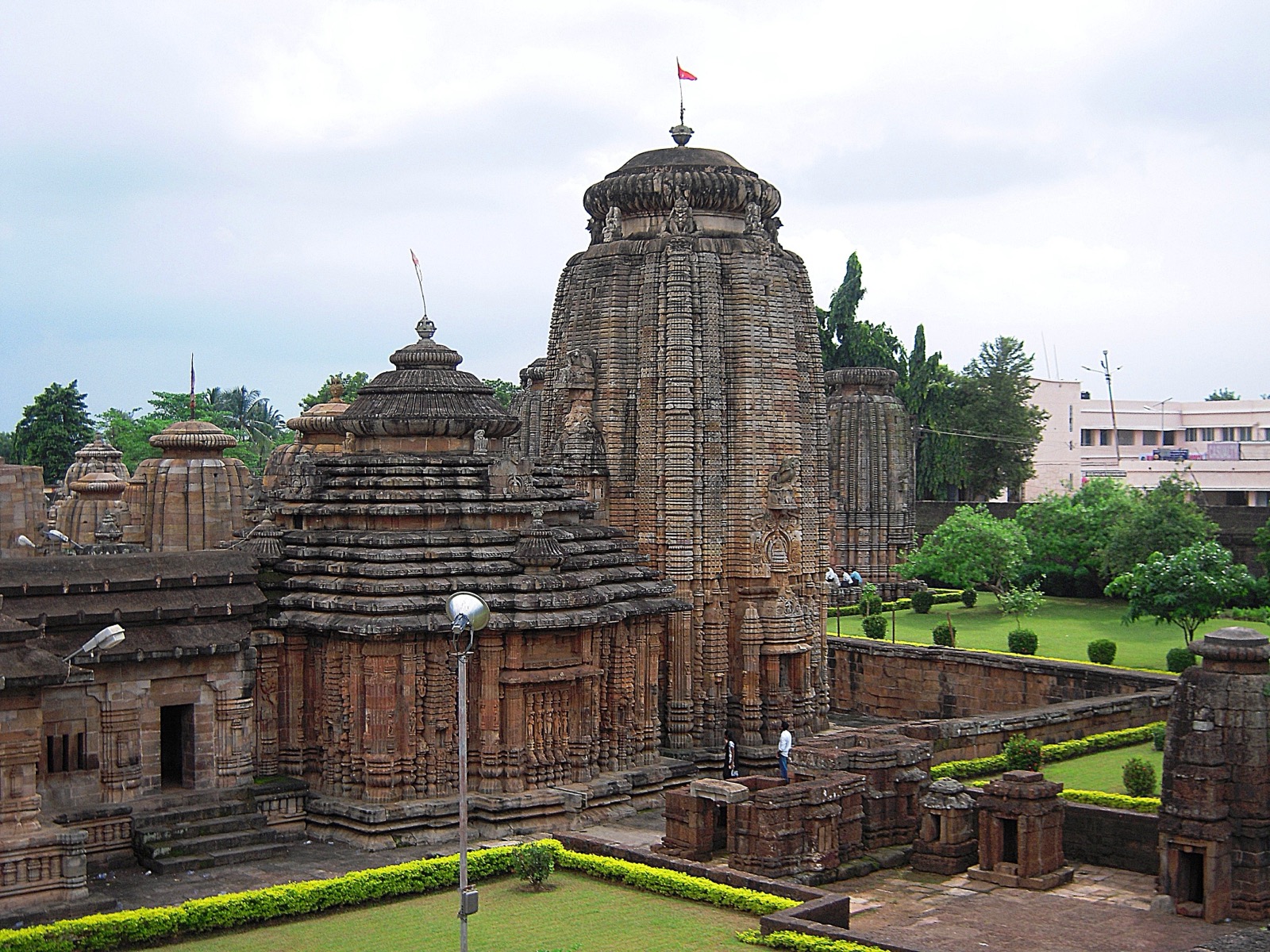
Bhubaneswar is Odisha’s temple capital, once home to over 700 temples; around 500 survive, concentrated in the Old Town. Start at Lingaraj Temple, an 11th-century Kalinga-style temple 55 metres tall and still active. Non-Hindus view it from a platform outside, since entry is restricted. Walk to the Bindusagar tank beside it, then cover the smaller Mukteswara and Rajarani temples nearby, both known for intricate stone carving rather than scale.
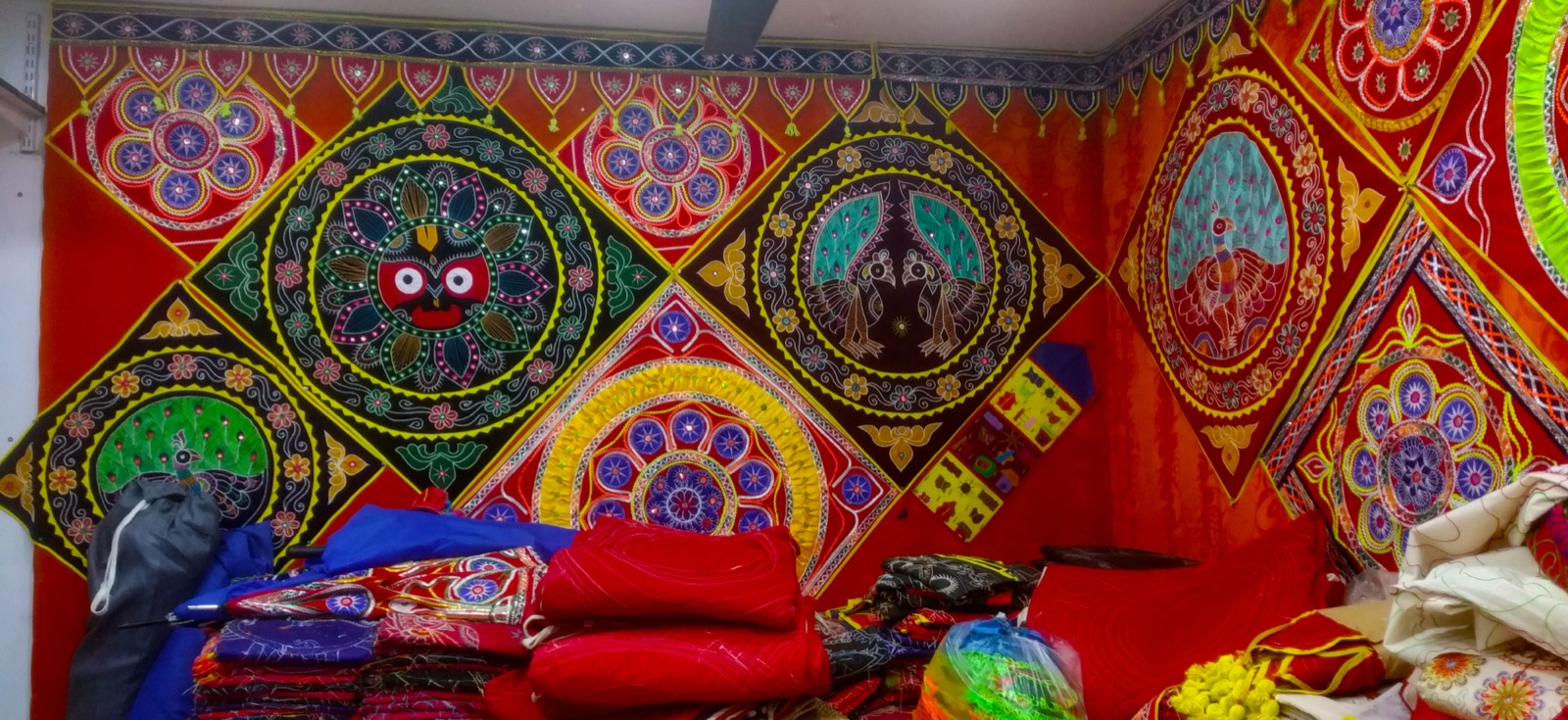
In the afternoon, visit the state museum for Odissi dance and tribal art context before Puri, then head to Pipili village en route to Puri for appliqué craft — the umbrellas and lampshades sold there are made using a technique unique to this belt of Odisha.
Day 4 — Puri & Konark: Temples, Coast, Sun Chariot
Stay: Puri
Focus: Jagannath surrounds, Puri Beach, and Konark Sun Temple
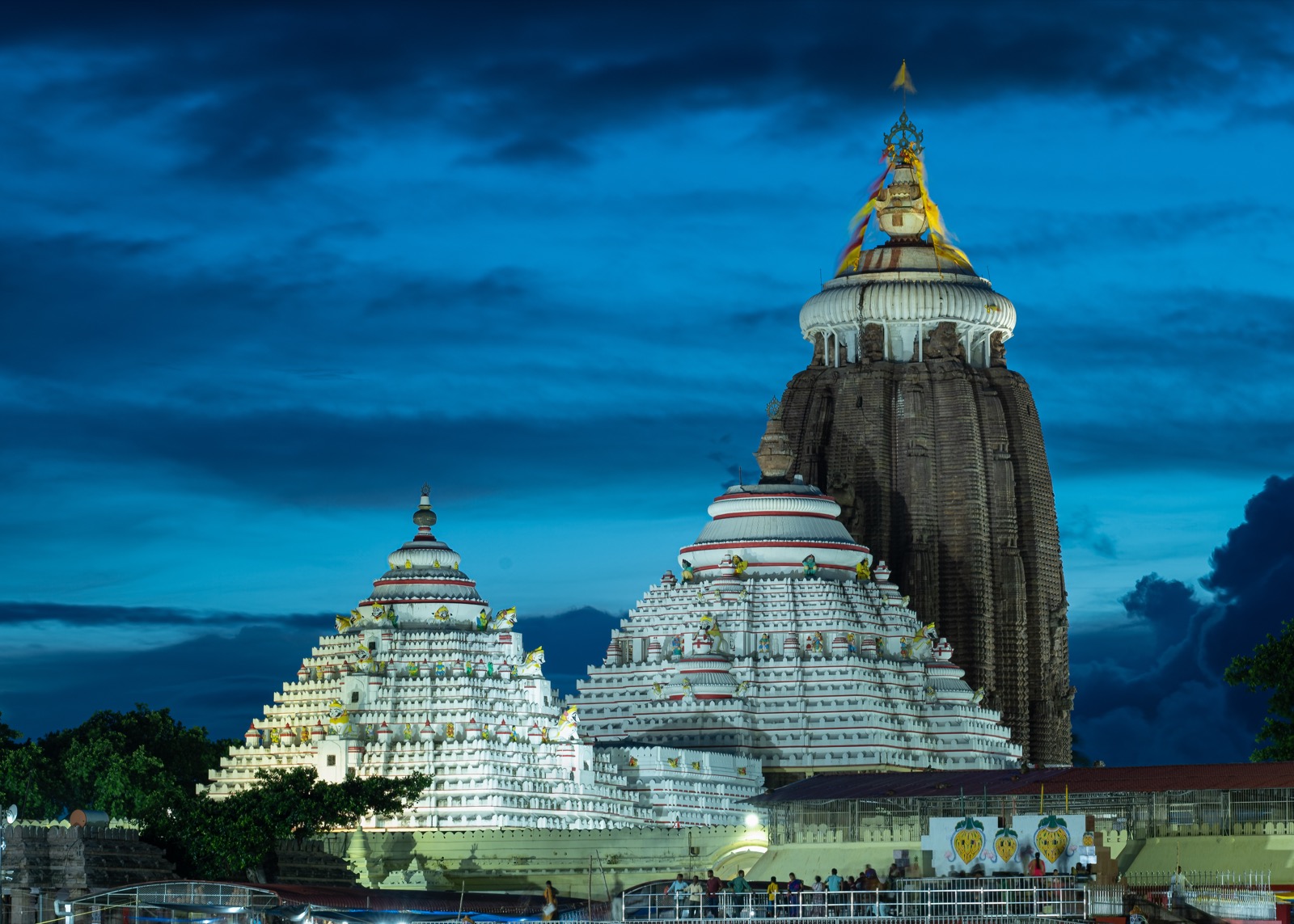
Puri is 60km from Bhubaneswar, about an hour by road. Start early at Jagannath Temple, one of the Char Dham pilgrimage sites, built in the 12th century. Non-Hindus can’t enter, but the surrounding Grand Road (site of the annual Rath Yatra chariot procession) and the temple’s 65-metre spire are visible from the rooftop of the Raghunandan Library opposite. Walk the temple market lanes for wood-carved deities and appliqué work, then head to Puri Beach for the late morning — less commercial than Goa’s coastline, with fishing boats still working the same stretch.
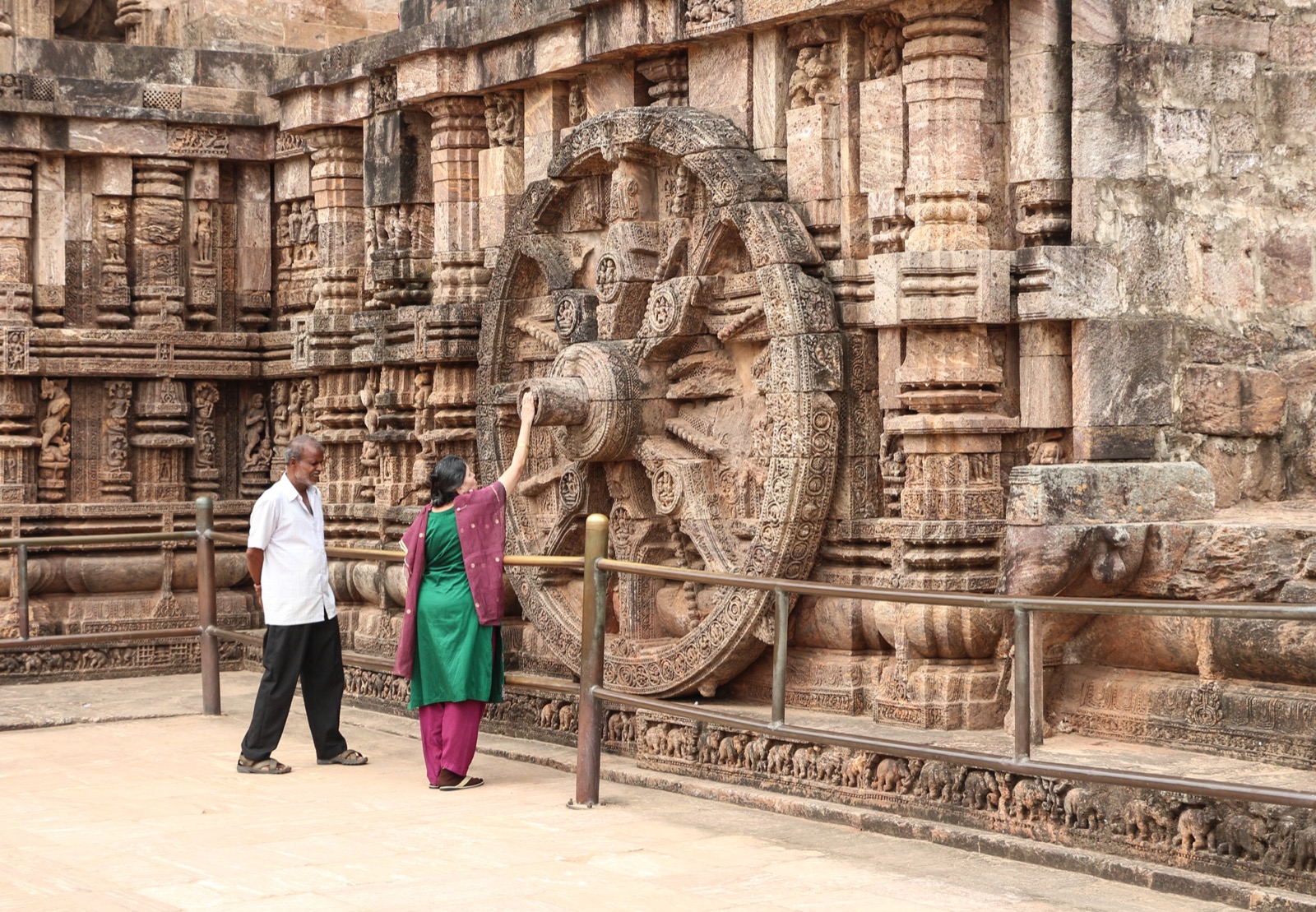
Devote the afternoon to Konark, 35km up the coast, home to the Sun Temple — a UNESCO World Heritage Site since 1984, built in the mid-13th century in the shape of a colossal stone chariot with 24 carved wheels and a team of seven horses, all pulling the sun god across the sky. The wheels double as sundials accurate enough to tell time from their shadows. Budget at least two hours here; the carving detail on the wheels and the surrounding platform rewards slow walking, not a drive-by.
Return to Puri for the night and try the local thali — Odia food leans lighter on oil than Bengali cooking, with dishes like macha jhola (fish curry) and chhena poda (a baked cottage-cheese dessert unique to the state).
Day 5 — Puri to Darjeeling: Transfer Day
Stay: Darjeeling (Mall Road area)
Focus: Flight via Bagdogra and the hill-road climb
This is the one full travel day in the itinerary — budget it as such rather than trying to layer in sightseeing. Drive back to Bhubaneswar (roughly 1 hour) and fly to Bagdogra, the nearest airport to Darjeeling; there are no direct flights on this route, so most connect via Kolkata, and layover length varies a lot by which flight you pick. Book the earliest workable connection you can — landing at Bagdogra in the early-to-mid afternoon leaves enough daylight for the hill climb, while a later arrival risks finishing the winding mountain drive after dark, especially in winter when the sun sets by around 5pm.
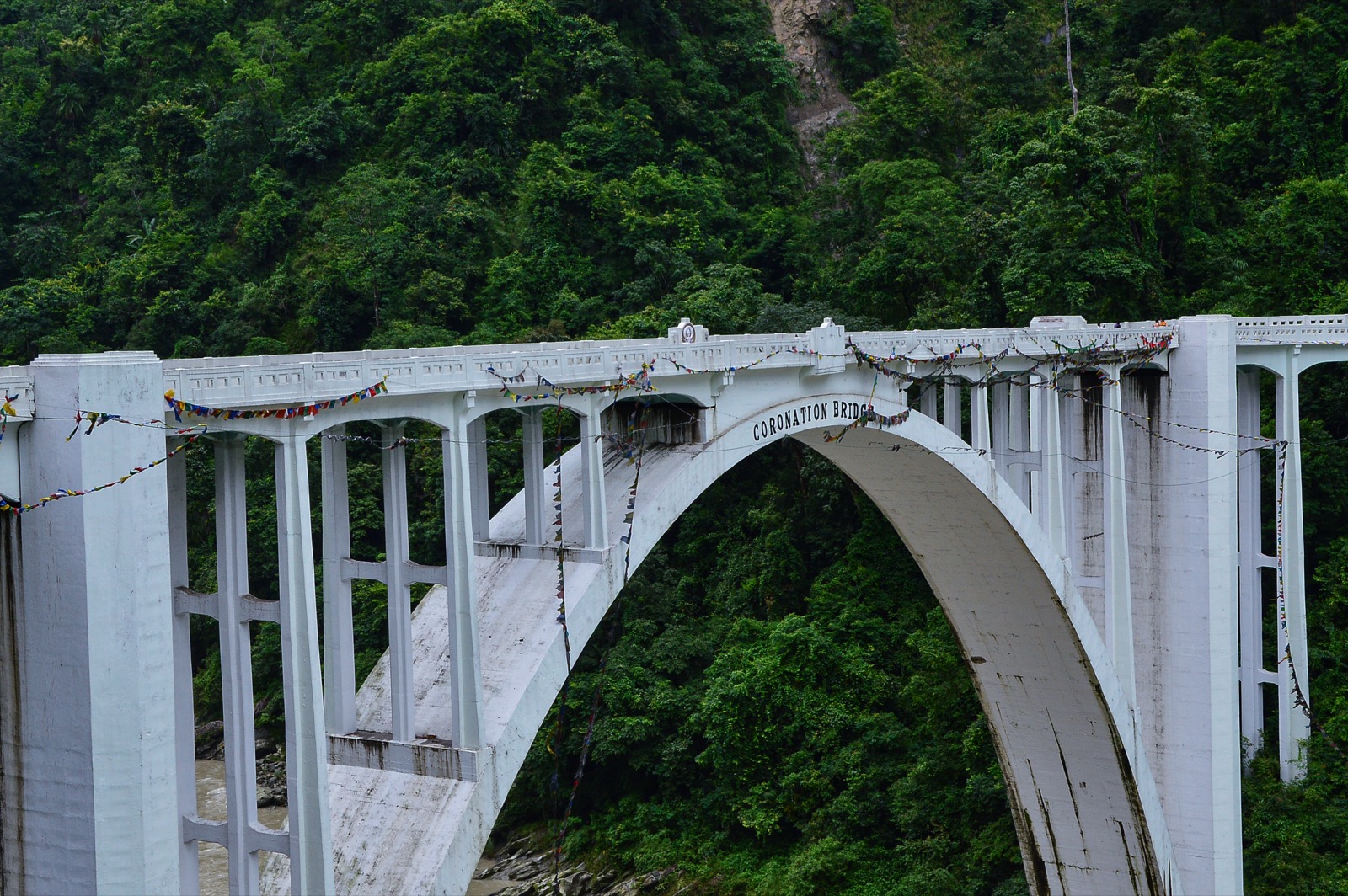
From Bagdogra, it’s a 65 to 70km drive to Darjeeling, climbing from the plains to about 6,700 feet over 3 to 4 hours through Sevoke, Kurseong, and Ghum. Travellers with more time can swap the taxi for the Darjeeling Himalayan Railway’s diesel service from New Jalpaiguri, a UNESCO World Heritage narrow-gauge line, though the full run takes 7 to 8 hours — worth it only if the toy train itself is the point of the day, not a means to an end.
Arrive in Darjeeling by evening, settle into a Mall Road-area hotel, and keep dinner simple: this stretch of the trip runs on early mornings from here.
Day 6 — Darjeeling: Tiger Hill Sunrise, Toy Train, Tea
Stay: Darjeeling
Focus: Sunrise views, DHR joyride, and a tea-estate visit
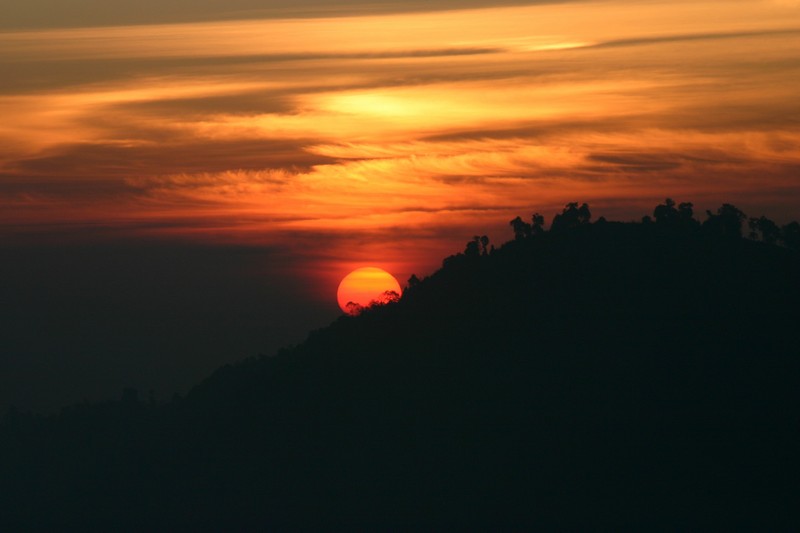
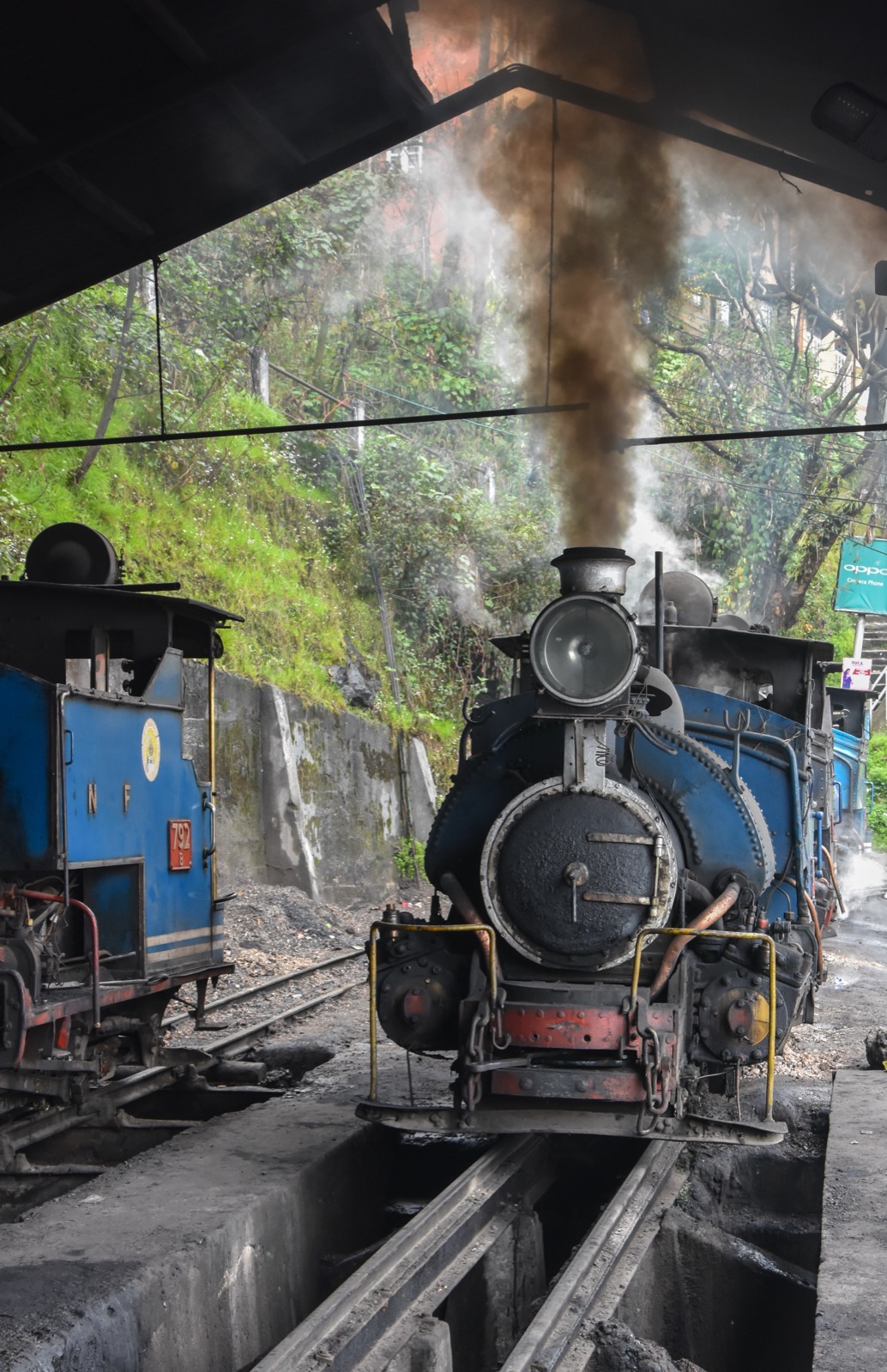
Set an alarm for 4am. Tiger Hill, 11km from town, is the reason — at 8,482 feet it offers a sunrise view of Kanchenjunga, the world’s third-highest peak, and on clear mornings, a distant glimpse of Everest. Shared jeeps run this route daily specifically for the sunrise crowd; book the night before through your hotel. Back in town by 8am, take the Darjeeling Himalayan Railway joyride — the short version, not the full NJP run — a 2-hour loop from Darjeeling station that includes the Batasia Loop, a spiral track built in 1919 to ease the railway’s gradient, now also home to a Gorkha war memorial.
Spend the rest of the morning at the Padmaja Naidu Himalayan Zoological Park, one of the few places in the world breeding red pandas and Siberian tigers at altitude, combined with the Himalayan Mountaineering Institute next door for Everest expedition history. Afternoon goes to a tea estate — Happy Valley Tea Estate is walkable from the town centre and runs factory tours during plucking season (March to November) showing the withering, rolling, and drying process behind Darjeeling’s first-flush and second-flush teas.
Day 7 — Darjeeling: Monasteries, Mall Road, Slow Morning
Stay: Darjeeling
Focus: Monasteries, promenade culture, and tea shopping
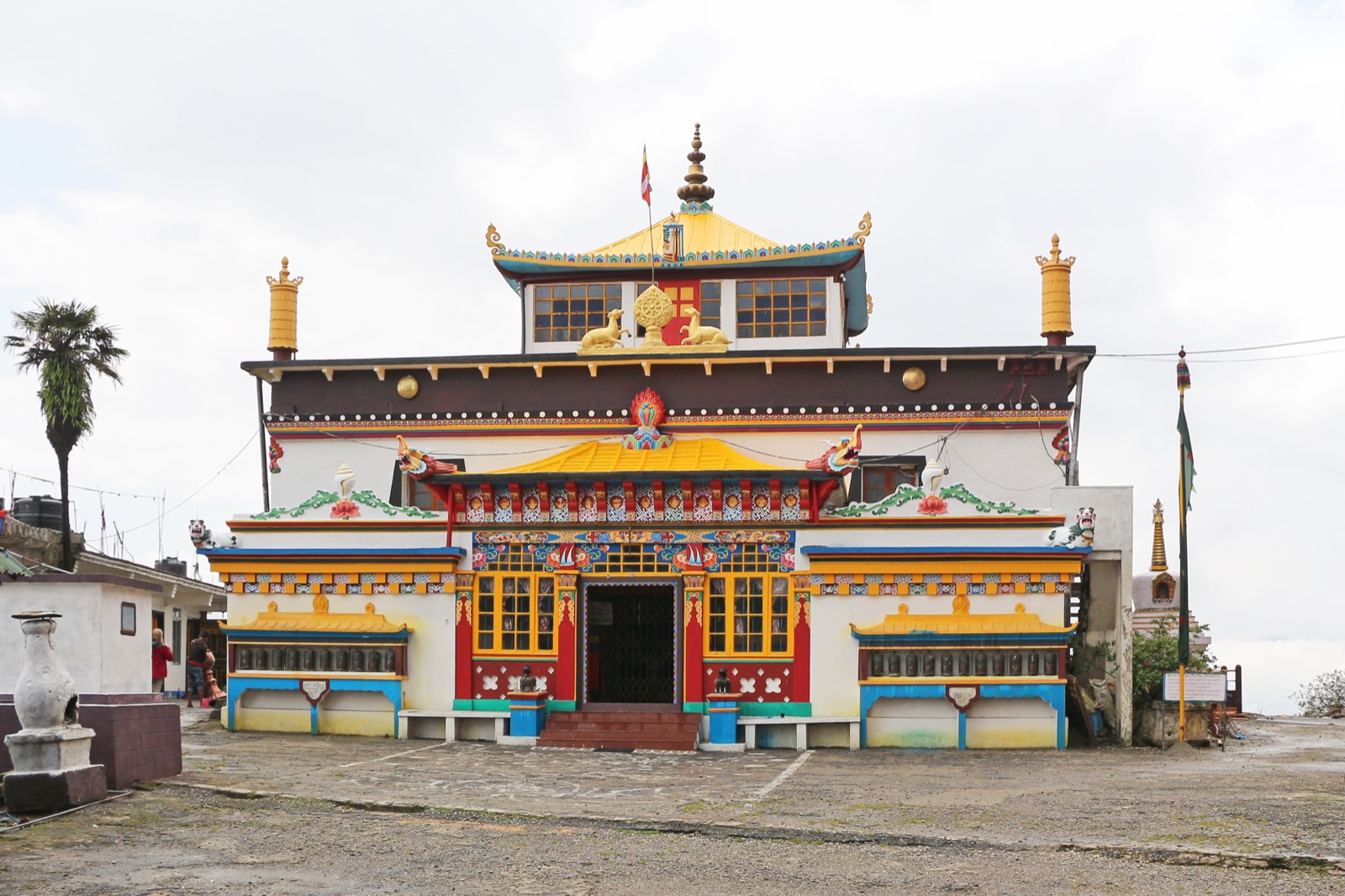
Ease the pace after yesterday’s early start. Visit Ghum Monastery, built in 1850 and home to a 15-foot statue of the Maitreya Buddha, then the newer Peace Pagoda on Jalapahar Hill for panoramic town views. Walk the Mall Road (Chowrasta) at the town centre — this is where Darjeeling’s colonial-era promenade culture still plays out daily, with pony rides, telescope stalls for mountain viewing, and old bookshops like Oxford Book & Stationery Co., trading since 1918.
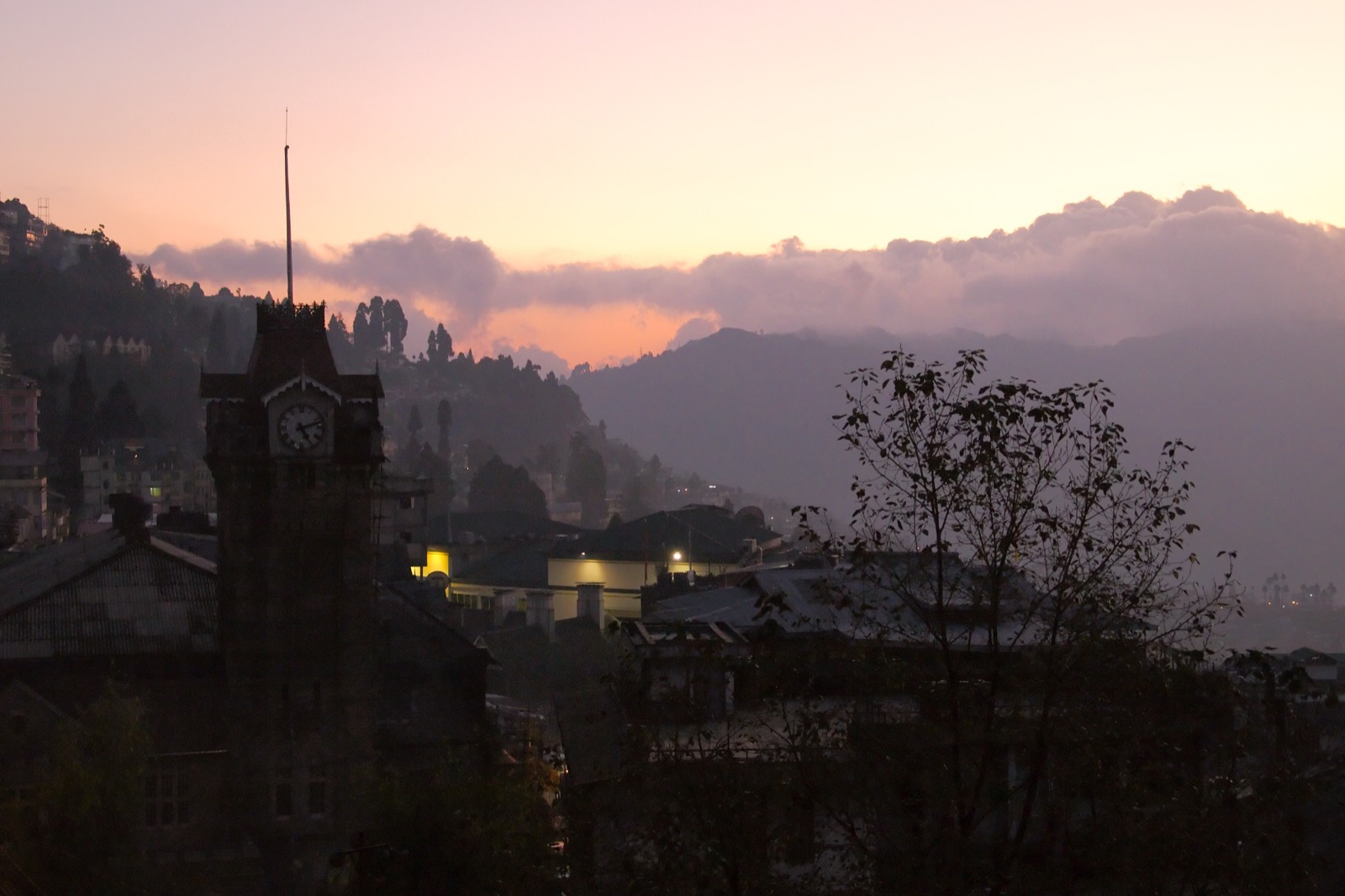
For lunch, look for momos and thukpa at a local Tibetan eatery rather than a hotel restaurant — Darjeeling’s Tibetan and Nepali food culture runs deeper than the tea-and-scones image suggests. Spend the late afternoon browsing Nathmull’s or Golden Tips for loose-leaf tea to carry home, and if time allows, add the Rock Garden and Ganga Maya Park on the town’s outskirts for terraced waterfalls and a quieter green space away from the main circuit.
Day 8 — Departure via Bagdogra
Focus: Final hill morning and airport transfer
Keep the morning free for any last tea-shopping or a final walk up Mall Road before the drive back to Bagdogra. Build in 3 to 4 hours for the transfer plus check-in time. If the flight schedule allows, a short stop at Rock Garden or a roadside tea stall along the Hill Cart Road makes a fitting last look at the hills before the descent to the plains.
Practical Logistics
Getting between cities
- Kolkata → Bhubaneswar: Overnight trains (Duronto Express, Puri SF Express) cover it in 6–7 hours; flights take about 1 hour.
- Bhubaneswar → Puri: 60km by road, roughly 1 hour by car or a similar duration by local train.
- Puri / Bhubaneswar → Darjeeling: Fly Bhubaneswar–Kolkata–Bagdogra (most routes connect through Kolkata), then a 65–70km, 3–4 hour road transfer to Darjeeling.
- Within Darjeeling: Walkable town centre; shared jeeps for Tiger Hill and out-of-town points.
Best time to visit
October to March is the clean window for this whole route. Kolkata and the Odisha coast are pleasant and dry through winter; Puri gets uncomfortably humid from April, and Darjeeling’s monsoon (July–September) brings landslide risk on the Bagdogra road and reduces mountain visibility to near zero. December and January in Darjeeling drop close to freezing at night, so pack accordingly if travelling in that window.
Accommodation suggestions
- Kolkata: Park Street or BBD Bagh for central access; mid-range heritage hotels around New Market for character without a five-star price tag.
- Bhubaneswar: Stay near the Old Town temple cluster to cut down on cab time; most mid-range chains are clustered here.
- Puri: Anywhere along the Marine Parade / Chakra Tirtha Road gets beach access without the pilgrim-lane crowding near the temple itself.
- Darjeeling: Mall Road / Chowrasta area for walkability to the toy-train station, monasteries, and tea shops.
Note: Hotel and area suggestions in this article are samples only; in the Honge app they may appear as booking options when offered by vendors at the time of your search.
Pacing note
This itinerary front-loads movement — three cities and two long-haul transfers in the first five days — then deliberately slows down for the last three in Darjeeling. Travellers with an extra day or two should add it to Darjeeling rather than Kolkata or Puri; the hill town rewards unhurried mornings in a way the temple circuit doesn’t need.
Useful Booking & Travel Links
- Indian Visa Online — Official e-Visa and visa application information for India
- IRCTC — Train reservations for Howrah–Bhubaneswar and related routes
- Incredible India — Official tourism information and trip-planning resources
Prompts to Try in Honge
- Plan an 8-day Eastern India trip from Kolkata to Odisha temples and Darjeeling tea country with realistic overnight-train and Bagdogra transfer timing.
- Create a Kolkata food-and-culture day focused on Park Street, Howrah Bridge, College Street adda, and New Market.
- Build a Puri and Konark temple day that respects non-Hindu viewing restrictions and includes Pipili craft stops.
- Design a Darjeeling itinerary with Tiger Hill sunrise, a short toy-train joyride, and a Happy Valley tea-estate visit.
- Adapt this Eastern India route for October–March weather, landslide-aware hill transfers, and a slower Darjeeling finish.
FAQs
Can non-Hindus enter Jagannath Temple and Lingaraj Temple?
Entry to both Lingaraj Temple in Bhubaneswar and Jagannath Temple in Puri is restricted for non-Hindus. You can still view Lingaraj from an outside platform and see Jagannath’s spire and Grand Road from nearby rooftops such as the Raghunandan Library opposite the temple. Always confirm current access rules before you go.
Is an overnight train from Kolkata to Bhubaneswar practical?
Yes. Overnight trains such as the Duronto Express or Puri SF Express typically cover Howrah to Bhubaneswar in roughly 6–7 hours, so a late-evening departure can land you around dawn with a full day ahead. Book berths in advance, and keep a short flight as a flexible alternative if schedules or disruptions change.
What is the best season for this Eastern India itinerary?
October to March is the cleanest window for the full route. Kolkata and the Odisha coast are pleasant and dry through winter; Puri gets uncomfortably humid from April, and Darjeeling’s monsoon (July–September) brings landslide risk on the Bagdogra road and can reduce mountain visibility to near zero.
Should I take the full Darjeeling toy train from New Jalpaiguri or a taxi?
For Day 5 transfers, a taxi or hired car from Bagdogra is usually more practical — the climb takes about 3–4 hours. The full diesel run from New Jalpaiguri can take 7–8 hours and suits travellers who want the railway itself as the day’s focus. On Day 6, the shorter joyride from Darjeeling station (including Batasia Loop) is the better fit for most itineraries.
How do I get from Puri or Bhubaneswar to Darjeeling?
Most travellers drive back to Bhubaneswar (about an hour from Puri), fly to Bagdogra — often connecting via Kolkata — then continue by road 65–70 km to Darjeeling over 3–4 hours through Sevoke, Kurseong, and Ghum. Build in buffer time for layovers and hill-road delays.
Is Tiger Hill sunrise worth the early start?
For many travellers, yes. At about 8,482 feet, Tiger Hill can offer sunrise views of Kanchenjunga and, on clear mornings, a distant glimpse of Everest. Shared jeeps leave early; book through your hotel the night before and expect mist or cloud on some days.
Where should I stay on this route?
Park Street or BBD Bagh work well in Kolkata; stay near Bhubaneswar’s Old Town for temple access; choose Puri’s Marine Parade or Chakra Tirtha Road for beach access without pilgrim-lane crowding; and base in Darjeeling’s Mall Road / Chowrasta area for walkability. Hotel names in planning guides are samples only and depend on availability.
Is eight days enough for Kolkata, Odisha, and Darjeeling?
Eight days works if you accept a front-loaded pace: Kolkata and the Puri belt move quickly, then Darjeeling slows down. If you have an extra day or two, add them to Darjeeling rather than Kolkata or Puri — the hill town rewards unhurried mornings more than the temple circuit needs another stop.
Plan Your Adventure
Turn this Eastern India sketch into a trip that fits your dates, temple-access needs, and hill-transfer comfort. Plan your itinerary in Honge to personalise overnight trains, Bagdogra timing, tea-estate visits, and how long you linger in Darjeeling.
Ready to make it yours?
Plan this trip in Honge
Customise Kolkata nights, Odisha temple days, and Darjeeling sunrise timing for your Eastern India pace.
Related itineraries
- 7-Day Hong Kong & Macau Itinerary: City Lights, Culture & Coastal Beauty
- 6-Day Vancouver & BC Itinerary: City, Mountains & Island Adventures
- 10-Day Laos & Cambodia Itinerary: Luang Prabang, Vang Vieng & Angkor
- India Monsoon Itinerary: Kerala to Meghalaya
- 8-Day Gold Coast Itinerary: Beaches, Rainforests & Coastal Adventures
- 10-Day Sri Lanka Itinerary: Beaches, Tea Country & Wildlife Safari
- 10-Day Australia Family Wildlife Itinerary: Sydney to Great Ocean Road
Written by
This blog was contributed by Ishita Minia, a travel enthusiast and writer. Ishita can be reached at ishitaminia@gmail.com.
About Honge
Honge is an AI travel planning platform focused on practical, experience-led itineraries with realistic pacing and logistics. All blog content is edited and published by Honge. Our Eastern India research draws on updated practical logistics as of August 2026. © Honge. All rights reserved.
Image credits: Photos are sourced from Wikimedia Commons. Copyright remains with their respective photographers and rights holders. Wikimedia Commons images are used according to their applicable CC BY-SA 4.0 license terms.
Travel disclaimer
This itinerary is intended as general travel inspiration and planning guidance only — not as personalised travel advice. Conditions change. Before you travel, check the current entry requirements, visa and e-Visa rules, and any travel advisories issued by your government for India, including West Bengal and Odisha. Confirm passport validity, visa or e-Visa eligibility, and any stay limits that apply to your nationality via official Indian immigration sources. Train and domestic flight schedules can change or be disrupted by weather, maintenance, or demand — verify IRCTC berths, airline connections (especially Bhubaneswar–Kolkata–Bagdogra), and buffer times for your dates. Temple entry and viewing rules vary; non-Hindus are typically restricted from entering Lingaraj Temple in Bhubaneswar and Jagannath Temple in Puri — confirm current access, dress codes, and photography rules on site or with official sources before visiting. In Darjeeling and on the Bagdogra–hill road, monsoon rains can bring landslides, fog, and delayed transfers; check road advisories and allow extra time, especially between July and September. Review hotel check-in times, attraction opening hours, toy-train and jeep bookings, and tea-estate tour availability for your specific dates via operators and official tourism sources, and take out comprehensive travel insurance that covers medical, cancellation, and travel disruption. Suggested hotels and stay areas in this article are samples only and depend on availability; in the Honge app they may appear as booking options when they are offered by our vendors at the time of your search. Road, weather, temple, rail, and attraction conditions can change. Honge is not responsible for any changes to conditions, services, or experiences described in this article after the date of publication.