
Travelling solo after 40 often means travelling differently.
Start with this itinerary
Open this route in Honge as your starting point, then shape the days, stays, and pace around how you travel.
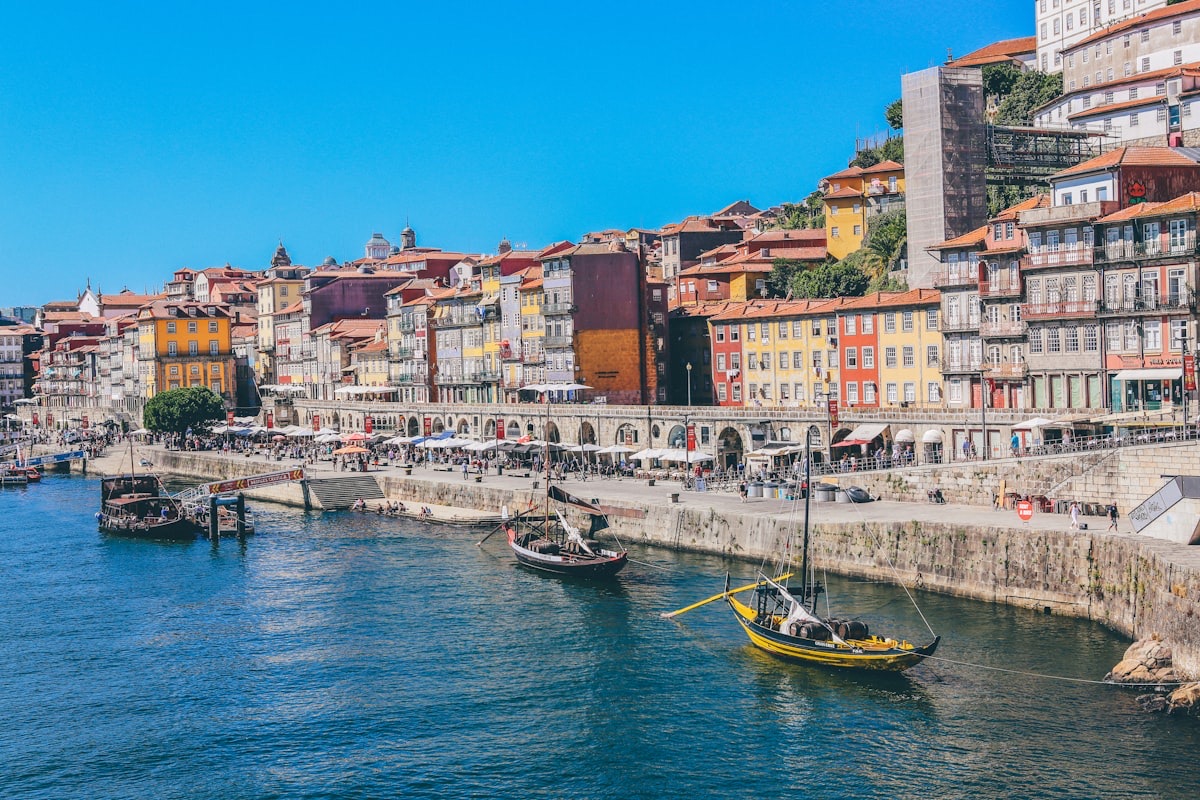
Not because you want to see less, but because you're more intentional about how you spend your time. Instead of rushing from one landmark to another, you might linger over a long lunch overlooking the Tagus River, spend an extra hour in a neighbourhood bookshop, or join a small food tour to learn the stories behind Portugal's cuisine. One of the greatest advantages of travelling solo is the freedom to follow your own curiosity — and Portugal is one of Europe's easiest countries to do exactly that.
This itinerary is designed for independent travellers who want to experience Portugal beyond the postcard views. Over five days, you'll wander Lisbon's historic neighbourhoods, take the scenic train to the fairytale town of Sintra, and finish in Porto, where riverside wine cellars, tiled churches, and quiet cafés invite you to slow down between sightseeing. The route keeps travel straightforward, avoids unnecessary backtracking, and balances iconic highlights with everyday experiences that make a solo journey feel genuinely memorable.
Is 5 Days Enough for Portugal?
Yes — provided you focus on one region rather than trying to see the entire country. Many first-time visitors attempt to include Lisbon, Porto, the Algarve, Douro Valley, Sintra, Coimbra, and even Madeira within a single week. While possible, most of the trip ends up spent in airports, on highways, or constantly changing accommodation.
This itinerary takes a more practical approach. By focusing on Lisbon, Sintra, and Porto, you'll experience Portugal's historic capital, its most famous royal town, and its northern cultural hub without feeling like you're racing from place to place. If you have additional time, consider extending with two or three nights in the Douro Valley or the Algarve.
Best Time to Visit Portugal
- Spring (March–May): Pleasant temperatures, blooming gardens, and fewer crowds — one of the best times to explore on foot.
- Autumn (September–October): Warm days, comfortable evenings, and grape harvest season.
- Summer: Long daylight hours but larger crowds, particularly in Lisbon and Sintra.
- Winter: Relatively mild compared to much of Europe; cities are quieter and accommodation is often more affordable.
5-Day Portugal Route Overview
| Day | Destination | Overnight |
|---|---|---|
| 1 | Arrive in Lisbon | Lisbon |
| 2 | Sintra day trip | Lisbon |
| 3 | Train to Porto | Porto |
| 4 | Explore Porto | Porto |
| 5 | Riverside Porto & departure | Porto |
This route follows Portugal's excellent railway network while keeping travel days simple and avoiding unnecessary backtracking.
Travelling Between Portugal's Main Cities
Portugal's rail network is operated by Comboios de Portugal (CP). Trains are comfortable, affordable, and connect most major destinations — an excellent choice for solo travellers who prefer not to rent a car.
- Lisbon → Sintra: About 40 minutes by suburban train.
- Lisbon → Porto: Approximately 2 hours 50 minutes on the Alfa Pendular high-speed service, or just over 3 hours on Intercidades.
- Porto city centre → Porto Airport: Around 30 minutes on Metro do Porto.
Do You Need a Portugal Rail Pass for This Itinerary?
No. Since this itinerary includes just two main rail journeys — Lisbon to Sintra and Lisbon to Porto — individual tickets are generally better value than a rail pass. Booking directly through CP also allows you to choose your seat and access discounted advance fares.
Where Should Solo Travellers Stay?
Lisbon: Stay in Baixa, Chiado, or Avenida da Liberdade for walkable access to main attractions, cafés, and metro stations. Official guide: Visit Lisboa.
Porto: Look for accommodation in Ribeira, Baixa, or near São Bento Railway Station for easy access to the historic centre and the Douro River. Official guide: Visit Porto.
Good to Know Before You Go
- Portugal is considered one of Europe's safest destinations for solo travellers; standard pickpocketing precautions apply in busy areas and on trams.
- English is widely spoken in hotels, restaurants, and major attractions.
- Comfortable walking shoes are essential — Lisbon and Porto are both hilly with cobbled pavements.
- Contactless payments are common, but carry some cash for bakeries, cafés, and neighbourhood markets.
- Dining alone is completely normal. Food or walking tours are a good way to meet fellow travellers without committing to a full-day group excursion.
Why This Itinerary Works
Rather than trying to cover every corner of Portugal, this route focuses on experiences that complement one another. Lisbon introduces Portuguese culture through centuries-old neighbourhoods and riverside viewpoints. Sintra adds fairytale palaces without another hotel change. Porto offers historic riverside districts, wine cellars, and slower evenings along the Douro — a different perspective on the country, practical to navigate independently.
Day 1 — Welcome to Lisbon: Historic Squares, Alfama & Your First Evening
Base: Lisbon · Focus: Baixa, Praça do Comércio, Alfama
Take the Lisbon Metro or an authorised airport taxi into the city centre. After checking in, head towards Praça do Comércio, Lisbon's grand riverside square overlooking the Tagus River — one of the best places to begin understanding the city's connection to Portugal's Age of Discovery.
Wander through Baixa, then continue uphill into Alfama, Lisbon's oldest district. Explore the narrow lanes at your own pace — tiled houses, tiny churches, hidden viewpoints, and laundry between colourful buildings. Towards sunset, make your way to Miradouro de Santa Luzia for softer light and a quieter atmosphere than midday.
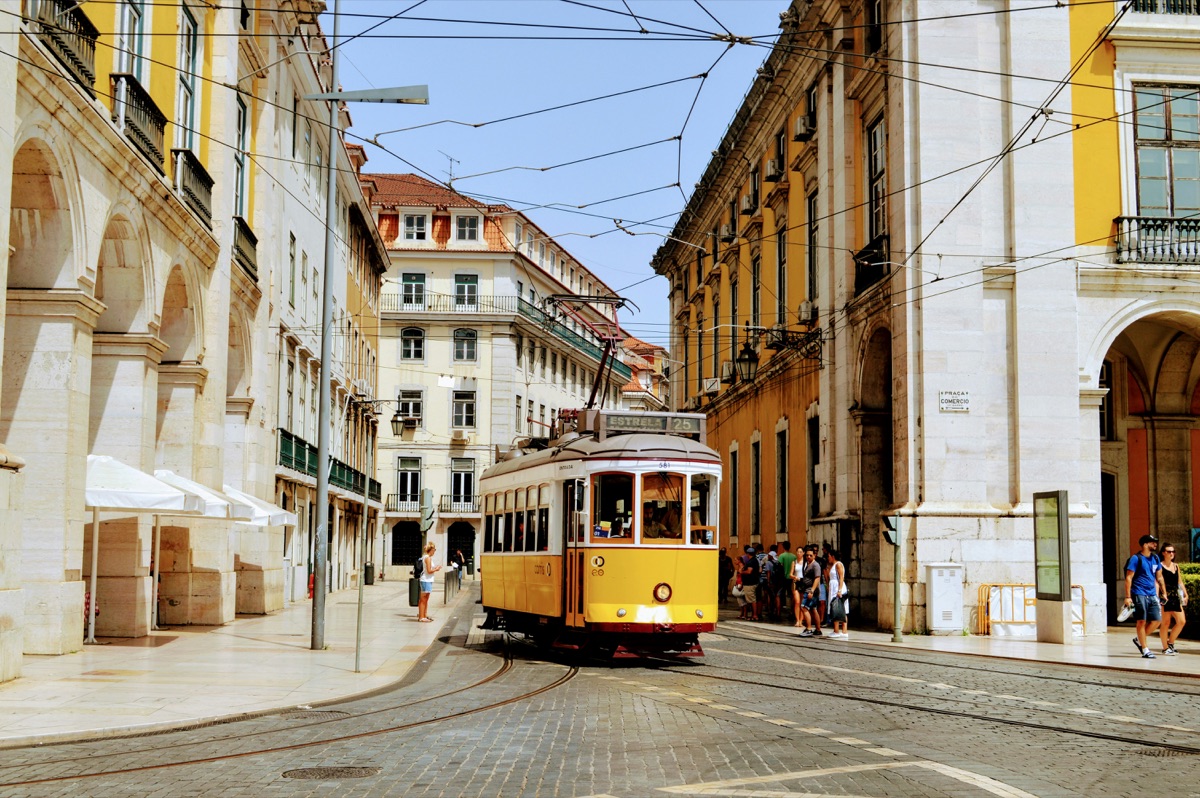
Finish with dinner at a traditional Portuguese restaurant. If you enjoy live music, consider a venue featuring Fado, Portugal's UNESCO-recognised musical tradition. Many welcome solo diners.
Food suggestion: Bacalhau à Brás, grilled sardines (seasonal), and a freshly baked Pastel de Nata.
Pacing note: Keep today flexible. The goal isn't to see everything — it's to get comfortable with Lisbon's layout and ease into the city's rhythm.
Day 2 — A Day Trip to Sintra: Palaces, Forest Trails & Portugal's Fairytale Escape
Base: Lisbon · Focus: Pena Palace, historic centre, Quinta da Regaleira
Leave Lisbon before 8:00 AM and take a suburban train from Rossio Station to Sintra (about 40 minutes). Check schedules at cp.pt. Aim to arrive at Pena Palace shortly after opening — allow at least two hours for the palace and surrounding parkland. Book tickets in advance through Parques de Sintra.
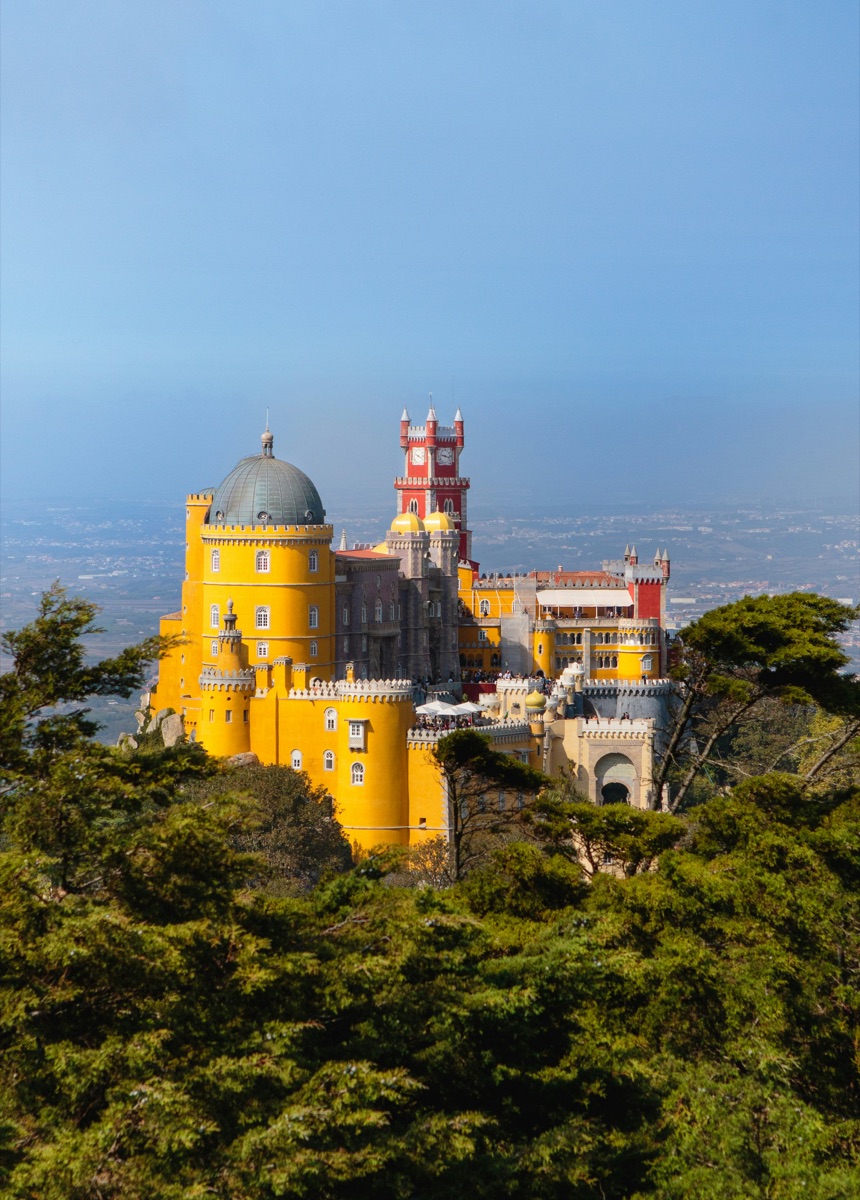
In the afternoon, slow the pace in Sintra's historic centre. Try Travesseiro de Sintra or Queijada de Sintra, then visit Quinta da Regaleira — gardens, hidden tunnels, spiral wells, and symbolic architecture that rewards slower exploration.
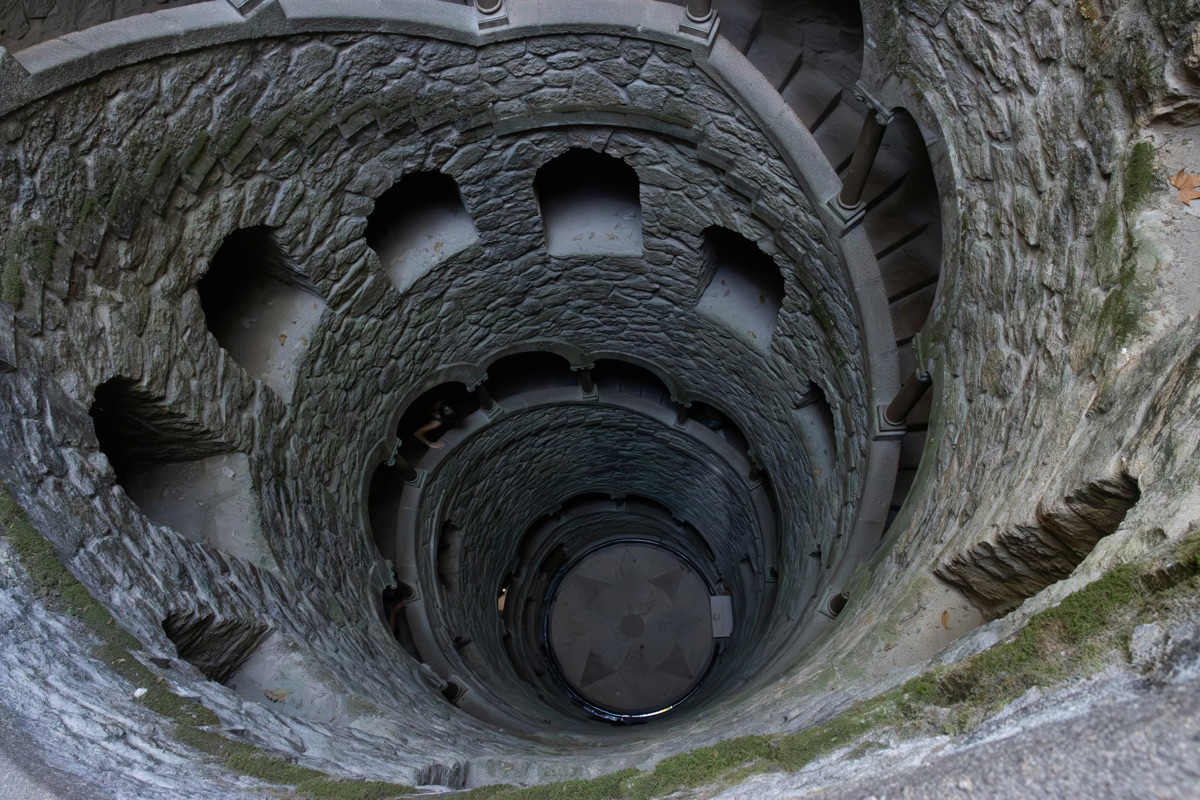
Return to Lisbon before the evening rush. Spend the evening around Chiado — wine bars, bookshops, and traditional cafés — or take a gentle walk through illuminated Praça do Comércio.
What to skip if the day gets too full: Don't try to combine Pena Palace, Quinta da Regaleira, the Moorish Castle, Monserrate Palace, and Sintra National Palace in one day. Two major sites plus the historic centre is a much more rewarding experience.
Day 3 — North to Porto: Portugal's Most Scenic Rail Journey
Base: Porto · Focus: Ribeira, the Douro River, settling into northern Portugal
After breakfast, head to Lisbon Santa Apolónia or Oriente Station for the journey north. Portugal's Alfa Pendular trains are clean and comfortable — a window seat is worthwhile for vineyards, rolling countryside, and coastal landscapes before arriving in Porto.
After checking in, explore Ribeira, Porto's colourful riverside district. Cross the lower level of the Dom Luís I Bridge, browse local wine shops, and pause for coffee beside the river whenever you feel like it — one of the joys of travelling solo.
As evening arrives, try Francesinha if you want Porto's famous hearty sandwich, or grilled fish and seafood rice for something lighter. Finish with a stroll through illuminated Ribeira.
Pacing note: Reserve Alfa Pendular tickets several weeks ahead during peak season. Porto's historic centre is compact but hilly — comfortable footwear remains essential.
Day 4 — Porto's Riverside Charm & Wine Heritage
Base: Porto · Focus: São Bento, Clérigos, Livraria Lello, Vila Nova de Gaia
Start at São Bento Railway Station — arrive early to admire the azulejo tiles depicting Portuguese history. Walk uphill to Clérigos Tower for panoramic views, then visit Livraria Lello (book entry at livrarialello.pt).
Cross the upper level of Dom Luís I Bridge into Vila Nova de Gaia for a Port wine cellar visit. Choose one cellar rather than rushing between several — the history of the Douro Valley and river trade is fascinating even if you don't drink wine.
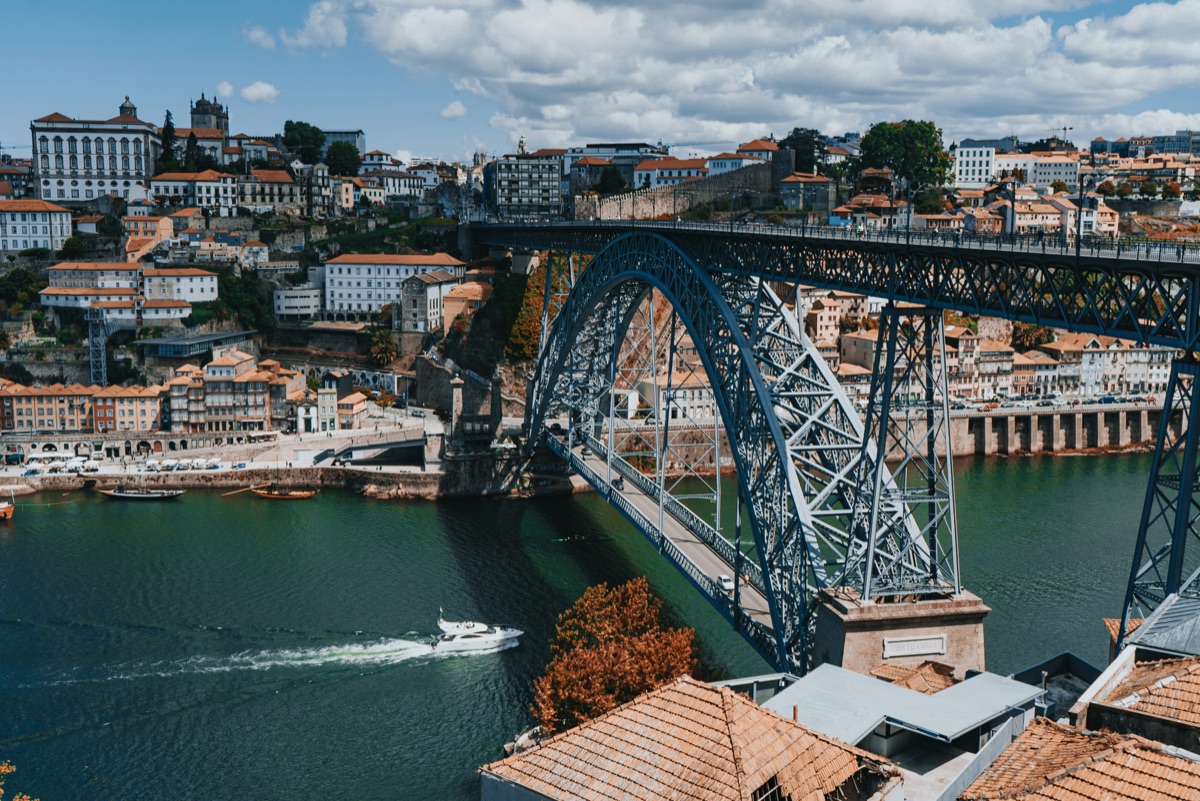
Return to Ribeira in the early evening. Choose a traditional restaurant tucked into a side street rather than directly on the waterfront for a more local experience.
Food suggestion: Grilled octopus, bacalhau à Gomes de Sá, local cheeses, and almond pastries.
Day 5 — A Relaxed Final Morning Before Departure
Base: Porto · Focus: Markets, cafés, neighbourhood strolls
If your departure isn't until later, begin with breakfast at a traditional Portuguese café, then visit Mercado do Bolhão for local products — olive oil, canned seafood, cork goods, ceramics, and Portuguese coffee. Spend remaining time revisiting whichever neighbourhood you enjoyed most.
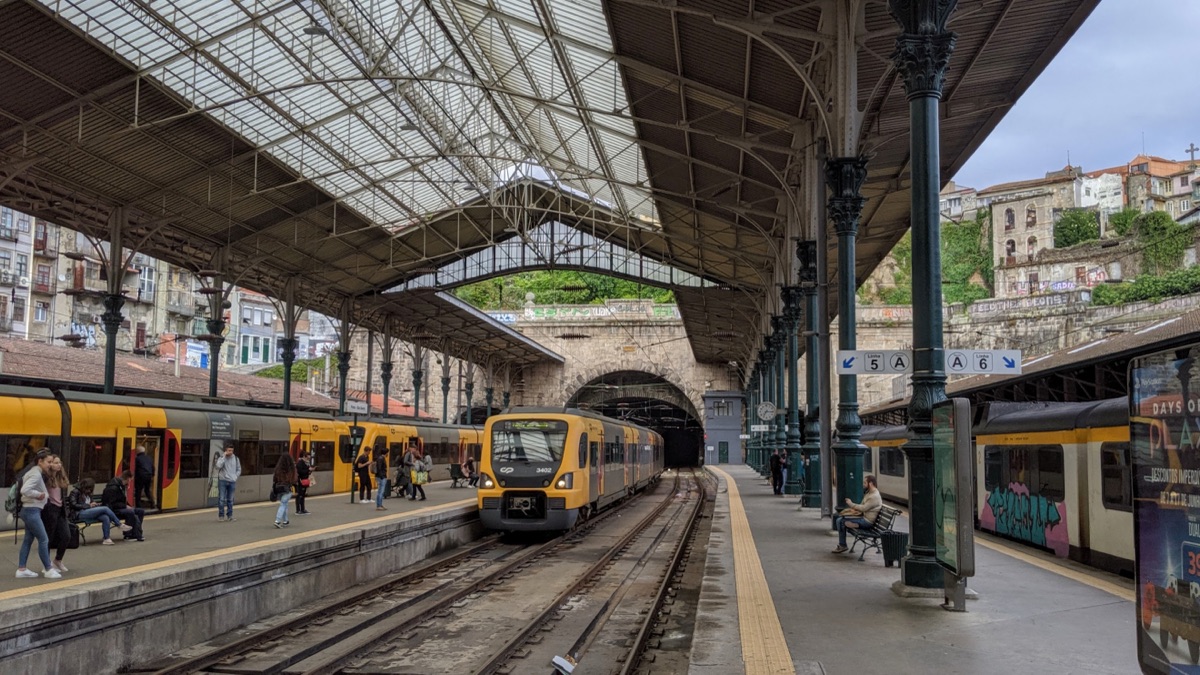
Allow plenty of time to reach Francisco Sá Carneiro Airport via Metro do Porto (approximately 30 minutes). Arrive at least two hours before European flights and three hours before long-haul departures.
What to skip: Avoid squeezing in another museum simply to "complete" the itinerary. Use remaining time to revisit somewhere you genuinely enjoyed.
Budget Notes
- Budget traveller (€90–140/day): Private hostel room or budget guesthouse, public transport, local cafés, free walking tours.
- Mid-range traveller (€170–260/day): Boutique hotel, first-class train tickets, museum admissions, food tours, comfortable restaurants.
- Luxury traveller (€350+/day): Historic hotels, premium train tickets, private guided tours, fine dining, luxury river cruises.
Portugal offers excellent value compared with many Western European destinations, particularly when booking trains and accommodation in advance.
What to Skip If You Only Have Five Days
Avoid adding the Algarve, Douro Valley, Coimbra, or Braga — each deserves at least one overnight stay. Trying to include them will turn the trip into a series of train journeys rather than meaningful experiences.
Useful Official Booking & Planning Links
- Turismo de Portugal
- Visit Lisboa
- Visit Porto
- Comboios de Portugal (CP)
- Parques de Sintra
- Metro do Porto
- Carris Lisboa (trams & buses)
Portugal Prompts to Try in Honge
FAQ
Is Portugal a good destination for solo travellers over 40?
Yes. Portugal combines excellent public transport, welcoming locals, walkable historic centres, and a relaxed café culture that makes independent travel comfortable without relying on organised tours.
Is Portugal safe to explore alone?
Portugal consistently ranks among Europe's safest countries. Standard precautions — particularly around pickpocketing in busy tourist areas and on public transport — are generally all that's needed.
Do I need to rent a car for this itinerary?
No. Everything in this itinerary is connected by Comboios de Portugal trains and local public transport.
Is five days enough for Lisbon and Porto?
Yes. Five days provides enough time to experience Portugal's two most famous cities while also including a rewarding day trip to Sintra.
Will I feel comfortable dining alone in Portugal?
Absolutely. Dining alone is common throughout Portugal. Food tours and walking tours are excellent ways to meet fellow travellers without committing to a group holiday.
Ready to make it yours?
Customize this itinerary with AI
Now that you've seen the full route, use Honge to tailor stays, activities, and day-by-day pacing to your trip.
Related itineraries
- 10-Day Taiwan Solo Itinerary: Taipei Food, Nature & Culture
- 9-Day Greek Islands Itinerary: Santorini, Naxos & Paros
- 10-Day Scotland Road Trip: Whisky, Castles & Mountains
- 12-Day France Itinerary: Paris to Provence & Cassis
- 12-Day Italy Itinerary: Milan to the Amalfi Coast
- 11-Day Baltic Capitals Itinerary: Tallinn, Riga & Vilnius
- 15-Day New Zealand Couples Road Trip: Auckland to Queenstown
- 8-Day Uzbekistan Silk Road Itinerary: Samarkand, Bukhara & Khiva
- 2-Week Georgia Itinerary: Tbilisi, Wine Country & Mountains
- 8-Day Morocco Cultural Itinerary: Casablanca, Fes, Chefchaouen & Marrakech
- Family Vietnam Itinerary: Hanoi, Halong Bay & Ho Chi Minh City
- Ethiopia Coffee Trip Itinerary: Addis, Highlands & Coffee Ceremony
- 8-Day Utah Family Road Trip: Zion, Bryce, Arches & Dinosaurs
- 3-Day Madrid Itinerary: Tapas, Museums & Neighborhoods
Written by
This blog was contributed by B. Sai Nikita, a travel enthusiast and writer. B. Sai Nikita can be reached at bsainikita10@gmail.com.
About Honge
Honge is an AI travel planning platform focused on practical, experience-led itineraries with realistic pacing and logistics. All blog content is edited and published by Honge. Our Portugal research draws on updated practical logistics as of July 2026. © Honge. All rights reserved.
Image credits: Photos are sourced from Wikimedia Commons and Unsplash. Copyright remains with the respective photographers and rights holders. Images from Wikimedia Commons are used in accordance with their applicable licensing terms, including the Creative Commons Attribution-Share Alike 4.0 International license where noted. Unsplash images are used in accordance with the Unsplash License.
Travel disclaimer
This itinerary is intended as general travel inspiration and planning guidance only — not as personalized travel advice. Conditions change. Before you travel, check current entry requirements, visa rules, and any travel advisories issued by your government. Confirm opening hours and ticket availability directly, and take out comprehensive travel insurance. Honge is not responsible for any changes to conditions, services, or experiences described in this article after the date of publication.