
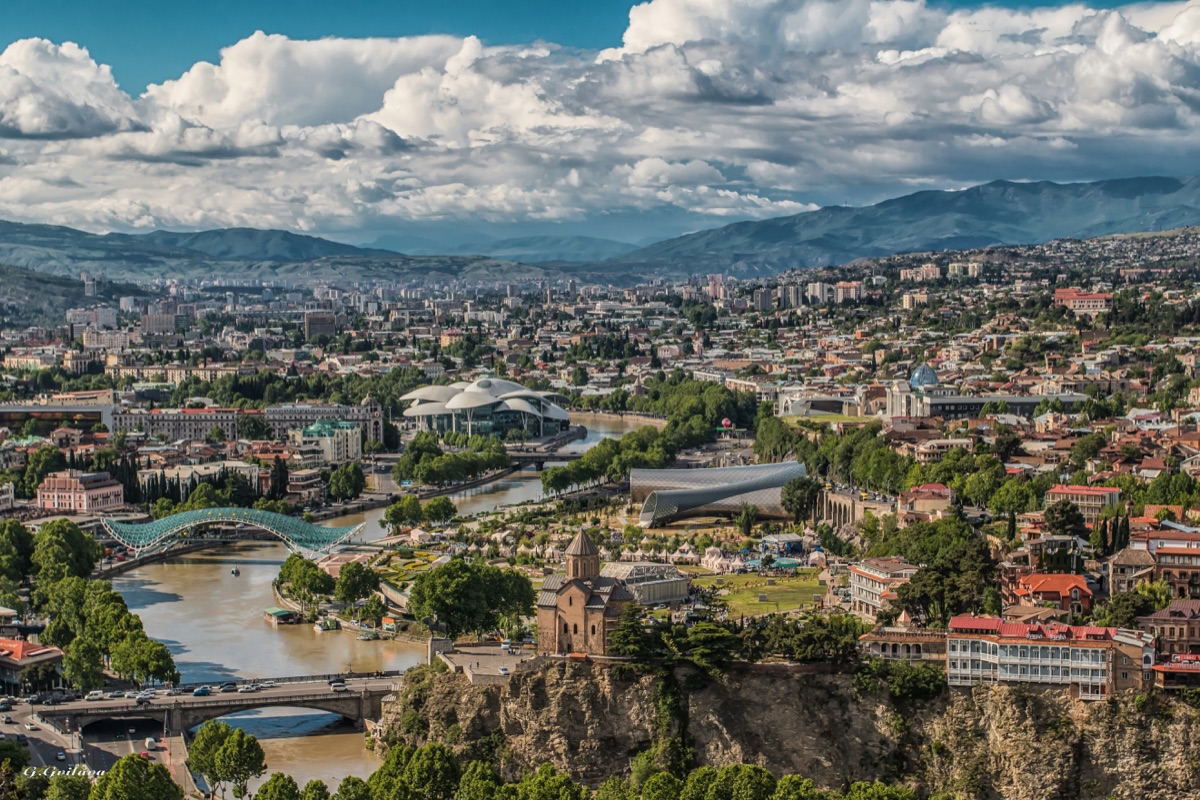
There are destinations where you race from one landmark to another — and then there's Georgia.
Start with this itinerary
Open this route in Honge as your starting point, then shape the days, stays, and pace around how you travel.
Here, some of the best memories aren't made at famous viewpoints but around a family dining table in Kakheti, stopping for freshly baked khachapuri at a roadside bakery, or lingering over coffee while watching the streets of Old Tbilisi come to life. Hospitality isn't simply part of the tourism industry — it's woven into everyday life.
Rather than trying to cover every corner in two weeks, this itinerary follows a route that unfolds naturally: historic Tbilisi, the vineyards of Kakheti, the Georgian Military Highway to the Greater Caucasus, the timeless villages of Svaneti, and the Black Sea coast at Batumi.
Is Two Weeks Enough for Georgia?
Yes — and in many ways, it's the ideal amount of time for a first visit. You'll spend several nights in each region, giving yourself time to settle in, wander without an agenda, and enjoy experiences that can't be planned to the hour.
Best Time to Visit Georgia
- Spring (April–June): Pleasant walking weather, green vineyards, fewer crowds.
- Summer (July–August): Best for Kazbegi and Svaneti hiking; Tbilisi can be hot.
- Autumn (September–October): Grape harvest (Rtveli), warm weather, autumn colours — arguably the best overall season.
- Winter: Ski season at Gudauri; some mountain roads may close.
Travelling Around Georgia
Use a combination of Georgian Railway trains, marshrutkas (shared minibuses), rental cars, and private drivers. Trains connect Tbilisi, Kutaisi, Batumi, and Zugdidi well; mountains require road transport.
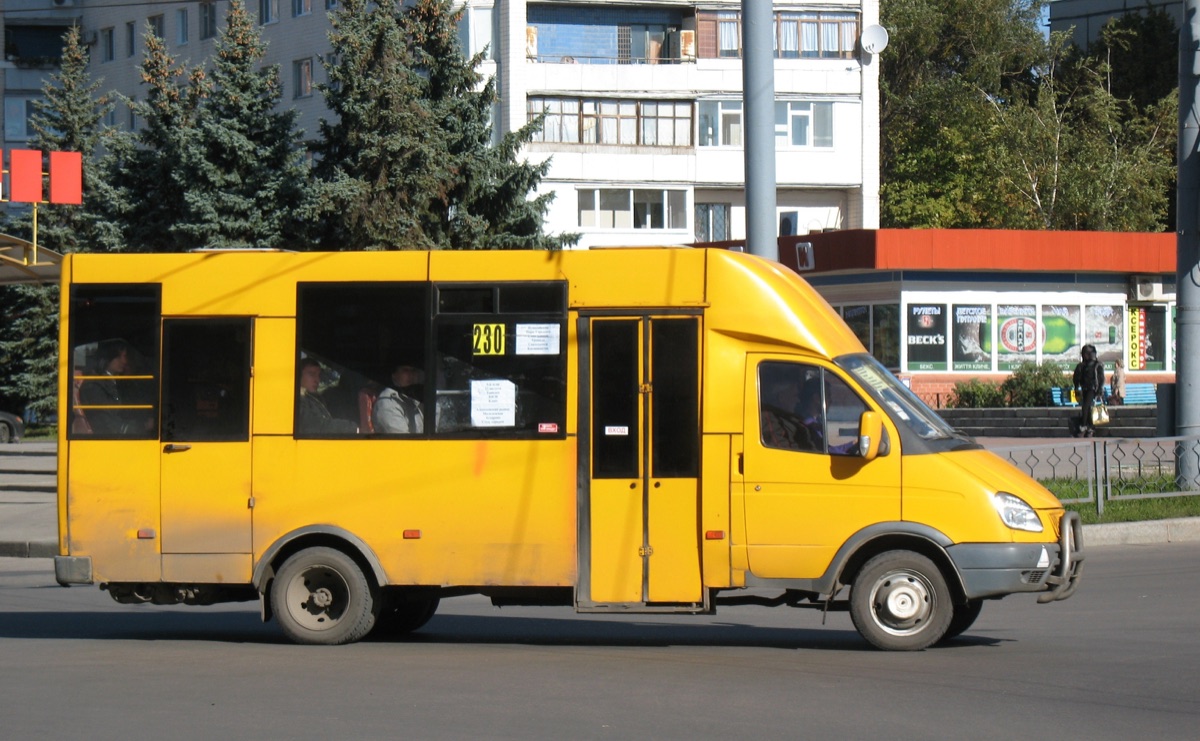
Rental car or private driver? A car gives the greatest flexibility for Kakheti and the Georgian Military Highway. Private drivers are an excellent alternative if you prefer not to drive overseas. Avoid travelling after dark in rural or mountainous areas.
Where Should You Stay?
- Tbilisi: Old Tbilisi, Sololaki, or Vera — georgia.travel
- Kakheti: Guesthouses or wine estates around Sighnaghi or Telavi
- Kazbegi: Guesthouses with Mount Kazbek views
- Mestia: Traditional family guesthouses with Svan cuisine
- Batumi: Old Town or near Batumi Boulevard
Good to Know Before You Go
- Currency: Georgian Lari (GEL). Carry cash in mountain villages.
- Download offline maps before leaving Tbilisi, especially for Kazbegi and Svaneti.
- Mountain roads are winding — allow more time than navigation apps suggest.
- Dress modestly when visiting mosques, churches, and religious sites.
- Tipping ~10% is appreciated in restaurants if service isn't included.
Two-Week Route Overview
| Day | Destination | Overnight |
|---|---|---|
| 1 | Arrive Tbilisi | Tbilisi |
| 2 | Old Tbilisi & neighbourhoods | Tbilisi |
| 3 | Markets, sulphur baths & local culture | Tbilisi |
| 4 | Drive to Kakheti | Sighnaghi |
| 5 | Wine country & family wineries | Sighnaghi |
| 6 | Georgian Military Highway | Stepantsminda |
| 7 | Explore Kazbegi | Stepantsminda |
| 8 | Travel to Kutaisi | Kutaisi |
| 9 | Journey to Mestia | Mestia |
| 10 | Explore Svaneti | Mestia |
| 11 | Day trip to Ushguli | Mestia |
| 12 | Travel to Batumi | Batumi |
| 13 | Explore Batumi | Batumi |
| 14 | Departure | — |
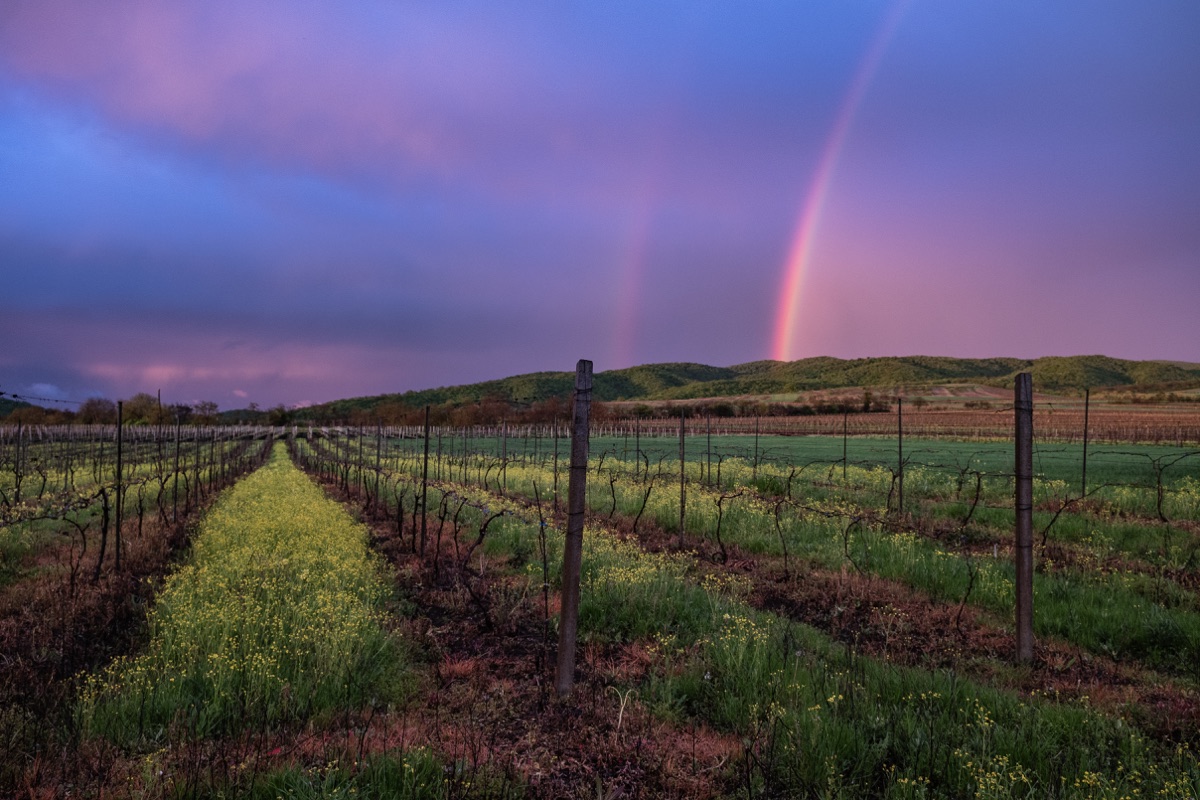
Tbilisi — Days 1–3
Day 1 — Welcome to Tbilisi
Base: Tbilisi · Focus: Settling in, Old Tbilisi, first Georgian feast
Arrive at Tbilisi International Airport (TBS). Check into Old Tbilisi, Sololaki, or Vera. Wander cobbled streets without a strict route — Freedom Square, Shardeni Street, Anchiskhati Basilica, and the Bridge of Peace. End with dinner featuring khinkali, khachapuri, and a glass of amber qvevri wine.
Day 2 — The Soul of Tbilisi
Focus: Sulphur baths, Narikala Fortress, Dry Bridge Market, Fabrika
Start in Abanotubani, the historic sulphur bath district. Take the cable car to Narikala Fortress for panoramic views. Browse the Dry Bridge Market, then lunch in the creative Fabrika district. Return to Abanotubani for a private sulphur bath in the evening.
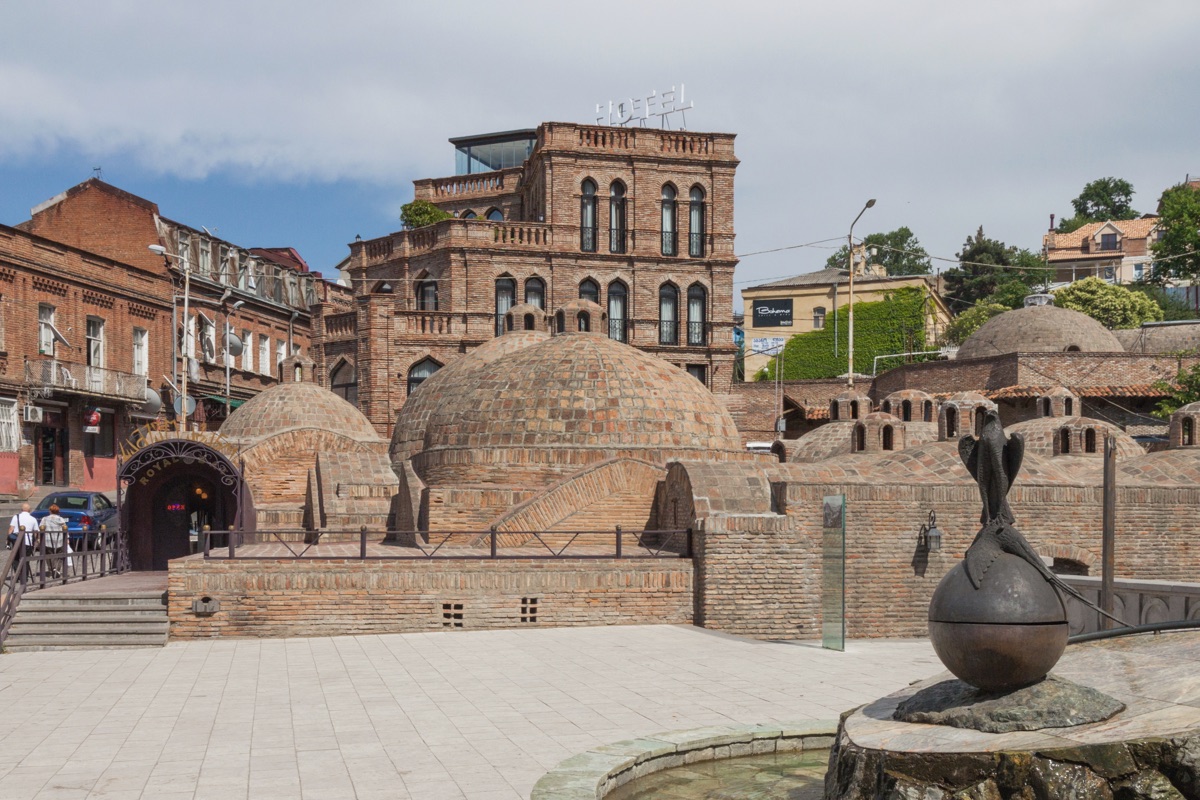
Day 3 — Markets & Preparing for Wine Country
Focus: Dezerter Bazaar, museums (optional), last evening in Tbilisi
Begin at Dezerter Bazaar — Tbilisi's largest fresh market. Visit the bakery section before 9 AM for bread from clay ovens. Optional: Georgian National Museum. Pack a small bag for tomorrow's drive to Kakheti.
Kakheti — Days 4–5
Day 4 — Into Kakheti & Sighnaghi
Drive east via Bodbe Monastery overlooking the Alazani Valley. Arrive in Sighnaghi, the "City of Love" — colourful houses, cobbled streets, and views towards the Caucasus. Ask your hosts where they would eat rather than chasing ratings.
Day 5 — Georgia's Ancient Wine Tradition
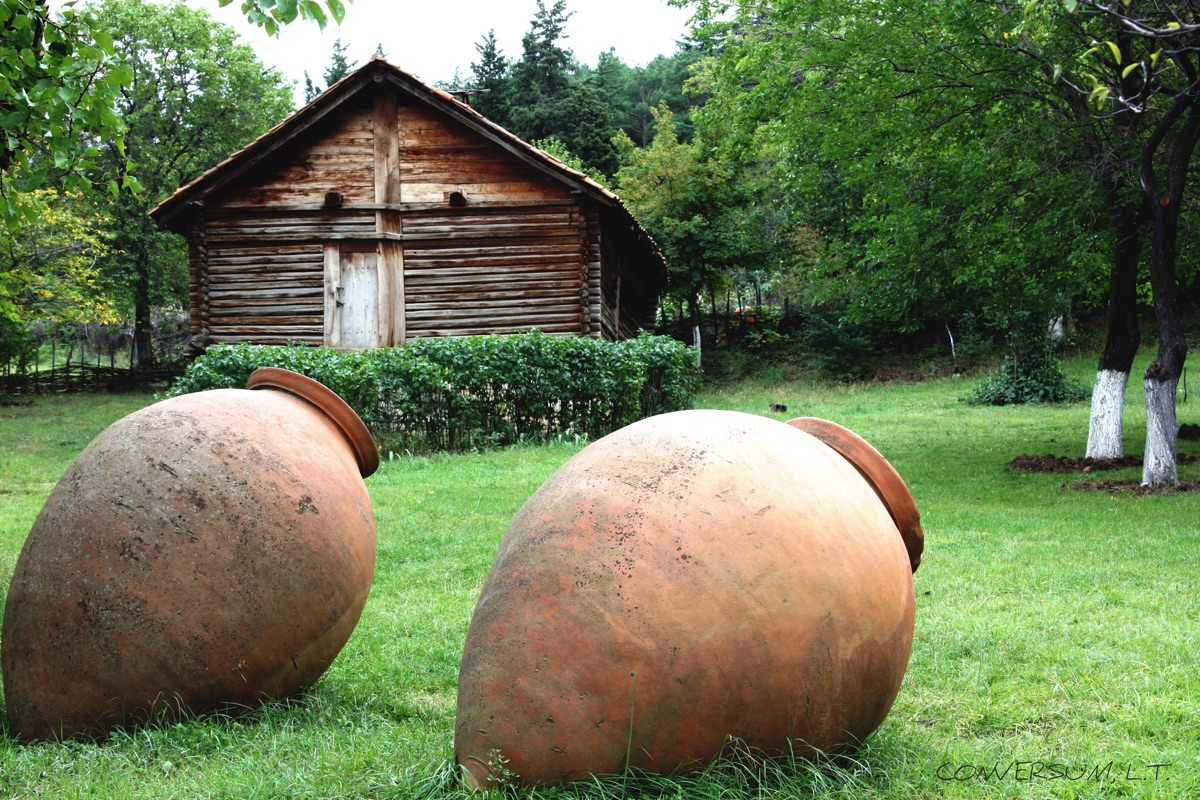
Visit a family winery producing wine in kvevri — clay vessels buried underground, recognised by UNESCO. Expect a generous vineyard lunch with khachapuri, mtsvadi, homemade cheese, and traditional toasts led by a tamada (toastmaster).
Greater Caucasus — Days 6–7
Day 6 — Georgian Military Highway
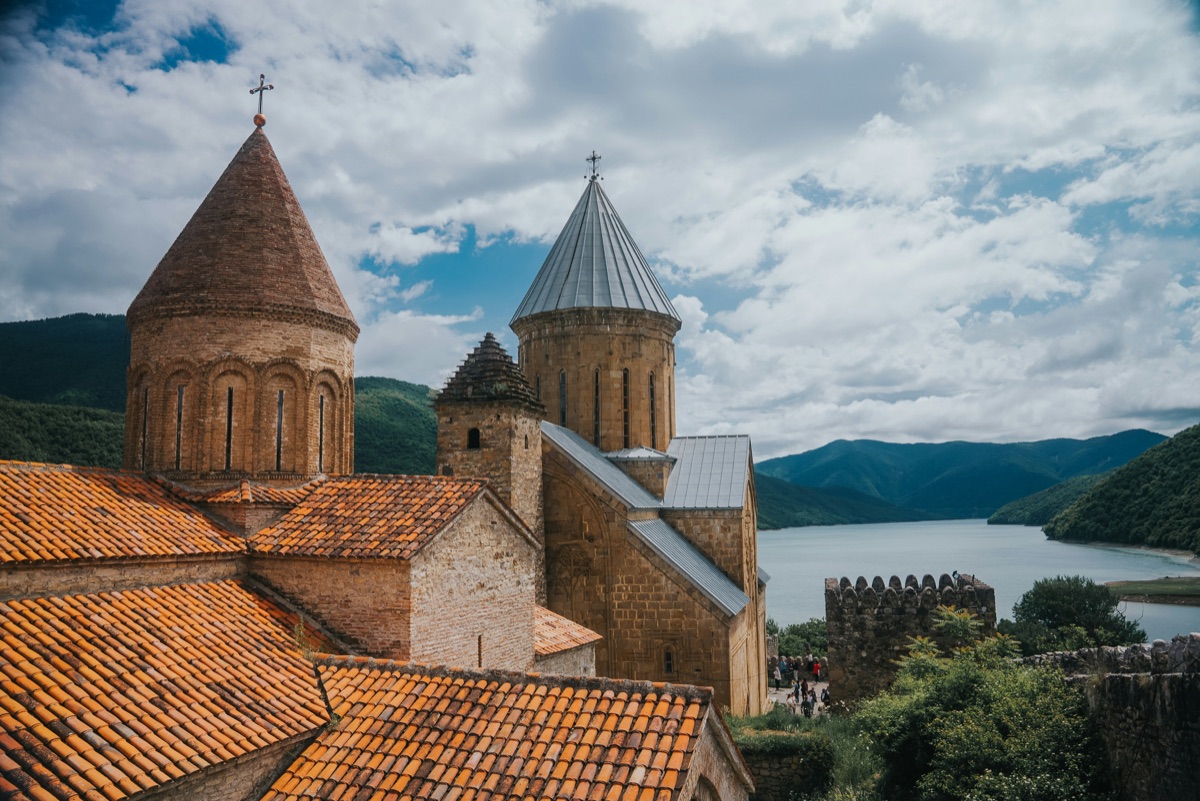
One of the world's great scenic drives. Stop at Ananuri Fortress above Zhinvali Reservoir, continue through Gudauri and the Jvari Pass, and arrive in Stepantsminda (Kazbegi) by late afternoon.
Day 7 — Beneath Mount Kazbek
Visit Gergeti Trinity Church — hike up (~2 hours) or take a 4WD transfer. Spend the afternoon walking the village, sitting beside the Terek River, or simply enjoying mountain views from your guesthouse balcony.
Day 8 — Across Georgia to Kutaisi
A longer travel day west. Explore Kutaisi's compact historic centre and, if time allows, Bagrati Cathedral — an 11th-century landmark overlooking the city. It was originally inscribed as a UNESCO World Heritage Site alongside Gelati Monastery, but was removed from the list in 2017 after its reconstruction was judged to have compromised its historic authenticity; it remains well worth the visit for the views and the history.
Svaneti — Days 9–11
Day 9 — Road to Mestia
Drive north along the Enguri Valley. Stop at the Enguri Dam before arriving in Mestia. Check into a family guesthouse and enjoy a home-cooked Svan dinner — kubdari, mountain cheeses, and hearty stews.
Day 10 — Explore Mestia
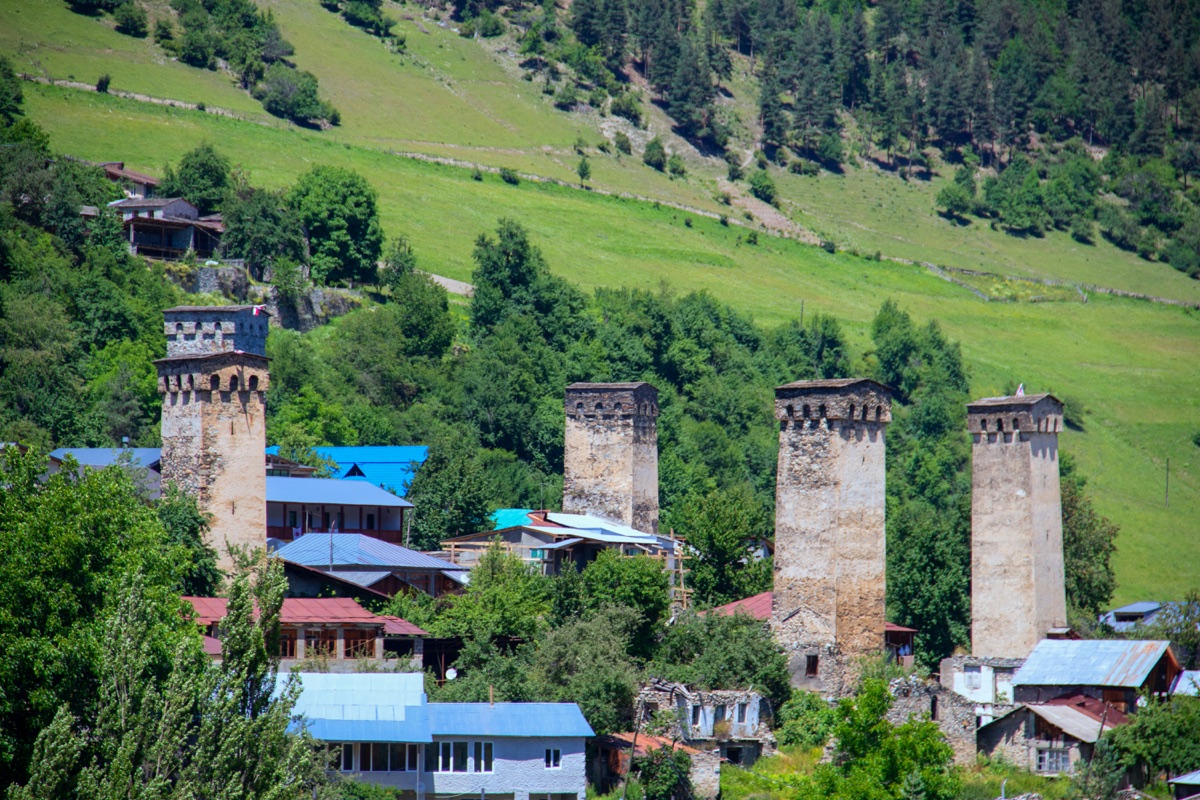
Walk among medieval Svan towers. Visit the Svaneti Museum of History and Ethnography. Optional: hike to Chalaadi Glacier or ride the Hatsvali cable car.
Day 11 — Ushguli
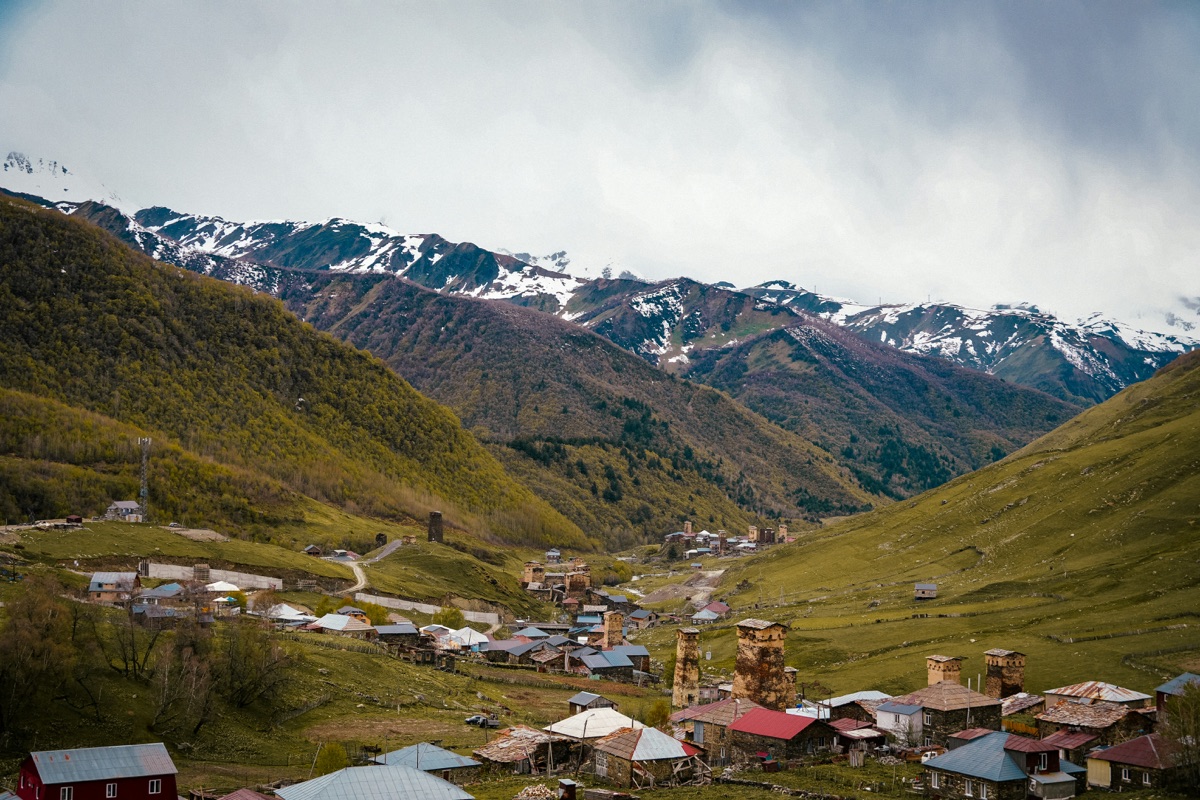
Day trip to Ushguli — one of Europe's highest continuously inhabited settlements and part of UNESCO Upper Svaneti. Hire a local 4WD driver for the rough road (~1.5–2 hours each way). Visit Lamaria Church with views of Mount Shkhara.
Batumi — Days 12–14
Day 12 — Mountains to the Black Sea
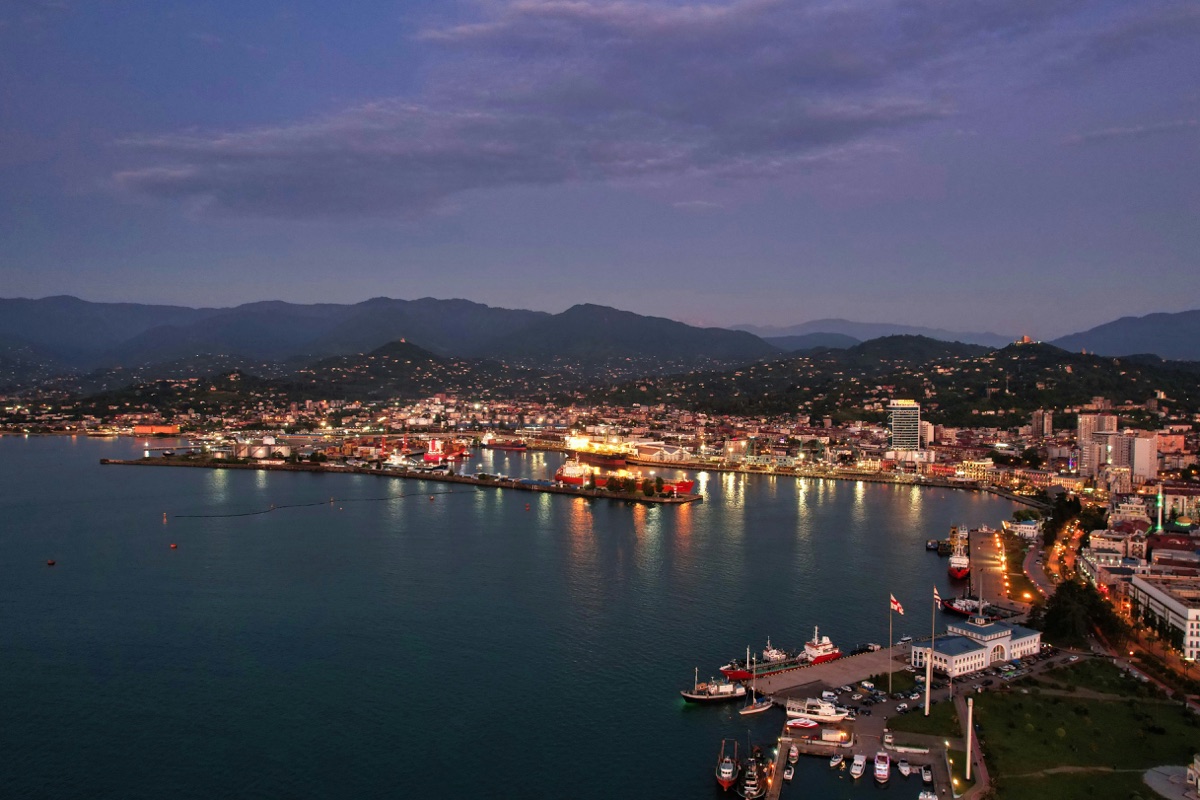
Journey to Batumi. Walk Europe Square and Batumi Boulevard as the promenade comes alive at sunset.
Day 13 — Batumi Beyond the Beach
Morning at the Batumi Botanical Garden (allow 2–3 hours). Afternoon in Old Batumi. Final dinner featuring Adjarian khachapuri and Black Sea fish.
Day 14 — Departure
Relaxed morning along Batumi Boulevard. Shop for churchkhela, Georgian tea, and local honey before transferring to Batumi International Airport (BUS) or the railway station.
Budget Notes
- Budget (€50–90/day): Family guesthouses, marshrutkas and trains, local bakeries.
- Mid-range (€120–220/day): Boutique hotels, rental car, family wineries, comfortable restaurants.
- Luxury (€300+/day): Vineyard estates, premium lodges, private drivers, fine dining.
Georgia offers exceptional value compared with many European destinations.
What to Skip If You Only Have One Week
Option 1: Tbilisi + Kakheti + Kazbegi — wine, history, and mountains.
Option 2: Kutaisi + Svaneti — dramatic landscapes and hiking. Don't try to include Batumi, Svaneti, Kakheti, and Kazbegi in seven days.
Useful Official Planning Links
- Georgia Travel (official tourism)
- Georgian Railway
- Batumi Botanical Garden
- United Airports of Georgia
- UNESCO — Upper Svaneti
- National Agency of Cultural Heritage
Georgia Prompts to Try in Honge
FAQ
Is two weeks enough for Georgia?
Yes. Two weeks provides enough time to experience major regions without constantly changing accommodation.
Do I need a rental car?
Not necessarily — trains, marshrutkas, tours, and private transfers work. A rental car offers the greatest flexibility in Kakheti and the mountains.
Is Georgia expensive?
No. Georgia remains one of Europe's best-value destinations for accommodation, food, and wine.
What's the one experience I shouldn't miss?
Sharing a traditional supra with local hosts — it captures Georgia's spirit of hospitality, generosity, and community.
Ready to make it yours?
Customize this itinerary with AI
Now that you've seen the full route, use Honge to tailor stays, activities, and day-by-day pacing to your trip.
Related itineraries
- 10-Day Scotland Road Trip: Whisky, Castles & Mountains
- 12-Day France Itinerary: Paris to Provence & Cassis
- 12-Day Italy Itinerary: Milan to the Amalfi Coast
- 11-Day Mongolia Itinerary: Culture, Steppe & Photography
- 11-Day Baltic Capitals Itinerary: Tallinn, Riga & Vilnius
- 8-Day Morocco Cultural Itinerary: Casablanca, Fes, Chefchaouen & Marrakech
- 5-Day Portugal Solo Itinerary: Lisbon, Sintra & Porto
- 8-Day Uzbekistan Silk Road Itinerary: Samarkand, Bukhara & Khiva
- Cappadocia Itinerary: Cave Hotels, Valleys & Hot Air Balloons
- Ethiopia Coffee Trip Itinerary: Addis, Highlands & Coffee Ceremony
Written by
This blog was contributed by B. Sai Nikita, a travel enthusiast and writer. B. Sai Nikita can be reached at bsainikita10@gmail.com.
About Honge
Honge is an AI travel planning platform focused on practical, experience-led itineraries with realistic pacing and logistics. All blog content is edited and published by Honge. Our Georgia research draws on updated practical logistics as of July 2026. © Honge. All rights reserved.
Image credits: Photos are sourced from Wikimedia Commons and Unsplash. Copyright remains with the respective photographers and rights holders. Images from Wikimedia Commons are used in accordance with their applicable licensing terms, including the Creative Commons Attribution-Share Alike 4.0 International license where noted. Unsplash images are used in accordance with the Unsplash License.
Travel disclaimer
This itinerary is intended as general travel inspiration and planning guidance only — not as personalized travel advice. Conditions change. Before you travel, check current entry requirements, visa rules, and any travel advisories issued by your government. Confirm road conditions, train schedules, and site opening hours directly. Honge is not responsible for changes to conditions or services described in this article after the date of publication.