
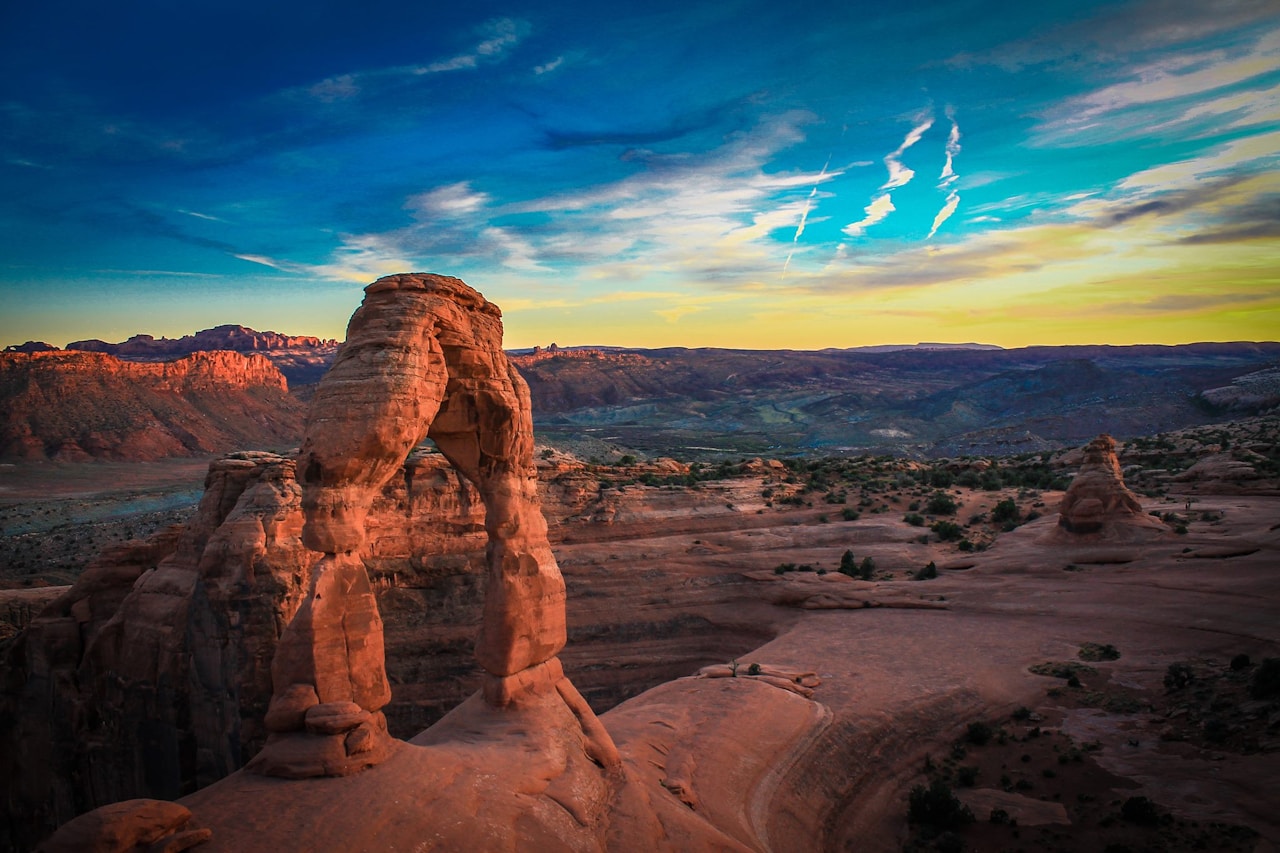
Road trips and family adventures go hand in hand, and Utah serves both purposes.
Start with this itinerary
Open this route in Honge as your starting point, then shape the days, stays, and pace around how you travel.
Home to spectacular national parks, high sandstone cliffs, ancient dinosaur fossils, and some of the most scenic drives in the United States, it's a destination that appeals to curious kids and adventurous adults alike. Every day brings something new — walking beneath giant natural arches, spotting dinosaur footprints, hiking through colorful canyons, or watching the desert sky fill with stars after sunset.
This 8-day itinerary takes you through Zion National Park, Bryce Canyon National Park, and Arches National Park, while also introducing unique dinosaur attractions and fossil sites that make the journey especially memorable for families. Designed with families in mind, this route balances sightseeing with manageable driving distances and plenty of time to explore each destination without feeling rushed.
Is 8 Days Enough for Utah?
Yes. Eight days is ideal for experiencing Zion, Bryce Canyon, and Arches National Parks at a comfortable pace. It also allows time for dinosaur attractions, scenic drives, and family-friendly hikes without spending every day on the road.
Best Time to Visit Utah's National Parks
Spring (April–May) and fall (September–October) offer the most pleasant temperatures for hiking and sightseeing. Summer is popular but can be extremely hot, particularly in Arches National Park, while winter brings fewer crowds and occasional snow to Bryce Canyon.
What to Book Before You Arrive
Reserve national park timed-entry permits (where required), accommodation, rental cars, and popular activities well in advance, especially during spring, summer, and fall. If visiting Zion, arrive early to use the park shuttle during peak season.
Do You Need a Car for This Itinerary?
Yes. Renting a car is essential, as public transport between Utah's national parks is extremely limited. A road trip offers the flexibility to explore scenic byways, stop at viewpoints, and visit dinosaur sites at your own pace. One good option is Enterprise Rent-A-Car, offering one-way rentals with pick-up at Harry Reid International Airport (Las Vegas) and drop-off at Salt Lake City International Airport.
Do You Need the America the Beautiful Pass?
Yes — if you plan to visit Zion, Bryce Canyon, Capitol Reef, Arches, and Canyonlands National Parks, the America the Beautiful Pass offers excellent value by covering entrance fees for all U.S. national parks for one vehicle. Note that Dead Horse Point State Park has a separate entrance fee, as it is managed by Utah State Parks rather than the National Park Service.
Where Should Families Stay?
- Springdale (Zion): The best base for Zion, with easy access to the park shuttle, restaurants, and family-friendly facilities. Options include Cable Mountain Lodge beside the park entrance, or Red Cliffs Lodge for spacious rooms and canyon views.
- Bryce Canyon City: Stay close to the entrance to maximize your time. Popular choices include Best Western Plus Ruby's Inn, the closest full-service resort, or the Best Western Plus Bryce Canyon Grand Hotel.
- Moab (Arches & Canyonlands): The ideal base for Arches, Canyonlands, and the dinosaur attractions. Recommended stays include Hoodoo Moab in downtown Moab, or Hyatt Place Moab for spacious rooms and a pool.
What to Skip If You Only Have 5 Days
Focus on Zion, Bryce Canyon, and Arches National Parks, while skipping the dinosaur attractions and Canyonlands National Park. You'll still experience Utah's most iconic landscapes without feeling rushed.
Why This Itinerary Works
- Covers Utah's three most iconic national parks in a single road trip.
- Balances national parks, dinosaur discoveries, scenic drives, and family-friendly hikes.
- Keeps driving manageable with well-planned overnight stops.
- Includes a mix of adventure, education, and outdoor experiences that appeal to both kids and adults.
- Follows a logical route from Las Vegas to Salt Lake City, minimizing unnecessary backtracking.
Good to Know Before You Go
- Spring (April–May) and fall (September–October) offer the best weather for this itinerary.
- Renting a car is essential, as public transport between the parks is limited.
- Fuel stations become limited along Utah Scenic Byway 12, so fill up before long drives.
- Mobile reception is unreliable in several parks — download offline maps before your trip.
- Carry at least 2–3 litres of water per person during warmer months.
8-Day Utah Route Overview
- Day 1: Arrive in Las Vegas → drive to Zion → Pa'rus Trail → Canyon Junction Bridge at sunset.
- Day 2: Zion Canyon Shuttle → Riverside Walk → Emerald Pools Trail → Junior Ranger Program → The Narrows (optional).
- Day 3: Drive to Bryce Canyon → Sunrise Point → Navajo Loop & Queen's Garden → stargazing.
- Day 4: Scenic Highway 12 → Capitol Reef National Park → arrive in Moab.
- Day 5: Arches National Park → Balanced Rock → Double Arch → Sand Dune Arch → Delicate Arch Viewpoint.
- Day 6: Mill Canyon Dinosaur Tracksite → Moab Giants Dinosaur Park → Museum of Moab.
- Day 7: Canyonlands National Park → Mesa Arch → Grand View Point → Dead Horse Point State Park.
- Day 8: Drive to Salt Lake City → departure.
Travel Plan Between Zion, Bryce Canyon & Moab
This itinerary is designed as a self-drive road trip, with a rental car being the easiest and most practical way to explore Utah's national parks. Drive from Las Vegas to Springdale (around 2.5–3 hours), continue to Bryce Canyon (around 2 hours), then follow the spectacular Utah Scenic Byway 12, then continue east on UT-24 through Capitol Reef National Park before reaching Moab (around 5–6 hours). Finish by driving approximately 4 hours from Moab to Salt Lake City for your departure.
Day 1: Arrive in Zion National Park & Sunset at Canyon Junction
Base: Springdale, Utah
Begin your family road trip by arriving in Las Vegas and driving to Springdale, the gateway to Zion National Park. The scenic drive introduces you to Utah's striking desert landscapes, with towering sandstone cliffs gradually replacing the bright lights of the city.
After checking in, head into Zion for a relaxed afternoon on the Pa'rus Trail, an easy, paved riverside walk suitable for families with young children and strollers. As the day winds down, make your way to Canyon Junction Bridge, one of Zion's most iconic sunset viewpoints, before returning to Springdale for dinner.
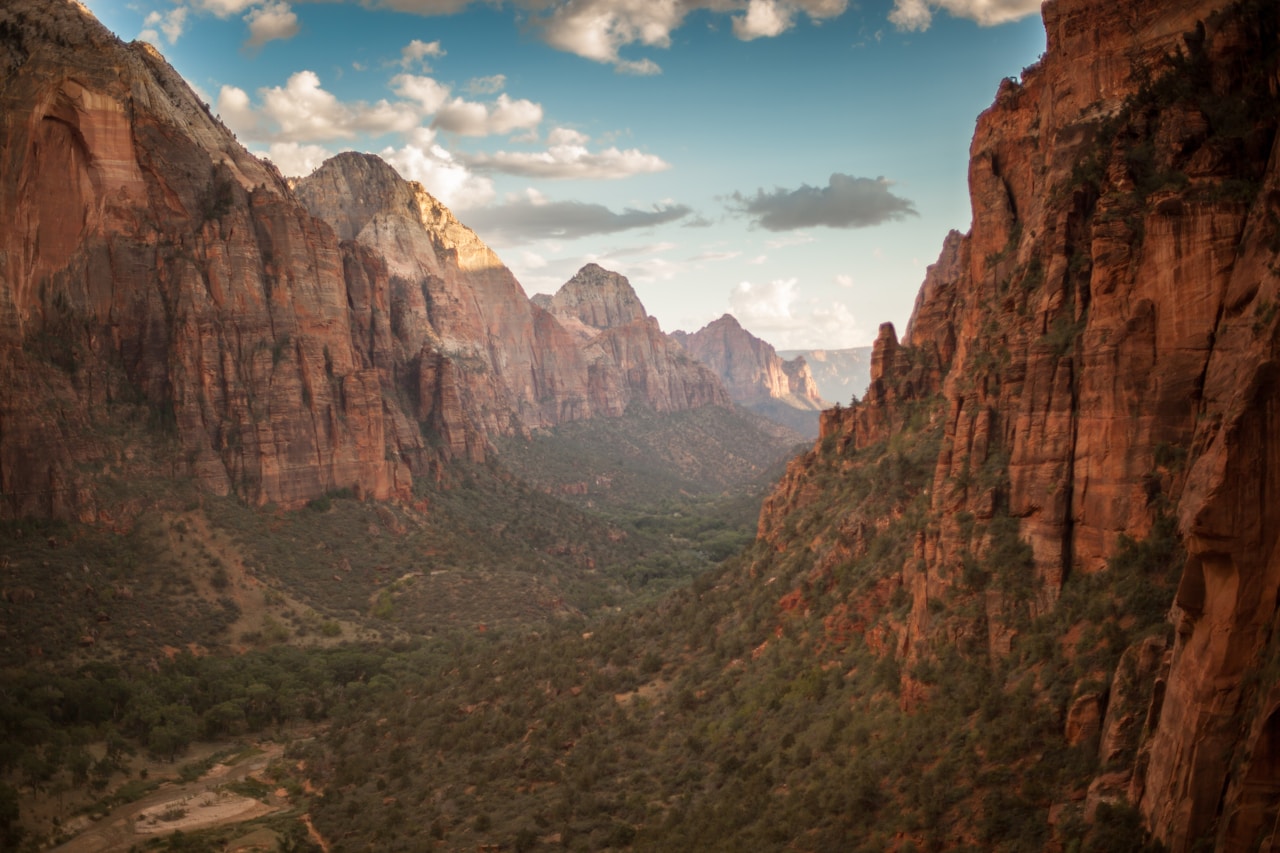
Pacing note: Today is intentionally relaxed to allow time for the drive from Las Vegas while giving everyone a first taste of Zion.
Logistics: Fly into Harry Reid International Airport (Las Vegas), collect your rental car, and drive to Springdale via I-15 N and UT-9 E — approximately 2.5–3 hours.
Day 2: Explore the Best of Zion National Park
Base: Springdale, Utah
Board the Zion Canyon Shuttle, which stops at the park's major trailheads. Start with the Riverside Walk, a scenic, mostly flat trail following the Virgin River through towering canyon walls. At the end, adventurous families can continue into The Narrows, where the river itself becomes the trail; those with younger children can turn back.
Later, head to the Emerald Pools Trail, a family-friendly hike featuring small waterfalls and canyon views — choose the Lower or Middle trails depending on your pace. In the afternoon, visit the Zion Nature Center and take part in the Junior Ranger Program, where children can earn an official badge.
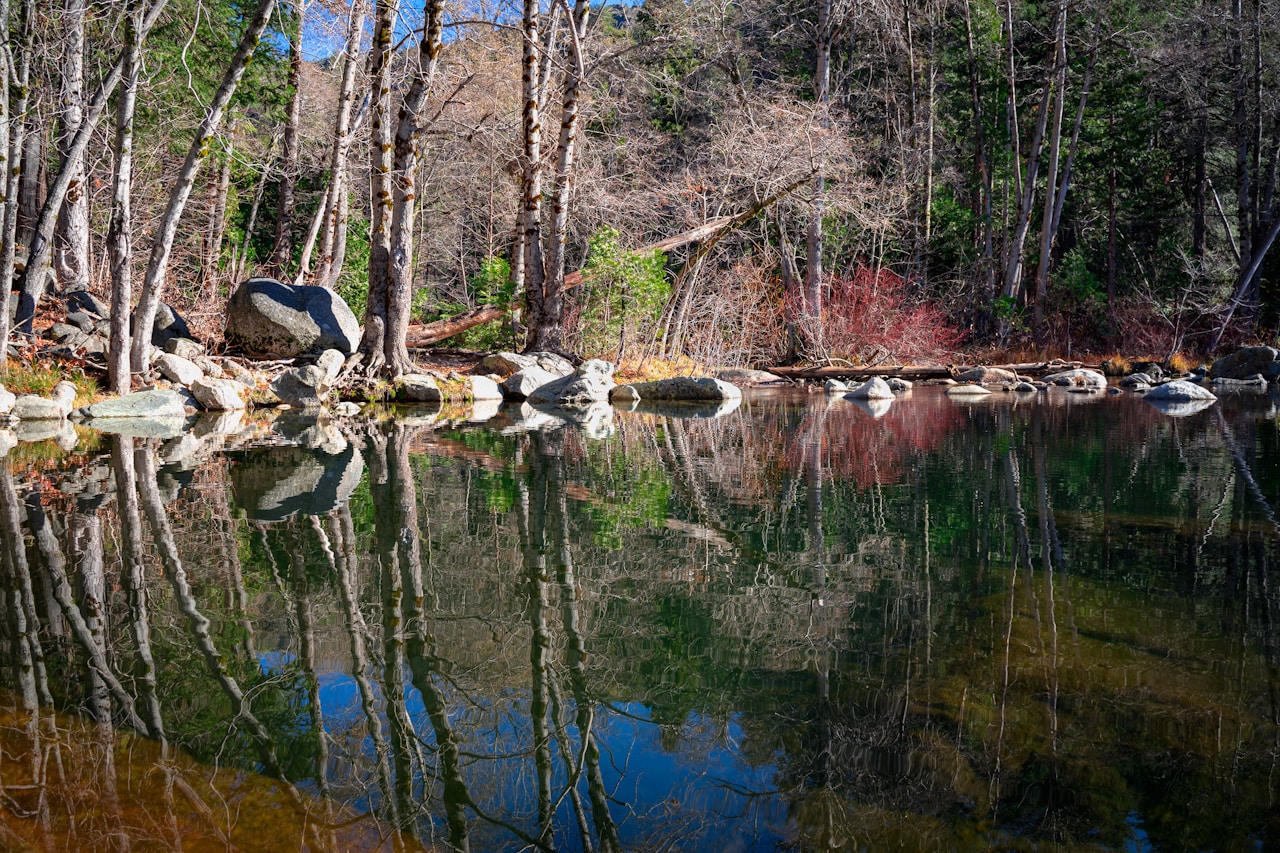
Pacing note: A full day of exploring Zion, with easy to moderate walks that can be adjusted for younger children and different fitness levels.
Logistics: During peak season, private vehicles are not permitted on the Zion Canyon Scenic Drive. Park in Springdale or at the Visitor Center and use the free shuttle. Arrive early to avoid long shuttle queues.
Day 3: Bryce Canyon National Park & Stargazing
Base: Bryce Canyon City, Utah
After breakfast, drive approximately 1.5–2 hours to Bryce Canyon National Park. Although smaller than Zion, Bryce is famous for its hoodoos — towering orange rock spires that create one of the most distinctive landscapes in the American Southwest.
Begin at Sunrise Point, then follow the Queen's Garden Trail and Navajo Loop Trail, a family-friendly hike that descends into the canyon. After lunch, continue to Sunset Point, Inspiration Point, and Bryce Point. Families with younger children can enjoy the easy Rim Trail.
As evening approaches, stay for stargazing. Designated an International Dark Sky Park, Bryce offers exceptionally clear night skies where thousands of stars and the Milky Way are often visible with the naked eye.
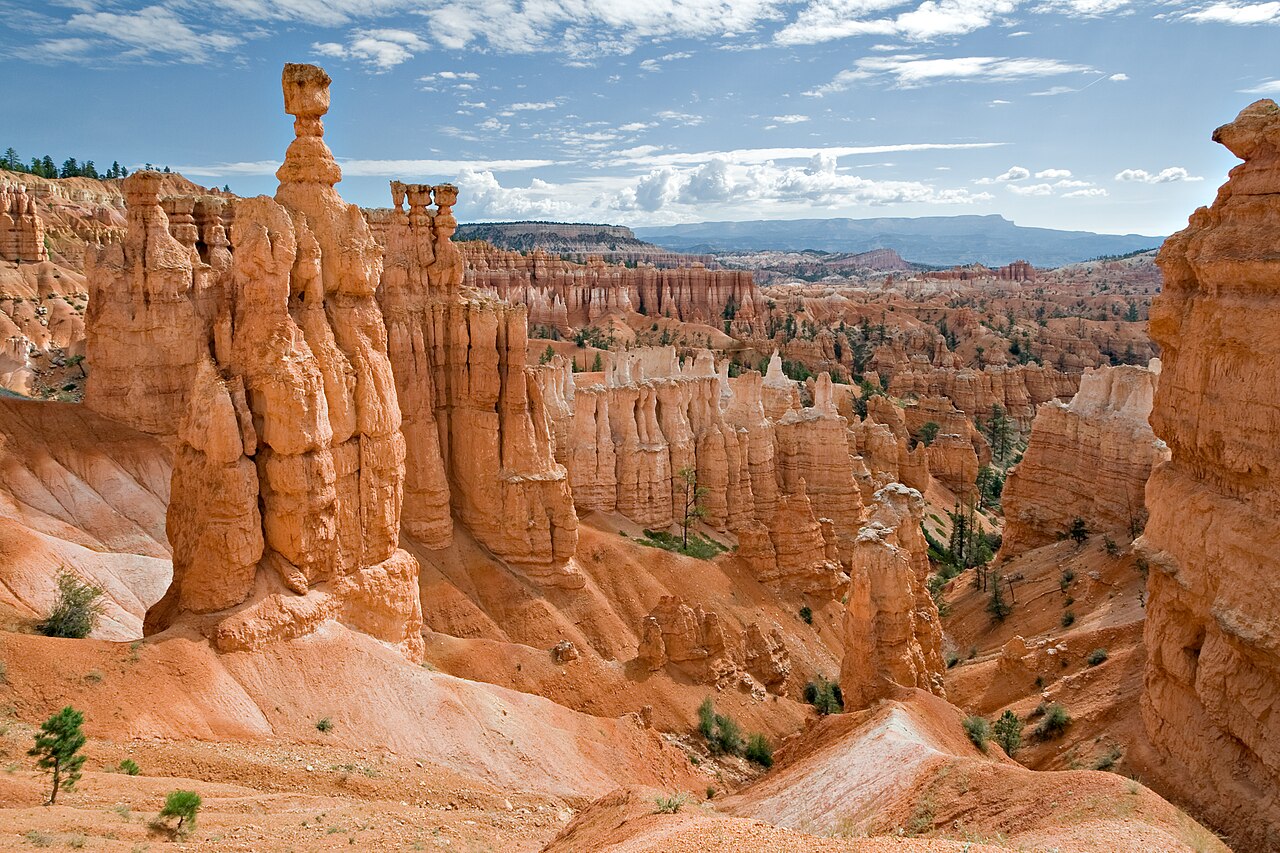
Pacing note: Today combines a scenic drive with easy hiking and spectacular viewpoints — an enjoyable transition between Zion and Moab.
Logistics: The drive from Springdale takes approximately 1.5–2 hours via UT-9 and US-89. A seasonal shuttle operates during peak months.
Day 4: Scenic Highway 12 & Capitol Reef National Park
Base: Moab, Utah
After breakfast, set off along Utah Scenic Byway 12, one of the most scenic roads in the United States, winding through colorful canyons, sandstone cliffs, forests, and open desert. At Torrey, turn onto UT-24 east to enter Capitol Reef.
Continue to Capitol Reef National Park. Begin at the Visitor Center, then take a short walk to the Goosenecks Overlook or explore the historic Fruita District. During harvest season, pick fresh fruit from the orchards or try a homemade pie from the Gifford Homestead. After lunch, continue east to Moab, your base for the remainder of the trip.
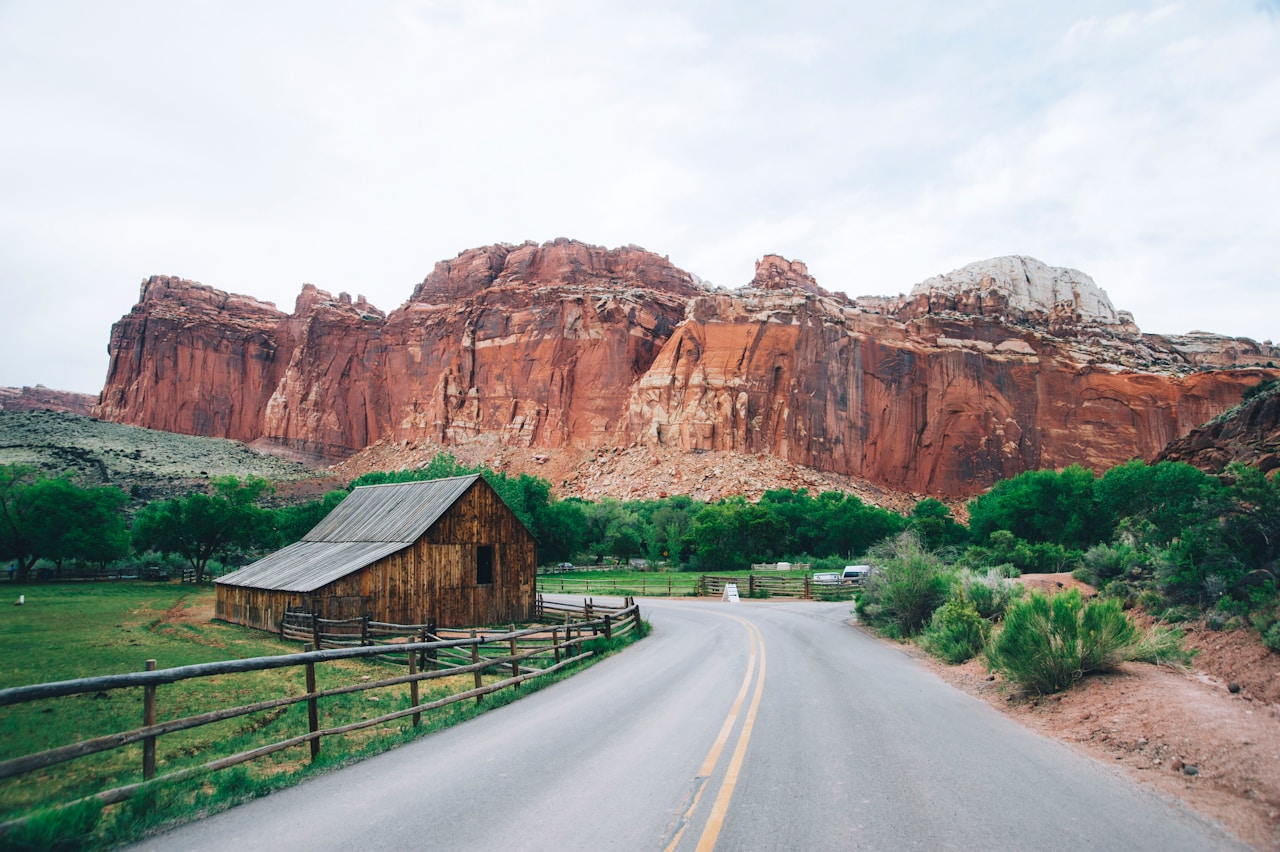
Pacing note: Although today involves the longest drive of the itinerary, regular scenic stops and Capitol Reef make the journey enjoyable.
Logistics: The drive from Bryce Canyon City to Moab via Scenic Byway 12 and Capitol Reef takes approximately 5–6 hours, excluding stops. Fill up before leaving Bryce Canyon.
Day 5: Explore Arches National Park
Base: Moab, Utah
Spend the day exploring Arches National Park, home to more than 2,000 natural sandstone arches. Arrive early to avoid the midday heat and begin at Balanced Rock, then continue to Double Arch and Sand Dune Arch, tucked between towering rock fins and reached by a short walk through soft sand — an especially fun stop for younger children.
After lunch, head to the Delicate Arch Viewpoint. Families with older children can hike the full Delicate Arch Trail. Before returning to Moab, stop at The Windows Section, where a short trail leads to several enormous arches.
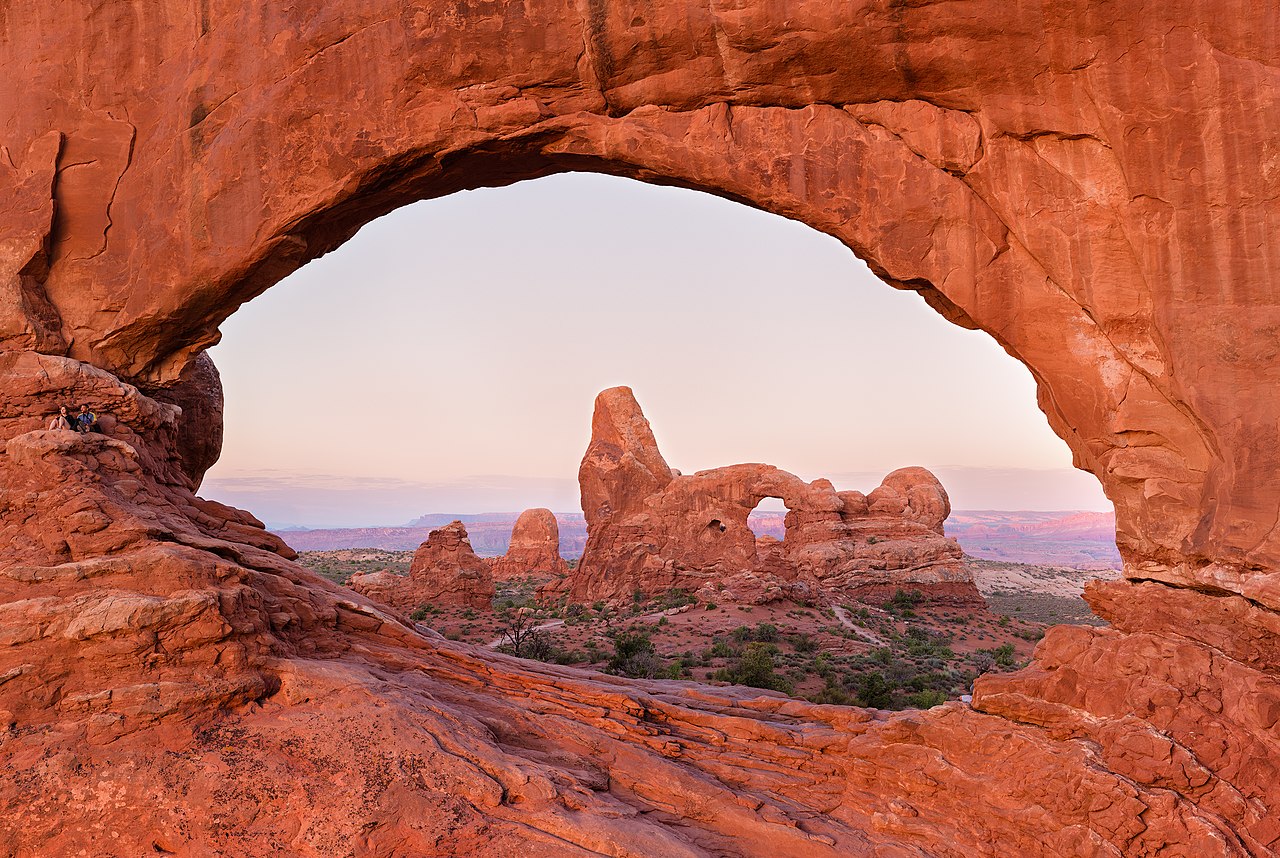
Pacing note: Today combines short walks, scenic viewpoints, and plenty of opportunities for children to explore without long hikes.
Logistics: Arches is approximately 10–15 minutes from downtown Moab. From April through October, a Timed Entry Reservation may be required in addition to the park pass.
Day 6: Dinosaur Tracks, Fossils & Family Fun in Moab
Base: Moab, Utah
Today is dedicated to discovering Utah's prehistoric past. Begin at the Mill Canyon Dinosaur Tracksite, where well-preserved dinosaur footprints dating back over 112 million years can still be seen in their original location. The easy boardwalk and interpretive signs make it an engaging stop for families.
Next, head to Moab Giants Dinosaur Park, an interactive attraction combining life-sized dinosaur models, fossil exhibits, a 3D theatre, and hands-on educational activities. After lunch, visit the Museum of Moab, where exhibits showcase the area's geology, Indigenous history, and remarkable fossil discoveries.
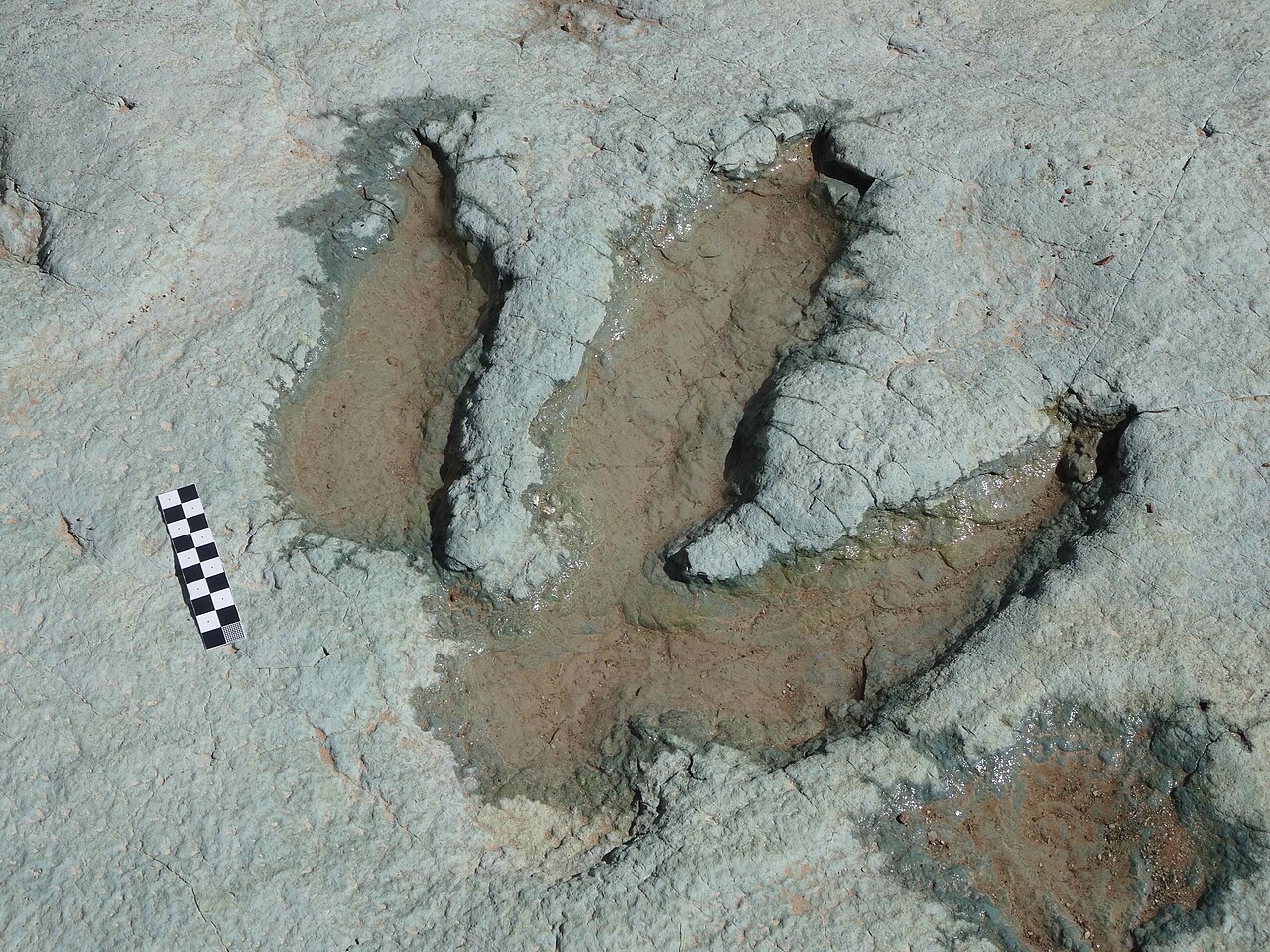
Pacing note: A lighter, educational day with minimal hiking — a great opportunity to slow down while continuing the adventure.
Logistics: Mill Canyon Dinosaur Tracksite is about 20 minutes north of Moab; Moab Giants is about 15 minutes north along US-191. The Museum of Moab is in downtown Moab, making all three easy to combine in one day.
Day 7: Canyonlands National Park & Dead Horse Point
Base: Moab, Utah
Venture beyond Arches to Canyonlands National Park, Utah's largest. In the Island in the Sky district, start with a short walk to Mesa Arch, one of the park's most photographed landmarks, then continue to Grand View Point Overlook.
After lunch, drive to Dead Horse Point State Park, famous for its dramatic overlook high above a horseshoe bend in the Colorado River. Easy walking trails and spectacular viewpoints make it an ideal family stop.
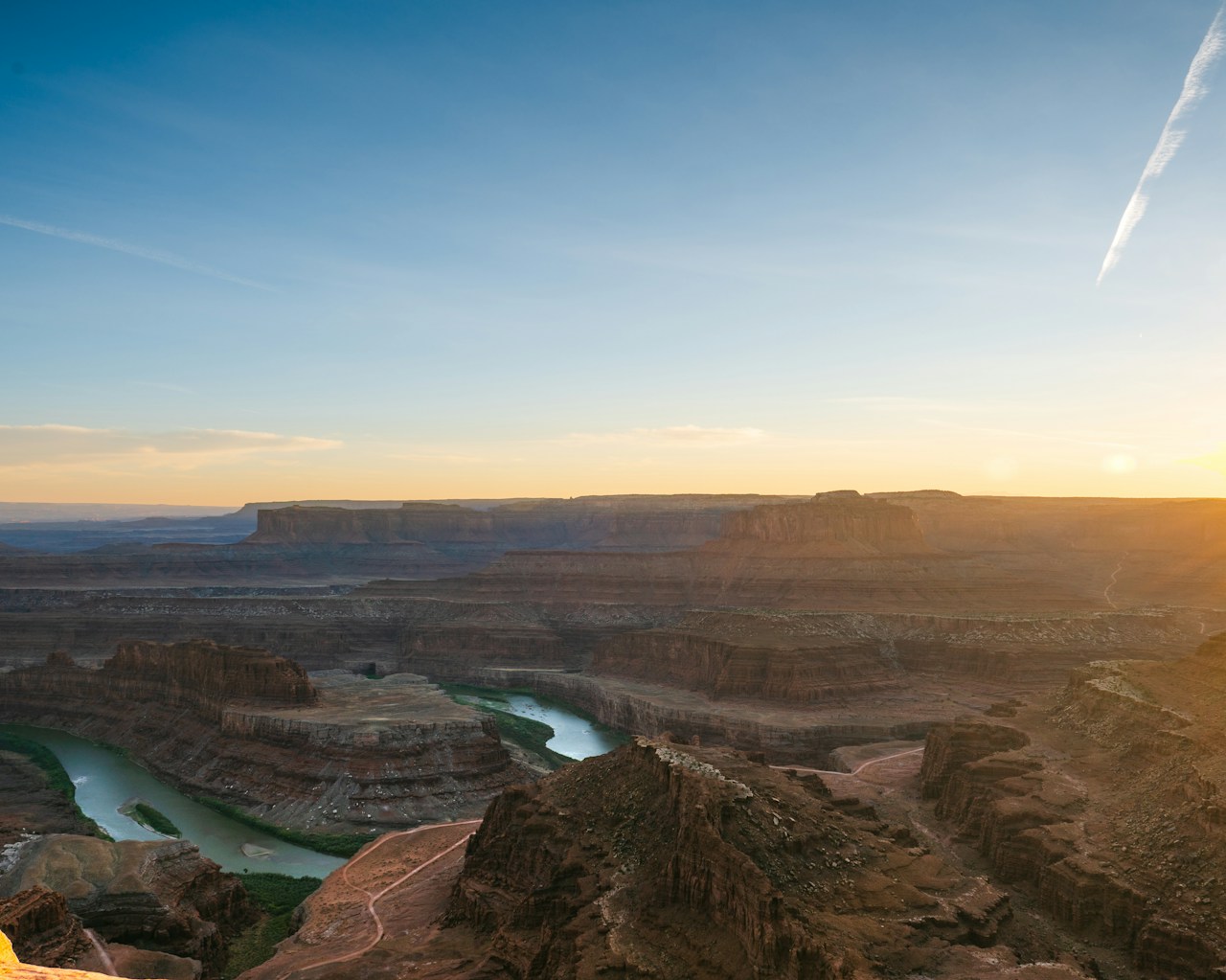
Pacing note: Today focuses on scenic viewpoints and short walks rather than long hikes — a relaxed yet memorable day for the whole family.
Logistics: Canyonlands (Island in the Sky) is approximately 40 minutes from Moab; Dead Horse Point is just 15–20 minutes away. Both are easily visited in a single day.
Day 8: Scenic Drive to Salt Lake City & Departure
Base: Moab (departure)
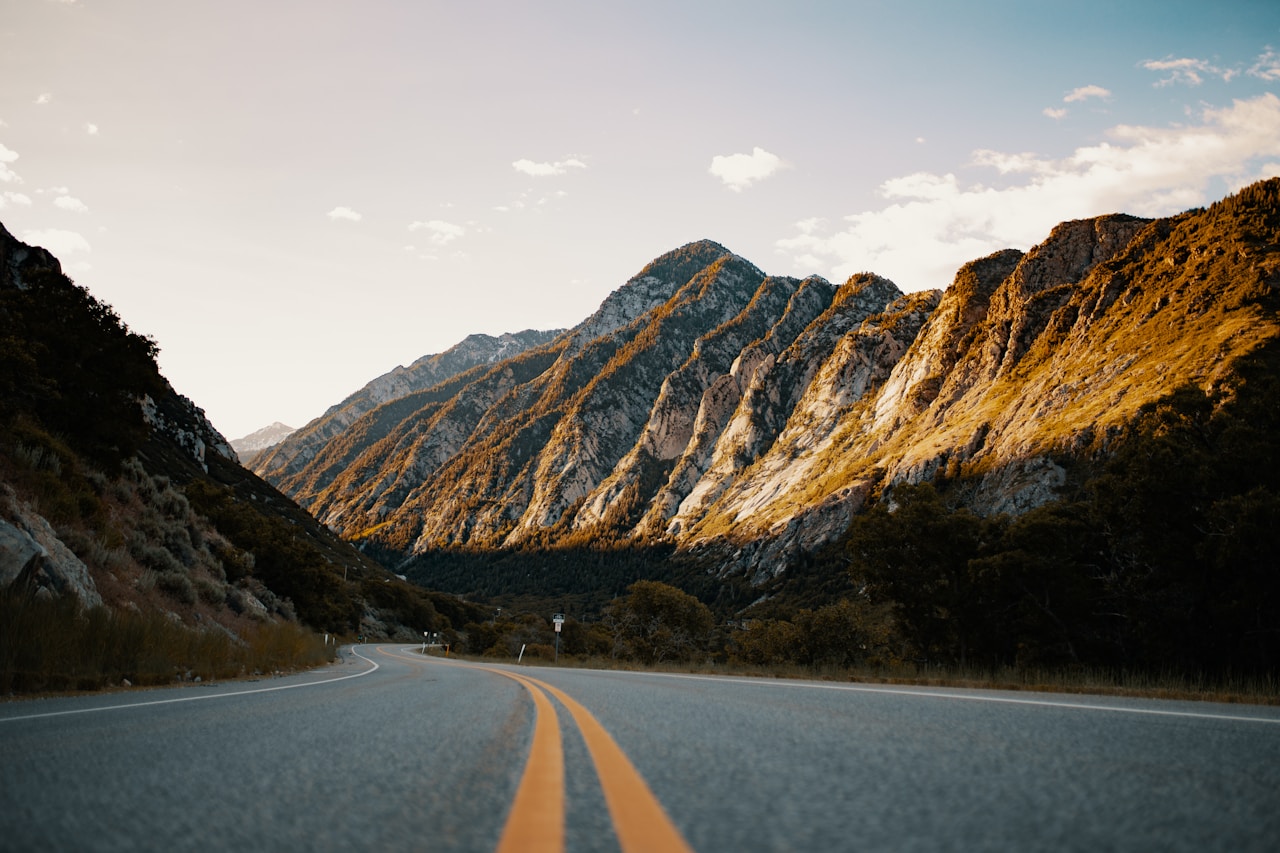
Check out of your accommodation in Moab and set off for Salt Lake City — a drive of approximately 4 hours through Utah's ever-changing landscapes, offering one last look at the state's striking red rock formations.
If your flight schedule allows, stop at Utah Lake State Park or enjoy a leisurely lunch in Salt Lake City. Families with extra time may also wish to visit Temple Square or stroll through Liberty Park.
Pacing note: Today is primarily a travel day. Leave Moab early, especially if you have an afternoon or evening flight.
Logistics: The drive from Moab to Salt Lake City International Airport takes approximately 4 hours via US-191 N and I-15 N. Allow extra time for rental car drop-off and check-in.
Budget Notes for a Family Road Trip
Biggest additional expenses include the America the Beautiful Pass and optional experiences such as guided adventure tours, horseback riding, or off-road excursions around Moab. Many highlights are included with park admission — scenic drives, viewpoints, family-friendly hikes, dinosaur tracksites, and Bryce Canyon's stargazing. Packing picnic lunches, refillable water bottles, and snacks can reduce costs.
On a tighter budget, camping or budget motels can bring the total to around USD 1,800–2,200, while luxury resorts and guided activities can push it beyond USD 5,000.
Useful Booking & Travel Links
- National Park Service — Utah Parks
- America the Beautiful Pass
- Recreation.gov — Reservations & Permits
- Zion National Park · Zion Shuttle
- Bryce Canyon National Park · Bryce Shuttle
- Capitol Reef National Park
- Arches National Park
- Canyonlands National Park
- Dead Horse Point State Park
- Utah Scenic Byway 12
- Mill Canyon Dinosaur Tracksite
- Moab Giants Dinosaur Park
- Museum of Moab
- Utah Office of Tourism
Utah Prompts to Try in Honge
FAQ
Should I fly into Las Vegas or Salt Lake City?
This itinerary works best as a road trip if you fly into Las Vegas and depart from Salt Lake City. This avoids backtracking and allows you to experience more of Utah's scenic landscapes.
Is this itinerary suitable for young children?
Yes. Most walks are easy to moderate, including the Pa'rus Trail, Riverside Walk, Sand Dune Arch, and Bryce Rim Trail — all family-friendly. There are also plenty of scenic viewpoints and interactive dinosaur attractions. Older children can tackle longer hikes such as The Narrows or the full Delicate Arch Trail.
Are reservations required for the parks?
Timed-entry reservations may be required for Arches National Park during peak seasons, while Zion operates a seasonal shuttle system. Check the National Park Service website before travelling for the latest requirements.
Where can kids see dinosaur fossils and footprints?
Families can visit the Mill Canyon Dinosaur Tracksite, Moab Giants Dinosaur Park, and the Museum of Moab, all located near Moab and featuring dinosaur footprints, fossils, and interactive exhibits.
What should I pack for a Utah family road trip?
Bring comfortable walking shoes, refillable water bottles, sunscreen, hats, layers for cooler evenings, and plenty of snacks. Weather can vary significantly between desert valleys and higher-elevation parks like Bryce Canyon.
Ready to make it yours?
Customize this itinerary with AI
Now that you've seen the full route, use Honge to tailor stays, activities, and day-by-day pacing to your trip.
Related itineraries
- 7-Day San Diego Itinerary: Beaches, Neighborhoods & Southern California
- 6-Day Vancouver & BC Itinerary: City, Mountains & Island Adventures
- 8-Day Canadian Rockies Road Trip: Calgary, Banff & Jasper
- 11-Day Yellowstone & Grand Teton Family Road Trip Itinerary
- 11-Day Mongolia Itinerary: Culture, Steppe & Photography
- 15-Day New Zealand Couples Road Trip: Auckland to Queenstown
- 5-Day Portugal Solo Itinerary: Lisbon, Sintra & Porto
- 5-Day Panama City & San Blas Itinerary: Canal, Casco Viejo & Islands
- 5-Day Singapore Family Itinerary: Gardens, Attractions & Easy Transit
- 7-Day Dubai Family Itinerary: Beaches and Desert Adventures
- 4-Day Santa Fe & Taos Itinerary: Art, Culture & Rio Grande Gorge
Written by
This blog was contributed by Sheba M, a travel enthusiast and writer. Sheba can be reached at shebaranjitha@gmail.com.
About Honge
Honge is an AI travel planning platform focused on practical, experience-led itineraries with realistic pacing and logistics. All blog content is edited and published by Honge. Our Utah research draws on updated practical logistics as of July 2026 and attraction recommendations reviewed against current visitor experience. © Honge. All rights reserved.
Image credits: Photos are sourced from Wikimedia Commons and Unsplash. Copyright remains with the respective photographers and rights holders. Images from Wikimedia Commons are used in accordance with their applicable licensing terms, including the Creative Commons Attribution-Share Alike 4.0 International license where noted. Unsplash images are used in accordance with the Unsplash License.
Travel disclaimer
This itinerary is intended as general travel inspiration and planning guidance only — not as personalized travel advice. Conditions change. Before you travel, check the current entry requirements, visa rules, and any travel advisories issued by your government for your destination. Review weather forecasts for your specific travel dates, confirm opening hours and ticket availability for attractions directly, and take out comprehensive travel insurance that covers medical, cancellation, and disruption. Honge is not responsible for any changes to conditions, services, or experiences described in this article after the date of publication.