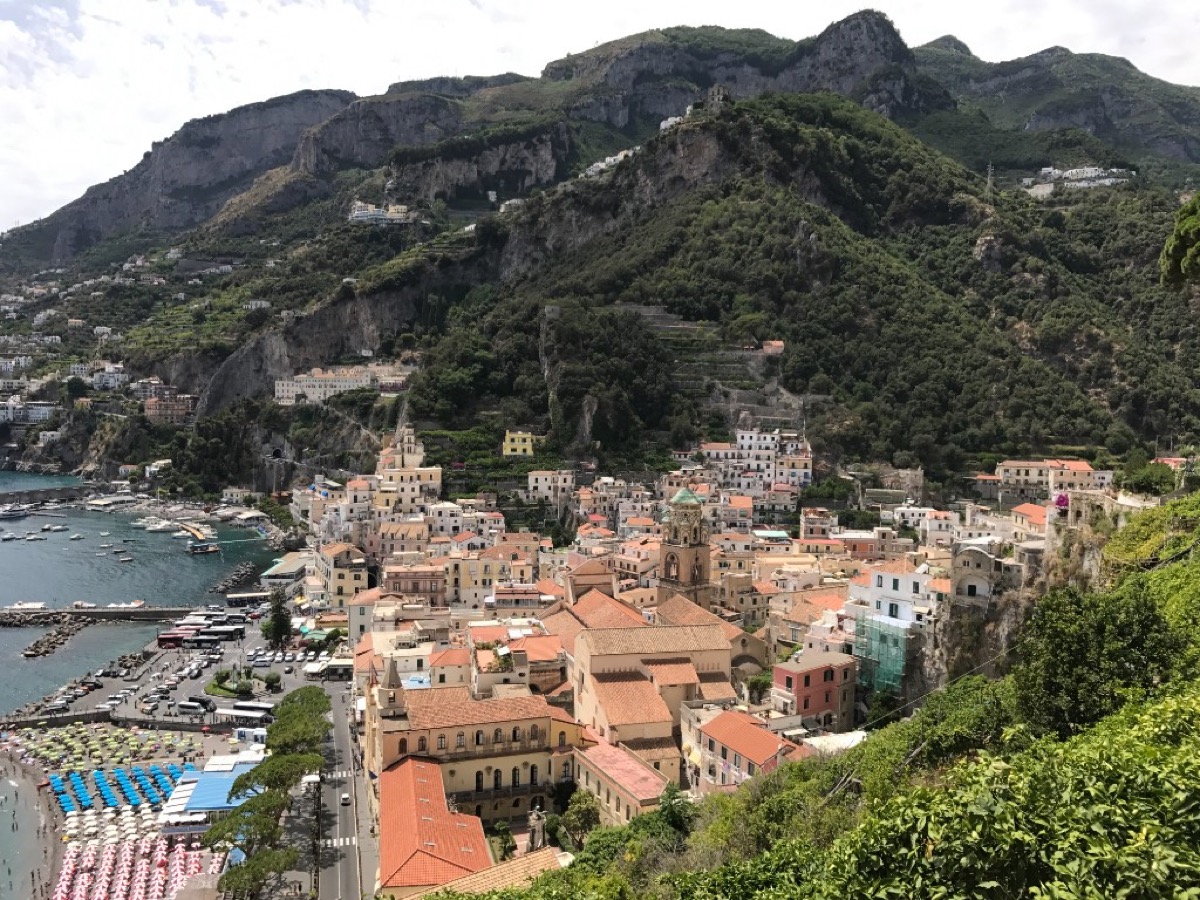
Italy has a way of tempting travellers to do too much. This journey takes a different approach — dividing nearly two weeks between the dramatic coastline of southern Italy and the cultural elegance of Milan.
Start with this itinerary
Open this route in Honge as your starting point, then shape the days, stays, and pace around how you travel.
The trip begins in Milan purely as a gateway, before a high-speed train south to Sorrento. From there you'll explore colourful streets, walk the remarkably preserved ruins of Pompeii, and then leave the busy tourist trail for a slower stay at Villa Vea, an agriturismo surrounded by olive groves. After the countryside, the journey continues to the Amalfi Coast, where public buses and ferries replace the rental car. The final chapter returns to Milan — Renaissance masterpieces, historic trams, and one of Italy's finest food scenes.
Is 12 Days Enough for Italy?
Absolutely — but only if you resist the temptation to see everything. Italy rewards travellers who linger. Rather than racing between Rome, Florence, Venice, and Cinque Terre, this itinerary focuses on one carefully planned route through southern Italy before finishing with a few rewarding days in Milan. That slower rhythm creates space for experiences that don't fit neatly into a sightseeing checklist. If you have three weeks or longer, adding Rome or Puglia makes perfect sense — but for twelve days, this route balances spectacular coastline, peaceful countryside, and sophisticated urban culture without ever feeling hurried.
Why This Itinerary Works
Beginning and ending in Milan might seem unusual, but it's one of the smartest ways to experience this route. Milan is an efficient international gateway with direct high-speed trains to Naples, so you head south immediately where the slower pace of Sorrento and the Amalfi Coast makes settling into Italy feel effortless. After returning your rental car in Salerno, buses and ferries let you enjoy one of Europe's most scenic coastlines without the stress of driving narrow cliffside roads. Finally, Milan becomes far more than a departure point — a thoughtful cultural finale that complements everything you experienced along the coast.
Best Time to Visit
- Spring (April–June) — best overall: Wildflowers bloom, trails are green, and temperatures are ideal for both cities and countryside. Excellent for Pompeii.
- Summer (July–August) — best coastal atmosphere: Lively terraces and frequent ferries, but the busiest and warmest season. Book well ahead and sightsee early or late.
- Autumn (September–October) — ideal for slow travel: Warm seas, grape harvests, comfortable hiking, and thinning crowds. September is a favourite month.
- Winter (November–March) — quiet but different: Milan stays lively; the coast is calmer with reduced ferry schedules. Great for culture, food, and peaceful walks.
12-Day Route Overview
| Day | Destination | Overnight |
|---|---|---|
| 1 | Arrive Milan → high-speed train to Naples → Sorrento | Sorrento |
| 2 | Explore Sorrento | Sorrento |
| 3 | Day trip to Pompeii | Sorrento |
| 4 | Collect rental car → drive to Villa Vea | Villa Vea |
| 5 | Slow day at Villa Vea | Villa Vea |
| 6 | Drive to Salerno → return car → bus/ferry to Amalfi | Amalfi |
| 7 | Explore Amalfi | Amalfi |
| 8 | Positano & coastal exploration | Amalfi |
| 9 | Path of the Gods or leisure day | Amalfi |
| 10 | Taxi to Naples → flight to Milan | Milan |
| 11 | Explore Milan | Milan |
| 12 | Milan & departure | — |
Travelling Around Italy
- Milan → Naples (high-speed train): Trenitalia (Frecciarossa) or Italo Treno, roughly 4½–5 hours. Book weeks ahead for lower fares.
- Naples → Sorrento: The visitor-friendly Campania Express (reserved seats, luggage space) or the cheaper local Circumvesuviana commuter train.
- Rental car from Villa Vea only: Collect the car when leaving Sorrento and return it in Salerno — avoiding unnecessary parking fees and coastal driving stress.
- Salerno → Amalfi → Positano: SITA Sud buses and, whenever weather allows, Travelmar ferries for the most scenic coastal travel.
- Naples → Milan: A short domestic flight from Naples (NAP), or high-speed rail if you prefer to travel entirely by train.
Travel tip: Reserve long-distance trains as early as possible, especially May–September, when discount fares sell out quickly.
Where Should You Stay?
- Sorrento: In or near the Historic Centre for restaurants and the marina, or near Marina Grande for quieter, waterfront evenings.
- Villa Vea: An agriturismo in the hills south of Salerno — a working farm with home-cooked meals, local produce, olive oil, and wine.
- Amalfi: Within walking distance of Piazza Duomo for easy access to restaurants, ferries, and bus stops.
- Milan: Brera for galleries and boutiques, Centro Storico for the Duomo and The Last Supper, or Navigli for canals and aperitivo.
Southern Italy — Sorrento & Pompeii (Days 1–3)
Day 1 — Arriving in Sorrento
Base: Sorrento · Pacing: Easy arrival day
After landing in Milan, make your way to Milano Centrale and take the high-speed train south to Naples, then continue to Sorrento aboard the Campania Express (or the local Circumvesuviana on a tighter budget). By late afternoon you'll emerge into a compact town best explored on foot. Wander Corso Italia and Piazza Tasso, where lemon trees spill over garden walls and artisan shops display hand-painted ceramics and limoncello. As evening approaches, join the passeggiata — Italy's beloved early-evening stroll — before a long, unhurried first dinner.
Don't leave without trying: Gnocchi alla Sorrentina, buffalo mozzarella, limoncello, lemon sorbet served inside a lemon.
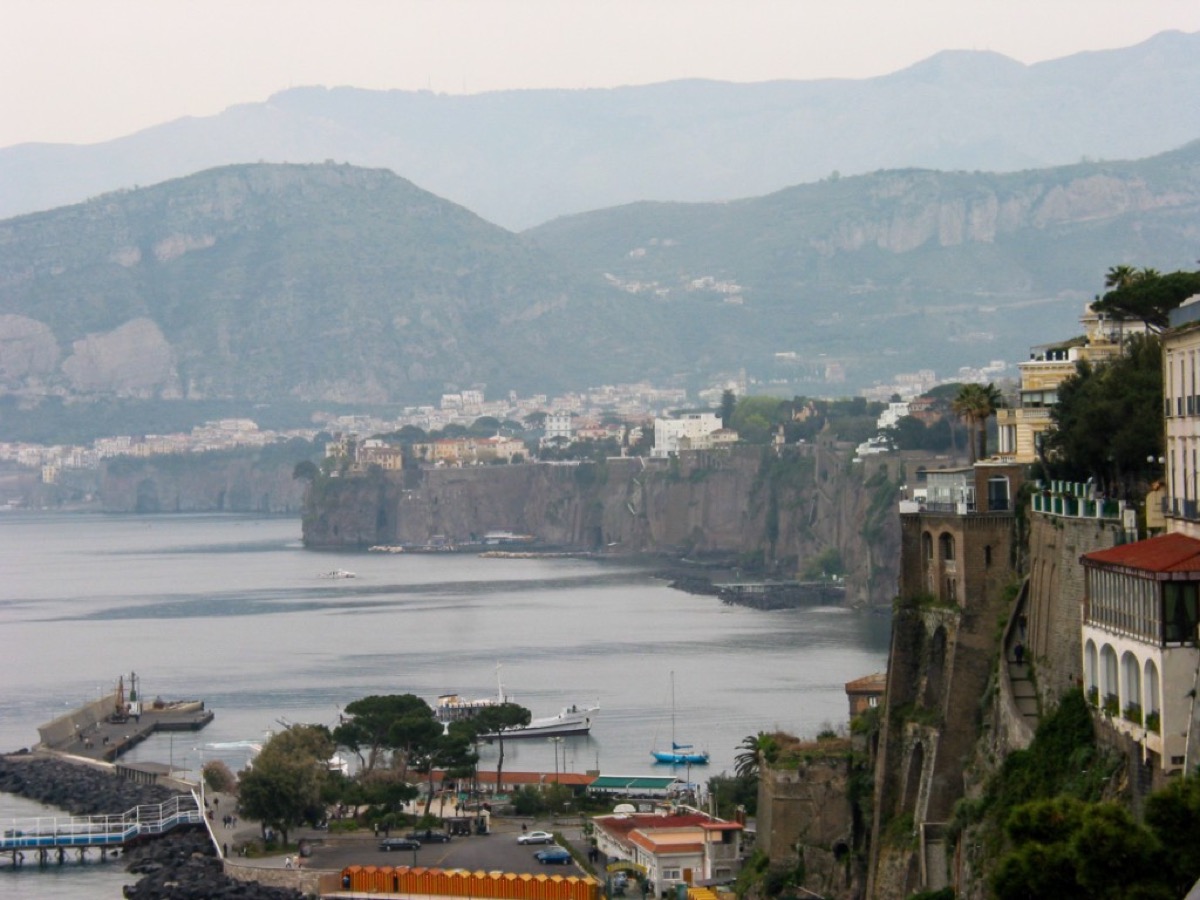
Day 2 — A Day to Wander Through Sorrento
Base: Sorrento · Pacing: Slow exploration
Begin while the town is still waking up, along the quiet streets around Via San Cesareo. Continue to the peaceful Cloister of San Francesco, then to Villa Comunale for a fine viewpoint over the Bay of Naples and Vesuvius. By lunchtime, head down to Marina Grande — a small working fishing harbour — for fresh seafood and local white wine by the water. Spend the late afternoon browsing artisan ceramics, leather, and inlaid woodwork, and return to Villa Comunale for golden-hour light across the bay.
Don't leave without trying: Spaghetti alle vongole, fried zucchini flowers, delizia al limone, Falanghina wine.
Day 3 — Pompeii: Walking Through Everyday Roman Life
Base: Sorrento · Pacing: Cultural day trip
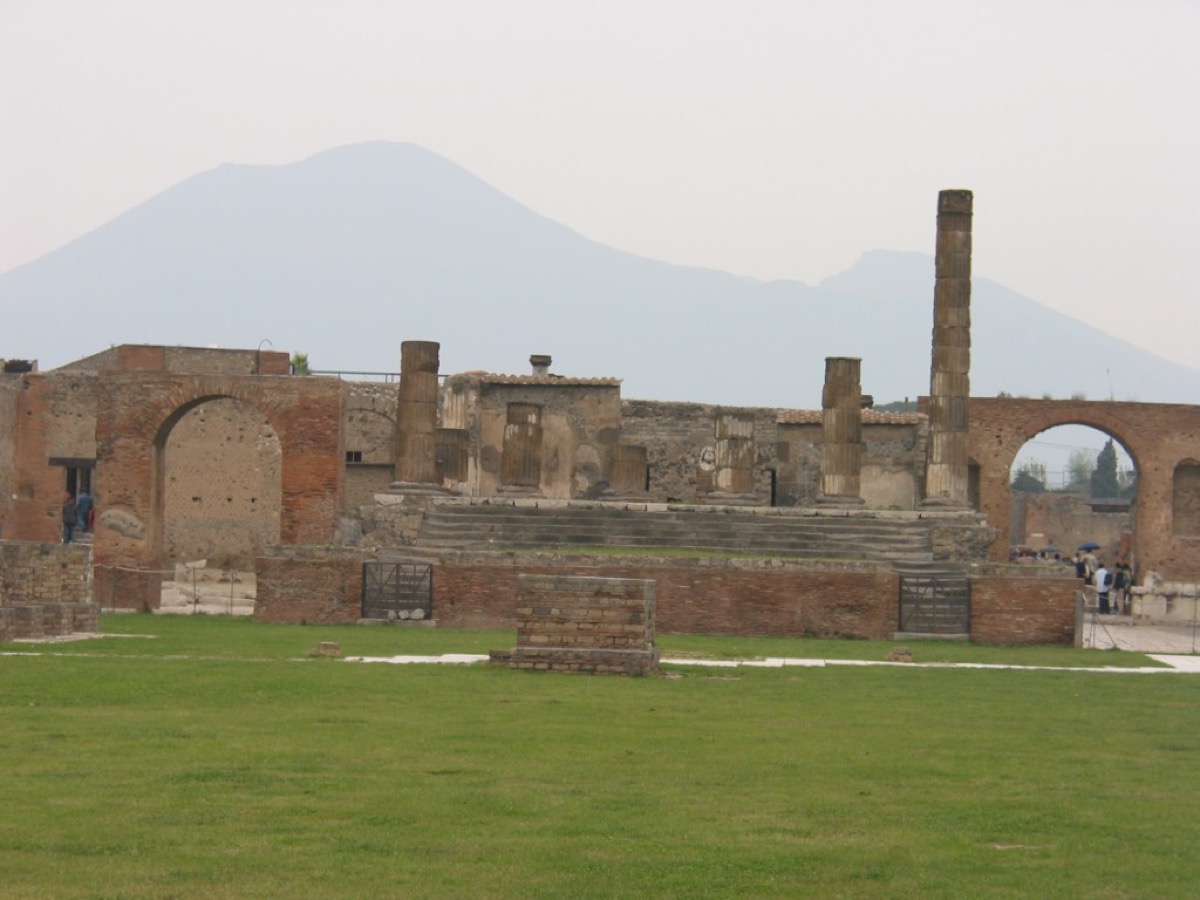
Just over half an hour from Sorrento by train, Pompeii offers a remarkable glimpse into Roman life before the eruption of Vesuvius in AD 79. Leave early on the Campania Express or Circumvesuviana, arriving shortly after the park opens. Rather than covering the entire site, focus on a handful of areas — the original stone streets, frescoed villas, ancient bathhouses and bakeries, and the Forum. Consider an official guide or the audio guide for depth. Spend your final evening revisiting whichever part of Sorrento captured you most.
Walking note: Pompeii covers ~66 hectares of uneven stone streets with limited shade — wear supportive footwear, carry water, and allow four to five hours.
The Countryside — Villa Vea (Days 4–5)
Day 4 — Into the Hills: Sorrento to Villa Vea
Base: Villa Vea · Pacing: Scenic transfer & countryside immersion
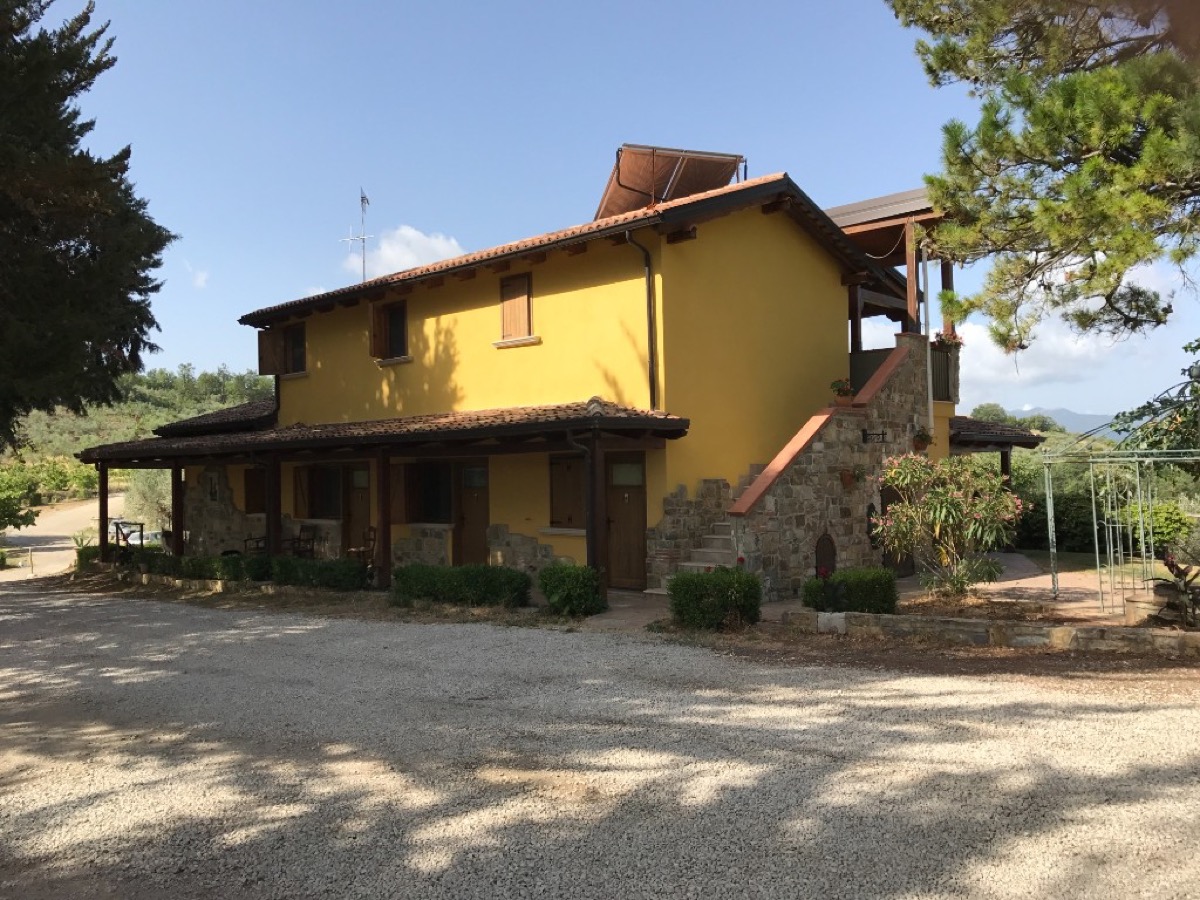
Collect your rental car after breakfast and drive inland — the only stage where driving truly enhances the experience. Lemon groves give way to vineyards and olive orchards, and colourful seaside towns are replaced by sleepy villages. Don't hesitate to stop at roadside fruit stalls, small wineries, or panoramic viewpoints. By early afternoon you'll arrive at Villa Vea, a working agriturismo where many ingredients are grown on the property. After checking in, give yourself permission to do very little — a slow walk, a book on the terrace, and a dinner built around seasonal produce and estate olive oil.
Don't leave without trying: Handmade pasta with seasonal vegetables, estate olive oil, fresh ricotta, Campanian Aglianico wine, fruit crostata.
Day 5 — A Day Without a Schedule
Base: Villa Vea · Pacing: Slow countryside living
Today is intentionally left almost empty. Wake naturally and linger over a countryside breakfast of fresh bread, homemade cakes, local cheeses, and strong coffee. Spend the morning walking the trails through olive groves and farmland, passing small chapels and stone farmhouses. If your stay coincides with seasonal farm activities — olive harvesting, grape picking, a cooking class or olive oil tasting — ask whether guests can join. Return for a leisurely lunch, the pool in warmer months, or the shade of an olive tree. This is the essence of slow travel.
Don't leave without trying: Burrata with seasonal tomatoes, handmade ravioli, farm olive oil, local honey, fresh-fruit desserts.
The Amalfi Coast — Four Days of Coastal Living (Days 6–9)
Day 6 — Returning to the Sea: Villa Vea to Amalfi
Base: Amalfi · Pacing: Scenic travel day
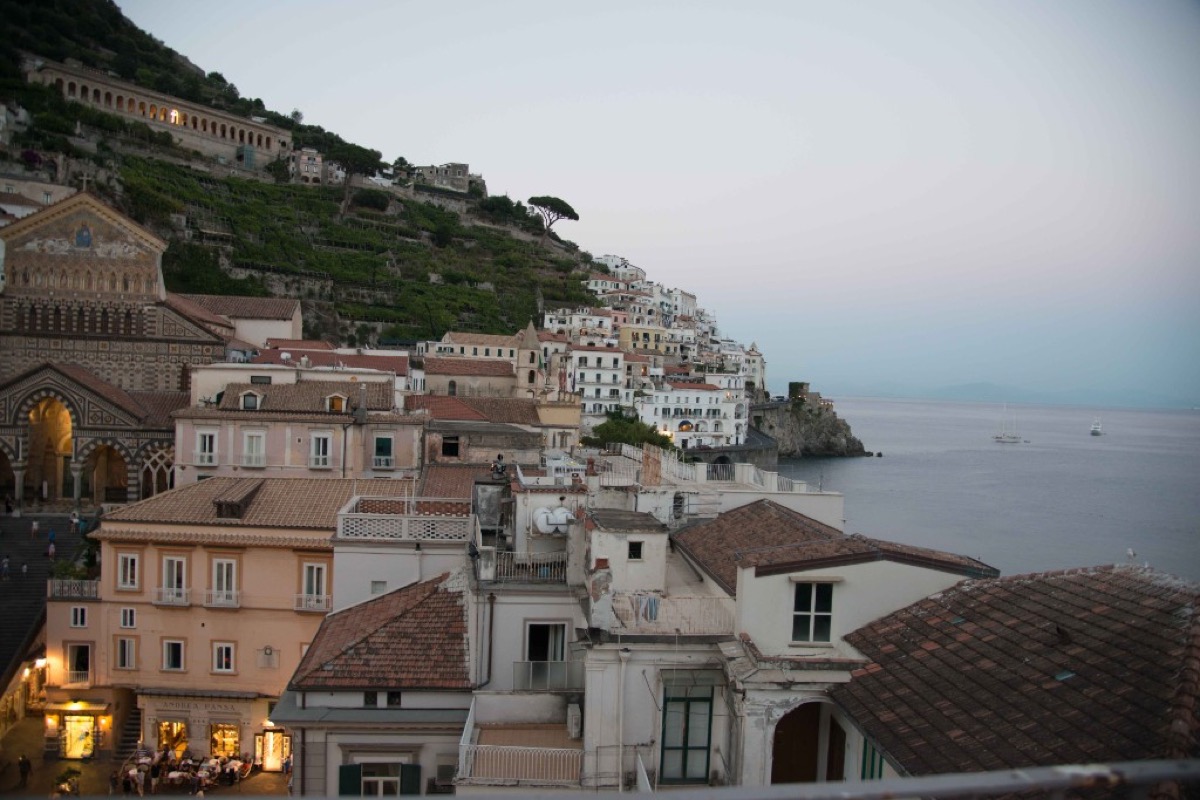
After a final countryside breakfast, drive to Salerno and return your rental car — one of the smartest decisions in the itinerary. Continue to Amalfi by Travelmar ferry if conditions allow, or SITA Sud bus otherwise. Approaching by sea offers an unforgettable first impression. Arriving by late afternoon, settle in and walk the historic centre as the day-trippers leave, ending at the illuminated Piazza Duomo.
Don't leave without trying: Scialatielli ai frutti di mare, Amalfi lemon cake, Cetara anchovies, limoncello.
Day 7 — Discovering Amalfi Beyond the Crowds
Base: Amalfi · Pacing: Relaxed exploration
Amalfi feels very different in the morning, before the buses arrive. Begin in Piazza Duomo at the Cathedral of Saint Andrew, with its striped façade and the tranquil Cloister of Paradise. Wander the maze of narrow lanes — ceramic workshops, delicatessens, and hidden courtyards. After a slow lunch away from the waterfront, visit the Museum of the Ancient Arsenal, housed in the medieval shipyard where Amalfi once built its Mediterranean fleet.
Don't leave without trying: Scialatielli ai frutti di mare, Amalfi lemon risotto, grilled octopus, delizia al limone.
Day 8 — Positano: Italy's Most Iconic Coastal Village
Base: Amalfi · Pacing: Leisurely day trip
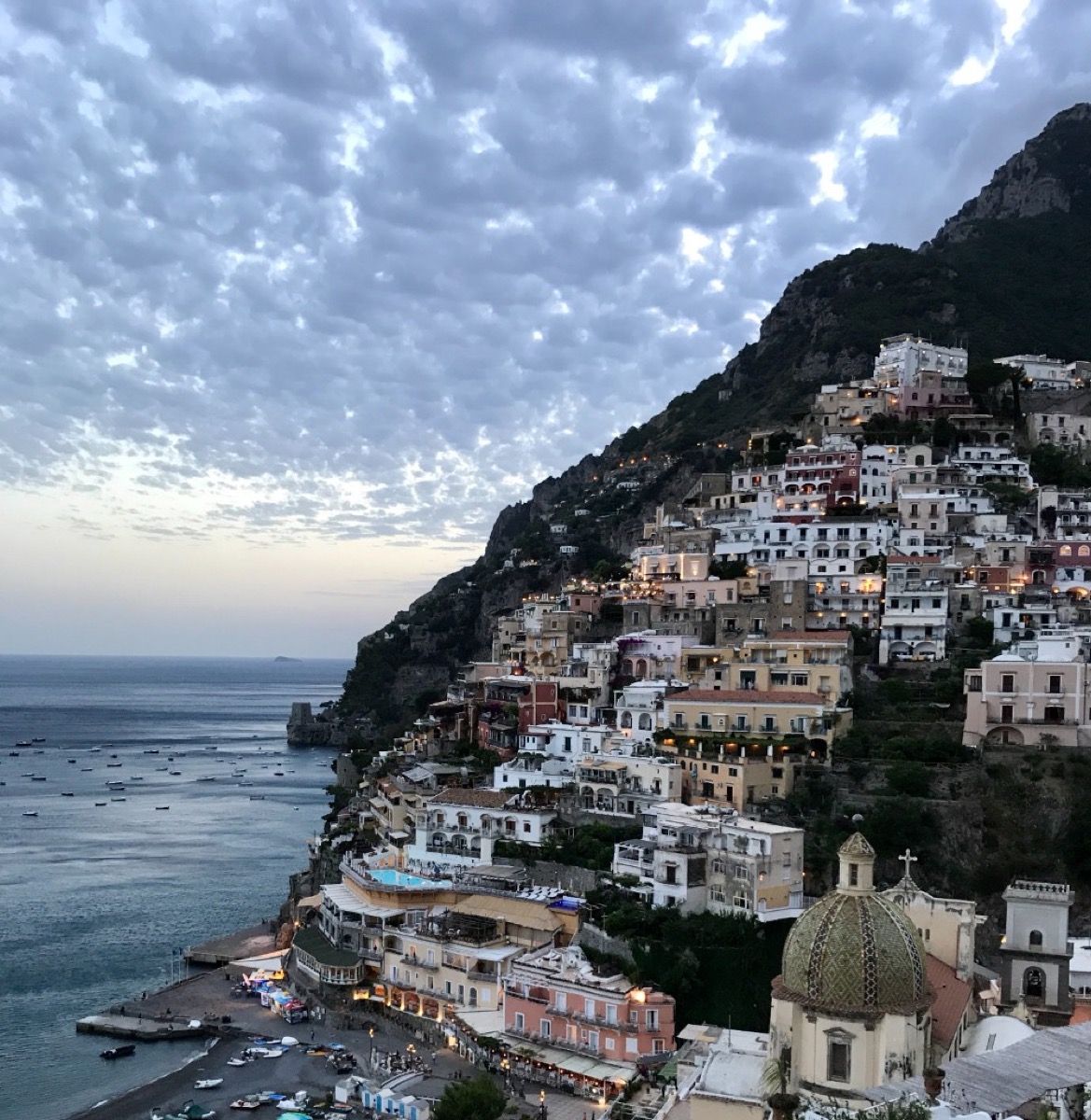
Reach Positano by Travelmar ferry, which reveals its famous cascade of pastel houses from the sea. Wander the lanes lined with handmade leather sandals, linen, and ceramics, then spend an hour or two at Spiaggia Grande — or continue the coastal path to the quieter Fornillo Beach. Enjoy a long lunch beside the water before returning to Amalfi in the softer evening light.
Don't leave without trying: Seafood linguine, Caprese salad, lemon granita, artisanal gelato.
Day 9 — Walking the Path of the Gods
Base: Amalfi · Pacing: Moderate walking day
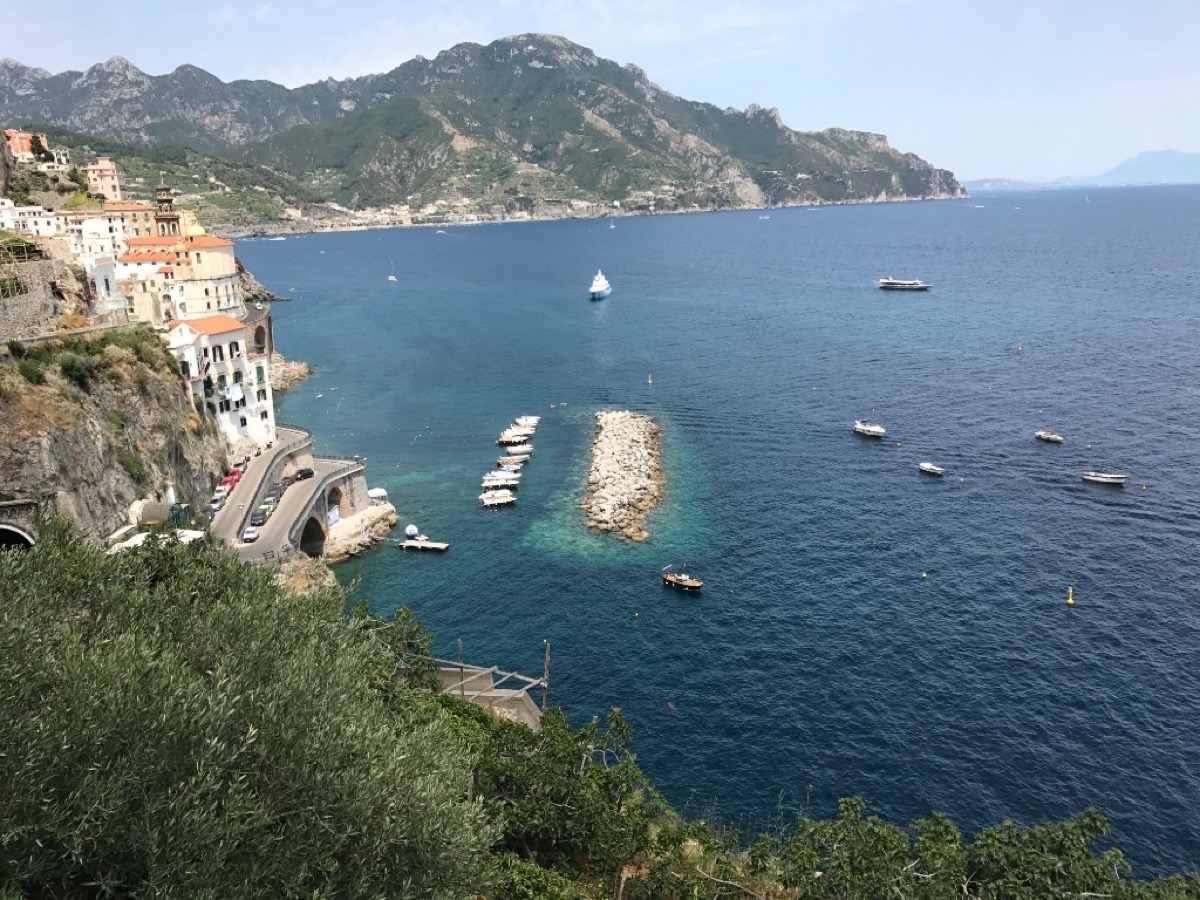
The Path of the Gods (Sentiero degli Dei) traces ancient routes high above the coast through terraced hillsides and Mediterranean scrub. Take an early SITA Sud bus to Bomerano, the traditional trailhead, to avoid heat and crowds. The trail winds toward Nocelle, a village above Positano, with uninterrupted views toward Capri. Pause often. Afterward, descend the staircase into Positano or take local transport back to Amalfi for a simple, favourite-spot final evening on the coast.
Walking note: Roughly 7 km (4.3 mi) from Bomerano to Nocelle; allow 3–4 hours with stops. Wear sturdy shoes, carry water, and check the weather.
Milan Finale (Days 10–12)
Day 10 — From the Amalfi Coast to Milan
Base: Milan · Pacing: Travel day with a relaxed evening
Arrange a taxi or private transfer to Naples International Airport (NAP), allowing extra time in summer. A short flight brings you back to Milan in just over an hour, and the contrast is immediate — broad avenues and elegant stone buildings. After checking in, resist sightseeing immediately; instead take a gentle evening walk through Brera or along the Navigli canals for aperitivo. Dinner introduces richer northern cooking built on butter, rice, and slow-cooked meats.
Don't leave without trying: Risotto alla Milanese, cotoletta alla Milanese, ossobuco, panettone (in season).
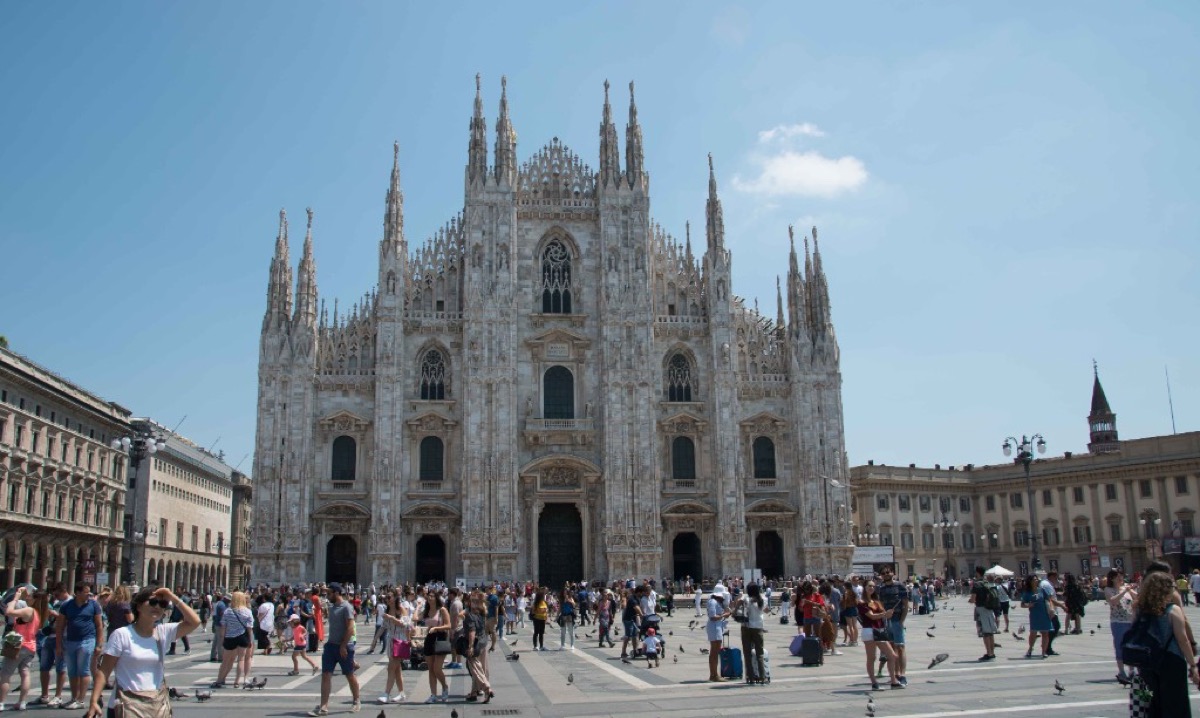
Day 11 — Renaissance Masterpieces & Milanese Neighbourhoods
Base: Milan · Pacing: Cultural exploration
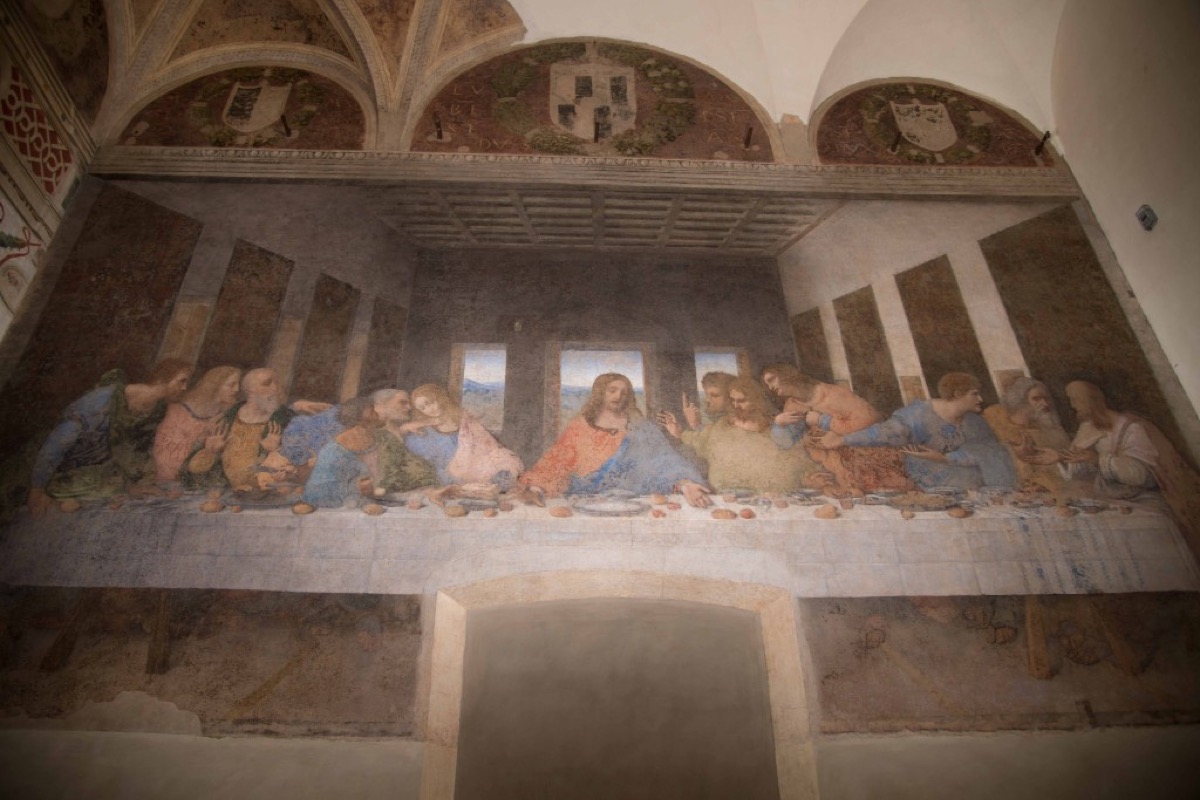
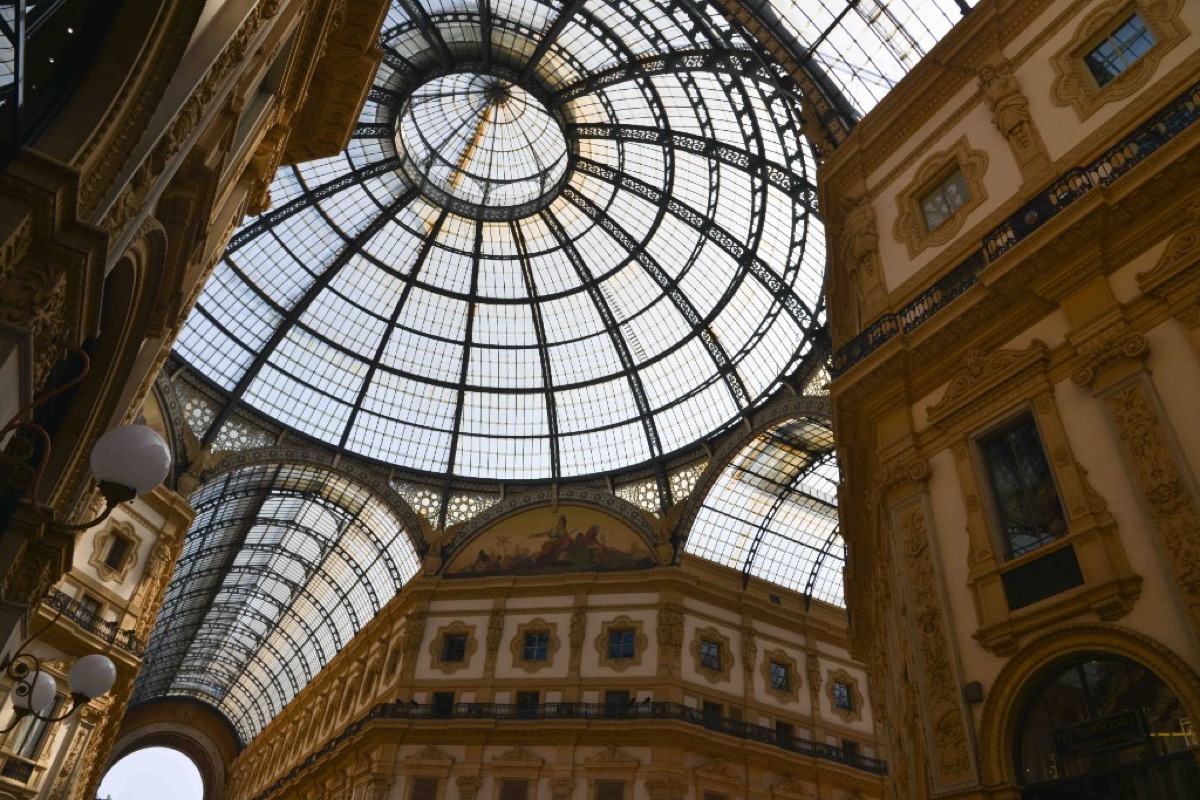
Begin with Leonardo da Vinci's The Last Supper, in the refectory of Santa Maria delle Grazie — tickets often sell out months ahead, so book early. Continue to the atmospheric Brera district for coffee, galleries, and courtyards. After a Lombard lunch of saffron risotto and slow-cooked meats, visit Piazza del Duomo and the nearby Galleria Vittorio Emanuele II, one of the world's oldest shopping arcades.
Don't leave without trying: Risotto alla Milanese with saffron, ossobuco, Taleggio cheese, a classic Milanese aperitivo.
Day 12 — A Final Morning in Italy
Base: Milan (departure) · Pacing: Unhurried farewell
Enjoy one last breakfast at a neighbourhood café — a cappuccino and a fresh pastry. If your flight departs later, browse local food shops for edible souvenirs (olive oil, balsamic vinegar, artisanal pasta, regional chocolate) or take a last ride on Milan's historic trams and a walk through Parco Sempione. Then make your way to the airport via the Malpensa Express or ATM metro.
Don't leave without trying: A fresh cornetto, Italian espresso, artisanal chocolate, regional cheeses to take home.
Budget Notes
- Budget (€130–180/day): Guesthouses/B&Bs, high-speed trains booked ahead, local buses and ferries, self-guided sightseeing, family-run trattorias.
- Mid-range (€220–350/day): Boutique hotels, Villa Vea agriturismo, short car hire, ferries, museum admissions, excellent local dining.
- Luxury (€450+/day): Premium sea-view hotels, private transfers, fine dining, and guided cultural tours.
What to Skip If You Only Have One Week
With seven days, focus on the southern portion: Sorrento (2 nights), Villa Vea (2 nights), and Amalfi (3 nights). Leave Milan for another trip — shortening the coast simply to add a city usually means more time travelling than enjoying Italy.
Useful Official Booking Links
- Italia.it (Official Italian Tourism)
- Trenitalia (Italian State Railways) · Italo Treno
- Campania Express & Circumvesuviana (EAV)
- Pompeii Archaeological Park
- Travelmar Ferries · SITA Sud Buses
- The Last Supper (Official Booking)
- ATM Milano · Malpensa Express
Prompts to Try in Honge
FAQ
Is 12 days enough for Italy?
Yes. Twelve days is excellent when you focus on one region rather than the whole country. This itinerary balances coastal towns, countryside, history, and city life without feeling rushed.
Do I really need a rental car?
Only for the Villa Vea portion. Two to three days of driving lets you explore rural Campania comfortably while avoiding the Amalfi Coast's narrow roads, where public transport is better.
What's the best time of year for this itinerary?
Late April to June and September to early October offer the best combination of pleasant weather, comfortable walking, and manageable visitor numbers.
Is the Path of the Gods hike difficult?
It's considered moderate rather than difficult. Most reasonably active travellers manage it comfortably with good footwear, water, and by avoiding the hottest part of the day in summer.
Should I stay in Positano instead of Amalfi?
For this itinerary, Amalfi is a more practical base — well connected by buses and ferries, with excellent restaurants and easier access to nearby towns, and generally less crowded than Positano.
Is Villa Vea worth including?
Absolutely. The agriturismo stay turns a standard coast holiday into true slow travel, offering insight into rural Italian life and regional food traditions.
Ready to make it yours?
Customize this itinerary with AI
Now that you've seen the full route, use Honge to tailor stays, activities, and day-by-day pacing to your trip.
Related itineraries
- 8-Day Gold Coast Itinerary: Beaches, Rainforests & Coastal Adventures
- 10-Day Budapest to Vienna Road Trip: Balaton, Hallstatt & Salzburg
- 7-Day Tuscany Luxury Itinerary: Florence, Chianti & Val d'Orcia
- 10-Day Australia Family Wildlife Itinerary: Sydney to Great Ocean Road
- 10-Day Scotland Road Trip: Whisky, Castles & Mountains
- 12-Day France Itinerary: Paris to Provence & Cassis
- 8-Day Morocco Cultural Itinerary: Casablanca, Fes, Chefchaouen & Marrakech
- Family Vietnam Itinerary: Hanoi, Halong Bay & Ho Chi Minh City
- Ethiopia Coffee Trip Itinerary: Addis, Highlands & Coffee Ceremony
- 8-Day Utah Family Road Trip: Zion, Bryce, Arches & Dinosaurs
- 3-Day Madrid Itinerary: Tapas, Museums & Neighborhoods
Written by
This blog was contributed by B. Sai Nikita, a travel enthusiast and writer. B. Sai Nikita can be reached at bsainikita10@gmail.com.
About Honge
Honge is an AI travel planning platform focused on practical, experience-led itineraries with realistic pacing and logistics. All blog content is edited and published by Honge. Our Italy research draws on updated practical logistics as of July 2026. © Honge. All rights reserved.
Travel disclaimer
This itinerary is intended as general travel inspiration and planning guidance only — not as personalized travel advice. Conditions change. Before you travel, check current entry requirements and any travel advisories. Confirm train, ferry, and bus schedules, museum hours, and site access directly. Honge is not responsible for changes to conditions or services described in this article after the date of publication.