Morocco has a way of drawing you into everyday moments just as much as its famous landmarks.
Start with this itinerary
Open this route in Honge as your starting point, then shape the days, stays, and pace around how you travel.
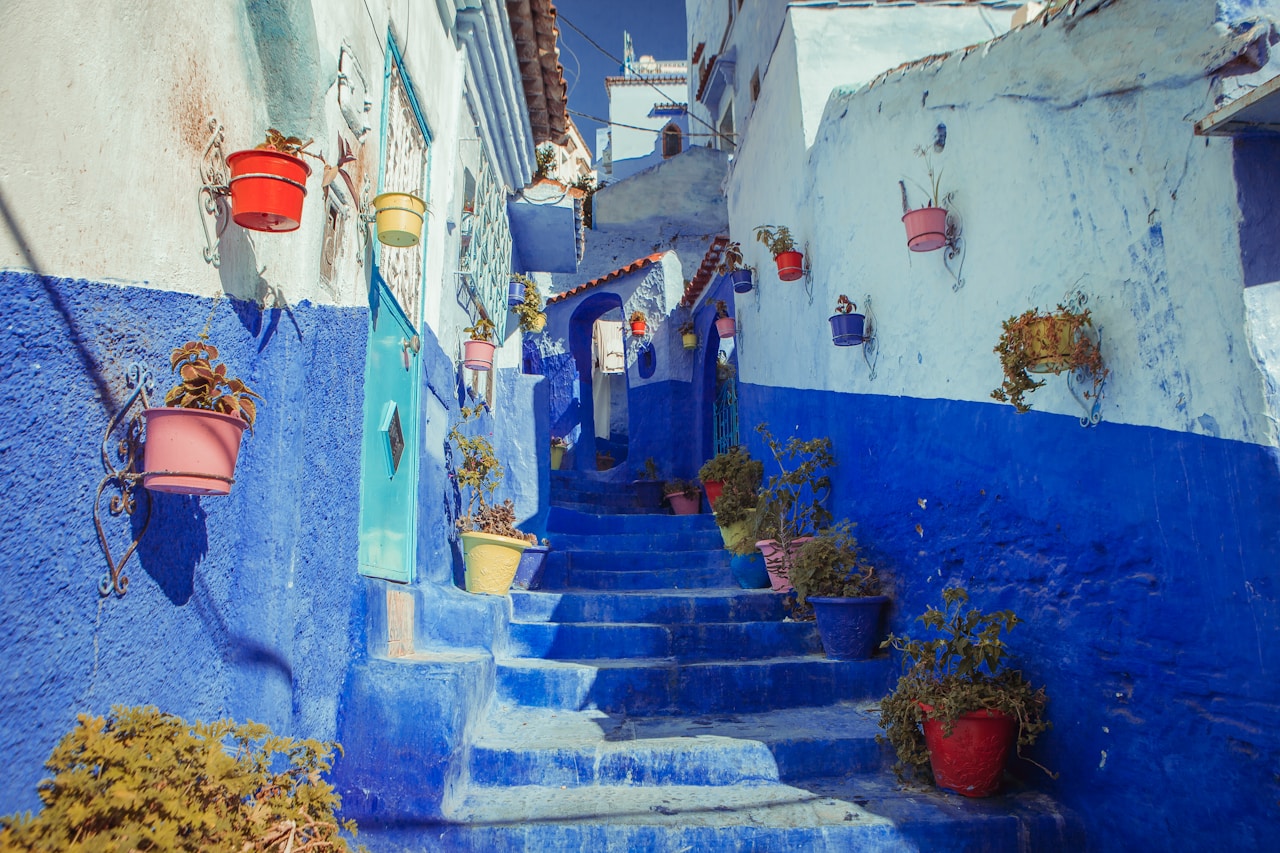
One morning, you might be watching artisans in Fes patiently hammer brass trays using techniques passed down for generations. That afternoon, you'll find yourself sipping mint tea from a rooftop café overlooking a maze of terracotta rooftops, listening to the call to prayer echo across the medina. A few days later, you're wandering Chefchaouen's quiet blue lanes before most visitors arrive, chatting with local weavers, or sharing a slow-cooked tagine in a family-run riad tucked behind an unassuming wooden door.
This isn't an itinerary built around checking famous places off a list. Instead, it's designed for travelers who want to understand Morocco through its people, neighborhoods, food, craftsmanship, and history. Many first-time visitors try to squeeze Marrakech, Fes, the Sahara Desert, Chefchaouen, Essaouira, Casablanca, and the Atlas Mountains into one week. While it's possible on paper, you'll spend more time on buses and highways than actually experiencing the places you've travelled so far to see.
This itinerary focuses on Casablanca, Fes, Chefchaouen, Rabat, and Marrakech — the route that flows naturally through northern and central Morocco without excessive backtracking. Think of this as a cultural journey rather than a sightseeing marathon.
Is 8 Days Enough for Morocco?
Yes — but only if you focus on one region instead of trying to see everything.
This itinerary treats Morocco as a cultural journey through its historic imperial cities and mountain towns. You'll spend more time wandering medinas, talking with artisans, tasting regional dishes, and discovering neighborhoods that most organized tours pass through quickly.
If you have 10–12 days, you can comfortably add the Sahara Desert or Essaouira. For eight days, this route offers a much better balance.
Best Time to Visit Morocco
The most comfortable seasons are:
- Spring (March–May): Pleasant temperatures, blooming landscapes, ideal for walking tours.
- Autumn (September–November): Warm days, cooler evenings, excellent sightseeing weather.
Summer can become extremely hot, particularly in Marrakech and inland cities where daytime temperatures regularly exceed 40°C. Winter remains pleasant in most cities but nights can become surprisingly cold, especially in Fes and the Atlas region.
Travel during Ramadan is absolutely possible, but opening hours and restaurant availability may differ. Check local schedules before travelling.
8-Day Morocco Route Overview
- Day 1 — Casablanca: Arrive and explore the historic centre — Hassan II Mosque, Corniche, Habous Quarter.
- Day 2 — Fes: Train from Casablanca, settle into the medina.
- Day 3 — Fes: Full day in the medina — artisan quarters, tanneries, madrasas.
- Day 4 — Chefchaouen: Coach or private transfer through the Rif Mountains.
- Day 5 — Rabat: Travel from Chefchaouen, Hassan Tower, Kasbah of the Udayas.
- Day 6 — Marrakech: High-speed train from Rabat, Bahia Palace, souks, Jemaa el-Fnaa after dark.
- Day 7 — Marrakech: Majorelle Garden, artisan cooperatives, slower local exploration.
- Day 8 — Marrakech: Local markets and departure.
This route flows naturally from north to south while making good use of Morocco's rail network before finishing in vibrant Marrakech.
Travelling Between Morocco's Main Cities
Morocco has one of Africa's most efficient railway networks, operated by ONCF (Office National des Chemins de Fer). The network connects Casablanca, Rabat, Meknes, Fes, and Marrakech, making train travel the most convenient and comfortable way to get around for much of this itinerary. Check timetables, fares, and book tickets on the official ONCF website.
The only destination on this itinerary that isn't connected by rail is Chefchaouen. Reach the Blue City by coach or private transfer via CTM or Supratours. Book a few days in advance during weekends, public holidays, and busy spring and autumn seasons.
Approximate travel times:
- Casablanca → Fes: Around 4 hours by direct ONCF train.
- Fes → Chefchaouen: Approximately 4–5 hours by CTM or Supratours coach.
- Chefchaouen → Rabat: Around 4½–5 hours by coach or private transfer.
- Rabat → Marrakech: Approximately 4–4½ hours by direct ONCF train.
Do You Need a Rail Pass for This Itinerary?
No. Unlike many European countries, Morocco doesn't have a rail pass that provides better value for most travelers. Individual train tickets are reasonably priced and easy to purchase through ONCF. Since this itinerary includes only three major train journeys and one coach transfer, point-to-point tickets are usually the simplest and most economical option.
Best Areas to Stay in Each Destination
Traditional riads — Moroccan guesthouses built around a central courtyard — offer a more authentic experience than standard hotels. Choose accommodation close to transport hubs on travel days and within walking distance of the historic medinas on sightseeing days.
- Casablanca: Near Casa Voyageurs Railway Station for early trains, or the city centre for Hassan II Mosque and the Corniche. Visitor resources: Visit Morocco.
- Fes: A riad inside Fes el Bali or near Bab Bou Jeloud (Blue Gate). Guide: Visit Morocco — Fes.
- Chefchaouen: Within walking distance of Plaza Uta el-Hammam. Guide: Visit Morocco — Chefchaouen.
- Rabat: Hassan District or near the Medina for Hassan Tower, Kasbah of the Udayas, and Rabat Ville Railway Station. Guide: Visit Morocco — Rabat.
- Marrakech: A riad inside the Medina near Bab Doukkala, Bab Laksour, or Jemaa el-Fnaa. Guide: Visit Morocco — Marrakech.
Good to Know Before You Go
- Morocco uses the Moroccan Dirham (MAD); cash is still widely preferred in smaller shops and markets.
- Credit cards are accepted at many hotels and larger restaurants but not everywhere.
- Comfortable walking shoes are essential — medinas feature uneven stone streets and stairs.
- Modest clothing is appreciated, particularly when visiting religious or residential areas.
- Friday afternoons can be quieter around some attractions due to prayer times.
- Many museums close earlier than visitors expect — morning visits often work best.
- Always agree on taxi fares beforehand unless the driver uses the meter.
Why This Itinerary Works
Many Morocco itineraries spend more time on highways than in the places travelers actually want to experience. This route keeps long travel days to a minimum while giving each destination enough time to reveal its personality.
You'll experience Morocco's economic capital, its spiritual and intellectual heart, its famous blue mountain town, one of its most relaxed imperial cities, and its vibrant cultural capital — each complementing the next rather than repeating the same experiences.
Day 1 — Arrive in Casablanca: Morocco's Modern Gateway
Base: Casablanca
Arrive at Mohammed V International Airport and take the ONCF airport train into Casablanca rather than a taxi if your accommodation is near the city centre. After checking in, keep today easy — you'll walk quite a bit through medinas over the next few days.
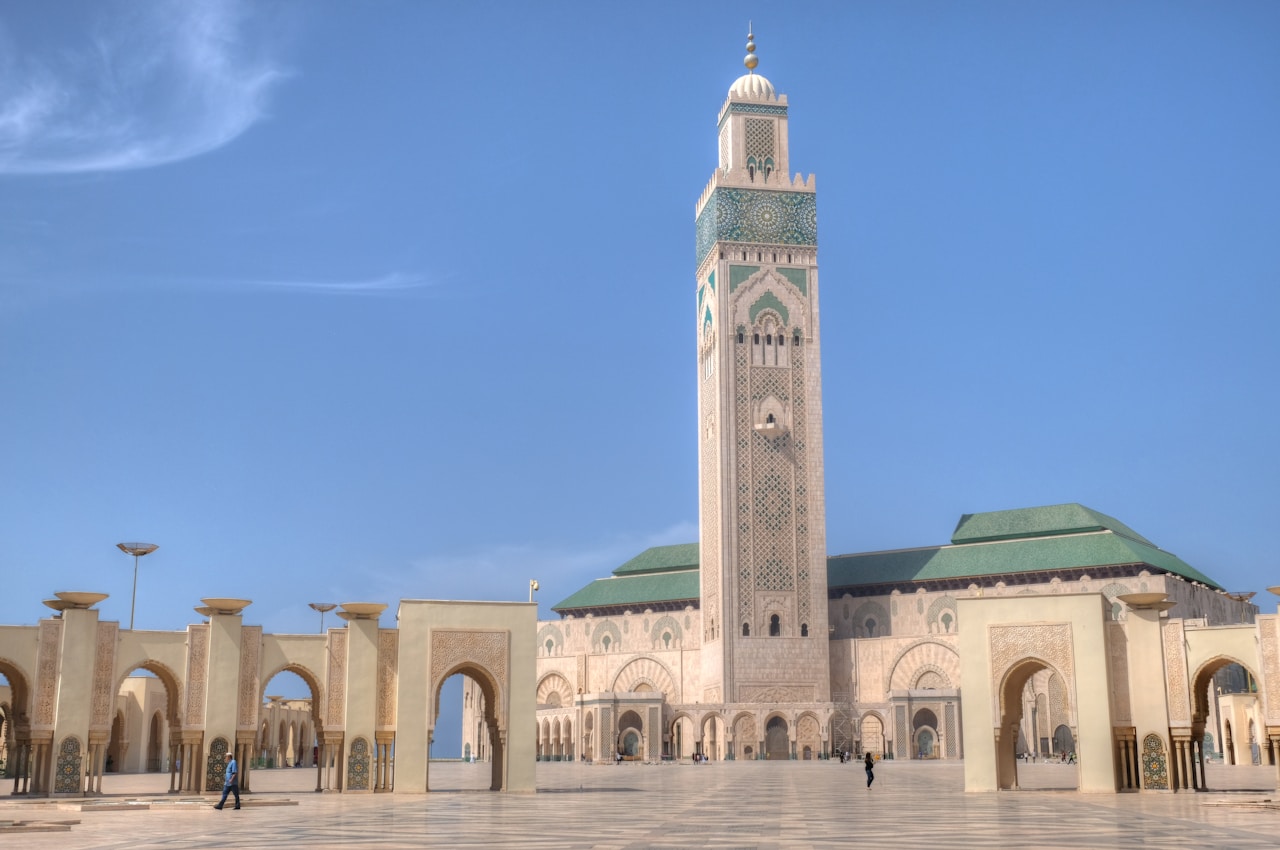
Begin at the magnificent Hassan II Mosque, one of the few mosques in Morocco open to non-Muslim visitors through guided tours. Sitting dramatically above the Atlantic Ocean, it's an excellent introduction to Moroccan craftsmanship — intricate zellige tilework and carved cedar ceilings.
Stroll along the Corniche waterfront, then continue to the Habous Quarter — a quieter district with bookshops, bakeries, olive markets, and artisan stores frequented by locals.
Choose a traditional Moroccan restaurant serving tagine or seafood before a relaxed evening walk along Mohammed V Square. Reserve Hassan II Mosque tours in advance where possible, and purchase tomorrow's train ticket to Fes before the evening if you haven't already.
Food suggestion: Try a traditional chicken with preserved lemon tagine or freshly grilled Atlantic fish.
Pacing note: Avoid staying out too late — tomorrow involves one of the itinerary's longer train journeys.
Day 2 — Journey to Fes: Morocco's Spiritual Heart
Base: Fes
Take an early ONCF train from Casablanca to Fes — first-class seating provides assigned seats for the roughly four-hour journey. Arrive around lunchtime and check into a traditional riad inside or just outside Fes el Bali.
Spend your first afternoon getting oriented. Enter through Bab Bou Jeloud, then wander through bustling souks, spice shops, copper workshops, and small cafés. Stop for lunch at a rooftop restaurant overlooking the medina.
As the crowds thin in the evening, the medina becomes noticeably calmer — an excellent time for a slow walk through quieter residential alleys before dinner at your riad.
Food suggestion: Try pastilla, a distinctive Fassi speciality combining flaky pastry with savory and sweet flavors.
Pacing note: Leave the famous Chouara Tannery for tomorrow morning when the light and activity are at their best.
Day 3 — Dive Deep into Fes: Morocco's Living Medieval City
Base: Fes
Unlike many historic centres that have become open-air museums, Fes el Bali remains a living city where thousands of residents continue their daily routines. Bakers fire bread in communal ovens, craftsmen hammer brass by hand, and donkeys still transport goods through alleyways too narrow for vehicles.
Begin shortly after breakfast through Bab Bou Jeloud, then walk towards Bou Inania Madrasa — one of Morocco's finest examples of Marinid architecture. Continue to Seffarine Square, where traditional coppersmiths continue centuries-old techniques, and visit the Nejjarine Museum of Wooden Arts & Crafts.
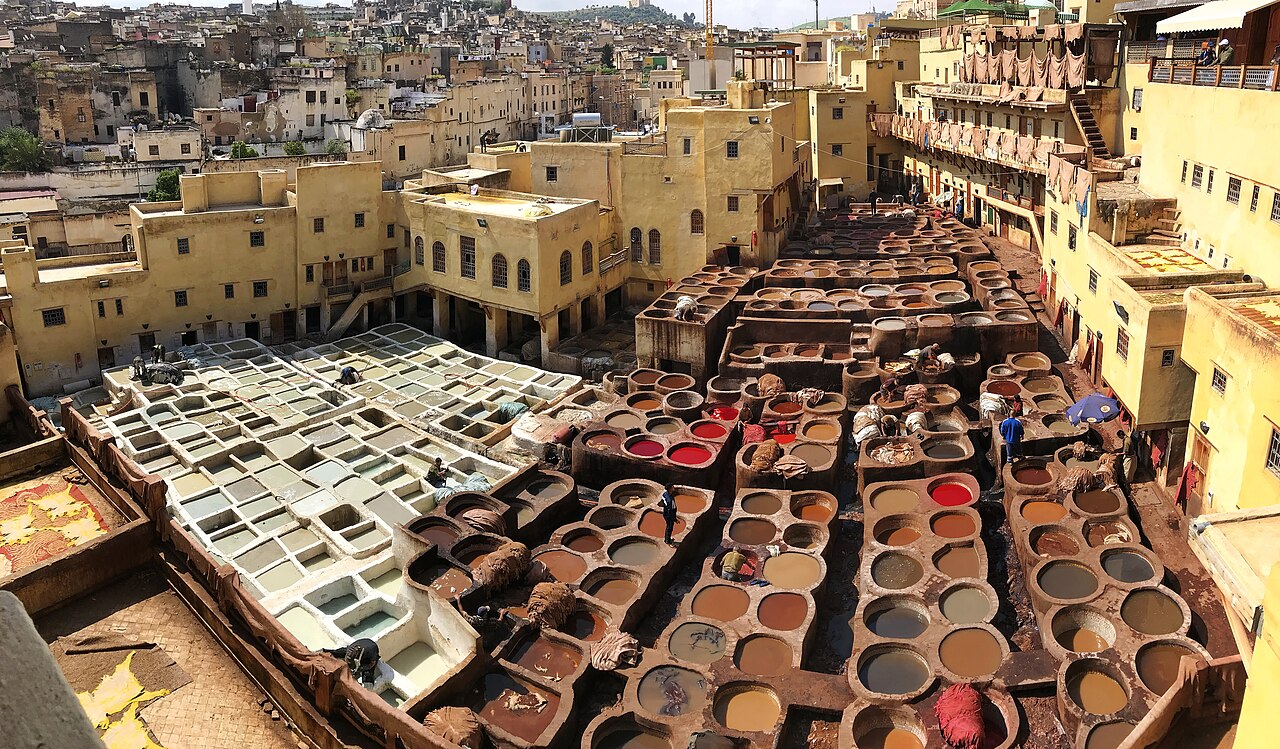
Continue towards the famous Chouara Tannery, ideally before midday when natural light makes it easier to appreciate the different dyeing pits.
After lunch at a rooftop restaurant serving traditional Fassi cuisine, wander through the specialized souks where merchants are grouped by craft — leather, brass, textiles, spices, ceramics, and weaving.
As guided tours leave in the late afternoon, spend your evening wandering quieter residential streets around your riad. Finish with dinner featuring pastilla, harira, Moroccan mint tea, almond pastries, and freshly baked msemen.
Pacing note: Today is almost entirely on foot through narrow lanes. Wear comfortable shoes and start early before tour groups arrive.
Day 4 — Chefchaouen: Morocco's Blue Mountain Town Beyond Instagram
Base: Chefchaouen
Leave Fes early for the 4–5 hour coach or private transfer through the Rif Mountains. Nestled within the mountains, Chefchaouen has a slower pace than Morocco's larger cities.
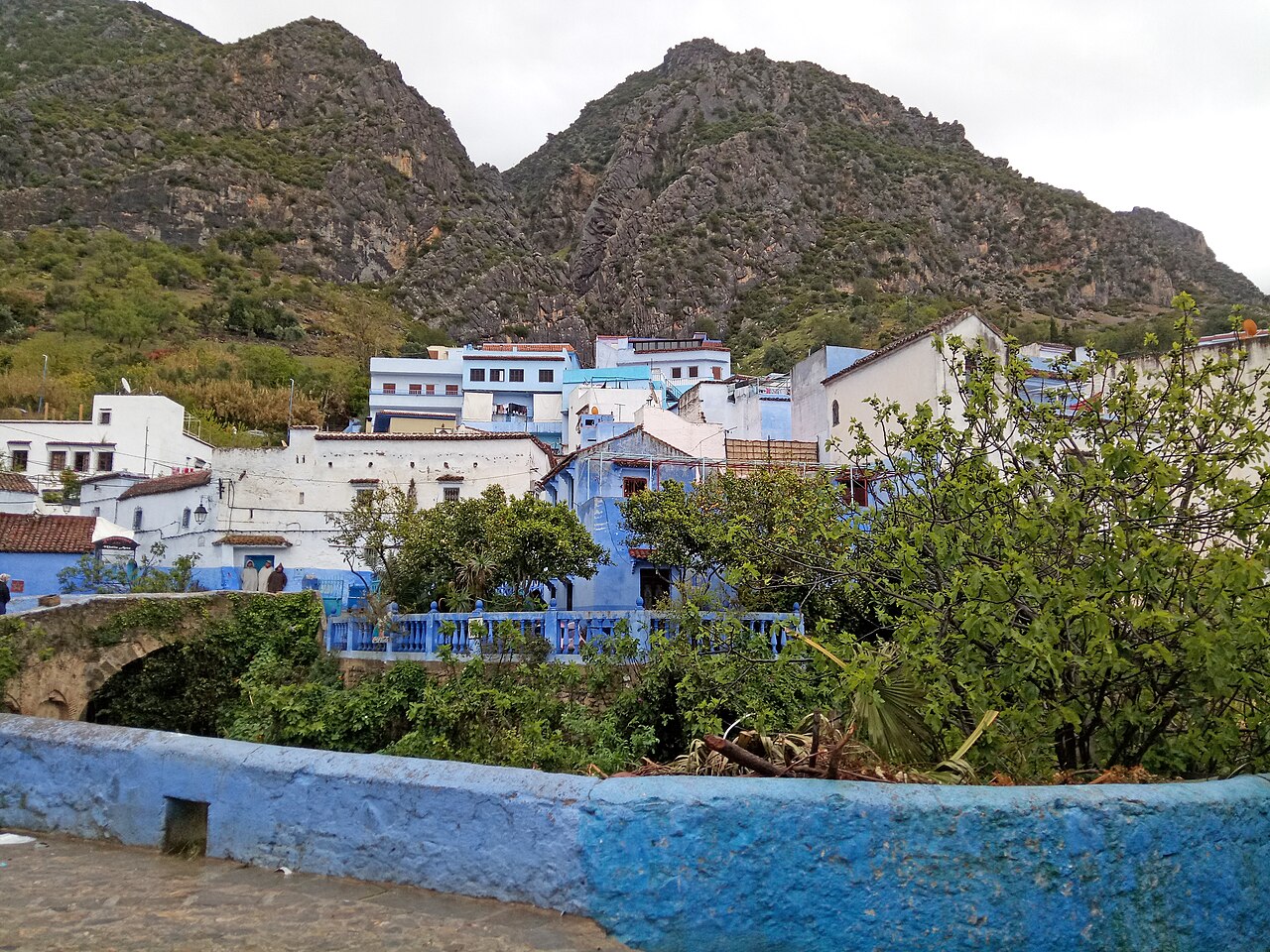
Chefchaouen works best when explored slowly. Wander the winding blue lanes, spend time around Plaza Uta el-Hammam, and visit the restored Kasbah Museum.
About an hour before sunset, walk to the Spanish Mosque overlooking Chefchaouen. Return after sunset for dinner inside the medina.
Food suggestion: Try goat cheese from the Rif region, vegetable tagine, couscous, and Moroccan pastries.
Pacing note: Today includes approximately four to five hours of travel. Keep sightseeing relaxed once you arrive.
Day 5 — Rabat: Morocco's Relaxed Imperial Capital
Base: Rabat
Leave Chefchaouen after breakfast and travel towards Rabat — one of Morocco's most liveable cities, combining broad boulevards, historic monuments, Atlantic views, and a noticeably calmer atmosphere.
Begin with Hassan Tower and the adjoining Mausoleum of Mohammed V, then continue to the Kasbah of the Udayas — a fortified district overlooking the Atlantic with quieter residential lanes and spectacular coastal viewpoints. Stop at the Andalusian Gardens before mint tea at Café Maure overlooking the Bou Regreg River.
In the evening, explore Rabat's relaxed medina and browse local craft shops before dinner featuring fresh Atlantic seafood. Purchase tomorrow's train ticket to Marrakech this evening if travelling during weekends or holidays.
Food suggestion: Order grilled sea bass, sardines, or seafood tagine if available.
Day 6 — Marrakech: Markets, Gardens and Morocco's Cultural Heart
Base: Marrakech
Start with an early train from Rabat to Marrakech — around four to four and a half hours on ONCF's comfortable rail service. After checking into your riad, resist the urge to head immediately to Jemaa el-Fnaa.
Visit Bahia Palace first — one of Morocco's finest surviving examples of 19th-century architecture. Walk into the nearby Mellah, Marrakech's historic Jewish quarter, before lunch.
In the afternoon, choose one section of the medina souks to explore thoroughly — leather slippers, lanterns, carpets, pottery, handwoven textiles, and wood carving workshops.
Marrakech's famous square transforms completely after dark. Spend time observing how locals use Jemaa el-Fnaa rather than treating it as simply another attraction.
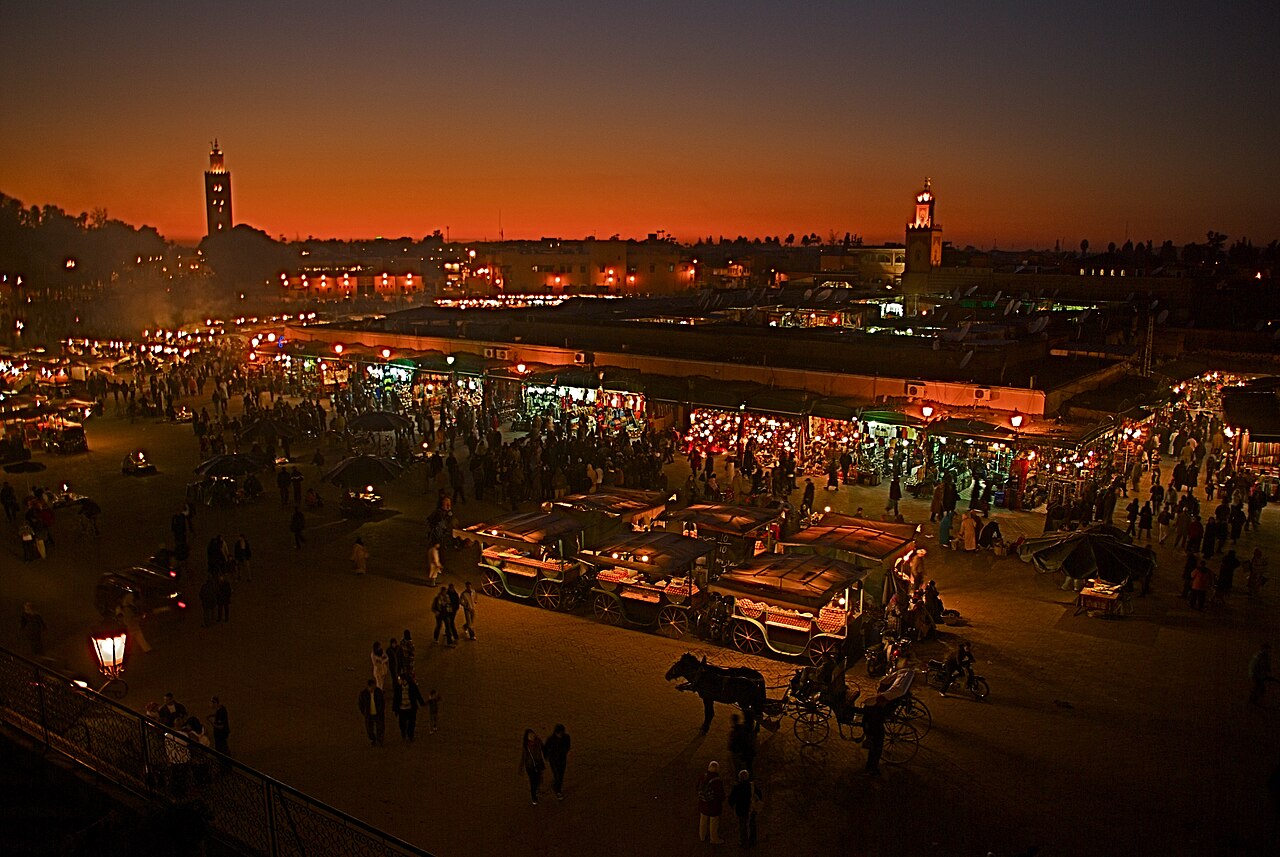
Food suggestion: Try lamb tagine, beef brochettes, Moroccan salads, fresh orange juice, and traditional pastries.
Pacing note: Don't try combining Majorelle Garden, Bahia Palace, the Saadian Tombs, and every souk in one afternoon.
Day 7 — Experience Marrakech Like a Local
Base: Marrakech
Arrive at Majorelle Garden shortly after opening to avoid long queues. Originally designed by Jacques Majorelle and later restored by Yves Saint Laurent, the garden offers a peaceful contrast to Marrakech's busy streets. Visit the nearby Yves Saint Laurent Museum if interested.
Return towards the medina for lunch, then explore smaller artisan cooperatives specializing in pottery, embroidery, woodworking, or leather craftsmanship. Take a break at a rooftop café overlooking the medina before your final evening in Morocco.
Spend your final evening revisiting your favorite neighborhood. Choose a memorable farewell dinner featuring slow-cooked lamb, couscous, seasonal vegetables, Moroccan pastries, and mint tea.
Pacing note: Pack luggage tonight if you have an early departure tomorrow.
Day 8 — Local Markets and Departure
Base: Marrakech (departure)
Keep today flexible depending on your flight time. If departing later in the day, enjoy breakfast at your riad before one final stroll through quieter neighborhood streets — an ideal opportunity to buy remaining spices, ceramics, or locally produced olive oil.
Avoid leaving shopping until the airport, where prices are generally higher. Allow plenty of time to reach Marrakech Menara Airport, particularly during busy travel periods.
Budget Notes
- Budget traveler: €70–110 per person per day — riads, public transport, street food and casual restaurants.
- Mid-range traveler: €130–220 per person per day — boutique riads, first-class trains, guided walking tours, comfortable restaurants.
- Luxury traveler: €300+ per person per day — luxury riads, private transfers, fine dining, private guides.
Booking accommodation well in advance during spring and autumn usually provides the best choice and pricing.
What to Skip If You Only Have One Week
If you only have seven days, consider skipping Chefchaouen rather than rushing every destination. Although Chefchaouen is beautiful, removing it reduces long road journeys and allows you to spend more meaningful time in Fes and Marrakech.
Another option is to fly into Fes and depart from Marrakech, avoiding Casablanca entirely if flight schedules allow.
Useful Official Booking & Planning Links
- Moroccan National Tourist Office (Visit Morocco)
- ONCF — Morocco's National Railway
- CTM — Coach Services
- Supratours — ONCF Coach Connections
- Casa Tram (Casablanca Public Transport)
- Office National Des Aéroports (ONDA)
Always check current opening hours, transport schedules, and ticket availability before finalising your itinerary, as services may change seasonally or during national holidays.
Morocco Prompts to Try in Honge
FAQ
Can you visit Morocco without renting a car?
Yes. This itinerary is specifically designed around Morocco's railway network and comfortable intercity coaches. Only the journey to Chefchaouen requires road transport.
Is this itinerary suitable for first-time visitors?
Absolutely. It combines Morocco's major cultural cities with one mountain town while keeping travel days realistic.
Is Morocco suitable for couples?
Yes. Morocco is an excellent destination for couples interested in architecture, food, history, artisan traditions, and boutique riad stays. Many accommodations offer romantic courtyards and rooftop terraces.
Is eight days too rushed?
No, provided you focus on central and northern Morocco rather than attempting to include the Sahara Desert or the Atlas Mountains. This itinerary prioritizes quality over quantity.
What should I book before arriving?
Reserve accommodation, long-distance train tickets during busy periods, coach tickets to Chefchaouen, Hassan II Mosque guided visits, popular riads in Marrakech and Fes, and cooking classes or hammam experiences if they're part of your plans.
Ready to make it yours?
Customize this itinerary with AI
Now that you've seen the full route, use Honge to tailor stays, activities, and day-by-day pacing to your trip.
Related itineraries
- 9-Day Greek Islands Itinerary: Santorini, Naxos & Paros
- 10-Day Scotland Road Trip: Whisky, Castles & Mountains
- 12-Day France Itinerary: Paris to Provence & Cassis
- 12-Day Italy Itinerary: Milan to the Amalfi Coast
- 8-Day Egypt Itinerary: Cairo, Luxor & Nile Cruise
- 11-Day Mongolia Itinerary: Culture, Steppe & Photography
- 2-Week Georgia Itinerary: Tbilisi, Wine Country & Mountains
- 8-Day Uzbekistan Silk Road Itinerary: Samarkand, Bukhara & Khiva
- 5-Day Panama City & San Blas Itinerary: Canal, Casco Viejo & Islands
- 5-Day Singapore Family Itinerary: Gardens, Attractions & Easy Transit
- 7-Day Dubai Family Itinerary: Beaches and Desert Adventures
- 4-Day Santa Fe & Taos Itinerary: Art, Culture & Rio Grande Gorge
Written by
This blog was contributed by B. Sai Nikita, a travel enthusiast and writer. B. Sai Nikita can be reached at bsainikita10@gmail.com.
About Honge
Honge is an AI travel planning platform focused on practical, experience-led itineraries with realistic pacing and logistics. All blog content is edited and published by Honge. Our Morocco research draws on updated practical logistics as of June 2026 and attraction recommendations reviewed against current visitor experience. © Honge. All rights reserved.
Image credits: Photos are sourced from Wikimedia Commons and Unsplash. Copyright remains with the respective photographers and rights holders. Images from Wikimedia Commons are used in accordance with their applicable licensing terms, including the Creative Commons Attribution-Share Alike 4.0 International license where noted. Unsplash images are used in accordance with the Unsplash License.
Travel disclaimer
This itinerary is intended as general travel inspiration and planning guidance only — not as personalized travel advice. Conditions change. Before you travel, check the current entry requirements, visa rules, and any travel advisories issued by your government for your destination. Review weather forecasts for your specific travel dates, confirm opening hours and ticket availability for attractions directly, and take out comprehensive travel insurance that covers medical, cancellation, and disruption. Honge is not responsible for any changes to conditions, services, or experiences described in this article after the date of publication.