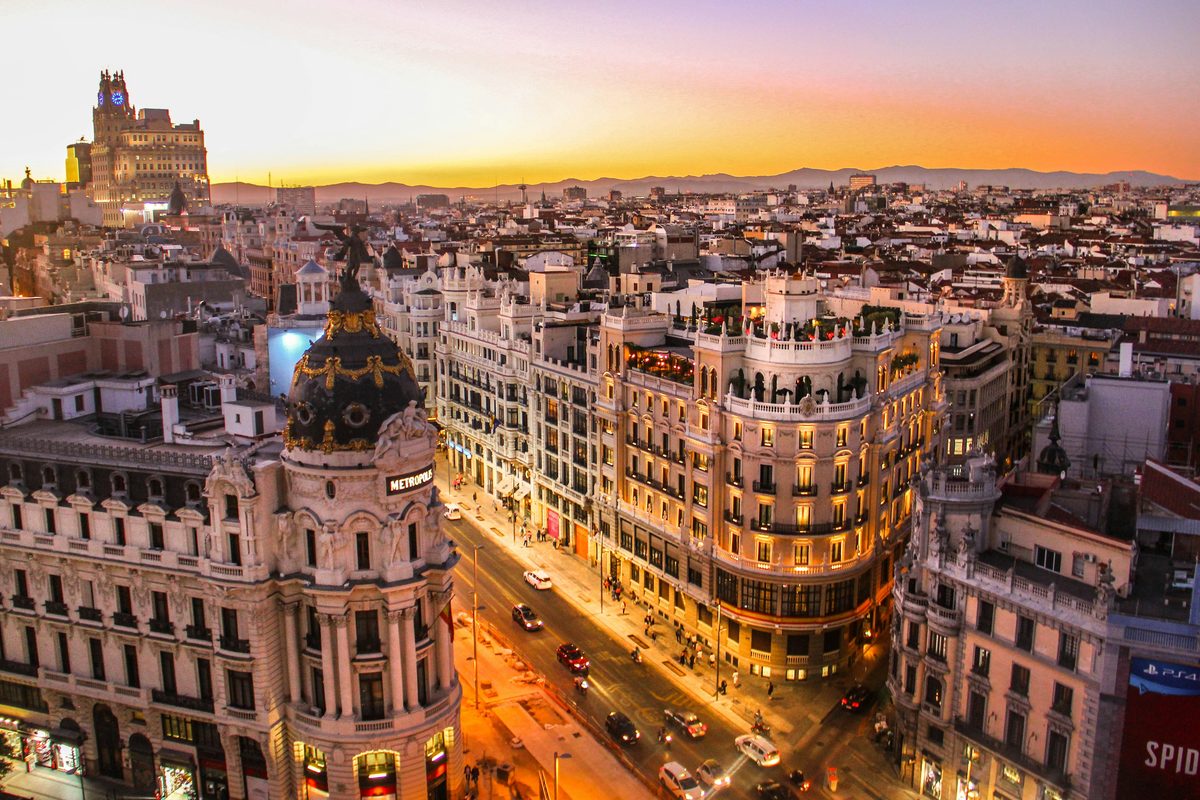
Madrid is one of those cities that sneaks up on you. At first, it feels grand: royal palaces, elegant plazas, famous museums, and wide boulevards. Then it starts to feel personal — tapas after dark, slow walks through neighborhoods, late dinners, and the sense that the city is best experienced, not rushed.
Start with this itinerary
Open this route in Honge as your starting point, then shape the days, stays, and pace around how you travel.
We recently shared a Madrid reel on Honge because Madrid is exactly the kind of destination that looks easy to plan from the outside, but gets much better when you organize it well. You do not just want to “see Madrid.” You want to know where to stay, which neighborhoods to explore, when to visit the major sights, where to eat, and how to leave room for the city’s spontaneous energy.
Why Madrid Is Worth Planning Properly
Madrid has the big-ticket attractions: the Royal Palace, Prado Museum, Retiro Park, Plaza Mayor, Gran Vía, and Puerta del Sol. But the real magic often happens between those places.
It is in the tapas crawl through La Latina. It is in the late afternoon light in Retiro Park. It is in the creative energy of Malasaña, the style of Chueca, the elegance of Salamanca, and the feeling of sitting outside with a drink while the city refuses to hurry.
Where to Stay in Madrid
For first-time visitors, Centro and Las Letras are practical, walkable bases. You will be close to major sights, museums, plazas, restaurants, and transit.
Chueca is lively, stylish, and central. Salamanca is more polished and upscale. Malasaña works well if you want a younger, creative, cafe-and-bar-heavy version of Madrid.
Day 1: Classic Madrid & Tapas in La Latina
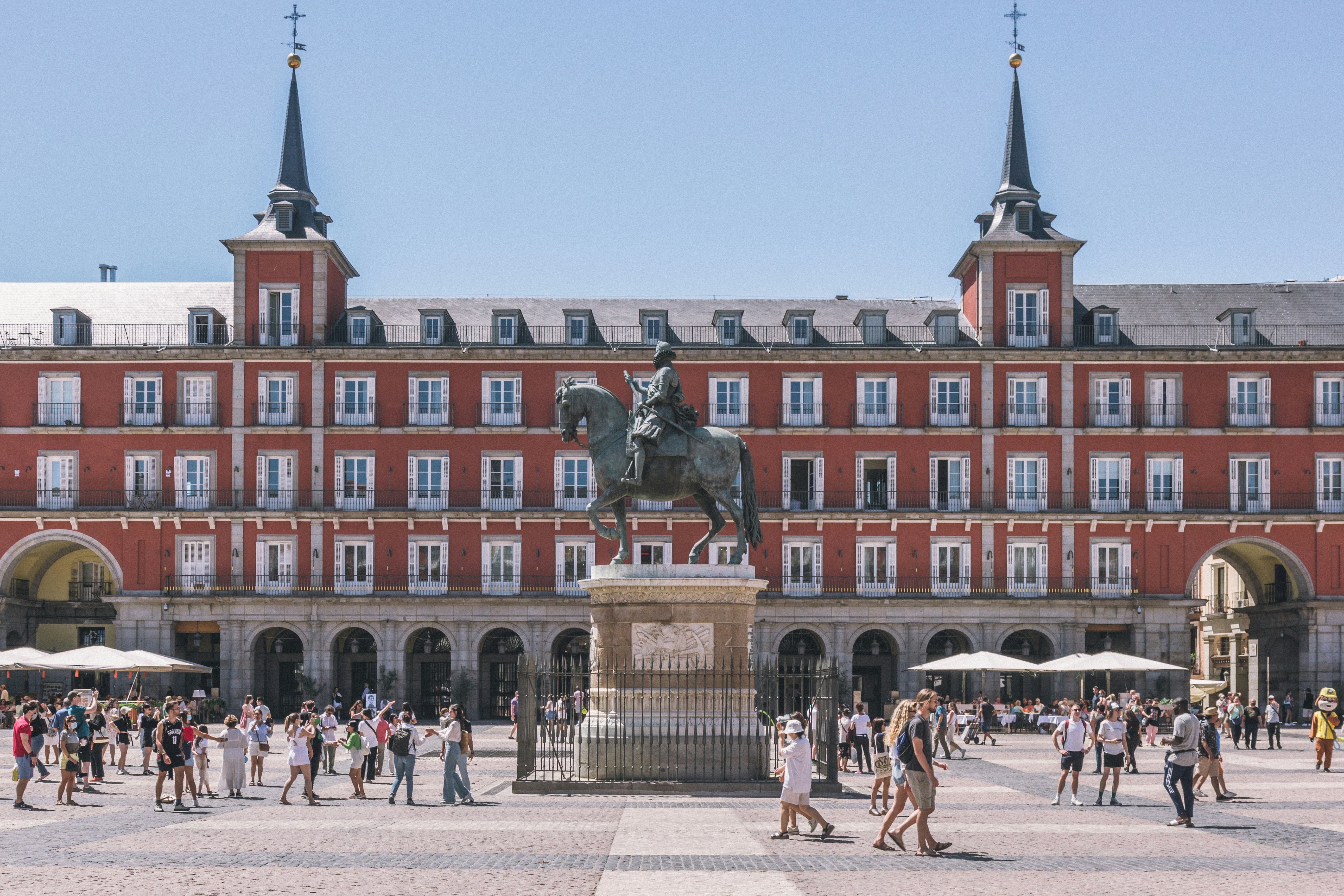
Start near Puerta del Sol, then walk toward Plaza Mayor and Mercado de San Miguel. Continue toward the Royal Palace and Almudena Cathedral, giving yourself time to wander the old streets around Centro.
In the evening, head to La Latina for tapas. This is where Madrid starts to feel less like a sightseeing checklist and more like a living city.
Pacing note: Keep the first day walkable. Madrid is best when you do not over-schedule it.
Day 2: Prado, Retiro Park & Neighborhood Energy
Make day two your culture and park day. Choose the Prado Museum if you want classic European art, or the Reina Sofía if modern and contemporary art feels more your style. If you love museums, the Thyssen-Bornemisza can also fit into this area.
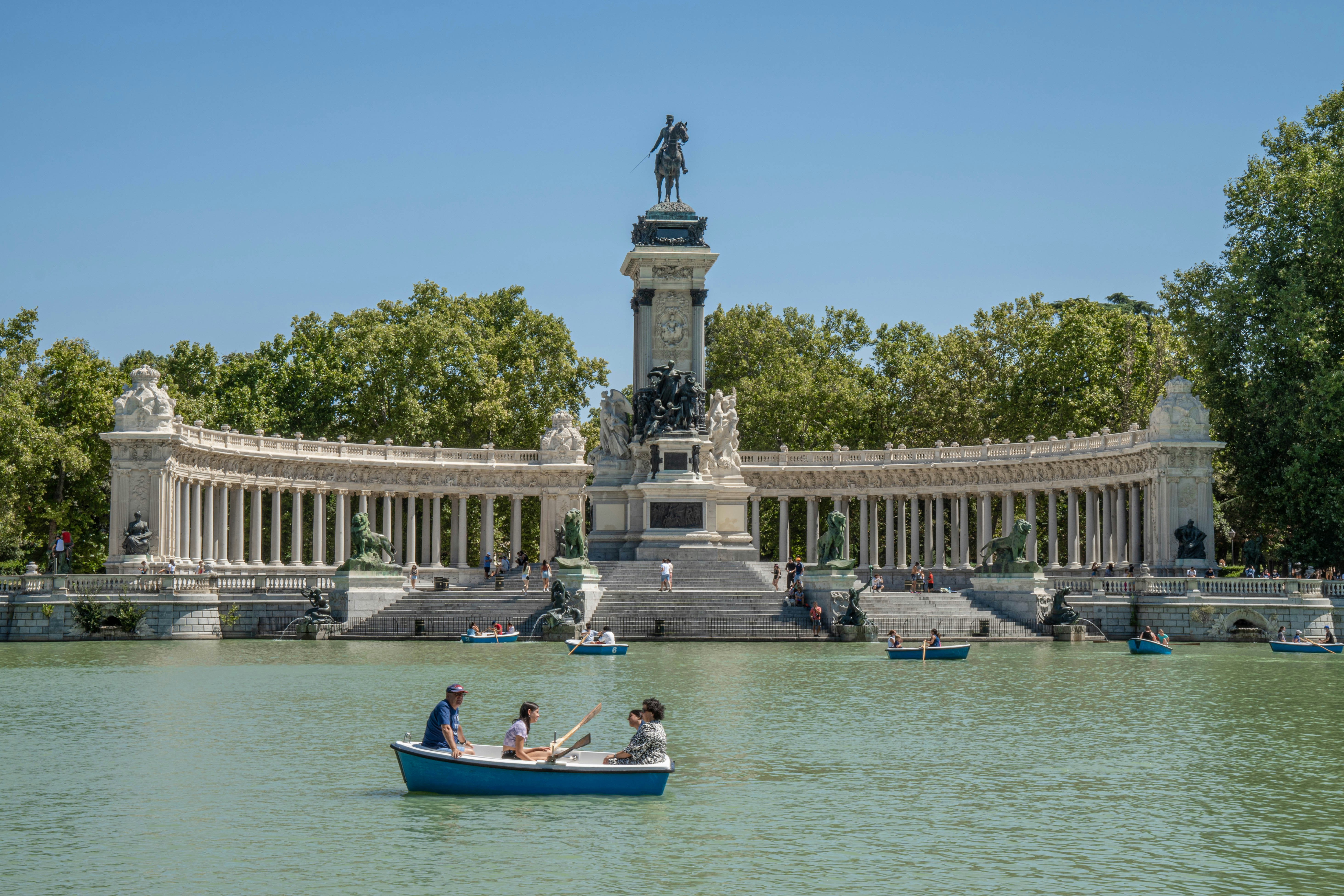
After the museum, slow down in Retiro Park. Walk around the lake, visit the Crystal Palace, and let the afternoon breathe.
Later, explore Chueca or Malasaña for cafes, boutiques, dinner, and drinks. This is a good night to let the itinerary loosen up a little.
Day 3: Local Madrid or a Day Trip to Toledo / Segovia
Use the third day to go deeper. If you want to stay in Madrid, explore neighborhoods like Salamanca, Lavapiés, or Chamberí. Add a market, a long lunch, and one final evening walk.
If you want contrast, Madrid is also one of Spain’s best bases for day trips. Toledo gives you medieval streets and layered history. Segovia brings a Roman aqueduct, castle views, and a very different old-town atmosphere.
What to Eat in Madrid
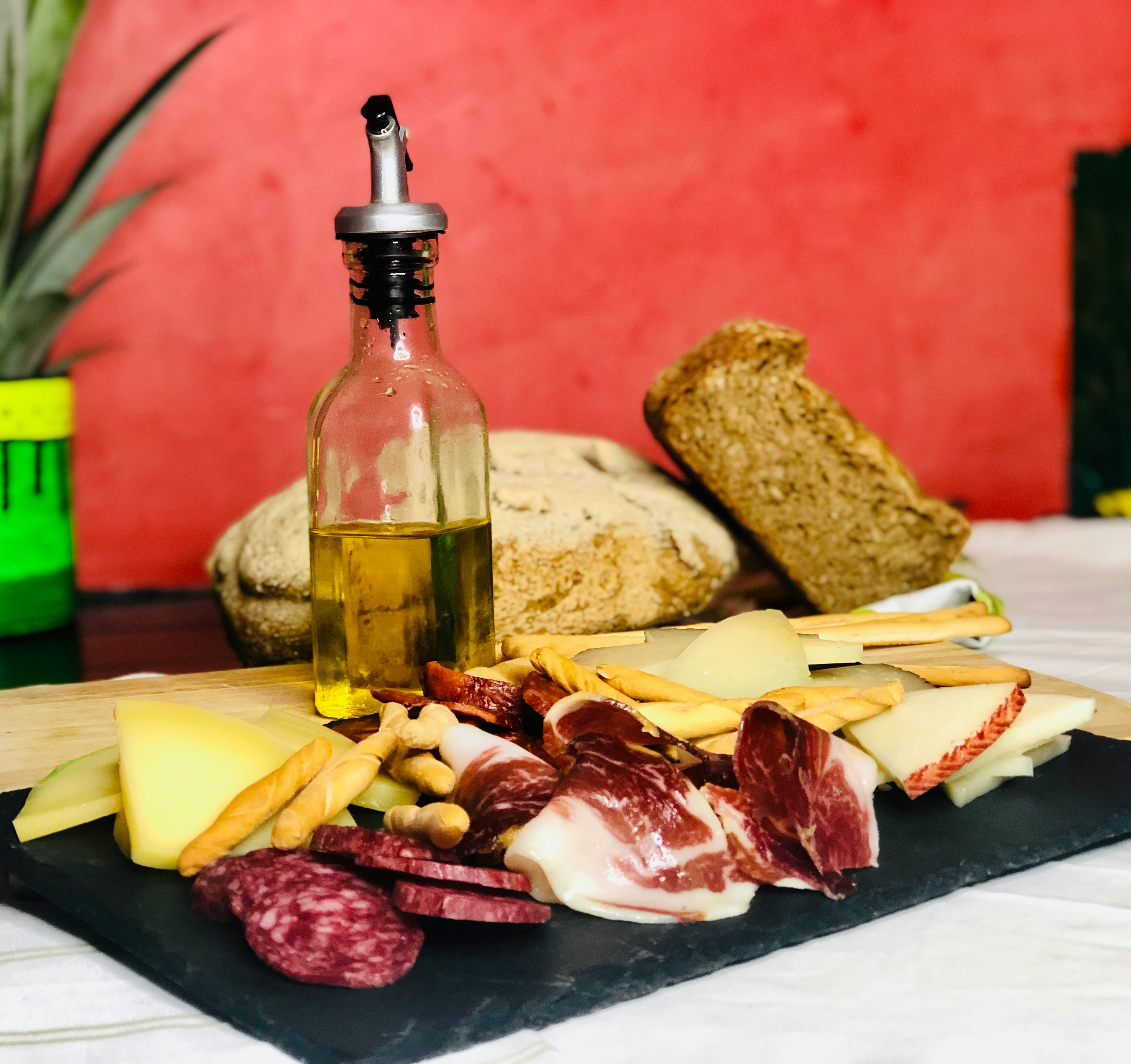
Madrid is a fantastic food city, especially if you enjoy casual eating, markets, and late meals. Look for tortilla española, patatas bravas, jamón ibérico, croquetas, bocadillo de calamares, churros con chocolate, and vermouth or wine with small plates.
The best food plan is usually a mix of one or two planned spots plus time to follow your curiosity. Madrid is not a city where every meal needs to be optimized.
How Honge AI Helps You Plan Madrid
A lot of travel planning starts with inspiration: reels, saved posts, blogs, recommendations from friends, and random places you find on maps. The problem is that inspiration gets messy fast.
You end up with too many tabs, too many saved places, and no clear plan for how the trip should actually work.
Honge AI helps you turn Madrid inspiration into a real itinerary. You can ask for ideas, explore places visually, save them to a wishlist, organize your days, adjust the pace, share the plan, and move from inspiration to bookings in one workspace.
Madrid Prompts to Try in Honge
Try these inside Honge AI:
FAQ
Is 3 days enough for Madrid?
Yes. Three days is enough for classic Madrid, museums, tapas, Retiro Park, and a few neighborhoods. If you want to add Toledo or Segovia without rushing, four days is better.
Where should first-time visitors stay in Madrid?
Centro and Las Letras are usually the easiest bases because they are walkable and close to major sights, museums, restaurants, and transit. Chueca and Salamanca are also strong options.
Should I visit Prado or Reina Sofía?
Choose Prado for classic European art and Reina Sofía for modern and contemporary art. If you love museums, you can build a full art day around both, but most travelers should pick one.
Is Madrid good for food?
Yes. Madrid is excellent for tapas, markets, casual dining, late meals, and neighborhood food crawls. La Latina, Chueca, Malasaña, and Las Letras are especially useful areas for food-focused travelers.
What is the best day trip from Madrid?
Toledo and Segovia are two of the most popular day trips. Toledo is ideal for medieval streets and layered history, while Segovia is great for its Roman aqueduct, castle, and compact old town.
Ready to make it yours?
Customize this itinerary with AI
Now that you've seen the full route, use Honge to tailor stays, activities, and day-by-day pacing to your trip.
Related itineraries
- 10-Day Scotland Road Trip: Whisky, Castles & Mountains
- 12-Day France Itinerary: Paris to Provence & Cassis
- 12-Day Italy Itinerary: Milan to the Amalfi Coast
- 8-Day Egypt Itinerary: Cairo, Luxor & Nile Cruise
- 11-Day Mongolia Itinerary: Culture, Steppe & Photography
- 11-Day Baltic Capitals Itinerary: Tallinn, Riga & Vilnius
- 4-Day Barcelona Itinerary: Gothic Quarter, Gaudí & Flamenco
- 5-Day Portugal Solo Itinerary: Lisbon, Sintra & Porto
- 8-Day Morocco Cultural Itinerary: Casablanca, Fes, Chefchaouen & Marrakech
- 8-Day London and Southern England Itinerary: Museums, Cricket, Bath & Jurassic Coast
Image credits: Photos are sourced from Wikimedia Commons and Unsplash. Copyright remains with the respective photographers and rights holders. Images from Wikimedia Commons are used in accordance with their applicable licensing terms, including the Creative Commons Attribution-Share Alike 4.0 International license where noted. Unsplash images are used in accordance with the Unsplash License.
Travel disclaimer
This itinerary is intended as general travel inspiration and planning guidance only — not as personalised travel advice. Conditions change. Before you travel, check the current entry requirements, visa rules, and any travel advisories issued by your government for your destination. Review weather forecasts for your specific travel dates, confirm opening hours and ticket availability for attractions directly, and take out comprehensive travel insurance that covers medical, cancellation, and disruption. Honge is not responsible for any changes to conditions, services, or experiences described in this article after the date of publication.