
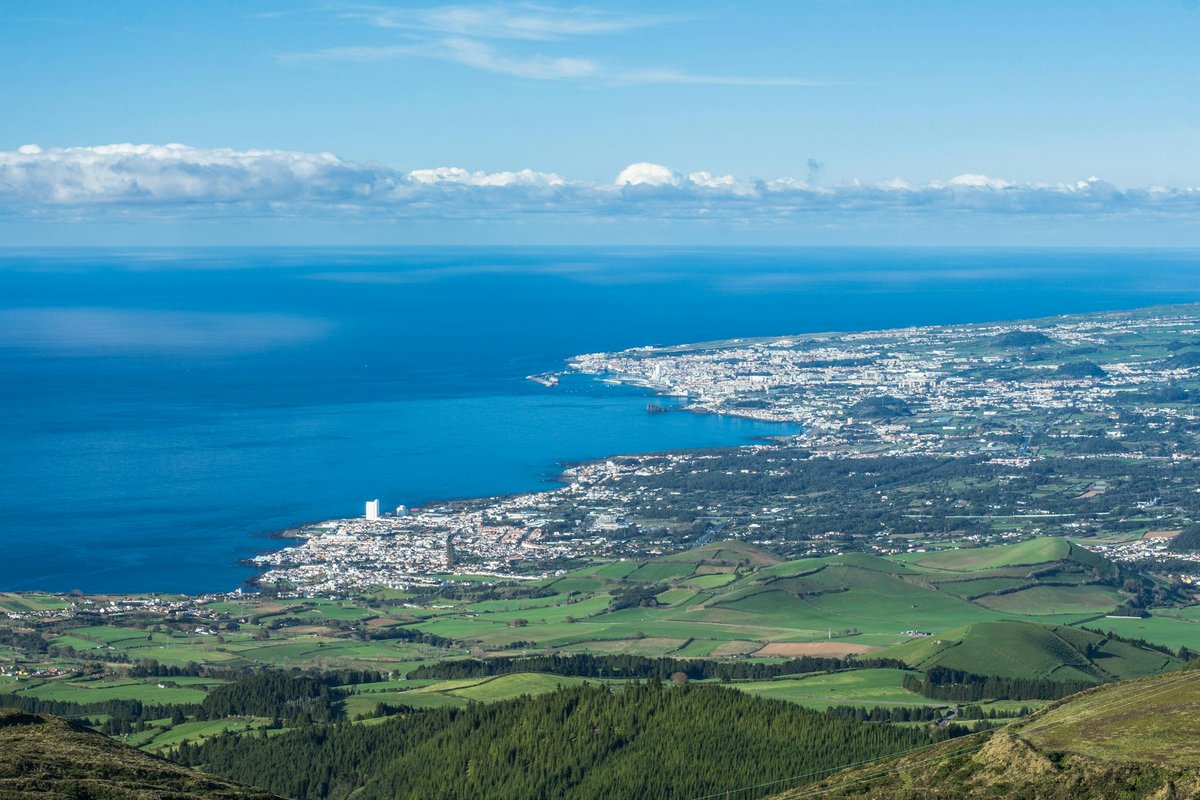
Start with this itinerary
Open this São Miguel route in Honge as your starting point, then shape Sete Cidades, Furnas, whale watching and Lagoa do Fogo around your dates and the weather.
How Many Days in the Azores Is Enough?
Seven days is enough for a first visit to São Miguel if you stay on one island: Sete Cidades, Furnas hot springs, tea plantations, the Nordeste coast, whale watching and Lagoa do Fogo. Leave Pico or Terceira for a ten-day trip rather than squeezing another island into this week.
Island-hopping to Pico or Terceira is possible, but adding another island to a seven-day trip usually complicates flights, ferries and weather buffers. For a more rewarding first visit, stay on São Miguel and enjoy its different landscapes at a comfortable pace.
Introduction
The Azores feel like a secret tucked into the middle of the Atlantic. A Portuguese archipelago of volcanic islands, green crater lakes, steaming geothermal valleys, black-sand beaches and dramatic coastal cliffs, this is a destination where nature shapes almost every part of the journey.
For a first visit, São Miguel is an excellent place to begin. Often called the Green Island, it brings together many of the experiences that make the Azores so special: the twin lakes of Sete Cidades, the geothermal landscapes of Furnas, natural hot springs, tea plantations, coastal viewpoints, waterfalls, and opportunities to see whales and dolphins in the Atlantic.
Seven days gives you enough time to experience the island without turning every morning into a race against the clock. You can explore the western crater lakes, spend time in Furnas, discover the eastern coastline, enjoy a whale-watching excursion, and still leave room for a weather-dependent hiking day.
Stay on São Miguel, then let the clouds decide which crater you see twice.
The Azores are part of Portugal, so the currency is the euro. The weather is famously changeable, and a sunny morning does not guarantee a clear afternoon in the mountains.
Why This Trip Works
- One island, several landscapes: crater lakes, geothermal valleys, tea hills, Atlantic cliffs and a boat day, without packing and unpacking for a second island.
- Two practical bases: Ponta Delgada for arrival, restaurants and whale watching; Furnas for hot springs and a quieter overnight.
- A built-in weather buffer: Day 7 is deliberately flexible, because Sete Cidades and Lagoa do Fogo often need a second chance.
- A rental car as the main tool: viewpoints, trailheads and rural stops are easier when you can change the order of the day.
Good to Know
- Currency: euro (€).
- Language: Portuguese; English is commonly understood in many visitor-facing businesses.
- Driving: traffic keeps to the right-hand side; roads can be narrow and winding.
- Weather: coastal towns and crater rims can have completely different visibility on the same morning.
- Time zone: Azores time is UTC−1 in winter and UTC+0 in summer, one hour behind mainland Portugal.
Before You Go
- Reserve a rental car early in popular months, and check parking at your Ponta Delgada stay.
- Book whale watching in advance and read the cancellation terms for rough seas.
- Pack a waterproof jacket, grip-soled shoes, swimwear for thermal pools and a darker swimsuit if you prefer not to risk mineral stains.
- Download offline maps before leaving town; coverage thins on remote coastal roads.
- Check official trail status and the IPMA forecast the night before highland days.
Journey Overview
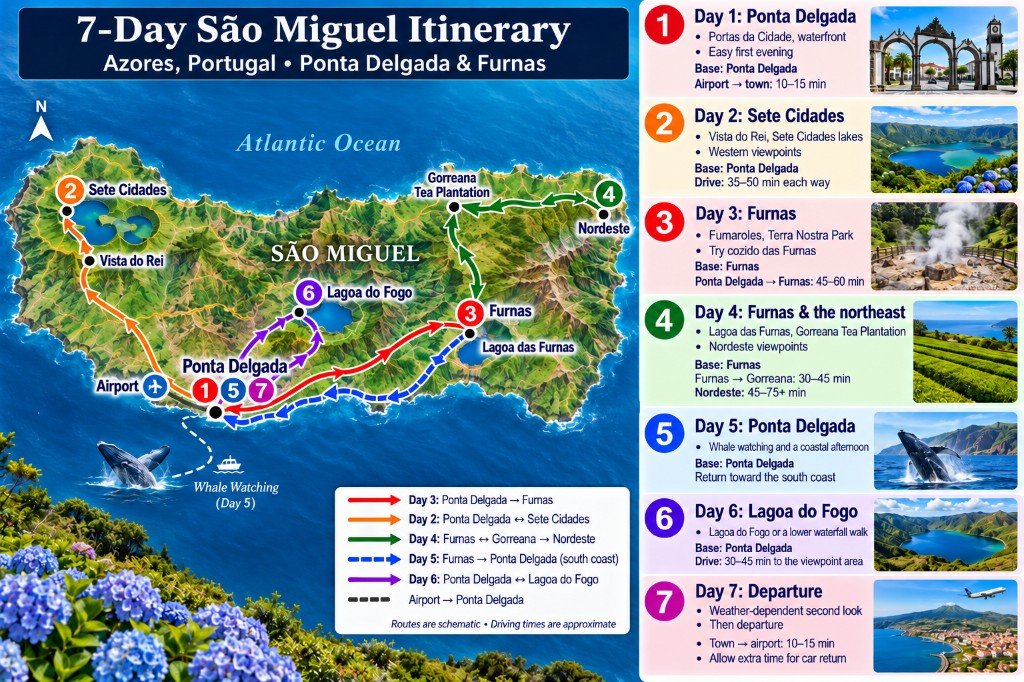
The week starts in Ponta Delgada, swings west to Sete Cidades, then east to Furnas and Nordeste, with a boat day and a highland hike before you fly out of the same airport.
| Days | Base | What to do | Travel |
|---|---|---|---|
| 1 | Ponta Delgada | Portas da Cidade, waterfront, easy first evening | Airport → town: 10–15 min |
| 2 | Ponta Delgada | Vista do Rei, Sete Cidades lakes, western viewpoints | 35–50 min each way |
| 3 | Furnas | Fumaroles, Terra Nostra Park, cozido das Furnas | Ponta Delgada → Furnas: 45–60 min |
| 4 | Furnas | Lagoa das Furnas, Gorreana Tea Plantation, Nordeste viewpoints | Furnas → Gorreana: 30–45 min; Nordeste: 45–75+ min |
| 5 | Ponta Delgada | Whale watching and a coastal afternoon | Return toward the south coast |
| 6 | Ponta Delgada | Lagoa do Fogo or a lower waterfall walk | 30–45 min to the viewpoint area |
| 7 | — | Weather-dependent second look, then departure | Town → airport: 10–15 min, plus car return |
These are approximate planning estimates, not live navigation times. Stops, weather, roadworks, parking and the exact viewpoint or trailhead can add time.
Route Map
Day 1: Arrive in Ponta Delgada
Arrive at João Paulo II Airport and make your way to Ponta Delgada, São Miguel’s main town. The drive from the airport to the town centre is generally around 10–15 minutes, depending on traffic and your accommodation location.
Ponta Delgada is an inviting introduction to the Azores. Its whitewashed buildings, dark volcanic-stone details, small squares, harbour and relaxed cafés create a distinctly Atlantic atmosphere. The town is compact enough to explore on foot, making it a good place to begin before heading into the island’s more rugged landscapes.
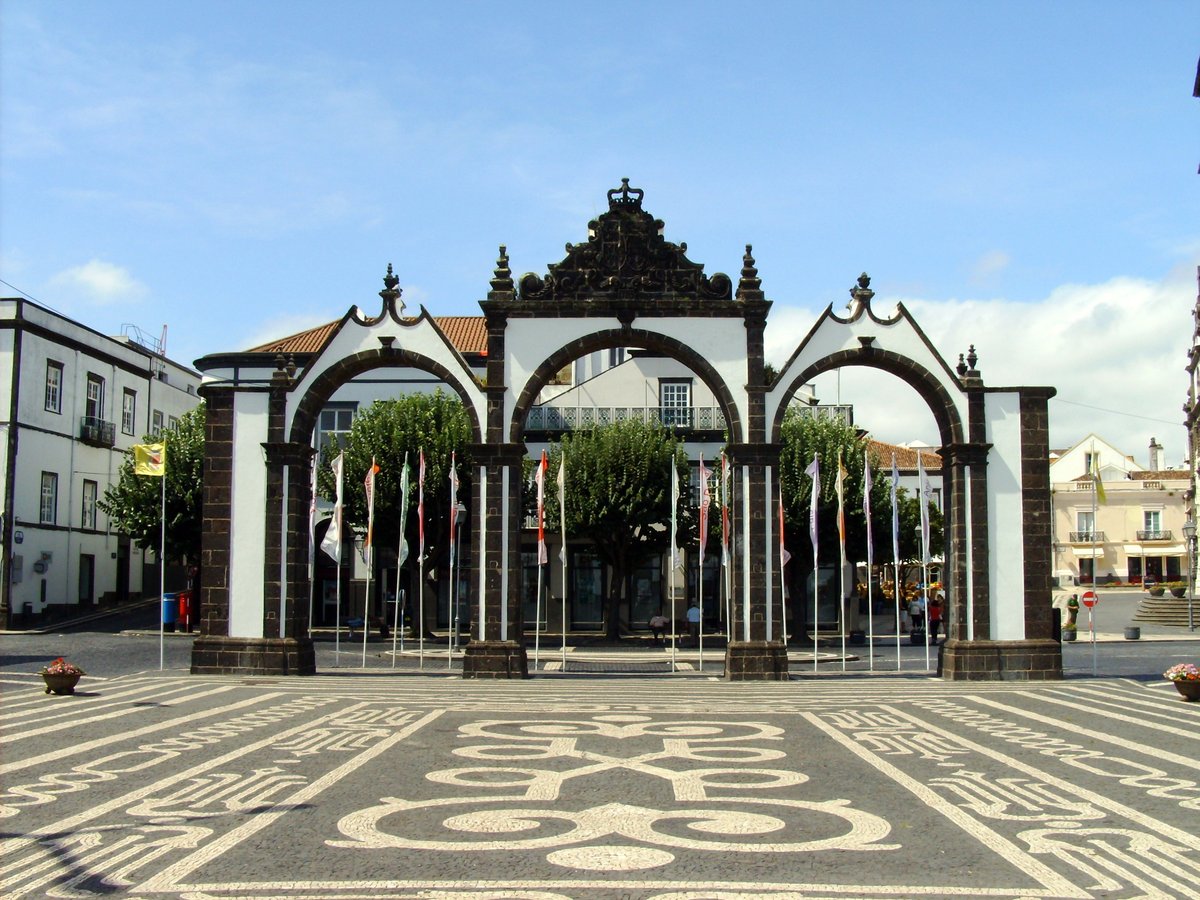
Start around the Portas da Cidade, the historic three-arched gateway that has become one of the town’s most recognisable landmarks. Continue through the central streets toward the waterfront, where you can enjoy views of the marina and watch local life unfold.
If time allows, visit the Igreja Matriz de São Sebastião or browse the nearby shops and cafés. The Mercado da Graça is another worthwhile stop, particularly if you enjoy discovering regional produce and local food traditions. Opening schedules can vary, so check before visiting.
Keep the first afternoon flexible. If you have arrived after a long journey, a coffee, a short waterfront walk and an early dinner may be more enjoyable than trying to fit in several attractions. Look for fresh Atlantic fish, grilled seafood or a traditional Azorean meal. São Miguel is also known for its pineapple production, and local pineapple desserts are worth trying.
- Do not miss: Portas da Cidade, the waterfront, and the relaxed atmosphere of central Ponta Delgada.
- Food: grilled fish, local cheese, bolo lêvedo or an Azorean pineapple dessert. Bolo lêvedo is a soft, slightly sweet bread associated with the island.
- Logistics: pick up your rental car at the airport, or arrange it for the following morning if you prefer not to drive immediately after arrival. Parking in central Ponta Delgada can be limited in busy periods, so check your accommodation’s parking arrangements.
Day 2: Sete Cidades
Today is dedicated to one of the most iconic landscapes in the Azores: Sete Cidades. Located inside a massive volcanic caldera, this area is known for its twin lakes, rolling green slopes and viewpoints overlooking an extraordinary natural setting.
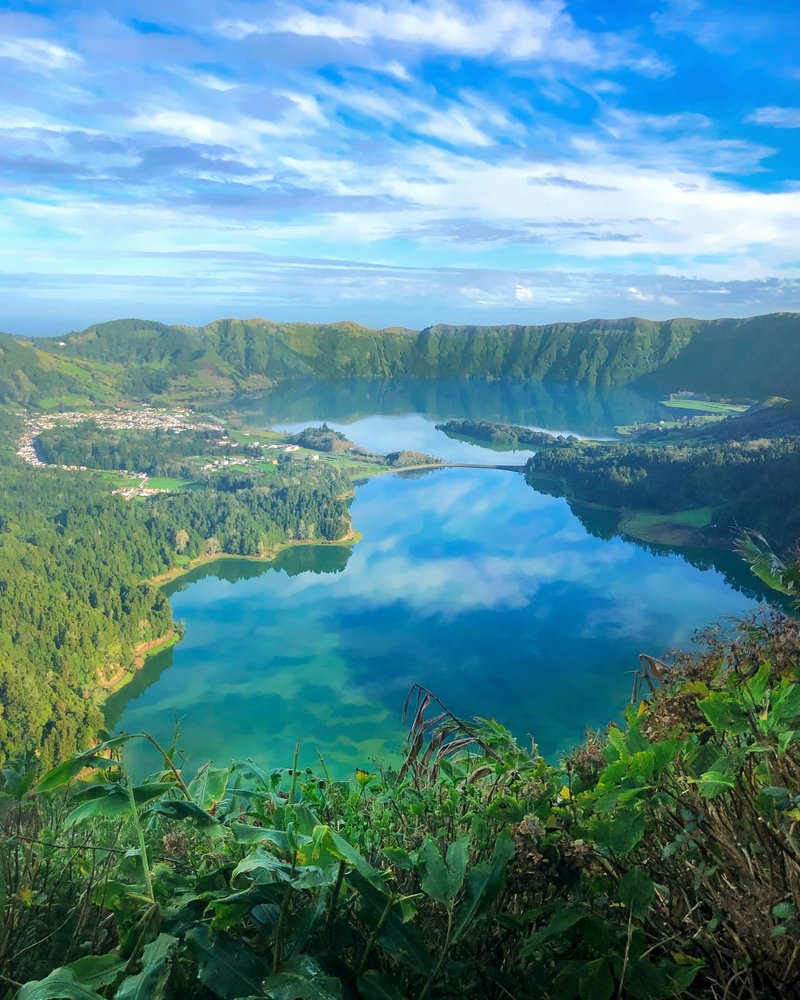
Leave Ponta Delgada in the morning and drive toward the western part of São Miguel. Begin with Vista do Rei, one of the best-known viewpoints over the crater lakes. From here, the contrast between the blue and green sections of Lagoa das Sete Cidades is particularly striking when the light and visibility cooperate.
Continue toward the surrounding viewpoints, allowing time to appreciate how the volcanic landscape changes with cloud cover. The Azores often reveal their best scenery in brief windows between passing clouds, so avoid rushing away simply because the first view is misty.
Head down toward the village of Sete Cidades and explore the lakeside area. If conditions are suitable, enjoy a gentle walk or consider a kayak rental from an operating provider. The calm water and steep green crater walls create a memorable setting. For lunch, stop at a local café or restaurant in the village. Afterward, take a scenic drive along the western coastline, stopping at suitable viewpoints when visibility and parking allow.
Return to Ponta Delgada in the late afternoon. If the weather remains clear, you can make a short additional stop at a coastal viewpoint before dinner.
- Do not miss: Vista do Rei, the twin lakes, and a slow drive through the volcanic crater landscape.
- Food: a regional soup, fresh fish or a light lunch in the Sete Cidades area. Save room for bolo lêvedo or a local pastry.
- Logistics: viewpoints can become misty quickly. Wear shoes suitable for uneven paths if you plan to walk.
Day 3: Furnas
Leave Ponta Delgada after breakfast and travel east toward Furnas, one of São Miguel’s most distinctive destinations. Furnas sits within a volcanic caldera, where geothermal activity is visible in steaming ground, bubbling mineral waters and warm springs. The atmosphere feels completely different from the open crater landscapes of Sete Cidades.
Begin around the Furnas geothermal area, where fumaroles release steam from the earth. Follow designated paths and observe safety barriers, as the ground and water can be extremely hot. The scent of sulphur is part of the experience and a reminder that this is an active volcanic environment.
Later, visit Terra Nostra Park, a botanical garden known for its lush vegetation and thermal bathing pool. The warm mineral-rich water is a memorable way to experience Furnas, particularly after several days of sightseeing. Check current entry conditions and bathing guidance before visiting, and consider wearing a darker swimsuit because mineral-rich water may stain lighter fabrics.
For lunch, try cozido das Furnas, a traditional dish cooked slowly using geothermal heat underground. The meal typically includes meat, vegetables and other ingredients prepared in a covered pot. It is one of the island’s most distinctive culinary experiences, and restaurants may require advance reservations.
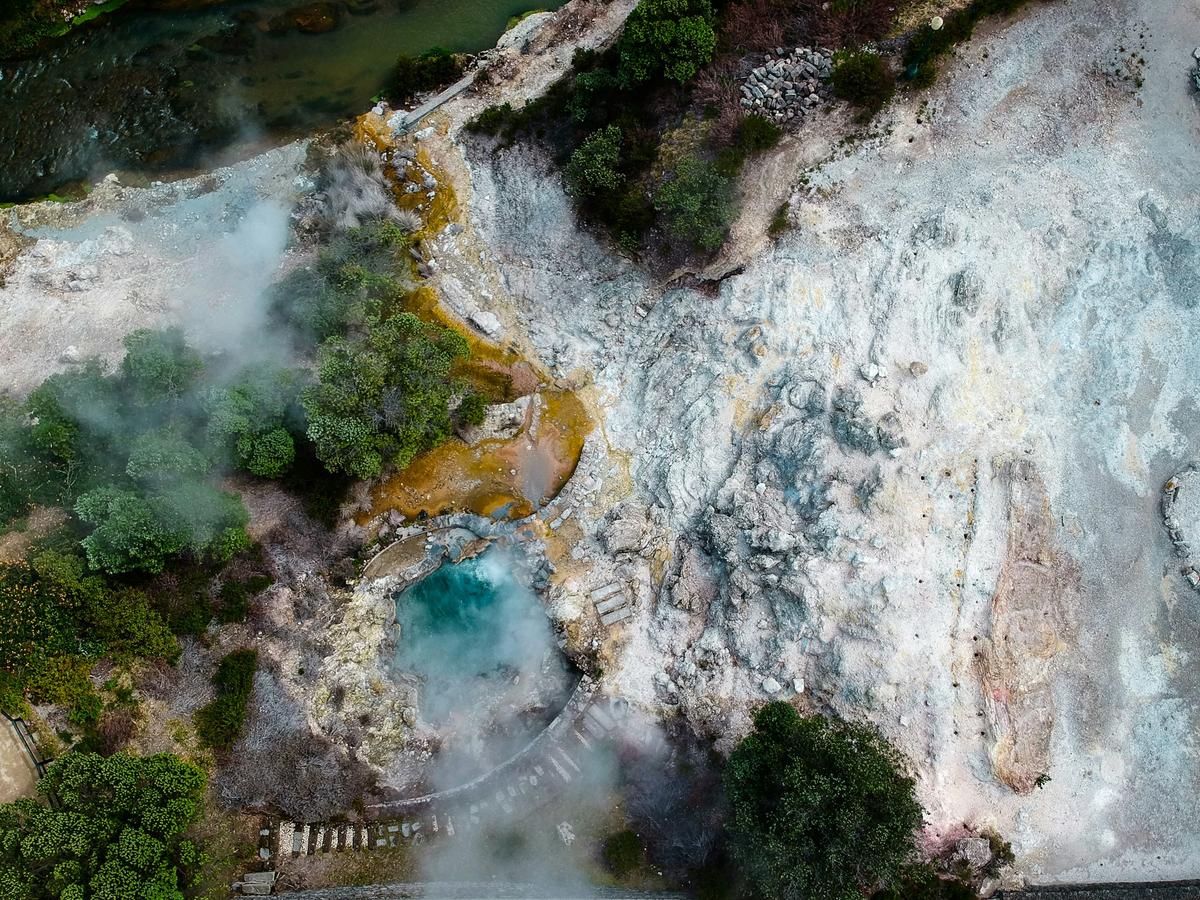
In the afternoon, explore the village and its surrounding gardens at a relaxed pace. An overnight stay in Furnas is particularly worthwhile. It allows you to experience the village after day visitors have left and reduces the need to drive back to Ponta Delgada late in the day.
- Do not miss: Furnas fumaroles, Terra Nostra Park’s thermal pool, and geothermal-cooked cozido.
- Food: cozido das Furnas is the essential local speciality here. Reserve ahead if you have a particular restaurant in mind, and ask about serving times.
- Logistics: bring swimwear, a towel if required, sandals and a change of clothes. Follow all marked safety instructions around geothermal areas.
Want Furnas overnight without rushing cozido?
Keep Sete Cidades, hot springs and the east coast, then move the boat day
Open this 7-day São Miguel itinerary in Honge and shift whale watching or Lagoa do Fogo around your forecast.
Day 4: Lagoa das Furnas, Tea Plantations & the Eastern Coast
Start the morning around Lagoa das Furnas, a volcanic lake surrounded by green hills. The area is particularly atmospheric when low clouds drift across the water. Walk along suitable lakeside paths and visit the geothermal cooking area if you did not see it the previous day. The lake offers a quieter perspective on Furnas, away from the village’s busiest streets.
Next, begin exploring São Miguel’s central and eastern landscapes. Depending on the weather, you can drive toward the north coast and visit the Gorreana Tea Plantation, one of the island’s most distinctive agricultural attractions. The plantation offers a look at tea cultivation in the Azores, with green rows of tea bushes spread across the hills above the Atlantic. Walk through the grounds, learn about the production process where visitor access permits, and enjoy a cup of locally produced tea.
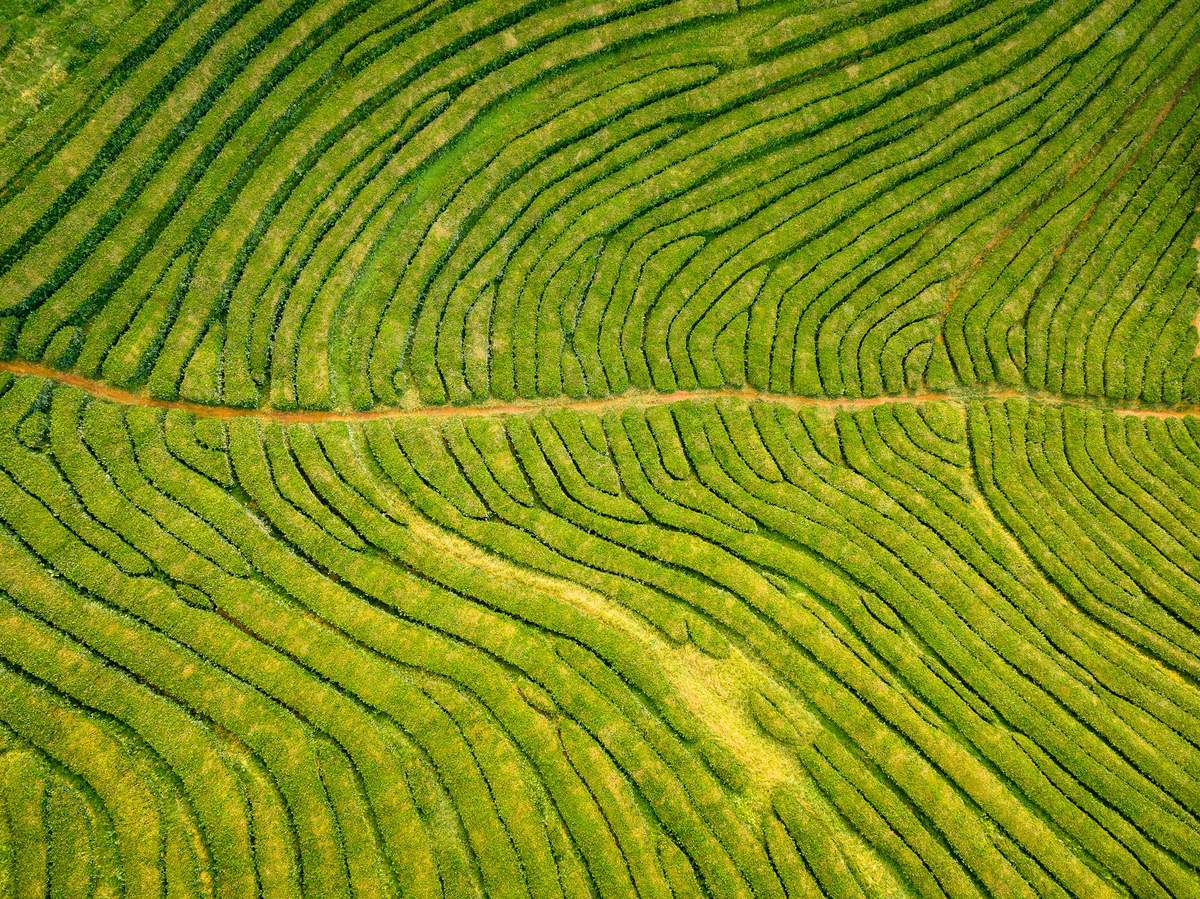
Continue toward the eastern side of the island, where the scenery becomes increasingly dramatic. The road toward Nordeste is known for its coastal viewpoints, steep green slopes and sweeping ocean views. Stop at viewpoints such as Ponta do Sossego or Ponta da Madrugada if conditions are favourable. These landscaped viewpoints are especially beautiful when flowers are in bloom, although visibility can change quickly.
Depending on your energy and accommodation plans, return to Furnas for a second night or continue toward the eastern or northern part of São Miguel. For a relaxed trip, staying in Furnas and making a scenic out-and-back journey is a comfortable choice.
- Do not miss: Lagoa das Furnas, Gorreana Tea Plantation, and the dramatic coastal viewpoints toward Nordeste.
- Food: local tea, regional cheese, fresh fish or a traditional lunch. Look for products made on São Miguel, including pineapple and passion-fruit specialities.
- Logistics: Furnas to Gorreana generally takes around 30–45 minutes, while reaching the Nordeste viewpoint area can take approximately 45–75 minutes or more depending on the exact stop and route.
Day 5: Whale Watching & São Miguel’s Atlantic Coast
The Azores are one of the Atlantic’s celebrated destinations for marine wildlife. Whales and dolphins can be observed in the surrounding waters, and a whale-watching excursion is one of the most memorable experiences to include in a week on São Miguel. Return toward Ponta Delgada or arrange your day around a confirmed departure point. Many excursions operate from the south coast, but departure locations, schedules and trip durations vary by operator.
Choose a responsible whale-watching company that follows wildlife observation guidelines and provides a safety briefing. Visit Azores lists marine-wildlife experiences across the islands. Tours are weather-dependent, and sightings are never guaranteed. Some operators offer alternative dates or policies if conditions prevent departure, so review the terms before booking.
The boat experience itself is part of the adventure. The Atlantic can be energetic, and the coastline looks different from the water, with volcanic cliffs and green hills rising above the sea. After returning to shore, enjoy a relaxed lunch in Ponta Delgada or a nearby coastal town. If the sea conditions or excursion schedule do not allow a boat trip, use the day for a coastal drive, harbour visit or a marine-life interpretation experience where available.
In the afternoon, consider visiting a nearby natural swimming area if sea conditions and local guidance permit. São Miguel has several volcanic coastal bathing areas, but Atlantic conditions can change quickly. Swim only in designated safe areas and follow local warnings.
- Do not miss: a responsible whale-watching excursion and the island’s dramatic Atlantic coastline.
- Food: fresh fish, seafood or a light meal after the boat excursion. If you are prone to seasickness, eat lightly beforehand and follow appropriate medical advice.
- Logistics: confirm the departure harbour, check-in time, sea conditions, cancellation policy and recommended clothing. Bring a windproof layer even on a sunny day.
Day 6: Hiking, Waterfalls & Lagoa do Fogo
Today is reserved for São Miguel’s walking landscapes. The island offers a variety of trails through volcanic hills, forest, crater lakes and lush valleys. Begin with a weather check. If the central highlands are clear, head toward Lagoa do Fogo, one of the island’s most beautiful crater lakes.
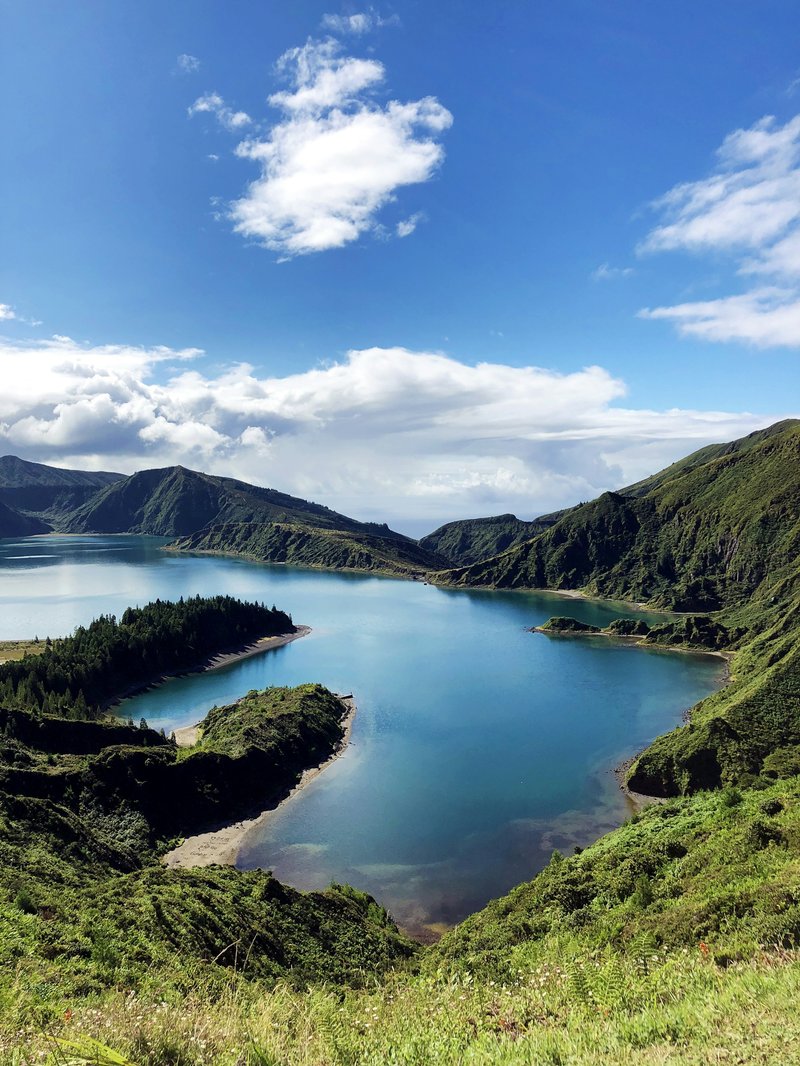
Lagoa do Fogo is surrounded by steep green slopes and protected natural landscapes. When visibility is good, the lake’s blue water and volcanic setting are spectacular. Low cloud can obscure the view, so consider switching to a lower-elevation trail if the summit area is covered.
Choose a marked hiking route that matches your ability and current conditions. Some trails involve steep sections, muddy ground and exposed areas. Check official trail information before setting out, carry water, and avoid hiking alone on unfamiliar routes without preparation. If you prefer a shorter outing, explore an accessible nature walk or waterfall area instead. São Miguel’s waterfalls and forested valleys are especially attractive after rainfall, although heavy rain can make paths slippery and streams more difficult to cross.
Return to your accommodation in the afternoon and enjoy a slower evening. This is a good opportunity to revisit a favourite restaurant, browse local shops or simply relax after an active day.
- Do not miss: Lagoa do Fogo in clear weather and a marked trail through São Miguel’s green volcanic landscape.
- Food: a traditional lunch, local cheese or a regional pastry after your hike. Carry snacks and enough water for the route.
- Logistics: wear hiking shoes with good grip, carry a waterproof layer and download an offline map. Do not attempt exposed trails during poor visibility, strong winds or unsafe conditions.
Day 7: Flexible Weather Day & Departure
Keep the final day deliberately flexible. The Azores are beautiful partly because of their changing weather, but this also means that some of the best viewpoints may be hidden by cloud on a particular day.
If your flight is later in the day, use the morning to revisit a place that was obscured earlier in the week. Sete Cidades, Lagoa do Fogo and the eastern viewpoints are all worth a second chance if the forecast improves. Alternatively, enjoy a slow breakfast in Ponta Delgada, browse the local market if it is open, pick up regional products or take a final waterfront walk.
If you have not yet experienced a natural swimming area and conditions are suitable, consider a short coastal stop. Keep enough time for your airport transfer and rental-car return. For travellers with an early departure, the best plan is simply to keep the morning practical. Confirm your car return process, fuel requirements, baggage and check-in arrangements the evening before.
After a week of crater lakes, steaming geothermal valleys, tea-covered hills, Atlantic wildlife and green volcanic scenery, São Miguel makes it easy to leave with the feeling that there is still more to discover.
- Do not miss: a weather-dependent return to your favourite viewpoint, if your schedule allows.
- Food: a final bolo lêvedo, local cheese, coffee or pastry before departure.
- Logistics: Ponta Delgada Airport is close to the town centre, but allow extra time for rental-car return, refuelling and airport procedures. Avoid scheduling a distant excursion on the day of an international flight.
Extending to 10 Days in the Azores
This 7-day route is the core: São Miguel only, with time for weather. Two extra days work better as one additional island, not as more rushing around the same crater rims.
What to do with the two extra days
The cleanest 10-day version keeps this itinerary and adds one of these blocks, using SATA Azores Airlines for the short inter-island hop:
- Pico: Portugal’s highest mountain, black lava fields and vineyards. Two nights give you a chance at a weather window for the summit or a lower coastal and wine-landscape day if the peak is in cloud.
- Terceira: Angra do Heroísmo’s historic centre, plus a slower island of vineyards, coastal drives and a different volcanic texture from São Miguel. It is a good second island if you want town life as well as landscapes.
What you could do differently
- Do not add both Pico and Terceira in the same two extra days. One island is enough; two new airports usually eat the time you hoped to spend outdoors.
- Keep whale watching on São Miguel if that is already booked. Pico also has marine wildlife, but transferring the excursion is not worth a missed São Miguel departure.
- Use the extra nights at the end of the week, after Lagoa do Fogo, so São Miguel’s weather buffer still sits before you leave the first island.
- If you would rather not fly again, stay on São Miguel and spend the extra days on a second Sete Cidades window, a longer Nordeste stay or another thermal session in Furnas.
Where to Stay on São Miguel
For a seven-day trip, two accommodation bases work particularly well: Ponta Delgada and Furnas. You can also choose a third base in the eastern part of the island if you prefer shorter scenic drives. Stay in the right area rather than chasing a particular hotel name.
| Stop | Nights | Best for |
|---|---|---|
| Ponta Delgada | 3 to 4 | City walks, restaurants, airport access, Sete Cidades, whale watching and day trips |
| Furnas | 2 | Hot springs, geothermal areas, crater lakes, gardens and volcanic cooking |
| Ribeira Grande or the north coast | Optional 1 | Tea plantations, coastal scenery and a quieter atmosphere |
Ponta Delgada is the most convenient base for arrival, departure, restaurants, shops and many west- and south-coast excursions. Check parking availability if you are renting a car. Staying just outside the busiest central streets can make driving easier. Options typically include guesthouses, boutique hotels, apartments and larger hotels.
Furnas is an excellent place to experience the geothermal heart of São Miguel. Staying overnight allows you to enjoy the village at a quieter pace and visit thermal facilities without rushing back across the island. Book ahead during busy periods, particularly if you want accommodation within walking distance of the village centre. Options typically include small hotels, guesthouses, countryside stays and thermal-focused properties.
Ribeira Grande or the north coast is optional rather than essential. For a simple first visit, two bases are usually easier.
Is a Rental Car Necessary?
A rental car is strongly recommended for this itinerary. São Miguel’s main attractions are spread across the island, and many viewpoints, trailheads, coastal stops and rural areas are not conveniently connected by frequent public transport. Having a car makes it easier to adjust plans when weather changes, which is particularly valuable in the Azores.
You can visit some destinations through organised tours, taxis or transfers, but relying entirely on these options may limit spontaneity and increase costs. If you do not want to drive, consider booking organised excursions for Sete Cidades, Furnas and Lagoa do Fogo, then arranging a separate whale-watching trip.
| Route | Approximate driving time |
|---|---|
| Airport to Ponta Delgada | 10–15 minutes |
| Ponta Delgada to Sete Cidades | 35–50 minutes |
| Ponta Delgada to Furnas | 45–60 minutes |
| Furnas to Gorreana Tea Plantation | 30–45 minutes |
| Furnas to Nordeste viewpoint area | 45–75+ minutes |
| Ponta Delgada to Lagoa do Fogo viewpoints | 30–45 minutes |
| Ponta Delgada to Ribeira Grande | 20–30 minutes |
| Ponta Delgada to the eastern Nordeste area | Around 1–1.5 hours |
- Choose a vehicle that you are comfortable driving on narrow and winding roads.
- Check insurance coverage, fuel policy and rental conditions.
- Avoid stopping in unsafe roadside locations for photographs; use designated parking at viewpoints and trailheads.
- Allow extra time for fog, rain and slow scenic driving.
Best Time to Visit the Azores
May to June brings lush green scenery and flowering landscapes, generally favourable conditions for sightseeing and hiking, and potentially fewer visitors than the busiest summer weeks. Pack layers because the weather can change several times in one day.
July to September is generally one of the most popular periods: longer daylight, good opportunities for hiking, coastal exploration and boat excursions, and warmer conditions for natural swimming areas. Demand for accommodation, rental cars and popular activities is higher, so book important arrangements ahead of time.
October can be quieter, with pleasant town visits and scenic drives, but greater need for flexibility around rainfall and wind. November to April is lush and atmospheric, with more frequent rain, a greater chance of wind affecting boat excursions, and some seasonal services on reduced schedules. Winter can still be beautiful, but it is less suitable for travellers who want a tightly scheduled outdoor itinerary.
For a balanced first visit, May, June or September are attractive months to consider. July and August are also excellent options if you are comfortable with higher demand and book ahead. The Azores do not have a guaranteed dry season. Weather varies locally, and conditions on the coast can differ substantially from those around crater lakes and mountain viewpoints.
Understanding São Miguel’s Weather
- Ponta Delgada: mild maritime conditions, with changing cloud cover and occasional rain.
- Sete Cidades: fog and low cloud can obscure the crater viewpoints even when the coast is clear.
- Furnas: humid conditions, lush vegetation and frequent atmospheric changes.
- Lagoa do Fogo: cooler, windier conditions at higher elevation, with visibility changing quickly.
- Nordeste: exposed coastal viewpoints where wind and rain can affect comfort and access.
Check the forecast for individual areas rather than relying only on Ponta Delgada. Visit high viewpoints when visibility is favourable. Keep a flexible day for Sete Cidades or Lagoa do Fogo. Book whale watching with a clear understanding of weather cancellation policies. Use rainy periods for gardens, cafés and geothermal experiences where conditions permit. A flexible itinerary is not a backup plan in the Azores; it is part of travelling well.
Useful packing: a waterproof jacket with a hood, a lightweight fleece, comfortable walking shoes with good grip, hiking shoes for longer trails, quick-drying clothing, swimwear, a towel and sandals, sun protection, a small daypack, a reusable water bottle, a power bank, offline maps and a change of clothes for wet hikes or boat excursions. Layering is more useful than packing only for summer temperatures. Even in warmer months, exposed viewpoints and boat trips can feel cool.
Food to Try in São Miguel
The Azores have a distinctive food culture shaped by the Atlantic, volcanic soil, dairy farming and Portuguese culinary traditions. São Miguel is particularly rewarding for travellers who enjoy fresh seafood, regional cheeses, hearty dishes and local sweets.
- Cozido das Furnas: meat and vegetables cooked slowly underground using geothermal heat.
- Bolo lêvedo: a soft, round, slightly sweet bread a traditional speciality from Lagoa on São Miguel, often served with butter or cheese.
- Azorean cheese: try local cheeses with bread or as part of a regional platter.
- Fresh Atlantic fish: ask what is locally available rather than choosing only familiar menu items.
- Lapas: limpets, often grilled with garlic, butter and lemon.
- São Miguel pineapple: greenhouse-grown pineapple, fresh or in desserts.
- Passion-fruit specialities: juices, desserts, sauces and liqueurs.
- Local tea: Gorreana and Porto Formoso tea-growing areas on the north coast.
How Much Does 7 Days in the Azores Cost?
The Azores can suit different travel styles, but car rental and accommodation are important parts of the budget. Prices vary considerably by season, vehicle availability, room type and booking timing.
| Travel style | Estimated daily budget per person |
|---|---|
| Budget | €55–€90 |
| Mid-range | €90–€180 |
| More comfortable | €180–€300+ |
These are broad planning estimates, not live prices. They assume a typical trip with shared accommodation or transport costs where applicable, and exclude international flights. Main expenses include accommodation, the rental car, fuel for scenic drives, food, whale watching and thermal-bath entry, plus parking or attraction fees. For a balanced trip, book accommodation and the rental car early, then prioritise paid activities that are genuinely important to you.
Practical Tips Before You Go
- Payments: cards are accepted in many hotels, restaurants and larger businesses, but carrying some cash is useful for smaller purchases and rural stops.
- Language: a few Portuguese greetings are appreciated even where English is spoken.
- Connectivity: consider a local SIM or eSIM. Coverage is generally useful around towns and main roads but can be less reliable in remote areas.
- Safety: São Miguel is generally a comfortable destination for independent travel, but normal precautions still apply. Secure valuables and follow local advice.
- Hiking: use marked trails, carry water, suitable footwear, a charged phone and a waterproof layer. Do not cross closed trails.
- Hot springs: water temperatures and mineral content vary, and some pools may not be suitable for everyone.
- Swimming: Atlantic conditions can change rapidly. Observe local flags and warnings, and avoid the water during rough seas.
- Responsible travel: stay on marked paths, avoid disturbing wildlife, take all rubbish with you, and respect private land and protected natural areas.
Key Places
- Portas da Cidade, Ponta Delgada: Day 1
- Vista do Rei and Sete Cidades: Day 2
- Furnas geothermal area: Day 3
- Terra Nostra Park: Day 3
- Lagoa das Furnas: Day 4
- Gorreana Tea Plantation: Day 4
- Ponta do Sossego: Day 4
- Lagoa do Fogo: Day 6
- João Paulo II Airport, Ponta Delgada: Days 1 and 7
Useful Official Links
- Visit Azores
- Azores Regional Government
- SATA Azores Airlines
- Ponta Delgada Airport
- Azores Trails
- Portuguese Institute for Sea and Atmosphere
- Parque Terra Nostra
- Gorreana Tea Plantation
FAQs
Is 7 days enough for São Miguel?
Yes. Seven days is an excellent amount of time for a first visit. It allows you to explore Sete Cidades, Furnas, the eastern coastline, tea plantations, hot springs, whale watching and hiking without constantly changing accommodation.
Do I need a rental car in São Miguel?
A rental car is strongly recommended. It provides flexibility for viewpoints, trailheads, coastal drives and weather-dependent itinerary changes. Organised tours can work for travellers who prefer not to drive, but they offer less flexibility.
Can I visit other Azores islands during a 7-day trip?
It is possible, but not essential. Inter-island flights and ferry schedules require additional planning, and weather can affect connections. For a first trip, concentrating on São Miguel generally provides a more relaxed experience. Pico or Terceira fit more comfortably as a 10-day extension.
What is the best month to visit São Miguel?
May, June and September are attractive choices for a balance of outdoor activities and visitor numbers. July and August offer longer days and popular summer conditions but usually require earlier bookings.
Is whale watching guaranteed?
No. The Azores are known for marine wildlife, but sightings depend on season, conditions and animal movements. Choose a responsible operator and review its policies before booking.
Are the hot springs suitable for everyone?
Not necessarily. Thermal water temperatures and mineral content vary, and some visitors may need to take additional precautions. Follow facility guidance and consult a healthcare professional if you have relevant medical concerns.
Is São Miguel good for beginner hikers?
Yes, there are walks suitable for different experience levels, but trail difficulty and weather conditions vary. Choose marked routes that match your fitness, check current conditions, and avoid exposed trails during poor visibility or strong winds.
Does it rain a lot in the Azores?
Rain is possible throughout the year, and conditions can change quickly. This is why a flexible itinerary and waterproof clothing are essential, even during summer.
Where should I stay for the full week?
Ponta Delgada is the most convenient base for a simple trip, but splitting your stay between Ponta Delgada and Furnas provides a more varied experience and reduces repeated driving.
Prompts to Try in Honge
- Plan a 7-day São Miguel trip with Ponta Delgada and Furnas as bases, plus Sete Cidades, whale watching and Lagoa do Fogo.
- Move the whale-watching day if the Atlantic forecast is poor, and keep a spare morning for Sete Cidades.
- Add a 10-day Azores extension with two nights on Pico or Terceira after São Miguel.
- Build a São Miguel food list around cozido das Furnas, bolo lêvedo, local cheese and pineapple.
- Compare a rental car with organised tours for Sete Cidades, Furnas and Lagoa do Fogo.
Ready to Start Your Adventure?
Seven days in the Azores can feel like a journey through several different worlds. São Miguel brings together the stillness of volcanic crater lakes, the warmth of geothermal pools, the deep green of tea plantations, the drama of Atlantic cliffs and the excitement of seeing whales and dolphins in open water.
The best part of this itinerary is that it leaves room to experience the island rather than simply collect destinations. You can spend an unhurried morning beside Lagoa das Furnas, pause at a viewpoint when the clouds lift, enjoy a long lunch, or change your hiking plans when the weather turns.
There is no need to rush to another island just to make the trip feel complete. São Miguel has more than enough variety for a memorable week, especially when you combine its volcanic landscapes with local food, coastal drives and time in the hot springs. Pack layers, rent a car if you can, stay flexible, and let the Atlantic weather become part of the experience.
Ready for crater lakes, Furnas and a whale-watching morning?
Plan your Azores trip with Honge
Keep São Miguel as the first-visit island, then decide whether Pico or Terceira belongs on a 10-day extension.
Related itineraries
- 5-Day Portugal Solo Itinerary: Lisbon, Sintra & Porto
- 7 Days in the Faroe Islands: Villages, Cliffs & the North Atlantic
- 7-Day Iceland Ring Road Itinerary for First-Timers
- Iceland Winter Itinerary: Northern Lights & Hot Springs
- 9-Day Greek Islands Itinerary: Santorini, Naxos & Paros
- 10-Day Scotland Road Trip: Whisky, Castles & Mountains
More Honge guides for similar trips
Written by
This blog was contributed by B. Sai Nikita, a travel enthusiast and writer. B. Sai Nikita can be reached at bsainikita10@gmail.com.
About Honge
Honge is an AI travel planning platform focused on practical, experience-led itineraries with realistic pacing and logistics. All blog content is edited and published by Honge. Our Azores research draws on updated practical logistics as of October 2026. © Honge. All rights reserved.
Image credits: Route map illustration created for this Honge itinerary. Photos are sourced from Unsplash and Wikimedia Commons. Copyright remains with their respective photographers and rights holders. Unsplash images are used according to the Unsplash License. Wikimedia Commons images are used according to their applicable licence terms; the Portas da Cidade photograph is in the public domain.
Travel disclaimer
This itinerary is general travel inspiration and planning guidance only, not personalised travel, safety, driving or medical advice. São Miguel’s weather can change quickly between the coast and crater viewpoints, so keep hiking and boat days flexible and check official trail and marine forecasts before you set out. Geothermal ground and water can be extremely hot; stay on marked paths around fumaroles and follow bathing rules at thermal facilities. Mineral-rich pools may stain lighter swimwear. Atlantic swimming belongs only in designated areas when conditions are safe. Whale watching is weather-dependent and sightings are never guaranteed; choose operators that follow wildlife observation guidelines. A rental car is strongly recommended, but roads can be narrow, winding and foggy. Leave extra time on departure day for rental-car return, refuelling and João Paulo II Airport procedures. Suggested stay areas in Ponta Delgada and Furnas are samples only and depend on availability; in the Honge app they may appear as booking options when offered by our vendors at the time of your search. Honge is not responsible for changes to conditions, services or experiences after publication.