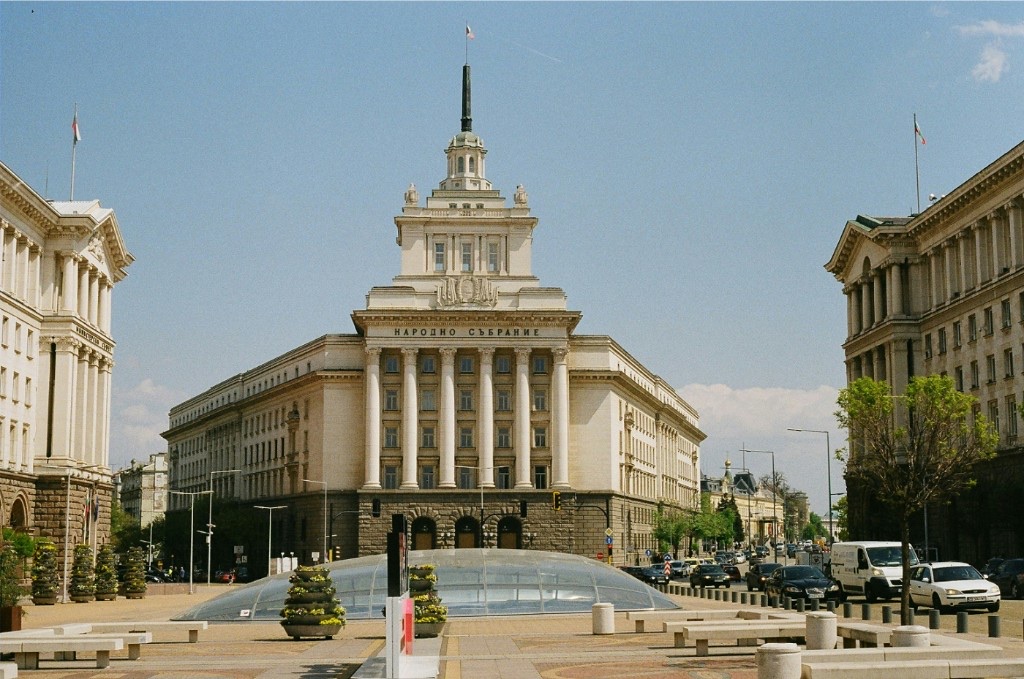
Bulgaria packs an impressive amount of variety into a relatively compact country — grand Orthodox churches and Roman ruins one day, mountain villages and alpine landscapes the next.
This 7-day road trip is designed for first-time visitors who want to experience Bulgaria without spending the entire trip rushing from one attraction to another. The route focuses on Sofia, the Rila Mountains, Bansko and the Pirin Mountains, and Plovdiv, with enough time in each destination to actually enjoy the atmosphere.
A rental car makes the journey particularly convenient, allowing you to explore mountain scenery and smaller towns at your own pace.
What to Expect
- Sofia: Roman, Byzantine, Ottoman, Orthodox Christian, and socialist-era history alongside cafés, restaurants, shopping, and modern city life.
- Beyond Sofia: Forested mountains, traditional villages, monasteries, vineyards, and historic towns.
- Rila Mountains: Dramatic mountain scenery and Bulgaria’s rich religious heritage.
- Bansko: A charming historic mountain town and gateway to the Pirin Mountains.
- Plovdiv: Roman ruins, colourful Revival-era houses, creative neighbourhoods, restaurants, and wine bars.
Why This Road Trip Works
- Balanced route: Focuses on a manageable part of Bulgaria rather than trying to cover the entire country.
- Comfortable pace: Gives each destination enough time to explore without spending the whole week driving.
- Overall experience: Combines history, Orthodox heritage, mountains, food, culture, and scenic road trips in one well-rounded itinerary.
Bulgarian Food to Try
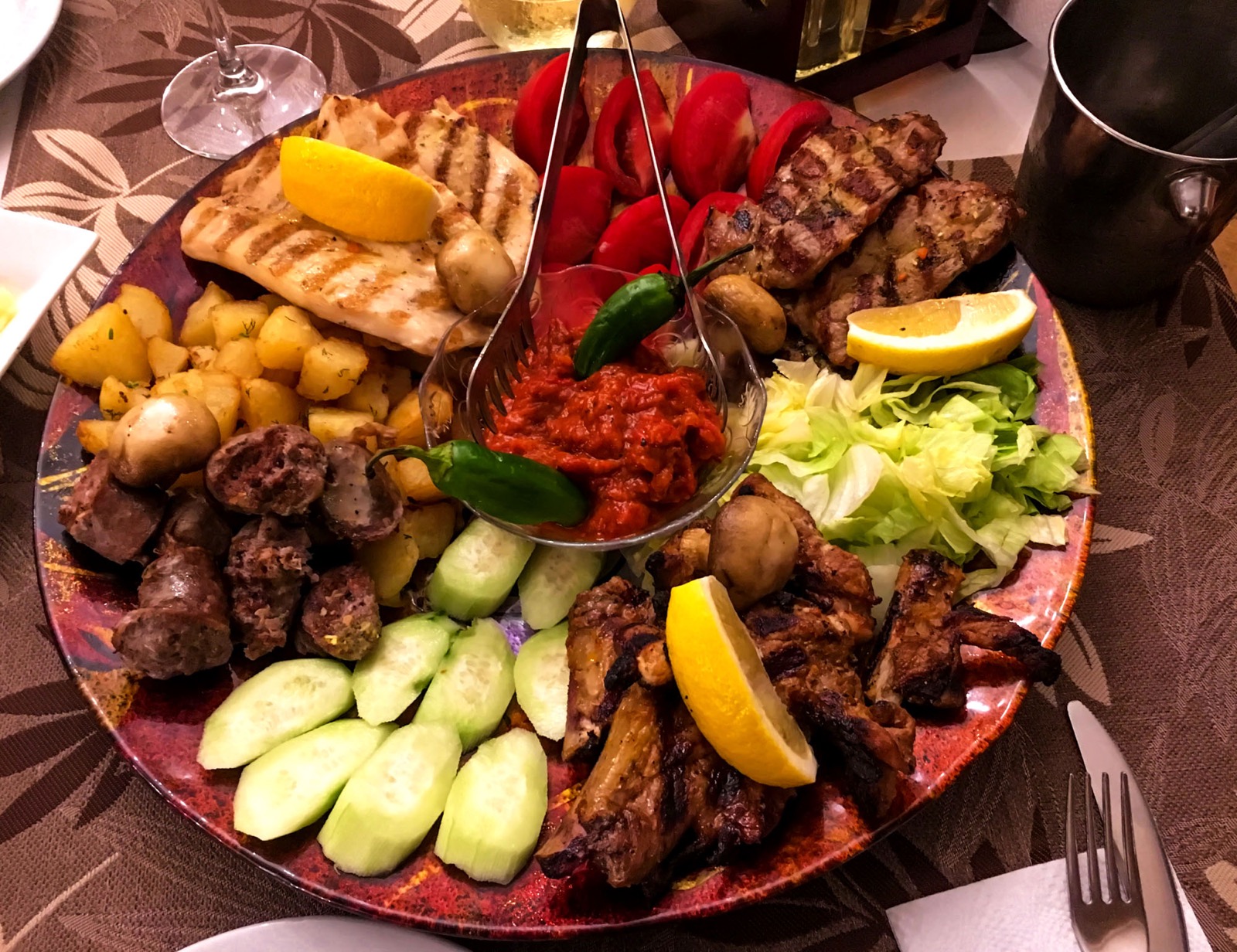
- Banitsa — Flaky pastry traditionally filled with sirene cheese
- Shopska salad — Fresh tomatoes, cucumber, peppers, onion, and crumbled sirene cheese
- Kebapche — Grilled, seasoned minced meat shaped into small sausages
- Kyufte — Juicy grilled meat patties
- Kavarma — Slow-cooked meat and vegetables
- Tarator — Refreshing cold soup made with yogurt, cucumber, garlic, and herbs
- Lyutenitsa — A flavourful spread made from roasted peppers and tomatoes
- Bansko kapama — A slow-cooked meat and vegetable dish especially associated with Bansko
- Patatnik — A traditional potato dish from Bulgaria’s mountain regions
- Mavrud wine — A Bulgarian red wine variety
Best Time to Visit Bulgaria
May to June and September to October are ideal for comfortable weather, sightseeing, and hiking, while December to March is best for skiing in Bansko.
- Spring & autumn: Best overall for this sightseeing and hiking route.
- Summer: Warm weather and outdoor activities.
- Winter: Ideal if skiing in Bansko is a priority.
Getting Around & Driving Times
How many days should you rent a car? A rental car is most useful for the mountain and countryside portions of this itinerary. Sofia and Plovdiv are both easy to explore without a car, so picking one up after your Sofia sightseeing keeps the trip simpler and avoids unnecessary city driving and parking.
| Route | Approx. driving time |
|---|---|
| Sofia → Rila Monastery | ~2 hours |
| Rila Monastery → Bansko | ~1½–2 hours |
| Bansko → Plovdiv | ~2½–3 hours |
| Plovdiv → Sofia | ~1½–2 hours |
Driving times are approximate and can change with traffic, weather, road conditions, and stops.
Do I Need a Visa for Bulgaria?
Bulgaria is part of the Schengen Area, so travellers who are not visa-exempt generally need a Schengen visa for short stays of up to 90 days in any 180-day period. Travellers from visa-exempt countries can visit without a visa for short stays, subject to the applicable entry requirements. Check the official Bulgarian Ministry of Foreign Affairs website for the latest visa requirements and entry information.
Practical Tips
- Confirm what insurance coverage is included before driving away.
- Keep some cash for smaller purchases, rural stops, parking, and places where card payments may not work.
- Download offline maps before heading into mountainous areas.
- Be prepared for winding mountain roads and allow extra time rather than driving aggressively.
- Check mountain and attraction conditions before setting out, especially in winter or during bad weather.
- Avoid leaving valuables visible inside the car.
- Follow local parking signs carefully, particularly in historic city centres.
Where to Stay
Suggested hotels are samples only and depend on availability; in the Honge app they may appear as booking options when offered by our vendors.
Sofia: Nights 1–2
- Sense Hotel Sofia — sensehotel.com
- Hotel Anel — hotelanel.com
Bansko: Nights 3–4
- Kempinski Hotel Grand Arena Bansko — kempinski.com
- Regnum Bansko — regnumbansko.com
Plovdiv: Nights 5–6
- The Emporium Hotel Plovdiv — emporiumplovdiv.com
- Grand Hotel Plovdiv — grandhotelplovdiv.bg
Journey Overview
| Day | Route & Highlights | Stay |
|---|---|---|
| Days 1–2 | Sofia — historic centre, Roman ruins, cathedrals, cafés & local food | Sofia |
| Day 3 | Sofia → Rila Monastery → Bansko — monastery, mountain scenery, Bansko Old Town | Bansko |
| Day 4 | Bansko & Pirin Mountains — hiking, mountain scenery, mehanas & local cuisine | Bansko |
| Day 5 | Bansko → Plovdiv — scenic drive, Old Town, Roman Theatre, Kapana | Plovdiv |
| Day 6 | Plovdiv — historic churches, Revival architecture, Nebet Tepe, cafés & wine bars | Plovdiv |
| Day 7 | Plovdiv → Sofia — relaxed morning, final stroll, return to Sofia / departure | End of trip |
Day 1: Discover Sofia
Pace: Easy · Overnight: Sofia
Begin in Sofia, exploring its compact historic centre on foot. Visit the grand Alexander Nevsky Cathedral, St. Sofia Church, and the remains of Ancient Serdika, then continue past the Banya Bashi Mosque and Sofia Synagogue to experience the city’s mix of Roman, Ottoman, and Orthodox heritage.
In the afternoon, relax around the National Theatre and City Garden before strolling along Vitosha Boulevard, Sofia’s lively pedestrian street of cafés, shops, and restaurants. Finish with a traditional Bulgarian dinner, trying dishes such as banitsa, shopska salad, kyufte, or kebapche.
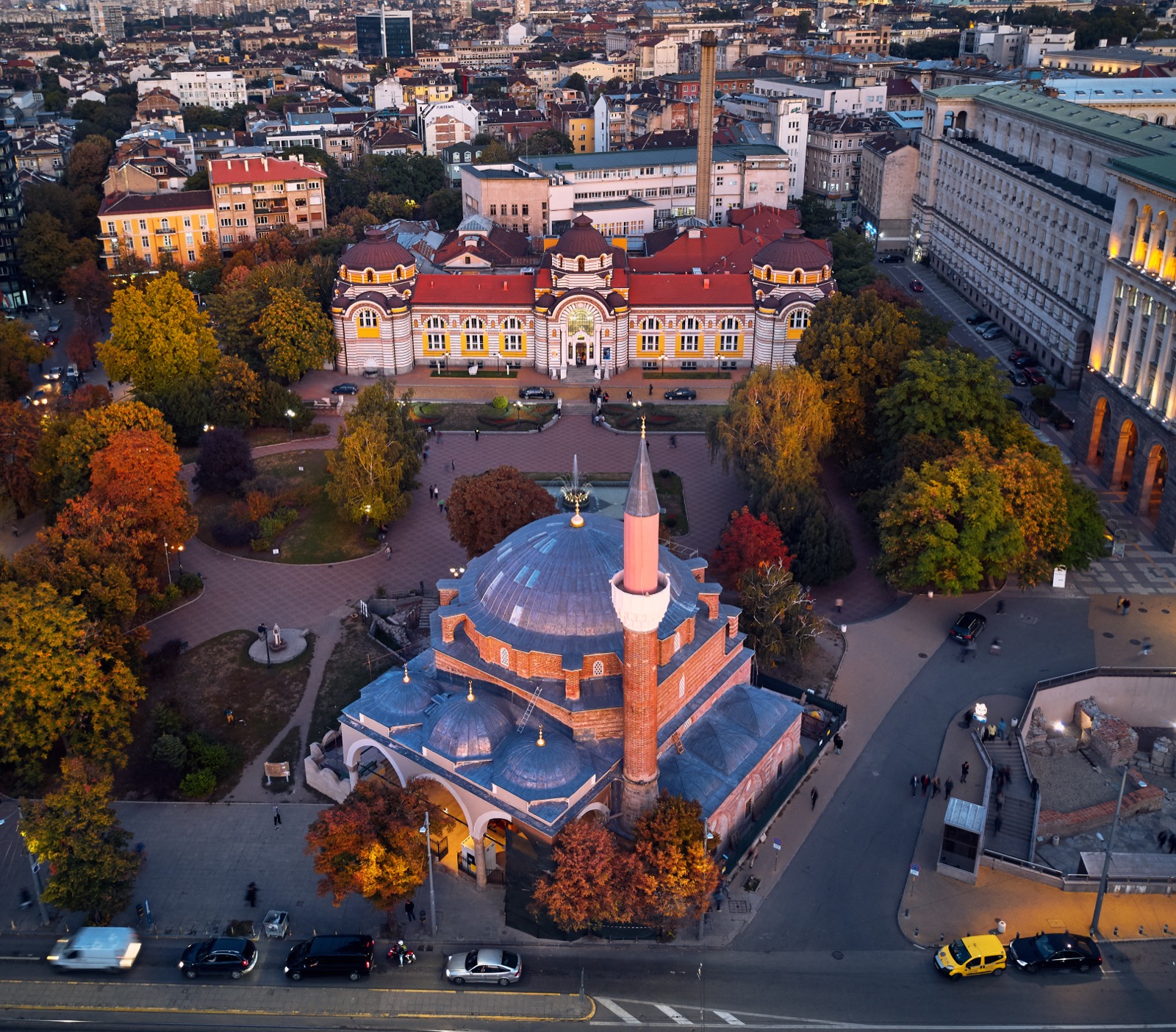
Day 2: Culture, Neighbourhoods & Food
Pace: Easy · Overnight: Sofia
Start around the National Palace of Culture and continue through the city’s central streets, taking time to enjoy its cafés and bakeries. If you’d like some nature, you can also make a short trip toward Vitosha Mountain, which rises just outside the city and offers easy access to scenic viewpoints and outdoor trails.
Return to central Sofia in the evening and spend time exploring local neighbourhoods. Try more Bulgarian specialties such as tarator, moussaka, stuffed peppers, or kebapche, and finish the day with Bulgarian wine or a traditional drink.
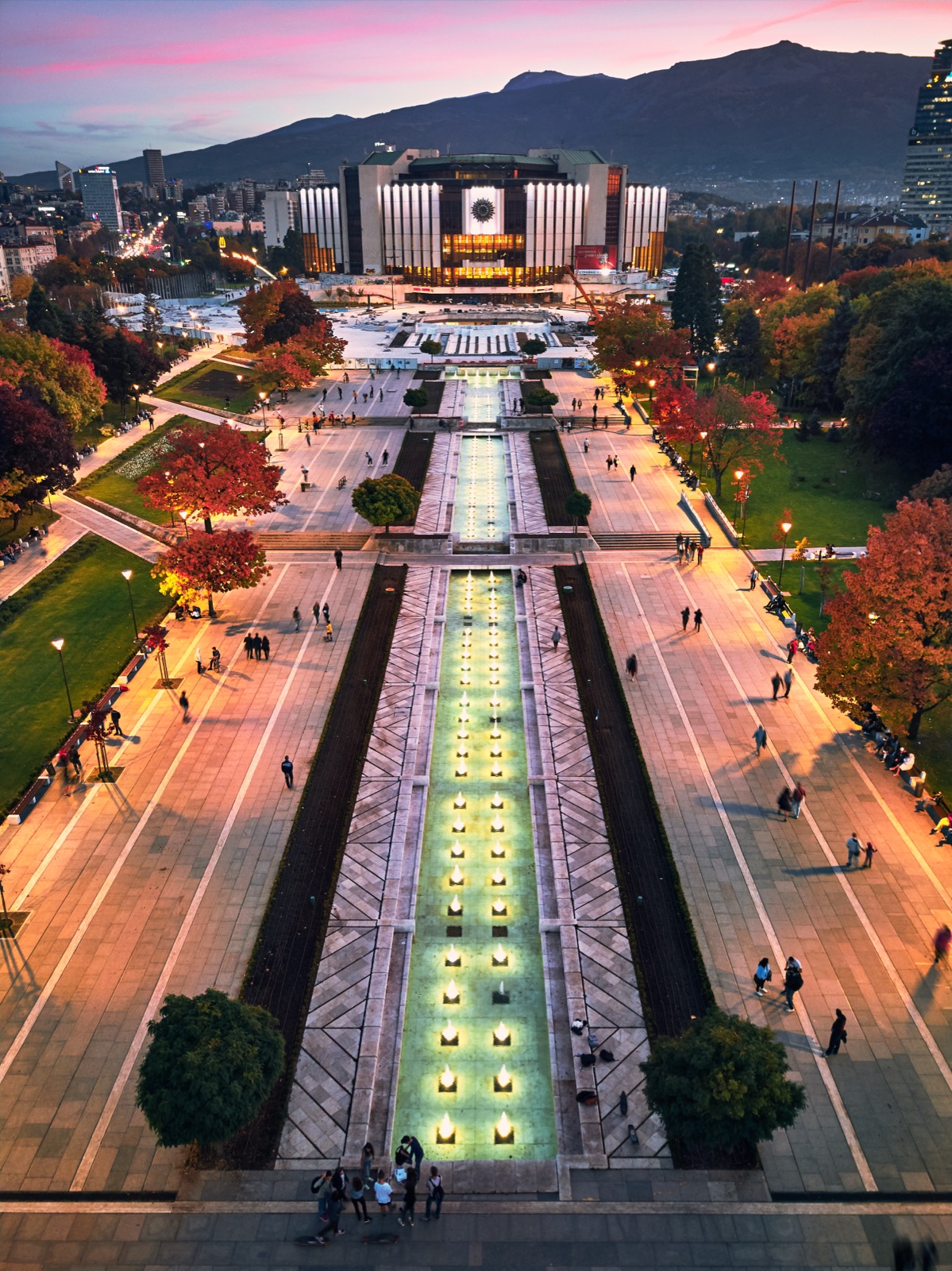
Day 3: Sofia → Rila Monastery → Bansko
Pace: Moderate · Overnight: Bansko
Pick up your rental car and leave for the Rila Mountains, where the scenery quickly shifts from city streets to forests and mountain roads. Spend the morning exploring Rila Monastery, one of Bulgaria’s most important religious and cultural landmarks. The main monastery complex is free to enter, while the museum requires a ticket; remember to dress respectfully as it remains an active religious site.
Afterward, continue to Bansko, a historic mountain town and gateway to the Pirin Mountains. Check in and spend the evening wandering through the Old Town before settling into a traditional mehana for dinner. Try local specialties such as Bansko kapama and enjoy the relaxed atmosphere of this mountain town.
Note: Before visiting Rila Monastery, check the official Rila Monastery website for visitor information, opening hours, and monastery regulations.
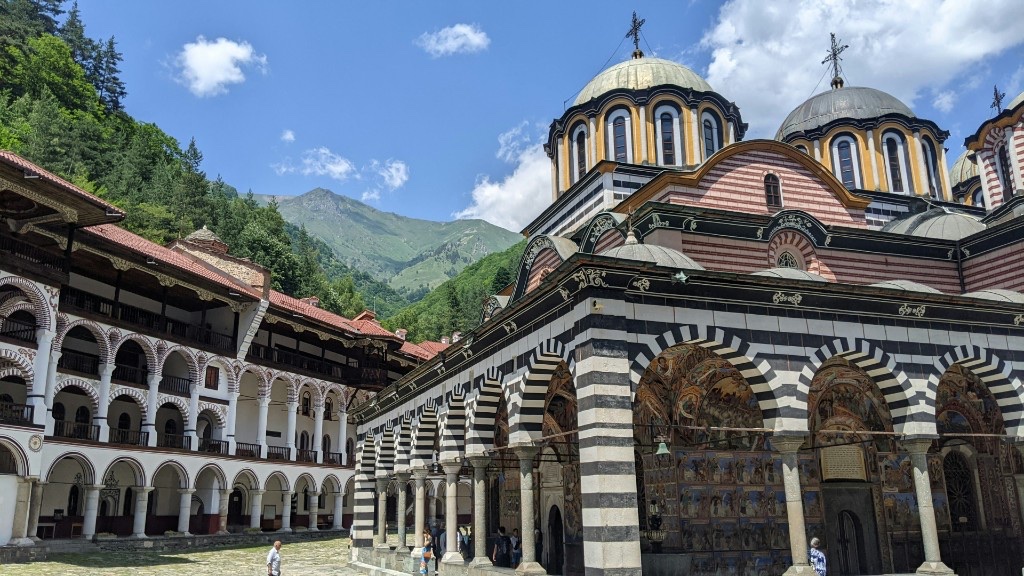
Day 4: Bansko & the Pirin Mountains
Pace: Moderate · Overnight: Bansko
Spend the day exploring Bansko Old Town, with its traditional stone and timber houses and historic Holy Trinity Church, before enjoying a relaxed lunch at a local mehana. Bansko is also the gateway to the Pirin Mountains, so use the afternoon for a hike or a shorter mountain excursion depending on your fitness and the weather. The scenery is especially beautiful in summer, while winter turns Bansko into a popular ski destination.
Return to town for a relaxed evening and enjoy more Bulgarian mountain cuisine.
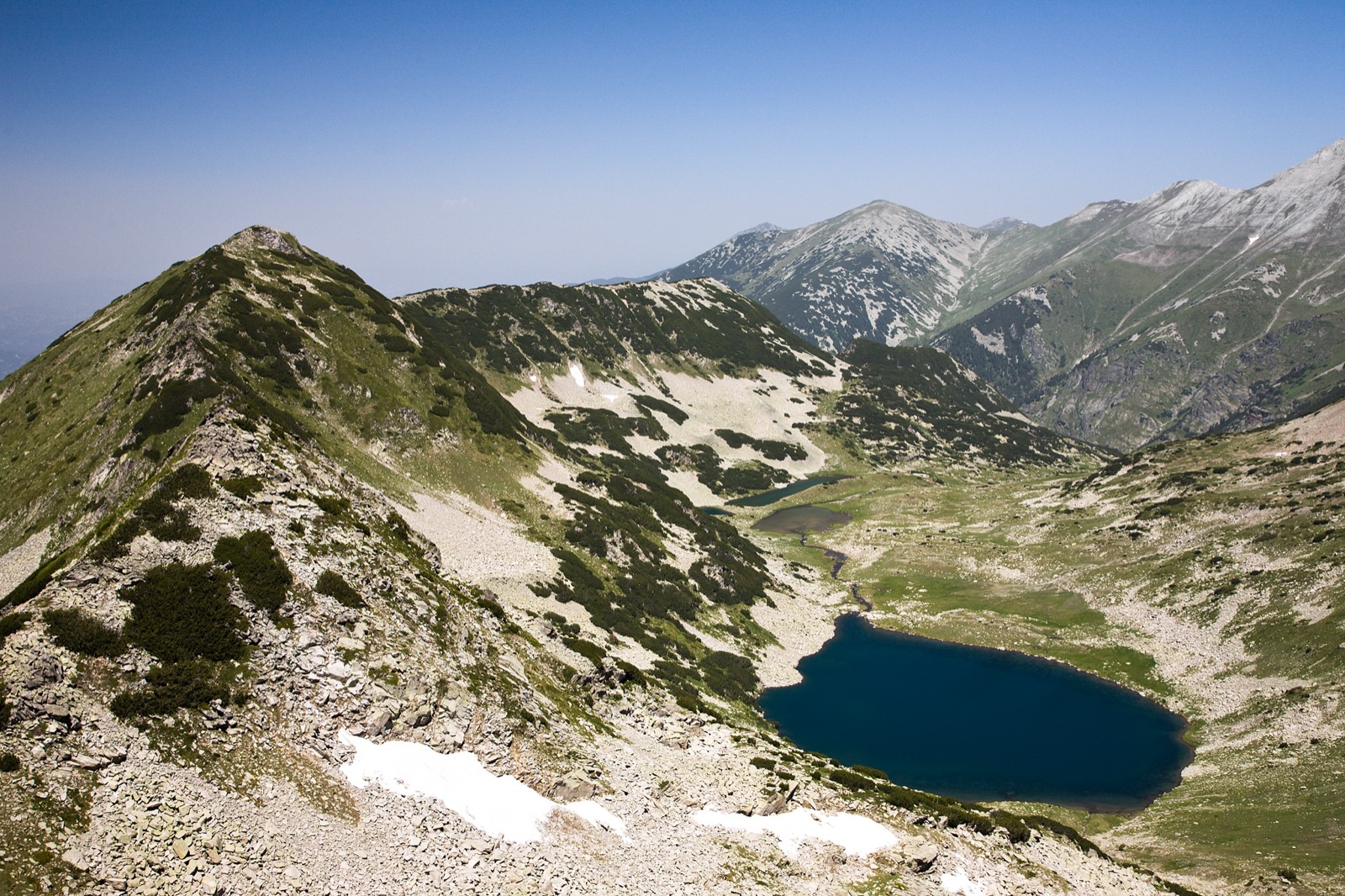
Day 5: Bansko → Plovdiv
Pace: Moderate · Overnight: Plovdiv
Leave Bansko after breakfast and enjoy the scenic drive toward Plovdiv, one of Europe’s oldest continuously inhabited cities. After checking in, spend the afternoon exploring the Old Town, with its colourful Revival-era houses, cobbled streets, and the impressive Roman Theatre.
Later, head to Kapana, Plovdiv’s lively creative district, filled with cafés, restaurants, galleries, and wine bars. Take your time here, then settle in for dinner and try some Bulgarian dishes paired with a local wine such as Mavrud.
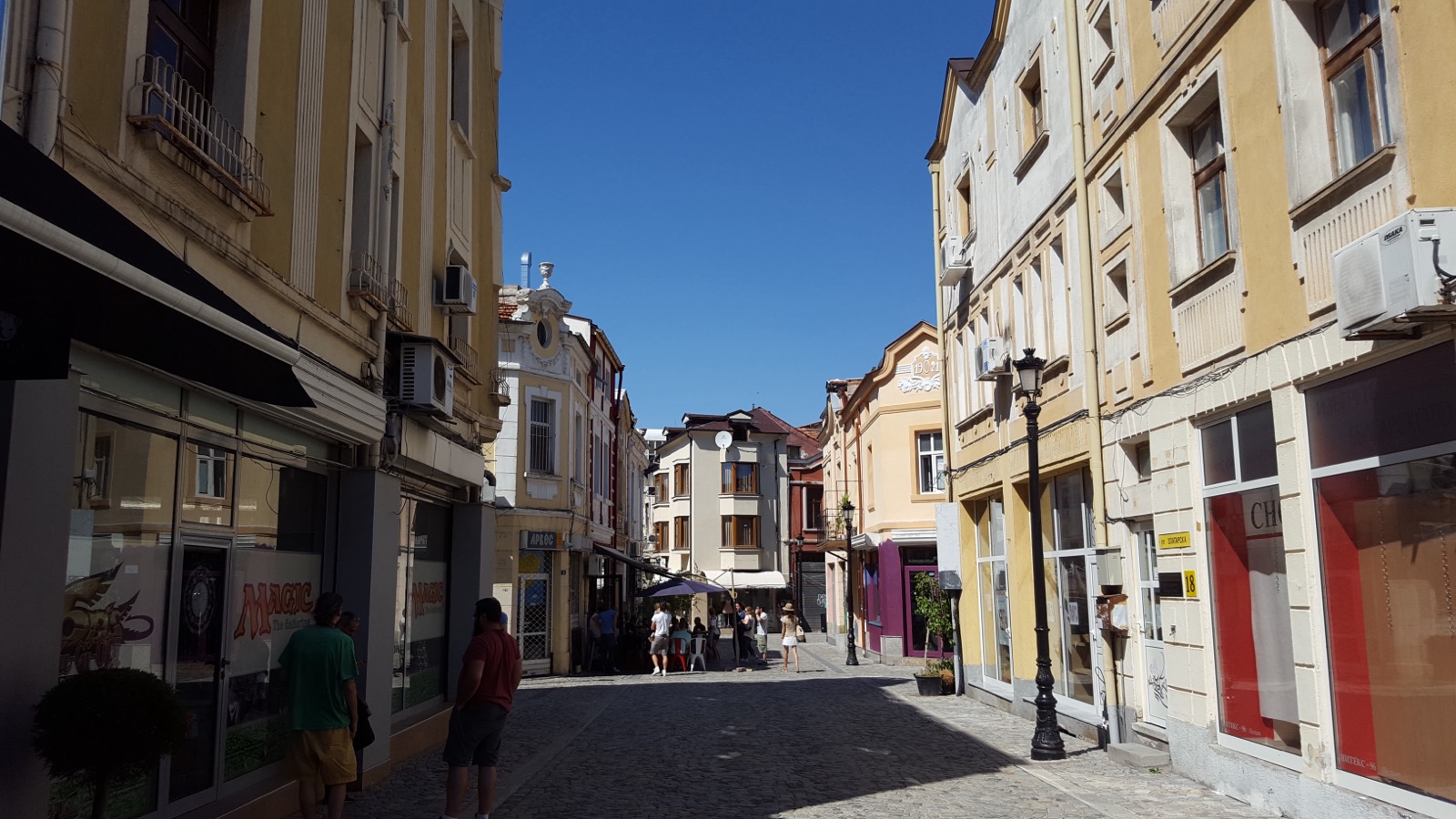
Day 6: Plovdiv — Historic Churches, Revival Architecture & Local Life
Pace: Easy · Overnight: Plovdiv
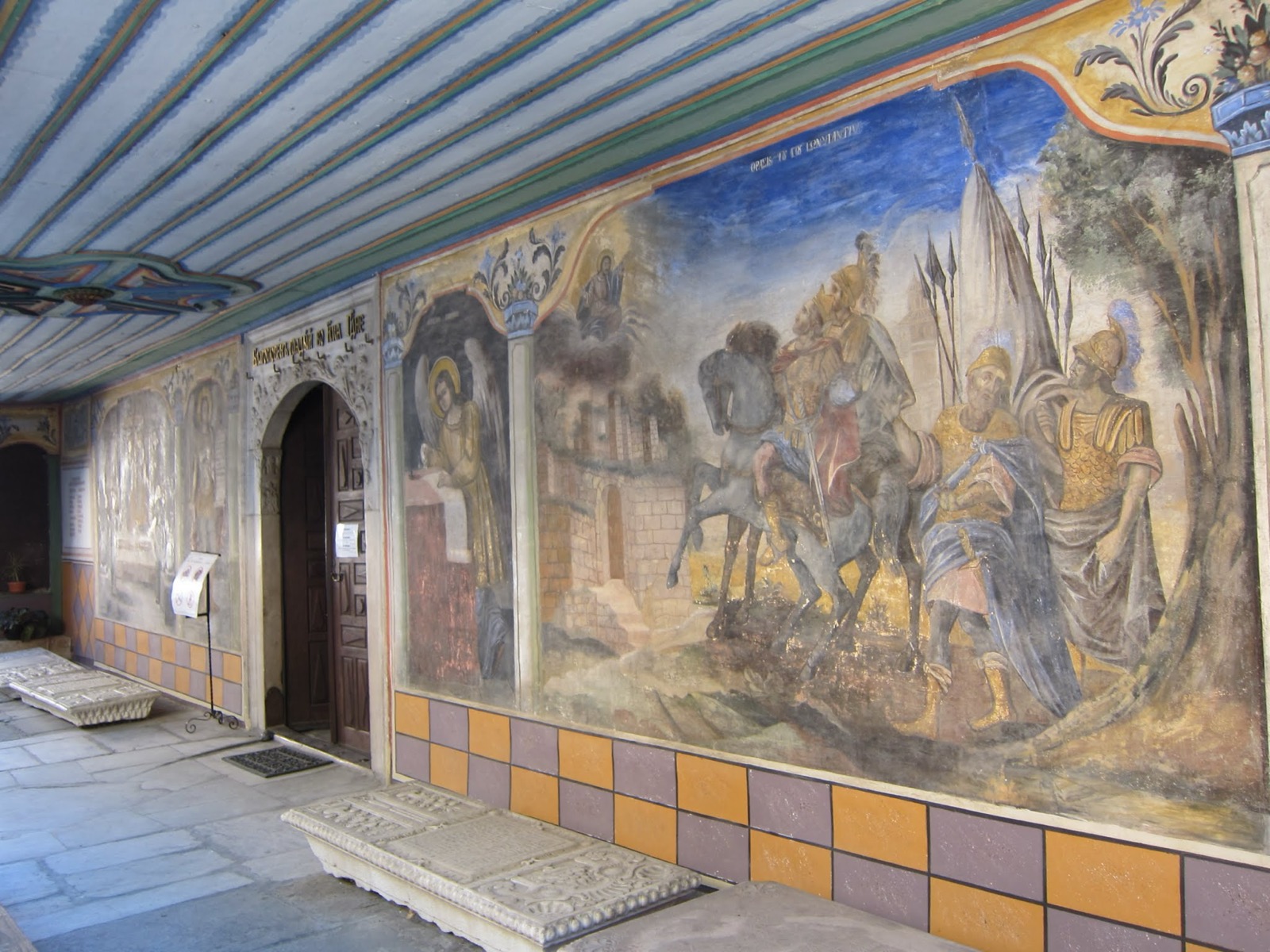
Spend your day exploring the city’s historic and cultural character at a relaxed pace. Wander deeper through the Old Town, admiring its colourful Bulgarian houses and historic churches. Visit the Church of St. Constantine and Helena and the Church of St. Marina, two notable landmarks that showcase Plovdiv’s religious heritage.
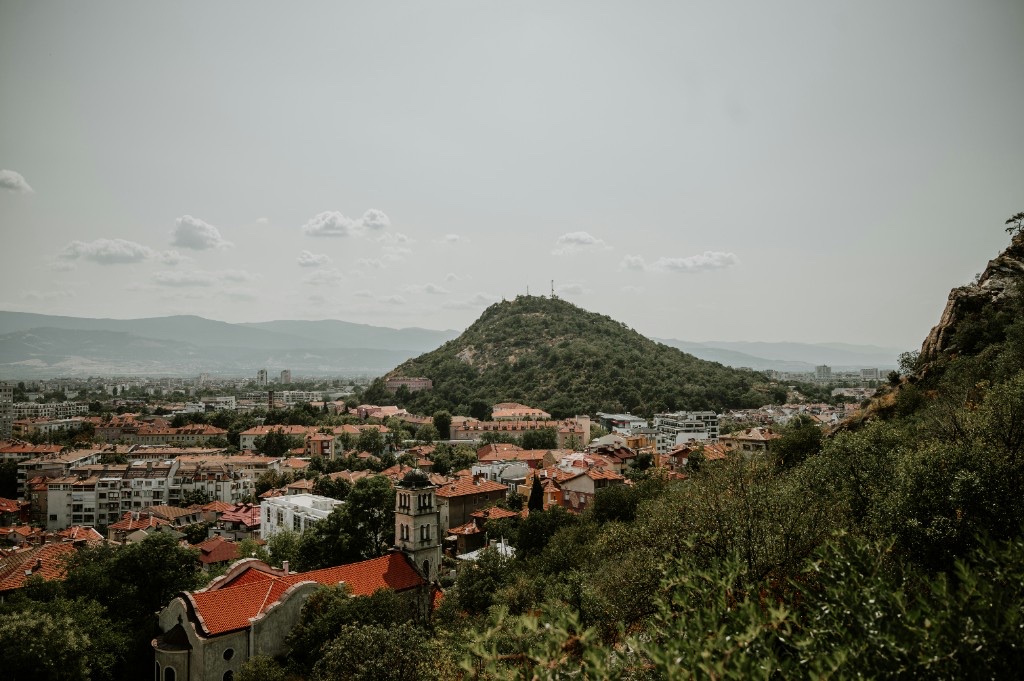
Continue to Nebet Tepe for panoramic views across the city and a glimpse into Plovdiv’s ancient settlement history. In the afternoon, return to Kapana for a leisurely lunch and some time among its cafés, galleries, and independent shops. Finish the day with a relaxed Bulgarian dinner.
Day 7: Departure
Pace: Easy · Overnight: End of trip
Enjoy a relaxed final morning in Plovdiv with breakfast and a last stroll through the Old Town or Kapana. If your flight is later in the day, this is a good opportunity for one final Bulgarian meal or coffee before leaving the city.
Depart from Plovdiv Airport (PDV) if a suitable flight is available. Alternatively, transfer to Sofia Airport (SOF) for a much wider choice of international flights and onward connections. Return your rental car accordingly.
Estimated Budget
Approximate cost per person for 7 days:
- Budget: $450–$600
- Mid-range: $650–$900
- Comfortable / upscale: $1,000+
This estimate includes accommodation, meals, rental car, fuel, parking, and typical sightseeing costs, but excludes international flights and major shopping expenses.
Bulgaria’s currency: Bulgaria uses the euro (€), which became the country’s official currency on 1 January 2026, when Bulgaria joined the eurozone as its 21st member state. The Bulgarian lev was replaced at a fixed conversion rate of BGN 1.95583 = EUR 1. If you have leftover lev from a previous visit, you can exchange them for euros free of charge at the Bulgarian National Bank indefinitely, and at commercial banks and post offices for a limited period — check with your bank for current deadlines.
Useful Booking & Travel Links
Prompts to Try in Honge
- Plan a 7-day Bulgaria road trip focused on history, mountains, and food.
- Create a Bulgaria itinerary for first-time visitors who prefer a relaxed pace.
- Plan a food-focused trip through Sofia, Bansko, and Plovdiv.
- Suggest the best Bulgarian dishes and where to try them.
- Create a Bulgaria itinerary for hiking and mountain scenery.
- Plan a winter Bulgaria trip focused on skiing and traditional mountain towns.
- Create a family-friendly Bulgaria road trip with shorter drives.
- Suggest alternatives if I want to add Bulgaria’s Black Sea coast.
- Create a Bulgaria road trip focused on Orthodox monasteries and historic towns.
- Build a budget-friendly version of this 7-day Bulgaria itinerary.
FAQs
How many days do I need in Bulgaria?
7 days is ideal for seeing Sofia, Rila Monastery, Bansko, the Pirin Mountains, and Plovdiv at a comfortable pace.
Do I need a car for the whole trip?
No. You can explore Sofia and Plovdiv without one. Renting a car for around 5 days, from Day 3 to Day 7, works well for the mountain and countryside sections.
What is the best time to visit Bulgaria?
May–June and September–October offer a good balance of pleasant weather, sightseeing, hiking, and fewer crowds. Winter is best for skiing in Bansko.
Is Bulgaria good for a road trip?
Yes. Bulgaria is relatively compact, making it easy to combine historic cities, monasteries, mountains, and scenic countryside in one trip.
What food should I try in Bulgaria?
Try banitsa, shopska salad, kebapche, kyufte, kavarma, tarator, Bansko kapama, patatnik, Bulgarian yogurt, and local wines such as Mavrud.
Do I need a visa for Bulgaria?
Visa requirements depend on your nationality. Bulgaria is part of the Schengen Area, so travellers who require a visa generally need to follow Schengen visa rules.
Is Bulgaria expensive to visit?
Bulgaria can be relatively affordable compared with many Western European destinations, particularly for food, accommodation, and local travel.
Is Bulgaria suitable for first-time visitors?
Absolutely. This route combines Bulgaria’s major cultural highlights with mountains and local experiences without trying to cover too much in one week.
Make This Trip Yours
Turn your Bulgaria road trip into a journey that fits your interests, travel style, and pace. Personalise the route, discover places to stay, and build activities around the experiences you care about most.
Sofia’s layered history, Rila’s mountain monastery, Bansko’s mehanas and Plovdiv’s cobbled Old Town give this week a rhythm that feels full without feeling frantic.
Ready to plan your adventure?
Customize this itinerary with AI
Turn your Bulgaria plans into a trip that fits you — personalise your route, discover places to stay, and build activities around your interests, travel style and pace.
Related itineraries
- 7 Days in the Dolomites: The Ultimate Italian Alps Road Trip
- 7-Day Denmark Itinerary: Copenhagen, Castles & the Coast
- 10-Day China Itinerary: Beijing, Xi’an & Shanghai
- 7-Day Czech Republic Itinerary: Prague, Kutná Hora & Český Krumlov
- 7-Day Hong Kong & Macau Itinerary: City Lights, Culture & Coastal Beauty
- 6-Day Vancouver & BC Itinerary: City, Mountains & Island Adventures
- 10-Day Laos & Cambodia Itinerary: Luang Prabang, Vang Vieng & Angkor
- 10-Day Budapest to Vienna Road Trip: Balaton, Hallstatt & Salzburg
Written by
This blog was contributed by Sheba M, a travel enthusiast and writer. Sheba can be reached at shebaranjitha@gmail.com.
About Honge
Honge is an AI travel planning platform focused on practical, experience-led itineraries with realistic pacing and logistics. All blog content is edited and published by Honge. Our Bulgaria research draws on updated practical logistics as of September 2026. © Honge. All rights reserved.
Image credits: Photos are sourced from Unsplash and Wikimedia Commons. Copyright remains with their respective photographers and rights holders. Unsplash images are used according to the Unsplash License. Wikimedia Commons images are used according to their applicable CC BY-SA 4.0 license terms.
Travel disclaimer
This itinerary is intended as general travel inspiration and planning guidance only — not as personalised travel advice. Conditions change. Before you travel, check the current entry requirements, visa rules, and any travel advisories issued by your government for Bulgaria. Confirm rental-car insurance, mountain road conditions, monastery opening hours and visitor rules, attraction tickets, weather, and airport connections directly with operators and official sources, and take out comprehensive travel insurance that covers medical, cancellation, and disruption. Suggested hotels and stay styles in this article are samples only and depend on availability; in the Honge app they may appear as booking options when they are offered by our vendors at the time of your search. Road, weather, and attraction conditions can change. Honge is not responsible for any changes to conditions, services, or experiences described in this article after the date of publication.