
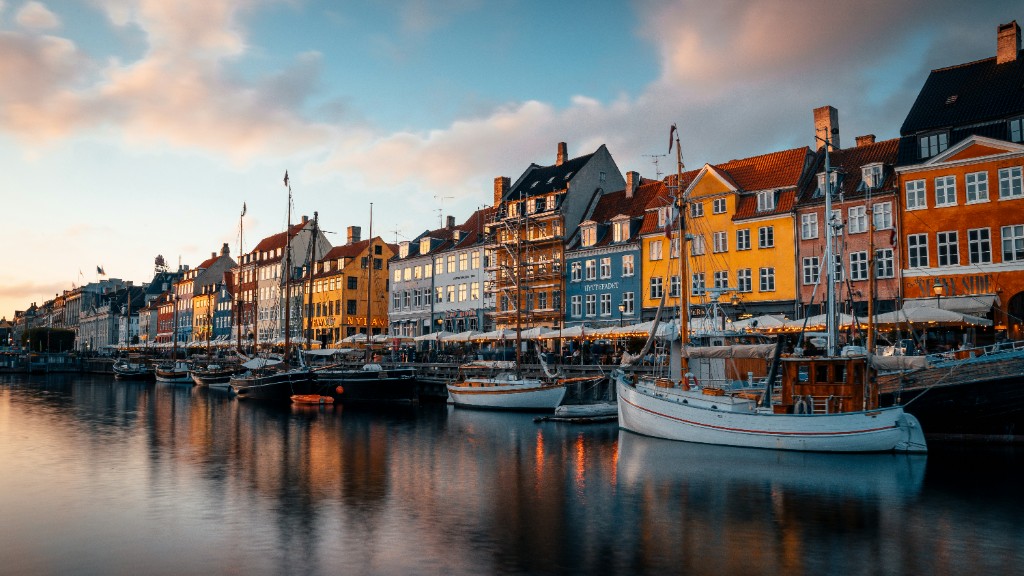
Seven days covers Copenhagen’s history, design and food scene in full, with three day trips that show the rest of the country without ever needing a car.
This itinerary spends four days in Copenhagen and three days on the road: Helsingør for Kronborg Castle, Louisiana Museum of Modern Art on the Danish Riviera, and Roskilde for Viking ships and a UNESCO cathedral. Odense, Hans Christian Andersen’s hometown, is included as a swap for travellers willing to spend a longer day on the train.
Getting Around: Trains, Metro, and Bicycles
Denmark’s transport system is built for visitors who don’t want to drive. The Rejsekort travel card (or the DOT mobile app) covers Copenhagen’s metro, S-train, and bus network on a single zone-based fare. The metro is fully automated and runs 24 hours a day, every day of the year — one of the only metro systems in the world with true round-the-clock daily service, not just on weekends — and connects the airport to the city centre in about 15 minutes.
Regional and InterCity trains from Copenhagen’s Central Station (København H) reach Helsingør, Roskilde, and Odense directly, with services every 20 to 30 minutes on the busiest routes. Tickets can be bought same-day; no reservations are required for regional trips.
Cycling is the fastest way to move around central Copenhagen. Dedicated bike lanes run along nearly every street, and city bikes (Bycyklen) or private rental shops are available in every neighbourhood. Locals cycle in regular clothes, at a relaxed pace, rain or shine — a rented bike is the single best way to feel like a resident rather than a tourist.
Where to Stay in Copenhagen
Suggested hotels are samples only and depend on availability; in the Honge app they may appear as booking options when offered by our vendors.
Indre By (the city centre) puts Nyhavn, Strøget, and the Round Tower within walking distance, at the highest price point. Vesterbro, once the meatpacking district, now holds the city’s best food halls and a younger, design-forward hotel scene, with easy access to Tivoli and Central Station. Nørrebro is more residential and budget-friendly, with strong multicultural food options and a short metro ride to the centre. Christianshavn suits travellers who want canal views and quiet streets, a 10-minute walk from Christiania and the harbour baths.
Best Time to Visit
Late May through August gives the longest daylight hours, warm enough weather for harbour swimming, and the full run of outdoor cafés and canal tours. September offers similar weather with fewer crowds. December has Tivoli’s Christmas market and the coziest version of hygge, but daylight runs short. Winter travel (January–March) is the cheapest and quietest, with average temperatures around freezing.
Journey Overview
| Day | Route & Highlights | Stay |
|---|---|---|
| Days 1–4 | Copenhagen — Nyhavn, Tivoli, Rosenborg, Round Tower, Christianshavn, Nørrebro & Vesterbro | Copenhagen |
| Day 5 | Helsingør — Kronborg Castle & Danish Maritime Museum | Copenhagen |
| Day 6 | Humlebæk — Louisiana Museum & Danish Riviera | Copenhagen |
| Day 7 | Roskilde — Viking ships & UNESCO cathedral (or Odense swap) | — |
Days 1–4: Copenhagen
Day 1: Nyhavn, Tivoli Gardens, and the Little Mermaid
Pace: Easy · Overnight: Copenhagen
Start at Nyhavn, the 17th-century harbour lined with coloured townhouses that now house cafés and seafood restaurants. Mornings here are quiet before the tour boats start. Walk the waterfront north past Amalienborg Palace, home to the Danish royal family, and time the visit for the changing of the guard at noon.
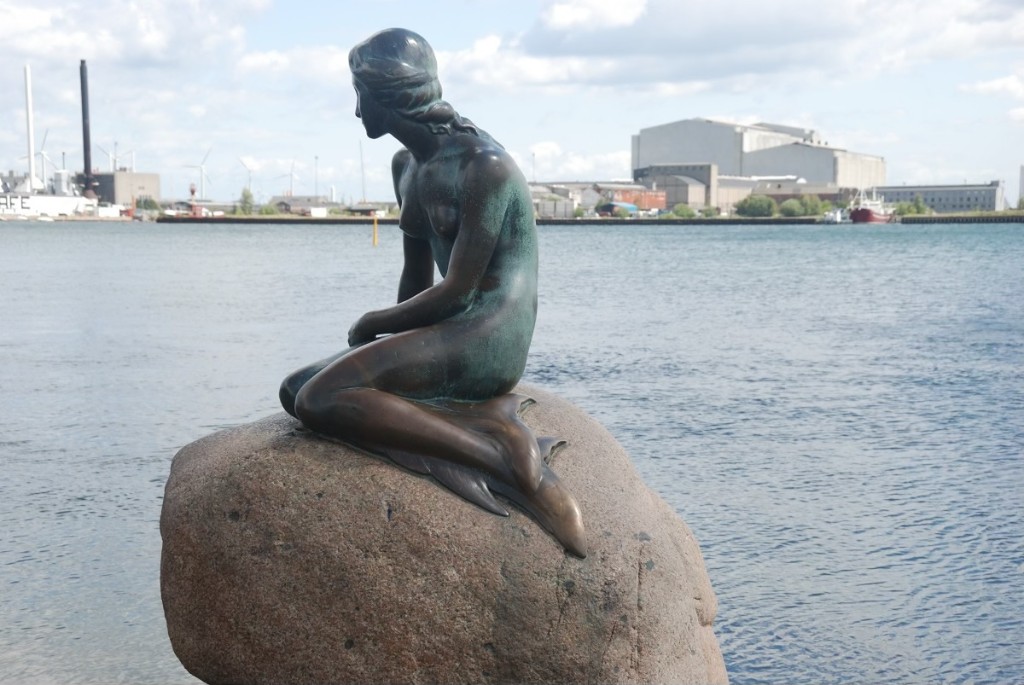
Continue to the Little Mermaid statue at Langelinie, a 20-minute walk or a short bus ride along the harbour. The statue is smaller than photos suggest — most visitors spend five minutes here before moving on, which is the right amount of time.
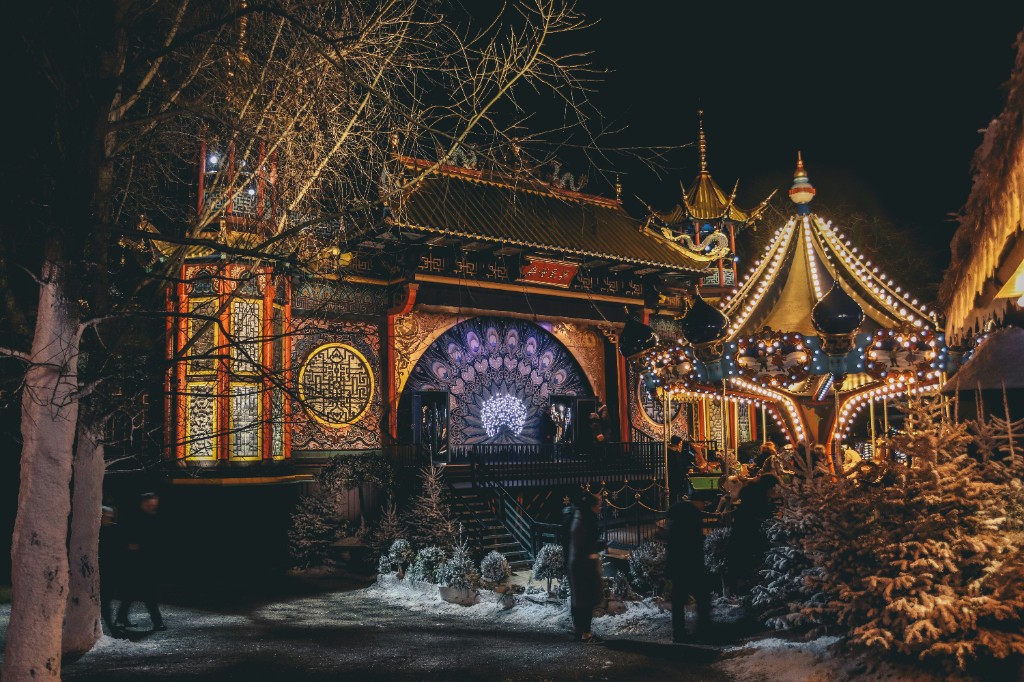
In the evening, head to Tivoli Gardens, the 1843 amusement park that inspired Walt Disney. Tivoli mixes historic rides, seasonal gardens, and some of the city’s best casual dining under one ticket.
Food note: grab a hot dog from a pølsevogn (sausage cart) near Rådhuspladsen — a Danish staple that costs less than any sit-down meal in the city.
Day 2: Rosenborg Castle, the Round Tower, and Indre By
Pace: Moderate · Overnight: Copenhagen
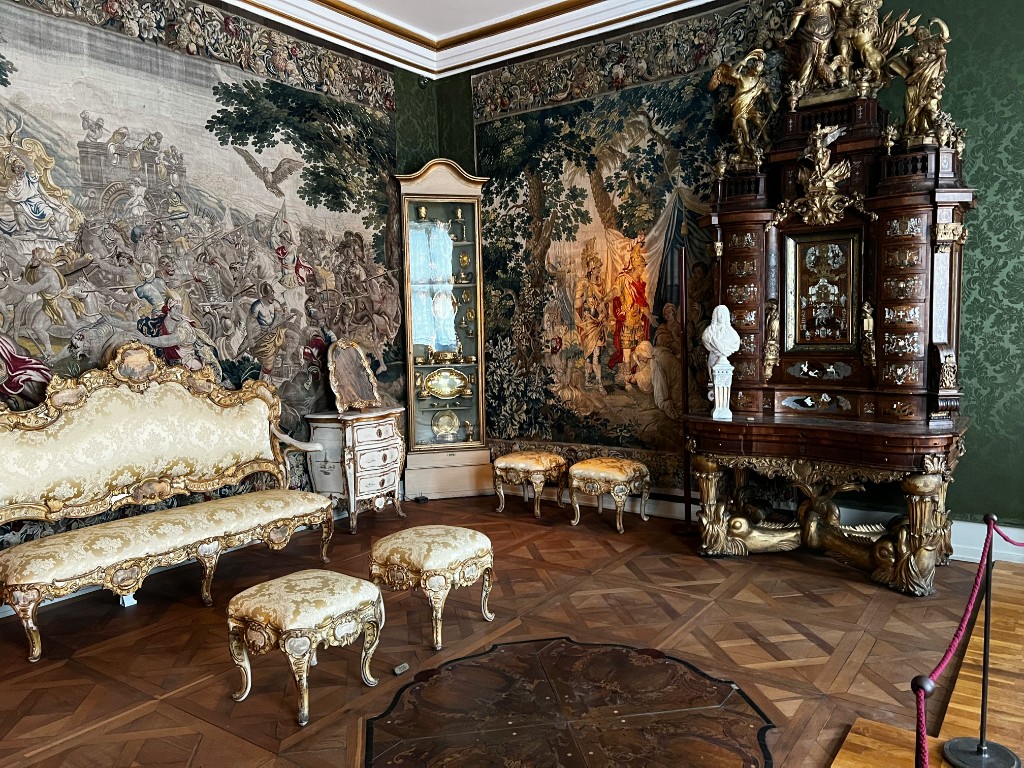
Rosenborg Castle, a 17th-century Renaissance palace, holds the Danish Crown Jewels and the royal collection across three floors. The surrounding King’s Garden is one of the oldest public parks in Copenhagen and a popular picnic spot in summer.
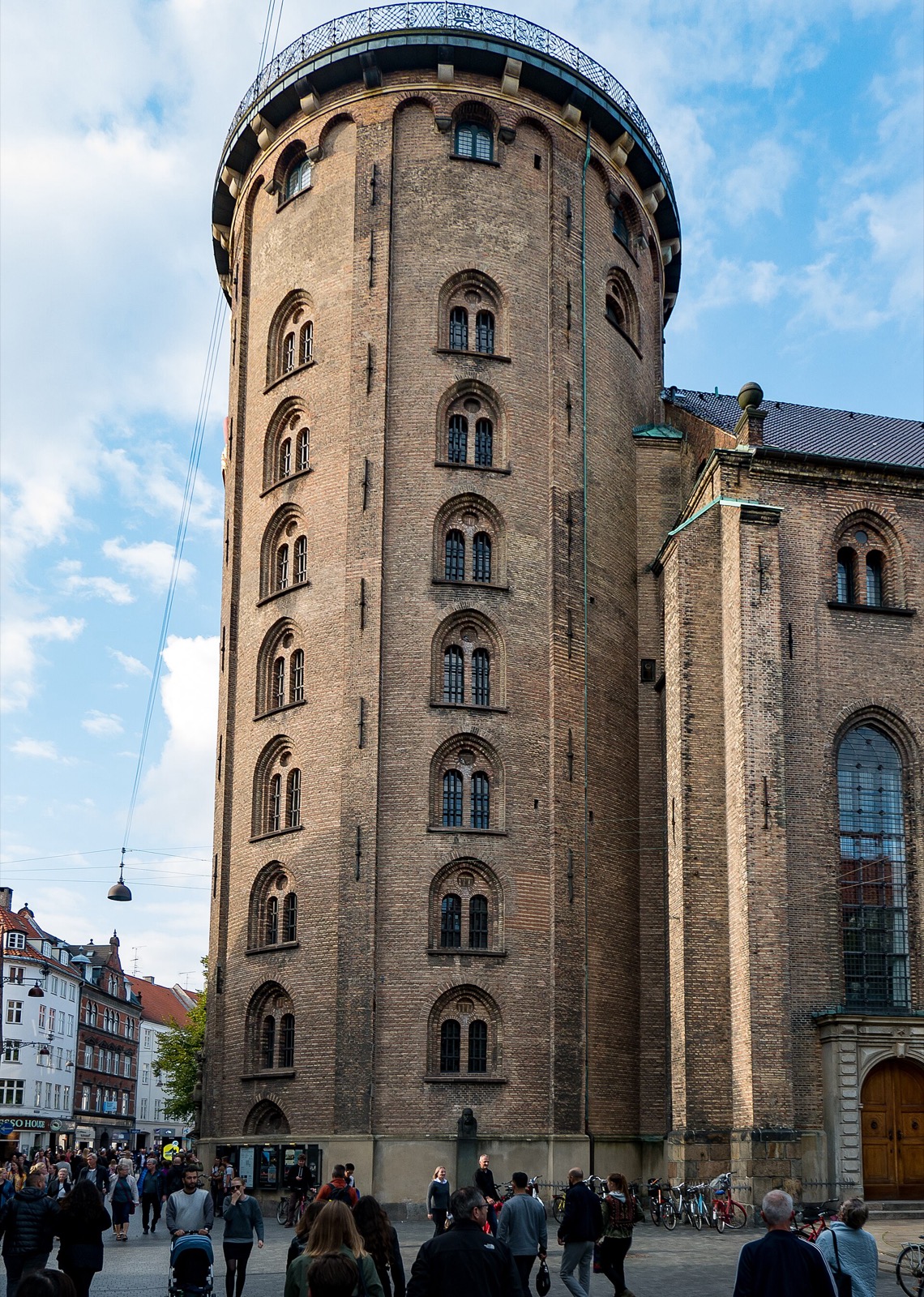
From Rosenborg, walk 15 minutes to the Round Tower (Rundetaarn), built in 1642 as an astronomical observatory. Its spiral ramp — wide enough for a horse and cart — leads to a rooftop platform with a full view over the city’s spires and harbour. Spend the afternoon in Indre By, the old town, weaving between Strøget’s shopping streets and quieter side lanes lined with bakeries.
Food note: stop for smørrebrød — open-faced rye bread with toppings like pickled herring, roast beef, or shrimp — at a traditional lunch spot in the old town. It’s the definitive Danish lunch.
Day 3: Christianshavn, Canals, and Harbour Swimming
Pace: Easy · Overnight: Copenhagen
Christianshavn’s 17th-century canals were modelled on Amsterdam’s and are best seen by canal cruise, which loops past Nyhavn, the Royal Library’s Black Diamond building, and the Opera House in about an hour. Afterward, walk into Freetown Christiania, the self-governing neighbourhood established in 1971, known for street art and an alternative pace of life.
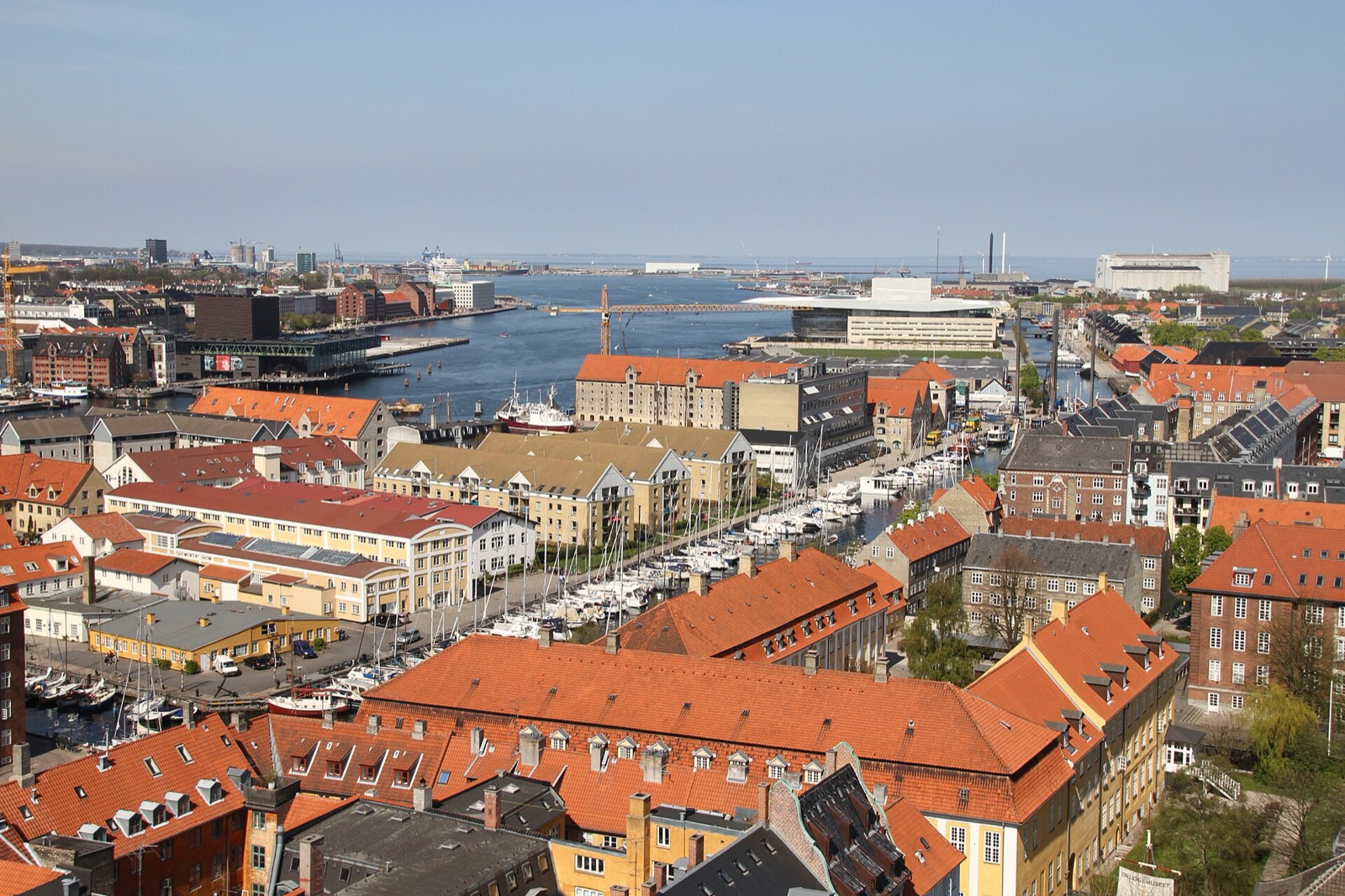
On a warm afternoon, join locals at the Copenhagen harbour baths — Islands Brygge or Kalvebod Bølge — where the water is clean enough to swim in year-round. Harbour swimming is one of the clearest signs of how seriously the city takes sustainability and public space.
Food note: Christianshavn’s waterfront restaurants are a good setting for New Nordic cuisine — a style built on local, seasonal ingredients and precise technique, popularised by Noma just across the harbour.
Day 4: Nørrebro, Vesterbro, and Food Markets
Pace: Moderate · Overnight: Copenhagen
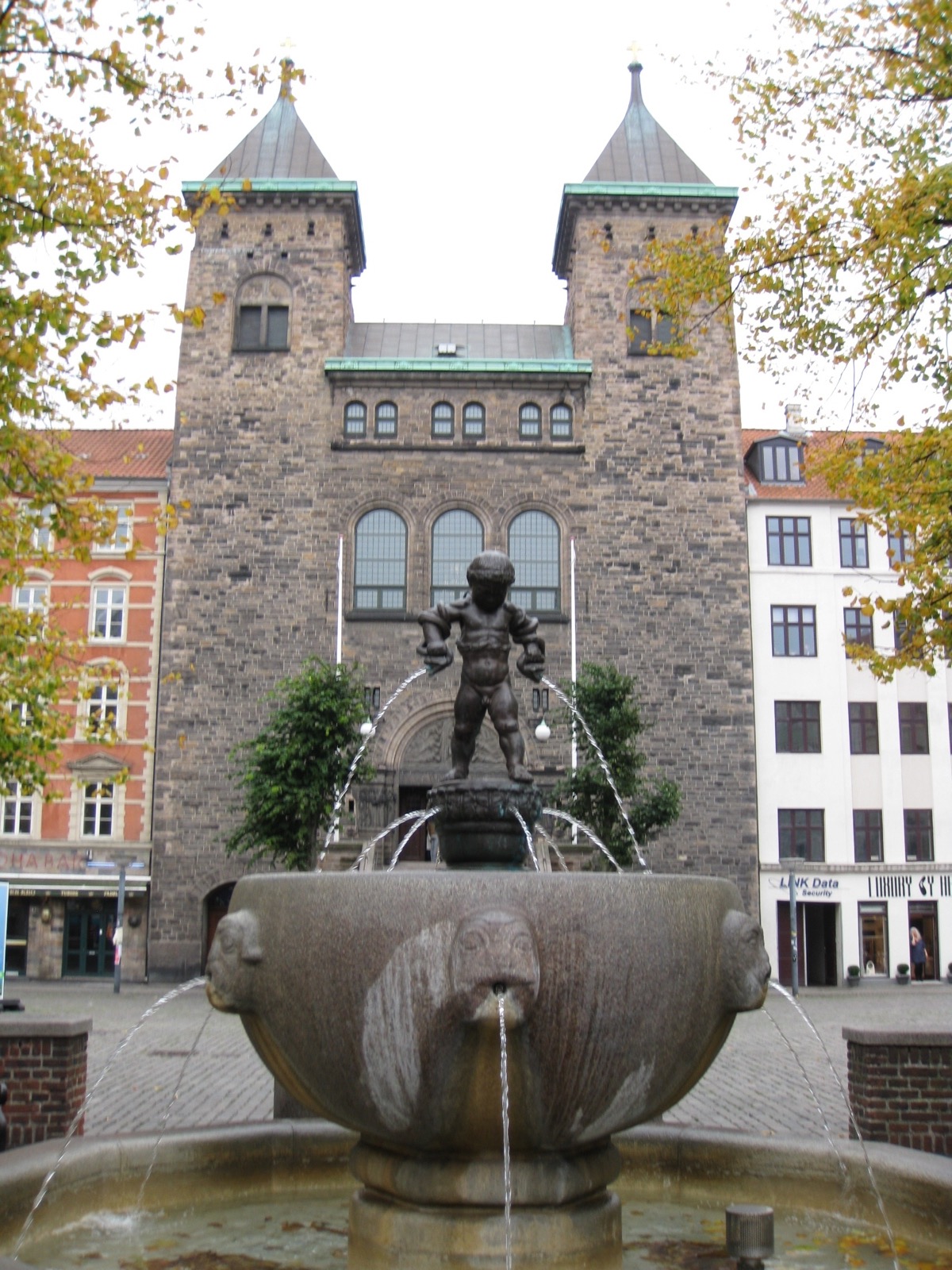
Spend the morning cycling through Nørrebro, past Assistens Cemetery (Hans Christian Andersen’s burial site) and the colourful market square of Sankt Hans Torv. The neighbourhood’s Middle Eastern and North African food scene sits alongside classic Danish bakeries — a useful contrast for understanding modern Copenhagen.
Cross to Vesterbro in the afternoon for Torvehallerne food market, two glass halls packed with stalls selling smørrebrød, cheese, coffee, and pastries, including the flaky wienerbrød that Danes simply call Danish pastry. End the day at the Meatpacking District (Kødbyen), Vesterbro’s former slaughterhouse quarter, now home to some of the city’s best bars and restaurants.
Food note: buy a kanelsnegl (cinnamon roll) or a tebirkes (poppy-seed pastry) from a neighbourhood bakery — both are morning staples, best eaten standing at the counter.
Days 5–7: Castles, Coast, and Vikings
Day 5: Helsingør — Kronborg Castle and the Maritime Museum
Pace: Moderate · Overnight: Copenhagen
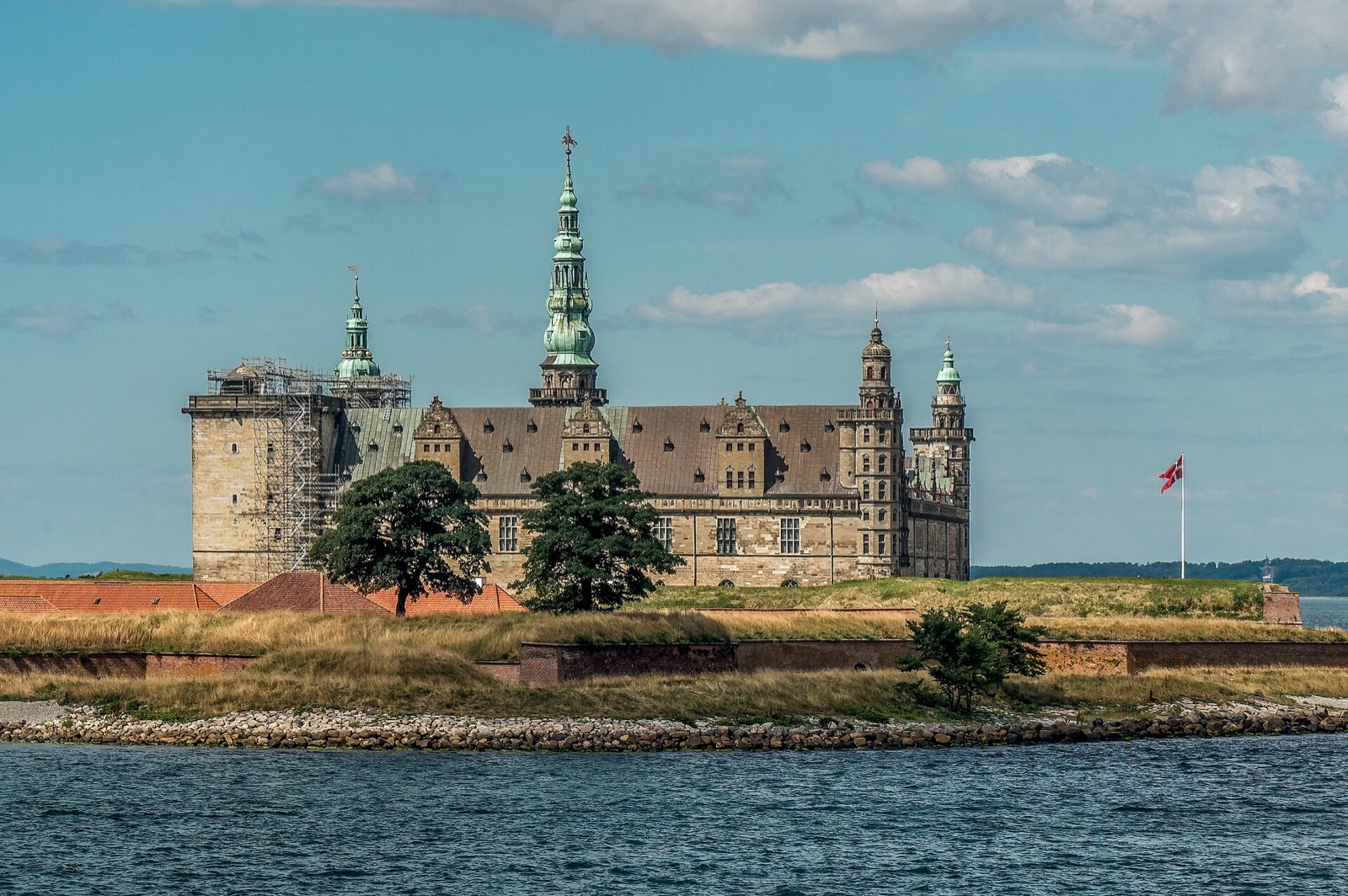
Trains from Copenhagen’s Central Station reach Helsingør in around 45 minutes. Kronborg Castle, a UNESCO World Heritage Site, is the real-world setting Shakespeare used for Hamlet’s Elsinore, even though he never visited. The castle’s Renaissance halls, casemates, and harbour-facing ramparts are worth a half-day.
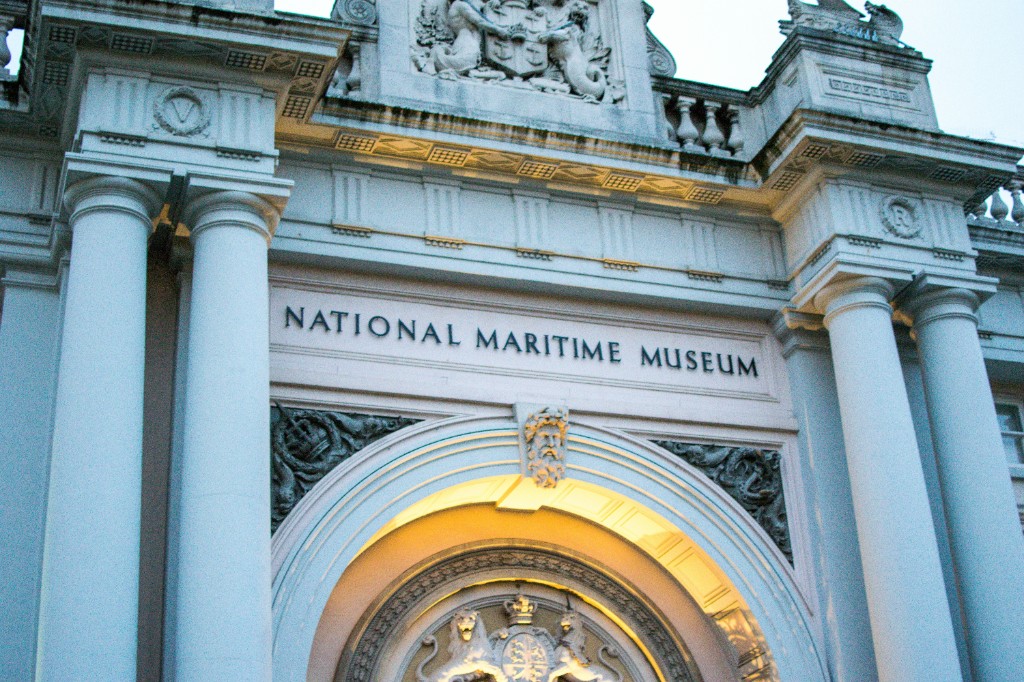
Next to the castle, the Danish Maritime Museum is built into a former dry dock, tracing Denmark’s shipping and naval history through a modern underground structure. Helsingør’s old town, a short walk from the castle, has canal-side cafés suited to a slower lunch before the train back.
Day 6: Louisiana Museum and the Danish Riviera
Pace: Easy · Overnight: Copenhagen
The train north along the coast toward Helsingør passes through the Danish Riviera, a stretch of beach towns and seaside mansions. Get off at Humlebæk, about 35 minutes from Copenhagen, for the Louisiana Museum of Modern Art. The museum’s galleries are built directly into the coastal landscape, with floor-to-ceiling windows facing the Øresund strait and a sculpture garden running down to the water.
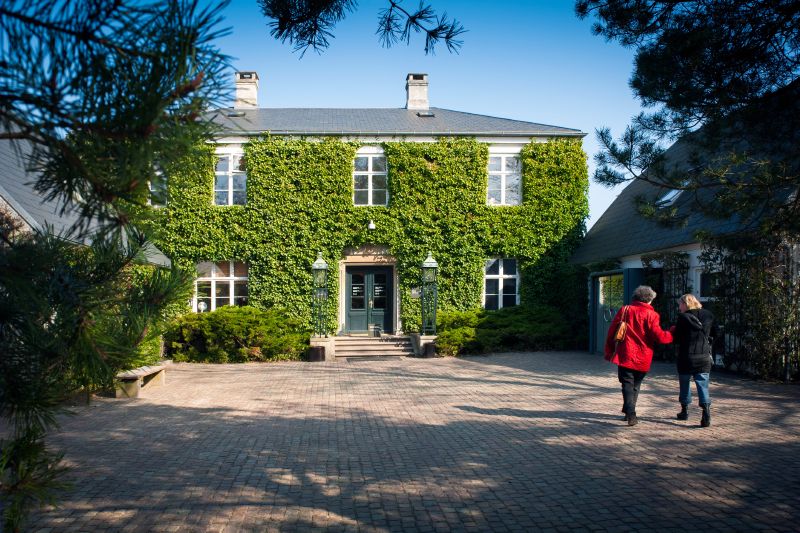
Louisiana’s collection spans Giacometti, Warhol, and major Danish and international contemporary artists, and its café — with the same sea view as the galleries — is a destination in its own right. Spend the rest of the afternoon walking the Riviera towns of Rungsted or Klampenborg before heading back into the city.
Day 7: Roskilde — Viking Ships and a UNESCO Cathedral
Pace: Moderate · Overnight: End of trip
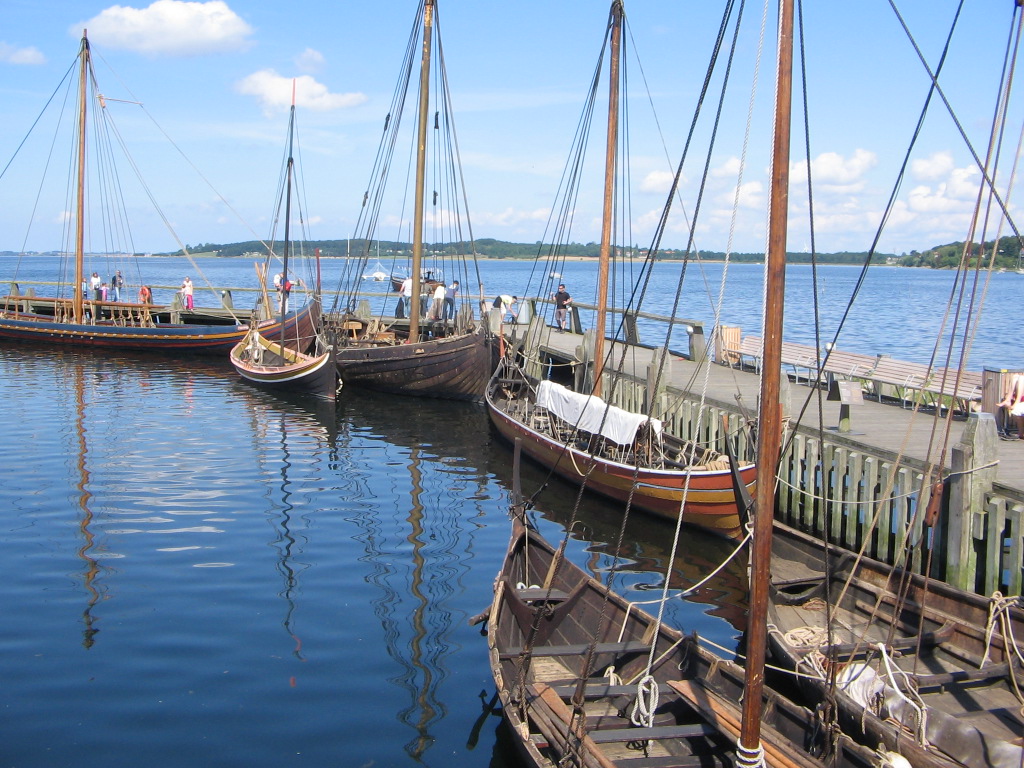
Roskilde is 25 minutes from Copenhagen by train and was Denmark’s capital during the Viking Age. The Viking Ship Museum houses five original Viking ships recovered from the Roskilde Fjord, along with a boatyard where traditional wooden boats are still built using period techniques; in summer, the museum runs short sailing trips in reconstructed Viking ships.
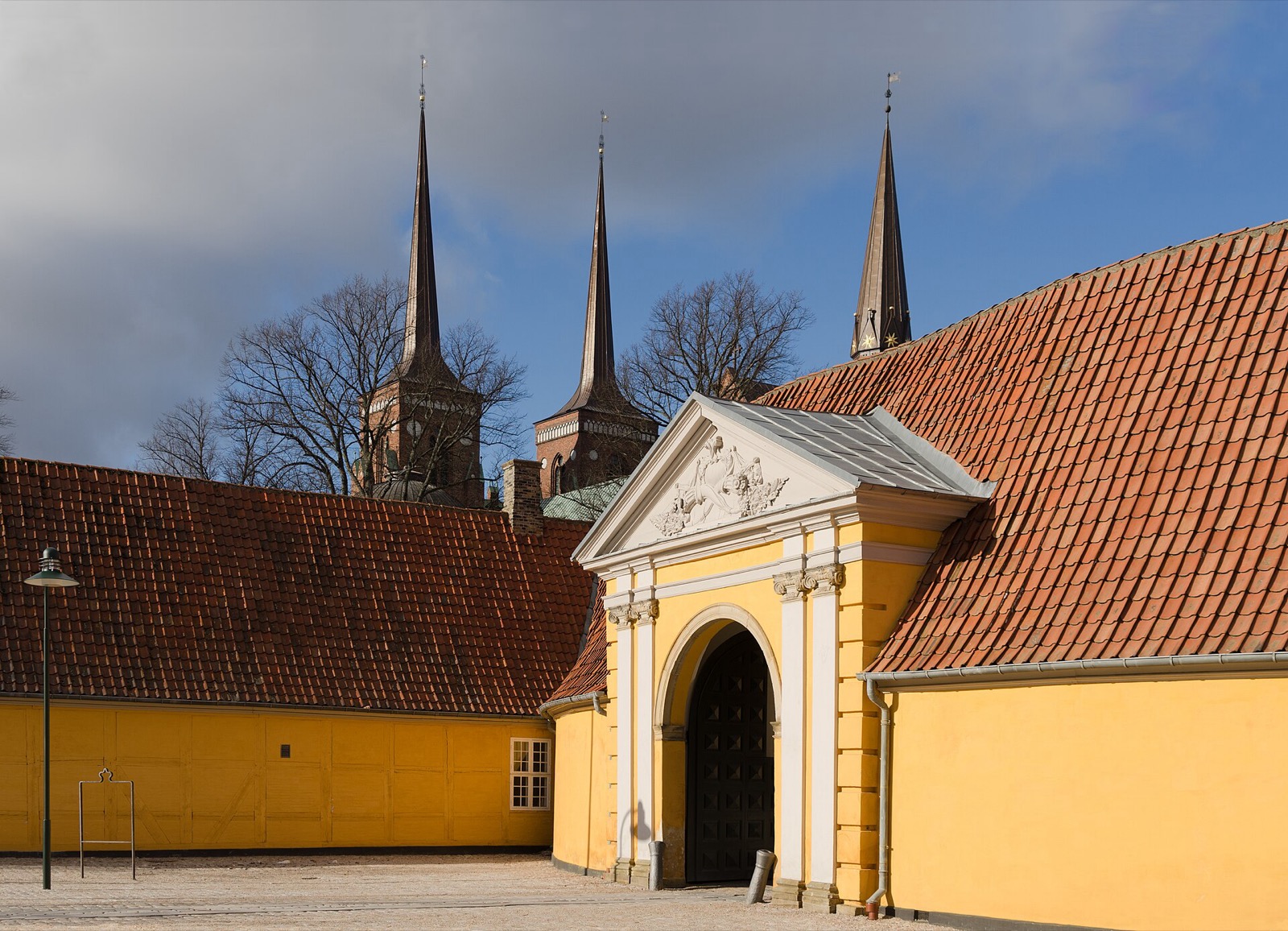
Roskilde Cathedral, a UNESCO World Heritage Site since 1995, has been the burial place of Danish monarchs for over 500 years and mixes Gothic and Romanesque architecture across eight centuries of additions. The cathedral and museum are a 15-minute walk apart, making Roskilde an easy half-day trip with time left for the fjord-side town centre.
Alternative: Odense, Hans Christian Andersen’s birthplace, is 75 minutes from Copenhagen by train. The H.C. Andersen House, a museum built around his childhood home, and the pedestrian old town are worth the longer trip for travellers with a strong interest in his fairy tales.
Estimated Daily Budget
Figures are per person, per day, in Danish kroner (DKK), and cover accommodation, food, local transport, and museum entry. Day-trip train tickets (roughly 140–220 DKK round-trip, depending on the destination and zones crossed) and Kronborg or Louisiana admission (around 145–160 DKK each) are additional on days 5–7.
| Category | Budget (DKK/day) | Mid-range (DKK/day) | Comfort (DKK/day) |
|---|---|---|---|
| Accommodation | 300–500 | 800–1,200 | 1,800+ |
| Food | 150–250 | 350–500 | 700+ |
| Local transport | 80–100 | 100–150 | 200+ (taxis) |
| Museums & sights | 100–150 | 200–300 | 300+ |
| Estimated total | 630–1,000 | 1,450–2,150 | 3,000+ |
Why a Week Is Enough
Denmark’s small scale is its advantage. Copenhagen’s neighbourhoods sit within a compact core, its trains reach castles and Viking ships in under an hour, and its culture of cycling, harbour swimming, and unhurried meals doesn’t require extra time to access — it’s built into daily life. Seven days covers the capital’s history, design, and food scene in full, with three day trips that show the rest of the country without ever needing a car.
Useful Booking & Travel Links
- DSB — Danish State Railways
- Visit Copenhagen
- Kronborg Castle
- Louisiana Museum of Modern Art
- Viking Ship Museum, Roskilde
Prompts to Try in Honge
- Plan my trip: Create a detailed 7-day Denmark itinerary based in Copenhagen with day trips to Kronborg, Louisiana and Roskilde.
- Find local food: Where should I eat smørrebrød, New Nordic and bakery pastries in Copenhagen?
- Travel on a budget: How can I explore Copenhagen and these day trips on a mid-range DKK budget?
- Plan my day: Build a realistic Day 1 walking route from Nyhavn to the Little Mermaid and Tivoli.
- Compare day trips: Should I choose Roskilde or Odense for my final day?
- Build a packing list: What should I pack for a July week in Copenhagen with harbour swimming?
FAQs
Do I need a rental car for this Denmark itinerary?
No. Copenhagen’s metro, S-train and buses cover the city, and regional trains from København H reach Helsingør, Humlebæk, Roskilde and Odense without a car.
How many days do I need in Copenhagen?
Four days is enough to cover Nyhavn, Tivoli, Rosenborg, Christianshavn, harbour swimming and the food markets, with three more days for Kronborg, Louisiana and Roskilde.
What is the best time to visit Denmark?
Late May through August brings long daylight, harbour swimming and outdoor cafés. September is similar with fewer crowds. December suits Tivoli’s Christmas market and hygge; January–March is cheapest and quietest.
Where should I stay in Copenhagen?
Indre By is closest to Nyhavn and Strøget at the highest prices. Vesterbro suits food halls and design hotels near Tivoli. Nørrebro is more residential and budget-friendly. Christianshavn offers quieter canal streets.
Is Odense worth swapping for Roskilde?
Yes if you care about Hans Christian Andersen. Odense is about 75 minutes by train versus 25 minutes to Roskilde, so it makes a longer day but pairs well with the H.C. Andersen House and old town.
What Danish foods should I try?
Try a pølsevogn hot dog, smørrebrød for lunch, wienerbrød or kanelsnegl from a bakery, and a New Nordic dinner if your budget allows.
Ready to Start Your Adventure?
Make this Copenhagen week your own by adjusting neighbourhood nights, swapping Roskilde for Odense, and adding the museums and meals you’re most excited about.
Denmark’s small scale is its advantage — castles, coast and Viking ships sit within an hour of Copenhagen’s cafés and bike lanes.
Ready to plan your adventure?
Customize this itinerary with AI
Turn your Denmark plans into a trip that fits you — personalise your Copenhagen base, day trips and food stops around your pace and interests.
Related itineraries
- 7-Day Montenegro Road Trip: Kotor, Durmitor & the Adriatic Coast
- 10-Day Bhutan Itinerary: Paro, Thimphu, Punakha & Phobjikha
- 7-Day Czech Republic Itinerary: Prague, Kutná Hora & Český Krumlov
- 7-Day Bulgaria Itinerary: Sofia, Rila, Plovdiv & the Pirin Mountains
- 10-Day China Itinerary: Beijing, Xi’an & Shanghai
- 10-Day Hungary & Austria Scenic Road Trip
Written by
This blog was contributed by Ishita Minia, a travel enthusiast and writer. Ishita can be reached at ishitaminia@gmail.com.
About Honge
Honge is an AI travel planning platform focused on practical, experience-led itineraries with realistic pacing and logistics. All blog content is edited and published by Honge. Our Denmark research draws on updated practical logistics as of September 2026. © Honge. All rights reserved.
Image credits: Photos are sourced from Unsplash and Wikimedia Commons. Copyright remains with their respective photographers and rights holders. Unsplash images are used according to the Unsplash License. Wikimedia Commons images are used according to their applicable CC BY-SA 4.0 license terms.
Travel disclaimer
This itinerary is intended as general travel inspiration and planning guidance only — not as personalised travel advice. Conditions change. Before you travel, check the current entry requirements, visa rules, and any travel advisories issued by your government for Denmark. Opening hours, ticket prices, train schedules and attraction access can change without notice. Honge is not responsible for decisions made based on this guide or for changes to places described in this article after the date of publication.