Four cities, three train journeys, plenty of museums and cafés, and enough unscheduled time to actually enjoy travelling alone.
Start with this itinerary
Open this Poland route in Honge as your starting point, then shape train journeys, café stops, museums and Baltic days around how you travel.
Introduction
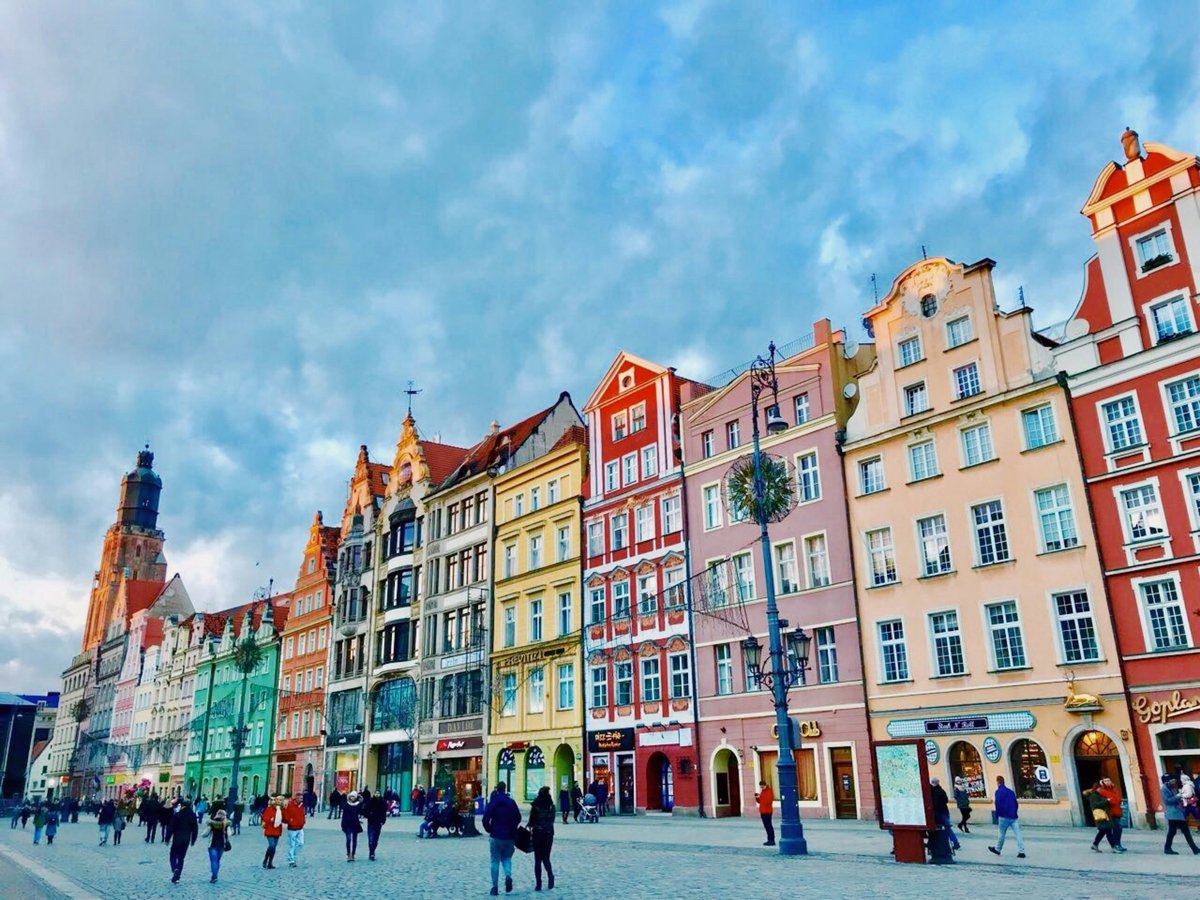
Poland is particularly well suited to a solo trip when you want to see several cities without renting a car. You get medieval streets and royal history in Kraków, colourful architecture and riverside walks in Wrocław, the layered history and modern energy of Warsaw, and a completely different Baltic atmosphere in Gdańsk.
The itinerary deliberately avoids trying to see too much. Three days in Kraków give you time for an optional excursion, while the two-night stays in Wrocław, Warsaw and Gdańsk leave enough room for museums, cafés, slow walks and evenings on your own.
One of the biggest lessons from travelling through Poland is that you don't need to turn every day into a checklist. Some of the best moments can come from sitting in a café by a window, wandering down a street you didn't plan to visit, listening to music while walking, or simply watching the city around you.
Why This Trip Works for Solo Travellers
- Easy intercity rail: Kraków, Wrocław, Warsaw and Gdańsk are linked by long-distance trains.
- Walkable centres: Many major sights can be explored without constantly using transport.
- Café culture: Coffee shops, bakeries and casual restaurants make eating alone easy.
- Excellent museums: You can comfortably spend an afternoon indoors if the weather changes.
- Different regional personalities: Southern Kraków, western Wrocław, central Warsaw and northern Gdańsk don't feel like variations of the same city.
- Flexible evenings: You can choose between a quiet dinner, a museum, a riverside walk or simply sitting in a café.
- Room for spontaneity: The cities are compact enough that you can leave part of the day unplanned and follow whatever catches your attention.
Journey Overview
| Day | Base | Focus |
|---|---|---|
| Day 1 | Kraków | Old Town, Main Market Square & cafés |
| Day 2 | Kraków | Wawel Castle, Vistula River & museums |
| Day 3 | Kraków | Kazimierz + optional Wieliczka Salt Mine or Ojców National Park |
| Day 4 | Wrocław | Market Square, Old Town & riverside |
| Day 5 | Wrocław | Cathedral Island, bridges, cafés & dwarfs |
| Day 6 | Warsaw | Old Town, Royal Route & museums |
| Day 7 | Warsaw | Modern neighbourhoods, parks & food |
| Day 8 | Gdańsk | Old Town, Motława waterfront + optional Sopot |
| Day 9 | Gdańsk | Amber, Baltic atmosphere & departure |
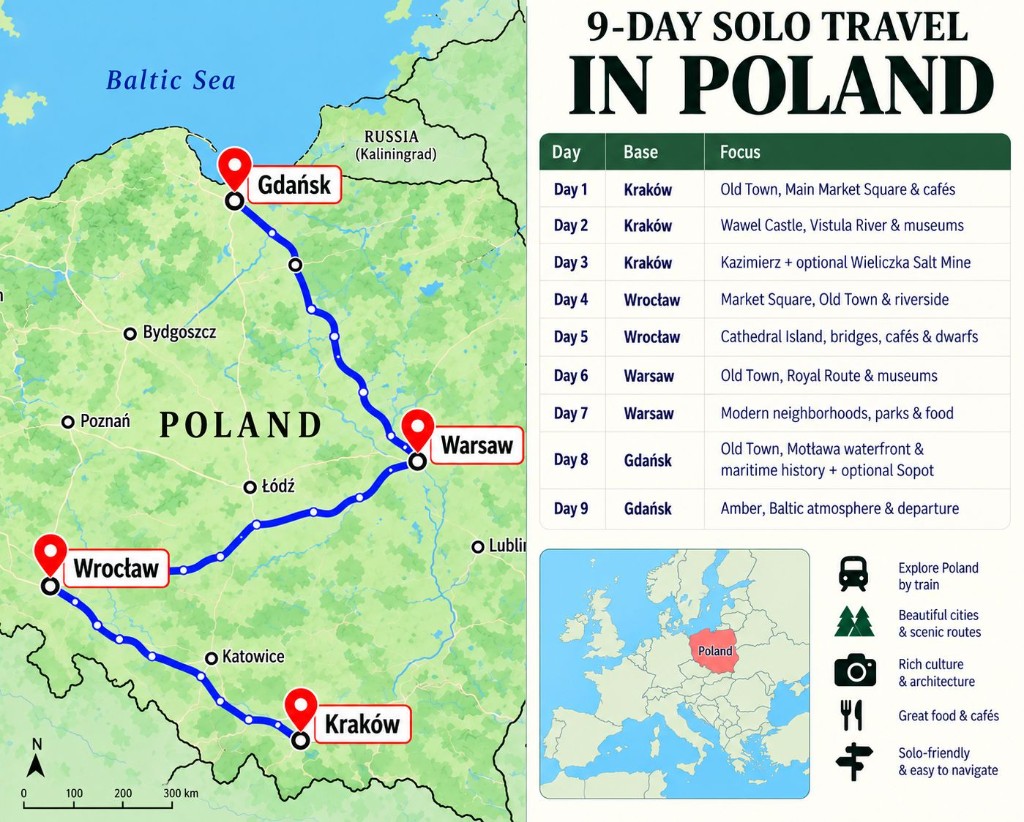
Kraków → Wrocław → Warsaw → Gdańsk
Day 1: Kraków Old Town, Main Market Square & Cafés
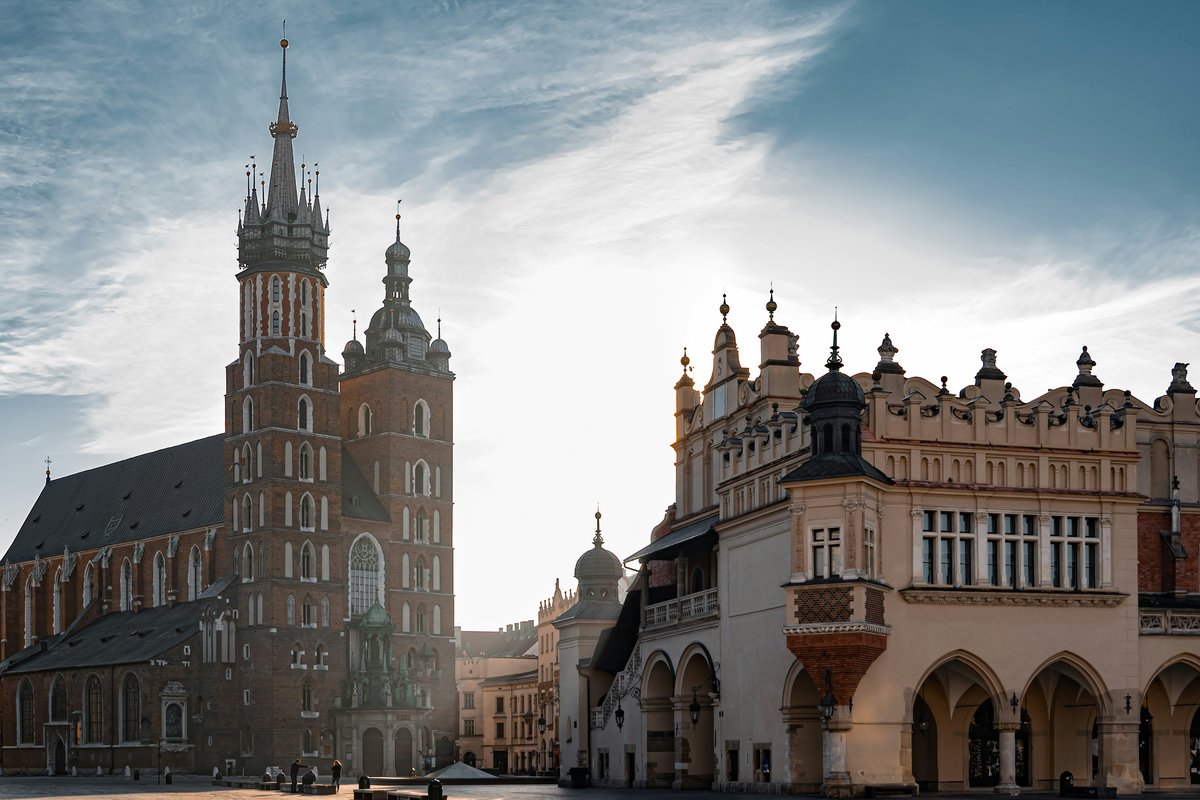
Start in Kraków's Old Town around Main Market Square, exploring the Cloth Hall, St. Mary's Basilica, St. Florian's Gate and the surrounding streets. Take your time with the colourful architecture, small shops and Planty Park rather than rushing between sights.
Stop for coffee and a pastry at a local café, then return to the square in the evening when the streets are beautifully lit. If you're nearby on the hour, listen for the famous trumpet call from St. Mary's Basilica before ending the day with dinner in the Old Town.
Day 2: Wawel Castle, Vistula River & Museums
Spend the morning at Wawel Castle, exploring the courtyards, cathedral area and castle grounds before walking down towards the Vistula River for a relaxed riverside walk.
Use the afternoon for one museum or simply slow down in a café. If you still have energy, head towards Krakus Mound for sunset views, then return to Kazimierz or the Old Town for dinner.
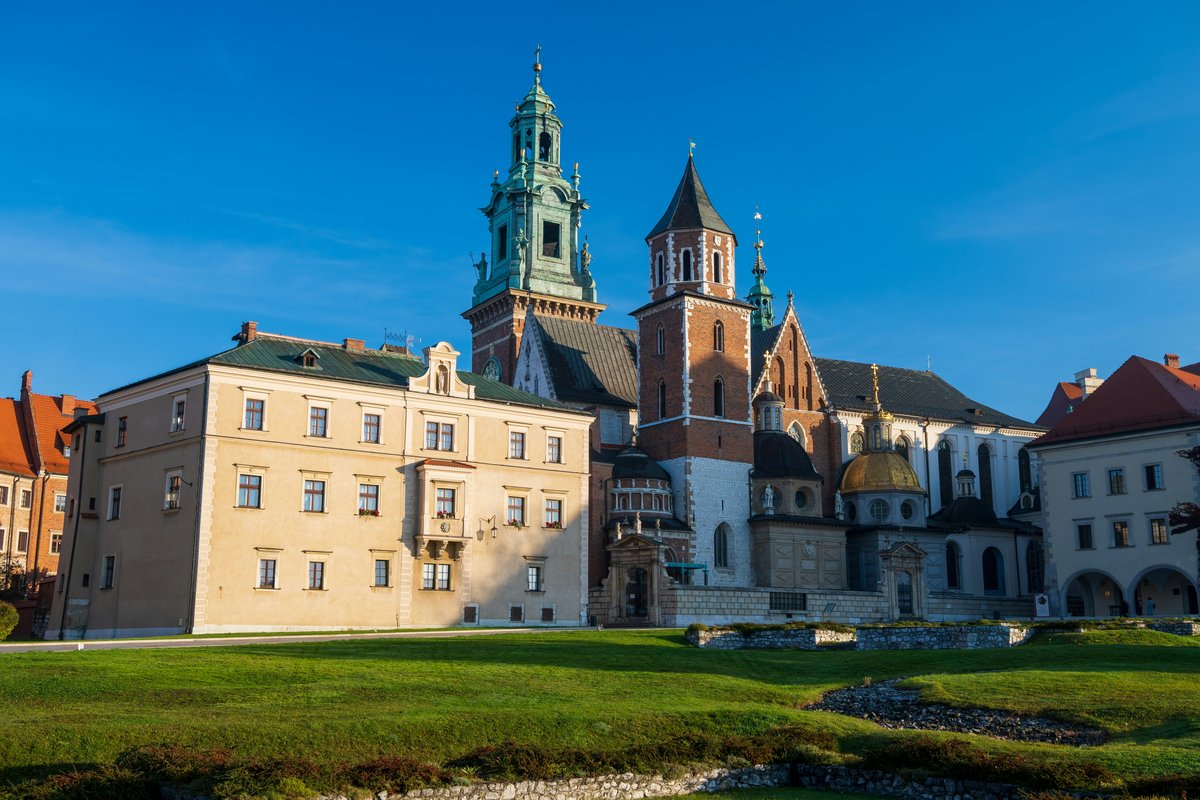
Day 3: Kazimierz & Optional Excursions
Explore Kazimierz, Kraków's historic Jewish quarter, with its synagogues, cafés, small shops, street art and atmospheric streets. Stop for a traditional Polish lunch, perhaps at a casual milk bar.
If you want an excursion, choose between the Wieliczka Salt Mine for an underground historical experience or Ojców National Park for hiking and nature. Otherwise, spend the day exploring more of Kraków at a relaxed pace.
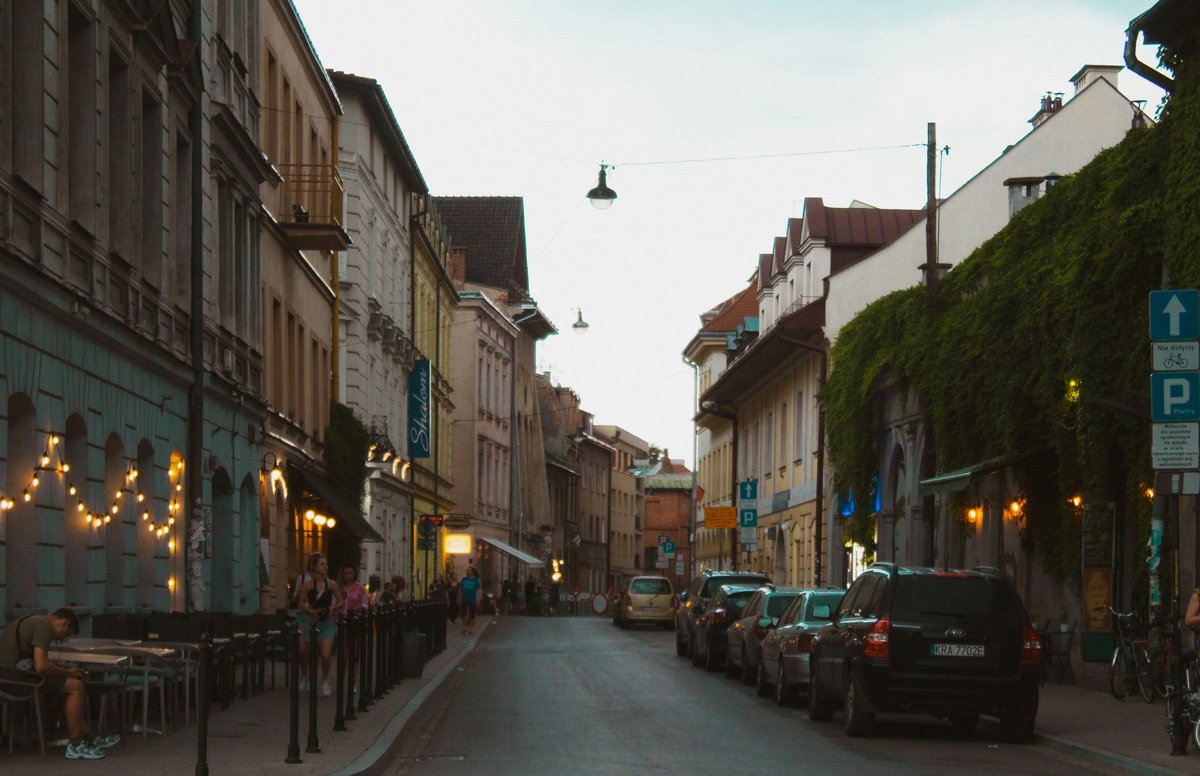
Day 4: Wrocław Market Square & Old Town
Take the morning train to Wrocław and begin around the colourful Market Square, exploring the Town Hall, Salt Market and surrounding streets.
Spend the afternoon beside the Oder River or relaxing in one of the city's cafés. In the evening, return to the Market Square for dinner and enjoy the illuminated buildings and lively atmosphere.
Day 5: Cathedral Island, Bridges & City Dwarfs
Explore Ostrów Tumski and Cathedral Island, crossing Wrocław's bridges and walking along the Oder. Keep an eye out for the city's famous miniature dwarf statues, which have become one of its most recognisable features.
For a panoramic view, climb St. Elizabeth's Church tower if conditions and opening times allow. Spend the rest of the afternoon at a café, museum or riverside spot before a relaxed final dinner in Wrocław.
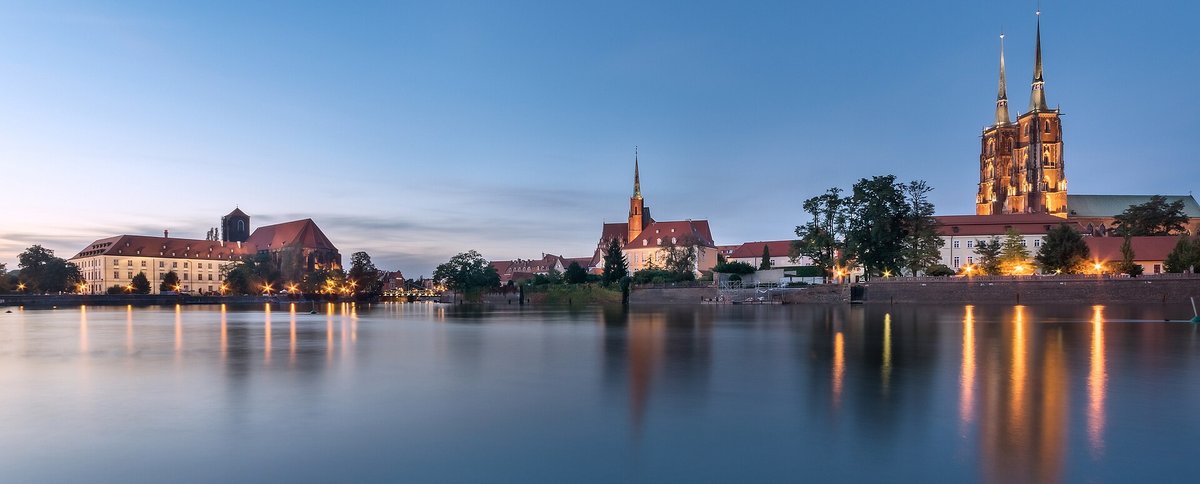
Day 6: Warsaw Old Town & Royal Route
Take the morning train to Warsaw and begin in the reconstructed Old Town, exploring Castle Square, the Royal Castle, the Old Town Market Square and the Barbican. Continue along the Royal Route towards Krakowskie Przedmieście and Nowy Świat.
Join a walking tour if you'd like more context about Warsaw's destruction and reconstruction, then have dinner in the city centre. Finish with an evening walk through the historic streets rather than packing in another attraction.
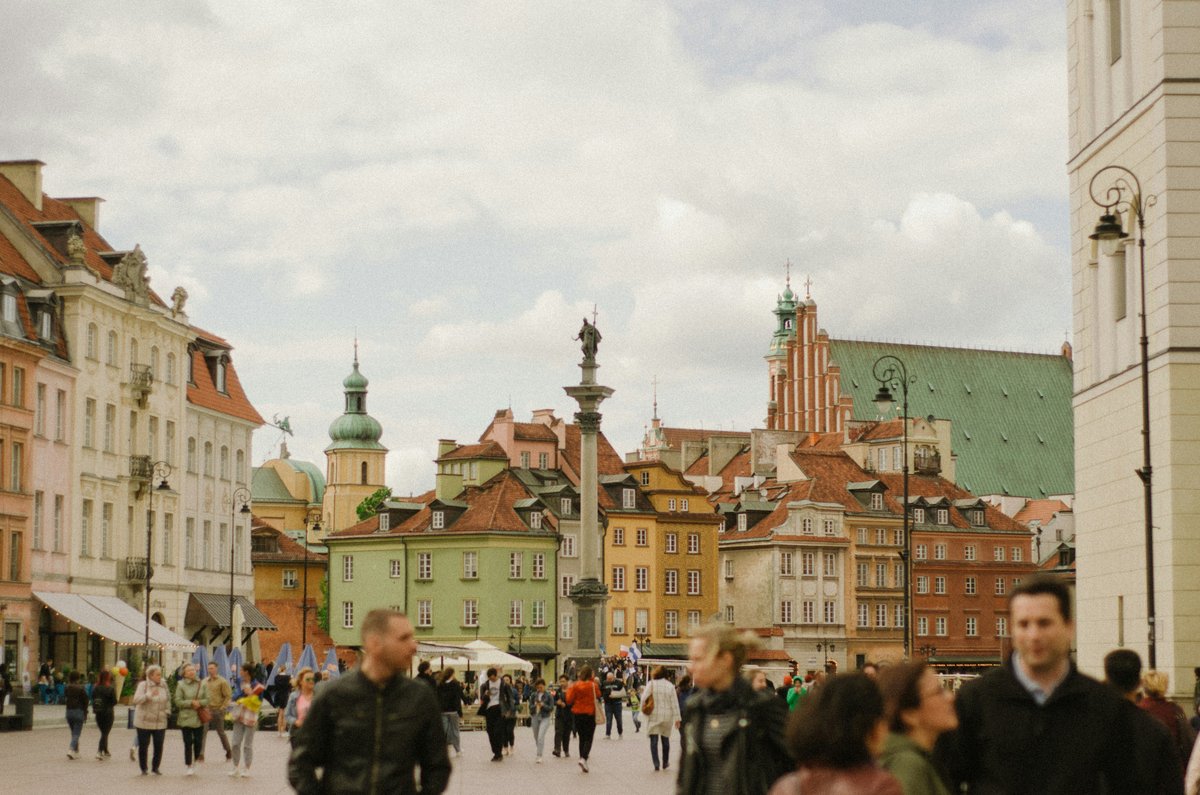
Day 7: Museums, Palace of Culture, Parks & Modern Warsaw
Spend the morning at one of Warsaw's major museums, such as the Warsaw Uprising Museum, POLIN or the National Museum. Later, see the contrast between historic Warsaw and its modern skyline around the Palace of Culture and Science.
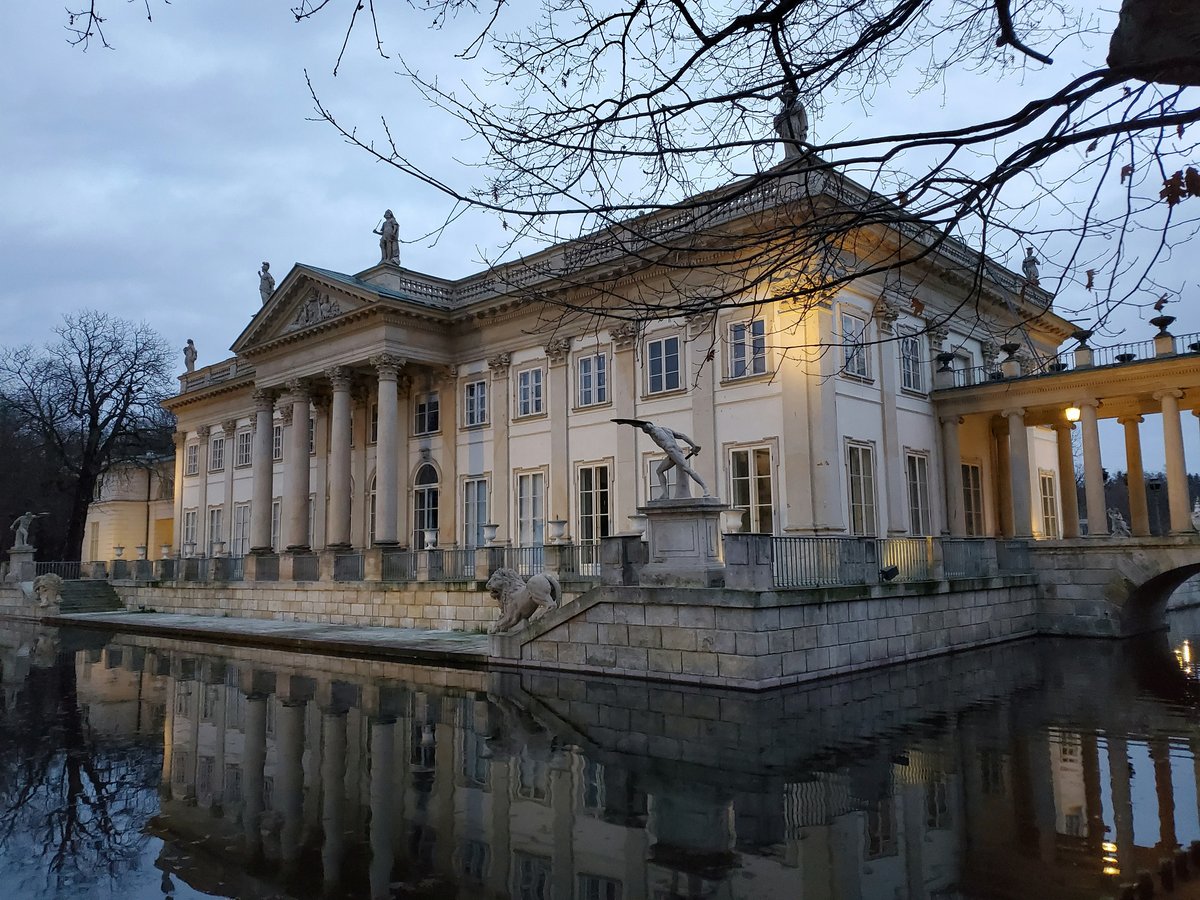
Keep the afternoon deliberately light with a walk through Łazienki Park, a café stop or some neighbourhood exploration.
Day 8: Gdańsk Historic Centre, Waterfront & Optional Sopot
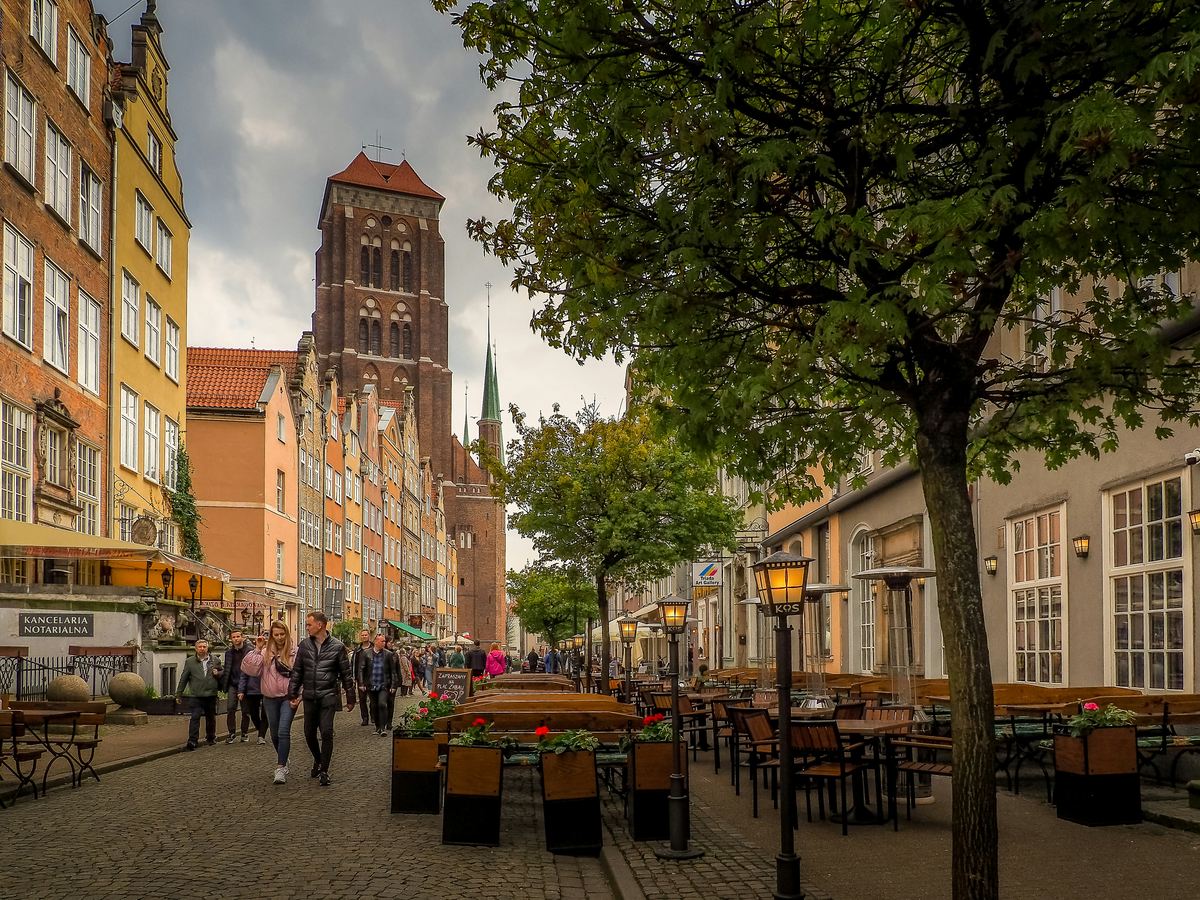
Arrive in Gdańsk by train and spend the day exploring the historic centre, including Long Market, Neptune's Fountain, Artus Court and the Motława waterfront. Take your time with the city's maritime atmosphere, amber shops and cafés before visiting the Museum of the Second World War for a deeper look at Gdańsk's history.
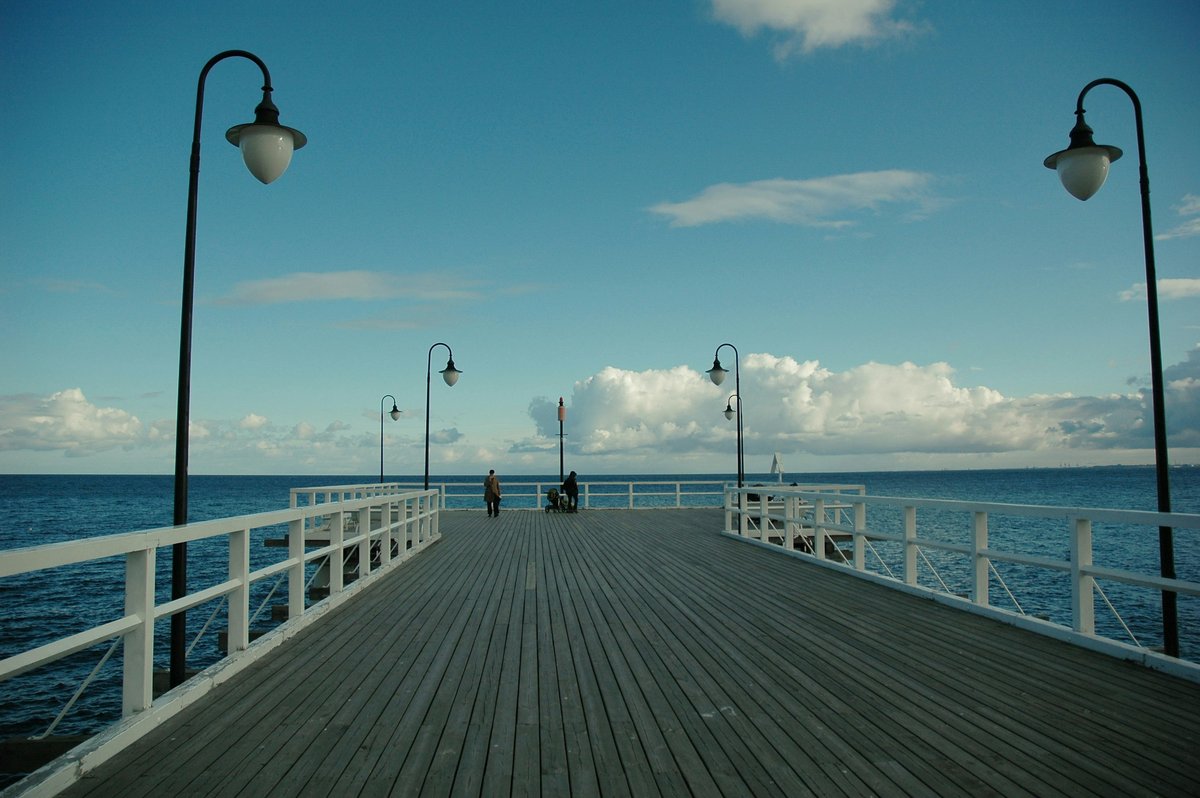
If you'd rather have a Baltic beach experience, swap the museum afternoon for an optional half-day trip to Sopot. Otherwise, stay in Gdańsk for a relaxed afternoon and evening along the waterfront.
Day 9: Amber, Cafés & Departure
Start your final morning with the Amber Museum and a last stroll through Gdańsk's historic centre, browsing amber shops before stopping for a relaxed café breakfast or lunch. Keep the morning unhurried and leave enough time to collect your luggage before departure.
In the afternoon, head to Gdańsk Główny railway station or Gdańsk Lech Wałęsa Airport, depending on your onward journey. If your departure is later in the evening, you can spend a little more time along the waterfront before making your way to the station or airport.
Where to Stay
| City | Recommended areas | Why |
|---|---|---|
| Kraków | Old Town, Kazimierz, near Kraków Główny | Walkable and convenient for trains |
| Wrocław | Old Town, Market Square, near Wrocław Główny | Easy sightseeing and restaurants |
| Warsaw | Śródmieście, Old Town, Nowy Świat | Central for museums and transport |
| Gdańsk | Main Town, around Gdańsk Główny | Walkable with easy rail access |
Getting Around Poland
| Route | Approx. journey |
|---|---|
| Kraków → Wrocław | ~3 hrs |
| Wrocław → Warsaw | ~3½–4 hrs |
| Warsaw → Gdańsk | ~2½–3½ hrs |
When & How to Book Trains
Book the three main legs first: Kraków → Wrocław, Wrocław → Warsaw and Warsaw → Gdańsk.
- Use PKP Intercity's official booking service, eBilet, for the main journeys.
- Look for direct trains where practical.
- Don't schedule an attraction immediately after arriving.
- Keep your ticket accessible offline.
- Arrive at the station with enough time to find your platform.
Train Days Are Part of the Trip
Don't treat the train simply as dead time. Train journeys can be one of the highlights of the entire trip: autumn scenery outside the window, rain against the glass, a café carriage, a cappuccino and a quiet seat. A train journey can become one of your slower, more memorable travel moments.
Luggage & Station Tips
- You'll be changing hotels three times, so avoid packing as though you're moving.
- If you arrive in a city before check-in, don't automatically carry your luggage around all day.
- Major stations may have luggage storage or lockers, depending on the station and current availability. Always check the current station facilities before relying on a locker.
Solo Dining & Café Culture
Poland works well for solo travellers because cafés, bakeries and casual restaurants are easy places to stop without needing a group.
- Kraków: Try a traditional restaurant in Kazimierz, then finish with coffee and cake. Look out for pierogi, obwarzanek, milk bars, pastries and hot chocolate.
- Wrocław: Use Market Square cafés for breakfast or afternoon coffee, then explore the riverside before dinner.
- Warsaw: Choose modern cafés, food halls or casual restaurants where counter or small-table seating feels natural.
- Gdańsk: Combine a waterfront walk with a seafood-focused meal, then stop for coffee or dessert.
Local Foods to Try in Poland
- Kraków: Pierogi, obwarzanek krakowski, żurek, kremówka and bigos. An obwarzanek from a street stand is one of the easiest food experiences to add to a walking day.
- Wrocław / Lower Silesia: Pierogi, potato-based dishes, Silesian-style dumplings and local cakes and pastries.
- Warsaw: Zapiekanka, pierogi, placki ziemniaczane, traditional soups and Polish pastries.
- Gdańsk / Baltic coast: Smoked fish, herring, fish soup and pierogi.
Good Evening Activities for Solo Travellers
- Kraków: Old Town → dinner → Vistula walk → café
- Wrocław: Market Square → dinner → illuminated Old Town
- Warsaw: Museum → dinner → Royal Route or neighbourhood walk
- Gdańsk: Motława waterfront → dinner → riverside walk
Other easy solo options include evening museum visits where available, bookshops, food halls and guided walking tours.
Weather & Flexible Planning
Poland's weather can change quickly, and rain can completely change how enjoyable an outdoor sightseeing day feels. If it rains, switch the day to museum → café → dinner.
Pack:
- Compact umbrella
- Waterproof jacket
- Comfortable walking shoes
- Layers
- Small day bag
Safety for Solo Travellers
Poland can be approached like any other European destination: enjoy yourself, but use normal city precautions.
- Use official taxis or reputable ride-hailing services.
- Be more cautious around nightlife areas late at night.
- Keep a digital copy of your passport and travel insurance.
- Don't display large amounts of cash.
- On late trains, stay in populated parts of the station while waiting.
Poland's History
Poland's historic cities aren't simply collections of beautiful old buildings. Throughout the trip you'll encounter:
- World War II memorials
- Warsaw Uprising sites
- Holocaust memorials
- Communist-era monuments
- Reconstructed historic buildings
- Museums documenting occupation and resistance
You don't need to turn every day into a history lesson. But understanding some of this background makes places such as Warsaw and Gdańsk much more meaningful.
Best Time to Visit Poland
- May–June: Long walking days, parks and riverside walks, outdoor cafés and comfortable sightseeing.
- July–August: Longer daylight, Baltic beach time in Sopot, outdoor cafés and events. Expect more visitors and potentially higher accommodation demand.
- September–October: Autumn colours, café culture, walking, museums and cooler sightseeing weather.
- November–March: Daylight is shorter and outdoor sightseeing can be colder, but this period still works well if your priorities are museums, cafés, food, Christmas markets and a winter atmosphere.
Optional Day Trips
There are plenty of possible excursions from these cities, but adding too many would work against the relaxed pace of this itinerary.
From Kraków
- Wieliczka Salt Mine: Best for an underground historical experience.
- Auschwitz-Birkenau: Best for travellers who want to visit an important WWII historical site.
- Ojców National Park: Best for hiking and nature.
From Gdańsk
- Sopot: Best for the beach, promenade and Baltic atmosphere.
Budget Planning
| Category | Approx. cost |
|---|---|
| Accommodation | 150–300 PLN/night |
| Intercity trains | 300–600 PLN total |
| Local transport | 10–30 PLN/day |
| Food & drinks | 80–150 PLN/day |
| Museums & attractions | 30–80 PLN/day |
| Cafés & snacks | 20–40 PLN/day |
| Optional day trip | 100–200 PLN |
| Miscellaneous | 20–50 PLN/day |
Estimated 9-day budget, excluding international flights:
- Budget solo trip: 2,800–3,600 PLN. Hostels, casual meals, public transport and mostly free or low-cost attractions.
- Comfortable solo trip: 4,000–5,500 PLN. Private or budget hotel rooms, cafés, casual restaurants, several museums and advance-booked trains.
- More comfortable: 5,500–7,000 PLN+. Better hotels, more restaurant meals, paid attractions and optional excursions.
Useful Links
- Kraków Travel
- Wrocław Tourism
- Warsaw Tourism
- Gdańsk Tourism
- PKP Intercity eBilet (train booking)
- PKP Intercity
- Auschwitz-Birkenau Memorial — official visit booking
Prompts to Try in Honge
- Plan a 9-day solo trip through Poland by train from Kraków to Gdańsk.
- Should I choose Wieliczka Salt Mine or Ojców National Park for a day out from Kraków?
- Plan a rainy day in Warsaw around museums and cafés.
- Find a relaxed half-day in Sopot from Gdańsk.
- Suggest milk bars and casual restaurants in Kraków for a solo traveller.
- Plan this route for an autumn trip starting in late September.
FAQs
Is Poland easy to travel alone without a car?
Yes. For this route, the major intercity legs can be done by train, while the historic centres are generally straightforward to explore on foot and by public transport.
How many days do I need for Poland?
You could spend much longer in Poland, but nine days works well for a focused first trip covering Kraków, Wrocław, Warsaw and Gdańsk.
Is Kraków or Warsaw better for solo travellers?
They offer different experiences rather than needing to be compared. Kraków is compact and heavily historic, while Warsaw is larger and combines reconstructed historic areas with modern neighbourhoods and museums.
Should I visit Wieliczka Salt Mine?
It is a good optional excursion from Kraków, but don't feel obligated to add it. If you're enjoying Kraków itself, staying in the city for another day is equally reasonable.
Is Ojców National Park worth adding?
It can be a good alternative to Wieliczka if you prefer hiking and nature. It keeps the trip focused on Kraków while giving you a change of scenery.
Is Sopot worth adding?
Sopot works particularly well as an optional half-day from Gdańsk because it is close enough to visit without changing hotels.
Should I visit Auschwitz from Kraków?
It is an important historical site and can be visited as an optional excursion, but it is also a heavy experience. If you decide to go, book through the official site well in advance rather than relying on an unknown third-party operator.
What should I book in advance?
Book your accommodation and three main intercity train journeys first. For popular museums, timed attractions and excursions such as Wieliczka or Auschwitz, check whether advance reservations are required.
Ready to Plan Your Poland Adventure?
From Kraków's historic streets to Gdańsk's Baltic waterfront, Poland offers the perfect mix of culture, food, history and slow travel. With the right route, you can explore four very different cities in just nine days without renting a car.
Ready for four cities by train?
Plan your Poland trip with Honge
Keep Kraków, Wrocław, Warsaw and Gdańsk as bases, then shape train days, museums and café stops around your pace.
Related itineraries
- 7 Days Solo in Cyprus: Paphos, Troodos, Limassol & Nicosia
- 5 Days Solo in Luxembourg: City, Moselle Wine Country & Müllerthal
- 7 Days Solo in Slovakia: Bratislava, the High Tatras & Košice
- 7-Day Bulgaria Itinerary: Sofia, Rila, Plovdiv & the Pirin Mountains
- 10-Day Berlin & Munich Itinerary: Wall, Museums & Oktoberfest
- 10-Day Budapest to Vienna Road Trip: Balaton, Hallstatt & Salzburg
Written by
This blog was contributed by Sheba M, a travel enthusiast and writer. Sheba can be reached at shebaranjitha@gmail.com.
About Honge
Honge is an AI travel planning platform focused on practical, experience-led itineraries with realistic pacing and logistics. All blog content is edited and published by Honge. Our Poland research draws on updated practical logistics as of September 2026. © Honge. All rights reserved.
Image credits: Photos are sourced from Unsplash and Wikimedia Commons. Copyright remains with their respective photographers and rights holders. Unsplash images are used according to the Unsplash License. Wikimedia Commons images are used according to their applicable CC BY-SA 3.0 PL license terms.
Travel disclaimer
This itinerary is intended as general travel inspiration and planning guidance only — not as personalised travel, safety or medical advice. Conditions change. Before you travel, check current entry requirements and any travel advisories, and confirm train timetables, platform changes, museum and memorial-site hours, timed-entry tickets, booking requirements and fees directly with official sources. Rail journeys can be delayed or rescheduled, so avoid tight same-day connections to flights. Take out comprehensive travel insurance that covers medical care, cancellation and disruption. Sites such as Auschwitz-Birkenau are places of remembrance with their own visitor rules; book only through official channels and be prepared for emotionally difficult content. Baltic Sea conditions at Sopot and along the coast can change quickly; swim only at supervised beaches and follow local flag warnings. Winter brings short daylight, cold and icy pavements. Use normal city precautions, especially late at night and when travelling alone. Guided tours, excursions and luggage-storage services are run by third parties; check current details directly with the operator. Suggested hotels and stay styles in this article are samples only and depend on availability; in the Honge app they may appear as booking options when offered by our vendors at the time of your search. Honge is not responsible for decisions made based on this guide or for changes to places, prices, access, services or experiences after the date of publication.