
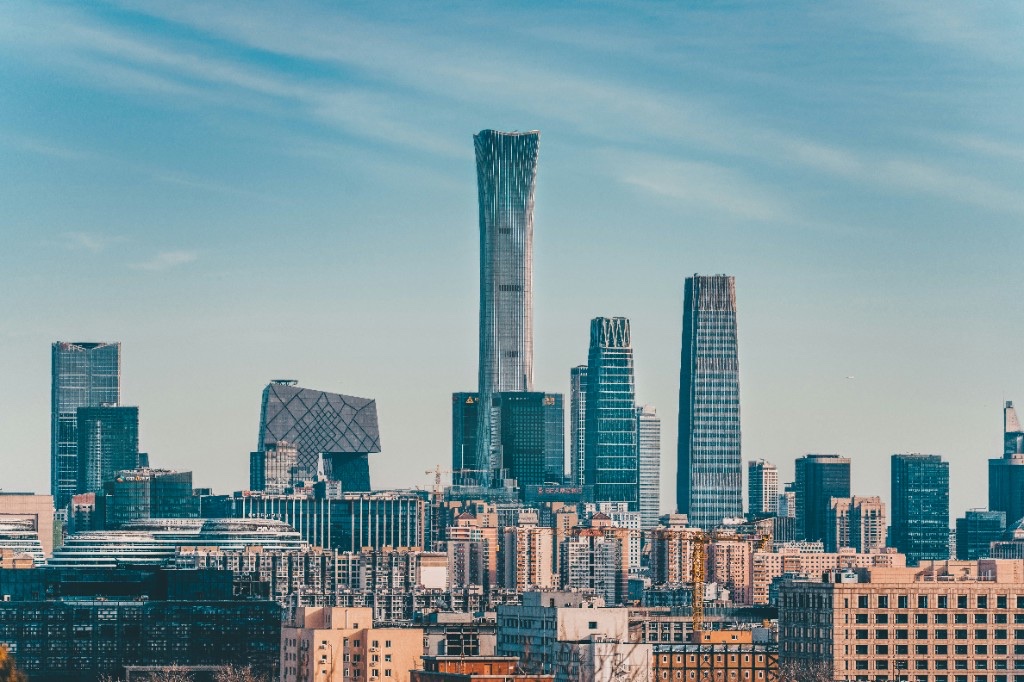
The result is less a checklist of famous sights and more a journey through three different eras of Chinese history.
China is a destination where thousands of years of history and modern life exist side by side. From the grand imperial landmarks of Beijing to the ancient treasures of Xi’an and the futuristic skyline of Shanghai, a journey through these three cities offers a fascinating introduction to the many sides of the country.
This 10-day itinerary is designed for first-time visitors who want to experience China’s history, culture, food, and modern energy without trying to see too much at once. With convenient high-speed trains connecting the cities and a balanced pace that leaves room to explore beyond the main sights, this route takes you through different eras of Chinese history while giving you time to enjoy the character of each destination.
What to Expect
- Beijing has enormous palace complexes, ancient temples, traditional hutongs and the Great Wall.
- Xi’an takes the journey further back, into the world of ancient China and the former imperial capital of the Qin and Han dynasties.
- Shanghai feels like a completely different era, with futuristic skyscrapers, historic European architecture, stylish neighbourhoods, restaurants and a lively nightlife scene.
Why This 10-Day Route Works
The journey also changes pace naturally. Beijing begins with monumental historic sights, Xi’an slows down into archaeological history and food culture, while Shanghai finishes the trip with neighbourhoods, restaurants, nightlife and futuristic architecture.
Rather than trying to see everything, ten days gives you enough time to understand how dramatically China has evolved while still experiencing its history, food and everyday life.
Best Time to Visit China
During the spring months of April to May and the autumn months of September to October, the weather is mild and comfortable for sightseeing. Avoid major holidays, especially Chinese New Year and National Day in October, when travel can be extremely busy.
Where to Stay
Suggested hotels are samples only and depend on availability; in the Honge app they may appear as booking options when offered by our vendors.
Beijing: Nights 1–4
Stay around Dongcheng, Wangfujing or Qianmen for convenient access to the historic centre, restaurants and public transportation.
Xi’an: Nights 5–6
Stay near the Bell Tower, Drum Tower or City Wall. This puts you close to the Muslim Quarter and many central attractions.
Shanghai: Nights 7–9
Stay around People’s Square, Nanjing Road, the Bund or the French Concession, depending on whether you prioritise sightseeing, nightlife or neighbourhood atmosphere.
Note: When choosing accommodation, look for hotels that are accustomed to international visitors. English-speaking staff can be limited at smaller properties, and some travellers have found that international-facing hotels make communication and check-in easier.
Chinese Foods to Try
Beijing
- Peking duck
- Jiaozi — dumplings
- Zhajiangmian — noodles with savory soybean paste
Xi’an
- Biangbiang noodles
- Roujiamo — seasoned meat in flatbread
- Yangrou paomo — lamb and flatbread soup
- Sour soup dumplings
- Cumin-spiced lamb
- Zeng gao — sticky rice and date dessert
Shanghai
- Xiaolongbao — soup dumplings
- Shengjian mantou — pan-fried soup buns
- Scallion oil noodles
- Shanghai-style noodles
Payments & Apps for International Visitors
China is highly digital, so prepare your phone before travelling. Set up Alipay and WeChat Pay before your trip and link an international card if supported. Carry some cash as a backup, particularly smaller notes.
You will also want:
- A reliable translation app
- An offline-capable map
- Mobile data or an eSIM/SIM
- Your hotel address saved in Chinese characters
- A portable power bank, since your phone may be needed for payments, navigation and translation
Getting Around China
China’s major cities have extensive metro systems, making public transportation one of the easiest ways to get around. DiDi is the local equivalent of Uber and is useful for journeys where public transport is inconvenient. It can be accessed through Alipay in some cases, making it easier for international visitors to arrange rides and communicate with drivers.
High-speed train times
| Route | Approx. journey time |
|---|---|
| Beijing → Xi’an | 4.5–6 hours |
| Xi’an → Shanghai | 6–7.5 hours |
Book trains in advance where possible, particularly around Chinese public holidays. High-speed rail is generally one of the most practical ways to travel between these three cities. Allow around 30 minutes or more at the station before departure, especially on your first train journey, and keep your passport accessible for identification.
Journey Overview
| Day | Route & Highlights | Stay |
|---|---|---|
| Days 1–4 | Beijing — Tiananmen, Forbidden City, Jingshan, hutongs, Great Wall, Temple of Heaven & Summer Palace | Beijing |
| Days 5–6 | Xi’an — high-speed train, City Wall, Muslim Quarter, Terracotta Warriors & local cuisine | Xi’an |
| Days 7–9 | Shanghai — the Bund, Nanjing Road, Yu Garden, French Concession, Pudong & Jing’an Temple | Shanghai |
| Day 10 | Shanghai — final sightseeing, shopping & departure | — |
Day 1: Arrive in Beijing & Explore the Historic Center
Pace: Easy · Overnight: Beijing
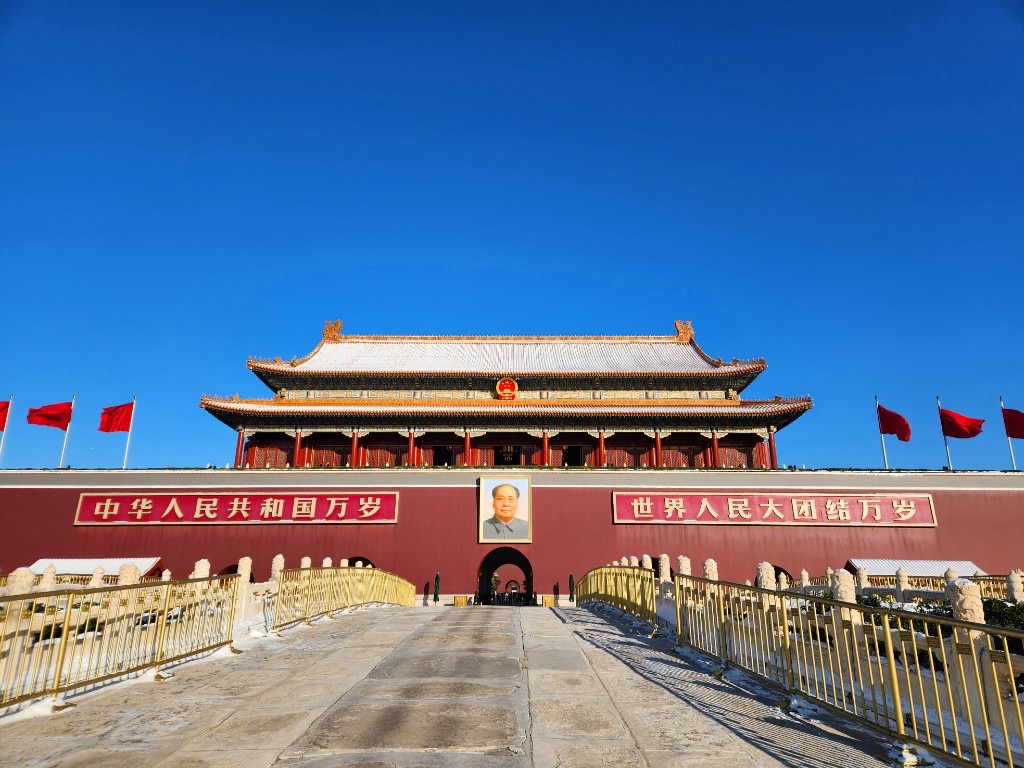
Arrive in Beijing and settle into your hotel. Spend the afternoon around Tiananmen Square, and explore the surrounding streets.
In the evening, wander through a traditional hutong neighbourhood and have your first Chinese dinner. If you’re interested in a more traditional experience, consider a short hutong rickshaw ride to see the narrow lanes and courtyard homes from a different perspective.
Day 2: Forbidden City, Jingshan Park & Hutongs
Pace: Moderate · Overnight: Beijing
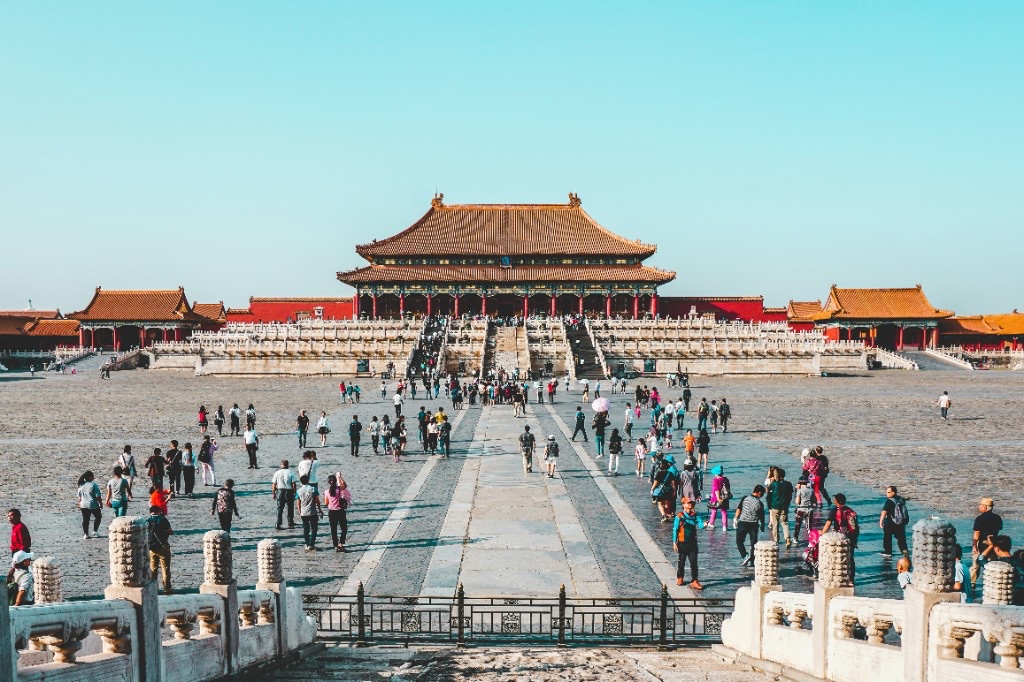
Begin early at the Forbidden City, the vast imperial palace complex that served as the home of China’s emperors for centuries.
Afterward, walk to Jingshan Park for a panoramic view over the palace rooftops. This is particularly worthwhile after visiting the Forbidden City because it gives you a sense of the enormous scale and symmetrical layout of the imperial complex.
In the evening, explore Beijing’s hutongs. These narrow lanes offer a glimpse into traditional residential life, with courtyard homes, small cafés and neighbourhood shops. End the day with a classic Beijing meal.
Note: Book your Forbidden City tickets in advance through the official Palace Museum website, as same-day tickets are not sold.
Day 3: Great Wall Day Trip
Pace: Active · Overnight: Beijing
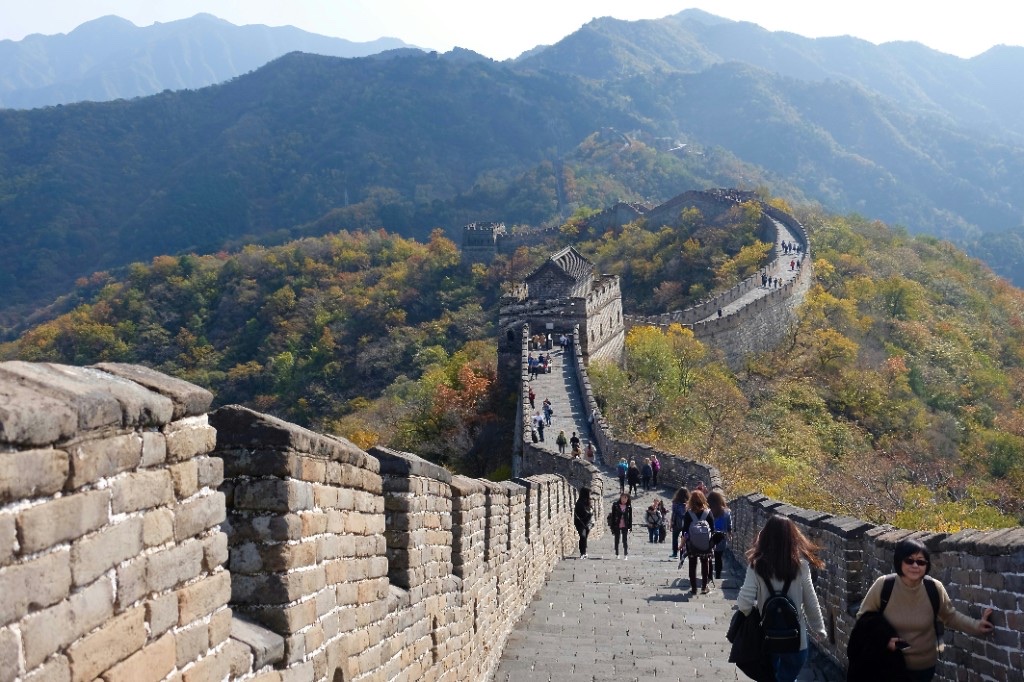
Set aside the entire day for the Great Wall of China. For a first visit, the Mutianyu section is a strong choice because of its dramatic mountain scenery and restored sections of wall. Start early to avoid the busiest part of the day.
Allow several hours for walking along the wall and taking in the surrounding mountains before returning to Beijing in the early evening. Keep the evening relaxed after what will be one of the most physically demanding days of the trip.
Note: The Great Wall is one of the days where starting early makes a noticeable difference. Reserve your Great Wall tickets in advance through the official Mutianyu website.
Day 4: Temple of Heaven & Summer Palace
Pace: Moderate · Overnight: Beijing
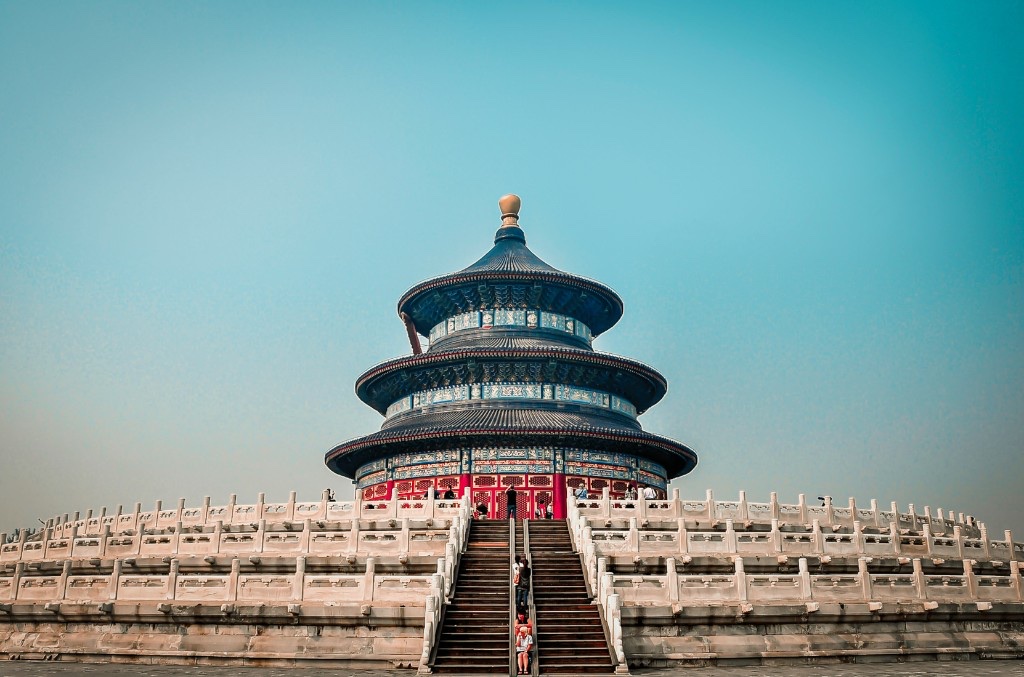
Start at the Temple of Heaven, one of Beijing’s most important imperial religious sites. Arrive in the morning when the surrounding park is particularly lively, with locals practicing tai chi, dancing and exercising.
Continue to the Summer Palace, an enormous imperial retreat built around Kunming Lake. Give yourself several hours to explore the gardens, lakeside paths, pavilions and palace buildings.
If your energy allows, finish the day with another relaxed walk through a hutong or local neighbourhood before dinner.
Day 5: Beijing → Xi’an by High-Speed Train
Pace: Travel day · Overnight: Xi’an
Note: Xi’an is the most compressed leg of this route — you arrive early afternoon on Day 5 and leave the morning of Day 7, leaving about a day and a half to cover the City Wall, Muslim Quarter, and Terracotta Army. It's enough to hit the highlights at a brisk pace, but if your schedule allows, adding a third night here gives more breathing room for the Shaanxi History Museum, the Small or Giant Wild Goose Pagoda, or simply a slower food crawl through the Muslim Quarter.
Take a morning high-speed train from Beijing to Xi’an. The journey generally takes around 4.5–6 hours, depending on the service.
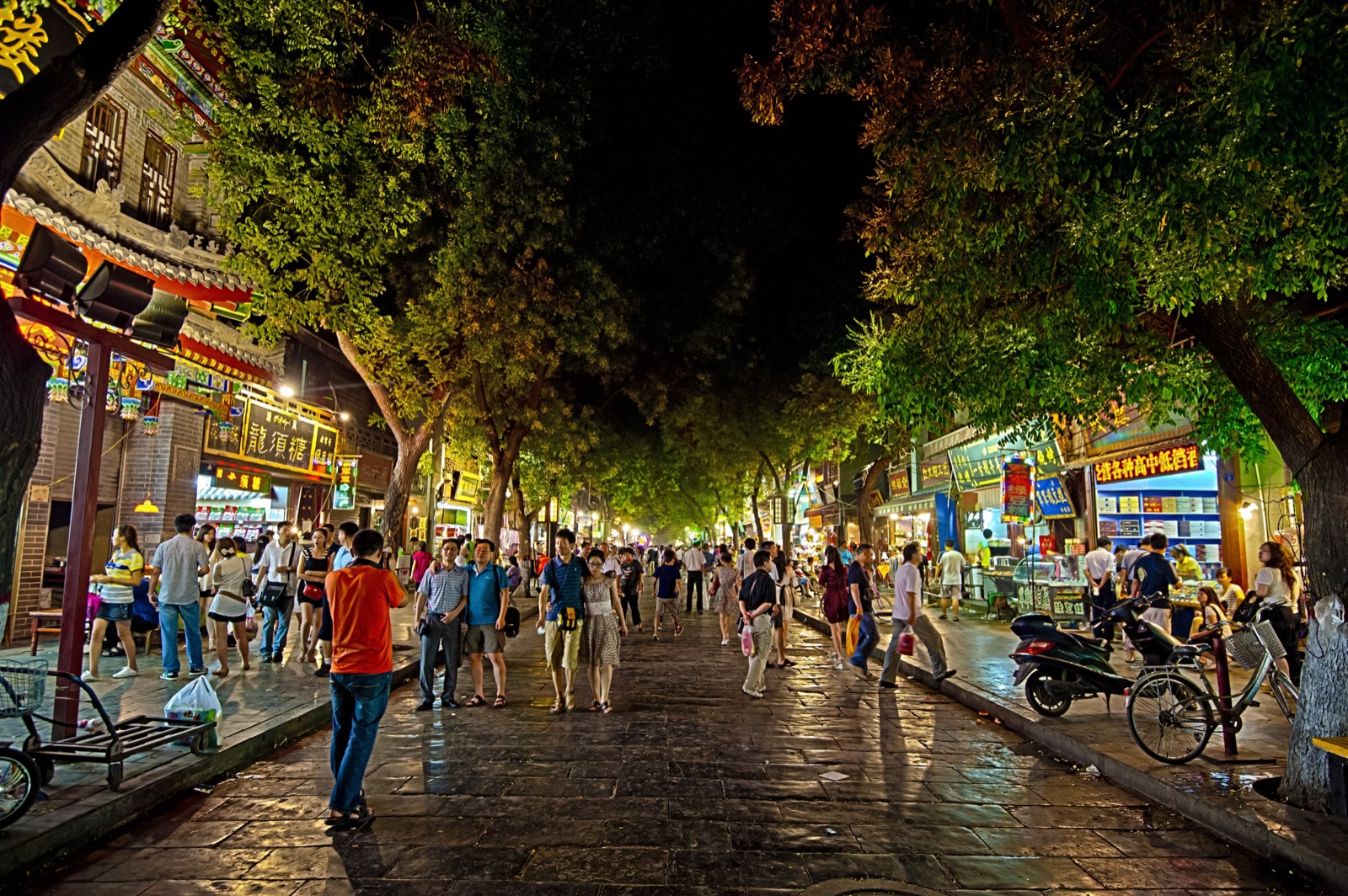
After checking in, begin exploring the historic centre. Walk along the Xi’an City Wall, one of the city’s defining landmarks. If you prefer, you can rent a bicycle and cycle part of the wall.
In the evening, head to the Muslim Quarter to explore its busy food streets and try local snacks. The Great Mosque of Xi’an is another worthwhile stop if you have enough time.
Note: Booking high-speed rail tickets in advance is recommended, especially during weekends and public holidays. Keep your passport with you, as it is used for train travel and attraction bookings in China.
Day 6: Terracotta Warriors & Xi’an Food
Pace: Moderate · Overnight: Xi’an
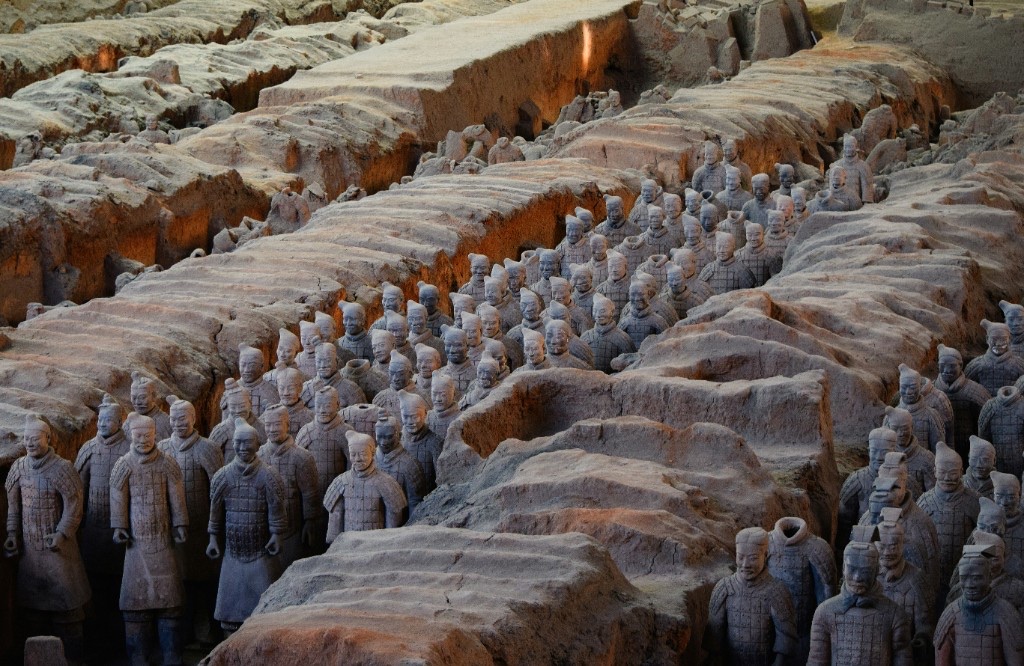
Make an early start for the Terracotta Warriors, located outside central Xi’an. Allow several hours to explore the excavation pits and museum complex.
Return to the city in the afternoon and spend some time around the Bell and Drum Tower area. Make food a major part of your final evening in Xi’an. The city is particularly well known for its street food and Muslim-influenced cuisine; Xi’an’s most memorable food experiences are around the Muslim Quarter.
For an evening atmosphere, consider visiting the Giant Wild Goose Pagoda after dark if you still have energy. Its surrounding area becomes lively in the evening, with illuminated architecture, food stalls and local activity.
Note: Check the official Terracotta Army website for the latest ticketing and visitor information before your visit.
Day 7: Xi’an → Shanghai by High-Speed Train
Pace: Travel day · Overnight: Shanghai
Take a morning high-speed train to Shanghai. This is a longer journey, generally around 6–7.5 hours, but it avoids the airport process and lets you watch China’s landscape change as you travel east.
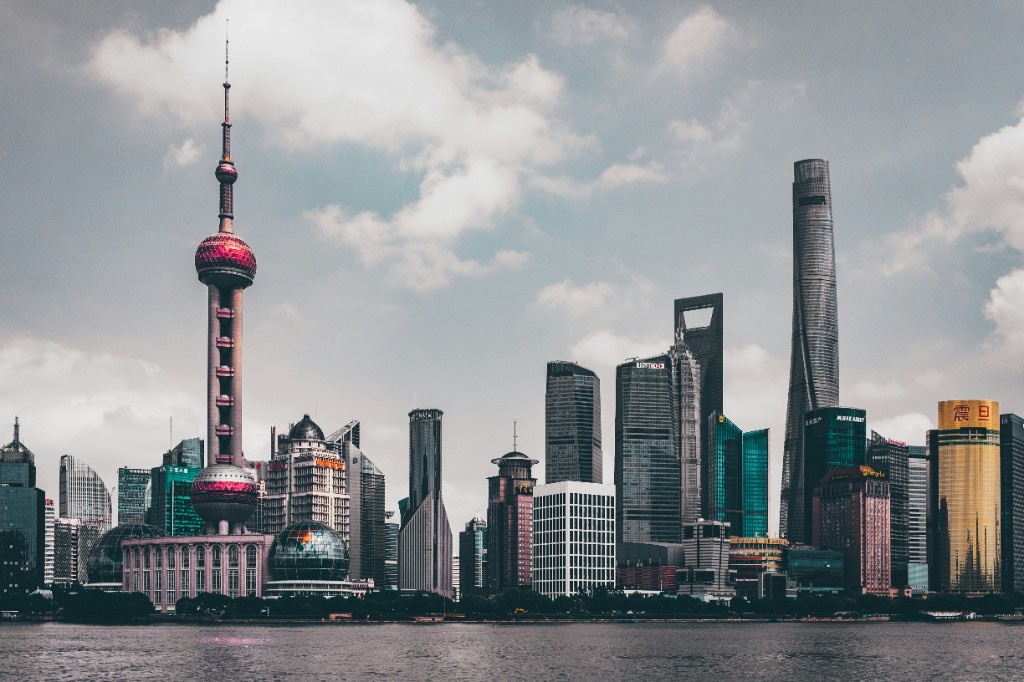
After checking into your hotel, head toward the Bund for your first look at Shanghai’s skyline. Walk along the waterfront as the lights come on across Pudong. If you arrive early enough, continue to Nanjing Road for an evening walk. The pedestrian street is particularly lively after dark, with shops, restaurants and street activity.
Day 8: Yu Garden, Old Shanghai & French Concession
Pace: Easy · Overnight: Shanghai
Begin with Yu Garden, a classical Chinese garden surrounded by the historic Yuyuan Bazaar and Old City.
Then move into Shanghai’s more modern neighbourhoods. Spend the afternoon exploring the French Concession, known for its tree-lined streets, historic villas, cafés, boutiques and restaurants.
For an additional glimpse of Shanghai’s creative side, explore Tianzifang, with its narrow lanes, galleries, independent shops and cafés. In the evening, choose a restaurant or cocktail bar and experience Shanghai’s contemporary food and nightlife scene.
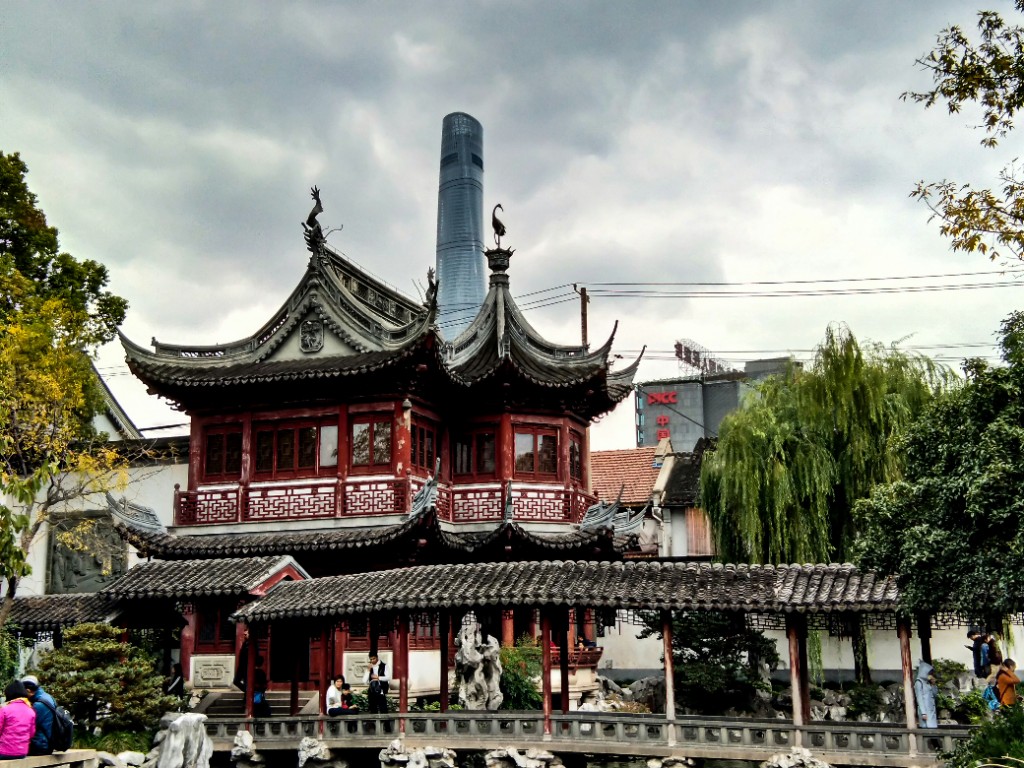
Day 9: Pudong Skyline, Bund & Contemporary Shanghai
Pace: Moderate · Overnight: Shanghai
Cross the Huangpu River to Pudong, Shanghai’s futuristic financial district. Visit the Shanghai Tower or another observation deck for views over the city, then explore the waterfront and surrounding skyscrapers.
Return toward central Shanghai in the afternoon and spend time browsing contemporary shops, galleries or cafés. You could also visit Jing’an Temple, a historic Buddhist temple surrounded by one of Shanghai’s modern commercial districts, for a contrasting experience.
As evening approaches, consider a Huangpu River cruise around sunset or after dark. Finish the night at one of Shanghai’s rooftop bars or cocktail lounges for a final view across the illuminated city.
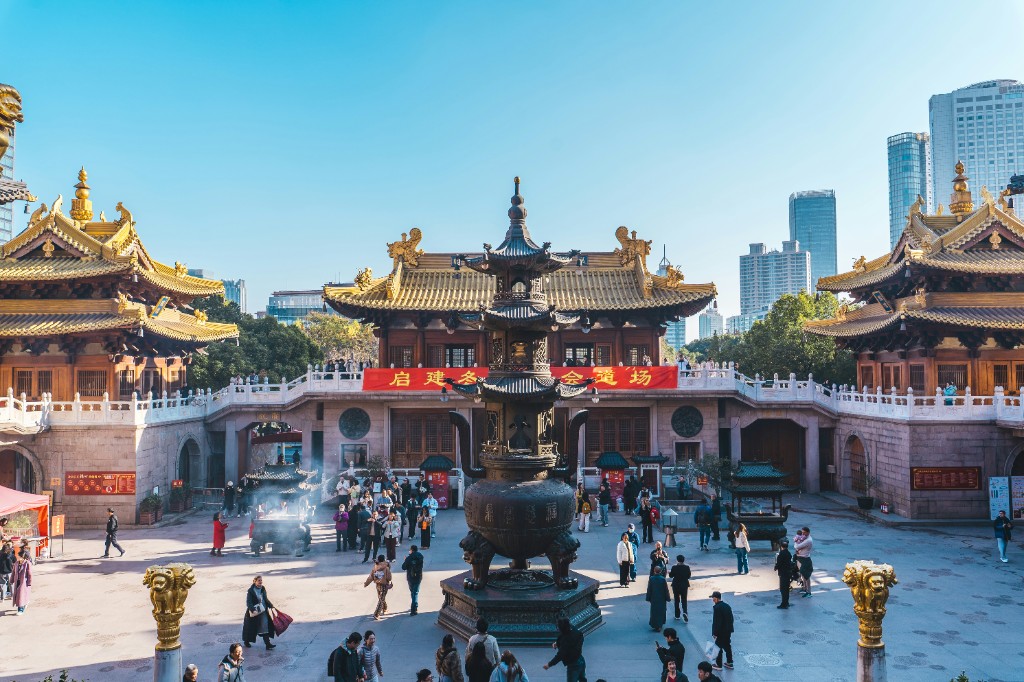
Day 10: Shanghai & Departure
Pace: Easy · Overnight: End of trip
Keep your final morning flexible. Depending on your departure time, enjoy breakfast at a local café, revisit a favourite neighbourhood or do some last-minute shopping.
If you have a later flight, you could spend a few hours exploring Shanghai’s contemporary cultural scene or visit the Shanghai Museum before heading to the airport.
Estimated Budget
Approximate costs per person (international flights not included):
| Category | Estimated cost |
|---|---|
| Accommodation — 9 nights | ¥4,500–7,200 |
| High-speed trains — 2 routes | ¥1,200–1,400 |
| Attractions & entrance fees | ¥800–1,200 |
| Food & drinks | ¥1,400–2,800 |
| Local transport | ¥500–800 |
| Total | ¥8,400–13,400 |
Useful Booking & Travel Links
- China Railway 12306
- China Visa Application Centre (New Delhi, India) — travellers outside India should check the visa centre or embassy for their own country
- Shanghai Tourism
- Beijing Tourism
Prompts to Try in Honge
- Plan my trip: Create a detailed 10-day itinerary covering Beijing, Xi’an, and Shanghai.
- Find local food: What traditional Chinese dishes should I try in Beijing, Xi’an, and Shanghai?
- Travel on a budget: How can I explore China on a budget while still visiting the main attractions?
- Plan my day: Create a day-by-day sightseeing plan with realistic travel times and breaks.
- Find hidden gems: What lesser-known places should I visit beyond the main tourist attractions?
- Travel tips: What should first-time visitors from India know before travelling to China?
- Compare transport: Should I travel between Beijing, Xi’an, and Shanghai by high-speed train or plane?
- Build a packing list: What should I pack for a 10-day trip to China based on the season?
- Visa help: What documents and steps are required for an Indian citizen travelling to China?
- Make it family-friendly: Adapt this itinerary for a family travelling with children.
FAQs
How many days do I need for Beijing, Xi’an and Shanghai?
A 10-day itinerary is a good introduction to the three cities, allowing time for the major attractions while keeping the journey relatively fast-paced.
How should I travel between Beijing, Xi’an and Shanghai?
High-speed trains are a convenient option, connecting the city centres and avoiding airport transfers. Beijing–Xi’an takes roughly 4.5–6 hours, while Xi’an–Shanghai takes around 6–7.5 hours, depending on the service.
How far in advance should I book train tickets?
Book them as soon as they become available, especially during holidays and weekends.
What should I eat in China?
Try Peking duck and Beijing-style noodles in Beijing, Xi’an biangbiang noodles and local street food in Xi’an, and xiaolongbao and Shanghai-style dishes in Shanghai.
Is this itinerary suitable for first-time visitors?
Yes. It combines China’s major historical landmarks with local food, cultural attractions and modern city experiences across Beijing, Xi’an and Shanghai.
Should I book attractions in advance?
Yes. Popular attractions such as the Forbidden City, Great Wall and Terracotta Army can have visitor limits or advance reservation requirements, so check the official websites before your visit.
What currency is used in China?
China uses the Chinese yuan (CNY/RMB). It is advisable to arrange payment options before travelling and carry some backup payment method for situations where mobile payments are not convenient.
Ready to Start Your Adventure?
Make your Beijing, Xi’an and Shanghai adventure your own by adjusting the pace, choosing your preferred stays, and adding the sights, food, and experiences you’re most excited about.
Imperial Beijing, ancient Xi’an and futuristic Shanghai give this ten-day route a clear arc through China’s past and present.
Ready to plan your adventure?
Customize this itinerary with AI
Turn your China plans into a trip that fits you — personalise your route, discover places to stay, and build activities around your interests, travel style and pace.
Related itineraries
- 10-Day Bhutan Itinerary: Paro, Thimphu, Punakha & Phobjikha
- 7-Day Denmark Itinerary: Copenhagen, Castles & the Coast
- 7-Day Bulgaria Itinerary: Sofia, Rila, Plovdiv & the Pirin Mountains
- 10-Day Taiwan Solo Itinerary: Taipei Food, Nature & Culture
- 9-Day Vegan Thailand Itinerary: Bangkok, Chiang Mai & Islands
- 11-Day Mongolia Itinerary: Culture, Steppe & Photography
Written by
This blog was contributed by Sheba M, a travel enthusiast and writer. Sheba can be reached at shebaranjitha@gmail.com.
About Honge
Honge is an AI travel planning platform focused on practical, experience-led itineraries with realistic pacing and logistics. All blog content is edited and published by Honge. Our China research draws on updated practical logistics as of September 2026. © Honge. All rights reserved.
Image credits: Photos are sourced from Unsplash and Wikimedia Commons. Copyright remains with their respective photographers and rights holders. Unsplash images are used according to the Unsplash License. Wikimedia Commons images are used according to their applicable CC BY-SA 4.0 license terms.
Travel disclaimer
This itinerary is intended as general travel inspiration and planning guidance only — not as personalised travel advice. Conditions change. Before you travel, check the current entry requirements, visa rules, and any travel advisories issued by your government for China. Confirm high-speed rail tickets and schedules (including 12306), attraction opening hours and advance tickets (including the Forbidden City, Mutianyu Great Wall and Terracotta Army), weather, payment apps, and airport connections directly with operators and official sources, and take out comprehensive travel insurance that covers medical, cancellation, and disruption. Suggested hotels and stay styles in this article are samples only and depend on availability; in the Honge app they may appear as booking options when they are offered by our vendors at the time of your search. Transport, weather, and attraction conditions can change. Honge is not responsible for any changes to conditions, services, or experiences described in this article after the date of publication.