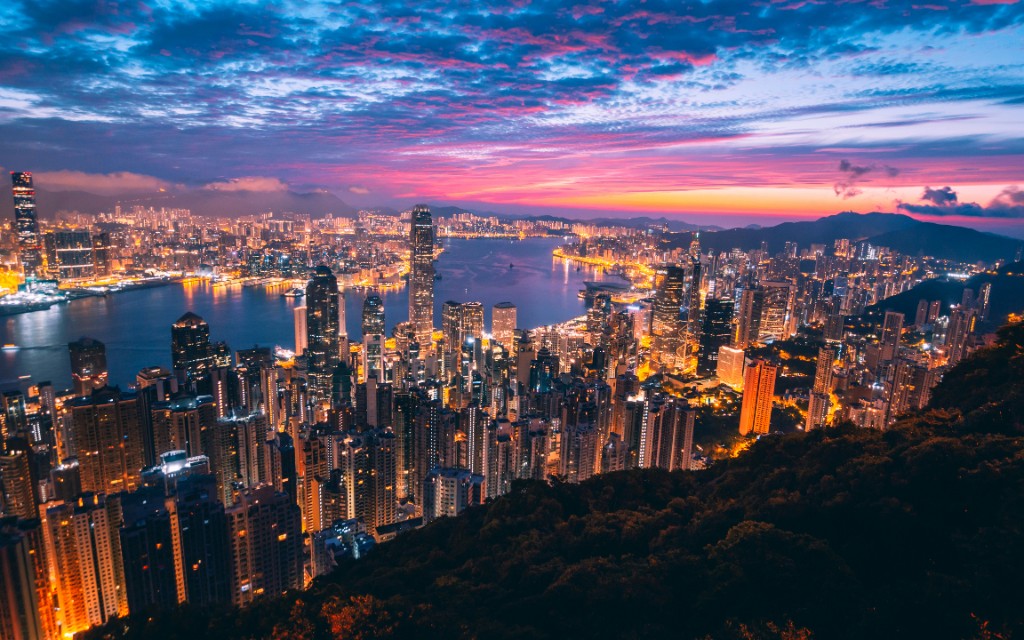
Hong Kong and Macau offer an unforgettable combination of modern city life, rich history, incredible food and cultural diversity — two very different destinations within easy reach of each other.
From Hong Kong’s dazzling skyline and bustling markets to peaceful mountain landscapes and Macau’s Portuguese-influenced streets, this region rewards travellers who want both intensity and atmosphere. This 7-day itinerary combines five days in Hong Kong with two days in Macau, covering major landmarks, local neighbourhoods, food, nature, shopping and leisure.
It is designed to give first-time visitors a balanced experience of both destinations without feeling overly rushed — mornings for signature sights, afternoons for neighbourhoods or cable-car escapes, and evenings for harbour lights, street markets and Macanese flavours.
What to Expect
- Vibrant city life and harbour skyline views
- Rich history and culture across two destinations
- Unforgettable food — dim sum to Portuguese egg tarts
- Nature and scenic escapes on Lantau Island
- Markets, shopping streets and night-market energy
- Macau’s legendary integrated resorts in Cotai
Who This Trip Is For
This itinerary suits first-time visitors, couples, families, food lovers and culture seekers who want Hong Kong’s skyline, markets and Peak views alongside Macau’s Portuguese heritage and Cotai resorts. It works especially well if you like a clear daily focus without packing every hour — with one full outdoor day on Lantau and a deliberate overnight in Macau so the historic centre and resorts don’t compete for the same afternoon.
If you prefer slow neighbourhood wandering, keep Day 5 flexible around Tai Kwun, Kennedy Town or North Point. If resorts and spectacle are the draw, lean into Cotai on Days 6–7. Families will find Star Ferry, Peak views, Ngong Ping and Taipa Village particularly easy wins.
Best Time to Visit Hong Kong and Macau
Late autumn through early spring generally offers the most comfortable sightseeing weather.
- October–March: Cooler, more comfortable weather for walking, Peak visits and historic Macau.
- Late spring–early autumn: Warmer and better suited to outdoor activities, though summer can be hot, humid and rainy.
Overall, October to March is often the strongest window for this city-and-culture route. Summer trips still work if you start early, schedule indoor museums on humid afternoons and carry an umbrella.
Where to Stay
Suggested hotels are samples only and depend on availability; in the Honge app they may appear as booking options when offered by our vendors.
Nights 1–5: Hong Kong
Tsim Sha Tsui — Best for first-time visitors
- The Kowloon Hotel — Harbour-side Kowloon base · harbour-plaza.com
- The Peninsula Hong Kong — Iconic luxury · peninsula.com
Central & Sheung Wan — Best for city exploration
- ibis Hong Kong Central & Sheung Wan — Practical mid-range · accor.com
- The Landmark Mandarin Oriental — Central luxury · mandarinoriental.com
Nights 6–7: Macau
Macau Peninsula — Best for history & culture
- Hotel Central Macau — Historic-centre base · hotelcentral.com.mo
- Grand Lisboa — Peninsula landmark stay · grandlisboa.com
Cotai — Best for resorts & entertainment
- The Venetian Macao — Integrated resort classic · venetianmacao.com
- The Parisian Macao — Cotai spectacle · parisianmacao.com
- MGM Cotai — Design-forward Cotai stay · mgm.mo
How to Get Around
You do not need a car for this itinerary. Hong Kong’s MTR, buses, trams, ferries and taxis cover Central, Kowloon, Lantau approaches and harbour crossings efficiently. Macau is well connected by public transport and hotel shuttles between the peninsula, Taipa and Cotai.
Macau is reached from Hong Kong by ferry (about one hour) or via the Hong Kong–Zhuhai–Macau Bridge. Check TurboJET and Cotai Water Jet for sailings, and Macau Pass for local transport options.
Journey Overview
| Day | Route & Highlights | Stay |
|---|---|---|
| Day 1 | Arrive Hong Kong → Central → Victoria Harbour → Star Ferry → Tsim Sha Tsui waterfront → Symphony of Lights (check current status) | Hong Kong |
| Day 2 | Sheung Wan → Man Mo Temple → Central → Peak Tram → Victoria Peak → Lan Kwai Fong | Hong Kong |
| Day 3 | Quarry Bay Monster Building → Wong Tai Sin → Nan Lian Garden → Chi Lin Nunnery → Mong Kok → Temple Street Night Market | Hong Kong |
| Day 4 | Lantau Island → Ngong Ping 360 → Tian Tan Buddha → Po Lin Monastery | Hong Kong |
| Day 5 | West Kowloon museums → Tai Kwun / Hollywood Road → Kennedy Town or North Point → Hong Kong food | Hong Kong |
| Day 6 | Ferry or bridge to Macau → Senado Square → Ruins of St. Paul’s → Monte Fort → Cotai resorts | Macau |
| Day 7 | Taipa Village → Cotai → Departure | Macau |
Day 1: Central & Victoria Harbour
Pace: Easy · Overnight: Hong Kong
Arrive in Hong Kong, settle into your hotel and spend the afternoon exploring Central, Hong Kong’s vibrant business and cultural district, with its mix of skyscrapers, historic streets, shops and local cafés.
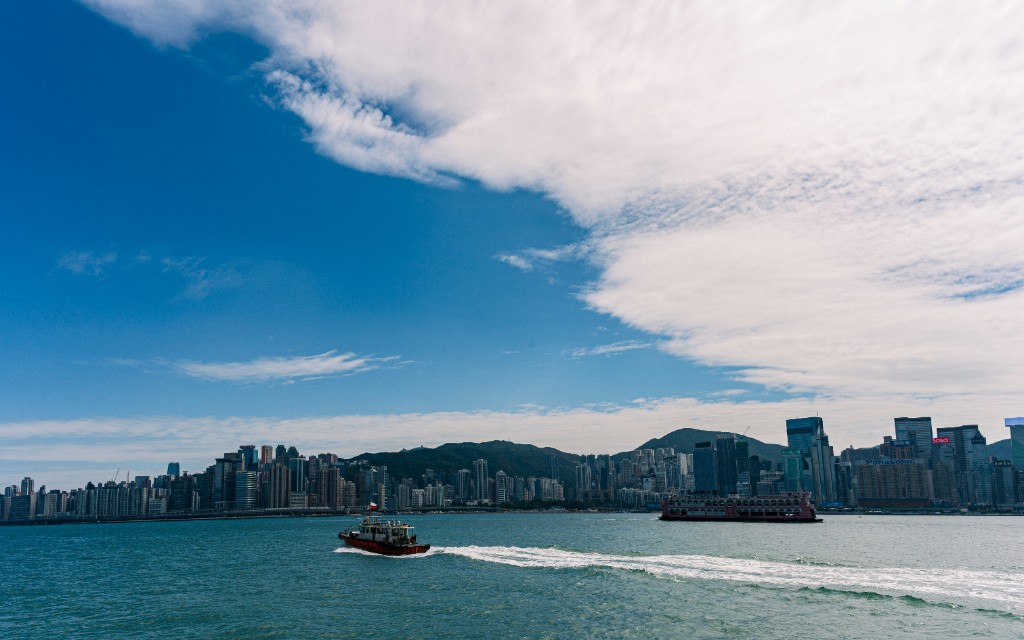
In the evening, head to Victoria Harbour and take the iconic Star Ferry across to Tsim Sha Tsui for spectacular views of Hong Kong’s skyline. Walk along the Tsim Sha Tsui waterfront and Avenue of Stars, then stay for the Symphony of Lights at 8:00 PM if it is still running — the Hong Kong government announced in its 2026 budget that this 20-year-old nightly show would be retired during the second half of 2026 and replaced with holiday-themed light festivals at other venues, so confirm current status before building your evening around it. Finish the evening with dinner at a local restaurant or explore nearby street-food options.
Note: Check the official Star Ferry website for schedules and fares.
Day 2: Victoria Peak & Hong Kong Island
Pace: Moderate · Overnight: Hong Kong
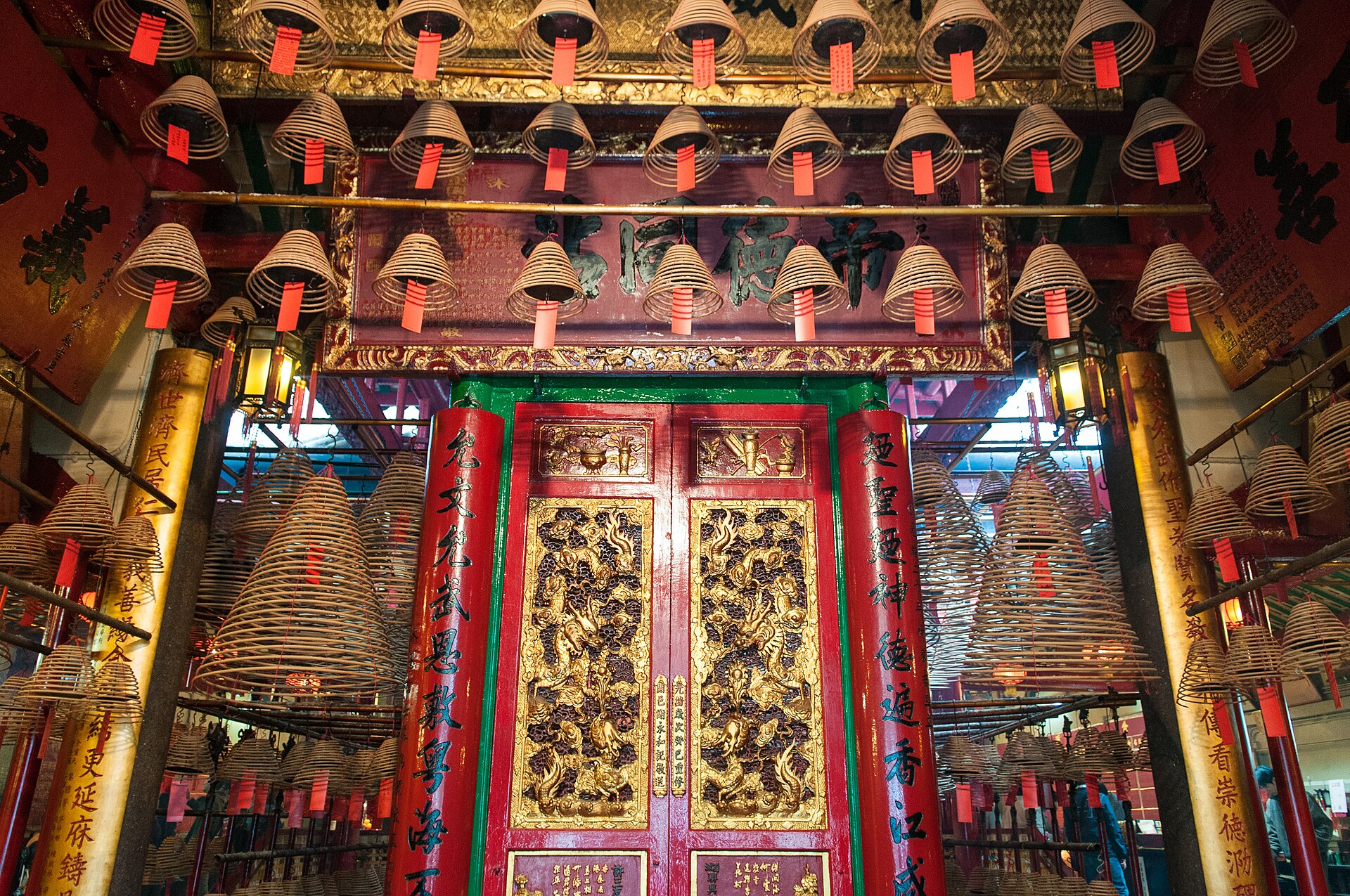
Start your morning in Sheung Wan with a visit to Man Mo Temple, one of Hong Kong’s oldest and most atmospheric temples. From here, walk through the surrounding streets and continue to the Central–Mid-Levels Escalator, passing local cafés and bakeries along the way.
Continue toward Central, where you can explore the city’s modern side around IFC and take some time for shopping or lunch. In the afternoon, make your way to Victoria Peak by the iconic Peak Tram. At the top, enjoy views across Hong Kong’s skyscrapers, Victoria Harbour, mountains and surrounding islands. For the best experience, stay through golden hour as the city begins to light up.
After descending from the Peak, spend the evening exploring Lan Kwai Fong.
Note: Check the official Peak Tram website for ticket prices, operating hours and current visitor information.
Day 3: Kowloon, Markets & Local Flavours
Pace: Moderate · Overnight: Hong Kong
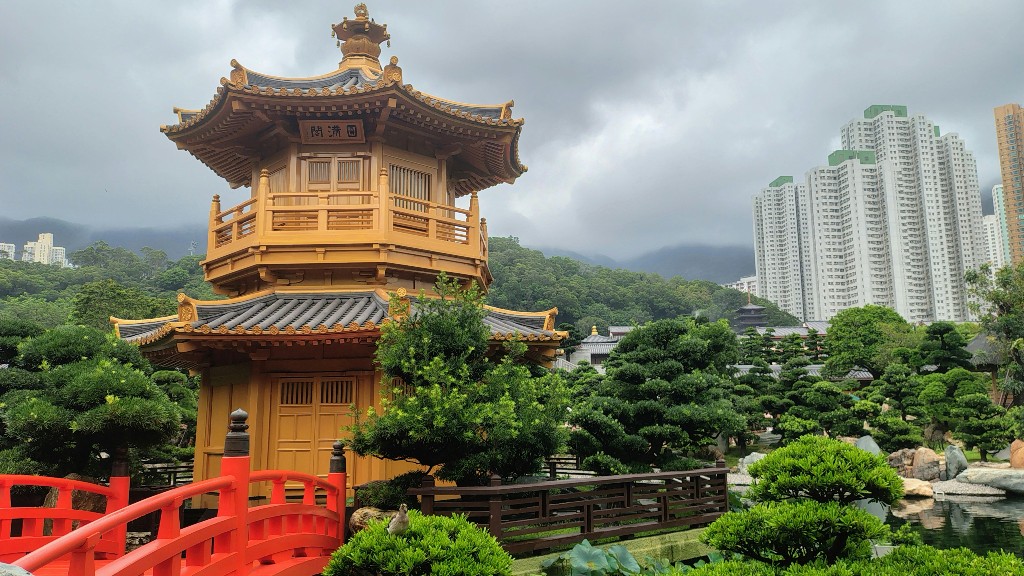
Begin the day by exploring the Monster Building in Quarry Bay, an example of Hong Kong’s dense residential architecture and a popular photo spot. From there, head into Kowloon and visit Wong Tai Sin Temple, followed by the peaceful Nan Lian Garden and nearby Chi Lin Nunnery. These contrasting stops offer a quieter glimpse of Hong Kong beyond its skyscrapers.
In the afternoon, make your way to Mong Kok for some shopping and neighbourhood exploration. Browse Sneaker Street and the surrounding markets before ending the day at Temple Street Night Market, where you can sample local street food and soak up the lively nighttime atmosphere.
Day 4: Lantau Island & Ngong Ping
Pace: Moderate · Overnight: Hong Kong
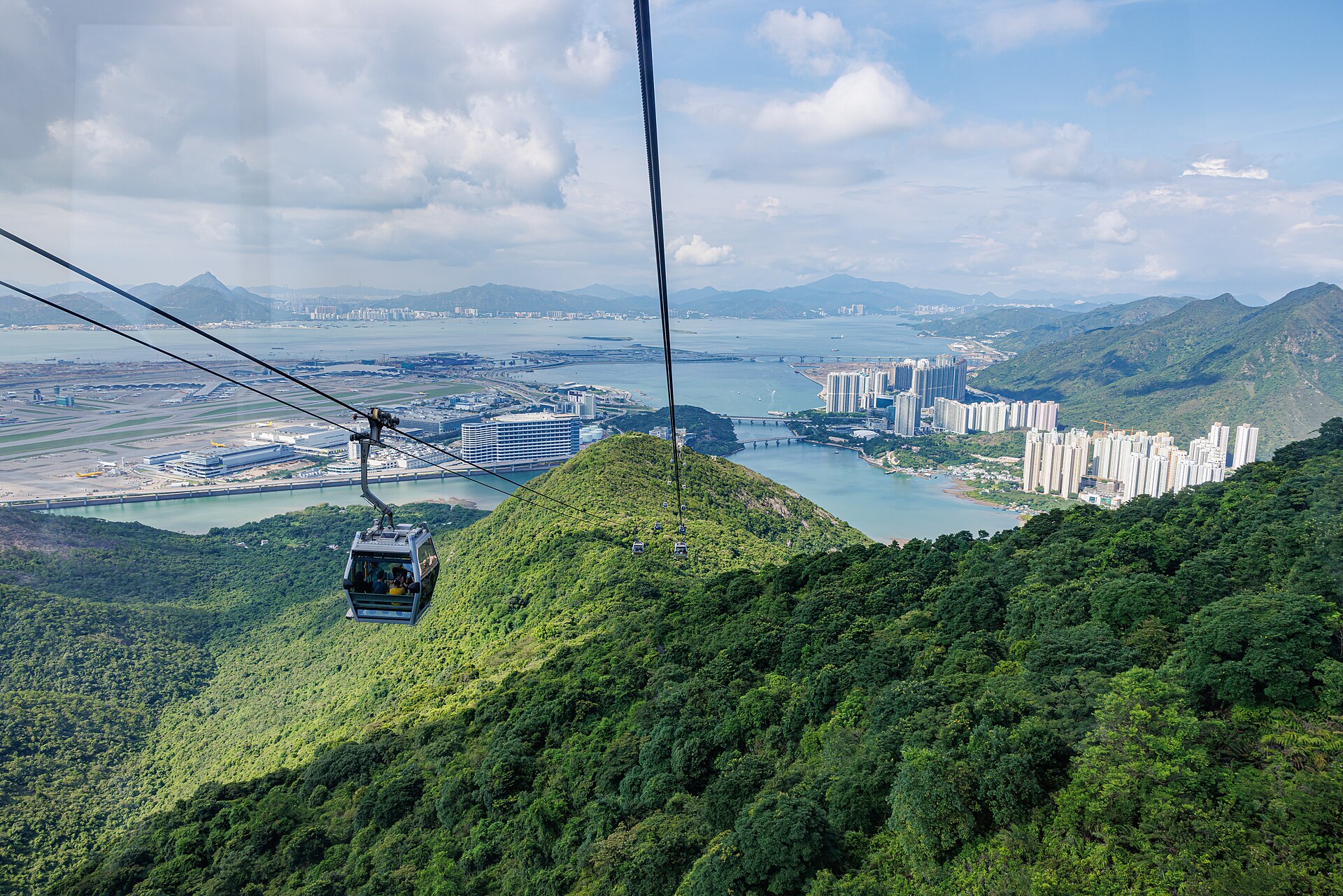
Escape the city for a day on Lantau Island. Travel time is about 25 minutes by cable car. Start with the Ngong Ping 360 Cable Car, enjoying panoramic views of the mountains, forests and sea.
Once you arrive, explore Ngong Ping Village before climbing the steps to the impressive Tian Tan Buddha (Big Buddha). Continue to the nearby Po Lin Monastery, where you can enjoy a vegetarian lunch.
After spending the afternoon on Lantau Island, return to Hong Kong and enjoy a relaxed evening. Use the remaining time for dinner, shopping or simply unwinding after a full day outdoors.
Note: Check the official Ngong Ping 360 website for cable car tickets, opening hours and operating status.
Day 5: Hidden Hong Kong & Local Experiences
Pace: Easy to moderate · Overnight: Hong Kong
Start in West Kowloon with a visit to the M+ Museum or Hong Kong Palace Museum, then take a relaxed walk through the surrounding waterfront area.
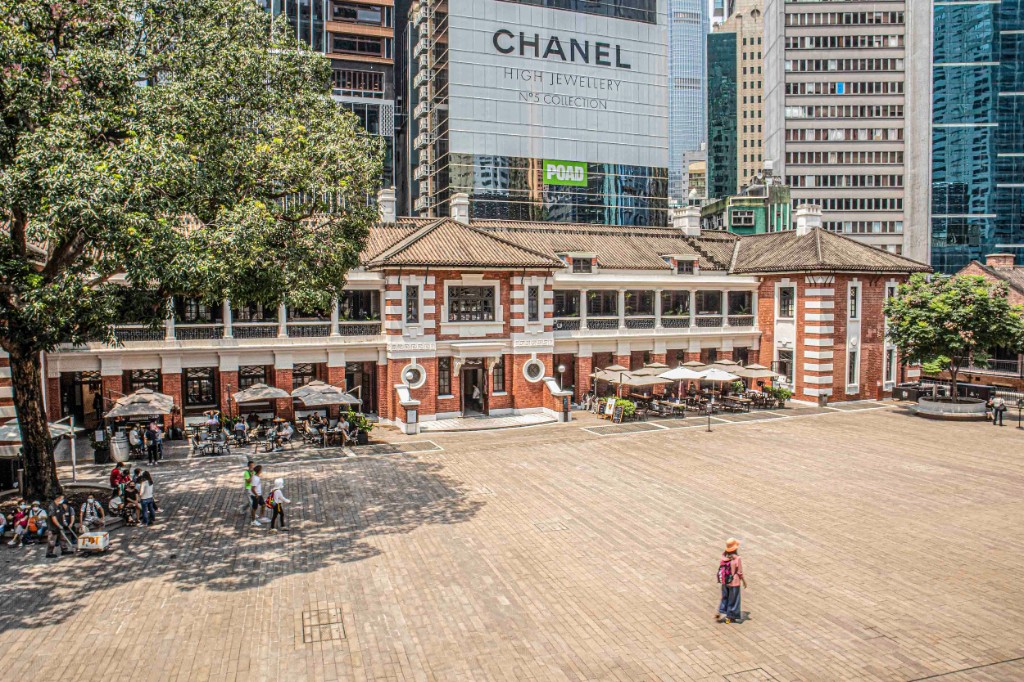
In the afternoon, explore Tai Kwun and the historic streets around Hollywood Road, or visit PMQ for independent shops and design studios. If you prefer a more local experience, head toward Kennedy Town or North Point to discover neighbourhood cafés, traditional eateries and Hong Kong’s iconic Ding Ding trams. These areas are featured as alternatives for experiencing a quieter, more everyday side of the city.
End the day with a final Hong Kong food experience. Try dim sum, roast goose, claypot rice, egg waffles or other local specialties.
Day 6: Historic Macau & Cotai
Pace: Moderate · Overnight: Macau
Travel from Hong Kong to Macau in the morning by ferry or via the Hong Kong–Zhuhai–Macau Bridge. Travel time is around 1 hour by ferry or approximately 30–60 minutes by bus, depending on the route and traffic. Allow additional time for immigration and transfers.
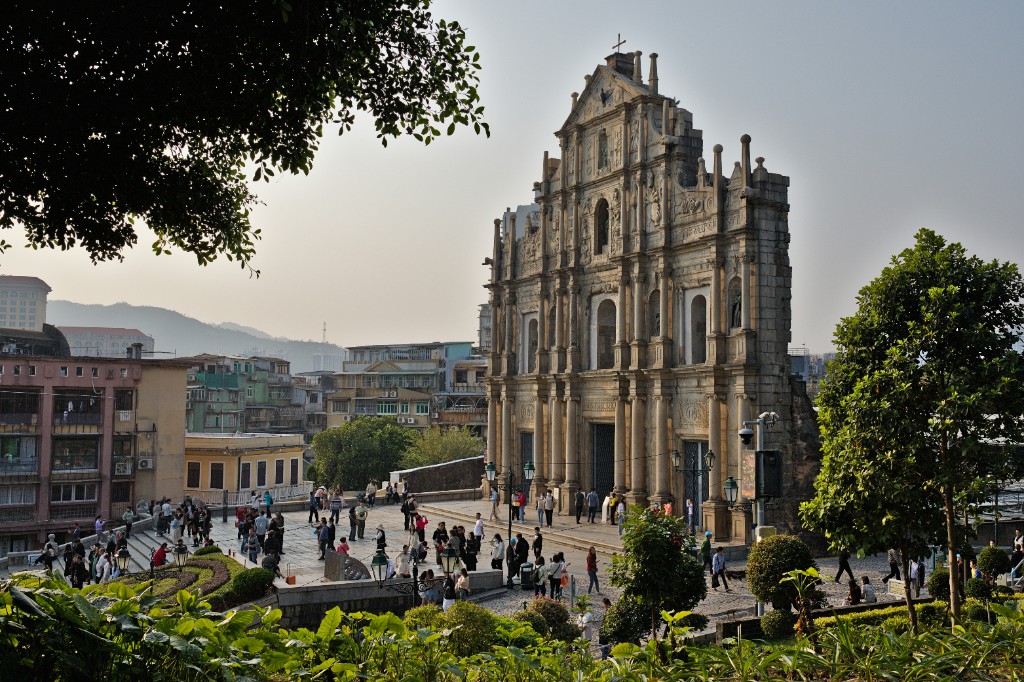
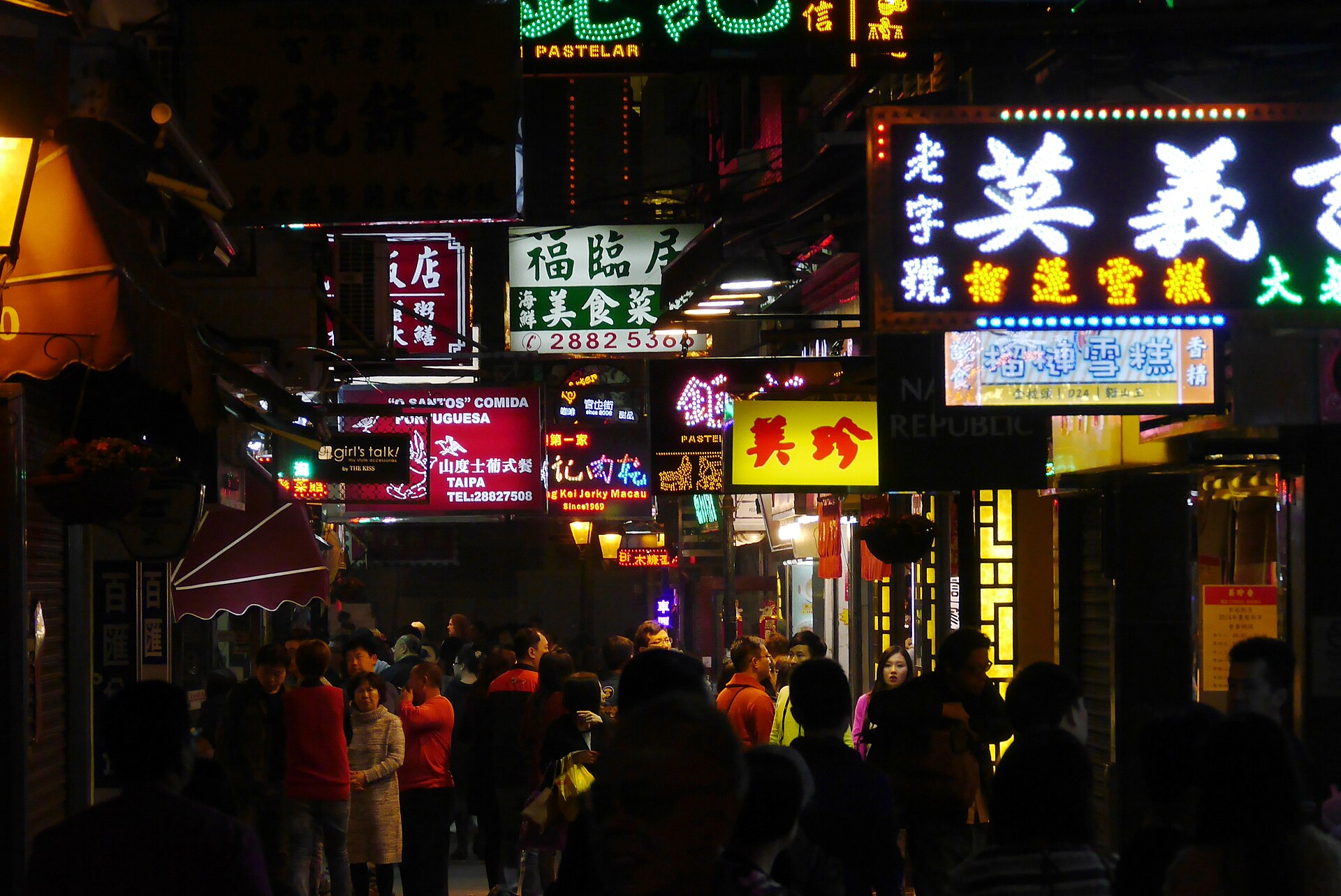
Begin in Macau’s historic centre at Senado Square, then walk to St. Dominic’s Church and the Ruins of St. Paul’s, one of the city’s most recognizable landmarks. Continue to Monte Fort for views over the historic district before stopping for traditional Macanese cuisine and local snacks.
In the afternoon, head toward Cotai to experience Macau’s spectacular integrated resorts. Explore the Venetian Macao, Londoner Macao and Parisian Macao, with time for shopping, dining and entertainment. End the evening with dinner at one of the resort restaurants before returning to your hotel.
Note: Check the official ferry websites for sailing schedules, fares, ticket availability and service updates — TurboJET and Cotai Water Jet. Also check the official Macau Pass website for card information, public transport options and usage details.
Day 7: Taipa Village & Cotai
Pace: Easy · Overnight: Macau (departure day)
Spend your final morning exploring Taipa Village, where narrow streets, traditional shops and Portuguese-influenced architecture offer a quieter side of Macau. Take your time browsing local stores and sampling Macanese specialties and Portuguese egg tarts — a must-try before leaving Macau.
Continue to Cotai for some final sightseeing, shopping and leisure at Macau’s spectacular resort district. If your flight is later in the day, enjoy a final meal before collecting your luggage and heading to Macau International Airport or continuing onward by ferry or bridge, depending on your travel plans.
Estimated Budget
Plan on roughly US$700–$850 per person for 7 days, excluding international flights and shopping. This includes accommodation, food, local transportation, Macau transfers and major attractions. Costs can vary depending on your choice of hotels, dining and activities.
Useful Booking & Travel Links
- Hong Kong Tourism Board — Attractions, neighbourhoods and trip planning
- Macau Government Tourism Office — Macau attractions and visitor information
- Hong Kong International Airport — Flights, transfers and airport guides
- MTR Hong Kong — Rail maps, fares and journey planning
- Macau International Airport — Flights and airport information
- Macau Pass — Transport card and public transport options
- Star Ferry — Harbour ferry schedules and fares
- The Peak / Peak Tram — Tickets, hours and visitor information
- Ngong Ping 360 — Cable car tickets and operating status
- TurboJET — Hong Kong–Macau ferry sailings
- Cotai Water Jet — Ferry schedules and tickets
- Hong Kong Immigration Department — Visit visas and entry permits
- Macao Government visa requirements — Visa-free eligibility and entry rules
- Macao DSI visa information — Official visa details
Prompts to Try in Honge
FAQs
What is the best time to visit Hong Kong and Macau?
Late autumn through early spring, roughly October to March, offers cooler and more comfortable weather for sightseeing. Late spring to early autumn is warmer and better suited to outdoor activities, though summer can be hot, humid and rainy.
How many days do I need in Hong Kong and Macau?
Seven days is ideal for a first trip, allowing around five days in Hong Kong and two days in Macau without rushing through the main highlights.
Do I need to rent a car in Hong Kong or Macau?
No. A car is generally unnecessary for this itinerary. Hong Kong’s MTR, buses, trams, ferries and taxis make getting around easy, while Macau is also well connected by public transport and hotel shuttles.
What should I pack for Hong Kong and Macau?
Pack a light jacket, lightweight clothing, an umbrella, walking shoes, sunscreen and a reusable water bottle. If you plan to hike, bring suitable activewear and comfortable footwear.
What should I eat in Hong Kong and Macau?
In Hong Kong, don’t miss dim sum, roast goose, egg waffles, pineapple buns, claypot rice, curry fish balls and street-side snacks. In Macau, try Portuguese egg tarts, Macanese dishes and traditional Portuguese-influenced cuisine.
Can I visit Macau from Hong Kong?
Yes. Macau is easily accessible from Hong Kong by ferry or the Hong Kong–Zhuhai–Macau Bridge. A ferry crossing takes roughly an hour, making Macau convenient for either a day trip or an overnight stay.
How do I get from Hong Kong to Macau?
You can travel by ferry or bus via the Hong Kong–Zhuhai–Macau Bridge. The ferry is a convenient option and takes roughly an hour. Check TurboJET and Cotai Water Jet for sailing schedules and tickets.
Should I stay overnight in Macau?
Yes, if you want more time to explore Macau’s historic centre, Taipa Village and the Cotai resort area without rushing. A day trip is also possible if you prefer to return to Hong Kong.
Do I need a separate visa for Macau?
Check the Hong Kong Immigration Department for visa requirements, entry permits and pre-arrival registration for your nationality. Separately check the Macao Government and Macao DSI sites for visa-free eligibility, visa-on-arrival rules and permitted length of stay.
What currency should I carry in Hong Kong and Macau?
Hong Kong uses the Hong Kong dollar (HKD), while Macau uses the Macanese pataca (MOP). Hong Kong dollars are also widely accepted in Macau.
Is Hong Kong suitable for families?
Yes. The city offers attractions for all ages, with easy public transportation, theme parks, scenic areas, shopping and plenty of family-friendly dining options.
Is Hong Kong expensive?
Hong Kong can be expensive, particularly for hotels and fine dining, but you can save by using public transportation, eating at local restaurants and choosing accommodation carefully.
Final Take
Use this itinerary as a starting point rather than a fixed script. Linger longer on the Peak, swap a Cotai evening for more Taipa Village wandering, or treat Macau as a long day trip if you prefer — then remix the route in Honge around your pace, budget and travel style.
Harbour lights, temple courtyards, a cable car over Lantau and Portuguese streets in Macau give this seven-day loop a rhythm that feels full without feeling frantic.
Ready to plan your adventure?
Customize this itinerary with AI
Turn your Hong Kong and Macau plans into a trip that fits you — personalise your route, discover places to stay, and build activities around your interests, travel style and pace.
Related itineraries
- 7-Day Bulgaria Itinerary: Sofia, Rila, Plovdiv & the Pirin Mountains
- 10-Day Taiwan Solo Itinerary: Taipei Food, Nature & Culture
- 9-Day Vegan Thailand Itinerary: Bangkok, Chiang Mai & Islands
- 8-Day Uzbekistan Silk Road Itinerary: Samarkand, Bukhara & Khiva
- 8-Day Eastern India Itinerary: Kolkata, Odisha Temples & Darjeeling Tea
Written by
This blog was contributed by Sheba M, a travel enthusiast and writer. Sheba can be reached at shebaranjitha@gmail.com.
About Honge
Honge is an AI travel planning platform focused on practical, experience-led itineraries with realistic pacing and logistics. All blog content is edited and published by Honge. Our Hong Kong and Macau research draws on updated practical logistics as of September 2026. © Honge. All rights reserved.
Image credits: Photos are sourced from Unsplash and Wikimedia Commons. Copyright remains with their respective photographers and rights holders. Unsplash images are used according to the Unsplash License. Wikimedia Commons images are used according to their applicable CC BY-SA 4.0 license terms.
Travel disclaimer
This itinerary is intended as general travel inspiration and planning guidance only — not as personalised travel advice. Conditions change. Before you travel, check the current entry requirements, visa rules, and any travel advisories issued by your government for Hong Kong and Macau. Confirm ferry schedules and tickets (including TurboJET and Cotai Water Jet), attraction opening hours and tickets (including the Peak Tram, Star Ferry and Ngong Ping 360), weather, immigration and transfer times, and airport connections directly with operators and official sources, and take out comprehensive travel insurance that covers medical, cancellation, and disruption. Suggested hotels and stay styles in this article are samples only and depend on availability; in the Honge app they may appear as booking options when they are offered by our vendors at the time of your search. Ferry, weather, immigration, and attraction conditions can change. Honge is not responsible for any changes to conditions, services, or experiences described in this article after the date of publication.