Hungary’s relaxed countryside meets Austria’s Alpine lakes — two sides of Central Europe on one scenic drive.
Hungary and Austria offer a beautiful mix of historic cities, peaceful lakes, vineyards, charming villages, and dramatic Alpine landscapes. Together, they make an ideal Central European escape for travellers who want to combine sightseeing with scenic drives and a slower pace.
The journey brings together thermal baths and grand architecture, lakeside towns and wine regions, mountain views and outdoor experiences, along with plenty of opportunities to try regional food and wine. It also offers a chance to experience the contrast between Hungary’s relaxed countryside and Austria’s picturesque Alpine regions.
With a balance of city exploration, countryside stops, lakeside walks, local cuisine, and scenic roads, this route is suited to travellers who want to see plenty without making every day feel rushed. It’s a flexible trip that can also be extended with extra nights in the regions you enjoy most.
Where to Stay
Budapest — 2 nights
Lake Balaton — 1 night
Graz — 2 nights
Salzkammergut — 2 nights
Salzburg — 1 night
Vienna — 1 night
What Is the Best Time to Visit?
May to September is the best overall period for this road trip. Late spring through early autumn offers the best combination of scenic driving, lakeside activities, hiking, and accessible Alpine attractions. July and August are best for swimming and lakeside activities but are also the busiest months. September is particularly good for scenic drives and vineyards.
How Many Days Do You Need?
10 days works well for this route, giving you time for Budapest, Lake Balaton, Graz, the Salzkammergut, Hallstatt, Wolfgangsee, Salzburg, and Vienna.
Can This Be Part of a Longer Trip?
Yes. Hungary and Austria are easy to combine with other Central European destinations.
- Germany + Hungary + Austria: Munich → Budapest → Lake Balaton → Graz → Salzburg → Vienna
- Czech Republic + Austria + Hungary: Prague → Vienna → Budapest → Lake Balaton → Graz → Salzburg
- Slovenia + Austria + Hungary: Ljubljana → Salzburg → Salzkammergut → Graz → Lake Balaton → Budapest
Renting a Car
You don't need a car in Budapest. Pick it up after your Budapest stay and use it for the countryside and Austria.
Recommended approach: Budapest → Pick up rental car → Lake Balaton → Austria → Vienna → Return car
Before booking, check:
- Cross-border travel to Austria
- Cross-border fees
- Hungarian motorway vignette
- Austrian vignette
- Insurance and roadside assistance
- One-way rental and Vienna drop-off fees
- Whether the rental car already includes toll coverage
Note: Compare rental options and check one-way drop-off, cross-border travel, insurance and vehicle requirements before booking: rentalcars.com.
Important: Always confirm directly with the rental company whether travel from Hungary into Austria is permitted and whether the vehicle already includes any required motorway vignette.
Tip: Photograph the car and note any existing damage before leaving the rental station.
Visa Questions
Hungary and Austria are both part of the Schengen Area, so travellers can generally travel between them without routine internal border checks.
What Should I Carry?
- Valid passport
- Schengen visa or residence permit, if applicable
- Driving licence
- Rental agreement
- Vehicle documents
- Travel insurance details
Journey Overview
| Day | Route | Highlights |
|---|---|---|
| Day 1 | Budapest | Buda Castle, Fisherman’s Bastion, Matthias Church, Chain Bridge & Danube |
| Day 2 | Budapest | Széchenyi Thermal Bath, Heroes’ Square, City Park & ruin bars |
| Day 3 | Budapest → Lake Balaton | Great Market Hall, Hungarian food, pick up rental car & drive to Lake Balaton |
| Day 4 | Lake Balaton → Graz | Tihany, lakeside scenery & drive across the Austrian border |
| Day 5 | Graz | Graz Old Town, Schlossberg, local cuisine & optional Styrian wine-country drive |
| Day 6 | Graz → Salzkammergut | Scenic drive into Austria’s lake district, St. Gilgen, Wolfgangsee & lakeside villages |
| Day 7 | Salzkammergut | St. Wolfgang, Wolfgangsee boat ride, optional Schafberg Railway & Alpine scenery |
| Day 8 | Salzkammergut → Hallstatt → Salzburg | Hallstatt, lakeside walks, scenic drive & Salzburg Old Town |
| Day 9 | Salzburg → Vienna | Salzburg highlights, drive to Vienna, return rental car & explore central Vienna |
| Day 10 | Vienna | Hofburg, St. Stephen’s Cathedral, cafés, museums & departure |
Day 1 — Budapest: Buda Castle & Danube Highlights
Stay: Budapest
Focus: Buda Castle District, Chain Bridge, Danube views, and the Jewish Quarter.
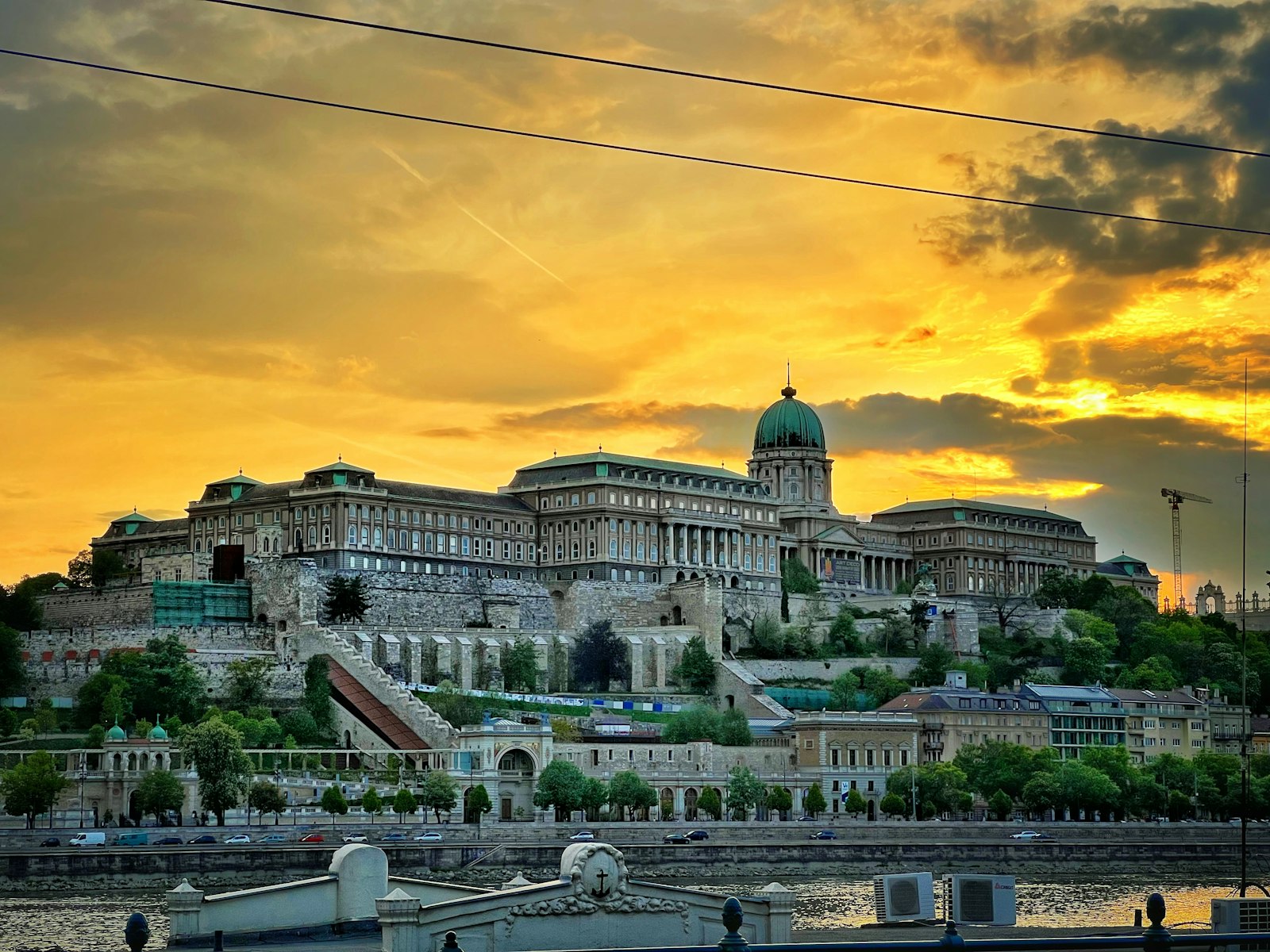
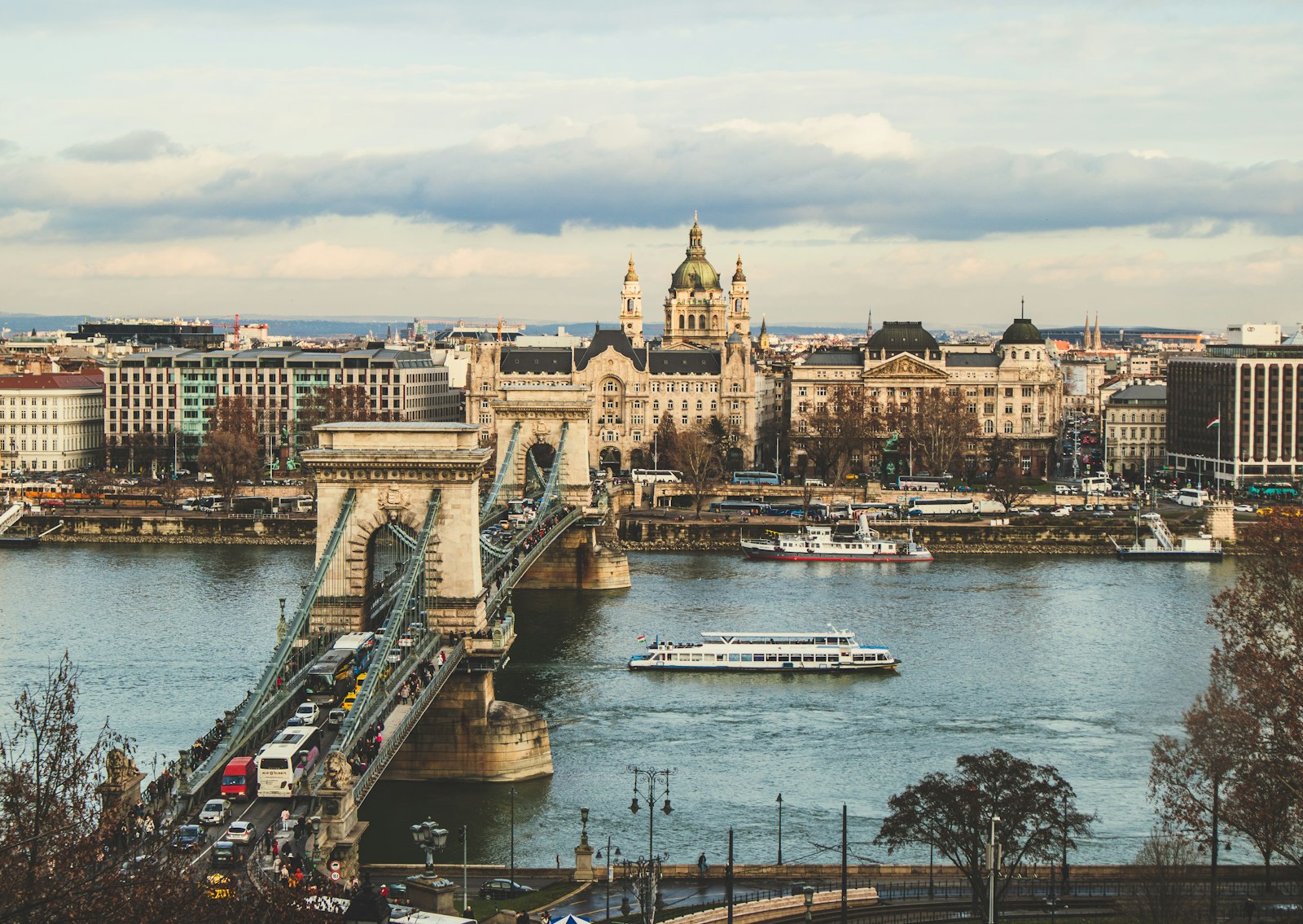
Start your trip in Budapest with the historic Buda Castle District. Visit Buda Castle, Fisherman’s Bastion, and Matthias Church, then walk down towards the Chain Bridge for views across the Danube. Continue along the riverfront to see the Hungarian Parliament Building and explore the surrounding streets.
In the evening, head to the Jewish Quarter for Hungarian food and Budapest’s famous ruin bars. Keep the day car free, as Budapest’s central sights are easier to explore on foot and by public transport.
Day 2 — Budapest: Thermal Baths & City Park
Stay: Budapest
Focus: Széchenyi Thermal Bath, Heroes’ Square, City Park, and Vajdahunyad Castle.
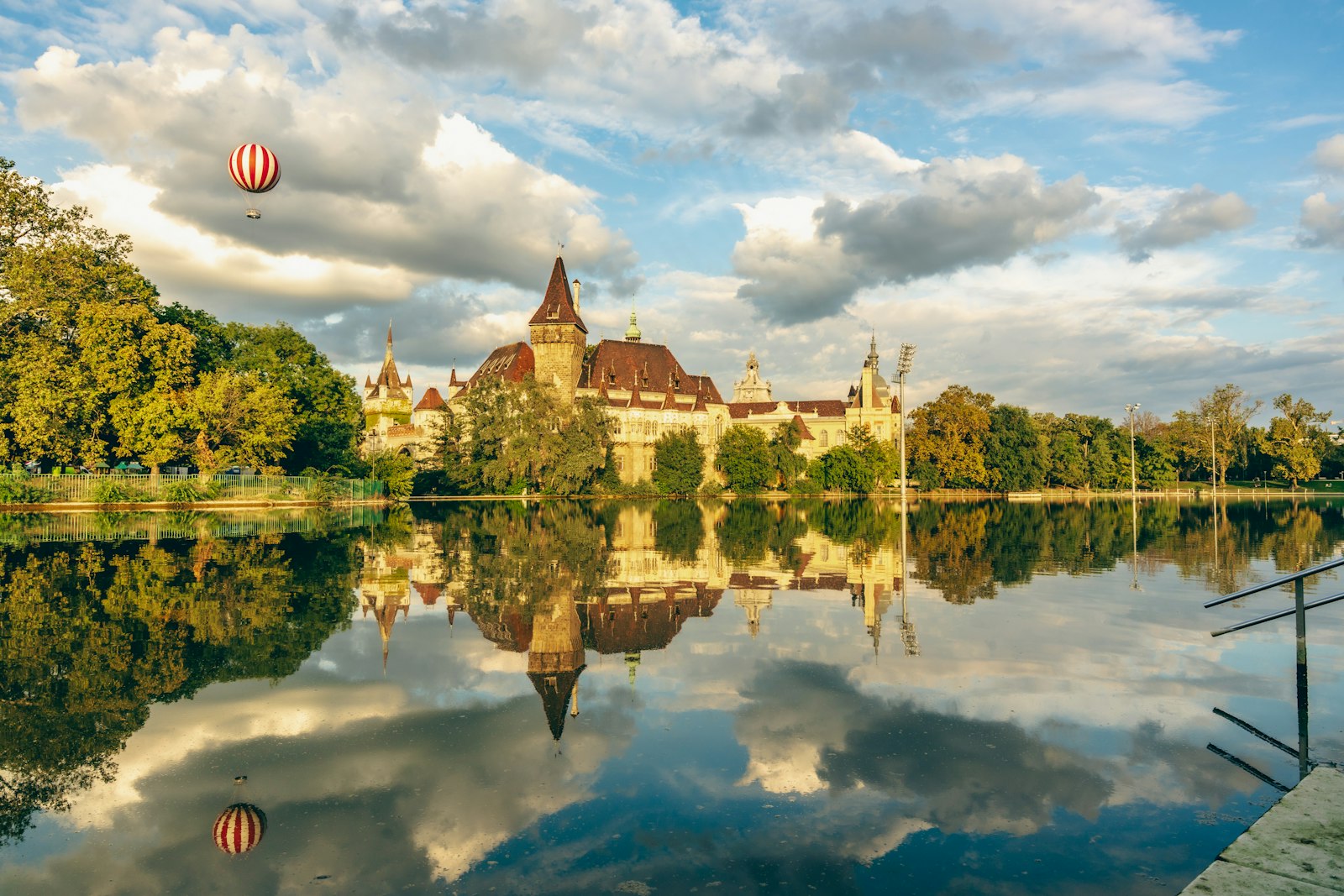
Spend the morning at Széchenyi Thermal Bath, one of Budapest’s most famous thermal complexes, then explore Heroes’ Square and the surrounding City Park. If you have time, visit the Vajdahunyad Castle nearby.
In the evening, enjoy a Danube river cruise to see Budapest illuminated after dark, or keep it relaxed with dinner at a traditional Hungarian restaurant.
Day 3 — Budapest → Lake Balaton
Stay: Lake Balaton
Focus: Pick up your rental car, drive west to Lake Balaton, and explore the Tihany Peninsula.
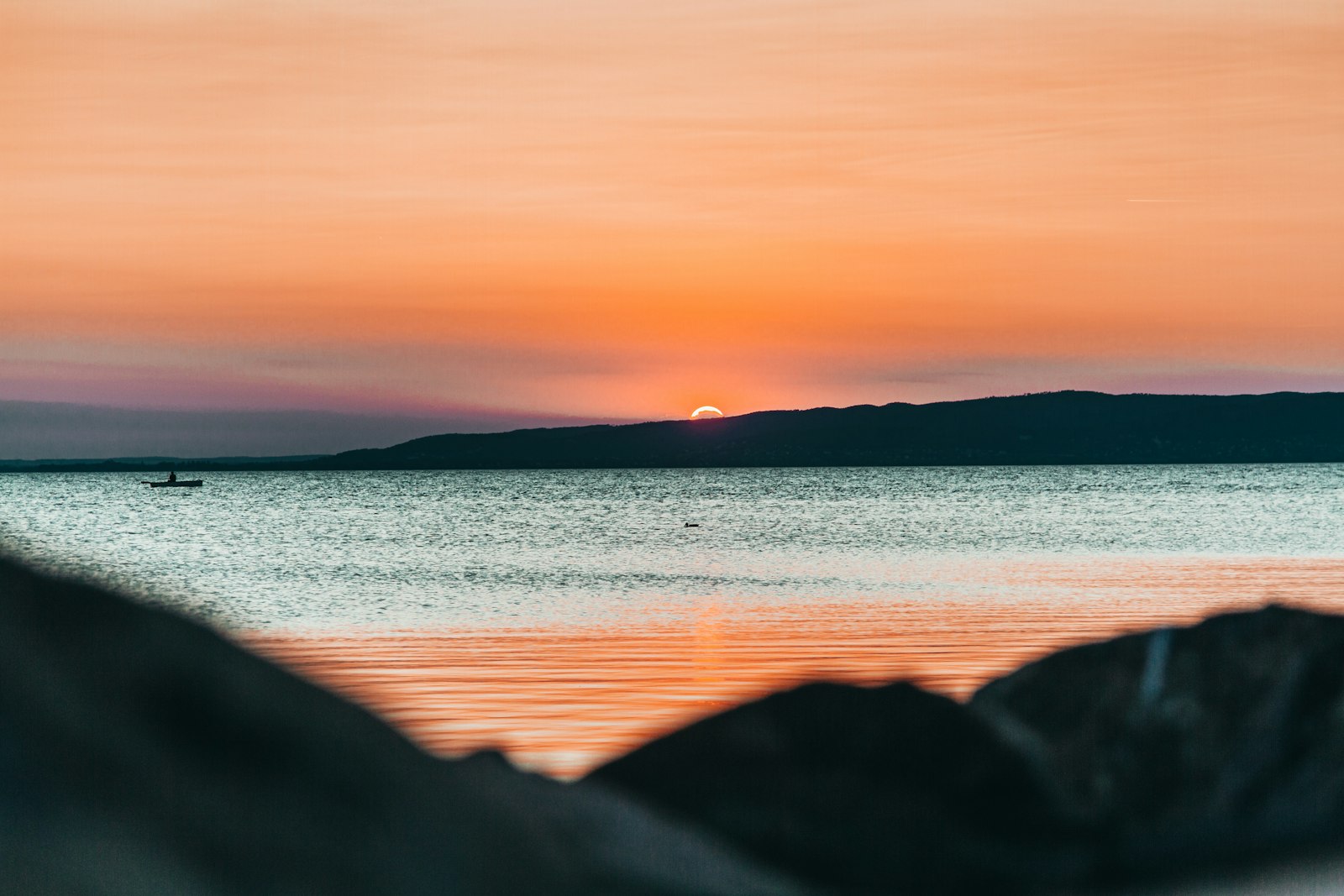
After breakfast, pick up your rental car and drive west towards Lake Balaton, Hungary’s largest lake. Spend the afternoon exploring Tihany, a charming peninsula known for Tihany Abbey, scenic walking paths, and beautiful views across the lake.
Spend the evening relaxing by Lake Balaton and enjoying a local Hungarian dinner. If time allows, stop at a lakeside winery to sample regional wines before settling in for the night.
Note: Check Hungarian motorway toll information and current e-vignette rates before driving: Hungarian e-vignette rates. For activities and attractions around Lake Balaton, see Balaton Uplands National Park tourism.
Day 4 — Lake Balaton → Graz
Stay: Graz
Focus: Cross into Austria and explore Graz’s historic Old Town, Schlossberg, and café scene.
Leave Lake Balaton after breakfast and drive west towards Graz, crossing the border into Austria.
Arrive in Graz in the afternoon and explore the historic Old Town, Schlossberg, and the city’s relaxed café and food scene. Stay overnight in Graz.
Note: If you're using Austrian motorways after crossing the border, check vignette requirements and section tolls on the official ASFINAG website.
Day 5 — Graz: Old Town & Styrian Wine Country
Stay: Graz
Focus: Graz Old Town, Schlossberg Clock Tower, and an optional Styrian wine-country drive.
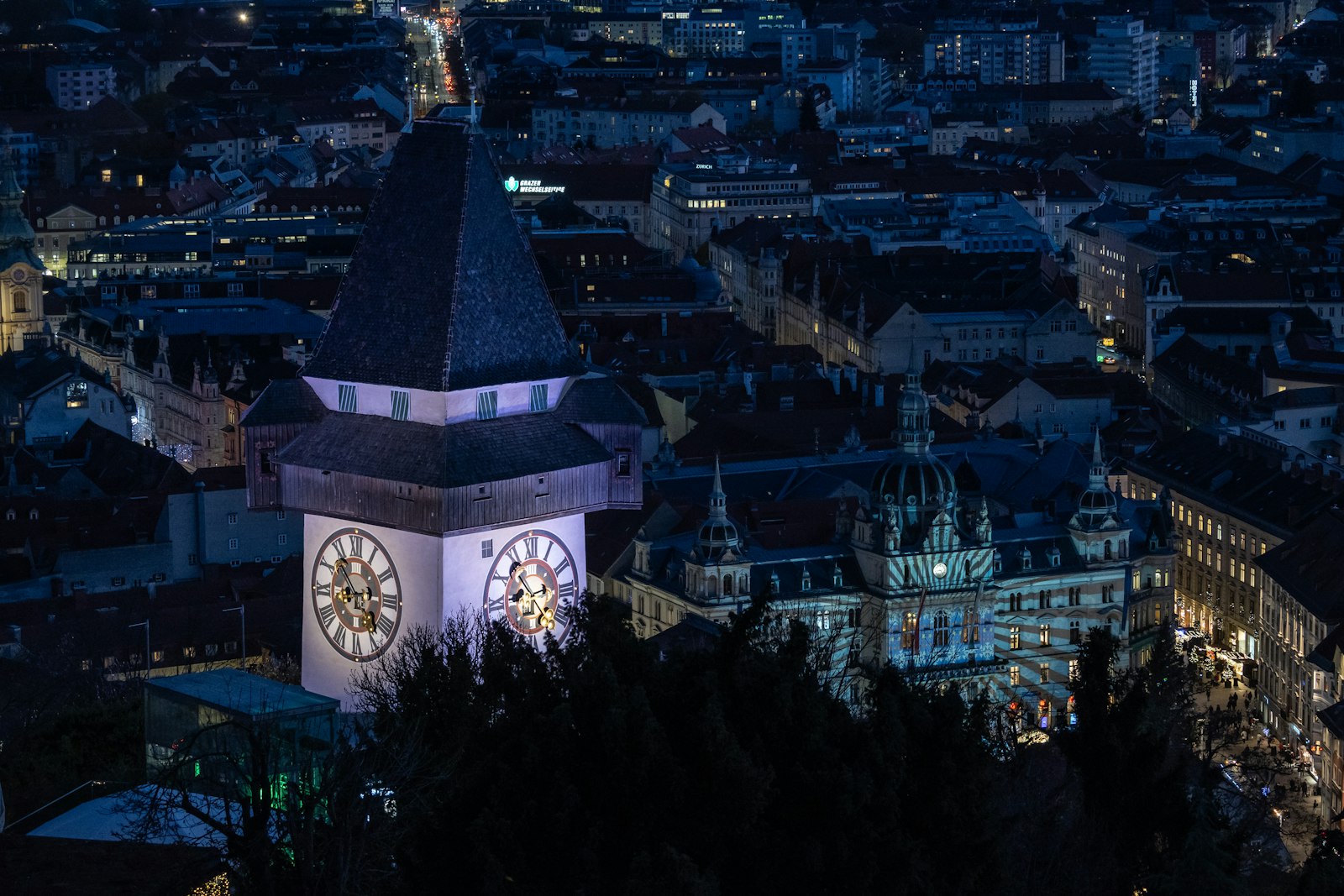
Spend the morning exploring Graz’s historic Old Town, including the Schlossberg and its famous clock tower, before taking some time to enjoy the city’s cafés and local food scene.
In the afternoon, take a relaxed drive into the Styrian wine region for vineyard views and a chance to sample local wines. Return to Graz for the evening and stay overnight.
Day 6 — Graz → Salzkammergut: Alpine Lakes & Scenic Villages
Stay: Salzkammergut
Focus: Scenic drive into Austria’s lake district toward St. Gilgen and Wolfgangsee.
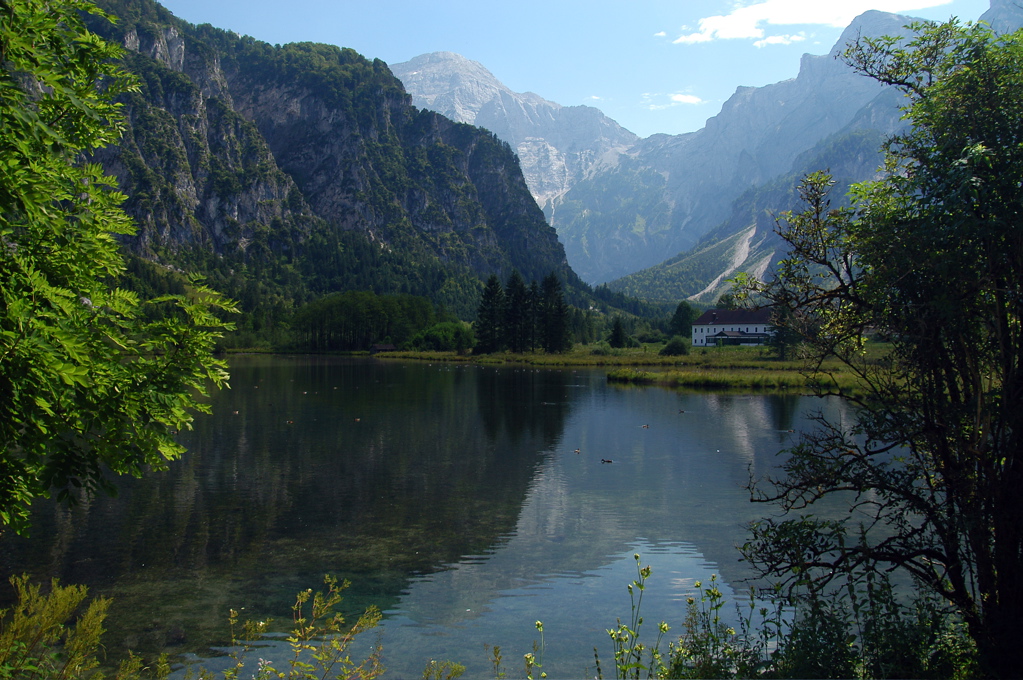
Leave Graz after breakfast and drive towards the Salzkammergut, one of Austria’s most scenic lake regions. Take the slower scenic roads where time allows, passing through countryside and mountain landscapes on the way to St. Gilgen and Wolfgangsee.
Spend the afternoon exploring St. Gilgen and enjoying the lakeside scenery.
Note: Check Austrian motorway vignette requirements before using toll roads. You can purchase a digital vignette through ASFINAG: ASFINAG digital vignette.
Day 7 — Salzkammergut: St. Wolfgang, Wolfgangsee & Alpine Views
Stay: Salzkammergut
Focus: St. Wolfgang village, Wolfgangsee boat ride, and optional Schafberg Cog Railway.
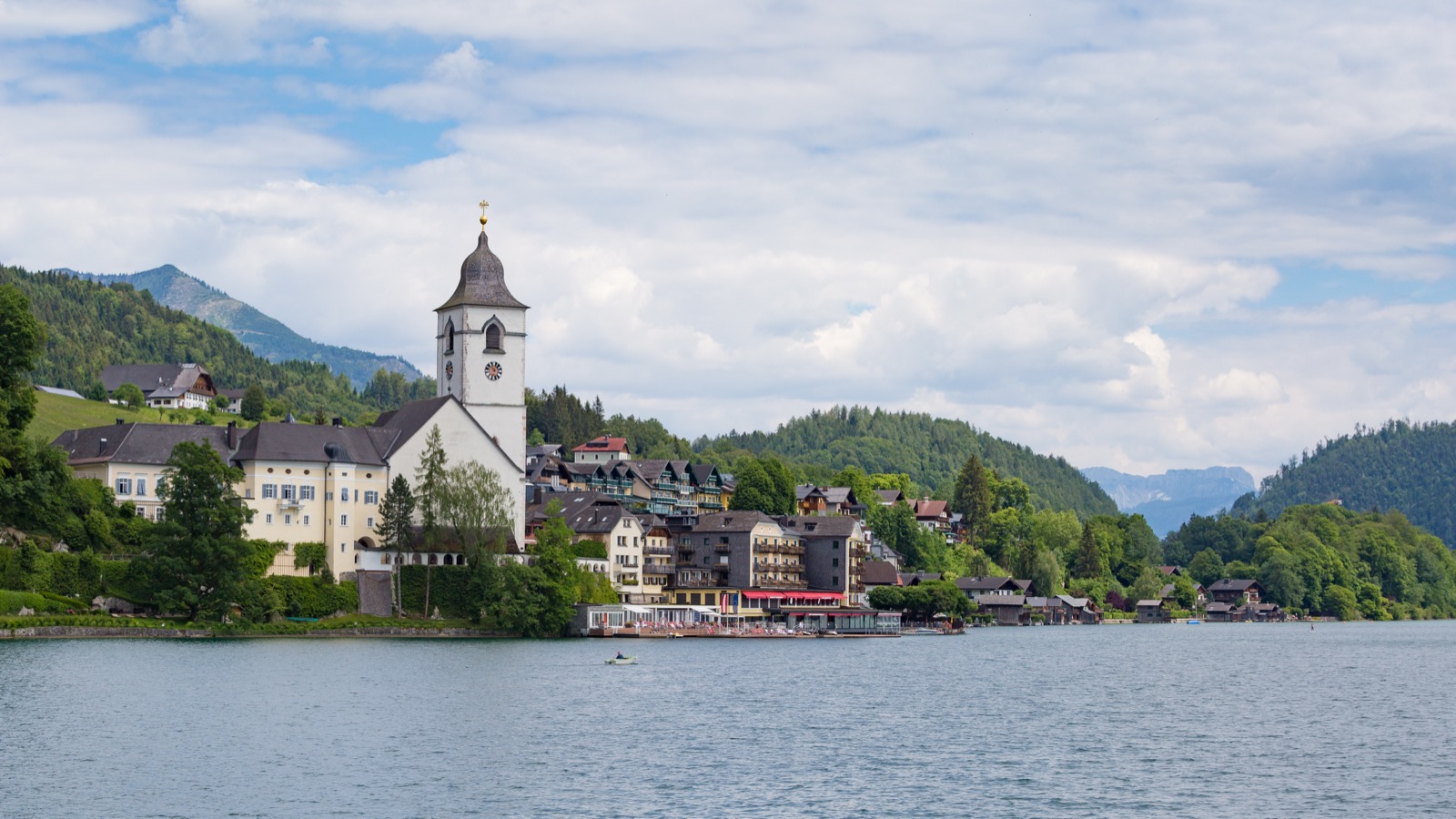
Spend the morning exploring St. Wolfgang, one of the Salzkammergut’s prettiest lakeside villages. Take a boat ride on Wolfgangsee and, if you have enough time and the weather is clear, ride the Schafberg Cog Railway for spectacular Alpine and lake views.
Return to the lakeside in the afternoon for a relaxed walk, café stop, or simply enjoy the scenery around Wolfgangsee. Keep the evening slow and stay another night in the Salzkammergut.
Day 8 — Salzkammergut → Hallstatt → Salzburg
Stay: Salzburg
Focus: Hallstatt’s lakeside village, then Salzburg Old Town, Mirabell Gardens, and Hohensalzburg Fortress.
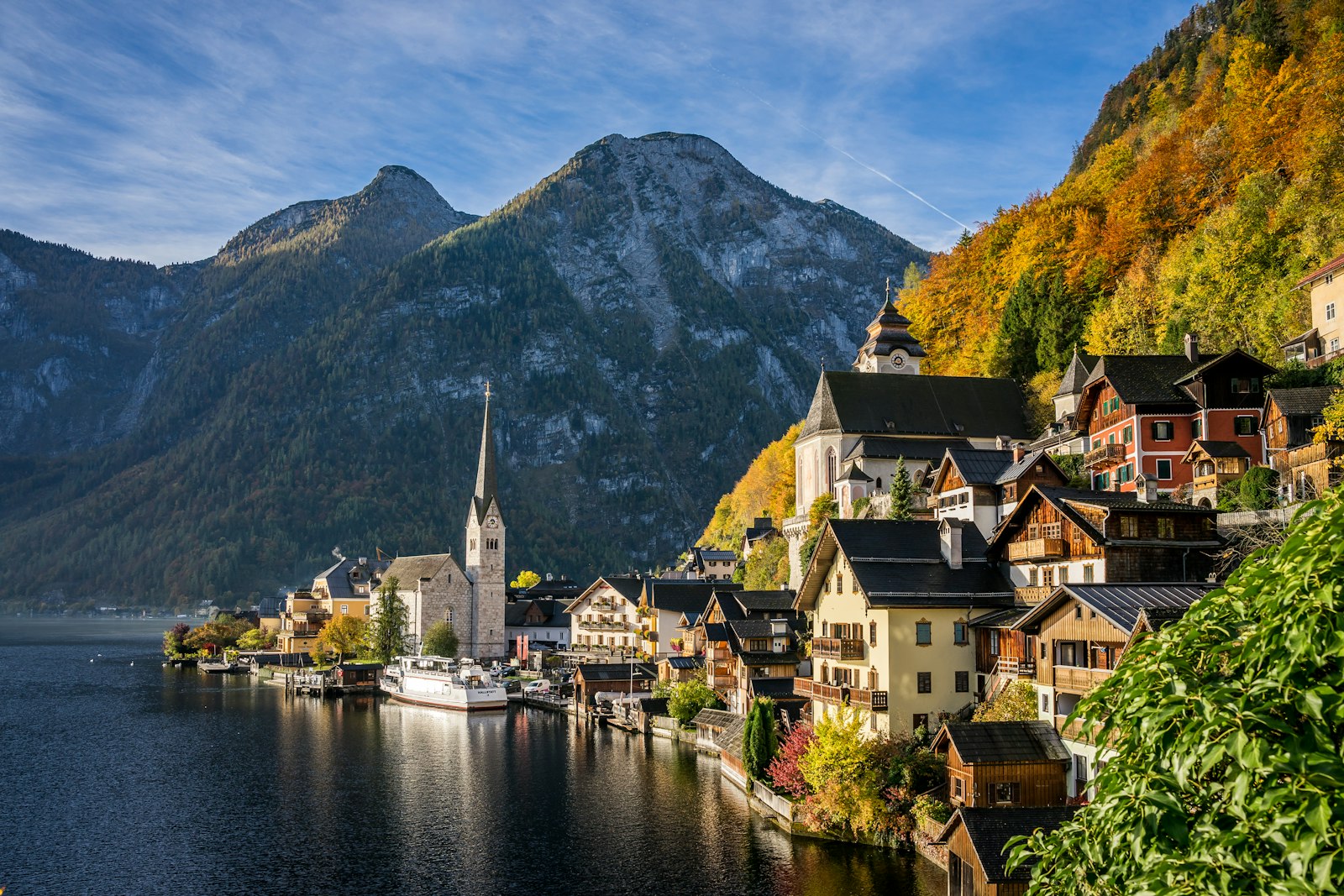
Leave the Salzkammergut after breakfast and drive to Hallstatt, one of Austria’s most picturesque lakeside villages. Spend the morning exploring the historic centre, lakeside paths, and viewpoints.
Continue to Salzburg in the afternoon and explore the Old Town, Mirabell Gardens, and Hohensalzburg Fortress if time allows. Spend the evening enjoying Salzburg’s baroque streets and local cuisine.
Day 9 — Salzburg → Vienna: Imperial Vienna
Stay: Vienna
Focus: Drive to Vienna, return the rental car, and explore Hofburg Palace, St. Stephen’s Cathedral, and Viennese café culture.
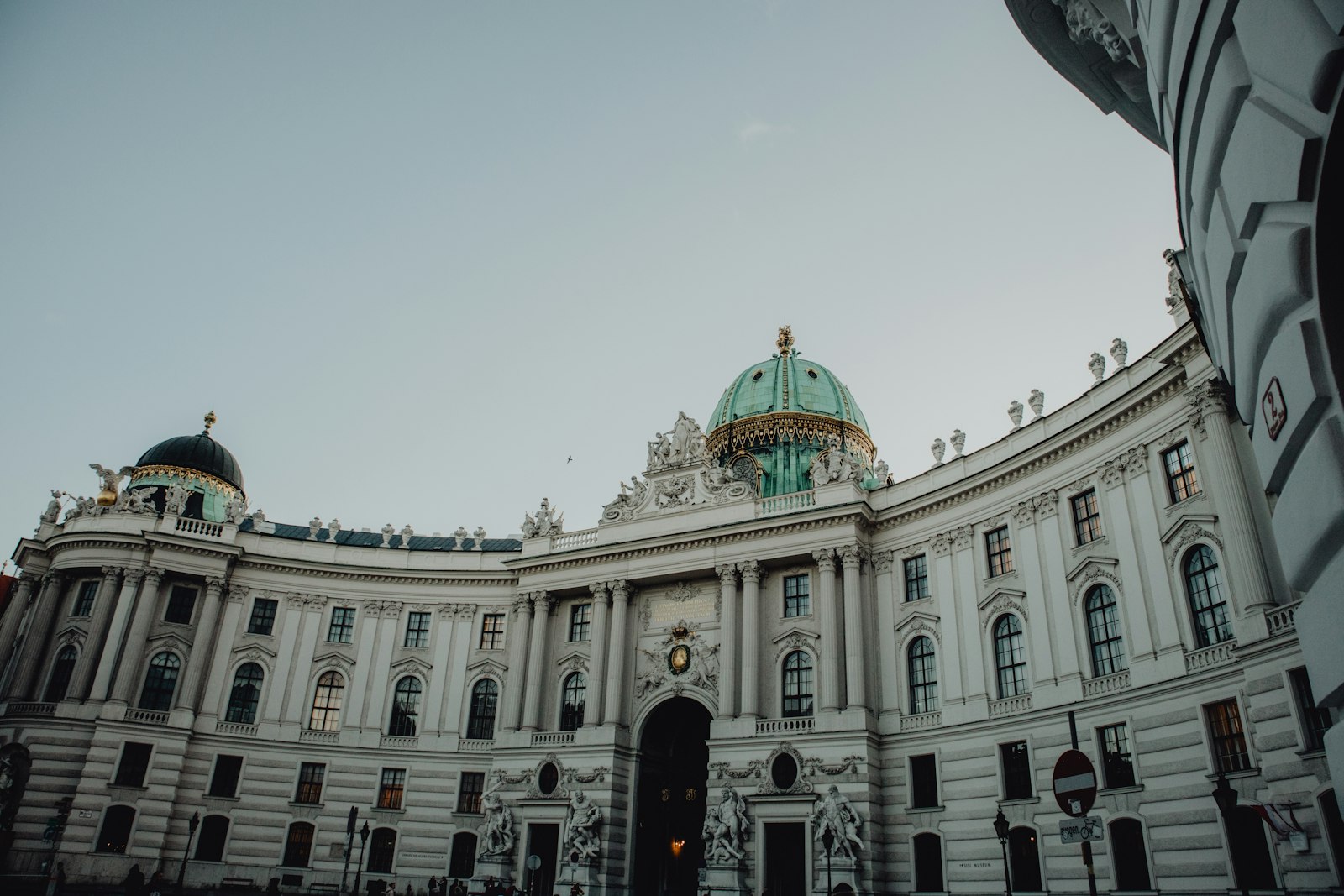
Leave Salzburg after breakfast and drive to Vienna, enjoying the changing scenery along the route. Once you arrive, return your rental car and continue exploring the city on foot or by public transport.
Spend the afternoon around Hofburg Palace, St. Stephen’s Cathedral, and the historic centre, then visit a traditional Viennese café for coffee and cake. If you have time, explore the MuseumsQuartier or attend a classical music performance in the evening.
Day 10 — Vienna: Imperial Sights & Departure
Focus: Schönbrunn or Belvedere Palace, a final café stop, and departure from Vienna.
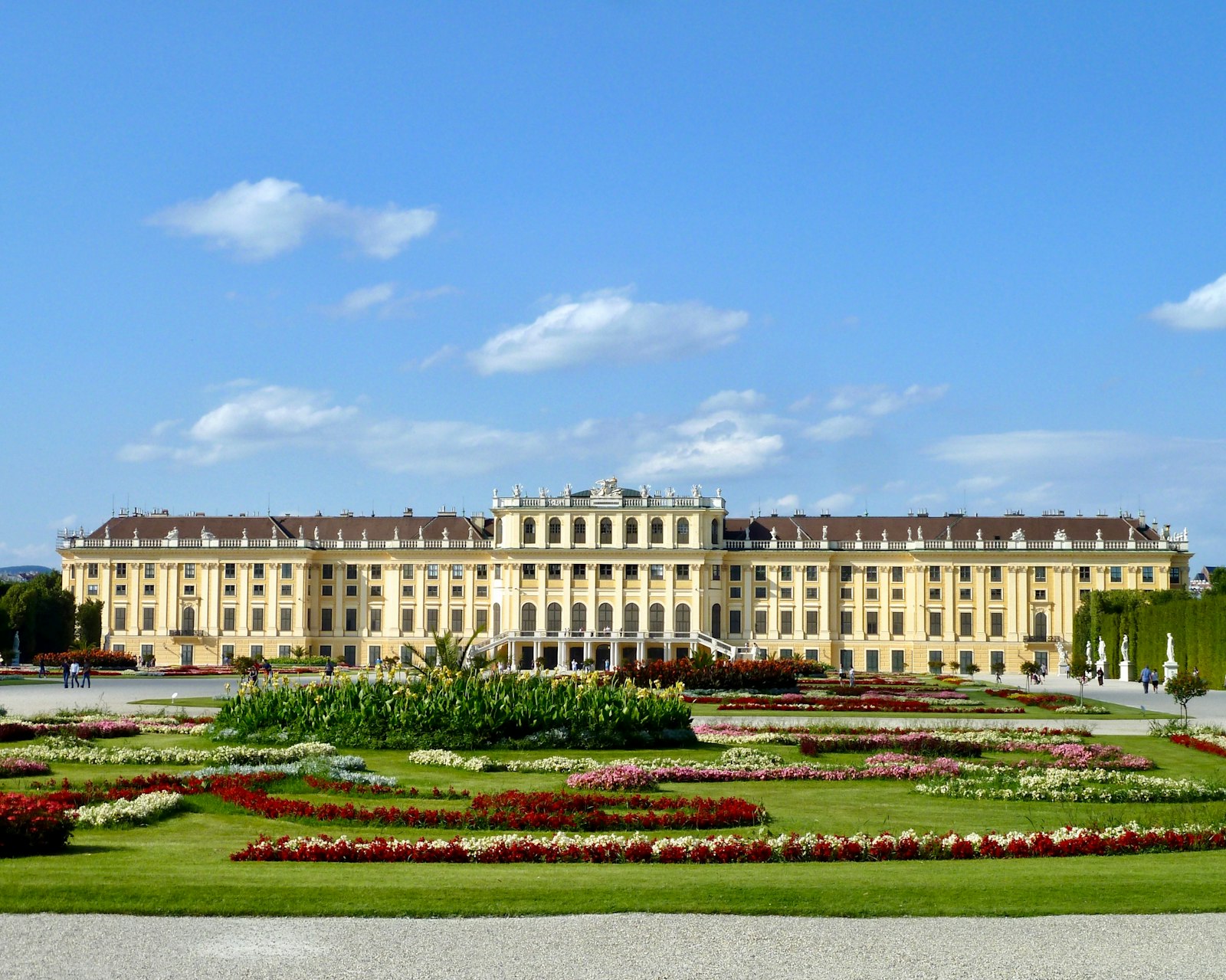
Spend your final morning exploring Schönbrunn Palace or Belvedere Palace, depending on your interests and flight time. Alternatively, keep things relaxed with a final Viennese café stop and some shopping in the historic centre.
Head to Vienna International Airport for your flight home, allowing plenty of time for airport check-in and security.
Estimated Budget
Approximate costs for this 10-day itinerary (excluding international flights):
| Expense | Estimated Cost per Person |
|---|---|
| Accommodation — 9 nights | €450–€650 |
| Rental car + basic insurance | €180–€280 |
| Fuel & tolls/vignettes | €100–€150 |
| Food & drinks | €250–€350 |
| Attractions & activities | €120–€180 |
| Local transport & parking | €50–€90 |
| Estimated Total | €1,150–€1,700 |
Note: Prices vary significantly by season, accommodation type, rental car category, and how far in advance you book. Summer and popular destinations such as Hallstatt, Salzburg, and Vienna can be considerably more expensive.
Useful Booking & Travel Links
Hungary
- Visit Hungary — Official tourism information, destinations, itineraries, food, wine and practical travel advice
Austria
- Austria Tourism — Official information on destinations, activities, regions and travel planning
- Graz Tourism — Official visitor information for Graz and the Styrian region
- Salzburg Tourism — Official information for Salzburg, attractions, events and travel planning
- Salzkammergut Tourism — Information on the lake district, villages, activities and attractions
- Vienna Tourism — Official information on Vienna's attractions, museums, food and events
Prompts to Try in Honge
- Plan a 10-day scenic road trip through Hungary and Austria.
- Create a romantic Hungary and Austria itinerary with wine, lakes, and charming villages.
- Plan a Central European road trip focused on Alpine scenery and outdoor activities.
- Build a 10-day Budapest, Lake Balaton, Salzburg and Vienna itinerary.
- Plan a scenic Austria road trip with Hallstatt, Wolfgangsee and Salzburg.
- Create a food and wine-focused itinerary through Hungary and Austria.
FAQs
Can I do this road trip without renting a car?
Yes, but a car makes the Lake Balaton, Styrian wine country, and Salzkammergut portions much easier. Budapest, Salzburg, and Vienna are well connected by public transport, so you can also combine trains with a shorter car rental.
Do I need a vignette for Austria?
Yes, if you use Austria’s motorways and expressways with a vehicle up to 3.5 tonnes. Check whether your rental car already has a valid vignette before purchasing one yourself.
Can I drive a rental car from Hungary into Austria?
Generally yes, but confirm this with your rental company before booking. Cross border travel may have additional fees, insurance conditions, or restrictions.
Is 10 days enough for Hungary and Austria?
Yes. Ten days works well for this route without making every day a long driving day. If you have 12-14 days, add extra nights around Lake Balaton or the Salzkammergut rather than adding too many destinations.
What is the best time for this road trip?
May to September offers the best overall conditions for this itinerary. July and August are best for swimming and lakeside activities but are also the busiest months. September is particularly good for scenic drives and vineyards.
Is Hallstatt worth visiting?
Yes, especially if you enjoy lakeside villages and Alpine scenery. Arrive early if possible, as Hallstatt can become crowded during the day, and check parking arrangements before you arrive.
What food should I try?
In Hungary, look for goulash, chicken paprikash, fisherman’s soup, Hungarian wines, and pálinka. In Austria, try Wiener Schnitzel, Käsespätzle, apple strudel, and regional wines. Around Styria, look out for pumpkin seed oil and regional dishes such as Backhendl.
Can I extend this trip to other European countries?
Absolutely. Hungary and Austria can easily be combined with Germany, Czechia, Slovenia, Slovakia, or Croatia. Just check your rental company's cross-border policy if you plan to keep the car.
Do I need a visa to visit Hungary and Austria?
Both countries are part of the Schengen Area. Visa requirements depend on your nationality and travel circumstances, so check the latest requirements before booking your trip.
Plan Your Adventure
Ready to explore Hungary and Austria? Plan this trip in Honge to customise your route, choose your preferred stays, adjust the number of days in each destination, and add activities that match your travel style.
Ready to make it yours?
Plan this trip in Honge
Customise nights in Budapest, Balaton, Graz, the Salzkammergut, Salzburg, and Vienna.
Related itineraries
- 7 Days in the Dolomites: The Ultimate Italian Alps Road Trip
- 7-Day Czech Republic Itinerary: Prague, Kutná Hora & Český Krumlov
- 7-Day Bulgaria Itinerary: Sofia, Rila, Plovdiv & the Pirin Mountains
- 8-Day Gold Coast Itinerary: Beaches, Rainforests & Coastal Adventures
- 10-Day Berlin & Munich Itinerary: Wall, Museums & Oktoberfest
- 7-Day Harry Potter Britain Itinerary: London, Oxford & Scotland
- 7-Day Iceland Ring Road Itinerary for First-Timers
- 12-Day Italy Itinerary: Milan to the Amalfi Coast
Written by
This blog was contributed by Sheba M, a travel enthusiast and writer. Sheba can be reached at shebaranjitha@gmail.com.
About Honge
Honge is an AI travel planning platform focused on practical, experience-led itineraries with realistic pacing and logistics. All blog content is edited and published by Honge. Our Hungary and Austria research draws on updated practical logistics as of August 2026. © Honge. All rights reserved.
Image credits: Photos are sourced from Unsplash and Wikimedia Commons. Copyright remains with their respective photographers and rights holders. Unsplash images are used according to the Unsplash License. Wikimedia Commons images are used according to their applicable CC BY-SA 4.0 license terms.
Travel disclaimer
This itinerary is intended as general travel inspiration and planning guidance only — not as personalised travel advice. Conditions change. Before you travel, check the current entry requirements, visa rules, and any travel advisories issued by your government for Hungary and Austria. Both countries are part of the Schengen Area; confirm passport validity, visa or residence-permit needs, and any Schengen stay limits that apply to your nationality. If you rent a car, verify cross-border travel permissions between Hungary and Austria, one-way drop-off fees, insurance cover, Hungarian e-vignette requirements, Austrian motorway vignettes and section tolls (including ASFINAG rules), parking arrangements at busy destinations such as Hallstatt, and local driving regulations directly with your rental company and official sources. Review hotel check-in times, attraction opening hours, lake and mountain activity conditions, and public-transport schedules for Budapest, Graz, Salzburg, and Vienna on your specific dates via operators and official tourism sites such as Visit Hungary, Austria.info, and local destination boards, and take out comprehensive travel insurance that covers medical, cancellation, and travel disruption. Suggested hotels, resorts, and B&Bs in this article are samples only and depend on availability; in the Honge app they may appear as booking options when they are offered by our vendors at the time of your search. Road, weather, vignette, and attraction conditions can change. Honge is not responsible for any changes to conditions, services, or experiences described in this article after the date of publication.