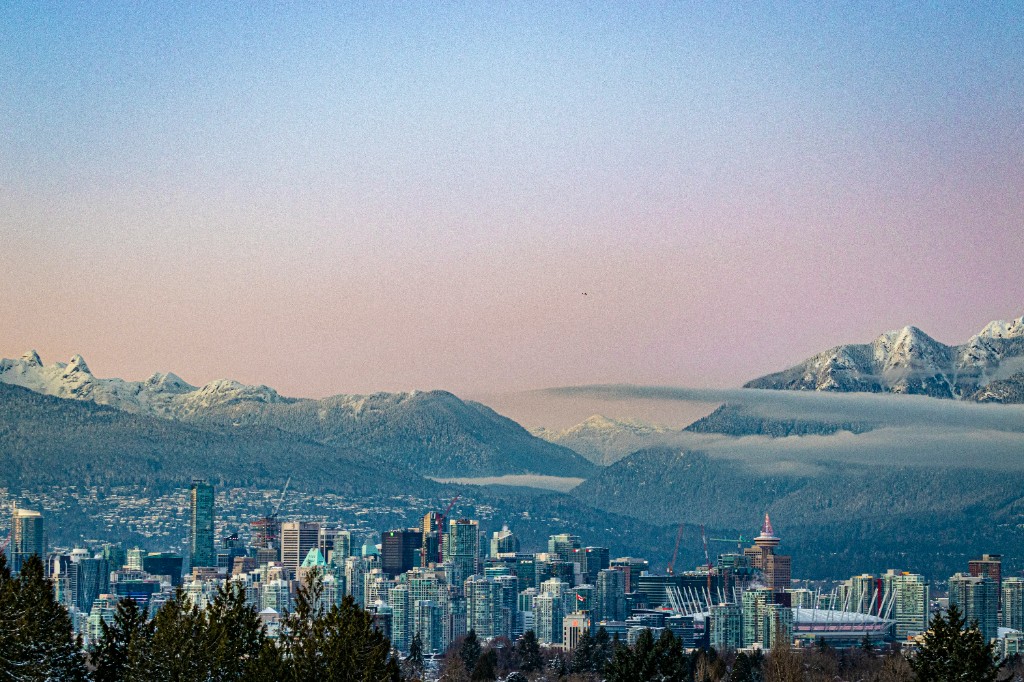
Vancouver brings together a vibrant city, dramatic mountains, Pacific beaches, lush forests and an incredible food scene in one destination — and six days is enough to taste both the city and the wilder British Columbia beyond it.
From the historic streets of Gastown and the markets of Granville Island to the trails of Stanley Park and the waterfront around Coal Harbour, the city offers plenty to explore without needing to travel far. A 6-day itinerary also leaves room to venture beyond: cross to North Vancouver for rainforest attractions and mountain views, follow the spectacular Sea-to-Sky Highway toward Squamish and Whistler, and take a ferry to Victoria for a taste of Vancouver Island.
With a mix of scenic drives, outdoor adventures, neighbourhood walks, wildlife, beaches and Pacific Northwest cuisine, this itinerary is designed to give first-time visitors a balanced introduction to Vancouver and British Columbia without making every day feel rushed.
Who This Trip Is For
This itinerary suits first-time visitors, couples, families and outdoor enthusiasts who want city exploration alongside mountains, forests and a ferry day to Vancouver Island. It works especially well if you like a clear daily focus without packing every hour — mornings for signature sights, afternoons for neighbourhoods or trails, and evenings for Vancouver’s food scene.
If you prefer slow neighbourhood wandering over ticking every attraction, keep Day 1 and Day 2 flexible. If adventure is the priority, lean into Capilano, Grouse, Sea-to-Sky stops and Whistler activities on Days 3–4. Families will find Stanley Park, Granville Island, Capilano and Grouse particularly easy wins.
Best Time to Visit Vancouver and British Columbia
Late spring through early autumn generally offers the best mix of comfortable weather, outdoor activities and longer daylight.
- May–June: Mild weather, fewer crowds and spring scenery.
- July–August: Warmest and driest months — best for hiking, road trips and outdoor activities, but also the busiest.
- September: Pleasant weather, fewer crowds and early autumn colours.
Overall, June to August is often the strongest window for an outdoor-focused version of this route. Shoulder months can feel calmer if you prefer quieter seawalls and shorter attraction queues.
Where to Stay
Suggested hotels are samples only and depend on availability; in the Honge app they may appear as booking options when offered by our vendors.
Nights 1–3: Vancouver
- Fairmont Waterfront — Best for waterfront views & luxury · fairmont.com
- Pinnacle Hotel Harbourfront — Best for location · pinnaclehotels.ca
- Blue Horizon Hotel — Best mid-range option · bluehorizonhotel.com
- Pan Pacific Vancouver — Best for Canada Place · panpacific.com
Night 4: Whistler
- Fairmont Chateau Whistler — Luxury · fairmont.com
- Aava Whistler Hotel — Mid-range · aavawhistlerhotel.com
Night 5: Victoria
- Fairmont Empress — Best for iconic luxury · fairmont.com
- Hotel Grand Pacific — Best for Inner Harbour · hotelgrandpacific.com
- Strathcona Hotel — Central mid-range option · strathconahotel.com
How to Get Around
You do not need a car for central Vancouver. Transit, walking and short rides cover downtown, Stanley Park approaches and many neighbourhoods. Rent a car for Day 4 if you want flexibility along the Sea-to-Sky Highway between Vancouver, Squamish and Whistler. Compare rental options on Skyscanner car hire in Vancouver.
Victoria is reached by BC Ferries (about 1 hour 35 minutes). Whistler can also be reached by shuttle or bus if you prefer not to drive, though a car makes scenic stops easier.
Journey Overview
| Day | Route & Highlights | Stay |
|---|---|---|
| Day 1 | Vancouver → Canada Place → Gastown → Vancouver Art Gallery → Robson Street → Waterfront | Vancouver |
| Day 2 | Stanley Park → English Bay → Granville Island → Kitsilano → Vancouver food scene | Vancouver |
| Day 3 | North Vancouver → Capilano Suspension Bridge → Grouse Mountain → Lynn Canyon → Mountain views | Vancouver |
| Day 4 | Vancouver → Sea-to-Sky Highway → Squamish → Sea to Sky Gondola → Whistler → Hiking & mountain scenery | Whistler |
| Day 5 | Whistler → Vancouver → Ferry to Victoria → Inner Harbour → Butchart Gardens → Local seafood | Victoria |
| Day 6 | Departure | Victoria |
Day 1: Vancouver – Downtown, Gastown & Waterfront
Stay: Vancouver · Focus: City sights, neighbourhoods, waterfront & food
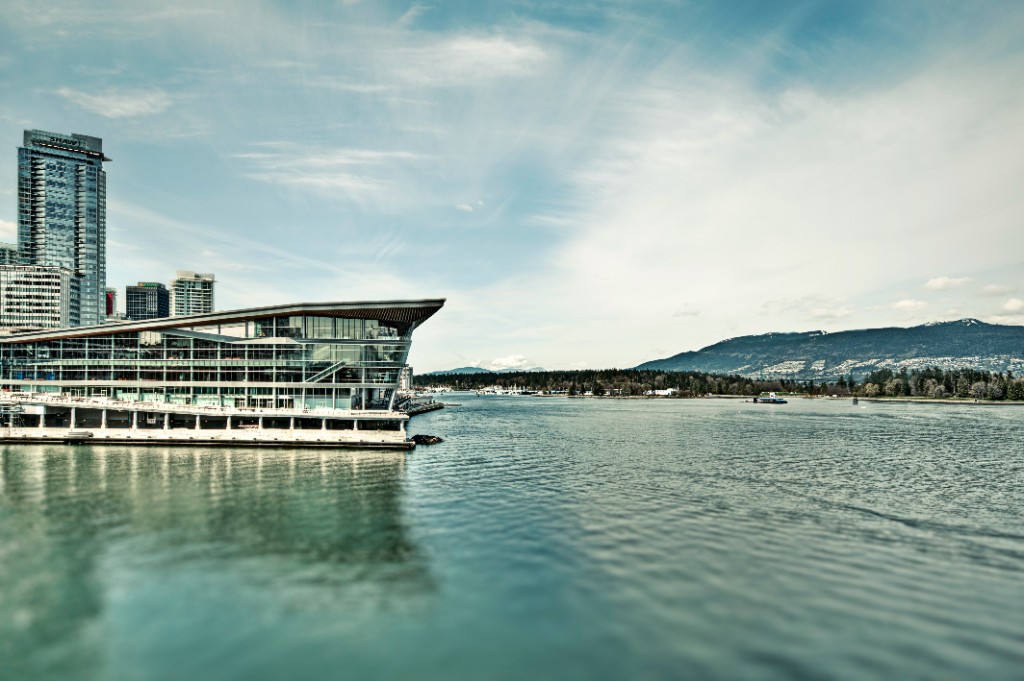
Start your first full day exploring Vancouver on foot, beginning around Canada Place and the Vancouver Convention Centre for harbour and mountain views. Continue through Coal Harbour and Harbour Green Park, then head into historic Gastown, Vancouver’s oldest neighbourhood. For lunch, take advantage of Vancouver’s diverse food scene, with options ranging from Japanese and Korean cuisine to seafood and Pacific Northwest dishes.
Spend the afternoon exploring more of downtown, with stops at Robson Street, the Vancouver Art Gallery and English Bay. If you prefer a more relaxed pace, simply follow the waterfront and enjoy the mix of ocean, mountains and city skyline.
Day 2: Stanley Park & English Bay
Stay: Vancouver · Focus: Beaches, cycling, parks & waterfront views
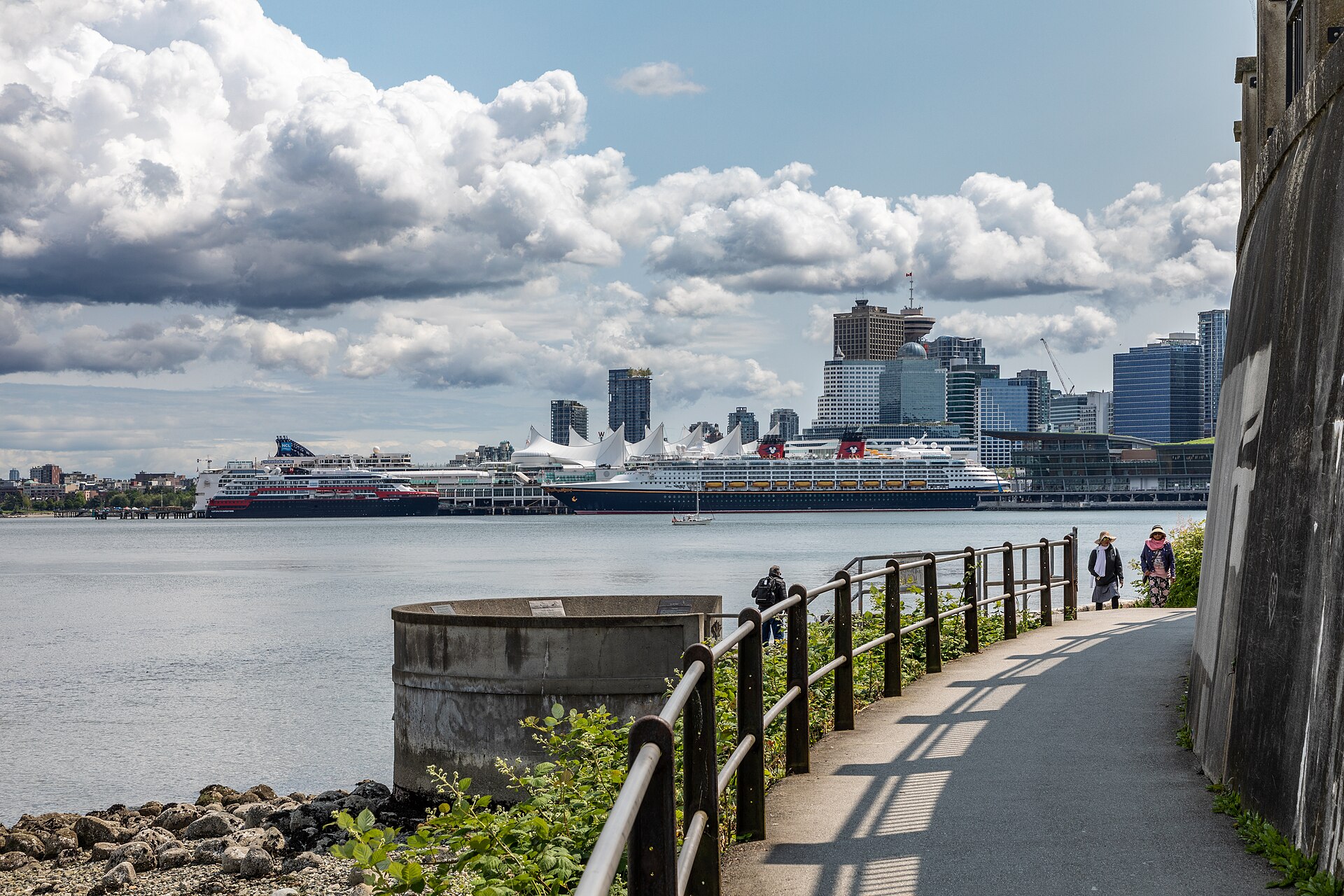
Start the day with a relaxed walk along English Bay, then continue into Stanley Park, Vancouver’s famous urban oasis. Explore the seawall on foot or rent a bicycle to follow the waterfront, stopping at Brockton Point’s totem poles and viewpoints overlooking the harbour, mountains and Lions Gate Bridge. Keep an eye out for squirrels, seabirds and other wildlife as you explore the park’s forests, beaches and trails.
After lunch, head to Granville Island to explore its public market, artisan shops, galleries and waterfront. Take your time browsing baked goods, seafood and other regional specialties before continuing to Kitsilano for a relaxed walk along the beach and views across the water. Finish the day with dinner in Vancouver and enjoy the city’s diverse Pacific Northwest food scene.
Day 3: Capilano Suspension Bridge & Grouse Mountain
Stay: Vancouver · Focus: Rainforest, mountain views & outdoor adventure
Head across to North Vancouver for a day surrounded by forest and mountain scenery. Start at Capilano Suspension Bridge Park, where you can walk across the famous suspension bridge, explore the forest trails and experience the Cliffwalk. Continue to Grouse Mountain for a scenic gondola ride and panoramic views over Vancouver, with opportunities to see resident grizzly bear Coola and enjoy the mountain surroundings.
If you prefer a quieter alternative, Lynn Canyon offers forest trails and another suspension bridge experience. Return to Vancouver in the evening and enjoy dinner downtown.
Note: Check the official Capilano Suspension Bridge and Grouse Mountain websites for current ticket prices, opening hours, seasonal closures and visitor information.
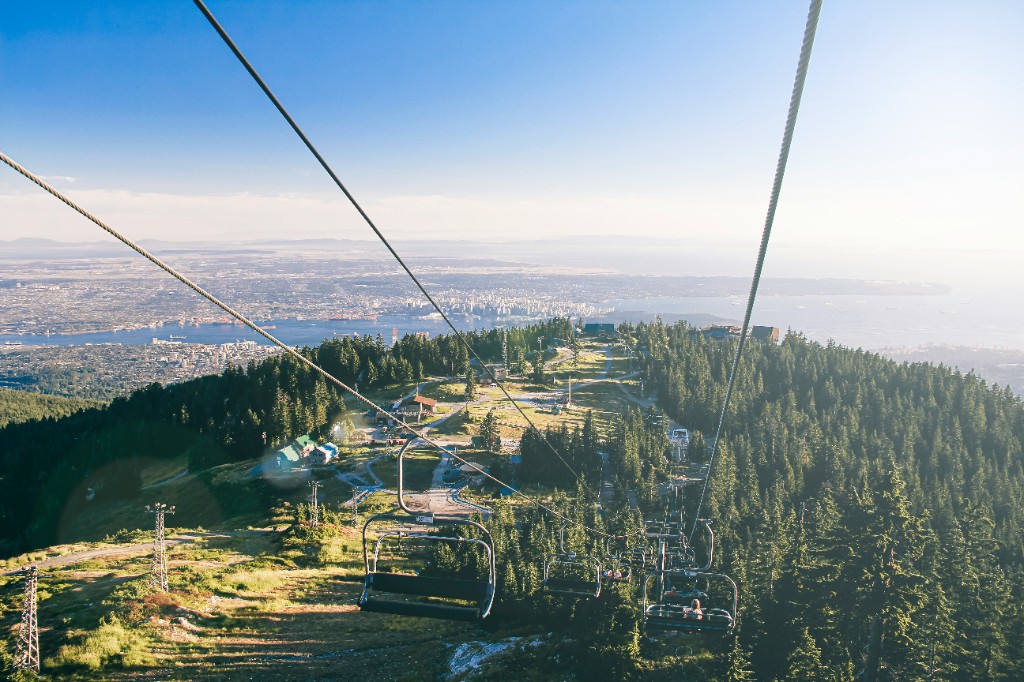
Day 4: Sea-to-Sky Highway → Squamish → Whistler
Stay: Whistler · Focus: Scenic drives, mountains, hiking & adventure
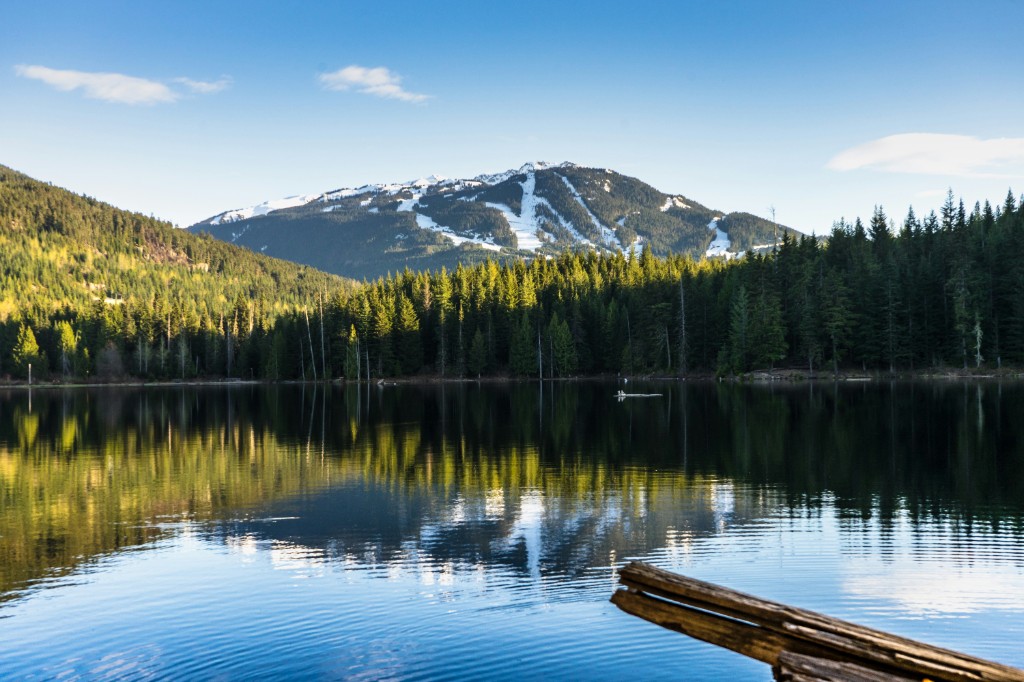
Leave Vancouver early and follow the spectacular Sea-to-Sky Highway towards Squamish, about a 1-hour drive from Vancouver, with opportunities to stop for mountain, forest and coastal views along the way. Continue from Squamish to Whistler, another 45-minute drive, stopping for a short hike or riding the Sea to Sky Gondola for panoramic views of Howe Sound and the surrounding mountains.
Spend the afternoon exploring Whistler Village, taking a walk around the lakes, or choosing an outdoor activity such as hiking or a gondola ride. The drive itself is a major part of the experience, so avoid packing in too many stops and allow time to enjoy the scenery.
Note: A rental car is recommended for Day 4 to explore the Sea-to-Sky Highway and make stops between Vancouver, Squamish and Whistler. Use the BC Parks website for provincial parks, trails, conditions and visitor information.
Day 5: Victoria & Butchart Gardens
Stay: Victoria · Focus: Ferry ride, gardens, waterfront & local food
This is a long travel day, so start early. The drive from Whistler to the Tsawwassen ferry terminal takes about 2.5 hours on its own, and BC Ferries recommends arriving 30–45 minutes before departure with a vehicle. Add the 1 hour 35 minute crossing and the drive onward to Butchart Gardens or downtown Victoria, and the full chain from Whistler to Vancouver Island runs close to 5 hours door to door — so leaving Whistler by 5–6am gives you a realistic shot at a full afternoon in Victoria. If an earlier start doesn't suit your pace, consider spending Night 4 back in Vancouver instead of Whistler to cut roughly two hours off this leg.
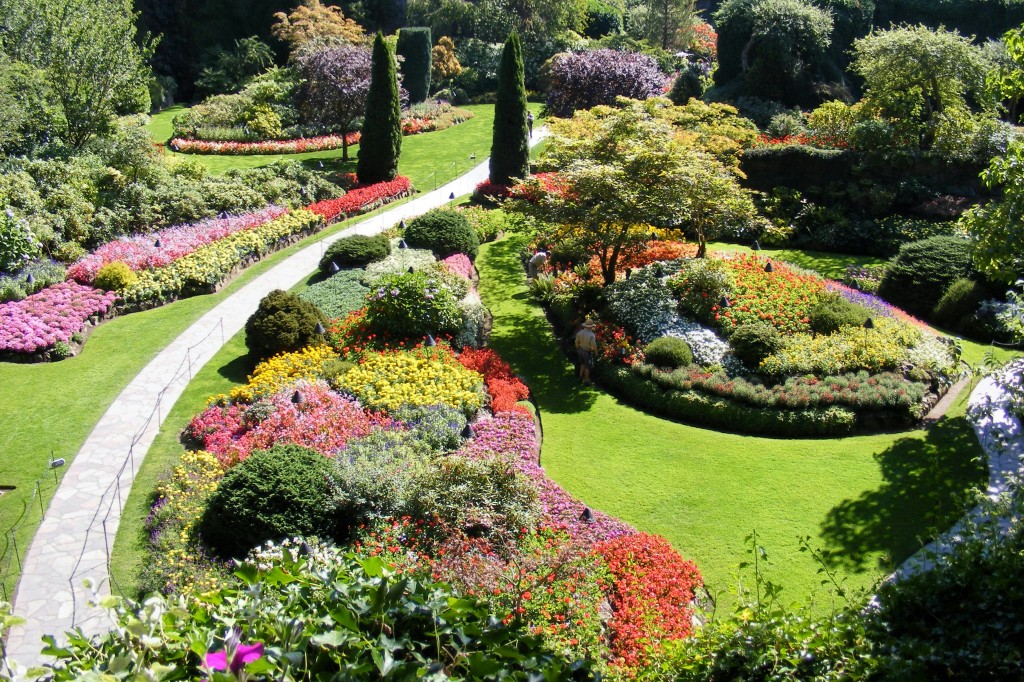
Upon arrival, spend the day exploring Victoria, starting with a visit to Butchart Gardens, known for its beautifully landscaped gardens and seasonal blooms.
Later, head into downtown Victoria to explore the Inner Harbour, stroll along the waterfront, and enjoy fresh local seafood at one of the city’s restaurants.
Note: Check the BC Ferries website for ferry schedules, routes and reservations.
Day 6: Victoria Departure
Focus: Departure
Enjoy a relaxed morning in the city before continuing to your next destination.
- If departing from Victoria: Head to Victoria International Airport (YYJ) for your onward flight.
- If returning to Vancouver: Take the ferry back to Vancouver (approximately 1 hour 35 minutes), then continue to Vancouver International Airport (YVR) or your next destination. Allow sufficient time for the ferry journey and airport connections.
Estimated Budget
| Budget level | Per person | Includes |
|---|---|---|
| Affordable | C$900–C$1,300 | Budget accommodation, public transport, casual meals and mostly free attractions |
| Mid-range | C$1,300–C$2,000 | Comfortable hotels, rental car for day trips, restaurant meals, ferry and paid attractions |
| Luxury | C$2,000–C$3,500+ | Upscale hotels, premium dining, private tours and upgraded experiences |
Excludes international flights. Costs can increase during summer and holiday periods. Sharing accommodation and a rental car can significantly reduce the per-person cost.
Useful Booking & Travel Links
- Destination Vancouver — City attractions, neighbourhoods, dining and trip planning
- HelloBC (Destination BC) — British Columbia travel planning and destinations
- Tourism Victoria — Victoria attractions, accommodation and activities
- Capilano Suspension Bridge Park — Tickets, hours and visitor information
- Grouse Mountain — Gondola, activities and seasonal updates
- BC Parks — Provincial parks, trails and conditions
- BC Ferries — Schedules, routes and reservations
- Skyscanner car hire in Vancouver — Compare rental options
Prompts to Try in Honge
FAQs
What is the best time to visit Vancouver and British Columbia?
May–June brings mild weather, fewer crowds and spring scenery. July–August is warmest and driest — ideal for hiking, road trips and outdoor activities, but also the busiest. September offers pleasant weather, fewer crowds and early autumn colours. Overall, June to August is often the strongest window for outdoor-focused trips.
How many days do you need in Vancouver?
Six days is enough for a first visit, allowing time for Vancouver’s major neighbourhoods and attractions as well as day trips to North Vancouver, Whistler and Victoria.
Is Vancouver worth visiting for first-time visitors to Canada?
Yes. Vancouver combines a vibrant city, diverse food scene, beaches, waterfronts, mountains, forests and easy access to outdoor adventures, making it an excellent introduction to British Columbia.
Do I need a car in Vancouver?
Not for central Vancouver — public transport, walking and ferries cover the city well. A rental car is useful for Day 4 on the Sea-to-Sky Highway to Squamish and Whistler, and for flexible stops beyond the city. Whistler can also be reached by shuttle or bus if you prefer not to drive.
What are the best day trips from Vancouver?
Popular day trips include Whistler and Squamish along the Sea-to-Sky Highway, North Vancouver, Victoria on Vancouver Island, and other nearby outdoor destinations.
What is Vancouver known for food?
Vancouver is known for its diverse Pacific Northwest food scene, including fresh seafood, sushi, Asian cuisine, locally sourced produce and craft beer.
What should you pack for Vancouver?
Pack layers and waterproof clothing, particularly if visiting outside summer. Comfortable walking shoes are useful for exploring the city, while proper hiking footwear and outdoor gear are recommended for the mountains.
What is the best way to combine Vancouver and Victoria?
A popular option is to spend several nights in Vancouver before taking the ferry to Victoria for a day trip or overnight stay. This itinerary supports both approaches, with Day 6 reserved for departure if you stay overnight in Victoria.
Can I visit Victoria as a day trip from Vancouver?
Yes. Victoria can be visited as a full-day trip, but staying overnight gives you a more relaxed experience.
What are the best outdoor activities around Vancouver?
Hiking, cycling, kayaking, whale watching, skiing, scenic gondola rides, and exploring beaches and rainforest trails are popular choices.
Can I see wildlife around Vancouver?
Yes. Depending on the season, you may see whales, seals, bald eagles, bears and other wildlife. Whale-watching tours are a popular option.
Is Vancouver good for families?
Yes. Stanley Park, the Vancouver Aquarium, Capilano Suspension Bridge, Grouse Mountain, beaches and Granville Island offer plenty of family-friendly activities.
Can I extend this trip?
Yes. Add extra time for Vancouver Island, Tofino, Victoria, the Okanagan Valley, or longer stays in Whistler and the surrounding mountains.
Final Take
Use this itinerary as a starting point rather than a fixed script. Linger longer in Stanley Park, swap Capilano for quieter Lynn Canyon, overnight in Whistler or treat Victoria as a long day trip — then remix the route in Honge around your pace, budget and travel style.
City neighbourhoods, mountain highways and a ferry to Vancouver Island give this six-day British Columbia loop a rhythm that feels full without feeling frantic.
Ready to plan your adventure?
Customize this itinerary with AI
Turn your Vancouver and British Columbia plans into a trip that fits you — personalise your route, discover places to stay, and build activities around your interests and travel style.
Related itineraries
- 7-Day Bulgaria Itinerary: Sofia, Rila, Plovdiv & the Pirin Mountains
- 8-Day Eastern India Itinerary: Kolkata, Odisha Temples & Darjeeling Tea
- 8-Day Gold Coast Itinerary: Beaches, Rainforests & Coastal Adventures
- 8-Day Canadian Rockies Road Trip: Calgary, Banff & Jasper
- 8-Day Utah Family Road Trip: Zion, Bryce, Arches & Dinosaurs
Written by
This blog was contributed by Sheba M, a travel enthusiast and writer. Sheba can be reached at shebaranjitha@gmail.com.
About Honge
Honge is an AI travel planning platform focused on practical, experience-led itineraries with realistic pacing and logistics. All blog content is edited and published by Honge. Our Vancouver and British Columbia research draws on updated practical logistics as of September 2026. © Honge. All rights reserved.
Image credits: Photos are sourced from Unsplash and Wikimedia Commons. Copyright remains with their respective photographers and rights holders. Unsplash images are used according to the Unsplash License. Wikimedia Commons images are used according to their applicable CC BY-SA 4.0 license terms.
Travel disclaimer
This itinerary is intended as general travel inspiration and planning guidance only — not as personalised travel advice. Conditions change. Before you travel, check the current entry requirements, visa rules, and any travel advisories issued by your government for Canada and British Columbia. Confirm BC Ferries schedules and reservations, provincial park and trail conditions via BC Parks, attraction opening hours and tickets (including Capilano Suspension Bridge and Grouse Mountain), weather and road conditions along the Sea-to-Sky Highway, rental-car terms and insurance, and airport transfer times directly with operators and official sources, and take out comprehensive travel insurance that covers medical, cancellation, and disruption. Suggested hotels and stay styles in this article are samples only and depend on availability; in the Honge app they may appear as booking options when they are offered by our vendors at the time of your search. Road, weather, ferry, park, and attraction conditions can change. Honge is not responsible for any changes to conditions, services, or experiences described in this article after the date of publication.