
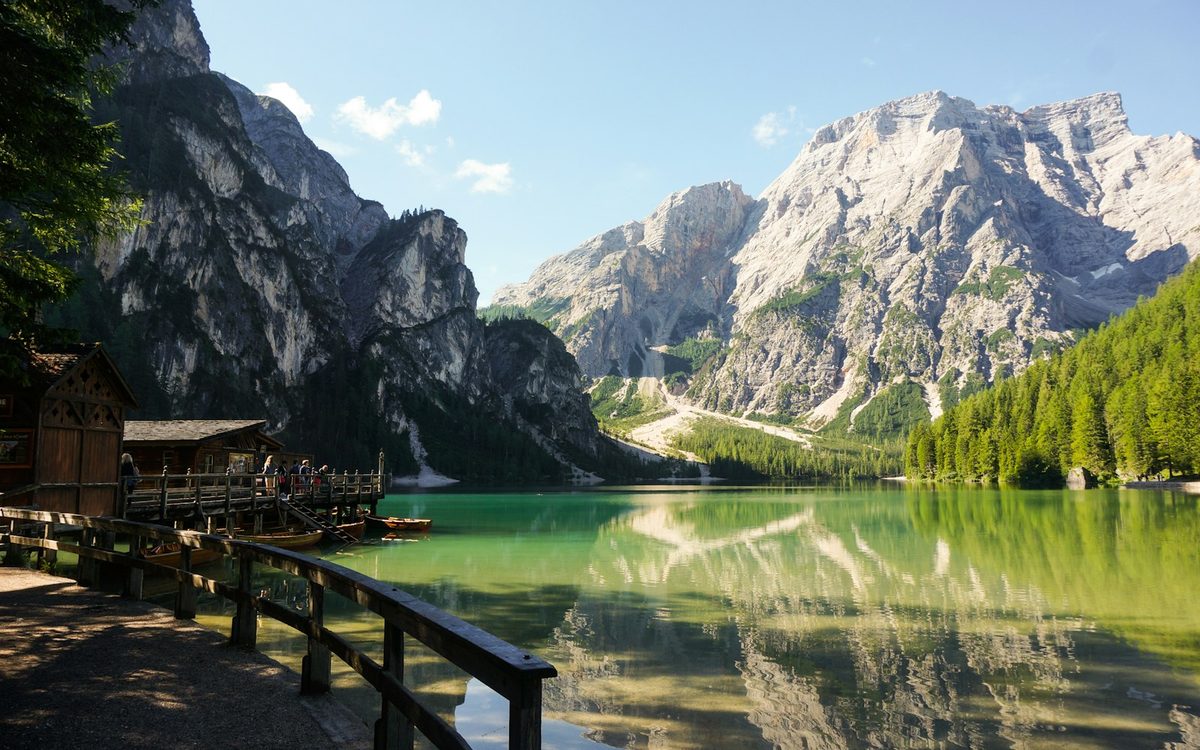
The biggest advantage of driving through the Dolomites is that you don’t have to treat the roads as simply a way to get from one attraction to another. The mountain passes are attractions in themselves.
Why This Road Trip Works
The biggest advantage of driving through the Dolomites is that you don't have to treat the roads as simply a way to get from one attraction to another.
The mountain passes are attractions in themselves.
A morning drive can take you from a traditional alpine village to a high mountain pass, followed by a short viewpoint walk, lunch at a rifugio, and an afternoon hike. The next day might bring a turquoise lake or a cable car ride above the treeline.
This itinerary deliberately avoids changing hotels every night. Instead, Cortina and Val Gardena become comfortable bases for exploring the surrounding mountains.
Route Map
The route runs from Venice north to Cortina d’Ampezzo, then west across the mountain passes into Val Gardena before finishing in Bolzano.
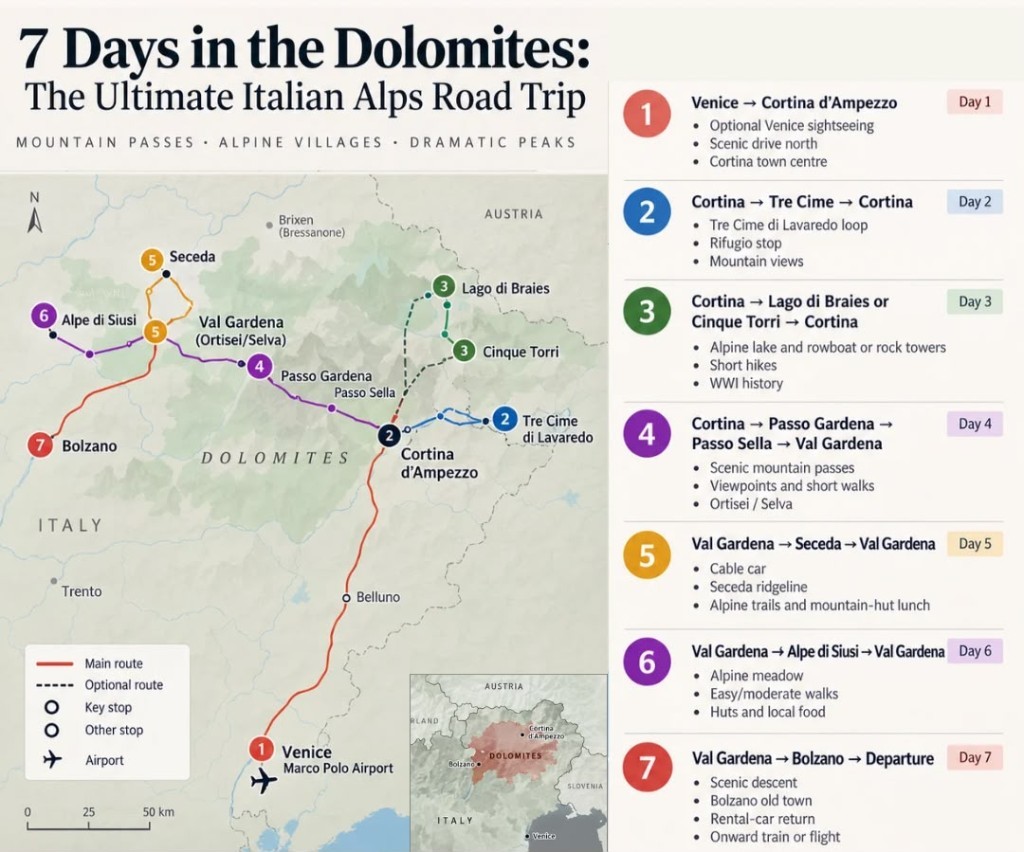
Venice → Cortina d’Ampezzo → Tre Cime / Lago di Braies → Passo Gardena → Passo Sella → Val Gardena / Ortisei → Seceda → Alpe di Siusi → Bolzano
Hiking Options in the Dolomites
You don't need to be an experienced mountaineer to enjoy this itinerary.
Easier options
- Lago di Braies lakeside walk
- Seceda viewpoints
- Short walks around Cinque Torri
- Alpe di Siusi meadow trails
Moderate options
- Tre Cime loop
- Longer Seceda trails
- Extended Alpe di Siusi walks
- Rifugio Nuvolau extension
Always choose the trail that matches your own ability rather than simply following the most famous route.
What to Eat in the Dolomites
The region combines Italian, Austrian and Ladin influences, so menus can look quite different from what you might expect from a typical Italian holiday.
Try:
- Canederli / Knödel (bread dumplings)
- Speck (cured South Tyrolean ham)
- Schlutzkrapfen (filled Ladin pasta)
- Polenta
- Local mountain cheeses
- Mushroom dishes
- Spätzle
- Apple strudel
- Pizza and pasta
- Gelato
Should You Visit the Smaller Villages?
The Dolomites are full of smaller villages where you can stop for coffee, lunch or a spontaneous walk. Villages are more authentic and less touristy than places such as Cortina. So if you see an attractive village while driving, stop. That's one of the advantages of having your own car.
What Is the Best Time to Visit the Dolomites?
For hiking and scenic driving, late June through September is generally the easiest period.
What Should You Pack for the Dolomites?
Hiking shoes, waterproof jacket, warm layer, sunscreen, sunglasses, hat, water bottle and a small backpack. Layers are essential.
What Should You Know About Car Rentals & Parking?
For a road trip, compare rental-car prices before booking and choose a small or medium-sized car where possible. Narrow mountain roads and village parking can make a compact car much easier to handle.
Always check the rental agreement for insurance, mileage, cross-border restrictions, fuel policy and deposit requirements.
Dolomites parking tips: For popular locations, arrive early → park officially → start your hike → return before the biggest crowds.
Why Are Rifugios One of the Best Dolomites Experiences?
Rifugios can be destinations in themselves. You can hike to one, order lunch or a drink, sit outside with panoramic views and then continue your route.
Some even offer overnight accommodation. Staying in a rifugio can also reduce travel time because you begin the following day already in the mountains, although for this seven-day itinerary, keeping your main accommodation in two villages makes the trip simpler.
Tip: Carry some cash for mountain huts.
What Is the Dolomiti Superski Pass?
If you plan to use several lifts during your stay, check whether a Dolomiti Superski pass makes sense for your itinerary. The pass covers participating lifts across the Dolomites, but a shorter local lift ticket may be better value if you are only using the cable cars for Seceda and Alpe di Siusi.
Travel note: Compare the current pass prices with individual lift tickets before purchasing. Lift operations, prices and available passes vary by season.
Where Should You Stay?
Cortina d’Ampezzo — 3 nights
Staying close to the town centre makes it easy to walk to restaurants, cafés and shops after a day on the road or trails.
Alternative: Stay in a smaller village near Cortina if you prefer a quieter setting or better value.
Val Gardena — 3 nights
For the second half of the trip, base yourself in Ortisei, Selva di Val Gardena or another village in Val Gardena.
Ortisei is particularly convenient if Seceda is a priority, with the cable-car system close to the village centre. Selva di Val Gardena is another excellent option, especially if you want to be closer to the mountain passes and enjoy a more alpine village atmosphere.
Which base should you choose?
| Base | Best for | Atmosphere |
|---|---|---|
| Cortina d’Ampezzo | Tre Cime, Lago di Braies, Cinque Torri | Lively, upscale mountain town |
| Ortisei | Seceda, Alpe di Siusi, restaurants | Charming, walkable, convenient |
| Selva di Val Gardena | Mountain passes, hiking, alpine scenery | Smaller, quieter, mountain-focused |
Booking tip: Wherever you stay, check whether parking is included, how far the accommodation is from the main lift stations, and whether restaurants and shops are within walking distance. For a road trip, these small details can make a big difference.
What Family-Friendly Options Are Available?
You don't have to complete long hikes every day.
Good options include lakeside walks, cable-car viewpoints, short alpine trails, mountain huts, village walks, scenic drives and picnic stops. If younger travelers aren't up for a full hiking day, use the lifts to reach the scenery and choose shorter walks from the top.
What Is the Perfect Seven-Day Rhythm?
The secret to this itinerary is balance.
- Eastern Dolomites: 3 nights Cortina → Tre Cime → Lago di Braies / Cinque Torri → alpine scenery and village evenings
- Scenic crossing: Cortina → Passo Gardena → Passo Sella → Val Gardena
- Western Dolomites: 3 nights Ortisei / Val Gardena → Seceda → Alpe di Siusi → rifugio lunches → relaxed village evenings
- Final day: Val Gardena → Bolzano
You get a taste of two distinct sides of the Dolomites without spending the entire trip packing and unpacking.
Introduction
The Dolomites are one of Europe’s great road trip destinations. Limestone peaks rise above green alpine meadows, mountain roads twist through dramatic passes, and around almost every corner there is another village, lake, hiking trail, or mountain refuge worth stopping for.
For first-time visitors, a road trip is one of the best ways to experience the region because driving is part of the adventure. This seven-day itinerary combines scenic mountain passes, iconic hikes, alpine lakes, cable cars, traditional villages, rifugio lunches, and the distinctive Ladin and South Tyrolean food culture.
Journey Overview
| Day | Route | Highlights |
|---|---|---|
| Day 1 | Venice → Cortina d’Ampezzo | Optional Venice sightseeing, scenic drive north, Cortina town centre |
| Day 2 | Cortina → Tre Cime → Cortina | Tre Cime di Lavaredo loop, rifugio stop, mountain views |
| Day 3 | Cortina → Lago di Braies or Cinque Torri → Cortina | Alpine lake and rowboat or rock towers, short hikes and WWI history |
| Day 4 | Cortina → Passo Gardena → Passo Sella → Val Gardena | Scenic mountain passes, viewpoints, short walks, Ortisei / Selva |
| Day 5 | Val Gardena → Seceda → Val Gardena | Cable car, Seceda ridgeline, alpine trails, mountain-hut lunch |
| Day 6 | Val Gardena → Alpe di Siusi → Val Gardena | Alpine meadow, easy/moderate walks, huts, local food and relaxed scenery |
| Day 7 | Val Gardena → Bolzano → departure | Scenic descent, Bolzano old town, rental-car return, onward train or flight |
Day 1: Venice to Cortina d’Ampezzo
Drive: Venice → Cortina d’Ampezzo
Approx. driving time: 2–2.5 hours · 160 km
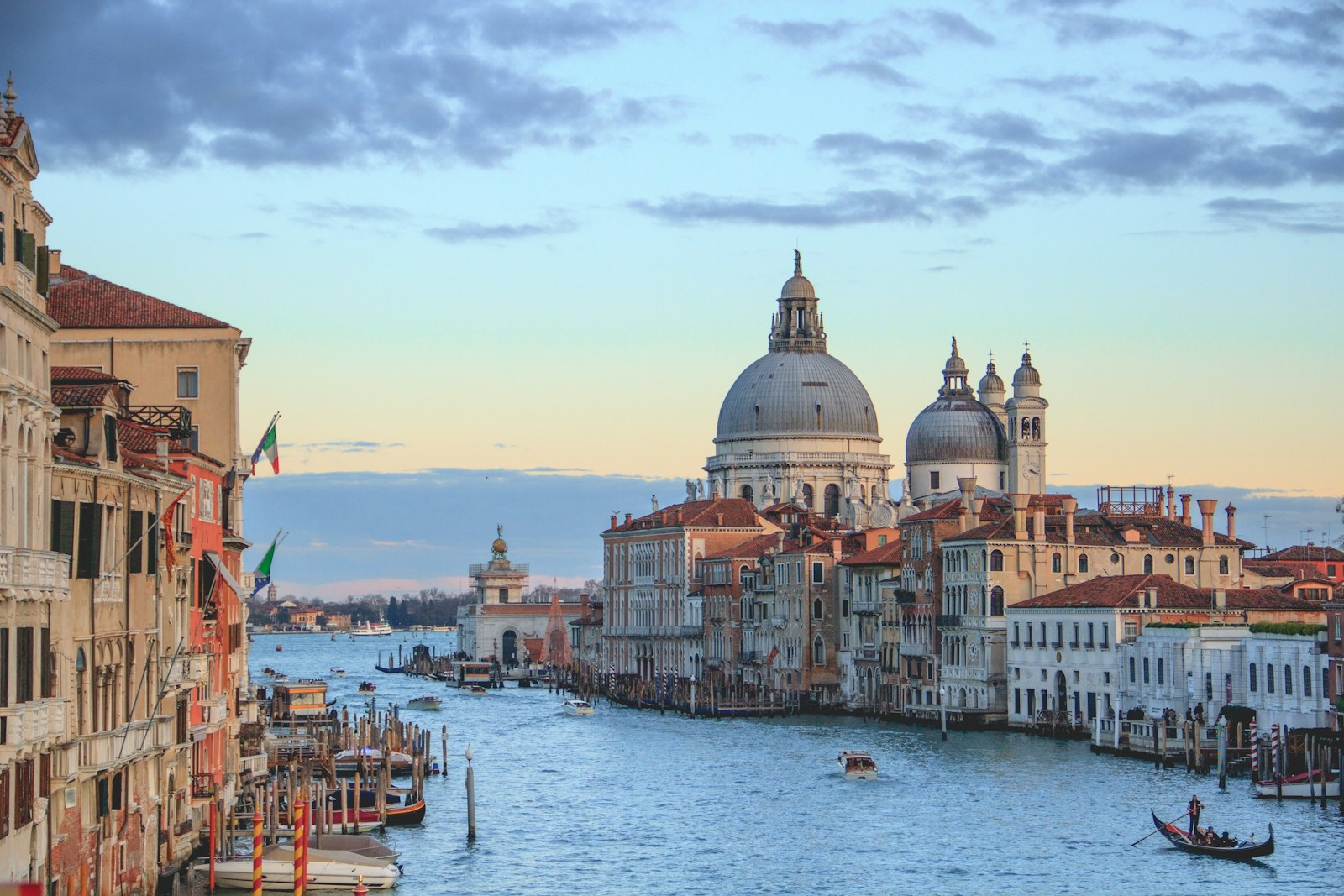
Pick up your rental car in Venice and if you have not explored Venice yet, consider spending a few hours sightseeing before leaving the city. A short morning could include St. Mark’s Square, the Grand Canal and a walk through some of Venice’s quieter streets before collecting your rental car and heading north.
Begin the drive north as the scenery gradually changes from the plains around Venice to increasingly dramatic alpine landscapes.
Because the drive is relatively short, there is no need to rush. After arriving in Cortina, check in, settle into your hotel and spend the evening exploring the town centre. Browse the shops, enjoy a relaxed dinner and try your first taste of the local mountain cuisine.
Day 2: Tre Cime di Lavaredo
Drive: Cortina d’Ampezzo → Tre Cime di Lavaredo → Cortina d’Ampezzo
Approx. driving: 50–60 minutes each way
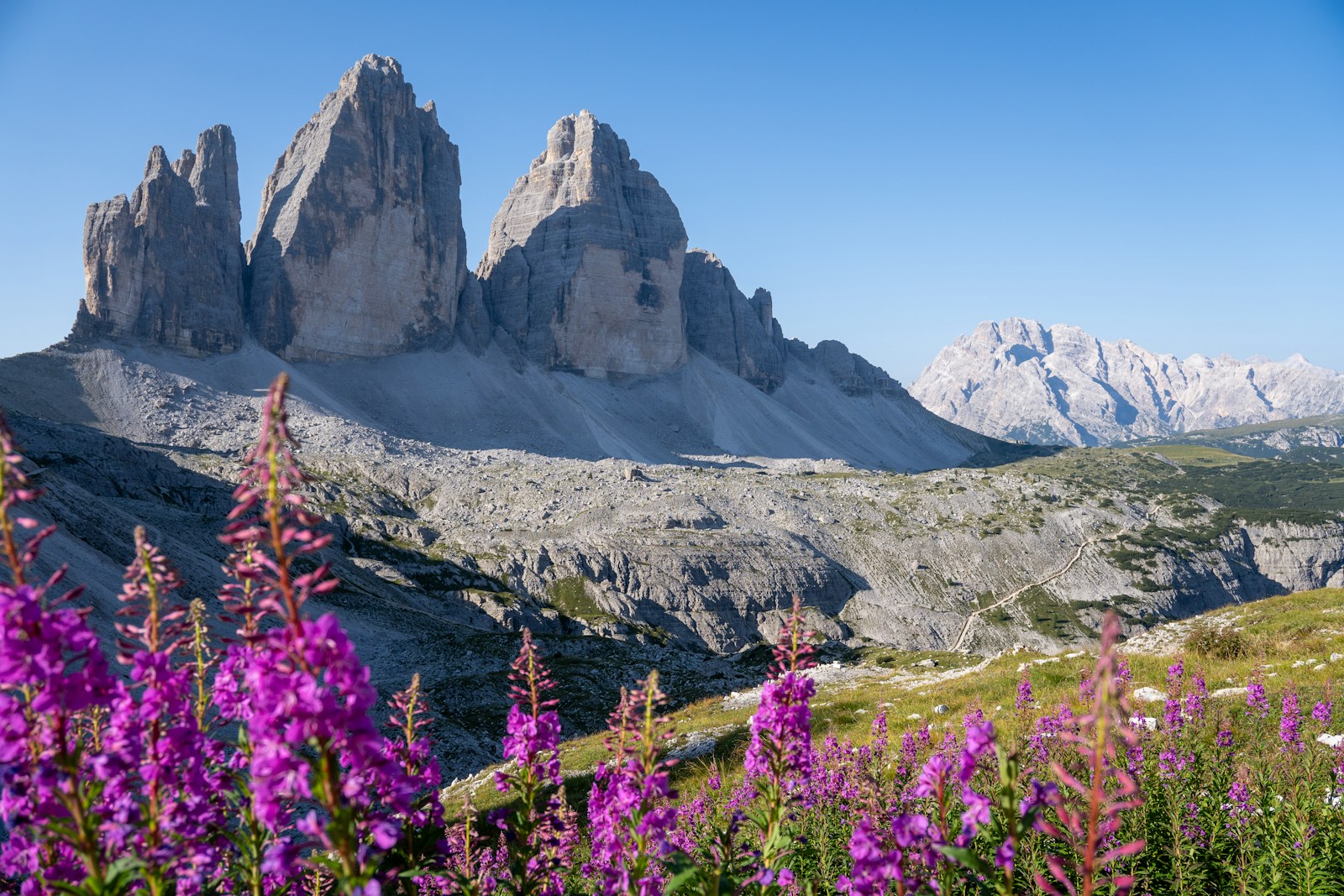
Start early for one of the most spectacular experiences in the Dolomites: Tre Cime di Lavaredo.
The classic loop around Tre Cime takes roughly 3 to 4 hours, depending on pace and stops. The route is accessible to many hikers, but the altitude and changing weather should not be underestimated.
Stop at a rifugio along the route for something warm and local. If weather and energy allow, consider Cadini di Misurina. However, don't force it if visibility is poor or the trail conditions aren't comfortable.
Return to Cortina for a relaxed evening.
Overnight: Cortina d’Ampezzo
Important: Driving to the Rifugio Auronzo car park now requires a mandatory advance online reservation — there is no same-day booking, and arriving without one means being turned away at the toll gate. Reservations typically open about a month ahead via the official Auronzo parking portal, run by the Municipality of Auronzo di Cadore. If you'd rather take the shuttle bus from the Dobbiaco side, that also requires its own advance booking — see drei-zinnen.bz. Confirm current dates, hours and fees before you go, since both systems are updated each season.
Day 3: Lago di Braies or Cinque Torri
Today gives you flexibility depending on weather, energy and what kind of scenery you want.
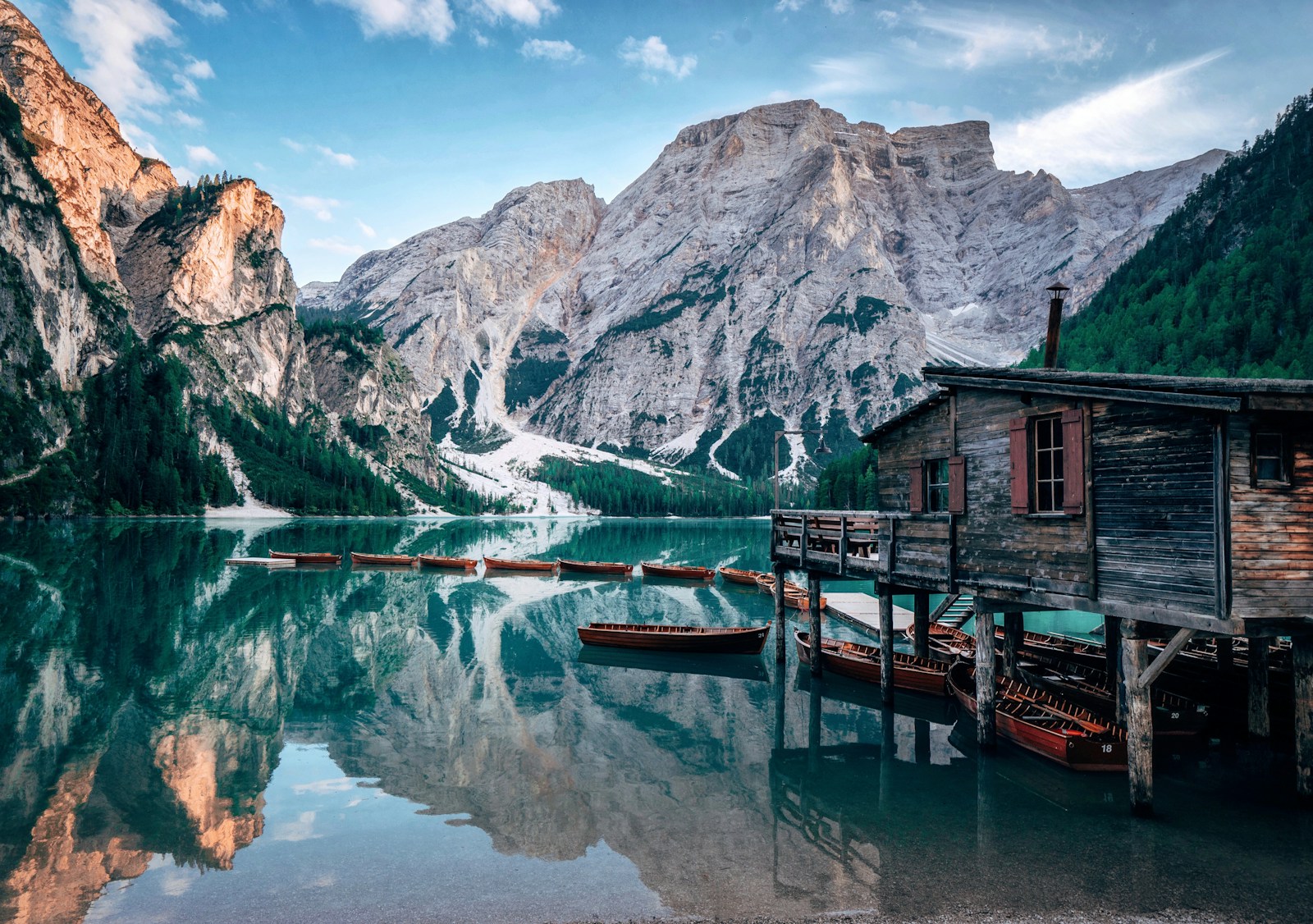
Recommended: Lago di Braies
Drive: Cortina d’Ampezzo → Lago di Braies → Cortina d’Ampezzo
Approx. driving time: Around 1 hour each way
Leave early for Lago di Braies, one of the Dolomites' most famous alpine lakes. Walk part or all of the lakeside trail, and if conditions and availability allow, consider renting a traditional rowboat. After the lake, return toward Cortina and enjoy a relaxed afternoon.
Note: Vehicle access to the Braies valley is restricted from July 1 to September 15, between 9 a.m. and 4 p.m., when you need an online parking reservation or valid transit permit to drive in. Outside those dates and hours, no reservation is needed, though parking still isn't guaranteed. Confirm current rules and book ahead if traveling in peak season at pragsparking.com.
Alternative: Cinque Torri
Drive: Cortina d’Ampezzo → Cinque Torri → Cortina d’Ampezzo
Approx. driving time: Around 25 to 35 minutes each way
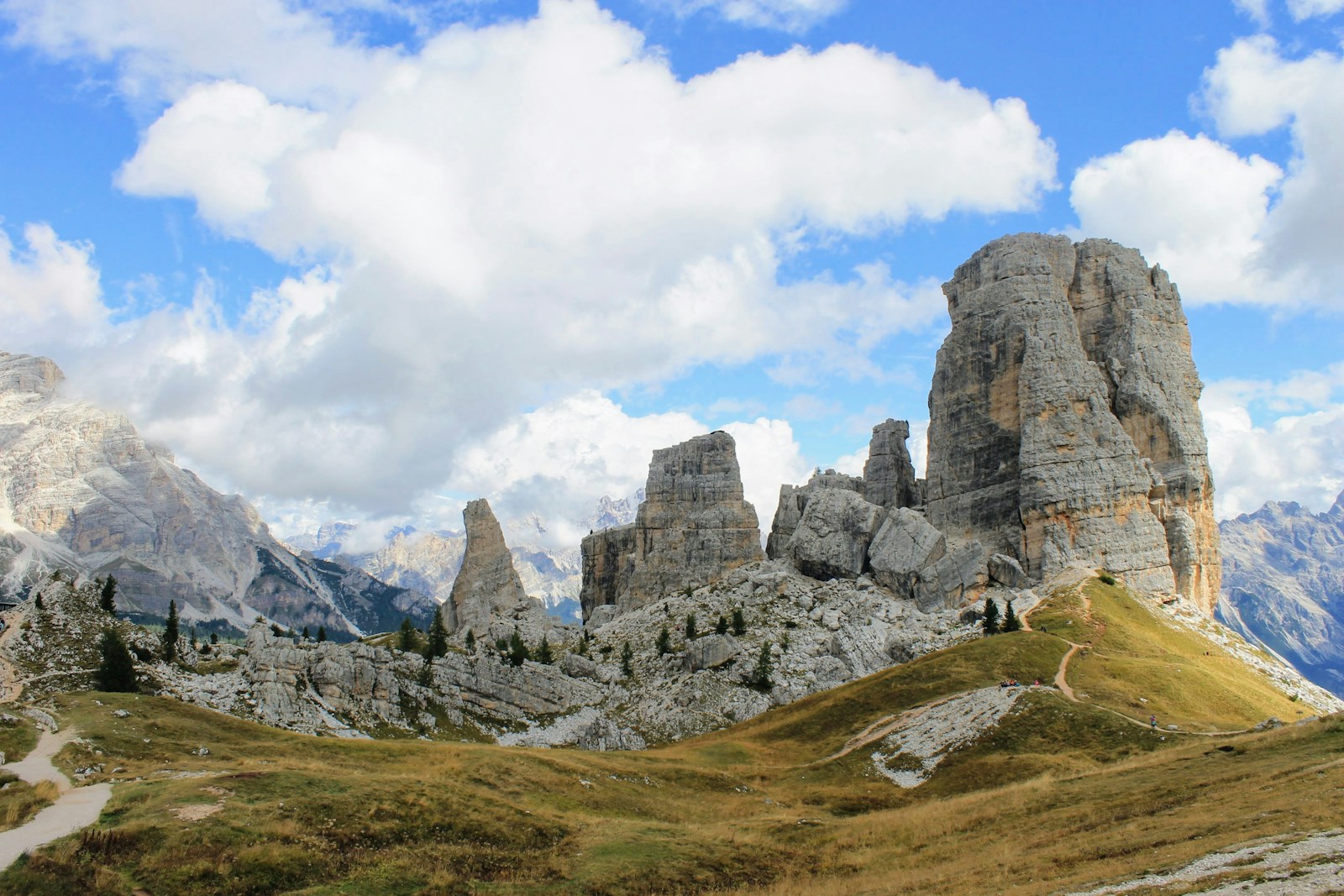
If you'd prefer another mountain experience, head to Cinque Torri. Take the chairlift up and explore the network of shorter trails around the distinctive five rock towers. The area also has fascinating First World War history, with restored trenches, tunnels and military structures along the trails.
For stronger hikers, continue toward Rifugio Nuvolau. The uphill walk is more strenuous, but the panoramic views are exceptional.
Whatever you choose, return to Cortina for your final night. Take a stroll, and enjoy a relaxing dinner.
Overnight: Cortina d’Ampezzo
Day 4: Cortina to Val Gardena via Passo Gardena & Passo Sella
Drive: Cortina → Passo Gardena → Passo Sella → Val Gardena
Approx. driving: 2 to 2.5 hours without extended stops
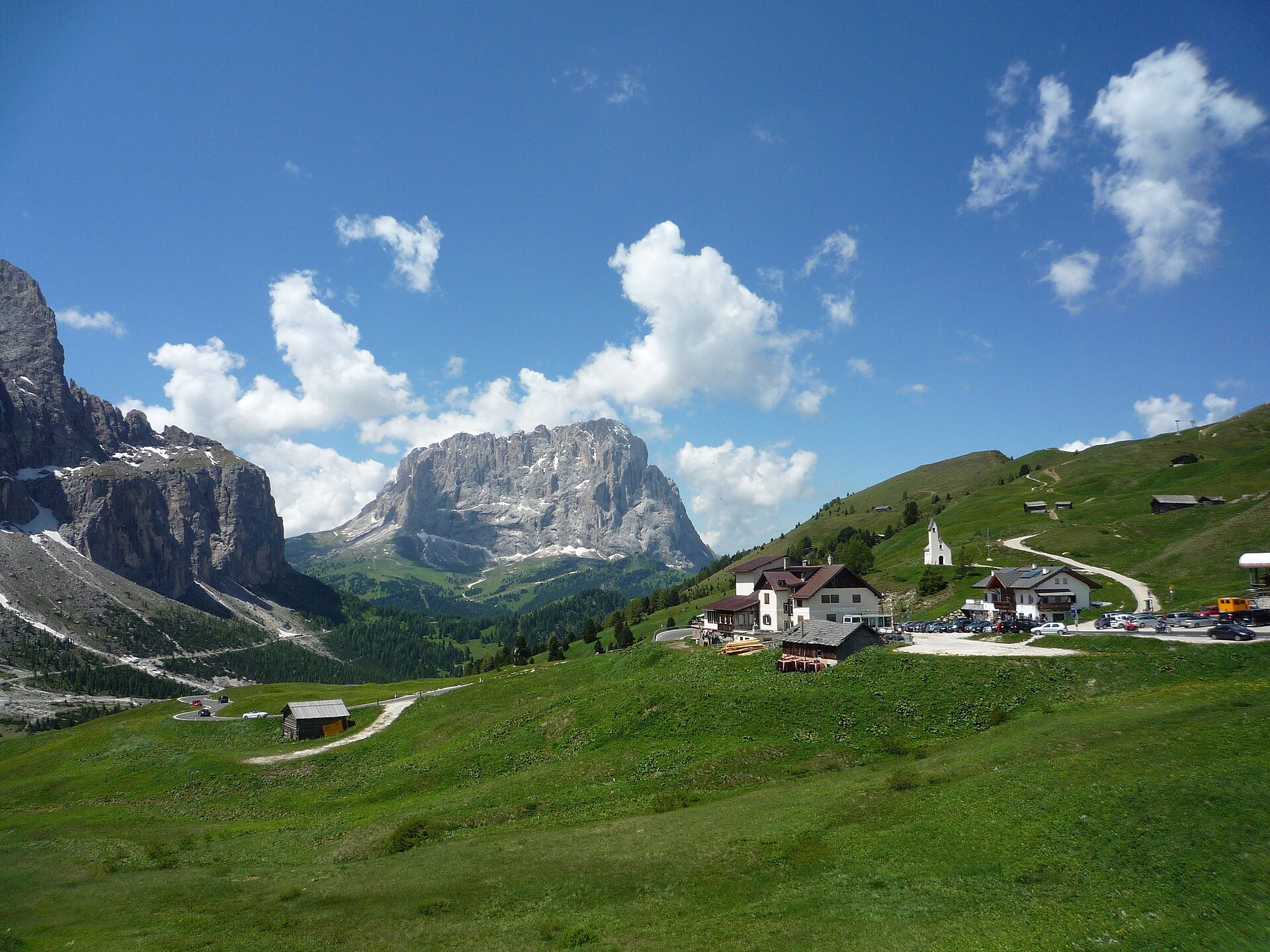
Leave Cortina and head west through the Dolomites. Stop at Passo Gardena for dramatic views over the surrounding peaks. A short walk is enough to stretch your legs and take in the scenery. You don't need to commit to a long hike here as the pass itself is the attraction.
Continue toward Passo Sella, another spectacular section of the route. Stop for photographs, coffee or a short walk before continuing toward Val Gardena.
Continue to Ortisei or Selva di Val Gardena and check into your second base. Spend the evening exploring the village rather than immediately planning another activity.
Overnight: Ortisei / Val Gardena
Day 5: Seceda
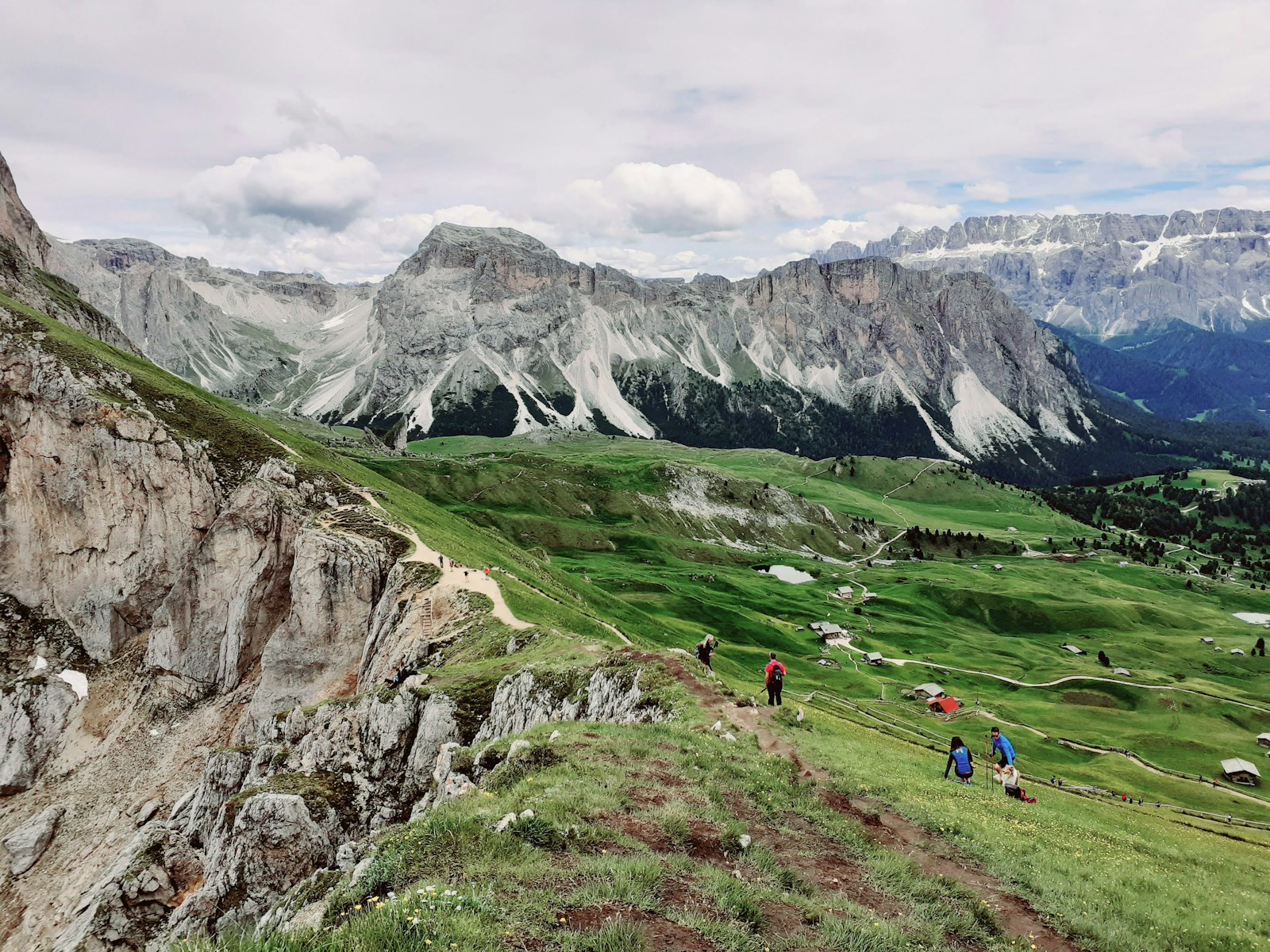
Take the cable car from Ortisei toward Seceda and head into the mountains. Once at the top, explore the trails around the famous Seceda ridgeline, where green slopes meet dramatic jagged limestone peaks.
- Easy: Walk to the main viewpoints and return by lift.
- Moderate: Continue farther along the ridge and surrounding trails.
Stop at a mountain hut for lunch and try a local dish before returning to Ortisei.
Overnight: Ortisei / Val Gardena
Note: Use the Dolomiti Superski website to check current lift operating dates, ticket options and mountain access.
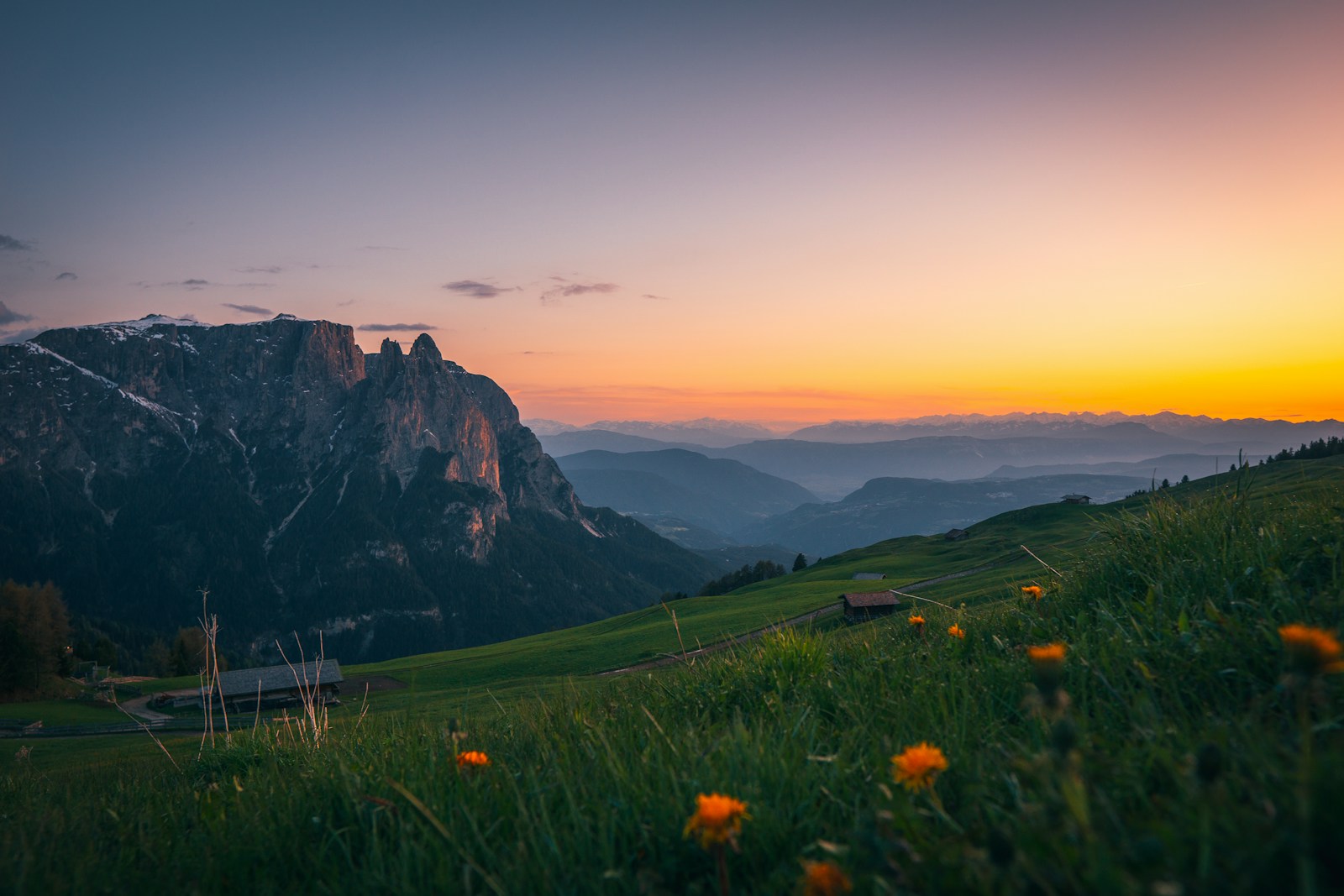
Day 6: Alpe di Siusi
Approx. travel time: Around 20–30 minutes, depending on the lift connection and starting point
Head to Alpe di Siusi, Europe's largest high altitude alpine meadow.
Access to Alpe di Siusi is regulated to limit traffic and protect the plateau. For day visitors, cable-car access from the valley is one of the easiest options. Driving restrictions and access rules can vary, so check the latest official information before your visit.
Choose a moderate meadow trail. You can also rent bikes or simply find a quiet viewpoint for a picnic.
One of the most enjoyable experiences would be simply slowing down here with a drink, lunch and time to enjoy the landscape rather than trying to see every corner.
Try something local like apple strudel, canederli, speck, local cheese, polenta, or Skiwasser, a traditional alpine soft drink.
Return to Ortisei for your final evening in the mountains.
Overnight: Ortisei / Val Gardena
Travel note: Private-car access to the Alpe di Siusi is restricted during certain periods. Check the current access rules and parking requirements before driving up. The cable car is often the easiest alternative. See Seiser Alm parking and access.
Cable-car & lift information: dolomitisuperski.com
Day 7: Val Gardena to Bolzano & Departure
Drive: Val Gardena → Bolzano
Approx. driving time: Around 50 minutes
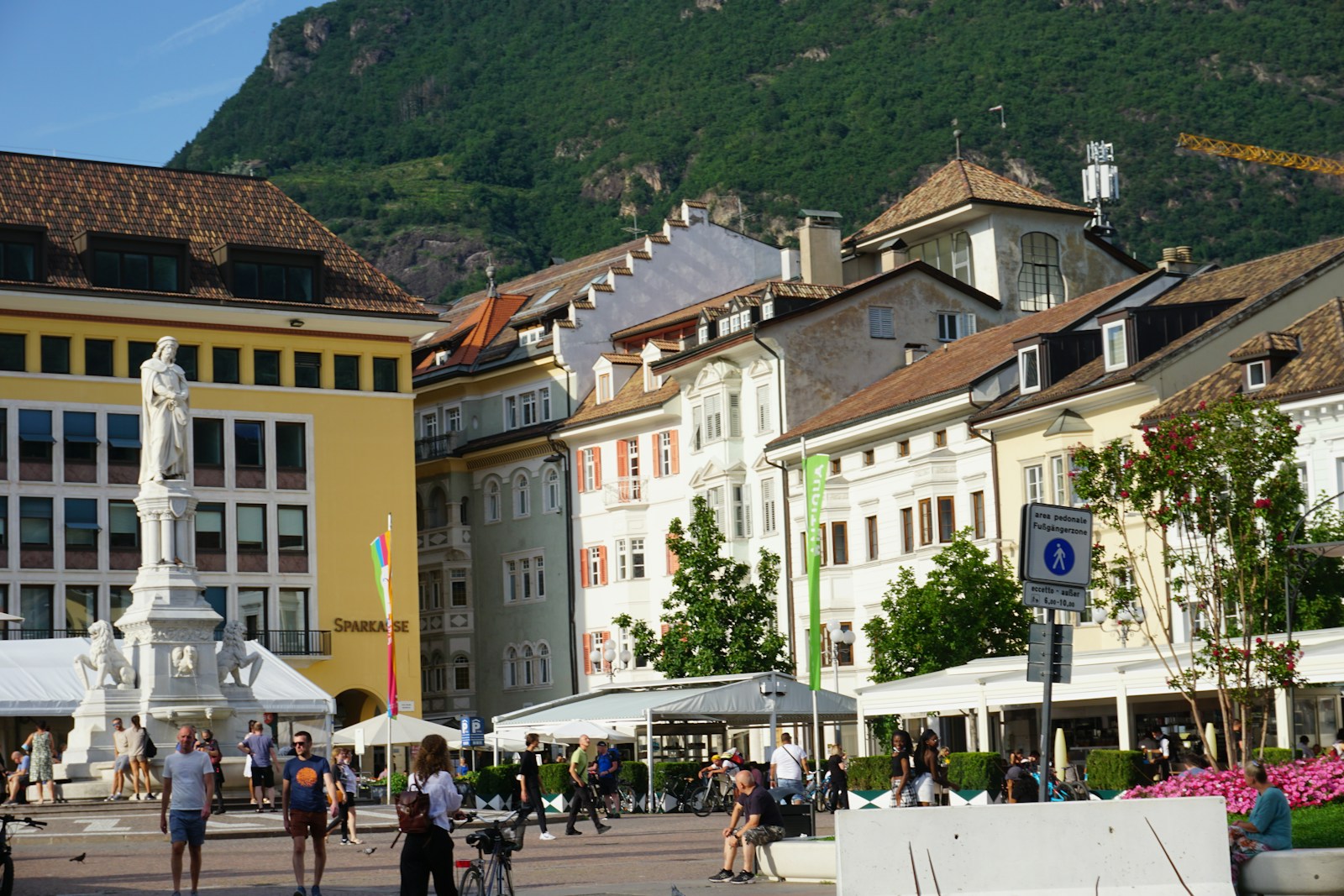
Enjoy a final morning in Val Gardena before descending through the Adige Valley toward Bolzano. Depending on your departure plans, you can spend a few hours exploring the historic centre before continuing your journey home.
If you're finishing the road trip in Bolzano, return your rental car here before continuing to the airport or railway station. Val Gardena to Bolzano Airport is roughly 48 km and about 55 minutes by car, making it the most convenient option if you have a suitable flight.
Estimated Budget
Costs below are approximate per person for this seven-day itinerary and will vary with season, hotel category and how many lifts you use.
| Category | Approx. cost per person |
|---|---|
| Accommodation | €500–€900 |
| Rental car + fuel | €150–€300 |
| Parking / tolls | €40–€80 |
| Cable cars / lifts | €70–€150 |
| Food | €250–€400 |
| Estimated total | €1,010–€1,830 |
Useful Booking & Travel Links
- Dolomites UNESCO / Visit Dolomites
- Cortina d’Ampezzo Official Tourism
- South Tyrol Tourism
- Bolzano Official Tourism
- Italy Official Tourism — Dolomites
- Lago di Braies Official Website
- Alpe di Siusi Official Tourism
Prompts to Try in Honge
- For itinerary planning: I have 7 days in the Dolomites, starting in Venice and finishing in Bolzano. Keep Cortina and Val Gardena as my two bases and create a realistic day-by-day itinerary without adding extra hotel changes.
- For weather backup plans: Check my Dolomites itinerary and give me a bad-weather alternative for every hiking day, while keeping the same hotels and route.
- For packing: Create a summer packing list for a 7-day Dolomites road trip with moderate hikes, cable cars and changing mountain weather.
- For driving: Give me the most scenic driving route from Cortina d’Ampezzo to Val Gardena, including Passo Gardena and Passo Sella, with worthwhile viewpoints and short stops.
- For food: Give me a list of traditional Ladin and South Tyrolean foods to try in Cortina, Val Gardena and Bolzano, including vegetarian options.
- For hiking: Compare the Tre Cime loop, Cinque Torri and the easier hikes around Seceda by difficulty, distance, views and approximate walking time.
- For a last-minute check: Before I leave for the Dolomites today, give me a checklist of what I should verify: weather, road access, parking, cable cars, trail conditions and reservations.
FAQs
How many days do you need in the Dolomites?
Seven days is a good amount of time for a first visit if you focus on a specific region rather than trying to see everything. This itinerary divides the trip between Cortina d’Ampezzo and Val Gardena, covering major highlights while keeping the pace manageable.
Is the Dolomites road trip suitable for first-time visitors?
Yes. A car gives you flexibility to reach mountain viewpoints, villages and trailheads, while cable cars make many high-altitude landscapes accessible without requiring strenuous hikes.
Do you need a car in the Dolomites?
A car is not essential everywhere, but it is particularly useful for this itinerary because the route is designed around scenic mountain drives between Cortina, the passes and Val Gardena. If you rent one, a smaller vehicle is generally easier on narrow mountain roads and in village car parks.
Where should you stay in the Dolomites?
For this itinerary, stay around Cortina d’Ampezzo for three nights and Ortisei or another Val Gardena village for three nights. Two bases provide a good balance between exploring and avoiding constant hotel changes.
What is the best time to visit?
For hiking, mountain roads and cable-car sightseeing, late June through September is generally the most suitable period. September can be particularly appealing for travelers who want a quieter atmosphere, although mountain weather can still change quickly.
How difficult is the Tre Cime hike?
The classic Tre Cime circuit is generally a moderate mountain walk rather than a technical hike. Allow roughly 3–4 hours depending on your pace and stops. The altitude and weather can make it feel more demanding than the distance suggests.
Can you visit Lago di Braies without hiking?
Absolutely. Lago di Braies is ideal for a relaxed day. You can walk around the lake, enjoy the scenery, have something to eat or rent a traditional rowboat when available.
Are the cable cars included in a general Dolomites pass?
Not necessarily. Lift tickets and passes vary by area, season and operator. Check the current Dolomiti Superski and local lift websites before buying tickets.
Can you do the Dolomites without hiking?
Yes. Cable cars, scenic mountain passes, alpine villages, lakes and rifugios make it possible to enjoy the landscape even if you prefer short walks rather than long hikes.
Is this itinerary family-friendly?
Yes, especially if you keep the hiking flexible. The cable cars, lakes, villages and scenic drives provide plenty to do without requiring everyone to complete a long mountain hike.
What happens if the weather is bad?
Don't force a mountain hike in poor conditions. Swap hiking days around when possible, spend time exploring Cortina or Bolzano, or choose a lower-elevation activity. The Dolomites are best enjoyed with some flexibility.
Is one week enough for the Dolomites?
One week is enough for a highlight trip, not for seeing everything. The key is to concentrate on two areas rather than spending hours every day driving between distant valleys. This itinerary focuses on Cortina, Tre Cime, Lago di Braies, the major Val Gardena passes, Seceda, Alpe di Siusi and Bolzano.
Plan Your Dolomites Trip with Honge
From winding mountain passes and dramatic peaks to peaceful alpine lakes, traditional villages and unforgettable hikes, the Dolomites are the kind of destination that stays with you long after you leave.
Whether you're planning your first Italian Alps road trip or looking for inspiration for your next adventure, this itinerary gives you a practical starting point with the flexibility to make it your own.
Ready to start your adventure?
Customize this itinerary with AI
Turn this Dolomites road trip into a route that fits you — keep Cortina and Val Gardena as bases, swap hiking days for weather, and plan around your Venice start and Bolzano finish.
Related itineraries
- 7-Day Montenegro Road Trip: Kotor, Durmitor & the Adriatic Coast
- 8 Days in the Yucatán: Mérida, Chichén Itzá, Bacalar & Tulum
- 7-Day Bulgaria Itinerary: Sofia, Rila, Plovdiv & the Pirin Mountains
- 7-Day Iceland Ring Road Itinerary for First-Timers
- 10-Day Budapest to Vienna Road Trip: Balaton, Hallstatt & Salzburg
- 10-Day Berlin & Munich Itinerary: Wall, Museums & Oktoberfest
Written by
This blog was contributed by Sheba M, a travel enthusiast and writer. Sheba can be reached at shebaranjitha@gmail.com.
About Honge
Honge is an AI travel planning platform focused on practical, experience-led itineraries with realistic pacing and logistics. All blog content is edited and published by Honge. Our Dolomites research draws on updated practical logistics as of September 2026. © Honge. All rights reserved.
Image credits: Route map illustration created for this Honge itinerary. Photos are sourced from Unsplash and Wikimedia Commons. Copyright remains with their respective photographers and rights holders. Unsplash images are used according to the Unsplash License. Wikimedia Commons images are used according to their applicable CC BY 2.0 license terms.
Travel disclaimer
This itinerary is intended as general travel inspiration and planning guidance only — not as personalised travel, safety, driving, hiking or medical advice. Conditions change. Before you travel, check current entry requirements, visa rules and any travel advisories issued by your government for Italy and the Schengen Area. Review mountain weather, snow and trail conditions for your dates, confirm lift operating hours, parking, access rules and reservations for Tre Cime, Lago di Braies, Seceda, Alpe di Siusi and other sites directly with official operators, and take out comprehensive travel insurance that covers medical care, mountain rescue, cancellation and disruption. Rental-car terms, insurance, parking and mountain-road driving conditions vary; follow local traffic rules, winter-tyre or snow-chain requirements where they apply, and posted site instructions. Hiking, cable cars, alpine lakes and high mountain passes involve risk; choose routes that match your fitness and experience, and follow local operators, signs and staff. Suggested hotels and stay styles in this article are samples only and depend on availability; in the Honge app they may appear as booking options when offered by our vendors at the time of your search. Honge is not responsible for decisions made based on this guide or for changes to places, prices, access, services or experiences after the date of publication.