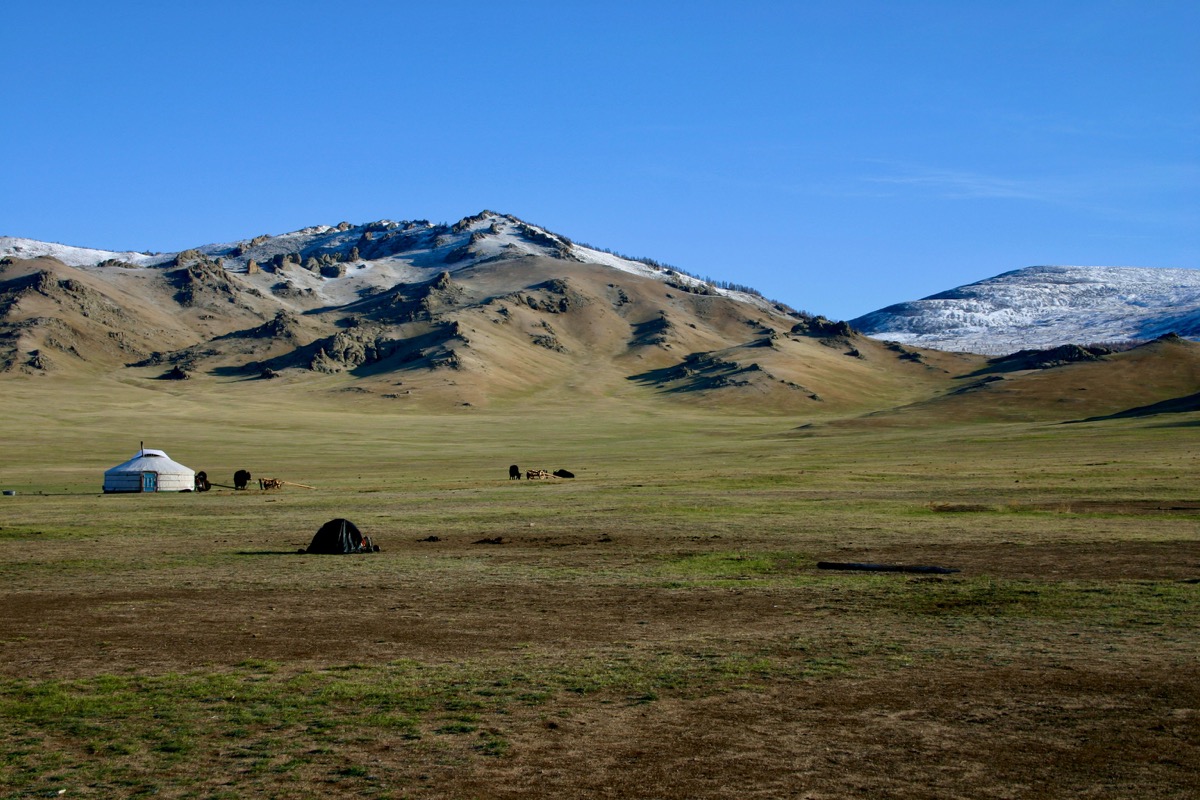
Some destinations are defined by famous landmarks. Mongolia is defined by its space.
Start with this itinerary
Open this route in Honge as your starting point, then shape the days, stays, and pace around how you travel.
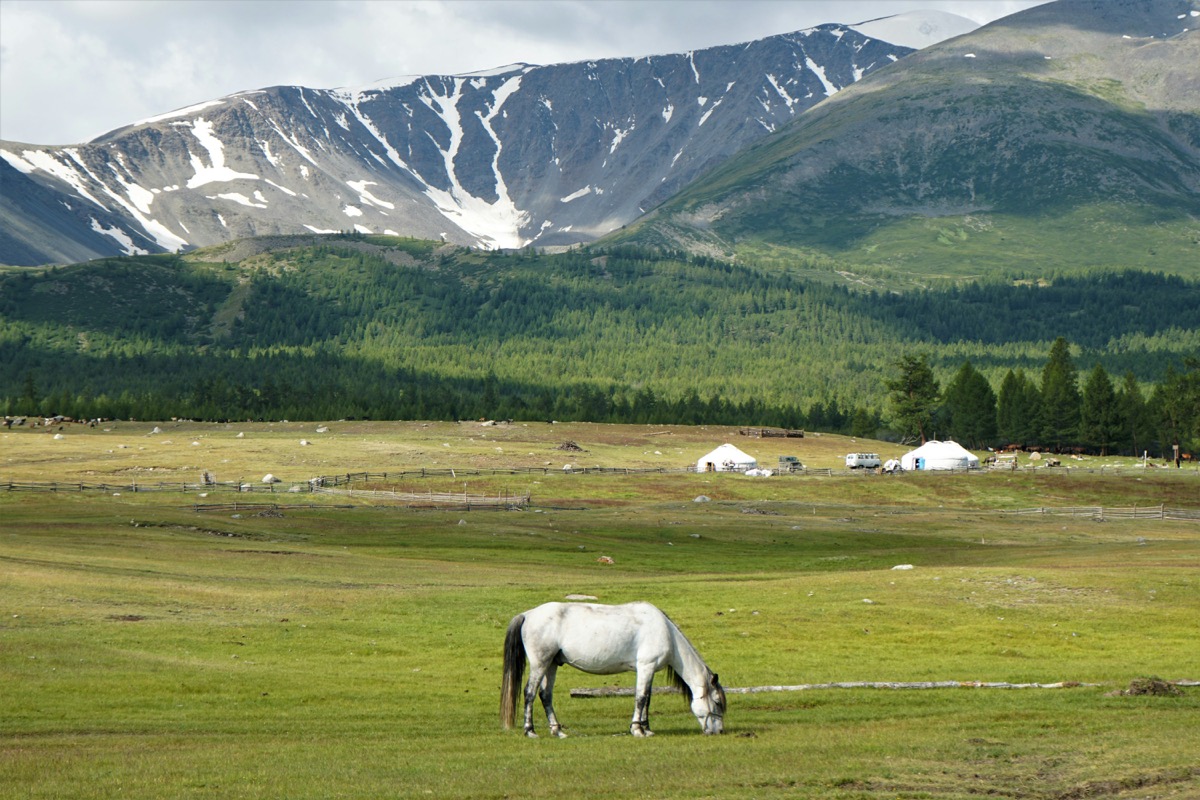
Long before you reach the Gobi or the endless grasslands, you'll notice something unusual — the silence. Roads stretch toward the horizon with barely another vehicle in sight. Horses graze freely across the steppe. Small white gers appear like tiny dots against an impossibly vast landscape, and the sky somehow feels larger than anywhere else you've traveled.
For photographers, that openness is irresistible. Every hour brings different light — soft golden mornings across the steppe, dramatic sunsets over sand dunes, and nights illuminated by countless stars. But Mongolia offers more than extraordinary landscapes: nomadic families still move with the seasons, Buddhist monasteries continue centuries-old traditions, and hospitality is measured by generosity rather than luxury.
Is 11 Days Enough for Mongolia?
Yes — but only if you focus on one region. Mongolia covers an area larger than France, Germany, Spain, and the UK combined. Combining the Gobi, Lake Khövsgöl, western eagle hunters, and central Mongolia into one rushed trip often means more transit than experience.
This itinerary focuses on southern and central Mongolia: Bayanzag, Khongoryn Els, Ongi Monastery, Karakorum, and the Orkhon Valley — iconic landscapes and culture with enough time to photograph locations at sunrise and sunset, including a two-day overland transfer that breaks up Mongolia's long desert-to-steppe distances.
Best Time to Visit Mongolia
- Late spring (May–June): Green grasslands, comfortable overland travel, soft light.
- Summer (July–August): Long days, easiest roads, Naadam festival for cultural photography — book ger camps early.
- September: Often the best overall month — stable weather, golden steppes, clear night skies.
- Winter: Extraordinary cold (−30°C / −22°F); for experienced travelers and festivals such as the Golden Eagle Festival.
Travelling Around Mongolia
Outside Ulaanbaatar, paved highways give way to gravel tracks and open steppe. For this route, a 4WD with an experienced local driver (often with an English-speaking guide) is the most practical option — you can stop for light, wildlife, and remote ger camps that public transport doesn't serve.
Domestic flights via MIAT or Hunnu Air can shorten Gobi travel, but photographers usually prefer overland journeys for roadside landscapes. Journey times are longer than distances suggest — 250 km can take 5–6 hours. Build flexibility into every day.
Do you need a guide? Technically no; practically yes. Guides introduce nomadic families, arrange ger stays, explain Buddhist etiquette, and know where light and wildlife are best.
Where Should You Stay?
- Ulaanbaatar: Boutique hotel near Sükhbaatar Square — mongolia.travel
- South Gobi: Established ger camps with beds, shared/private baths, and dark skies
- Orkhon Valley: Family-run ger stays for authentic hospitality
- Karakorum: Guesthouses or lodges near Erdene Zuu for early-morning photography
Photography Gear Guide
- Lenses: Wide (16–35mm) for landscapes and milky skies; 24–70mm everyday; 70–200mm+ for wildlife and dune layers.
- Accessories: Polarizer, ND filters, lightweight tripod, spare batteries, memory cards, blower, lens cloths, waterproof cover.
- Dust tip: Avoid changing lenses outdoors in the Gobi; keep cameras sealed while traveling.
- Drones: Rules change — check before flying near airports, monasteries, parks, livestock, or ger camps.
Good to Know Before You Go
- Currency: Mongolian Tögrög (MNT). Carry enough cash outside Ulaanbaatar.
- Download offline maps; mobile reception is limited in remote areas.
- Layer clothing — temperatures swing dramatically between noon and night.
- Dress modestly at monasteries; ask before photographing people, especially inside homes or ceremonies.
- Carry water, snacks, sunscreen, and a light jacket in the vehicle — photo stops appear without warning.
11-Day Route Overview
| Day | Destination | Overnight |
|---|---|---|
| 1 | Arrive Ulaanbaatar | Ulaanbaatar |
| 2 | Culture & history in UB | Ulaanbaatar |
| 3 | Fly or drive to South Gobi | Ger camp |
| 4 | Yol Valley & Gobi Gurvansaikhan | Ger camp |
| 5 | Khongoryn Els sand dunes | Ger camp |
| 6 | Bayanzag (Flaming Cliffs) | Ger camp |
| 7 | Drive to Ongi Monastery | Ongi ger camp |
| 8 | Drive to Karakorum & Erdene Zuu | Karakorum |
| 9 | Nomadic family, Orkhon Valley | Orkhon Valley ger |
| 10 | Sunrise & return to UB | Ulaanbaatar |
| 11 | Departure | — |
Main route: Ulaanbaatar → Yol Valley → Khongoryn Els → Bayanzag → Ongi Monastery → Karakorum → Orkhon Valley → Ulaanbaatar
Ulaanbaatar — Days 1–2
Day 1 — Welcome to Ulaanbaatar
Base: Ulaanbaatar · Focus: Settling in, Sükhbaatar Square, blue-hour street photography
Arrive at Chinggis Khaan International Airport (UBN) and transfer to a hotel near Sükhbaatar Square. Walk rather than ticking attractions — modern towers beside Soviet blocks, temples between apartments, gers on the surrounding hills. Try buuz and khuushuur with Mongolian milk tea. Return for blue-hour architecture at the square; withdraw cash before tomorrow's countryside departure.
Day 2 — Buddhism, History & Everyday Life
Focus: Gandan Monastery, Chinggis Khaan National Museum, Narantuul Market
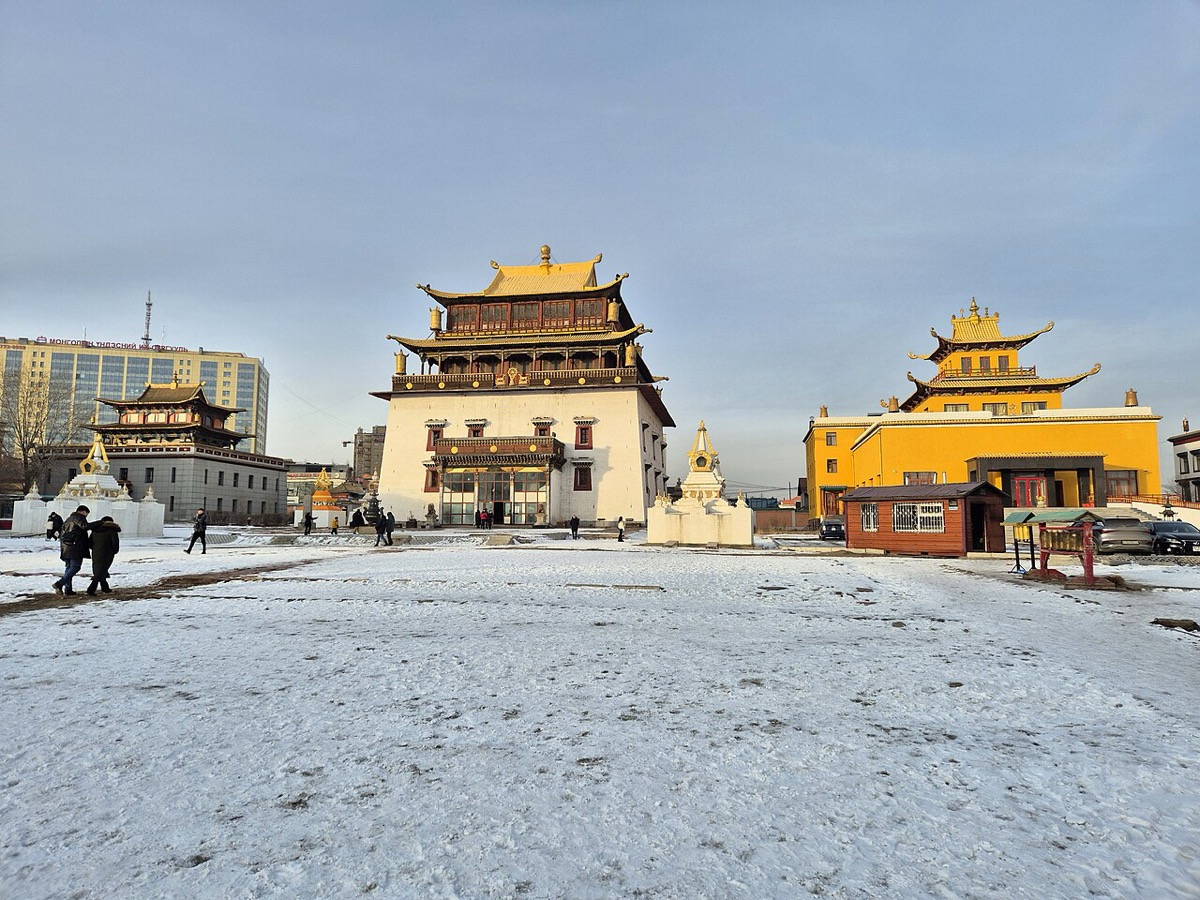
Start early at Gandantegchinlen (Gandan) Monastery — visitor info — for morning prayers. Photograph outdoors respectfully; avoid shooting worshippers without permission. Continue to the Chinggis Khaan National Museum, then Narantuul Market (the Black Market) for color and everyday life — always ask vendors first.
Cultural tip: Turn prayer wheels clockwise. Pack your camera bag tonight — dusty roads begin tomorrow.
South Gobi — Days 3–6
Day 3 — Into the South Gobi
Base: Ger camp · Focus: Steppe to desert, first nomadic landscapes, Milky Way
Whether you fly or drive, arriving in the South Gobi feels like another world — drier land, camel herds, isolated gers. Settle into camp and walk before shooting; notice how light and wind move across the grass. Accept suutei tsai if offered. After dinner, step outside — almost no light pollution for astrophotography. Charge every battery whenever generator power is available.
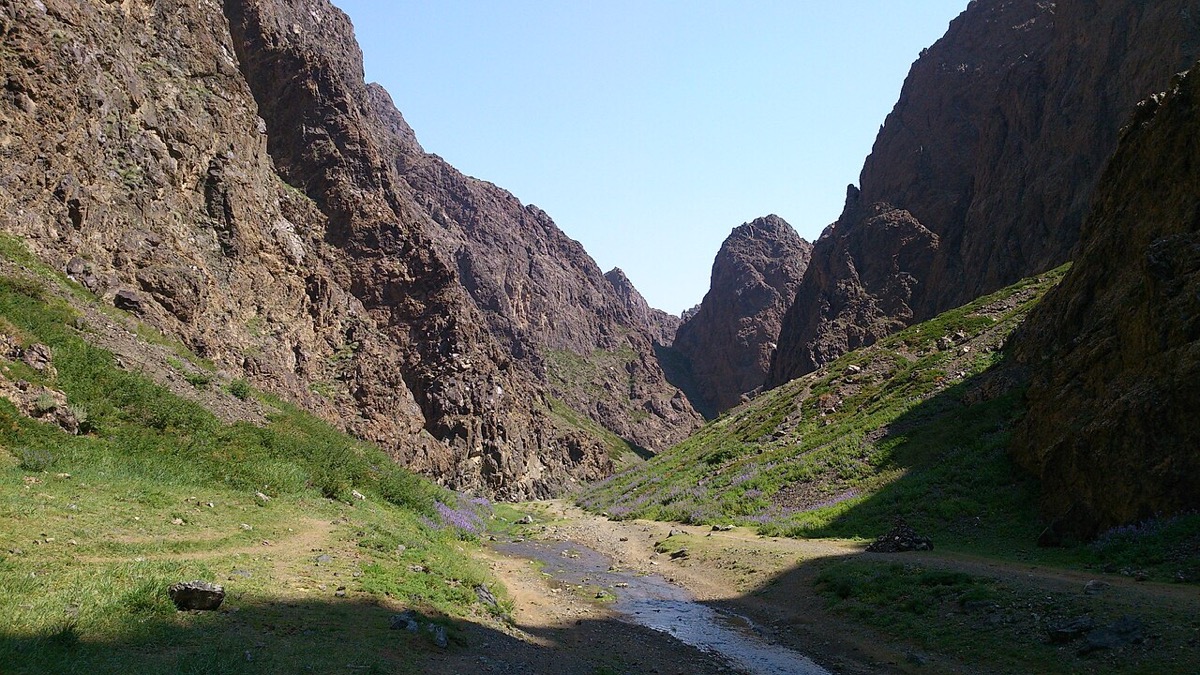
Day 4 — Yol Valley: Ice, Eagles & Ancient Landscapes
Focus: Hiking Yolyn Am inside Gobi Gurvansaikhan National Park
Towering cliffs create a cool gorge where ice can linger into summer. Walk slowly — eagles, pikas, and unexpected wildflowers. Bring wide-angle for canyon walls and telephoto for birds of prey. Late afternoon light textures surrounding rock formations. Keep cameras sealed between stops — Gobi dust is relentless.
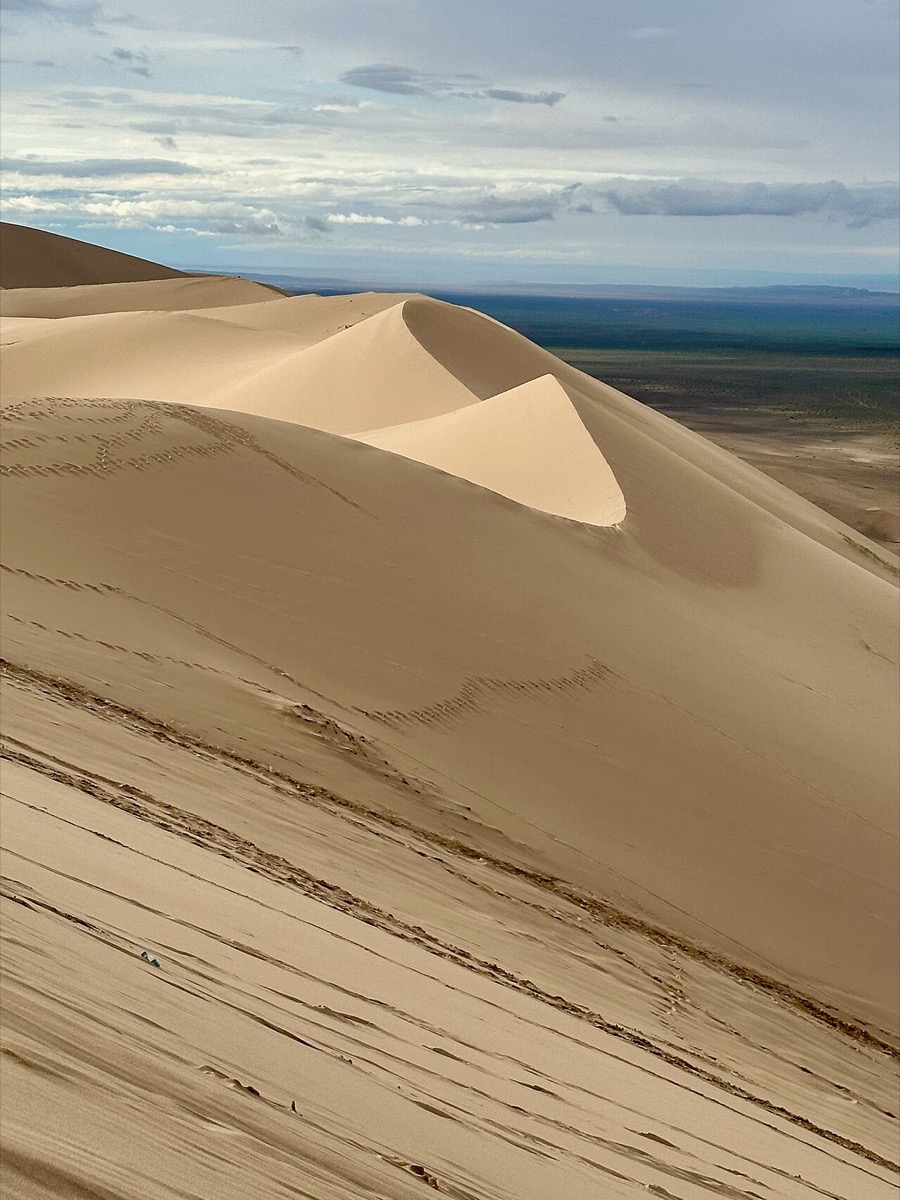
Day 5 — Khongoryn Els: The Singing Sand Dunes
Focus: Camel culture, golden-hour dune photography
Stretching nearly 100 km and rising up to 300 m, Khongoryn Els are Mongolia's largest dunes. Spend morning at ground level among camel tracks; optional short camel ride with a herding family. Rest through the hottest midday hours, then climb ~2 hours before sunset. A 70–200mm lens compresses dune layers beautifully. After dark, dunes make exceptional Milky Way foregrounds — sealed bags on the sand climb.
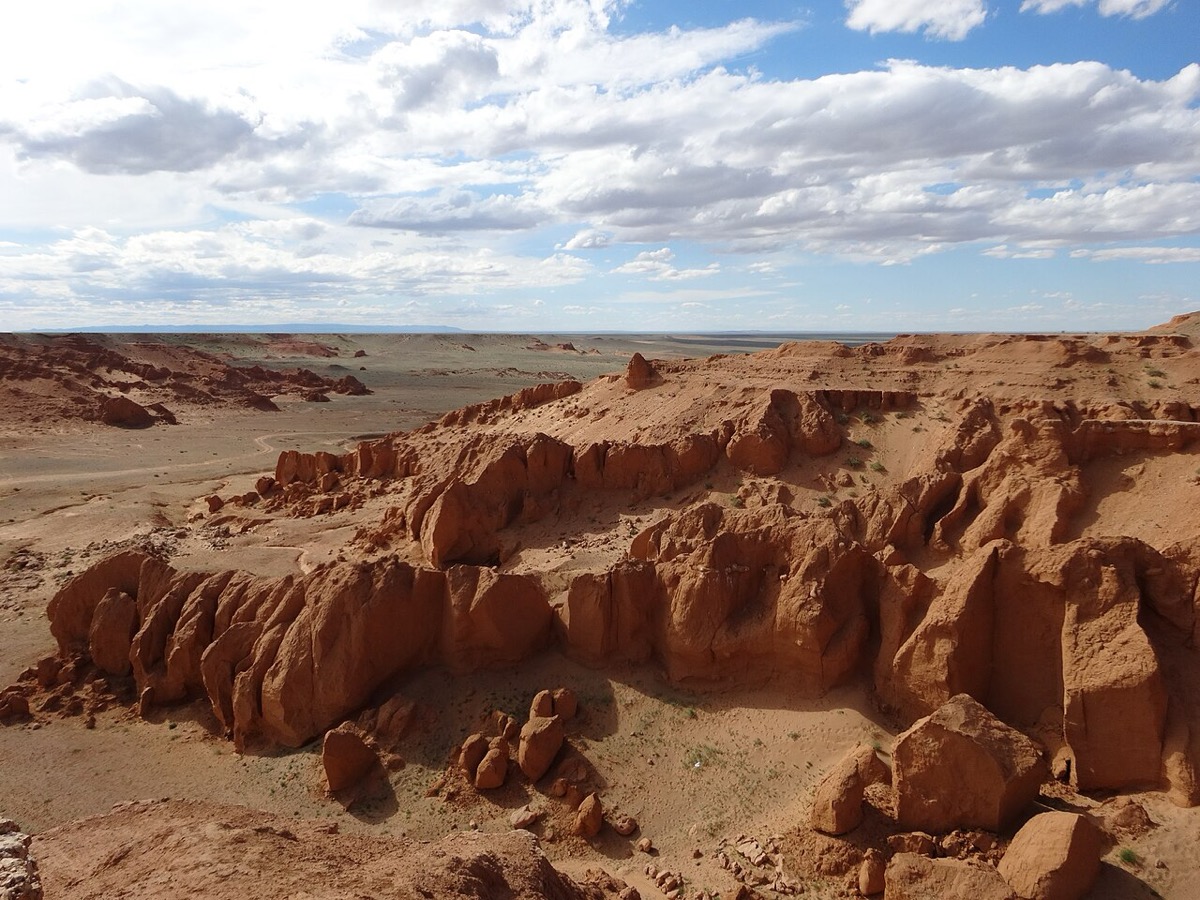
Day 6 — Bayanzag: The Flaming Cliffs
Focus: Red sandstone geology, fossils, sunset glow
Bayanzag became famous after Roy Chapman Andrews's 1920s dinosaur-egg discoveries. Wander trails for textures and desert panoramas; photograph saxaul trees and keep an eye out for wildlife. Stay through the final hour before sunset when cliffs glow deep red and orange — then into blue hour for color contrast. Carry plenty of water; shade is limited.
Central Mongolia — Days 7–11
Day 7 — Overland to Ongi Monastery
Base: Ongi ger camp · Focus: Transit day, monastery ruins, breaking up the long drive north
The direct drive from Bayanzag to Karakorum is roughly 10–11 hours on gravel and dirt roads — too long and too rough to do safely in a single day. Instead, split it in two: today's ~4–5 hour drive brings you to the ruins of Ongi Monastery on the Ongi River, once one of Mongolia's largest monastic centers before its destruction in the 1930s. Explore the ruins and small on-site museum in the late-afternoon light, then rest for tomorrow's longer leg.
Day 8 — Ongi to Karakorum & Erdene Zuu
Base: Karakorum · Focus: Mongol Empire capital, Buddhist heritage
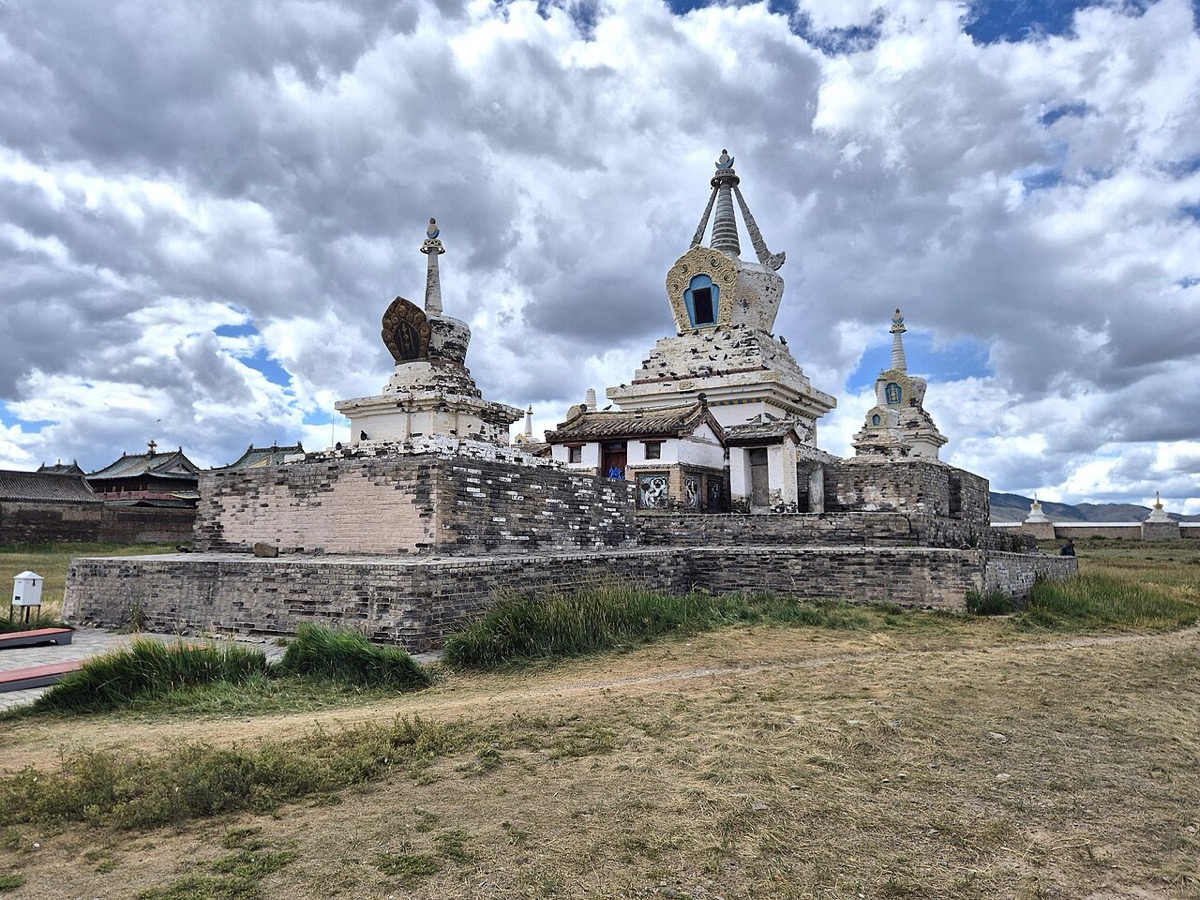
Continue roughly 6 hours north to Karakorum, once capital of the Mongol Empire under Ögedei Khan. On arrival, explore Erdene Zuu Monastery — mongolia.travel — Mongolia's oldest surviving Buddhist monastery. Listen before shooting; pause for chanting. Visit the Karakorum Museum for empire context, then return at blue hour when white stupas glow against the steppe. Dress modestly; no flash inside temples unless permitted.
Day 9 — Nomadic Family in the Orkhon Valley
Base: Family ger stay · Focus: Participation, hospitality, environmental portraits
Enter the UNESCO Orkhon Valley Cultural Landscape. Settle in before photographing — share milk tea, yoghurt, or aaruul. Depending on season, help herd livestock, watch horses gathered from the steppe, or learn how a ger is assembled. Portraits work best with natural window light and trust. Accept a taste of airag if offered. Keep spare batteries warm overnight — cold drains them fast. Night skies above a traditional ger are rarely better.
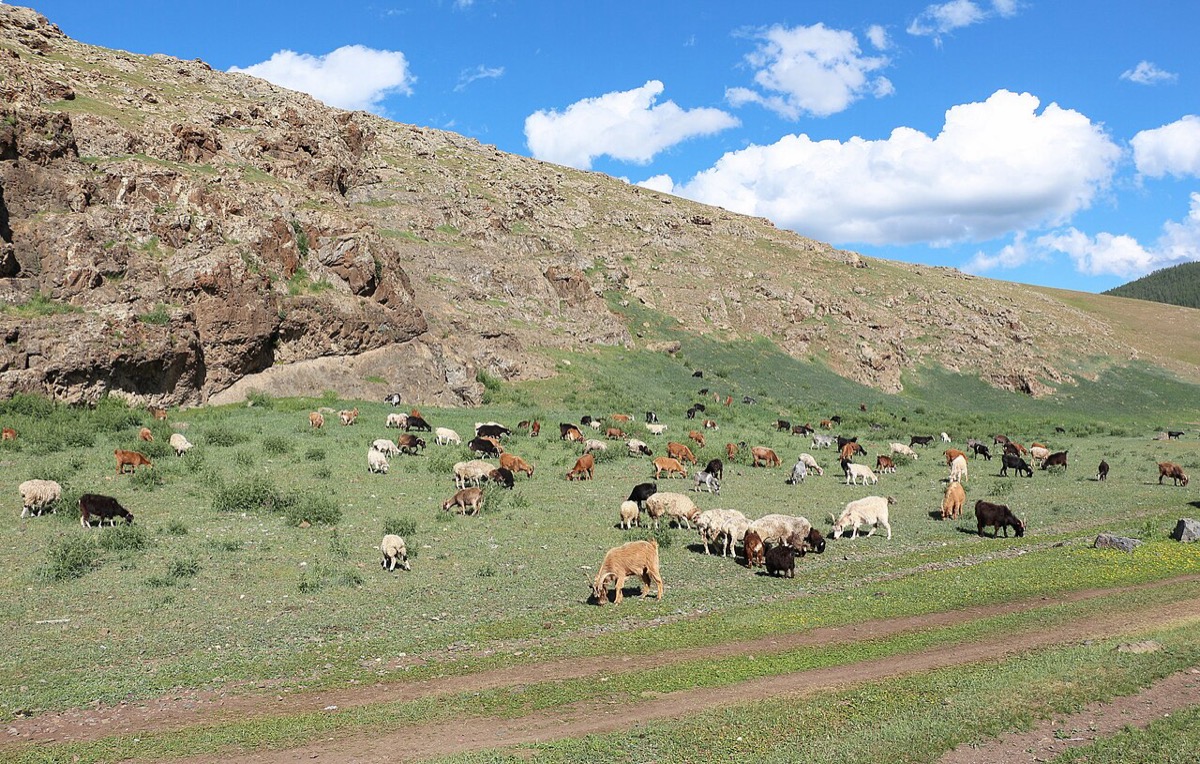
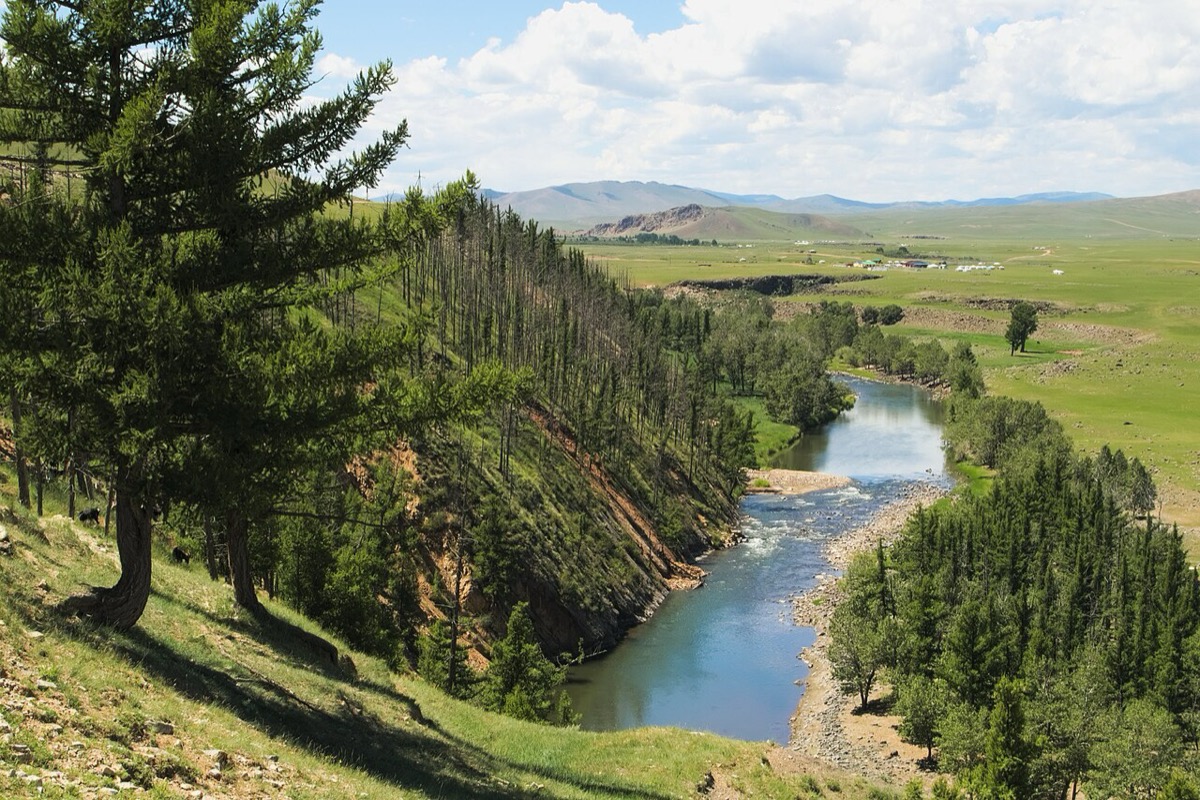
Spending time with a nomadic family offers invaluable insight into a way of life that has shaped Mongolia for centuries.
Day 10 — Sunrise on the Steppe & Return to Ulaanbaatar
Wake early for mist, horses, and smoke rising from neighboring gers. Use a longer lens for minimalist compositions. Drive back to UB — stop if roadside light becomes extraordinary. Celebrate with a contemporary Mongolian dinner and backup photos to two devices before tomorrow's flight.
Day 11 — Departure
Unhurried breakfast and a final walk through Sükhbaatar Square. Meaningful souvenirs: felt crafts, cashmere, ceramics, sea buckthorn products, books. Transfer to Chinggis Khaan International Airport (UBN) with plenty of buffer time.
Budget Notes
- Budget (€90–140/day): Shared ger camps, group overland tours, guesthouses, local restaurants.
- Mid-range (€180–320/day): Boutique hotels, comfortable ger camps, private 4WD with shared guide, good dining.
- Luxury (€450+/day): Premium eco-lodges, private guide/driver, exclusive photography experiences, selected domestic flights.
Organised transport is often the largest expense because of Mongolia's vast distances.
Useful Official Planning Links
- Mongolia Tourism Organization
- MIAT Mongolian Airlines
- Hunnu Air
- Chinggis Khaan International Airport
- UNESCO — Orkhon Valley Cultural Landscape
- Chinggis Khaan National Museum
Prompts to Try in Honge
FAQ
Is 11 days enough for Mongolia?
Yes. Eleven days covers the South Gobi and Central Mongolia at a comfortable pace, including an overnight stop at Ongi Monastery to break up the long drive to Karakorum.
Do I need a 4WD?
For this itinerary, yes. Many sites are inaccessible by standard cars, and road conditions vary widely outside Ulaanbaatar.
When is the best time for landscape photography?
September is often ideal — stable weather, golden grasslands, clear skies, and strong sunrise/sunset light.
Is Mongolia good for beginner photographers?
Absolutely. Iconic locations are relatively accessible, and the light and uncluttered compositions suit all skill levels.
Can I use a drone?
Regulations change. Check current rules and avoid airports, monasteries, military sites, wildlife, and private ger camps without permission.
What's the most memorable cultural experience?
For many travelers, sharing tea inside a ger with a nomadic family — and witnessing everyday steppe life — outlasts any landmark.
Ready to make it yours?
Customize this itinerary with AI
Now that you've seen the full route, use Honge to tailor stays, activities, and day-by-day pacing to your trip.
Related itineraries
- 10-Day Bhutan Itinerary: Paro, Thimphu, Punakha & Phobjikha
- 10-Day China Itinerary: Beijing, Xi’an & Shanghai
- 8-Day Egypt Itinerary: Cairo, Luxor & Nile Cruise
- 8-Day Morocco Cultural Itinerary: Casablanca, Fes, Chefchaouen & Marrakech
- Family Vietnam Itinerary: Hanoi, Halong Bay & Ho Chi Minh City
- Ethiopia Coffee Trip Itinerary: Addis, Highlands & Coffee Ceremony
- 8-Day Utah Family Road Trip: Zion, Bryce, Arches & Dinosaurs
- 3-Day Madrid Itinerary: Tapas, Museums & Neighborhoods
- 2-Week Georgia Itinerary: Tbilisi, Wine Country & Mountains
Written by
This blog was contributed by B. Sai Nikita, a travel enthusiast and writer. B. Sai Nikita can be reached at bsainikita10@gmail.com.
About Honge
Honge is an AI travel planning platform focused on practical, experience-led itineraries with realistic pacing and logistics. All blog content is edited and published by Honge. Our Mongolia research draws on updated practical logistics as of July 2026. © Honge. All rights reserved.
Image credits: Photos are sourced from Wikimedia Commons and Unsplash. Copyright remains with the respective photographers and rights holders. Images from Wikimedia Commons are used in accordance with their applicable licensing terms, including the Creative Commons Attribution-Share Alike 4.0 International license where noted. Unsplash images are used in accordance with the Unsplash License.
Travel disclaimer
This itinerary is intended as general travel inspiration and planning guidance only — not as personalized travel advice. Conditions change. Before you travel, check current entry requirements, visa rules, and any travel advisories. Confirm flight schedules, park access, monastery hours, and road conditions directly. Honge is not responsible for changes to conditions or services described in this article after the date of publication.