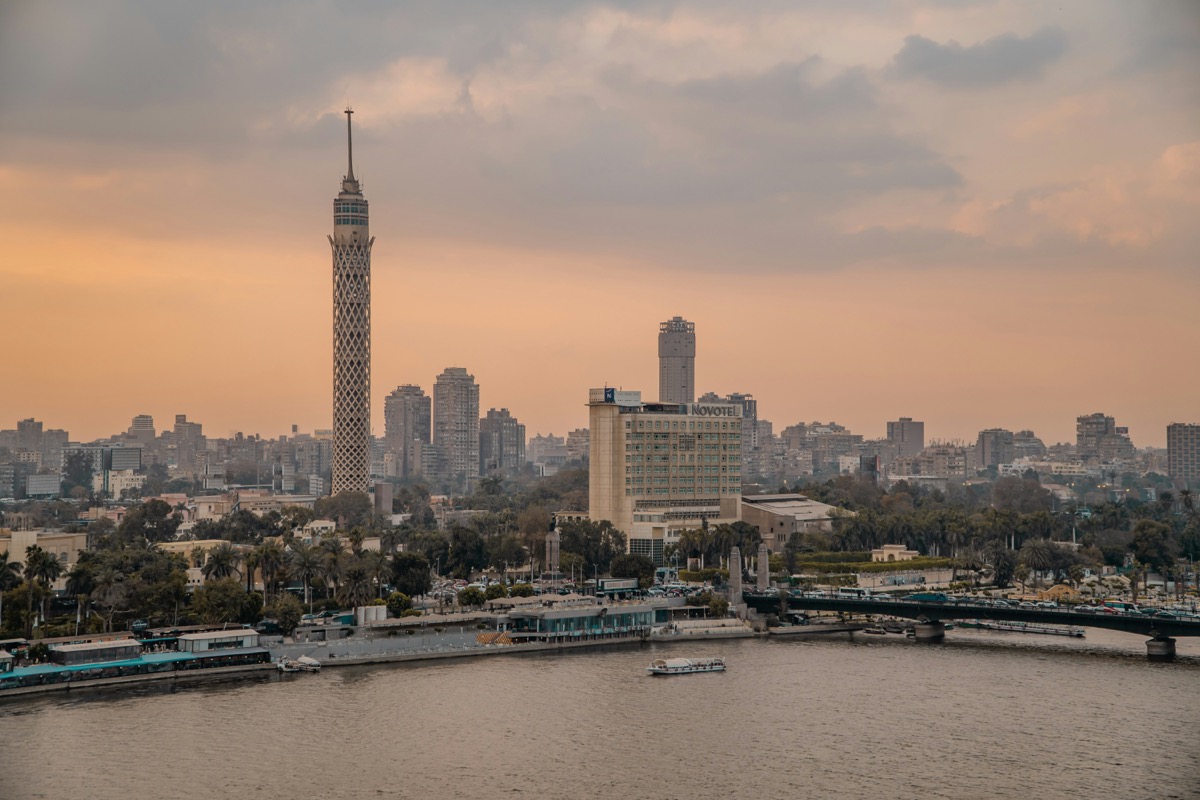
Egypt is home to some of the world's most extraordinary ancient monuments, where colossal pyramids, royal tombs, and grand temples tell the story of a civilization that flourished for thousands of years.
Start with this itinerary
Open this route in Honge as your starting point, then shape the days, stays, and pace around how you travel.
This 8-day itinerary combines Cairo's iconic archaeological sites with a relaxing Nile cruise, making it an excellent choice for first-time visitors. You'll explore the Grand Egyptian Museum, Karnak Temple, the Valley of the Kings, Edfu, Kom Ombo, and Philae Temple, while enjoying authentic Egyptian cuisine, vibrant local markets, and unforgettable sunsets on the Nile.
Is 8 Days Enough for Egypt?
Yes. Eight days covers Cairo, Luxor, and a Nile cruise to Aswan at a comfortable pace. Domestic flights replace long overland journeys, maximizing time at the sites that matter most.
When Is the Best Time to Visit?
- Spring (Feb–Apr) & Autumn (Oct–Nov): Pleasant conditions for outdoor sightseeing — the best overall seasons.
- Summer (May–Sep): Daytime temperatures often exceed 40°C (104°F). Start early, rest midday, use afternoons for museums or the cruise.
- Winter (Dec–Jan): Mild and comfortable; popular season — book Nile cruises early.
How to Beat the Heat
Start sightseeing between 6:00 and 9:00 AM. Reserve the hottest hours for your Nile cruise or indoor museums. Carry plenty of water, wear lightweight breathable clothing, a hat, sunglasses, and sunscreen — especially in summer.
Nile Cruise or Independent Travel?
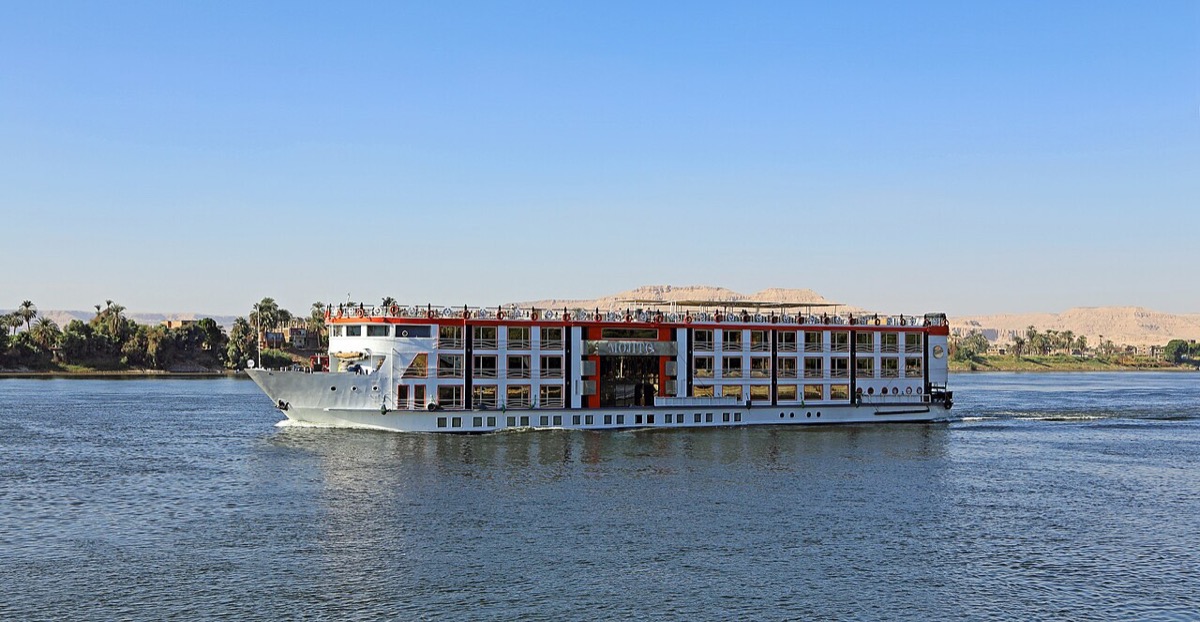
A Nile cruise is ideal for first-time visitors — accommodation, meals, and guided excursions in one package. Independent travel offers flexibility but requires booking trains, flights, hotels, guides, and transfers separately. For 8 days, a 3- or 4-night cruise strikes the best balance.
Reputable cruise options: Oberoi Zahra, Sanctuary Sun Boat IV, Mövenpick Royal Lily.
Should You Hire a Guide?
A licensed Egyptologist at the Giza Plateau, Karnak, and the Valley of the Kings adds historical context that signage alone can't provide. For museums, markets, and city exploring, independent travel works well.
What to Book in Advance
- Domestic flights: EgyptAir — especially Oct–Apr.
- Cairo hotels: Marriott Mena House, Nile Ritz-Carlton, Steigenberger El Tahrir
- Nile cruise: Book early with a reputable operator (see above).
- Grand Egyptian Museum: Check hours & book tickets — extended evening hours on Wednesdays and Saturdays.
- Visa: Egypt eVisa Portal
Why This Itinerary Works
- Covers Egypt's biggest highlights in a single well-paced trip.
- Domestic flights replace long overland days.
- Outdoor sightseeing early; cruise and museums during peak heat.
- Flexible: add a hot-air balloon ride, Abu Simbel day trip, or extra nights.
8-Day Route Overview
| Day | Destination | Highlights |
|---|---|---|
| 1 | Cairo | Arrive, Tahrir Square, Nile Corniche, optional dinner cruise |
| 2 | Cairo | Pyramids of Giza, Sphinx, Grand Egyptian Museum, Khan el-Khalili |
| 3 | Luxor | Fly to Luxor, Karnak Temple, board Nile cruise, Luxor Temple |
| 4 | Luxor → Edfu | Valley of the Kings, Temple of Hatshepsut, Colossi of Memnon, sail to Edfu |
| 5 | Edfu → Kom Ombo | Temple of Edfu, Temple of Kom Ombo, cruise south |
| 6 | Aswan | Philae Temple, Aswan High Dam, Nubian Village, felucca sunset |
| 7 | Aswan → Cairo | Optional Abu Simbel, fly to Cairo, Khan el-Khalili, farewell dinner |
| 8 | Cairo (departure) | Sultan Hassan & Al-Rifa'i Mosques, last souvenirs, airport |
Cairo — Days 1–2
Day 1 — Arrive in Cairo & Settle In
Base: Cairo · Focus: Arrival, first impressions, Nile evening
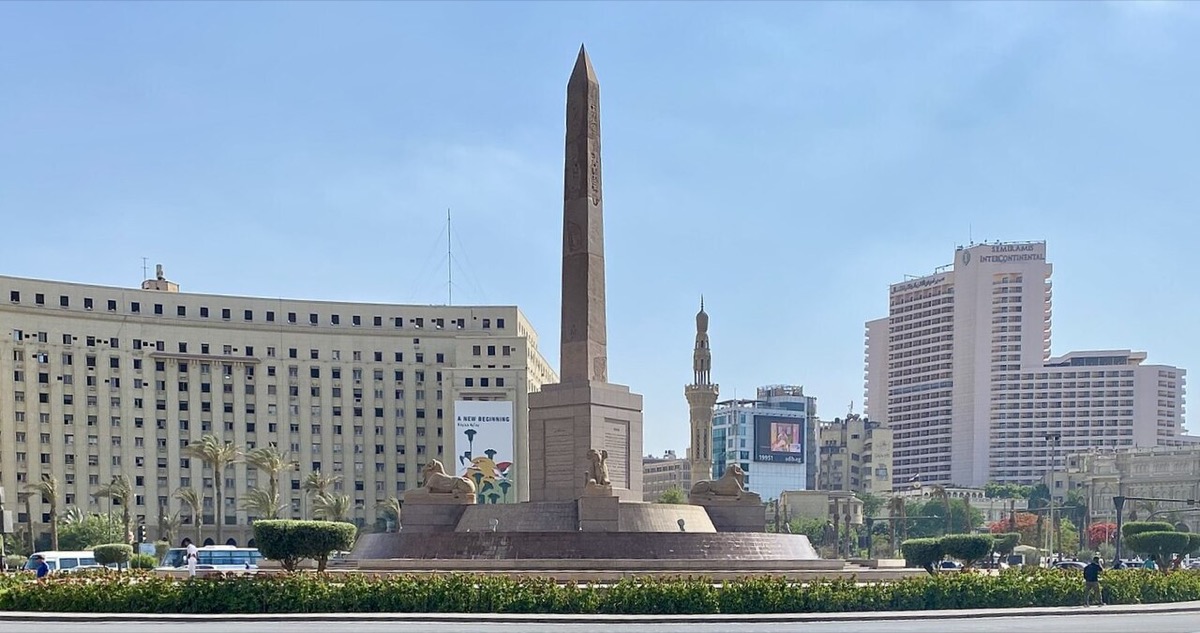
Arrive at Cairo International Airport and transfer to your hotel. Explore Tahrir Square and walk along the Nile Corniche for your first glimpse of the river. Optional Nile dinner cruise with traditional music and an illuminated skyline. Try koshari, ta'ameya, or ful medames — and finish with hibiscus tea at a local café.
Tip: Pre-book an airport transfer or use Uber, widely available in Cairo.
Day 2 — Pyramids of Giza & the Grand Egyptian Museum
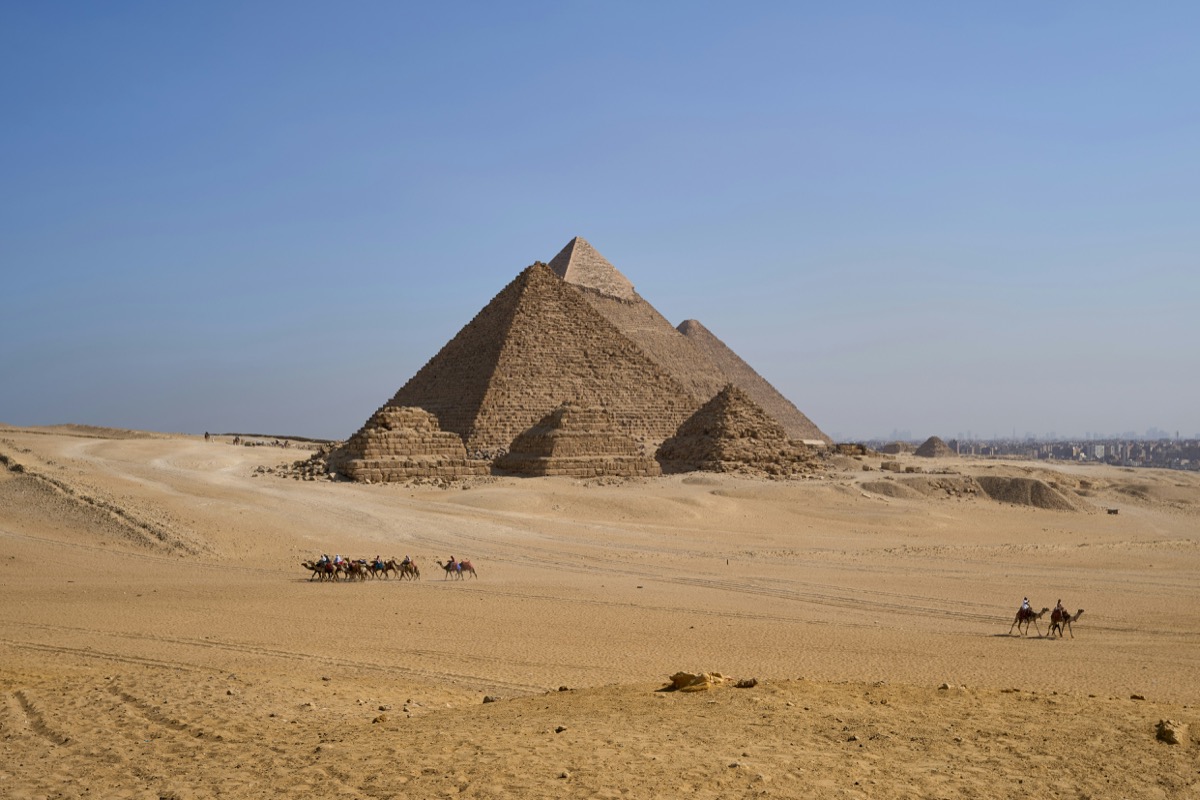
Focus: Giza Plateau, Sphinx, Grand Egyptian Museum, Khan el-Khalili
Start early at the Giza Pyramid Complex — the Great Pyramid of Khufu (the only surviving Wonder of the Ancient World), Khafre, Menkaure, and the Great Sphinx. A licensed Egyptologist is highly recommended. After lunch, visit the Grand Egyptian Museum, home to Tutankhamun's treasures. Evening: browse Khan el-Khalili for souvenirs and spices.
Luxor & Nile Cruise — Days 3–6
Day 3 — Fly to Luxor & Board the Nile Cruise
Focus: Karnak Temple, board cruise, optional Luxor Temple at night
Early EgyptAir flight to Luxor (~1 hour). Explore the Karnak Temple Complex — the largest religious complex ever built — and its towering Great Hypostyle Hall. Board your Nile cruise, settle in, and watch the riverbanks unfold. If schedules allow, visit the beautifully illuminated Luxor Temple before dinner on board.
Day 4 — Luxor West Bank & Cruise to Edfu
Focus: Valley of the Kings, Temple of Hatshepsut, Colossi of Memnon
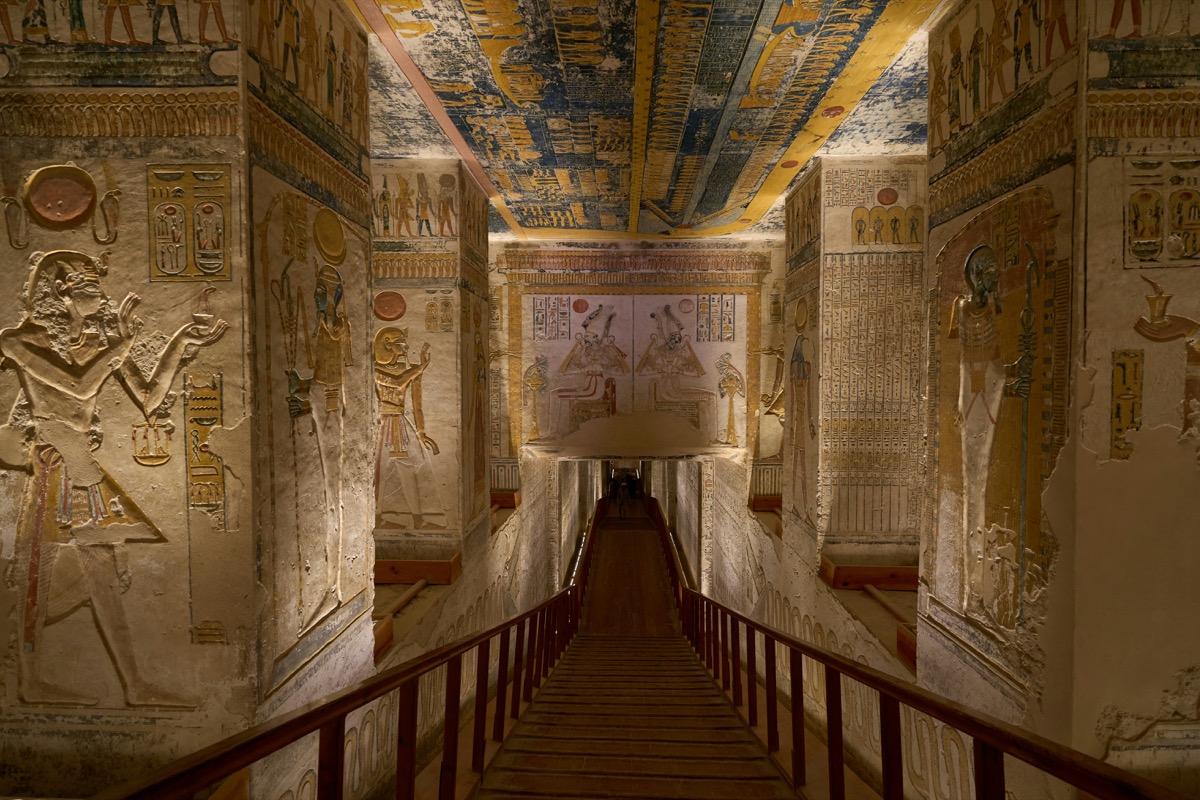
Cross the Nile early to the Valley of the Kings — elaborately decorated royal tombs carved into limestone, including Tutankhamun's. Continue to the cliff-backed Temple of Hatshepsut and the towering Colossi of Memnon. Return for lunch as the ship sails toward Edfu. Relax on deck watching villages, palm groves, and the Nile at sunset.
Optional: Book a sunrise hot-air balloon ride over the West Bank before sightseeing.
Day 5 — Temples of Edfu & Kom Ombo
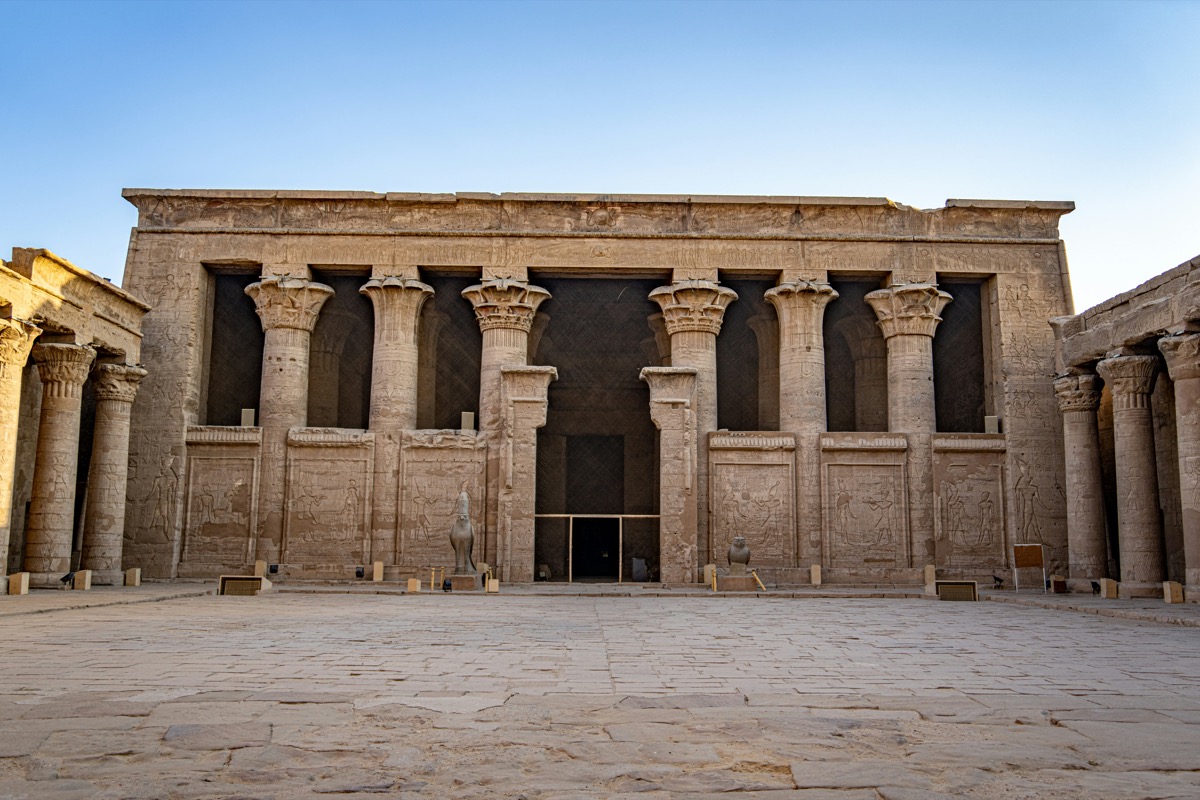
Focus: Temple of Edfu (Horus), Temple of Kom Ombo (Horus & Sobek)
Morning at the Temple of Edfu — one of ancient Egypt's best-preserved temples, dedicated to the falcon god Horus. Cruise south to the Temple of Kom Ombo, uniquely dedicated to two gods, with carved reliefs of ancient surgical instruments and nearby crocodile mummies. Another peaceful evening on the river.
Day 6 — Aswan & Nubian Culture
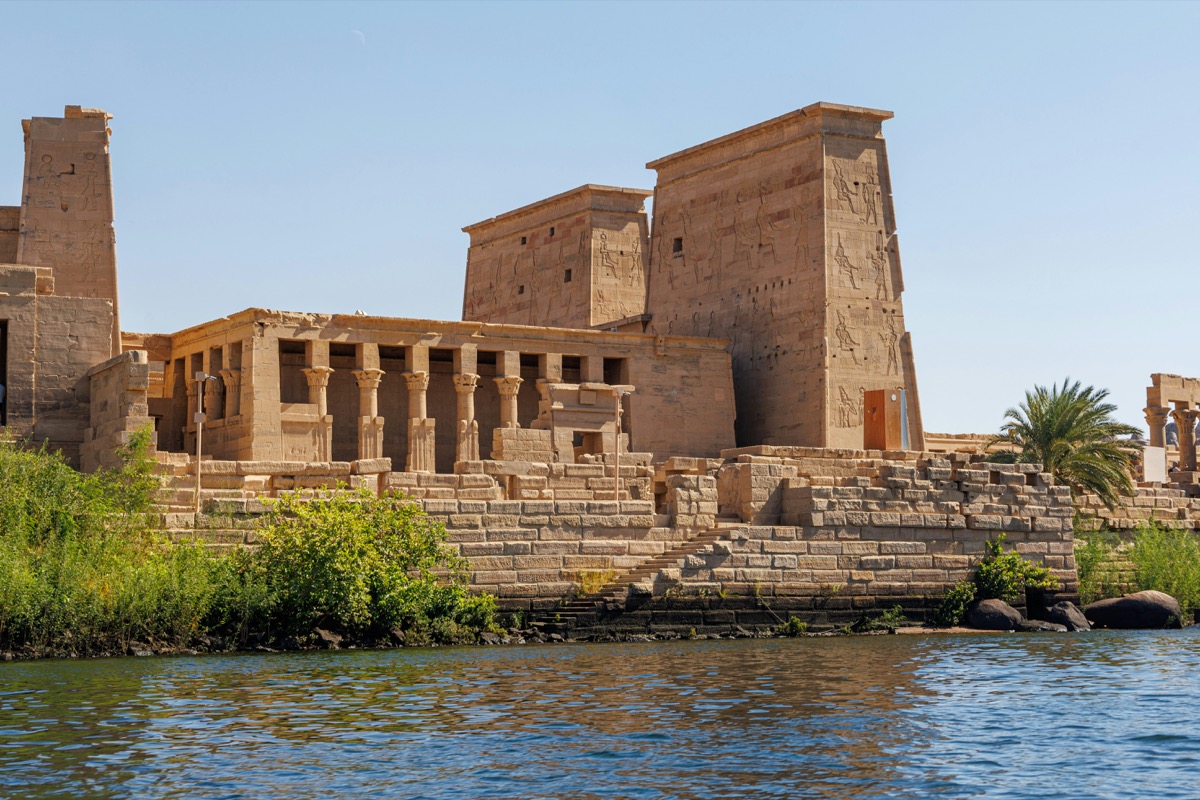
Focus: Philae Temple, Aswan High Dam, Nubian Village, felucca sunset
Arrive in Aswan. Take a boat to the island Philae Temple (Isis) — one of Egypt's most impressive restoration projects. Optional stop at the Aswan High Dam. Afternoon in a traditional Nubian Village for artisan stalls, hibiscus tea, and regional dishes. End with a felucca sunset sail on the Nile before returning to the cruise.
Tip: Carry cash for Nubian Village shopping — many artisans prefer cash payments.
Return to Cairo — Days 7–8
Day 7 — Optional Abu Simbel & Return to Cairo
Focus: Abu Simbel (optional), fly to Cairo, Khan el-Khalili farewell
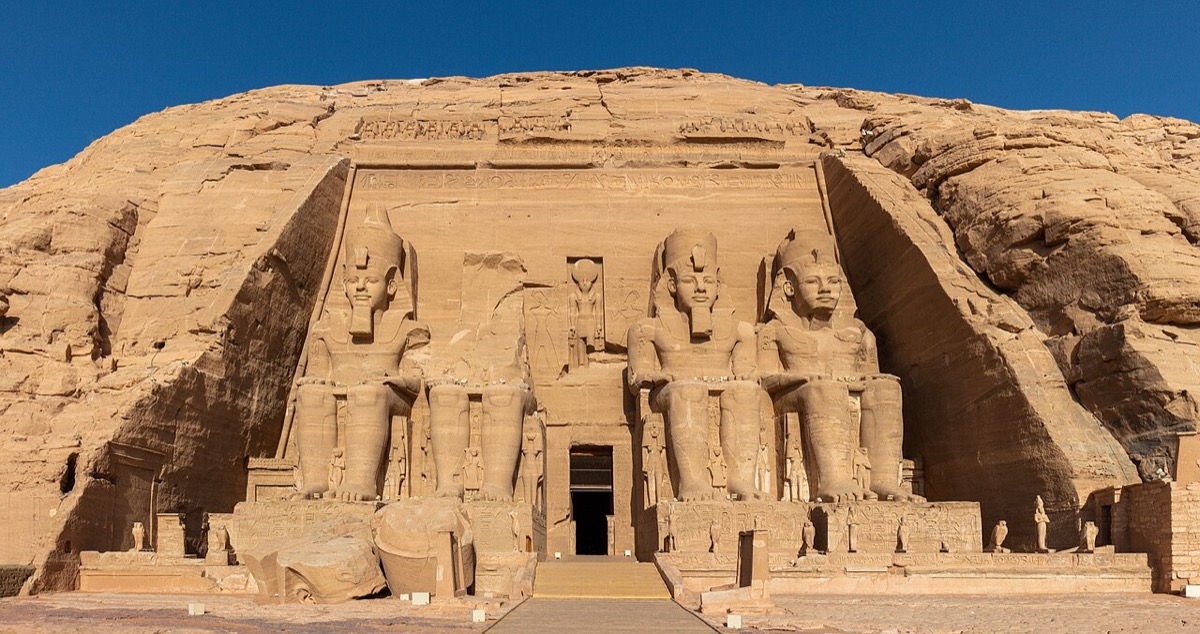
Optional pre-dawn excursion to Abu Simbel Temples — colossal statues carved into a sandstone cliff by Ramesses II, a UNESCO World Heritage Site. Or spend a relaxed morning at Aswan's waterfront cafés and souq. Afternoon flight to Cairo. Final evening wandering Khan el-Khalili and a farewell dinner of Egyptian classics.
Day 8 — Farewell Egypt & Departure
Focus: Relaxed morning, final landmarks, airport
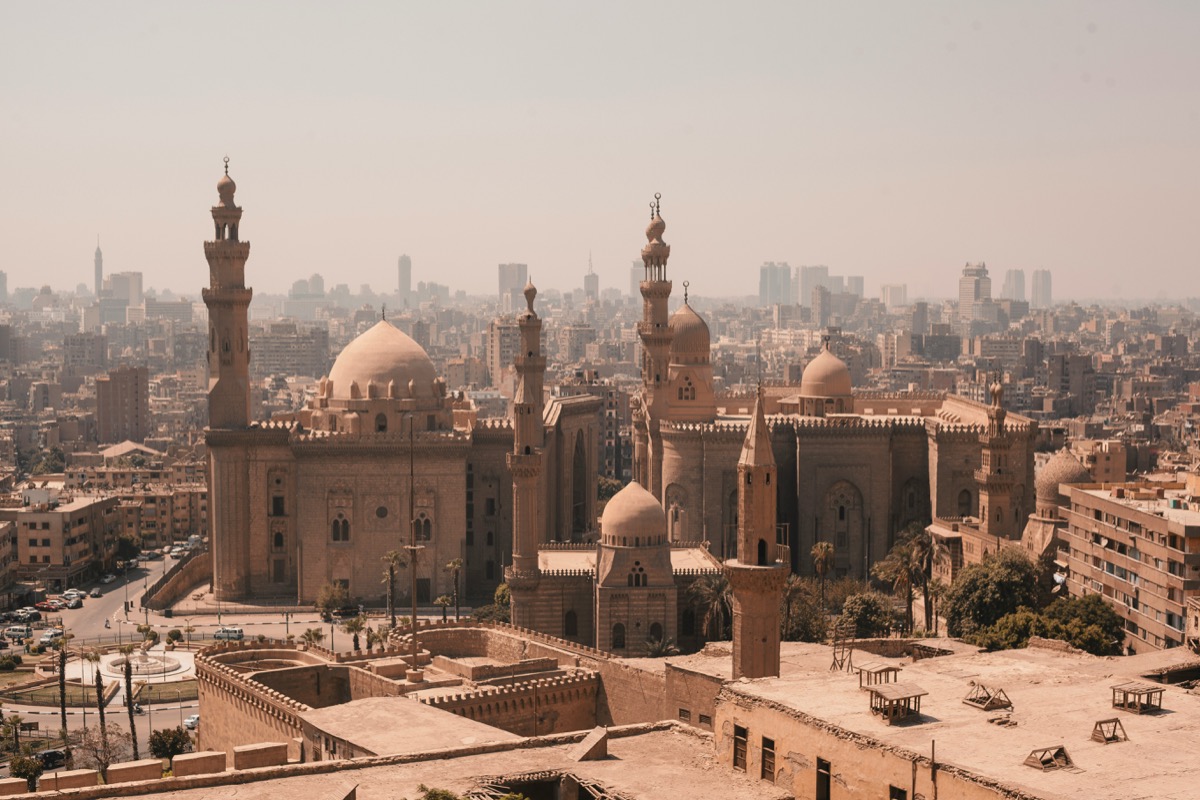
Leisurely breakfast, then visit the Mosque of Sultan Hassan and the neighboring Al-Rifa'i Mosque — stunning Mamluk architecture, intricate stone carvings, and richly decorated interiors. Pick up last souvenirs (papyrus, Egyptian cotton, spices, dates, jewelry) before transferring to Cairo International Airport.
Budget Notes
- Budget ($80–120/day): 3-star hotels, early-booked flights, budget Nile cruise, local restaurants.
- Mid-range ($180–300/day): 4-star hotels, standard Nile cruise, guided sightseeing, mixed dining.
- Luxury ($350+/day): 5-star hotels, premium Nile cruise, private guides, luxury transfers, fine dining.
Useful Booking & Travel Links
- Experience Egypt (Official Tourism)
- Egypt eVisa Portal
- Ministry of Tourism & Antiquities
- Grand Egyptian Museum
- EgyptAir (Domestic Flights)
- GetYourGuide Egypt
Prompts to Try in Honge
FAQ
Is 8 days enough for Egypt?
Yes. Eight days covers Cairo, Giza, Luxor, Valley of the Kings, and a Nile cruise to Aswan at a comfortable pace with domestic flights.
Is a Nile cruise worth it?
For most first-time visitors, yes. It combines accommodation, meals, and guided temple visits between Luxor and Aswan in one relaxing package.
Do I need a visa for Egypt?
Many travelers require an eVisa or Visa on Arrival. Check the Egypt eVisa Portal for current requirements.
Do I need a car?
No. Domestic flights, Nile cruise, Uber, and taxis cover everything in this itinerary. A rental car is unnecessary.
What currency is used?
The Egyptian Pound (EGP). Cards are accepted at hotels and larger restaurants; carry cash for markets, tips, and taxis.
Is the hot-air balloon ride in Luxor worth it?
For many travelers, yes. A sunrise flight offers spectacular views of the Nile, Valley of the Kings, and the surrounding desert.
Ready to make it yours?
Customize this itinerary with AI
Now that you've seen the full route, use Honge to tailor stays, activities, and day-by-day pacing to your trip.
Related itineraries
- 10-Day South Africa Itinerary: Cape Town, Winelands & Londolozi
- 3-Day Madrid Itinerary: Tapas, Museums & Neighborhoods
- 11-Day Mongolia Itinerary: Culture, Steppe & Photography
- 11-Day Baltic Capitals Itinerary: Tallinn, Riga & Vilnius
- 8-Day Morocco Cultural Itinerary: Casablanca, Fes, Chefchaouen & Marrakech
Written by
This blog was contributed by Sheba M, a travel enthusiast and writer. Sheba can be reached at shebaranjitha@gmail.com.
About Honge
Honge is an AI travel planning platform focused on practical, experience-led itineraries with realistic pacing and logistics. All blog content is edited and published by Honge. Our Egypt research draws on updated practical logistics as of July 2026. © Honge. All rights reserved.
Image credits: Photos are sourced from Wikimedia Commons and Unsplash. Copyright remains with the respective photographers and rights holders. Images from Wikimedia Commons are used in accordance with their applicable licensing terms, including the Creative Commons Attribution-Share Alike 4.0 International license where noted. Unsplash images are used in accordance with the Unsplash License.
Travel disclaimer
This itinerary is intended as general travel inspiration and planning guidance only — not as personalized travel advice. Conditions change. Before you travel, check current entry requirements, visa rules, and any travel advisories. Confirm museum hours, Nile cruise schedules, and monument access directly. Honge is not responsible for changes to conditions or services described in this article after the date of publication.