Start with this itinerary
Open this Estonia solo route in Honge as your starting point, then shape museum days, bog walks, café time and island cycling around your pace.
Introduction
Estonia is one of the easier countries in Europe to travel through alone. Distances between towns are short, public transport runs on a predictable schedule, and English is spoken widely in cafés, museums and ticket offices. Solo travellers can move between a medieval capital, a national park, a university town and an island without renting a car for the whole trip or joining a group.
This 7-day route covers Tallinn, Lahemaa National Park, Tartu and Saaremaa, then returns to Tallinn for departure. It is built for a relaxed pace: four base stops, no unnecessary detours, and enough flexibility to slow down in any one place.
The loop is short on purpose: one national-park day, one university-town day, then two full days on the island before you return to the capital.
Why Estonia Works for Solo Travel
Old Towns in Tallinn and Tartu are compact enough to explore on foot in a single day, so there is little need to plan complex inner-city routes or rely on taxis. Cafés and restaurants are used to single diners; nobody will comment on a table for one, and many places are built around counter seating and communal tables that make solo dining feel ordinary rather than conspicuous.
Elron trains connect Tallinn and Tartu on a fixed timetable, long-distance buses run frequently with real-time tracking apps, and the Virtsu–Kuivastu ferry to Saaremaa departs on a published schedule with online booking through Praamid. Estonia's digital infrastructure means tickets, museum entries and even some payments can be handled from a phone, which cuts down on the logistics that usually eat into solo trips.
Personal space is respected without feeling isolating. Estonians are generally reserved with strangers, which suits solo travellers who want to explore at their own pace without constant small talk, while still being approachable if a question is asked directly. Nature is close at hand too: bogs, coastal trails and forest paths are reachable within an hour of the capital, so a solo trip can include quiet time outdoors without a complicated logistics chain.
Good to Know
- Currency: Euro (€)
- Language: Estonian; English is widely used in tourist services
- Driving: Right-hand side
- Time: Eastern European Time (UTC+2; UTC+3 in summer)
- Cards: Contactless payment is standard, including in many small cafés; carry a little cash for rural stops on Saaremaa
- Emergency: 112 for police, fire and medical services, with English-speaking operators available
Before You Go
- Check whether the Tartu–Kuressaare bus is running on your dates. The direct service is typically mid-June to late August only.
- If you want a full Lahemaa day without a tour, reserve a one-day rental car in Tallinn, or book a small-group day tour covering the bog, a manor and a coastal village.
- Book a car space on the Virtsu–Kuivastu ferry in high season if you are driving; foot passengers on the scheduled bus usually do not need a separate ferry ticket.
- Download an offline map for Lahemaa before you leave Tallinn. Mobile signal drops on some bog and forest trails.
- Confirm Elron, bus and ferry timetables the morning of travel; schedules shift slightly between seasons.
Journey Overview
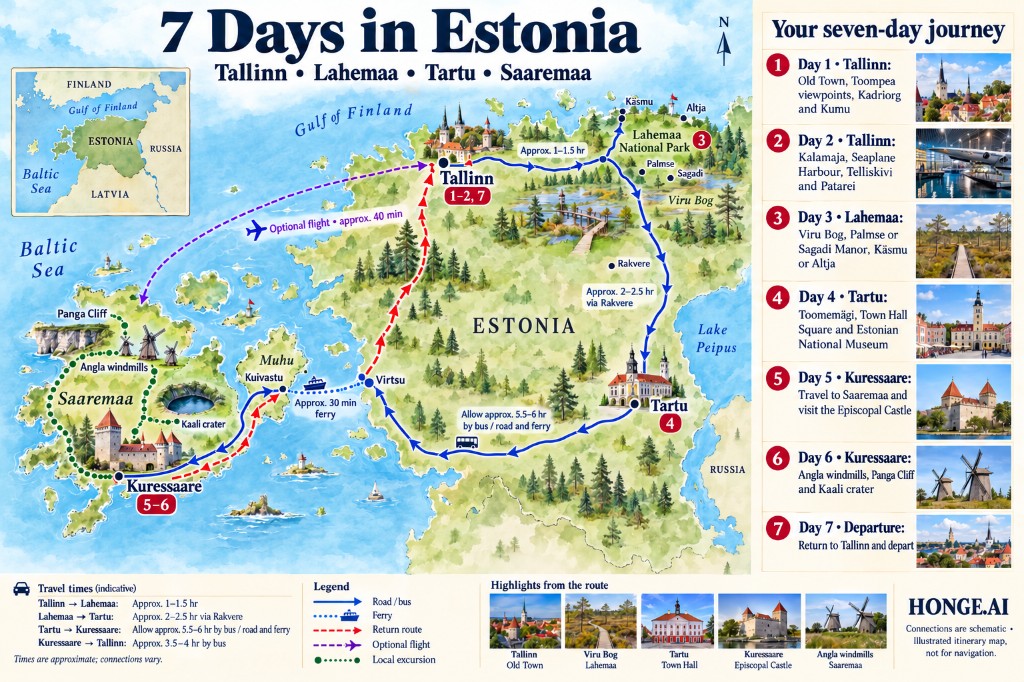
This route runs as a loop rather than a straight line, since Lahemaa sits northeast of Tallinn and Tartu sits to the southeast. The backtrack is short and works in favour of a relaxed pace.
| Day | Base | Focus | Travel / getting around |
|---|---|---|---|
| Day 1 | Tallinn | Old Town, Toompea viewpoints, Kadriorg and Kumu | Arrival: flight, ferry from Helsinki, or train from Riga; walking in town |
| Day 2 | Tallinn | Kalamaja, Seaplane Harbour, Telliskivi and Patarei | Walking, tram or bus |
| Day 3 | Lahemaa | Viru Bog, Palmse or Sagadi Manor, Käsmu or Altja | About 1–1.5 hours from Tallinn (80 km to Palmse); rental car or organised day tour |
| Day 4 | Tartu | Toomemägi, Town Hall Square, Estonian National Museum | About 2–2.5 hours from the Lahemaa area via Rakvere, or bus/train via Tallinn |
| Day 5 | Kuressaare | Travel to Saaremaa and the Episcopal Castle | Seasonal direct bus 5.5–6 hours, or drive to Virtsu + 30-min ferry + 50 min to town |
| Day 6 | Kuressaare | Angla windmills, Panga Cliff and Kaali crater | Bike or rental car from Kuressaare |
| Day 7 | — | Return to Tallinn and departure | About 3.5–4 hours by direct bus, or about 40 minutes on NyxAir |
Route Map
Day 1 — Tallinn: Old Town and Viewpoints
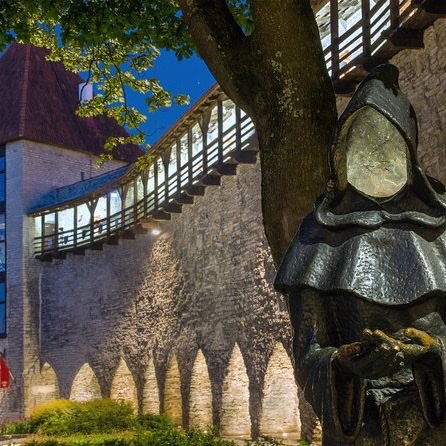
Start in the Old Town, a UNESCO World Heritage centre. Enter through Viru Gate and walk up Viru Street toward Town Hall Square, the centre of medieval Tallinn since the 13th century. The square is framed by merchant houses and the Town Hall itself, one of the few surviving Gothic town halls in Northern Europe. From there, climb toward Toompea Hill, the upper town, for two viewpoints: Kohtuotsa and Patkuli, both looking out over the red rooftops of the Old Town toward the harbour.
Walk the length of Pikk Street down through the lower town, stopping at St Olaf's Church, once one of the tallest buildings in the world, and continue to the Great Guild Hall and the Estonian History Museum inside it. For an underground detour, Kiek in de Kök and the connected bastion tunnels offer a look at the city's defensive history below street level, useful on a cold or rainy morning. See Visit Tallinn for current museum hours.
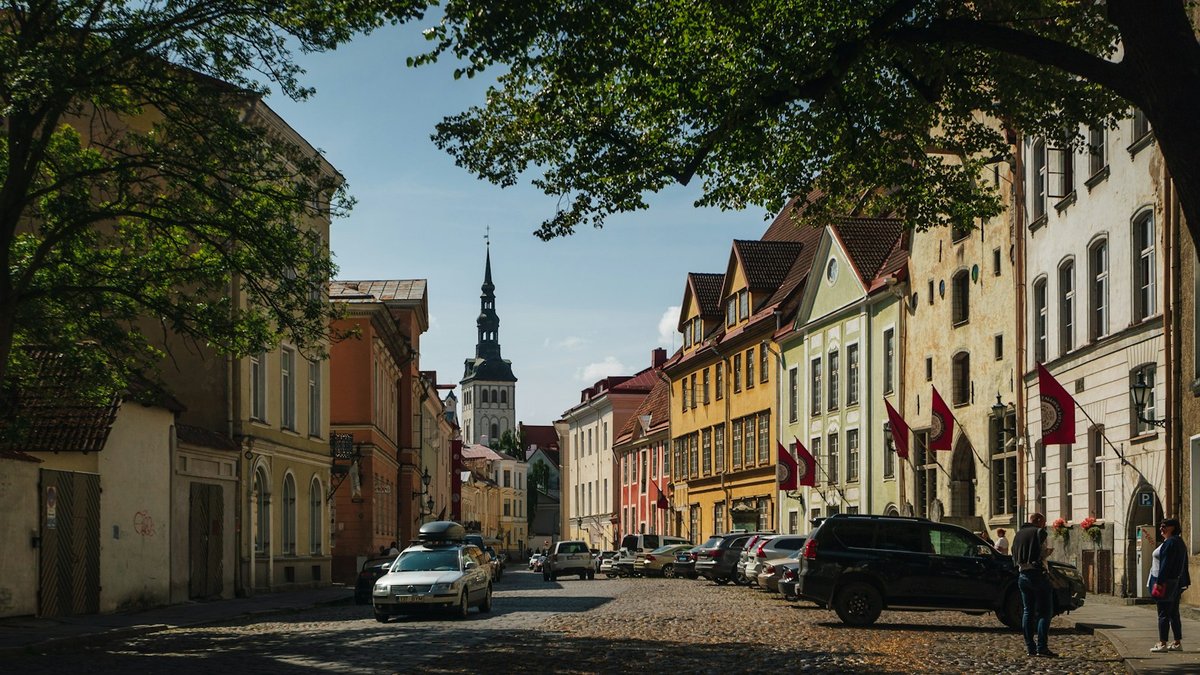
In the afternoon, walk east to Kadriorg Park, a green, low-key district built around Kadriorg Palace, commissioned by Peter the Great. The Kumu Art Museum sits inside the park and covers Estonian art from the 18th century to the present in a well-organised, English-labelled collection, easy to work through alone in an hour or two.
A free walking tour is worth joining on this first day. Groups are often small, guides are usually Estonian history or literature students, and the format works well for solo travellers who want context without committing to a private guide.
- Morning: Viru Gate, Town Hall Square, Toompea viewpoints and Pikk Street.
- Afternoon: Kadriorg Park and Kumu, or the bastion tunnels if the weather turns.
- Evening: Dinner in the Old Town; Katariina Käik, a narrow medieval passage lined with craft workshops, has several small restaurants suited to solo dining.
Tour on Honge
Guided Old Town Tallinn walking tour
A 2–2.5 hour group walk covers Town Hall Square, Toompea viewpoints and the main Old Town highlights with a live guide — a stronger first-day orientation than going it alone if you want context without a private booking.
Tour on Honge
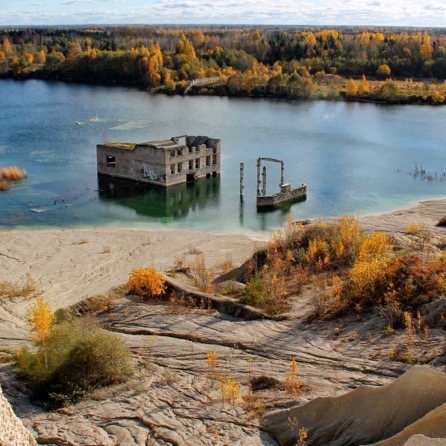
Rummu quarry half-day from Tallinn
A small-group half-day leaves the capital for the flooded Rummu quarry and coastal cliffs — an easy nature break if you want something outside the Old Town without giving up a full day.
Day 2 — Tallinn: Kalamaja, Telliskivi and Beyond the Old Town
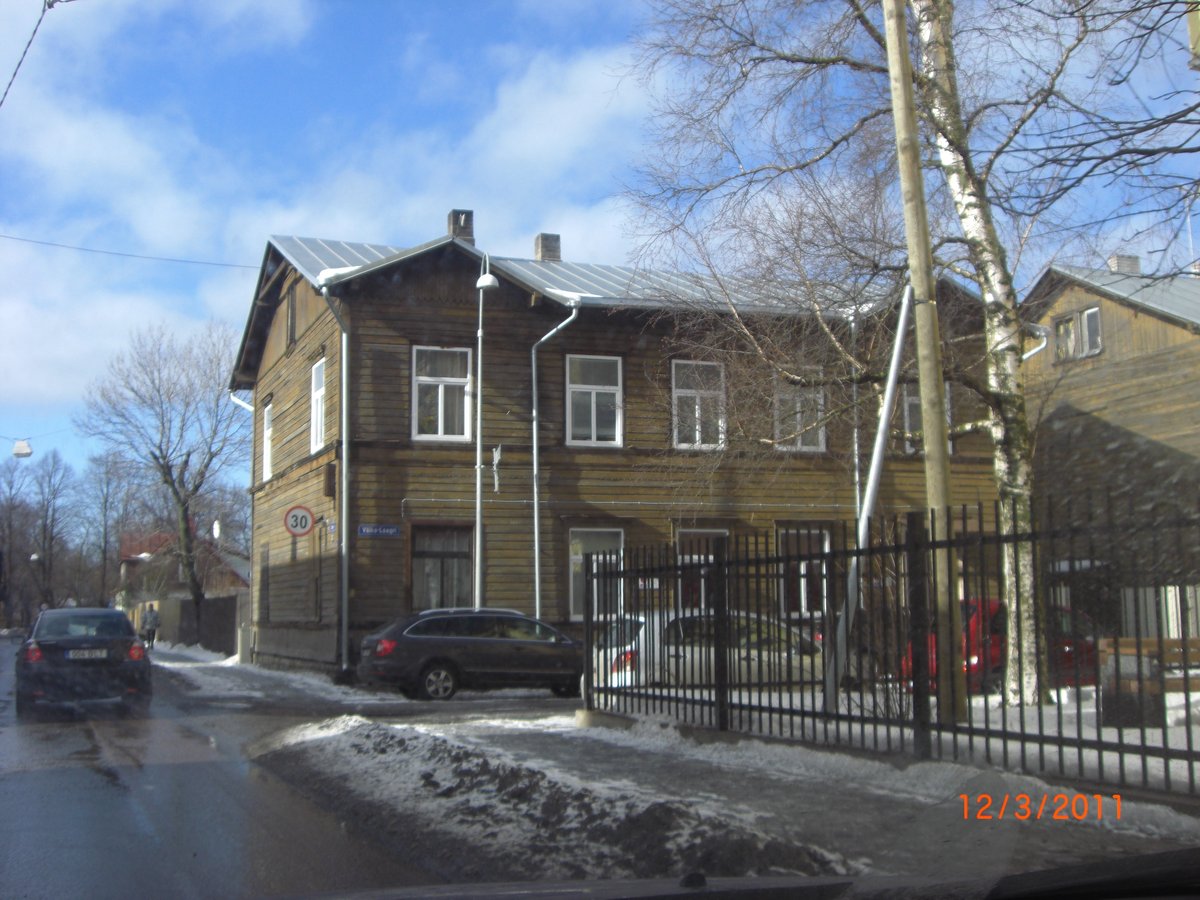
Spend the second day outside the medieval core. Kalamaja, a former fishing and working-class district just north of the Old Town, is now Tallinn's most walkable creative neighbourhood, with wooden houses, small galleries and independent coffee shops.
The Seaplane Harbour museum sits at the edge of the district, a former hangar built for seaplanes in 1916 and now home to a preserved submarine and full-size ship replicas. It is one of the better museums in the city for a solo visit, since exhibits are self-paced and heavily visual.
Telliskivi Creative City, a converted factory complex a short walk from Kalamaja, is the city's main hub for design shops, secondhand stores, street-food stalls and studio spaces. It is easy to spend two or three hours browsing here without needing company, and the on-site food court works well for a solo lunch, since ordering is counter-service and tables are shared.
For a slower afternoon, the Patarei Sea Fortress, a former prison directly on the waterfront, offers self-guided access to abandoned cell blocks and is one of the more atmospheric, less touristed sites in the city. Round out the day back in the Old Town at a bakery or wine bar for dinner.
- Morning: Kalamaja streets and the Seaplane Harbour.
- Afternoon: Telliskivi, then Patarei if you want a longer waterfront walk.
- Evening: Old Town dinner on a quieter side street rather than Town Hall Square.
Day 3 — Lahemaa National Park: Forests, Bogs and Coastal Villages
Lahemaa, Estonia's largest national park, sits along the northern coast, with its manor houses around 80 km east of Tallinn. It combines pine forest, coastal bog, manor estates and small fishing villages, and is built for a single relaxed day. Start at the Viru Bog boardwalk, a raised wooden trail through one of the park's most accessible bogs, with a short loop of about 3.5 km leading to a lookout tower over the wetland. Trail notes are on the RMK Lahemaa page.
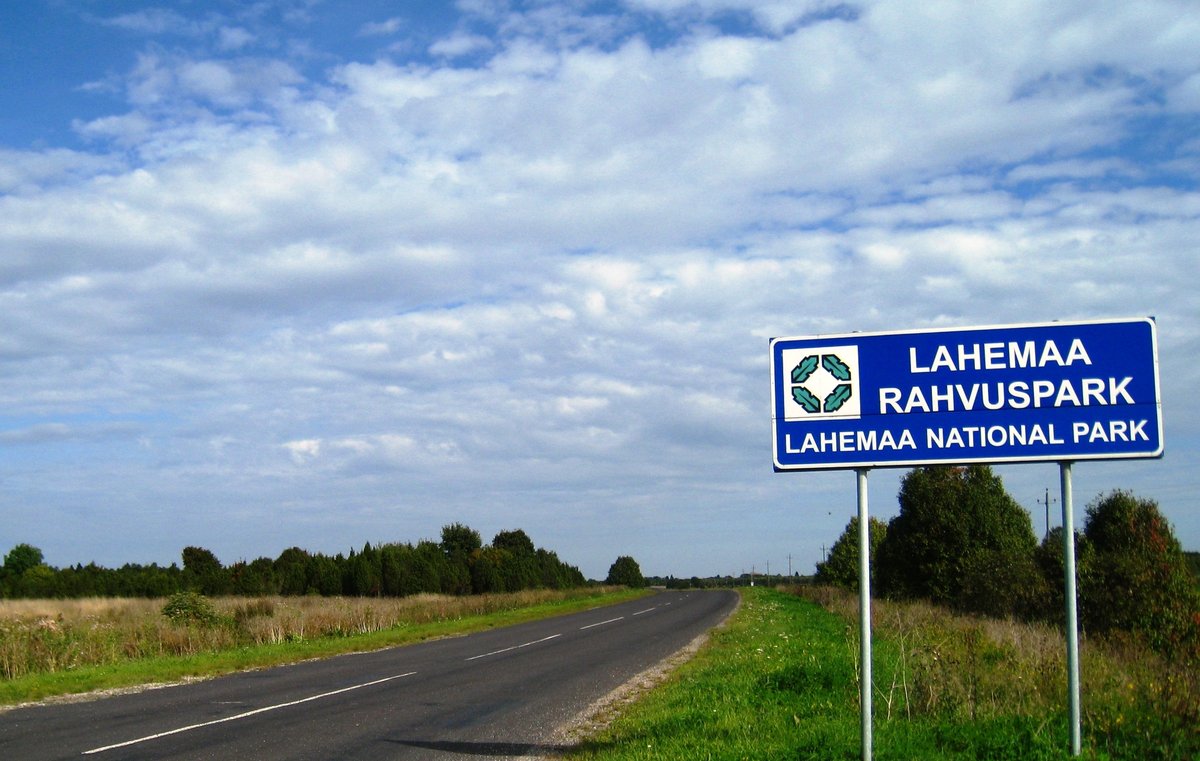
From the bog, continue to Palmse Manor, the best-restored of the park's baroque manor houses, with grounds open for a short walk even outside guided visits. Sagadi Manor, nearby, has a forestry museum on site and a quieter, less-visited feel. For the coast, Käsmu, known locally as Captains' Village for its 19th-century seafaring history, and Altja, a small fishing hamlet with traditional swing frames and net sheds, are both easy stops with short waterfront walks.
For a solo traveller without a car, the easiest way to see Lahemaa properly is a small-group day tour from Tallinn; several operators run full-day trips covering the bog boardwalk, one manor and one coastal village, with return transport included. Public buses run along the highway edge of the park but do not reach the manors or villages directly, so bus travel alone means missing most of what makes Lahemaa worth the detour. Renting a car for this single day is the other practical option, since the villages and manors are 10–20 km apart on paved but infrequent roads. Given the route continues to Tartu the next day, some travellers combine this: pick up a rental car in Tallinn, drive through Lahemaa, and continue toward Tartu via Rakvere and along Lake Peipsi, dropping the car in Tartu.
- Morning: Drive or tour to Viru Bog; walk the 3.5 km boardwalk loop.
- Afternoon: Palmse or Sagadi Manor, then Käsmu or Altja on the coast.
- Evening: Overnight near Sagadi or Käsmu, or continue toward Tartu if you are driving through.
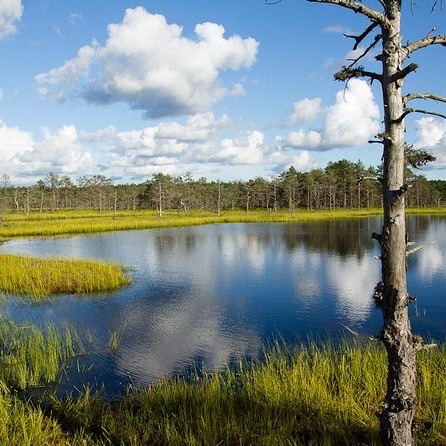
Tour on Honge
Lahemaa National Park day trip from Tallinn
Without a car, a full-day tour from Tallinn is the practical way to reach Viru Bog, a manor house and a coastal village with return transport included — the same loop this day is built around.
Day 4 — Tartu: University Town and a Slower Pace
Tartu feels different from Tallinn within minutes of arriving. It is Estonia's second city and its intellectual centre, built around the University of Tartu, founded in 1632, and the pace is noticeably slower and younger. Start on Toomemägi Hill, a park above the town centre with the ruins of Tartu Cathedral, now partly repurposed as the university's history museum, and the Angel's Bridge and Devil's Bridge, two small pedestrian bridges with a long-running student rivalry attached to their names.
Town Hall Square below is anchored by the Kissing Students fountain, a well-known meeting point, and lined with cafés that cater to a steady stream of students and academics rather than tour groups.
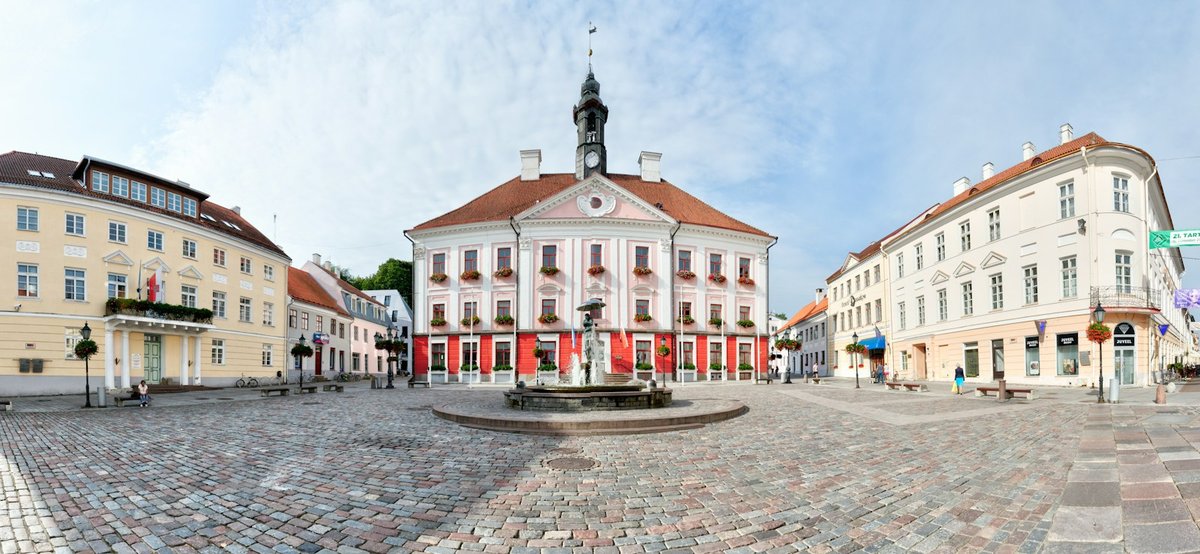
The Estonian National Museum, a short walk or bus ride from the centre, is one of the better-designed museums in the Baltics, covering Estonian ethnography and history in a building constructed on a former Soviet airfield runway; it comfortably fills an afternoon. For street art and a slower browsing pace, walk through Supilinn, a neighbourhood of wooden houses named after vegetables, and check the Aparaaditehas creative quarter for studios, secondhand shops and rotating murals. Tartu's café culture is built around single-person tables and long stays, so this is a good day to slow down, work from a café for an hour, and treat the city as a rest day between the national park and the island. Visit Tartu lists current exhibitions and events.
- Morning: Toomemägi Hill, cathedral ruins and Town Hall Square.
- Afternoon: Estonian National Museum, or Supilinn and Aparaaditehas if you prefer street-level browsing.
- Evening: A long café dinner in the centre; lingering alone with a coffee is normal here.
Day 5 — Saaremaa: Arrive in Kuressaare
Saaremaa is Estonia's largest island and the most complete change of pace on this route: flat coastal roads, windmills, juniper-covered fields and a slower island rhythm. A direct bus from Tartu to Kuressaare exists, but only as a seasonal summer route (typically mid-June to late August) via Viljandi and Pärnu, taking around 5.5 to 6 hours door to door; the bus crosses the mainland-to-Muhu ferry as part of its fixed route, so no separate ferry booking is needed on that leg. Check tpilet.ee for the current timetable.
Outside the summer season, there is no direct bus, and the practical options are to connect via Pärnu, backtrack through Tallinn, or drive: a rental car covers Tartu to the Virtsu ferry terminal in roughly 2.5 hours, followed by the 30-minute crossing to Kuivastu and about 50 minutes on to Kuressaare. Flights from Tallinn to Kuressaare also run on NyxAir, about 40 minutes, useful if time is short or the direct bus is not running, though it skips the countryside entirely.
Base in Kuressaare, the island's only real town. The Kuressaare Episcopal Castle, a 14th-century stone fortress and the best-preserved of its kind in the Baltics, sits directly on the waterfront and is worth a half-day with its museum on the island's history. The town square around it has a manageable cluster of cafés and restaurants suited to solo dinners. Visit Saaremaa is a useful local overview.
- Morning: Leave Tartu on the seasonal bus, or drive to the Virtsu ferry.
- Afternoon: Check in at Kuressaare and walk the castle and harbour.
- Evening: Dinner on the town square; keep it simple after a long transfer day.
Day 6 — Saaremaa: Coastline and Windmills
Spend the second island day in the countryside. The Angla windmill hill, a cluster of restored 19th-century windmills, is one of the most photographed sites on Saaremaa and an easy stop by car or bike. Panga Cliff, a limestone bluff on the north coast once used as a sacrificial site, and the Kaali meteorite crater, a small circular lake formed by a meteor impact roughly 4,000 years ago, both make for short, satisfying stops.
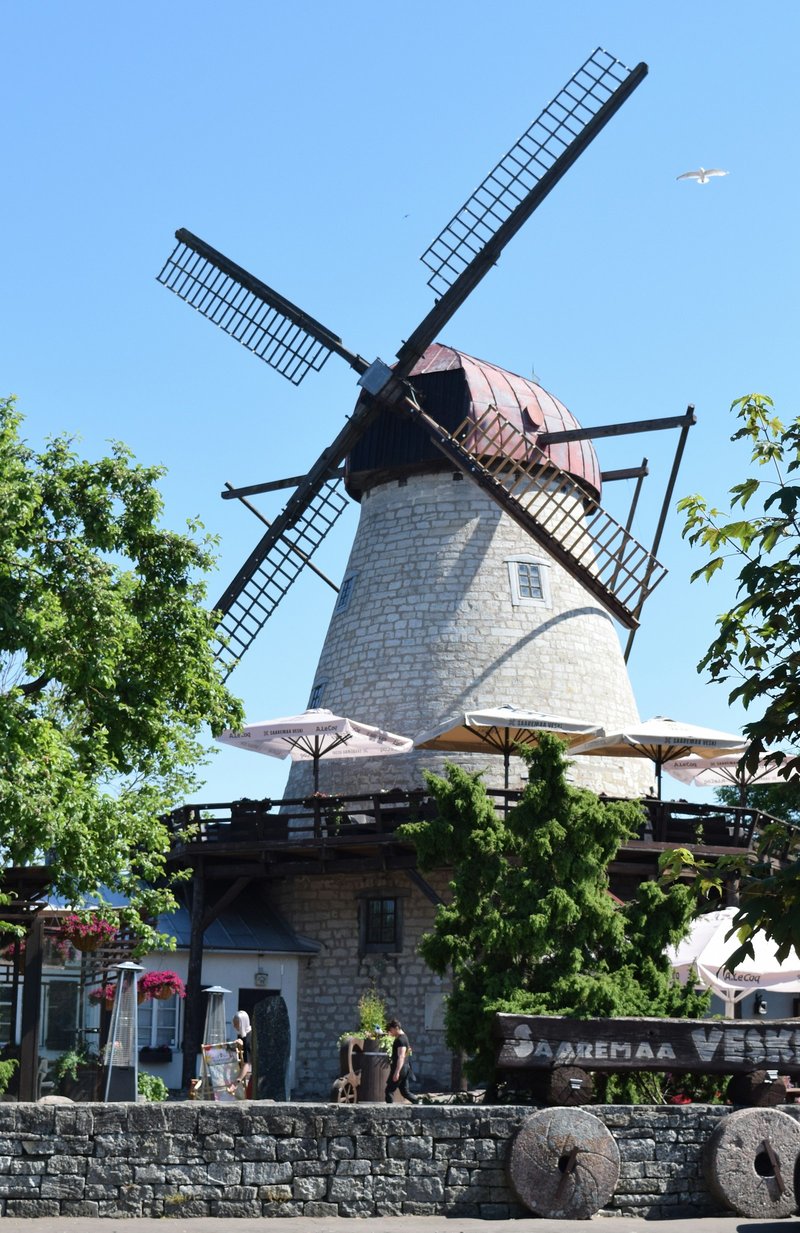
Bike rental is available in Kuressaare and is the most practical way to cover this ground solo: the island's roads are flat, well paved and quiet enough for a relaxed half-day loop rather than a rushed itinerary. A rental car works just as well and covers more ground if the goal is to also reach Vilsandi National Park on the island's western edge.
- Morning: Bike or drive to Angla, then Panga Cliff.
- Afternoon: Kaali crater loop, or continue west toward Vilsandi if you have a car.
- Evening: Return to Kuressaare; a spa hotel is a practical option if the weather turns.
Day 7 — Return to Tallinn and Departure
Take the direct bus back from Kuressaare to Tallinn, around 3.5 to 4 hours including the ferry crossing, or the short NyxAir flight if the schedule allows. Build in a buffer before any onward flight or ferry connection, since the mainland ferry queue can add unpredictable time in high season even with a pre-booked bus.
If there is a gap before departure, use it for anything missed on Day 1 or 2 in the Old Town, or a final coffee in Kalamaja before heading to Tallinn Airport or Old City Harbour.
- Morning: Bus or flight toward Tallinn; confirm the day's ferry-inclusive timetable.
- Afternoon: Buffer time in Tallinn if your onward connection is later in the day.
- Evening: Departure.
Where to Stay
This route is planned around neighbourhoods rather than named hotels. Availability changes with the season, especially in Tallinn's Old Town in July.
Tallinn: Kalamaja for a quieter, design-forward base with easy tram access to the Old Town, or the Old Town itself for walkability at the cost of higher rates and more tourist foot traffic.
Lahemaa: Most solo travellers day-trip this stop rather than staying overnight. Those extending the visit can look at the guesthouse at Sagadi Manor or a quiet coastal night in Käsmu.
Tartu: The centre around Town Hall Square or Supilinn both work well. Supilinn is quieter and more residential; the centre is closer to the museums and the bus station.
Saaremaa: Kuressaare town centre, within walking distance of the castle and main square, keeps logistics simple without a car.
Getting Around: Trains, Buses and Ferries
- Tallinn–Tartu: Elron trains run around 11 times daily from Tallinn's Balti Jaam station, taking roughly 2 to 2.5 hours depending on express service; first-class tickets guarantee a seat.
- Tartu–Kuressaare: One direct bus daily, but only from mid-June to late August, taking around 5.5–6 hours via Viljandi and Pärnu. Outside that window, connect via Pärnu or backtrack through Tallinn. See tpilet.ee and peatus.ee.
- Virtsu–Kuivastu ferry: Crossing takes about 27–30 minutes, with frequent departures in summer and roughly hourly service in winter. Booking a car spot online in advance on praamid.ee avoids the queue in high season.
- Lahemaa: No single bus route covers the park's manors and villages. A rental car or organised day tour is the practical choice for this one day.
- Within towns: Tallinn's Old Town, Tartu's centre and Kuressaare are all walkable. Tallinn also has an extensive tram and bus network for reaching Kadriorg or Kalamaja quickly.
- Is renting a car worth it: Only for the Lahemaa day, or for covering more ground on Saaremaa than a bike allows. For the rest of the route, trains, buses and the scheduled ferry cover every stop without a rental.
Best Time to Visit
Late May through early September is the most reliable window. June and July bring the longest daylight hours, with near-continuous light around the summer solstice, useful for solo travellers who want more usable hours in the day without adjusting plans around early sunsets. September is quieter, cooler and still workable for the Lahemaa bog trails and Saaremaa's coastal roads, with fewer crowds at Kuressaare castle and shorter ferry queues.
Winter travel is possible but changes the trip significantly: bog boardwalks can ice over, some manor houses reduce hours, and the ferry to Saaremaa runs on a reduced winter schedule.
Solo Dining and Local Foods
Solo dining is straightforward across all four stops. In Tallinn, Kalamaja and Telliskivi both favour counter-service and shared tables over formal seating. In Tartu, the cafés around Town Hall Square and inside Aparaaditehas are built around long stays and laptop work, so lingering alone with a coffee is normal. On Saaremaa, Kuressaare's town square has a small but reliable set of restaurants used to serving travellers on their own, particularly around the castle and harbour.
- Verivorst: blood sausage with lingonberry sauce, especially around the winter months
- Kama: a traditional roasted grain mix often blended into yoghurt or buttermilk
- Leib: rye bread, served at nearly every meal and often paired with garlic butter
- Baltic herring: smoked or pickled, widely available along the coast and on Saaremaa
- Vana Tallinn: a spiced rum-based liqueur often served in coffee or dessert
- Island cheese and juniper-flavoured products: sold at farm stops and the Kuressaare market
Easy Hikes and Nature Walks
- Viru Bog boardwalk, Lahemaa: about 3.5 km round trip, flat wooden trail, lookout tower at the turnaround point
- Käsmu coastal path, Lahemaa: short waterfront walk through the former captains' village, under 2 km
- Toomemägi Hill, Tartu: a short uphill walk through parkland with cathedral ruins and two footbridges
- Panga Cliff walk, Saaremaa: a short clifftop walk along the island's north coast, easy and mostly flat
- Kaali crater loop, Saaremaa: a 15–20 minute walk around the meteorite lake, suitable for any fitness level
Safety Advice for Solo Travellers
- Estonia ranks consistently among the safer countries in Europe for solo travel. Petty theft is uncommon, but standard precautions still apply in busy areas such as Tallinn's Old Town in peak season.
- Save the offline map area for Lahemaa before heading out, since mobile signal drops in parts of the bog and forest trails.
- Ferry and bus schedules are reliable, but confirm the day's timetable the morning of travel, since schedules shift slightly between seasons.
- Cash is rarely needed; contactless card payment is standard everywhere, including small cafés and market stalls, but carry a small amount for rural stops on Saaremaa.
- The emergency number across Estonia is 112 for police, fire and medical services, with English-speaking operators available.
If the Weather Turns
Rain or cold weather does not derail this route, since each stop has a strong indoor alternative. In Tallinn, the bastion tunnels at Kiek in de Kök, the Seaplane Harbour museum and Kumu Art Museum all work as full indoor half-days. In Tartu, the Estonian National Museum and the AHHAA Science Centre both cover several hours under one roof. On Saaremaa, the Kuressaare Episcopal Castle's museum wing is large enough to fill a rained-out afternoon, and the island's spa culture (Kuressaare has several thermal spa hotels) is a practical way to spend a stormy day. Only the Lahemaa bog boardwalk is meaningfully weather-dependent, since heavy rain makes the wooden planks slick; a manor visit or the Sagadi forestry museum works as a same-area substitute.
Itemised Budget for 7 Days (Per Person, Excluding International Flights)
These are approximate planning ranges in euros for one person, covering 6 nights. Tallinn Old Town sits at the high end; Kalamaja, Tartu and Kuressaare stretch the same private-room budget further. Long-distance train, bus and ferry fares are included in the transport row.
| Item | Budget | Mid-range | Comfortable |
|---|---|---|---|
| Accommodation, 6 nights | €150–240 | €360–540 | €540–900 |
| Long-distance trains, buses, ferry, plus local trams | €70–140 | €120–220 | €180–320 |
| Food and drinks | €140–210 | €245–385 | €385–560 |
| Museums, Lahemaa tour or activities | €70–105 | €105–175 | €175–280 |
| Total per person | About €430–695 | About €830–1,320 | About €1,280–2,060 |
Expect roughly €15–25 for the Tallinn–Tartu train, €18–27 for the Kuressaare–Tallinn bus, and €20–30 for the seasonal Tartu–Kuressaare bus (or a similar fare via Pärnu outside summer). A one-day Lahemaa tour or car hire sits on top of the lower transport figures. A NyxAir hop between Tallinn and Kuressaare costs more than the bus and is useful mainly when the direct coach is not running.
How to Arrive and Depart
Most visitors arrive through Tallinn Airport, a short tram or taxi ride from the centre. Ferries from Helsinki land at Old City Harbour, within walking distance of the Old Town. Trains from Riga arrive at Balti Jaam, next to Telliskivi and Kalamaja.
Return to Tallinn for your onward flight or ferry. If you are coming off the Kuressaare bus on Day 7, do not book a tight international connection — the ferry crossing is reliable, but queues in high season are not.
What to Pack
- Comfortable walking shoes for cobbles in Tallinn and Tartu
- A waterproof layer; bog boardwalks and island coast are exposed in rain
- Layers for cool evenings, even in July
- Offline maps for Lahemaa
- A contactless bank card; cash is a backup, not the default
Key Places and Exact Locations
- Viru Gate, Tallinn: Day 1
- Town Hall Square, Tallinn: Day 1
- Kohtuotsa viewpoint: Day 1
- Kadriorg Park: Day 1
- Kalamaja: Day 2
- Telliskivi Creative City: Day 2
- Viru Bog, Lahemaa: Day 3
- Palmse Manor: Day 3
- Town Hall Square, Tartu: Day 4
- Estonian National Museum: Day 4
- Kuressaare Episcopal Castle: Day 5
- Angla windmills: Day 6
- Kaali crater: Day 6
Useful Links
- Visit Estonia
- Visit Tallinn
- Visit Tartu
- Visit Saaremaa
- Lahemaa National Park (official)
- UNESCO — Historic Centre of Tallinn
- Elron trains
- tpilet.ee — long-distance bus tickets
- Praamid — Virtsu–Kuivastu ferry
- NyxAir — Tallinn–Kuressaare flights
- Tallinn Airport
- Kumu Art Museum
- Seaplane Harbour
- Estonian National Museum
- Saaremaa Museum — Kuressaare Castle
FAQs
Is 7 days enough for this Estonia route?
Seven days is enough for a relaxed loop with two nights in Tallinn, one night in the Lahemaa area, one in Tartu and two on Saaremaa. Dropping the overnight in Lahemaa and treating it as a day trip from Tallinn is a common alternative if you would rather add a night in Tartu or the capital.
Do I need to rent a car for this itinerary?
Not for the whole route. Elron trains, long-distance buses and the scheduled Virtsu–Kuivastu ferry cover Tallinn, Tartu and Saaremaa. A car is most useful for Lahemaa, where buses miss the manors and villages, and for covering more of Saaremaa than a bicycle from Kuressaare allows.
When is the best time to visit Estonia?
Late May through early September is the most reliable window. June and July bring the longest daylight, including near-continuous light around the summer solstice. September is quieter and still workable for bog trails and coastal roads. Winter is possible, but boardwalks can ice over and the island ferry runs less often.
How can I visit Lahemaa without a car?
The practical option is a small-group day tour from Tallinn that typically covers a bog boardwalk, one manor and a coastal village, with return transport included. Public buses run along the highway edge of the park but do not reach the manors or villages directly.
Is there a direct bus from Tartu to Saaremaa?
One direct bus usually runs daily from mid-June to late August, taking about 5.5 to 6 hours via Viljandi and Pärnu, with the mainland–Muhu ferry included on that ticket. Outside that window, connect via Pärnu, backtrack through Tallinn, drive and take the Virtsu ferry, or fly.
Is English widely spoken in Estonia?
Yes. English is commonly spoken in cafés, museums and ticket offices in Tallinn, Tartu and Kuressaare, which keeps independent travel straightforward.
Is Estonia safe for solo travellers?
Estonia ranks among the safer countries in Europe for solo travel. Petty theft is uncommon, but standard precautions still apply in busy parts of Tallinn's Old Town in peak season. The emergency number is 112, with English-speaking operators available.
How much does this 7-day trip cost?
Plan roughly €430–695 per person on a budget, €830–1,320 mid-range, or €1,280–2,060 more comfortably, excluding international flights. Old Town Tallinn accommodation sits at the high end; Tartu, Kalamaja and Kuressaare stretch the same budget further.
Prompts to Try in Honge
- Plan a slower 10-day Estonia trip with two nights in Tartu.
- Build this Estonia loop without a rental car.
- Add a Helsinki day trip by ferry to this Tallinn itinerary.
- Compare staying in Kalamaja versus Tallinn Old Town.
- Plan a summer-only version that uses the Tartu–Kuressaare bus.
- Find indoor backup plans for a rainy day in Tallinn and Tartu.
- Add Hiiumaa after Saaremaa and return to Tallinn.
- Create a packing list for bog boardwalks and cobbled Old Towns.
- Plan a food-focused two days in Tallinn for a solo traveller.
- Extend this trip with a night in Riga on the way home.
Ready to Start Your Adventure?
Start with this Estonia solo itinerary on Honge, then tailor Old Town walks, the Lahemaa day, café time in Tartu and island cycling to your travel style.
The route works because the distances are short. Leave a little room in the schedule — for another coffee in Kalamaja, a longer bog walk, or an extra hour on the Kuressaare harbour.
Ready for Old Towns, bogs and an island?
Plan your Estonia trip with Honge
Keep Tallinn, Lahemaa, Tartu and Kuressaare as bases, then shape museum days, ferry timings and island cycling around your pace.
Related itineraries
- 8 Days Solo in the Netherlands & Belgium: Amsterdam, Ghent, Bruges & More
- 11-Day Baltic Capitals Itinerary: Tallinn, Riga & Vilnius
- 7-Day Finnish Lapland Itinerary: Sauna, Snow & Northern Lights
- 7-Day Denmark Itinerary: Copenhagen, Castles & the Coast
- 9 Days Solo in Poland: Kraków, Wrocław, Warsaw & Gdańsk by Train
Written by
This blog was contributed by Ishita Minia, a travel enthusiast and writer. Ishita can be reached at ishitaminia@gmail.com.
About Honge
Honge is an AI travel planning platform focused on practical, experience-led itineraries with realistic pacing and logistics. All blog content is edited and published by Honge. Our Estonia research draws on updated practical logistics as of September 2026. © Honge. All rights reserved.
Image credits: Photos are sourced from Unsplash and Wikimedia Commons. Copyright remains with their respective photographers and rights holders. Unsplash images are used according to the Unsplash License. Wikimedia Commons images are used according to their applicable license terms: CC BY 2.0 or CC BY-SA 2.0.
Travel disclaimer
This itinerary is intended as general travel inspiration and planning guidance only, not as personalised travel, safety or medical advice. Train, bus and ferry times are estimates: Elron, long-distance coaches and the Virtsu–Kuivastu crossing follow seasonal timetables, and high-season ferry queues can add extra minutes even with a booked ticket. Lahemaa is easiest with a rental car or an organised day tour, because buses along the highway do not reach the manors or fishing villages directly. The Tartu–Kuressaare bus typically runs only from mid-June to late August; outside that window, connect via Pärnu, backtrack through Tallinn, drive and take the ferry, or fly. Confirm museum hours and bog-boardwalk conditions before you go, especially in winter, when wooden planks can ice over. Take out comprehensive travel insurance that covers medical treatment, car hire if you use one, and cancellation. Suggested stay areas in this article are samples only and depend on availability; in the Honge app they may appear as booking options when offered by our vendors at the time of your search. Honge is not responsible for any changes to conditions, services or experiences described in this article after the date of publication.