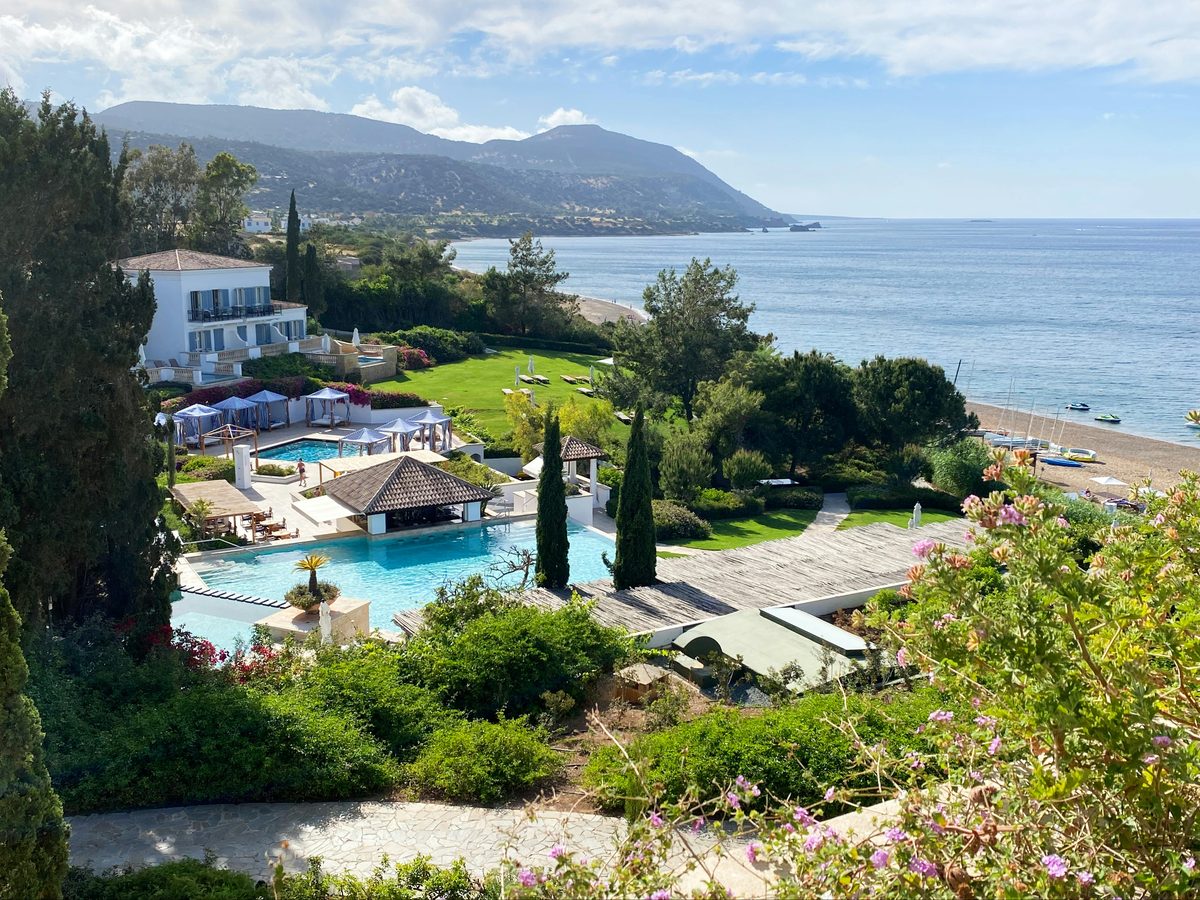
The key to this itinerary is not trying to see the whole island in one week, but giving each place enough time to enjoy it properly.
Start with this itinerary
Open this Cyprus route in Honge as your starting point, then shape beach days, mountain hikes, village stops and historic city walks around how you travel.
Introduction
Cyprus is particularly well suited to solo travel because its main towns are straightforward to explore independently. The island combines relatively short distances with remarkably different landscapes.
This route is designed for independent travellers who want a little bit of everything without constantly rushing from one place to another. Paphos brings the beaches and archaeology, Troodos slows the journey down with forests and villages, Limassol adds a lively coastal-city atmosphere, and Nicosia finishes the trip with history, culture and plenty of cafés to linger in.
The key to this itinerary is not trying to see the whole island in one week. Instead, it follows a west-to-east route that gives you time to enjoy each place properly. Whether you linger over a seaside coffee in Paphos, stop for local wine in Omodos, walk along Limassol's waterfront or get lost in the narrow streets of Nicosia, the itinerary leaves room to experience Cyprus at your own pace.
Why This Trip Works
Cyprus gives you a varied island experience while keeping the number of hotel changes manageable.
The route also works well for solo travel because Paphos, Limassol and Nicosia are easy to explore independently, while the Troodos Mountains provide a slower change of pace.
Good to Know
- Cyprus uses the euro (€).
- Cards are widely accepted, but carrying some cash is useful for smaller cafés, village shops and local businesses.
- English is widely spoken in tourist areas, making independent travel relatively straightforward.
- Cyprus drives on the left, so take extra care if you are renting a car.
- Mountain weather can change quickly, particularly around the Troodos Mountains.
- Public transport works between major towns, but connections into the mountains can be more limited.
Before You Go
- Book accommodation in Paphos, the Troodos Mountains and Nicosia ahead during the busier spring, summer and autumn periods.
- If you plan to explore the Troodos villages independently, check bus routes and operating days on Cyprus by Bus before travelling, as mountain services are less frequent than connections between major cities.
- Check hiking conditions before setting out on trails such as the Caledonia Waterfall Trail, particularly after heavy rain or during very hot weather.
- If you want to visit Kykkos Monastery, Omodos and the waterfalls in one day, plan the route carefully or consider a guided excursion rather than relying on multiple infrequent mountain connections.
Route Map
Route at a Glance
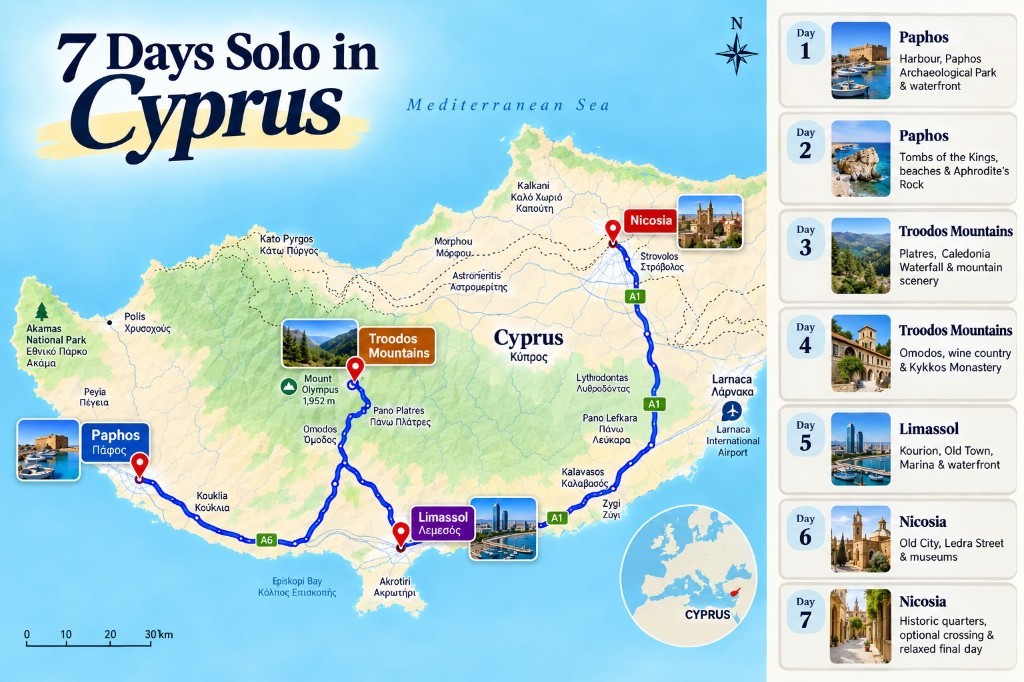
The route moves from west to east: from the coast and archaeology of Paphos into the mountains, down to Limassol and finally inland to the capital.
| Day | Base | Focus |
|---|---|---|
| Day 1 | Paphos | Harbour, Paphos Archaeological Park & waterfront |
| Day 2 | Paphos | Tombs of the Kings, beaches & Aphrodite's Rock |
| Day 3 | Platres | Platres, Caledonia Waterfall & mountain scenery |
| Day 4 | Platres | Omodos, wine country & optional Kykkos Monastery |
| Day 5 | Limassol | Kourion, Old Town, Marina & waterfront |
| Day 6 | Nicosia | Old City, Ledra Street & museums |
| Day 7 | Nicosia | Historic quarters, optional crossing & relaxed final day |
Paphos → Aphrodite's Rock → Platres & Troodos → Omodos → Kourion → Limassol → Nicosia
Day 1: Harbour, Archaeology & an Easy First Day
Start in Paphos and keep the first day deliberately relaxed. Begin around Kato Paphos Harbour, where the waterfront, cafés and Medieval Castle give you an easy introduction to the city. From here, walk into Paphos Archaeological Park, part of the UNESCO-listed Archaeological Site of Paphos, containing ancient remains and celebrated Roman mosaics.
After sightseeing, return towards the harbour for lunch and a slower afternoon. Leave time for a waterfront walk before settling into a café or seaside restaurant for sunset.
Paphos is more enjoyable when the archaeological sites, harbour and evening are treated as one relaxed circuit.
Day 2: Tombs of the Kings, Coast & Aphrodite's Rock
Spend your second day exploring beyond the immediate harbour area. Start at the Tombs of the Kings, an ancient necropolis carved into the rock, then continue towards the coast.
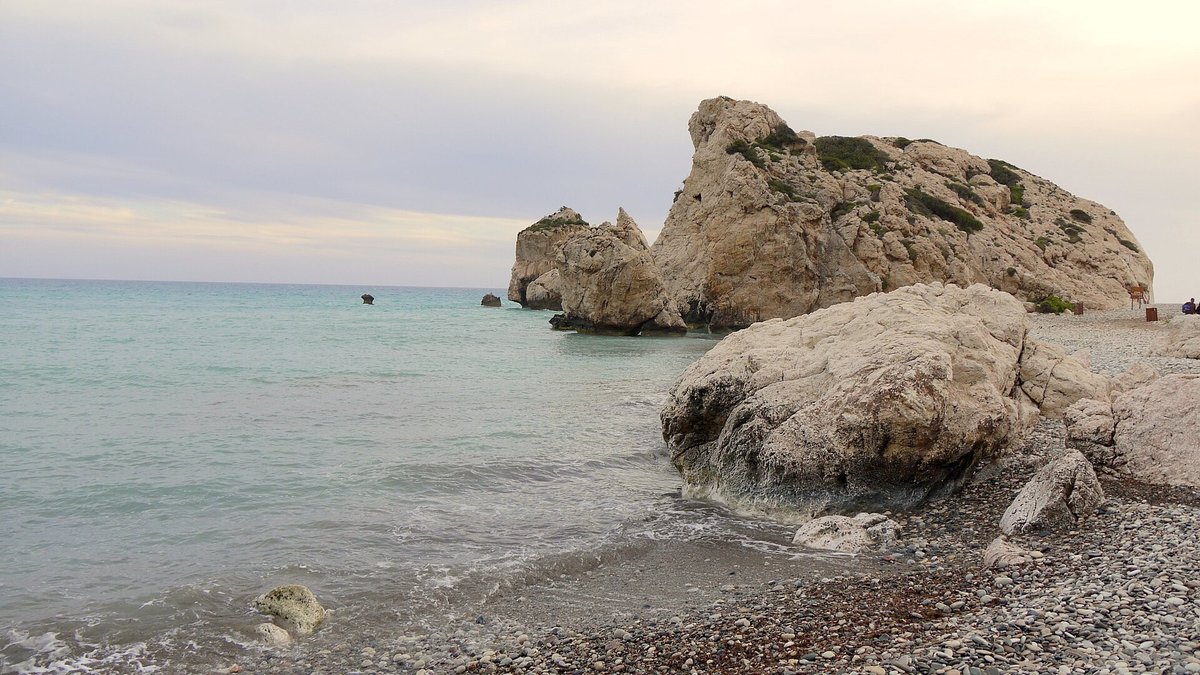
For a simpler afternoon, head south-east to Petra tou Romiou, or Aphrodite's Rock, where the coastal landscape connects naturally with one of Cyprus's best-known myths. According to Greek mythology, Aphrodite emerged from the sea here. You do not need to turn the day into a long excursion: the rock is particularly worthwhile as a scenic coastal stop before returning to Paphos for dinner.
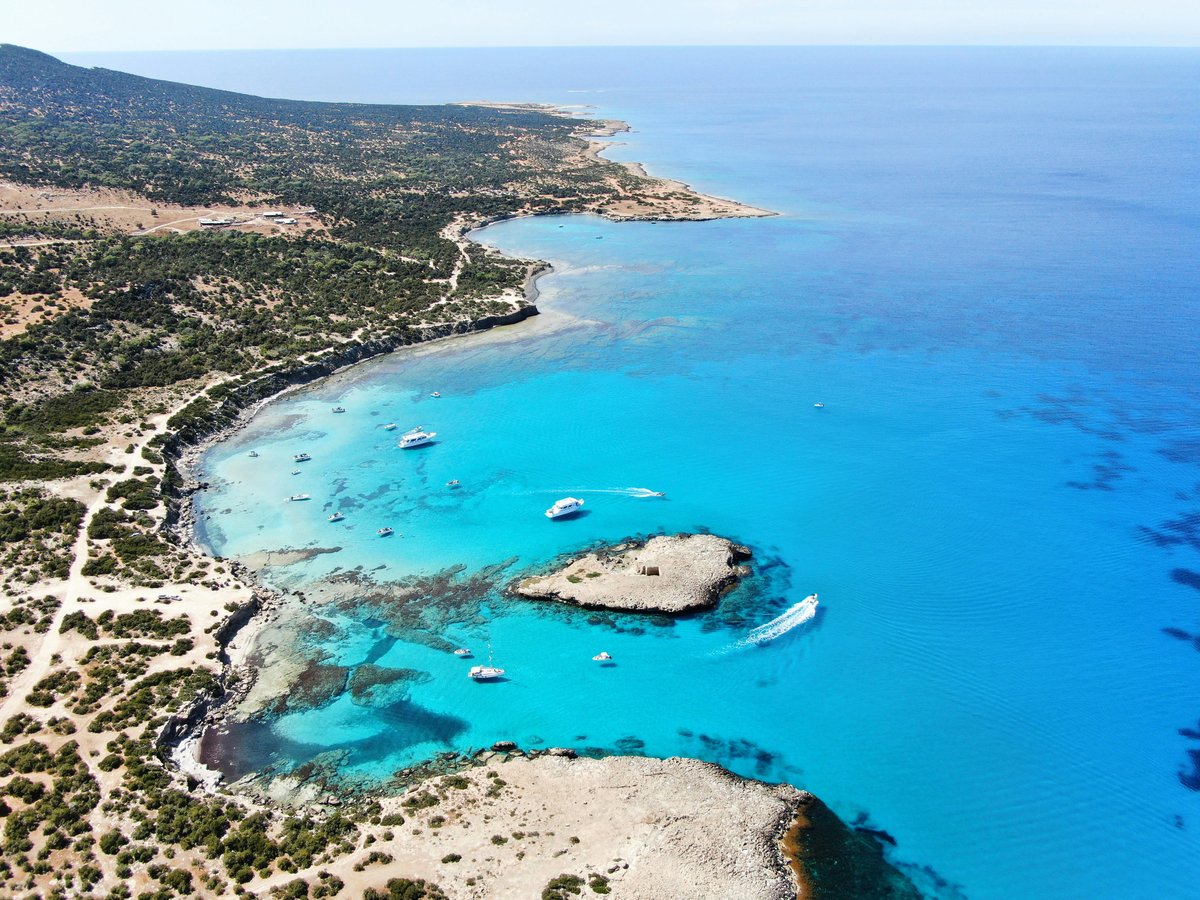
If you want a longer nature-focused outing, the Akamas Peninsula can be added through an organised jeep safari or a boat trip from the Latchi area. The Blue Lagoon is another popular option for swimming and snorkelling, although boat schedules and conditions should be checked before setting out.
Day 3: Troodos Mountains, Platres & Caledonia Waterfall
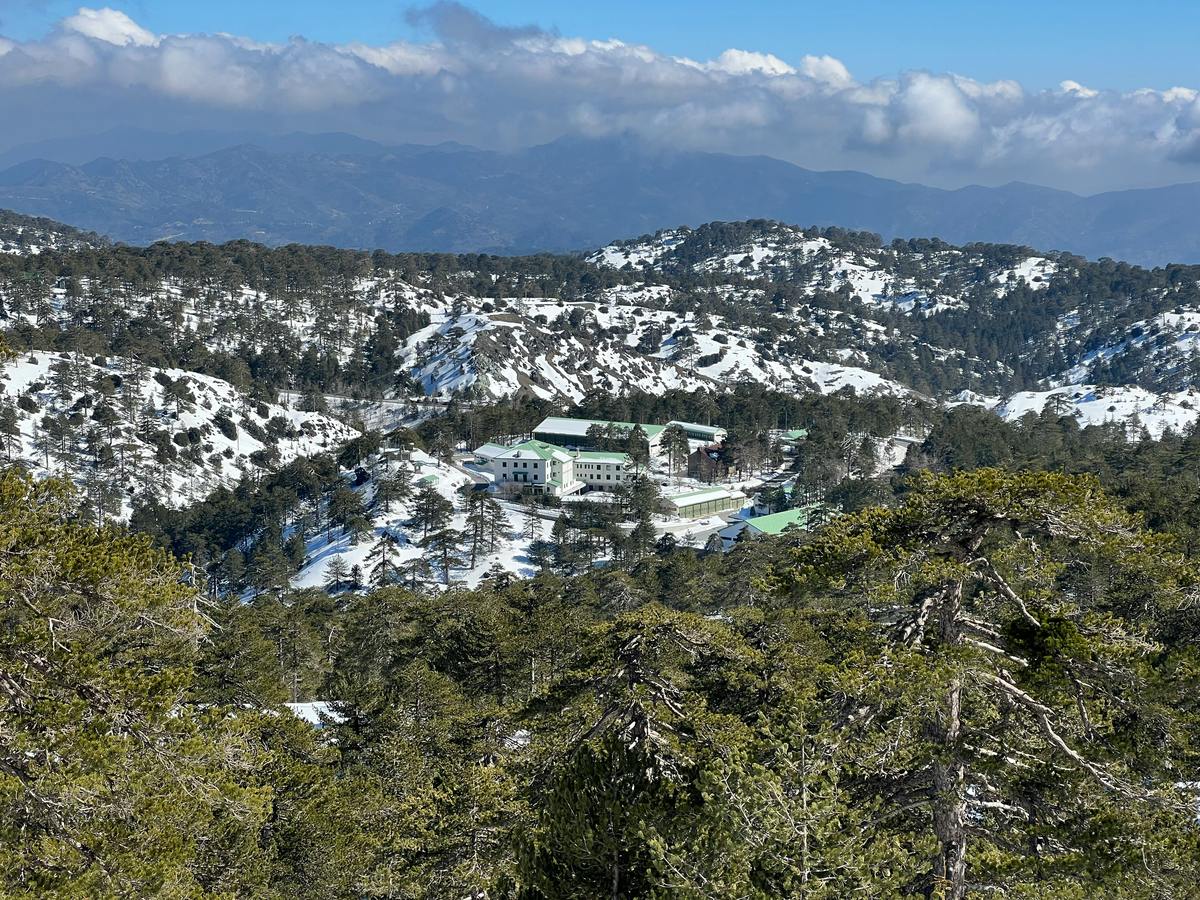
Leave Paphos in the morning and drive towards the Troodos Mountains, with Platres as your base. The drive from Paphos to Platres takes roughly 1.5–2 hours, depending on the route and road conditions, although mountain roads and sightseeing stops can make the journey longer. Public transport is possible but takes considerably longer and requires a change, usually in Limassol, so a rental car makes this section much easier.
Once settled in, make your way to the Caledonia Waterfall Trail. The hike takes you through shaded forest and along streams before reaching the waterfall. The trail is around 3 km one way and is not a loop, so plan for the walk back (or arrange a pick-up at the other end) and allow extra time rather than treating the stated walking time as a strict schedule. This is also the day to enjoy the cooler mountain air, especially if you are travelling during the hotter months.
Day 4: Omodos, Wine Country & Optional Kykkos Monastery
Use your second mountain day for the villages and cultural side of Troodos. Omodos is a good stop for its cobbled centre, traditional architecture and wine-making heritage. The surrounding Troodos region has a long viticultural tradition, while Commandaria, Cyprus's historic sweet dessert wine, is one of the island's signature products. You can make this a slow morning of village walks, lunch and a winery visit rather than trying to visit several villages in one day.
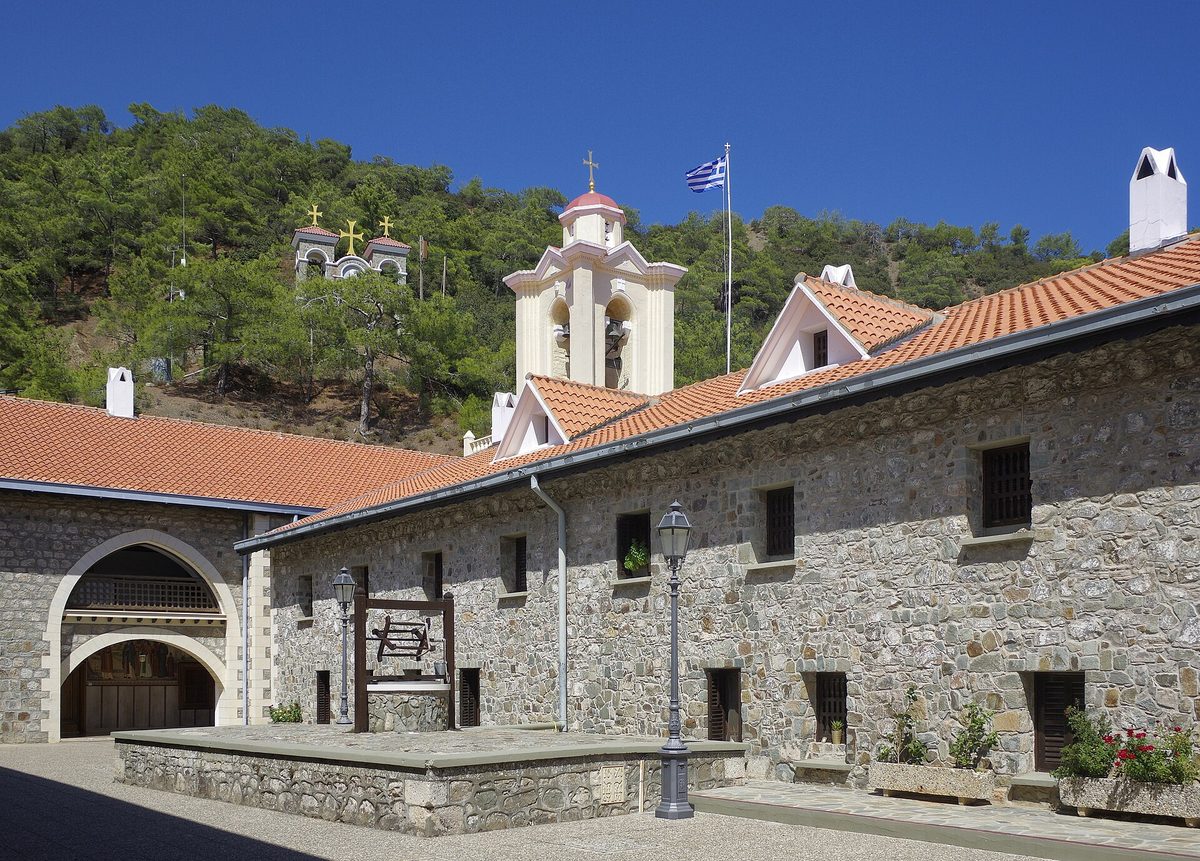
If road conditions and opening times fit your schedule, continue towards Kykkos Monastery, one of the best-known religious sites in the Troodos region. The monastery is particularly striking for its religious art and mountain setting. Because the roads are winding and distances in the mountains can be deceptive, leave enough daylight for the return journey rather than adding several distant stops at the end of the day.
Tip: Prioritise Omodos and a winery visit, then add Kykkos Monastery only if road conditions, opening hours and daylight allow.
Day 5: Limassol, Kourion, Old Town & the Marina
Drive down from Troodos towards the coast and stop at Kourion, west of Limassol, before continuing into the city. This impressive archaeological site overlooks the Mediterranean, and its theatre, ancient buildings and sea views make it a natural stop between the mountains and the coast.
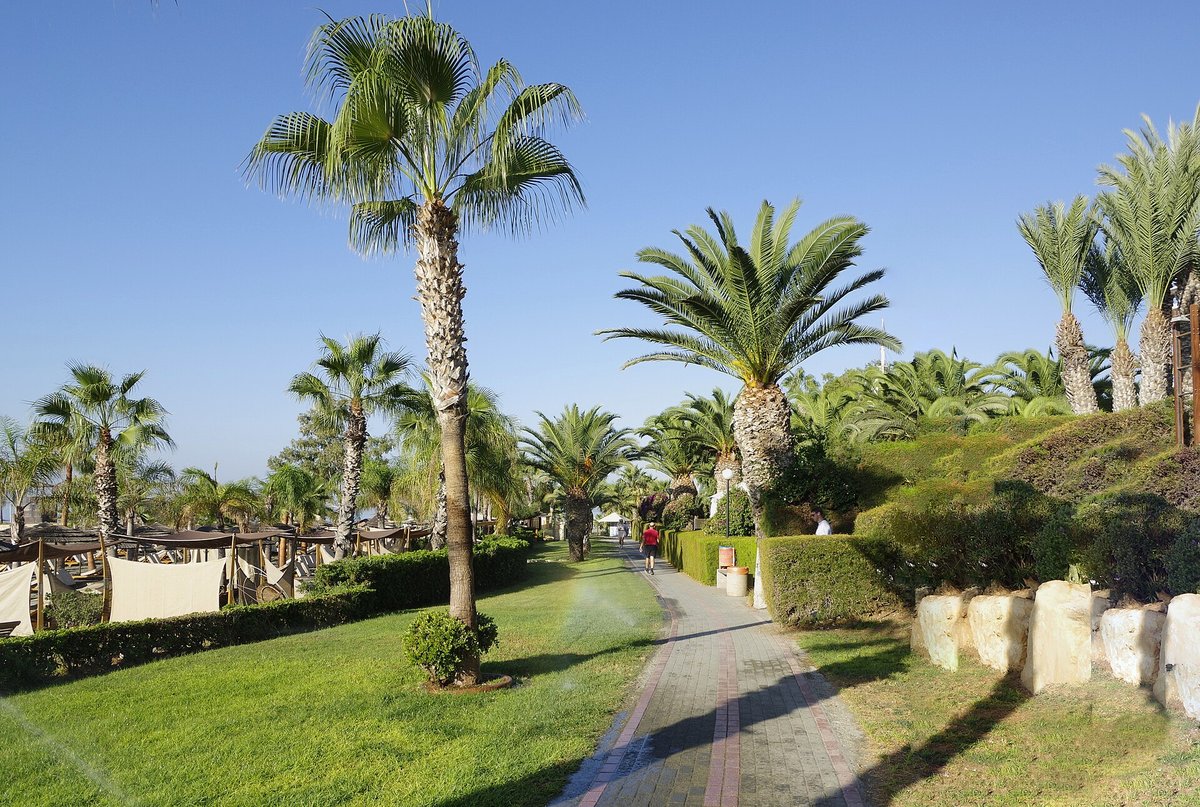
Continue into Limassol for lunch, then explore the Old Town and Limassol Marina on foot. The waterfront combines cafés, restaurants and modern marina architecture, while the old streets offer a more traditional side of the city.
If you still have energy, continue along the coastal promenade and Molos area for a relaxed evening.
Day 6: Nicosia, Old City, Museums & Ledra Street
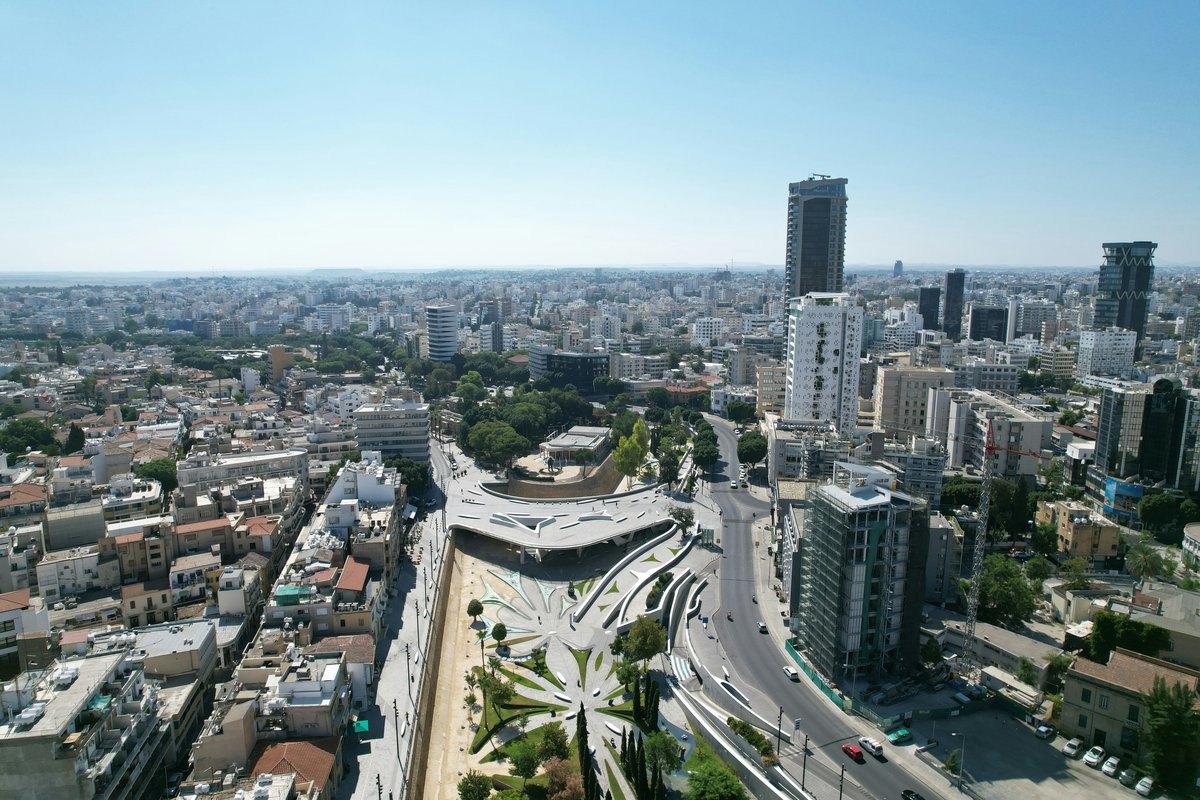
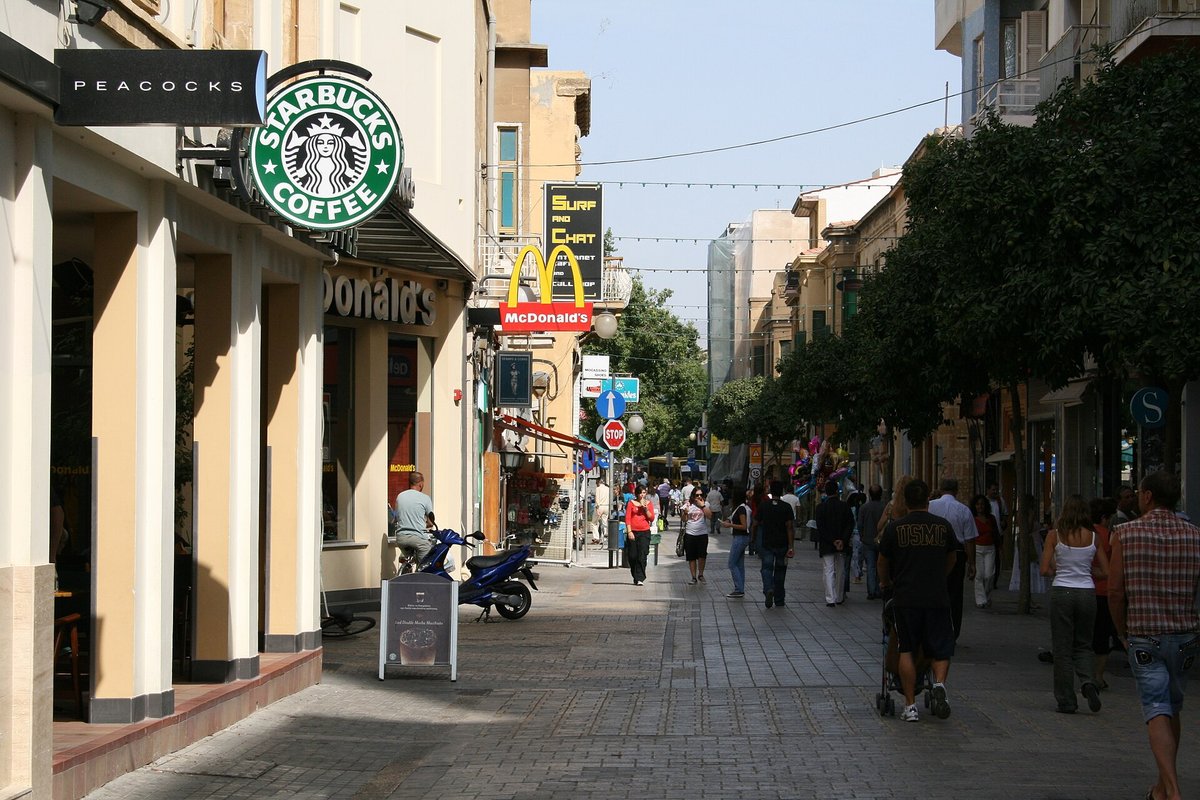
Drive from Limassol to Nicosia, a journey of about one hour by car in normal conditions. Once you arrive, leave the car behind and explore the historic centre on foot. Start around Ledra Street, then wander through the old city streets and visit the Cyprus Museum if you want a deeper introduction to the island's archaeology. The Venetian walls and historic centre give the day a very different atmosphere from the coastal stops earlier in the trip.
Nicosia is also a good city for solo evenings: choose a small restaurant or café in the old town and take your time rather than planning another long excursion. The city is divided by the Green Line, and Ledra Street contains a pedestrian crossing point. If you plan to cross, carry the required travel document and check the latest crossing requirements before your trip; crossing arrangements and documentation can change.
Day 7: Cross-Border Experience or a Slower Final Day
Use your final morning for the parts of Nicosia you missed on Day 6. You can revisit Ledra Street, explore more of the old city, browse local shops and markets, or spend time in a café. If you want to experience the other side of the divided city, the pedestrian crossing at Ledra/Lokmaci Street provides access to North Nicosia. The UK travel guidance currently notes that only pedestrians can use the Ledra Palace and Ledra/Lokmaci Street crossing points.
If you cross, keep the day focused on walking rather than trying to combine it with a distant excursion. Büyük Han and the historic streets of North Nicosia are among the highlights. The north generally uses the Turkish lira, so carry a little cash; euros are often, but not always, accepted. Most importantly, check your passport and entry requirements beforehand, and do not assume that a rental car's insurance applies on the other side: Cyprus's official tourism guidance states that rental-car insurance is valid only within the area under the control of the Republic of Cyprus.
Getting Around Cyprus
| Route | Approximate time | Best option |
|---|---|---|
| Paphos → Platres | ~1.5–2 hrs by car | Rental car |
| Platres → Limassol | ~50–60 min by car | Car / bus |
| Limassol → Nicosia | ~1 hr by car | Car / bus |
| Paphos → Limassol | ~1 hr by car | Car / intercity bus |
Mountain roads, traffic, weather and your exact starting point can change the duration. The Paphos–Troodos journey in particular can vary depending on whether you take the quicker route or deliberately use mountain roads and village stops. Bus timetables for intercity and mountain routes are on Cyprus by Bus.
Where to Stay
| Base | Best area | Why stay here |
|---|---|---|
| Paphos | Kato Paphos / Harbour | Close to archaeological sites, restaurants and the waterfront |
| Troodos Mountains | Platres | Convenient for waterfalls, hiking and mountain scenery |
| Limassol | Old Town / Marina | Good for restaurants, waterfront walks and evening cafés |
| Nicosia | Old City / Central Nicosia | Easy access to historic streets, museums and cafés |
Best Time to Visit Cyprus
Overall best: April–May and September–October. These months give you a useful balance between warm coastal weather and more comfortable conditions for walking and hiking. Summer is excellent for beaches but can make exposed archaeological sites and mountain trails feel much hotter during the middle of the day. Winter is quieter and greener, but some outdoor activities and mountain conditions can be weather-dependent.
How to Arrive & Depart
Most international travellers arrive through Larnaca International Airport (LCA) or Paphos International Airport (PFO), both run by Hermes Airports. Larnaca is convenient for exploring the island's eastern and central areas, while Paphos works well if your itinerary begins on the west coast.
From either airport, you can continue by airport bus, taxi, private transfer or rental car.
For departure, choose the airport that best matches the final part of your itinerary. Because this route ends in Nicosia, Larnaca is usually the more convenient departure airport. If you do finish in Paphos, flying from Paphos Airport avoids an unnecessary journey back to Larnaca.
Extending the Trip
If you have more than seven days, Cyprus is easy to extend without making the itinerary feel rushed. Add a few extra nights around Paphos for archaeological sites, coastal walks and quieter beaches, or spend more time in the Troodos Mountains for villages, hiking trails and scenic drives.
You could also extend your beach time around Ayia Napa and Protaras, explore more of the Akamas Peninsula, or slow down in Limassol for its waterfront, restaurants and nearby wine villages.
For a longer trip, adding 2–3 extra days gives you more flexibility to explore the island's smaller villages and coastal areas rather than simply adding more major attractions.
Food to Try in Cyprus
Keep your meals simple and local rather than treating every meal as a formal restaurant experience.
- Cypriot meze: ideal when you want to sample several dishes.
- Halloumi: grilled, fried or served alongside other dishes.
- Souvlaki: an easy solo lunch.
- Sheftalia: traditional grilled meat sausage.
- Loukoumades: small sweet doughnuts with syrup or honey.
- Commandaria: traditional sweet Cypriot dessert wine.
- Fresh seafood: particularly around the coastal towns.
Is Cyprus Good for Solo Travel?
Yes, particularly if you enjoy alternating between independent sightseeing and slower days. Paphos and Nicosia are easy to explore on foot in their central areas, while Limassol has a long waterfront and plenty of cafés and restaurants. Troodos is the one section where having your own transport makes the itinerary significantly easier.
What to Pack
- Comfortable walking shoes
- Light layers for Troodos
- Sun hat and sunglasses
- High-SPF sunscreen
- Swimwear
- Light rain jacket outside summer
- Offline maps for mountain areas
Easy & Moderate Hiking Options
- Caledonia Waterfall Trail, Troodos: a moderate forest walk of around 3 km one way, with shaded sections, streams and a waterfall. This fits naturally into Day 3.
- Akamas coastal trails: choose a shorter coastal walk if you add the Akamas Peninsula to Day 2. This works well alongside the area's beaches and viewpoints.
Hiking tip: Conditions can change quickly in the mountains. Wear proper walking shoes, carry water and check trail conditions before setting out, particularly after rain or during hot weather.
Beaches & Swimming Stops
- Paphos beaches: add a short swim or beach break around Paphos on Day 1 or Day 2.
- Akamas & Blue Lagoon: if you choose the Akamas option, make swimming or snorkelling at the Blue Lagoon the main activity rather than trying to fit in several additional stops.
- Aphrodite's Rock: combine the scenic coastal stop with beach time if sea conditions are suitable.
- Limassol coast: on Day 5, add a short beach stop before continuing to the Old Town, Marina or Molos waterfront.
- Kourion area: the coast around Kourion provides another opportunity for a swim if you have enough time and conditions are suitable.
Swimming tip: Sea conditions can vary, so check local conditions before entering the water. Rocky or uneven shorelines may also make water shoes useful.
Bad-Weather Alternatives
- Paphos: Archaeological Park, museums, cafés and the harbour
- Troodos: villages, Byzantine churches, monasteries and longer lunches
- Limassol: Old Town, museums, cafés and the Marina
- Nicosia: Cyprus Museum, old city, galleries, cafés and historic streets
This keeps the route flexible rather than making one waterfall or beach the reason an entire day succeeds or fails.
Useful Links
- Visit Cyprus (official tourism)
- Cyprus transportation information
- Paphos region
- Troodos region
- Limassol region
- Cyprus by Bus (timetables)
- Cyprus entry requirements (UK FCDO)
Prompts to Try in Honge
- Plan this Cyprus itinerary for a solo traveller without renting a car.
- Find the best local food stops along my Paphos–Troodos–Limassol route.
- Turn Day 3 into a moderate hiking day in the Troodos Mountains.
- Find a relaxed two-day plan for Nicosia including museums and cafés.
- Build a Cyprus packing list for an April trip with beach and mountain days.
FAQs
Do I need a car for this Cyprus itinerary?
A car is very useful for the Troodos section, especially if you want to combine waterfalls, villages and monasteries. Paphos, Limassol and Nicosia are much easier to explore without one.
Can I do Cyprus without driving?
Yes, but you will need to build the itinerary around bus schedules and possibly taxis or organised excursions, particularly for the Troodos Mountains.
Is seven days enough for Cyprus?
Seven days works well for this route because it deliberately focuses on four areas rather than trying to cover the entire island.
Should I add Ayia Napa?
Not to this core route. Ayia Napa and Cape Greco are excellent additions, but fitting them into these seven days would make the itinerary more rushed. They work better as an alternative eastern Cyprus route or an extension.
Can I cross into North Nicosia?
Pedestrian crossings are available at designated checkpoints, including Ledra/Lokmaci Street. Check current documentation and crossing requirements before travelling, and note that rental-car insurance is only valid in the area controlled by the Republic of Cyprus.
Ready to Start Your Adventure?
Start with this Cyprus itinerary on Honge, then tailor your beach days, mountain getaways and city explorations to your travel style.
Ready for mosaics, mountains and the Mediterranean?
Plan your Cyprus trip with Honge
Keep Paphos, Platres, Limassol and Nicosia as bases, then shape beach time, Troodos hikes and village stops around your pace.
Related itineraries
- 8 Days Solo in Romania: Bucharest, Brașov, Sibiu & Dracula's Transylvania
- 9 Days Solo in Poland: Kraków, Wrocław, Warsaw & Gdańsk by Train
- 5 Days Solo in Luxembourg: City, Moselle Wine Country & Müllerthal
- 7 Days Solo in Slovakia: Bratislava, the High Tatras & Košice
- The Perfect 10-Day Ireland Road Trip: Dublin to the Wild Atlantic Way
Written by
This blog was contributed by Sheba M, a travel enthusiast and writer. Sheba can be reached at shebaranjitha@gmail.com.
About Honge
Honge is an AI travel planning platform focused on practical, experience-led itineraries with realistic pacing and logistics. All blog content is edited and published by Honge. Our Cyprus research draws on updated practical logistics as of September 2026. © Honge. All rights reserved.
Image credits: Photos are sourced from Unsplash and Wikimedia Commons. Copyright remains with their respective photographers and rights holders. Unsplash images are used according to the Unsplash License. Wikimedia Commons images are used according to their applicable license terms: CC BY-SA 2.0 or CC BY-SA 4.0.
Travel disclaimer
This itinerary is intended as general travel inspiration and planning guidance only — not as personalised travel, safety or medical advice. Before you travel, check current entry requirements and travel advisories, and confirm opening hours, bus timetables, tickets and fees directly with official sources. Cyprus drives on the left; if you rent a car, take particular care on narrow, winding Troodos roads, which can be affected by fog, rain and, in winter, snow or ice. Summer heat can be intense on exposed sites and trails, so carry water and check trail and sea conditions before hiking or swimming. Use licensed operators for boat trips, jeep safaris and excursions, which are run by third parties. Crossing the Green Line is subject to documentation rules that can change, and rental-car insurance is usually valid only in the area under the control of the Republic of Cyprus. Take out comprehensive travel insurance. Suggested hotels and stay styles in this article are samples only and depend on availability; in the Honge app they may appear as booking options when offered by our vendors at the time of your search. Honge is not responsible for decisions made based on this guide or for changes to places, prices, access, services or experiences after the date of publication.