
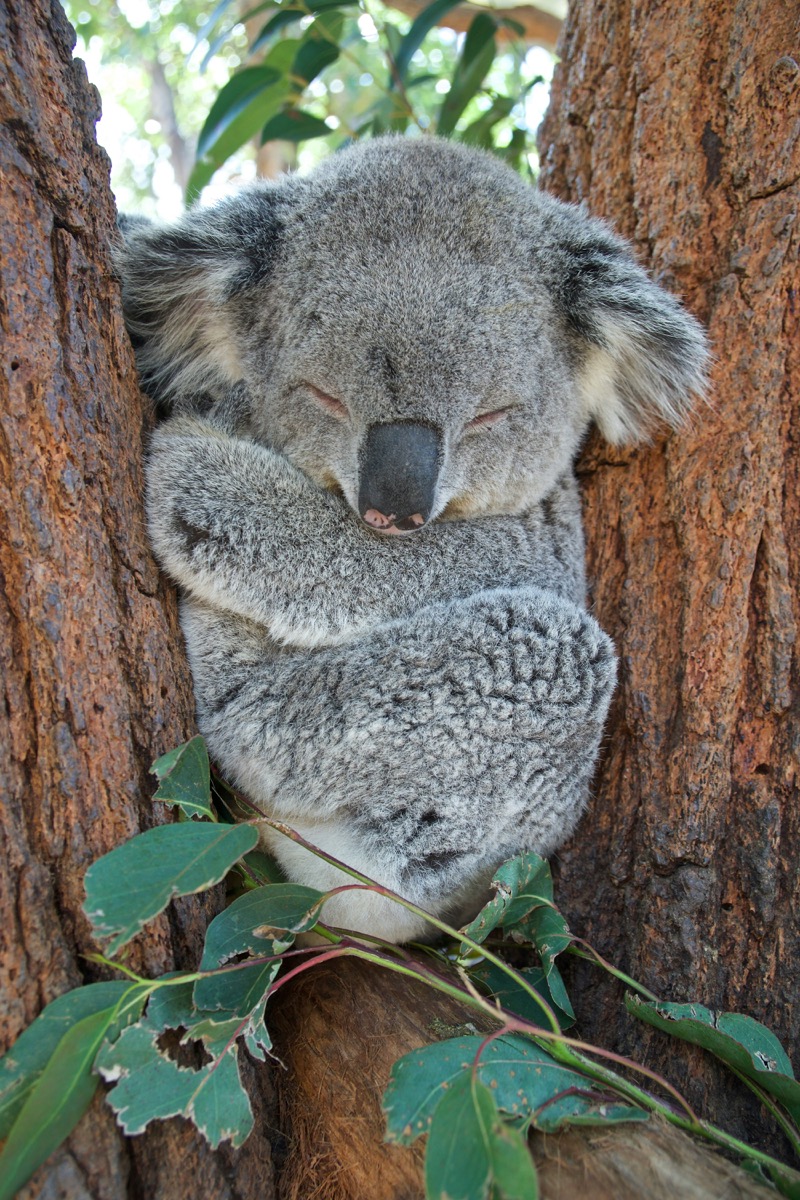
What if every morning began with one question: which Australian animal will we meet today?
Start with this itinerary
Open this route in Honge as your starting point, then shape the days, stays, and pace around how you travel.
This itinerary blends iconic landmarks with meaningful wildlife encounters, from zoo and sanctuary visits to wild animal spotting in native habitats. It is designed for curious children and relaxed family pacing.
Why Australia is Perfect for Kids
Australia offers rare wildlife diversity in one trip: koalas, kangaroos, platypus, little penguins, wallabies, wombats, and native birds across coast, city parks, forests, and conservation centers.
Is 10 Days Enough to Explore Australia's Wildlife?
Yes. Ten days is ideal for first-time families to combine Sydney and Melbourne city experiences with Phillip Island and Great Ocean Road wildlife at a comfortable pace.
Best Time to Visit for Wildlife
Spring (September-November) and autumn (March-May) are especially pleasant for family travel, with comfortable temperatures, active animals, and lower crowd pressure than peak summer.
Do You Need a Rental Car?
For the second half of this route, yes. Sydney and Melbourne work well with public transport, but Phillip Island and Great Ocean Road are much easier and more flexible by car.
Journey Overview
| Day | Destination | Today's animal focus |
|---|---|---|
| 1 | Sydney | Koala |
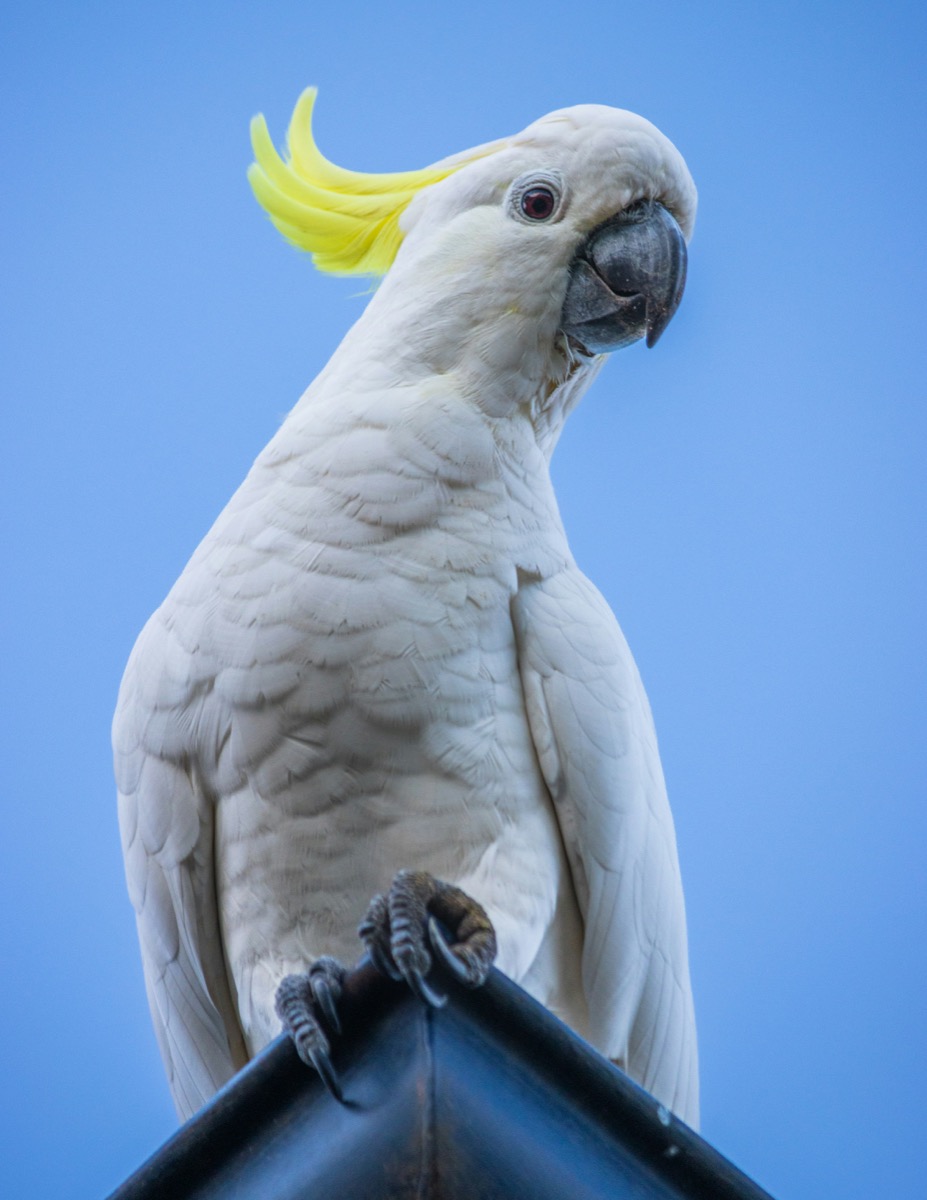
| 2 | Sydney | Seabirds and sulphur-crested cockatoos |
| 3 | Sydney | Kangaroo and wombat |
| 4 | Melbourne | Rainbow lorikeet |
| 5 | Healesville Sanctuary | Platypus |
| 6 | Phillip Island | Wild koala |
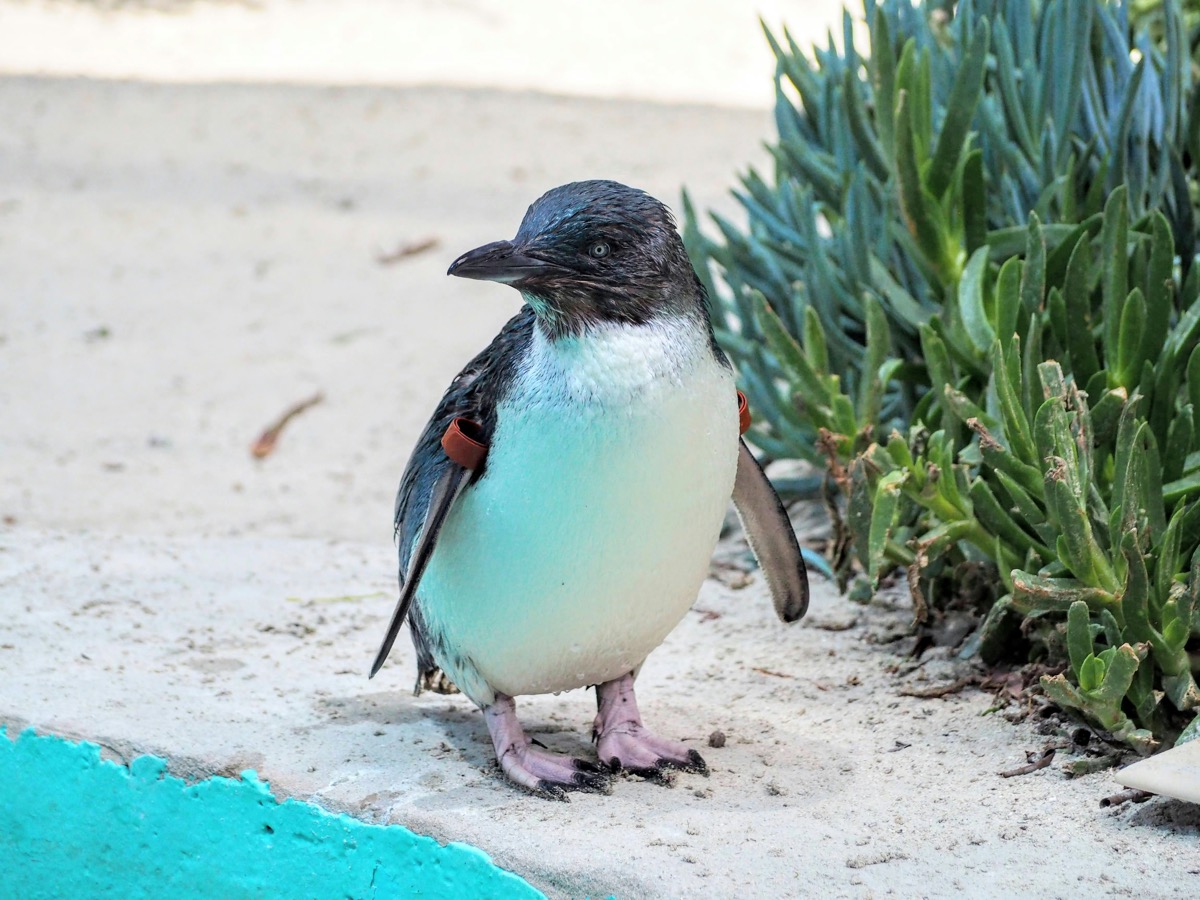
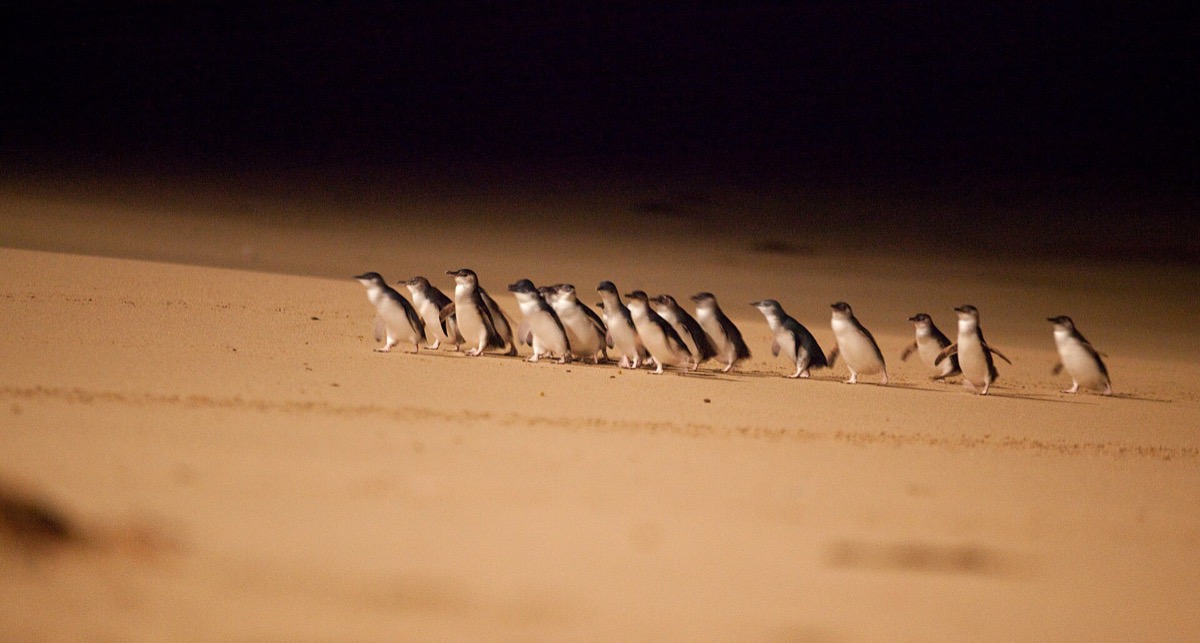
| 7 | Phillip Island | Little penguin |
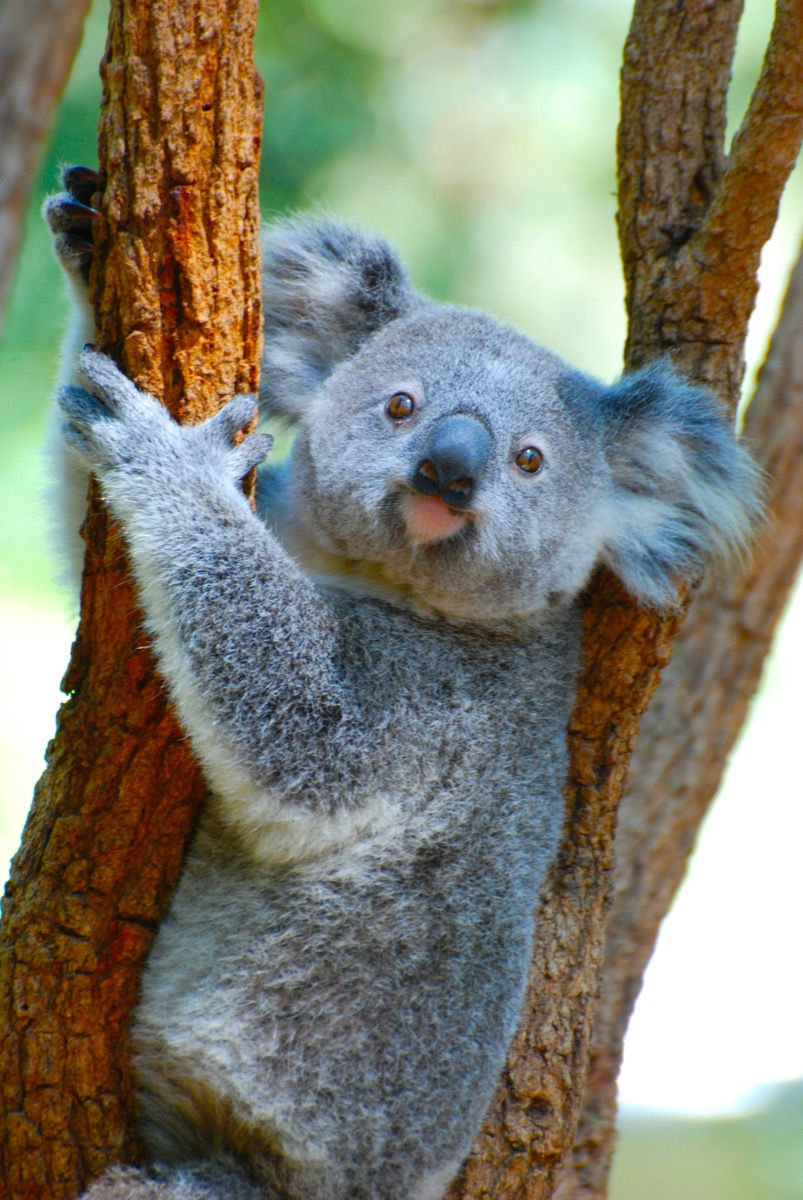
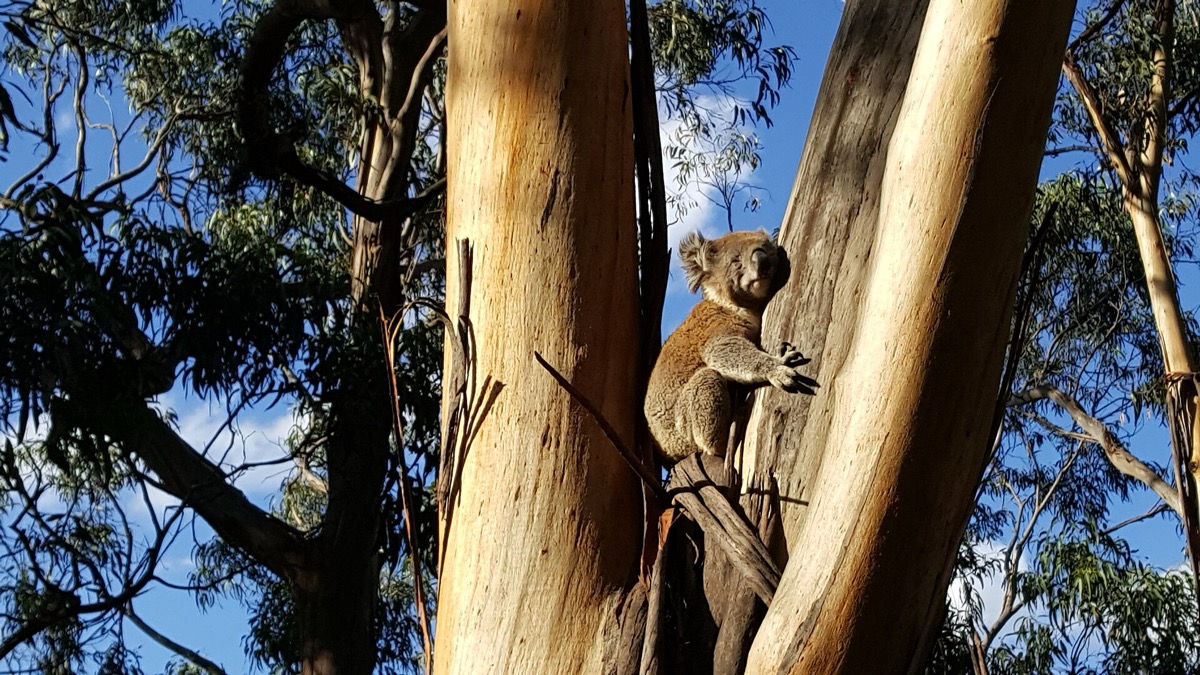
| 8 | Great Ocean Road | Wild koala |
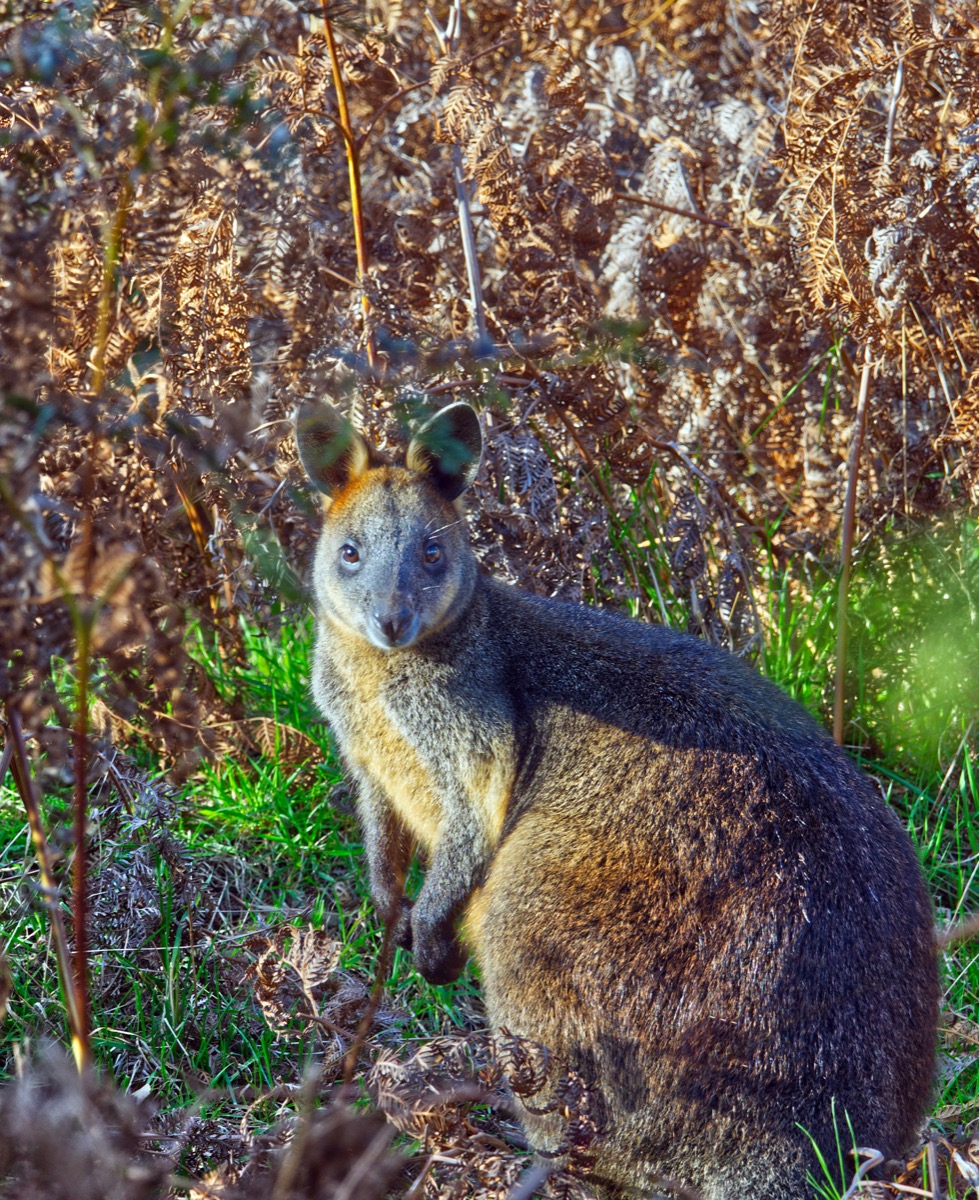
| 9 | Great Ocean Road | Swamp wallaby |
| 10 | Melbourne departure | Final wildlife reflections |
Day 1 - Sydney: Taronga Zoo and Harbour Ferry
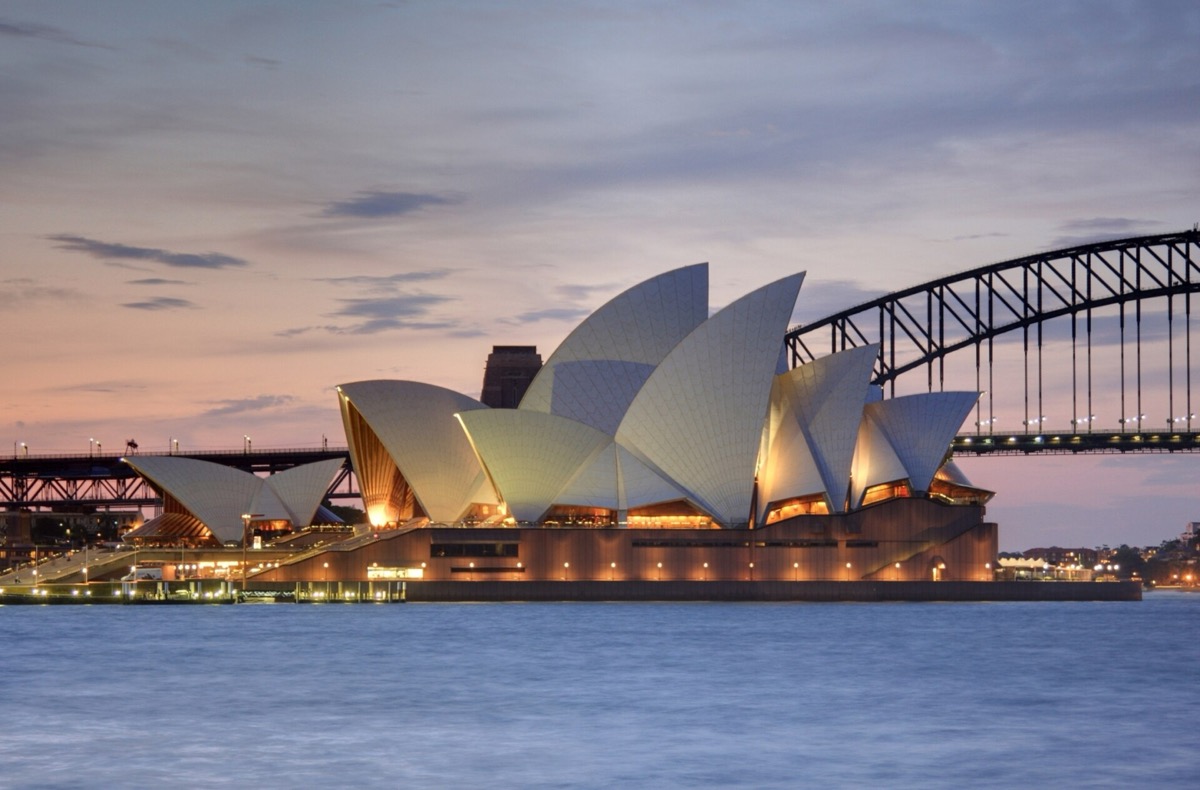
Start at Taronga Zoo, home to over 5,000 animals. In the afternoon, ride the Sydney Harbour Ferry and finish around Circular Quay, Opera House, and Harbour Bridge.
Today's question: Why do koalas sleep so much? Koalas conserve energy because eucalyptus leaves are low in calories.
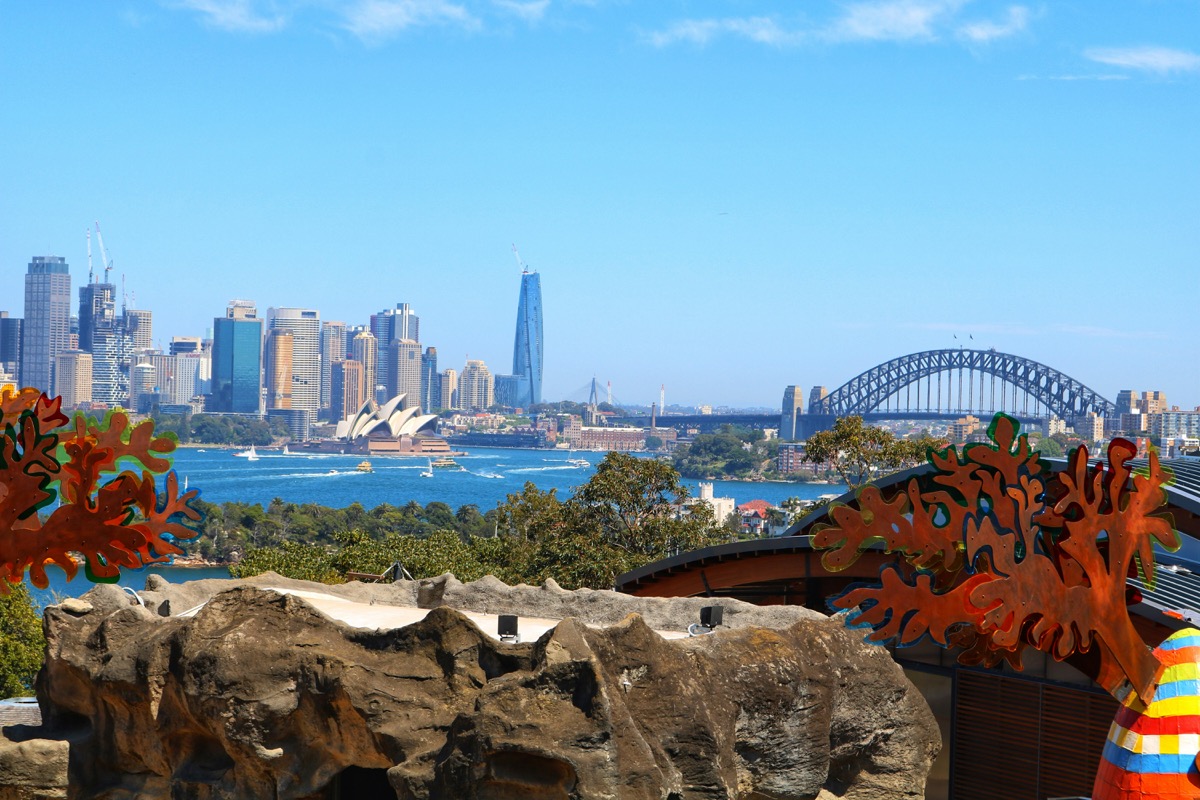
Day 2 - Sydney Icons, Beach Time and Coastal Birds
Visit the Opera House and Royal Botanic Garden for bird spotting, then head to Bondi Beach where children can look for gulls, pelicans, and cormorants along the shoreline.
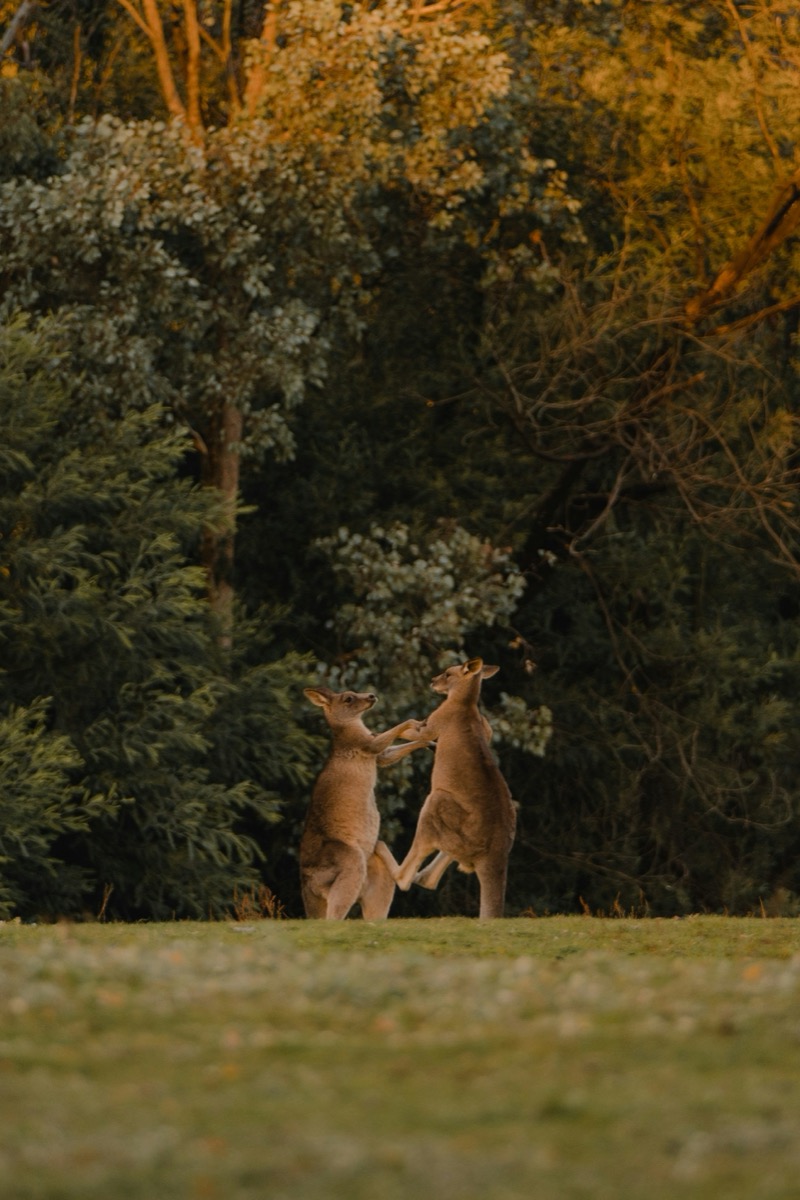
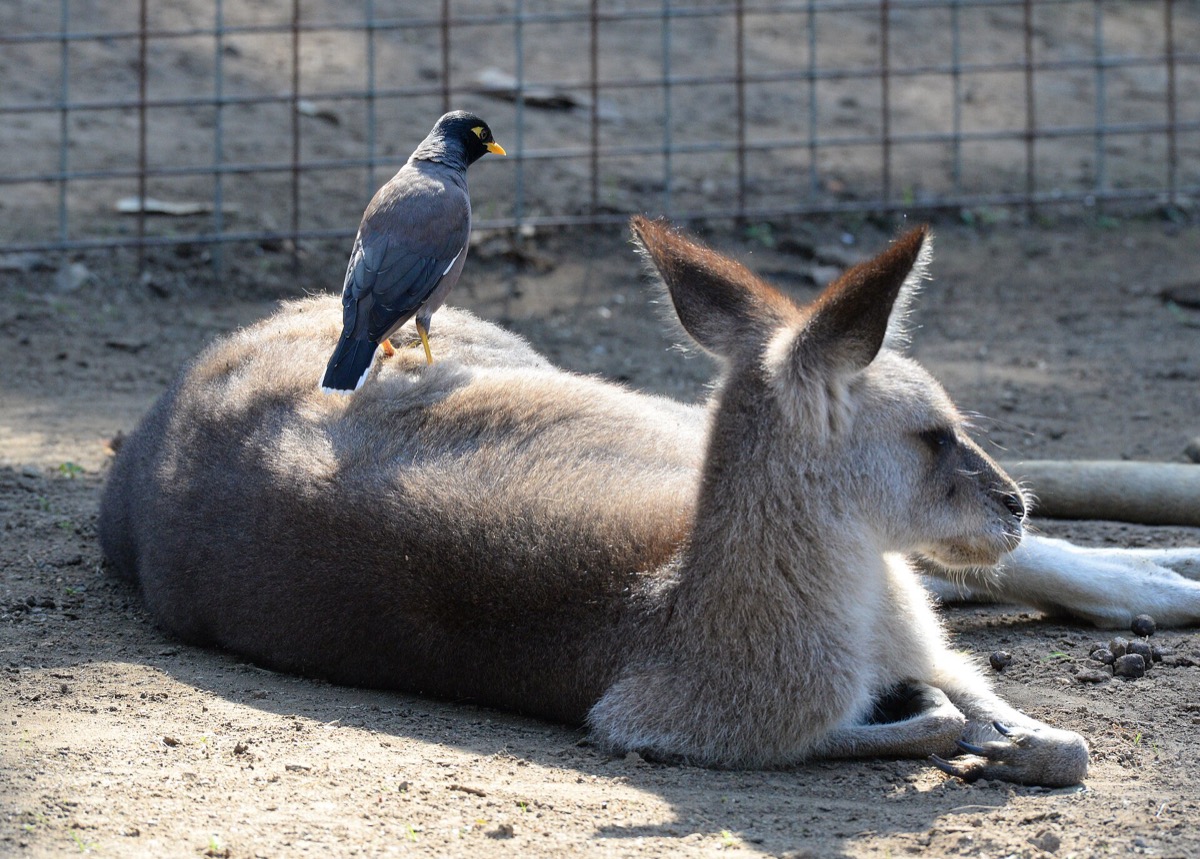
Day 3 - Kangaroos, Wombats and Wildlife Heroes
Spend the day at Featherdale Sydney Wildlife Park, where children can see kangaroos, wallabies, wombats, dingoes, echidnas, and more. Morning visits are often best for animal activity.
Travel tip: Join keeper talks and feeding sessions for richer learning.
Day 4 - Melbourne Gardens and Laneway Exploration
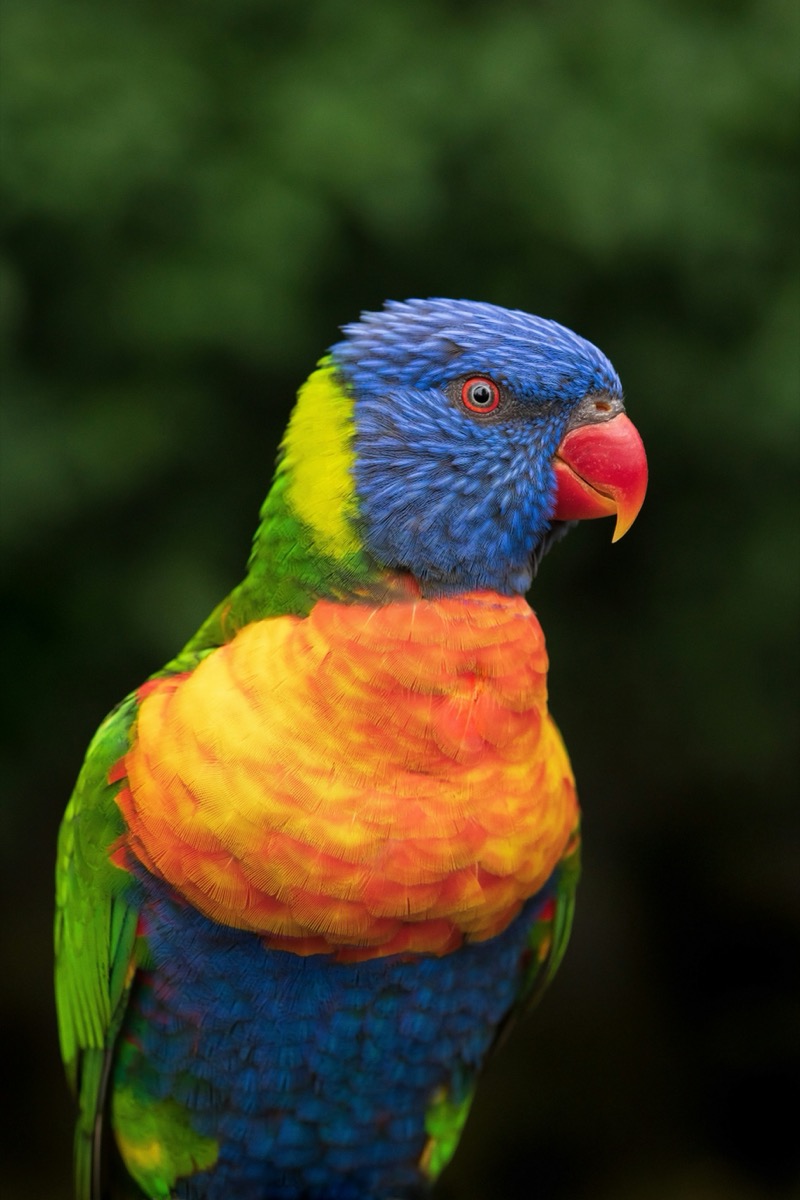
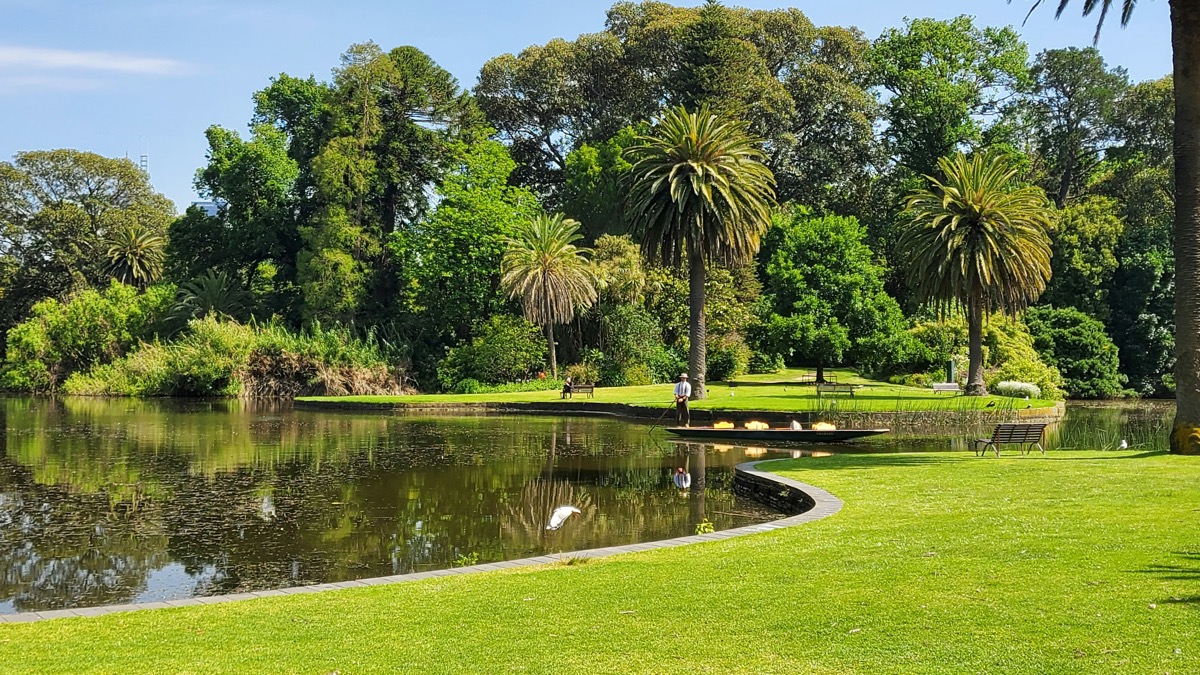
Fly to Melbourne, then explore the Royal Botanic Gardens and city laneways. Watch for lorikeets, ducks, and black swans around the lakes and tree canopy.
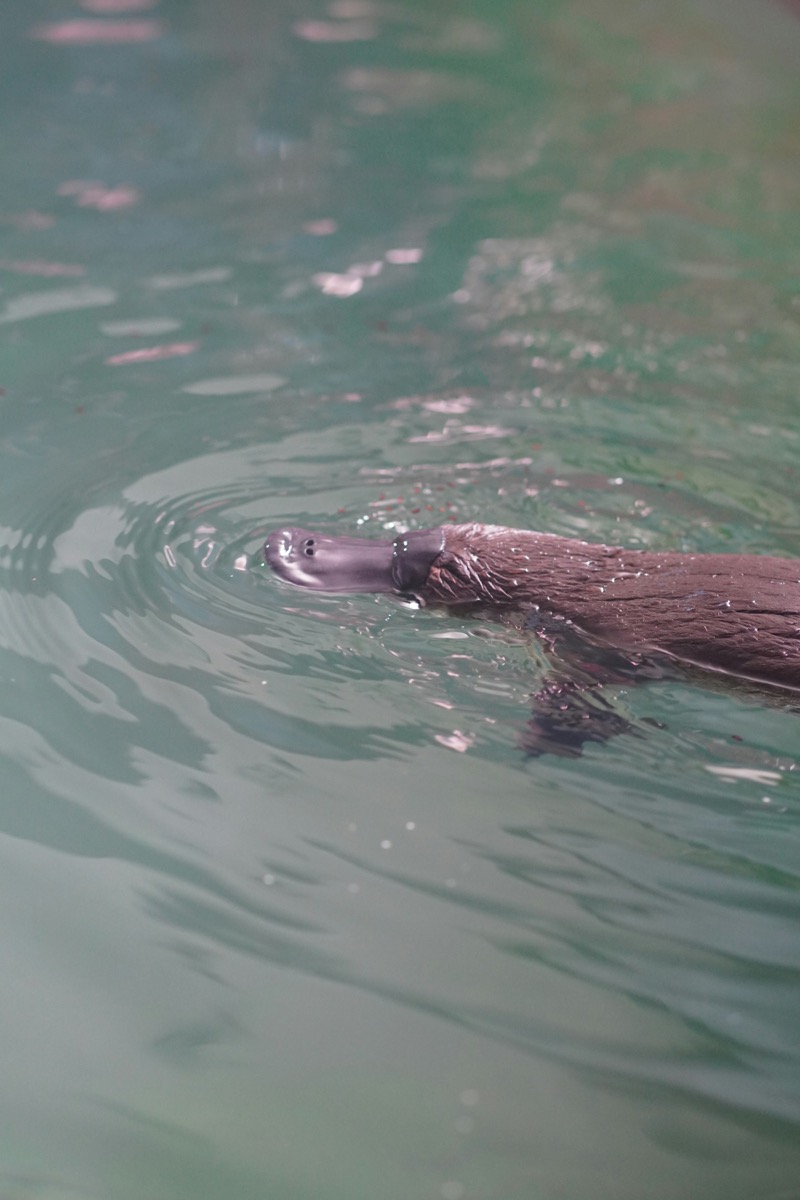
Day 5 - Healesville Sanctuary: Platypus and Conservation Stories
Take a day trip to Healesville Sanctuary. Visit platypus habitat first, then wombats, koalas, dingoes, emus, and birds of prey.
Today's question: How can a platypus lay eggs if it is a mammal? It is a monotreme, one of the rare egg-laying mammal groups.
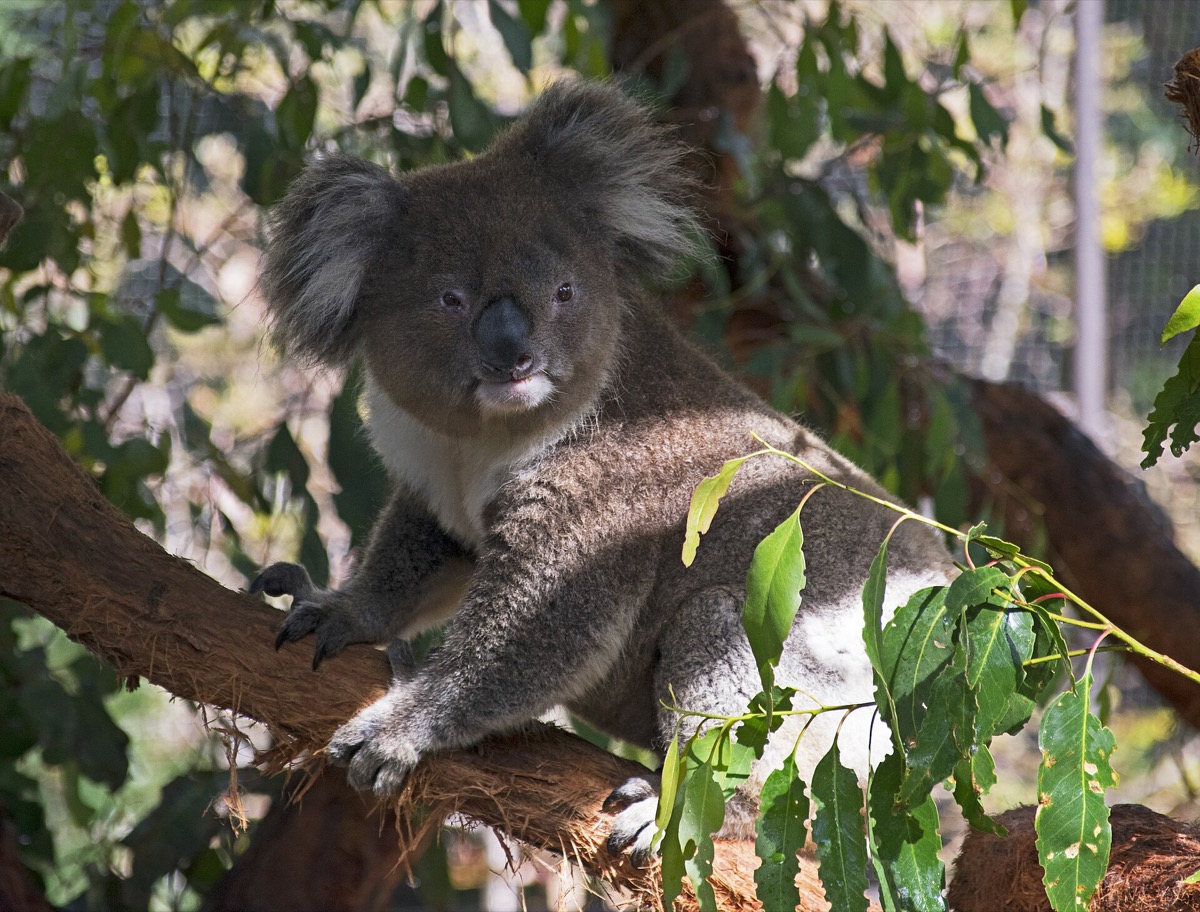
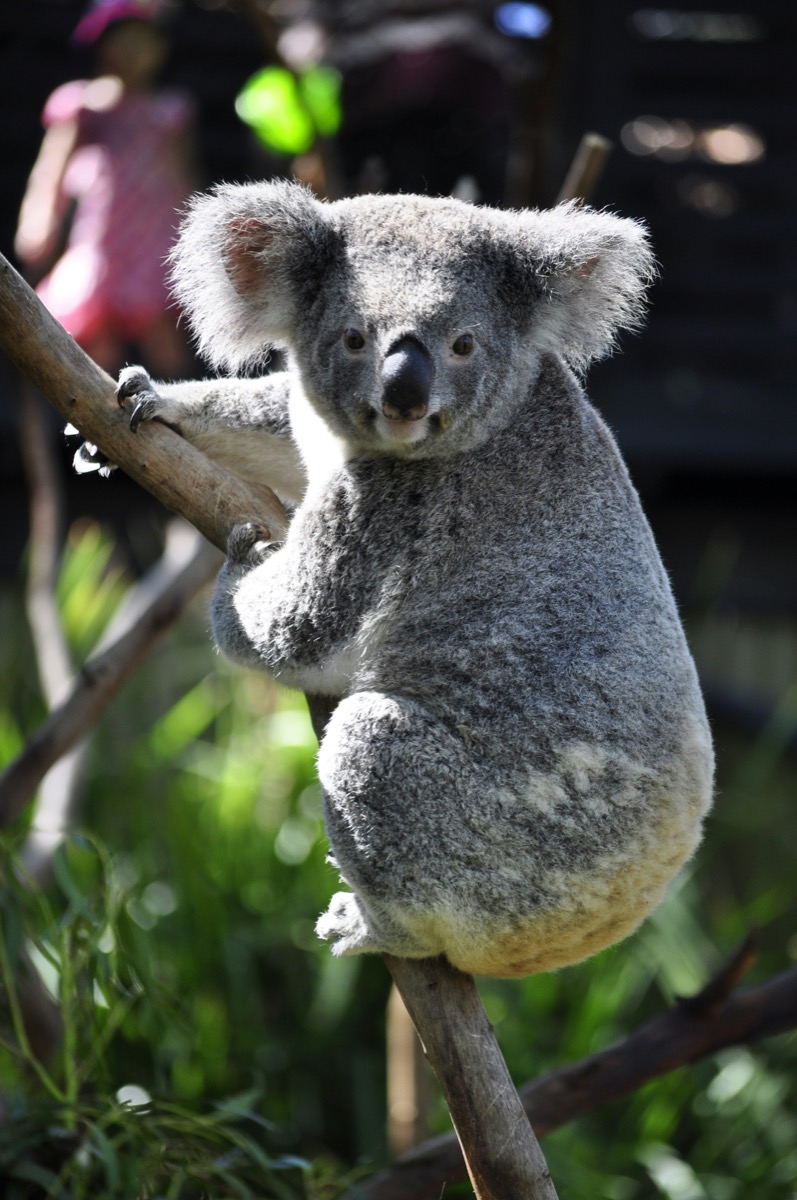
Day 6 - Phillip Island: Koalas Among the Treetops
Drive from Melbourne to Phillip Island and visit the Koala Conservation Reserve. Spend late afternoon around Cowes Beach or coastal boardwalks.
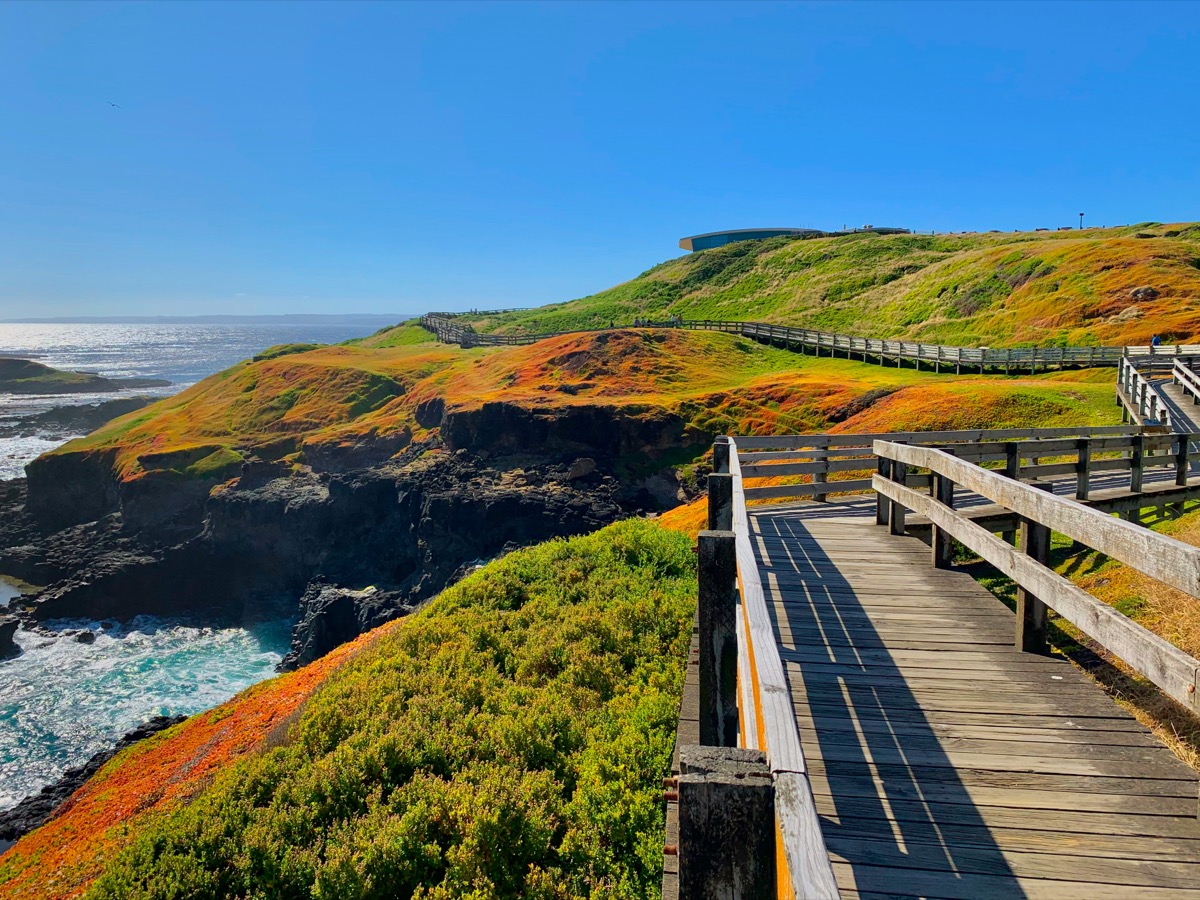
Day 7 - Phillip Island Penguin Parade
Explore Nobbies Centre in the morning, then attend the famous evening Penguin Parade. Book ahead at Phillip Island Nature Parks.
Day 8 - Great Ocean Road and Wild Koalas
Travel from Phillip Island toward the Great Ocean Road. Stop at Kennett River to look for wild koalas and colorful native birds in eucalyptus corridors.
Day 9 - Rainforests, Wallabies and Twelve Apostles
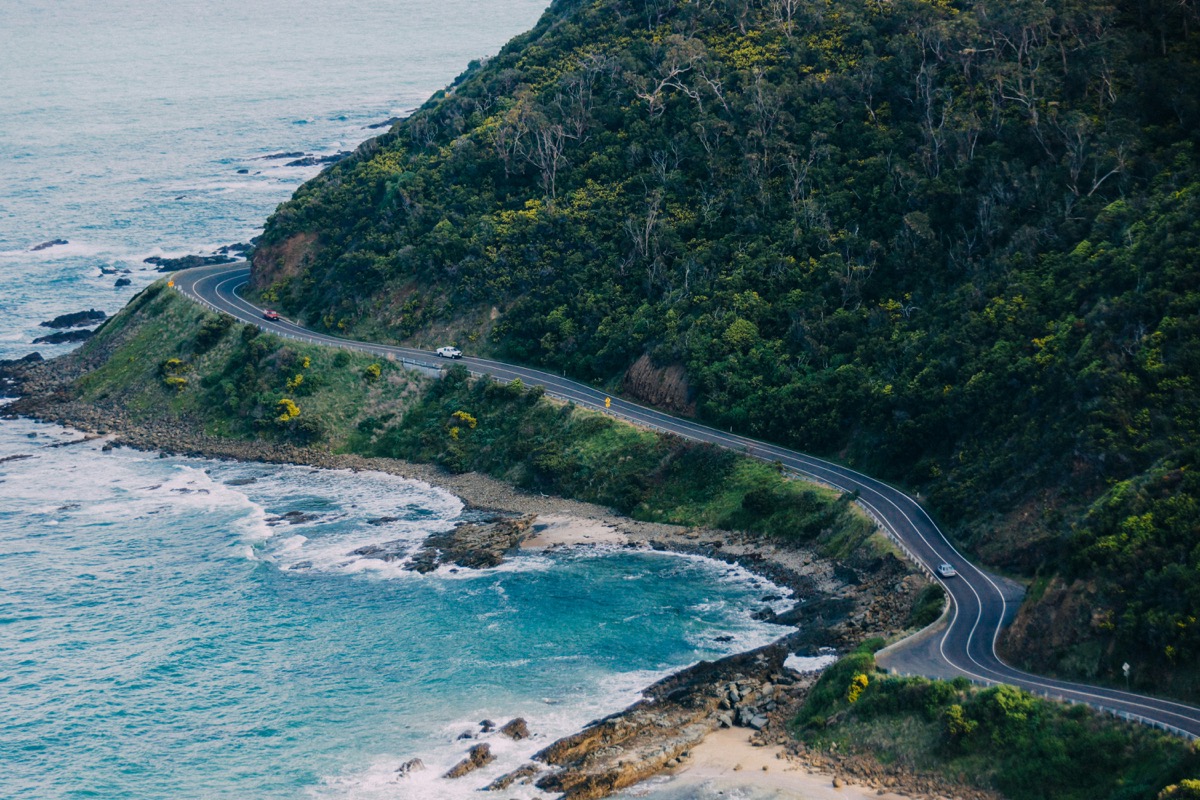
Walk in Great Otway National Park, then continue to the Twelve Apostles sea stacks. Keep watch for swamp wallabies, parrots, black cockatoos, and kookaburras.
Day 10 - Melbourne Farewell
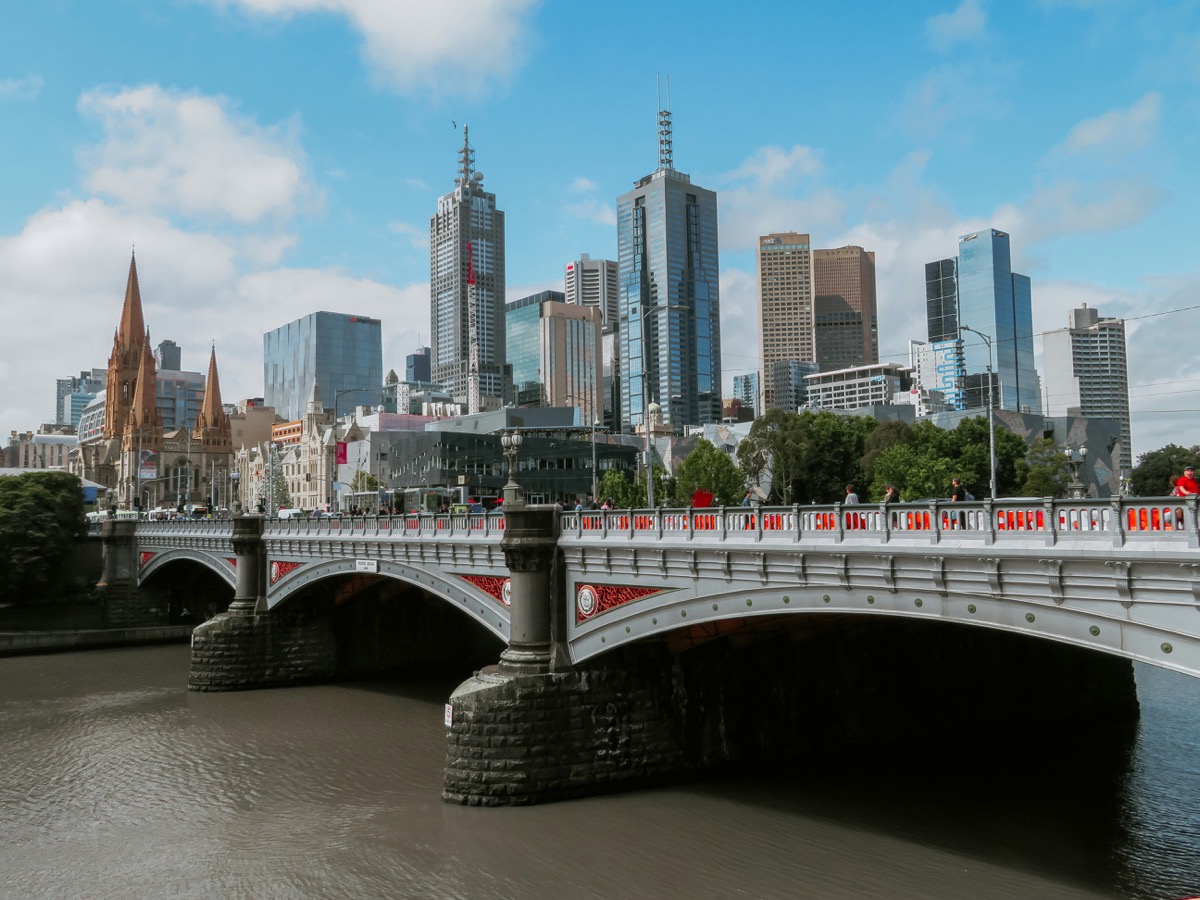
Enjoy a final slow morning in Melbourne before departure, with one last walk near the Yarra River or nearby park.
Estimated Budget for a Family of 4 (AUD)
| Expense | Estimated Cost (AUD) |
|---|---|
| Accommodation (9 nights) | 2,000-3,200 |
| Domestic flight (Sydney to Melbourne) | 500-900 |
| Car rental (5-6 days) | 500-800 |
| Fuel and tolls | 180-300 |
| Food and drinks | 1,000-1,500 |
| Wildlife attractions and tours | 660-1,010 |
| Public transport and ferries | 120-200 |
| Souvenirs and misc. | 200-400 |
| Budget style | Estimated total (AUD) |
|---|---|
| Budget | 5,200-6,200 |
| Mid-range (recommended) | 6,500-8,000 |
| Premium | 8,500-10,500+ |
Estimates are for 2 adults + 2 children, excluding international flights.
Useful Booking & Travel Links
- Official Australia Tourism
- Taronga Zoo
- Featherdale Sydney Wildlife Park
- Healesville Sanctuary
- Visit Phillip Island
- Parks Victoria
Prompts to Try in Honge
FAQs
Which Australian animals can children expect to see?
Koalas, kangaroos, wallabies, wombats, platypus, little penguins, echidnas, dingoes, emus, and many native birds.
Is this itinerary suitable for young children?
Yes. It balances short travel days, interactive wildlife experiences, and flexible downtime.
Can we see animals in the wild?
Yes, especially wild koalas on the Great Ocean Road and little penguins on Phillip Island.
Is the Penguin Parade worth visiting?
Definitely. It is one of Australia's most iconic and family-friendly wildlife experiences.
How does this itinerary teach conservation and responsible tourism?
Children learn that animals need safe habitats, that some species require rehabilitation support, and that quiet observation with respectful distance helps protect wildlife.
Ready to make it yours?
Customize this itinerary with AI
Now that you've seen the full route, use Honge to tailor stays, activities, and day-by-day pacing to your trip.
Related itineraries
- 8-Day Eastern India Itinerary: Kolkata, Odisha Temples & Darjeeling Tea
- 8-Day Gold Coast Itinerary: Beaches, Rainforests & Coastal Adventures
- 9-Day Vegan Thailand Itinerary: Bangkok, Chiang Mai & Islands
- 11-Day Yellowstone & Grand Teton Family Road Trip Itinerary
- 7-Day Iceland Ring Road Itinerary for First-Timers
- 10-Day Scotland Road Trip: Whisky, Castles & Mountains
- 9-Day Greek Islands Itinerary: Santorini, Naxos & Paros
- 12-Day France Itinerary: Paris to Provence & Cassis
- 12-Day Italy Itinerary: Milan to the Amalfi Coast
Written by
This blog was contributed by Sheba M, a travel enthusiast and writer. Sheba can be reached at shebaranjitha@gmail.com.
About Honge
Honge is an AI travel planning platform focused on practical, family-friendly itineraries with realistic pacing and meaningful local experiences.
Image credits: Photos are sourced from Unsplash and Wikimedia Commons. Copyright remains with the photographers and rights holders. Unsplash images are used according to the Unsplash License. Wikimedia Commons images are used according to their applicable CC BY-SA 4.0 license terms.
Travel disclaimer
Wildlife visibility, weather, park access, and schedules can vary. Confirm opening hours, ticket availability, and transport details directly before travel.