Japan is often overlooked when it comes to planning a romantic getaway, with many couples choosing destinations like Italy, Switzerland, or the Maldives instead. Yet few places combine vibrant cities, peaceful temples, spectacular autumn landscapes, unforgettable food, and scenic rail journeys quite like Japan.
Start with this itinerary
Open this route in Honge as your starting point, then shape the days, stays, and pace around how you travel.
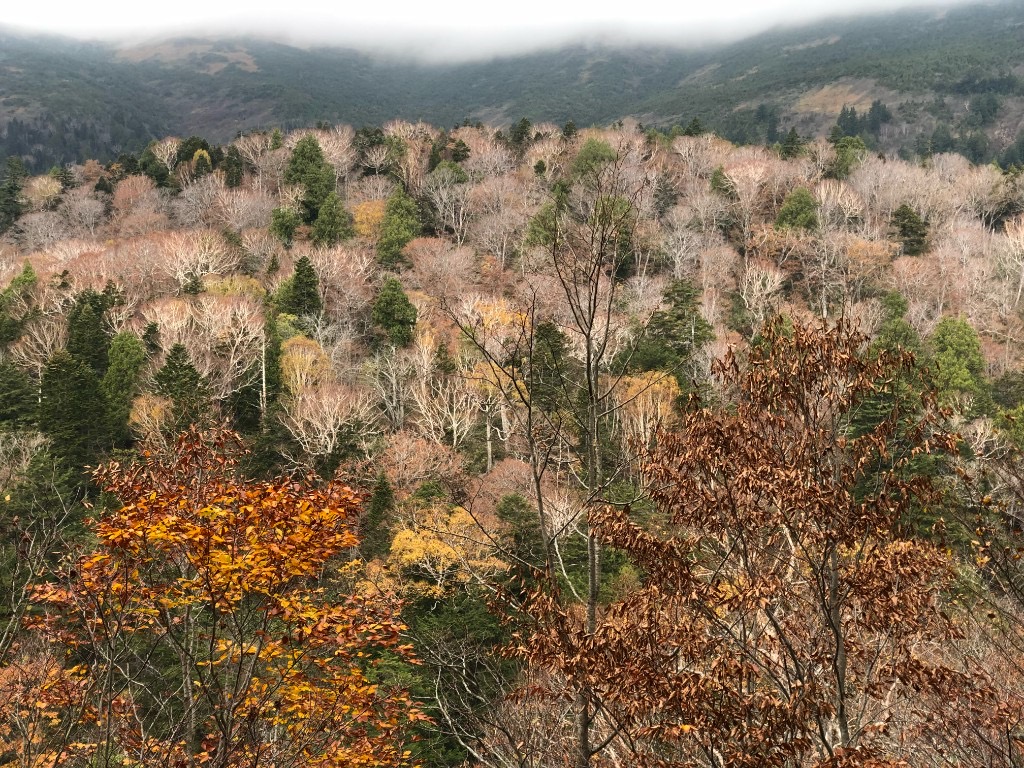
Fall transforms the country with brilliant shades of red, orange, and gold, creating a beautiful backdrop for everything from quiet shrine visits and lakeside walks to cozy cafés and evening strolls through illuminated city streets.
This 10-day itinerary is designed for couples looking to experience Japan beyond the typical checklist. Beginning in Osaka, you'll discover one of the country's best food cities before travelling to Nikko, where UNESCO World Heritage sites, mountain lakes, and breathtaking autumn foliage offer a slower pace. The journey concludes in Tokyo, balancing historic temples, modern neighbourhoods, incredible dining, and a scenic day trip to Oze National Park.
Is 10 Days Enough for Japan in Fall?
Yes. Ten days is enough to experience three distinct regions without feeling rushed. This itinerary combines Osaka's food scene, Nikko's autumn landscapes and UNESCO World Heritage sites, and Tokyo's mix of historic and modern attractions while allowing enough time for scenic rail journeys and a day trip to Oze National Park.
Best Time to Visit Japan for Autumn Colors
Autumn foliage appears from late September through late November, varying significantly by region and elevation. For this itinerary, late October to early November is the sweet spot for Nikko and the cities — Nikko typically reaches peak color in mid to late October, Tokyo and Osaka follow in November.
Travelling Between Osaka, Nikko & Tokyo
Japan's rail network makes this itinerary easy to complete without a car. Travel from Osaka to Nikko by taking the Tokaido Shinkansen to Tokyo, then transfer to a JR or Tobu Railway service to Nikko. The journey takes around 4.5–5.5 hours. After exploring Nikko, continue to Tokyo by JR or Tobu Limited Express in approximately 2 hours.
Within Nikko, local buses connect the UNESCO World Heritage area with Lake Chuzenji, Kegon Falls, and Okunikko. In Osaka and Tokyo, an ICOCA, Suica, or PASMO IC card can be used on most trains, subways, and buses for convenient travel.
Do You Need a JR Pass for This Itinerary?
A nationwide JR Pass is not always the most economical option for this route. Depending on current prices and planned train journeys, individual Shinkansen tickets may offer better value. Calculate your specific Osaka–Tokyo–Nikko journeys before purchasing. Note that if you use the Shinkansen for the Oze day trip, the Tokyo to Jomo-Kogen leg is JR-covered, but the Kan-etsu Kotsu buses onward to the park are not included in any rail pass.
Where Should Couples Stay?
For this itinerary, staying close to major train stations will make travelling between cities much easier while giving you easy access to restaurants, attractions, and public transport.
Osaka: Namba is the best base for first-time visitors, with easy access to Dotonbori, Kuromon Ichiba Market, and Osaka's nightlife. Consider Centara Grand Hotel Osaka for a luxury stay, Hiyori Hotel Osaka Namba Station for excellent value and convenience, or Hotel Royal Classic Osaka for couples looking to stay in the heart of Namba.
Nikko: A traditional ryokan with an onsen is highly recommended to experience Japanese hospitality. Excellent options include Nikko Kanaya Hotel, Nikko Hoshinoyado, and Chuzenji Kanaya Hotel, offering easy access to Nikko's UNESCO World Heritage area while providing a relaxing retreat after a day of sightseeing.
Tokyo: Shinjuku is ideal for first-time visitors thanks to its excellent transport connections. Consider Keio Plaza Hotel Tokyo or JR Kyushu Hotel Blossom Shinjuku in Shinjuku, or The Peninsula Tokyo in Ginza.
What to Book Before You Arrive
Book your Shinkansen seats, ryokan accommodation in Nikko, popular attractions such as Shibuya Sky and Osaka Aquarium Kaiyukan, and any omakase sushi restaurants well in advance. Autumn is one of Japan's busiest travel seasons, and popular experiences can sell out quickly. If you plan to visit Oze National Park, check bus schedules and book the highway bus from Busta Shinjuku ahead of time — seats are limited and the service is seasonal.
What to Skip If You Only Have One Week
Keep Osaka and Tokyo while reducing Nikko to two days or skipping the Oze National Park day trip if time is limited. The Oze hike is rewarding but requires a full day with an early start, and works best for travellers who enjoy nature and are comfortable with a long transit day.
Why This Itinerary Works
- Covers three distinct regions — Osaka, Nikko, and Tokyo — for a well-rounded Japan experience.
- Balances food, culture, autumn landscapes, and city exploration without feeling rushed.
- Includes a scenic Shinkansen journey and efficient public transport connections.
- Minimises unnecessary backtracking with a logical west-to-east route.
Good to Know Before You Go
- Late October to early November offers the best autumn colors for Nikko and the cities; Oze peaks earlier in late September to mid-October.
- Book accommodation, Shinkansen tickets, and popular attractions well in advance.
- An ICOCA, Suica, or PASMO card makes local travel quick and convenient.
- Autumn foliage appears earlier in Nikko than in Osaka and Tokyo due to its higher elevation, and earlier still in Oze.
- Major stations offer coin lockers, and Takkyubin luggage forwarding is a convenient option for travelling between cities.
- Oze National Park closes in late October each year — confirm shuttle bus and facility dates before booking.
10-Day Japan Fall Route Overview
- Day 1 — Osaka: Osaka Castle → Kuromon Ichiba Market → Namba → Dotonbori
- Day 2 — Osaka: Osaka Aquarium Kaiyukan → Tempozan Harbour → Tempozan Giant Ferris Wheel → Umeda Sky Building
- Day 3 — Osaka: Sumiyoshi Taisha → Shinsaibashi Shopping Street → Amerikamura → Osaka farewell dinner
- Day 4 — Nikko: Shinkansen to Nikko → Shinkyo Bridge → Nikko town → ryokan & onsen
- Day 5 — Nikko: Toshogu Shrine → lunch → Rinnoji Temple → Futarasan Shrine
- Day 6 — Nikko: Irohazaka Road → Kegon Falls → Lake Chuzenji → Okunikko hiking
- Day 7 — Tokyo: Travel to Tokyo → Senso-ji Temple → Nakamise → Ueno Park → Ameyoko Market
- Day 8 — Tokyo: Meiji Jingu → Harajuku → Shibuya Crossing → Shibuya Sky → dinner
- Day 9 — Tokyo: Early start → Oze National Park day trip → boardwalk hiking → return to Tokyo
- Day 10 — Tokyo: Ginza → Tsukiji Outer Market → Hibiya Park or Imperial Palace East Gardens → departure
Day 1: Osaka Castle, Dotonbori & an Evening by the Canal
Base: Osaka (Namba or Umeda)
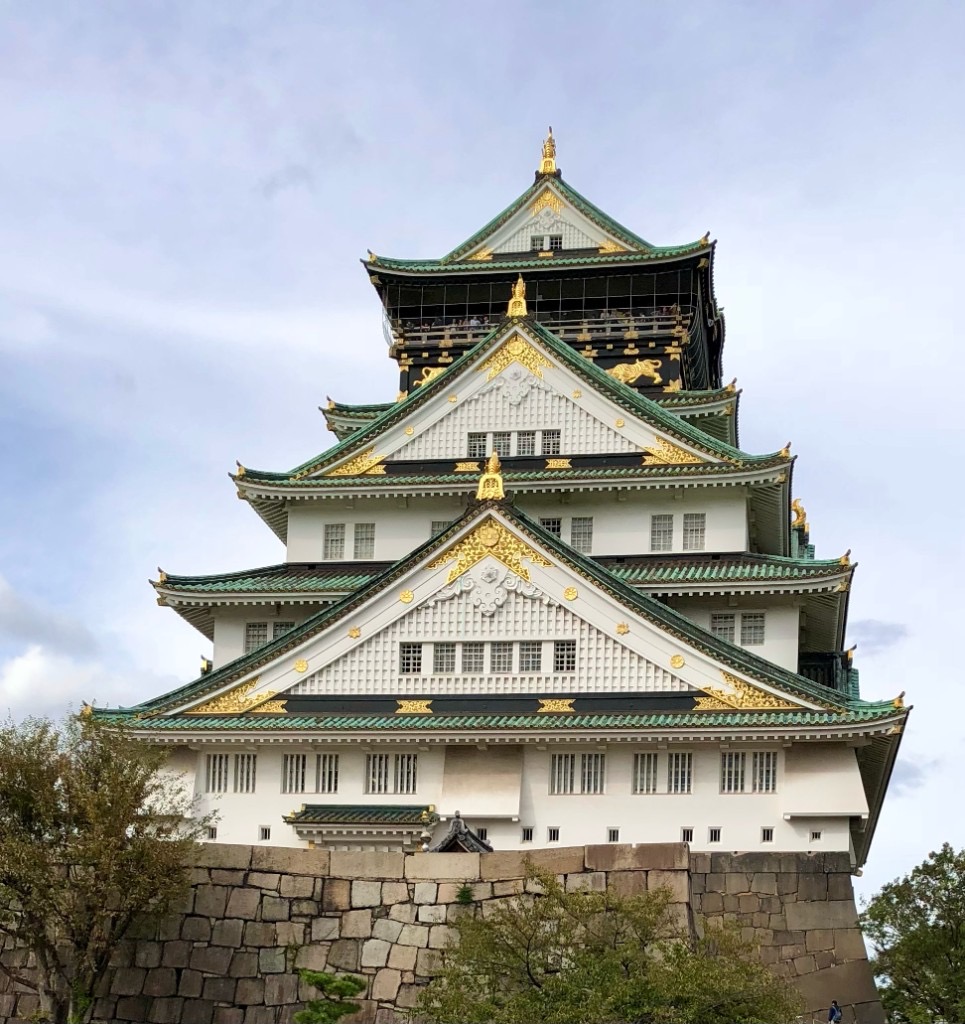
Begin your first day in Japan at Osaka Castle, one of the country's most iconic landmarks. Surrounded by expansive gardens that turn brilliant shades of red and gold in autumn, the castle offers panoramic views from the top and provides a fascinating introduction to Japan's history. Plan to spend around two to three hours exploring the castle grounds and museum before continuing into the city.
For lunch, head to Kuromon Ichiba Market, where you can sample everything from fresh sushi and grilled seafood to local snacks and seasonal treats. It's a great place to experience Osaka's reputation as Japan's culinary capital without committing to a formal meal.
In the afternoon, explore the lively streets of Namba before making your way to Dotonbori, one of Osaka's most famous entertainment districts. Stroll along the canal, admire the neon lights and giant billboards, and stop by the iconic Glico Running Man sign for photos. As evening falls, settle into one of Dotonbori's many restaurants for your first dinner in Japan — whether okonomiyaki, takoyaki, or ramen.
Pacing note: This is an easy introduction to Japan, combining one major attraction with relaxed neighbourhood exploration after your journey.
Logistics: Osaka Castle is around 20–25 minutes from Namba by metro. Most of the afternoon and evening can be explored on foot around Namba and Dotonbori.
Day 2: Osaka Aquarium, Tempozan Harbour & Umeda Skyline
Base: Osaka (Namba or Umeda)
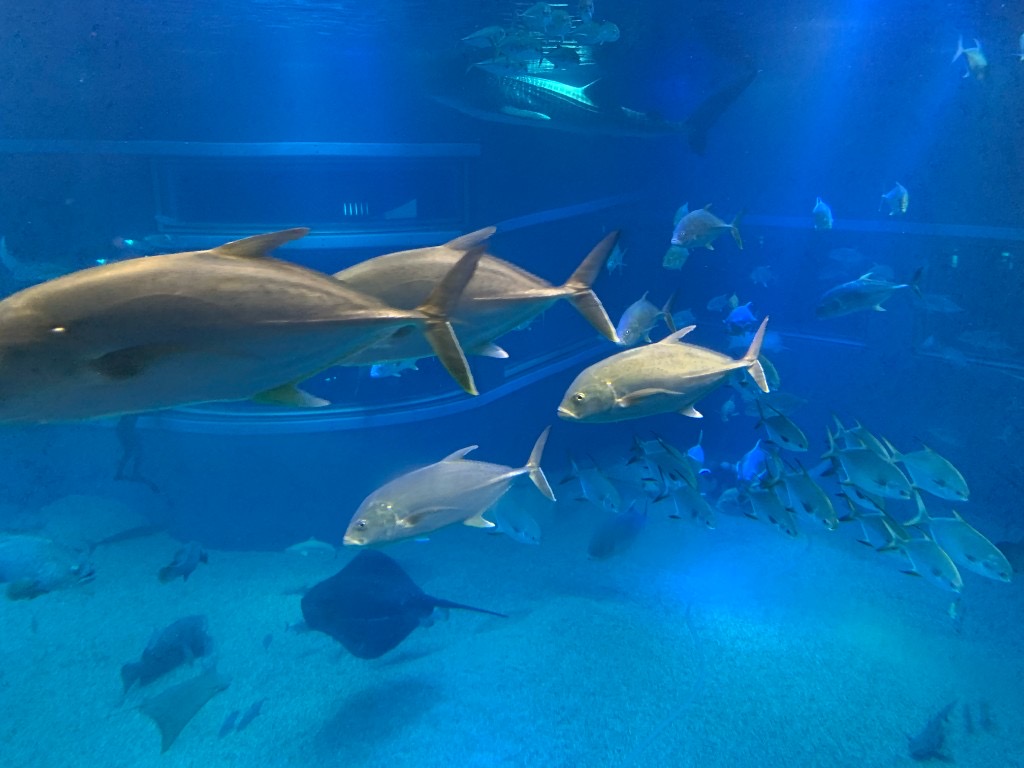
Start your morning at Osaka Aquarium Kaiyukan, one of the largest and most impressive aquariums in the world. Home to whale sharks, manta rays, penguins, and hundreds of marine species from the Pacific Rim, plan two to three hours exploring the thoughtfully designed exhibits.
Afterwards, take a leisurely walk around Tempozan Harbour Village, with waterfront promenades, cafés, and shops overlooking Osaka Bay. Stop for lunch before enjoying a ride on the Tempozan Giant Ferris Wheel, which offers sweeping views of the bay, city skyline, and Osaka Port.
In the late afternoon, head to Umeda, Osaka's modern commercial district. Browse the department stores and underground shopping arcades before making your way to the Umeda Sky Building. Arrive before sunset to enjoy panoramic views as the city gradually lights up below — one of Osaka's most romantic viewpoints.
Pacing note: Today's attractions are centred around Osaka Bay and Umeda, making travel straightforward while offering a slower pace than your first day.
Logistics: Osaka Aquarium Kaiyukan is around 30–40 minutes by metro from Namba. From Tempozan, it's approximately 25–30 minutes by metro to Umeda.
Day 3: Sumiyoshi Taisha, Shinsaibashi & a Farewell to Osaka
Base: Osaka (Namba or Umeda)
Spend your final morning in Osaka at Sumiyoshi Taisha, one of Japan's oldest Shinto shrines. Known for its distinctive architecture and the picturesque Sorihashi Bridge, the shrine offers a peaceful contrast to the city's lively streets and is especially beautiful during autumn.
Afterwards, explore Shinsaibashi Shopping Street, Osaka's premier shopping district. Stretching for nearly 600 metres, the covered arcade is lined with fashion boutiques, local specialty stores, cafés, and souvenir shops. Spend the afternoon in Amerikamura, Osaka's trendy neighbourhood known for independent shops, street art, and coffee houses.
As evening falls, enjoy one final dinner in Osaka — whether an intimate izakaya or a restaurant serving seasonal kaiseki cuisine — before continuing your journey to Nikko tomorrow.
Pacing note: Today is intentionally relaxed, allowing time to explore at your own pace before tomorrow's longer train journey to Nikko.
Logistics: Sumiyoshi Taisha is around 20–25 minutes by tram from Namba. Shinsaibashi and Amerikamura are within walking distance of each other.
Day 4: Shinkansen Journey to Nikko & Shinkyo Bridge
Base: Nikko
Begin the day with one of Japan's most iconic experiences — a journey on the Tokaido Shinkansen from Shin-Osaka to Tokyo, before transferring to a JR or Tobu Railway service bound for Nikko. This is the longest travel day of the itinerary, but the scenic train ride is part of the experience.
After arriving in Nikko, check into your ryokan or hotel and visit the iconic Shinkyo Bridge — a sweeping red bridge at the entrance to Nikko's shrine and temple area, particularly beautiful during autumn when vibrant maple leaves frame the structure.
Spend the rest of the day wandering through Nikko's charming town centre. If you're staying at a ryokan, unwind with a relaxing onsen experience before enjoying a traditional kaiseki dinner featuring seasonal local ingredients.
Pacing note: Today is primarily a travel day — keep sightseeing light and enjoy the slower pace after arriving in Nikko.
Logistics: The journey from Shin-Osaka to Nikko takes approximately 4.5–5.5 hours, including the Shinkansen and train transfer in Tokyo.
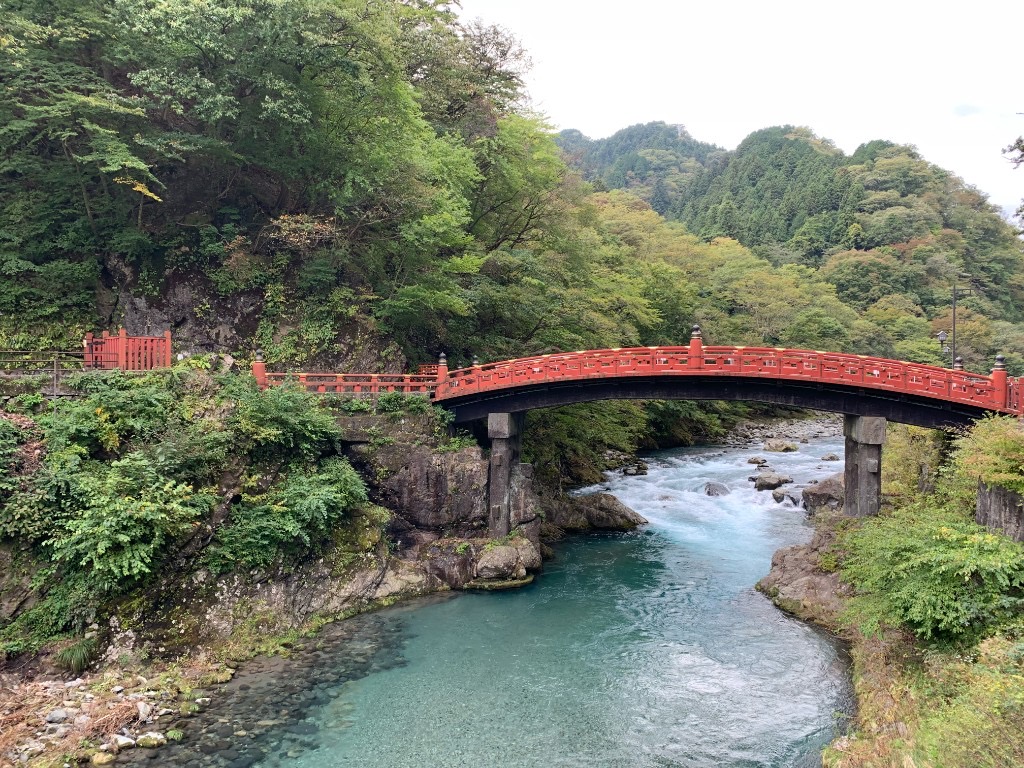
Day 5: Discover Nikko's UNESCO Heritage Sites
Base: Nikko
Start your morning at Toshogu Shrine, the crown jewel of Nikko and the final resting place of Tokugawa Ieyasu. Renowned for its intricate gold detailing, colorful carvings, and the iconic "See No Evil, Speak No Evil, Hear No Evil" monkey sculptures, it is considered one of Japan's most impressive examples of Edo-period architecture.
For lunch, try yuba (tofu skin), a regional speciality enjoyed in Nikko for centuries, alongside handmade soba noodles and traditional Japanese sweets.
After lunch, visit Rinnoji Temple, Nikko's oldest Buddhist temple, followed by Futarasan Shrine, a peaceful sanctuary surrounded by towering cedar trees. Together, these three sites form the heart of Nikko's UNESCO World Heritage area.
Pacing note: Most attractions are within walking distance of one another — a relaxed day focused on history and culture.
Logistics: The UNESCO shrine and temple complex is approximately 10–15 minutes by bus from JR and Tobu Nikko stations, or around 30 minutes on foot. Start early to avoid peak crowds during autumn foliage season.
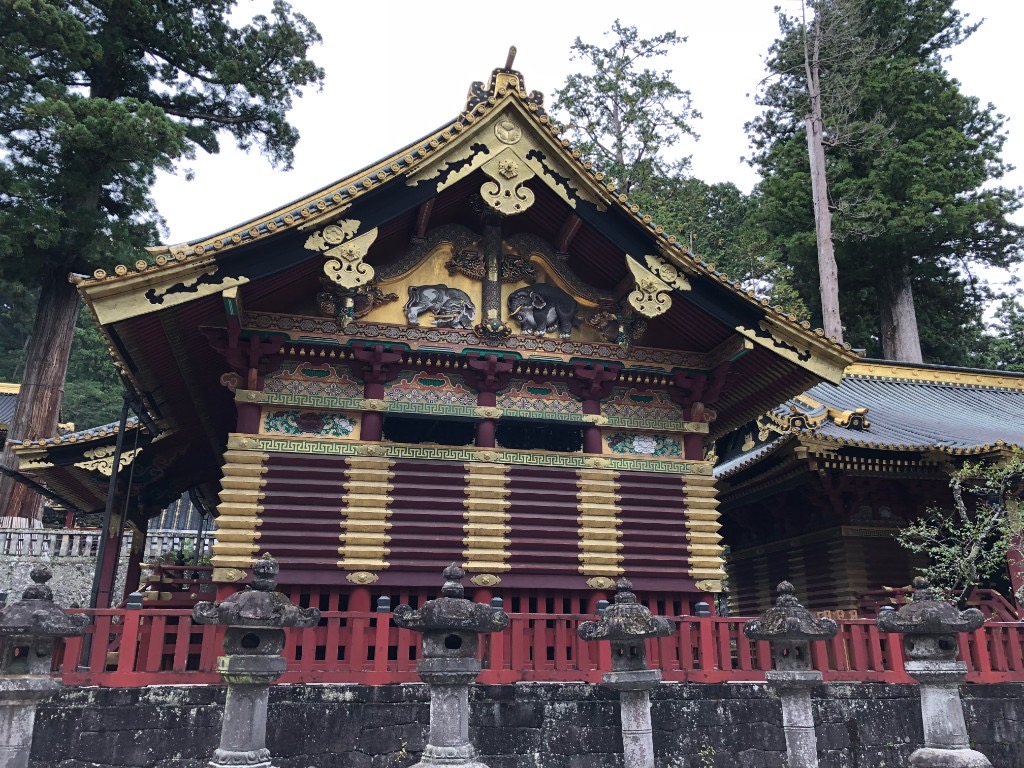
Day 6: Okunikko, Lake Chuzenji & Kegon Falls
Base: Nikko
Set out early for Okunikko, travelling along the winding Irohazaka Road — a series of dramatic hairpin bends offering beautiful viewpoints over surrounding forests, especially during fall.
Your first stop is Kegon Falls, one of Japan's most famous waterfalls, where water plunges nearly 100 metres into the valley below. Continue to Lake Chuzenji, a peaceful mountain lake surrounded by colorful forests — peak colors around the lake usually occur from mid-October to early November.
In the afternoon, explore one of Okunikko's hiking trails, where boardwalks and forest paths wind through vibrant maple and birch trees. Return to Nikko in the evening for your final night at your ryokan.
Pacing note: This is the most scenic day of the Nikko stay — expect a slower pace with plenty of time for walking and photography.
Logistics: Take a Tobu Bus from JR or Tobu Nikko Station to Kegon Falls (approximately 40–50 minutes). Buses continue onwards to Lake Chuzenji and other Okunikko attractions.
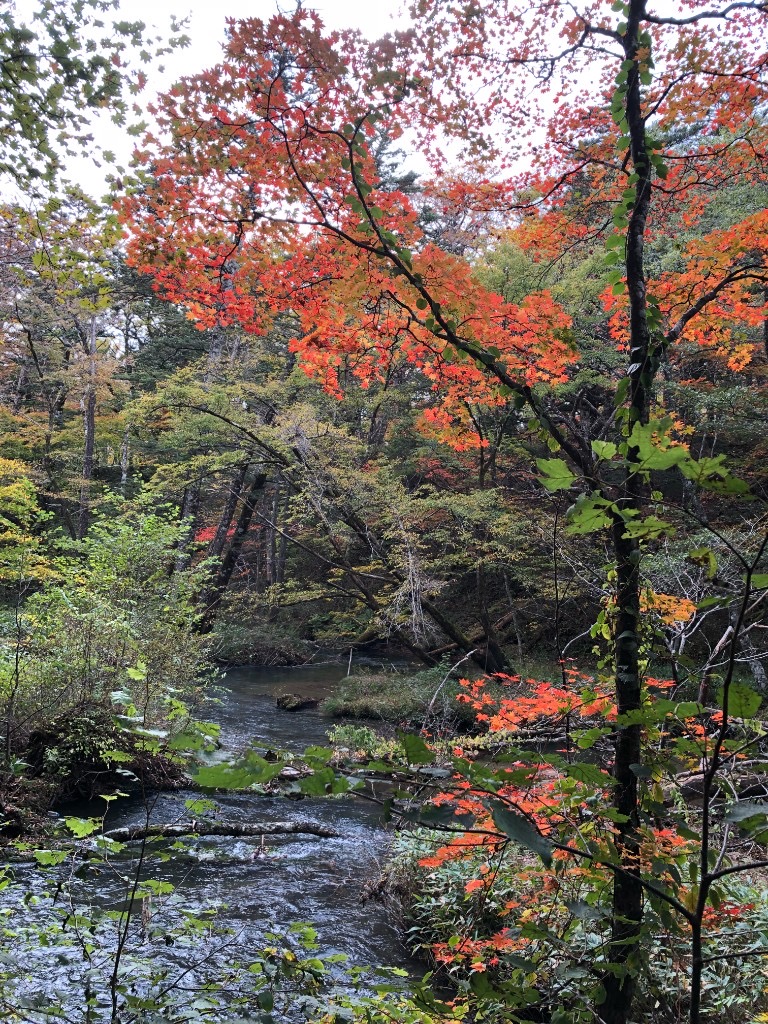
Day 7: Travel to Tokyo & Explore Asakusa
Base: Tokyo (Shinjuku or Ginza)
After breakfast, travel from Nikko to Tokyo by JR or Tobu Limited Express (approximately 2 hours). Leave your luggage at your hotel and head to Asakusa, one of Tokyo's oldest and most culturally significant neighbourhoods.
Begin at Senso-ji Temple, Tokyo's oldest Buddhist temple. Enter through the impressive Kaminarimon Gate before strolling along Nakamise Shopping Street, lined with traditional snacks, handcrafted souvenirs, and local sweets.
Stop for lunch before taking a leisurely walk through Ueno Park, particularly beautiful during autumn. If time allows, browse the lively stalls of Ameyoko Shopping Street.
Pacing note: This is a travel day — sightseeing is intentionally kept to nearby attractions that are easy to explore without rushing.
Logistics: Asakusa and Ueno are well connected by Tokyo's subway and JR lines.
Day 8: Meiji Jingu, Harajuku & Shibuya After Dark
Base: Tokyo (Shinjuku or Ginza)
Begin at Meiji Jingu, one of Tokyo's most important Shinto shrines, surrounded by a peaceful forest of over 100,000 trees. From there, walk into Harajuku — browse Takeshita Street or explore the quieter lanes of Omotesando before lunch.
In the afternoon, make your way to Shibuya. Experience the energy of Shibuya Crossing, then head up to Shibuya Sky. Arrive in the late afternoon to watch the city transform from daylight to a sea of glittering lights.
End the evening with a memorable dinner — sushi, ramen, or tempura — before returning to your hotel.
Pacing note: Today combines peaceful green spaces with some of Tokyo's liveliest neighbourhoods.
Logistics: Meiji Jingu, Harajuku, and Shibuya are all connected by the JR Yamanote Line and are close enough to explore on foot.
Day 9: Oze National Park — An Early Start & a Full Transit Day
Base: Tokyo (Shinjuku or Ginza)
Oze National Park is one of Japan's most beautiful alpine destinations — expansive boardwalk trails across the Ozegahara Marshland, mountain scenery, and spectacular autumn color. It is also the most transit-intensive day of this itinerary. Plan accordingly and start early.
Getting to Oze from Tokyo — two options
Option A — Direct highway bus (recommended for most visitors): The simplest route is the direct Kanetsu Kotsu highway bus from Busta Shinjuku bus terminal to Tokura/Oshimizu, taking approximately 4 hours each way. Three services operate daily during the hiking season (including one overnight bus). Fares run around ¥5,200 one way. Book seats in advance — services are limited and fill up on autumn weekends.
Option B — Joetsu Shinkansen + buses: Take the Joetsu Shinkansen from Tokyo Station to Jomo-Kogen Station (approximately 70 minutes, around ¥6,000). From Jomo-Kogen, take a Kan-etsu Kotsu bus to Tokura (approximately 2 hours). From Tokura, transfer to a shuttle bus to the Hatomachitoge trailhead (approximately 35 minutes, ¥1,300 one way). Total journey time is approximately 3.5 hours each way. The Shinkansen leg is covered by the JR Pass; the buses are not.
Whichever option you choose, leave Tokyo by 6–7am to reach the park with enough time for a meaningful hike before the return journey. The boardwalk trail from Hatomachitoge to Ozegahara and back takes around 3–4 hours at a comfortable pace.
Return to Tokyo in the evening and enjoy a relaxed dinner near your hotel after a long but memorable day in nature.
Pacing note: This is the longest transit day of the trip. Total travel time is 7–8 hours return, leaving roughly 3–4 hours in the park. If the group wants more time in the park, consider staying overnight at one of the park's mountain lodges — book well in advance during autumn season.
Logistics: Bus schedules vary by date and season. Check the Kanetsu Kotsu website and japan-guide.com for current timetables before booking. Highway bus seats can be reserved online through the Busta Shinjuku terminal. Weekday visits are less crowded than weekends during October foliage season.
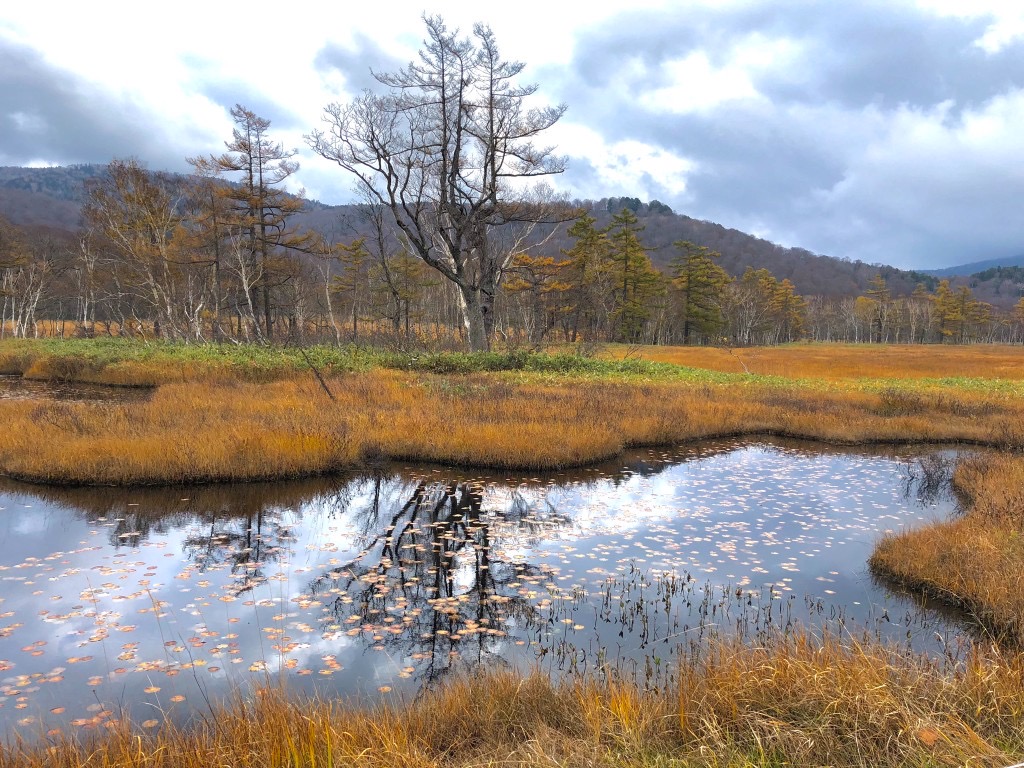
Day 10: Ginza, Tsukiji & a Memorable Farewell to Japan
Base: Tokyo (departure day)
Spend your final morning exploring Ginza, Tokyo's elegant shopping district. Whether you're browsing Japanese brands, picking up last-minute souvenirs, or simply enjoying a leisurely walk, Ginza offers a relaxed way to wrap up your trip.
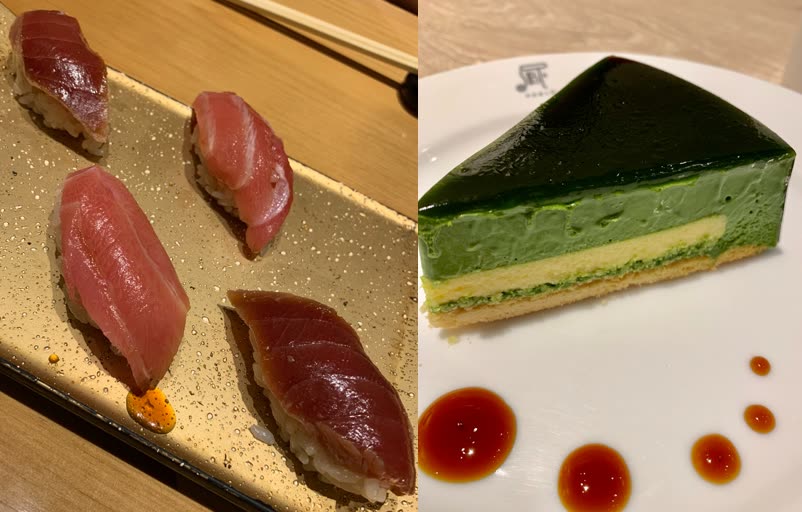
Just a short walk away is the Tsukiji Outer Market, where you can enjoy one last taste of Japan's incredible food culture — fresh sushi breakfast or lunch, or local favourites from the market stalls.
If your departure time allows, take a peaceful stroll through Hibiya Park or visit the Imperial Palace East Gardens before collecting your luggage and heading to Haneda or Narita Airport.
Pacing note: Keep today flexible and plan sightseeing around your flight time.
Logistics: Ginza, Tsukiji Outer Market, and Hibiya Park are all within walking distance of each other.
Budget Notes for a Mid-Budget Couple's Trip
Budget separately for: Shinkansen tickets between Osaka, Nikko, and Tokyo; ryokan stays in Nikko; and paid attractions such as Osaka Castle, Osaka Aquarium Kaiyukan, and Shibuya Sky. The Oze day trip adds transport costs of ¥8,000–12,000 per person depending on route chosen. Omakase sushi dinners and guided experiences are additional.
Many of Japan's most memorable experiences cost little or nothing: Dotonbori, Meiji Jingu, Senso-ji, Shinkyo Bridge, Lake Chuzenji, Ginza, and autumn colors in parks and temple grounds are all free or very low cost.
Useful booking links:
- Japan Guide — autumn foliage forecasts
- Japan Guide — Oze National Park access and transport
- JR Shinkansen (SmartEX)
- JR East
- Tobu Railway
How Honge Helps
A 10-day Japan fall trip involves more logistics than it first appears — Shinkansen seat reservations, ryokan booking windows, foliage timing across three elevations, Oze bus schedules that vary by date, and deciding whether a JR Pass actually saves money on this specific west-to-east route all need answers before you arrive.
Honge is where you work through those decisions. Start with the basic shape — "10 days in Japan for couples, fall, Osaka to Nikko to Tokyo" — and build out from there: the right days for each city based on forecast windows, accommodation sorted by neighbourhood and budget, and Oze transport options laid out clearly so you can decide which route works for your group.
Japan in Fall Prompts to Try in Honge
FAQ
Which airport should I fly into for this itinerary?
Fly into Kansai International Airport (KIX) and depart from Tokyo Haneda (HND) or Narita (NRT). An open-jaw (multi-city) flight saves time by avoiding a return journey to Osaka.
What is the biggest mistake first-time visitors make in Japan?
Japan is larger than it looks on a map, and travelling between cities can take longer than expected. Instead of trying to visit as many places as possible, you'll enjoy the experience far more by slowing down and spending a few days in each destination.
Is Nikko worth visiting instead of Kyoto in autumn?
For travellers primarily interested in autumn foliage and nature, yes. Nikko combines UNESCO World Heritage sites, mountain scenery, waterfalls, and vibrant fall colors, often with fewer crowds than Kyoto during peak autumn season. Kyoto remains an excellent destination, but Nikko offers a different and more tranquil experience.
Can this itinerary be completed without renting a car?
Yes. Japan's rail network makes this itinerary easy to complete using public transport. The Shinkansen connects Osaka and Tokyo, while JR and Tobu Railway services connect Tokyo with Nikko. Local buses provide access to Lake Chuzenji, Kegon Falls, and other attractions around Okunikko. For Oze, the easiest option is the direct highway bus from Busta Shinjuku (around 4 hours each way); alternatively take the Joetsu Shinkansen to Jomo-Kogen then two bus legs to the trailhead (approximately 3.5 hours total each way).
What is the best time to visit Japan for autumn colors?
Late October to early November is the sweet spot for Nikko and the cities. Oze National Park peaks earlier — late September to mid-October — and closes in late October. Check the Japan Guide autumn foliage forecast before finalising your dates, as timing shifts by a week or two each year.
Is Oze National Park worth the day trip from Tokyo?
Yes, if you enjoy hiking and nature and are prepared for a long transit day. The boardwalk trails over Ozegahara Marshland are unlike anything else near Tokyo. Autumn color peaks late September to mid-October. Total transit time is 7–8 hours return (via highway bus) or slightly less via Shinkansen, leaving around 3–4 hours in the park. An overnight stay at a park lodge is a more relaxed alternative if the group wants more time. The park closes in late October.
What is the easiest way to get to Oze National Park from Tokyo?
The simplest option is the direct Kanetsu Kotsu highway bus from Busta Shinjuku, taking approximately 4 hours to Tokura or Oshimizu (around ¥5,200 one way). Book seats in advance — services are limited and fill quickly during October. Alternatively, take the Joetsu Shinkansen to Jomo-Kogen (70 minutes), then a Kan-etsu Kotsu bus to Tokura (2 hours), then a shuttle to the Hatomachitoge trailhead (35 minutes). Both routes require an early start for a day trip.
Ready to make it yours?
Customize this itinerary with AI
Now that you've seen the full route, use Honge to tailor stays, activities, and day-by-day pacing to your trip.
Related itineraries
- 7-Day Buenos Aires Couples Itinerary: Tango, Steak & Río de la Plata
- 10-Day Scotland Road Trip: Whisky, Castles & Mountains
- Vegetarian Japan Itinerary: 10 Days Through Tokyo, Kyoto & Osaka
- 5-Day Croatia Itinerary for Solo Travelers
- 8-Day London and Southern England Itinerary: Museums, Cricket, Bath & Jurassic Coast
- 4-Day Santa Fe & Taos Itinerary: Art, Culture & Rio Grande Gorge
Written by
This blog was contributed by Sheba M, a travel enthusiast and writer. Sheba can be reached at shebaranjitha@gmail.com.
About Honge
Honge is an AI travel planning platform focused on practical, experience-led itineraries with realistic pacing and logistics. All blog content is edited and published by Honge. Our Japan research draws on firsthand destination testing, updated practical logistics as of June 2026, and attraction recommendations reviewed against current visitor experience. © Honge. All rights reserved.
Travel disclaimer
This itinerary is intended as general travel inspiration and planning guidance only — not as personalised travel advice. Conditions change. Before you travel, check the current entry requirements, visa rules, and any travel advisories issued by your government for your destination. Review weather forecasts for your specific travel dates, confirm opening hours, bus schedules, and ticket availability for attractions directly, and take out comprehensive travel insurance that covers medical, cancellation, and disruption. Honge is not responsible for any changes to conditions, services, or experiences described in this article after the date of publication.