
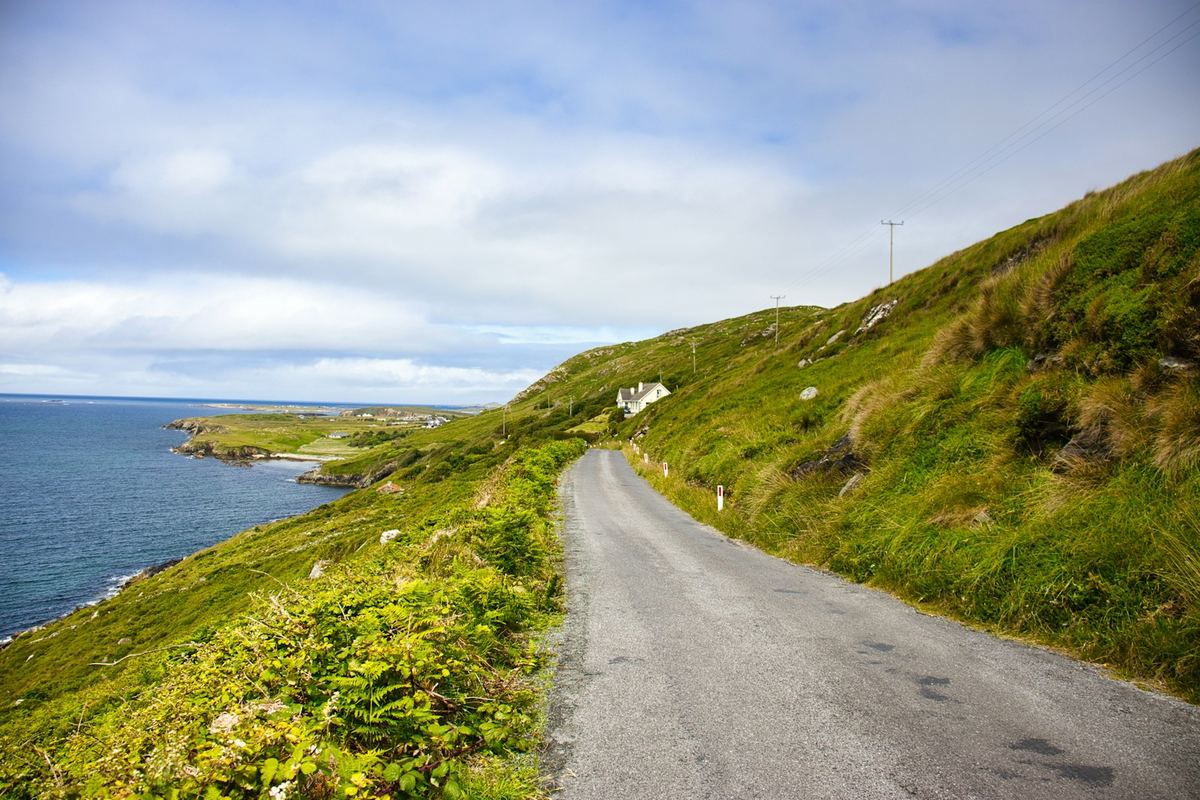
Ireland is the kind of country that rewards you for leaving room in the schedule. You can set out in the morning with a carefully planned route, only to find yourself pulling over twenty minutes later because the Atlantic has appeared between two stone walls.
Start with this itinerary
Open this Ireland loop in Honge as your starting point, then shape the days, stays and pace around how you travel.
A Loop from Dublin to the Atlantic
That sense of discovery is exactly what makes an Ireland road trip so memorable, particularly for first-time visitors who want more than a collection of famous sights.
This 10-day journey begins in Dublin and gradually works its way south and west, moving through Kilkenny and Kinsale before reaching Killarney, the Ring of Kerry, the Dingle Peninsula, Doolin, the Burren, the Cliffs of Moher, Galway and the wild landscapes of Connemara. The route then turns back toward Dublin, creating a satisfying loop of historic towns, dramatic coastlines, green countryside, mountain scenery, traditional villages and some of Ireland's most atmospheric roads.
Quick Take
Best for: First-time visitors, couples, friends and families who want to experience Ireland through scenic drives, charming small towns, dramatic coastal landscapes, excellent food, traditional pubs and easy outdoor activities.
Stay: One night in Dublin, one night in colourful Kinsale, two nights in Killarney, two nights in Dingle, one night in Doolin, one night in Galway and one night around Connemara, with the option to adjust the final night depending on your flight.
Highlight: The gradual transformation of the landscape as you drive from Dublin into southern Ireland and then west along the Wild Atlantic Way — from historic cities and harbour towns to Killarney's lakes, the coastal roads of Kerry and Dingle, the limestone of the Burren, the Cliffs of Moher, Galway and the mountains and lakes of Connemara.
Balance: Scenic road trips, short walks, national parks, coastal viewpoints, historic towns, traditional pubs, local food, seafood, Irish music and plenty of time to stop for coffee, a long lunch, a village wander or a beautiful pull-off.
Ideal trip length: Ten days is a comfortable introduction without making the journey feel rushed. Nine days is possible if you combine some stops or accept a few longer driving days.
Trip style: Collect a rental car after exploring central Dublin, then drive at your own pace through rural Ireland and along the Wild Atlantic Way. The car lets you stop at viewpoints, explore small villages, take scenic detours and adjust around the weather.
Pace: Easy to moderate, with several scenic driving days balanced by slower days in Killarney, Dingle, Galway and Connemara.
Dublin → Kilkenny → Kinsale → Killarney → Ring of Kerry → Dingle Peninsula → Doolin → Burren → Cliffs of Moher → Galway → Connemara → Dublin
If you have only nine days, Day 8 and Day 9 can be combined by spending the morning in Doolin and continuing to Galway, followed by a shorter Connemara excursion the next morning before returning to Dublin. The full 10-day version is more comfortable and better suited to travellers who want the road trip to feel like a holiday rather than an endurance event.
Who This Ireland Road Trip Is For
This itinerary is particularly well suited to first-time visitors who want a broad introduction to Ireland without spending the entire trip jumping from one attraction to another. It works well for couples, friends, and families with older children or teenagers who enjoy scenic drives, easy walks, good food, historic towns and evenings spent somewhere that feels distinctly Irish.
You do not need to be an experienced hiker. Most of the outdoor experiences included here are short walks, viewpoints, park trails, beach strolls or gentle hikes that can be adjusted according to the weather and your energy levels. The focus is on being outside and experiencing the landscape rather than completing demanding trails.
It is also a good choice for travellers who enjoy food and atmosphere as much as sightseeing. Kinsale, Dingle, Galway and the smaller towns along the route offer opportunities to eat local seafood, try traditional Irish dishes, discover independent cafés and settle into a pub for an evening of conversation and music.
Above all, this is for travellers who understand that Ireland is best experienced with a little flexibility. If your favourite travel memory is likely to be a roadside viewpoint, a conversation with a local, a bowl of seafood chowder after a windy coastal walk, or an unexpected village you had never heard of before arriving, this route gives you plenty of room for those moments.
Why Ireland Is Made for a Road Trip
Ireland's compact size can make the country look deceptively easy to explore on a map. In reality, the character of the journey comes from the roads themselves. Major highways can make longer transfers efficient, but once you move onto regional and coastal roads, the pace changes dramatically. Roads become narrower, bends become more frequent, stone walls appear close to the edges, and the landscape begins to unfold around every corner.
On the southwest and west coasts, the roads often lead through landscapes where the Atlantic feels like a constant companion. You may drive beside a rocky shoreline, climb toward a mountain pass, pass fields divided by old stone walls, and then suddenly find yourself looking down over a broad bay. In places such as the Ring of Kerry, Dingle Peninsula, Burren and Connemara, the journey between two points can be just as memorable as the places marked on the map.
The road trip also lets you experience Ireland's changing personality. Dublin feels energetic and cosmopolitan, Kilkenny has a strong medieval character, Kinsale brings colourful streets and a maritime atmosphere, Killarney sits among lakes and mountains, Dingle feels intimate and distinctly local, while Galway has a lively cultural energy. Further north and west, Connemara becomes quieter and more elemental, with broad skies, rugged mountains, lakes, bogland and long stretches of road where you may feel wonderfully far away from everything.
Best Time to Take an Ireland Road Trip
Ireland can be visited throughout the year, but late spring, summer and early autumn generally offer the easiest combination of longer daylight hours and more comfortable conditions for a road trip.
May and June can be particularly pleasant for travellers who want green landscapes, long days and the chance to explore without relying entirely on the busiest summer period. July and August bring longer daylight and a lively atmosphere, although popular destinations can be busier and accommodation more expensive.
September and early October can also be excellent. The landscapes remain inviting, the days still offer useful daylight, and the atmosphere can feel somewhat calmer than peak summer. The weather, however, is famously changeable throughout Ireland, so no season guarantees sunshine.
Winter has its own appeal, particularly for quiet roads, cozy pubs and atmospheric towns, but shorter daylight hours and more variable weather make the longer coastal drives less straightforward. For a first road trip, the brighter months generally make it easier to enjoy the full route.
How Many Days Do You Need?
Ten days gives you enough time to experience the major landscapes on this route without turning every morning into a race against the clock. You will still have several days with meaningful driving, but the route is designed so that the driving itself is part of the holiday.
A nine-day version is possible, especially if you are comfortable with one or two longer days. The main compromise is less flexibility. You will have fewer opportunities to wait out poor weather, linger over lunch or take an unexpected walk.
For first-time visitors, the 10-day version is a useful sweet spot. It gives you the major highlights while still allowing the trip to breathe.
Renting a Car in Ireland
For this itinerary, having your own car is one of the biggest advantages because many of the most enjoyable parts of the route are in rural areas where public transportation is less convenient. A car gives you the freedom to stop at viewpoints, visit villages, adjust your timing around the weather and explore smaller roads.
If you are flying into Dublin, collect the rental car after you have finished exploring the city rather than picking it up immediately at the airport or driving around central Dublin. Dublin's city streets, traffic, parking arrangements and one-way systems are not where you want to spend your first few hours getting comfortable with a rental car.
A practical approach is to spend your first day in Dublin without a car, then collect the vehicle when you are ready to leave the city. Compare options through Irish Car Rentals in Dublin and a couple of other providers, and read the insurance and excess terms closely before booking, since coverage and add-on fees can vary significantly between companies. Remember that Ireland drives on the left-hand side of the road, which can take a little concentration if you normally drive on the right.
Journey Overview
| Day | Route | Approx. driving | Highlights |
|---|---|---|---|
| Day 1 | Arrive → Dublin | None | Walk the centre, first pub, settle in |
| Day 2 | Dublin → Kilkenny → Kinsale | 3½–4½ hrs | Medieval Kilkenny, colourful Kinsale |
| Day 3 | Kinsale → Killarney | 2½–3½ hrs | Cork countryside into Kerry lakes |
| Day 4 | Killarney + Ring of Kerry | 3–5 hrs | National park, coastal loop, villages |
| Day 5 | Killarney → Dingle | 2–3 hrs | Peninsula approach, harbour town |
| Day 6 | Slea Head Drive | 2–3 hrs | Atlantic views, beaches, Blasket Islands |
| Day 7 | Dingle → Doolin | 3½–5 hrs | Burren, Cliffs of Moher, music in Doolin |
| Day 8 | Doolin → Galway | 1½–2 hrs | Latin Quarter, food, evening pubs |
| Day 9 | Galway → Connemara | 2–3 hrs | National park, Kylemore, Clifden |
| Day 10 | Connemara → Dublin | 3–4 hrs | Return drive, car drop, flight buffer |
Route Map
The loop starts in Dublin, drops south through Kilkenny to Kinsale, then west into Killarney, the Ring of Kerry and Dingle. From there it turns north along the Wild Atlantic Way to Doolin, Galway and Connemara, before the dashed return to Dublin on Day 10. Total driving is about 1,100–1,200 km, depending on detours.
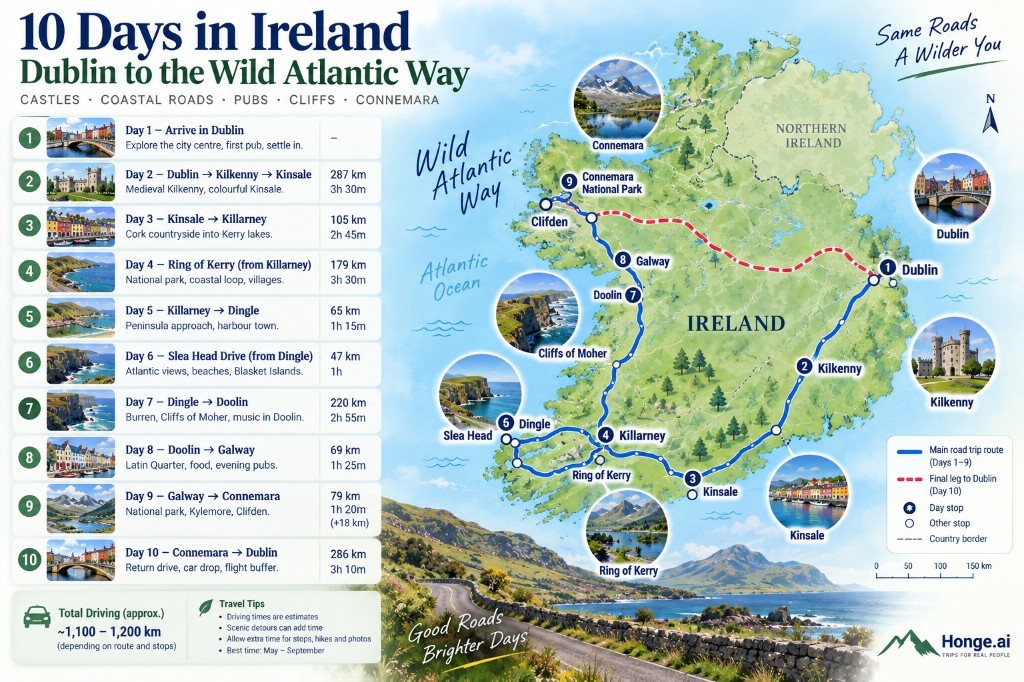
Dublin → Kilkenny → Kinsale → Killarney → Ring of Kerry → Dingle / Slea Head → Doolin → Galway → Connemara / Clifden → Dublin
Day 1 — Dublin: Ease Into the Journey
Pace: Easy and flexible, with no driving required.
Your first day should be deliberately gentle. Dublin is an excellent place to begin an Ireland road trip because it allows you to settle into the country before taking on the rural roads. If you have arrived after a long international flight, resist the temptation to cram the day with sightseeing. Leave room for a relaxed walk, a good meal and your first Irish pub experience.
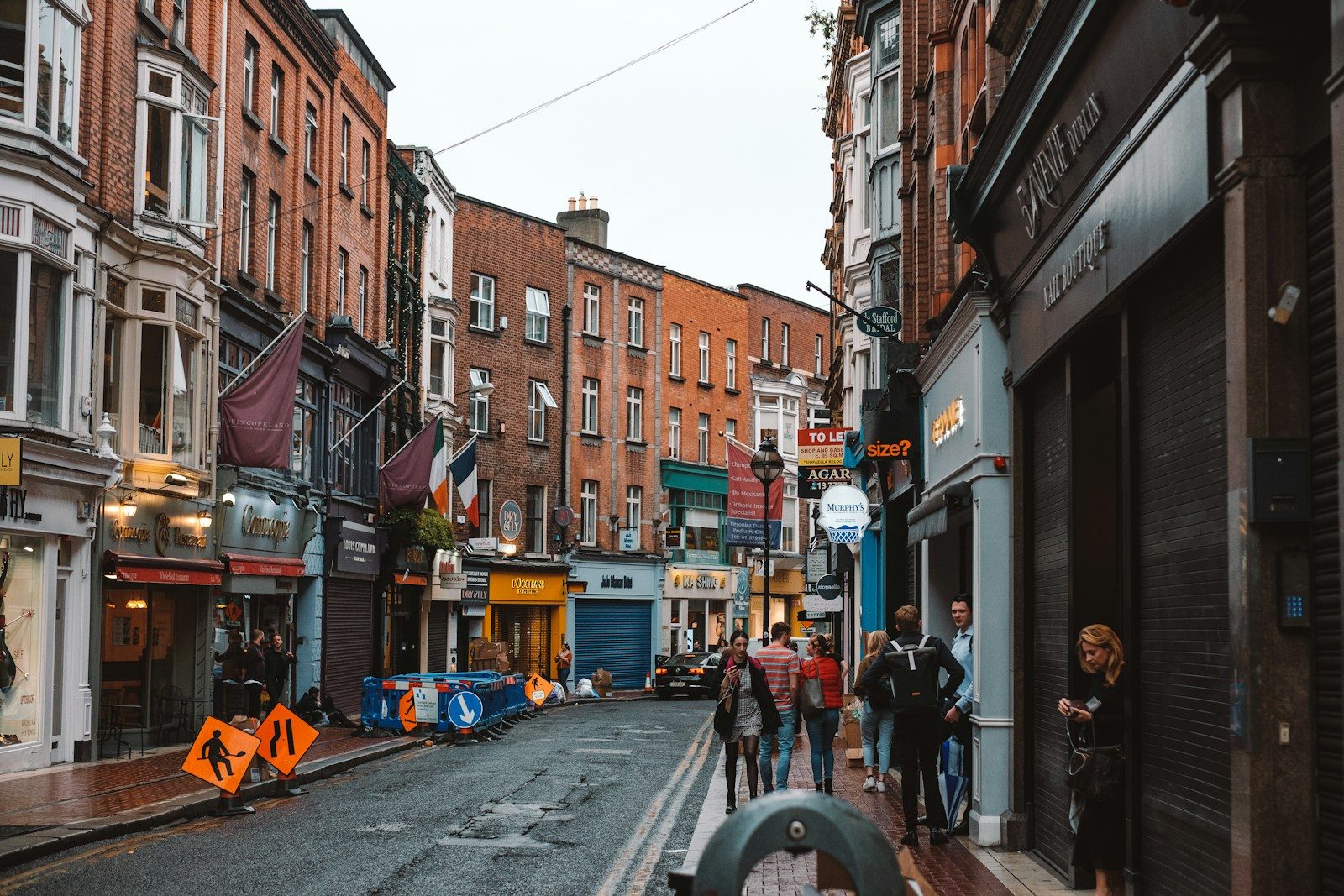
Central Dublin is compact enough to explore on foot, with plenty of streets, cafés, parks, historic buildings and riverside areas to keep the first day interesting without a strict schedule. Depending on your interests, you can spend time around Trinity College and the surrounding streets, walk through St Stephen's Green, explore the Georgian areas, or simply wander through the city centre and let the atmosphere guide you.
Where to Stay in Dublin
Stay somewhere central enough that you can walk to restaurants, pubs and major areas of interest. Because you will not need a car on Day 1, pedestrian access is more useful than extensive parking. If possible, avoid staying somewhere that forces you to drive through the busiest central streets the following morning.
Food Note
Use the first evening to begin exploring Irish food rather than searching only for familiar international options. Look for dishes featuring local seafood, quality beef or lamb, Irish cheeses, brown bread, hearty soups and seasonal produce. A traditional pub can be an excellent introduction because food and atmosphere often come together naturally.
Do Not Miss
Give yourself an unstructured hour or two. Dublin is a city where wandering can be surprisingly rewarding, and the first day should establish the slower rhythm that will become one of the defining features of the journey.
Logistics
Do not rent the car until you are ready to leave Dublin. If you are staying centrally, confirm your hotel's parking arrangements before arrival if you intend to collect the car nearby. For general trip planning and current visitor information, start with Ireland.com.
Day 2 — Dublin → Kilkenny → Kinsale
Pace: Moderate, with approximately 3½–4½ hours of total driving depending on stops and route.
Today is when the road trip properly begins. Collect your rental car outside central Dublin and allow yourself some time to get comfortable with driving on the left before heading south.
Your first major stop is Kilkenny, a compact and attractive city with medieval roots that makes a natural break in the journey. Use the town as an opportunity to walk, have coffee, explore a few streets and enjoy lunch before continuing toward County Cork.
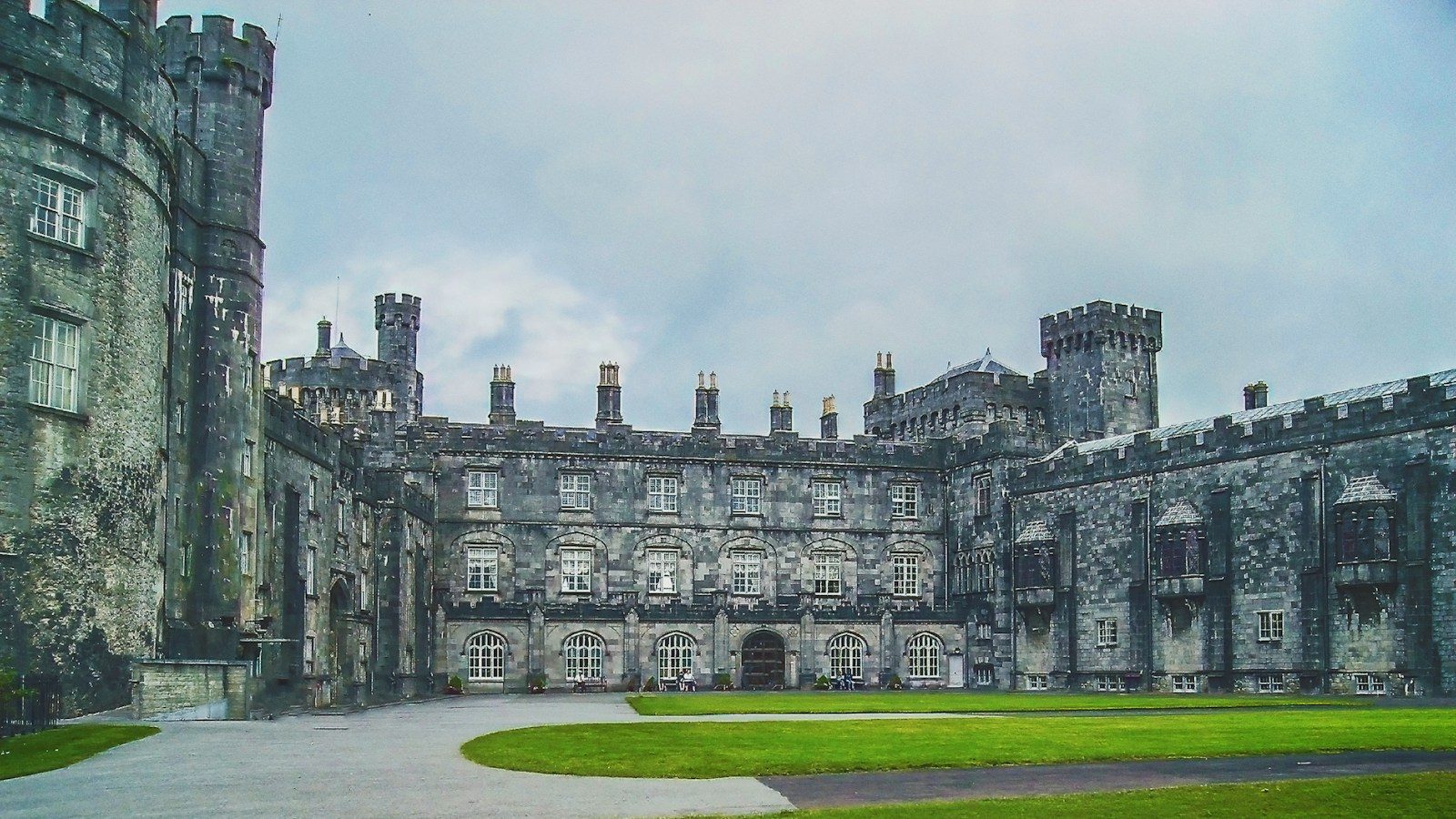
Kilkenny's streets are particularly pleasant for a first stop because you can leave the car behind for a while and experience the town on foot. The historic centre, riverside setting, independent shops and traditional architecture provide an easy introduction to the smaller-scale places that become increasingly important as the journey continues.
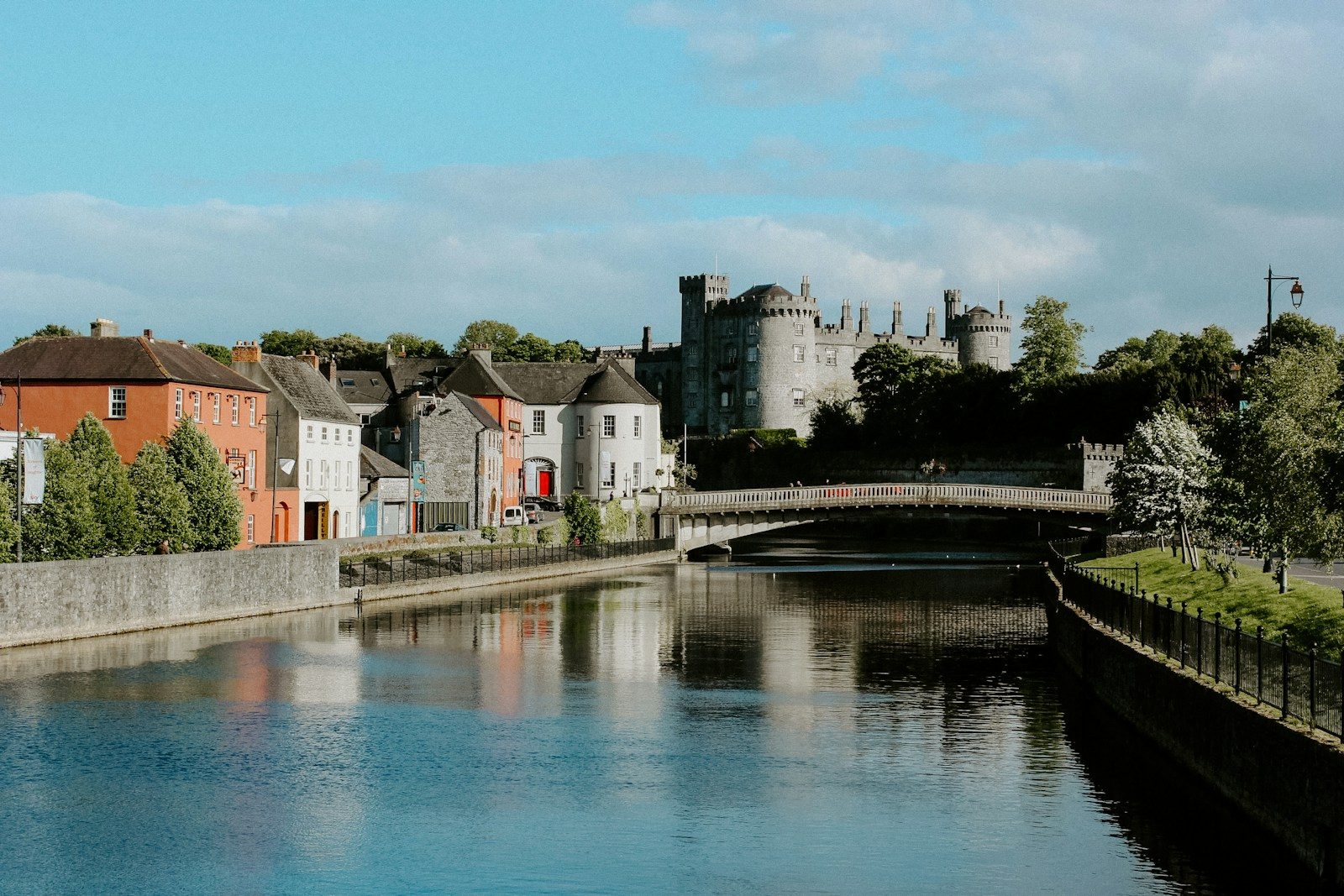
From Kilkenny, continue southwest toward Kinsale. The landscape gradually changes as you move farther from Dublin, and the drive itself becomes part of the experience.
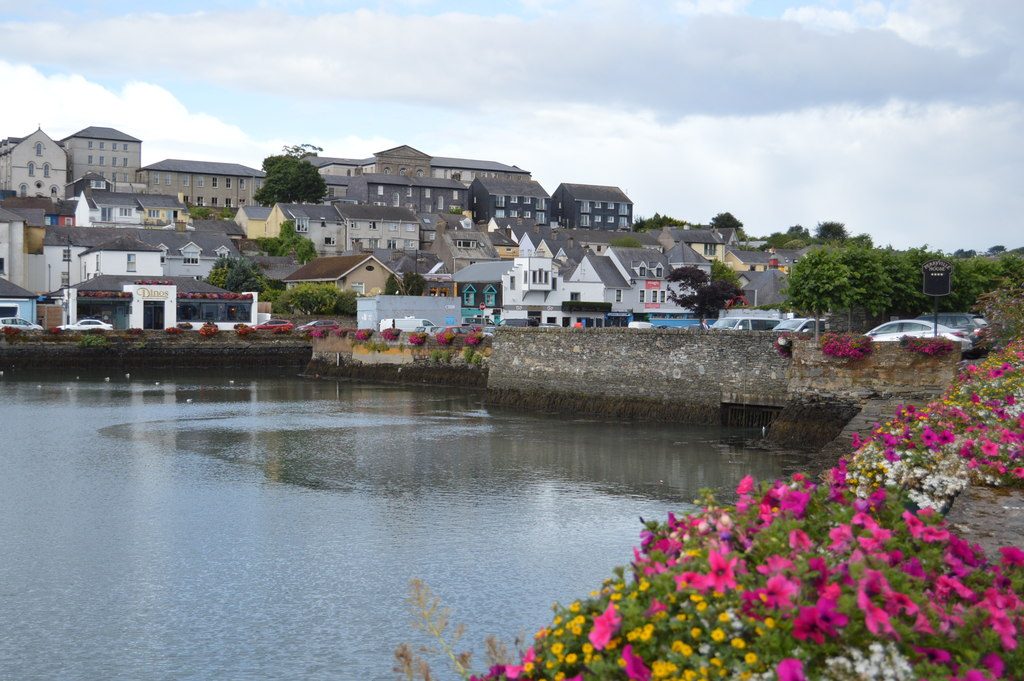
Kinsale is one of those towns where it is worth arriving with time to spare. Known for its colourful streets and strong food culture, it has a distinctly maritime character and is a natural place to slow down after your first substantial day of driving.
Once you have checked in, take an evening walk through town rather than immediately getting back in the car. The compact streets are ideal for exploring without a plan, and the combination of colourful buildings, harbour views, restaurants and pubs creates exactly the kind of atmosphere this road trip is designed around.
Where to Stay in Kinsale
Spend the night in or close to the centre so that you can walk to dinner and pubs. This is one of the places on the route where being able to leave the car parked for the evening adds to the experience.
Food Note
Kinsale is an excellent place to make seafood a priority. Look for locally sourced fish and shellfish, and leave room for a relaxed dinner rather than treating the evening as another scheduled activity.
Do Not Miss
Walk around Kinsale after dinner when the streets begin to quiet down. The town is especially atmospheric when you are not trying to get somewhere else.
Logistics
Collect your rental car outside central Dublin if possible. Before setting off, familiarize yourself with the vehicle's controls, mirrors, indicators and navigation system. Allow extra time for the first day because driving on the left and adapting to rural Irish roads can require more concentration than the raw mileage suggests.
Day 3 — Kinsale → Killarney: Into County Kerry
Pace: Moderate and scenic, with approximately 2½–3½ hours of driving depending on your stops.
After a relaxed breakfast in Kinsale, continue west toward Killarney, leaving the harbour town behind and gradually entering one of the most scenic parts of Ireland.
The drive from Kinsale toward Killarney takes you through the countryside of County Cork and into County Kerry. You can make the journey relatively direct, but there is value in allowing extra time for a few unplanned pauses along the way. Small towns, roadside cafés, farm shops, stone churches and quiet country lanes can provide more character than another major attraction checked off a list.
As you approach Killarney, the landscape begins to change noticeably. The countryside becomes more mountainous and wooded, and the presence of lakes and rugged hills signals that you are getting close to Killarney National Park. This is where the road trip starts to feel distinctly different from the opening days around Dublin and Kinsale.
Killarney itself is a lively tourist town, but it also works exceptionally well as a base because of its position beside the national park and its access to the wider Kerry landscape. After checking into your accommodation, resist the temptation to immediately plan a major afternoon excursion. Instead, take a gentle walk through town, settle into a café, or make your way toward the national park for a short introduction to the scenery.
If the weather is pleasant and you have energy left, an easy walk around the park can be a wonderful way to finish the day. The lakes, wooded paths, open grassland and mountain backdrop create an immediate sense of place, and you will appreciate having a slower afternoon before tackling the longer scenic drive tomorrow.
Killarney is also a good place to experience the Irish pub tradition in a relaxed setting. You do not need to search for the most famous pub in town. Choose somewhere that feels welcoming, order dinner, and allow the evening to unfold naturally. If traditional music is being played, settle in for a while rather than treating it as something you need to photograph and leave.
Where to Stay in Killarney
Stay in Killarney for at least two nights if possible. Choosing accommodation within walking distance of the town centre makes evenings much easier because you can leave the car parked and explore restaurants and pubs on foot. If you prefer a quieter atmosphere, countryside accommodations around the edges of town can provide a more peaceful setting while keeping the national park within easy reach.
Food Note
This is a good evening to look for traditional Irish comfort food, locally sourced meat, seasonal vegetables, seafood or a hearty stew. Kerry also has a strong reputation for dairy and artisan food products, so keep an eye out for local cheeses and other regional ingredients.
Do Not Miss
If the weather is good, spend a little time around the lakes of Killarney before dinner. You do not need a long hike to appreciate the setting. Even a short walk can give you that first unforgettable view of the mountains reflected across the water.
Logistics
Allow more time than the basic driving distance suggests, particularly if you choose smaller roads or make several countryside stops. Check your accommodation's parking arrangements before arrival, and keep navigation running even when the road appears obvious because rural routes can become confusing around smaller junctions.
Day 4 — Killarney National Park and the Ring of Kerry
Pace: Full but unhurried, with approximately 3–5 hours of driving spread throughout the day.
Today is one of the defining days of the Ireland road trip. The Ring of Kerry is famous for good reason, but the best way to experience it is not as a race around a fixed loop. The route is roughly 179 kilometres in its commonly followed form, but the actual enjoyment comes from how often you stop, walk, look around and allow the scenery to change around you.
Start your morning by exploring Killarney National Park before heading farther west. The park is Ireland's oldest national park and offers an extraordinary mixture of lakes, woodland, mountains, historic landscapes and open countryside. You can choose a short walk suited to the weather and your energy level rather than committing to a demanding hike.
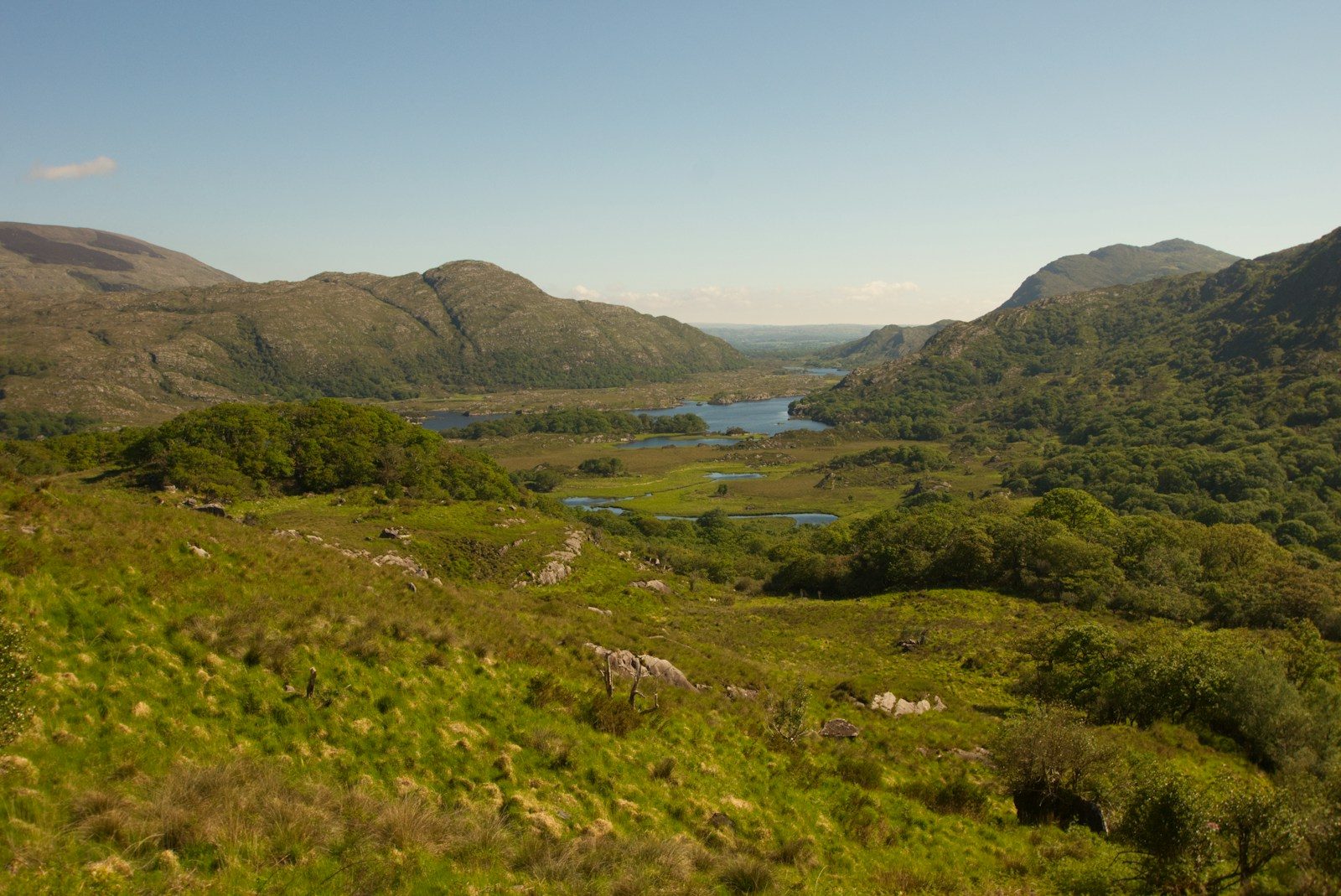
The area around Muckross is particularly convenient for first-time visitors because it combines scenery with historic and cultural interest. The roads and paths around the lakes give you opportunities to experience the landscape at a relaxed pace, while the wooded areas provide a welcome change from the exposed coastal scenery that will come later.
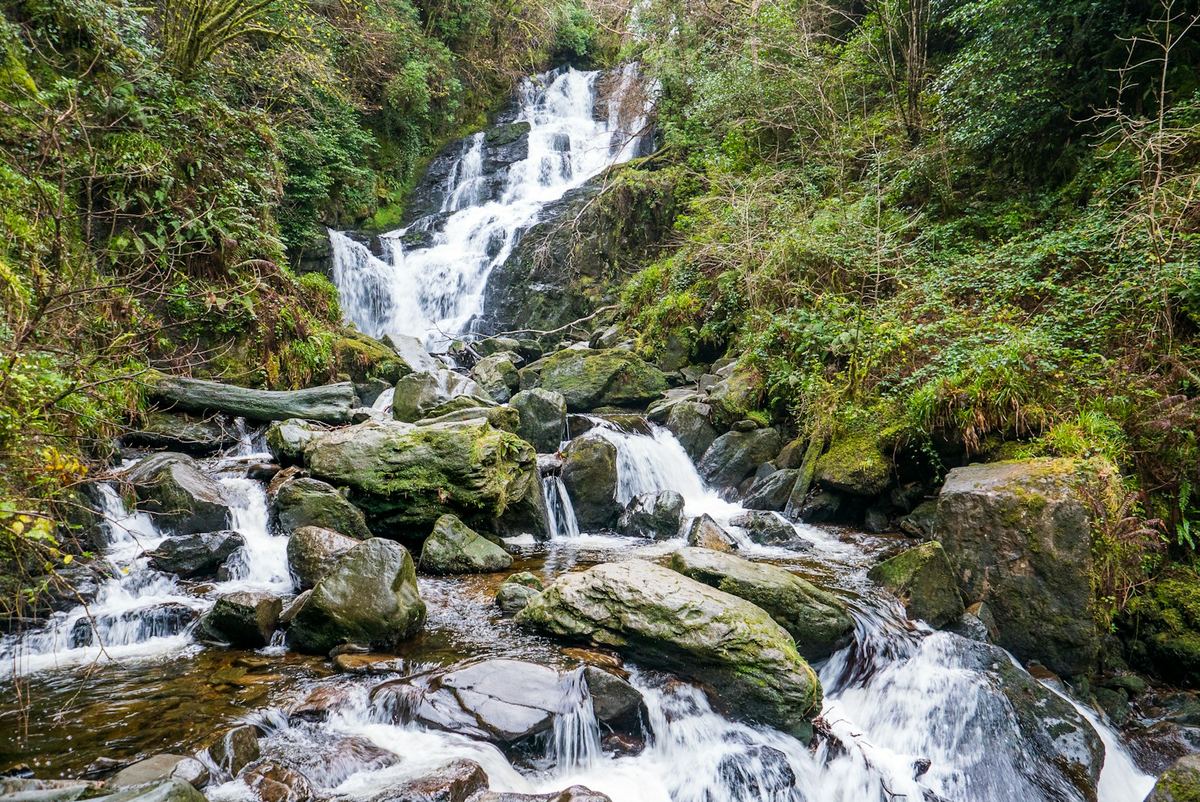
From the national park, continue toward the Ring of Kerry. The road gradually leaves the immediate surroundings of Killarney and begins revealing the broader landscape of County Kerry, where mountains, valleys, lakes and the Atlantic coastline come together.
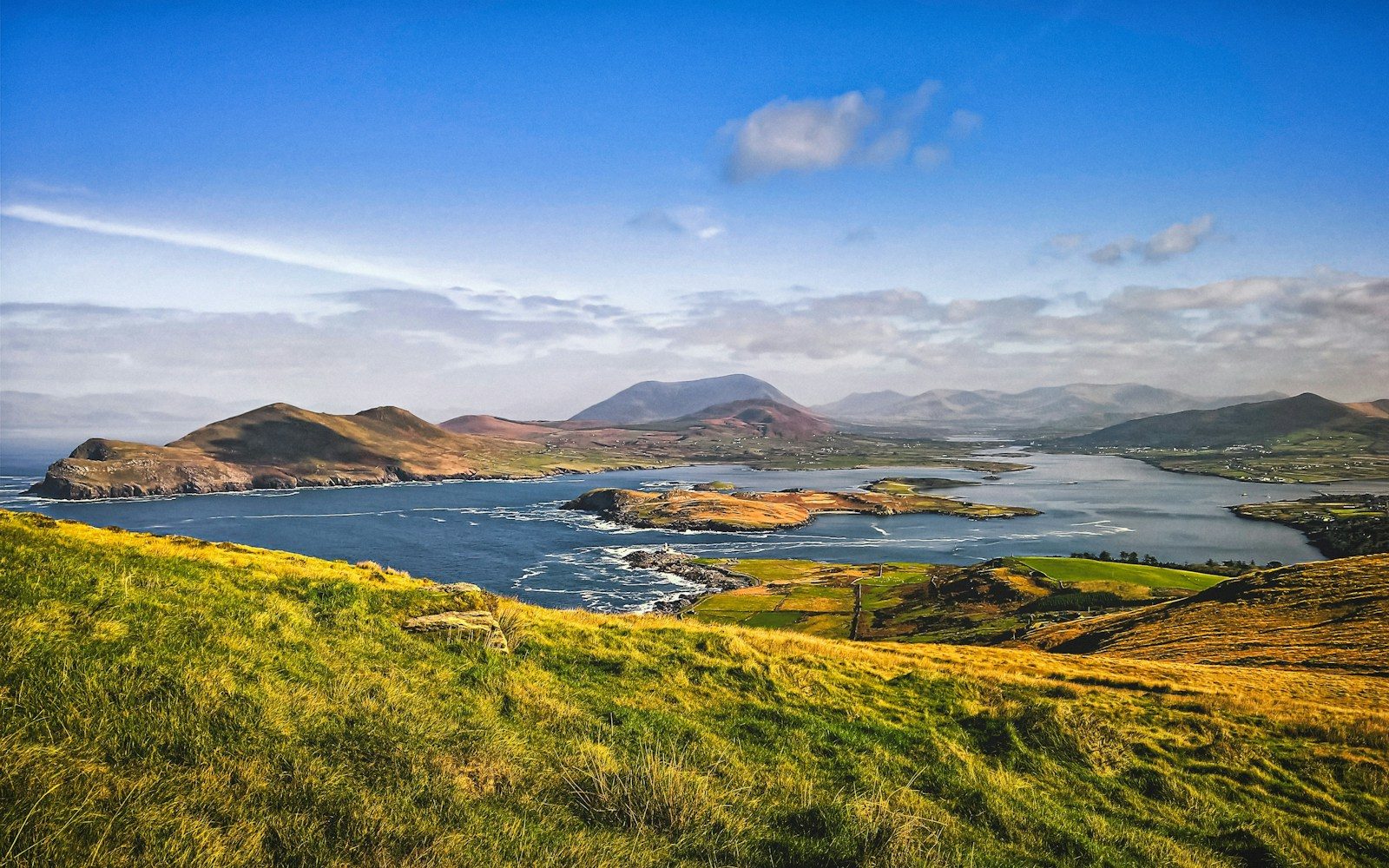
One of the great pleasures of the Ring of Kerry is the variety. There are moments when you are driving through green countryside bordered by stone walls, followed by stretches where the road climbs and the landscape suddenly opens toward the sea. A few minutes later, you may be passing through a small village where brightly painted buildings surround a handful of shops and cafés.
Taking the Ring of Kerry Slowly
The Ring of Kerry can easily become one of the busiest days of the trip if you attempt to visit every viewpoint and attraction. A more enjoyable approach is to select several meaningful stops and allow plenty of time between them.
The road around the Iveragh Peninsula offers sweeping coastal scenery, mountain passes, rocky shorelines, beaches and small settlements. Keep an eye on the weather because visibility can change quickly. A cloudy morning may obscure a mountain range that becomes dramatically clearer an hour later, while a brief shower can create completely different light over the coastline.
Villages Along the Way
Part of the charm of the Ring of Kerry is moving through small communities rather than simply driving between scenic viewpoints. Cahersiveen, Waterville, Sneem and Kenmare are among the better-known places along or near the route, but you should not feel obligated to stop in all of them.
Choose one or two for a proper break. Have coffee, browse a local shop, eat lunch and watch everyday life for a while. This creates a much better rhythm than spending ten minutes in every village simply to take a photograph.
Kenmare can be particularly appealing as a place for food or an afternoon break, with a compact centre, colourful buildings, restaurants and pubs. Depending on your exact route and timing, it can also make a pleasant alternative overnight base, although this itinerary continues toward Dingle the following day.
Where to Stay in Killarney
Return to Killarney for another night. Having the same accommodation for two nights means you can leave your luggage where it is while enjoying the Ring of Kerry, which makes the day considerably more comfortable.
Food Note
Take advantage of the towns along the route for lunch rather than carrying the entire day's food in the car. Seafood, soups, sandwiches, fresh bread and hearty pub meals are all useful choices for a day when you will be outdoors and driving for several hours.
For dinner, Killarney offers plenty of options, but consider choosing somewhere different from the previous evening. A relaxed pub meal followed by a drink is often a better ending to a scenic driving day than another formal restaurant reservation.
Do Not Miss
Find one viewpoint where you can simply stop and look rather than immediately taking photographs. The combination of Kerry's mountains, Atlantic coastline, changing weather and open sky is best appreciated when you give yourself a few quiet minutes.
Logistics
The Ring of Kerry is driven on normal public roads, so allow for slower speeds on narrow and winding sections. Tour buses and larger vehicles can affect the pace, particularly during busy periods. Drive patiently, maintain a safe distance, and never feel pressured to match another driver's speed. If you are planning to use a specific scenic detour or attraction, check current opening times and road conditions before setting out.
Day 5 — Killarney → Dingle: From Kerry's Mountains to the Atlantic
Pace: Moderate, with approximately 2–3 hours of direct driving, but allow most of the day for scenic stops.
After two nights around Killarney, the journey continues toward the Dingle Peninsula. This is a relatively manageable driving day, which is intentional. The trip now begins shifting from mountain-and-lake scenery toward the raw coastal landscapes of Ireland's west.
You can drive directly from Killarney toward Dingle, but there is little reason to hurry. The countryside between these destinations is beautiful, and the smaller roads become increasingly rewarding as you approach the peninsula.
Dingle town should be your main destination for the afternoon. Compared with Killarney, Dingle feels smaller and more intimate, with colourful buildings, independent businesses, restaurants, cafés and pubs gathered around a compact centre.
This is exactly the sort of town where you should park the car and walk. Look at the painted storefronts, browse local crafts, stop for coffee and explore the harbour. Dingle has a strong connection to music and traditional culture, and its pubs can be an important part of the evening rather than an afterthought. Walk into town, find somewhere that appeals to you, order a meal, and see what happens. Traditional music sessions can vary from night to night, so treat them as a happy possibility.
Arriving in Dingle
The approach to Dingle is part of the experience. As the road moves toward the peninsula, the landscape begins to feel increasingly exposed, and the presence of the Atlantic becomes more obvious. Stone walls divide fields, hills rise around the road, and small settlements appear between stretches of open countryside.
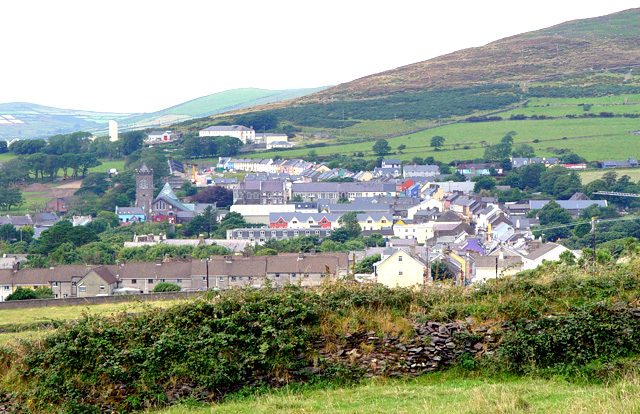
If the weather is clear, consider taking a short detour toward the coast before arriving in town, provided you have enough daylight and the road conditions are comfortable. If the weather is poor, there is no need to force the issue. The Slea Head Drive tomorrow will give you a much more substantial coastal experience.
Where to Stay in Dingle
Stay in or close to the town centre so that you can walk to dinner and pubs. Dingle is one of the best places on this route to avoid using the car after dark. If you prefer a quieter setting, choose a countryside guesthouse or bed-and-breakfast on the edge of town, but check the distance carefully if you want to enjoy the evening without driving.
Food Note
Dingle is an excellent place to focus on local food. Look for fresh seafood, local cheeses, good-quality meat, homemade bread and seasonal dishes. If you see a restaurant or café emphasizing local ingredients, this is a good place to experiment. And yes, leave room for a proper pub stop. In Ireland, the pub can be a place to eat, drink, listen to music, meet people and simply sit for a while.
Do Not Miss
Take a slow evening walk around Dingle's harbour and central streets. The town becomes particularly atmospheric as the day-trippers leave and the evening settles in.
Logistics
The roads into the Dingle Peninsula can be narrow and winding. Keep your speed comfortable and expect travel times to be longer than a map's distance might suggest. Check the weather before planning any coastal detours, and make sure you have enough daylight for the route you intend to drive. Local destination information is on the Dingle Peninsula site.
Day 6 — Slea Head Drive and the Dingle Peninsula
Pace: Slow and scenic, with approximately 2–3 hours of actual driving but most of the day available for stops, walks and exploring.
If there is one day on this Ireland road trip when you should forget about the clock, make it today. The Slea Head Drive around the western end of the Dingle Peninsula is one of those journeys where the distance is almost irrelevant. The route itself is the experience, and the best way to enjoy it is to leave Dingle with plenty of time, drive slowly, stop often and allow the weather to decide how much time you spend outside.
The peninsula feels wonderfully exposed. Roads wind between green fields enclosed by old stone walls, hills rise toward the interior, and the Atlantic stretches across the horizon with a scale that can make the landscape feel much larger than Ireland actually is. On a clear day, the views can be enormous, but even when clouds roll across the peninsula, the scenery has a dramatic quality that feels distinctly Irish.
Begin the morning in Dingle with breakfast and coffee before heading west. Once you leave the town, the road quickly becomes more rural, and the number of buildings begins to thin. This is a good time to put the navigation aside mentally and concentrate on the landscape.
One of the pleasures of Slea Head is that the road repeatedly gives you reasons to stop. Beaches appear between headlands, old stone structures sit among fields, and small roads branch toward viewpoints. You do not need to visit every marked location. Instead, choose the places that appeal to you on the day.
Slea Head and the Atlantic Coast
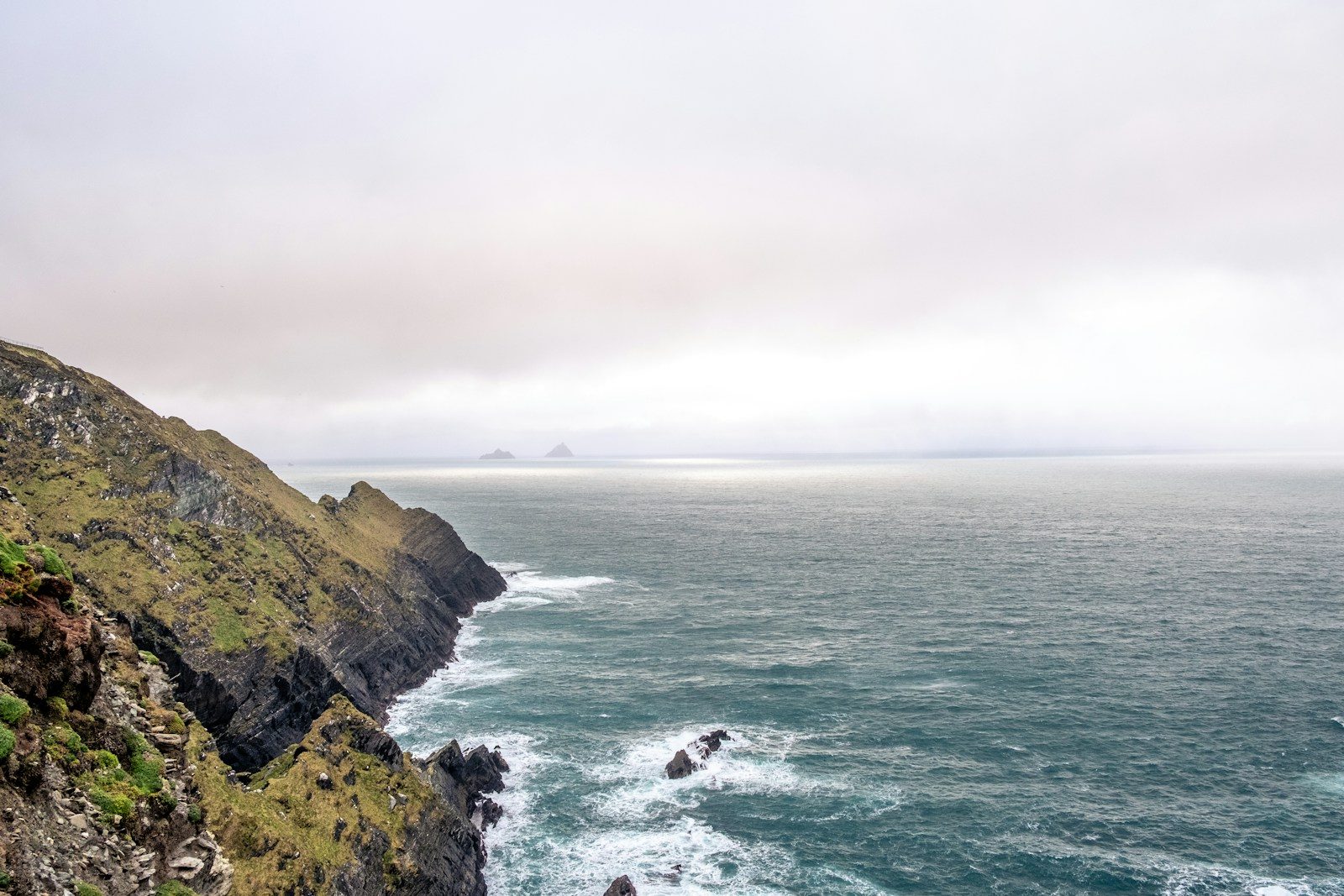
The western edge of the peninsula is where the journey becomes particularly spectacular. Slea Head itself offers views across the Atlantic toward the Blasket Islands, and the combination of rugged coastline, green hills, stone walls and open sea creates the sort of scenery that makes you understand why Ireland's western coast has inspired generations of writers, artists and travellers.
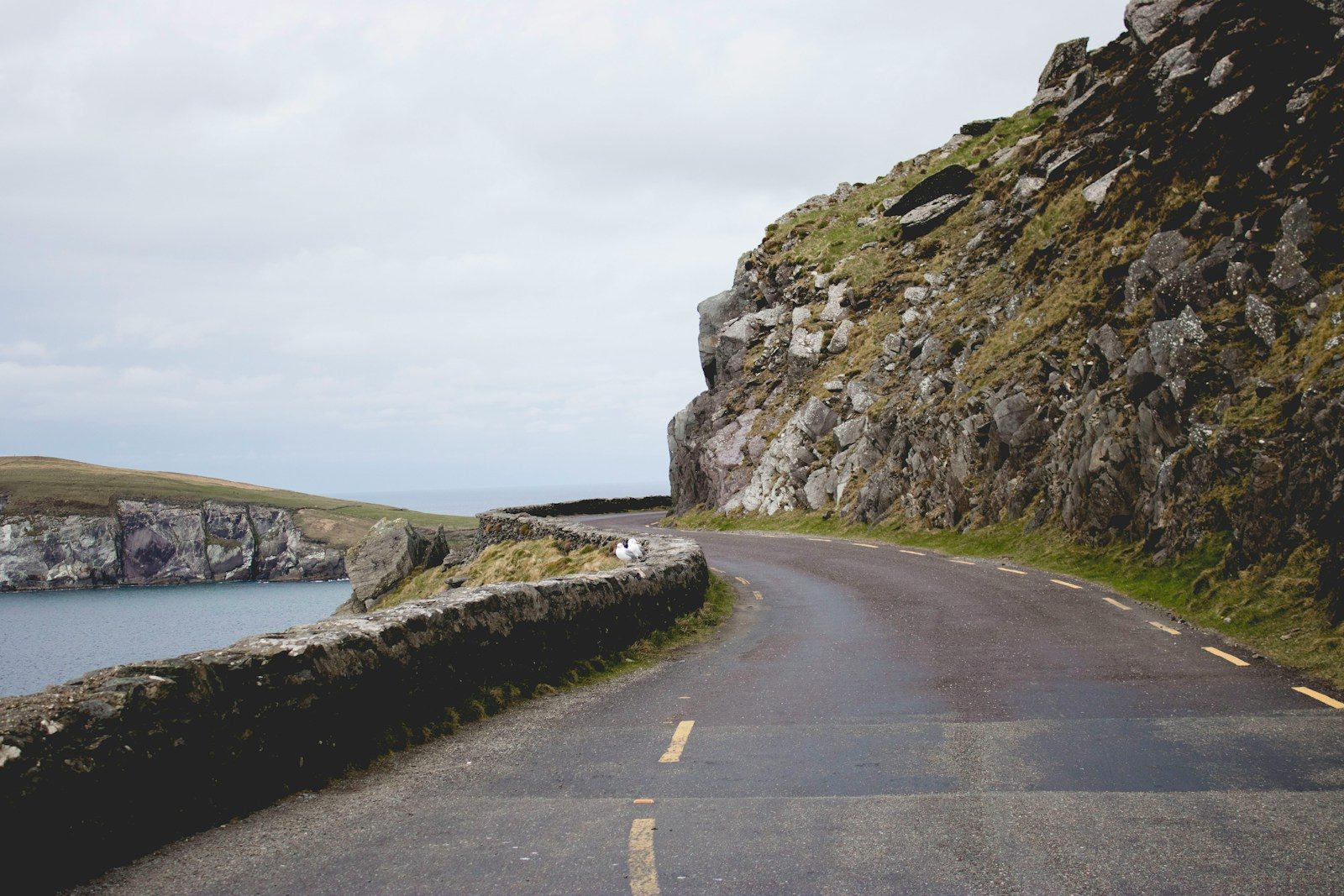
Take a few minutes to walk rather than viewing the coastline entirely from inside the car. The wind can be strong, so bring a waterproof layer even if the morning begins in sunshine. Irish weather can change quickly, and the Atlantic coast is particularly exposed.
If conditions are good, spend some time around one of the peninsula's beaches. Coumeenoole Beach is especially dramatic, with steep green slopes descending toward the sea. It is a place to appreciate rather than rush through, although conditions and access should always be considered carefully, particularly after wet weather.
The landscape around the peninsula also carries layers of history. Ancient stone structures, early Christian sites, beehive huts and traditional farm landscapes are scattered throughout the region. You can explore some of these places if they genuinely interest you, but the broader experience is often more rewarding than trying to identify every archaeological site.
The Blasket Islands and the Feeling of the Far West
As you continue around the peninsula, the Blasket Islands become an important part of the view. They sit offshore at the western edge of the peninsula, adding another sense of distance to an already dramatic landscape.
You do not need to take a boat trip to appreciate them, and if the weather does not permit a crossing, simply find a quiet viewpoint that looks west across the water.
Back to Dingle
By the afternoon, gradually make your way back toward Dingle. You may find that the return journey looks completely different from the morning because the light has changed and the weather has moved across the peninsula.
Once back in town, give yourself a proper break and then head out for another relaxed evening. Dingle's pubs are one of the reasons the town is such a memorable stop on this route. Traditional music is part of the town's cultural character, and an evening session can be an especially enjoyable way to experience the atmosphere. Rather than trying to visit several pubs in one night, choose one that feels right and stay long enough to enjoy it.
Where to Stay in Dingle
Stay a second night in Dingle. This makes today's loop much easier because you can leave your luggage behind and concentrate entirely on the peninsula. It also gives you another opportunity to enjoy the town after dark without worrying about driving.
Food Note
Make lunch part of the experience rather than treating it as fuel between viewpoints. A warm bowl of soup, fresh seafood, locally baked bread or a simple café meal can be exactly what you need after a windy coastal walk. For dinner, consider returning to a favourite place from the previous evening or trying somewhere new. Dingle is small enough that you can walk around and see what catches your attention.
Do Not Miss
Take your time at one of the western coastal viewpoints. Slea Head is memorable not because you can say you visited it, but because it gives you a genuine feeling of standing at the edge of Ireland, looking out toward the open Atlantic.
Logistics
Drive cautiously throughout the peninsula. Some roads are narrow, and you may encounter oncoming traffic, cyclists, walkers and agricultural vehicles. Never stop in a place where your car obstructs the road. If a viewpoint is crowded, continue a little farther and look for a safer stopping area rather than forcing a particular photo opportunity. Check current local conditions before setting out, particularly if strong winds or heavy rain are forecast, via Met Éireann.
Day 7 — Dingle → Doolin: The Burren and Cliffs of Moher
Pace: Full but rewarding, with approximately 3½–5 hours of driving depending on your chosen route, ferry connections and stops.
Today brings one of the most dramatic changes in landscape of the entire journey. You leave the green hills and rugged coastline of Kerry behind and travel north toward County Clare, where the landscape eventually transforms into the extraordinary limestone terrain of the Burren.
There are several ways to make this journey, and your choice will depend on the season, ferry schedules and your preferred pace. If you are driving via the Tarbert–Killimer ferry, the crossing of the Shannon Estuary can be a pleasant change from continuous road travel and can help break up the journey. Check the current Shannon Ferries timetable before setting out because schedules can vary.
The route north eventually brings you into County Clare, where the landscape begins to look remarkably different from anything you have seen earlier on the trip.
Entering the Burren
The Burren is one of Ireland's most distinctive landscapes. At first glance, its exposed limestone pavement can seem almost stark compared with the lush green fields that dominate so much of the country. Look closer and the landscape reveals extraordinary detail. Cracks run through the limestone in patterns known as clints and grikes, while plants grow in sheltered spaces between the rocks. The region supports an unusual mixture of plant life, including species associated with both alpine and Mediterranean environments.
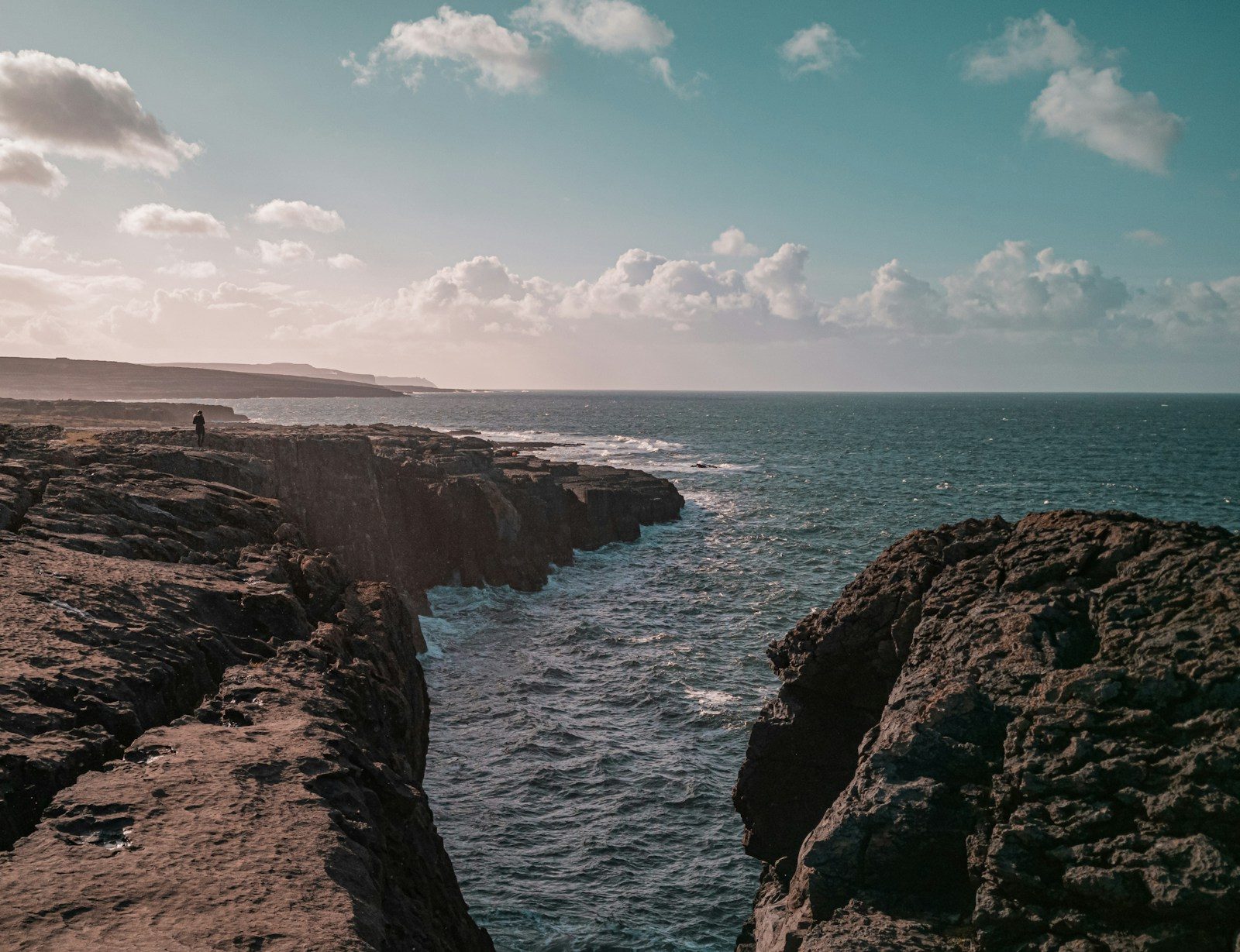
Rather than driving straight through, choose a short walk that matches the weather and your energy level. The landscape is particularly rewarding on foot because the scale and texture are difficult to appreciate fully from a moving car. Stay on appropriate paths, avoid damaging vegetation, and treat the landscape as a living environment rather than simply a photographic backdrop. The Burren Geopark is a useful official starting point.
Small Roads and Stone-Walled Landscapes
As you cross the Burren, the roads themselves become part of the attraction. Stone walls run across the countryside, dividing small fields and creating geometric patterns against the limestone. The area feels quieter than some of the major tourist destinations farther along the coast. You may find yourself driving for stretches with little traffic, passing old cottages, churches, farms and small roads disappearing toward the hills. This is exactly the sort of driving experience that makes a self-drive itinerary worthwhile.
The Cliffs of Moher
Eventually, the road leads toward one of Ireland's most recognizable natural landmarks: the Cliffs of Moher.
Rising dramatically above the Atlantic, the cliffs stretch for several kilometres along the Clare coast and provide one of the most powerful coastal views on the itinerary. Their scale is difficult to understand from photographs because the combination of height, sea, wind and open horizon creates an experience that is much more immersive in person.
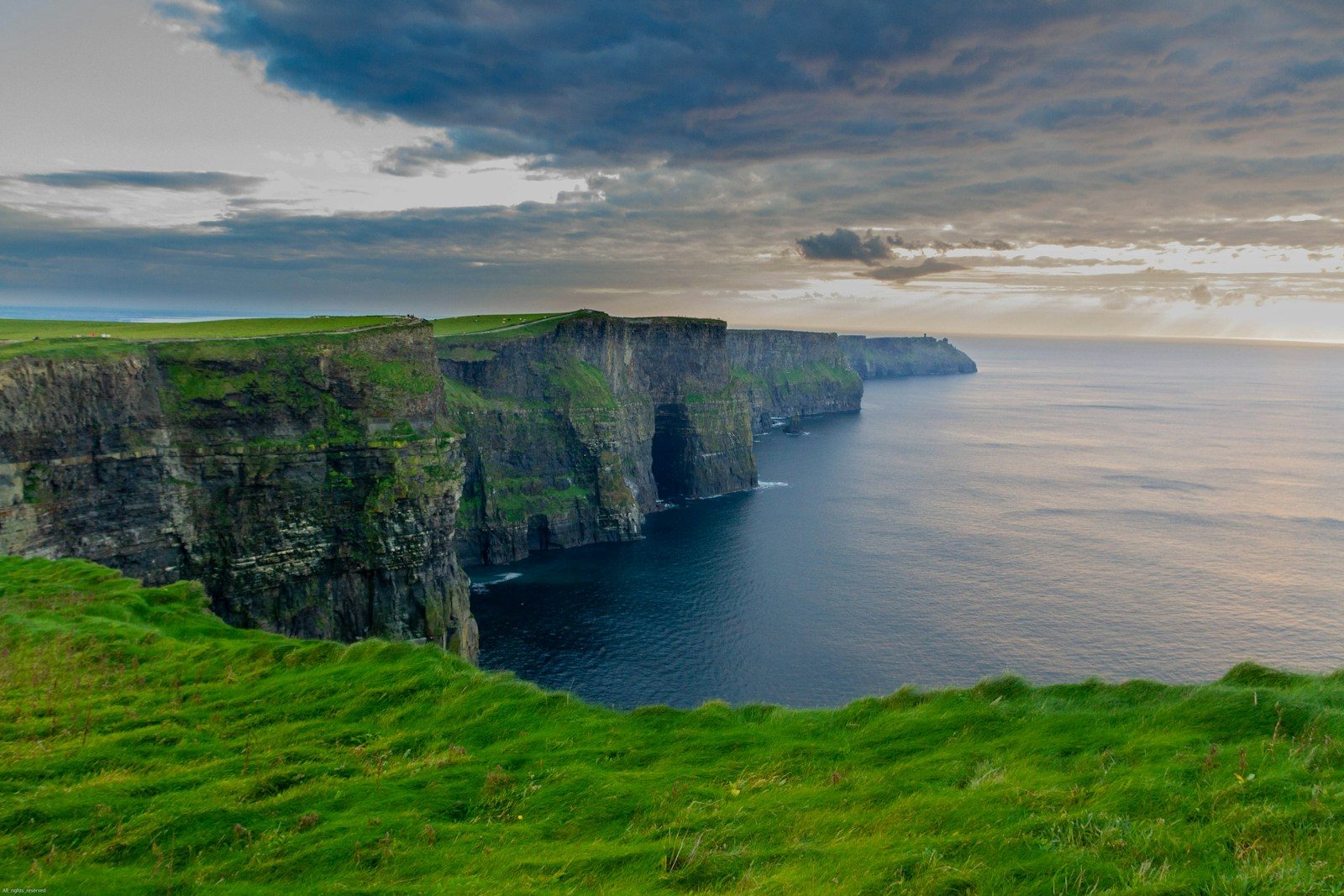
Timing can make a significant difference here. The cliffs are popular, particularly during the middle of the day in the busiest travel months. If your schedule allows, arriving later in the afternoon can sometimes provide a more atmospheric experience, although you should always consider daylight, weather and your onward driving plans.
The weather can completely alter the character of the cliffs. On a clear day, the Atlantic appears vast and blue beneath the cliffs. Under low cloud, mist or rain, the scene becomes darker and more elemental. Whatever the weather, stay well back from cliff edges and follow all official safety guidance. Strong winds and unstable ground can make exposed coastal areas hazardous.
Arriving in Doolin
After the Cliffs of Moher, continue to Doolin, a small village that is ideally placed for exploring the surrounding coast and the Burren. Compared with larger tourist towns, Doolin has a distinctly rural atmosphere and is particularly well known for its traditional music culture. This is another place where you should park the car once you arrive and enjoy the evening on foot.
Doolin's pubs can be busy, particularly during the main travel season, but the atmosphere is part of the appeal. Traditional music sessions may take place in the evening, and hearing musicians play in an intimate pub setting can become one of those unexpectedly memorable moments of an Ireland road trip.
Where to Stay in Doolin
Stay in Doolin rather than immediately continuing to Galway. This gives you a chance to experience the village after the day-trippers have left and provides a more comfortable base for the Burren and Cliffs of Moher. A traditional guesthouse, B&B or small hotel can fit particularly well with the character of the area. If you are travelling during peak season, book ahead because the number of accommodations is limited compared with larger towns.
Food Note
Look for a warm, hearty dinner after your coastal day. Doolin and the surrounding area are good places to sample Irish pub food, seafood, soups, stews, fresh bread and locally sourced ingredients. The west coast is also an excellent place to enjoy seafood when available, particularly dishes featuring locally caught fish or shellfish.
Do Not Miss
If you arrive in Doolin with enough daylight, take a short walk around the village or nearby countryside before dinner. Then spend the evening in a traditional pub and listen to the music rather than treating it as another stop on the itinerary.
Logistics
The Dingle-to-Doolin journey requires more planning than some of the shorter transfers because the route and ferry option can affect the overall timing. Check the current Shannon Ferry schedule if you intend to cross the Shannon Estuary by ferry, and allow additional time for queues during busy periods. For the Cliffs of Moher, check current visitor information and opening arrangements before visiting. Conditions can change quickly along the coast, so bring waterproof layers and wear footwear suitable for uneven paths.
Day 8 — Doolin → Galway: From the Wild Coast to the City
Pace: Easy to moderate, with approximately 1½–2 hours of direct driving, leaving most of the day for exploring.
After the dramatic coastline around Doolin and the limestone landscape of the Burren, today feels almost like entering a different Ireland. The drive to Galway is relatively short, which is exactly what you want after several days of scenic roads and outdoor stops. Rather than rushing out of Doolin early, enjoy a proper breakfast and give yourself time for one final look around the village before heading east and then north toward Galway.
The road between Doolin and Galway passes through more of the Burren landscape, so even though the distance is modest, there is plenty to see along the way. If you missed a particular viewpoint or short walk yesterday because of weather or timing, today gives you another opportunity to make a brief stop.
As you move closer to Galway, the countryside gradually becomes more populated, and the road-trip atmosphere begins to shift. The wide-open coastal feeling gives way to villages, farmland and eventually the energy of a lively university and cultural city.
Arriving in Galway
Once you arrive, check into your accommodation and leave the car parked if possible. Central Galway is compact enough to explore primarily on foot, and walking is by far the most enjoyable way to experience its streets. See Galway Tourism for local events, food and things to do.
The city has a different energy from the smaller towns you have visited. There are students, musicians, artists, visitors, locals heading to work, and people sitting outside cafés and pubs. Streets such as the Latin Quarter and the areas around the River Corrib provide plenty of opportunities to wander without following a strict sightseeing route.
Take your time here. Walk through the colourful streets, browse independent shops, stop for coffee and watch the city move around you. Galway is also a particularly good place to experience Ireland's contemporary food culture alongside its traditional side. You will find restaurants and cafés that focus on Irish ingredients, seafood, local meat, artisan products and modern interpretations of familiar dishes.
The city is also known for its relationship with traditional music and Irish culture. As evening approaches, the pubs become an important part of the experience, but there is no need to plan a complicated pub crawl. One good pub where you can settle in comfortably is more in keeping with the spirit of this itinerary.
An Evening of Food and Music
Tonight is an excellent opportunity to make dinner a proper part of the trip. Galway has a strong reputation for food, and you can choose between a traditional pub meal, a seafood-focused restaurant, a modern Irish menu or a relaxed café depending on your mood.
After dinner, explore the pub scene. Traditional music may be playing in some venues, while others may simply offer the warm, conversational atmosphere Ireland is known for. If you encounter live music, stay for a while.
Where to Stay in Galway
For the most convenient experience, stay within walking distance of the city centre. This allows you to enjoy dinner and drinks without needing the car and makes the evening feel much more relaxed. If you are driving into Galway, check parking arrangements before booking. Central accommodation can be convenient, but parking availability varies considerably between properties.
Food Note
Galway is a good place to experiment with local seafood, Irish cheeses, artisan breads, seasonal vegetables and modern Irish cooking. If you have been eating mostly traditional pub meals during the road trip, this is a chance to try a slightly more contemporary interpretation of Irish food.
Do Not Miss
Spend part of the evening simply walking through Galway after dinner. The city feels particularly atmospheric once the lights come on and the streets begin filling with people heading toward pubs and restaurants.
Logistics
Parking can be more complicated in central Galway than in smaller towns, so avoid unnecessary driving once you arrive. Leave the car at your accommodation or use a suitable public parking facility and explore on foot.
Day 9 — Galway → Connemara: Into Ireland's Wild West
Pace: Slow and scenic, with approximately 2–3 hours of driving spread across the day.
Today is deliberately different from the more attraction-focused days earlier in the trip. Connemara is not a region that needs to be conquered. It is a place to wander through.
Leave Galway after breakfast and head west toward the Connemara landscape. Almost immediately, the scenery begins to open up. Mountains become more prominent, lakes appear beside the road, stone walls divide fields, and the sense of urban Ireland gradually disappears.
Connemara's beauty comes from its combination of ruggedness and openness. The mountains are not always enormous, but they feel dramatic because they rise from broad expanses of bog, lake and grassland. The changing weather adds another dimension, with sunlight appearing across one hillside while another remains under cloud. The roads wind through this landscape rather than cutting straight through it, making the drive itself an important part of the day.
Exploring Connemara National Park
One of the most accessible ways to experience the region is through Connemara National Park. The park contains mountains, bogs, grasslands, woodlands and lakes, and it offers walking opportunities ranging from relatively easy trails to more demanding mountain routes.
For this itinerary, a shorter trail or scenic walk is more appropriate because you still have a drive ahead of you and the aim is to experience the landscape rather than exhaust yourself. If conditions are good, choose a walk that provides views across the surrounding mountains and countryside. The weather can change quickly, so bring waterproof clothing even if the morning looks clear.
Connemara is particularly beautiful when the clouds are moving across the mountains. You may get only brief moments of sunlight, but those moments can illuminate the landscape dramatically.
Kylemore and the Valley Landscapes
Depending on your interests and timing, continue toward the Kylemore area, where the landscape becomes one of the most photographed parts of Connemara. The combination of mountains, woodland, water and historic architecture creates a particularly atmospheric setting.
Kylemore Abbey can be included if it interests you, but it does not have to become the central focus of the day. The surrounding landscape is reason enough to make the journey.
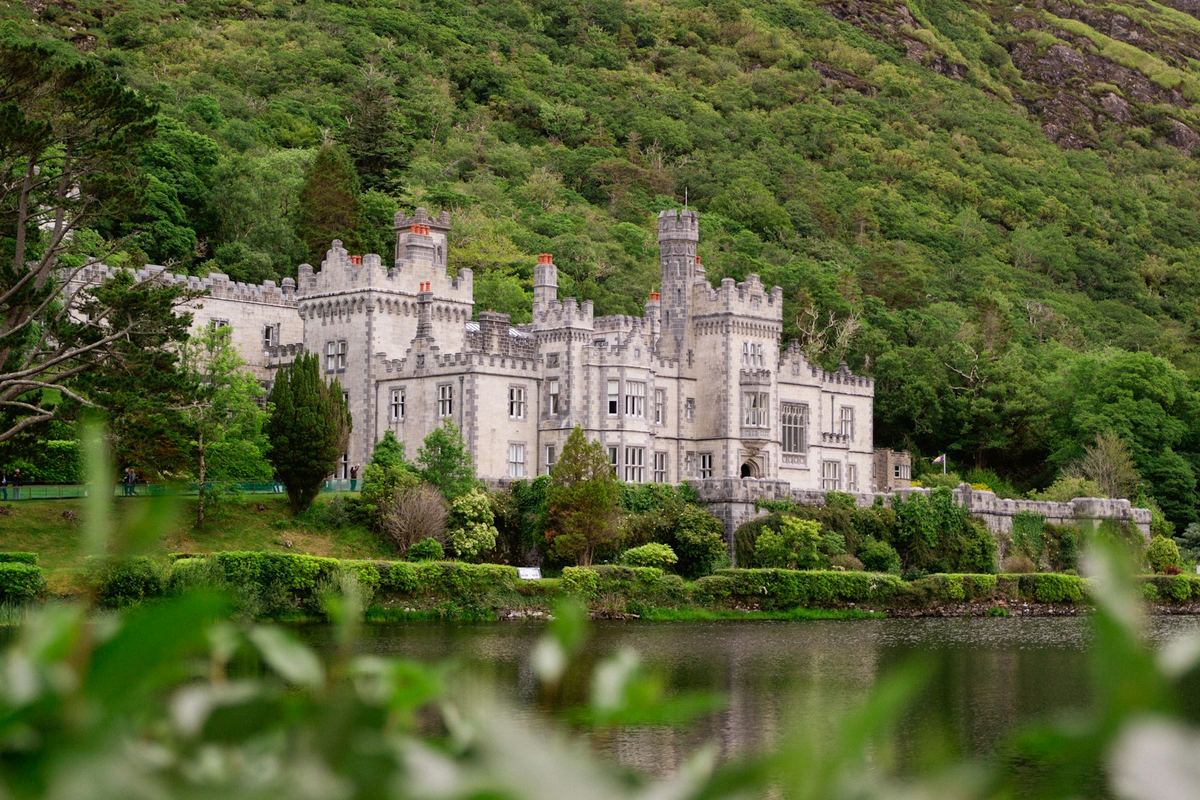
The road itself provides numerous opportunities to stop safely and admire the scenery. Keep an eye out for mountain reflections in lakes, isolated cottages, stone walls and patches of woodland surrounded by open land. This is the kind of place where a five-minute stop can easily become twenty minutes because the view keeps changing.
The Joy of the Connemara Roads
Connemara is perhaps the clearest example on this itinerary of why Ireland should be experienced by car. The road does not always appear to lead toward a dramatic landmark. Sometimes it simply winds between two hills or follows the edge of a lake. Yet those seemingly ordinary stretches can become some of your favourite memories because they create a feeling of movement through a landscape rather than movement between attractions.
Drive slowly enough to enjoy it. If you find a safe pull-off, stop. If a small village looks inviting, take a break. If the weather suddenly clears, find somewhere appropriate to pause and enjoy the view.
Traditional Villages and Local Life
If you have time, spend part of the afternoon in one of the smaller settlements around Connemara. Villages such as Clifden provide a useful base for food, coffee, shopping and fuel while retaining a much smaller scale than Galway. Clifden can also be a practical overnight location, particularly if you want to spend more time exploring the region before returning to Dublin. Its colourful streets, restaurants, cafés and pubs make it a pleasant place to finish the day.
This is another evening when you should leave the car parked. Walk through town, find somewhere for dinner and enjoy the quieter pace. After the liveliness of Galway, the contrast can be surprisingly refreshing.
Where to Stay in Connemara
Clifden is a convenient choice for this itinerary because it offers a good balance between access to the surrounding countryside and practical amenities. Alternatively, you can stay at a countryside guesthouse or small hotel if you prefer a quieter setting. If your accommodation is outside town, check whether there is an on-site restaurant or whether you will need to drive for dinner.
Food Note
Look for locally sourced ingredients and simple, hearty cooking. Seafood, lamb, beef, soups, cheeses, brown bread and seasonal vegetables fit naturally with the landscape and the slower pace of the region. If you find a traditional pub serving local food, consider making that your evening destination. The combination of a warm meal, a quiet drink and a rainy evening outside can feel like the perfect ending to a Connemara day.
Do Not Miss
Take at least one short walk away from the main road. Connemara's character changes dramatically when you step into the landscape and leave the sound of passing traffic behind. Even a gentle twenty- or thirty-minute walk can give you a stronger sense of the region than another hour spent driving from viewpoint to viewpoint.
Logistics
Roads in Connemara can be narrow and winding, and some routes may be slower than expected. Keep fuel levels comfortable because services become less frequent in rural areas. Download or prepare offline navigation if you expect to travel through areas with unreliable mobile coverage. Weather conditions can change quickly, particularly around the mountains. Waterproof clothing, sturdy walking shoes and extra layers are useful even during the warmer months.
Making Time for the Landscape
Connemara is the part of the itinerary where you should be most willing to abandon the schedule slightly. If the sky is clear and the mountains are glowing in the afternoon light, stay a little longer. If rain arrives, stop somewhere for tea. If a village has a café that looks welcoming, go inside.
By now, you have already seen medieval streets, colourful harbour towns, mountain lakes, dramatic cliffs, Atlantic beaches and ancient landscapes. Connemara gives you something different: space. It is a fitting final landscape experience before the journey turns east again.
Day 10 — Connemara → Dublin: The Road Home
Pace: Moderate and flexible, with approximately 3–4 hours of direct driving, depending on your starting point in Connemara and traffic around Dublin.
You can make the return journey relatively direct, which is the sensible option if you have a flight that day. If you have a later departure or an additional night in Dublin, however, you can allow yourself one final stop somewhere along the route for coffee or lunch.
The important thing is to resist the temptation to add a major detour simply because it is your final day. You have already experienced the most scenic sections of the route, and today's goal is to finish comfortably rather than turn the last few hours into a stressful race.
One Last Taste of the Countryside
If your schedule allows, stop at a small town or countryside café along the way. Have coffee, stretch your legs, and give yourself a final opportunity to watch ordinary Irish life rather than looking for another headline attraction.
Returning the Rental Car
If you are returning your car at Dublin Airport, allow more time than the navigation estimate suggests. You will need to refuel according to the rental company's requirements, locate the correct return area, unload your luggage, complete the vehicle handover and then make your way into the terminal.
If your rental agreement requires the car to be returned with a particular fuel level, check the nearest suitable petrol station before reaching the airport rather than leaving it until the final few minutes. If your flight is the following day, consider returning the car when you reach Dublin and spending your final night in the city without it. There is little advantage to paying for a vehicle that will sit unused while you explore central Dublin.
Food Note
If you have time for a final Irish meal, keep it simple. A good breakfast, café lunch or pub dinner can provide a more satisfying ending than trying to fit in one final elaborate restaurant reservation.
Do Not Miss
Before leaving Connemara, take one last photograph or simply stand somewhere quiet and look across the landscape. You have spent the trip moving through Ireland by road, and this final pause gives you a chance to appreciate how dramatically the scenery has changed since you first left Dublin.
Logistics
Allow generous time for the journey into Dublin, especially on weekdays when traffic can be considerably heavier than on rural roads. If you are flying internationally, build in additional time for the rental-car return and airport procedures. Ireland's electronic motorway tolls are handled through eFlow.
Where to Stay on This Ireland Road Trip
Accommodation can make a surprisingly large difference to the comfort of a road trip. Because this itinerary already involves several driving days, it is worth choosing places where you can park easily, walk to dinner when possible, and avoid unnecessary evening driving. Suggested hotels and stay styles in this article are samples only and depend on availability; in the Honge app they may appear as booking options when offered by our vendors.
- Dublin: staying centrally works well because you can explore the city on foot and avoid using a car during the first part of the trip.
- Kinsale: choose accommodation within or close to the town centre if possible. The ability to walk to restaurants and pubs makes the evening much more enjoyable.
- Killarney: two nights in the same accommodation are particularly useful. The town gives you easy access to Killarney National Park and the Ring of Kerry while allowing you to avoid moving luggage every morning.
- Dingle: staying near the centre means you can experience the town's restaurants and traditional pubs without needing to drive. This is especially useful if you want to enjoy an evening drink.
- Doolin: a small hotel, guesthouse or B&B can fit naturally with the village atmosphere. Staying here rather than immediately continuing to Galway also gives you more time around the Burren and Cliffs of Moher.
- Galway: central accommodation makes walking around the city much easier, although parking should be checked carefully before booking.
- Connemara: Clifden is a practical base because it combines access to the surrounding landscape with restaurants, cafés, shops and fuel. A countryside guesthouse can be more atmospheric if you prefer peace and quiet, but make sure you understand how far you will need to drive for dinner.
The most important accommodation principle is simple: do not underestimate the value of parking and walkability. A beautiful hotel that requires an awkward drive every evening may be less convenient than a modest guesthouse where you can park easily and walk into town.
The Irish Pub Experience
Traditional pubs are one of the most enjoyable cultural experiences on this itinerary, but they are best approached without too many expectations. A pub may be lively and musical one evening and quiet the next. A place known for traditional music may have no session at the exact time you visit, while a smaller pub you discovered by accident may turn into one of the highlights of your trip.
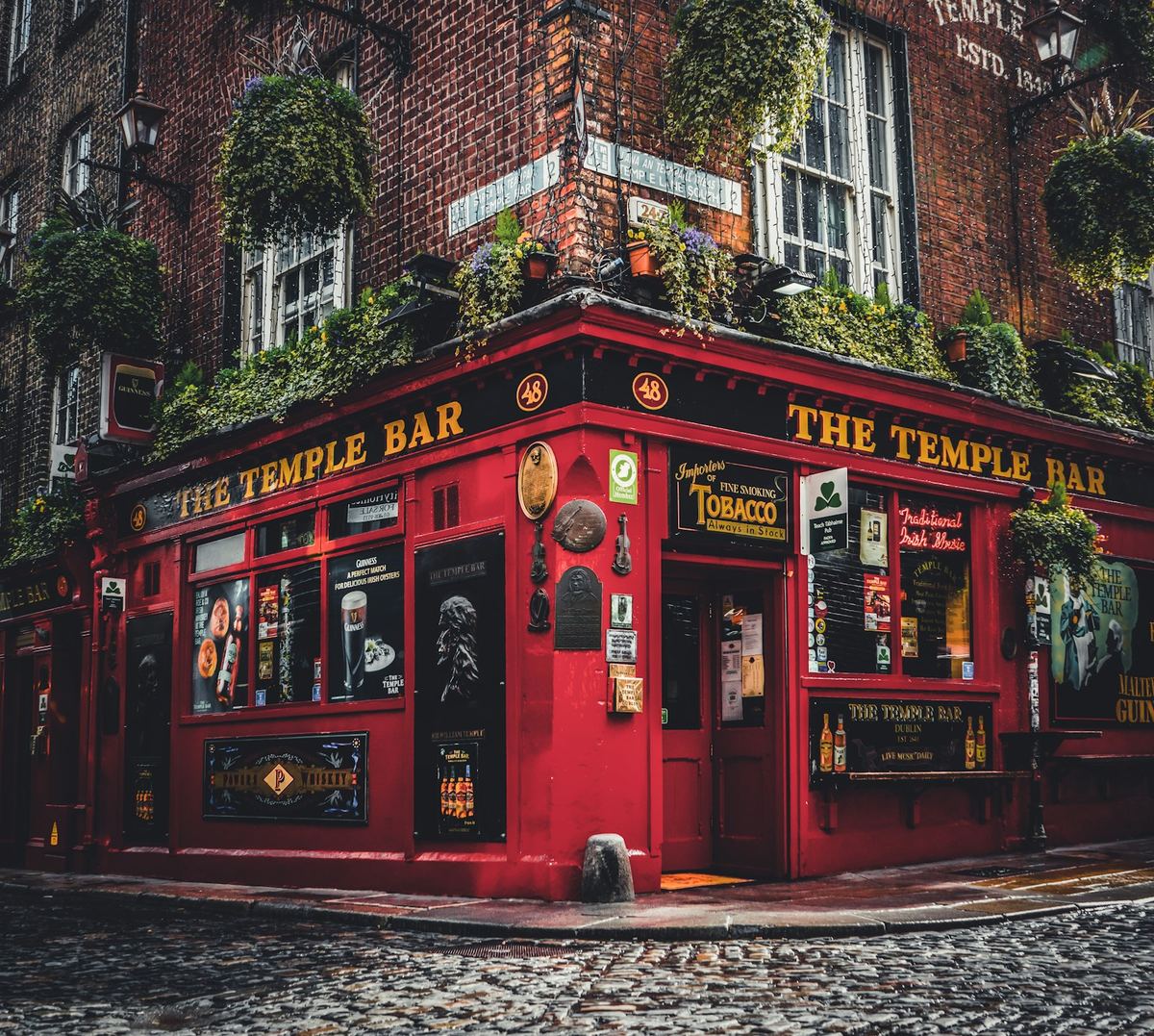
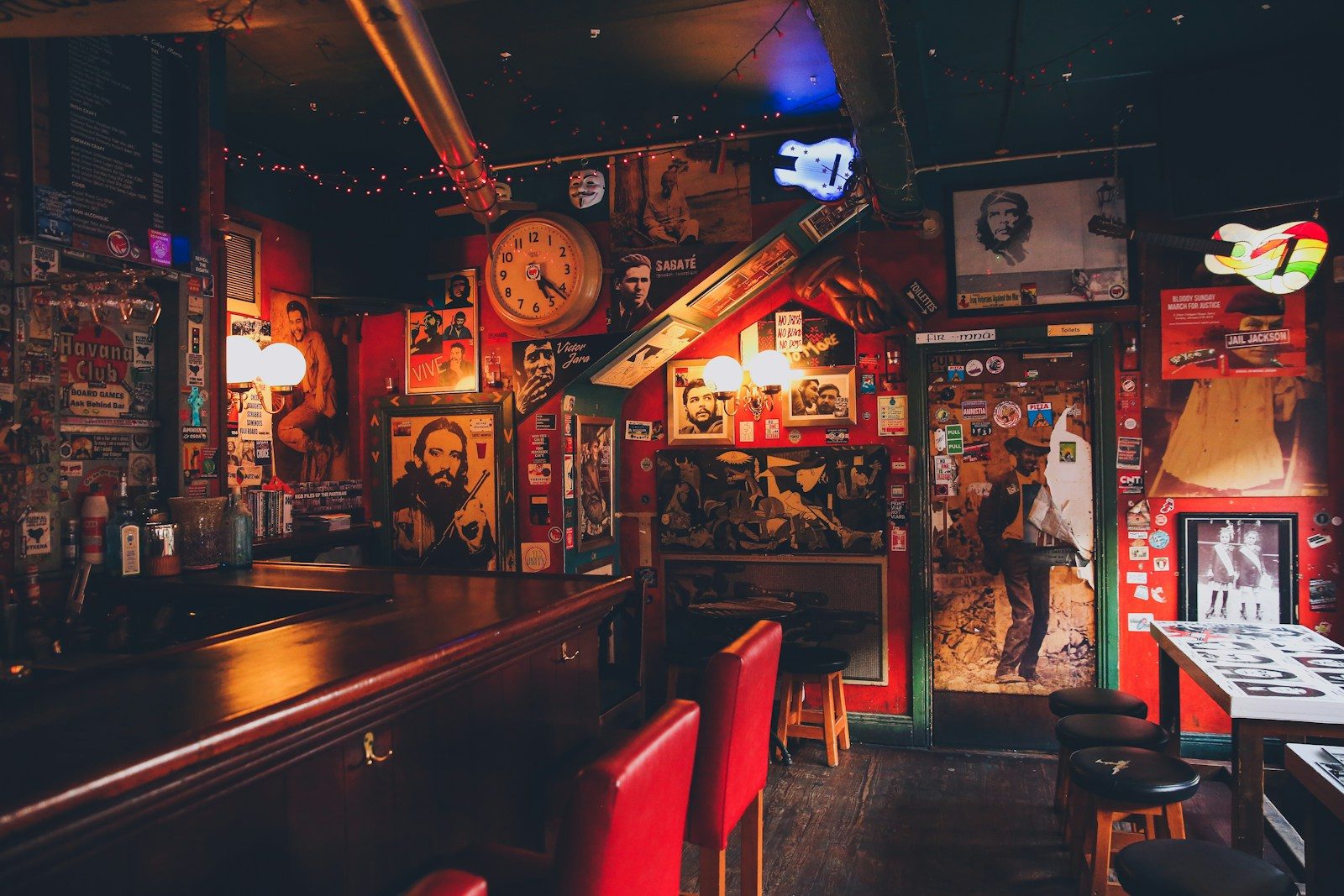
In towns such as Dingle, Doolin, Galway and Killarney, take time to explore rather than relying entirely on online lists. Ask your accommodation host where locals tend to go, or simply walk through town and see what feels welcoming.
If you encounter a traditional music session, remember that it is a cultural performance as well as entertainment. Keep conversations at a respectful volume, avoid getting in the musicians' way, and enjoy the music without treating the entire room as a photo opportunity.
If you are drinking and driving the next day, remember that Ireland's rural roads demand concentration and even a small amount of alcohol can make driving unsafe. The easiest solution is to leave the car parked whenever you plan to drink.
Driving in Ireland: Practical Tips for First-Time Visitors
- Driving on the left is one of the first things visitors from right-hand-driving countries need to adjust to. The adjustment becomes easier after a few hours, but the first morning deserves extra concentration.
- Roundabouts require particular attention. Keep to the appropriate lane and remember that traffic circulates in the opposite direction from what drivers accustomed to right-hand traffic may expect.
- Rural roads can be narrow enough that two vehicles need to slow significantly when passing. Do not assume that the posted speed limit means you should drive at that speed in every circumstance. Road conditions, visibility, bends, weather and traffic should determine your actual safe speed.
- You may also encounter roads bordered by hedges or stone walls, cyclists, walkers, livestock, tractors and vehicles approaching from unexpected directions. Patience is much more useful than confidence.
- Before each longer driving day, check the weather and make sure you have enough fuel. Download offline maps if you will be spending significant time in rural areas, and keep your phone charged.
- If you are unfamiliar with manual transmission, consider renting an automatic vehicle. Automatic cars can be more expensive or less widely available, so book early if that is your preference.
- Most importantly, avoid driving after drinking. Leave the vehicle parked and walk, use a taxi, or arrange another safe way to get back to your accommodation.
Visitor driving guidance is published by the Road Safety Authority. National roads and traffic information sit with Transport Infrastructure Ireland.
What Should You Budget?
The cost of an Ireland road trip varies considerably depending on the season, accommodation style, rental-car category, dining choices and how far in advance you book.
Your major expenses will generally include accommodation, rental car, fuel, food and drinks, attractions, parking, and any ferry crossings or additional activities.
Accommodation tends to be one of the largest variables. A small guesthouse or B&B can offer a very different price from a high-end hotel, while central locations in popular destinations can command higher rates during peak periods.
Rental-car prices can also fluctuate significantly. Automatic vehicles are often more expensive than manual cars, and the total cost may increase once insurance, additional drivers, child seats and other options are added.
Fuel costs should be considered carefully because rural driving involves plenty of smaller roads and scenic detours. At the same time, this itinerary does not require enormous daily distances, so keeping the route compact helps control unnecessary mileage.
Food can be managed according to your preferences. You can alternate between cafés, pubs, casual restaurants and more elaborate dinners instead of eating at high-end restaurants every evening.
The best approach is to build your budget around your accommodation and rental car first, then leave a flexible daily allowance for food, fuel and activities.
What to Pack for an Ireland Road Trip
Pack for changing weather rather than a particular season.
A waterproof jacket is one of the most useful things you can bring, particularly for the western coast. Add comfortable walking shoes with good grip because even easy walks can become wet or muddy.
Layers are more useful than a single heavy jacket because temperatures and wind conditions can change throughout the day. A lightweight fleece or sweater can be combined with a waterproof outer layer when necessary.
A small daypack is useful for short walks, while sunglasses, sunscreen, a reusable water bottle and a power bank are easy additions that can make long driving days more comfortable.
Keep a small amount of practical gear in the car, including tissues, snacks, charging cables and a bag for wet clothing. You may also want a small umbrella, although a good waterproof jacket is generally more useful on exposed coastal walks.
Most importantly, you will be moving between several accommodations, and a lighter suitcase makes the entire road trip easier.
Important Ireland Road Trip Links
- Ireland.com — official tourism planning, regions and travel inspiration
- Discover Ireland — accommodation, attractions, activities and regional information
- Wild Atlantic Way
- Fáilte Ireland — national tourism development authority
- Road Safety Authority — driving rules and visitor road safety
- National Driver Licence Service
- Transport Infrastructure Ireland
- eFlow — electronic toll roads and payment
- Irish Car Rentals — compare with other providers before booking
- Dublin Airport
- Cliffs of Moher — visitor information, tickets and safety guidance
- Killarney National Park
- Connemara National Park
- Galway Tourism
- Dingle Peninsula
- Shannon Ferries — Tarbert–Killimer crossing
- Met Éireann — national weather service
Prompts to Try in Honge
- Plan a 10-day Ireland road trip for first-time visitors, starting and ending in Dublin, with the Wild Atlantic Way as the focus.
- Turn this Ireland itinerary into nine days without dropping Killarney, Dingle or the Cliffs of Moher.
- Suggest overnight bases with easy parking and walkable dinners for Kinsale, Killarney, Dingle, Doolin, Galway and Clifden.
- Build a day-by-day driving schedule for this Ireland loop with realistic departure times and ferry options.
- Find short walks and viewpoints on the Ring of Kerry and Slea Head Drive for travellers who are not hikers.
- Create an Ireland packing list for a road trip with coastal wind, rain and pub evenings.
- Where should I stop for seafood and traditional music between Kinsale, Dingle, Doolin and Galway?
Ireland Road Trip FAQs
Is 10 days enough for an Ireland road trip?
Ten days is a comfortable amount of time for this particular route. You will not see every corner of Ireland, but you can experience Dublin, the southeast, southwest Kerry, the Dingle Peninsula, County Clare, Galway and Connemara without needing to change hotels every night. The itinerary works because it focuses on a manageable section of the country rather than attempting to circle the entire island.
Is Ireland difficult to drive around for first-time visitors?
Driving in Ireland can take some adjustment, particularly for travellers accustomed to driving on the right. The biggest challenges are driving on the left, navigating roundabouts and dealing with narrow rural roads. Once you become comfortable with the vehicle and driving side, the experience becomes much easier. The key is to drive according to conditions rather than treating the posted speed limit as a target.
Should I rent a car in central Dublin?
It is generally more convenient to explore central Dublin without a car and collect your rental vehicle when you are ready to leave the city. This avoids unnecessary city driving and parking costs and lets you begin the road trip once you are already heading into the countryside.
Is the Ring of Kerry worth including?
The Ring of Kerry provides a concentrated experience of the landscapes that make southwest Ireland famous, including mountains, coastline, bays, villages and scenic viewpoints. Rather than trying to complete it as quickly as possible, allow a full day and choose several stops where you can actually spend time outside the car.
Is Slea Head Drive suitable for first-time drivers in Ireland?
Slea Head is manageable for a cautious driver, but some roads around the Dingle Peninsula are narrow and require patience. Drive slowly, watch for oncoming traffic and use safe passing areas. The route is much more enjoyable when you accept that the journey will take longer than the distance might suggest.
How long should I spend at the Cliffs of Moher?
Allow at least a couple of hours if you want to walk along the appropriate viewing paths rather than simply seeing the cliffs from one point. Weather and crowd levels can affect how long you want to stay. If conditions are particularly windy or wet, prioritize safety and follow local guidance.
What should I eat in Ireland?
Try a mixture of traditional and contemporary Irish food. Seafood is particularly appropriate along the west coast, while soups, stews, Irish cheeses, brown bread, local meat and pub dishes provide a taste of more traditional cooking. Galway, Kinsale, Dingle and other towns along the route also offer modern Irish restaurants and independent cafés.
Are traditional pubs suitable for families?
Many Irish pubs are community spaces rather than purely nightlife venues, and some welcome families at appropriate times. Policies vary, however, and evening rules can differ between establishments. If you are travelling with children, check locally and choose a venue that suits your family's needs.
What if it rains during the road trip?
Keep going, with a little flexibility. Rain is part of the Irish landscape, and some coastal scenery can be even more atmospheric under dramatic skies. Have waterproof clothing available, shorten outdoor activities when conditions are poor, and use cafés, pubs, museums, historic sites and scenic drives to balance the day.
Should I book accommodation in advance?
For a first-time trip following this route, booking ahead is sensible, especially during the main summer season. Killarney, Dingle, Doolin, Galway and popular areas of Connemara can become busy. Booking early also makes it easier to choose accommodations with convenient parking and walkable locations.
Is this itinerary suitable for people who do not hike?
Yes. The itinerary focuses on light outdoor activities rather than strenuous hiking. You can experience Killarney National Park, the Ring of Kerry, Slea Head, the Burren, the Cliffs of Moher and Connemara through viewpoints, short walks, beaches, parks and scenic drives without completing demanding trails.
Can I do this trip in nine days instead of ten?
Yes, but the journey will feel more compact. The easiest adjustment is to combine some of the time around Galway and Connemara or shorten one of the overnight stops. If you have a choice, however, the 10-day version is better suited to the relaxed style of travel this itinerary is designed around.
Plan Your Ireland Road Trip with Honge
A 10-day Ireland road trip can give you an extraordinary introduction to the country, but its success should not be measured by the number of attractions you manage to photograph.
Ireland does not demand that you hurry. Its narrow roads practically insist that you slow down, its weather encourages flexibility, its villages reward wandering, and its coastline continually gives you another reason to stop. So leave some space in the schedule.
Take the scenic road when the conditions are right. Pull over safely when the view deserves it. Order the local dish. Stay for another song. Walk a little farther. Let the rain pass. And somewhere between Dublin and the Atlantic, you may discover that the perfect Ireland road trip was never really about getting from one destination to another. It was about enjoying the road in between.
If you want to own that enjoyment, use this itinerary as a framework and customize or remix it with Honge around your preferred routes, budget, travel style and pace.
Ready for the Wild Atlantic Way?
Customize this itinerary with AI
Keep Dublin, Killarney, Dingle, Doolin, Galway and Connemara as bases, then shape driving days, ferry timing and pub evenings around how you travel.
Related itineraries
- 7 Days Solo in Cyprus: Paphos, Troodos, Limassol & Nicosia
- 8 Days Solo in Romania: Bucharest, Brașov, Sibiu & Dracula's Transylvania
- 5 Days Solo in Luxembourg: City, Moselle Wine Country & Müllerthal
- 7 Days Solo in Slovakia: Bratislava, the High Tatras & Košice
- 7 Days in New England: The Ultimate Fall Foliage Road Trip
- 8-Day London and Southern England Itinerary: Museums, Cricket, Bath & Jurassic Coast
- 4-Day Santa Fe & Taos Itinerary: Art, Culture & Rio Grande Gorge
- 7-Day Harry Potter Britain Itinerary: London, Oxford & Scotland
- 10-Day Taiwan Solo Itinerary: Taipei Food, Nature & Culture
Written by
This blog was contributed by B. Sai Nikita, a travel enthusiast and writer. B. Sai Nikita can be reached at bsainikita10@gmail.com.
About Honge
Honge is an AI travel planning platform focused on practical, experience-led itineraries with realistic pacing and logistics. All blog content is edited and published by Honge. Our Ireland research draws on updated practical logistics as of September 2026. © Honge. All rights reserved.
Image credits: Photos are sourced from Unsplash and Wikimedia Commons. Copyright remains with their respective photographers and rights holders. Unsplash images are used according to the Unsplash License. Wikimedia Commons images are used according to their applicable CC BY-SA 4.0 license terms.
Travel disclaimer
This itinerary is intended as general travel inspiration and planning guidance only — not as personalised travel, safety, driving or medical advice. Conditions change. Before you travel, check current entry requirements, visa rules and any travel advisories issued by your government for Ireland. Review weather and road conditions for your dates, including coastal wind, ferry schedules and alpine or mountain weather in Kerry and Connemara, confirm attraction hours, tickets and operator bookings (including the Cliffs of Moher, Killarney National Park, Connemara National Park, Kylemore Abbey and Shannon Ferries) directly with official sources, and take out comprehensive travel insurance that covers medical care, driving, cancellation and disruption. Rental-car terms, insurance and excess vary; Ireland drives on the left, and you must follow local traffic rules, posted signs and alcohol limits. Cliff edges, wet paths, livestock on rural roads and narrow coastal routes involve risk; choose stops that match your experience, and never obstruct a road for a photograph. Suggested hotels and stay styles in this article are samples only and depend on availability; in the Honge app they may appear as booking options when offered by our vendors at the time of your search. Honge is not responsible for decisions made based on this guide or for changes to places, prices, access, services or experiences after the date of publication.