
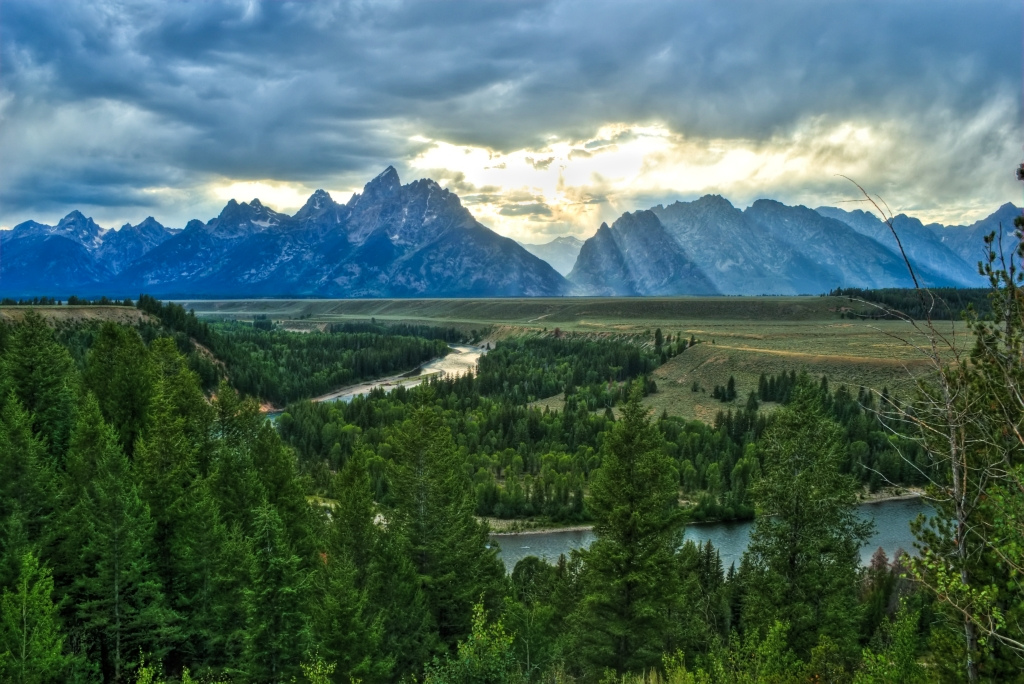
Stretching across the states of Wyoming, Montana, and Idaho, Yellowstone National Park and Grand Teton National Park offer one of America's most spectacular family road trip experiences. These neighbouring parks promise unforgettable adventures at every turn.
Start with this itinerary
Open this route in Honge as your starting point, then shape the days, stays, and pace around how you travel.
This 11 day Yellowstone and Grand Teton itinerary is designed to help families experience the very best of both parks without feeling rushed, including a dedicated day for Lamar Valley wildlife viewing at the times when animals are most active. Beginning in Jackson Hole and ending in Bozeman, the route balances scenic drives, easy hikes, wildlife viewing, geothermal attractions, and comfortable overnight stops. Whether it's your first visit or you're returning to explore more, this guide covers everything you need, from where to stay and what to see to the best places for wildlife encounters and family friendly activities.
Travel Tip: Fuel stations inside Yellowstone are limited, so fill up your tank whenever you pass one. Download offline maps before entering the parks, as mobile coverage is unreliable in many areas.
Before You Go
Which airport should you fly into?
| Airport | Pros | Cons |
|---|---|---|
| Jackson Hole Airport (JAC) - Recommended | Inside Grand Teton National Park, shortest transfer, ideal start point. | Usually the most expensive flights and car rentals. |
| Bozeman Yellowstone International (BZN) | More flight options, often better fares, good for north/west Yellowstone access. | Longer drive to Grand Teton at trip start. |
| Idaho Falls Regional (IDA) | Often cheaper and less crowded. | Furthest from both parks; more total driving time. |
How many days should you spend?
- Grand Teton National Park: 3 days
- Yellowstone National Park: 7 days (including a dedicated Lamar Valley wildlife day)
- Departure: Day 11 via Bozeman
Approximate driving: arrival day 30-60 km, Grand Teton 50-120 km/day, transfer 180-220 km, Yellowstone 150-250 km/day, departure 150-200 km.
National Park Pass: Buy the America the Beautiful Pass before your trip for best value across both parks: National Park Pass information.
Best time to visit
- June: Wildflowers, full waterfalls, baby wildlife.
- July-August: Warmest weather and fully open facilities, but peak crowds.
- September: Cooler air, fall color in Grand Teton, elk rut season, and fewer visitors.
Wildlife you may see
American bison, elk, moose, grizzly bears, black bears, wolves, coyotes, pronghorn, bald eagles, trumpeter swans, marmots, and beavers.
Where should you stay?
Grand Teton National Park
- Jackson Lake Lodge - Iconic lodge with panoramic Teton views.
- Colter Bay Village & Cabins - Rustic cabins near lake and trails.
- Headwaters Lodge at Flagg Ranch - Strategic midpoint between both parks.
Yellowstone National Park
- Old Faithful Inn - Historic and iconic inside the geyser basin area.
- Canyon Lodge & Cabins - Excellent base for canyon and valley access.
- Lake Yellowstone Hotel & Cabins - Scenic lakeside stay.
Why This Itinerary Works
- Smart one-way route: arrive in Jackson, depart from Bozeman.
- Balanced sightseeing: easy hikes, viewpoints, geothermal stops, and rest windows.
- Excellent wildlife opportunities in Teton, Hayden Valley, and a dedicated Lamar Valley day.
- Family-friendly pacing with realistic park drive times and a Mammoth/Gardiner base before departure.
Journey Overview
Day 1: Jackson Hole arrival, Town Square, Snake River Overlook
Day 2: Jenny Lake, Hidden Falls, Inspiration Point
Day 3: Mormon Row, Chapel of the Transfiguration, Jackson Lake
Day 4: Transfer to Yellowstone, Lewis Falls, West Thumb, Yellowstone Lake
Day 5: Old Faithful and Upper Geyser Basin
Day 6: Grand Prismatic Spring and Madison Valley
Day 7: Grand Canyon of the Yellowstone and Hayden Valley
Day 8: Mud Volcano, Yellowstone Lake, Fishing Bridge
Day 9: Mammoth Hot Springs
Day 10: Lamar Valley wildlife safari
Day 11: Scenic drive to Bozeman and departure
Day 1: Arrive in Jackson Hole & Explore Wyoming's Mountain Gateway
Arrive in Jackson Hole, the gateway to Grand Teton National Park, and collect your rental car before checking into your hotel. Spend a relaxed afternoon exploring the lively Jackson Town Square, known for its iconic elk antler arches, local boutiques, art galleries, and western charm. It's the perfect introduction to your Wyoming adventure.
Later, head to a scenic Snake River Overlook to enjoy your first views of the magnificent Teton Range. As the sun begins to set, watch the mountains glow against the river while keeping an eye out for elk, moose, and bald eagles. End the day with dinner in Jackson.
Note: Check the official National Park Service website for trail conditions, visitor centres, maps and seasonal updates before your visit: https://www.nps.gov/grte/index.htm.
Day 2: Discover Jenny Lake, Hidden Falls & Grand Teton Scenery
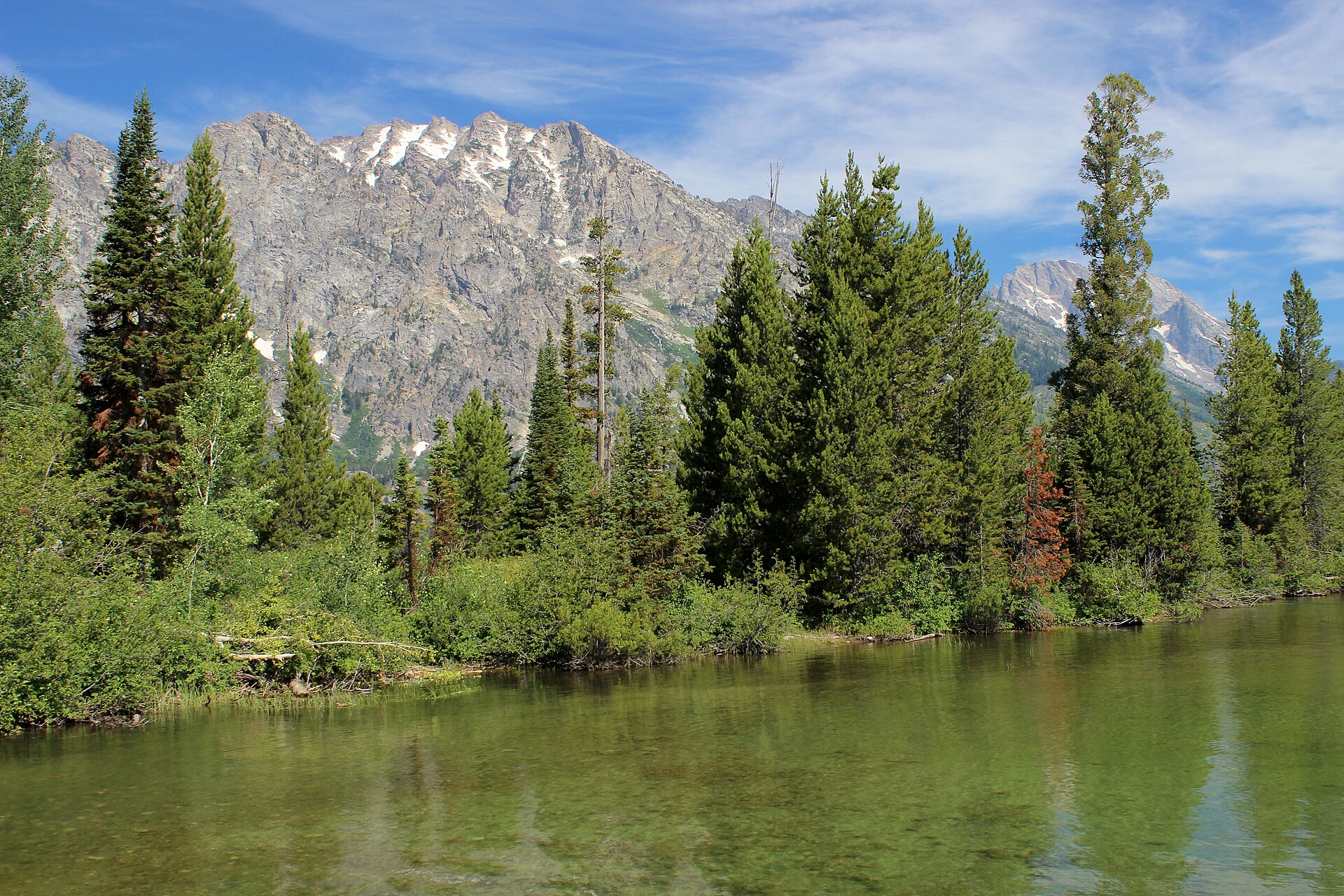
Start your day at Jenny Lake, one of the most scenic spots in Grand Teton National Park. Take the shuttle boat across the lake and enjoy a short hike to Hidden Falls and Inspiration Point, where panoramic views of the Teton Range await.
In the afternoon, relax at String Lake, a favourite for families because of its calm, shallow waters and lakeside picnic areas. End the day with a drive to Oxbow Bend, one of the park's best wildlife viewing spots, where you may spot moose, elk, beavers, and bald eagles at sunset.
Note: Take the first shuttle boat across Jenny Lake if you plan to hike to Hidden Falls and Inspiration Point. Morning departures are quieter and offer cooler hiking conditions.
Day 3: Explore Mormon Row, Jackson Lake & Wildlife Encounters
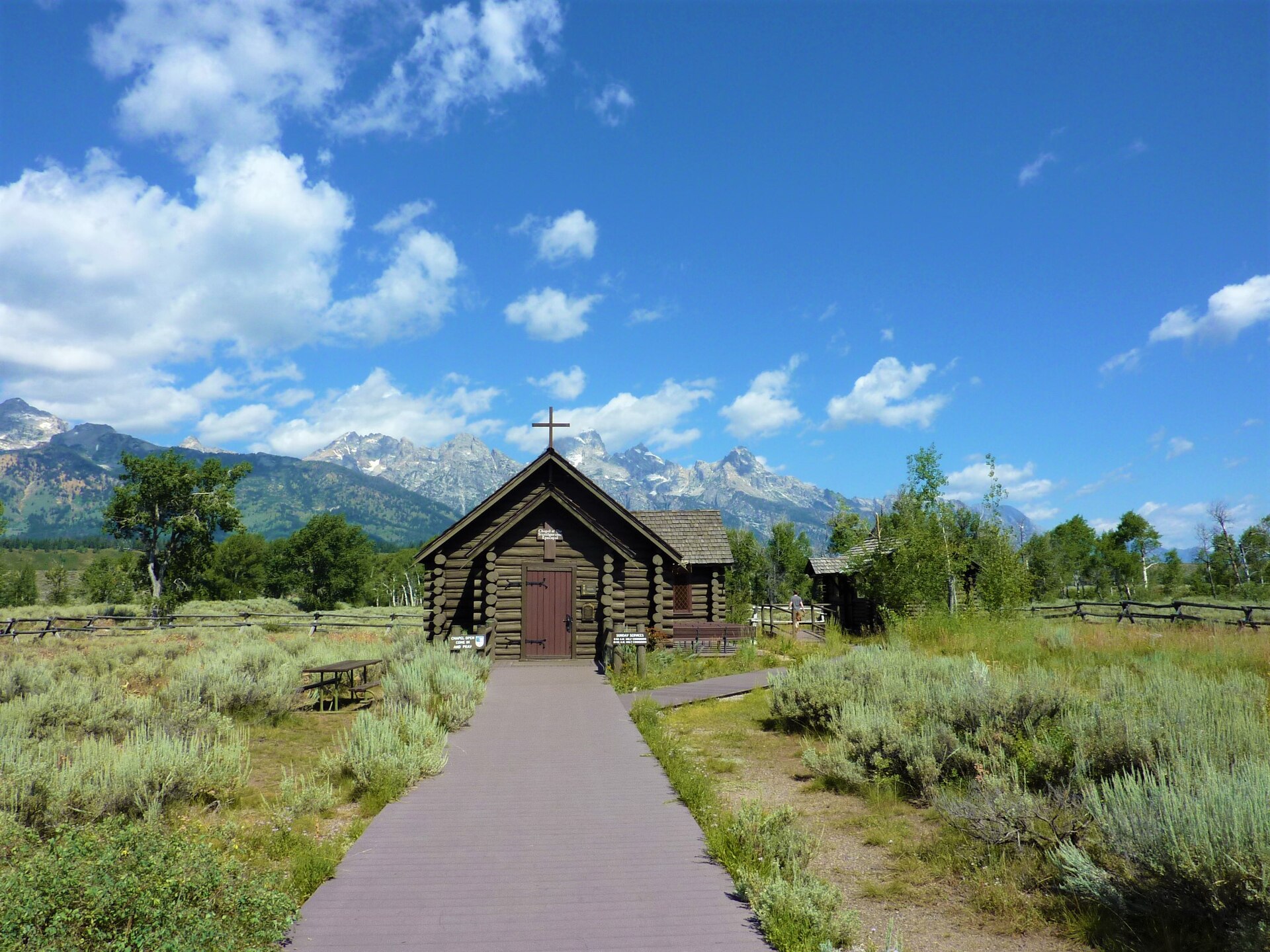
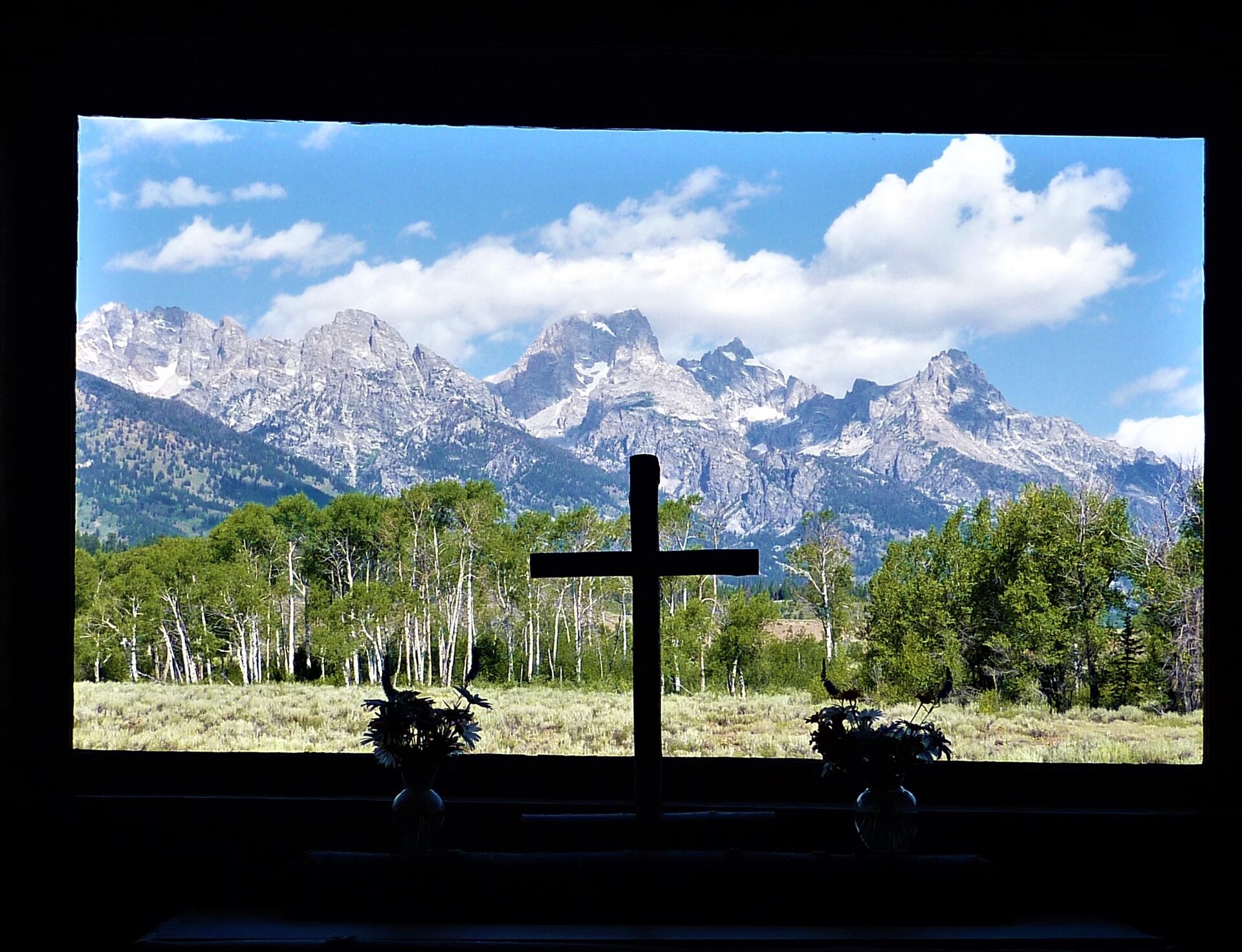
Begin your morning at Mormon Row Historic District, where the iconic barns frame the stunning Teton Range. Continue to the Chapel of the Transfiguration and nearby Menor's Ferry Historic District to discover the area's pioneer history and enjoy peaceful mountain views.
Spend the afternoon at Jackson Lake, where you can enjoy a scenic boat cruise, kayaking, or simply relax along the shoreline. Finish the day with a wildlife drive through the park.
Day 4: Journey to Yellowstone via Lewis Falls & Yellowstone Lake
After breakfast, leave Grand Teton National Park and enjoy a scenic drive north into Yellowstone National Park. Stop at Lewis Falls before continuing to West Thumb Geyser Basin, where colourful hot springs sit along the shores of Yellowstone Lake.
Spend the afternoon exploring the lakeside boardwalks and geothermal features while taking in views of North America's largest high elevation lake. Check in to your accommodation near Grant Village or West Thumb and relax before beginning your Yellowstone adventure.
Note: Driving distances inside Yellowstone are longer than they appear on the map. Allow extra time for wildlife crossings, scenic stops, and occasional traffic caused by animal sightings.
Note: Bookmark the official National Park Service website for real-time road conditions, maps, geyser information, wildlife safety, and visitor updates throughout your stay: https://www.nps.gov/yell/index.htm.
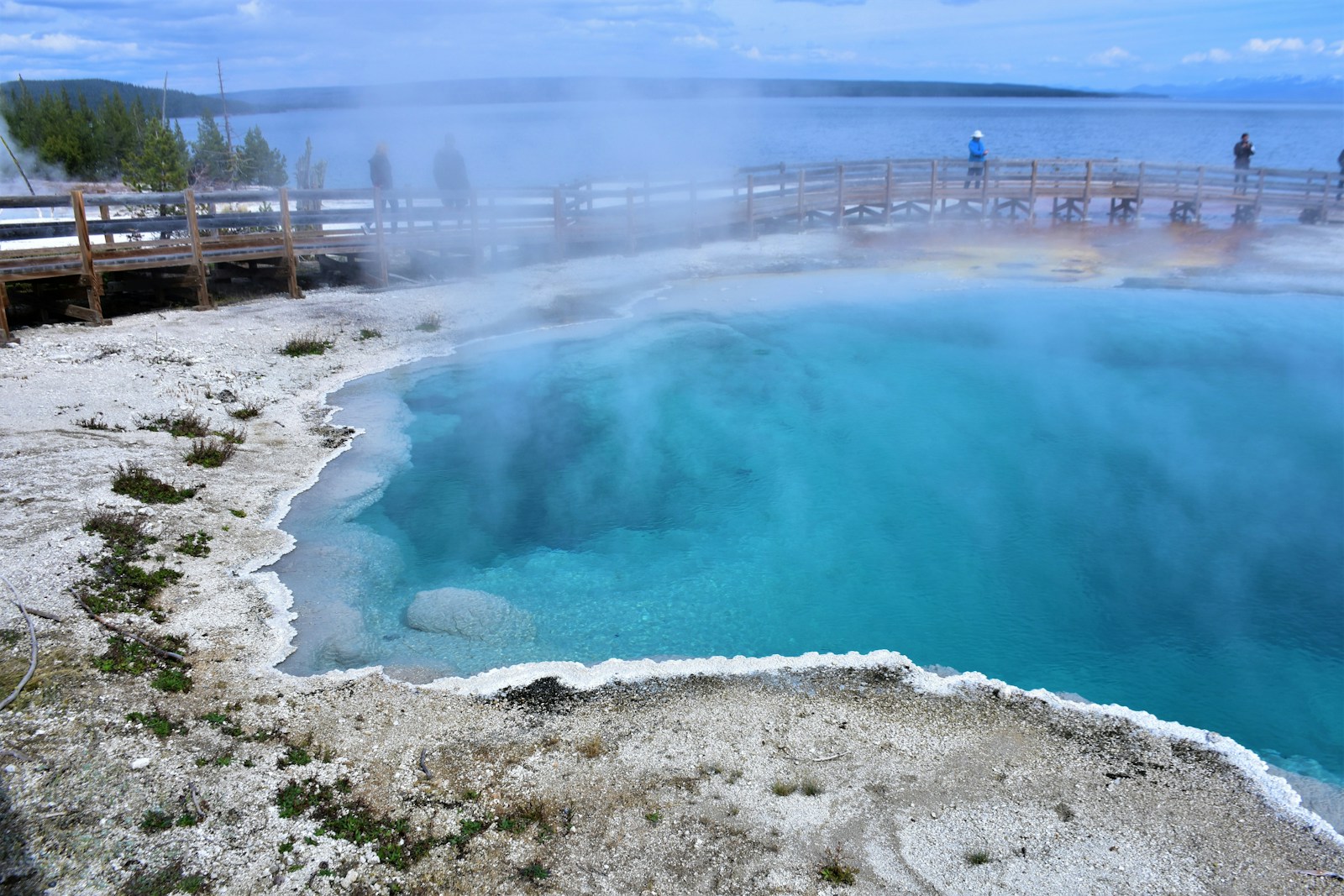
Day 5: Visit Old Faithful & Explore Yellowstone's Geysers
Start your morning at Old Faithful, Yellowstone's most famous geyser, and watch its spectacular eruption. Continue through the Upper Geyser Basin, where boardwalks lead past colourful hot springs, bubbling pools, and impressive geothermal features.
Spend the afternoon exploring highlights like Castle Geyser, Grand Geyser, and the vibrant Morning Glory Pool. End the day by admiring the rustic architecture of the historic Old Faithful Inn before returning to your accommodation.
Note: Check the predicted eruption times at the Old Faithful Visitor Education Center before exploring the Upper Geyser Basin so you don't miss the next eruption.
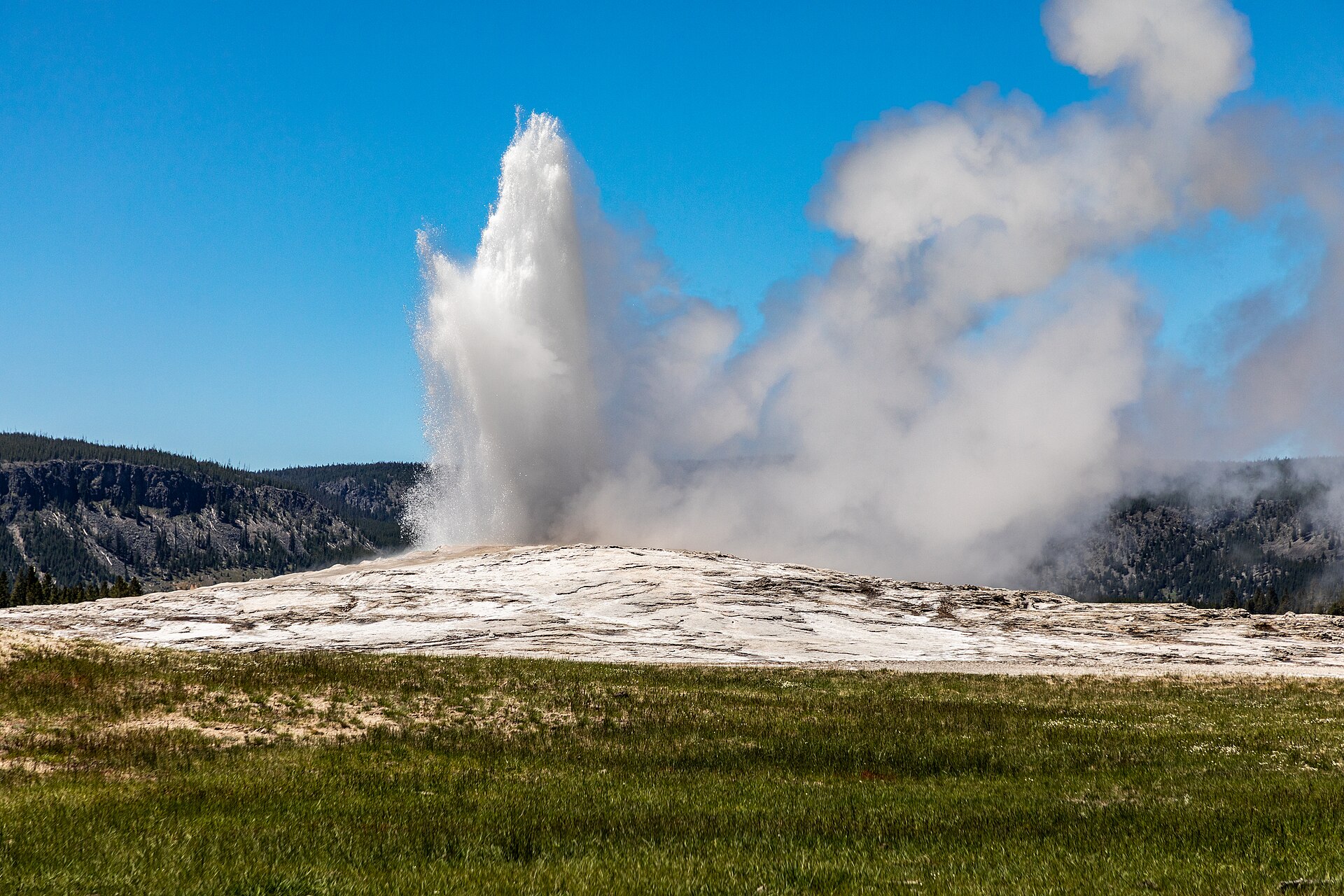
Day 6: Grand Prismatic Spring & Madison Valley
Begin your day at the spectacular Grand Prismatic Spring, Yellowstone's largest and most colourful hot spring. Walk the boardwalk for close up views, then hike to the Fairy Falls Overlook for the park's most iconic panoramic viewpoint.
In the afternoon, visit the bubbling Fountain Paint Pot before taking a scenic drive through Madison Valley. Keep your camera ready, as this area is one of the best places in Yellowstone to spot wildlife.
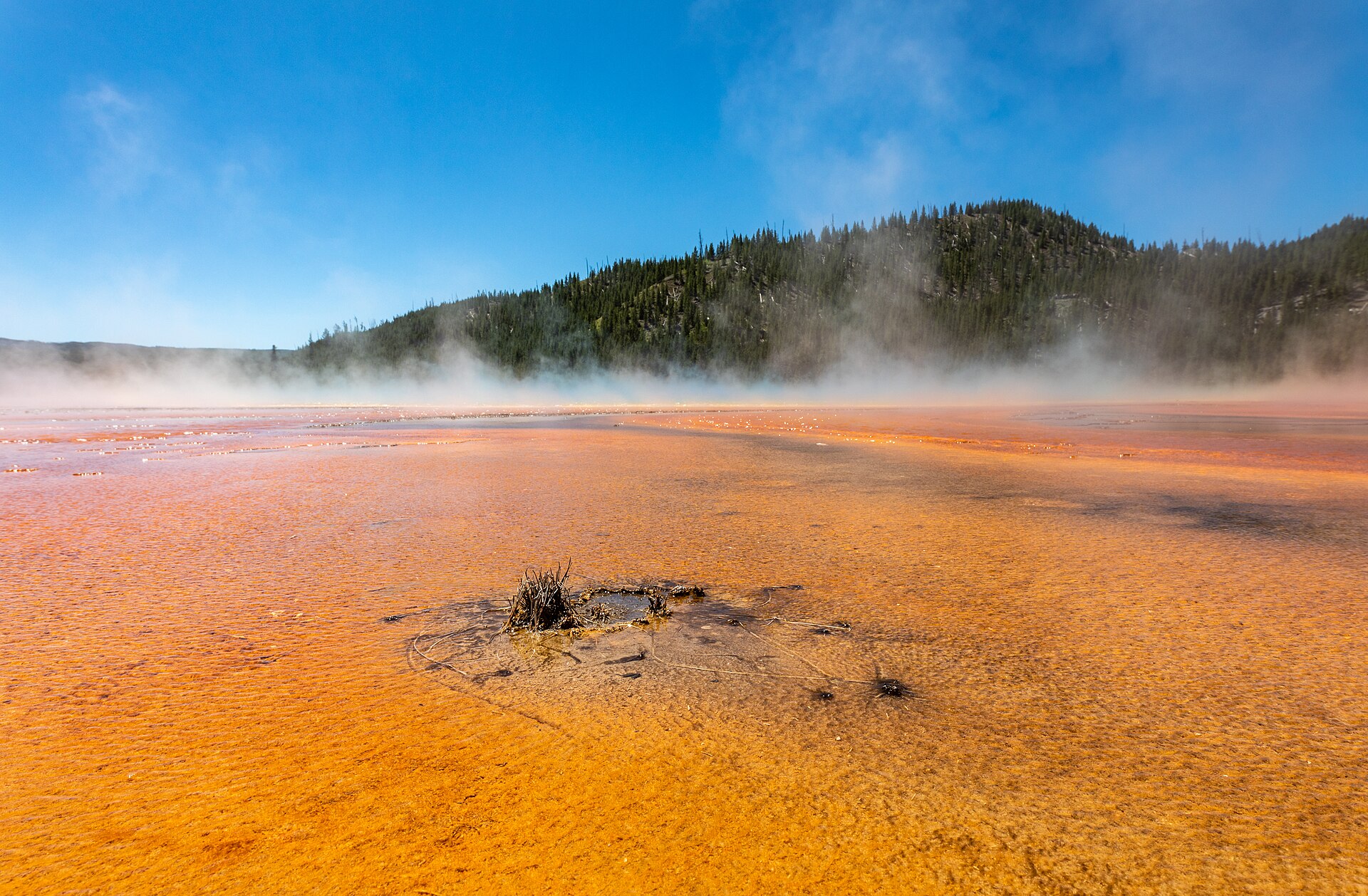
Day 7: Explore the Grand Canyon of the Yellowstone & Hayden Valley
Begin your day at the spectacular Grand Canyon of the Yellowstone, where dramatic cliffs frame the Upper and Lower Falls. Walk to Artist Point for one of the park's most iconic viewpoints and breathtaking canyon scenery.
In the afternoon, continue to Hayden Valley, one of Yellowstone's best wildlife viewing areas. Watch for bison, elk, bears, and bald eagles before returning to your lodge.
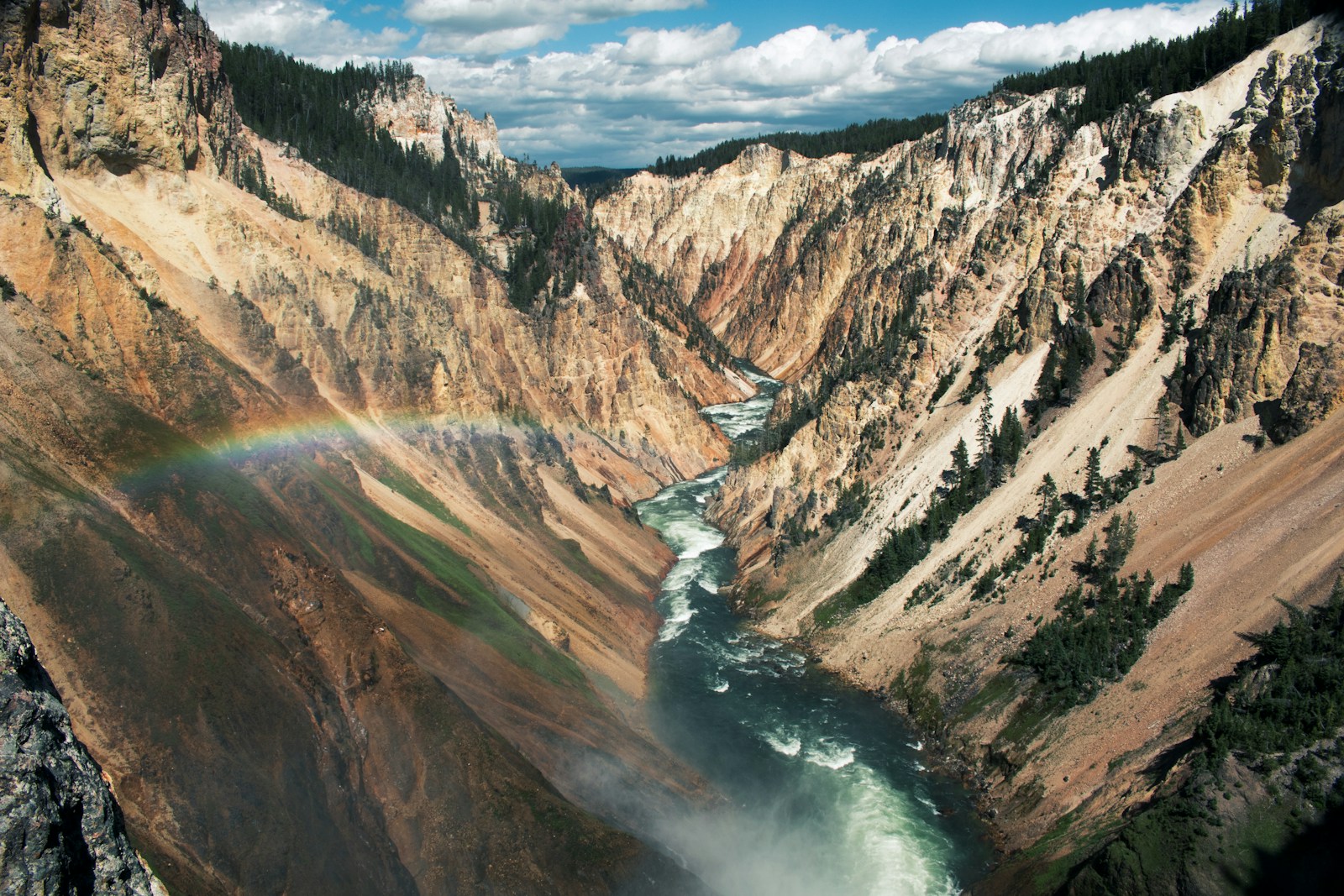
Day 8: Discover Mud Volcano & Yellowstone Lake
Start your day at the fascinating Mud Volcano Area, where bubbling mud pots, steaming vents, and Dragon's Mouth Spring showcase Yellowstone's powerful geothermal activity. Follow the short boardwalk trails to experience these unique natural wonders up close.
In the afternoon, head to Yellowstone Lake and Fishing Bridge for beautiful lakeside views and opportunities to spot birds and wildlife. Relax by the water or enjoy an optional kayaking experience before returning to your accommodation.
Note: Looking for an extra adventure? Yellowstone National Park Lodges offers seasonal water activities on Yellowstone Lake, including scenic boat cruises and guided experiences. Check availability and book in advance here: https://www.yellowstonenationalparklodges.com/adventure/water-adventures/.
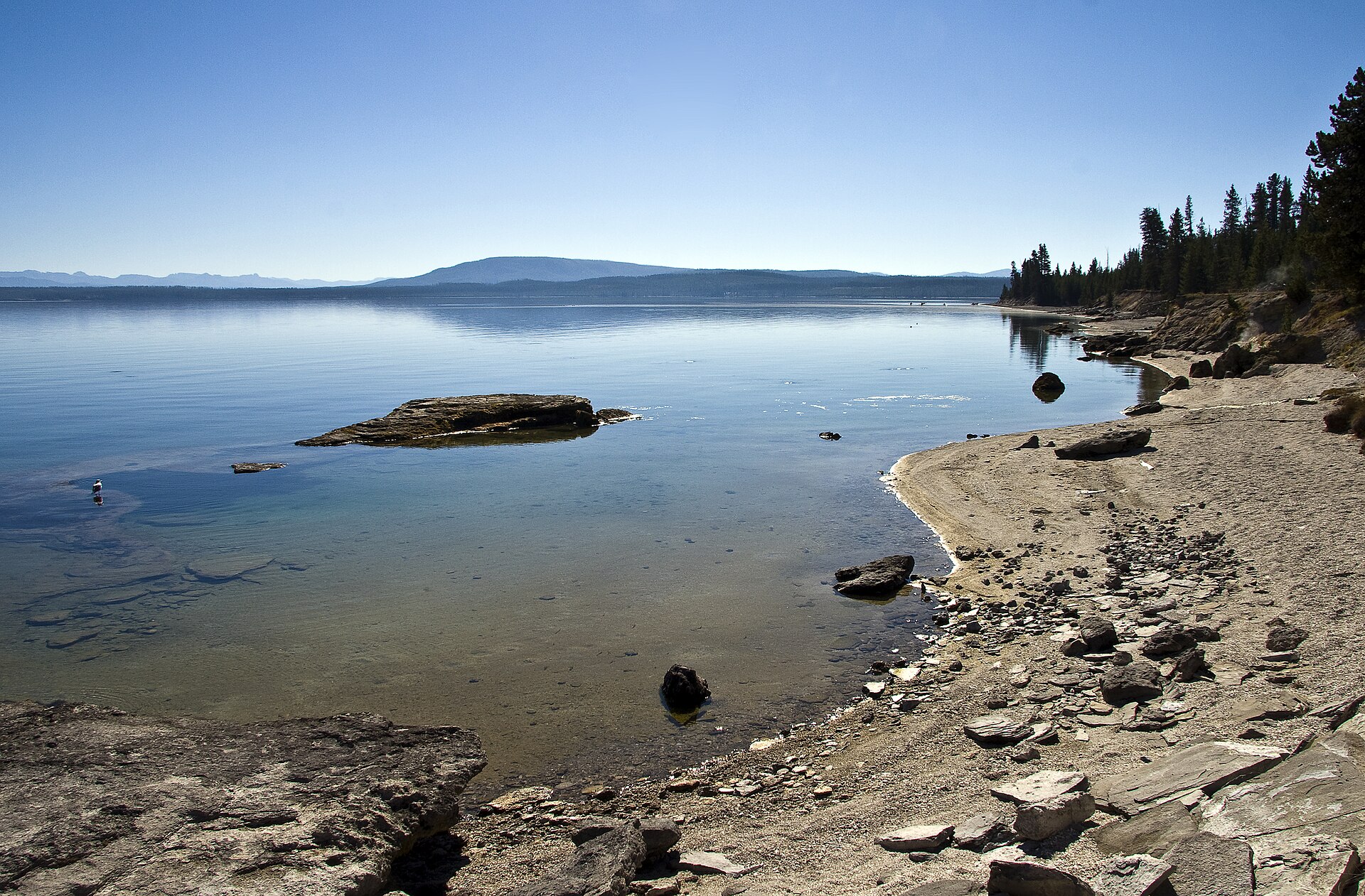
Day 9: Explore Mammoth Hot Springs
After breakfast, leave the Lake and Canyon area and drive north to Mammoth Hot Springs, where striking white limestone terraces create one of Yellowstone's most unique landscapes. Wander the boardwalks and admire the constantly changing formations, from the Lower Terraces to Canary Spring.
Check into a base near Mammoth or the nearby gateway town of Gardiner, Montana, for the next two nights. Spend the rest of the afternoon relaxing, exploring the historic Fort Yellowstone district, or taking a short walk along the Gardner River.
Note: Basing yourself near Mammoth or Gardiner for two nights keeps tomorrow's Lamar Valley wildlife safari a short drive away, rather than a long transfer on top of a full day of sightseeing.
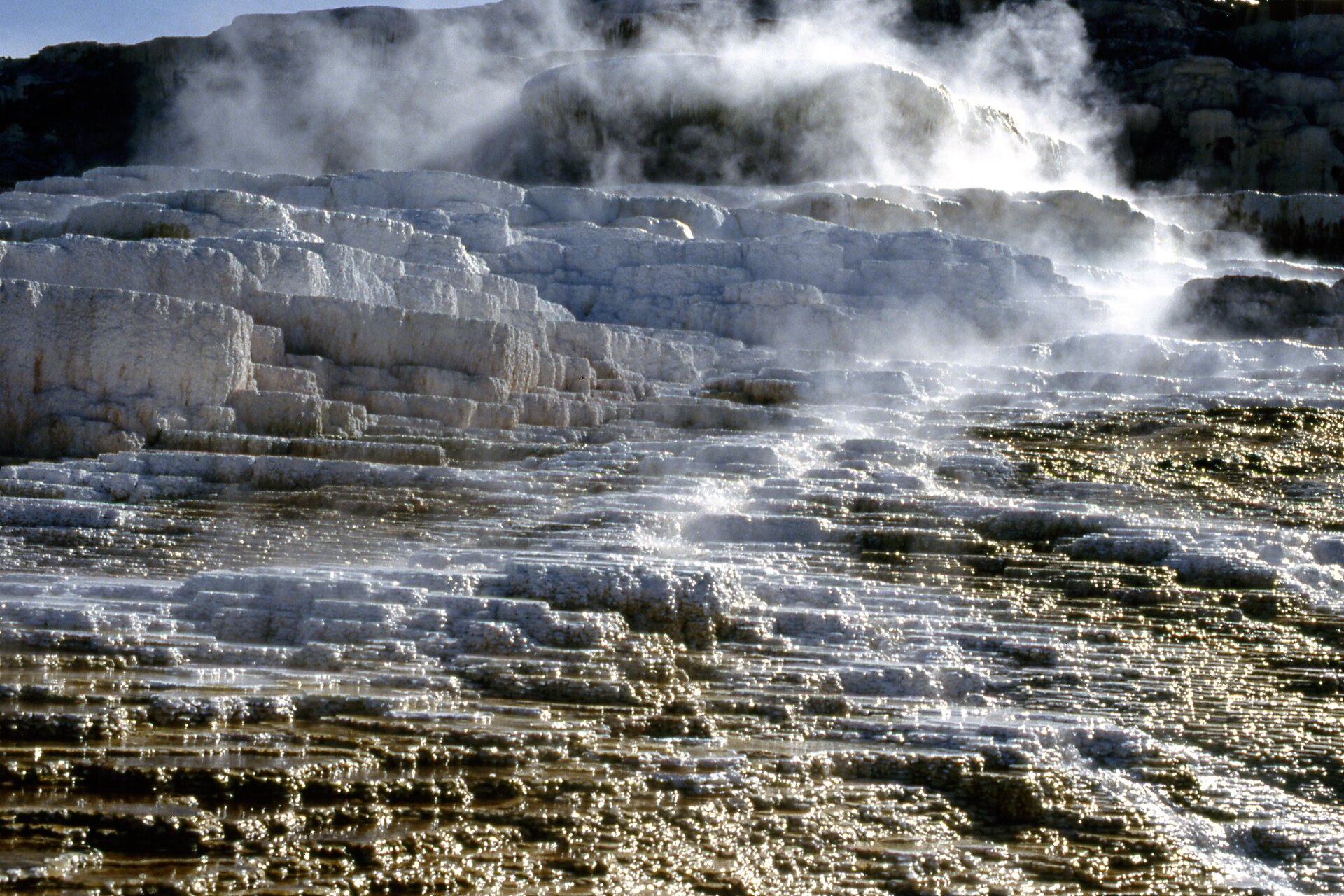
Day 10: Lamar Valley Wildlife Safari
Set out early for Lamar Valley, often called the "Serengeti of North America" and one of Yellowstone's best wildlife viewing areas. Early morning is the best time to spot bison, wolves, bears, pronghorn, and elk, so an early start pays off.
Take your time driving the valley road, pulling over at turnouts to scan the meadows with binoculars. Return to your Mammoth or Gardiner base by late afternoon, with time to relax before tomorrow's drive to Bozeman.
Note: Wildlife activity is highest at dawn and dusk. If your group can manage an early start, the first few hours of daylight in Lamar Valley are typically the most rewarding.
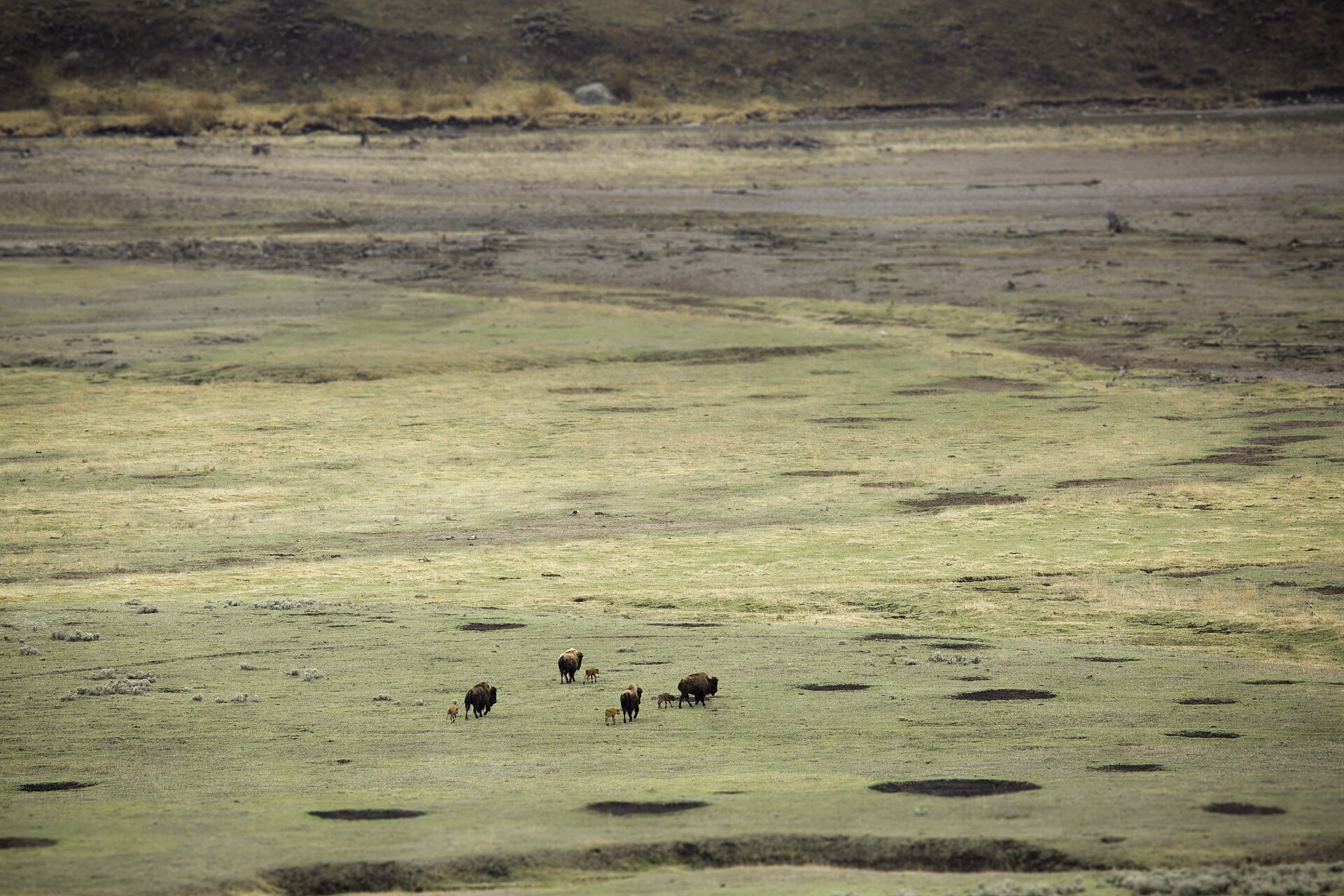
Day 11: Scenic Drive to Bozeman & Departure
After breakfast, begin the short, scenic drive from Gardiner or Mammoth towards Bozeman, admiring Yellowstone's final mountain landscapes and forests along the way. If time allows, stop at local viewpoints or visitor centres for last minute photos and souvenirs before leaving the park.
Arrive at Bozeman Yellowstone International Airport for your departure, bringing an unforgettable Yellowstone and Grand Teton road trip to a close.
Estimated Total (excluding international flights)
| Budget style | Estimated total (USD) |
|---|---|
| Budget | 5,400-6,500 |
| Mid-range | 6,500-8,700 |
| Luxury | 9,200+ |
Estimated range: USD 5,400-8,700 for most families, depending on season, lodging choice, and car rates.
Useful Booking & Travel Links
- Recreation.gov (campgrounds and permits)
- Yellowstone road conditions and alerts
- Yellowstone maps
- Grand Teton maps
Prompts to Try in Honge
FAQs
Which airport is best for this road trip?
Fly into Jackson Hole Airport (JAC) and depart from Bozeman Yellowstone International Airport (BZN) for the most efficient one-way route.
Is this itinerary suitable for families with children?
Yes. It combines easy hikes, scenic drives, wildlife viewing, and flexible sightseeing, making it ideal for travellers of all ages.
Can I see bears and wolves in Yellowstone?
Yes, especially in Lamar Valley and Hayden Valley, although wildlife sightings depend on the season and time of day.
Do I need a National Park Pass?
Yes. A single America the Beautiful Pass covers entry for one private vehicle and is the best value if you're visiting both parks.
Should I stay inside or outside the parks?
Staying inside the parks reduces driving time, while nearby towns like Jackson, Gardiner, and West Yellowstone offer more accommodation and dining options.
How much driving is involved each day?
Expect around 2-4 hours of driving daily, with plenty of scenic stops, viewpoints, and wildlife sightings along the route.
Is there mobile network coverage inside Yellowstone and Grand Teton?
Mobile signal is limited in many areas of both parks. Download offline maps and important travel information before entering.
What should I pack for this road trip?
Pack layered clothing, sturdy walking shoes, sunscreen, reusable water bottles, binoculars, insect repellent, and a camera for wildlife viewing.
Are there restaurants and grocery stores inside the parks?
Yes. Both parks have seasonal restaurants, cafés, general stores, and picnic areas, although options are more limited than in nearby towns.
Is this road trip suitable for first-time visitors to the USA?
Absolutely. The route is well signposted, easy to drive, and offers a great introduction to America's national parks and outdoor scenery.
Can I visit Yellowstone and Grand Teton without a guided tour?
Yes. Both parks are ideal for self-drive holidays, with well-maintained roads, clear signage, visitor centres, and plenty of scenic viewpoints.
Ready to make it yours?
Customize this itinerary with AI
Now that you've seen the full route, use Honge to tailor stays, activities, and day-by-day pacing to your trip.
Related itineraries
- 8-Day Canadian Rockies Road Trip: Calgary, Banff & Jasper
- 10-Day Australia Family Wildlife Itinerary: Sydney to Great Ocean Road
- 7-Day Iceland Ring Road Itinerary for First-Timers
- 8-Day Utah Family Road Trip: Zion, Bryce, Arches & Dinosaurs
- 8-Day Uzbekistan Silk Road Itinerary: Samarkand, Bukhara & Khiva
- Cappadocia Itinerary: Cave Hotels, Valleys & Hot Air Balloons
Written by
This blog was contributed by Sheba M, a travel enthusiast and writer. Sheba can be reached at shebaranjitha@gmail.com.
About Honge
Honge is an AI travel planning platform that helps travelers turn destination ideas into realistic, customizable itineraries.
Image credits: Photos are sourced from Unsplash and Wikimedia Commons. Copyright remains with the photographers and rights holders. Unsplash images are used under the Unsplash License. Wikimedia Commons images are used under their applicable Creative Commons license terms.
Travel disclaimer
This itinerary is intended as general travel inspiration and planning guidance only — not as personalized travel advice. Conditions change. Before you travel, check the current entry requirements, visa rules, and any travel advisories issued by your government for your destination. Review weather forecasts for your specific travel dates, confirm opening hours and ticket availability for attractions directly, and take out comprehensive travel insurance that covers medical, cancellation, and disruption. Honge is not responsible for any changes to conditions, services, or experiences described in this article after the date of publication.