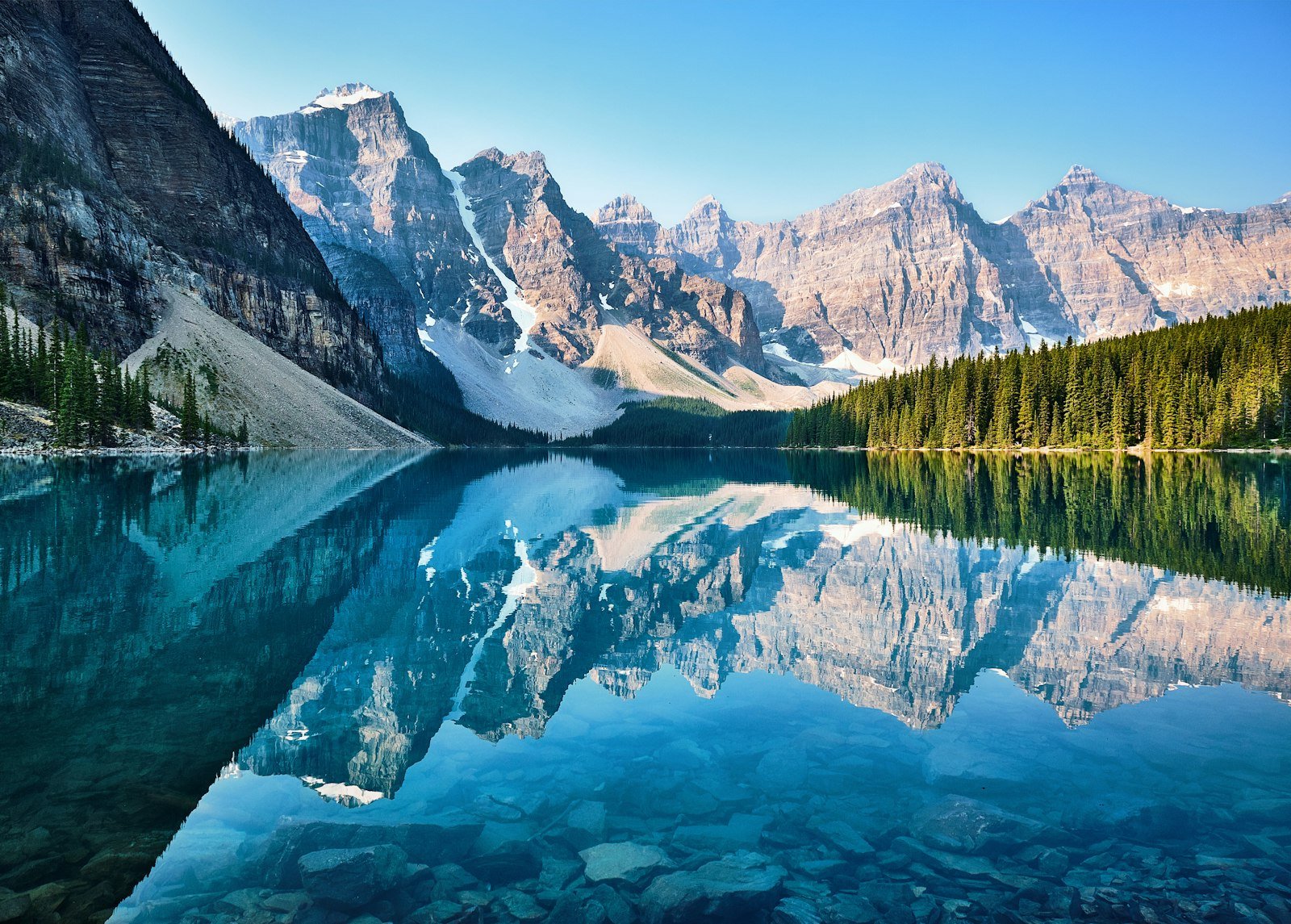
Stretching across the heart of the Canadian Rockies in Alberta, Banff National Park and Jasper National Park offer one of Canada's most spectacular road trip experiences. Connected by the world-famous Icefields Parkway, these neighbouring parks are home to turquoise lakes, towering mountain peaks, ancient glaciers, abundant wildlife, and breathtaking scenery around every corner.
Start with this itinerary
Open this route in Honge as your starting point, then shape the days, stays, and pace around how you travel.
This 8-day Calgary to Banff and Jasper itinerary is designed to help travellers experience the very best of the Canadian Rockies without feeling rushed. Beginning in Calgary and journeying through Banff before following the scenic Icefields Parkway to Jasper, the route balances iconic viewpoints, easy hikes, glacier experiences, wildlife encounters, and memorable outdoor adventures. Whether it's your first visit to the Rockies or you're returning to discover more, this guide covers everything you need — from where to stay and what to see to practical travel tips and the best experiences in Banff and Jasper National Parks.
Whether you're planning your first Calgary to Banff drive, an unforgettable Icefields Parkway road trip, or searching for the best hikes in Banff and the top things to do in Jasper, this guide has you covered. It also serves as a practical Lake Louise itinerary and Moraine Lake guide, helping you plan each day with confidence while making the most of your Canadian Rockies adventure.
Before You Go
What is the best season to visit Banff and Jasper?
June to September is the prime season, when the weather is pleasant, hiking trails are fully accessible, turquoise lakes are at their most vibrant, and most attractions and scenic drives are open. September to early October brings autumn colours and fewer crowds, while December to March is ideal for skiing and winter activities.
How many days do you need for a Banff and Jasper road trip?
An 8-day itinerary is ideal, giving you enough time to explore Banff, enjoy the Icefields Parkway, and experience Jasper without feeling rushed. Shorter trips are possible, but you'll have less time for sightseeing and spontaneous stops.
Do you need a park pass for Banff and Jasper National Parks?
Yes. All visitors require a valid Parks Canada Discovery Pass or a daily park pass to enter Banff and Jasper National Parks. Purchase your pass in advance here: Parks Canada admission.
Can this Banff and Jasper itinerary be part of a longer Canadian Rockies trip?
Absolutely. You can easily extend this itinerary by adding destinations such as Yoho National Park, Kootenay National Park, Waterton Lakes National Park, Mount Robson Provincial Park, or even continue into British Columbia for a longer Canadian Rockies adventure.
Why is the Icefields Parkway considered one of the world's greatest scenic drives?
It combines turquoise lakes, towering mountains, ancient glaciers, waterfalls, and abundant wildlife along a single route, with spectacular viewpoints around almost every corner.
Where to Stay
Banff
- Budget: Banff International Hostel
- Mid-range: Banff Aspen Lodge
- Luxury: Fairmont Banff Springs
Jasper
- Budget: Jasper Downtown Hostel
- Mid-range: Forest Park Hotel
- Luxury: Fairmont Jasper Park Lodge
Tip: Book your accommodation several months in advance if travelling during the summer (June to September), as Banff and Jasper are among Canada's most popular destinations and hotels fill up quickly.
Wildlife in Banff & Jasper National Parks
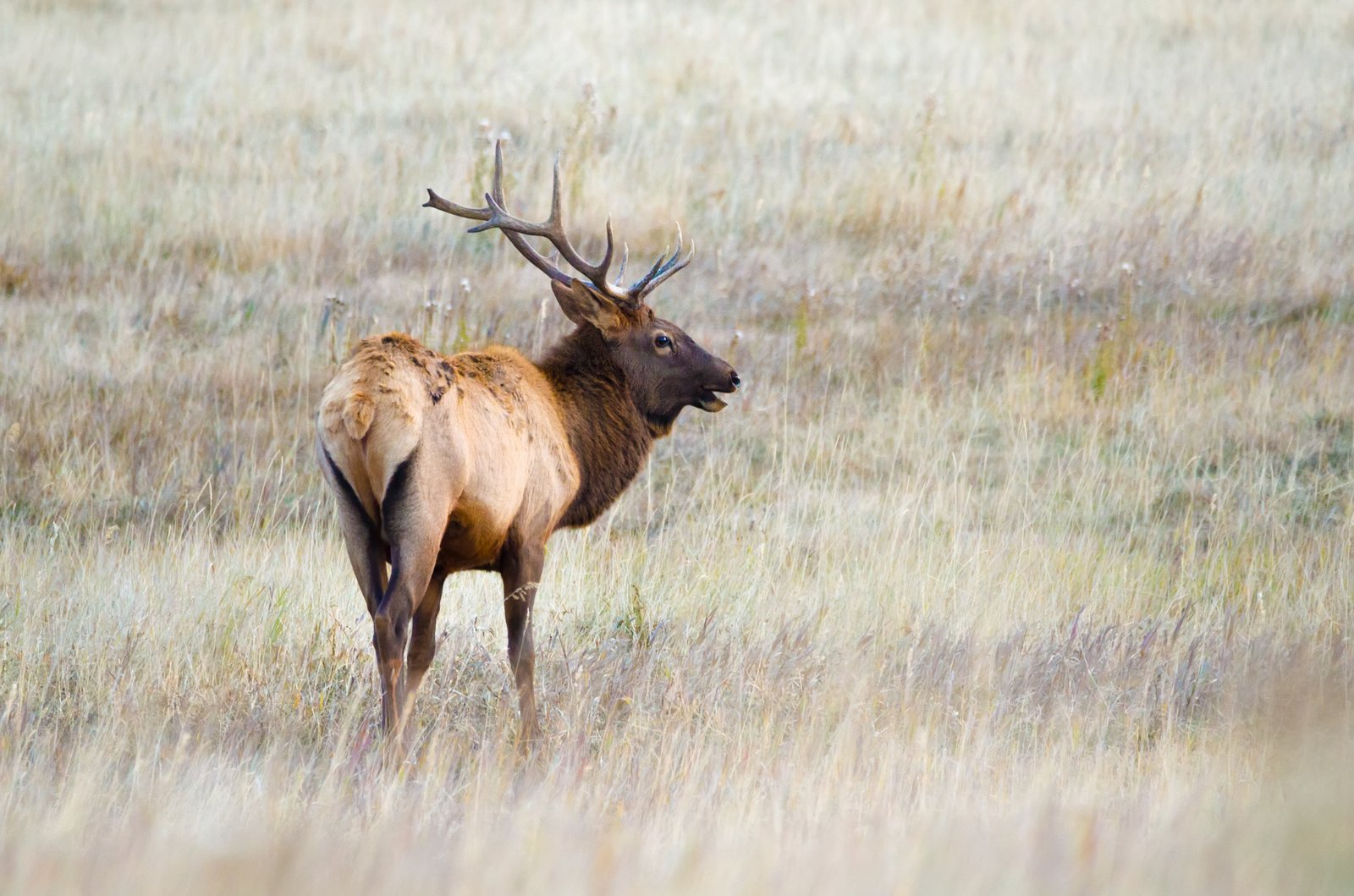
One of the highlights of visiting Banff and Jasper National Parks is the opportunity to see wildlife in its natural habitat. Common sightings include elk, moose, bighorn sheep, mountain goats, black bears, grizzly bears, and deer, while wolves are occasionally spotted but are much rarer.
What is the best time for wildlife viewing?
- Early morning (sunrise)
- Late evening (before sunset)
- Spring and autumn offer the highest chances of sightings
Things to keep in mind
- Never feed wildlife, as it can make animals dependent on humans and increase the risk of dangerous encounters.
- Maintain a safe viewing distance: stay at least 30 metres (100 ft) from elk, deer, and bighorn sheep; stay at least 100 metres (330 ft) from bears, moose, wolves, and cougars.
- Carry bear spray on all hikes and hike in groups whenever possible.
- Respect trail closures and wildlife advisories, as they are issued to protect both visitors and animals.
- Use binoculars or a zoom lens for close-up views instead of approaching wildlife.
- Drive cautiously, especially during dawn and dusk, when animals are more likely to cross the roads.
Glacier Experiences in the Canadian Rockies
- Visit the Columbia Icefield, one of the largest icefields in the Rocky Mountains and one of the most popular attractions along the Icefields Parkway.
- Take an Ice Explorer Tour to travel onto the Athabasca Glacier, where you can stand on ancient ice that has formed over thousands of years while learning about the glacier's history and geology.
- Enjoy glacier walks and viewpoints, including marked trails near the Athabasca Glacier and the optional Glacier Skywalk, which offers panoramic views of glaciers, mountains, and the Sunwapta Valley.
- Learn about climate change, as many of the Canadian Rockies' glaciers, including the Athabasca Glacier, have been retreating over the past century due to rising global temperatures.
- Practice responsible tourism by staying on designated trails, following safety barriers, avoiding restricted glacier areas, leaving no trace, and respecting the fragile alpine environment to help preserve these natural wonders for future generations.
Practical Tips
- Be prepared for changing weather: Mountain weather can change rapidly, so carry extra layers even during summer.
- Fuel up before the Icefields Parkway: Fuel stations are limited along the Icefields Parkway, so fill your tank before leaving Banff or Jasper.
- Download offline maps: Mobile reception can be unreliable in many parts of the national parks, so download offline maps before your trip.
- Expect limited cell coverage: Cell service is available in Banff and Jasper towns but can be limited or unavailable along the Icefields Parkway and hiking areas.
What to Pack
- Layered clothing for changing mountain temperatures
- Comfortable hiking boots with good grip
- Bear spray (especially if planning to hike)
- Refillable water bottle
- Sunscreen, sunglasses, and a hat
- Rain jacket or waterproof outer layer
- Camera or binoculars for wildlife and scenic photography
Journey Overview
| Day | Journey Overview |
|---|---|
| 1 | Arrive in Calgary, Scenic Drive to Banff, Explore Banff Avenue |
| 2 | Banff Town, Bow Falls, Vermilion Lakes, Tunnel Mountain, Scenic Viewpoints, Wildlife Watching |
| 3 | Lake Louise, Moraine Lake, Canoeing, Valley of the Ten Peaks |
| 4 | Johnston Canyon, Sulphur Mountain Gondola, Lake Minnewanka |
| 5 | Icefields Parkway, Bow Lake, Peyto Lake, Saskatchewan Crossing, Columbia Icefield, Athabasca Glacier, Glacier Skywalk (Optional), Athabasca Falls, Sunwapta Falls |
| 6 | Maligne Lake, Spirit Island Cruise, Maligne Canyon, Jasper Town |
| 7 | Pyramid Lake, Patricia Lake, Edith Cavell Area (if open), Jasper SkyTram, Dark Sky Preserve & Stargazing |
| 8 | Departure from Jasper, Return to Calgary (or Continue Your Journey) |
Day 1: Arrive in Calgary & Explore Banff
Begin your adventure by arriving at Calgary International Airport (YYC), pick up your rental car and enjoy the scenic drive to Banff via the Trans-Canada Highway where you'll get your first taste of the breathtaking landscapes that await.
After checking into your accommodation, head out to explore the charming town of Banff along Banff Avenue, where you'll find boutique shops, local art galleries, cafés, and outdoor outfitters, all surrounded by spectacular mountain scenery. As evening approaches, enjoy dinner at one of Banff's popular restaurants, such as The Bison Restaurant for locally sourced Canadian cuisine, Park Distillery Restaurant + Bar for mountain-inspired comfort food, or Three Bears Brewery & Restaurant for handcrafted beers and hearty meals, before settling in for the night.
Driving distance: Calgary to Banff takes approximately 130 km (1.5–2 hours).
Day 2: Discover Banff's Scenic Highlights
Start your morning by exploring the heart of Banff Town and make your way to Bow Falls, a broad and powerful waterfall just minutes from the town centre. Its picturesque setting makes it one of Banff's most photographed landmarks.
Continue to Vermilion Lakes, a peaceful series of lakes renowned for reflecting Mount Rundle and perfect for sunrise photography, with golden light illuminating the surrounding peaks. Keep an eye out for local wildlife.
Later, head to Tunnel Mountain, offering one of the best hikes in Banff and its most accessible viewpoints. Whether you choose to hike the trail or simply enjoy the panoramic scenery from nearby viewpoints, you'll be rewarded with sweeping views of Banff Town and the surrounding mountain ranges. Consider returning to Vermilion Lakes for sunset photography.

Day 3: Lake Louise & Moraine Lake
Begin your day early with a visit to the iconic Lake Louise, famous for its brilliant turquoise waters. Take a leisurely stroll along the lakeshore or rent a canoe for a unique perspective of one of Canada's most photographed destinations.
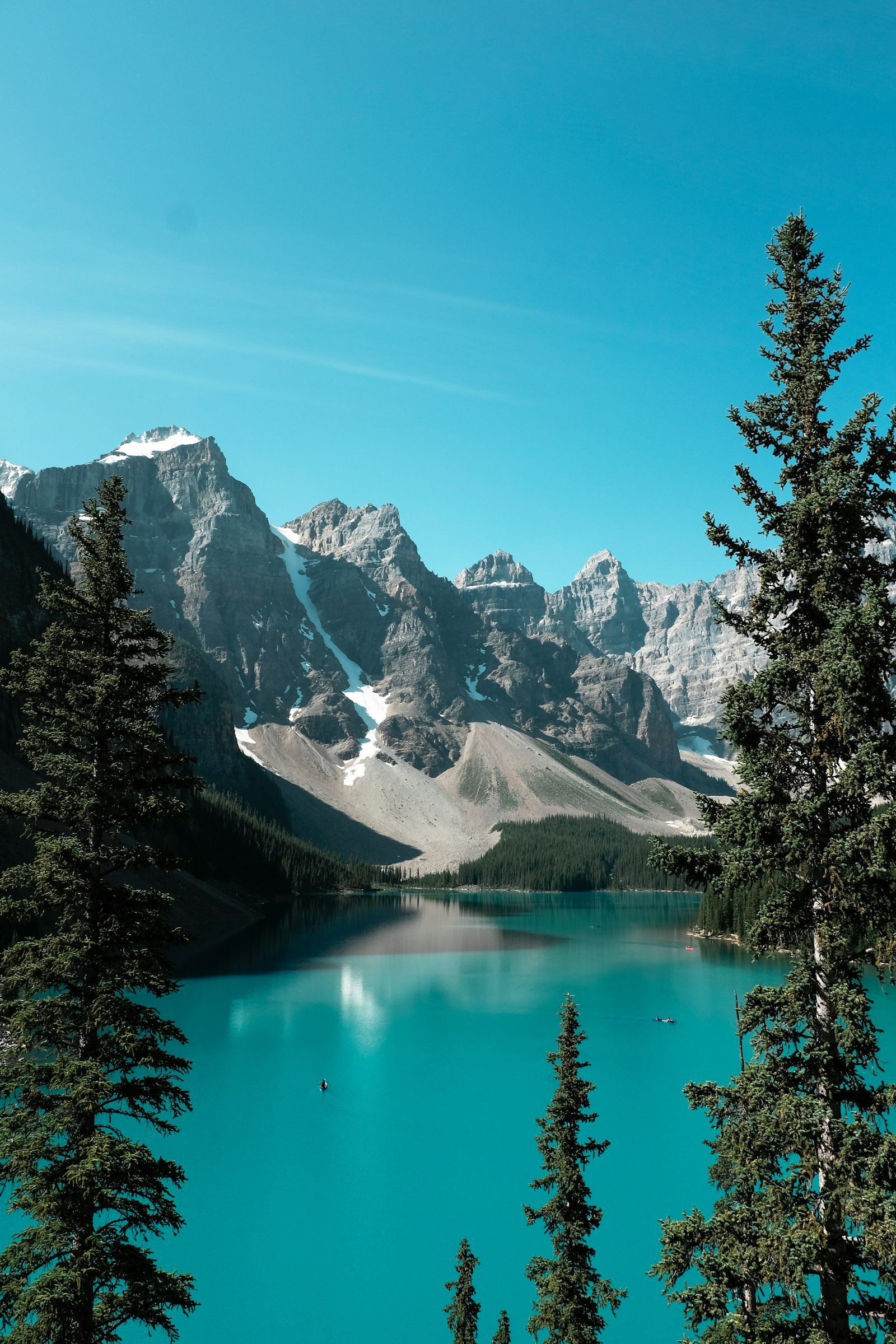
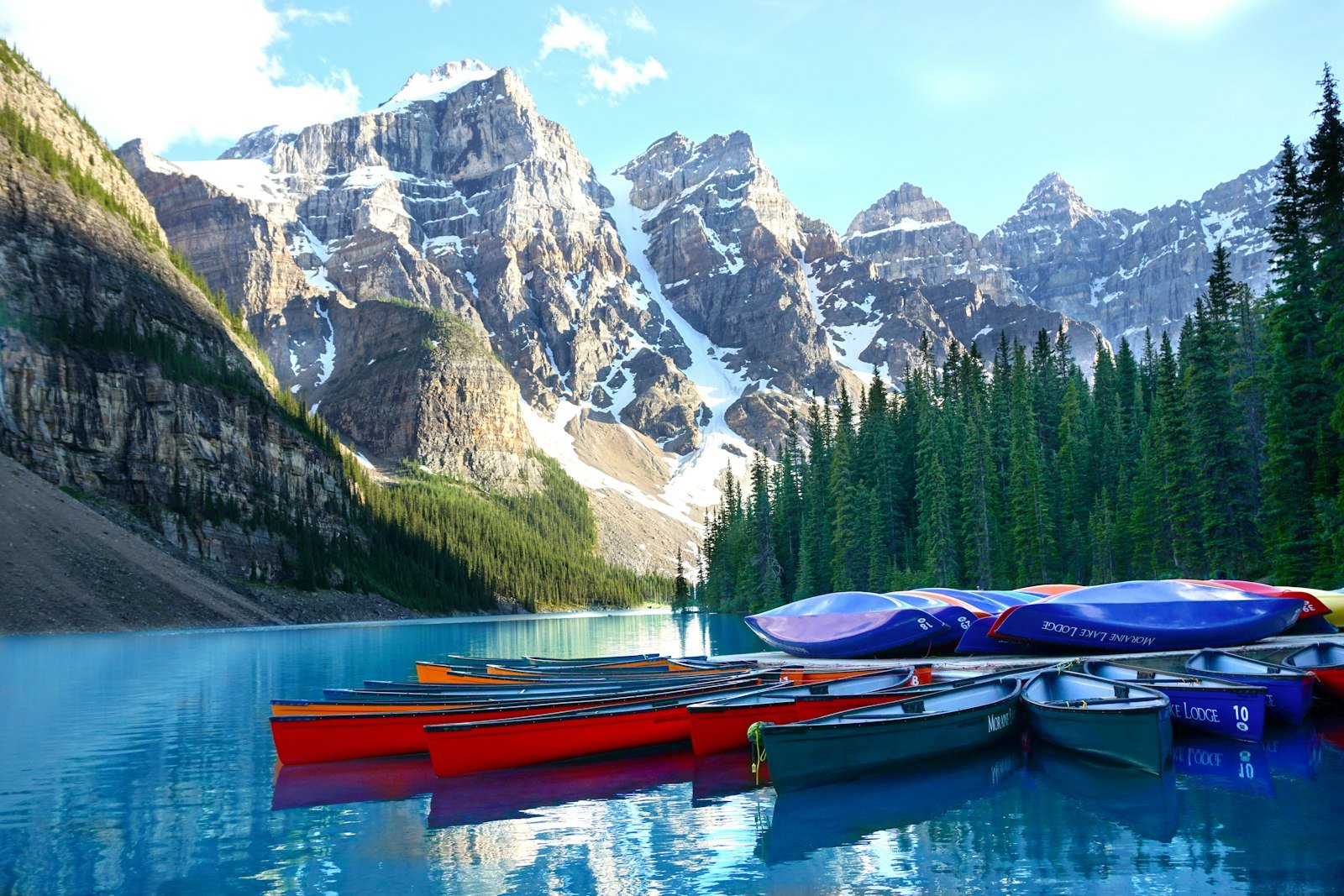
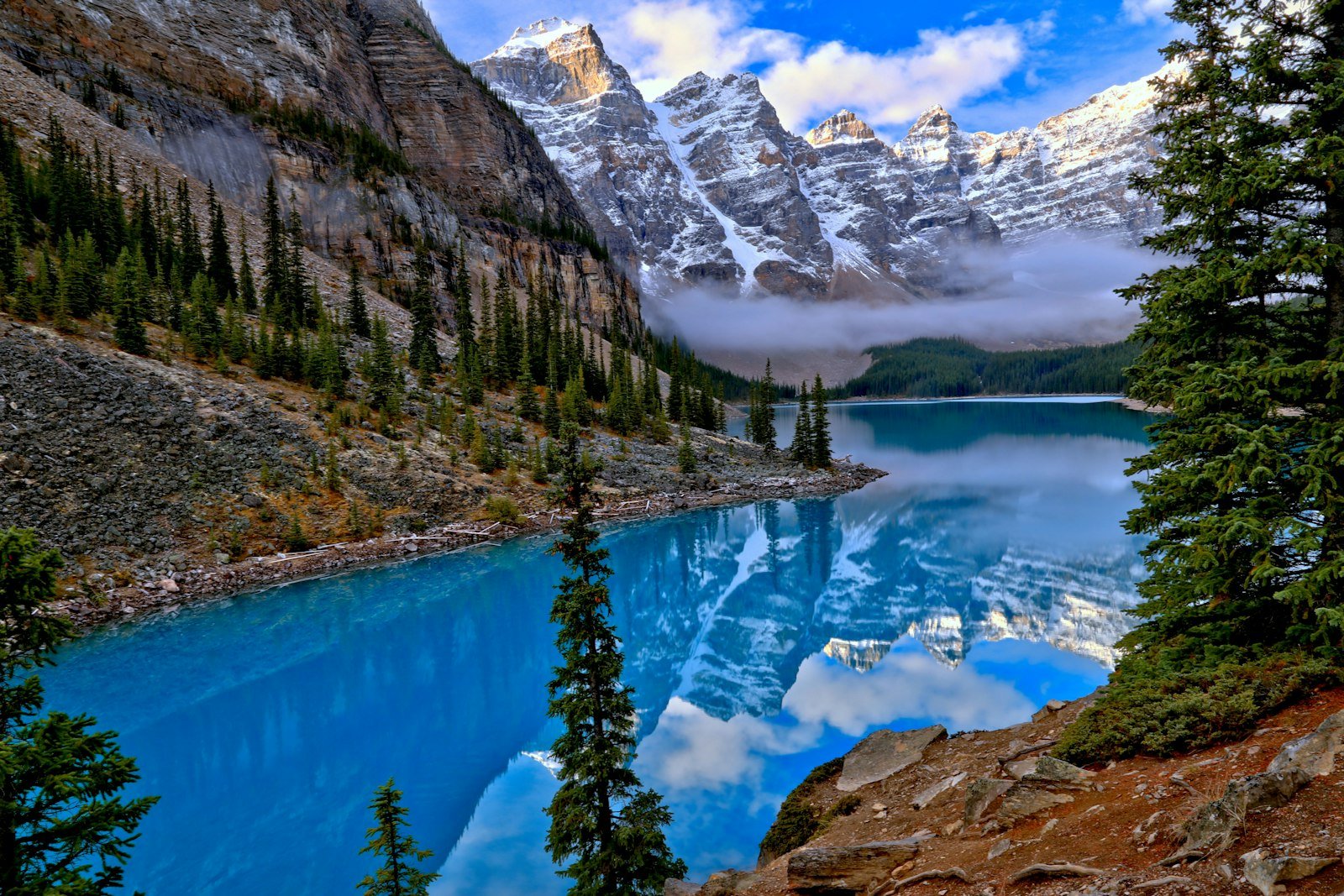
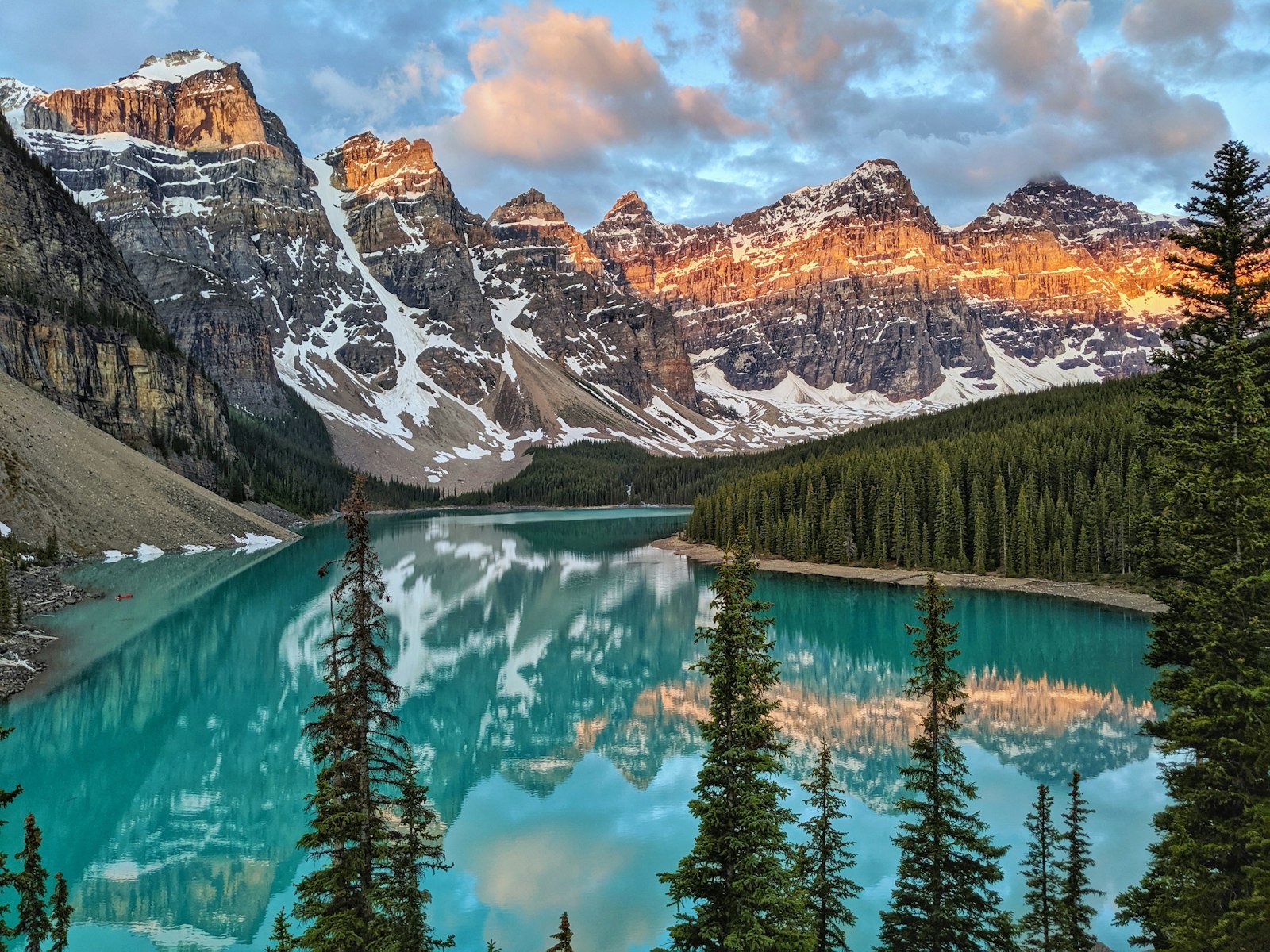
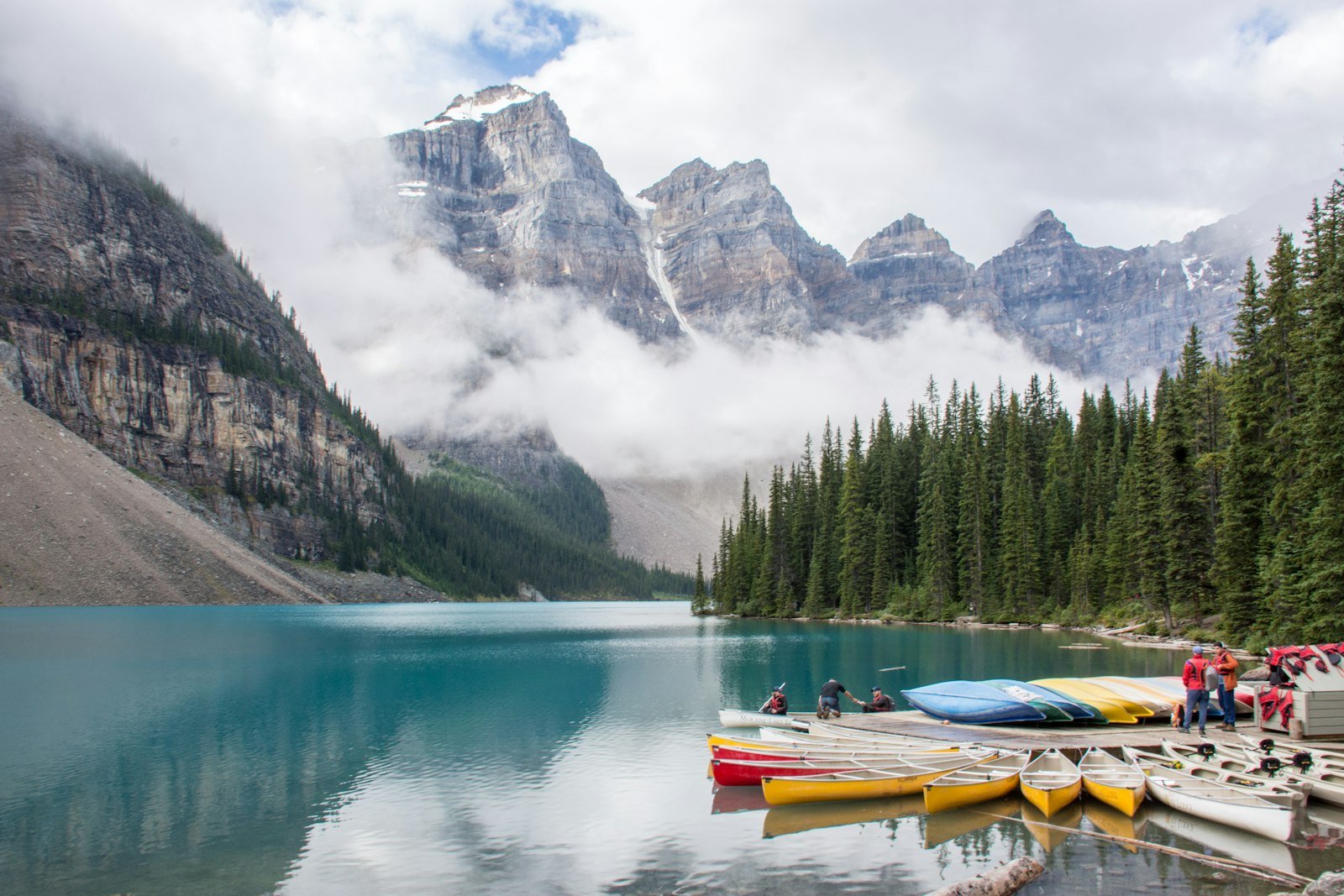
Next, head to Moraine Lake, located in the breathtaking Valley of the Ten Peaks. Spend the afternoon soaking in the area's natural beauty before returning to Banff. If you're visiting during summer, consider staying until the evening for sunset photography.
Note: Private vehicles are not permitted on Moraine Lake Road during the main season, so you'll need to reserve the Parks Canada shuttle or travel with an approved commercial transportation provider in advance. Reserve your shuttle here: https://morainelakebus.com.
Travel tip: Canoe rentals are available at Moraine Lake during the summer months. Arrive early, as rentals are first-come, first-served and are in high demand.
Day 4: Johnston Canyon, Sulphur Mountain Gondola & Lake Minnewanka
Begin your day with a visit to Johnston Canyon. Follow the well-maintained trail through the dramatic limestone canyon, where suspended walkways lead you past rushing turquoise waters to the Lower and Upper Falls.
Later, head to the Banff Gondola and enjoy a scenic ride to the summit of Sulphur Mountain. At the top, take in panoramic views of six mountain ranges. Follow the boardwalk to the historic Cosmic Ray Station for even more impressive vistas and excellent photography opportunities.
In the afternoon, make your way to Lake Minnewanka, surrounded by rugged mountain peaks. Keep an eye out for wildlife such as bighorn sheep, deer, and bald eagles that are often spotted around the lake. Return to Banff in the evening and enjoy the night in town.
Note: Book your Banff Gondola tickets in advance during the summer season to secure your preferred time slot: https://www.banffjaspercollection.com.
Day 5: Drive the Spectacular Icefields Parkway to Jasper
Today is dedicated to one of the world's greatest scenic drives — the Icefields Parkway. Lake Louise to Jasper (via Icefields Parkway) takes approximately 230 km. Begin with stops at Bow Lake and Peyto Lake, both renowned for their breathtaking mountain backdrops, before continuing to Saskatchewan Crossing, a convenient place to refuel and take a break.
The highlight of the journey is the Columbia Icefield, where you can experience the Athabasca Glacier aboard an Ice Explorer or visit the Glacier Skywalk (optional) for panoramic views over the Sunwapta Valley. Continue north to admire the powerful Athabasca Falls and Sunwapta Falls.
Keep an eye out for elk, mountain goats, bighorn sheep, black bears, and even grizzly bears from a safe distance. Arrive in Jasper by evening.
Note: Although the drive itself takes only a few hours, it's worth setting aside an entire day to fully experience its spectacular scenery and stop at the many viewpoints, allowing time for unplanned stops along the way.
Reserve your Columbia Icefield Adventure and Glacier Skywalk tickets in advance, especially during the peak summer months: https://www.banffjaspercollection.com.
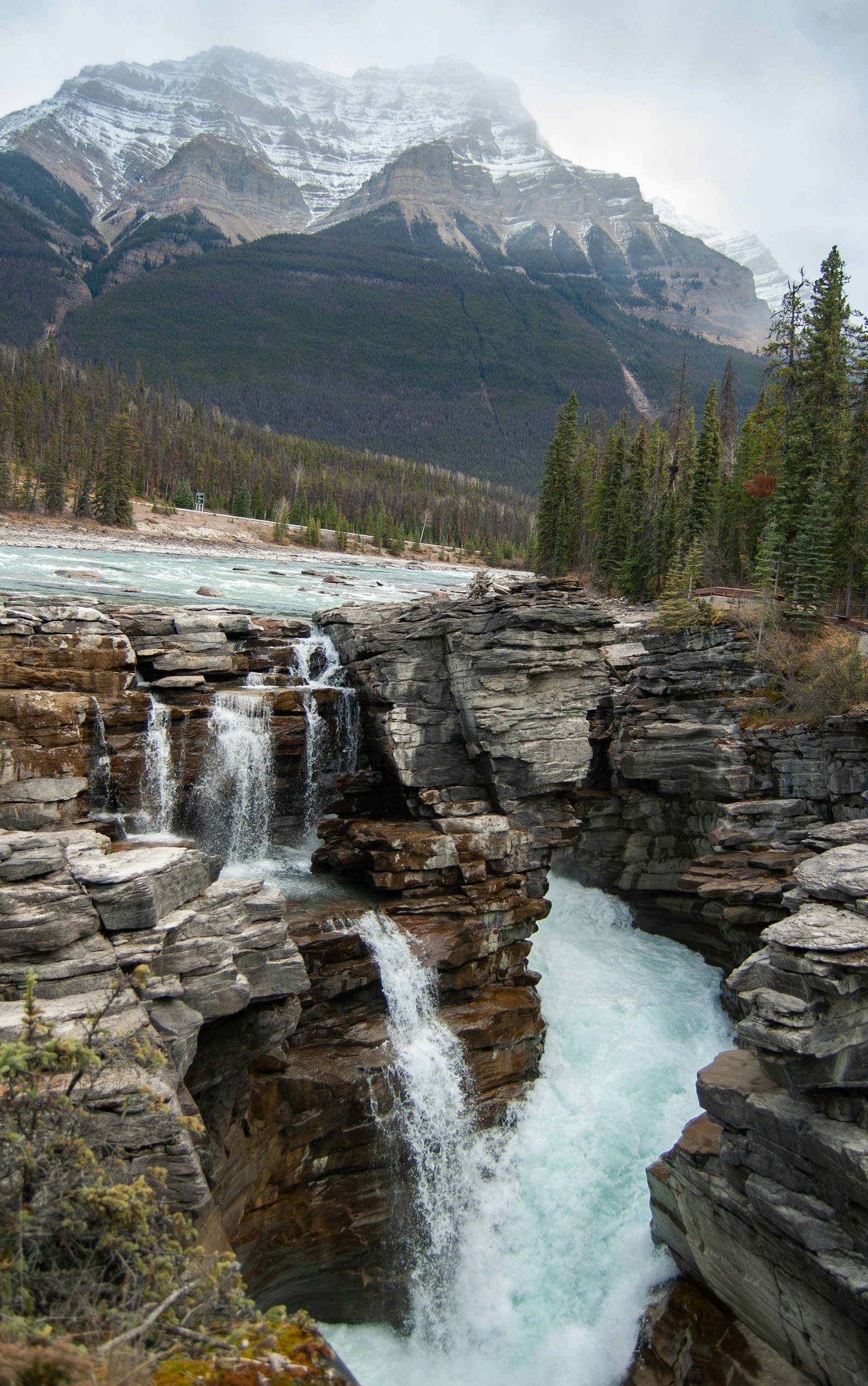
Day 6: Explore Maligne Lake, Spirit Island & Maligne Canyon
Begin your first full day in Jasper with a visit to Maligne Lake, surrounded by snow-capped peaks and dense forests. For the best experience, take the Spirit Island Cruise, as it provides insight into the region's history, geology, and wildlife while showcasing the remarkable beauty of Jasper National Park.
In the afternoon, head to Maligne Canyon, which has a dramatic limestone gorge, waterfalls, sculpted rock formations, and turquoise pools that create spectacular views at every turn.
Return to Jasper Town in the evening. Its laid-back mountain atmosphere provides the perfect base for the adventures that await the following day.
Note: Spirit Island is only accessible by the Maligne Lake Cruise or backcountry canoeing. Booking your cruise in advance is highly recommended: https://www.banffjaspercollection.com/attractions/maligne-lake-cruise.
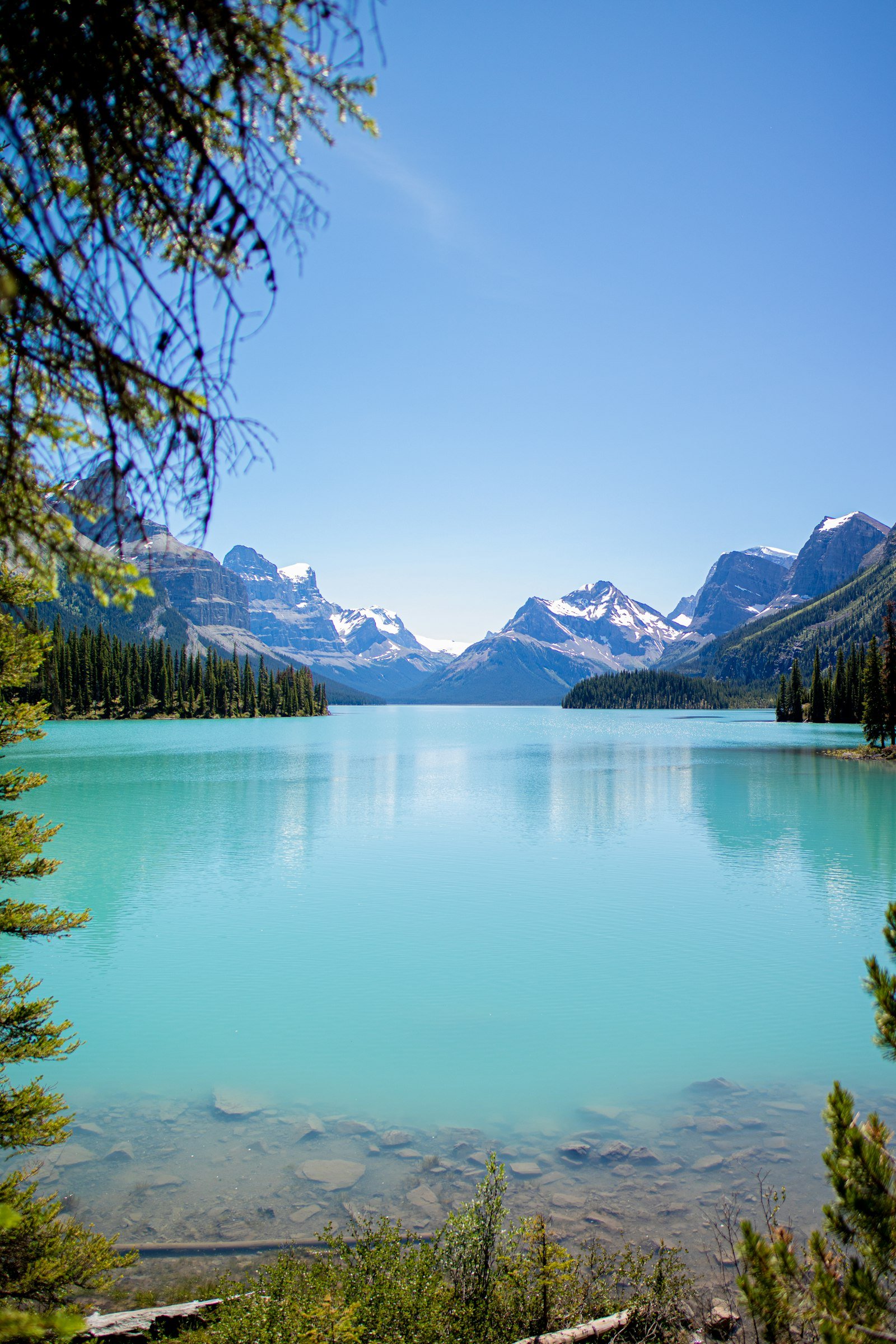
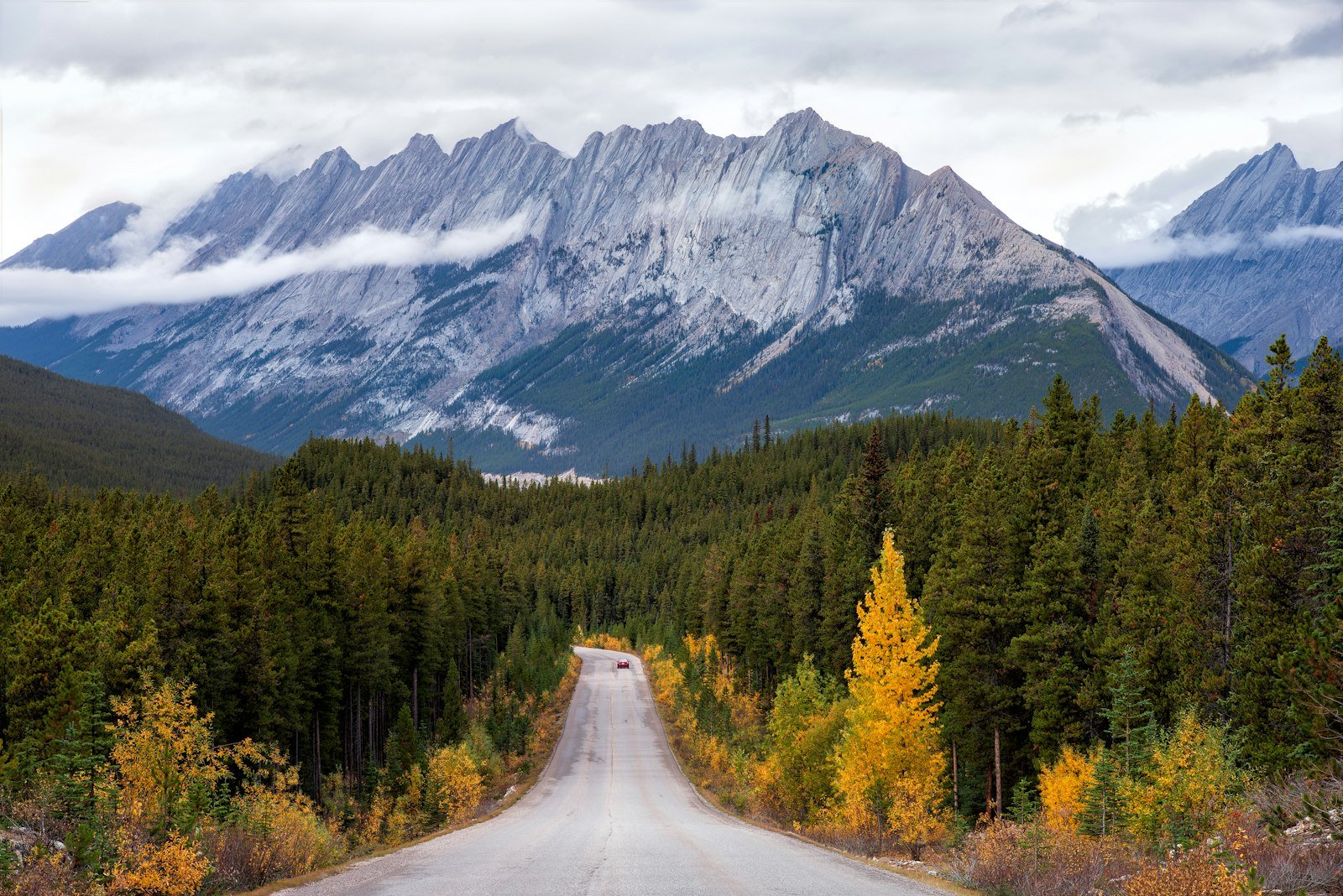
Day 7: Pyramid Lake, Patricia Lake, Edith Cavell & Jasper SkyTram
Begin at Pyramid Lake, a peaceful alpine lake surrounded by towering peaks, and continue to nearby Patricia Lake, known for its tranquil waters and picturesque mountain views. If conditions permit, make your way to the Edith Cavell Area, where short walking trails offer spectacular views of Mount Edith Cavell, glaciers, and the striking glacial landscapes that make this region so unique.
Later, ride the Jasper SkyTram. From the summit, enjoy breathtaking panoramic views of Jasper National Park, the Athabasca Valley, and the surrounding Rocky Mountains.
As night falls, experience one of Jasper's greatest natural attractions — the Dark Sky Preserve. With minimal light pollution, Jasper is one of the world's best places for stargazing. End your Canadian Rockies adventure beneath one of Canada's most spectacular night skies before preparing for your departure the following day.
Note: Seasonal road closures may affect access, so check conditions before visiting the Edith Cavell Area.
Purchase Jasper SkyTram tickets in advance during summer and early autumn for the best availability: https://www.jasperskytram.com.
Best stargazing locations
- Pyramid Lake
- Patricia Lake
- Medicine Lake
- Maligne Lake
- Old Fort Point
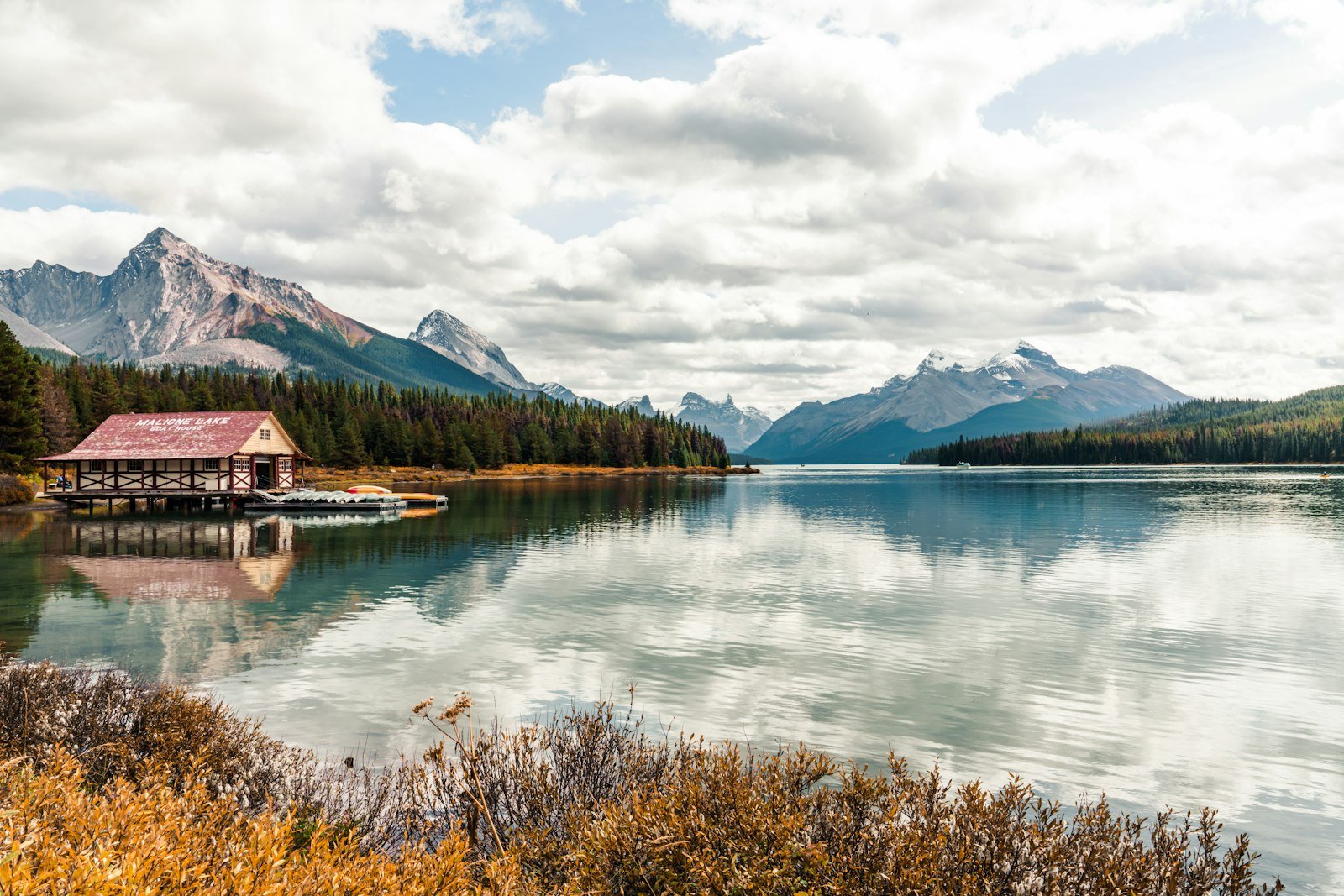
Day 8: Departure
After an unforgettable week exploring the Canadian Rockies, enjoy a relaxed morning in Jasper. If time permits, take one last stroll through Jasper Town, stop by a local café for breakfast, or simply soak in the mountain scenery before beginning your journey home.
If you're flying out of Calgary International Airport (YYC), allow approximately 5 to 5.5 hours for the drive back via the scenic Icefields Parkway and Trans-Canada Highway, excluding sightseeing stops. Alternatively, travellers continuing their Canadian adventure can head onward to destinations such as Edmonton, Mount Robson Provincial Park, or British Columbia.
From the turquoise waters of Lake Louise and Moraine Lake to the glaciers of the Columbia Icefield and the wildlife-rich landscapes of Jasper National Park, this 8-day Canadian Rockies road trip showcases some of Canada's most spectacular natural scenery. With scenic drives, unforgettable hikes, abundant wildlife, and endless mountain views, it's one of the world's most rewarding road trips for nature lovers and an adventure you'll remember long after the journey ends.
Estimated Budget
| Expense | Budget | Mid-Range | Luxury |
|---|---|---|---|
| Accommodation (7 nights) | CAD 350–700 | CAD 1,050–1,750 | CAD 2,800+ |
| Rental Car (shared) | CAD 250–450 | CAD 350–600 | CAD 700+ |
| Fuel | CAD 100–150 | CAD 100–150 | CAD 100–150 |
| Parks Canada Pass | CAD 80 | CAD 80 | CAD 80 |
| Food & Drinks | CAD 280–420 | CAD 490–700 | CAD 900+ |
| Activities (Gondola, Ice Explorer, SkyTram, Cruise, etc.) | CAD 450–650 | CAD 600–800 | CAD 800+ |
Estimated total (excluding flights):
- Budget: CAD 1,500–2,300 per person
- Mid-range: CAD 2,700–4,100 per person
- Luxury: CAD 5,300+ per person
Useful Booking & Travel Links
- Lake Minnewanka Cruise
- 511 Alberta (Road Conditions & Closures)
- Parks Canada Trail Conditions & Advisories
- Parks Canada admission passes
- Moraine Lake shuttle reservations
- Jasper SkyTram tickets
- Banff Jasper Collection (Gondola, Icefield, Maligne Lake Cruise)
Prompts to Try in Honge
FAQs
What is the best time to visit Banff and Jasper?
The best time to visit is June to September for pleasant weather, turquoise lakes, hiking, and scenic drives. September to early October is ideal for autumn colours, while December to March is perfect for skiing and winter activities.
How many days do you need for a Banff and Jasper road trip?
An 8-day itinerary is ideal for exploring Banff, Lake Louise, Moraine Lake, the Icefields Parkway, and Jasper at a relaxed pace. Shorter trips are possible, but you'll have less time for sightseeing.
Do I need a Parks Canada pass?
Yes. Everyone entering Banff and Jasper National Parks must purchase a valid Parks Canada Discovery Pass or a daily admission pass.
Is the Icefields Parkway worth driving?
Absolutely. The Icefields Parkway is considered one of the world's most scenic highways, featuring glaciers, turquoise lakes, waterfalls, mountain viewpoints, and abundant wildlife along the route.
Do I need a car to explore Banff and Jasper?
A rental car is highly recommended, as it offers the greatest flexibility for exploring scenic viewpoints, lakes, hiking trails, and the Icefields Parkway. Some attractions, such as Moraine Lake, require shuttle services during peak season.
What wildlife can I expect to see?
Visitors commonly spot elk, deer, bighorn sheep, mountain goats, moose, black bears, and grizzly bears, while wolves are occasionally seen. Always observe wildlife from a safe distance and never feed the animals.
Can you visit Moraine Lake by private vehicle?
No. During the peak season, private vehicles are not permitted on Moraine Lake Road. Visitors must use the Parks Canada Shuttle, a commercial shuttle, or guided tours.
Is Banff or Jasper better for stargazing?
Jasper is one of the world's largest Dark Sky Preserves, making it one of the best places in Canada to enjoy exceptional stargazing on clear nights.
Ready to make it yours?
Plan Your Canadian Rockies Adventure
Start with this itinerary in Honge, then personalise it to match your travel style, budget, and interests. Adjust your route, choose cosy lodges or luxury mountain resorts, add scenic hikes, glacier experiences, canoeing, wildlife viewing, gondola rides, or extra time at your favourite lakes, and create your perfect Canadian Rockies road trip through Banff and Jasper National Parks.
Related itineraries
- 8 Days in the Yucatán: Mérida, Chichén Itzá, Bacalar & Tulum
- 6-Day Vancouver & BC Itinerary: City, Mountains & Island Adventures
- 10-Day Namibia Self-Drive Itinerary: Sossusvlei, Coast & Etosha
- 11-Day Baltic Capitals Itinerary: Tallinn, Riga & Vilnius
- 15-Day New Zealand Couples Road Trip: Auckland to Queenstown
- 12-Day France Itinerary: Paris to Provence & Cassis
- 12-Day Italy Itinerary: Milan to the Amalfi Coast
- 11-Day Yellowstone & Grand Teton Family Road Trip Itinerary
- 8-Day Utah Family Road Trip: Zion, Bryce, Arches & Dinosaurs
Written by
This blog was contributed by Sheba M, a travel enthusiast and writer. Sheba can be reached at shebaranjitha@gmail.com.
About Honge
Honge is an AI travel planning platform that helps travelers turn destination ideas into realistic, customizable itineraries.
Image credits: Photos are sourced from Unsplash and Wikimedia Commons. Copyright remains with the photographers and rights holders. Unsplash images are used under the Unsplash License. Wikimedia Commons images are used under their applicable Creative Commons license terms.
Travel disclaimer
This itinerary is intended as general travel inspiration and planning guidance only — not as personalized travel advice. Conditions change. Before you travel, check the current entry requirements, visa rules, and any travel advisories issued by your government for your destination. Review weather forecasts for your specific travel dates, confirm opening hours and ticket availability for attractions directly, and take out comprehensive travel insurance that covers medical, cancellation, and disruption. Honge is not responsible for any changes to conditions, services, or experiences described in this article after the date of publication.