
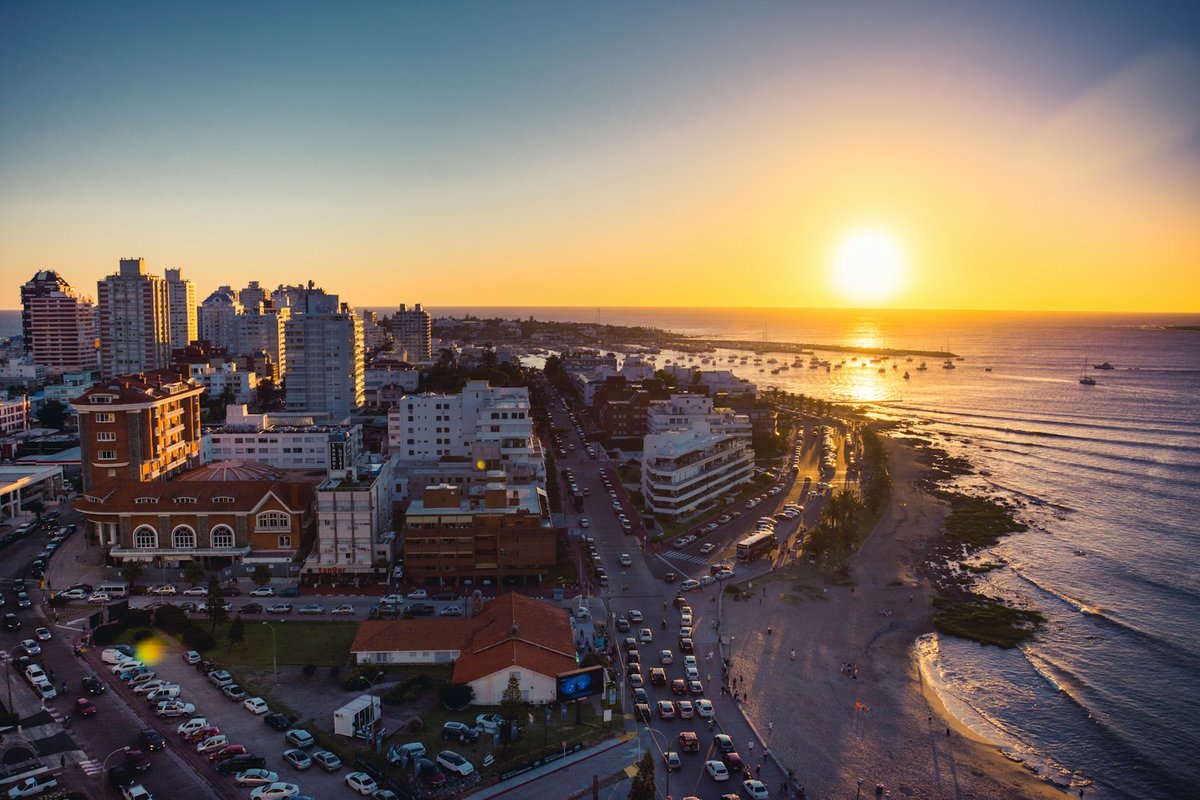
Start with this itinerary
Open this Uruguay route in Honge as your starting point, then shape the pace around long lunches, coastal walks, winery visits, historic streets and slow beach days.
Introduction
Uruguay is a country that rewards you for slowing down rather than trying to see everything at once. Days here can unfold around long lunches, strong coffee, glasses of Tannat, walks along the waterfront and afternoons spent wandering streets without a fixed plan. Instead of feeling like a checklist of famous sights, a trip through Uruguay is often more about settling into its relaxed rhythm and enjoying the small details that make each place feel different.
This seven-day route brings together three distinct sides of the country. Start in Montevideo, where European-influenced architecture, lively plazas, neighbourhood cafés, traditional markets and the long Rambla create an easygoing capital-city experience. Then slow the pace further in Colonia del Sacramento, where cobbled streets, historic buildings, old city walls and riverside views make an overnight stay feel worthwhile. Finish along Uruguay's Atlantic coast around José Ignacio and Punta del Este, trading historic streets for sandy beaches, seafood, coastal drives and sunsets.
The route is designed with breathing room, so there is time to linger over a meal, stop at a winery, take a long waterfront walk or simply sit by the beach.
How Many Days in Uruguay Is Enough?
Seven days is enough for Montevideo, an overnight in Colonia del Sacramento, a Canelones wine stop and two nights on the Atlantic coast around José Ignacio. Skip Carmelo, Cabo Polonio and Punta del Diablo in this window; add them if you have 10 days.
Keep the structure tight: one capital base, one historic overnight and one coastal base. Trying to add Carmelo wine country plus Cabo Polonio or Punta del Diablo into the same seven days usually turns the middle of the trip into long transfer days.
The strongest version is this one: Montevideo for arrival and city rhythm, Colonia for cobbled streets after the day visitors leave, then José Ignacio for slower Atlantic beach time before you drive back for departure. Use the extension ideas below if you can stay longer.
Why This Trip Works
Montevideo gives you a few days to settle into the country's rhythm, while Colonia makes an easy overnight escape with its cobbled lanes and riverside setting. The final stretch moves east to the Atlantic coast, where beaches, seafood restaurants and sunset drives become the main attractions.
The route also avoids constantly changing hotels. Each destination gives you enough time to explore without turning the trip into a checklist.
The appeal is in the combination: historic towns, cafés, long waterfront walks, excellent beef, local wine and a coastline that gradually becomes quieter and more open as you travel east.
Good to Know
- Currency: Uruguayan peso (UYU)
- Language: Spanish
- Driving: Right-hand side
- Time: UTC−3
- Cards: Widely accepted in cities and tourist areas, but carrying some cash is useful.
- Tipping: Service is not always included; check the bill before paying.
- Summer: December–February is the busiest period on the coast, especially around Punta del Este and José Ignacio.
- Cost: Uruguay can be relatively expensive compared with some neighbouring South American destinations, particularly during the coastal summer season.
Before You Go
- Book coastal accommodation ahead if you are travelling in the peak summer season. José Ignacio and Punta del Este can become considerably busier around the holidays and in January.
- If you are planning to rent a car, reserving in advance is useful, particularly if you want to pick up in Montevideo and drive east.
- For a slower trip, do not overbook your days. Uruguay's appeal is as much in sitting down for lunch, walking along the water and stopping at a small café as it is in visiting individual sights.
- If you are coming from Buenos Aires, another possibility is arriving by ferry to Colonia and beginning the itinerary there. Colonia is a common ferry gateway from Buenos Aires, with crossings typically taking around an hour.
Route Map
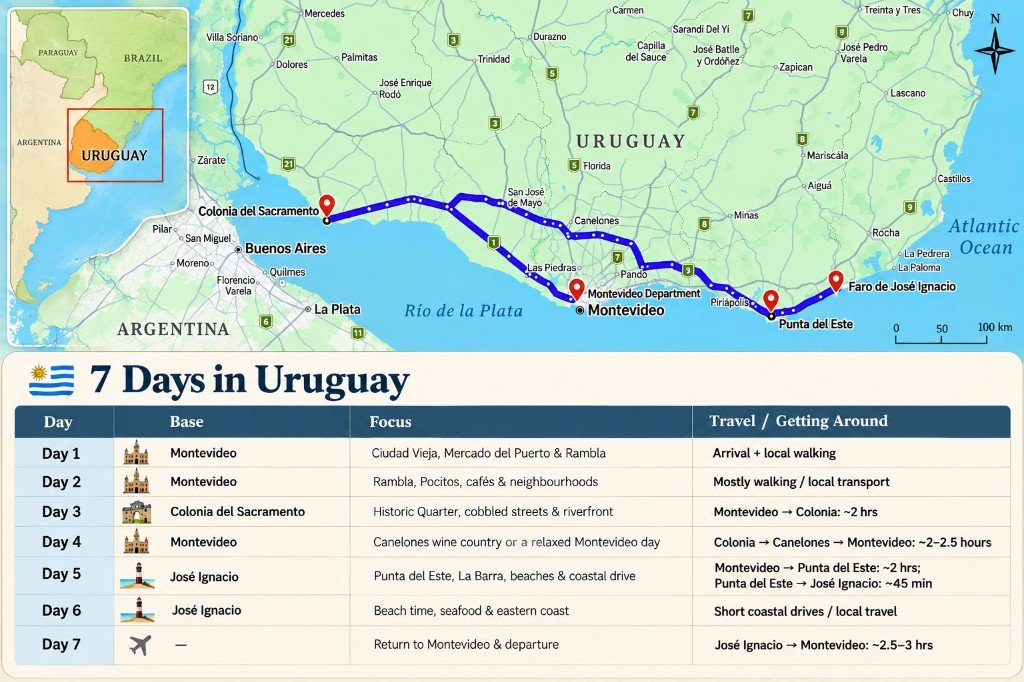
Journey Overview
| Day | Base | Focus | Travel / getting around |
|---|---|---|---|
| Day 1 | Montevideo | Ciudad Vieja, Mercado del Puerto and the Rambla | Arrival and local walking |
| Day 2 | Montevideo | Rambla, Pocitos, cafés and neighbourhoods | Mostly walking and local transport |
| Day 3 | Colonia del Sacramento | Historic Quarter, cobbled streets and riverfront | Montevideo → Colonia: about 2 hours by car, 2.5–3 hours by bus |
| Day 4 | Montevideo | Canelones wine country or a relaxed city day | Colonia → Canelones → Montevideo: about 2–2.5 hours |
| Day 5 | José Ignacio | Punta del Este, La Barra, beaches and coastal drive | Montevideo → Punta del Este: about 2 hours; then about 45 minutes to José Ignacio |
| Day 6 | José Ignacio | Beach time, seafood and the eastern coast | Short coastal drives or local travel |
| Day 7 | — | Return to Montevideo and departure | José Ignacio → Montevideo: about 2.5–3 hours |
Day 1 — Arrive in Montevideo
Start in Ciudad Vieja, Montevideo's historic quarter. This is one of the best areas to simply wander, with pedestrian streets, colonial-era buildings, cafés, restaurants and lively plazas.
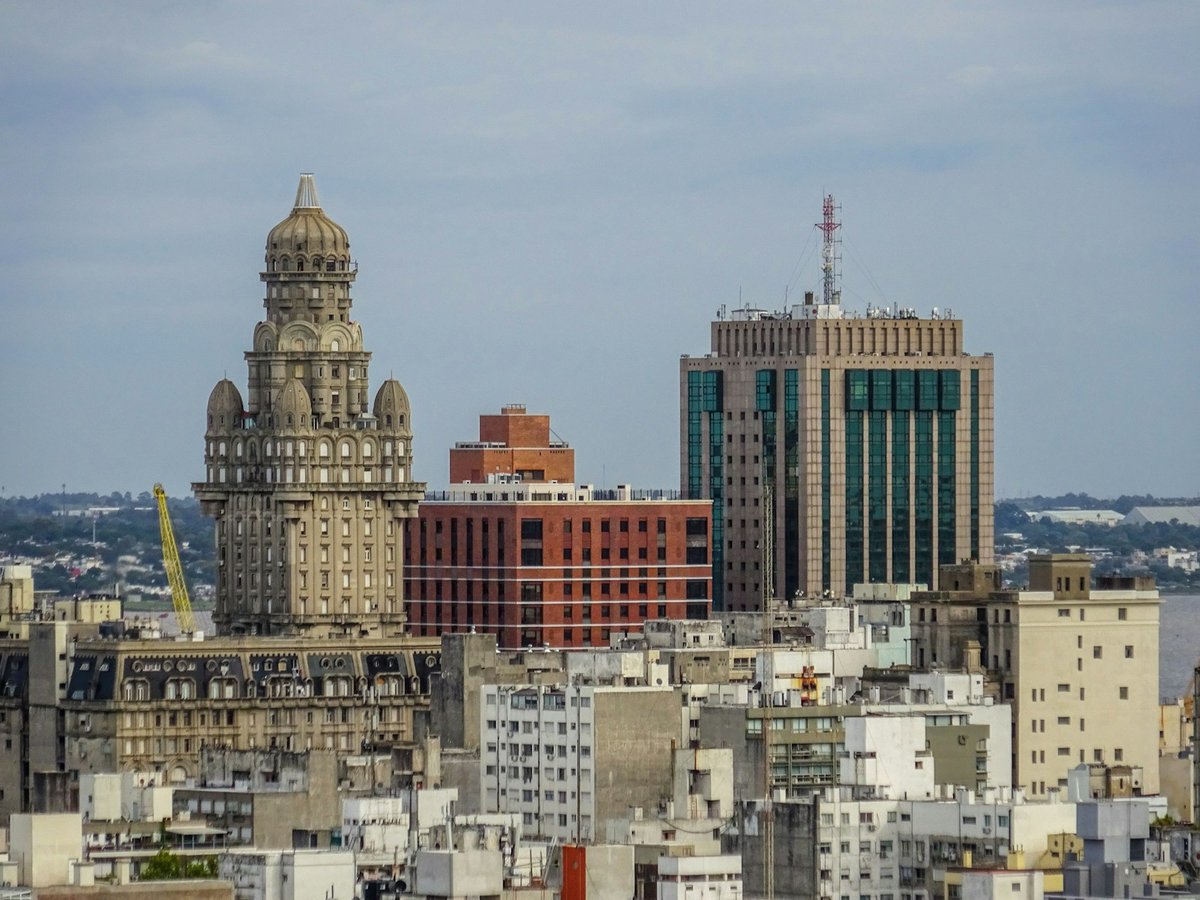
Make your way toward Plaza Independencia, where the historic old city meets the newer part of Montevideo. Look out for Palacio Salvo, one of Uruguay's most iconic buildings, before continuing toward Mercado del Puerto. Look for a traditional parrilla serving asado and try a chivito, Uruguay's famous steak sandwich.
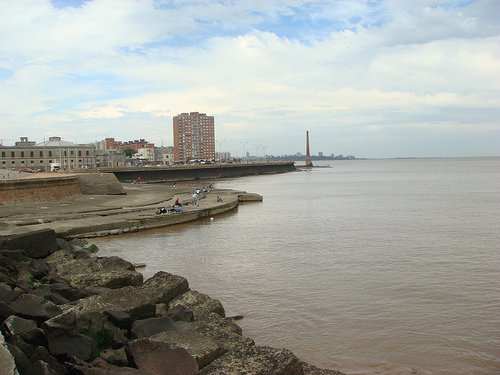
Later, head toward the Rambla for your first waterfront walk. The promenade follows the Río de la Plata and is closely connected to everyday life in Montevideo. Locals use it for walking, cycling, exercising, drinking mate and watching the water.
- Afternoon: Ciudad Vieja, Plaza Independencia and Mercado del Puerto.
- Evening: A Rambla walk, then dinner in one of the city's independent restaurants or cafés.
Day 2 — Montevideo at a Slower Pace
Start with breakfast at an independent café, then continue exploring the city at a relaxed pace.
Spend part of the day around Pocitos and its long beach, then walk a section of the Rambla. If you are interested in football, consider visiting Estadio Centenario, associated with the first FIFA World Cup in 1930.
For another city view, the Intendencia de Montevideo has a viewpoint at the top of its building. If you are visiting on a weekend, leave some time for local markets and street activity in Ciudad Vieja.
- Morning: Café breakfast, then Pocitos and a stretch of the Rambla.
- Afternoon: Optional Estadio Centenario or the Intendencia viewpoint; weekend markets if they are on.
- Evening: A long dinner and a glass of Tannat.
Day 3 — Montevideo to Colonia del Sacramento
Travel west to Colonia del Sacramento, a small historic city on the Río de la Plata.
Once you arrive, explore the Barrio Histórico, a UNESCO World Heritage Site and the heart of the city. Enter through the Portón de Campo, then wander toward Calle de los Suspiros, one of the area's most photographed streets.
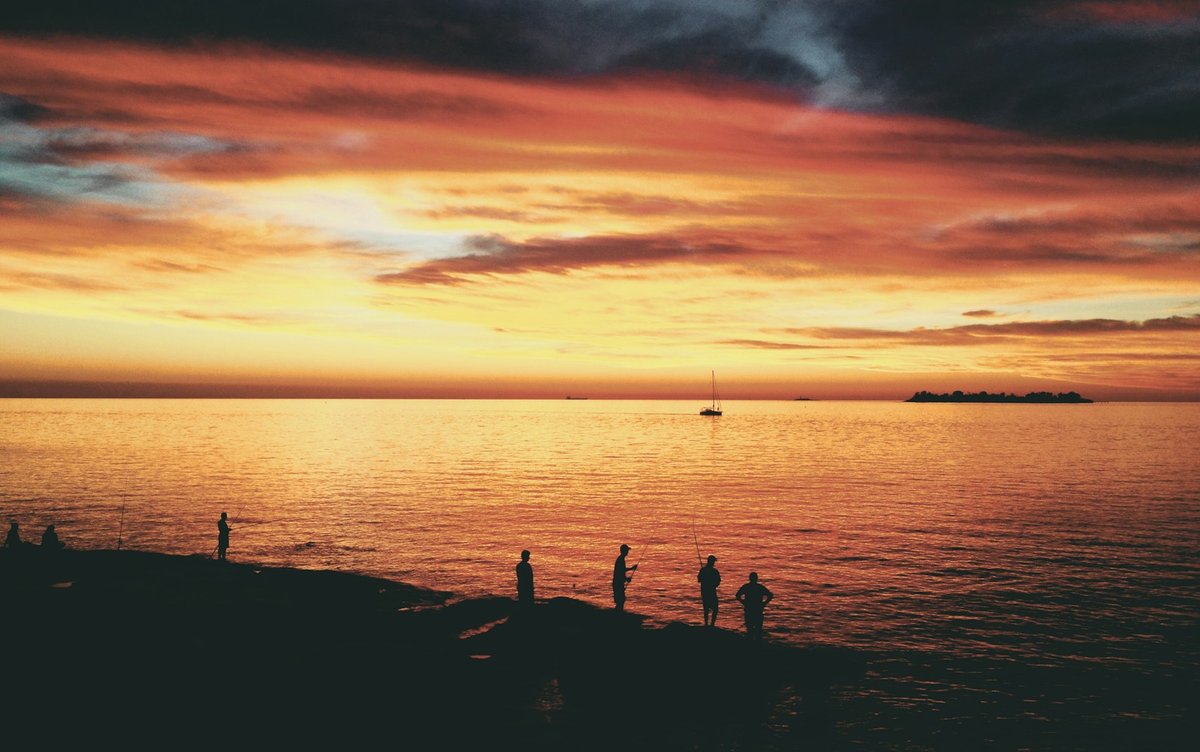
Continue toward the old waterfront and the lighthouse, where you can get views across the historic quarter and river. An overnight stay is particularly worthwhile because many visitors experience Colonia as a day trip. Once the daytime crowds leave, the historic quarter becomes much more relaxed.
- Morning: Bus or drive from Montevideo to Colonia (about 2 hours by car, 2.5–3 hours by bus).
- Afternoon: Portón de Campo, Calle de los Suspiros, the waterfront and lighthouse.
- Evening: Stay in or near the historic quarter after the day visitors leave.
Day 4 — Colonia to Canelones to Montevideo
Leave Colonia after breakfast and make your way back toward Montevideo, stopping in Canelones, Uruguay's main wine-producing region, along the way.
If you are interested in wine, plan a visit to one of the area's wineries for a tasting and a relaxed lunch among the vineyards. Harvest runs from roughly February to mid-March, and some wineries offer harvest activities, tours and tastings during that window, depending on the season. April brings Tannat Week and Tannat Day (14 April) events. After your winery visit, continue to Montevideo and check into your accommodation.
If wine is not a priority, you can skip the Canelones stop and return directly to Montevideo instead. Use the afternoon for a long lunch, a café stop or another walk along the Rambla. Keep the evening relaxed.
- Morning: Leave Colonia; optional winery tasting in Canelones.
- Afternoon: Return to Montevideo, or skip wine and walk the Rambla again.
- Evening: An easy dinner before the coastal drive tomorrow.
Day 5 — Montevideo to Punta del Este to José Ignacio
Leave Montevideo in the morning and drive east toward Punta del Este.
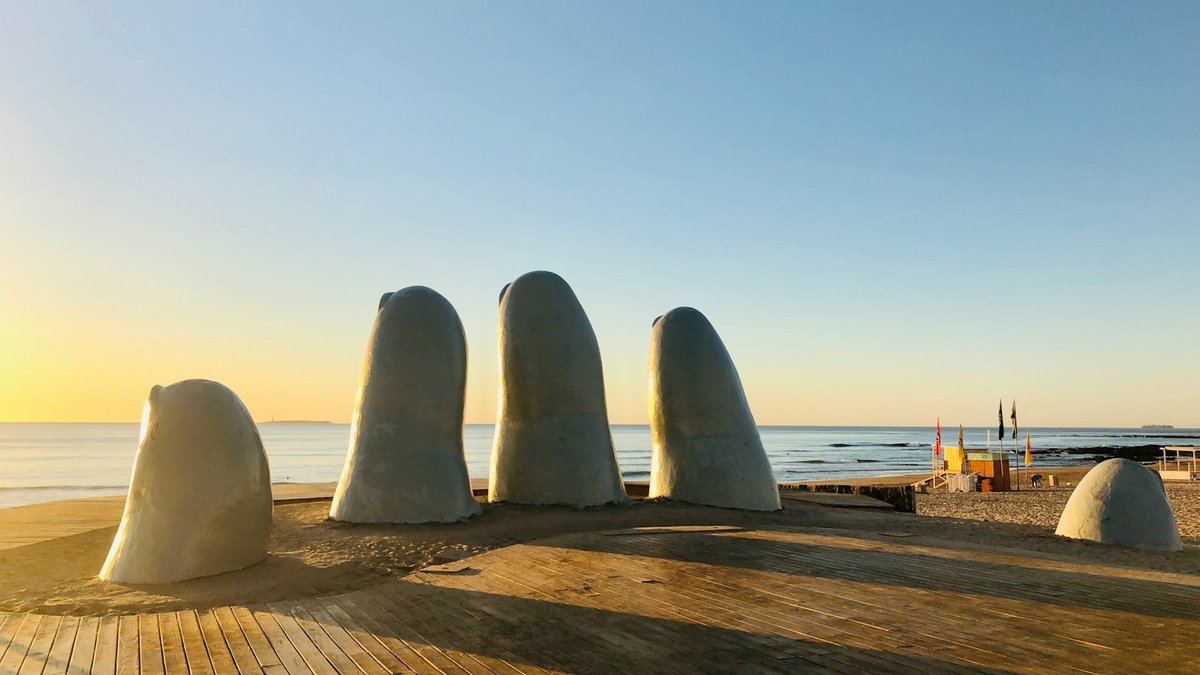
Start around Playa Brava, home to La Mano, Punta del Este's famous giant-hand sculpture rising from the sand. Take a walk along the waterfront before continuing toward the calmer beaches of Playa Mansa if you would prefer a more relaxed setting.
Stop for lunch in Punta del Este, then continue east toward La Barra. Browse its small shops and cafés or simply enjoy a short coastal drive before continuing to José Ignacio.
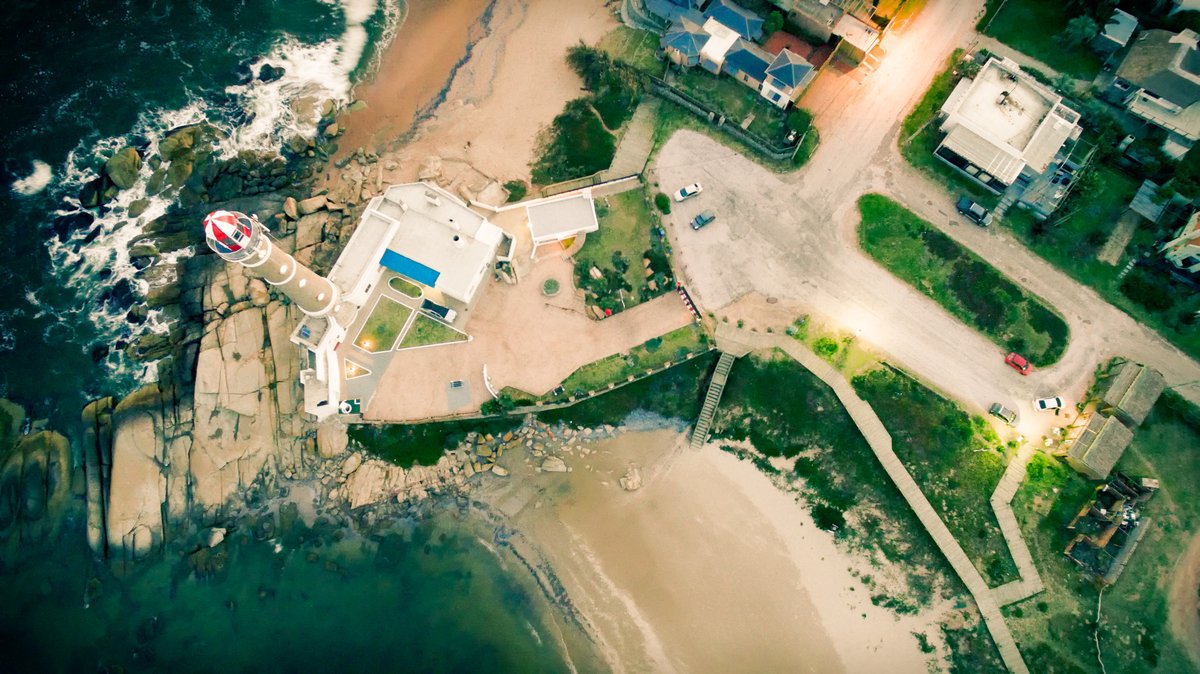
Arrive in José Ignacio in the afternoon and settle into your accommodation. Spend the rest of the day around the lighthouse and beach, then finish with a sunset walk and dinner by the coast. There is no need to fit in every attraction today. The goal is to enjoy the journey east and gradually transition from Punta del Este's busier resort atmosphere to José Ignacio's quieter coastal setting.
- Morning: Drive east; Playa Brava and La Mano.
- Afternoon: Lunch, La Barra and arrival in José Ignacio.
- Evening: Lighthouse, beach and a coastal dinner.
Day 6 — José Ignacio and the Eastern Coast
Keep today deliberately open and enjoy José Ignacio at a slower pace.
Start with a relaxed morning walk around the lighthouse and nearby beaches. Spend some time browsing the small shops before settling into a long seafood lunch.
In the afternoon, if you have a car, take a relaxed drive east along the coast toward Garzón, stopping at beaches and quieter stretches of shoreline along the way. Alternatively, spend the entire afternoon at one beach with a book, a swim or a long walk. This is where the slow-travel idea of the itinerary really comes into play.
- Morning: Lighthouse and beach walk, then shops.
- Afternoon: Seafood lunch and either a drive toward Garzón or a full beach afternoon.
- Evening: Sunset and dinner by the coast.
Day 7 — Eastern Coast to Montevideo and Departure
Have a final slow breakfast before beginning the journey back to Montevideo. If your departure is later in the day, leave some buffer for a final Rambla walk or lunch in the city. If you are flying internationally, allow plenty of time for the return journey, especially if you are dropping off a rental car.
- Morning: Slow breakfast, then the drive west.
- Afternoon: Optional last walk or lunch in Montevideo, then the airport.
Where to Stay
These are sample options near the bases on this route, not a booking list. Availability and rates change quickly in coastal summer.
Montevideo — Ciudad Vieja: Best for history, cafés and walking. Suggestions include Alma Histórica Boutique Hotel near Plaza Zabala and Don Boutique Hotel, close to Mercado del Puerto.
Montevideo — Pocitos: Best for the Rambla and beach. Suggestions include Hotel Costanero MGallery on the Rambla and Hotel Montevideo near Pocitos and the waterfront.
Montevideo — Centro: Best for a central location. A suggestion is Radisson Montevideo Victoria Plaza on Plaza Independencia.
Colonia — Barrio Histórico: Best for atmosphere and walking. Suggestions include Posada Boutique Las Terrazas near the Portón de Campo, Charco Hotel in the historic area, and Hotel La Misión opposite Plaza Mayor.
Colonia — waterfront: For more space and resort-style facilities, a suggestion is Radisson Hotel Colonia del Sacramento, by the Río de la Plata and within walking distance of the historic quarter.
José Ignacio: Quieter beach-town stay. Suggestions include Casa Suaya Hotel Boutique and Bahia Vik José Ignacio.
For a livelier base, stay around Punta del Este, where you will have more restaurants, nightlife and larger hotel options. This itinerary is designed around José Ignacio as the quieter alternative.
Getting Around Uruguay
You do not necessarily need a rental car for the whole trip. Montevideo and Colonia can be explored without one, and buses connect the major destinations. A rental car becomes more useful once you reach the eastern coast, particularly if you want to explore beaches, wineries and smaller coastal towns at your own pace.
A practical approach is walking and public transport for Days 1–3, then picking up a rental car from Day 4 for the Canelones wineries and the eastern coast. The wineries are rural and hard to reach without a car, so collect it in Colonia on the morning of Day 4 (check whether a one-way drop-off in Montevideo adds a fee) or pick it up in Montevideo on Day 3 and drive to Colonia. If you would rather stay car-free until the coast, skip the winery stop, take the bus back to Montevideo on Day 4 and collect the car on Day 5.
For bus and terminal information, see Tres Cruces.
Best Time to Visit Uruguay
For this itinerary, December to March is the best period if your priority is beaches, coastal towns and outdoor activities. Uruguay's summers are warm, and the Atlantic coast is particularly active during this period.
- December–February: Best for beaches, beach towns and summer atmosphere. This is also the busiest period.
- February–March: Particularly good for wine lovers, as Uruguay's grape harvest takes place around this time.
- March–April: A good shoulder-season option for combining wine, cities and the coast with a more relaxed feel.
- October–November: Pleasant for sightseeing and coastal travel before the peak summer period.
- May–September: Cooler months, better suited to Montevideo, Colonia, food and wine than a beach-focused trip.
Local Food and Wine to Try
- Asado: Uruguay's classic barbecue tradition is built around grilled beef and other meats. Look for a traditional parrilla for the full experience.
- Chivito: A substantial Uruguayan sandwich usually built around steak and topped with ingredients such as ham, bacon, mozzarella, tomato, lettuce, mayonnaise and fried egg.
- Empanadas: An easy snack for road trips and casual lunches, with fillings varying by restaurant.
- Medialunas: Small crescent-shaped pastries that work particularly well with a morning coffee.
- Dulce de leche: A staple sweet spread that appears in desserts, pastries and ice cream.
- Tannat: Uruguay's signature red wine grape.
- Albariño: White wine has become increasingly important in Uruguay, particularly in coastal wine regions.
- Mate: Much more than a drink. Locals commonly carry a mate gourd and thermos and drink it throughout the day as part of a social ritual.
Winery suggestions, depending on opening days and bookings:
- Bodega Bouza — Melilla, around the Montevideo area; a convenient winery visit.
- Bodega Juanicó / Familia Deicas — Juanicó, Canelones; a more traditional wine-country option.
- Pizzorno Family Estates — Canelón Chico, Canelones.
Practical Transport Tips
- Intercity buses are useful for Montevideo–Colonia and Montevideo–Punta del Este.
- Download offline maps before heading to smaller coastal areas.
- Summer traffic can make coastal journeys slower than expected.
- If you are driving, fuel costs can be relatively high, so factor that into your rental-car budget.
- If visiting wineries, check opening days and book tastings ahead.
- If arriving from Buenos Aires by ferry, allow extra time for check-in and border procedures; arriving at the terminal at least an hour early is a useful buffer.
- For airport transfers, taxis, rideshares or pre-booked transfers can all be considered depending on your arrival time and accommodation.
Solo Travel
Uruguay works well for solo travellers who enjoy independent days without needing constant activities. Montevideo is easy to explore on foot in many areas, while Colonia is compact enough to wander without a strict plan. Along the coast, a rental car gives solo travellers the freedom to stop wherever the scenery looks appealing.
Itemised Budget for 7 Days (Per Person, Excluding International Flights)
These are approximate planning ranges in US dollars for one person sharing a room, covering 6 nights. Coastal summer, especially January around José Ignacio and Punta del Este, sits at the high end.
| Item | Budget | Mid-range | Comfortable |
|---|---|---|---|
| Accommodation, 6 nights | $300–420 | $450–800 | $900–1,400 |
| Intercity transport or rental car, shared | $80–150 | $150–350 | $250–450 |
| Food and drinks | $200–250 | $250–400 | $400–650 |
| Activities and wine tastings | $40–80 | $75–175 | $150–300 |
| Total per person | About $620–900 | About $925–1,725 | About $1,700–2,800 |
Uruguay's relatively high prices are worth keeping in mind, especially for accommodation and dining in popular coastal destinations. Independent cafés and local restaurants help keep food costs closer to the mid-range rather than the top of the scale.
Extending Your Trip: 10, 12 or 14 Days in Uruguay
This 7-day route is the Montevideo–Colonia–Atlantic coast core. Extra days work best as a second coastal or wine block after José Ignacio, not squeezed into the same six nights.
10 days: Carmelo wine country or Cabo Polonio
Keep this itinerary, then add two or three nights either west for Carmelo wineries and riverside stays, or further east for Cabo Polonio — dunes, a lighthouse and a small settlement with a wilder Atlantic feel. Do not try to do both Carmelo and Cabo Polonio as casual day trips from this core; each deserves overnight time.
12 days: deeper coast
Add buffer nights in José Ignacio, then continue to Punta del Diablo for a more bohemian fishing-village atmosphere, sandy streets and surf beaches. Optionally pair it with Santa Teresa National Park for camping, beaches and a more rugged shoreline. Keep Montevideo and Colonia intact so the capital and UNESCO quarter do not get rushed.
14 days: wine plus remote coast as two blocks
A fortnight can hold this 7-day core plus a dedicated wine block around Carmelo and a separate eastern stretch toward Cabo Polonio or Punta del Diablo. Treat those as their own bases with clear transfer days, not side trips from José Ignacio on the same night. Finish the core route, then move on with buffer built in.
How to Arrive and Depart
Most international travellers arrive through Carrasco International Airport (MVD) outside Montevideo. From the airport, you can reach central Montevideo by taxi, transfer, rideshare or rental car.
If you are combining Uruguay with Argentina, another option is arriving by ferry from Buenos Aires, particularly into Colonia del Sacramento, with Buquebus or Colonia Express.
Return to Montevideo for your international flight. If you are staying on the eastern coast on your final night, allow enough time to drive back to the airport and return your rental car.
What to Pack
- Comfortable walking shoes
- Lightweight clothing
- Light jacket for evenings
- Swimwear
- Sun protection, sunglasses and a small daypack
- Travel documents
- Insect repellent, particularly for warmer evenings and outdoor stays
Key Places and Exact Locations
- Carrasco International Airport (MVD): arrival and departure
- Ciudad Vieja, Montevideo: Days 1–2
- Plaza Independencia: Day 1
- Mercado del Puerto: Day 1
- Rambla de Montevideo: Days 1–2
- Pocitos Beach: Day 2
- Portón de Campo, Colonia: Day 3
- Calle de los Suspiros: Day 3
- Canelones wine region: Day 4
- La Mano, Playa Brava: Day 5
- La Barra: Day 5
- José Ignacio lighthouse: Days 5–6
Useful Links
- Official Uruguay tourism (Ministerio de Turismo)
- Montevideo tourism
- Colonia del Sacramento tourism
- Intendencia de Maldonado — Punta del Este
- UNESCO — Historic Quarter of Colonia del Sacramento
- Carrasco International Airport (MVD)
- Buquebus — Buenos Aires to Uruguay ferries
- Colonia Express — Buenos Aires to Colonia ferry
- Tres Cruces bus terminal
FAQs
What is the best time to visit Uruguay?
December to March is ideal for beaches and coastal travel, while February and March are especially interesting for wine experiences.
How many days in Uruguay is enough?
Seven days is enough for Montevideo, an overnight in Colonia del Sacramento, a Canelones wine stop and two nights on the Atlantic coast around José Ignacio. Skip Carmelo, Cabo Polonio and Punta del Diablo in this window; add them if you have 10 days.
Can I visit Uruguay without renting a car?
Yes. Montevideo and Colonia are easy to visit without one, and intercity buses connect the main destinations. A car becomes more useful for exploring the eastern coast independently.
Is Colonia worth staying overnight?
An overnight stay lets you experience the historic quarter after many day visitors have left and gives the town a much slower atmosphere.
Should I stay in José Ignacio or Punta del Este?
José Ignacio offers a smaller, quieter beach-town setting, while Punta del Este has a broader range of accommodation, restaurants and nightlife. Your choice can depend on how much activity you want.
What wine is Uruguay known for?
Tannat is Uruguay's best-known wine grape and pairs particularly well with the country's grilled meats.
What is the easiest way to travel from Montevideo to Colonia?
Intercity bus is a straightforward option, while driving gives you more flexibility if you're already renting a car.
Is Uruguay expensive?
It can be relatively expensive compared with some other South American destinations, particularly for accommodation and dining in coastal areas during summer. Independent cafés and local restaurants can be useful alternatives to international chains.
Can I combine Uruguay with Argentina?
Yes. Buenos Aires and Uruguay are closely connected, with ferry services making Colonia a particularly convenient entry point from Argentina.
Prompts to Try in Honge
- Plan a slower 10-day Uruguay trip with more beach time.
- Find the best wineries to visit near Montevideo.
- Build a Uruguay road trip focused on small coastal towns.
- Compare staying in José Ignacio versus Punta del Este.
- Plan a food-focused weekend in Montevideo.
- Find the best beaches between Punta del Este and José Ignacio.
- Create a Uruguay packing list for summer.
- Add two extra days of wine country to this itinerary.
- Extend this trip to include Cabo Polonio and Punta del Diablo.
- Plan a Uruguay trip combining beaches, wineries and gaucho culture.
Ready to Start Your Adventure?
Start with this Uruguay itinerary on Honge, then tailor your Montevideo food stops, Colonia walks, winery visits and eastern-coast beach days to your travel style.
Uruguay is at its best when you leave a little room in the schedule — for another coffee, a longer waterfront walk, an unexpected coastal stop or a sunset that makes you want to stay a little longer.
Ready for Tannat, plazas and the Atlantic coast?
Plan your Uruguay trip with Honge
Keep Montevideo, Colonia and José Ignacio as bases, then shape café days, winery stops and beach time around your pace.
Related itineraries
Written by
This blog was contributed by Sheba M, a travel enthusiast and writer. Sheba can be reached at shebaranjitha@gmail.com.
About Honge
Honge is an AI travel planning platform focused on practical, experience-led itineraries with realistic pacing and logistics. All blog content is edited and published by Honge. Our Uruguay research draws on updated practical logistics as of October 2026. © Honge. All rights reserved.
Image credits: Photos are sourced from Unsplash and Wikimedia Commons. Copyright remains with their respective photographers and rights holders. Unsplash images are used according to the Unsplash License. Wikimedia Commons images are used according to their applicable license terms: CC BY 2.0 or CC BY-SA 2.0.
Travel disclaimer
This itinerary is intended as general travel inspiration and planning guidance only, not as personalised travel, safety or medical advice. Driving and bus times are estimates: summer traffic on the eastern coast, wine-country stops and ferry connections can add an hour or more, so do not book a tight international flight after the José Ignacio–Montevideo drive. Uruguay drives on the right. If you arrive from Buenos Aires by ferry, allow extra time for check-in and border procedures. Book coastal accommodation and winery tastings ahead in December–February, when Punta del Este and José Ignacio are busiest. Cards are widely accepted, but keep some cash for smaller cafés. Take out comprehensive travel insurance that covers medical treatment, car hire and cancellation. Suggested hotels and stay styles in this article are samples only and depend on availability; in the Honge app they may appear as booking options when offered by our vendors at the time of your search. Honge is not responsible for any changes to conditions, services or experiences described in this article after the date of publication.