
.jpg)
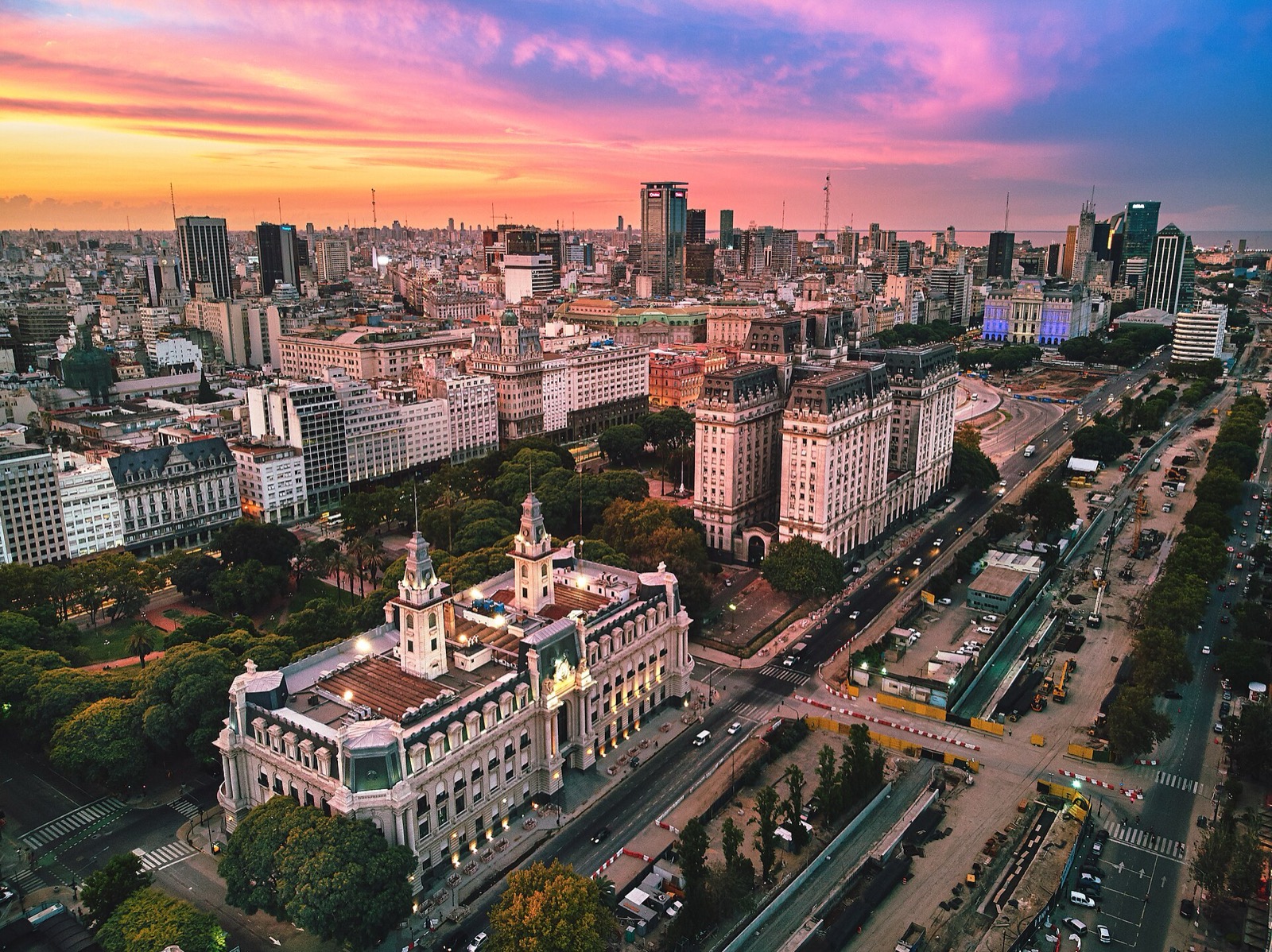
Buenos Aires is the kind of city that rewards you for slowing down. Dinner starts late, cafés stay busy well into the evening, and a simple walk through a tree-lined neighborhood can turn into an afternoon of exploring.
Start with this itinerary
Open this route in Honge as your starting point, then shape the days, stays, and pace around how you travel together.
For couples, there is plenty to do without making the trip feel like a checklist. Spend your mornings wandering through historic neighborhoods, your afternoons discovering food and art, and your evenings learning tango or sitting down to a long Argentine dinner.
Here is a relaxed seven-day itinerary that gives you a taste of Buenos Aires without trying to see everything at once.
A full week gives you enough time to settle into that rhythm while still seeing the city's major highlights.
When to Go
Buenos Aires is in the Southern Hemisphere, so its seasons are opposite to those in North America and Europe.
- Spring (September–November): One of the most attractive times to visit. Weather is generally mild, jacaranda trees add color to the streets, and the city has plenty happening outdoors. November is particularly appealing if you want warmer weather without middle-of-summer heat.
- Fall (April–June): Cooler temperatures and comfortable walking weather. It can feel a little calmer than the busier summer period — a good choice for couples who want to explore neighborhoods at a relaxed pace.
- Summer (December–February): Warmer, more humid, and generally busier. The city remains lively, but expect higher demand and hotter afternoons.
- Winter (June–August): Cooler and quieter — good for museums, theaters, restaurants, and tango shows. If tango is your main reason for visiting, August is worth considering because of the Buenos Aires Tango Festival.
If football is a priority, check the Argentine league fixture calendar before booking your trip.
Where to Stay
Recoleta
For a first visit as a couple, Recoleta is an easy choice. Its tree-lined streets, elegant buildings, cafés, and plazas give the neighborhood a classic Buenos Aires atmosphere. It is also convenient for visiting several major attractions and getting around the rest of the city.
Palermo Soho and Palermo Hollywood
Palermo has a younger, more local feel, with restaurants, boutiques, cafés, and nightlife. It is a good option if you care as much about where you eat and spend your evenings as you do about sightseeing. The main historic attractions are a little farther away, but short taxi or rideshare trips make getting around straightforward.
San Telmo
San Telmo is full of character. Its cobblestone streets, antique shops, and tango atmosphere make it one of the most interesting neighborhoods to explore. For a seven-day trip, however, it makes more sense to visit San Telmo rather than necessarily staying there.
For a first trip, Recoleta or Palermo is probably the easiest base.
The 7-Day Itinerary
| Day | Focus | Overnight |
|---|---|---|
| 1 | Arrival & Recoleta Cemetery | Buenos Aires |
| 2 | Plaza de Mayo, Café Tortoni, Teatro Colón | Buenos Aires |
| 3 | San Telmo, La Boca & tango show | Buenos Aires |
| 4 | Cooking class, Palermo & private tango lesson | Buenos Aires |
| 5 | Football match day | Buenos Aires |
| 6 | Tigre Delta day trip | Buenos Aires |
| 7 | Colonia del Sacramento + Puerto Madero dinner | Buenos Aires |
Day 1 — Arrival & Recoleta
Don't try to pack too much into your first day. After checking into your hotel, spend some time simply walking around Recoleta. Stop at a café, explore the nearby plazas, and get your first feel for the city.
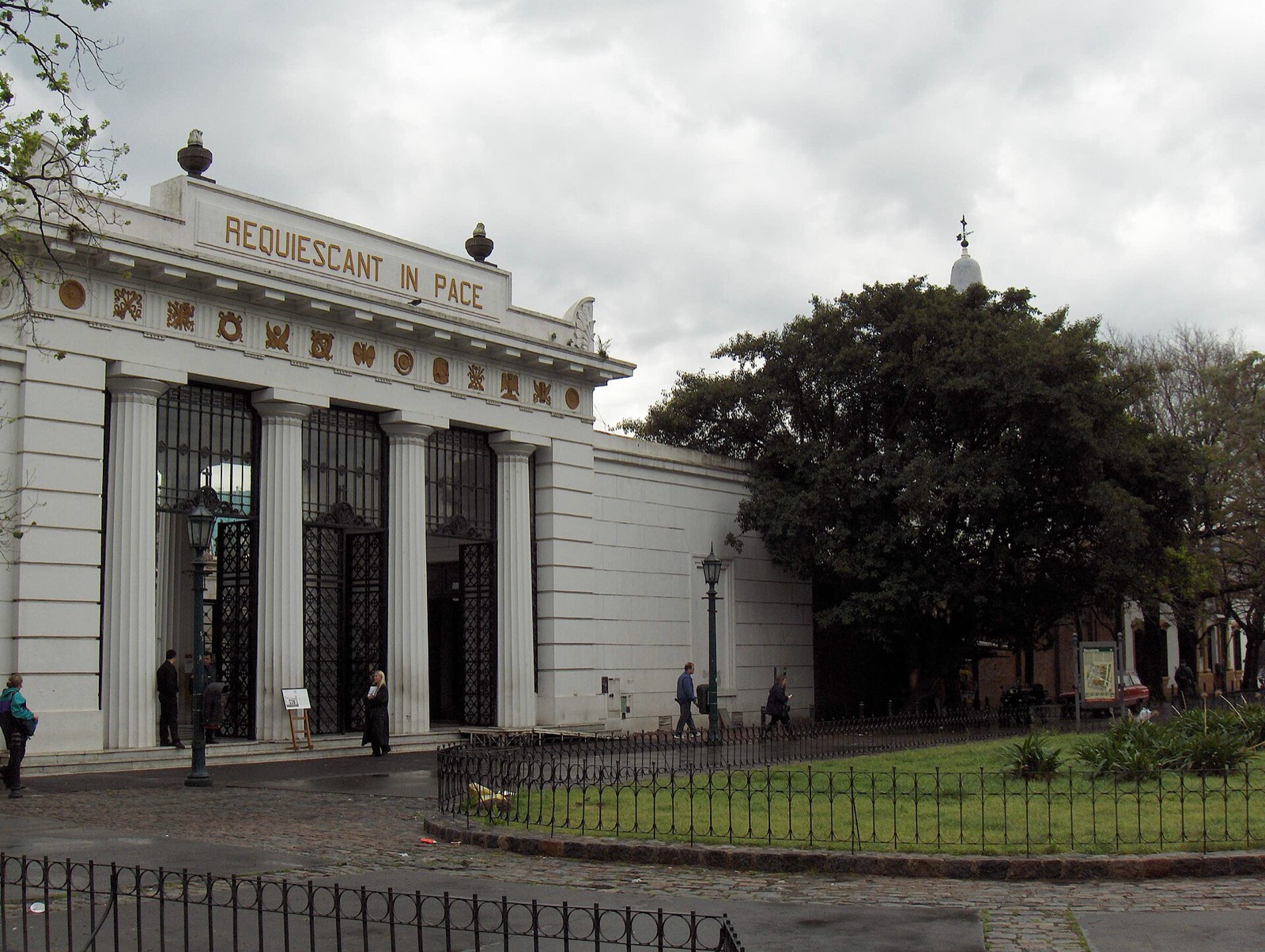
Later in the afternoon, visit Recoleta Cemetery. It is much more than a cemetery; the elaborate mausoleums make it feel like an open-air museum, and Eva Perón's grave is one of its most famous stops.
Finish the day with dinner nearby and an early night if you are still adjusting to the local schedule.
Day 2 — Plaza de Mayo & the Historic Center
Start at Plaza de Mayo, the political and historic heart of Buenos Aires. From here, you can see the Casa Rosada, the Cabildo, and the Metropolitan Cathedral.
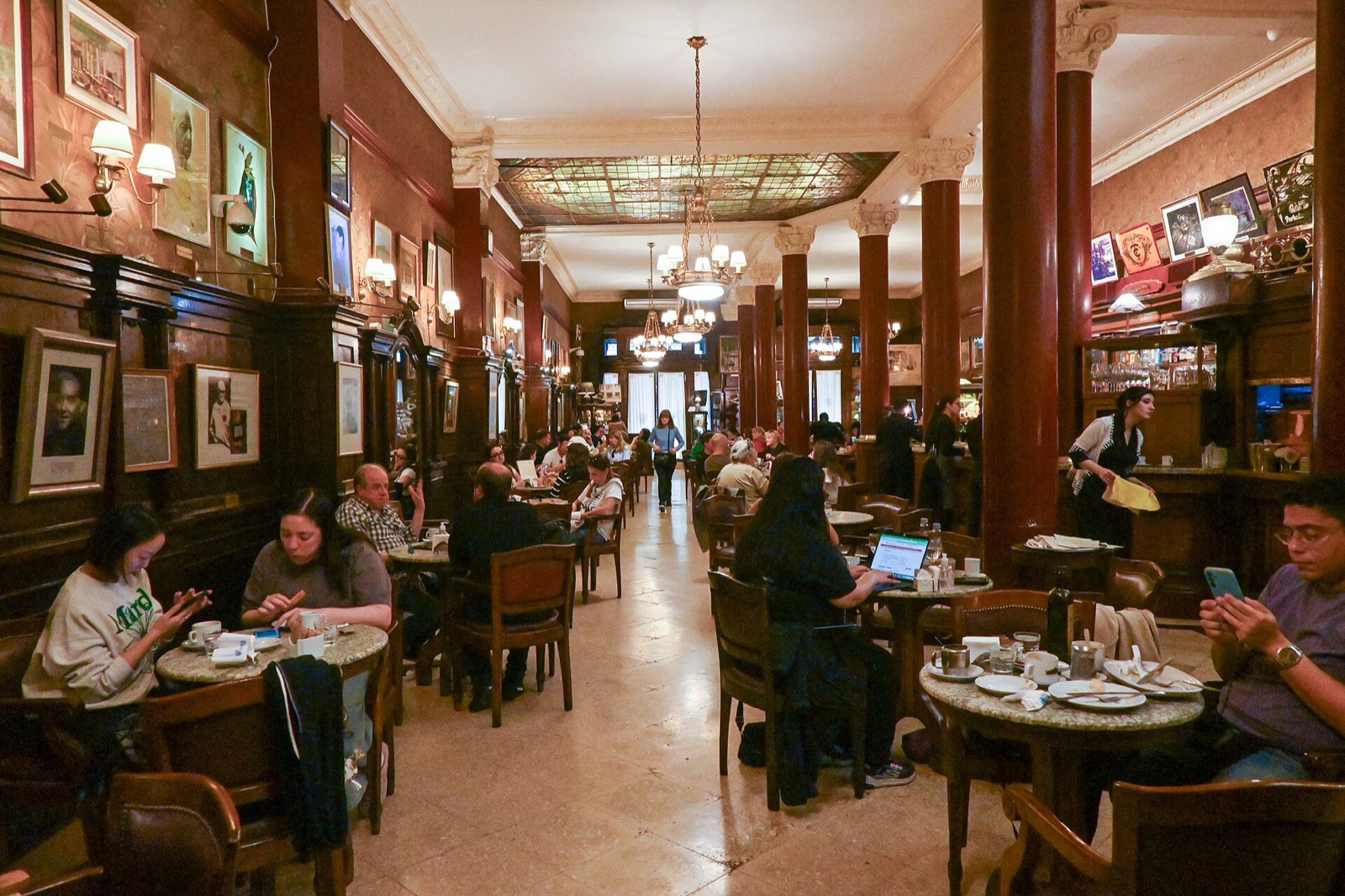
Walk along Avenida de Mayo and stop at Café Tortoni for coffee and pastries. The café is one of the city's historic landmarks and is worth experiencing even if you only stay for a short while.

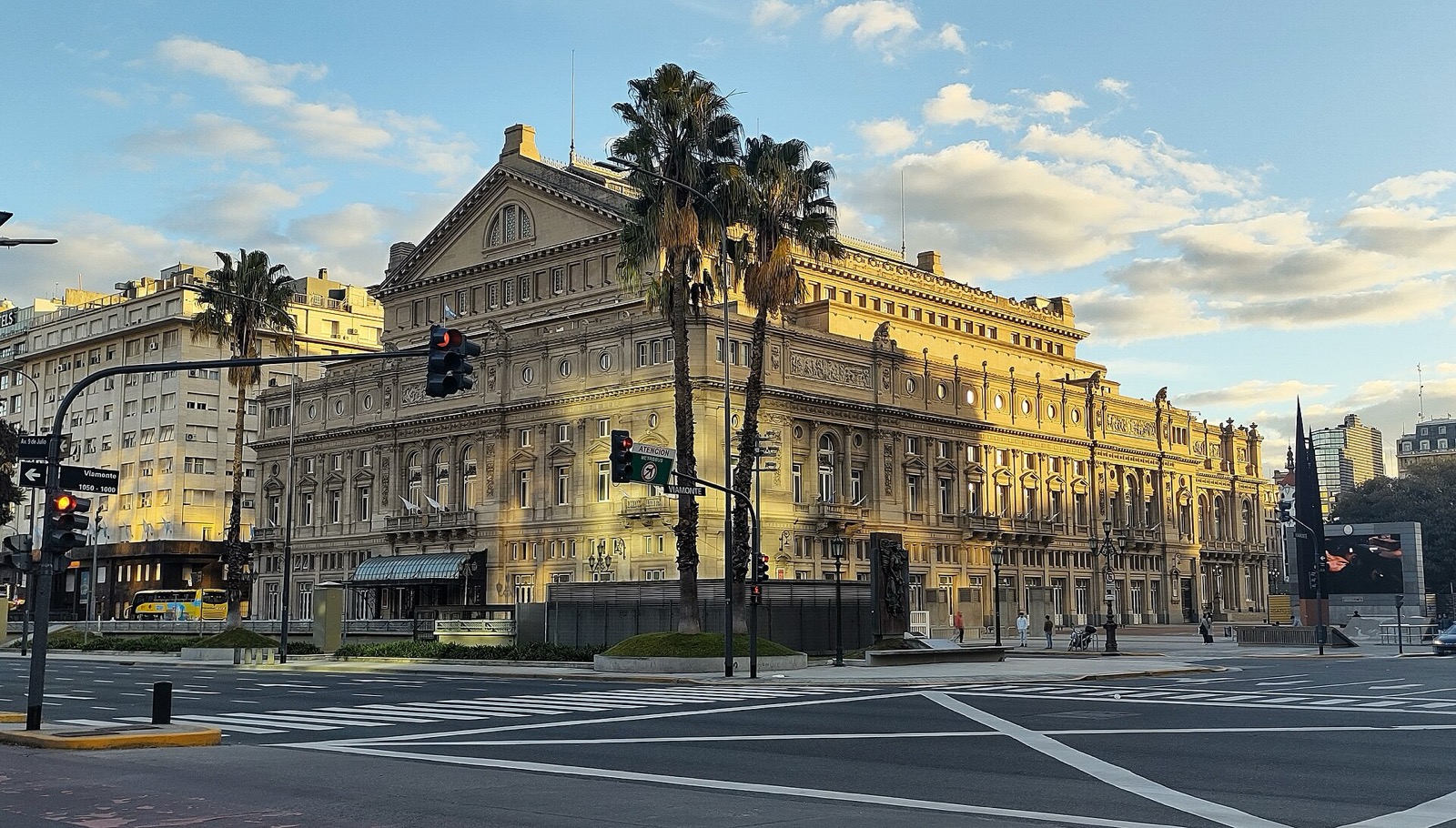
In the afternoon, take a guided tour of Teatro Colón. Even without attending a performance, the architecture and interior make the visit worthwhile.
Keep your evening flexible. Buenos Aires is better enjoyed when you leave some time for an unplanned dinner or a walk rather than filling every hour.
Day 3 — San Telmo, La Boca & Tango
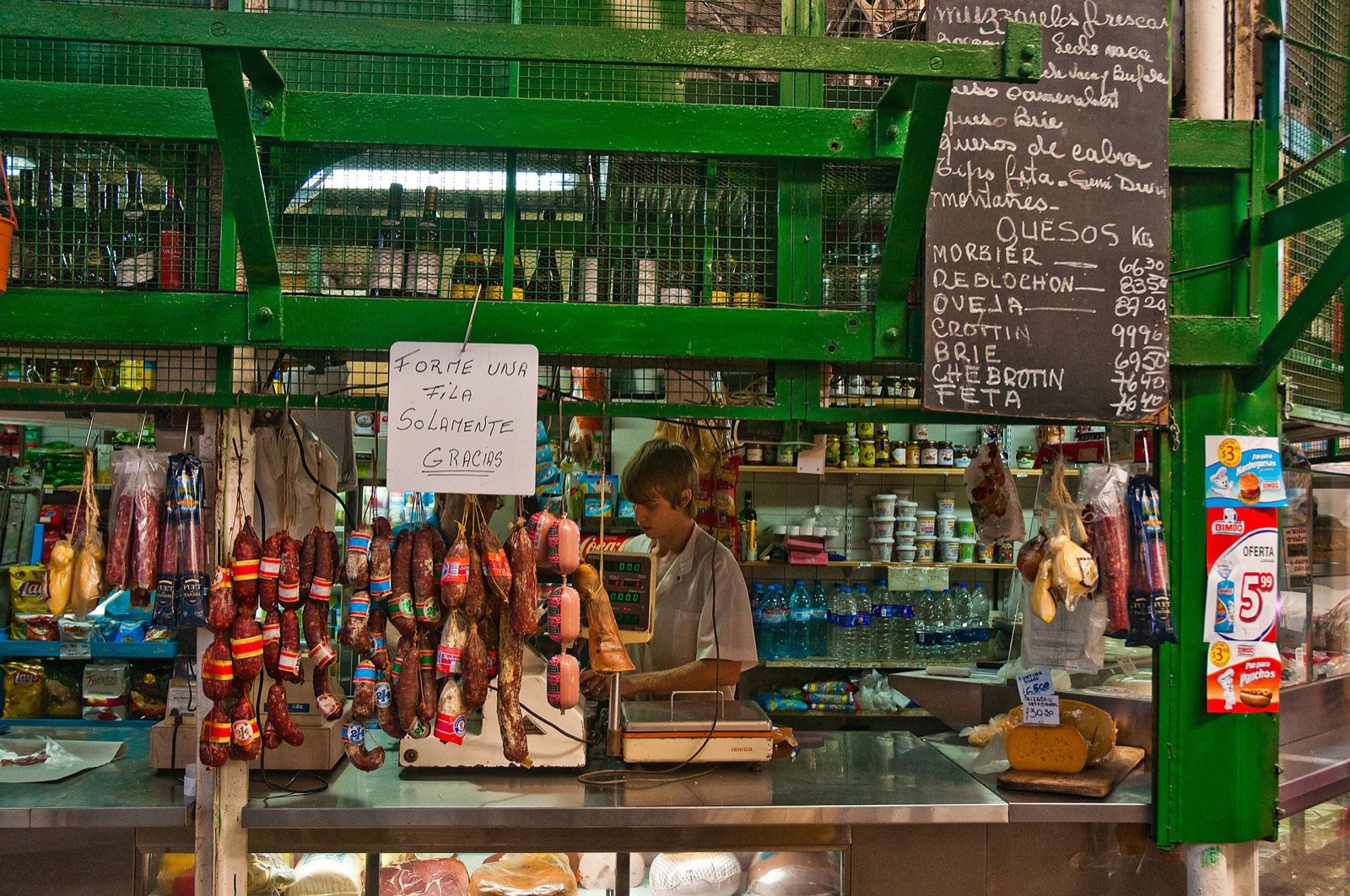
Spend the morning exploring San Telmo. If your visit falls on a Sunday, make time for the San Telmo Fair along Defensa Street. The neighborhood becomes especially lively, with antiques, street performers, food, and local crafts.
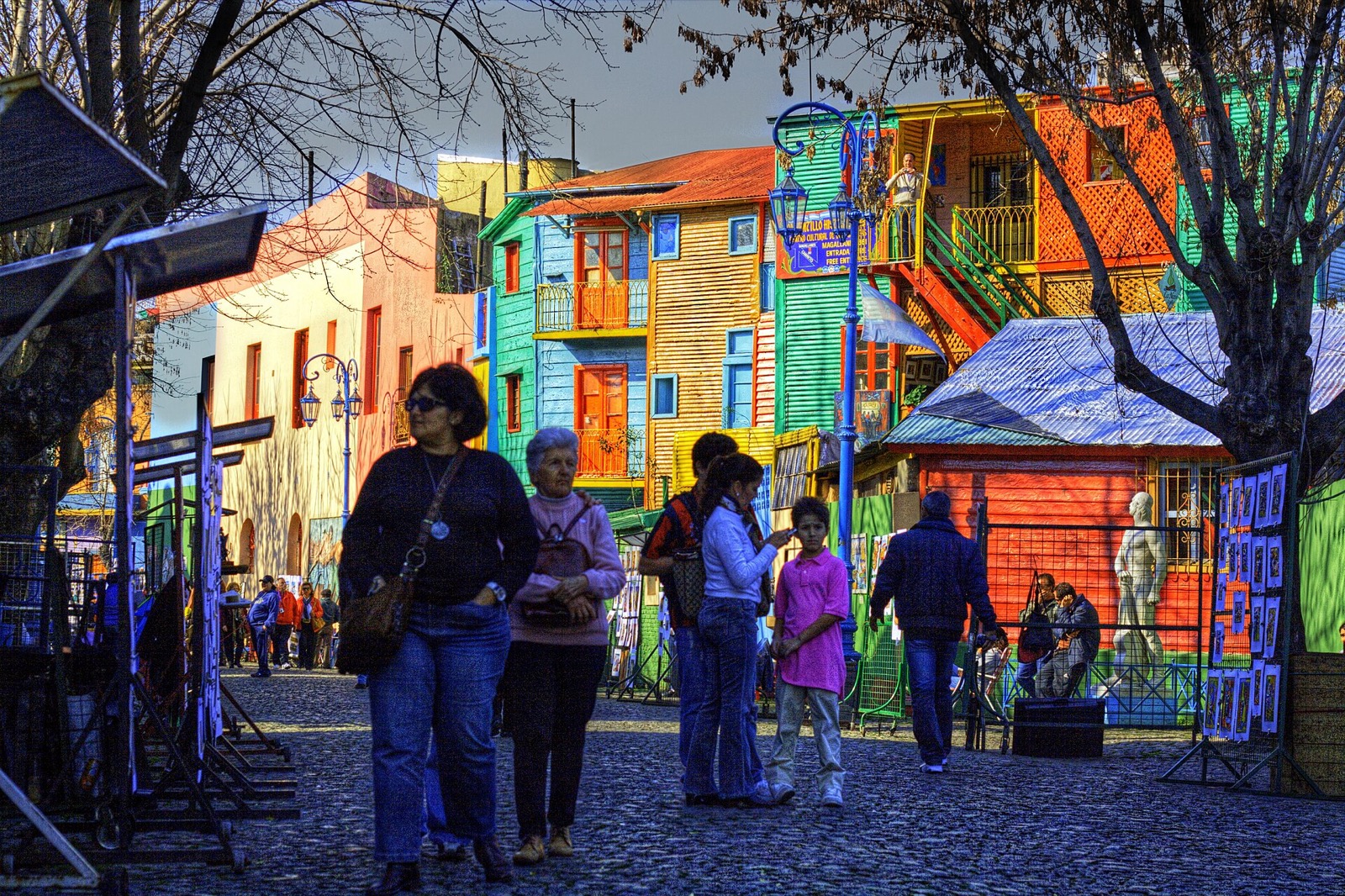
In the afternoon, head toward La Boca and visit Caminito, known for its brightly painted buildings and strong connection to the city's artistic and football culture. It is best to visit during the day and consider a guided walk, especially if it is your first time in the area.
In the evening, book a tango show with dinner. Watching professionals perform before taking your own lesson later in the trip makes the experience even more enjoyable.

Day 4 — Cooking Class, Palermo & Your First Tango Lesson
Today is about experiencing Buenos Aires rather than simply looking at it.
Start with an Argentine cooking class. Many classes focus on dishes such as empanadas, chimichurri, and asado, sometimes finishing with wine and the meal you helped prepare. For couples, this can be one of the most enjoyable activities of the trip because you are actually doing something together rather than just moving from one attraction to another.
Spend the afternoon in Palermo. Browse the boutiques around Palermo Soho or visit MALBA, the Museo de Arte Latinoamericano de Buenos Aires.
In the evening, take a private tango lesson. Most instructors are comfortable teaching complete beginners. In roughly 90 minutes, you can learn the basic embrace, walking technique, and a few simple steps. If you still have energy afterward, visit a real milonga. You don't have to dance; watching is part of the experience.

Day 5 — Football Day
If you enjoy football, this is the day to experience one of Buenos Aires' most famous traditions. Depending on the fixture schedule, you may be able to watch Boca Juniors at La Bombonera or River Plate at Estadio Monumental. The atmosphere can be intense, loud, and completely different from watching a match on television.
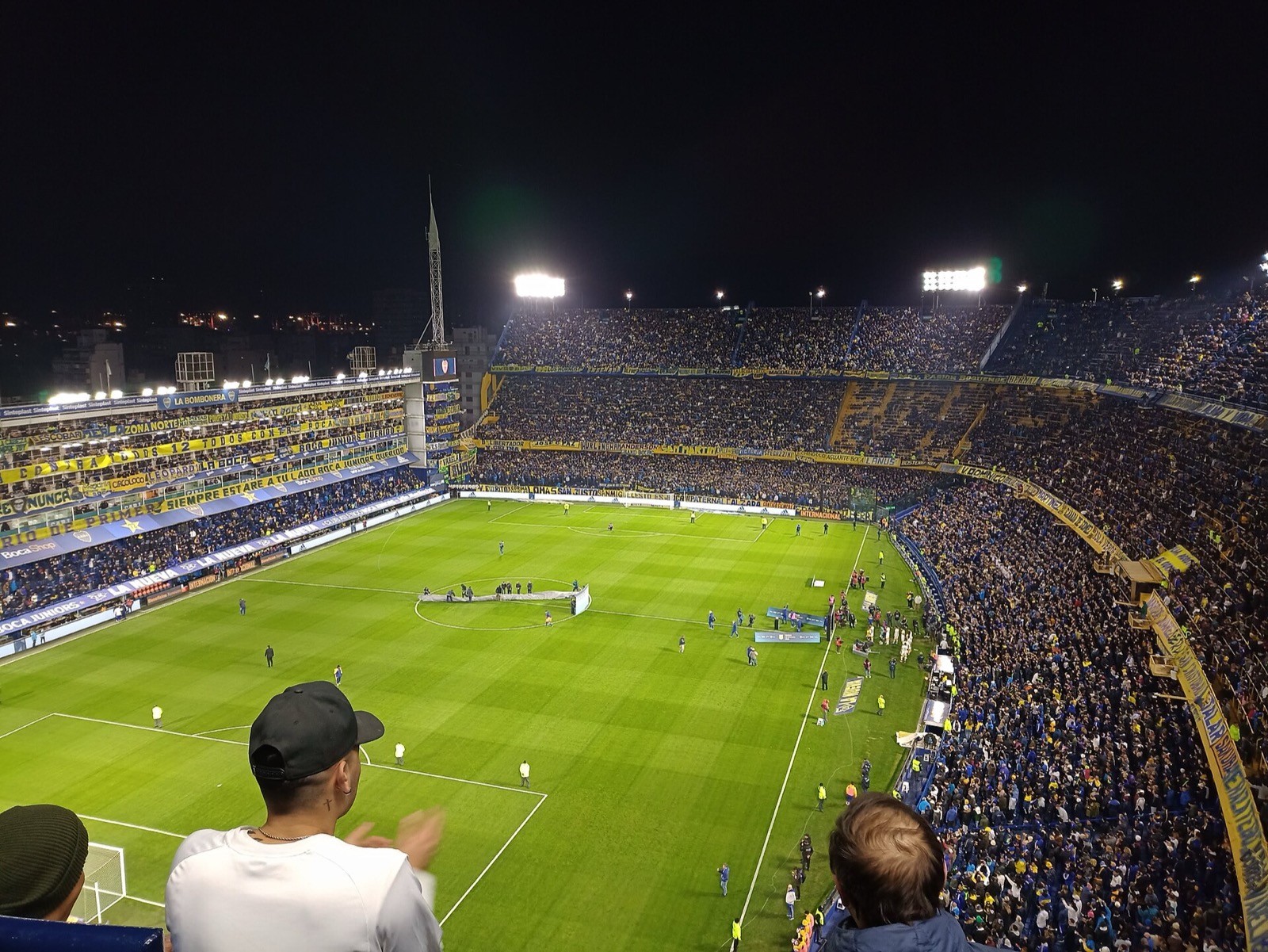
For visitors, it is safer and simpler to use a reputable tour or hosted match-day experience rather than buying tickets from street sellers or unofficial resellers.
Keep the morning slow. Visit the Recoleta Cultural Center, walk through Plaza Francia, or simply have a long breakfast before heading toward the stadium. The football match can easily become the highlight of the day.
Day 6 — Tigre Delta
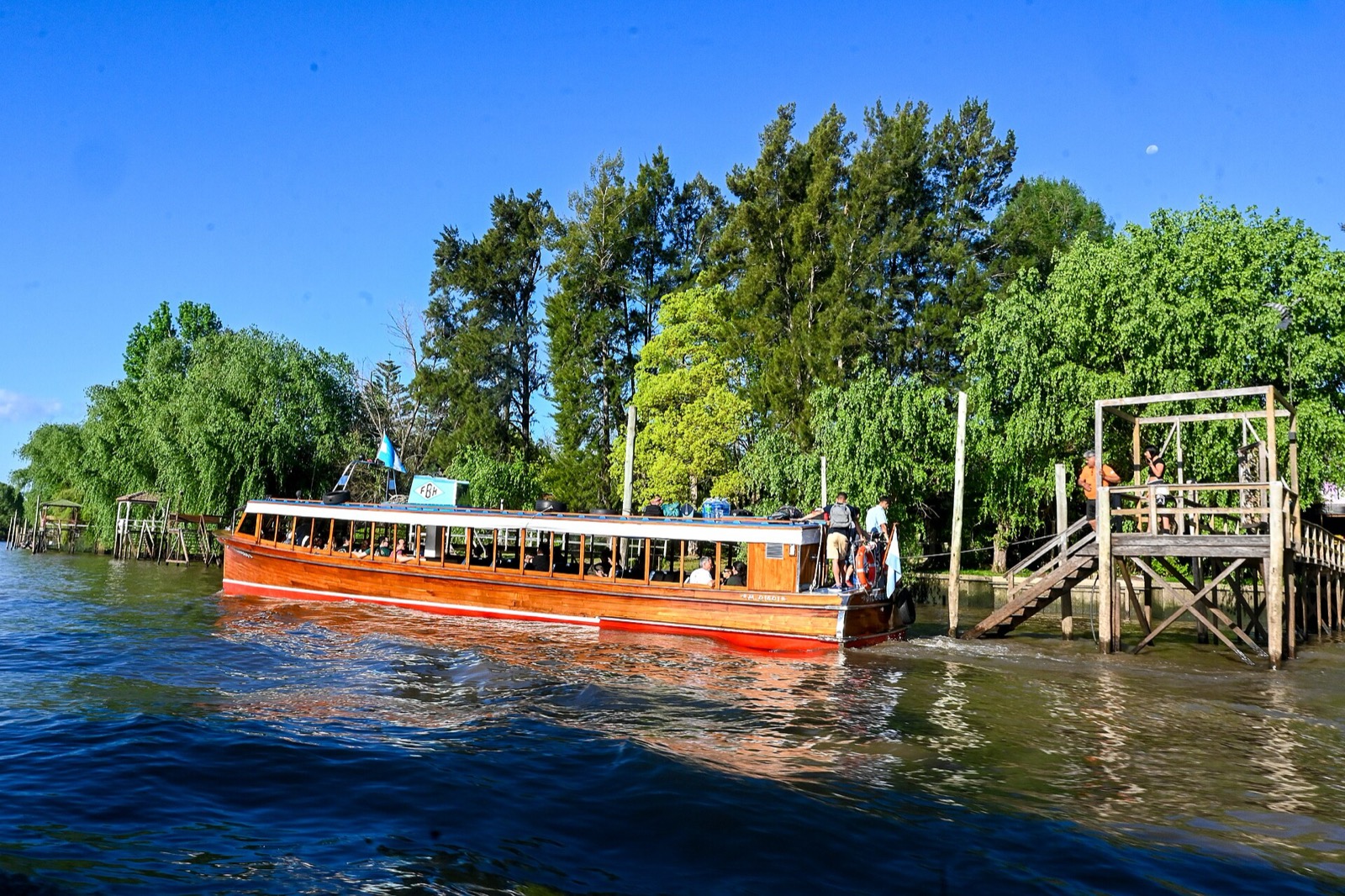
Take a train or guided tour north to Tigre, the gateway to the Paraná Delta. The pace here is completely different from central Buenos Aires. Take a boat through the waterways and see the island communities scattered throughout the delta.
Afterward, spend some time at the Puerto de Frutos market, where you can browse local crafts and stop for lunch.
This is deliberately a slower day. After several days of sightseeing, tango, and late evenings, the quieter atmosphere of Tigre gives you a chance to recharge.

Day 7 — Colonia del Sacramento, Uruguay
For your final full day, cross the Río de la Plata by ferry to Colonia del Sacramento in Uruguay. The historic center is compact and easy to explore on foot. Walk through the cobblestone streets, see the old Portuguese fortifications, and take your time over lunch.
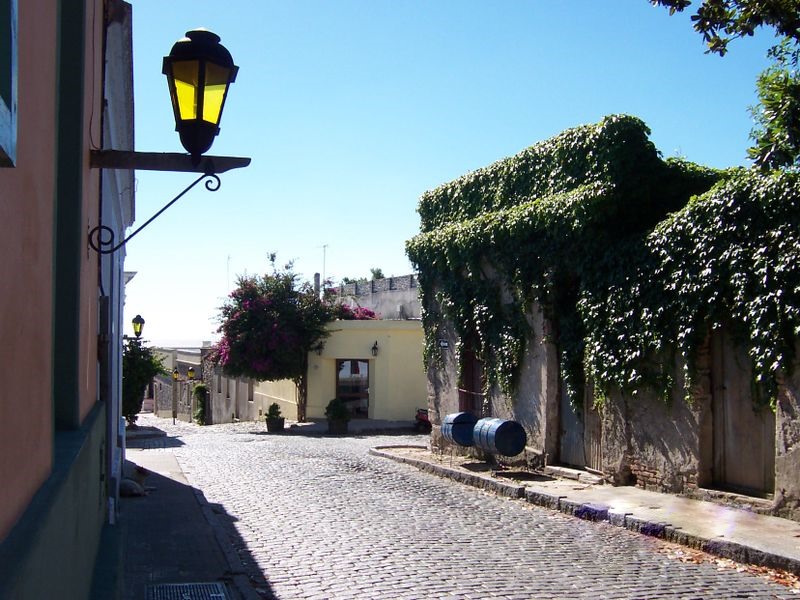

It is possible to see the main sights in half a day, so you can return to Buenos Aires for a final evening. Finish the trip with dinner in Puerto Madero, the city's modern waterfront district.
If two day trips feel like too much, skip either Tigre or Colonia and spend the extra day in Palermo or San Telmo instead. A slower final day can be just as enjoyable as another excursion.

.jpg)
What to Eat in Buenos Aires
Food is a major part of the Buenos Aires experience. Start with asado, Argentina's famous grilled meat, ideally at a good parrilla. Don't stop at steak, though. Try empanadas, milanesas, and desserts featuring dulce de leche.
And then there is the wine. Malbec, particularly from Mendoza, is a natural companion to Argentine food.
A cooking class is a great way to understand the cuisine beyond simply ordering it in a restaurant. Many classes last three to four hours and combine cooking with a meal and wine. For couples, it is one of those experiences that gives you something to remember after the trip.
Learning Tango
You can certainly visit Buenos Aires without dancing tango, but learning a few steps makes the city feel different. Beginner group classes are generally affordable, while private lessons allow couples to learn at their own pace.
You don't need any previous experience. A good first lesson will usually focus on posture, the embrace, walking, and basic steps. After the lesson, visit a milonga if you can. Even if you spend the evening watching rather than dancing, you'll have a much better understanding of what you are seeing.
Do You Need a Car?
Probably not. Buenos Aires is relatively easy to explore on foot, and the Subte and bus network cover much of the city. The rechargeable SUBE card can be used for public transportation.
Recoleta, the historic center, San Telmo, and Puerto Madero can all be explored on foot in combination with short rides. Rideshare services and taxis are also widely used.
For a week focused on neighborhoods, food, culture, and a couple of day trips, renting a car would mostly add parking and traffic headaches.
A Few More Places to Consider
If you have extra time, or want to swap something from the itinerary, consider:
- Puerto Madero — Great for an evening walk and waterfront dinner.
- Palacio Barolo — An impressive historic tower with city views.
- Feria de Mataderos — A weekend fair focused on gaucho culture, music, and dance.
- San Antonio de Areco — A good alternative day trip if you would rather experience the pampas than visit Uruguay.
- El Ateneo Grand Splendid — A beautiful bookstore inside a converted theater and an easy stop for book lovers.
Frequently Asked Questions
Is one week enough for Buenos Aires?
Yes. Seven days gives you enough time to explore the major neighborhoods, try Argentine food, take a tango lesson, experience a football match, and fit in one or two day trips.
Is Buenos Aires safe for couples?
Buenos Aires can be enjoyed safely with normal big-city precautions. Keep an eye on valuables in crowded areas, especially at busy markets, and use reputable transportation and guided options when appropriate.
Do I need to speak Spanish?
Not necessarily. You can manage in many tourist-facing hotels, restaurants, and tours with English, but knowing a few basic Spanish phrases will make everyday interactions easier and more enjoyable.
Can beginners learn tango in one lesson?
You won't become a professional dancer in 90 minutes, but you can learn the basic embrace, walking technique, and a few simple figures. That is more than enough to make a tango show or milonga more meaningful.
How do tourists get football tickets?
The safest approach is to use a reputable tour or hosted match-day experience. Avoid street sellers and unofficial resellers, particularly if you are unfamiliar with the local ticketing system.
Final Thoughts
Buenos Aires is not a city you need to rush through. Its best moments often happen between the major attractions: sitting in a café after a long walk, sharing a plate of empanadas, learning your first tango steps, or staying out for dinner much later than you normally would.
For couples, that slower pace is part of the appeal. Spend the week exploring, but leave enough room to simply enjoy being there.
And before you travel, check current entry requirements, opening hours, ticket availability, football fixtures, and travel insurance coverage. This itinerary is a starting point, not a substitute for checking the latest travel information.
Ready to make it yours?
Customize this itinerary with AI
Now that you've seen the full route, use Honge to tailor stays, activities, and day-by-day pacing to your trip.
Related itineraries
- 7-Day Finnish Lapland Itinerary: Sauna, Snow & Northern Lights
- 7-Day Tuscany Luxury Itinerary: Florence, Chianti & Val d'Orcia
- 10-Day Scotland Road Trip: Whisky, Castles & Mountains
- Japan Autumn Itinerary for Couples: 10 Days in Osaka, Nikko & Tokyo
- 5-Day Rio de Janeiro Itinerary for Friends: Beaches, Viewpoints & Nightlife
- 4-Day Barcelona Itinerary: Gothic Quarter, Gaudí & Flamenco
- 15-Day New Zealand Couples Road Trip: Auckland to Queenstown
- 12-Day Colombia Itinerary: Coffee Region, Medellín & Cartagena
Written by
This blog was contributed by Ishita Minia, a travel enthusiast and writer. Ishita can be reached at ishitaminia@gmail.com.
About Honge
Honge is an AI travel planning platform focused on practical, experience-led itineraries with realistic pacing and logistics. All blog content is edited and published by Honge. Our Buenos Aires research draws on updated practical logistics as of August 2026. © Honge. All rights reserved.
Image credits: Photos are sourced from Wikimedia Commons. Copyright remains with their respective photographers and rights holders. Wikimedia Commons images are used according to their applicable CC BY-SA 4.0 license terms.
Travel disclaimer
This itinerary is intended as general travel inspiration and planning guidance only — not as personalised travel advice. Conditions change. Before you travel, check the current entry requirements, visa rules, and any travel advisories issued by your government for Argentina and, if you take the Colonia day trip, for Uruguay. Review weather forecasts for your specific travel dates, confirm ferry schedules, opening hours, tango-show and cooking-class bookings, football fixtures, and ticket availability directly with operators and official sources, and take out comprehensive travel insurance that covers medical, cancellation, and disruption. Honge is not responsible for any changes to conditions, services, or experiences described in this article after the date of publication.