
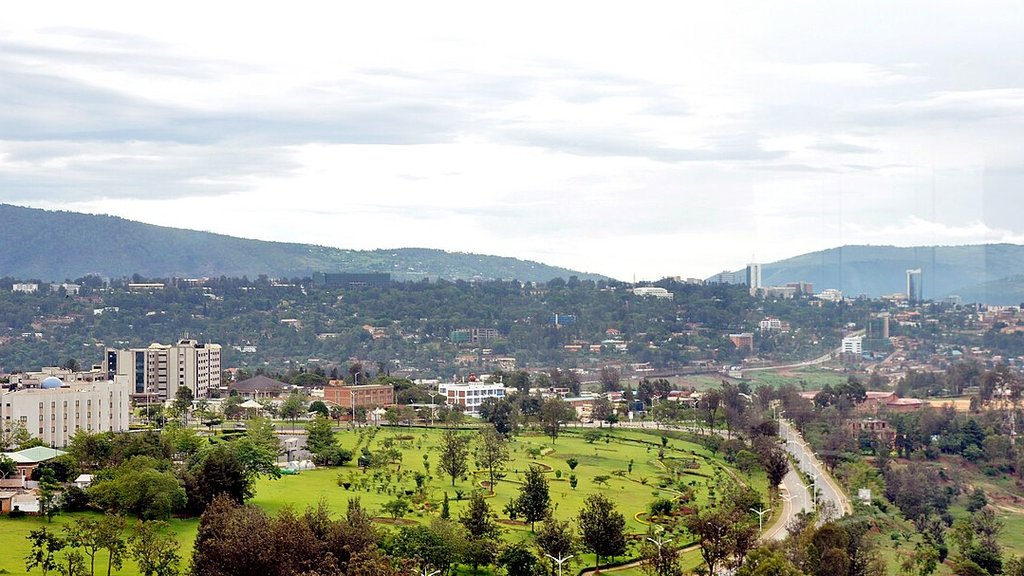
Start with this itinerary
Open this Rwanda itinerary in Honge as your starting point, then shape the pace around your gorilla or golden monkey permit, mountain early starts and the Lake Kivu return buffer to Kigali.
How Many Days in Rwanda Is Enough?
Eight days is enough for a first Rwanda loop: two nights in Kigali for cafés and history, three nights near Volcanoes National Park for mountain scenery and an optional primate trek, then two nights at Lake Kivu in Rubavu before returning to Kigali. Skip Akagera, Nyungwe and a second park block in this window; add them if you have 10 to 14 days.
Keep the structure tight: two nights in Kigali for the capital and memorial context, three nights around Musanze or Kinigi for one main wildlife day plus a cultural buffer, then two nights at Rubavu so Lake Kivu is more than a transfer stop. Trying to add Akagera’s savannah, Nyungwe’s canopy walks or a second gorilla day into the same eight days usually turns road hours into the main story.
The strongest version is this one: Kigali for modern city life and careful history, the Volcanoes region for mist and primates, then Lake Kivu for a slower finish. Use the extension ideas below if you can stay longer.
Introduction
Discover Rwanda in eight unforgettable days, from Kigali’s modern cafés and moving history to misty volcanic mountains, extraordinary wildlife encounters and the peaceful shores of Lake Kivu.
Rwanda is a country of striking contrasts. In Kigali, contemporary architecture, independent cafés and lively markets reflect a confident, forward-looking capital. Further north, the Virunga volcanic range rises above green hills and farmland, creating the setting for some of Africa’s most remarkable wildlife experiences. To the west, Lake Kivu offers a slower rhythm, with fishing boats, quiet beaches and sunset views across the water.
An eight-day journey gives you time to experience all three. Begin with Kigali’s culture and history, continue to the Volcanoes National Park region for mountain scenery and optional primate encounters, then finish beside Lake Kivu with kayaking, boat trips and relaxed lakeside afternoons.
This itinerary combines meaningful cultural experiences, nature and comfortable accommodation without trying to fit every corner of Rwanda into one trip. It is especially suited to travellers who want wildlife and scenery alongside a deeper understanding of the country.
Rwanda is not only a gorilla destination — it is cafés and hills in Kigali, mist over farm terraces, community life around the park and quiet evenings on Lake Kivu.
Why This Trip Works
- Three regions, one coherent arc: Kigali for culture and history, Volcanoes for mountains and wildlife, Lake Kivu for a lakeside reset.
- Realistic road days: Kigali–Musanze is typically about 2–3 hours; Musanze–Rubavu and Rubavu–Kigali need generous buffers but stay workable in eight days.
- 2 / 3 / 2 nights: enough time to settle without packing every morning.
- Choice on Day 4: gorilla trekking or golden monkey tracking — match fitness, budget and interest rather than defaulting to the most famous option.
Who Is This Trip For?
This journey suits travellers who want wildlife and mountain scenery alongside cafés, food and a thoughtful introduction to Rwanda’s history. Couples, friends and independent explorers comfortable with early park starts and road transfers will get the most from the week.
It is less ideal if you want only beach resort days, a multi-park safari circuit or a trip that skips memorial history entirely. The Kigali Genocide Memorial is an important, emotionally significant visit — plan it with time and respect rather than as a rushed stop between cafés.
Good to Know
- Currency: Rwandan franc (RWF). Cards work in many hotels and larger businesses; keep cash for smaller purchases and tips.
- Language: Kinyarwanda, English and French are widely used in tourism settings; a few local greetings go a long way.
- Time zone: Central Africa Time (CAT, UTC+2); no daylight saving time.
- Gateway: Kigali International Airport (KGL) for arrivals and departures on this route.
- Plastic bags: Rwanda restricts single-use plastic bags — pack reusable bags and check current entry rules.
- Wildlife permits: gorilla and golden monkey experiences are booked through official Rwanda Development Board (RDB) / Visit Rwanda channels or authorised operators; availability is limited.
Before You Go
- If gorilla trekking is essential, book the permit before locking non-refundable lodge nights.
- Decide Day 4 early: gorilla trek or golden monkey tracking — different cost, fitness and permit rules.
- Review current entry requirements and UK travel advice for Rwanda for your nationality.
- Ask lodges near Kinigi about early breakfast, packed lunch and park headquarters transfers.
- If your international flight leaves early, plan a final night in Kigali instead of driving from Rubavu the same morning.
Journey Overview
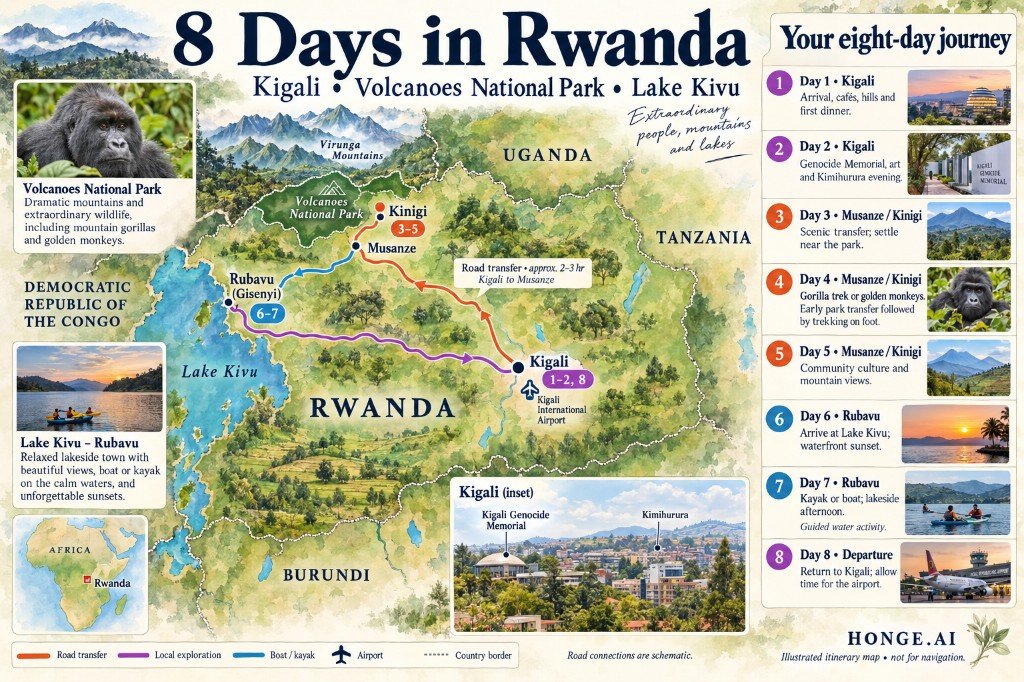
The route starts in Kigali for city life and memorial context, drives north to the Volcanoes National Park gateway for wildlife and community days, then continues west to Rubavu on Lake Kivu before returning to the capital for departure.
| Day | Base | Focus | Travel / getting around |
|---|---|---|---|
| Day 1 | Kigali | Arrival, cafés, hills and first dinner | Airport transfer + taxi |
| Day 2 | Kigali | Genocide Memorial, art, Kimihurura evening | Taxi / driver between sites |
| Day 3 | Musanze / Kinigi | Scenic transfer; settle near the park | ~2–3 hr road north |
| Day 4 | Musanze / Kinigi | Gorilla trek or golden monkeys | Early park transfer on foot |
| Day 5 | Musanze / Kinigi | Community culture and mountain views | Local guide / short drives |
| Day 6 | Rubavu | Arrive Lake Kivu; waterfront sunset | Road west from Musanze |
| Day 7 | Rubavu | Kayak or boat; lakeside afternoon | Guided water activity |
| Day 8 | — | Return to Kigali and depart | Road + airport buffer |
Route Map
Day 1 — Arrive in Kigali and Explore the City
After arriving at Kigali International Airport, transfer to your hotel and settle in. Depending on your arrival time, start with a relaxed walk or a café stop before exploring the city centre.
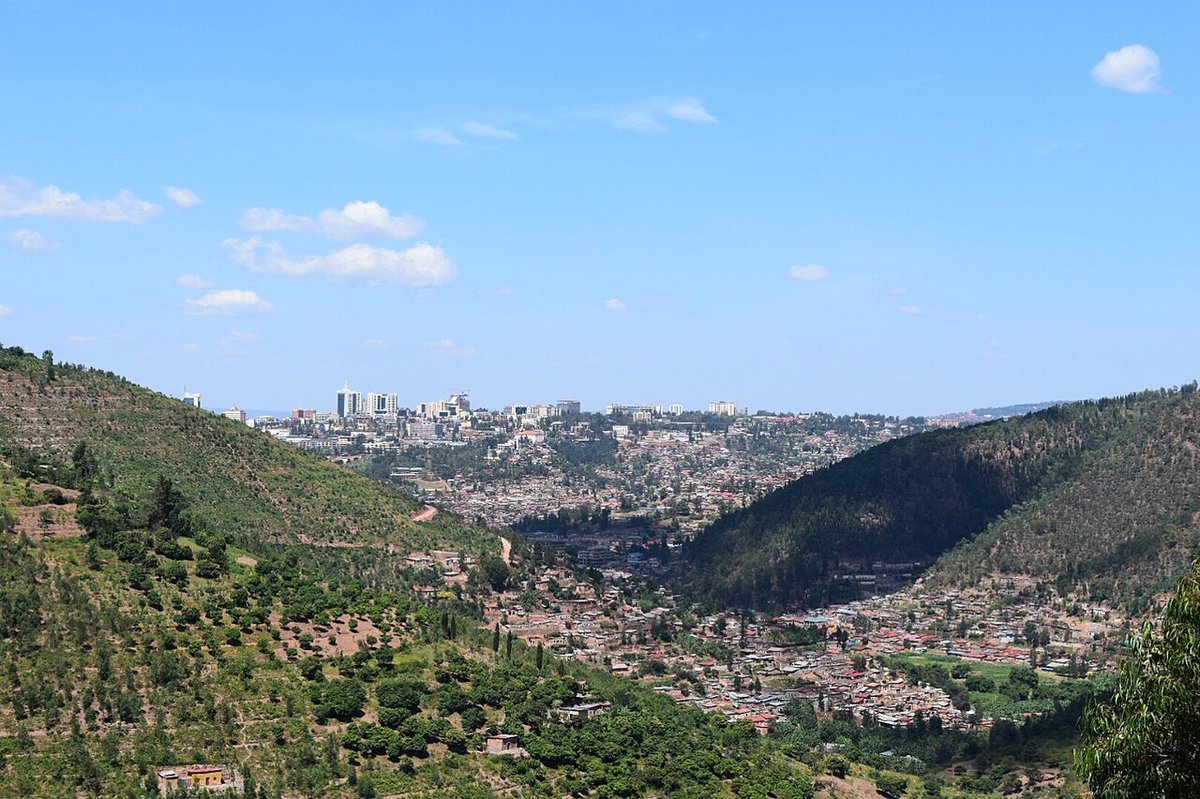
Begin around Nyarugenge, one of Kigali’s central districts, where you can explore shops, cafés and everyday city life. Kigali’s hills mean that neighbourhoods can be spread out, so use a taxi or a trusted local driver between stops rather than assuming everything is within walking distance. Find a local coffee shop and try Rwandan coffee, which is known for its bright, fruity flavours. Rwanda has a strong coffee-growing tradition, and a café visit is a simple way to experience one of the country’s best-known products.
If you have time, explore Kimihurura, an area with restaurants and cafés that works well for an early dinner. Ask your hotel or driver for a safe, accessible viewpoint close to your route as the light softens in the late afternoon. Keep the first day flexible — a relaxed meal and an early night will make tomorrow’s sightseeing more manageable after a long journey.
Food note: start with Rwandan coffee and try brochettes for dinner. Menus vary by restaurant, so ask about local specialities and seasonal ingredients.
Do not miss: a café stop for Rwandan coffee and a chance to see Kigali’s hilly cityscape.
Logistics: arrange an airport transfer in advance if arriving late. Choose accommodation in a convenient neighbourhood such as Kimihurura, Kiyovu or near the city centre, depending on your plans.
Day 2 — Kigali’s History, Art and Local Culture
Today focuses on Kigali’s history and contemporary culture. Allow enough time for the sites you choose; this is not a day to rush through difficult history simply to tick off attractions.
Visit the Kigali Genocide Memorial in Gisozi, one of the most important places to understand the 1994 genocide against the Tutsi and its lasting impact on Rwanda. The memorial provides historical context, personal stories and spaces for remembrance. Give yourself time to engage thoughtfully with the exhibits, and follow the site’s guidance on respectful behaviour and photography. This is an emotionally significant visit, so avoid scheduling too many other activities immediately afterwards.
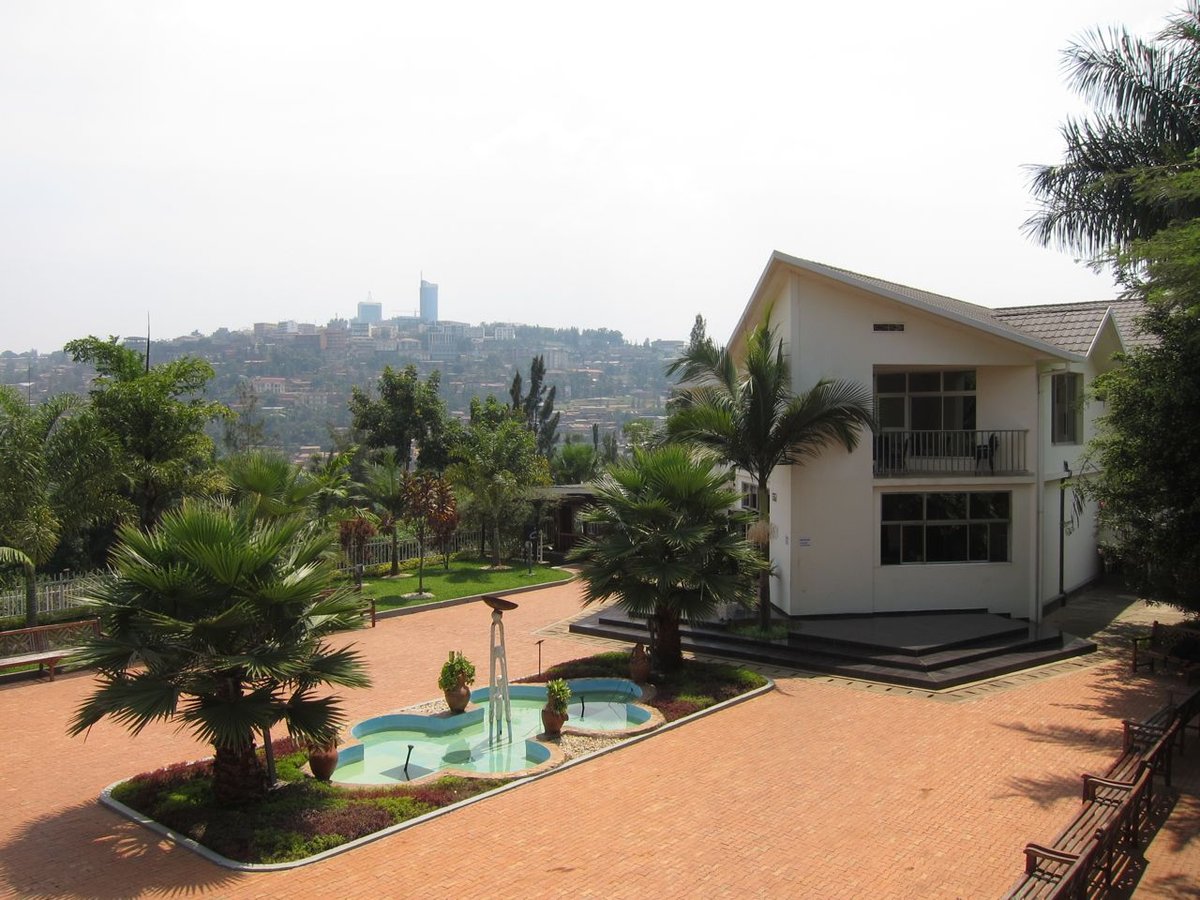
Continue to Inema Arts Centre, a contemporary art space known for showcasing Rwandan creativity. Depending on the current programme, you may see paintings, sculpture, crafts or other works by local artists. Check current opening times and exhibitions before visiting. If you prefer a more everyday cultural experience, ask your accommodation about a guided neighbourhood walk or a visit to a local market that is operating during your stay.
Spend the evening in Kimihurura, where you can choose from a range of restaurants and cafés. If you are interested in Rwandan food, ask about isombe, a dish made with cassava leaves, or ibitoke, cooked green bananas and plantains.
Food note: look for isombe, beans, plantain and other traditional dishes. Rwandan meals often feature beans, vegetables, potatoes and bananas alongside meat or fish.
Do not miss: the Kigali Genocide Memorial, approached with time and respect, followed by a visit to a contemporary art space.
Logistics: check opening hours and any visitor requirements before travelling. Use a trusted taxi or driver between sites, and dress respectfully for the memorial. Stay a second night in Kigali so packing for tomorrow’s road north stays simple.
Day 3 — Travel to the Volcanoes Region and Explore Musanze
Leave Kigali after breakfast and travel north towards Musanze, the main town serving visitors to Volcanoes National Park. The journey typically takes around 2–3 hours by road, depending on traffic, stops and weather. The route passes through Rwanda’s characteristic green hills, farmland and roadside settlements. If you have arranged a private driver, ask whether there is time for a short stop at a suitable viewpoint.
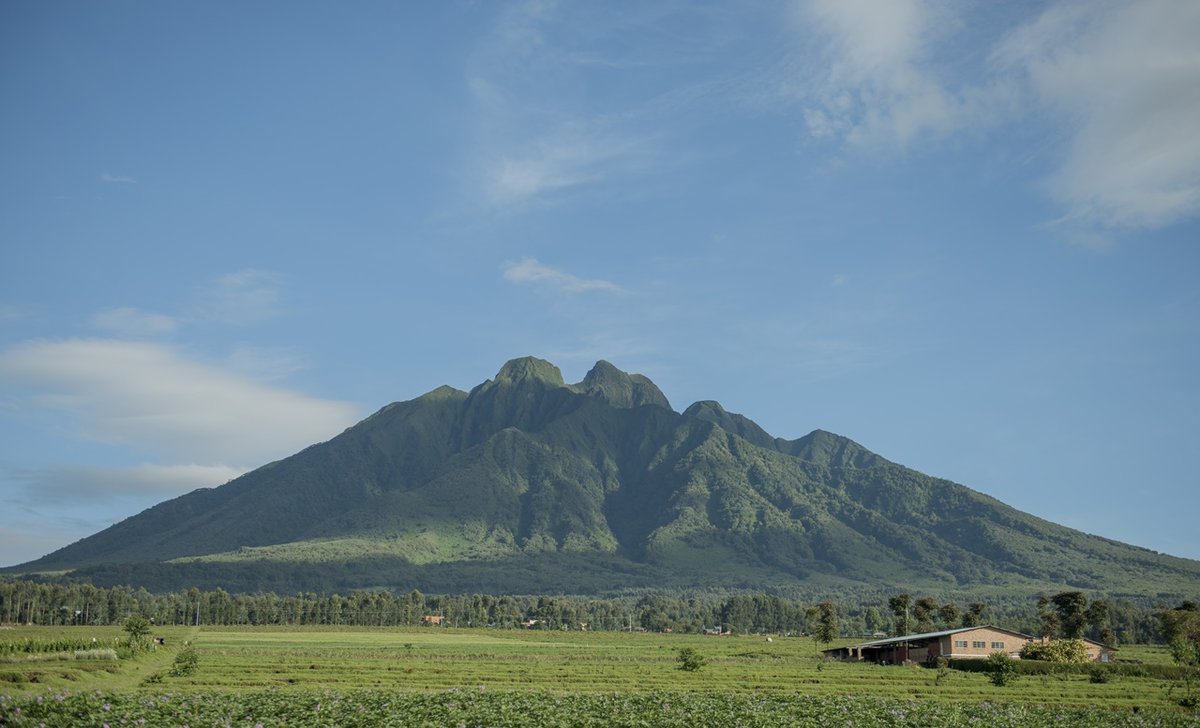
Check in at your lodge or hotel near Musanze or Kinigi, ideally somewhere that makes the next morning’s park departure straightforward. Spend the afternoon exploring Musanze at a relaxed pace — local shops, a coffee stop or a guided community activity. For an active option, ask a reputable local guide about a visit to Musanze Cave; access and tours may be subject to current safety rules and availability.
In the evening, confirm your meeting time, transport and required clothing with your operator or lodge. Mountain weather can change quickly, and wildlife activities may involve muddy trails, steep ground and long periods on foot.
Food note: try a meal featuring beans, potatoes, plantain or grilled meat. Ask your accommodation whether an early breakfast or packed meal can be arranged for your park day.
Do not miss: the dramatic transition from Kigali’s urban hills to the greener, steeper landscape around Musanze.
Logistics: arrange transport and accommodation ahead of time, especially if you plan to trek gorillas. Ask about early breakfast, packed lunches and transfer arrangements to the park headquarters.
Day 4 — Gorilla Trekking or a Golden Monkey Experience
This is the wildlife highlight of the trip. Choose your activity in advance, as gorilla trekking and golden monkey tracking have different permit requirements, physical demands and costs.
Option A: Mountain gorilla trekking
Mountain gorilla trekking in Volcanoes National Park is one of Rwanda’s signature wildlife experiences. The day usually begins early at the park headquarters in Kinigi, where visitors receive a briefing and are assigned to a gorilla group. Treks take place in forested mountain terrain. Duration and difficulty vary significantly: some groups may be reached after a relatively short walk, while others require several hours of hiking on steep, muddy ground. The exact gorilla group and trek conditions are determined by park staff.
Once the gorillas are located, visitors follow the rules provided by the guides, including limits on viewing time and instructions to maintain appropriate distance. Gorilla sightings are not guaranteed, and the experience is physically demanding, but it can be deeply memorable. Foreign non-resident permits are commonly listed around US$1,500 per person — confirm the current fee, age rules and booking process with the Visit Rwanda / Rwanda Development Board channels before you pay.
Option B: Golden monkey tracking
If you prefer a different primate experience, consider golden monkey tracking in the bamboo forest of Volcanoes National Park. Golden monkeys are distinctive primates associated with the Virunga region, and tracking offers a chance to observe their behaviour in their natural habitat.
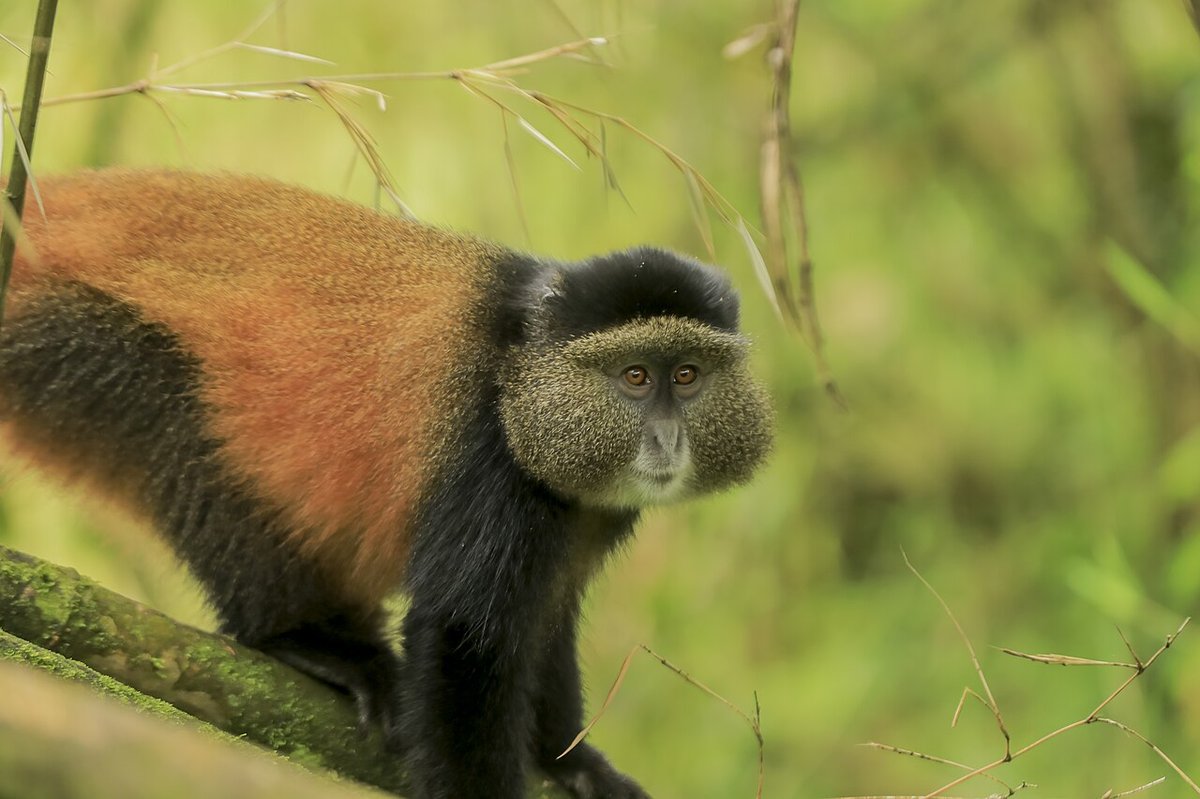
The excursion still requires walking over uneven ground and following park rules, but it may be a better fit for travellers who do not want to commit to a gorilla trek or its higher permit cost. Confirm the current golden monkey permit price and inclusions with the official booking channel.
After your excursion, return to your accommodation and avoid booking another strenuous activity for the same day. Enjoy a warm drink, a relaxed lunch or some time on the terrace overlooking the surrounding hills. Have dinner at your lodge and enjoy the cooler mountain air.
Food note: take the breakfast or packed lunch recommended by your operator, along with enough water. After the trek, enjoy a warm meal and replenish your energy.
Do not miss: choose the wildlife encounter that best matches your interests and fitness, rather than booking an activity simply because it is the most famous.
Logistics: secure the appropriate permit through official park or tourism channels before confirming non-refundable arrangements. Follow current rules on age, health, viewing distance and visitor conduct. Wear sturdy hiking boots, long trousers and layers, and bring waterproof clothing.
Day 5 — Mountain Scenery, Village Activities and Culture
Use your final full day in the Volcanoes region to enjoy the landscape and meet the people who live around the park. Community-led activities can add important context to the wildlife experience, showing how tourism, conservation and local livelihoods connect.
Consider booking a community-led cultural visit in the Kinigi and Musanze area, such as the experience commonly associated with the Gorilla Guardians Village / Iby’Iwacu. Activities may include traditional dance, music, craft demonstrations or explanations of aspects of Rwandan cultural heritage, depending on the programme available. Choose a reputable experience that is led by local participants and clearly explains how community members benefit. Confirm the current name, location, opening times and activities when booking.
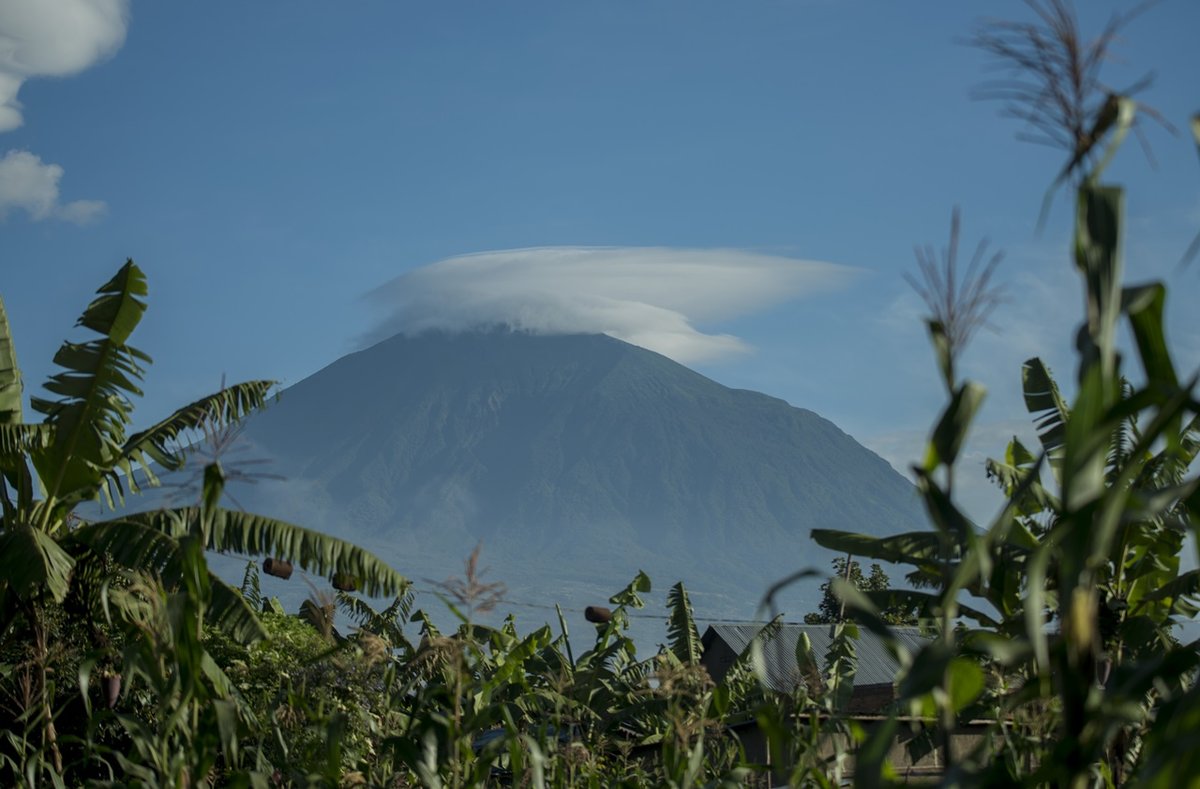
Ask your guide about a suitable walk or scenic drive in the foothills of the Virunga volcanoes. The surrounding countryside offers views of terraced fields, rural settlements and mountain slopes. If you prefer a more active day, look into a guided hike appropriate for your fitness and the weather. Not every trail is inside the national park, and access requirements differ, so arrange it through a trusted local operator. Alternatively, keep the afternoon free for a relaxed lunch and time at your lodge — after a strenuous primate trek, a slower day may be exactly what you need.
In the evening, enjoy dinner and prepare for the journey towards Lake Kivu. Check the route and expected driving time with your driver, particularly if you are travelling to Karongi rather than Rubavu.
Food note: ask about local vegetables, beans, plantain and seasonal dishes. A community visit may provide opportunities to learn about traditional food, but meals and demonstrations should be confirmed in advance.
Do not miss: a locally led cultural experience that gives you a deeper understanding of life around the park.
Logistics: book community activities through established operators and confirm what is included. Ask before taking photographs of people, and respect any restrictions during cultural demonstrations.
Day 6 — Drive to Lake Kivu and Unwind in Rubavu
After breakfast, drive from Musanze towards Rubavu / Gisenyi on the northern shore of Lake Kivu. Allow time for the journey and scenic stops, as travel times vary with road conditions and traffic. On arrival, check into a lakeside hotel, guesthouse or resort. If possible, choose accommodation with direct lake views or easy access to the waterfront.
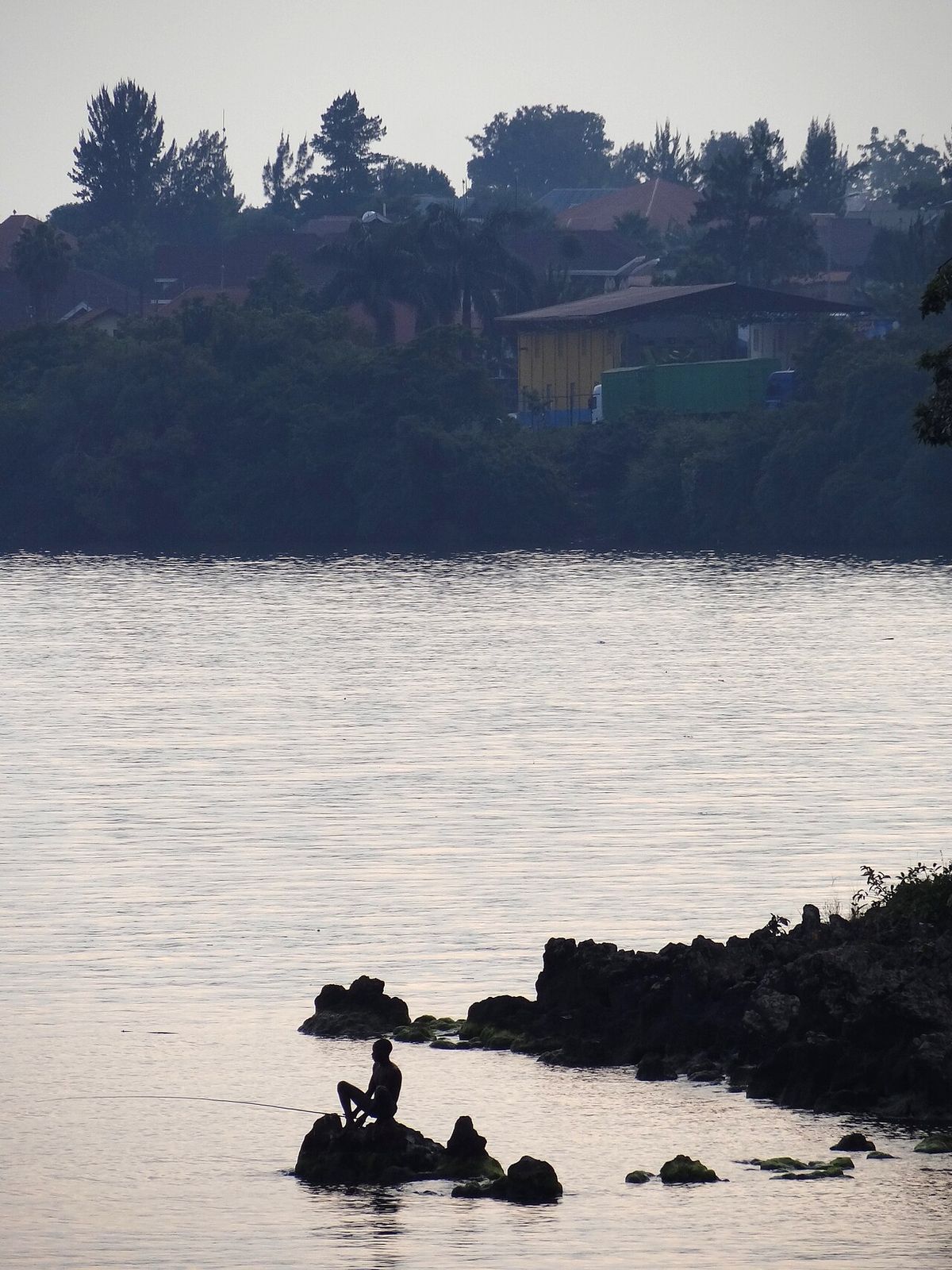
Take a walk along the lakeside area, where you can see local life unfolding around the water. Depending on the location and access arrangements, you may find small beaches, cafés and places to sit and enjoy the view. Lake Kivu’s shoreline is particularly appealing in the late afternoon. If your hotel offers kayaks or paddleboards, ask about safe launch points and current conditions before heading out. Swimming should only be considered where it is permitted and local conditions are suitable — ask your accommodation rather than assuming every stretch of shore is safe.
Find a lakeside restaurant or enjoy dinner at your accommodation. Lake Kivu’s calmer atmosphere makes this an ideal evening to unwind after several days of travel and wildlife activities.
Food note: look for fresh fish, including local tilapia where available, alongside vegetables, rice or plantain. Ask about the catch and how it is prepared.
Do not miss: a slow lakeside walk at sunset, with views across the water towards the surrounding hills.
Logistics: confirm your hotel’s location and transfer arrangements before arrival. Bring cash for smaller purchases and check whether water activities are offered directly by the accommodation or through an outside operator.
Day 7 — Kayaking, Boat Trips and Lakeside Villages
Make today about experiencing Lake Kivu from the water and exploring the shoreline at a comfortable pace. Arrange a guided kayaking trip with an established local operator. Depending on conditions and the route, you may paddle along a section of shoreline, pass small settlements and enjoy views of the green hills rising above the lake. Choose a route appropriate to your experience, and check what safety equipment is provided. Conditions can change, so follow the guide’s advice and avoid heading out independently into unfamiliar water. If kayaking is not for you, a guided boat trip is a good alternative.
Ask about a boat trip that explores nearby parts of the shoreline or visits accessible small islands. Confirm the duration, price, safety equipment and return arrangements before boarding. If a visit to a local fishing community is offered, choose an experience that is respectful, locally led and arranged with the community rather than treating people’s daily lives as a tourist spectacle.
Return to shore for lunch and a quiet afternoon — time at your hotel, a neighbourhood walk or a short scenic drive. Keep the day flexible so that a boat excursion or a weather change does not turn the itinerary into a race. Enjoy your last evening by the lake with outdoor seating if the weather is suitable.
Food note: try locally available fish and simple regional dishes. If you are interested in Rwandan coffee, ask whether your hotel or a nearby café serves locally sourced beans.
Do not miss: a guided kayaking or boat excursion that lets you appreciate Lake Kivu’s scenery from the water.
Logistics: arrange water activities through a reputable provider, check weather conditions and wear sun protection. Keep your departure-day transfer in mind when planning the evening.
Day 8 — Return to Kigali and Depart
After breakfast, begin the journey back to Kigali. From Rubavu, the drive generally takes several hours, and the exact duration depends on traffic, road conditions and stops. If you choose Karongi instead, allow additional time.
If your flight leaves in the evening, a same-day road transfer may be possible — leave a generous buffer for the journey, airport check-in and any unexpected delays. If time allows after arriving in Kigali, enjoy a final coffee or a relaxed meal before heading to the airport. If your flight leaves early, consider spending your final night in Kigali rather than at Lake Kivu; it is the safer option when you have an early international departure.
Food note: have breakfast before the drive and carry water and a snack for the journey.
Do not miss: leave enough time for a relaxed departure instead of squeezing in another attraction.
Logistics: confirm your transfer the evening before, check your airline’s check-in requirements and allow extra time for the drive back to Kigali.
Where to Stay in Rwanda
For an eight-day trip, location matters as much as comfort. Prioritise convenient bases, reliable transport and the experience you want from each region. Suggested stay areas below are samples only, not named properties.
Kigali: two nights
- Kimihurura if restaurants and cafés are a priority.
- Kiyovu or other central areas for access to main city sights.
- A hotel that can arrange airport transfers and local drivers, especially for late arrivals.
Volcanoes region: three nights in Kinigi or Musanze
- Kinigi if you want to be close to the park headquarters for an early gorilla or golden monkey departure.
- Musanze for a broader range of town-based accommodation, restaurants and shops.
- Hosts who can arrange early breakfast, packed lunches and park transfers.
Lake Kivu: two nights in Rubavu / Gisenyi
- Rubavu / Gisenyi is the practical choice for this route and has a range of hotels, guesthouses and lakeside stays.
- Karongi / Kibuye is quieter and scenic if you extend the trip or accept a longer transfer.
- Confirm breakfast, activities, lake access and transfers before booking — “lake view” does not always mean shoreline access.
Getting Around: Roads, Drivers and Local Transfers
For an eight-day trip with three regions, the easiest option is often a private driver or a combination of pre-arranged transfers and local guides. It gives you flexibility for scenic stops and makes early wildlife departures much simpler.
| Journey | Best option | Planning note |
|---|---|---|
| Kigali Airport → hotel | Pre-arranged transfer or trusted taxi | Especially useful for late arrivals. |
| Kigali sightseeing | Taxi, trusted driver or guided tour | Sites are spread across hilly neighbourhoods. |
| Kigali → Musanze / Kinigi | Private transfer or organised tour | Allow roughly 2–3 hours by road, depending on conditions. |
| Volcanoes region → Rubavu | Private transfer or arranged vehicle | Check the route and driving time with your operator. |
| Rubavu → Kigali | Private transfer or bus | Allow several hours and a generous airport buffer. |
| Wildlife / culture / lake activities | Licensed guides and established operators | Useful for park days, community visits and water activities. |
Public buses and shared transport can reduce costs, but they may be less convenient when you have fixed permit times or limited days. If you choose them, verify schedules and allow extra time.
Gorilla Permits and Wildlife Booking Tips
A wildlife excursion can be the most expensive part of your Rwanda trip, so make this decision early.
- Gorilla trekking: requires a Volcanoes National Park permit. Availability is limited. Foreign non-resident fees are commonly listed around US$1,500 per person; promotional rates may apply for some resident and regional categories. Prices and rules change — check the current official requirements through the Rwanda Development Board or Visit Rwanda before booking. The permit is separate from accommodation, transfers, tips and equipment.
- Golden monkey tracking: also requires the appropriate park arrangements and permit. Confirm the current price, availability, meeting time and what is included with the official booking channel.
What to know before booking
- Reserve early — do not assume a permit will be available when you arrive.
- Be honest about fitness and mobility; trek duration and terrain vary by gorilla group and conditions.
- Follow park guidance on health, distance, photography and interactions with wildlife.
- Wear sturdy hiking boots, long trousers, waterproof layers; gardening-style gloves can help on muddy forest trails.
- Allow recovery time — avoid a long transfer or strenuous hike immediately after a demanding trek.
- Confirm age and health requirements before paying for a permit.
Best Time to Visit Rwanda
Rwanda can be visited throughout the year, but seasonal rainfall makes a difference to hiking, gorilla trekking, road travel and lakeside activities.
- June–September: generally part of the longer dry season. Popular for trekking and outdoor activities — book permits and accommodation well in advance.
- December–February: often a useful period for travel, with a shorter dry season and good opportunities for sightseeing, although conditions vary.
- March–May: the longer rainy season can bring muddy trails and more challenging trekking conditions; the landscape is often lush and green.
- October–November: a shorter rainy period, with changing conditions that may affect hiking and road transfers.
For many travellers, June to September is a practical choice for combining the Volcanoes region with Lake Kivu. Gorilla trekking takes place year-round, and rain is possible even in the drier months. Check forecasts close to departure, particularly if your itinerary includes a specific trek, a long road transfer or a kayaking excursion.
What to Eat in Rwanda
Rwandan food is built around familiar, nourishing ingredients such as beans, bananas, potatoes, cassava, maize and seasonal vegetables. Meals are often simple, hearty and designed to be shared.
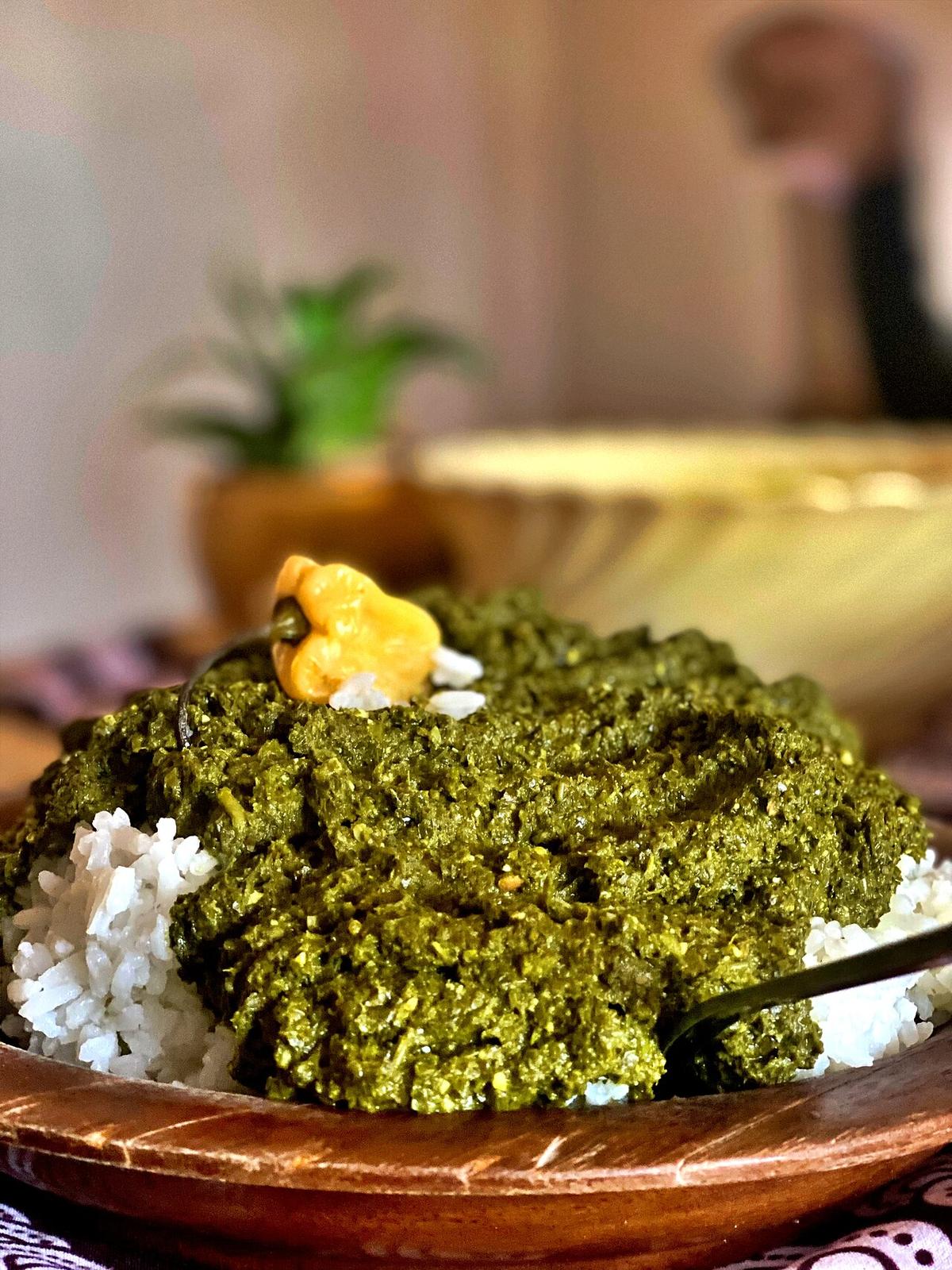
- Brochettes: grilled meat or fish skewers commonly served with chips, plantain or other sides.
- Isombe: a dish made with cassava leaves, often prepared with other ingredients depending on the recipe.
- Ibitoke: cooked green bananas or plantains, commonly served as part of a meal.
- Beans and vegetables: everyday staples in many traditional meals.
- Freshwater fish: particularly worth looking for around Lake Kivu, where tilapia may be available.
- Rwandan coffee: try it at a local café, or look for locally sourced beans to take home.
In Kigali you will find a wider range of cafés and restaurants, including international cuisine. In the Volcanoes region, lodges may offer set menus or packed lunches for trekking days. Along Lake Kivu, ask about the fish available locally rather than expecting the same dishes at every restaurant.
Rwanda Budget: Realistic Costs for 8 Days
Rwanda can suit a range of budgets, but gorilla permits and high-end lodges can significantly increase the total. The estimates below are indicative costs per person in US dollars, assuming two people sharing accommodation and excluding international flights to and from Rwanda. Mid-range planning figures also exclude a gorilla permit unless a package explicitly includes one.
| Travel style | Approximate 8-day budget per person | What it might include |
|---|---|---|
| Value-conscious | US$900–$1,600 | Simple hotels or guesthouses, shared or public transport, local meals and lower-cost activities. Excludes a gorilla permit. |
| Comfortable mid-range | US$1,600–$3,000 | Comfortable accommodation, arranged road transfers, guided sightseeing, restaurants and selected activities. Excludes a gorilla permit unless explicitly included. |
| Luxury-focused | US$3,500–$7,000+ | Upscale hotels or lodges, private transfers, premium dining and selected private experiences. Excludes a gorilla permit unless explicitly included. |
These are broad planning ranges, not live quotes. Actual prices depend on travel dates, accommodation availability, exchange rates, the number of people sharing a vehicle and which excursions you choose.
Important: gorilla trekking can add a substantial additional cost — often around US$1,500 per foreign non-resident permit, subject to change. Confirm the current official fee before calculating your final budget. Golden monkey tracking generally has a different fee structure.
How to keep costs manageable
- Decide early whether gorilla trekking is essential to your trip.
- Compare complete lodge packages rather than room prices alone.
- Ask whether transfers, meals, park transport and guide services are included.
- Use local cafés and restaurants where practical.
- Choose Rubavu if you want to reduce the time and complexity of the Lake Kivu transfer.
- Keep a contingency for tips, small purchases and unexpected transport costs.
What to Book Ahead & Practical Tips
- Book permits before non-refundable accommodation if gorilla trekking is the main reason for your trip.
- Carry layers and waterproof gear — Kigali can feel warm, while the Volcanoes region is cooler and damp.
- Plan for early starts; stay close to the park headquarters when possible.
- Respect wildlife and local communities: follow guide instructions, never touch or feed animals, and ask before photographing people.
- Check lake activity conditions with reputable operators; only swim where permitted.
- Keep flexibility for rain, trail conditions and transport delays.
- Confirm passport, visa or entry requirements, travel insurance and health guidance before departure.
- Pack a daypack, reusable water bottle, insect repellent, sun protection, waterproof bags, a small first-aid kit and cash for smaller purchases.
Extending Your Trip: 10, 12 or 14 Days in Rwanda
This 8-day route is the Kigali–Volcanoes–Lake Kivu core. Extra days work best as a second park block or a slower lake stay, not squeezed between the same seven nights.
10 days: more lake or a Kigali buffer
Keep this itinerary, then add two nights for a slower Rubavu stay (extra kayak or boat day) or a final night in Kigali so Day 8 is not a long road-to-flight squeeze. Alternatively, add a second cultural or scenic day around Musanze if you want more mountain time without a second park.
12 days: Akagera or Nyungwe block
Add a dedicated Akagera National Park safari block for savannah wildlife and boat safari options, or a Nyungwe rainforest block for canopy walks and chimpanzee tracking. Treat each as its own base with clear transfer days rather than a rushed day trip from Kigali or Musanze.
14 days: fuller Rwanda circuit
A fortnight can hold this 8-day core plus both an eastern Akagera stay and a southern Nyungwe stay, or a longer Volcanoes stay with a second primate day. Keep each extra park as its own base with confirmed transfers and buffers back to Kigali.
Key Places and Exact Locations
- Kigali: Days 1–2 and Day 8
- Kimihurura: Days 1–2
- Kigali Genocide Memorial: Day 2
- Inema Arts Centre: Day 2
- Musanze: Days 3–5
- Kinigi / Volcanoes National Park headquarters: Days 3–5
- Volcanoes National Park: Day 4
- Rubavu / Gisenyi: Days 6–7
- Lake Kivu: Days 6–7
- Kigali International Airport (KGL): Days 1 and 8
Useful Links
- Visit Rwanda
- Rwanda Development Board (RDB)
- RDB mountain gorilla tracking bookings
- Volcanoes National Park (location)
- UK travel advice: Rwanda
- Kigali International Airport (KGL)
Permit prices, park rules, road conditions and lake activity availability can change. Confirm arrangements with the official booking channel or your operator before travelling.
FAQs
How many days in Rwanda is enough?
Eight days is enough for a first Rwanda loop: two nights in Kigali for cafés and history, three nights near Volcanoes National Park for mountain scenery and an optional primate trek, then two nights at Lake Kivu in Rubavu before returning to Kigali. Skip Akagera, Nyungwe and a second park block in this window; add them if you have 10 to 14 days.
Is eight days enough to explore Rwanda?
Yes. Eight days is enough for a rewarding first visit that combines Kigali, Volcanoes National Park and Lake Kivu. It allows time for cultural sightseeing, one main wildlife experience and a relaxed lakeside finish, although you will need to keep transfer days in mind.
Is gorilla trekking compulsory?
No. Gorilla trekking is a major attraction, but it is not essential to enjoy Rwanda. Golden monkey tracking, cultural activities, scenic walks and Lake Kivu excursions provide alternatives for travellers who prefer a lower-cost or less demanding trip.
How much does a Rwanda gorilla permit cost?
Foreign non-resident gorilla tracking permits in Volcanoes National Park are commonly listed around US$1,500 per person, with different promotional rates for some resident and regional categories. Prices, discounts and rules change — confirm the current fee and booking process with the Rwanda Development Board or Visit Rwanda before you pay.
Where should I stay near Volcanoes National Park?
Kinigi is convenient for early park departures, while Musanze offers access to town facilities, shops and restaurants. Choose based on your budget, transport arrangements and the time of your wildlife excursion.
Is Lake Kivu safe for swimming and kayaking?
Conditions vary by location and weather. Use reputable operators, ask local accommodation providers for current advice and only swim where it is permitted and considered appropriate. Do not assume every part of the shoreline is suitable for water activities.
Can I visit Rwanda without hiring a private driver?
Yes. Public and shared transport can work between major destinations, but private transfers or organised tours are often more convenient for an eight-day trip with early park departures. They also make scenic stops and luggage transfers easier.
What should I book first for this itinerary?
If you want to trek gorillas, secure your permit first. Next, confirm accommodation around the trek date, followed by transport and Lake Kivu activities. Leave flexibility around the return to Kigali if you have an international flight.
Is Rwanda expensive?
It depends on lodges and whether you add a gorilla permit. A comfortable mid-range trip is about US$1,600–$3,000 per person for eight days excluding international flights and the gorilla permit. Value-conscious travel can run lower; luxury lodges and private experiences raise the total quickly.
What is the best time to visit Rwanda for this itinerary?
June to September is a practical starting point for combining the Volcanoes region with Lake Kivu, as part of the longer dry season. December to February can also work well. Gorilla trekking runs year-round, and rain is possible even in drier months.
What currency is used in Rwanda?
The Rwandan franc (RWF) is the local currency. Cards are accepted in many hotels and larger businesses in Kigali, but carry some cash for smaller purchases, markets and tips. US dollars are sometimes useful for permits and tourism payments — confirm what your operator accepts.
Prompts to Try in Honge
- Plan an 8-day Rwanda trip with 2 nights in Kigali, 3 near Volcanoes National Park and 2 at Lake Kivu in Rubavu.
- Build a Kigali day around the Genocide Memorial, Inema Arts Centre and Kimihurura dinner without overpacking the schedule.
- Compare a Day 4 gorilla trek versus golden monkey tracking for fitness and budget.
- Add a final Kigali night so Day 8 is not a same-day Rubavu-to-flight connection.
- Extend this route to 12 days with an Akagera or Nyungwe block after Lake Kivu.
- List a packing checklist for Kigali city days, forest trekking and Lake Kivu kayaking.
Ready to Start Your Adventure?
Rwanda rewards travellers who take the time to experience its different landscapes and communities. Kigali offers an introduction to modern Rwandan life and a thoughtful encounter with the country’s history. The Volcanoes region brings misty mountains and extraordinary opportunities to encounter primates in their natural habitat. Lake Kivu provides the perfect counterpoint: quiet water, green hills and time to unwind.
The most memorable version of this trip is not necessarily the one with the most activities. Choose the wildlife experience that genuinely interests you, spend time with local guides and communities, and leave enough space to enjoy the lake without checking the clock.
Plan your transfers carefully, book permits early if you need them, and leave room for unplanned café and shoreline moments. If you are planning your own Rwanda escape, you can customise this itinerary, adjust the pace and create your personal travel plan with Honge AI.
Ready for Kigali, Volcanoes and Lake Kivu?
Plan your Rwanda trip with Honge
Keep Kigali, Musanze / Kinigi and Rubavu as bases, then shape permit dates, early park starts and the final airport buffer around your schedule.
Related itineraries
- 8 Days in Botswana: Okavango Delta, Moremi & Chobe Safari
- 7 Days in Cape Verde: Islands, Mountains & Atlantic Culture
- 10 Days in Namibia: Sossusvlei, Swakopmund, Damaraland & Etosha
- Ethiopia Coffee Pilgrimage
- 8 Days in Jordan: Amman, Petra, Wadi Rum & the Dead Sea
- 8 Days in Morocco: A Cultural Itinerary
Written by
This blog was contributed by B. Sai Nikita, a travel enthusiast and writer. B. Sai Nikita can be reached at bsainikita10@gmail.com.
About Honge
Honge is an AI travel planning platform focused on practical, experience-led itineraries with realistic pacing and logistics. All blog content is edited and published by Honge. Our Rwanda research draws on updated practical logistics as of October 2026. © Honge. All rights reserved.
Image credits: Photos are sourced from Wikimedia Commons. Copyright remains with their respective photographers and rights holders. Images are used according to their applicable license terms: CC BY 2.0, CC BY-SA 3.0 or CC BY-SA 4.0. Hero downtown Kigali from Kimihurura by Honeybarger (CC BY-SA 4.0). Kigali hills by Alex shema (CC BY-SA 4.0). Kigali Genocide Memorial by Martijn Munneke (CC BY 2.0). Sabyinyo from Kinigi by Maxime Ishmax (CC BY-SA 4.0). Golden monkey by Wood Wildlife Photography (CC BY-SA 4.0). Muhabura from Kinigi / Volcanoes National Park Rwanda by Maxime Ishmax (CC BY-SA 4.0). Lake Kivu shore near Rubavu/Gisenyi by Adam Jones (CC BY-SA 3.0). Isombe by Mutiganda (CC BY-SA 4.0).
Travel disclaimer
This itinerary is general travel inspiration and planning guidance only, not personalised travel, safety, medical or wildlife advice. Road conditions, permit availability, park rules, trail difficulty and lake conditions can change with little notice. The Kigali Genocide Memorial commemorates the 1994 genocide against the Tutsi — approach the site with care, time and respect for survivors and those who were killed. Mountain gorilla and golden monkey experiences involve steep, muddy and sometimes strenuous terrain; choose activities for your fitness and follow park guidance. Do not rely on a tight same-day drive from Lake Kivu to an international flight. Gorilla and other park permit fees are set by the Rwanda Development Board and may change; verify current prices before budgeting. Take out travel insurance that covers wildlife activities, hiking and weather-related disruption. Suggested stay areas are samples only and depend on availability; in the Honge app they may appear as booking options when offered by our vendors at the time of your search. Honge is not responsible for changes to conditions, services or experiences after publication. Follow current local guidance from operators and park authorities on the day you travel.