Start with this itinerary
Open this Jordan route in Honge as your starting point, then shape Amman, Petra, Wadi Rum and the Dead Sea around your dates and pace.
How Many Days in Jordan Is Enough?
Eight days is enough for Amman, Petra, Wadi Rum and the Dead Sea if you keep two days in each of the first three and a full day at the sea. Skip Aqaba, Dana and a second northern circuit in this window; add those if you have ten days.
Keep the structure tight: one city base, two walking days at Petra, two desert nights, then a short Dead Sea finish within an hour of Queen Alia. Trying to add the Red Sea, the King’s Highway villages and Jerash as a full extra region in the same eight days usually turns the last stops into transfer days.
Introduction
There are trips where you spend a week seeing different versions of the same place. Jordan isn’t one of them.
One morning, you’re standing above Amman, looking down at a city built in layers of white limestone. A few days later, you’re walking through the Siq in Petra, waiting for the Treasury to appear between the rock walls. Then the buildings disappear altogether. Wadi Rum takes over: red sand, huge rock faces, a 4x4 bouncing across the desert, and a night spent under a sky that makes city lights feel like a bad idea. By the end of the week, you’re floating in the Dead Sea with absolutely nowhere you need to be.
That is what makes an 8-day Jordan trip work so well. The route doesn’t just connect famous places; each stop changes the pace of the one before it.
Start with two days in Amman for the food, old streets, cafés and layers of history. Move south to Petra for two days, because rushing one of the world’s most remarkable archaeological sites defeats the point. Spend the next two in Wadi Rum, where the itinerary gets quieter and the scenery gets much bigger. Finish at the Dead Sea, where your main plan for the day can simply be to float, dry off and do it again.
City, ruins, desert, then nothing much at all.
This itinerary follows that rhythm. And that’s how you explore the country’s big four without turning eight days into a race against the clock.
Why This Trip Works
- Four very different experiences: city life in Amman, ancient Petra, the open landscapes of Wadi Rum and a slow Dead Sea finish.
- A natural southbound route: Amman → Petra → Wadi Rum → Dead Sea avoids unnecessary backtracking.
- A balanced pace: two days each in Amman, Petra and Wadi Rum, followed by a full day to unwind at the Dead Sea.
- Major highlights without trying to see everything: the itinerary leaves room for meals, cafés, viewpoints and downtime.
- An easy final leg: the Dead Sea sits within reach of Amman, making it a practical place to end before flying home.
Good to Know
- Currency: Jordanian dinar (JOD).
- Language: Arabic; English is widely used in tourist areas.
- Driving: traffic keeps to the right-hand side.
- Time zone: Jordan uses UTC+3 year-round.
- Weather: Petra and Wadi Rum can be hot by day and surprisingly cool after sunset.
- Tipping: around 10% is customary at restaurants when a service charge hasn’t already been added.
- Emergency number: 911.
Before You Go
- Check entry requirements: visa rules depend on your nationality, and the Jordan Pass is worth comparing before you book tickets separately.
- Book Petra and Wadi Rum stays early, especially for spring and autumn travel.
- Plan your transport: decide between a rental car, private driver or organised tours before you arrive.
- Petra is bigger than the Treasury: allow time for longer trails and viewpoints.
- Pack for walking and desert nights: comfortable shoes, sun protection and a light layer are essentials.
- Petra by Night runs on selected evenings: check the current schedule before planning around it.
- Download offline maps, particularly useful for the Wadi Rum section.
Journey Overview
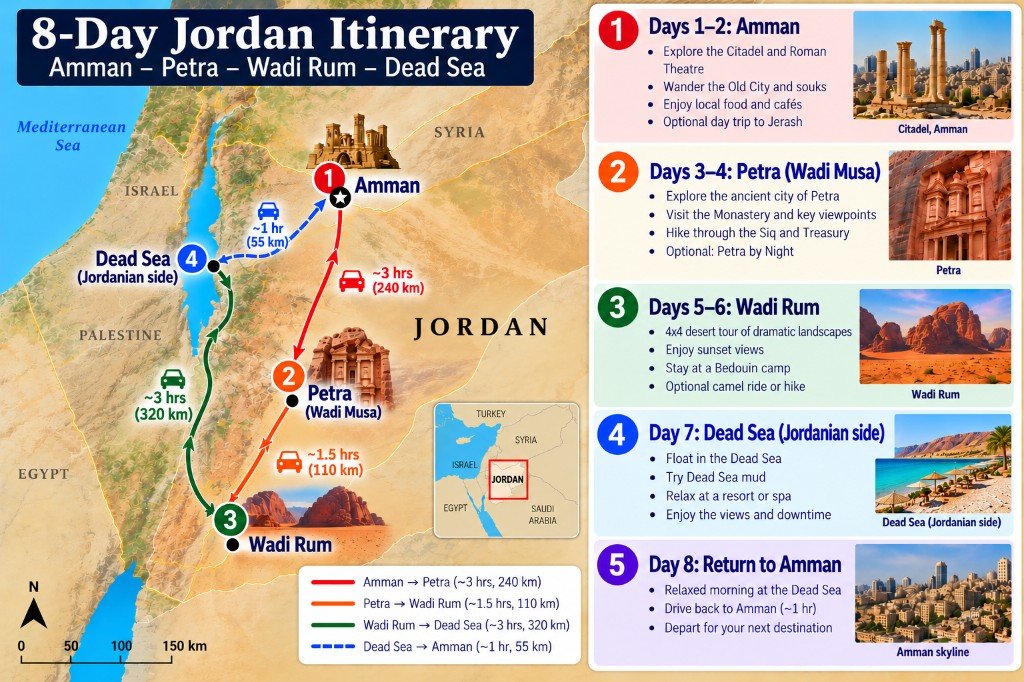
The route begins in Amman, then runs south to Petra and Wadi Rum before finishing at the Dead Sea, a short drive from Queen Alia International Airport.
| Days | Base | What to do | Travel |
|---|---|---|---|
| 1–2 | Amman | Citadel, Roman Theatre, Old City, local food, cafés, optional Jerash | — |
| 3–4 | Wadi Musa | Explore Petra, Monastery, viewpoints, Petra by Night | Amman → Petra: ~3 hrs |
| 5–6 | Wadi Rum | 4x4 desert tour, sunset, Bedouin camp, optional camel ride or hike | Petra → Wadi Rum: ~1.5 hrs |
| 7 | Dead Sea | Float, Dead Sea mud, resort, spa and downtime | Wadi Rum → Dead Sea: ~3 hrs |
| 8 | — | Relaxed morning, return to Amman and depart | Dead Sea → Amman: ~1 hr |
Route Map
Days 1–2: Amman
Amman is the right place to ease into Jordan. Give yourself two days to get a feel for the city before heading south: one for its ancient landmarks and old downtown, and another for food, cafés and, if you want, a quick escape to Jerash.
Day 1: Amman’s Old City and Ancient Landmarks
Start at the Amman Citadel, perched on Jabal Al-Qal'a above the city. The site brings together several layers of Amman’s history, including the Temple of Hercules, Umayyad Palace and Byzantine remains. More than the individual ruins, the view from the hill is worth the early start: Amman’s pale limestone buildings spread across the surrounding hills.
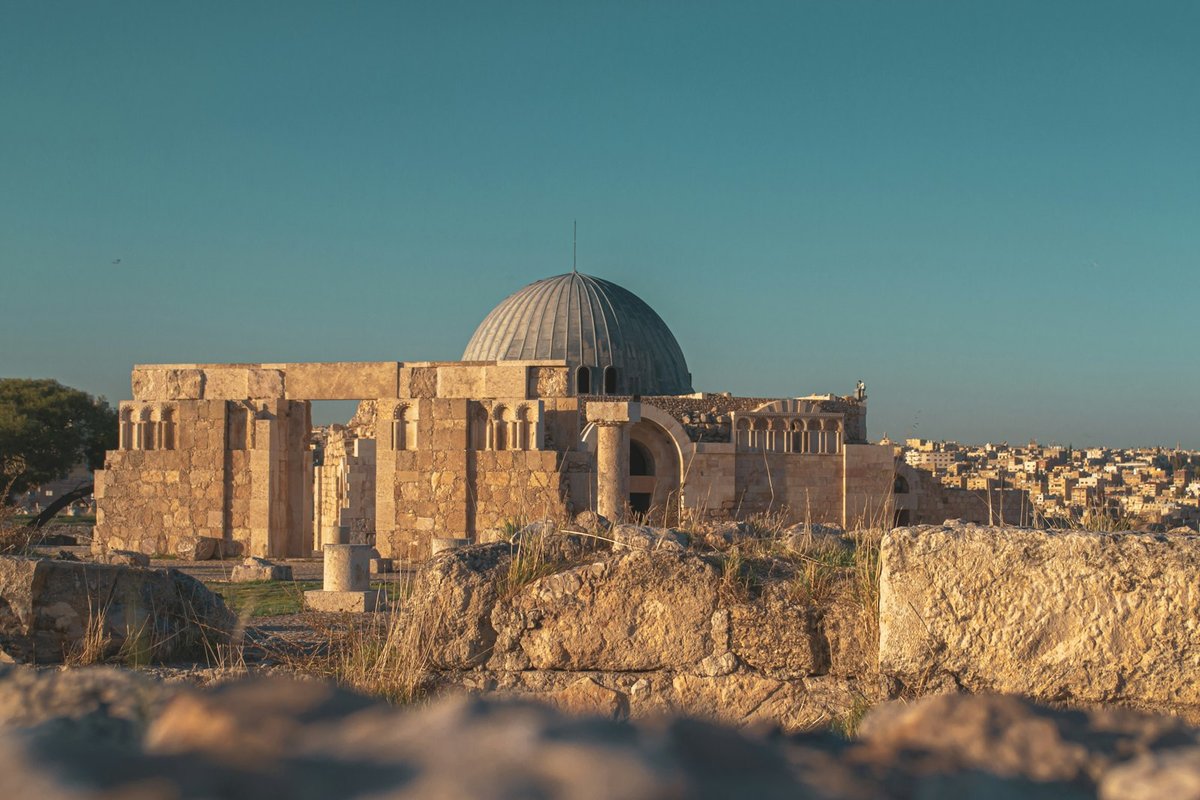
From the Citadel, walk or drive down to the Roman Theatre, one of the city’s most recognisable landmarks. Then spend some time wandering through Downtown Amman, where the pace shifts from archaeological sites to busy streets, small shops and food stalls.
This is a good day to start eating your way through Jordan. Try falafel, hummus, ful and fresh bread for lunch, and leave room for knafeh later in the day. In the evening, head towards Jabal Amman and Rainbow Street for cafés, restaurants and a quieter change of pace.
- Morning: Amman Citadel and the view across the hills.
- Afternoon: Roman Theatre and Downtown food stalls.
- Evening: Rainbow Street for cafés and dinner.
Day 2: Amman, Food and an Optional Jerash Trip
Keep the second morning flexible. Explore more of central Amman, revisit a neighbourhood you liked, or simply take your time over breakfast and coffee. Amman is a city better experienced between the landmarks too: sitting in a café, browsing small shops or watching the streets from a hillside terrace.
If you want to add another archaeological site, make Jerash your optional half-day trip. Located roughly an hour north of Amman, the ancient city is known for its remarkably preserved colonnaded streets, the Oval Plaza, theatres and Temple of Artemis. You can return to Amman by afternoon and spend your final evening in the city.
If this is your first visit, don’t feel pressured to squeeze Jerash in. The main reason to give Amman two days is to experience the city itself, not simply use it as a base for nearby ruins.
Days 3–4: Petra
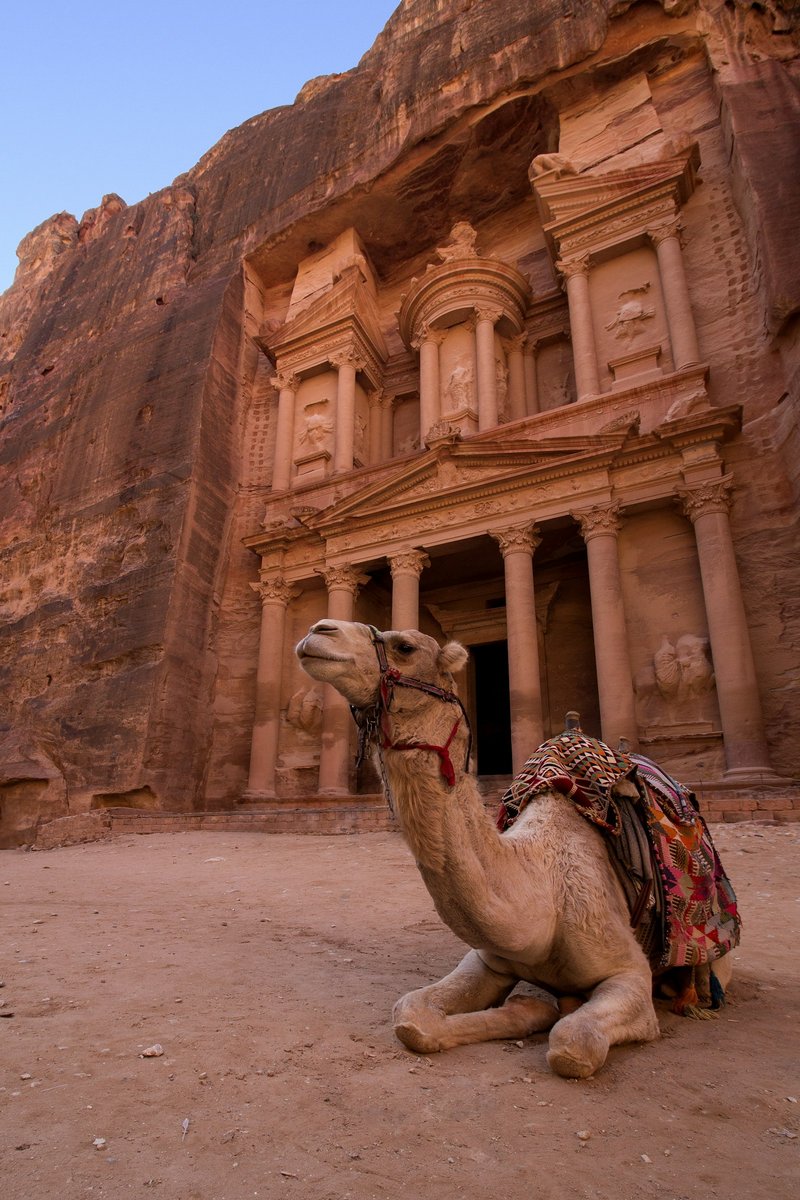
Petra is the part of the trip where it pays to slow down. You can see the Treasury in a few hours, but that barely scratches the surface of the ancient Nabataean city. Two days give you time to go beyond the famous first glimpse and explore some of the longer trails without turning the visit into a race.
Day 3: Amman to Petra
Leave Amman in the morning and drive south to Wadi Musa, the town that sits just outside Petra. The journey is roughly 3 hours, depending on your route and traffic.
After checking in, head to Petra Archaeological Park. Enter through the Siq, the narrow sandstone gorge that leads into the ancient city. The moment the Treasury comes into view is likely to be one of the trip’s most memorable, but don’t stop there.
Continue along the main route past the Street of Facades, the Theatre and the Colonnaded Street, taking your time to look at the tombs and rock-cut architecture along the way. If you still have energy, use the remaining daylight for one of the shorter viewpoints or trails.
Back in Wadi Musa, keep the evening easy. You’ll want a proper night’s sleep before spending another full day inside Petra.
- Morning: Amman to Wadi Musa, about three hours.
- Afternoon: the Siq, the Treasury and the main trail.
- Evening: an early night in Wadi Musa.
Day 4: Petra Beyond the Treasury
Start early and use your second day to explore further into Petra. One of the main goals is the Monastery, reached by a long staircase carved into the mountainside. It’s a demanding walk, but the enormous façade and the views around it make the climb worthwhile.
You can also use the day for some of Petra’s other trails and viewpoints, depending on your fitness and how much walking you want to do. This is where having a second day makes a real difference: you don’t have to choose between seeing the major monuments and taking a slower route through the site.
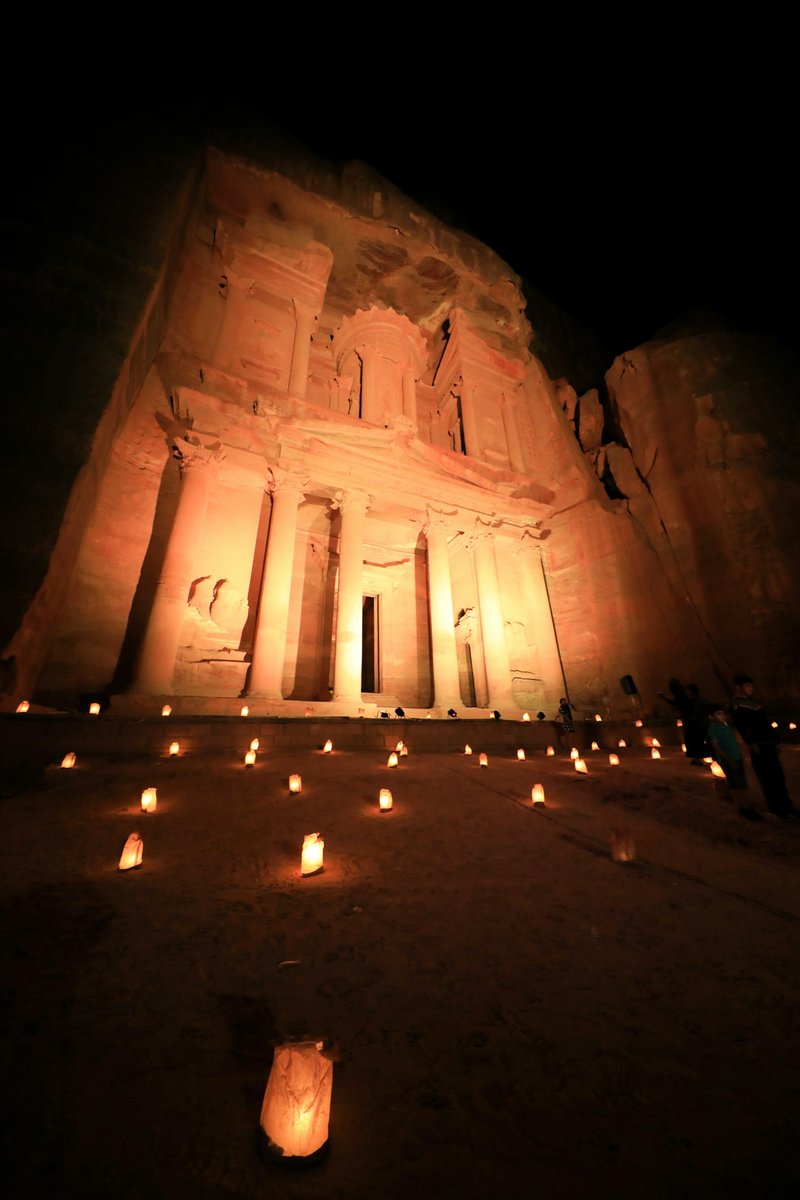
If your visit falls on a night when Petra by Night is operating, you can return after dinner for the candlelit experience. It currently runs on selected evenings rather than every night, so check the schedule when planning your dates.
Spend your second night in Wadi Musa. Tomorrow, the landscape changes completely as you leave Petra behind for the desert of Wadi Rum.
Want two Petra days without rushing the Siq?
Keep Amman, Petra, Wadi Rum and the Dead Sea, then adjust the walking
Open this 8-day Jordan itinerary in Honge and move Jerash, Petra by Night or the Dead Sea spa day around your dates.
Days 5–6: Wadi Rum
After two days among Petra’s carved façades and crowded trails, Wadi Rum feels like you’ve landed on another planet. The archaeological sites are replaced by sandstone cliffs, open valleys and red-orange sand, and the itinerary shifts from sightseeing to simply being in the landscape.
Day 5: Petra to Wadi Rum
Leave Wadi Musa after breakfast and make the journey south to Wadi Rum, which takes around 1.5 hours by road. Wadi Rum is a protected desert area and is best explored with a local Bedouin guide rather than independently driving through the desert.
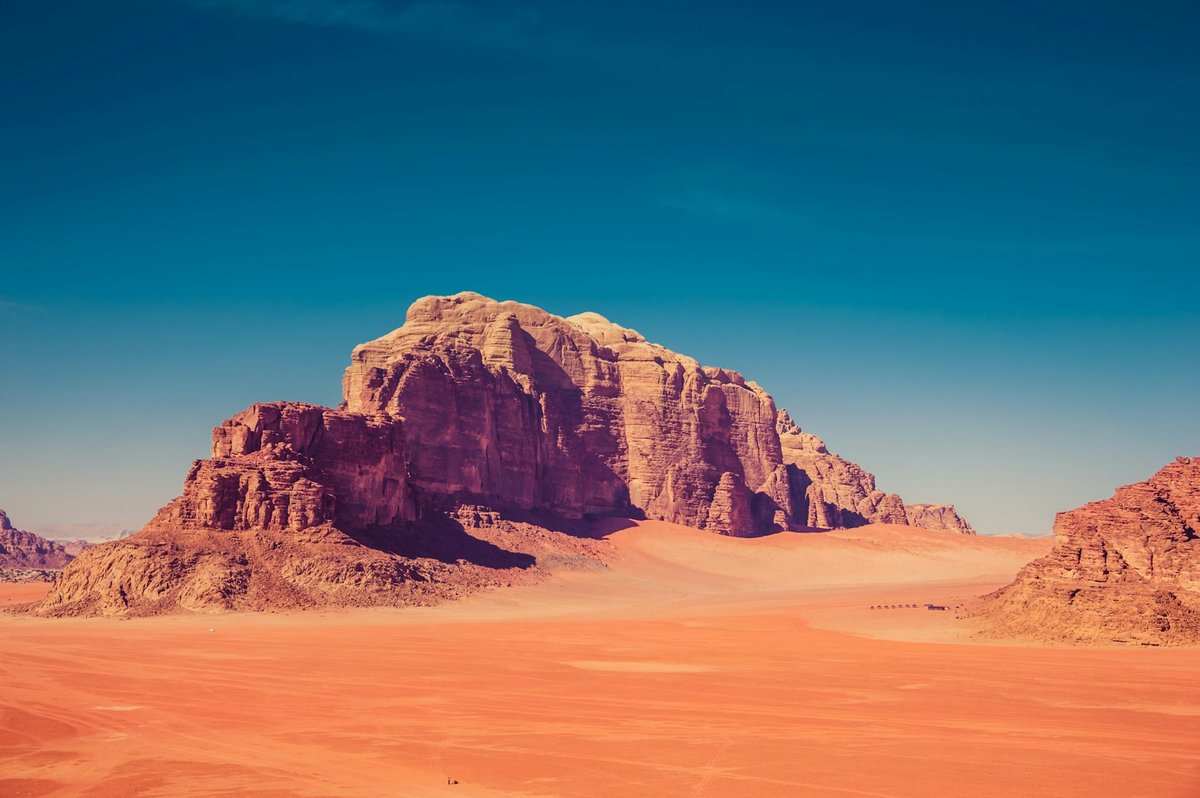
The classic way to see it is by 4x4 jeep tour. Depending on your tour, you’ll cross wide desert valleys, stop at rock formations and natural arches, and visit sites associated with the area’s Bedouin history and T. E. Lawrence.
Time your tour so you can finish somewhere with a clear view of the horizon around sunset. The colours change quickly as the sun drops, and this is one of the few stops on the itinerary where there’s no reason to rush to the next attraction.
Spend the night at a Bedouin desert camp. After dinner, step outside once the camp lights go down. On a clear night, Wadi Rum’s remote setting makes stargazing one of the simplest and best things to do here.
Day 6: Sunrise and a Slower Desert Morning
Wake up early for sunrise over the desert before breakfast at camp. The morning is also a good time for an optional activity, such as a camel ride or short hike, if you’d like to experience Wadi Rum at a slower pace.
Otherwise, don’t feel obliged to fill the morning. After the activity-heavy days in Amman and Petra, Wadi Rum is a good place to leave some empty space in the itinerary.
Depending on your plans, spend another few hours in the desert before travelling onwards, or arrange a later departure from the camp. The next stop is the Dead Sea, where the pace changes once again from desert adventure to a full day of doing very little.
Day 7: The Dead Sea
After the walking in Petra and the desert activities in Wadi Rum, the Dead Sea is deliberately low-effort. Check into your resort, change into swimwear and head for the water. Its exceptionally high salt concentration makes floating unusually easy, although you should avoid getting the water in your eyes or swallowing it.
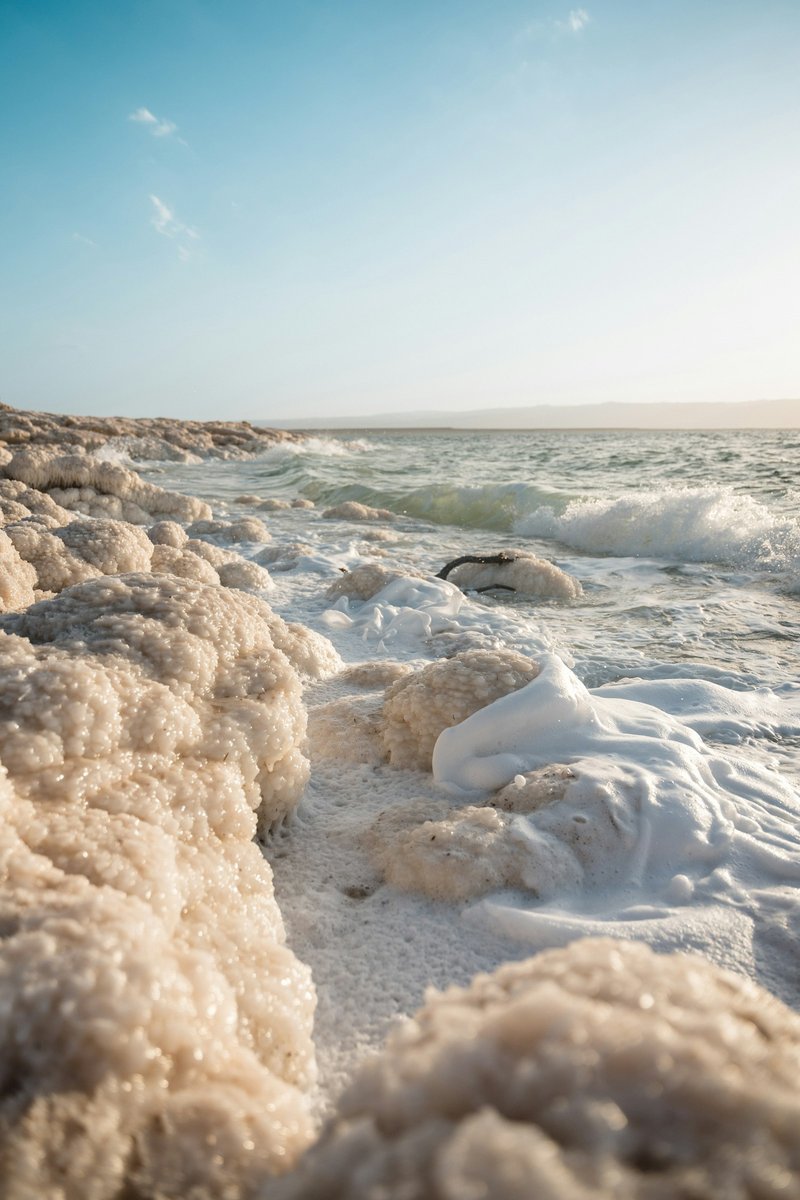
Give yourself time to simply float, rinse off and relax by the pool. Many of the resorts along the Jordanian shore also offer Dead Sea mud treatments and spa facilities, so this is a good day to book a treatment rather than squeeze in another sightseeing stop.
Stay for sunset if you can. Tomorrow’s drive back to Amman is short, so there is no need to turn your final evening into another busy travel day.
Day 8: Return to Amman & Departure
Keep your final morning slow. Have breakfast at the resort, take one last look at the Dead Sea and then drive back towards Amman or Queen Alia International Airport. The journey from the Dead Sea to the airport is roughly 1 hour, depending on traffic and your starting point.
If your flight is later in the day, leave enough time for the drive, car return and airport formalities. Otherwise, this is simply the end of the route: Amman → Petra → Wadi Rum → Dead Sea → Amman, with four very different sides of Jordan packed into eight days.
Extending to 10 Days in Jordan
This 8-day route is the core: two days each in Amman, Petra and Wadi Rum, then a Dead Sea finish. Two extra days work better as one extra region, not as more rushing between the same four stops.
What to do with the two extra days
The cleanest 10-day version keeps this itinerary and adds one of these blocks:
- Aqaba and the Red Sea: From Wadi Rum the drive south is about an hour. Two nights by the water give you time to swim or snorkel, then you can return north to the Dead Sea or fly out of King Hussein International Airport in Aqaba if your tickets allow.
- Dana Biosphere Reserve: A night or two on the King’s Highway between Amman and Petra. Dana is a hiking and village stop, and it breaks the usual Desert Highway run if you want a quieter landscape day before Wadi Musa.
- Madaba, Mount Nebo and Bethany Beyond the Jordan: These sit on the Amman–Dead Sea side, so they fit without a new base: Madaba’s mosaic map, the view from Mount Nebo, and the baptism site on the way down to the sea.
What you could do differently
- Drive Amman to Petra on the King’s Highway instead of the Desert Highway if you want Madaba, Mount Nebo or Karak Castle on a travel day. Budget extra hours; the 3-hour timing in the overview is the Desert Highway.
- Use one extra night in Wadi Musa if Petra’s longer trails matter more than the Red Sea, or add a second Dead Sea night if you want more recovery time.
- Give Jerash its own day from Amman instead of squeezing it into Day 2, and keep the second Amman day for the city.
- Skip Aqaba if the Dead Sea is already your water finish; the two are not interchangeable. One is salt and spa time, the other is Red Sea swimming.
Where to Stay
For this itinerary, staying in the right area matters more than choosing a particular hotel. Keep your bases close to the main sights and let the route do the work.
| Stop | Best area to stay | Why |
|---|---|---|
| Amman | Downtown or Jabal Amman | Close to restaurants, cafés and major sights |
| Petra | Wadi Musa | Convenient for early starts at Petra |
| Wadi Rum | Bedouin desert camp | Lets you experience the desert after the day-trippers leave |
| Dead Sea | Resort area on the Jordanian shore | Easy access to private beach areas, pools and spa facilities |
For Amman, Downtown is the better choice if you want to be close to the city’s older streets and food scene, while Jabal Amman works well for a quieter stay with cafés and restaurants nearby.
In Wadi Musa, staying close to the Petra entrance is particularly useful if you plan to arrive early. You’ll also find more restaurants and accommodation options in town than immediately around the archaeological site.
In Wadi Rum, the accommodation is part of the experience. Choose a camp based on what matters to you: traditional Bedouin-style stays for atmosphere, or more comfortable bubble or dome-style camps if you’re prioritising amenities and views.
At the Dead Sea, a resort is worth considering for this itinerary. Most of the appeal here is having easy access to the water, pools, spa facilities and a place to spend the final full day without arranging additional transport.
Rental Car, Driver or Tours
Jordan is relatively straightforward to travel between, so the best option depends more on how independent you want to be than on the route itself.
| Option | Best for | What to expect |
|---|---|---|
| Rental car | Independent travellers | Most flexibility; useful for moving between Amman, Petra, Wadi Rum and the Dead Sea |
| Private driver | Couples, families or small groups | Comfortable door-to-door travel without having to drive |
| Organised tours | Solo travellers or anyone who wants logistics handled | Easiest option, but less flexibility with timings |
For this particular itinerary, a rental car or private driver makes the most sense. The main intercity roads are straightforward, while Wadi Rum itself is better explored through a local 4x4 tour arranged with your camp or a local operator.
You don’t need a car to explore central Amman, and keeping one just for the city can be more hassle than it’s worth. If you do rent one, check the rental company’s insurance terms, driving restrictions and fuel policy before setting off.
Best Time to Visit Jordan
The best time for this itinerary is spring (March to May) and autumn (September to November), when temperatures are generally more comfortable for walking through Petra and exploring Wadi Rum.
Spring is especially good for combining sightseeing with outdoor activities, while autumn offers similarly pleasant conditions with fewer of the intense summer temperatures.
Summer can be very hot, particularly in Petra and Wadi Rum, making long walks and desert activities harder. Winter is cooler and can bring rain, so pack layers and check conditions if you’re travelling between December and February.
For this 8-day route, April–May and October–November are particularly good choices if comfortable daytime temperatures are your priority.
What to Eat in Jordan
Jordanian food is one of the easiest ways to experience the country beyond its archaeological sites. Don’t leave without trying mansaf, Jordan’s national dish made with lamb, rice and jameed; falafel and hummus for an easy breakfast or lunch; and maqluba, a comforting upside-down rice dish layered with meat and vegetables.
For something lighter, look for fatteh and ful, usually served as part of a breakfast or mezze spread. And save room for knafeh, particularly in Amman, where the famous sweet is served warm with cheese, syrup and pistachios.
If you’re staying in a Bedouin camp in Wadi Rum, try the traditional zarb if it’s on the menu, a meat-and-vegetable dish cooked underground in a covered oven. It’s a meal that fits the setting as much as the desert itself.
Jordan Pass, Costs & Practical Tips
The Jordan Pass is worth checking before you book your sightseeing separately. It includes entry to more than 40 attractions, including Petra, Jerash and Wadi Rum. Current packages on the official prices page are 70 JOD for the Wanderer pass (one Petra day), 75 JOD for the Explorer pass (two consecutive Petra days) and 80 JOD for the Expert pass (three days). For eligible visitors, buying it before arrival and staying a minimum of two nights (three days) also waives the tourist visa fee.
For this itinerary, the 75 JOD Explorer pass is the most natural fit because you have two days planned for Petra. Keep in mind that Petra by Night is not included in the pass.
- Carry some cash: cards work at larger hotels, restaurants and shops, but smaller businesses and souks often prefer cash. The currency is the Jordanian dinar (JOD).
- Keep small change handy: it is useful for taxis, small purchases and tips.
- Tipping: around 10% is customary at restaurants when a service charge hasn’t already been added.
- Water: bottled water is readily available; the Jordan Tourism Board advises visitors to conserve water.
- Taxis in Amman: yellow taxis are widely available; ask for the meter (“addad”) or agree on the fare beforehand.
- Bring comfortable shoes: Petra involves substantial walking, and Wadi Rum activities can involve uneven ground.
- Keep a layer for the desert: Wadi Rum can feel surprisingly cool after sunset, even when daytime temperatures are warm.
Safety & Current Travel Advice
Jordan’s main tourist route is well established, but the regional security situation can change quickly. As of October 2026, the UK FCDO advises against travel within 3 km of the Syria border, while the U.S. State Department advises travellers to reconsider travel to Jordan because of terrorism and armed conflict. Check your government’s latest advisory and your travel insurance conditions before departure.
For this itinerary, stay on the established tourist route, avoid demonstrations and large political gatherings, keep away from military or security installations and monitor flight and road updates. Regional tensions have also caused periods of flight disruption and airspace closures, so keep your departure plans flexible.
For day-to-day travel, the usual precautions apply: keep valuables secure, use reputable transport and tour operators, carry identification, and take extra care when driving, particularly at night. The emergency number in Jordan is 911.
Key Places
- Amman Citadel: Day 1
- Roman Theatre, Amman: Day 1
- Rainbow Street: Day 1
- Jerash: optional Day 2
- Petra Archaeological Park: Days 3–4
- Wadi Musa: Days 3–4
- Wadi Rum Protected Area: Days 5–6
- Dead Sea, Jordanian shore: Days 7–8
- Queen Alia International Airport: Day 8
Useful Links
- Visit Jordan
- Jordan Pass
- Jordan Pass prices
- Queen Alia International Airport
- UK FCDO travel advice: Jordan
- U.S. State Department: Jordan travel advisory
FAQs
Is 8 days enough for Jordan?
Yes. Eight days is enough to cover Amman, Petra, Wadi Rum and the Dead Sea without rushing between destinations, as long as you keep two days each in Amman, Petra and Wadi Rum and a full day at the Dead Sea.
Do I need to rent a car in Jordan?
No. A rental car gives you flexibility between Amman, Petra, Wadi Rum and the Dead Sea, but a private driver or organised tours are good alternatives. You do not need a car in central Amman, and Wadi Rum itself is better explored on a local 4x4 tour.
How many days should I spend in Petra?
Two days is ideal for this itinerary. It gives you time to see the Treasury and the main monuments while leaving room for longer trails such as the route to the Monastery.
What is the best time to visit Jordan?
Spring and autumn offer the most comfortable conditions for this itinerary. March–May and September–November are generally preferable to the hotter summer months, particularly for Petra and Wadi Rum. April–May and October–November are especially good if daytime temperatures are your priority.
Which Jordan Pass should I buy for this itinerary?
The Explorer package at 75 JOD is the most natural fit because it includes two consecutive days at Petra. The Wanderer package is 70 JOD for one Petra day and the Expert package is 80 JOD for three days. Petra by Night is not included.
Does the Jordan Pass waive the tourist visa?
For eligible visitors, buying the Jordan Pass before arrival and staying a minimum of two nights (three days) waives the tourist visa fee. Check whether the pass and the waiver apply to your nationality before you travel.
Is Petra by Night included in the Jordan Pass?
No. Petra by Night is a separate ticket and currently runs on selected evenings rather than every night. Check the schedule before you plan around it.
How do I get around Wadi Rum?
Wadi Rum is a protected desert area and is best explored with a local Bedouin guide on a 4x4 jeep tour, usually arranged through your camp or a local operator, rather than by driving independently through the desert.
Is it safe to float in the Dead Sea?
Floating is unusually easy because of the high salt concentration, but you should avoid getting the water in your eyes or swallowing it. Rinse off afterwards and keep cuts covered.
Should I add Jerash to this 8-day Jordan itinerary?
Jerash is an optional half-day trip from Amman, about an hour north of the city. If this is your first visit, do not feel pressured to squeeze it in; two days in Amman are there so you can experience the city itself.
How far is the Dead Sea from Queen Alia International Airport?
The drive from the Dead Sea resort area to Queen Alia International Airport is roughly one hour, depending on traffic and your starting point. Leave extra time for car return and airport formalities.
Prompts to Try in Honge
- Plan an 8-day Jordan trip with two days in Amman, two in Petra, two in Wadi Rum and one full day at the Dead Sea.
- Add an optional half-day in Jerash to a first-time Amman stay without rushing the city.
- Build a Petra-focused two-day plan that includes the Monastery and a possible Petra by Night evening.
- Compare a rental car, private driver and organised tours for Amman, Petra, Wadi Rum and the Dead Sea.
- Find Jordanian dishes to try in Amman and a Bedouin camp, including mansaf, knafeh and zarb.
Ready to Start Your Adventure?
Start with this Jordan itinerary on Honge, then shape the route around your energy. Keep two days for Petra, leave Wadi Rum quieter than the city, and treat the Dead Sea as the place you stop trying to see one more thing.
Ready for Amman, Petra, Wadi Rum and a Dead Sea float?
Plan your Jordan trip with Honge
Keep the southbound bases, then move Jerash, Petra by Night and the airport buffer around your dates.
Related itineraries
- 8-Day Egypt Itinerary: Cairo, Luxor & Nile Cruise
- 8-Day Morocco Cultural Itinerary: Casablanca, Fes, Chefchaouen & Marrakech
- 8-Day Uzbekistan Silk Road Itinerary: Samarkand, Bukhara & Khiva
- 8 Days in Chile: Santiago & the Atacama Desert
- 7 Days in Armenia: Yerevan, Lake Sevan & Vayots Dzor
- 10-Day Namibia Self-Drive: Sossusvlei, Swakopmund, Damaraland & Etosha
More Honge guides for similar trips
Written by
This blog was contributed by Lynette Joyce, a travel enthusiast and writer. Lynette Joyce can be reached at joyce.honge@gmail.com.
About Honge
Honge is an AI travel planning platform focused on practical, experience-led itineraries with realistic pacing and logistics. All blog content is edited and published by Honge. Our Jordan research draws on updated practical logistics as of October 2026. © Honge. All rights reserved.
Image credits: Route map illustration created for this Honge itinerary. Photos are sourced from Unsplash. Copyright remains with their respective photographers and rights holders. Unsplash images are used according to the Unsplash License.
Travel disclaimer
This itinerary is general travel inspiration and planning guidance only, not personalised travel, safety, driving or medical advice. Petra involves long walks on uneven rock and can be hot by day; take water, sun protection and comfortable shoes. Wadi Rum is best explored with a local 4x4 tour rather than self-driving the desert; camps can be remote and nights can be cold. The Dead Sea’s high salt content makes floating easy, but keep the water out of your eyes and mouth and rinse off afterwards. As of October 2026, the UK FCDO advises against travel within 3 km of the Syria border, and the U.S. State Department advises travellers to reconsider travel to Jordan because of terrorism and armed conflict. Stay on the established tourist route, avoid demonstrations and military or security installations, and keep departure plans flexible around possible flight and airspace disruption. Suggested stay areas are samples only and depend on availability; in the Honge app they may appear as booking options when offered by our vendors at the time of your search. Honge is not responsible for changes to conditions, services or experiences after publication.