
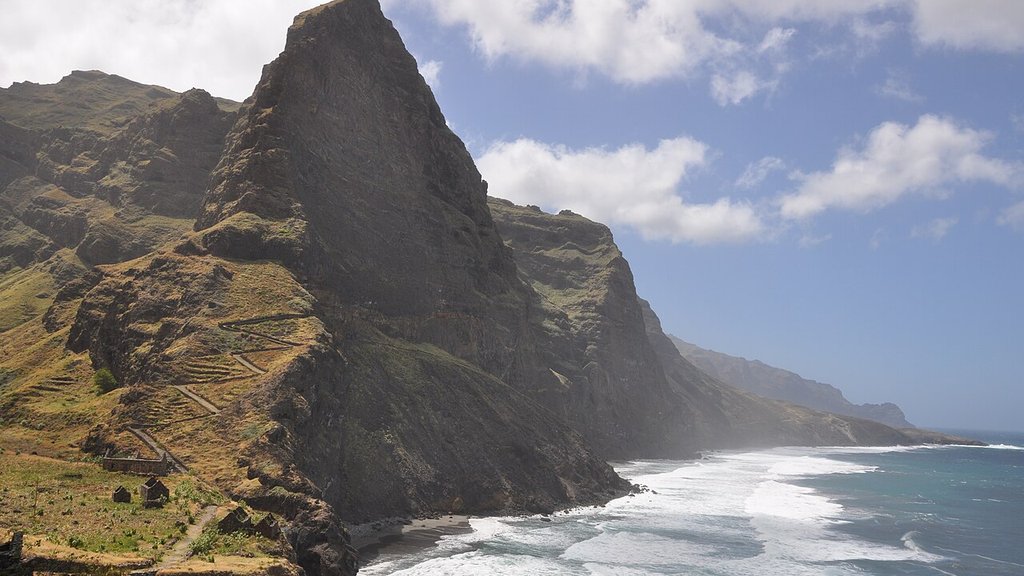
Start with this itinerary
Open this Cape Verde itinerary in Honge as your starting point, then shape the pace around your domestic flight, the Mindelo–Porto Novo ferry and how hard you want Day 6’s hike to feel.
How Many Days in Cape Verde Is Enough?
Seven days is enough for a first Cape Verde loop: Santiago for Praia and Cidade Velha, São Vicente for Mindelo’s music and markets, and Santo Antão for mountain valleys and hiking, with two nights on each island. Skip Sal, Boa Vista and Fogo in this window; add them if you have 10 to 14 days.
Keep the structure tight: two nights in Praia for the capital and Cidade Velha, two nights in Mindelo for music and the ferry gateway, then two nights on Santo Antão for valleys and trails. Trying to add Sal’s beaches, Boa Vista or Fogo’s volcano into the same seven days usually turns travel days into the main story.
The strongest version is this one: Santiago for Creole history and city life, São Vicente for Mindelo’s waterfront energy, then Santo Antão for mountain roads and a full hiking day. Use the extension ideas below if you can stay longer.
Introduction
Cape Verde — officially Cabo Verde — is a place where the Atlantic sets the rhythm of everyday life. Mornings begin with fishing boats returning to shore, afternoons drift between colourful markets and sunlit waterfronts, and evenings often end with live music, local food and the warm, unhurried atmosphere of island life.
This small island nation off the west coast of Africa is full of contrasts. On Santiago, history and Creole culture meet in lively streets and coastal villages. São Vicente brings music, markets and the creative energy of Mindelo. Then Santo Antão changes the mood entirely, with volcanic peaks, deep green valleys, winding mountain roads and footpaths connecting remote villages.
Seven days is enough to experience three distinct sides of Cape Verde, provided you plan the inter-island transfers carefully. This itinerary combines city life, cultural heritage, Atlantic scenery and rewarding hikes without trying to fit every island into one trip.
Cape Verde is not simply a beach destination — it is music, migration, volcanic landscapes, Creole identity and a strong connection to the sea.
Why This Trip Works
- Three islands, one coherent arc: Santiago for history and capital life, São Vicente for music and the ferry hub, Santo Antão for mountain hiking.
- Realistic transfers: one domestic flight and one ferry pair keep logistics workable in seven days if you book them early.
- Two nights each: enough time to settle without turning every day into a packing day.
- Breathing room on Day 4 and Day 7: Mindelo gets a slower cultural day; departure keeps a buffer around the ferry.
Who Is This Trip For?
This journey suits culture lovers, hikers, food travellers and independent explorers who want Creole city life, Mindelo’s music scene and Santo Antão’s valleys without spending the whole week on a resort beach.
Couples, solo travellers and friends who are comfortable with domestic flights, ferry crossings and some hiking will get the most from the week. It is less ideal if you want only beaches, guaranteed nightlife every night or a multi-island beach-hop with no walking.
Good to Know
- Country names: Cabo Verde (official Portuguese) and Cape Verde (common English) refer to the same country (CV).
- Currency: Cape Verdean escudo (CVE). Cards work in many hotels and larger businesses; keep cash for taxis, markets and villages.
- Language: Portuguese and Cape Verdean Creole (Kriolu). English is useful in tourism settings, especially in Mindelo and Praia.
- Time zone: Cape Verde Time (UTC−1); no daylight saving time.
- Music: Morna, coladeira and funaná are part of everyday cultural life — schedules for live music vary by night and season.
- Gateways: Praia (RAI) for Santiago; São Vicente / Cesária Évora Airport (VXE) near Mindelo for the northern islands.
Before You Go
- Book the domestic flight from Santiago to São Vicente before locking every hotel night.
- Check the Mindelo–Porto Novo ferry timetable and return sailing close to travel.
- Decide whether Day 7 is a same-day ferry-to-flight day or whether you will sleep in Mindelo on Day 6 for a safer buffer.
- Ask Santo Antão guesthouses about dinner, early breakfast and local guides before booking a remote valley stay.
- Review current entry requirements and travel advice for your nationality.
Journey Overview
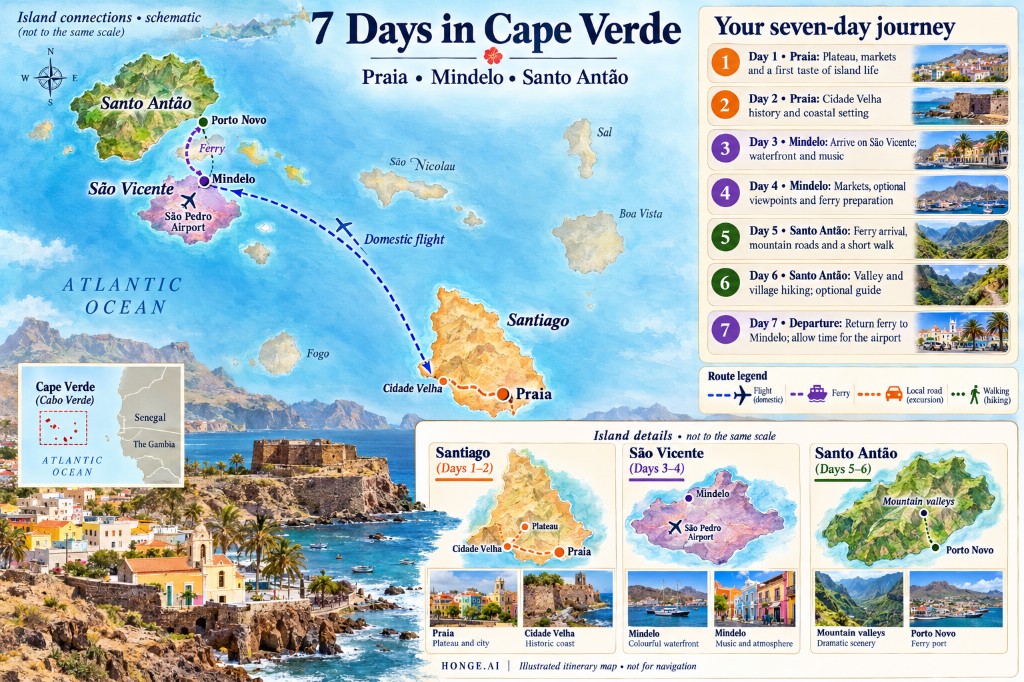
The route starts on Santiago for Praia and Cidade Velha, flies to São Vicente for Mindelo’s music and markets, then crosses by ferry to Santo Antão for mountain valleys and a full hiking day before returning toward the airport.
| Day | Base | Focus | Travel / getting around |
|---|---|---|---|
| Day 1 | Praia | Plateau, markets, first taste of island life | Airport transfer + walk |
| Day 2 | Praia | Cidade Velha history and coastal setting | Road excursion from Praia |
| Day 3 | Mindelo | Arrive São Vicente; waterfront and music | Domestic flight + taxi |
| Day 4 | Mindelo | Markets, optional viewpoints, ferry prep | Walk + optional driver |
| Day 5 | Santo Antão | Ferry arrival, mountain roads, short walk | Ferry + valley transfer |
| Day 6 | Santo Antão | Valley / village hiking day | On foot; optional guide |
| Day 7 | — | Return ferry and departure | Ferry + airport buffer |
Route Map
Day 1 — Arrive in Santiago and Discover Praia
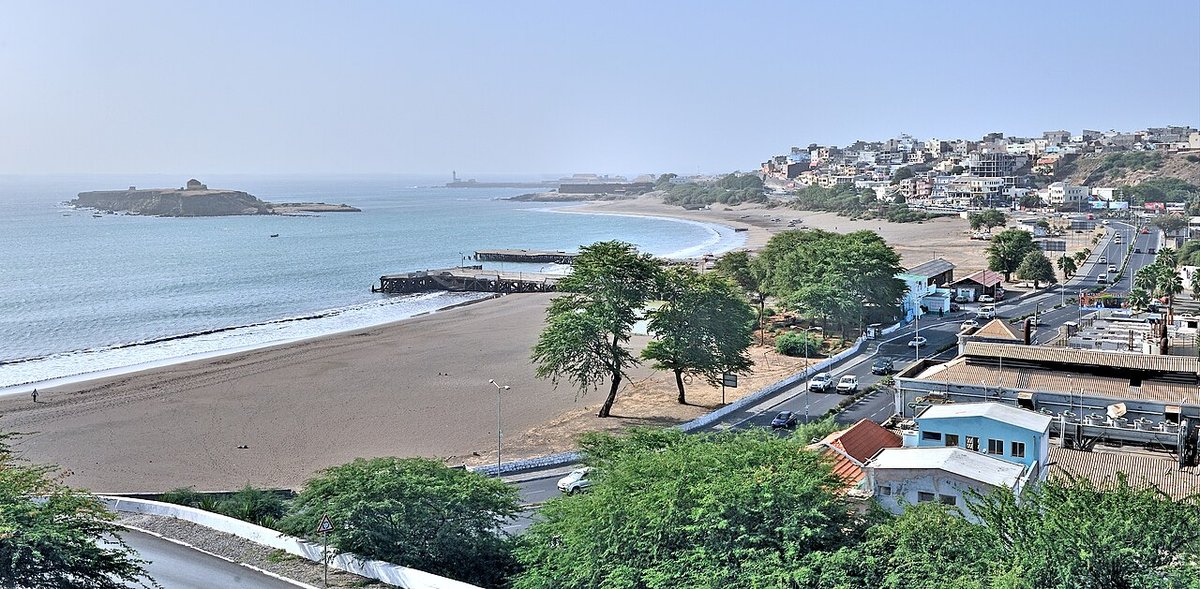
Begin on Santiago, the largest island in Cape Verde and an important centre of its history and culture. Most visitors start in Praia, the capital, where busy streets, colourful buildings, neighbourhood markets and ocean views offer a lively introduction to the country.
After checking into your accommodation, explore the Plateau, the central area overlooking the coast. Walk through its streets, browse local shops and take time to notice the everyday rhythm of the city. Praia feels lived-in rather than staged for visitors, which is part of its appeal.
Visit a market if one is open during your stay. Markets are useful places to see local produce, seasonal fruit, fish and ingredients used in Cape Verdean cooking. Keep the afternoon relaxed: find a café, walk toward the waterfront or enjoy a long lunch.
Praia is also a good introduction to Cape Verde’s musical identity. Styles such as morna, coladeira and funaná reflect different histories and influences. You may hear music in restaurants, bars or local venues, depending on the day and season.
Food note: start with cachupa, the country’s best-known traditional dish, made with corn, beans and other ingredients that vary by recipe. It may be served with vegetables, meat or fish.
Do not miss: an evening walk through central Praia followed by a meal at a local restaurant.
Logistics: arrange your airport transfer in advance if arriving late. Use trusted taxis or accommodation-recommended transport, and keep some local currency for smaller purchases. Stay in or near Plateau if you want to explore on foot.
Day 2 — Cidade Velha and Santiago’s History
Today, travel from Praia to Cidade Velha, one of the most significant historic sites in Cape Verde. Located along Santiago’s coast, this former settlement played an important role in Atlantic trade and the history of Portuguese expansion and slavery.
The visit is rewarding, but it is important to understand the site’s full history. Cidade Velha’s heritage reflects both the beginnings of a Creole society and the brutality of the transatlantic slave trade. Its surviving structures and historic setting tell a story that is much more complex than a picturesque old town.
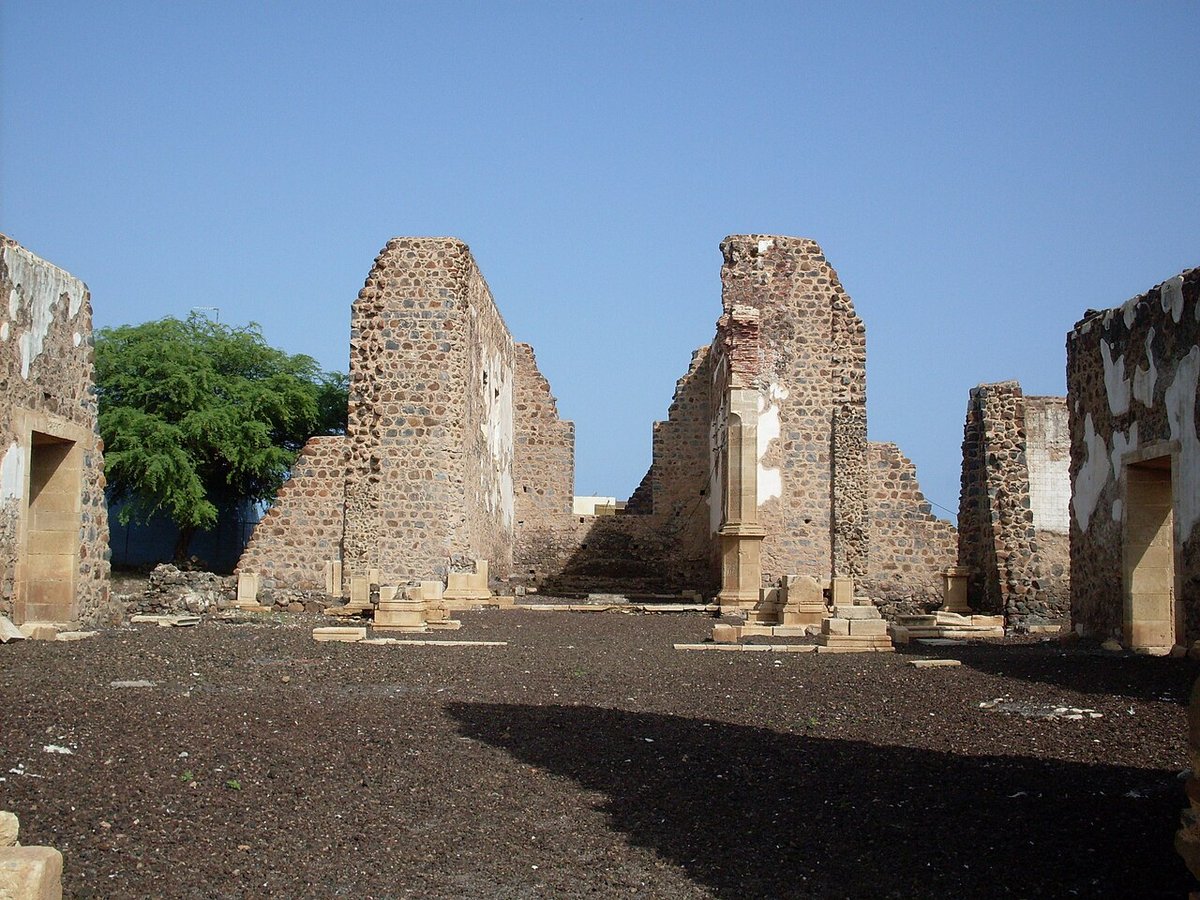
Explore the historic centre and, where open, the main monuments and archaeological areas. Allow time to walk slowly and read the interpretation at the sites you visit. If you are interested in history, consider arranging a local guide who can explain the town’s significance and the experiences of the people who lived and were enslaved here.
Return to Praia in the afternoon. Santiago has varied landscapes beyond the capital, but on a seven-day trip it is worth keeping this day focused rather than trying to cover the entire island.
Food note: try fresh fish with rice or vegetables, or order cachupa if you did not have it on Day 1.
Do not miss: time to understand Cidade Velha’s historical significance — including its role in the transatlantic slave trade — rather than treating it only as a scenic excursion.
Logistics: arrange a taxi, private driver or organised excursion from Praia and confirm the return journey before leaving the capital. Stay a second night in Praia so packing for tomorrow’s domestic flight stays simple.
Day 3 — Fly to São Vicente and Discover Mindelo
Leave Santiago and fly to São Vicente, home to Mindelo, a city often associated with Cape Verde’s music, arts and cultural life. The flight is usually the most practical way to travel between these islands. Domestic schedules can vary, so plan around the available service rather than assuming a particular departure time.
After arriving, transfer to Mindelo and check into your accommodation. The city is a natural base for exploring the island and preparing for the ferry crossing to Santo Antão later in the trip.
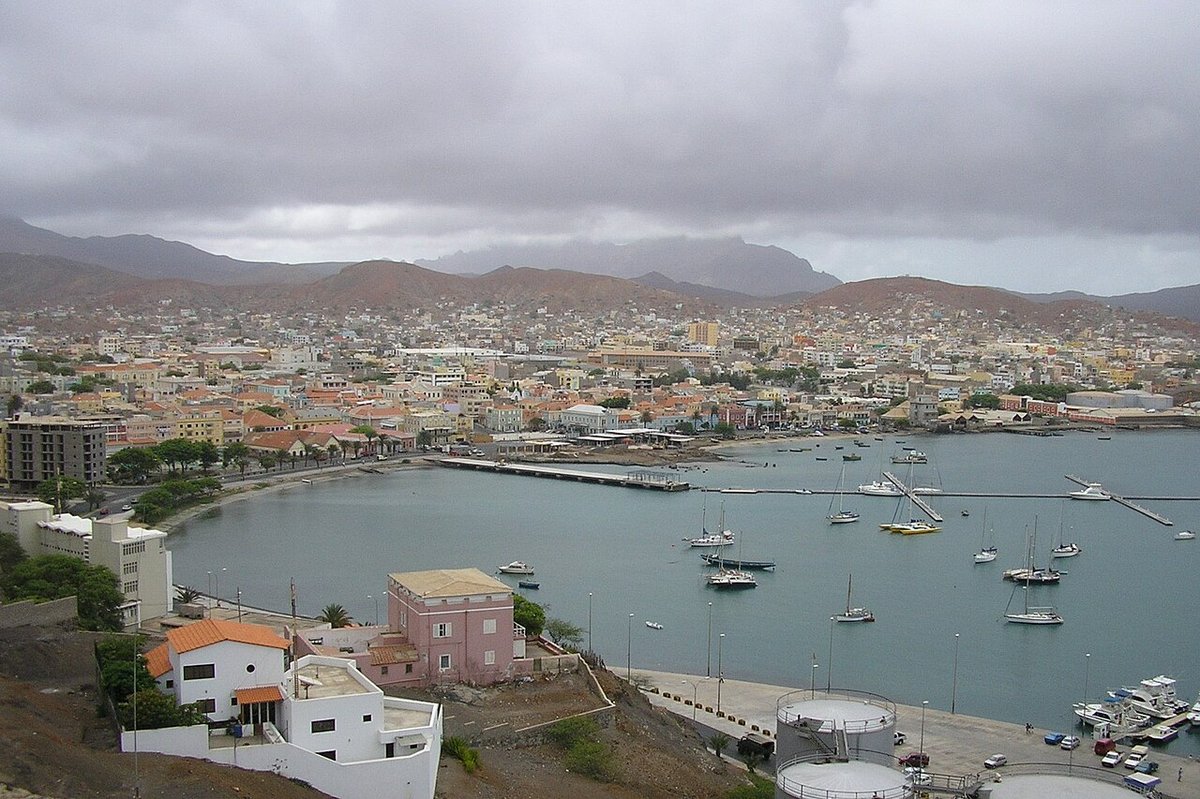
Start with a walk through the central streets and waterfront. Mindelo has a different character from Praia: cultural energy, maritime history and a music scene that invites exploration on foot. Visit market areas for crafts, produce and everyday goods, then spend time around the marina if you want a quieter counterpoint to the centre.
In the evening, look for a restaurant or venue hosting a live performance. Morna and coladeira are particularly associated with Cape Verdean musical identity, but what is playing depends on the venue and the night.
Food note: look for grilled fish, seafood rice and local sides that reflect the island’s relationship with the Atlantic.
Do not miss: an evening of live music if a performance is available — in Mindelo, music is cultural expression, not only entertainment.
Logistics: check domestic flight schedules before finalising hotel nights. If your flight arrives late, arrange a transfer in advance. Stay central or near the waterfront for walking access and easier ferry logistics later.
Day 4 — Markets, Music and Atlantic Views
Use your second day on São Vicente to explore Mindelo more deeply instead of rushing through a long list of stops. Begin with the central market area earlier in the day if you want more activity, then continue through streets, cafés, small galleries or shops that interest you.
Mindelo is a good place to notice Cape Verde’s blended cultural influences — shaped by African and European histories, Atlantic trade, migration and local creativity. If the weather is clear, consider a short excursion outside the city for views of the island’s volcanic terrain and coastline. São Vicente is generally drier and more rugged than the lushest parts of Santo Antão.
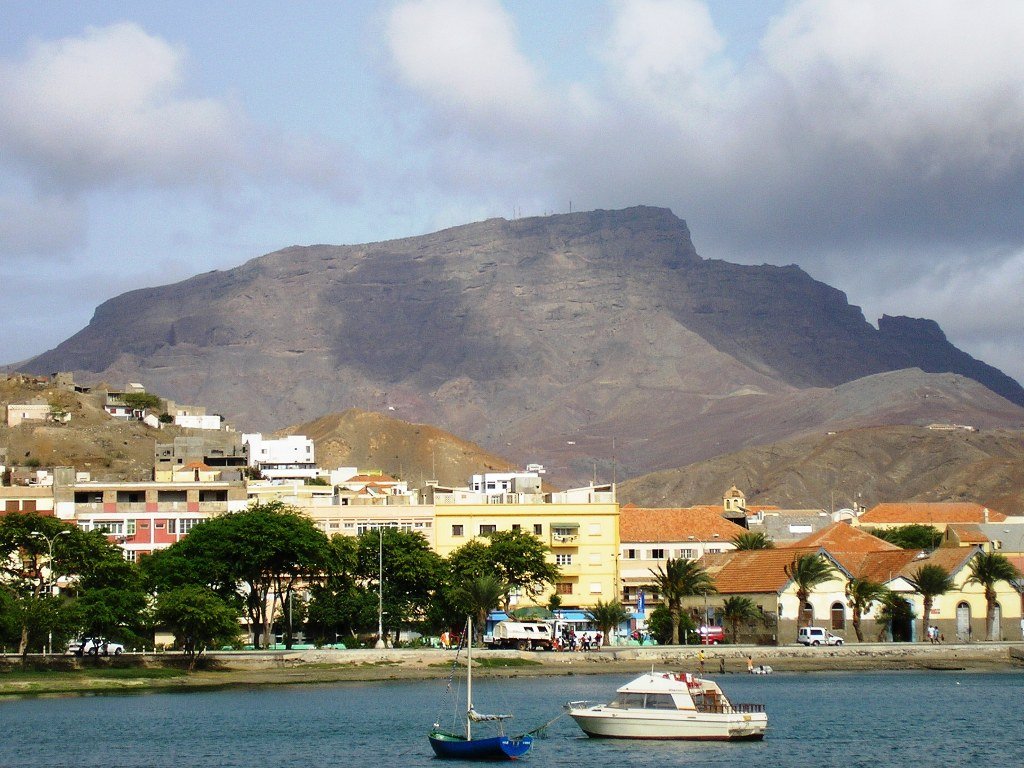
Return to Mindelo for a leisurely lunch or a waterfront break. If you missed live music the previous evening, ask locally about performances tonight. This is also a useful day to prepare for Santo Antão: check hiking footwear, refill supplies and confirm tomorrow’s ferry.
Food note: sample pastel com peixe if available — a fish-filled pastry popular in Cape Verde — or another local snack with coffee or fresh juice.
Do not miss: an unplanned hour in Mindelo. A conversation, an unexpected performance or a quiet waterfront moment can become a highlight.
Logistics: arrange transport in advance for any outing beyond Mindelo. Keep the ferry departure time in mind when planning the evening, and stay a second night in the same Mindelo base.
Day 5 — Ferry to Santo Antão and Mountain Landscapes
Today, trade Mindelo’s waterfront for the mountains of Santo Antão, widely regarded as one of Cape Verde’s most spectacular islands for hiking and dramatic scenery.
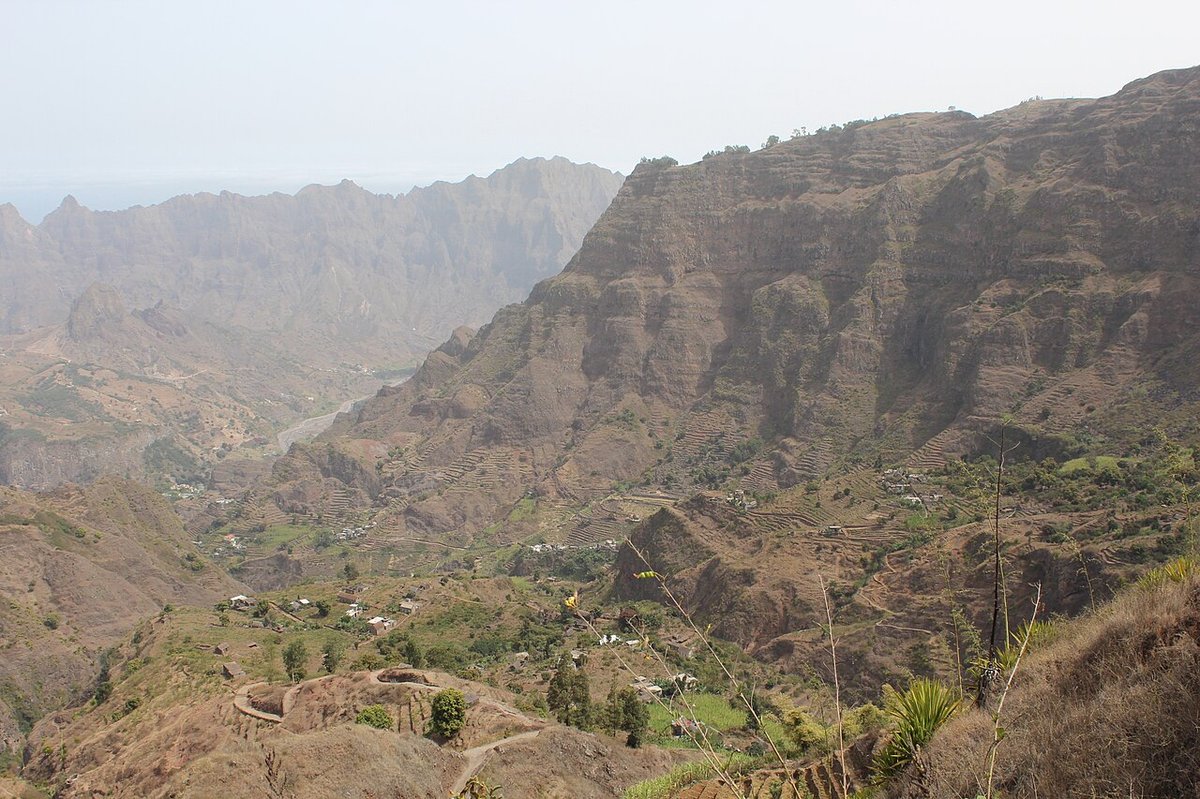
The ferry from São Vicente crosses the channel to Porto Novo, Santo Antão’s main port. Check the operator’s timetable close to travel and allow extra time for boarding. Sea conditions and schedules vary.
On arrival, the landscape immediately feels different: steep ridges, volcanic rock, narrow roads and valleys that can shift from dry and rugged to surprisingly green. Arrange a transfer from Porto Novo to your accommodation. Depending on your base, the road may wind through high mountain passes before descending into a valley or coastal settlement.
Use the rest of the day to settle in. A short village walk or viewpoint stop is a better choice than a demanding hike after the ferry and road transfer.
Food note: look for local dishes made with corn, beans, vegetables and regional produce. Grogue, a traditional sugarcane spirit associated with Santo Antão, is worth knowing about — enjoy responsibly and only if you drink alcohol.
Do not miss: the first view of Santo Antão’s mountain terrain from the transfer road.
Logistics: book the ferry and confirm your Porto Novo transfer before travel. If you are prone to seasickness, bring suitable medication and follow its instructions. Choose a guesthouse near the walking routes you want for Day 6.
Day 6 — Hiking Through Valleys and Villages
Today is the centrepiece for travellers who love landscapes and walking. Santo Antão offers routes through steep valleys, agricultural terraces, mountain ridges and villages connected by old footpaths.
The best hike depends on where you are staying and your experience level. Some walks follow established paths between villages and can be manageable for reasonably fit travellers; others involve steep climbs, uneven stone steps, exposed sections or long descents that can be demanding on the knees.
A route in or around the Paúl Valley is a popular way to experience the island’s greener scenery, with cultivated terraces and settlements set among steep slopes. Other trails cross higher, more exposed terrain and need better fitness and careful weather attention.
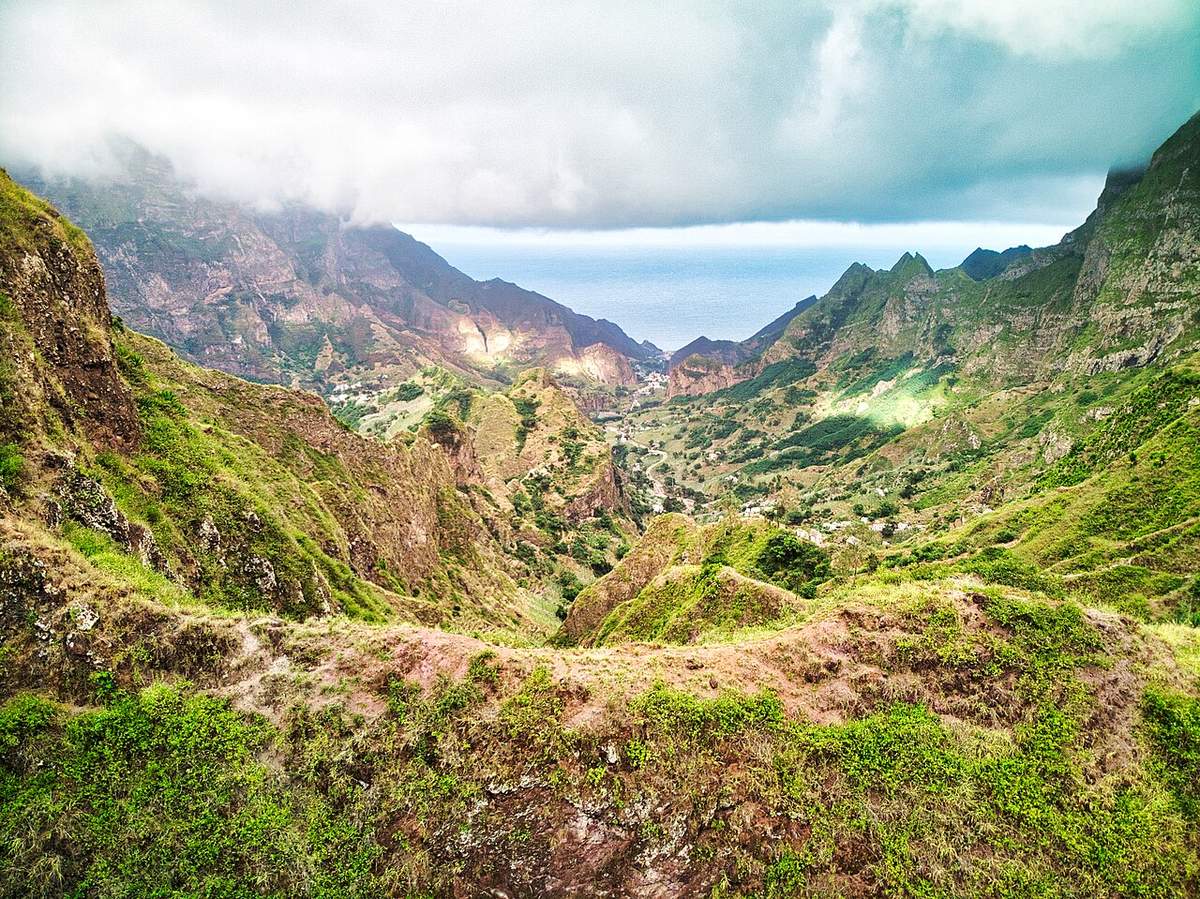
Start early to avoid the hottest part of the day. Carry water, snacks, sun protection and a light rain layer. A local guide is particularly useful if you are unfamiliar with the trails, want to learn about agriculture and village life, or are planning a longer route. Trail conditions and access can change — ask locally before setting off.
Along the way, notice the details: stone walls, terraced fields, small homes and the way villages fit into the mountains. Return for a quiet evening and prepare for the journey back to São Vicente tomorrow.
Food note: carry water and a packed snack for several hours of walking. Ask your guesthouse whether it can prepare a simple lunch for the trail.
Do not miss: a village-to-village walk through mountain landscape — views, terraced agriculture and everyday island life together.
Logistics: do not choose a hike from photographs alone. Check distance, elevation gain, descent, exposure and current trail conditions. If unsure, hire a local guide and pick a route that matches your fitness.
Day 7 — Return to São Vicente and Departure
Your final day is primarily about getting back to São Vicente and reaching your onward flight. Take the ferry from Porto Novo to Mindelo, allowing enough time for boarding and possible schedule changes. The safest approach is to avoid relying on a tight connection between the ferry and an international flight.
If your departure is later in the day, you may have time for breakfast in Mindelo, a short waterfront walk or a final coffee. If the schedule is tight, prioritise the transfer. For some travellers, spending a final night in Mindelo and flying the next day is worth the extra night — it reduces the risk of missing a flight because of ferry delays.
Before leaving Santo Antão, check your ferry ticket, onward flight details and transfer arrangements. Keep essential documents and medication in your day bag.
Food note: enjoy a final Cape Verdean breakfast or an easy meal in Mindelo if time allows. Keep snacks and water for the ferry and airport transfer.
Do not miss: a final waterfront moment if your schedule allows — the Atlantic is the thread connecting all three islands.
Logistics: whenever possible, avoid a same-day ferry-to-flight connection with little buffer. If your international departure is fixed, consider returning to São Vicente on Day 6 and spending the final night there.
Where to Stay in Cape Verde
For a seven-day trip, location matters as much as comfort. The aim is to spend time exploring rather than repeatedly arranging transfers. Suggested stay areas below are samples only, not named properties.
Santiago: two nights in Praia
- A guesthouse or hotel near Plateau for walking access to central sights.
- A property with reliable airport transfers if you arrive late.
- Accommodation that can help arrange a driver or guided trip to Cidade Velha.
São Vicente: two nights in Mindelo
- A central hotel or guesthouse within walking distance of the waterfront.
- Hosts who can confirm ferry information and arrange airport transfers.
- A quieter room if you are sensitive to evening music and city noise.
Santo Antão: two nights in a village or valley
- A guesthouse in or near the Paúl Valley if you want greener scenery and village walks.
- A base that offers breakfast early enough for hiking.
- Hosts who can help arrange local guides and transport to trailheads.
Confirm meal availability, payment methods and transport before booking a remote stay.
Getting Around: Flights, Ferries and Local Transfers
The three islands in this itinerary need two different kinds of inter-island transport.
| Journey | Best option | Planning note |
|---|---|---|
| Santiago → São Vicente | Domestic flight | Book early; schedules and frequency vary by season. |
| São Vicente ↔ Santo Antão | Ferry (Mindelo–Porto Novo) | Confirm sailings close to travel; allow boarding buffer. |
| Praia / Cidade Velha | Taxi, driver or excursion | Confirm the return before leaving Praia. |
| Mindelo | Walk + occasional taxi | Central sights are walkable; arrange drivers for viewpoints. |
| Santo Antão | Local driver / shared transfer | Mountain roads are winding; trailheads are not always on bus routes. |
Allow enough time between your international arrival and the domestic connection, especially on separate tickets. If your international flight leaves from São Vicente on Day 7, either confirm a reliable ferry connection with a generous buffer or return from Santo Antão on Day 6 and spend the last night in Mindelo.
Best Time to Visit Cape Verde
Cape Verde is generally warm throughout the year, but wind, rainfall and temperatures affect the islands differently.
- November–June: a popular period for walking, sightseeing and coastal towns. Conditions are often drier than in the main rainy season, though wind and local temperatures vary. Cooler months can feel more comfortable for longer Santo Antão hikes.
- July–October: generally warmer, with a greater chance of rain. Rainfall varies year to year and island to island. Santo Antão trails, visibility and road access can be affected; the landscape may look greener after rain, but check conditions locally.
For a first trip combining culture and hiking, November to June is a useful starting point. Regardless of season, a sunny coast does not guarantee clear mountain conditions.
Hiking in Santo Antão: How Difficult Is It?
Santo Antão is one of Cape Verde’s most rewarding islands for hikers, but its trails should not be underestimated. Some village paths suit reasonably fit travellers comfortable on uneven ground. Other routes involve long distances, steep climbs and descents, narrow stone paths or exposed sections.
Before choosing a hike, consider:
- Distance: how many kilometres and how long the route will take.
- Elevation: a short route can still be strenuous with a steep climb or long descent.
- Surface: stone steps, loose rocks and uneven paths slow the pace.
- Exposure: little shade can make hot or windy conditions harder.
- Navigation: junctions can be confusing if you do not know the area.
- Transport: confirm how you reach the trailhead and return from the endpoint.
Wear hiking shoes with good grip, carry enough water and avoid starting a long route late in the day. If you have limited hiking experience, choose a shorter walk or arrange a local guide. A moderate route with time for views and a village stop can be more rewarding than the longest trail on the map.
What to Eat in Cape Verde
Cape Verdean food reflects island geography, African and Portuguese influences, and the importance of fishing and agriculture.
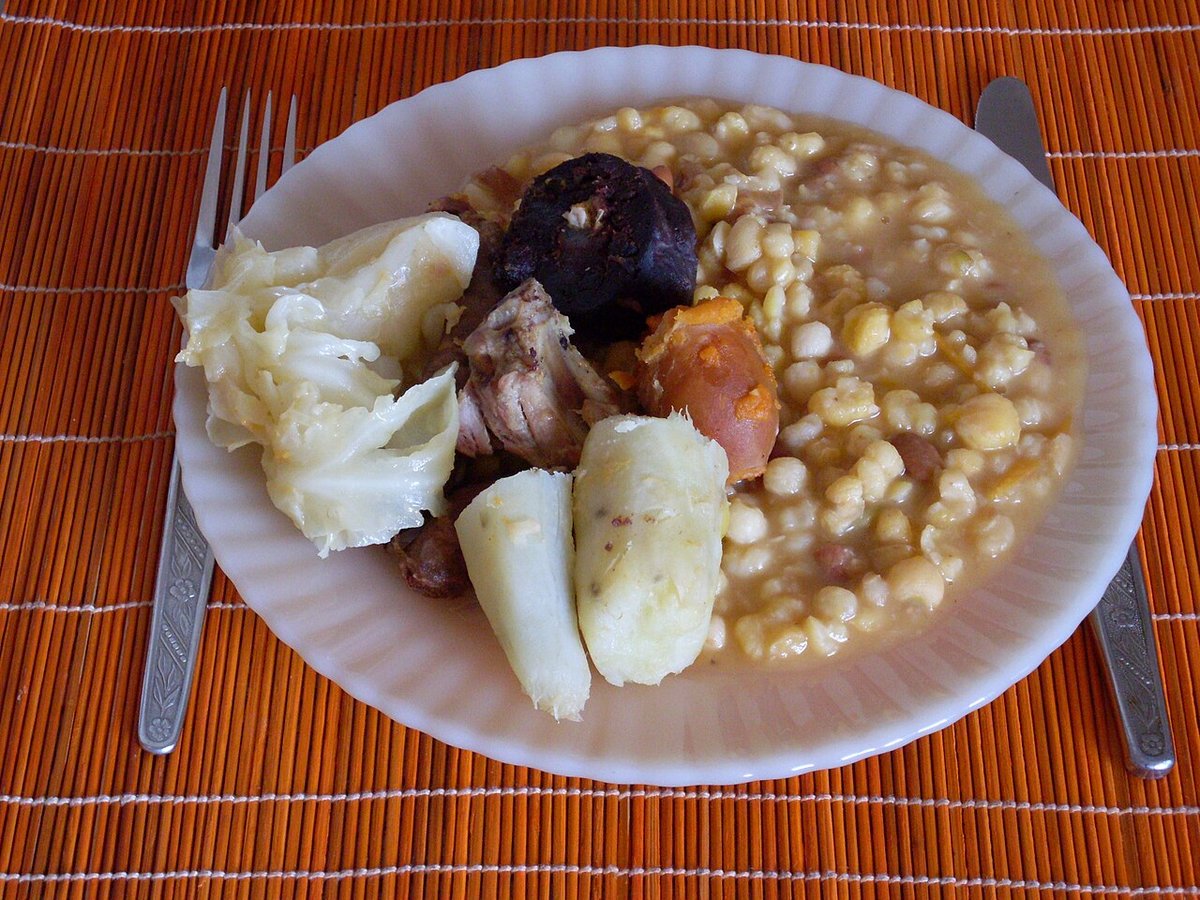
- Cachupa: the signature slow-cooked dish of corn and beans, with vegetables and often meat or fish. Recipes differ from kitchen to kitchen.
- Fresh fish and seafood: grilled fish, seafood rice and daily specials when available.
- Pastel com peixe: a savoury fish-filled pastry that works as a snack or light meal.
- Grogue: Santo Antão’s traditional sugarcane spirit. Drink responsibly, and do not combine alcohol with hiking or driving.
- Local fruit and coffee: tropical juices, seasonal fruit and local coffee when available.
Outside the main towns, restaurants may have limited menus or serve meals by arrangement. Confirm dinner options in advance for remote Santo Antão guesthouses.
What to Pack for Cape Verde
You will need a mix of lightweight city clothes, sun protection and proper hiking gear. Packing only beachwear is a mistake if Santo Antão hiking is part of the plan.
Clothing
- Lightweight, breathable shirts and trousers.
- Comfortable walking shoes for Praia and Mindelo.
- Hiking shoes or boots with good grip for Santo Antão.
- A light jacket or windbreaker for breezy coasts and higher elevations.
- A light rain layer if travelling in the wetter season.
- Swimwear if you plan beach time or pool access.
Hiking essentials
- Reusable water bottle, sun hat, sunglasses, sunscreen and lip balm.
- Small daypack, trail snacks and offline maps or a downloaded route.
- A basic first-aid kit and personal medication.
Practical items
- Passport and transport confirmations.
- A power bank and some cash for small purchases and local transport.
- Travel insurance details and a small dry bag for rough ferry crossings.
Cape Verde Budget: Realistic Costs for 7 Days
Cape Verde can suit different travel styles, from simple guesthouses and local transport to boutique hotels and private guided excursions. The main budget variables are accommodation, the domestic flight, ferry tickets and how you explore Santo Antão.
The following are broad planning estimates per person for seven days, assuming two people sharing accommodation. They are indicative ranges, not live prices, and exclude international flights.
| Travel style | Approximate 7-day budget per person | What it might include |
|---|---|---|
| Budget-conscious | €500–€850 | Guesthouses, local restaurants, shared transport, selective activities |
| Comfortable mid-range | €850–€1,500 | Comfortable hotels, organised transfers, selected guided activities |
| Boutique / more guided | €1,500–€2,500+ | Boutique stays, private transfers and more guided excursions |
Actual costs depend on season, availability, room type, flight schedules and how many private transfers or guided hikes you book.
Where your money goes
- Accommodation across three islands.
- Domestic flight from Santiago to São Vicente.
- Ferry between São Vicente and Santo Antão, including the return.
- Local transfers, taxis and transport to hiking trailheads.
- Meals, snacks, drinks and any guided hikes or cultural excursions.
How to keep costs manageable
Stay in guesthouses, eat at local restaurants and use shared transport when it suits your schedule. On Santo Antão, consider paying for a guide where local knowledge adds the most value rather than booking private transport every day. Book the domestic flight and ferry early enough to coordinate accommodation — a cheap room is less useful if it requires expensive transfers or breaks a connection.
What to Book Ahead & Practical Tips
- Book the domestic flight before locking in every detail of the week.
- Treat ferry schedules as part of the itinerary — check Mindelo–Porto Novo both ways before planning Day 7.
- Consider an extra Mindelo night if your international departure is fixed.
- Carry some cash; card acceptance varies in smaller businesses and remote villages.
- Respect local customs; a few Portuguese or Creole greetings go a long way.
- Ask before photographing people — markets and villages are living communities.
- Check hiking conditions locally; weather, trail access and transport can change.
- Plan for wind and sun on exposed coasts and mountain trails.
- Leave room for music and conversation — do not fill every evening with scheduled activities.
Extending Your Trip: 10, 12 or 14 Days in Cape Verde
This 7-day route is the Santiago–São Vicente–Santo Antão core. Extra days work best as a beach block or a second island, not squeezed between the same six nights.
10 days: more Mindelo or Santo Antão buffer
Keep this itinerary, then add two or three nights for a slower Mindelo stay (extra music nights and coastal viewpoints) or a third night on Santo Antão so a second hike and the return ferry do not share the same window. Alternatively, sleep in Mindelo before departure so Day 7 is not a ferry-to-flight squeeze.
12 days: Sal or Boa Vista beach block
Add a dedicated Sal or Boa Vista beach block after or before this cultural–hiking core. Treat beaches as their own base with clear flight days rather than a rushed day trip from Praia or Mindelo.
14 days: Fogo or a fuller northern loop
A fortnight can hold this 7-day core plus a second island block — for example Fogo for the volcanic crater landscape, or more time across Santiago’s interior villages plus a longer Santo Antão stay. Keep each extra island as its own base with confirmed flights and buffers.
Key Places and Exact Locations
- Praia: Days 1–2
- Plateau (Praia): Day 1
- Cidade Velha: Day 2
- Mindelo: Days 3–4 and Day 7
- Monte Verde (optional views): Day 4
- Porto Novo: Days 5 and 7 ferry
- Paúl Valley: Day 6
- Cesária Évora Airport (VXE): Days 3 and 7
Useful Links
- Visit Cabo Verde
- Turismo de Cabo Verde
- Cabo Verde Airlines
- Cabo Verde Airports
- ASA — air navigation / airport information
- Government of Cabo Verde
- UK travel advice: Cape Verde
Domestic flight availability, ferry timetables, weather and hiking conditions can change. Confirm arrangements with the transport operator or accommodation before travelling.
FAQs
How many days in Cape Verde is enough?
Seven days is enough for a first Cape Verde loop: Santiago for Praia and Cidade Velha, São Vicente for Mindelo’s music and markets, and Santo Antão for mountain valleys and hiking, with two nights on each island. Skip Sal, Boa Vista and Fogo in this window; add them if you have 10 to 14 days.
Is seven days enough for Cape Verde?
Yes, if you focus on three islands and keep the itinerary organised. Santiago offers history and culture, São Vicente brings music and city life, and Santo Antão provides mountain scenery and hiking. You will not see everything, but you will experience three distinct sides of the country.
Do I need to fly between the islands?
For this route, flying from Santiago to São Vicente is generally the most practical option. The crossing from São Vicente to Santo Antão is made by ferry. Check current flight and ferry schedules before booking.
Is Santo Antão suitable for beginner hikers?
Some shorter walks may suit reasonably fit beginners, but other routes are strenuous and involve steep or uneven terrain. Choose a route based on distance, elevation, surface and weather, and consider a local guide if you are unfamiliar with mountain hiking.
Is Cape Verde expensive?
It can be relatively affordable with guesthouses, local restaurants and shared transport. A comfortable mid-range trip is about €850–€1,500 per person for seven days excluding international flights. Costs rise with boutique stays, private drivers, guided hikes and last-minute domestic flights.
What is Cape Verde best known for?
Cape Verde, also known as Cabo Verde, is known for its Creole culture, music, Atlantic island landscapes, volcanic terrain and distinctive food. Different islands have different personalities, which makes an itinerary combining Santiago, São Vicente and Santo Antão particularly rewarding.
Should I rent a car in Cape Verde?
You do not necessarily need one for this itinerary. Taxis, local transport, organised excursions and transfers can cover most of the journey. A car may help independent exploration, but mountain roads on Santo Antão require care and familiarity with local conditions.
Can I travel to Santo Antão and fly internationally on the same day?
It may be possible depending on schedules, but it is not the safest plan. Ferry delays or timetable changes can affect onward connections. If your flight time is fixed, consider returning to Mindelo on Day 6 and spending the final night on São Vicente.
What is the best time to visit Cape Verde for this itinerary?
November to June is a useful starting point for a first trip combining culture and hiking, with cooler months often more comfortable for Santo Antão walks. July to October is warmer, with a greater chance of rain that can affect mountain trails.
What currency is used in Cape Verde?
The Cape Verdean escudo (CVE) is the local currency. Cards are accepted in many hotels and larger businesses in Praia and Mindelo, but carry some cash for taxis, markets and smaller villages.
Prompts to Try in Honge
- Plan a 7-day Cape Verde trip with two nights each in Praia, Mindelo and Santo Antão.
- Build a Mindelo day around markets, the waterfront and live music without overpacking the schedule.
- Choose a moderate Paúl Valley hike for a first-time Santo Antão visitor.
- Add a final Mindelo night so Day 7 is not a same-day ferry-to-flight connection.
- Extend this route to 12 days with a Sal beach block after Santo Antão.
- List a packing checklist for Cape Verde city days plus mountain hiking.
Ready to Start Your Adventure?
Seven days in Cape Verde is a journey through contrasts. Santiago introduces history, Creole culture and everyday city life. São Vicente adds music, markets and the maritime energy of Mindelo. Santo Antão brings mountain ridges, winding roads, green valleys and footpaths that link small communities.
The journey is not about rushing from one attraction to another. It is about appreciating how each island feels different, how music and food bring people together, and how the Atlantic shapes both the landscape and the pace of life.
Plan your transfers carefully, choose hikes that match your fitness, and leave space for unplanned moments. If you are planning your own Cape Verde escape, you can customise this itinerary, adjust the pace and create your personal travel plan with Honge AI.
Ready for Praia, Mindelo and Santo Antão trails?
Plan your Cape Verde trip with Honge
Keep Santiago, São Vicente and Santo Antão as bases, then shape the domestic flight, ferry buffer and Day 6 hike around your dates.
Related itineraries
Written by
This blog was contributed by B. Sai Nikita, a travel enthusiast and writer. B. Sai Nikita can be reached at bsainikita10@gmail.com.
About Honge
Honge is an AI travel planning platform focused on practical, experience-led itineraries with realistic pacing and logistics. All blog content is edited and published by Honge. Our Cape Verde research draws on updated practical logistics as of October 2026. © Honge. All rights reserved.
Image credits: Photos are sourced from Wikimedia Commons. Copyright remains with their respective photographers and rights holders. Images are used according to their applicable license terms: CC BY 3.0, CC BY-SA 3.0, CC BY-SA 4.0 or public domain. Hero Santo Antão coastline by Konstantin Krismer (CC BY 3.0). Praia coast by Cayambe (CC BY-SA 3.0). Cidade Velha Sé Cathedral by Xandu (public domain). Mindelo harbour by Manuel de Sousa (CC BY-SA 3.0). Monte Verde / São Vicente view by Manuel de Sousa (CC BY-SA 3.0). Santo Antão arrival coastline by Zinneke (CC BY-SA 3.0). Paúl Valley by CaptainDarwin (CC BY-SA 4.0). Cachupa by Xandu (public domain).
Travel disclaimer
This itinerary is general travel inspiration and planning guidance only, not personalised travel, safety, medical or hiking advice. Domestic flight schedules, ferry sailings, road conditions, trail access and sea conditions can change with little notice. Cidade Velha’s history includes the transatlantic slave trade — approach the site with care and respect for its full historical context. Mountain hiking on Santo Antão involves steep, uneven and sometimes exposed terrain; choose routes for your fitness and follow local guidance. Do not rely on a tight same-day ferry-to-flight connection. Take out travel insurance that covers inter-island travel, hiking and weather-related disruption. Suggested stay areas are samples only and depend on availability; in the Honge app they may appear as booking options when offered by our vendors at the time of your search. Honge is not responsible for changes to conditions, services or experiences after publication. Follow current local guidance from operators and site authorities on the day you travel.