Start with this itinerary
Open this Botswana safari itinerary in Honge as your starting point, then shape the pace around camp availability, light-aircraft transfers, mokoro water levels and where you want to splurge.
How Many Days in Botswana Is Enough?
Eight days is enough for a first highlights safari covering the Okavango Delta for wetlands and mokoro, Moremi for classic game drives, and Chobe for river elephants, with three, two and two nights respectively. Skip extra parks and a Victoria Falls add-on in this window; add them if you have 10 to 14 days.
Keep the structure tight: three nights in the Delta for water and land activities, two nights in Moremi for immersive game drives, then two nights on the Chobe Riverfront before departing from Kasane. Trying to add Savuti, the Central Kalahari or a full Victoria Falls stay into the same eight days usually turns wilderness days into airport days.
The strongest version is this one: the Delta for quiet channels, Moremi for classic bush drives, then Chobe for elephants and a river finale. Use the extension ideas below if you can stay longer.
Introduction
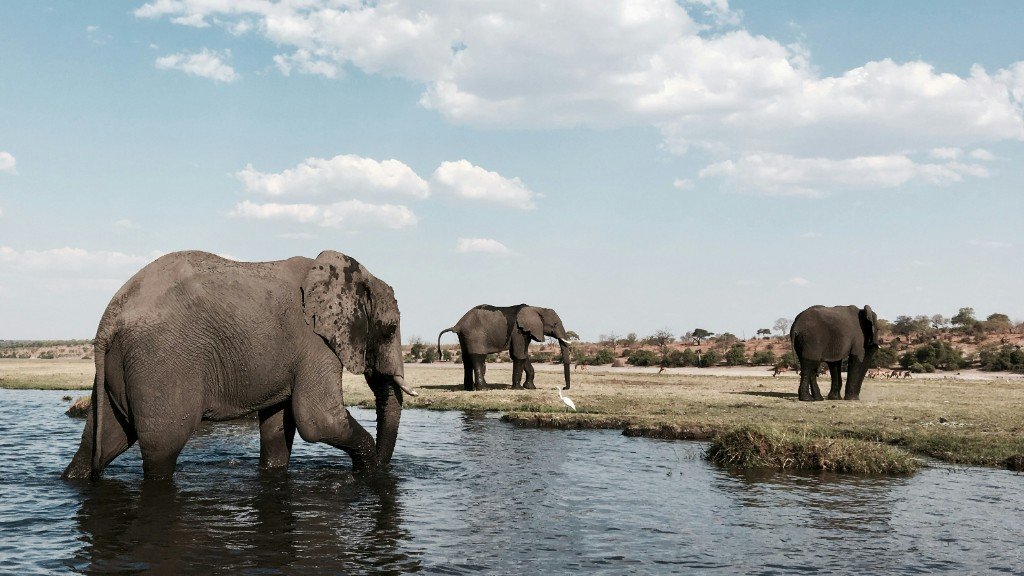
Botswana is the kind of destination that makes you slow down, look closer and let the wilderness set the pace. One morning, you might glide silently through the reeds of the Okavango Delta in a traditional mokoro canoe. Next, you could be tracking elephants across the open floodplains of Moremi Game Reserve or watching herds gather along the Chobe River as the sun slips behind the trees.
Unlike safari destinations built around busy roads and large visitor numbers, much of Botswana’s appeal lies in its remote landscapes, intimate camps and the feeling of being far away from everything. The experience is often quieter, more personal and shaped by the environment around you.
This eight-day Botswana safari combines three of the country’s most rewarding wildlife regions: the water-rich Okavango Delta, the diverse habitats of Moremi Game Reserve and the elephant country of Chobe National Park. It is designed for travellers who want a memorable mix of water-based exploration, classic game drives, beautiful lodges and the kind of wildlife encounters that make a safari feel extraordinary.
It is also worth knowing from the start: Botswana is generally a premium safari destination. Fly-in camps, remote locations and small-scale lodge experiences can make the trip expensive, but they also reduce long road transfers and bring you closer to the wilderness.
Okavango wetlands and mokoro → Moremi game drives → Chobe River elephants and sunset.
Why This Trip Works
- Three regions, one coherent arc: wetlands and water activities in the Delta, classic game drives in Moremi, then river elephants and a practical Kasane departure in Chobe.
- Realistic transfer days: light aircraft keep remote camps workable in eight days; Day 6 is treated as a longer transition rather than a packed activity day.
- Room to choose comfort level: you can keep Chobe simpler near Kasane while reserving a more remote all-inclusive camp for the Delta.
- Breathing room built in: three nights in the Delta avoid a one-night “fly-and-out” feel, and Day 7 keeps one main river excursion rather than stacking every option.
Who Is This Trip For?
This journey suits wildlife lovers, couples, photographers and travellers seeking a high-quality lodge or tented safari who want wetlands, classic game drives and river scenery without attempting every northern Botswana park in one week.
It also works for first-time safari visitors who are happy to book through a reputable operator and follow a guided, fly-in style rather than self-driving. Solo travellers can use the same route, though many camps and activities are priced for two sharing.
Good to Know
- Currency: Botswana pula (BWP). Lodges often quote in USD or BWP; confirm what your package includes for drinks, park fees and tips.
- Language: English is widely used in tourism; Setswana is the national language.
- Time zone: Central Africa Time (UTC+2); no daylight saving time.
- Malaria: northern Botswana is a malaria area; seek medical advice on prophylaxis and insect protection before travel.
- Wildlife etiquette: stay seated in vehicles and boats when instructed, keep a safe distance and never approach animals on foot without a qualified guide.
- Gateways: Maun (MUB) for the Okavango; Kasane (BBK) is common for Chobe departures.
Before You Go
- Book camps and light-aircraft transfers early in peak season — small camps fill quickly.
- Confirm whether mokoro, motorboat and game-drive activities are available at your exact Delta camp and for your dates.
- Check soft-sided luggage rules and weight limits for every safari flight, including camera bags.
- Decide where you will splurge — often a remote Delta camp — before booking every night at the same luxury level.
- Review current entry requirements and travel advice for your nationality, plus any border or transit rules if your route crosses neighbouring countries.
Journey Overview
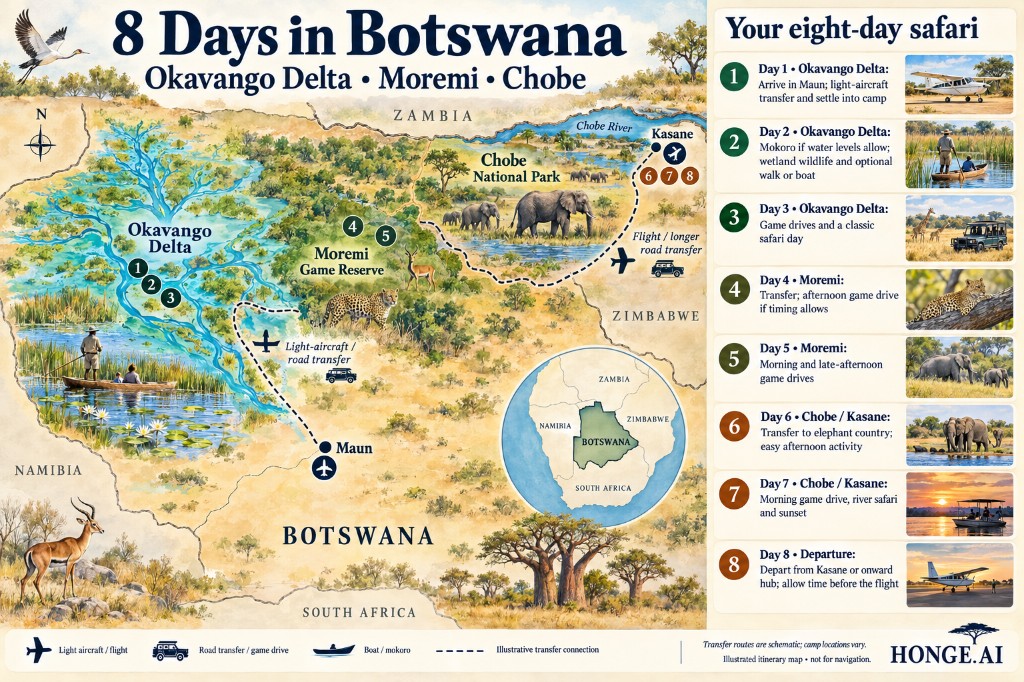
The route begins with Maun as the Delta gateway, moves into Moremi for classic bush drives, then finishes on the Chobe Riverfront near Kasane for elephants, a river cruise and an easier departure day.
| Day | Base | Focus | Travel / getting around |
|---|---|---|---|
| Day 1 | Okavango Delta | Arrive Maun, light-aircraft transfer, settle into camp | International → Maun → bush airstrip + vehicle/boat |
| Day 2 | Okavango Delta | Mokoro (if water levels allow), wetland wildlife, optional walk/boat | Guided camp activities |
| Day 3 | Okavango Delta | Game drives and a classic safari day | Safari vehicle from camp |
| Day 4 | Moremi | Transfer into Moremi; afternoon game drive if timing allows | Light aircraft and/or road transfer |
| Day 5 | Moremi | Full day of morning and late game drives | Safari vehicle |
| Day 6 | Chobe / Kasane | Transfer to elephant country; easy afternoon activity | Flight and/or longer road transfer |
| Day 7 | Chobe / Kasane | Morning game drive, afternoon river safari and sunset | Vehicle + boat cruise |
| Day 8 | — | Departure from Kasane (or onward hub) | Lodge transfer + flight buffer |
Route Map
Day 1 — Arrive in Botswana and Enter the Okavango Delta
Your Botswana safari begins with an arrival in Maun, one of the main gateways to the Okavango Delta. Depending on your international flight schedule, you may arrive early enough to connect directly to your safari camp or need an overnight stay before heading into the bush.
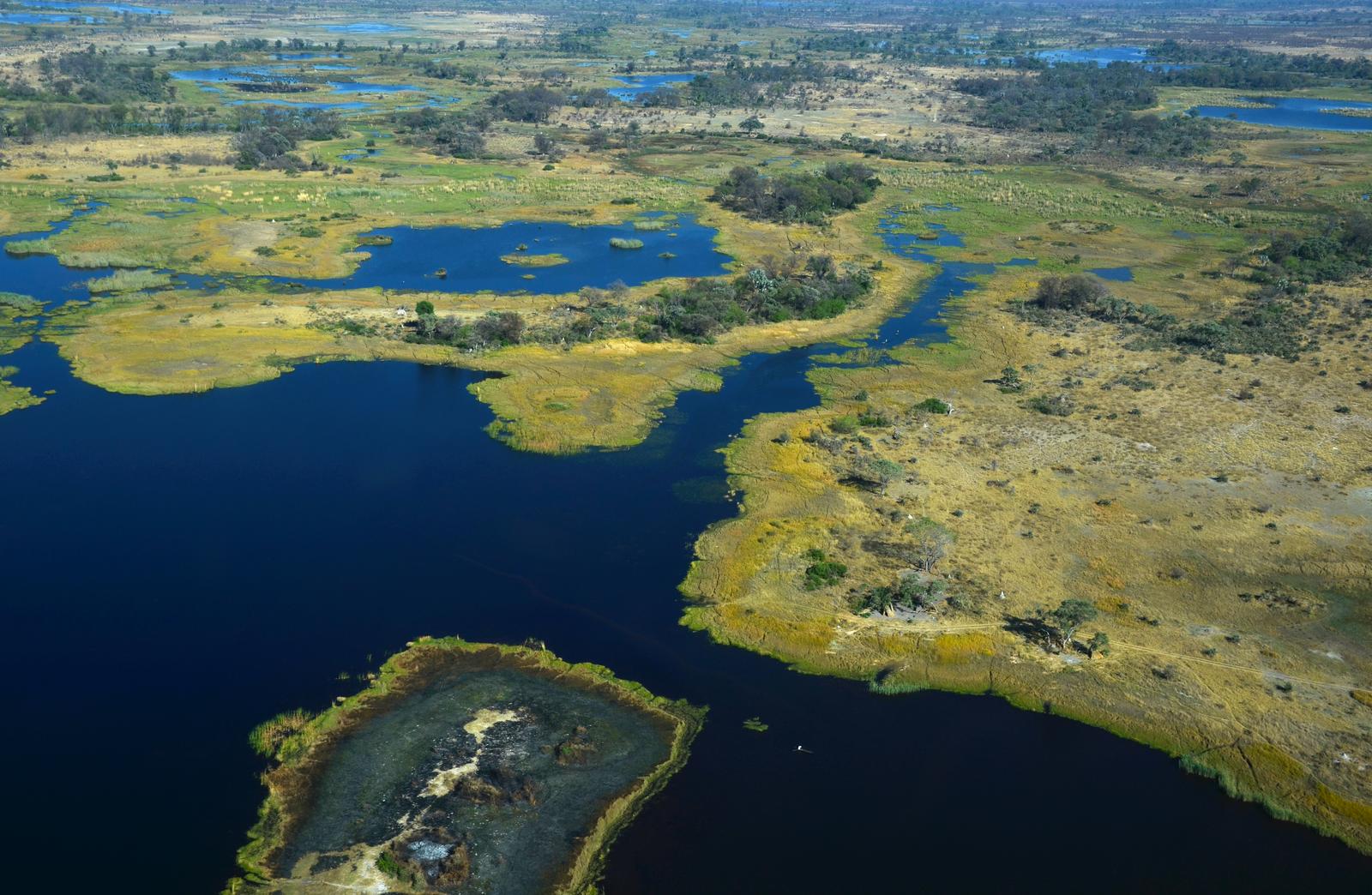
From Maun, many Delta camps are reached by small aircraft. The flight is often part of the adventure: the landscape below gradually changes into a patchwork of waterways, green islands, floodplains and sandy channels.
After landing at a small bush airstrip, a camp representative will usually meet you for the final transfer by safari vehicle or boat, depending on the location and water levels.
Once you arrive, settle into your accommodation and take in the surroundings. Safari camps here are often designed to feel connected to nature, with open views, shaded decks and the sounds of birds and wildlife drifting through the day. If time allows, head out on a short afternoon activity or enjoy a relaxed sundowner overlooking the landscape. There is no need to rush. The Delta rewards travellers who allow themselves time to settle into its rhythm.
- Food note: Most safari lodges include meals, and dinner is often a relaxed, multi-course affair. Tell the camp about dietary requirements before arrival.
- Do not miss: Your first sunset in the Delta. Even without a major wildlife sighting, the changing light across the wetlands is unforgettable.
- Logistics: Confirm whether your international arrival connects with the camp’s scheduled flight. Small aircraft have baggage and weight restrictions, and missed connections can be complicated in remote areas.
Day 2 — Okavango Delta: Mokoro Rides and Wetland Wildlife
Today is all about experiencing the Delta from the water. A mokoro is a traditional-style canoe used to navigate shallow channels and flooded areas. On suitable routes, a trained local poler guides the canoe through reeds and water lilies while you sit low to the water, watching the landscape unfold around you.
The experience is wonderfully quiet. You might see frogs resting among the vegetation, colourful birds moving between the reeds, or the tracks of animals along a muddy bank. The lack of engine noise makes the Delta feel especially peaceful.
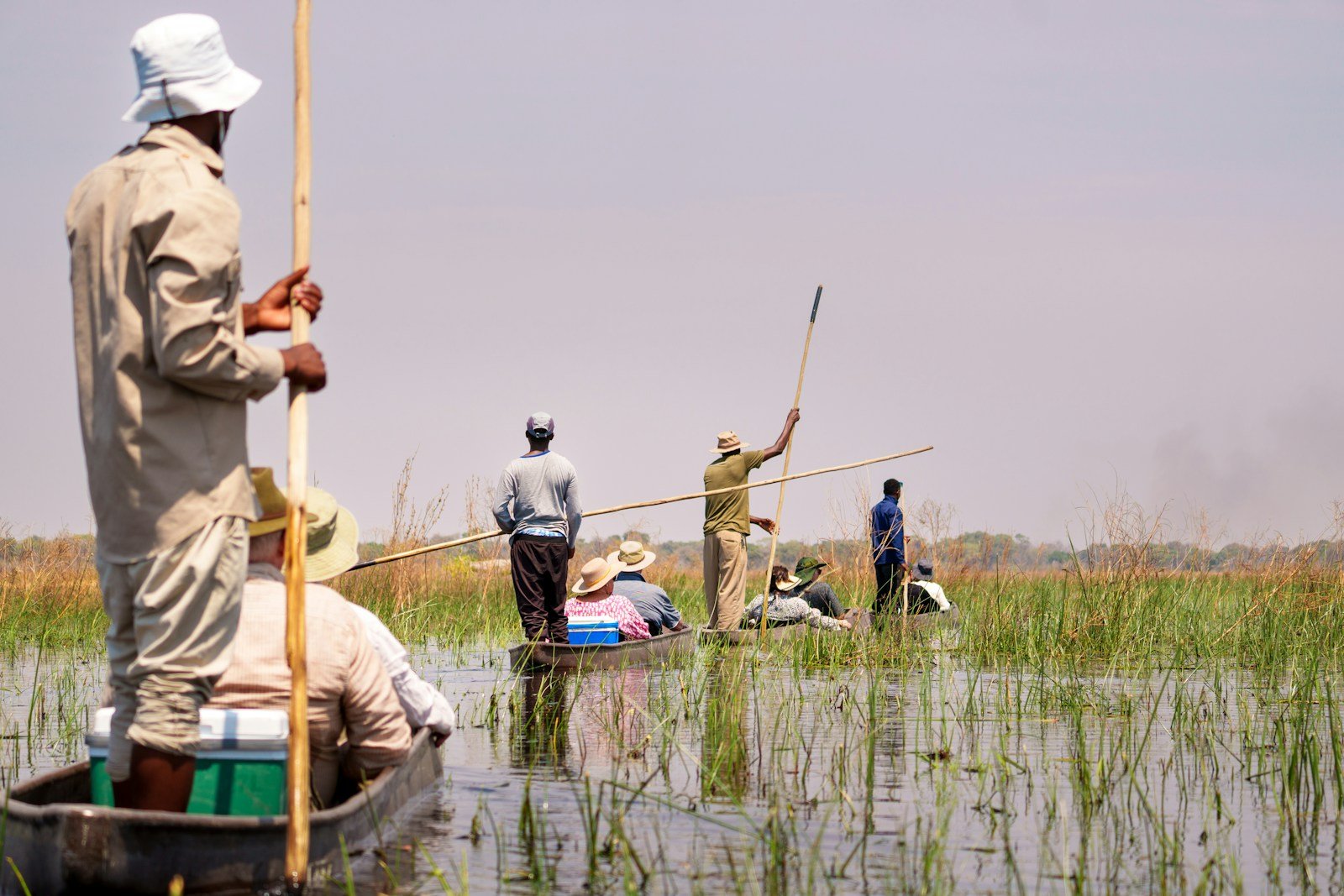
Mokoro activities are highly dependent on local water levels, the location of your camp and current safety conditions. They are not available at every camp or in every season, so confirm this experience when booking. Later, take a guided walk if your camp offers one and conditions permit, or enjoy a slower afternoon at camp. Some properties also offer motorboat excursions in suitable waterways.
The Delta is not just about spotting large animals. It is about appreciating how water shapes the landscape, how wildlife moves between habitats and how much there is to notice when you travel slowly.
- Food note: Expect hearty breakfasts before morning activities, picnic-style meals at some camps, and dinners featuring a mix of regional and international dishes.
- Do not miss: A mokoro excursion through a quiet channel, if water levels and conditions allow. Bring binoculars and keep your camera ready, but leave space to simply enjoy the silence.
- Logistics: Follow your guide’s instructions around wildlife and water. Hippos and other large animals can be dangerous, even when the surroundings look calm.
Day 3 — Okavango Delta: Game Drives and a Classic Safari Day
Today adds a different perspective to your Delta experience. Depending on your camp’s location and activities, head out on a game drive through islands, open grasslands or wooded areas where wildlife moves between feeding and resting grounds.
Early mornings are often rewarding because temperatures are cooler and animals may be more active. Your guide will look for tracks, recent sightings and signs of movement, adapting the route to the conditions rather than following a fixed checklist. The Okavango supports an extraordinary range of wildlife, including elephants, buffalo, giraffes, antelope and predators such as lions and leopards. Sightings are never guaranteed, but the combination of habitats gives each outing a different character.
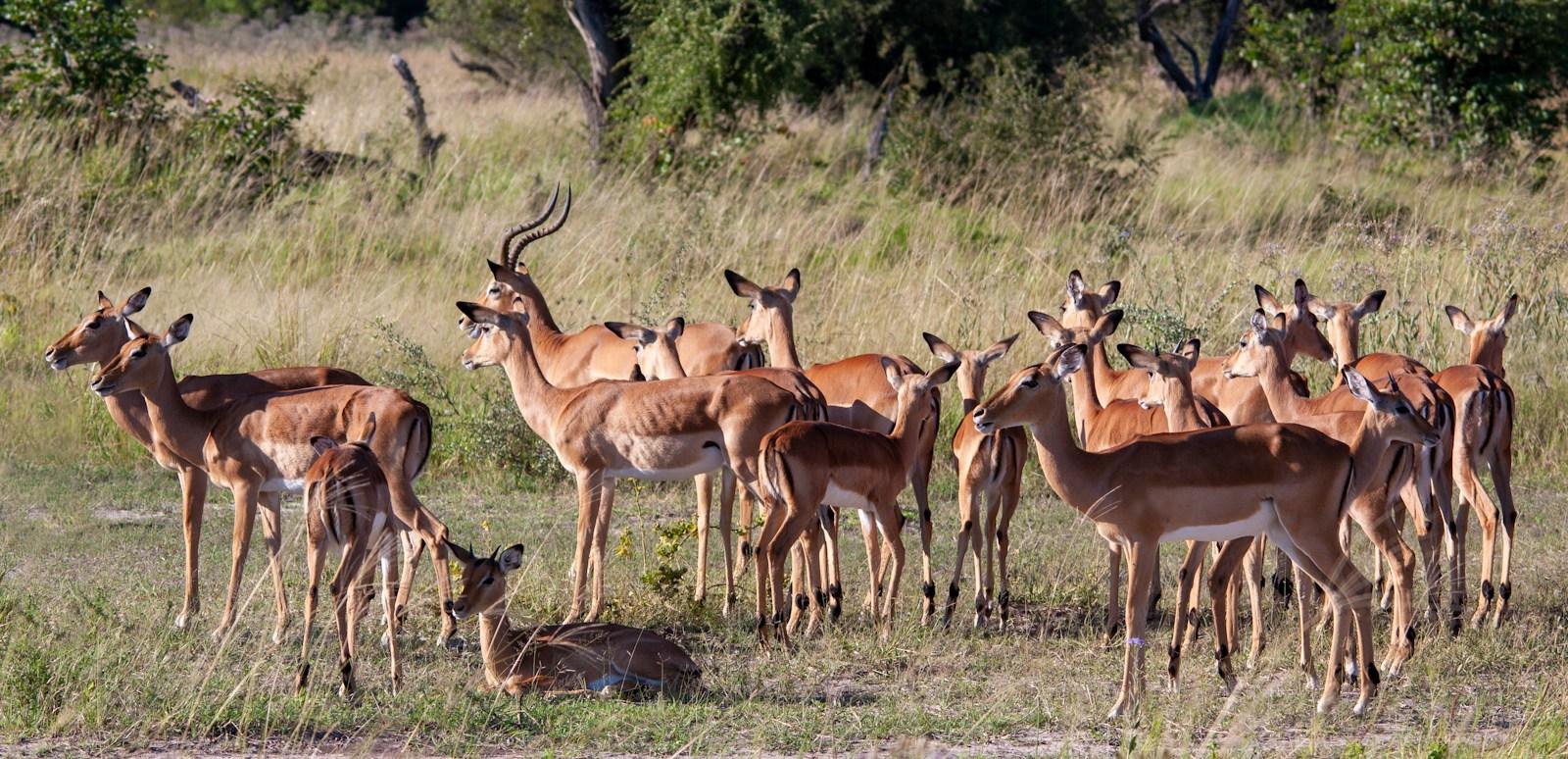
After returning to camp for brunch or lunch, take some time to rest during the warmer hours. If another afternoon activity is available, you may head out again for a drive, boat excursion or guided walk. Otherwise, enjoy a final evening in the Delta before moving on to Moremi the following day.
- Food note: Early safari departures may come with coffee, tea and a light snack before the main breakfast. Check the camp’s schedule the evening before.
- Do not miss: Ask your guide to explain the signs they use to read the landscape. Tracks, alarm calls and changes in bird behaviour can make a game drive fascinating even before a large animal appears.
- Logistics: Not every Delta camp offers both mokoro trips and vehicle-based game drives. Choose a camp whose activities match your priorities rather than assuming every experience is available everywhere.
Day 4 — Moremi Game Reserve: Into Big Wildlife Country
After breakfast, leave the Okavango Delta and travel toward Moremi Game Reserve. Depending on your camp locations, this may involve a short light-aircraft flight to a bush airstrip followed by a transfer to your lodge, or a road-based connection arranged by your operator.
Moremi protects a varied landscape of floodplains, lagoons, open grassland, woodland and mopane forest. These changing habitats are part of what makes the reserve so rewarding: different areas can attract different animals and conditions shift with the seasons.
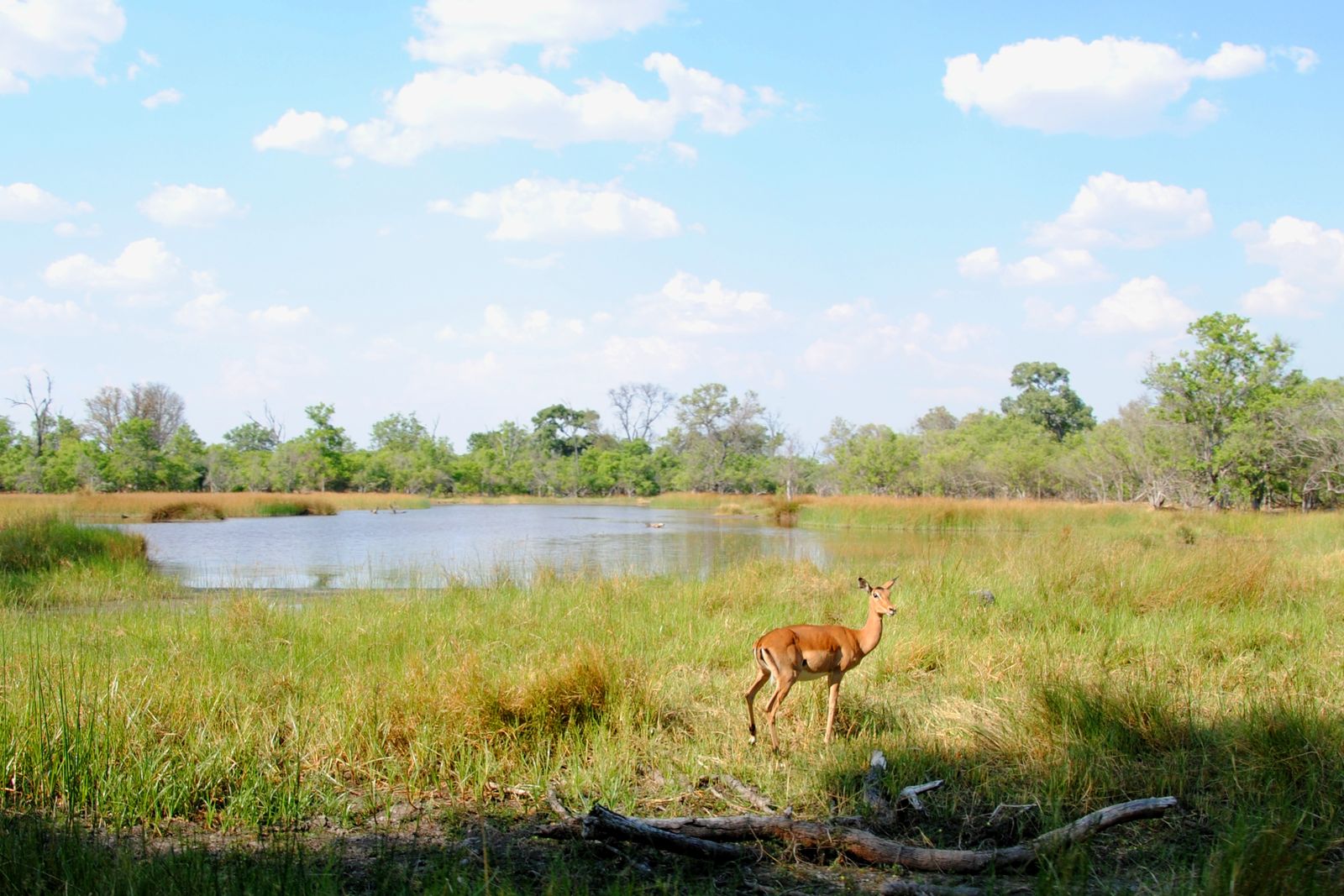
Once you arrive and settle in, head out for an afternoon game drive if time and conditions allow. Moremi is especially appealing for travellers who want the classic safari experience of following tracks, scanning the bush and spending time in a vehicle with an experienced guide. As the sun begins to lower, the bush often becomes more atmospheric. Dust catches the light, birds move across the sky and the temperature becomes more comfortable for exploring.
- Food note: Safari days can start early, so a substantial breakfast and a good supply of drinking water make a difference.
- Do not miss: Your first Moremi game drive. Notice how quickly the scenery changes from wetland edges to woodland and open country.
- Logistics: Before booking, confirm whether the connection is by aircraft, road or a combination of the two, and whether the afternoon activity is realistic after arrival.
Day 5 — Moremi: Game Drives, Predators and Varied Landscapes
Today is dedicated to exploring Moremi in greater depth. Set off early with your guide, when the bush is cool and wildlife may be moving between feeding areas and resting spots. Rather than rushing from one sighting to another, allow time to observe animal behaviour. A herd of elephants moving through woodland or a group of antelope grazing near a floodplain can be just as compelling as a predator encounter.
Moremi’s varied environments make each drive feel different. Open areas offer longer views across the landscape, while thicker woodland can require slower driving and closer attention. Return to camp during the hotter part of the day for lunch and a break. In the late afternoon, head out again if conditions allow.
The key to a good safari is flexibility. Wildlife moves freely, and no itinerary can promise a particular sighting. Two drives through the same area can produce completely different experiences.
- Food note: Ask whether your camp can prepare a packed breakfast or lunch for longer excursions. Meal arrangements vary between properties.
- Do not miss: A slow, attentive game drive with a knowledgeable guide. Learning to spot tracks and interpret animal behaviour can be one of the most rewarding parts of a Botswana safari.
- Logistics: Roads in remote safari areas can be rough, sandy or affected by seasonal conditions. Travel times are not always predictable, which is another reason to avoid overloading the itinerary.
Day 6 — Chobe National Park: Arrive in Elephant Country
Today you leave the Moremi area and head toward Chobe National Park, famous for its large elephant populations and the wildlife that gathers around the Chobe River. This is the longest transition in the itinerary, and the exact arrangement depends on where you stayed in Moremi and where your Chobe lodge is located. You may use a light-aircraft transfer, a road connection or a combination of both.
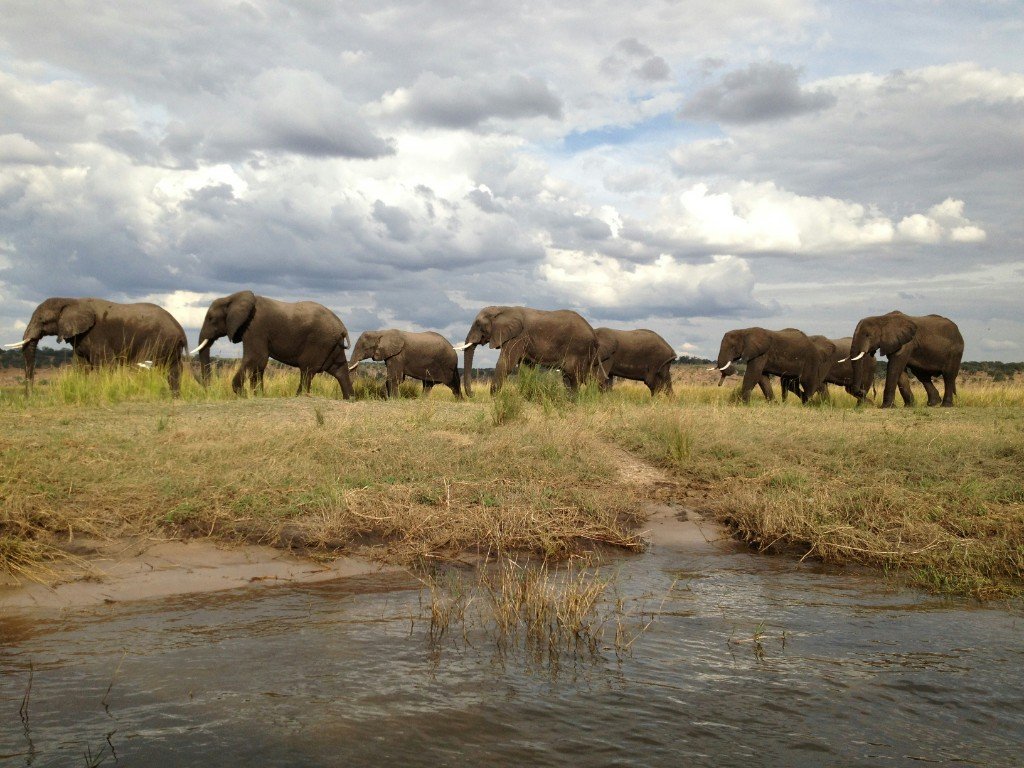
For many travellers, staying around Kasane or the Chobe Riverfront makes the next two days straightforward. This area offers access to river cruises, game drives and onward transport to Kasane Airport. After checking in, take a little time to relax. If arrival timing permits, head out for a short game drive or an evening cruise on the river.
Chobe offers a different safari atmosphere from the Delta. The river is a focal point for wildlife, especially in the dry season, when elephants and other animals come to drink. The riverbanks can be lively, with birds, hippos, crocodiles and herds moving through the shallows.
- Food note: Lodge meal plans vary. Confirm whether drinks, packed lunches and activities are included in the rate.
- Do not miss: Your first view of elephants along the Chobe River. Seeing these enormous animals against the water is one of the region’s signature experiences.
- Logistics: If your route includes a regional border crossing or a transfer through another country, check visa rules and transfer arrangements well in advance.
Day 7 — Chobe: River Safari, Elephants and Sunset
Today brings two distinct ways to experience Chobe. Start with a morning game drive in Chobe National Park, when wildlife may be active and temperatures are more comfortable. The riverfront attracts elephants, buffalo, antelope, giraffes and many bird species. Predators also inhabit the wider area, though sightings are never guaranteed.
After lunch and a rest, prepare for a river safari. From a boat, you can observe animals gathering at the water’s edge, birds feeding along the shallows and hippos surfacing nearby. Crocodiles may be visible on the banks, while elephants sometimes cross through shallow water or gather to drink. The perspective is very different from a vehicle: the river becomes your route through the landscape.
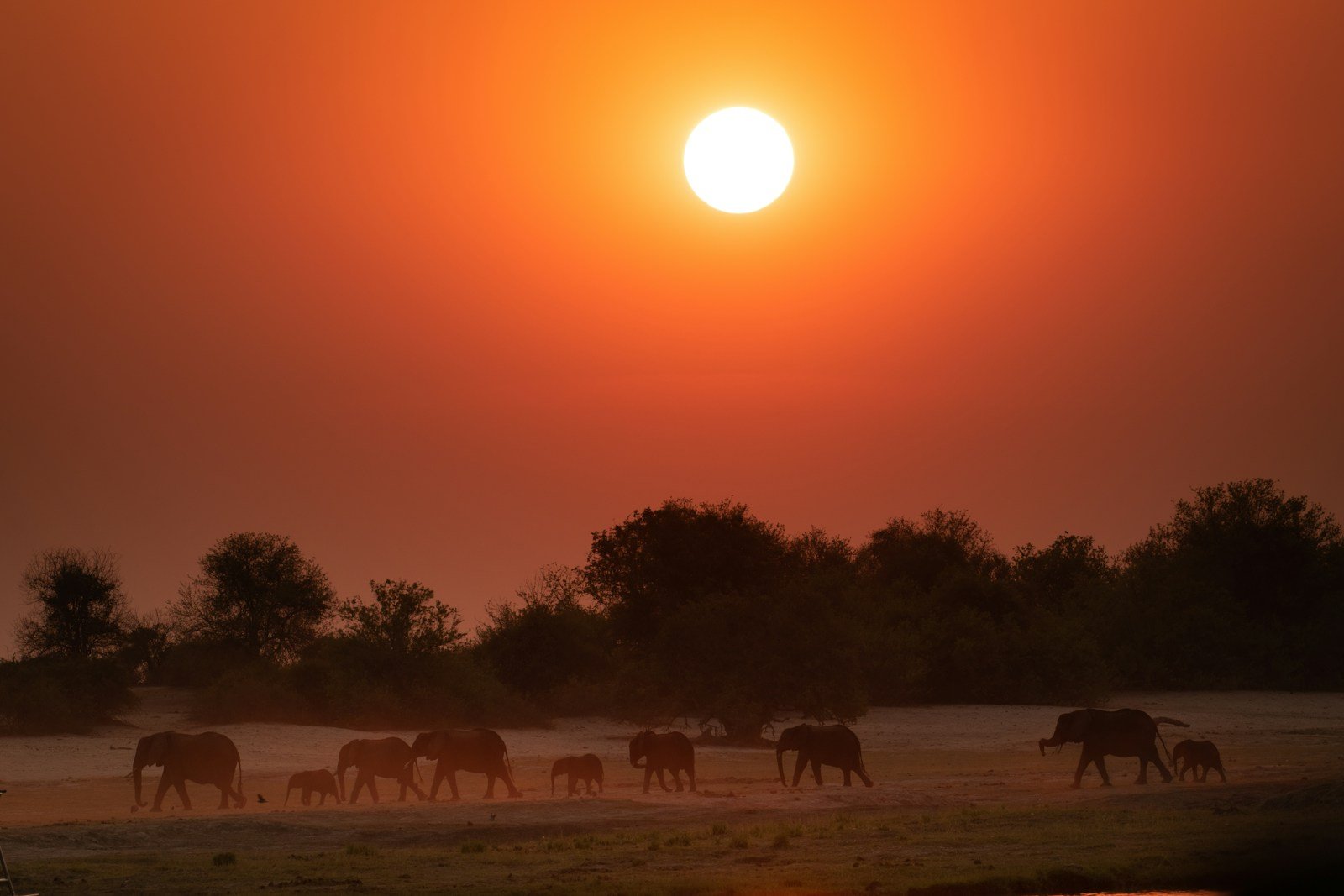
A sunset cruise is often one of the highlights of a Chobe stay. As the sun lowers, the river and surrounding trees take on warm colours and the day gradually becomes quieter. Return to your lodge for your final night in Botswana’s wilderness.
- Food note: If you have an afternoon cruise booked, check whether snacks and drinks are included. Bring water and any personal essentials you may want on board.
- Do not miss: A late-afternoon river cruise, especially if you enjoy photography or want a more relaxed contrast to the early-morning game drive.
- Logistics: Boat trips depend on weather, water levels and operator schedules. Follow the crew’s safety guidance and keep a safe distance from wildlife.
Day 8 — Departure: One Last Look at Botswana
Your final morning depends on your flight time. If you have a later departure and your lodge is close to Kasane Airport, you may be able to enjoy breakfast and a little time overlooking the river. Some properties can arrange a short morning game drive, but only if the schedule and transfer time make it practical.
If you are connecting to an international flight elsewhere, allow enough time for the onward journey. Some itineraries route travellers through Maun or another regional hub, while others connect through neighbouring countries. Your final travel day can therefore be longer than it appears on the itinerary.
Before leaving, double-check your luggage allowance, especially if your trip included small aircraft. Pack camera equipment and essential medication in your hand luggage, subject to airline rules. Eight days is enough to experience three distinctive safari regions, but it is still a compact trip.
- Food note: Have breakfast before departure if it is included, and carry water and snacks for longer transfer days.
- Do not miss: Take a final moment to appreciate the sounds and scale of the wilderness before leaving. In Botswana, the quiet moments can be as memorable as the wildlife sightings.
- Logistics: Confirm the lodge-to-airport transfer and all flight times the day before departure. Keep a buffer for weather-related changes to small-aircraft schedules.
Where to Stay in Botswana
Accommodation is a major part of the Botswana safari experience. In remote areas, the camp you choose affects not only your comfort but also which activities are available and how long you spend travelling each day.
Okavango Delta: three nights
- Look for a camp that offers the activities you care about most — water-based experiences, game drives or a mix. Options range from comfortable tented camps to higher-end fly-in lodges. Ask specifically about mokoro availability, motorboat trips, game drives and whether activities are included in the nightly rate.
Moremi Game Reserve: two nights
- Prioritise access to varied habitats and experienced guides. Accommodation may be inside the reserve or in a nearby concession; the location determines the rules, routes and activities available. Check whether park fees, game drives and transfers are part of the quoted package.
Chobe: two nights
- Staying near the riverfront or Kasane is convenient for river cruises, game drives and onward travel. A riverfront lodge suits sunset cruises; a hotel near Kasane can be more practical on budget; a remote lodge needs carefully confirmed transfers.
For this itinerary, the most practical approach is usually to book accommodation and transfers together through a reputable Botswana safari operator.
Getting Around: Transfers Between Camps
For this itinerary, small-aircraft transfers are strongly worth considering. Botswana’s most rewarding safari regions are spread across remote areas, and fly-in travel can save considerable time compared with long road transfers.
| Journey | Best option | Planning note |
|---|---|---|
| Maun to Okavango Delta | Light aircraft + vehicle/boat | Bush airstrip transfer; soft bags and weight limits apply. |
| Okavango Delta to Moremi | Short flight, road, or both | Depends on exact camp locations; confirm afternoon activity feasibility. |
| Moremi to Chobe | Flight and/or longer road | The longest transition — ask for the full transfer plan before deposits. |
| Chobe to departure | Road to Kasane Airport | Common for riverfront stays; allow buffer for connections. |
Flight schedules may not work like commercial airline timetables. Transfers can depend on camp locations, passenger numbers and shared-flight routes. Weather can cause delays. Road transfers may be cheaper, but a lower price can mean less time on safari. Ask whether flights, road transfers, park fees, activities, meals, drinks and gratuities are included.
Best Time to Visit Botswana
- May–October: the drier safari season. Vegetation often becomes less dense, and animals may concentrate around reliable water sources. In Chobe, the river can attract impressive numbers of elephants. The Okavango’s flood cycle is more complex: water arriving from distant rainfall can spread through the Delta during the dry season, which can help mokoro and boat activities in suitable areas. Nights can be cold in winter months, especially on early game drives.
- November–April: the greener season, with dramatic skies and strong birdlife. Rain can make some roads more difficult, vegetation thicker and wildlife harder to spot in certain habitats.
For a first-time safari combining the Okavango Delta, Moremi and Chobe, June to September is a strong starting point if your priority is classic wildlife viewing. May and October can also be rewarding. If mokoro rides are essential, ask your camp about expected water levels for your exact travel dates rather than relying on the month alone.
What to Pack for a Botswana Safari
Packing for Botswana is about staying comfortable through cool mornings, warm afternoons, dusty drives and changing conditions.
Clothing
- Lightweight, breathable shirts and trousers in neutral colours such as khaki, olive and beige.
- A warm fleece or jacket for early-morning drives — winter mornings can be surprisingly cold.
- A light waterproof jacket during the rainy season.
- Comfortable walking shoes and sandals, a hat, sunglasses and swimwear if your camp has a pool.
- A small day bag for excursions.
Safari essentials
- Binoculars, camera, spare batteries and memory cards.
- Sunscreen, lip balm and insect repellent.
- Reusable water bottle where appropriate, personal medication and a compact first-aid kit.
- A headlamp or small torch if recommended by your camp, plus travel insurance details and document copies.
Small-aircraft packing tips
Soft-sided luggage is often required because of limited space on light aircraft. Hard-shell suitcases may not be accepted. Check the precise weight and size allowance for every flight, including camera bags. Do not assume that a standard international baggage allowance applies to safari flights.
Botswana Budget: Realistic Costs for 8 Days
Botswana is often more expensive than a conventional self-drive holiday because many camps are remote, transfers can involve light aircraft, and accommodation frequently includes meals, guiding and safari activities. The following are indicative planning estimates per person in US dollars, assuming two people sharing a room for seven nights, and excluding international flights to and from Botswana.
| Travel style | Approximate 8-day budget per person | What it might include |
|---|---|---|
| More budget-conscious | US$2,500–4,500 | Mainly road-based or simpler accommodation, fewer flights, selected activities |
| Comfortable lodge safari | US$4,500–8,000 | Comfortable camps or lodges, some light-aircraft transfers, meals and organised activities |
| Premium fly-in safari | US$8,000–15,000+ | High-end camps, more fly-in sectors, premium inclusions and remote settings |
These ranges are best treated as early planning guidance rather than guaranteed package prices. The most remote camps can exceed the premium range, especially during peak season.
Where your money goes
- Usually included: accommodation, meals, selected drinks, guided game drives, some water activities, park or concession fees and internal transfers — depending on the package.
- Often extra: international flights, travel insurance and medical evacuation, visas, premium drinks, certain activities, tips, laundry, souvenirs and buffer nights for connections.
- How to manage costs: compare the full itinerary price rather than the nightly rate alone. Consider simpler accommodation in Chobe or Kasane while reserving a more remote all-inclusive camp for the Delta. Do not cut transfer buffers too tightly to save money.
What to Book Ahead & Practical Tips
- Book early for peak season — small camps have limited rooms.
- Confirm activities before choosing a camp; not every property offers mokoro rides, motorboats and game drives in the same location.
- Treat wildlife sightings as a bonus, not a guarantee.
- Choose the route before paying deposits: ask for the exact transfer plan, including which flights are included and how long each leg is expected to take.
- Check visa and entry requirements for your nationality and any transit countries.
- Arrange travel insurance that covers remote travel, medical evacuation and safari activities.
- Respect wildlife and local guidance; pack light with soft-sided luggage; bring patience and flexibility for weather, water levels and wildlife movements.
Leave café hours, sundowners and smaller spontaneous sightings flexible — that is often where the best safari moments appear.
Extending Your Trip: 10, 12 or 14 Days in Botswana
This 8-day route is the Okavango–Moremi–Chobe core. Extra days work best as deeper time in one region or a clear second block, not squeezed between the same seven nights.
10 days: more Delta or Moremi — or a Victoria Falls add-on
Keep this itinerary, then add two nights for a slower Delta stay (extra mokoro or boat days) or a third night in Moremi so transfer and drive days do not share the same window. From Kasane, many travellers also add a short Victoria Falls visit across the border — treat visas, transfer times and overnight stays as their own planning block rather than a casual afternoon outing.
12 days: Savuti, Linyanti or a fuller Falls stay
Add buffer in the Delta or Moremi, or insert a dedicated block in Savuti or the Linyanti for different elephant and predator country. Alternatively, give Victoria Falls two clear nights so sightseeing does not collide with your Chobe river day. Keep transfers as separate travel days.
14 days: Central Kalahari or a Namibia link
A fortnight can hold this 8-day core plus a second wilderness block — for example the Central Kalahari for open desert landscapes, or a link into northern Namibia after Chobe. Treat each extra region as its own base with confirmed flights rather than a checklist of one-night hops.
Key Places and Exact Locations
- Maun: Day 1 gateway
- Okavango Delta: Days 1–3
- Moremi Game Reserve: Days 4–5
- Chobe National Park: Days 6–7
- Chobe River / Kasane: Days 6–8
- Kasane Airport: Day 8 departure
Useful Links
- Government of Botswana
- Ministry of Environment and Tourism (includes the Department of Wildlife and National Parks)
- National parks, game reserves and campsites guidance
- Maun International Airport (CAAB)
- Civil Aviation Authority of Botswana (Kasane and other airports)
- UK travel advice: Botswana
Flight schedules, park access, water levels and camp activities can change. Confirm the details directly with your accommodation or safari operator before finalising the trip.
FAQs
How many days in Botswana is enough?
Eight days is enough for a first highlights safari covering the Okavango Delta for wetlands and mokoro, Moremi for classic game drives, and Chobe for river elephants, with three, two and two nights respectively. Skip extra parks and a Victoria Falls add-on in this window; add them if you have 10 to 14 days.
Is eight days enough for Botswana?
Yes. Eight days is enough to experience the Okavango Delta, Moremi and Chobe, especially if you use well-planned transfers. It is a fast-paced introduction rather than an exhaustive exploration. If you prefer slower travel, add another night or two to the Delta or Moremi.
Do I need a 4x4 to travel around Botswana?
Not necessarily. For this itinerary, a guided fly-in safari means you generally do not need to drive yourself. A self-drive trip is a different style of travel and requires careful planning, appropriate vehicles, knowledge of local conditions and confidence on remote roads.
Can I do this safari without flying between camps?
Possibly, but the route may involve long road transfers and can require changes to the itinerary. The feasibility depends on the exact camps and road conditions. Ask an operator to compare a fly-in route with a road-based version before deciding.
Will I definitely see elephants, lions and leopards?
No wildlife sighting can be guaranteed. Elephants are a major draw in the Chobe region, and lions and leopards live in these safari areas, but sightings depend on location, season and chance.
Are mokoro rides safe?
They are guided activities, but all wildlife experiences carry some risk. Follow the poler’s instructions, stay seated as directed and respect the guidance of your camp. Mokoro excursions depend on suitable water levels and local safety conditions.
Is Botswana suitable for a first safari?
Yes, particularly for travellers who value well-guided wildlife experiences and are comfortable with the cost. A lodge-based or fly-in itinerary makes logistics easier, although the remote setting and early starts may feel different from a typical holiday.
Should I book a package or organise everything independently?
For this particular route, a package arranged through a reputable operator is often the simplest option. It can coordinate camp availability, flights, road transfers, activities and luggage restrictions. Independent planning is possible, but it requires more attention to each connection.
What is the best time to visit Botswana for this itinerary?
June to September is a strong starting point for classic wildlife viewing and generally drier conditions. May and October can also be rewarding. If mokoro rides are essential, ask your camp about expected water levels for your exact travel dates.
Is Botswana expensive?
Yes, especially with fly-in camps. A more budget-conscious range is about US$2,500–4,500 per person for eight days excluding international flights, while a comfortable lodge safari is about US$4,500–8,000. Premium fly-in trips often run US$8,000–15,000 or more.
Who is this Botswana itinerary for?
It is designed for wildlife lovers, couples, photographers and travellers seeking a high-quality lodge or tented safari rather than a long self-drive checklist.
Prompts to Try in Honge
- Plan an 8-day Botswana safari with three nights in the Okavango Delta, two in Moremi and two in Chobe for a couple.
- Build a Delta camp day around a morning mokoro and an afternoon game drive without overpacking the schedule.
- Compare a fly-in Botswana package with a more road-based option for the same Okavango–Moremi–Chobe route.
- Add two nights at Victoria Falls after Kasane to this itinerary, including border and transfer buffers.
- Extend this route to 12 days with Savuti or Linyanti after Moremi.
- List a soft-sided packing checklist for Botswana light-aircraft weight limits.
Ready to Start Your Adventure?
Eight days in Botswana gives you three different ways to experience the African wilderness. The Okavango Delta is quiet and intricate, shaped by water channels, islands and wetlands. Moremi brings the thrill of classic game drives through habitats where wildlife is constantly on the move. Chobe adds the drama of the river, where elephants and other animals gather against a changing backdrop of water, woodland and evening light.
The journey works best when you do not try to fit in too much. Choose camps that suit your priorities, arrange transfers carefully and leave enough room for slow mornings, long wildlife sightings and the occasional change of plan.
If you are planning your own Botswana safari, you can customise this itinerary, adjust the pace and create your personal travel plan with Honge AI.
Ready for Delta channels, game drives and Chobe elephants?
Plan your Botswana safari with Honge
Keep Okavango, Moremi and Chobe as bases, then shape camp choices, flight transfers and where you want to splurge.
Related itineraries
Written by
This blog was contributed by B. Sai Nikita, a travel enthusiast and writer. B. Sai Nikita can be reached at bsainikita10@gmail.com.
About Honge
Honge is an AI travel planning platform focused on practical, experience-led itineraries with realistic pacing and logistics. All blog content is edited and published by Honge. Our Botswana research draws on updated practical logistics as of October 2026. © Honge. All rights reserved.
Image credits: Photos are sourced from Unsplash and Wikimedia Commons. Copyright remains with their respective photographers and rights holders. Unsplash images are used according to the Unsplash License. Wikimedia Commons images are used according to their applicable license terms. Hero photo by Michael Bennett on Unsplash. Okavango Delta aerial by Pavel Špindler on Wikimedia Commons (CC BY 3.0). Mokoro photo by Ed Wingate on Unsplash. Day 3 gazelles photo by Duncan McNab on Unsplash. Moremi impala photo by diego_cue on Wikimedia Commons (CC BY-SA 3.0). Chobe riverbank elephants photo by Dillon Groves on Unsplash. Day 7 sunset elephants photo by Andreas Vonlanthen on Unsplash.
Travel disclaimer
This itinerary is intended as general travel inspiration and planning guidance only, not as personalised travel, safety, medical or wildlife advice. Light-aircraft schedules, camp availability, park access, road conditions, water levels and wildlife movements shift with season and operator logistics. Mokoro rides, boat trips, walking safaris and game drives involve inherent risks — follow guide and camp instructions at all times. Northern Botswana is a malaria area; seek medical advice before travel. Take out comprehensive travel insurance that covers remote travel, medical evacuation and safari activities. Suggested stay areas in this article are samples only and depend on availability; in the Honge app they may appear as booking options when offered by our vendors at the time of your search. Honge is not responsible for any changes to conditions, services or experiences described in this article after the date of publication. Always follow current local guidance from operators and site authorities on the day you travel.