
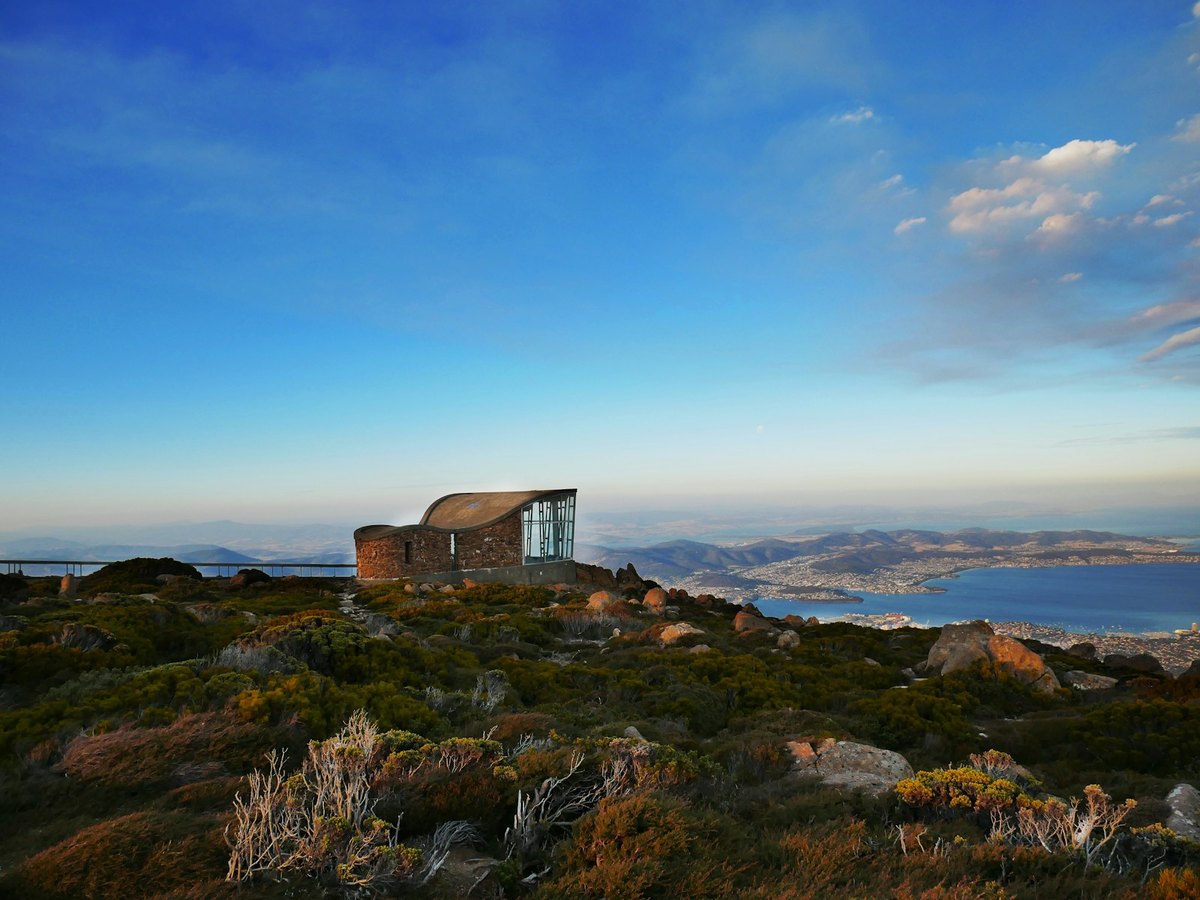
Tasmania is the kind of place where a single road trip can feel like several different holidays: historic streets, granite coastline, wombats at Ronny Creek, and a freezing mountain summit after a warm coastal morning.
Start with this itinerary
Open this route in Honge as your starting point, then shape the days, stays, and pace around how you travel.
The Perfect First Taste of Tasmania
What makes this road trip work is the variety. A wallaby beside a hiking trail. An echidna crossing the road. A wombat appearing at Ronny Creek. A sunset over Wineglass Bay. Orange granite glowing beside impossibly blue water. A freezing mountain summit after a warm coastal morning.
And all the while, Tasmania keeps surprising you. You could spend weeks exploring the island, but eight days is enough to understand why it feels so different from mainland Australia: wild places, great food, unforgettable journeys.
Rental Car or Campervan?
For this eight-day itinerary, a rental car is probably the easiest option for first-time visitors. A normal compact car is sufficient for the major sealed-road route.
A campervan is more adventurous and gives you greater flexibility with where you sleep, but it can also mean slower driving, more planning around campsites and less comfort in Tasmania's rapidly changing weather.
If you rent a car: check whether your insurance covers unsealed roads; download offline maps; keep the fuel tank comfortably above empty; don't rely entirely on mobile reception; allow more time than Google Maps suggests; and book well ahead during peak periods.
Pick up the rental car on Day 2 in Hobart and keep it until the end of the trip. You won't need a car for Day 1 if you're staying in central Hobart, but having one from Day 2 makes the rest of the itinerary much easier. If you're flying out of Launceston on Day 8, you can return the car there instead of driving back to Hobart.
Compare prices and book through Hertz Hobart Airport or Avis Hobart Airport.
Driving in Tasmania: What First-Time Visitors Should Know
Tasmania's roads are generally good, but driving times can stretch because many routes are narrow, winding and sometimes steep. Scenic stretches take longer than expected because you'll naturally want to stop.
Wallabies, wombats and other animals are particularly active around dawn and dusk. Avoid unnecessary night driving in rural areas. If an animal appears, slow down. Don't swerve suddenly. And never stop in the middle of the road to photograph wildlife.
The wombat mission
If seeing a wombat in the wild is high on your list, spend some time around Ronny Creek and the surrounding boardwalks, particularly around dawn or later on Day 7. Don't chase them or approach too closely. Sometimes you can spend hours searching and see nothing. Other times, one simply wanders across the path in front of you. That unpredictability is exactly what makes the experience special.
National-Park Access
You need a valid Tasmania Parks Pass to visit the national parks on this itinerary, including Freycinet National Park and Cradle Mountain-Lake St Clair National Park. Buy or check passes on the official Parks Passes site, and confirm current entry information via Parks & Wildlife Service Tasmania.
What to Eat & Drink in Tasmania
One of the best things about this itinerary is that the food changes with the landscape.
- Fresh oysters — especially around the east coast and Freycinet
- Tasmanian cheese — perfect for a picnic with local wine
- Berries and apples — Tasmania's cool climate produces excellent fruit
- Fresh seafood — fish, oysters and other local catches should feature heavily on the east coast
- Tasmanian wine — look for cool-climate varieties, particularly Pinot Noir and sparkling wines
- Tamar Valley wines — an easy addition from Launceston
- Craft beer, cider, whisky and gin — Tasmania has an impressive drinks scene
What Is the Best Time to Visit Tasmania?
For this itinerary, October to April is the most practical window for outdoor activities, hiking and exploring the coast. Summer offers longer days and generally warmer conditions; spring and autumn can bring cooler temperatures and fewer crowds.
Tasmania's weather can change quickly, especially around Cradle Mountain, so pack warm and waterproof layers even during warmer months. Always check local weather and trail conditions before heading out on longer hikes.
Where to Stay
Suggested hotels are samples only and depend on availability; in the Honge app they may appear as booking options when offered by our vendors.
Hobart: 2 nights
Salamanca Inn puts you beside the waterfront precinct. Lenna of Hobart is a heritage option above Battery Point.
Freycinet / Coles Bay: 2 nights
Stay in Coles Bay or near the park so Day 4 can start early. Options include Freycinet Lodge, Freycinet Resort and Eagle Peaks at Freycinet. Apartments, cabins and lodges work particularly well because they give you the option of preparing breakfast before an early hiking day.
Launceston: 1 night
Stay in the CBD or near Cataract Gorge. Samples include Stillwater Seven and Peppers Silo Launceston.
Cradle Mountain: 2 nights
Stay near the visitor centre / park area so Day 7 can start early. Samples include Discovery Parks – Cradle Mountain and Waldheim Cabins.
What Should You Pack?
For an eight-day road trip, bring a waterproof jacket, warm layers, comfortable hiking shoes with good grip, a daypack, a water bottle, sunscreen, sunglasses and a hat, a portable power bank, offline maps, and extra warm clothes for Cradle Mountain. Don't let a sunny morning in Hobart convince you that you can leave the warm layers behind.
Optional Scenic Stops & Extensions
The main itinerary stays focused, but these can be added if you have extra time.
- Bicheno: a convenient east-coast stop between Hobart and Freycinet.
- Bay of Fires: white beaches and orange granite boulders — one of Tasmania's most spectacular coastal areas.
- Tasman Peninsula: if you add several days, consider Tasman National Park, Tasman Arch, Devil's Kitchen, the Tessellated Pavement and Port Arthur.
- Strahan & the West Coast: save this for a longer trip. Strahan, the Gordon River and the West Coast Wilderness Railway make more sense on a 10–14 day Tasmania itinerary than on this eight-day route.
Stops worth marking on the map: Richmond, Bicheno, Wineglass Bay, Cape Tourville, Honeymoon Bay, Cataract Gorge, Tamar Valley, Dove Lake, Ronny Creek and Devils@Cradle.
Introduction
Just south of mainland Australia, Tasmania feels like a world of its own: a compact island packed with historic towns, wild coastlines, white-sand beaches, rugged mountains and some of Australia's most distinctive wildlife.
For first-time visitors, an eight-day road trip is a great way to experience that variety without trying to conquer the entire island. This route begins in Hobart, where waterfront heritage meets Salamanca's lively markets and MONA's contemporary art, before heading north along the east coast to Freycinet National Park and the iconic sweep of Wineglass Bay. From there, the journey continues to Launceston, with its food scene and Cataract Gorge, before ending among the alpine lakes, rainforest and wildlife of Cradle Mountain.
Along the way there is plenty of room for the experiences that make Tasmania memorable: stopping at a quiet beach because the water looks too good to pass, watching wallabies beside the road, searching for wombats at Cradle Mountain, tasting Tasmanian oysters and wine, or simply pulling over to admire another impossibly beautiful view. In just eight days, this road trip brings together Tasmania's cities, coastline, food, wildlife and wilderness, without trying to see everything at once.
Journey Overview
| Day | Route | Approx. driving | Highlights |
|---|---|---|---|
| Day 1 | Arrive → Hobart | Local | Waterfront, Salamanca, Battery Point, food |
| Day 2 | Hobart + surrounds | Local / short | MONA or kunanyi / Mount Wellington, Richmond optional |
| Day 3 | Hobart → Freycinet / Coles Bay | 2.5–3 hrs | East-coast scenery, beaches, Bicheno |
| Day 4 | Freycinet | Local | Wineglass Bay, coastal walks, kayaking, seafood |
| Day 5 | Freycinet → Launceston | 2.5–3 hrs | Cataract Gorge, food, Tamar Valley optional |
| Day 6 | Launceston → Cradle Mountain | 2.5–3 hrs | Rainforest, wildlife, short walks |
| Day 7 | Cradle Mountain | Local / shuttle | Dove Lake, hiking & wildlife |
| Day 8 | Cradle Mountain → Hobart / Launceston | ~4–4.5 hrs to Hobart | Scenic return or departure |
Route Map
The loop runs from Hobart up the east coast to Freycinet and Coles Bay, inland to Launceston, then west into Cradle Mountain. Finish by returning to Hobart or continuing north to Launceston, depending on your flight.
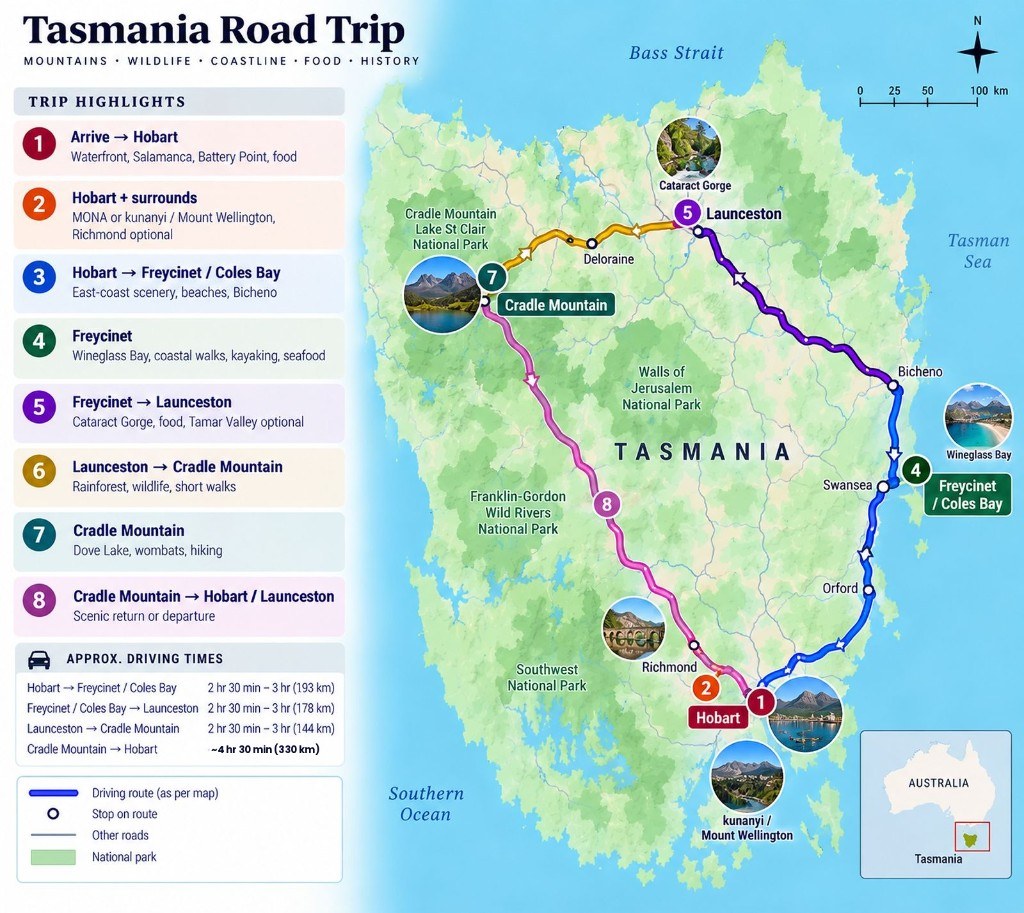
Hobart → Richmond (optional) → Bicheno → Coles Bay / Freycinet → Launceston → Tamar Valley (optional) → Cradle Mountain → Hobart or Launceston
Day 1: Arrive in Hobart — Waterfront, Salamanca & Tasmanian Food
Start your Tasmanian adventure in Hobart. Begin around the waterfront and Constitution Dock before walking towards Salamanca Place and Battery Point.
If your first day is a Saturday, make time for Salamanca Market. The market runs every Saturday from 8:30am to 3pm and has more than 300 stalls, making it an excellent introduction to Tasmanian produce, handmade goods and local food.
For dinner, start sampling Tasmania's famous produce: fresh oysters, seafood, local cheeses, berries, apples and wines. Hobart is a particularly good place to try several of them in one evening.
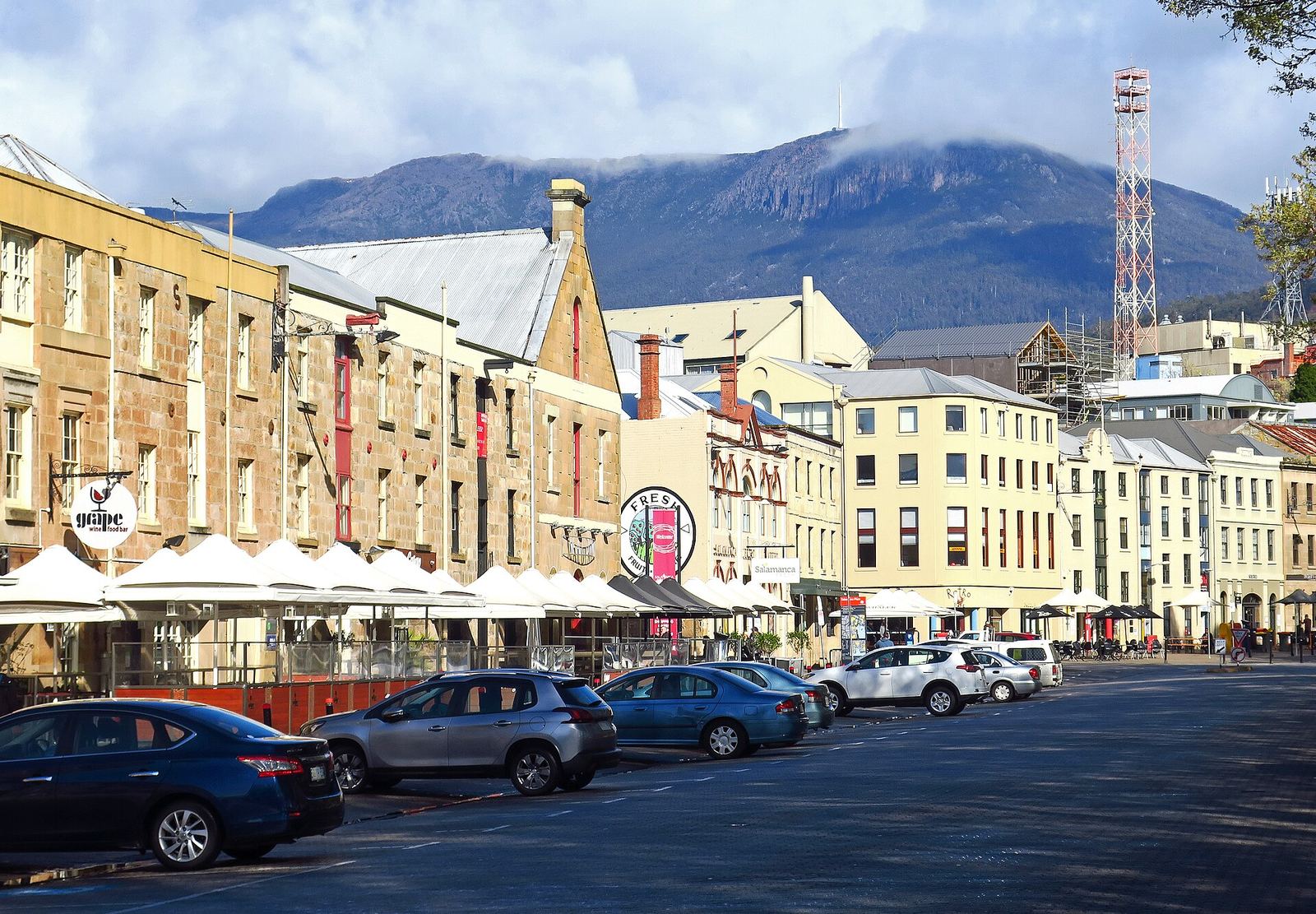
Day 2: Hobart — MONA or kunanyi / Mount Wellington
Day two gives you a choice between art and mountains. Pick up the rental car this morning if you have not already.
Option 1: MONA
Take the ferry from Brooke Street Pier to the Museum of Old and New Art (MONA). The journey across the Derwent is part of the experience, and the museum itself is famous for its unusual, provocative and often unexpected exhibitions. Allow several hours rather than trying to squeeze MONA into a quick visit.
Option 2: kunanyi / Mount Wellington
If the weather is clear, drive up kunanyi / Mount Wellington instead. The views over Hobart, the Derwent River and surrounding wilderness are spectacular.
Optional: Richmond
If you have extra time, take a side trip to Richmond, a small historic town known for its old sandstone buildings and heritage atmosphere.
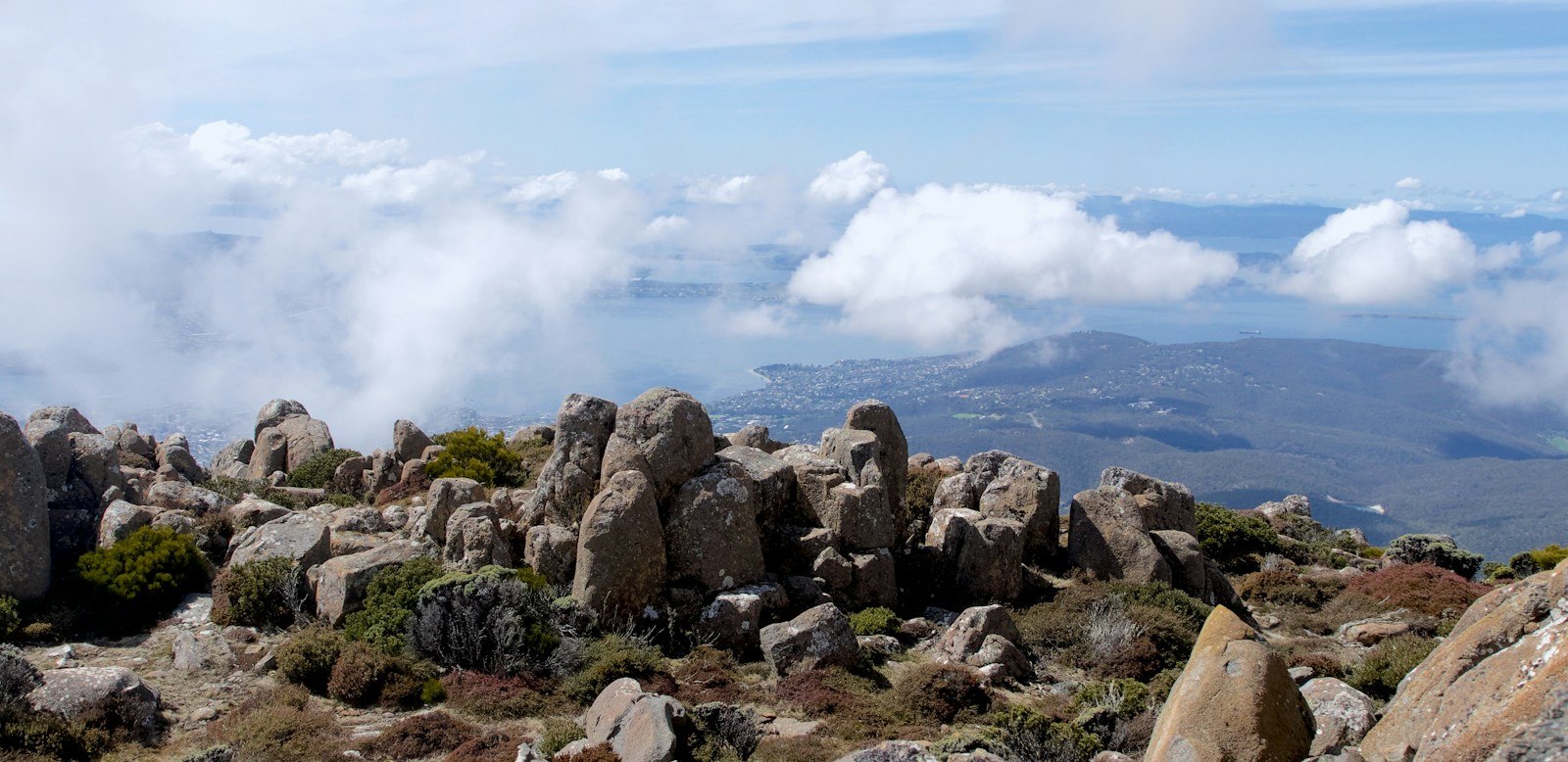
Day 3: Hobart → Freycinet & Coles Bay
Leave Hobart for Tasmania's east coast. Allow approximately 2.5 to 3 hours of driving to Coles Bay, excluding stops. Tasmania's roads are often winding and scenic, and you will probably want to stop.
Optional stop: Bicheno. It makes a useful break for coffee, lunch or a walk beside the water.
Continue towards Coles Bay, the main gateway to Freycinet National Park. Walk along the beach. Watch the Hazards change colour as the light moves. Have a drink overlooking the water. If conditions are right, consider kayaking.
Stay two nights in Coles Bay or near Freycinet National Park.
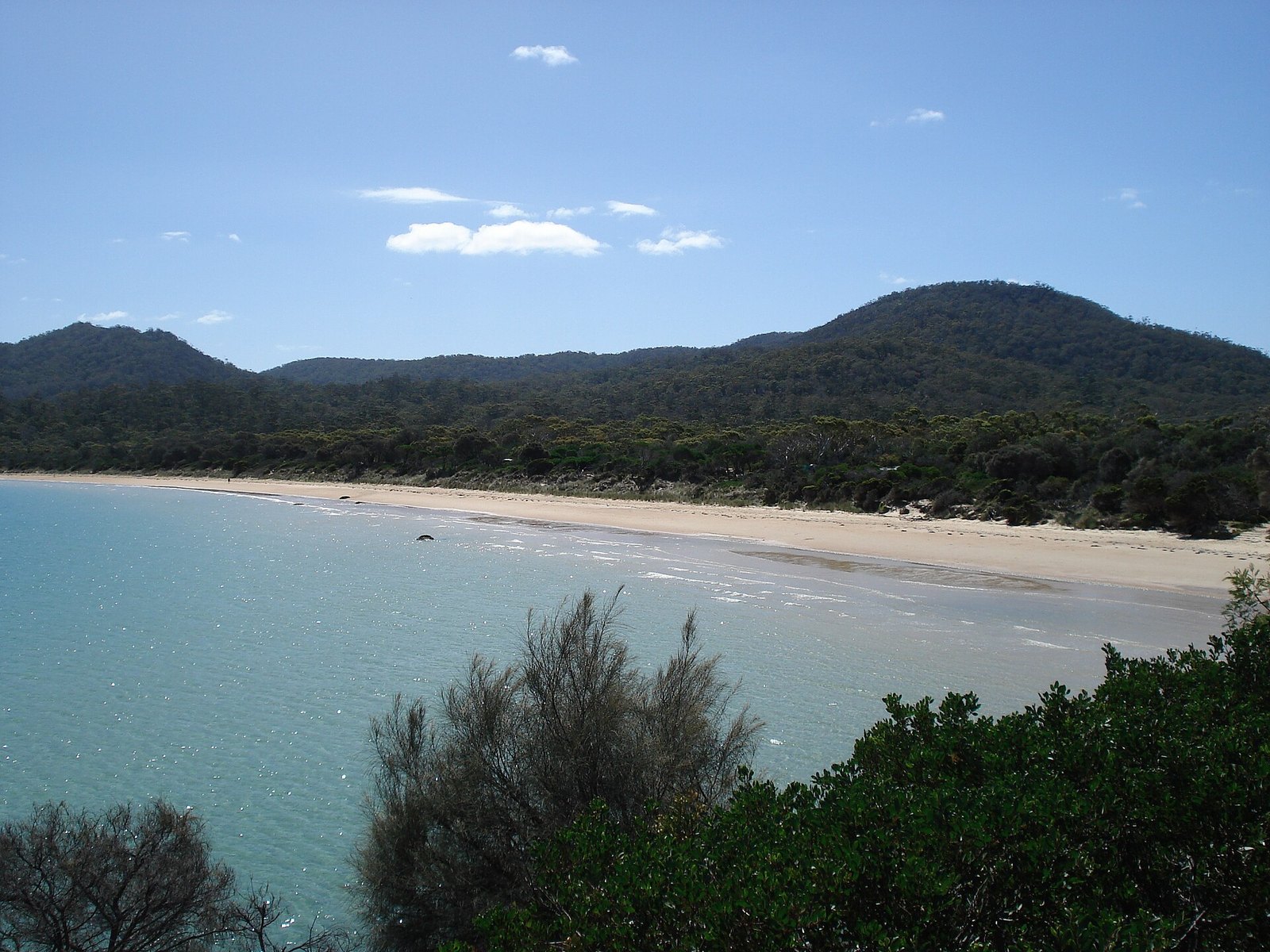
Day 4: Freycinet National Park — Wineglass Bay & the Hazards
This is one of the biggest days of the trip. Start early and head into Freycinet National Park.
The classic introduction is the Wineglass Bay Lookout. The walk is approximately 2.6 km return, taking around 1–1.5 hours, with a steep section and plenty of steps. Then the view appears: turquoise water, white sand and the granite peaks of the Hazards framing the bay. It is one of those landscapes that looks almost too perfectly arranged.
If you want more than the viewpoint, continue down to Wineglass Bay Beach. The return walk is approximately 6 km and generally takes 2.5–3.5 hours. Once on the beach, swim if conditions are suitable, walk the shoreline or simply sit beneath the mountains.
Want a harder hike? Mount Amos
For experienced hikers, Mount Amos offers a much more dramatic perspective. This isn't just a normal uphill walk. Parts involve steep rock scrambling and using your hands. The rocks can become particularly slippery after rain, so it should not be treated as a casual sunrise hike in poor conditions. For most first-time visitors, the Wineglass Bay Lookout is the better balance of effort and reward.
Easier alternatives
If you want something gentler, try Cape Tourville, an approximately 600 m circuit that takes around 20 minutes. You can also spend time around Honeymoon Bay, a sheltered little beach that works well for a relaxed afternoon. Sea kayaking around Coles Bay is another excellent way to experience Freycinet without adding another long hike.
Finish the day with Tasmanian seafood and a glass of local wine. Check the official Parks & Wildlife Service Tasmania website before your visit for current park access information, fees and conditions.
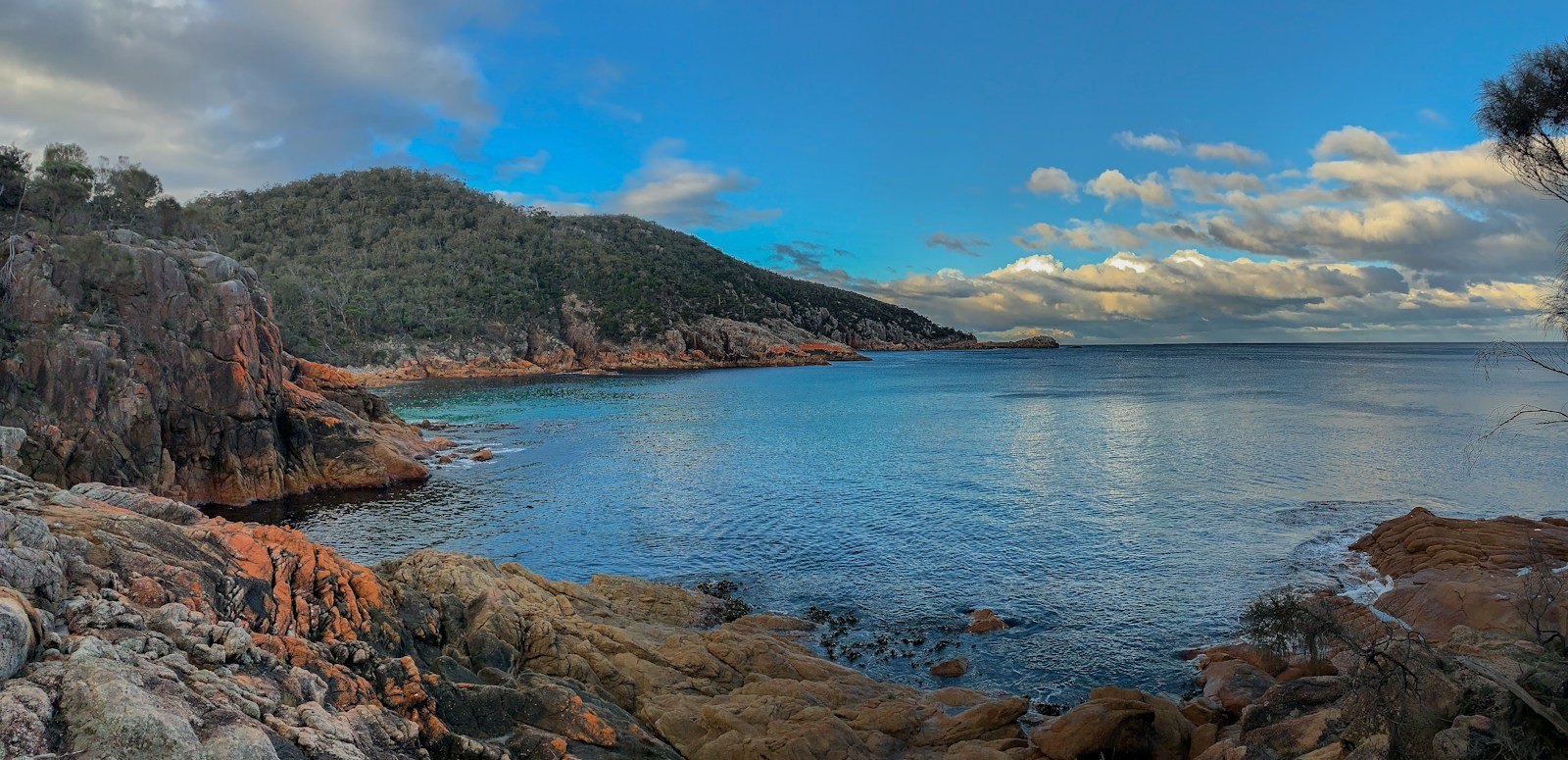
Day 5: Freycinet → Launceston — Gorge & Food
Leave the east coast and head towards Launceston, allowing roughly 2.5–3 hours for the drive. This is a noticeable change of scenery: beaches and granite mountains giving way to farmland and rivers.
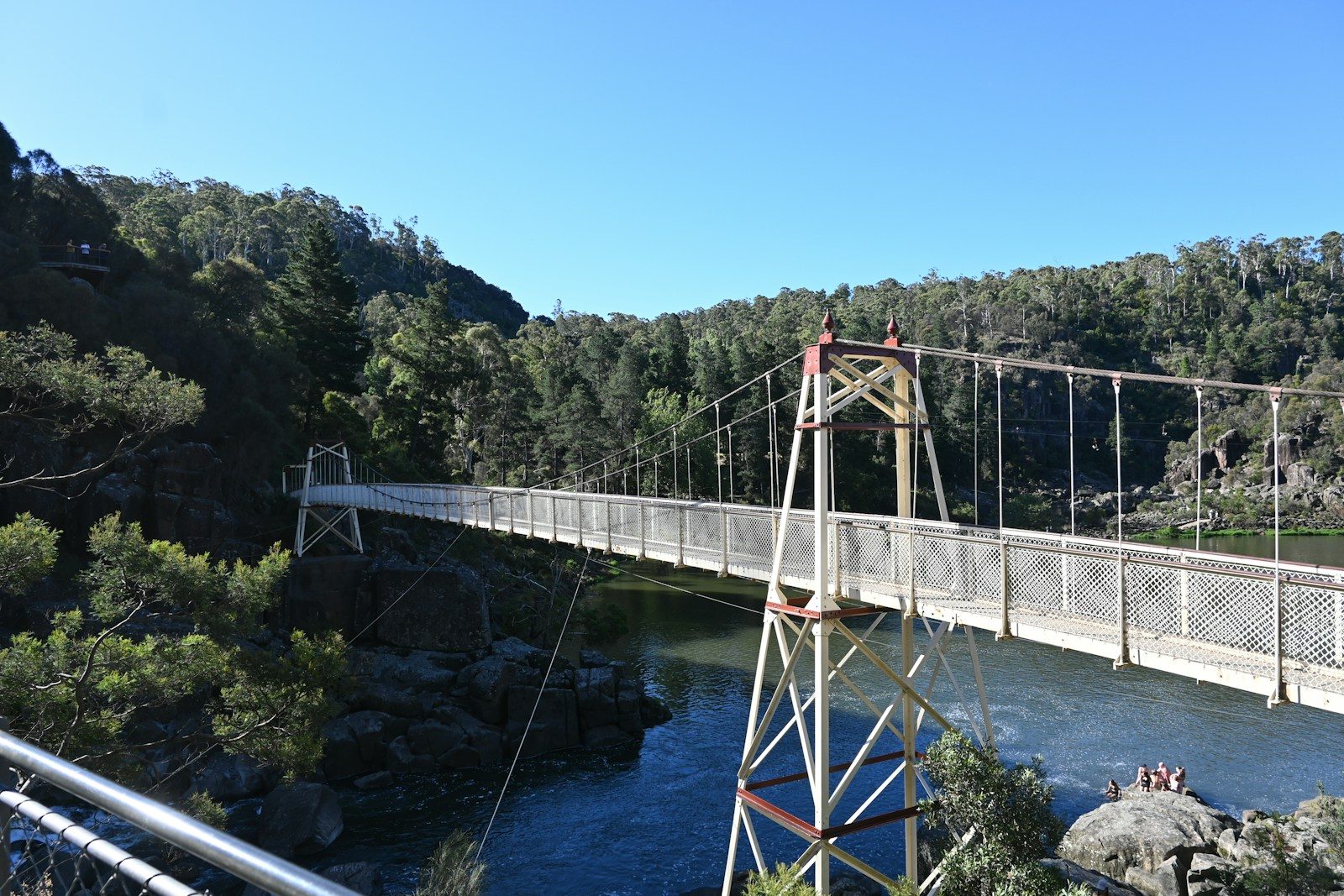
Your first stop should be Cataract Gorge. Walk through the reserve, enjoy the river views and explore the gardens around First Basin. If it is operating, the historic chairlift offers another perspective over the gorge.
Launceston is recognised as a UNESCO City of Gastronomy, so this is an excellent opportunity to focus on Tasmania's paddock-to-plate food culture.
Optional Tamar Valley
If wine is a priority, replace some of your city time with a short Tamar Valley excursion. Look for Tasmanian Pinot Noir, sparkling wine and other cool-climate varieties, ideally paired with local produce. Stay in Launceston CBD or near Cataract Gorge.
Day 6: Launceston → Cradle Mountain
Drive west towards Cradle Mountain, allowing approximately 2.5–3 hours. As you approach the mountains, farmland gradually gives way to forests, rainforest and rugged highland scenery.
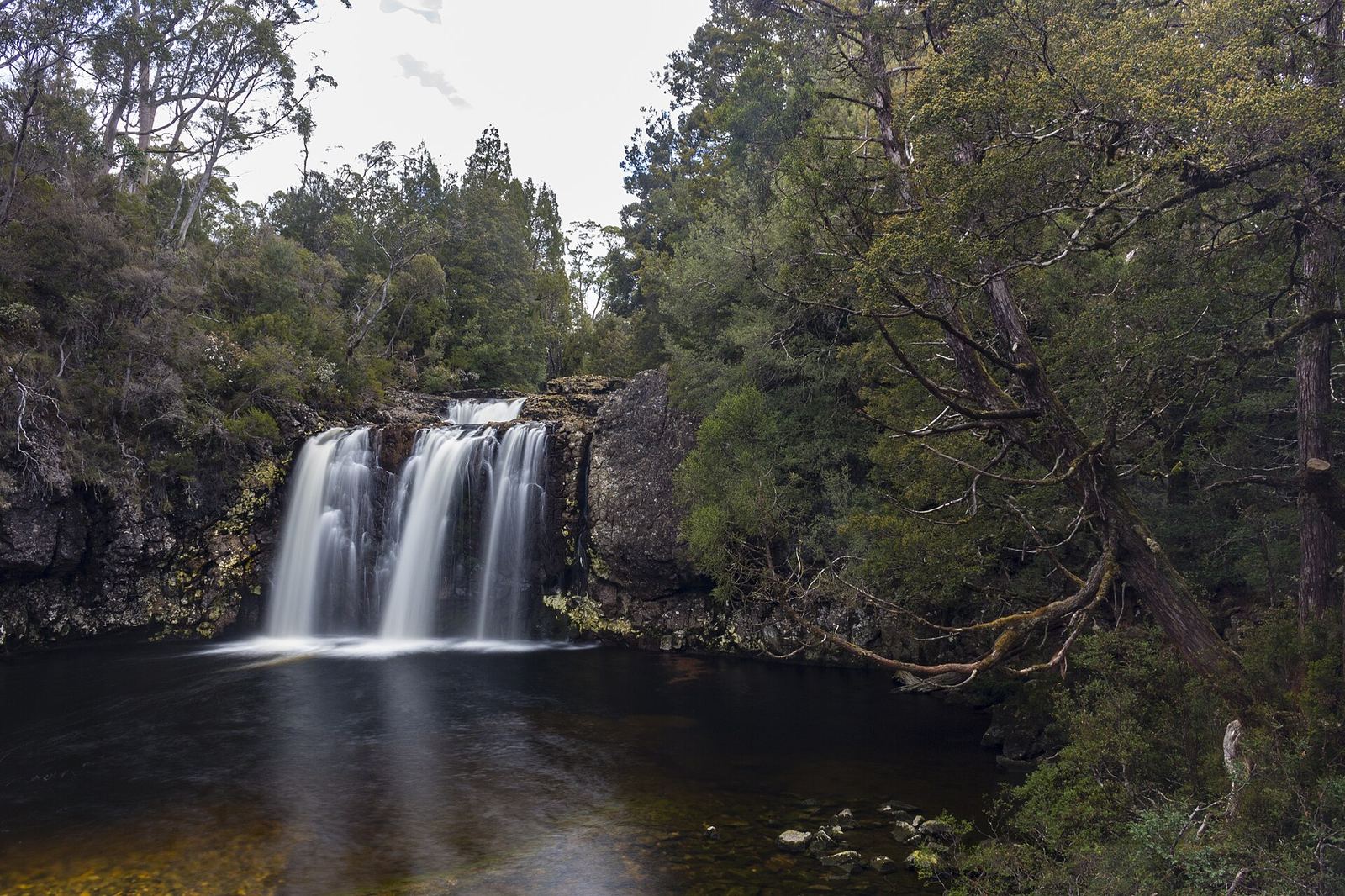
Don't plan an enormous hike immediately after arriving. Instead, use the afternoon to settle into the Cradle Mountain area and take an easy walk. The Pencil Pine Falls and Rainforest Walk is a particularly good gentle introduction, with an easy boardwalk through the forest.
Keep your eyes open for wildlife. Cradle Mountain is home to wombats, wallabies, echidnas, quolls, Tasmanian devils and a variety of birds. Stay near the Cradle Mountain visitor centre / park area so you can get an early start the following morning.
Day 7: Cradle Mountain — Dove Lake & Hiking
Wake early and make Dove Lake the centrepiece of your Cradle Mountain day. A shuttle operates from the Cradle Mountain Visitor Centre towards Dove Lake, with stops including the Interpretation Centre / Ranger Station, Snake Hill and Ronny Creek. Check current shuttle bus arrangements before you go, as access, fees and operating times can change. Park information is on the official Cradle Mountain page.
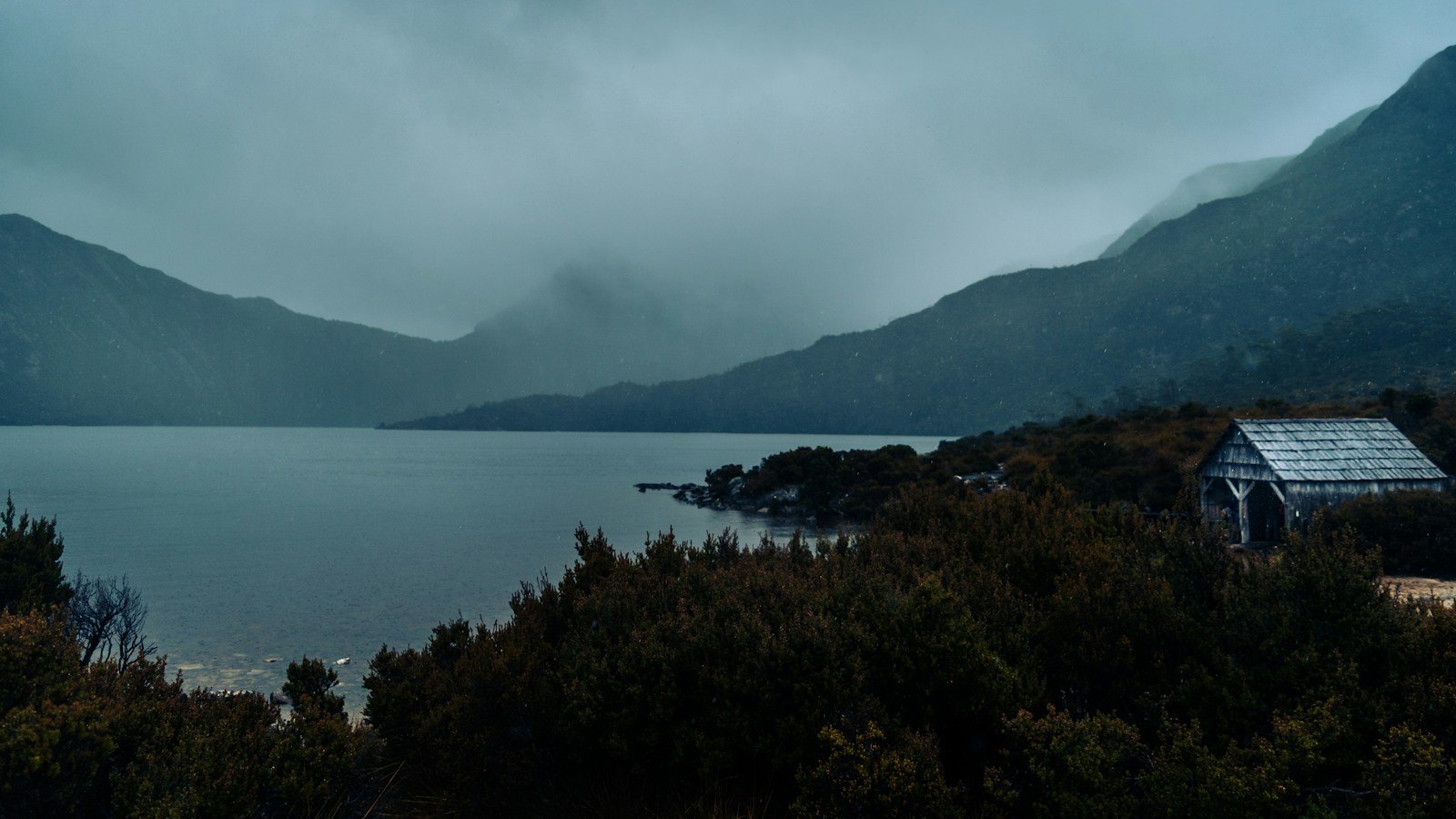
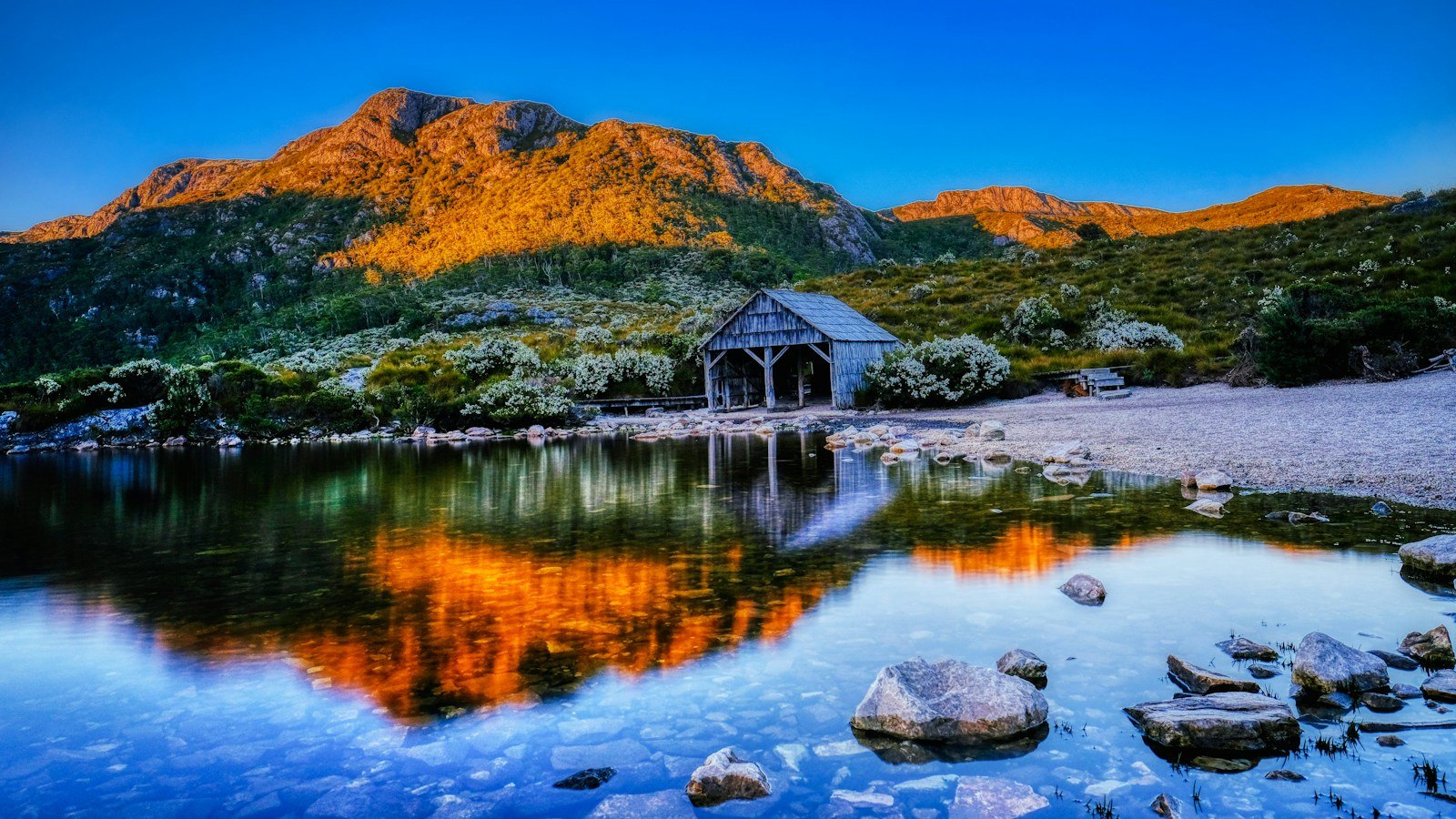
The Dove Lake Circuit is approximately 6 km and usually takes 2–3 hours. It is one of Tasmania's most rewarding moderate walks because the scenery constantly changes: rainforest, alpine vegetation, the lake itself and different perspectives of Cradle Mountain. Don't rush it. Stop at the famous Dove Lake Boat Shed, photograph the reflections and simply enjoy the landscape.
| Difficulty | Suggested walk |
|---|---|
| Easy | Short boardwalks |
| Moderate | Crater Lake, Marian's Lookout |
| More challenging | Hansen's Peak routes, longer combinations |
Only consider the Cradle Mountain summit if you are an experienced and properly equipped hiker and conditions are suitable. The summit route is considerably more demanding, exposed and weather-dependent.
If you want a more reliable wildlife experience, consider visiting Devils@Cradle, a conservation sanctuary near the national park. Stay a second night at Cradle Mountain.
Day 8: Cradle Mountain → Hobart or Launceston
Your final day depends largely on your flights.
Flying from Launceston? Return north towards Launceston. This is the simplest option and avoids unnecessary backtracking.
Flying from Hobart? Allow roughly 4 to 4.5 hours for the drive back to Hobart in normal conditions (around 320–330 km via Launceston and Sheffield), with extra time for weather and scenic stops. Build this into your flight timing rather than treating it as a short hop — it's the longest single drive of the trip.
Estimated Budget
Prices below are approximate per person and can vary significantly depending on the season, availability, and whether you share a rental car or accommodation.
| Expense | Estimated cost (per person) |
|---|---|
| Accommodation: 7 nights | AUD 700–1,200 |
| Rental car: 7 days* | AUD 250–450 |
| Fuel | AUD 100–150 |
| National park passes & shuttle fees | AUD 50–75 |
| Food & drinks | AUD 300–500 |
| Activities & attractions | AUD 100–250 |
| Estimated total | AUD 1,500–2,625 |
Stay in apartments, cabins or holiday parks when possible. Book Freycinet and Cradle Mountain early. Buy groceries for breakfasts, lunches and hiking days. Allow extra money for wineries, cruises, wildlife experiences and other optional activities. *If you pick the car up on Day 2, you may only need six billed days — confirm with the rental desk.
Useful Booking & Travel Links
- Tasmania Parks Passes
- Discover Tasmania
- Tasmania road conditions and travel alerts
- Freycinet National Park
- Cradle Mountain
- Hertz Hobart Airport
Prompts to Try in Honge
- Plan an 8-day Tasmania road trip for first-time visitors, starting and ending in Hobart.
- Make this Tasmania itinerary more relaxed without removing Freycinet or Cradle Mountain.
- Give me the best moderate hikes in Freycinet and Cradle Mountain for an 8-day trip.
- Create a Tasmania packing list for a road trip with hiking, beaches and unpredictable weather.
- Find the best places to stop for food and coffee between Hobart, Freycinet, Launceston and Cradle Mountain.
- Turn this Tasmania itinerary into a day-by-day driving schedule with approximate departure and arrival times.
- Suggest Tasmania accommodation for two people at budget, mid-range and luxury price levels.
- What wildlife am I likely to see on this Tasmania road trip, and how should I behave around it?
FAQs
Is 8 days enough for Tasmania?
Yes. Eight days is enough to experience several of Tasmania's highlights without attempting to cover the entire island. This route focuses on Hobart, Freycinet, Launceston and Cradle Mountain, giving you a balance of cities, coastline, food, wildlife and wilderness.
Do I need a car in Tasmania?
For this itinerary, yes, a rental car is strongly recommended. It makes it much easier to reach Freycinet, Cradle Mountain and the smaller towns and scenic stops along the way.
Do I need a national parks pass?
Yes. Tasmania requires a valid parks pass for entry to its national parks, including Freycinet and Cradle Mountain. Different pass types are available depending on the length and style of your trip.
Can I drive directly to Dove Lake?
Not during the main shuttle operating periods. Visitors generally park at the Cradle Mountain Visitor Centre and use the shuttle to reach Dove Lake. The Visitor Centre to Dove Lake journey takes approximately 20 minutes.
Can I see wombats in Tasmania?
Yes. Wombats are among the wildlife you may encounter, particularly around Cradle Mountain. Other wildlife in the region includes Tasmanian devils, echidnas, quolls and black currawongs.
Can I do this trip in a campervan?
Yes. A campervan gives you flexibility and can work particularly well if you enjoy camping. Some roads, campsites and weather conditions require extra planning, and a campervan is generally slower than a normal rental car.
Plan Your Tasmania Trip with Honge
Whether you want to wander through Hobart's historic streets, relax along Freycinet's beaches, spot wombats around Cradle Mountain, sample Tasmania's food and wine, or simply slow down and enjoy the scenery, this itinerary can be adapted to match your travel style.
Ready for your Tasmania adventure?
Customize this itinerary with AI
Keep Hobart, Freycinet, Launceston and Cradle Mountain as bases, swap hikes, and plan around a Hobart or Launceston flight.
Related itineraries
- 7 Days in New England: The Ultimate Fall Foliage Road Trip
- 9 Days in Slovenia: Lake Bled, Soča Valley, Piran & Ljubljana
- 9 Days in Costa Rica: Volcanoes, Rainforests & Pacific Beaches
- 8-Day Gold Coast Itinerary: Beaches, Rainforests & Coastal Adventures
- 10-Day Australia Family Wildlife Itinerary: Sydney to Great Ocean Road
Written by
This blog was contributed by Sheba M, a travel enthusiast and writer. Sheba can be reached at shebaranjitha@gmail.com.
About Honge
Honge is an AI travel planning platform focused on practical, experience-led itineraries with realistic pacing and logistics. All blog content is edited and published by Honge. Our Tasmania research draws on updated practical logistics as of September 2026. © Honge. All rights reserved.
Image credits: Photos are sourced from Unsplash and Wikimedia Commons. Copyright remains with their respective photographers and rights holders. Unsplash images are used according to the Unsplash License. Wikimedia Commons images are used according to their applicable CC BY-SA 4.0 license terms.
Travel disclaimer
This itinerary is intended as general travel inspiration and planning guidance only — not as personalised travel, safety, driving, hiking or medical advice. Conditions change. Before you travel, check current entry requirements, visa rules and any travel advisories issued by your government for Australia and Tasmania. Review weather and road conditions for your dates, including Cradle Mountain shuttle access and alpine weather, confirm attraction hours, tickets, parks passes and operator bookings (including MONA, Freycinet National Park, Cradle Mountain and Devils@Cradle) directly with official sources, and take out comprehensive travel insurance that covers medical care, adventure activities, cancellation and disruption. Rental-car terms, insurance and unsealed-road coverage vary; follow local traffic rules and posted site instructions. Hiking, scrambling, swimming, kayaking, wildlife encounters and mountain driving involve risk; choose routes that match your fitness and experience, and follow local operators, signs and staff. Suggested hotels and stay styles in this article are samples only and depend on availability; in the Honge app they may appear as booking options when offered by our vendors at the time of your search. Honge is not responsible for decisions made based on this guide or for changes to places, prices, access, services or experiences after the date of publication.