
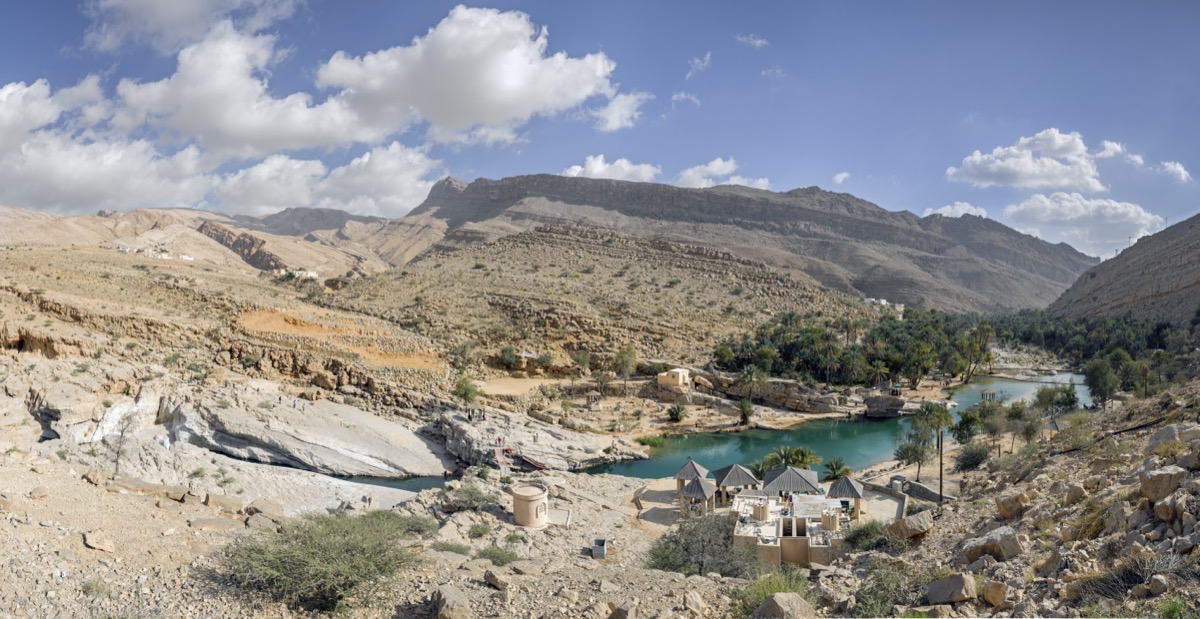
Start with this itinerary
Open this Oman inland loop in Honge as your starting point, then shape Muscat, Nizwa, Jebel Akhdar, the wadi and Wahiba Sands around your dates and vehicle plans.
Introduction
Oman is a country that seems to keep changing the rules on you.
In Muscat, the morning begins with white domes, minarets and the smell of coffee and cardamom. By afternoon, you are walking through Mutrah Souq with the Gulf just beyond the Corniche. The next day, the sea disappears behind you. Date palms start appearing beside the road, Nizwa's old fort rises out of the landscape, and beyond it the Hajar Mountains begin to fill the horizon.
Then the road climbs.
Up in Jebel Akhdar, the air is cooler and the landscape turns almost severe: bare rock, villages clinging to slopes and terraces cut into the mountainsides. A day later, you can be standing ankle-deep in the clear water of Wadi Bani Khalid, surrounded by rock that looks as though it should be nowhere near a swimming pool.
And then Oman pulls another trick.
The mountains flatten into open gravel, the greenery disappears, and eventually the road seems to run straight into the sand. You leave the tarmac behind and cross the Wahiba Sands towards a camp surrounded by dunes.
The destination keeps changing while you are still on your way to it.
With eight days, though, there is a temptation to chase every famous name on the map. Sur, Wadi Shab, Jebel Shams, Ras Al Jinz and a dozen other stops can all make their way onto the itinerary. Add enough of them and you will see plenty of Oman. You just won't have much time to experience it.
So this route takes a different approach. Muscat → Nizwa → Hajar Mountains → Wadi Bani Khalid → Wahiba Sands → Muscat. It is a tighter loop, built around the country's changing landscapes rather than the number of attractions you can tick off.
Why This Trip Works
- Five distinct experiences: Muscat’s culture, Nizwa’s history, Jebel Akhdar’s mountain scenery, Wadi Bani Khalid’s pools and the open dunes of Wahiba Sands.
- A focused inland route: Muscat → Nizwa → Jebel Akhdar → Wadi Bani Khalid → Wahiba Sands → Muscat.
- Time to slow down: Two nights in Muscat and two in the desert, with overnight stops in Nizwa and the mountains.
- Major highlights without overpacking: The itinerary leaves out Sur and Wadi Shab to make more room for the mountains and desert.
- A proper desert stay: Two nights in Wahiba Sands give you time to enjoy the dunes beyond a single sunset and overnight stop.
Good to Know
- Currency: Omani rial (OMR).
- Language: Arabic; English is widely used in tourist areas.
- Driving: Traffic keeps to the right-hand side.
- Time zone: Gulf Standard Time (UTC+4).
- Weather: Muscat can be hot, while Jebel Akhdar is cooler. Desert temperatures can drop after sunset.
- Dress code: Dress modestly at religious sites and in public areas.
- Emergency number: 9999.
Before You Go
Entry requirements
Visa requirements depend on your nationality. Check the Royal Oman Police eVisa portal before booking.
What to book ahead
Reserve accommodation in Muscat, Nizwa, Jebel Akhdar and Wahiba Sands, especially during the cooler months. Confirm your desert camp’s transfer arrangements and check the Grand Mosque’s visitor hours before visiting.
What to pack
Bring walking shoes, sunscreen, a refillable water bottle, modest clothing for cultural sites, a light layer for cooler mountain evenings, and swimwear, a towel and secure-grip sandals for Wadi Bani Khalid.
Journey Overview
| Day | Route and main plan | Overnight |
|---|---|---|
| 1 | Arrive in Muscat; explore at an easy pace | Muscat |
| 2 | Grand Mosque, Mutrah and old Muscat | Muscat |
| 3 | Drive inland; explore Nizwa Fort and Souq | Nizwa |
| 4 | Drive up to Jebel Akhdar; enjoy the mountain scenery | Jebel Akhdar |
| 5 | Leave the mountains and travel towards the eastern interior | Wadi Bani Khalid area or a suitable stop on the route |
| 6 | Visit Wadi Bani Khalid, then continue to a desert camp | Wahiba Sands |
| 7 | Spend a full day enjoying the desert | Wahiba Sands |
| 8 | Return to Muscat for departure | — |
Important planning note: Day 5 is the key overnight decision in this itinerary. Choose accommodation based on the actual driving route and the next day's plans, not just the name of the nearest town. Check the route in a mapping app before booking, and avoid committing to a desert-camp arrival time that leaves no buffer for the wadi visit. If your flight leaves early on Day 8, consider returning to Muscat on Day 7 instead of spending a second night in the desert.
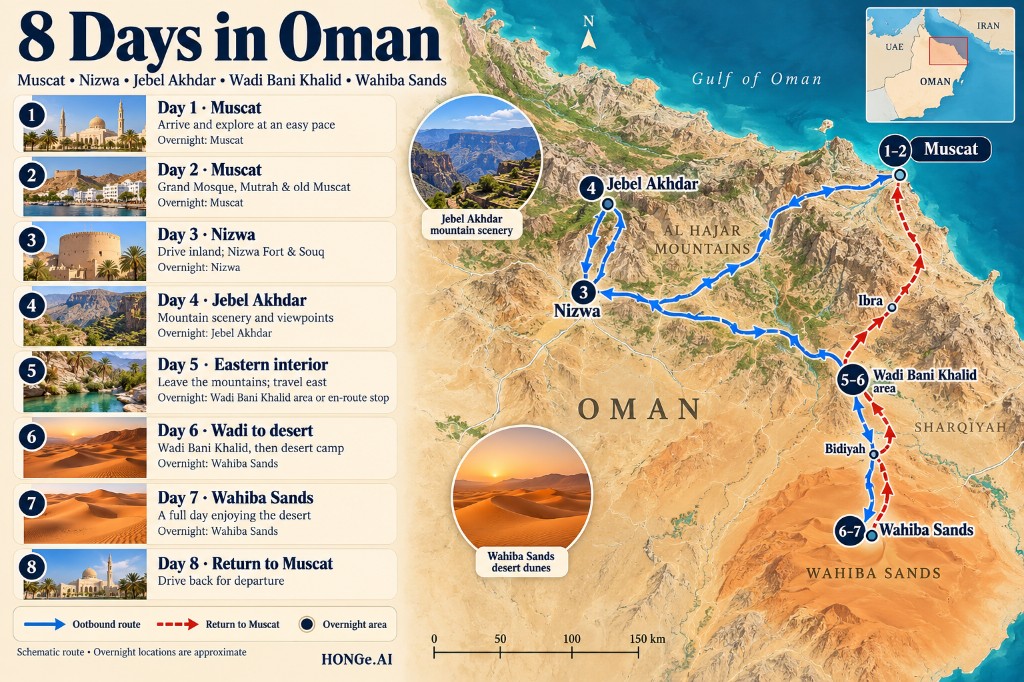
Route Map
The route follows a broad loop from Muscat into Oman's interior and eastern desert region before returning to the capital. It is not a coast-to-coast tour: Sur, Ras Al Jinz and Wadi Shab are deliberately left out.
Days 1–2: Muscat
Day 1: Arrive and get your bearings
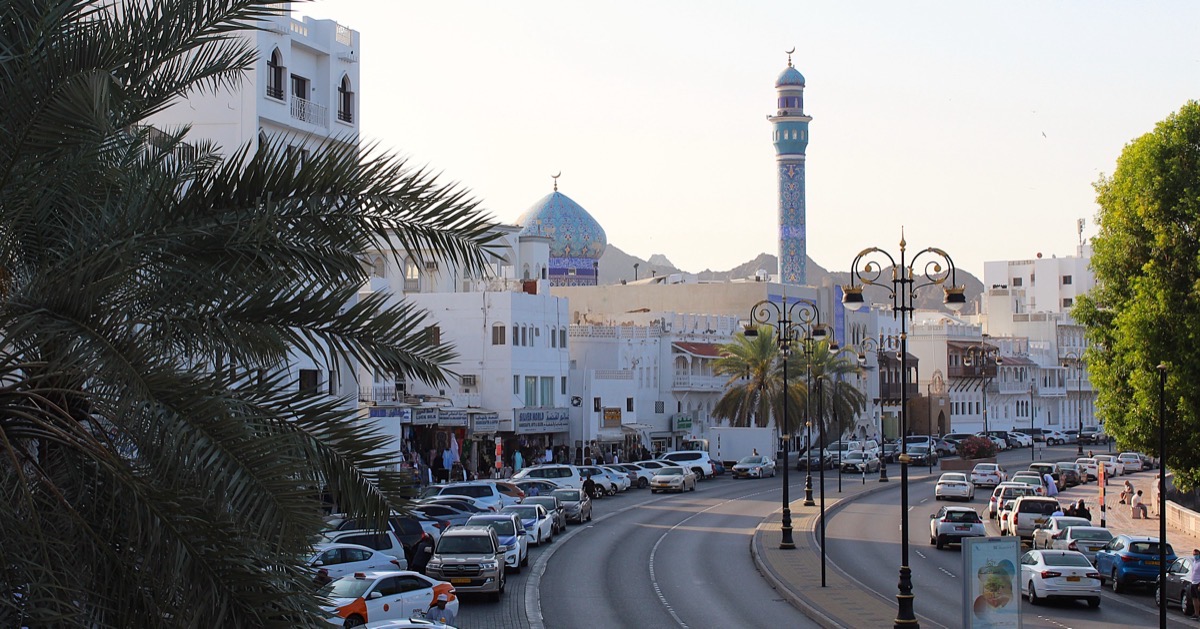
Keep the first day light, particularly if you arrive after a long flight. Muscat is spread out, so choose one part of the city rather than trying to cross it several times.
If you arrive early enough, start around Mutrah Corniche. The waterfront is a good introduction to the city, with views across the harbour and the surrounding hills. From there, wander through Mutrah Souq. Its covered lanes are a better place to browse slowly than to rush through with a shopping list. Look for frankincense, traditional textiles, silver jewellery and small souvenirs, and compare prices before buying.
If you still have time and energy, stop for an Omani meal or coffee. Otherwise, return to your hotel and save the main sightseeing for the next morning.
Where to stay: Choose a base that suits your priorities. Mutrah and old Muscat are useful for atmosphere and waterfront walks; other parts of the city can be more convenient if you want a modern hotel, easy parking or a straightforward departure by car.
Day 2: The Grand Mosque and old Muscat
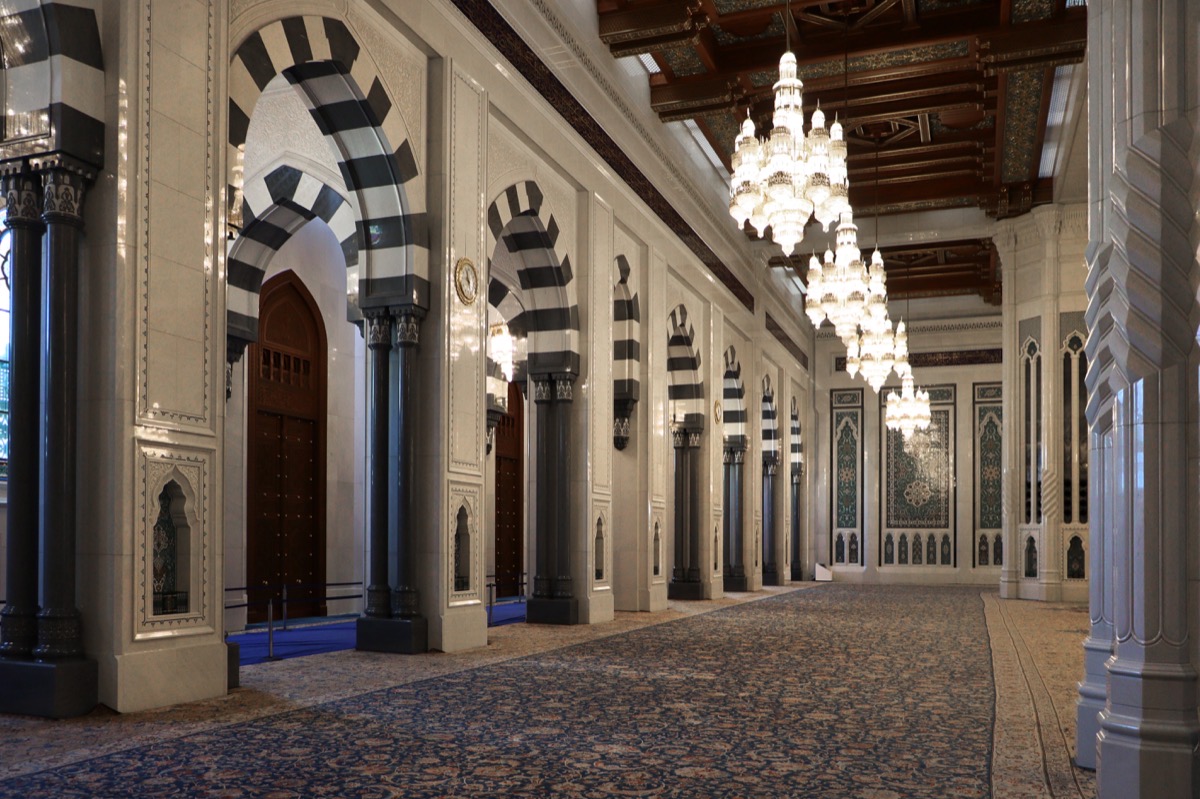
Start early at the Sultan Qaboos Grand Mosque. Give yourself time to appreciate the scale of the building, its courtyards and the main prayer hall rather than treating it as a quick photo stop. Check the current visitor hours and dress requirements before you go.
After the mosque, continue to old Muscat. The area around Al Alam Palace and the historic forts is worth seeing for its setting between the hills and the water. Access to individual buildings may be restricted, so plan on viewing the exterior unless current visitor information confirms otherwise.
Return towards Mutrah for a late lunch or a second walk through the souq. This is also a useful day to pick up anything you will need for the road trip: snacks, water and basic supplies.
Do not overfill the afternoon. The next few days involve longer drives and a change of accommodation almost every night. A relaxed evening in Muscat is more useful than squeezing in one more attraction.
Day 3: Muscat to Nizwa
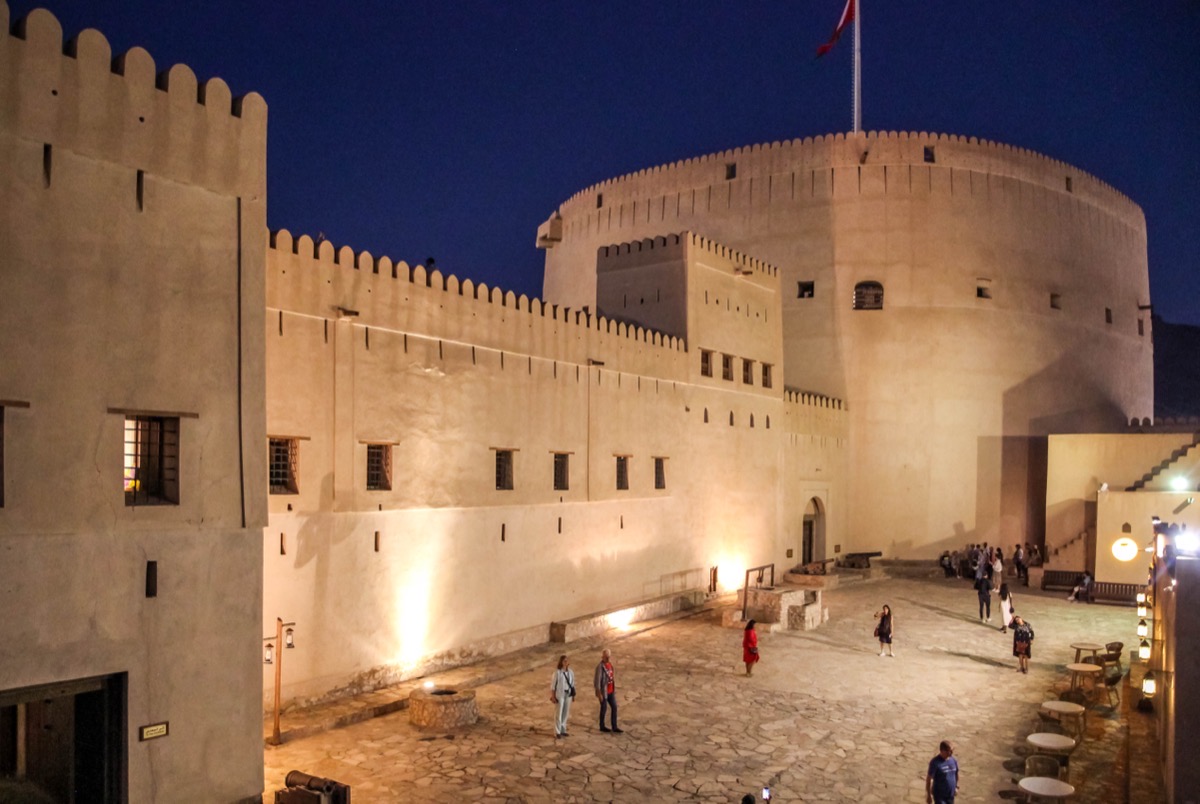
Leave Muscat after breakfast and head inland to Nizwa. The city is known for its fort, souq and position at the foot of the Hajar Mountains. It is a good place to spend a night rather than simply stop for lunch on the way elsewhere.
Visit Nizwa Fort first if you arrive with enough time. Its massive circular tower and defensive architecture offer a sense of how the fort served both military and civic purposes. The visitor route passes through narrow stairways and a series of doors, opening onto views over the town and the surrounding date palms. Check the official listing for current opening hours and ticket information before your visit.
The adjacent Nizwa Souq is worth exploring at a slower pace. Depending on the day and time, you may find dates, pottery, traditional crafts and everyday market goods. Friday mornings are particularly associated with the livestock market, but schedules and activity can vary, so verify current arrangements if this is a priority.
Spend the evening in Nizwa rather than continuing into the mountains after dark. It gives you time to eat, rest and start the next day without a rushed departure.
Practical tip: If the fort is a priority, check its current schedule before choosing your arrival time. Opening arrangements may differ by day, and Friday hours can be split.
Day 4: Nizwa to Jebel Akhdar
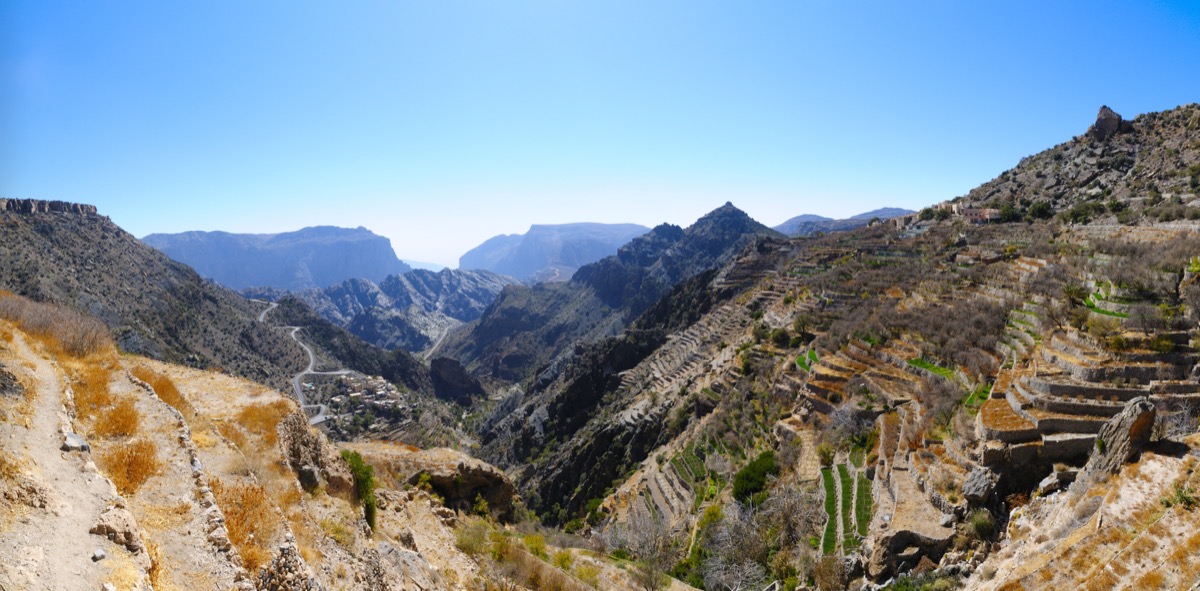
Today the route climbs into the Hajar Mountains. Jebel Akhdar, meaning “Green Mountain”, is known for its highland villages, terraced landscapes and walking routes. The scenery changes as you leave the lower, drier terrain behind.
The mountain approach is not a place to improvise with your rental car. A checkpoint operates on the road up, and four-wheel drive is generally required. Confirm the current requirements with your rental company and check that your insurance covers the intended route. If you do not have a suitable vehicle, arrange transport with your accommodation or a local operator.
Once you arrive, keep the day relatively simple. Choose a village walk or a short trail suitable for your fitness and the conditions. The well-known village and terrace areas are best appreciated on foot, where you can see how settlements and cultivated plots fit into the slopes. Do not assume every path is a maintained tourist trail; ask locally about access and conditions before setting out.
If you prefer a slower afternoon, settle into your accommodation and enjoy the views. Mountain stays can be as much about the change in temperature and scenery as about ticking off a specific attraction.
Stay overnight in Jebel Akhdar. That is the point of making the climb: you can enjoy the mountain landscape without driving back down the same day.
Day 5: Jebel Akhdar towards Wadi Bani Khalid
Leave the mountains after breakfast and head towards the eastern side of the country. This is the day that needs the most careful accommodation planning, because the mountain area, Wadi Bani Khalid and the desert camps are not all in one place.
Avoid adding a long list of stops to the drive. The aim is to get into position for the following day without arriving late or tired. Choose an overnight stay that makes the Wadi Bani Khalid visit manageable and allows enough time to continue to your desert camp on Day 6.
Before finalising the booking, enter the exact hotel and camp locations into a mapping app and compare the drive with the route you intend to take. Do not rely on a hotel description that simply says “near the desert” or “near the wadi”. Those descriptions can cover a large area.
Use the evening to have dinner, fill up on fuel if needed and prepare a small day bag for the wadi. Keep your swimming gear, towel, water and sun protection accessible rather than packed away in the main luggage.
Day 6: Wadi Bani Khalid and the Wahiba Sands
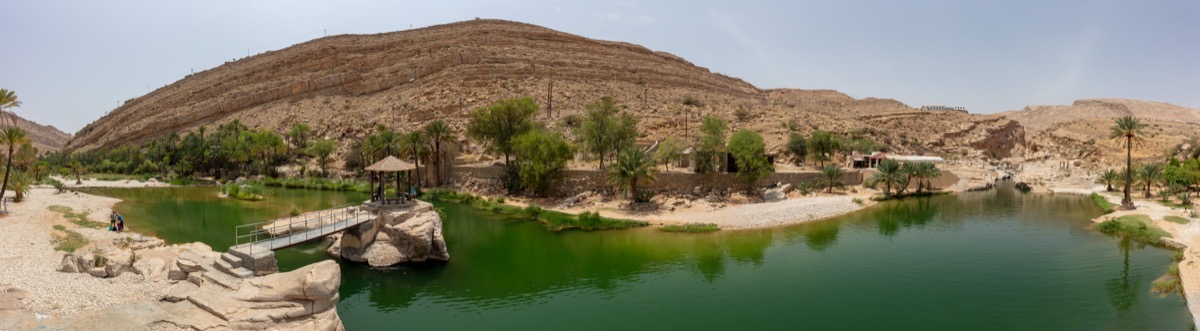
Start early for Wadi Bani Khalid. The wadi is known for its clear pools among rocky surroundings, offering a striking contrast to the dry terrain around it. Depending on conditions, you can walk around the accessible areas, relax by the water or swim where it is permitted and safe.
Allow enough time to enjoy the place without turning the visit into a race to reach the desert. Wear footwear that is suitable for wet and uneven surfaces, carry water and follow local guidance. Conditions can change after rain, and a wadi should never be treated as risk-free simply because the water looks calm.
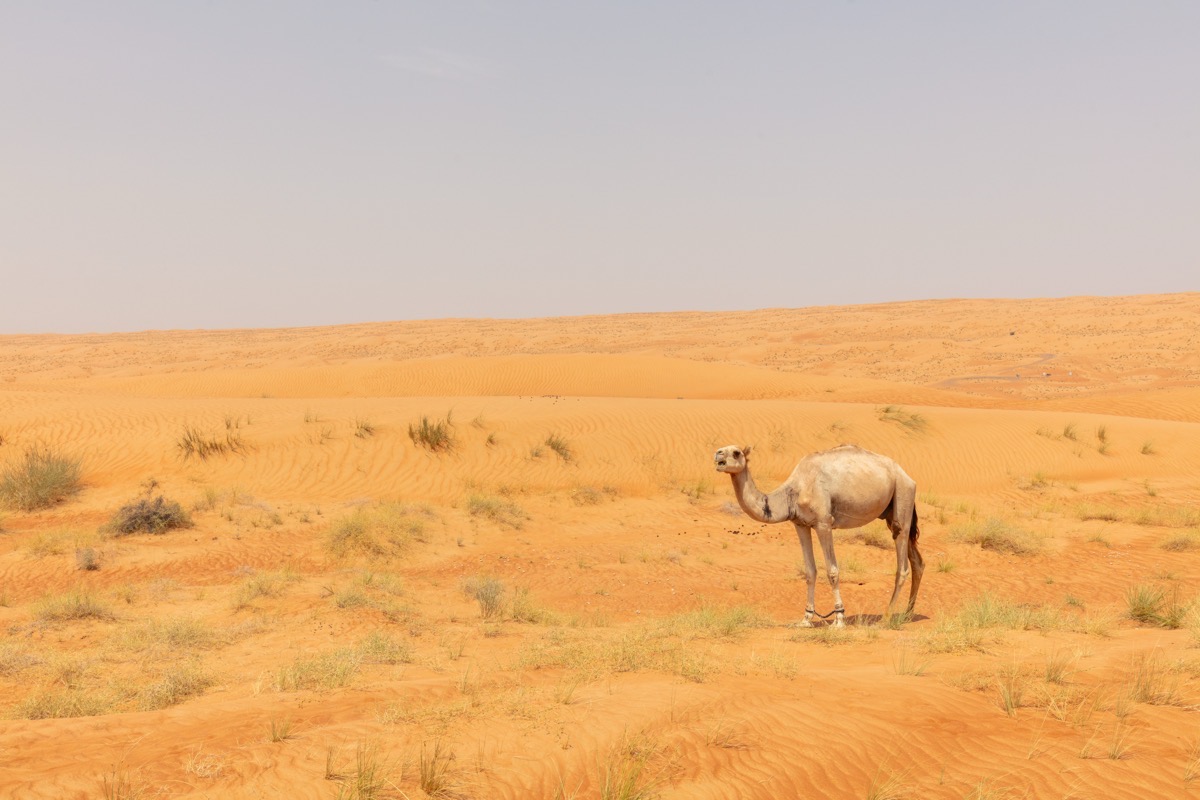
After your visit, continue towards the Wahiba Sands, also known as A'Sharqiyah Sands. Confirm the desert-camp transfer arrangements in advance. Some properties meet guests at a designated point and take them into the dunes in a 4WD vehicle; others have different access arrangements. Do not assume a standard rental car can reach every camp.
Arrive with enough daylight to settle in and enjoy the landscape. If your camp offers a sunset drive or another guided activity, confirm the timing when you book. Otherwise, spend the evening outside, watch the colour change across the dunes and have dinner at the camp.
This is one of the reasons to keep the itinerary focused. You are not leaving the desert after a hurried sunset; you have another day here.
Want the mountains and desert without Sur and Wadi Shab?
Keep Muscat, Nizwa, Jebel Akhdar, the wadi and Wahiba Sands
Open this 8-day Oman itinerary in Honge and move the Day 5 overnight and desert transfer around your vehicle and flight times.
Day 7: A Full Day in Wahiba Sands
Leave the schedule open today. The desert is not a place where you need a packed list of attractions.
Depending on the camp, you may be able to arrange a guided dune drive, a walk, a camel experience or a visit to a nearby settlement. Ask what is actually offered and what is included before booking. Activities vary between camps, and not every property provides the same experiences.
You can also spend much of the day doing very little. Enjoy breakfast, take in the landscape and rest during the hottest part of the day. If you want to photograph the dunes, the light changes significantly from morning to late afternoon, so there is no need to rush out at midday.
Ask your camp about local customs and the history of the region. If a visit to a Bedouin family is offered, make sure it is arranged respectfully and with the family's agreement rather than treating someone's home as a tourist attraction.
Stay for a second night at the camp. It removes the pressure to leave immediately after the evening experience and gives you a buffer if an activity is delayed.
Day 8: Return to Muscat
Leave the desert with enough time to reach Muscat comfortably. Confirm your camp's checkout arrangements and transfer timing the evening before. If you need a pickup from the camp to your parked rental car, factor that into the schedule as well.
Do not plan a major attraction on the way back if you have a flight to catch. The journey from the desert region to Muscat is long enough that traffic, roadworks or delays at the transfer point can matter. For an early flight, the safer option is to return to Muscat the previous evening and spend the final night there. That means giving up the second desert night, but it may be the better choice for your travel dates.
If your departure is late and the drive fits comfortably, you can return the rental car, have a meal and head to Muscat International Airport without trying to squeeze in a last-minute sightseeing stop.
Where to Stay in Oman
For this itinerary, the most important accommodation decision is not finding the most impressive hotel in every place. It is choosing locations that make the driving days manageable.
| Stop | Nights | What to look for |
|---|---|---|
| Muscat | 2 | A base with easy access to your planned sights and convenient parking if you are collecting a rental car |
| Nizwa | 1 | Somewhere close enough to reach the fort and souq without a long evening drive |
| Jebel Akhdar | 1 | Mountain accommodation with clear access instructions and confirmation of any vehicle requirements |
| Wadi Bani Khalid area / eastern interior | 1 | A practical overnight location that fits the route to the wadi and onward to the desert |
| Wahiba Sands | 2 | A camp with clear transfer arrangements, meal details and a realistic arrival window |
Muscat
Choose the neighbourhood according to what you want from the city. Mutrah is useful for waterfront walks and the souq, while a modern hotel elsewhere may be easier for parking and driving. Muscat is spread out, so check the location against the attractions you plan to visit.
Nizwa
Staying in Nizwa makes the fort and souq easier to visit without rushing. It also gives you a comfortable stop before the mountain drive.
Jebel Akhdar
Prioritise location, road access and the view you want. Check whether your accommodation requires a 4WD vehicle for the approach, and ask about local walking routes before arriving.
Wahiba Sands
Compare the practical details as well as the photographs: how you get to the camp, whether meals are included, which activities cost extra and when transfers run. Confirm all of this directly with the property.
Rental Car, Driver or Tours?
For this route, a rental car gives you flexibility, but the vehicle choice and transfer arrangements matter.
Renting a car
A car is useful for travelling between Muscat, Nizwa and the mountain region at your own pace.
If you intend to drive up Jebel Akhdar, confirm the current vehicle requirement and rental agreement terms before booking. A standard saloon car should not be assumed to be suitable for every part of the route.
Desert access is a separate question. Even if your vehicle is suitable for the main roads, a camp may require guests to leave their car at a meeting point and continue with a camp-arranged 4WD transfer. Follow the camp's instructions rather than driving onto soft sand without the right equipment and experience.
Hiring a driver or booking a tour
A private driver or organised tour can be easier if you do not want to manage mountain roads and desert transfers yourself. Ask whether the itinerary includes the overnight stays you want, how long you will spend at each stop and whether activities are optional or fixed.
A packaged tour may also include stops this itinerary deliberately leaves out. Check the route carefully before booking rather than assuming every eight-day Oman tour follows the same sequence.
Best Time to Visit Oman
The cooler months, generally October to April, are the most comfortable period for this itinerary. They are better suited to city sightseeing, mountain walks and time outdoors at the wadi and desert.
Summer heat can make outdoor activities difficult, especially in the lowlands. If you travel during a hotter period, plan walks and swimming earlier in the day, carry sufficient water and be prepared to change plans. Mountain temperatures can differ from those in Muscat, so check conditions for each overnight stop rather than relying on a single forecast.
Weather is not the only factor. Accommodation availability and the timing of religious holidays can affect your plans, while local conditions may affect wadi access. Check forecasts and official visitor information close to departure.
For current climate guidance, see Visit Oman.
What to Eat in Oman
Food is part of the trip, but you do not need to build a separate restaurant itinerary around every stop.
Look for shuwa, meat traditionally slow-cooked for a long period, and majboos, a spiced rice dish served with meat or fish. Omani meals may also include grilled fish, soups, flatbreads and dishes flavoured with local spices. Menus vary by restaurant, and not every dish will be available everywhere.
Dates and Omani coffee are worth trying, particularly when offered as a welcome. Frankincense is closely associated with Omani culture, but it is not a flavour you should expect to find in every meal.
In Nizwa and smaller towns, choose busy local restaurants when you want a straightforward meal. At a desert camp, check whether dinner and breakfast are included before comparing room prices. The meal arrangement can make a meaningful difference to the total cost, particularly when the camp is away from other restaurants.
Costs and Practical Tips
Budget for more than accommodation
The total cost depends on the standard of your hotels and desert camp, the type of rental car, the number of paid activities and whether you hire a driver.
Rather than relying on a single estimate, price the major items for your dates:
- Accommodation in Muscat, Nizwa and Jebel Akhdar
- Two nights at a desert camp, including meals if offered
- Rental car, insurance and fuel
- Any transfer required to reach your camp
- Attraction admission fees and guided activities
- Food, drinks and travel insurance
Prices change by season and provider, so confirm them directly before booking.
Keep water and fuel in mind
Carry water in the car, especially on days with longer drives or outdoor activities. Refuel before heading into remote areas if your tank is getting low, and do not assume that a fuel station will be immediately available wherever you stop.
Dress for the setting
Conservative clothing is appreciated in Oman and is particularly important at religious sites. At the Grand Mosque, follow the current visitor requirements. For swimming at Wadi Bani Khalid, choose suitable swimwear and respect local guidance.
Check the route before setting out
Download or prepare offline navigation in case mobile coverage is patchy. Confirm your mountain route, wadi access and desert-camp meeting point in advance. The exact location of your accommodation can change the time needed for a driving leg.
Safety and Current Travel Advice
Oman requires the same practical care as any road trip, with extra attention to heat, remote areas and changing conditions. Drive within your comfort level on mountain roads, avoid entering flood-prone wadis during or after heavy rain, and follow local instructions if access is restricted.
Do not drive into desert dunes unless you have the appropriate vehicle, equipment and experience. Use the camp's transfer service or a qualified local operator when required.
Respect local customs, ask before photographing people and follow restrictions around religious or government sites. The Omani Ministry of Foreign Affairs provides visitor guidance on local customs, photography and other laws: Travel Advice for Visitors.
Check your own government's current travel advice shortly before departure, as well as any local updates affecting your route.
Key Places
- Mutrah Corniche: Day 1
- Mutrah Souq: Day 1
- Sultan Qaboos Grand Mosque: Day 2
- Old Muscat / Al Alam Palace: Day 2
- Nizwa Fort: Day 3
- Jebel Akhdar: Day 4
- Wadi Bani Khalid: Day 6
- Wahiba Sands: Days 6–7
- Muscat International Airport: Day 8
Useful Links
- Visit Oman
- Experience Oman
- Royal Oman Police eVisa
- Oman MFA: Travel Advice for Visitors
- Muscat International Airport
Frequently Asked Questions
Is eight days enough for Oman?
Yes, for a focused route through Muscat, Nizwa, the Hajar Mountains, Wadi Bani Khalid and the Wahiba Sands. It is not enough to see every major region without rushing. This itinerary leaves out Sur, Ras Al Jinz and Wadi Shab to keep the pace manageable.
Do I need a 4WD in Oman?
Not for every road in the country. However, Jebel Akhdar has a vehicle checkpoint and generally requires an appropriate 4WD vehicle. Desert camps also have different access arrangements, and some require a transfer from a meeting point. Confirm the current rules with your rental company and camp before travelling.
Can I visit Wadi Bani Khalid and Wahiba Sands on the same day?
It can be possible, but the timing depends on your starting point, conditions at the wadi, the exact camp location and its transfer schedule. Start early, check the route in advance and avoid booking an inflexible transfer that leaves no buffer for the visit.
Should I stay two nights in Wahiba Sands?
For this itinerary, two nights give you more time to enjoy the desert without leaving immediately after your first sunset. If your budget is tight or you need to return to Muscat for an early flight, one night may be more practical.
Is it better to rent a car or book a tour?
A rental car gives you flexibility between the main towns and attractions, provided you choose a vehicle suitable for the mountain section. A driver or organised tour can be easier if you would rather not handle mountain roads and desert transfers. Compare the actual route and included services before deciding.
What should I leave out if I only have eight days?
For this route, leave out Sur, Ras Al Jinz and Wadi Shab. They are worthwhile places, but adding them creates a different itinerary with more coastal driving. If sea turtles or coastal wadis are your main priority, redesign the route around them rather than squeezing them into this one.
Is Oman suitable for a self-drive holiday?
It can be, provided you are comfortable with the distances, understand the vehicle requirements and plan for remote sections. Check rental insurance, local driving rules, mountain access and desert-camp transfers in advance. If you are unsure about the more demanding sections, use a local driver or transfer service.
Prompts to Try in Honge
- Plan an 8-day Oman trip with Muscat, Nizwa, Jebel Akhdar, Wadi Bani Khalid and two nights in Wahiba Sands.
- Choose a Day 5 overnight that makes Wadi Bani Khalid and a desert-camp transfer workable without rushing.
- Compare a 4WD rental for Jebel Akhdar with a private driver for the mountain and desert sections.
- Adjust this Oman loop if I have an early Day 8 flight and need to return to Muscat on Day 7.
- Find Omani dishes to try in Muscat and Nizwa, including shuwa, majboos, dates and coffee.
The Bottom Line
Eight days in Oman works best when you decide what kind of trip you want before adding stops.
This route prioritises Muscat, Nizwa, the Hajar Mountains, Wadi Bani Khalid and the Wahiba Sands, with enough time to experience each without trying to cover the entire country.
The final detail to settle before booking is the overnight plan between Jebel Akhdar and the desert. Confirm the actual driving legs and accommodation locations, then check the camp transfer and your departure time from Muscat. Once those pieces are fixed, the itinerary becomes much easier to follow.
Ready for Muscat, mountains, a wadi swim and the dunes?
Plan your Oman trip with Honge
Keep the inland loop, then settle the Day 5 overnight, 4WD requirement and desert transfer around your dates.
Related itineraries
- 8-Day Jordan Itinerary: Amman, Petra, Wadi Rum & the Dead Sea
- 8-Day Egypt Itinerary: Cairo, Luxor & Nile Cruise
- 8-Day Morocco Cultural Itinerary: Casablanca, Fes, Chefchaouen & Marrakech
- 8-Day Uzbekistan Silk Road Itinerary: Samarkand, Bukhara & Khiva
- 10-Day Namibia Self-Drive: Sossusvlei, Swakopmund, Damaraland & Etosha
Written by
This blog was contributed by Lynette Joyce, a travel enthusiast and writer. Lynette Joyce can be reached at joyce.honge@gmail.com.
About Honge
Honge is an AI travel planning platform focused on practical, experience-led itineraries with realistic pacing and logistics. All blog content is edited and published by Honge. Our Oman research draws on updated practical logistics as of October 2026. © Honge. All rights reserved.
Image credits: Route map illustration created for this Honge itinerary. Photos are sourced from Wikimedia Commons. Copyright remains with their respective photographers and rights holders under the licences noted in each caption (CC BY / CC BY-SA).
Travel disclaimer
This itinerary is general travel inspiration and planning guidance only, not personalised travel, safety, driving or medical advice. Jebel Akhdar generally requires an appropriate 4WD and a checkpoint; confirm rental and insurance terms before climbing. Wadis can flood after rain — never enter restricted or flood-prone areas. Desert camps often require a transfer; do not drive onto soft sand without the right vehicle, equipment and experience. Dress modestly at religious sites and follow current Grand Mosque visitor rules. Visa requirements depend on nationality — check the Royal Oman Police eVisa portal. Suggested stay areas are samples only and depend on availability; in the Honge app they may appear as booking options when offered by our vendors at the time of your search. Honge is not responsible for changes to conditions, services or experiences after publication.