
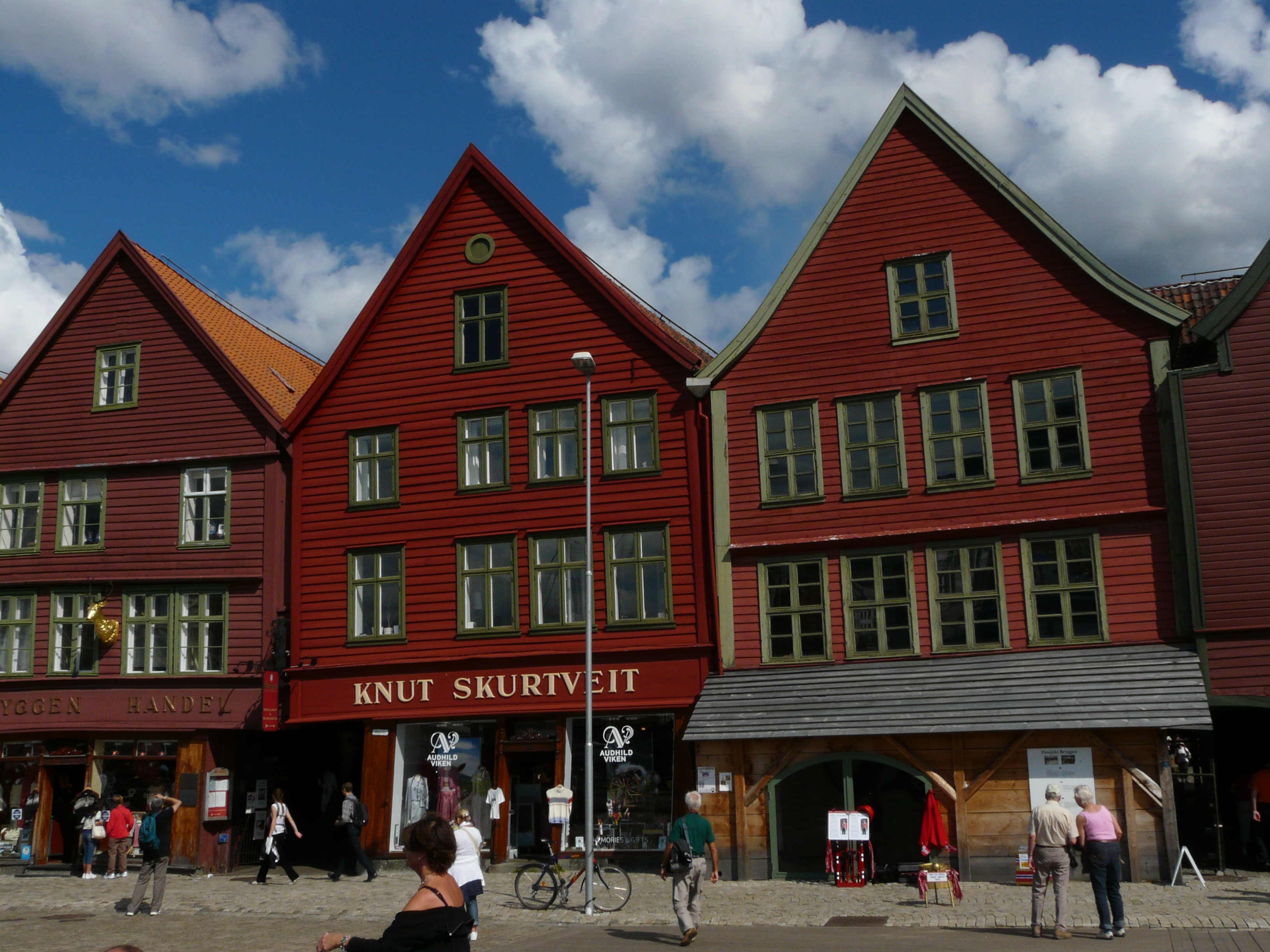
Everyone says three days is not enough for Norway’s fjords. “You need at least a week.” “Just do one fjord properly.” “You’ll spend the whole trip on buses.”
Start with this itinerary
Open this route in Honge as your starting point, then shape the days, stays, and pace around how you travel.
They are partly right. Three days is not slow travel. It is not the trip where you linger for long hikes, remote cabins, and weather-dependent detours.
But if the goal is a short, scenic, no-car fjord loop from Bergen, three days can work — as long as the route is honest about transport, timing, and what should be skipped.
This route focuses on two of western Norway’s most dramatic fjord landscapes: Geirangerfjord and Nærøyfjord, with Bergen as the starting and ending point.
This itinerary can also work as the fjord chapter of a longer Norway trip. Add Oslo before it, continue north afterward, or use Bergen as a short scenic base if your main goal is to experience the fjords without building a full two-week Norway route.
3-Day Norway Fjords Route Overview
Stay central, keep the day light, and use the evening to check the next day’s transport.
Push north toward Ålesund and the Geirangerfjord region. This is the longest and most logistics-heavy day.
Focus on Nærøyfjord, Flåm, Gudvangen, or the Sognefjord route, then return to Bergen if connections work.
Exact transport options vary by season. Before booking accommodation, check current ferry, bus, rail, and domestic flight schedules. In Norway, the difference between a beautiful three-day loop and an exhausting one is usually not the scenery — it is the connection timing.
Is 3 Days Enough for the Norway Fjords?
Three days is enough for a fast fjord-focused itinerary if you start and end in Bergen, book key transport in advance, and limit the route to two major fjord experiences: Geirangerfjord and Nærøyfjord.
It is not enough if you want slow hikes, multiple small villages, relaxed weather buffers, or a deep exploration of western Norway. For that, five to seven days is a better fit.
Can You See the Norway Fjords Without a Car?
Yes, but a no-car Norway fjords itinerary needs more planning than a simple city break. You will likely depend on a combination of trains, ferries, buses, fjord cruises, and possibly a short domestic flight if you want to include the Geirangerfjord region in only three days.
The most important planning step is checking seasonal transport schedules before locking in hotels. Some fjord services are seasonal, and connections that look simple on a map may not line up neatly on the day you travel.
Who This Itinerary Is Best For
- Solo travelers who are comfortable with early starts
- Travelers who want fjord scenery more than long city time
- People who prefer public transport over renting a car
- Travelers willing to book ferries, trains, buses, or flights in advance
- People who want a short scenic loop rather than a slow Norway vacation
Day 1: Arrive in Bergen and Keep It Simple
Start in Bergen. This is the starting and ending point for the loop — not a city to rush through on the way somewhere else. Land, drop your bag, and let the city help you settle into western Norway before the fjord days begin.
Keep the first day simple. Walk around Bryggen, the harbor, and the compact central area. If the weather is clear and you have energy, add a viewpoint or easy evening walk. But do not burn the first day trying to force in every Bergen sight.
You have two major fjord days ahead, and the main challenge on this itinerary is timing. Day 1 is for arriving cleanly, checking the next day’s transport, and avoiding unnecessary detours that look good in other people’s grids.
Pacing note: Stay central in Bergen if possible. For a short no-car trip, being close to rail, ferry, airport bus, or tour departure points matters more than saving a little on accommodation far out of town.
Day 2: Ålesund and Geirangerfjord
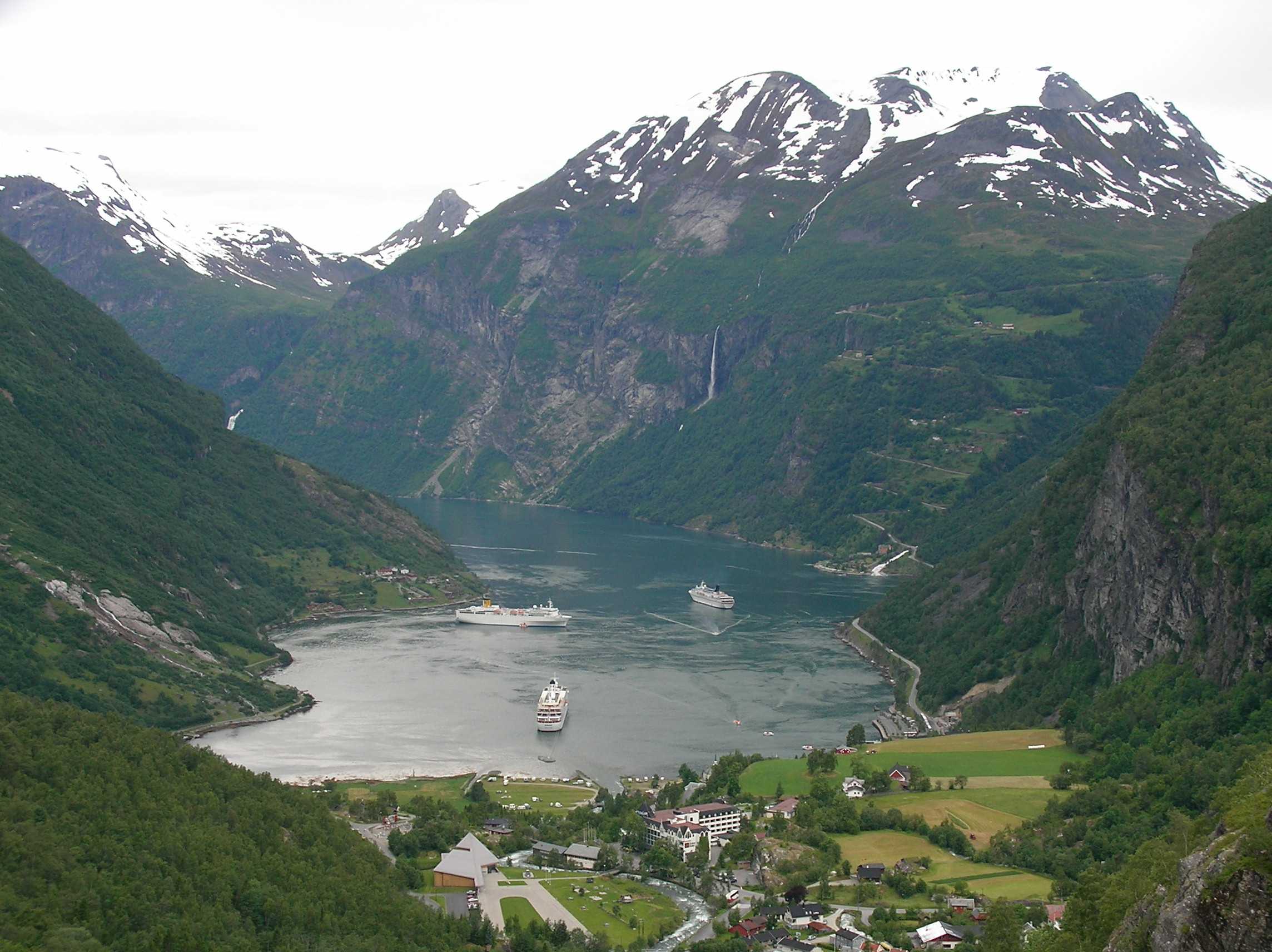
Day 2 pushes north from Bergen toward Ålesund and the Geirangerfjord region. This is the first major fjord experience on the route and the day that requires the most planning.
Depending on season and available connections, this day may involve a short domestic flight, a ferry, a bus connection, or a pre-arranged fjord route. The point is not to improvise it the night before. Geirangerfjord is spectacular, but it is not the kind of place where every connection magically lines up year-round.
Geiranger is the payoff. Give it the time it deserves rather than treating it as a quick photo stop between transport legs. Build the day around the fjord first, then add viewpoints, village time, or a ferry segment only if the schedule allows.
Pacing note: This is usually the longest travel day. Book key transport before you arrive, and leave buffer between connections. The goal is a memorable fjord day, not a sprint between platforms and ferry docks.
Day 3: Nærøyfjord / Sognefjord and Back to Bergen
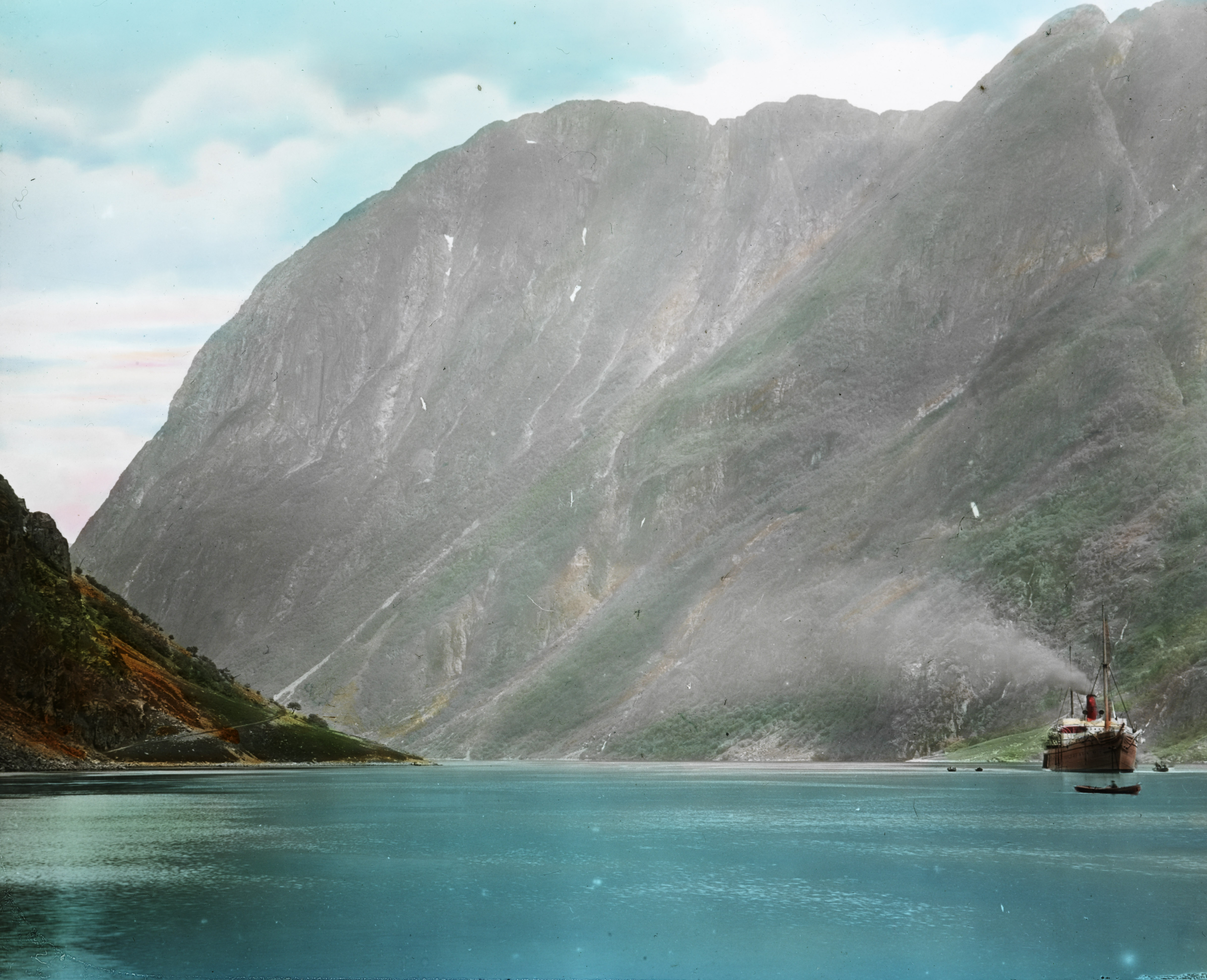
The third day focuses on Nærøyfjord, a narrow and dramatic branch of the larger Sognefjord system. This is the second UNESCO-listed fjord landscape on the route.
A practical version of this day usually means building around the classic western Norway transport corridor: Bergen, Voss, Gudvangen, Flåm, Nærøyfjord, and the Sognefjord region. The exact sequence depends on current rail, ferry, bus, and cruise schedules.
Same rule as the rest of the trip: respect transport timing, skip the viewpoints that only exist for Instagram, and commit to the fjord itself rather than the checklist around it.
By evening, return to Bergen if the connections work cleanly. If you have an early flight the next morning, this is the safer version. If schedules are awkward, consider adding one more night in the Flåm or Sognefjord area rather than forcing a rushed return.
Pacing note: Build in buffer before any same-day departure flight. The best version of Day 3 ends calmly in Bergen — not with you sprinting toward the airport.
Budget Notes for a Mid-Budget Solo Trip
A rough mid-budget target of NOK 2,000 per day can work, but it depends heavily on season, accommodation, transport choices, and how early you book. Norway is not a cheap destination, and a route involving ferries, trains, buses, or domestic flights can quickly move above that number.
Treat NOK 2,000/day as a planning estimate excluding international flights. If you are traveling in peak summer, booking late, or choosing private rooms in central locations, build in extra budget.
FAQ
Can you see Geirangerfjord and Nærøyfjord in 3 days?
Yes, but only with a tight route, early starts, and pre-booked transport. It is better treated as a fast scenic loop than a slow fjord vacation.
What are the two UNESCO fjords in Norway?
The UNESCO-listed West Norwegian Fjords are Geirangerfjord and Nærøyfjord. Nærøyfjord is part of the larger Sognefjord system.
Is Bergen a good starting point for the Norway fjords?
Yes. Bergen is one of the best starting and ending points for western Norway fjord trips, especially routes toward Sognefjord, Nærøyfjord, Flåm, and Gudvangen.
Do you need a car for this Norway fjords itinerary?
Not necessarily, but without a car you need to plan around seasonal ferry, bus, train, and flight schedules. Check transport before booking accommodation.
Is this itinerary too rushed?
It is fast, but not impossible. It works best for travelers who care more about seeing major fjord scenery than lingering in each place. If you want a calmer trip, add one or two extra nights.
Can this be part of a longer Norway itinerary?
Yes. This three-day route works well as the fjord section of a longer Norway trip. You can add Oslo before it, continue north afterward, or use Bergen as the entry and exit point for a short fjord-focused chapter.
Ready to make it yours?
Customize this itinerary with AI
Now that you've seen the full route, use Honge to tailor stays, activities, and day-by-day pacing to your trip.
Related itineraries
- Where to See the Northern Lights: Best Places, When to Go, and How to Plan Your Trip
- 5-Day Croatia Itinerary for Solo Travelers
- Vegan South Korea Itinerary: 7 Days Through Seoul, Jeonju & Busan
- Iceland Winter Itinerary: Northern Lights & Hot Springs
- 6-Day Bolivia 4x4 Itinerary: Uyuni Salt Flats & Altiplano
Written by
This blog was contributed by Ishita Minia. Ishita is a travel enthusiast and can be reached at ishitaminia@gmail.com.
About Honge
Honge is an AI travel planning platform focused on practical, experience-led itineraries with realistic pacing and logistics. All blog content is edited and published by Honge. © Honge. All rights reserved.
Image credits: Photos are sourced from Wikimedia Commons and Unsplash. Copyright remains with the respective photographers and rights holders. Images from Wikimedia Commons are used in accordance with their applicable licensing terms, including the Creative Commons Attribution-Share Alike 4.0 International license where noted. Unsplash images are used in accordance with the Unsplash License.
Travel disclaimer
This itinerary is intended as general travel inspiration and planning guidance only — not as personalised travel advice. Conditions change. Before you travel, check the current entry requirements, visa rules, and any travel advisories issued by your government for your destination. Review weather forecasts for your specific travel dates, confirm opening hours and ticket availability for attractions directly, and take out comprehensive travel insurance that covers medical, cancellation, and disruption. Honge is not responsible for any changes to conditions, services, or experiences described in this article after the date of publication.