
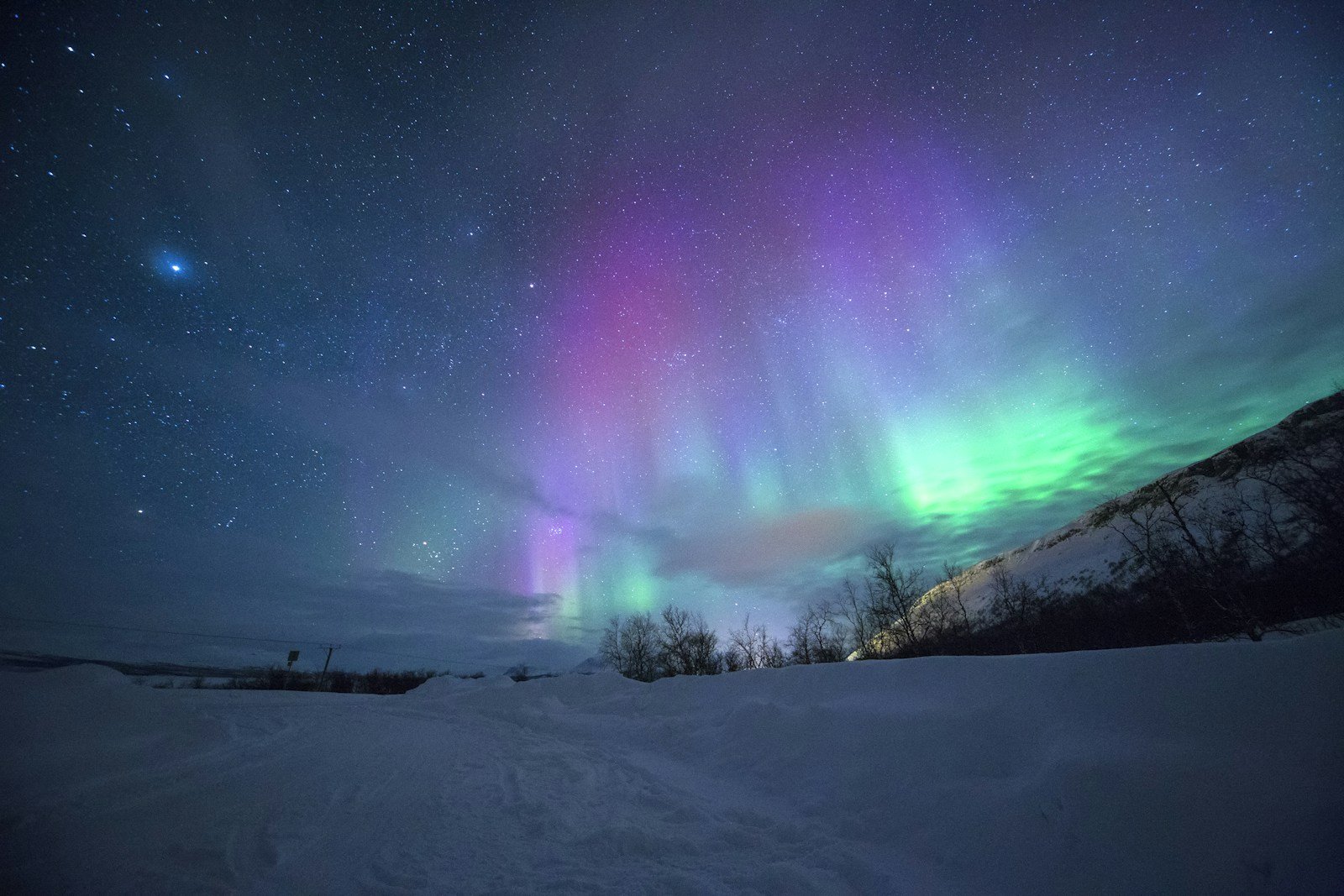
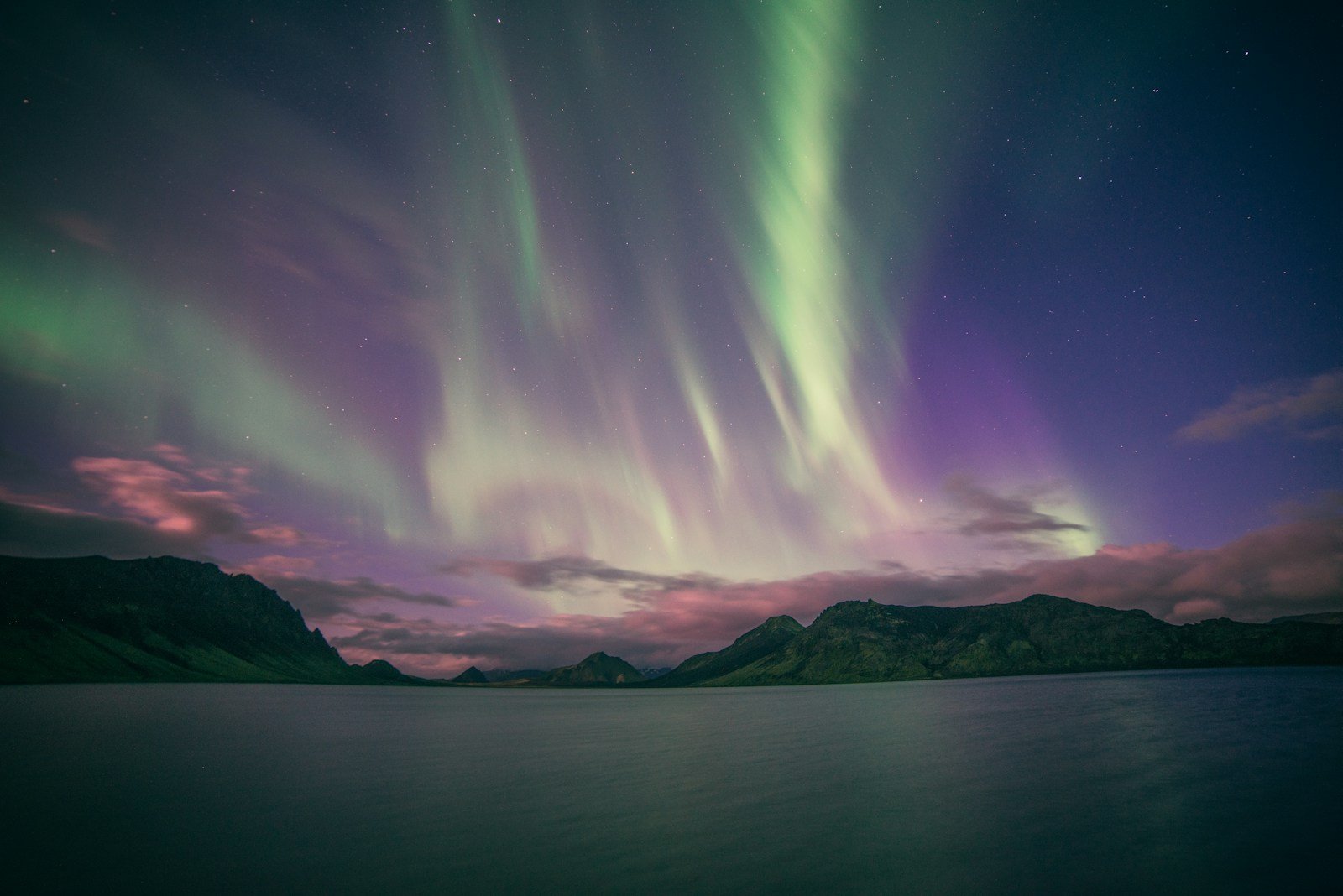
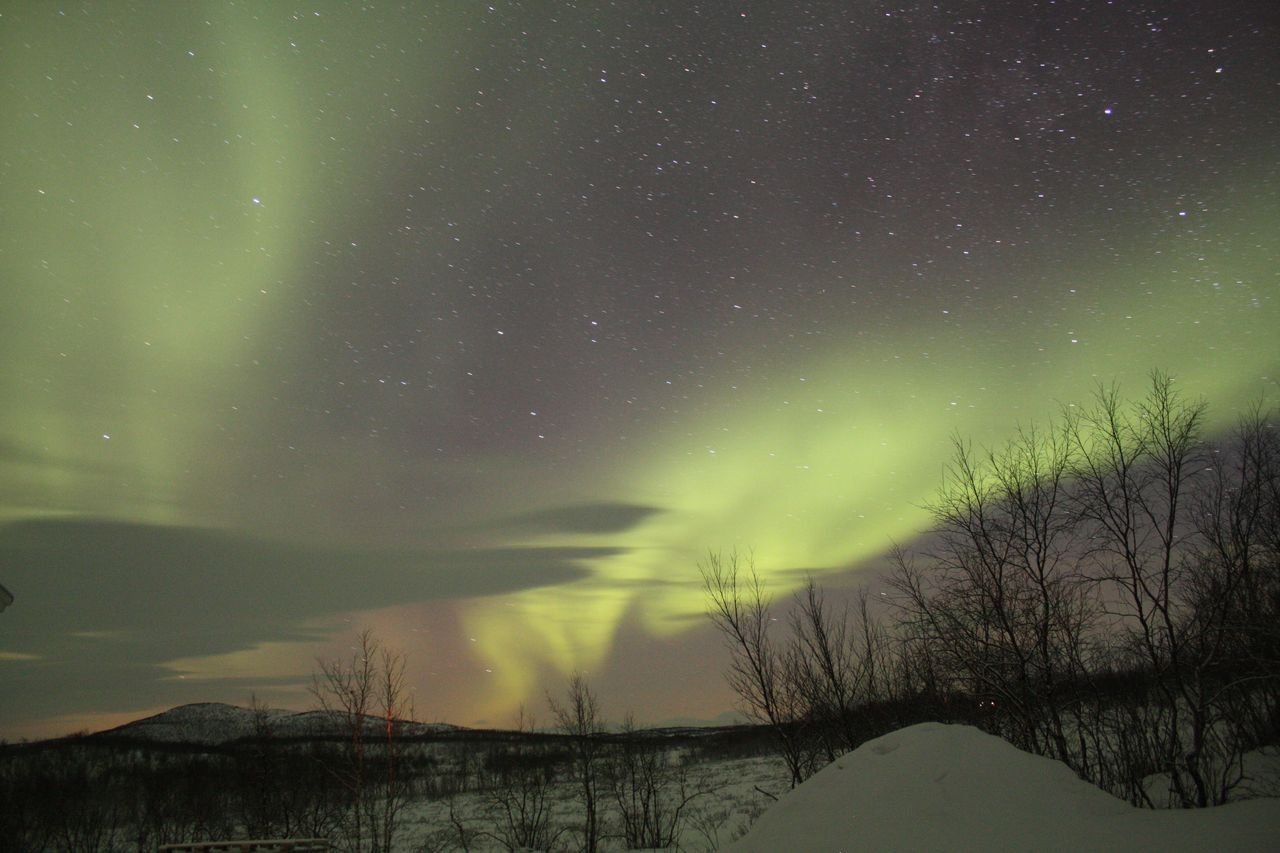

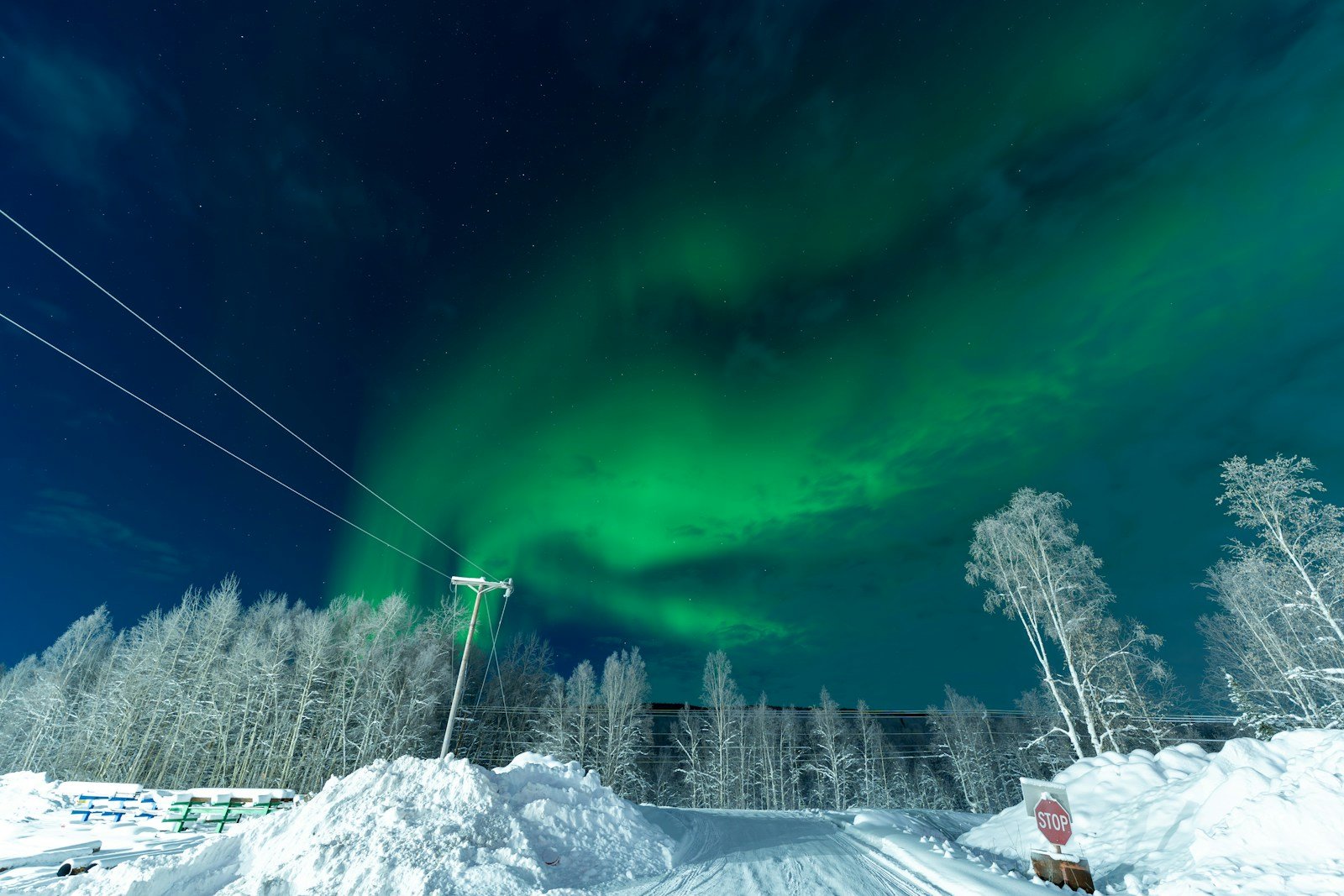
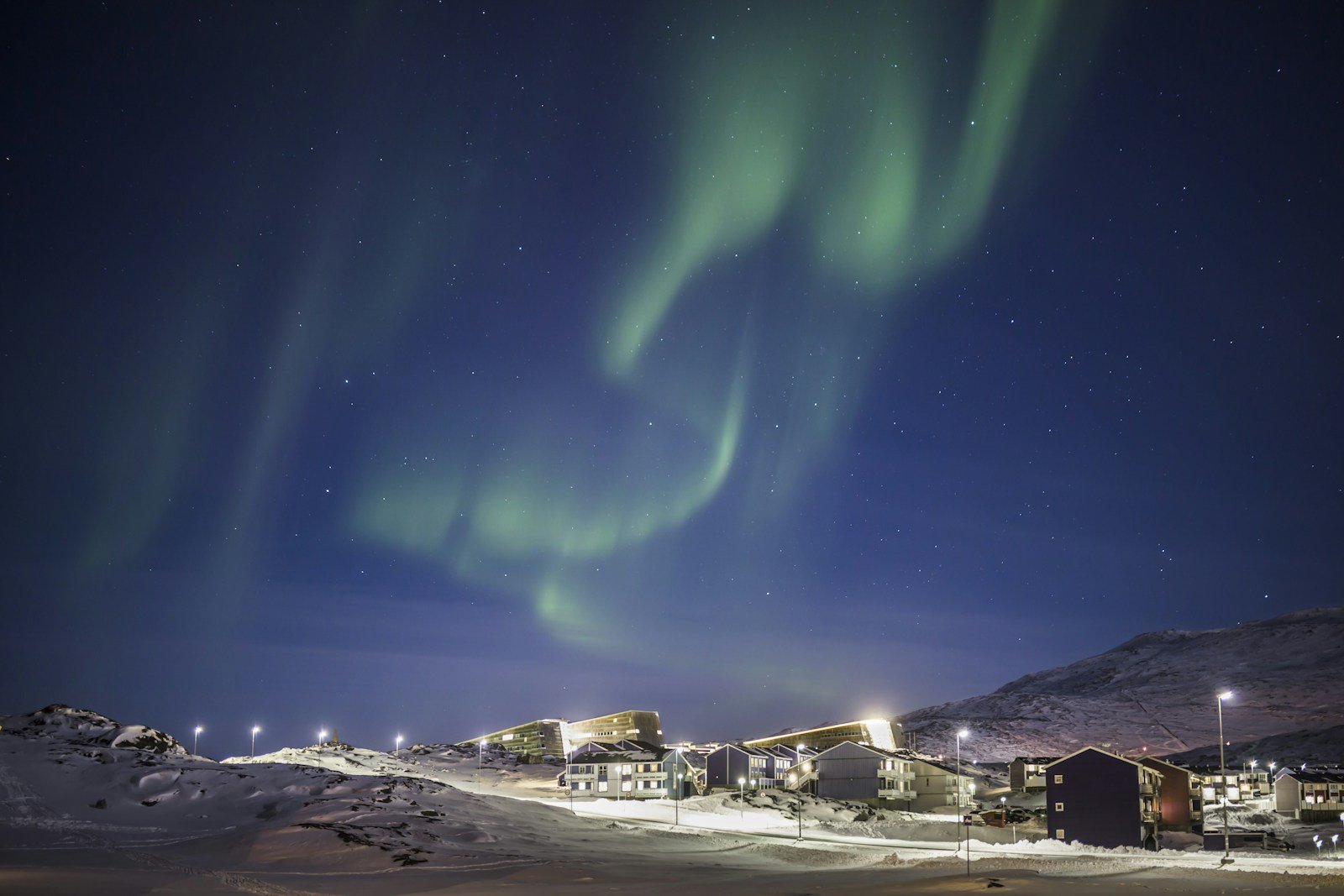
Five of the world's most rewarding Northern Lights destinations — each offering a distinct Arctic experience beneath the aurora.
For many travellers, seeing the Northern Lights is the ultimate bucket-list experience. Watching ribbons of green, purple, and pink dance across the Arctic sky feels almost magical — but choosing where to see them is often the hardest part. With so many incredible destinations promising unforgettable aurora displays, how do you decide which one is right for you?
Plan your Northern Lights trip in Honge
Once you know which destination fits your travel style, open Honge with a sample itinerary for Norway, Iceland, Finnish Lapland, Alaska, or Greenland as your starting point.
Introduction
The Northern Lights, or Aurora Borealis, are one of the world's most extraordinary natural phenomena, drawing travellers to the Arctic each winter in the hope of witnessing shimmering ribbons of green, purple, and pink dancing across the night sky. While the experience is never guaranteed, choosing the right destination and planning your trip carefully can dramatically improve your chances.
From the fjords of Tromsø in Norway and the dramatic landscapes of Iceland to the snowy forests of Finnish Lapland, the remote wilderness of Greenland, and the aurora-filled skies above Fairbanks, Alaska, each destination offers a unique way to experience the Northern Lights. Some are perfect for luxury winter escapes, while others are ideal for scenic road trips, Arctic adventures, or first-time visitors.
This guide compares the world's best Northern Lights destinations to help you decide where to go, when to visit, and how to plan your trip with confidence. You'll discover the strengths of each destination, the best time to travel, simple 3–5 day itineraries, practical planning tips, and expert advice to maximise your chances of seeing one of nature's most unforgettable displays.
Compare the Best Northern Lights Destinations
| Destination | Best For | Ideal Trip Length | Why Choose It? |
|---|---|---|---|
| Tromsø, Norway | First-time visitors, photographers, couples | 4–5 Days | One of the world's best places to see the Northern Lights, with excellent guided tours, dramatic fjords, whale watching, and a vibrant Arctic city. |
| Iceland | Road trips, adventure travellers, self-drive holidays | 5–7 Days | Combine aurora hunting with waterfalls, glaciers, volcanoes, black-sand beaches, geothermal lagoons, and the famous Ring Road. |
| Finnish Lapland | Luxury travellers, families, winter experiences | 4–5 Days | Stay in glass igloos, enjoy husky safaris, reindeer experiences, snowmobiling, and cosy Arctic cabins beneath dark skies. |
| Fairbanks, Alaska | North American travellers, wildlife lovers, winter adventures | 4–6 Days | Located beneath the Aurora Oval, Fairbanks offers frequent aurora displays along with dog sledding, hot springs, museums, and easy access from the US. |
| Greenland | Remote expeditions, experienced travellers, Arctic wilderness | 5–7 Days | Experience untouched Arctic landscapes, minimal light pollution, dramatic icebergs, and some of the world's most remote Northern Lights viewing locations. |
Who This Guide Is For
- First-time Northern Lights travellers looking for the easiest and most reliable destination.
- Couples planning a romantic winter escape with cosy stays and unforgettable Arctic scenery.
- Families seeking a mix of aurora viewing and winter activities like husky sledding, reindeer experiences, and snow adventures.
- Photographers searching for dramatic landscapes, dark skies, and the best opportunities to capture the Aurora Borealis.
- Luxury travellers interested in glass igloos, boutique Arctic lodges, and premium guided experiences.
- Adventure seekers who want to combine the Northern Lights with road trips, glacier hikes, snowmobiling, whale watching, or remote wilderness exploration.
How Do They Differ?
While all five destinations offer excellent opportunities to see the Northern Lights, the real difference lies in the experience that surrounds the aurora. No destination can guarantee a sighting, as the Northern Lights depend on darkness, clear skies, and solar activity. Instead, your choice should be based on the kind of Arctic adventure you want.
Choose Tromsø, Norway if your priority is maximising your chances of seeing the aurora with expert-guided tours, dramatic fjords, and Arctic wildlife.
Pick Iceland if you want the flexibility of a scenic road trip, combining the Northern Lights with waterfalls, glaciers, volcanoes, and geothermal hot springs.
Finnish Lapland is perfect for travellers seeking cosy luxury, glass igloos, reindeer experiences, and magical winter escapes.
Fairbanks, Alaska offers reliable aurora viewing for North American travellers, along with dog sledding, hot springs, and rich Alaskan culture.
For those looking to escape the crowds, Greenland provides untouched Arctic landscapes, remote wilderness, and some of the darkest skies on Earth.
Rather than asking, "Which destination guarantees the Northern Lights?", the better question is, "Which destination offers the kind of winter adventure I'll enjoy, even if nature makes me wait a little longer?"
That's what ultimately makes each destination unique.
Stay Longer Than You Think
One of the biggest mistakes travellers make is planning a one or two-night trip and expecting to see the Northern Lights immediately. The aurora is a natural phenomenon, and sightings depend on clear skies, darkness, and solar activity. To maximise your chances, plan to stay at least 3–5 nights in your chosen destination. A longer stay gives you multiple opportunities to experience favourable weather and stronger aurora activity.
Don't Build Your Entire Trip Around the Northern Lights
The Northern Lights may be the highlight of your journey, but they shouldn't be the only reason you travel. Even in the world's best destinations, you may have to wait several nights for the right conditions.
Instead, choose a destination that offers memorable experiences beyond aurora hunting. Go dog sledding through snowy forests, meet reindeer and learn about Sámi culture in Lapland, soak in Iceland's geothermal lagoons, cruise through Norway's fjords, relax in Alaska's hot springs, or explore Greenland's remote Arctic landscapes. That way, every day of your trip is rewarding, and if the Northern Lights appear, they become an unforgettable bonus rather than the sole measure of a successful holiday.
Best Time to See the Northern Lights
The Northern Lights season generally runs from late August to mid-April, when the Arctic experiences long, dark nights. While sightings are possible throughout this period, September, October, March, and early April are often considered the best months thanks to a good balance of darkness and relatively stable weather. December to February also offer excellent viewing opportunities, although these months tend to have colder temperatures and, in some destinations, a higher chance of snow and cloud cover.
The Northern Lights can appear at any time after dark, but the best viewing window is typically between 10:00 PM and 2:00 AM, when the skies are often at their darkest and aurora activity tends to be strongest. That said, there are no fixed viewing hours.
For the best chance of a sighting, head to a location with minimal light pollution, keep an eye on the weather forecast for clear skies, and allow yourself plenty of time outdoors.
Guided Aurora Tours vs Self-Drive: Which Is Better?
| Self-Drive | Guided Aurora Tours |
|---|---|
Pros:
|
Pros:
|
If it's your first Northern Lights trip, a guided tour is often the easiest and most reliable option.
Why Is Norway Often Considered the Best Destination for the Northern Lights?
While every destination in this guide offers excellent opportunities to see the Northern Lights, Norway — particularly Tromsø — is often considered the best overall choice. Located beneath the Aurora Oval, Tromsø enjoys frequent aurora activity throughout the season and offers some of the world's highest chances of witnessing the lights when weather conditions are favourable.
Beyond the aurora itself, Norway provides one of the most complete Arctic travel experiences. Visitors can combine Northern Lights hunting with fjord cruises, whale watching, dog sledding, snowmobiling, Sámi cultural experiences, and scenic cable car rides, making every day of the trip memorable. The region also has excellent tourism infrastructure, with a wide range of accommodation, guided tours, restaurants, and convenient transport connections, making it especially suitable for first-time visitors.
4-Day Itinerary: Tromsø, Norway
- Day 1: Arrive in Tromsø, explore the city, ride the Fjellheisen Cable Car, join an evening Northern Lights tour.
- Day 2: Dog sledding or reindeer experience, visit a Sámi camp, Northern Lights hunt.
- Day 3: Whale watching (seasonal) or fjord cruise, Arctic Cathedral, evening aurora chase.
- Day 4: Free morning before departure.
Finland Is More Than Just Lapland
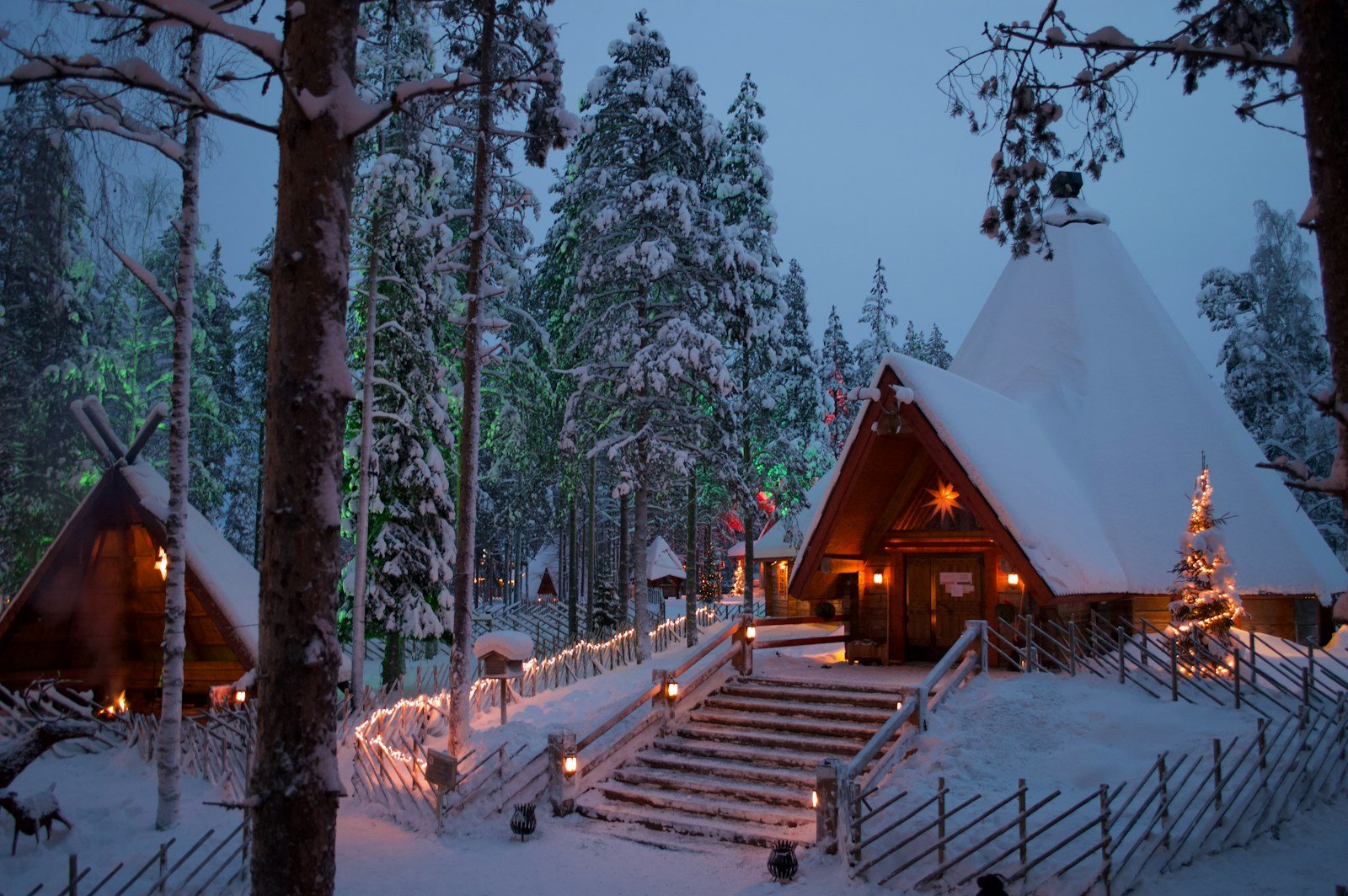
When people think of seeing the Northern Lights in Finland, they often picture Lapland, but the region is much larger than many realise. Popular destinations such as Saariselkä, Ivalo, Levi, Inari, and Kilpisjärvi each offer their own unique Arctic experience, from luxury glass igloos and cosy log cabins to frozen lakes, national parks, and Sámi cultural experiences. While all of these destinations provide excellent opportunities to see the aurora, choosing the right one depends on whether you prefer lively ski resorts, peaceful wilderness, or remote Arctic landscapes.
4-Day Itinerary: Finnish Lapland
- Day 1: Arrive in Rovaniemi or Saariselkä, check into a glass igloo or cabin, evening aurora viewing.
- Day 2: Husky safari, reindeer experience, Northern Lights excursion.
- Day 3: Snowmobiling or cross-country skiing, visit Santa Claus Village (Rovaniemi), evening aurora hunt.
- Day 4: Leisurely morning before departure.
Iceland Is More Than a Northern Lights Destination
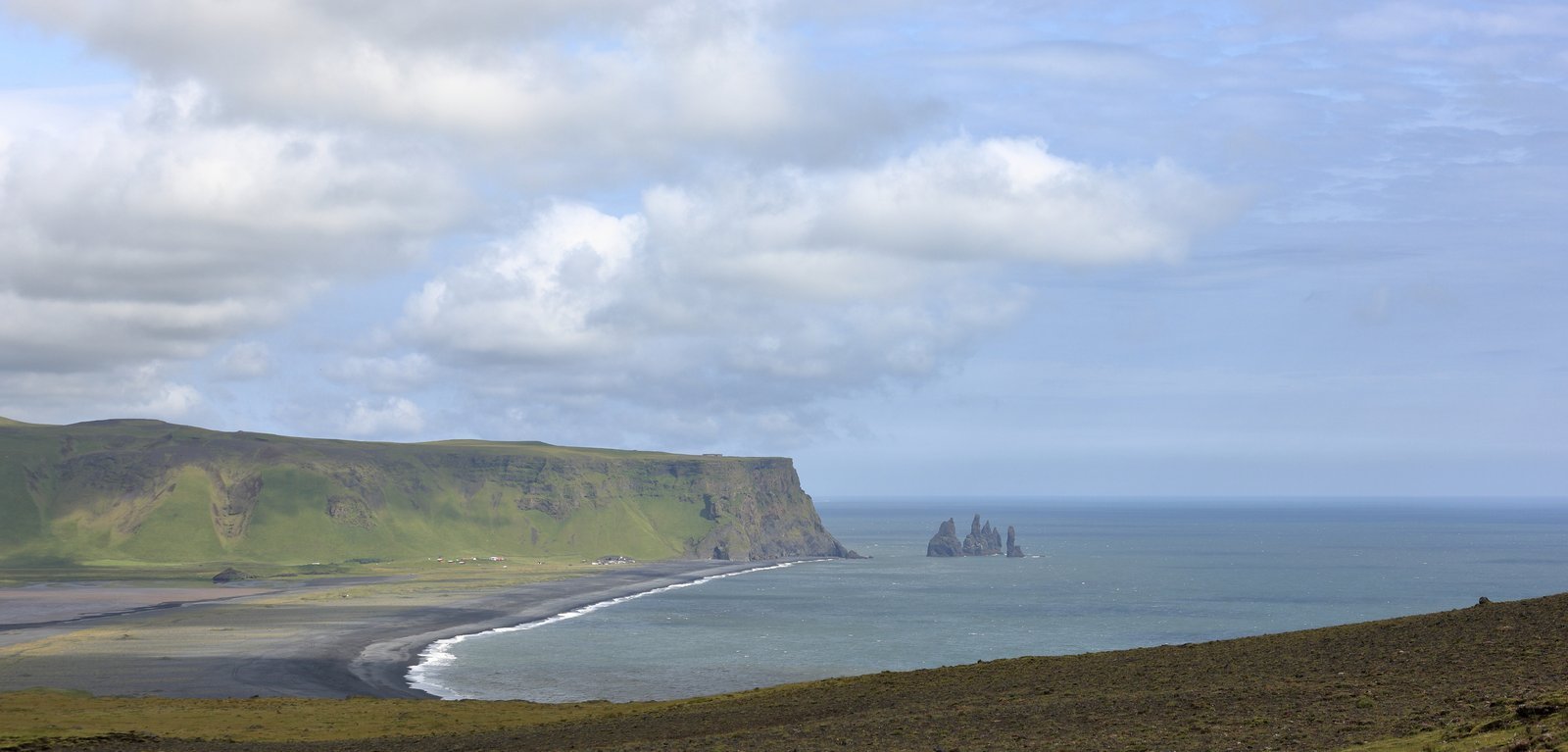
A trip to Iceland shouldn't be planned solely around the Northern Lights. Instead, think of the aurora as one unforgettable highlight of a much bigger adventure. During the day, you can explore dramatic waterfalls, glaciers, volcanoes, black-sand beaches, lava fields, geothermal lagoons, and scenic coastal drives before heading out at night in search of the lights. This combination of incredible landscapes and aurora viewing is what makes Iceland one of the world's most rewarding winter destinations.
5-Day Itinerary: Iceland
- Day 1: Arrive in Reykjavík, Blue Lagoon, evening Northern Lights tour.
- Day 2: Golden Circle, Thingvellir National Park, Geysir, Gullfoss.
- Day 3: South Coast, Seljalandsfoss, Skógafoss, Reynisfjara Beach, evening aurora hunt.
- Day 4: Glacier or ice cave experience (seasonal), return via scenic routes.
- Day 5: Reykjavík sightseeing before departure.

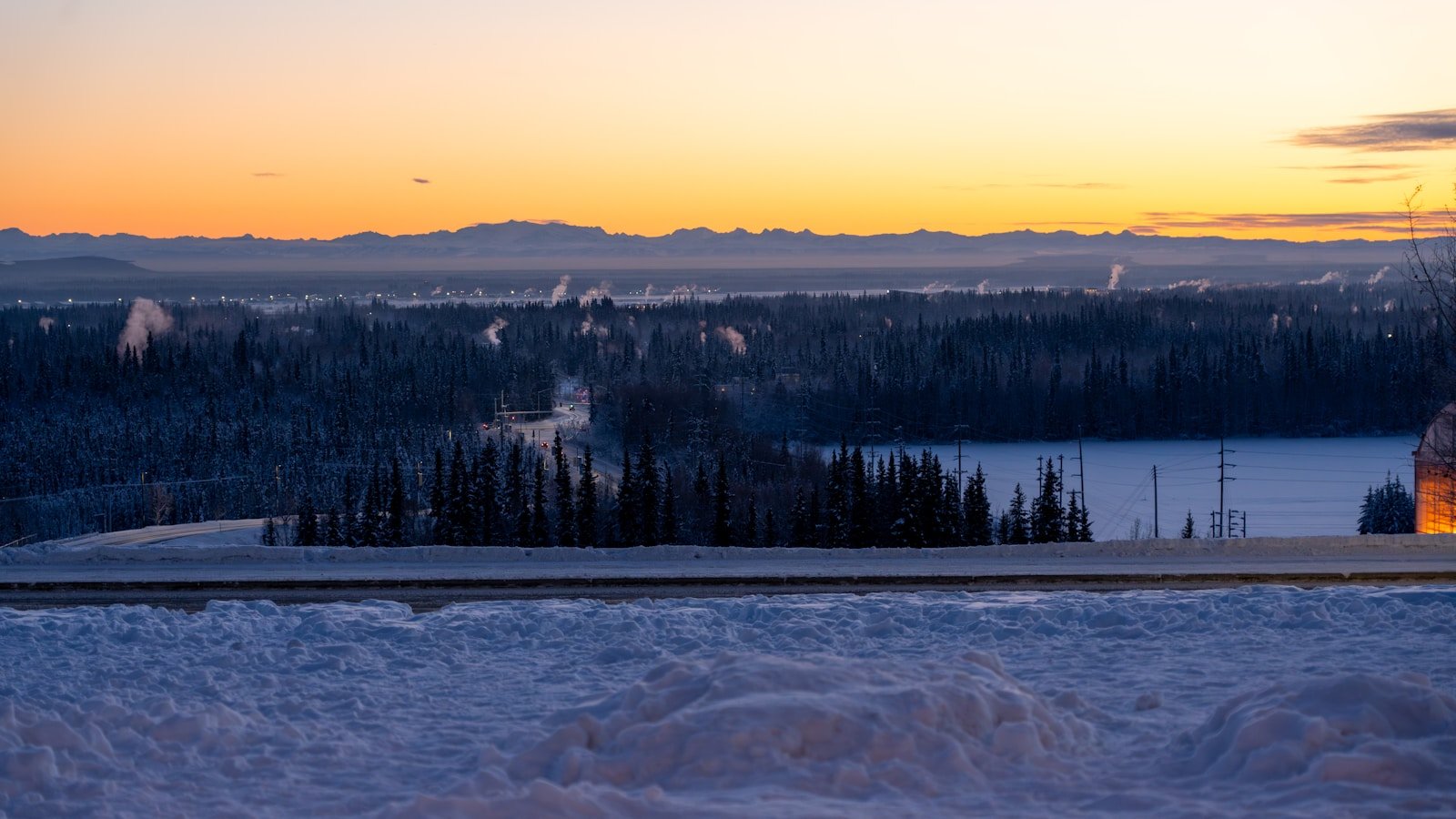
Why Choose Fairbanks, Alaska?
Located beneath the Aurora Oval, Fairbanks is one of North America's most reliable places to see the Northern Lights. Its inland location generally experiences drier weather and clearer skies than many coastal areas, improving the chances of successful aurora viewing. Beyond the lights, Fairbanks offers a wide range of winter experiences, including dog sledding, natural hot springs, ice art festivals, museums, and cultural attractions. It provides a year-round city with well-developed tourism infrastructure.
4-Day Itinerary: Fairbanks, Alaska
- Day 1: Arrive in Fairbanks, explore downtown, evening aurora tour.
- Day 2: Dog sledding, Museum of the North, Chena Hot Springs, Northern Lights viewing.
- Day 3: Ice museum or winter activities, photography session, evening aurora hunt.
- Day 4: Departure.
Why Choose Greenland?
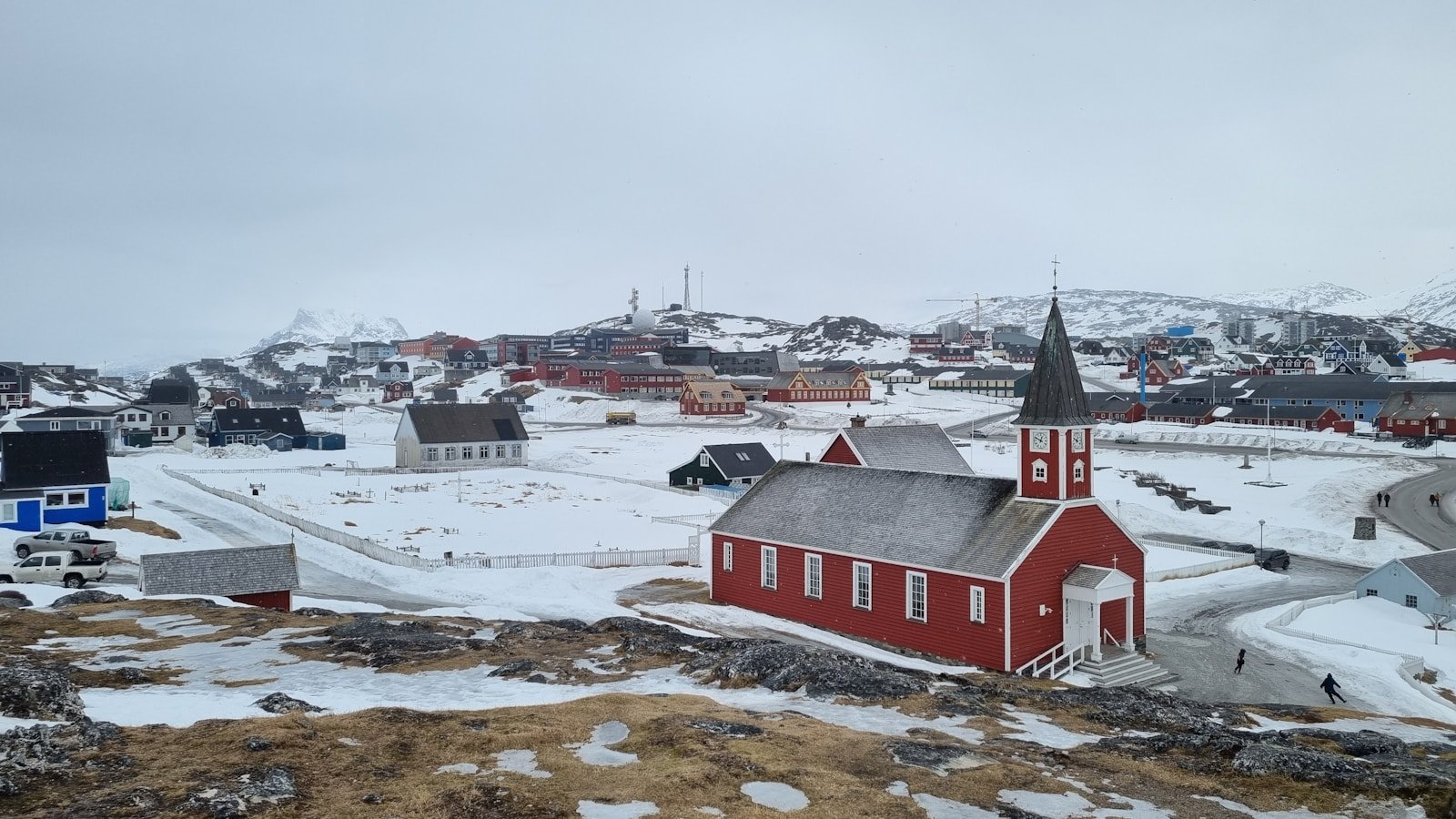
Greenland is the ideal destination for travellers looking to venture beyond the usual Northern Lights hotspots. With minimal light pollution, vast Arctic wilderness, towering icebergs, and remote coastal settlements, it offers one of the most authentic and peaceful aurora experiences in the world. While reaching Greenland requires more planning than destinations like Norway or Iceland, those seeking solitude, dramatic polar landscapes, and fewer crowds will be rewarded with an unforgettable Arctic adventure.
5-Day Itinerary: Greenland
- Day 1: Arrive in Nuuk or Ilulissat, explore the town, evening aurora viewing.
- Day 2: Icefjord cruise or iceberg excursion, local cultural experiences.
- Day 3: Snowshoeing, dog sledding (seasonal), Northern Lights hunt.
- Day 4: Arctic wilderness excursion or hiking (season dependent), final aurora viewing.
- Day 5: Departure.
Which Destination Is Easiest to Reach?
| Destination | Nearest Airport | Easy from Europe? | Easy from North America? |
|---|---|---|---|
| Tromsø, Norway | Tromsø Airport (TOS) | Yes | ◐ Moderate (usually 1–2 connections) |
| Iceland | Keflavík International Airport (KEF) | Yes | Yes |
| Finnish Lapland | Rovaniemi (RVN), Ivalo (IVL) or Kittilä (KTT) | Yes | ◐ Moderate (via Helsinki) |
| Fairbanks, Alaska | Fairbanks International Airport (FAI) | ◐ Moderate (via US hubs) | Yes |
| Greenland | Nuuk (GOH) or Ilulissat (JAV) | ◐ Moderate (via Iceland or Denmark) | More difficult (multiple connections) |
Common Mistakes When Chasing the Northern Lights
- Expecting every aurora to look like Instagram. Professional cameras capture colours and details that aren't always visible to the naked eye. During weaker displays, the aurora may appear as soft grey or pale green streaks rather than the vivid colours seen in edited photos.
- Booking only one night. The weather can change quickly, and cloud cover may hide the lights even when aurora activity is strong. Staying at least 3–5 nights gives you multiple opportunities to experience favourable conditions.
- Staying in cities. City lights reduce visibility and make it harder to appreciate the aurora. For the best experience, head to areas with minimal light pollution or join a guided tour that travels away from urban areas.
- Ignoring cloud cover. Even during periods of high aurora activity, thick clouds will completely block your view. Always check the local weather forecast alongside the aurora forecast before heading out.
- Trusting only the KP Index. The KP Index measures geomagnetic activity, but it doesn't guarantee a visible display at your location. Local weather, cloud cover, darkness, and your latitude are equally important factors.
- Forgetting batteries drain quickly. Cold Arctic temperatures can drain camera and phone batteries much faster than usual. Carry fully charged spare batteries or a power bank and keep them warm inside your jacket when not in use.
- Wearing too few layers. Aurora hunting often involves standing outdoors for long periods in freezing temperatures. Dress in warm layers with insulated boots, gloves, a hat, and thermal clothing so you can stay comfortable while waiting.
- Giving up too early. The Northern Lights can appear suddenly and disappear just as quickly. Be patient, keep watching the sky, and remember that conditions can change within minutes. Many travellers are rewarded simply by waiting a little longer.
Before You Book Your Trip
- Check the moon phase: A darker sky can make weaker aurora displays easier to see and photograph, so many travellers prefer visiting around a new moon when possible.
- Stay at least 3–5 nights: The Northern Lights depend on weather and solar activity, so spending several nights in one destination gives you multiple opportunities if conditions aren't ideal on your first evening.
- Choose accommodation away from light pollution: Staying outside major towns or in countryside lodges, cabins, or glass igloos can provide darker skies and a better viewing experience.
- Download an aurora forecast app: Aurora forecasts and weather apps help you monitor solar activity, cloud cover, and the best times to head outside.
- Keep your schedule flexible: Avoid packing every evening with fixed activities. Being able to change your plans at short notice allows you to take advantage of clear skies and strong aurora activity.
- Keep your expectations realistic: Every Northern Lights display is different. Some nights bring spectacular colours dancing across the sky, while others offer softer, more subtle displays. Enjoy the overall Arctic experience, and treat the aurora as the unforgettable highlight of your trip.
What Are Winter Temperatures Like in the Best Northern Lights Destinations?
| Destination | Typical Winter Temperature |
|---|---|
| Tromsø, Norway | −2°C to −10°C (28°F to 14°F) |
| Iceland | −1°C to 5°C (30°F to 41°F) |
| Finnish Lapland | −10°C to −30°C (14°F to −22°F) |
| Fairbanks, Alaska | −10°C to −25°C (14°F to −13°F) |
| Greenland | −8°C to −20°C (18°F to −4°F) |
Travel Costs
| Destination | Budget (Per Person/Day) | Mid-Range (Per Person/Day) | Luxury (Per Person/Day) |
|---|---|---|---|
| Tromsø, Norway | €120–180 | €250–400 | €500+ |
| Iceland | €130–190 | €250–450 | €550+ |
| Finnish Lapland | €140–200 | €300–500 | €700+ |
| Fairbanks, Alaska | US$120–180 | US$220–350 | US$500+ |
| Greenland | €180–250 | €350–600 | €800+ |
Ways to Save Money
- Book aurora tours and accommodation several months in advance, especially between December and February.
- Choose self-catering apartments or cabins to reduce dining costs.
- If travelling with friends or family, renting a car and sharing accommodation can significantly lower overall expenses, particularly in Iceland and Finland.
Note: Costs vary depending on the season, accommodation type, exchange rates, and included activities such as dog sledding, snowmobiling, or glass igloo stays.
Which Northern Lights Destination Is Best for You?
For First-Time Visitors
Best Choice: Tromsø, Norway
Tromsø is the easiest destination for first-time Northern Lights travellers thanks to its excellent tourism infrastructure, reliable guided aurora tours, and wide range of accommodation. Beyond the lights, you can enjoy fjord cruises, whale watching, dog sledding, and Arctic culture, making it a well-rounded winter holiday even if the weather doesn't cooperate on your first night.
For Couples
Best Choice: Finnish Lapland
If you're looking for a romantic winter escape, Finnish Lapland is hard to beat. Stay in a glass igloo or cosy log cabin, relax beside a fireplace, enjoy husky and reindeer safaris, and watch the Northern Lights from peaceful snow-covered landscapes. It's perfect for honeymoons, anniversaries, or memorable winter getaways.
For Families
Best Choice: Finnish Lapland
Finnish Lapland offers much more than aurora hunting. Families can visit Santa Claus Village, meet reindeer, enjoy husky sledding, snowmobiling, and other winter activities that keep children entertained while waiting for the Northern Lights to appear.
For Solo Travellers
Best Choice: Tromsø, Norway
Tromsø is welcoming, easy to navigate, and packed with organised tours, making it ideal for solo travellers. Joining guided aurora excursions is a great way to meet fellow travellers while exploring the Arctic safely and comfortably.
For Travellers Who Love Photography
Best Choice: Tromsø, Norway
Tromsø combines dramatic fjords, snow-covered mountains, frozen beaches, and spectacular aurora displays, creating some of the world's most photogenic Arctic landscapes. Many guided tours also include photography assistance, helping you capture the Northern Lights even if you're new to night photography.
For Luxury Travellers
Best Choice: Finnish Lapland
From luxury glass igloos and boutique Arctic lodges to private aurora experiences and fine dining, Finnish Lapland offers one of the most exclusive Northern Lights holidays. It's ideal for travellers seeking comfort without sacrificing adventure.
For Adventure Seekers
Best Choice: Iceland
Iceland combines Northern Lights viewing with unforgettable outdoor adventures. Spend your days exploring waterfalls, glaciers, volcanoes, black-sand beaches, lava fields, and geothermal hot springs before heading out each evening in search of the aurora.
For Road Trip Lovers
Best Choice: Iceland
If you enjoy the freedom of driving at your own pace, Iceland is the perfect choice. A self-drive itinerary allows you to chase clear skies while discovering the country's incredible natural attractions along the famous Ring Road or the South Coast.
For North American Travellers
Best Choice: Fairbanks, Alaska
Fairbanks offers one of North America's most reliable aurora viewing locations, making it a convenient option for travellers who want to experience the Northern Lights without travelling to Europe. It also features hot springs, dog sledding, museums, and winter festivals.
For Remote Arctic Wilderness
Best Choice: Greenland
If you dream of escaping the crowds, Greenland offers a truly remote Arctic experience. With vast wilderness, towering icebergs, minimal light pollution, and small coastal communities, it's ideal for experienced travellers seeking solitude and spectacular polar landscapes.
Guided Aurora Tours
Tromsø, Norway
Iceland
Finnish Lapland
Fairbanks, Alaska
Greenland
Frequently Asked Questions
Can I see the Northern Lights without joining a tour?
Yes. In destinations such as Iceland, Norway, Finland, and Alaska, many travellers successfully see the aurora on self-drive trips. However, guided tours can improve your chances because local guides monitor weather conditions and know the best viewing locations.
Do the Northern Lights look as colourful as they do in photos?
Not always. During weaker displays, the aurora may appear pale green, grey-green, or white to the naked eye. Cameras often capture brighter colours because they use longer exposure times. Strong aurora displays, however, can still produce vivid greens, purples, and reds visible without a camera.
What causes the Northern Lights?
The Northern Lights are created when charged particles from the Sun collide with gases in Earth's upper atmosphere, producing colourful displays of light. The most common colour is green, although purple, pink, red, and blue can also appear during stronger aurora activity.
What should I pack for a Northern Lights trip?
Pack thermal base layers, insulated winter clothing, waterproof boots, warm gloves, a hat, wool socks, and a scarf. If you plan to photograph the aurora, bring a tripod, spare batteries, and a power bank, as cold temperatures can quickly drain electronic devices.
Which destination is best for a luxury Northern Lights holiday?
Finnish Lapland is the top choice for luxury travellers, offering glass igloos, boutique Arctic lodges, private aurora experiences, fine dining, and a wide range of premium winter activities.
Is seeing the Northern Lights guaranteed?
No. The Northern Lights are a natural phenomenon and can never be guaranteed. Your chances improve by travelling during the aurora season, staying for several nights, monitoring weather and aurora forecasts, and choosing destinations with dark skies and minimal light pollution.
Can you see the Northern Lights every night?
No. Even in the world's best Northern Lights destinations, sightings are never guaranteed. The aurora depends on solar activity, clear skies, and darkness, so cloud cover or low geomagnetic activity can prevent a display.
Is September better than December for seeing the Northern Lights?
Both months offer excellent opportunities, but they provide different experiences. September typically brings milder temperatures, colourful autumn landscapes, and a higher chance of clear skies in many destinations. December, on the other hand, offers long Arctic nights, festive winter scenery, and snow-covered landscapes, although cloud cover and winter storms can be more common. If your priority is photography and comfortable conditions, September is an excellent choice, while December is perfect for a classic winter wonderland experience.
Which country has the highest chance of seeing the Northern Lights?
Norway — particularly Tromsø — is widely considered the best overall destination thanks to its location beneath the Aurora Oval, excellent guided tours, and strong tourism infrastructure. However, Iceland, Finnish Lapland, Fairbanks (Alaska), and Greenland also offer outstanding viewing opportunities under the right conditions. Rather than focusing only on the highest chance of a sighting, choose the destination that best matches the type of Arctic holiday you want to experience.
Quick Decision Guide
| Destination | What It Provides |
|---|---|
| Tromsø, Norway | The highest chance of seeing the Northern Lights, excellent guided tours, and a well-rounded Arctic experience. |
| Iceland | A scenic self-drive adventure combining the aurora with waterfalls, glaciers, volcanoes, and geothermal hot springs. |
| Finnish Lapland | A cosy winter escape with glass igloos, reindeer experiences, husky safaris, and family-friendly activities. |
| Fairbanks, Alaska | Reliable aurora viewing in North America with dog sledding, hot springs, and easy accessibility. |
| Greenland | A remote Arctic adventure with fewer crowds, dramatic icebergs, untouched wilderness, and exceptionally dark skies. |
Ready to choose?
Turn this comparison into your perfect Northern Lights itinerary
Once you've decided whether Norway, Iceland, Finnish Lapland, Alaska, or Greenland best matches your travel style, open Honge with your preferred destination and customise every detail. Adjust the number of days, add unforgettable Arctic experiences, choose the accommodation that suits your budget, and build a Northern Lights adventure that's uniquely yours.
Related itineraries
- 7-Day Finnish Lapland Itinerary: Sauna, Snow & Northern Lights
- Bali or Thailand? How to Choose Your First Southeast Asia Trip
- 11-Day Yellowstone & Grand Teton Family Road Trip Itinerary
- 7-Day Iceland Ring Road Itinerary for First-Timers
- Iceland Winter Itinerary: Northern Lights & Hot Springs
- 10-Day Australia Family Wildlife Itinerary: Sydney to Great Ocean Road
- 12-Day Italy Itinerary: Milan to the Amalfi Coast
Written by
This blog was contributed by Sheba M, a travel enthusiast and writer. Sheba can be reached at shebaranjitha@gmail.com.
About Honge
Honge is an AI travel planning platform that helps travellers turn destination ideas into realistic, customisable itineraries.
Image credits: Photos are sourced from Unsplash and Wikimedia Commons. Copyright remains with the photographers and rights holders. Unsplash images are used under the Unsplash License. Wikimedia Commons images are used under their applicable Creative Commons license terms.
Travel disclaimer
This guide is intended as general travel inspiration and planning guidance only — not as personalized travel advice. Conditions change. Before you travel, check the current entry requirements, visa rules, and any travel advisories issued by your government for your destination. Review weather forecasts for your specific travel dates, confirm opening hours and ticket availability for attractions directly, and take out comprehensive travel insurance that covers medical, cancellation, and disruption. Honge is not responsible for any changes to conditions, services, or experiences described in this article after the date of publication.