
By the time we started planning this trip, neither of us needed another vacation, at least not the kind we had been taking recently.
Start with this itinerary
Open this route in Honge as your starting point, then shape the days, stays, and pace around how you travel.
The previous few years had been good professionally. Work was busy, careers were moving in the right direction, and our calendars were permanently full. We were fortunate enough to travel regularly, but somewhere along the way our vacations had started resembling projects. Every destination came with a list. Every day had objectives. Every evening involved checking maps, reservations, opening hours, and plans for the following morning.
We would return home with thousands of photographs and a vague feeling of exhaustion.
This time we wanted something different.
We were not looking for beaches, cities, museums, shopping districts, or restaurant reservations six months in advance. Most importantly, we were not looking for a trip that could be measured by how much we managed to see.
That is how we ended up in Iceland in January, even though friends questioned the decision immediately: "Why would you go to Iceland in the middle of winter?" It was a fair question.
The days are short. The weather is unpredictable. Roads close unexpectedly. Snowstorms are common. Entire excursions get cancelled without warning.
But those were beginning to sound less like disadvantages and more like exactly what we needed.
Why We Chose Iceland Instead of a Traditional Winter Escape
Most winter vacation recommendations tend to follow a predictable pattern: fly somewhere warm, find a beach, and spend a week escaping winter.
We briefly considered the usual options. Southern Europe. Southeast Asia. The Caribbean.
The problem was that none of them addressed the thing we were actually tired of.
We were not exhausted by cold weather. We were exhausted by constant stimulation.
What attracted us to Iceland was the opposite: silence, darkness, weather that could not be controlled, and a landscape so large and indifferent that it instantly shrinks the importance of unread emails and quarterly targets.
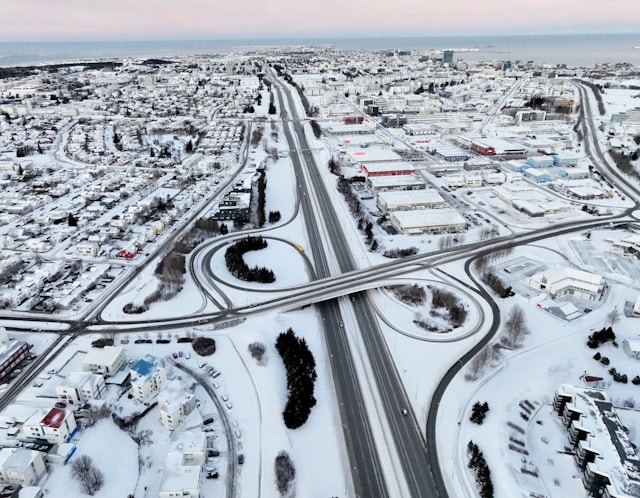
Instead of fighting winter, we decided to spend ten days leaning into it.
Reykjavik and the Strange Relief of Not Having Much to Do
Reykjavik turned out to be the perfect introduction.
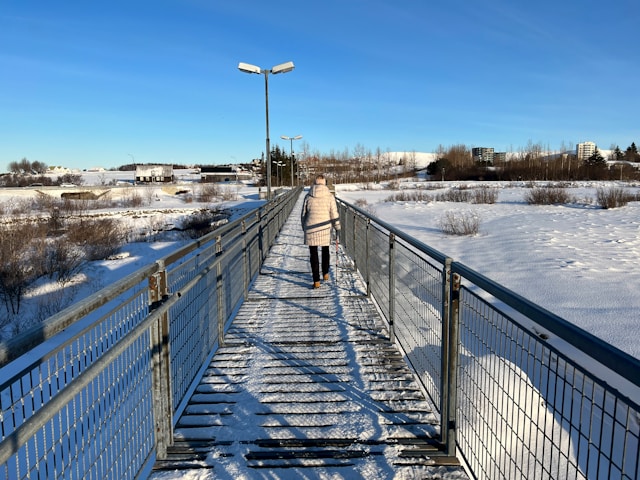
Calling it a capital city almost feels misleading.
Compared to London, Tokyo, New York, or even Copenhagen, Reykjavik feels surprisingly small.
There are excellent cafés, restaurants, bookstores, museums and waterfront walks, but nobody seems to be in a hurry.
The first few days revealed an uncomfortable truth: we did not know how to slow down.
Even after arriving, our instinct was to maximize the itinerary. Should we drive somewhere, visit another museum, see another landmark?
Eventually we stopped asking.
Instead we spent long mornings lingering over coffee while daylight slowly emerged around ten in the morning.

Locals appeared entirely comfortable with the darkness. Nobody seemed eager to compensate for it; life simply adjusted, and the city felt built around the assumption that people should spend more time indoors during winter.
There was something surprisingly comforting about that.
The Blue Lagoon Was Better Than We Expected
We almost skipped it.
The Blue Lagoon is so heavily photographed that it risks feeling like a tourism cliché.
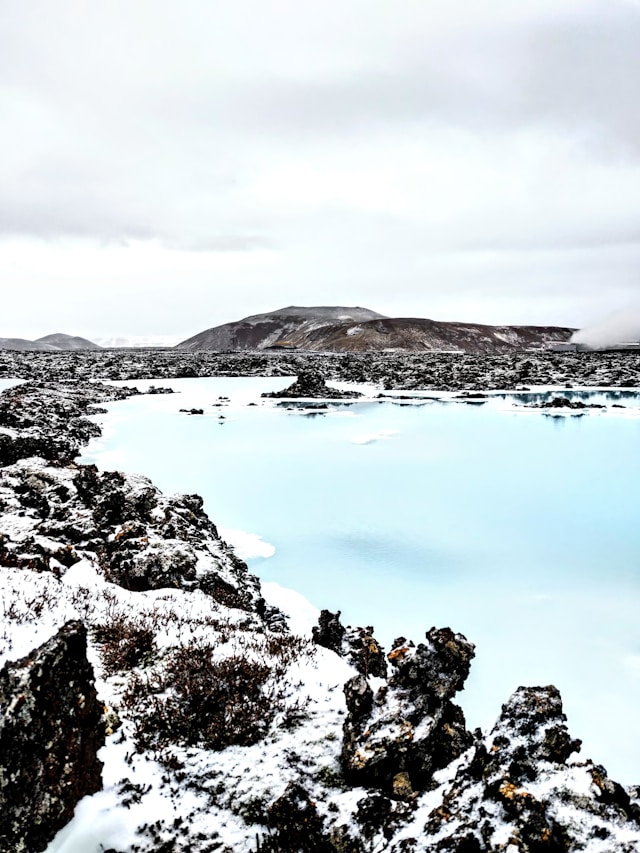
But after an overnight flight, stepping into steaming geothermal water while snow drifted through the air felt almost absurdly pleasant.
The contrast never stopped feeling strange: cold air on your face, hot mineral water around your body, volcanic rock disappearing into mist.
At home, relaxation often becomes another task. Book the massage, schedule the wellness treatment, optimize recovery.
The Blue Lagoon worked because there was nothing to optimize. You simply sat there for hours if you wanted, and nobody expected anything else.
That turned out to be an unexpectedly recurring theme throughout Iceland.
The South Coast and Letting the Weather Decide
Initially we had a detailed driving plan for the South Coast: waterfalls, black sand beaches, glaciers, ice caves, and scenic viewpoints.
The weather dismantled those plans almost immediately.
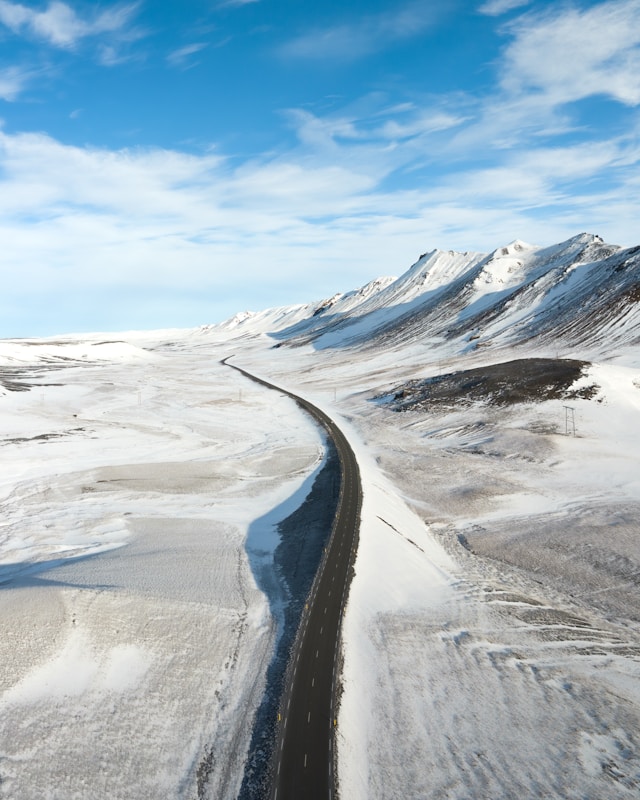
A storm arrived during our second day outside Reykjavik. Road conditions changed, visibility disappeared, and several planned stops suddenly became impractical.
At first we reacted the way we always did: rearrange everything, find alternatives, recover lost opportunities.
Then gradually we stopped fighting it. The weather was going to win every argument anyway, and once we accepted that, the trip became far more enjoyable.
Some of our favorite memories came from places we never intended to stop, including a roadside café while waiting for a storm to pass.
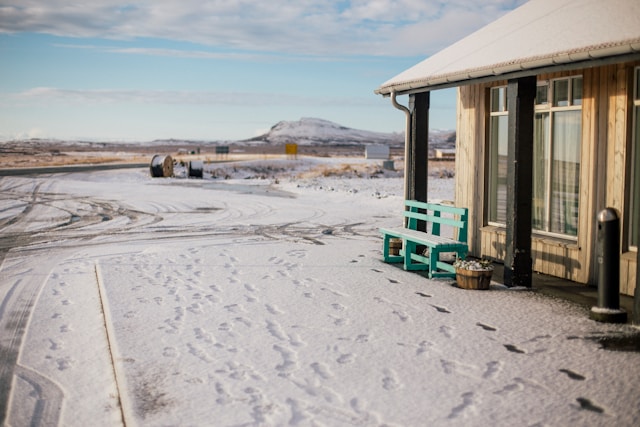
There was also a tiny fishing village we found accidentally because of a road closure, and an empty viewpoint where the landscape briefly emerged from snow and fog before disappearing again.
Iceland repeatedly reminded us that nature was in charge, and oddly enough, that felt liberating.
Chasing the Northern Lights Without Obsessing Over Them
The Northern Lights create a strange psychological trap. Every evening becomes a possibility: maybe tonight, maybe tomorrow, maybe not at all.
We deliberately tried not to build the trip around them, which was easier said than done.
Every night involved checking forecasts: cloud cover, solar activity, aurora predictions.
Several evenings ended in disappointment. Long drives produced nothing, clouds appeared at exactly the wrong moment, and the sky remained stubbornly empty.
Then, several days into the trip, it finally happened.
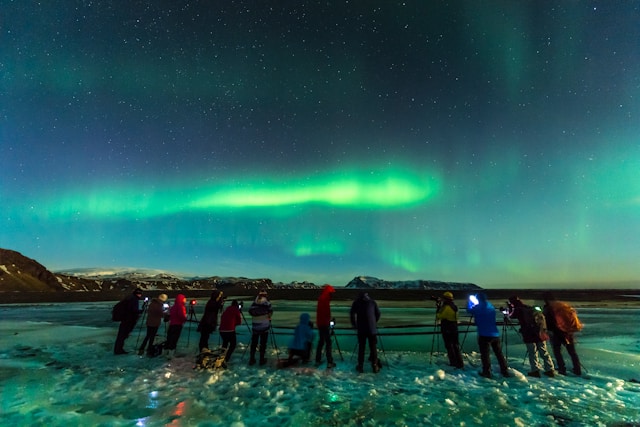
Not during a dramatic excursion, not from a famous viewpoint, and not after hours of planning.
We were driving back toward our guesthouse when somebody pointed upward.
At first it looked like a cloud. Then it moved slowly and silently, green light stretching across the sky before gradually expanding overhead.
Nobody spoke very much. Photographs were attempted and mostly failed.
For perhaps twenty minutes, the sky performed without any concern for whether we captured it properly.
Then it disappeared, and the memory remains clearer than any image we brought home.
Hot Water, Wool Sweaters and Long Evenings
One thing Iceland does exceptionally well is comfort, not luxury. There is a difference: luxury often tries to impress you, while comfort simply helps you relax.
Most evenings followed a similar rhythm. Return before darkness fully settled, remove several layers of winter clothing, find somewhere warm, order soup, drink coffee, read, talk, and watch snow accumulate outside.
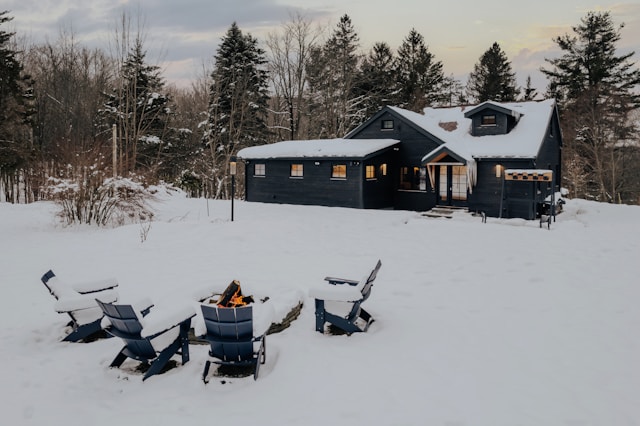
Then repeat. Icelandic lamb soup became a regular companion, as did fresh bread, seafood stews, cinnamon buns, and an alarming quantity of coffee.
The country seems to have collectively accepted that winter requires warmth in every possible form: good food, hot water, wool, candles, and conversation.
The longer we stayed, the more appealing that philosophy became.
The Unexpected Gift of Darkness
Before visiting Iceland, we viewed short winter days as a disadvantage. By the end of the trip, they felt like one of its greatest strengths.
Darkness changes behavior. You stop trying to fit twelve hours of activities into every day, stop feeling guilty about sitting in a café, and stop treating rest as something that must be earned.
The world becomes smaller: weather, light, food, warmth, sleep. Somehow that smaller world starts feeling more manageable.
Back home, our attention is constantly fragmented. Iceland felt like the opposite.
For ten days, life became simpler. Not easier, just simpler.
Practical Notes for Planning Iceland in January
A January Iceland winter trip needs more buffer than a summer route. We treated 7 to 10 days as the right range for Reykjavik, the Blue Lagoon, South Coast driving, hot springs, and several northern lights attempts without turning every weather change into a crisis.
Daylight is limited in January, so the usable sightseeing window is short. That does not make the trip worse, but it does change the planning logic: shorter drives, fewer fixed reservations, and more realistic expectations matter more than trying to cover the full Ring Road.
For winter driving, we checked official road and weather tools before committing to longer routes. The most useful references were road.is for Iceland road conditions, the Icelandic Meteorological Office for weather, and its aurora forecast for cloud cover and northern lights context.
The Blue Lagoon also works better with advance planning. Timed entry can sell out, so checking the official Blue Lagoon site before locking the day is safer than treating it as a spontaneous stop.
Our simplest packing lesson was to prioritize layers over heavy single-purpose clothing: thermal base layers, windproof outerwear, waterproof shoes, gloves, a warm hat, lip balm, and a swimsuit for geothermal pools. Camera gear mattered less than we expected; warm hands and dry feet mattered more.
Why We Returned Home Feeling Different
We did not see everything. We did not drive the entire Ring Road. We missed attractions that appear in almost every Iceland itinerary, and several plans failed completely.
And yet this remains one of the most restorative trips we have ever taken because the goal was never to accomplish Iceland. The goal was to step away from a life that had become permanently optimized, and Iceland happened to provide the perfect environment for that experiment.
The weather forced flexibility, the darkness encouraged rest, and the landscape demanded perspective.
And somewhere between geothermal pools, snowstorms, coffee breaks, and long winter evenings, we remembered something surprisingly simple.
A successful trip does not always leave you exhilarated. Sometimes the best journeys leave you quieter than when you arrived, and for us, that was exactly what Iceland in winter delivered.
FAQ
Is Iceland worth visiting in winter?
Yes, if you are comfortable with short days, changing weather, flexible plans, hot springs, winter landscapes, and the possibility of northern lights. Iceland in winter is especially strong for slower travel, couples trips, and off-season atmosphere rather than checklist sightseeing.
Can you rely on a fixed Iceland winter itinerary?
Not completely. Iceland winter weather can close roads and cancel excursions, so a successful January itinerary needs buffers, shorter driving days, and a willingness to change plans after checking official road and weather updates.
Is the Blue Lagoon worth visiting in winter?
For us, yes. In winter, the contrast of steaming geothermal water, snow, mist, and volcanic rock felt deeply restorative. Timed entry should be booked ahead through the official Blue Lagoon site because popular slots can sell out.
Should you plan an Iceland winter trip around the northern lights?
It is better to treat the northern lights as a possibility rather than the entire purpose of the trip. The best time to see northern lights in Iceland is generally during the dark season, but aurora forecasts, cloud cover, and weather still decide what happens.
How many days do you need for an Iceland winter trip in January?
Seven to ten days works well for a slower Iceland winter trip focused on Reykjavik, the Blue Lagoon, the South Coast, hot springs, and northern lights attempts. The extra days matter because winter weather can disrupt driving and activities.
Ready to make it yours?
Customize this itinerary with AI
Now that you've seen the full route, use Honge to tailor stays, activities, and day-by-day pacing to your trip.
Related itineraries
- Where to See the Northern Lights: Best Places, When to Go, and How to Plan Your Trip
- 15-Day New Zealand Couples Road Trip: Auckland to Queenstown
- India Monsoon Itinerary: Kerala to Meghalaya
- Cappadocia Itinerary: Cave Hotels, Valleys & Hot Air Balloons
- Ethiopia Coffee Trip Itinerary: Addis, Highlands & Coffee Ceremony
- 10-Day South Africa Itinerary: Cape Town, Winelands & Londolozi
About The Author
Honge is a travel planning platform focused on practical, experience-led itineraries. Our editorial travel stories combine first-person route context, local friction, and planning realism so readers can convert inspiration into workable plans. We prioritise authentic content over checklist-style travel guidance.
Image credits: Photos are sourced from Wikimedia Commons and Unsplash. Copyright remains with the respective photographers and rights holders. Images from Wikimedia Commons are used in accordance with their applicable licensing terms, including the Creative Commons Attribution-Share Alike 4.0 International license where noted. Unsplash images are used in accordance with the Unsplash License.
Travel disclaimer
This itinerary is intended as general travel inspiration and planning guidance only — not as personalised travel advice. Conditions change. Before you travel, check the current entry requirements, visa rules, and any travel advisories issued by your government for your destination. Review weather forecasts for your specific travel dates, confirm opening hours and ticket availability for attractions directly, and take out comprehensive travel insurance that covers medical, cancellation, and disruption. Honge is not responsible for any changes to conditions, services, or experiences described in this article after the date of publication.