
Start with this itinerary
Open this Chile itinerary in Honge as your starting point, then shape the pace around Santiago's historic streets, Atacama landscapes, high-altitude lagoons, desert sunsets and stargazing nights.
Introduction
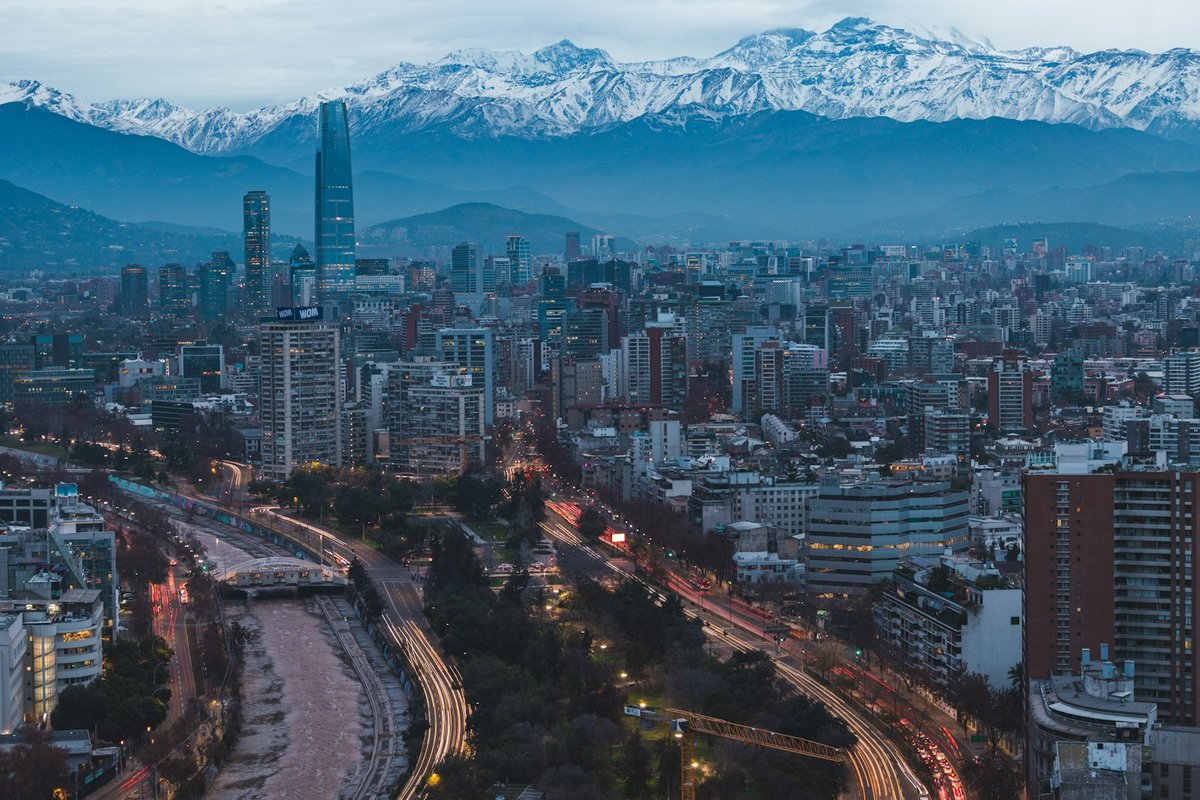
Chile is a country of dramatic contrasts. Santiago sits beneath the Andes, with historic squares, lively neighbourhoods, markets and restaurants giving way to mountain views. Further north, the Atacama feels like another planet: salt flats, volcanoes, flamingo-filled lagoons, geysers and wide desert silence.
This 8-day route keeps those two very different experiences together without trying to cover too much of Chile. Spend two days getting to know Santiago, then fly north to Calama and settle into San Pedro de Atacama for five nights of desert excursions, high-altitude scenery and some of the clearest night skies you can experience.
Urban culture → high desert → lagoons → geysers → stargazing — one domestic flight and one main desert base.
How Many Days in Chile Is Enough?
Eight days is enough for Santiago plus a focused Atacama base: two city nights, then five in San Pedro for Valley of the Moon, Altiplano lagoons, El Tatio and stargazing. Skip Patagonia, Easter Island and Torres del Paine in this window; add Valparaíso if you have 10 days.
Keep the structure tight: one city base and one desert base linked by a single domestic flight. Trying to add Torres del Paine, Easter Island or a long Patagonia leg into the same eight days usually turns the middle of the trip into airport logistics.
The strongest version is this one: Santiago for arrival and culture, San Pedro for the main desert excursions with rest built in after high-altitude days, then fly back for your international departure. Use the extension ideas below if you can stay longer.
Why This Itinerary Works
- Two very different Chiles: Start with Santiago's history, neighbourhoods and food before heading into the remote Atacama.
- A manageable route: Only one domestic flight and one main desert base keep logistics simple.
- Big landscapes without constant hotel changes: San Pedro works well as the base for the main excursions.
- A mix of active and slower days: Combine early starts and high-altitude excursions with relaxed afternoons and evenings.
- One unforgettable night: Leave room for a dedicated stargazing experience rather than treating it as an afterthought.
Good to Know
- Altitude matters: San Pedro sits at about 2,400 metres. Valley of the Moon is similar; the Altiplano lagoons and El Tatio climb to about 4,200–4,320 metres. Do not plan those highest excursions on the afternoon you arrive.
- The desert can be surprisingly cold: El Tatio starts before sunrise and can be extremely cold.
- The sun is intense: Altitude, dry air and strong sun mean sunglasses, sunscreen, a hat and plenty of water are worth carrying every day.
- Excursions start early: Some of the best experiences happen around sunrise or in the cooler parts of the day. Build your itinerary around excursion times rather than assuming every day starts slowly.
- Do not overplan San Pedro: The town is compact and atmospheric, but the major reason to base yourself here is the surrounding landscape. Leave downtime between excursions.
Before You Go
- Book Santiago–Calama return flights early; morning departures leave more daylight for the transfer to San Pedro.
- Pre-book Valley of the Moon, Altiplano lagoons, El Tatio and stargazing tours through registered operators, especially in peak months.
- Pack layers for desert cold as carefully as you pack for strong sun — thermal base layers, a windproof jacket, hat and gloves for El Tatio.
- Confirm Cerro San Cristóbal funicular and cable-car hours on the Chile Travel Cerro San Cristóbal page before Day 2.
Journey Overview
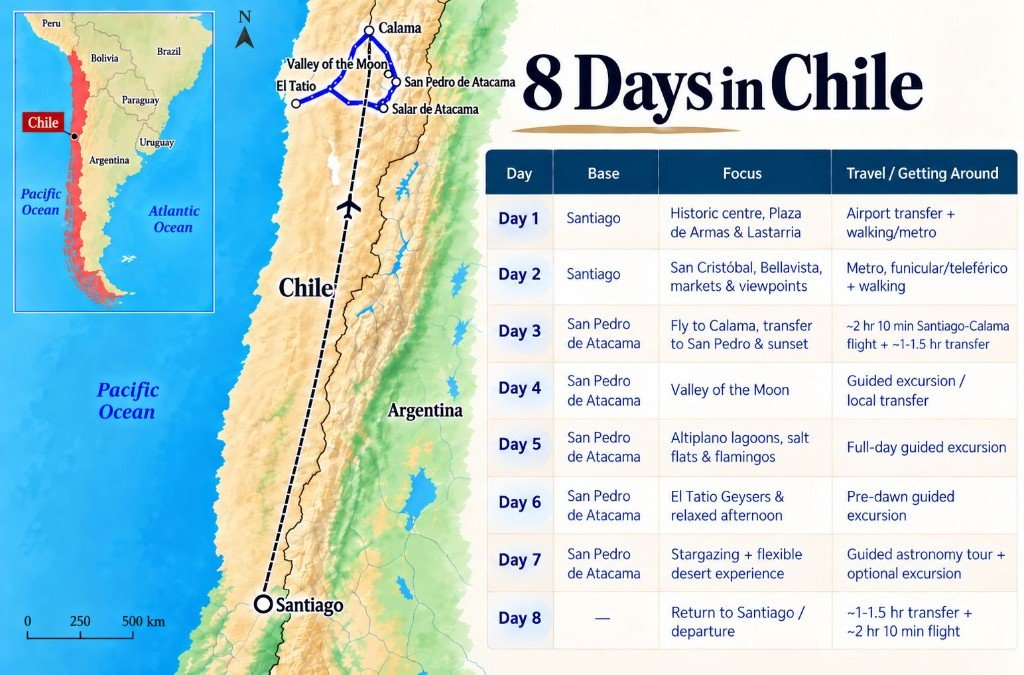
The route begins in Santiago, then flies north to Calama before continuing to San Pedro de Atacama, the main base for exploring the Atacama Desert. From San Pedro, the itinerary branches out to Valley of the Moon, the Altiplano lagoons and El Tatio before returning to Calama and flying back to Santiago.
| Day | Base | Focus | Travel / getting around |
|---|---|---|---|
| Day 1 | Santiago | Historic centre, Plaza de Armas and Lastarria | Airport transfer + walking / metro |
| Day 2 | Santiago | San Cristóbal, Bellavista, markets and viewpoints | Metro, funicular / teleférico + walking |
| Day 3 | San Pedro de Atacama | Fly to Calama, transfer to San Pedro and sunset | ~2 hr 10 min Santiago→Calama flight + ~1–1.5 hr transfer |
| Day 4 | San Pedro de Atacama | Valley of the Moon (Valle de la Luna) | Guided excursion / local transfer |
| Day 5 | San Pedro de Atacama | Altiplano lagoons, salt flats and flamingos | Full-day guided excursion |
| Day 6 | San Pedro de Atacama | El Tatio Geysers and a relaxed afternoon | Pre-dawn guided excursion |
| Day 7 | San Pedro de Atacama | Stargazing + flexible desert experience | Guided astronomy tour + optional short excursion |
| Day 8 | — | Return to Santiago / departure | ~1–1.5 hr transfer + ~2 hr 10 min flight to Santiago |
Route Map
Day 1 — Santiago: Historic Centre, Markets & Lastarria
After arriving at Santiago Airport (SCL), check in and — if you land early enough — start at Plaza de Armas, Santiago's historic heart. Visit the Metropolitan Cathedral and continue towards La Moneda Palace. For lunch, head to Mercado Central for seafood or a traditional Chilean empanada. In the afternoon, walk up Cerro Santa Lucía for city views before continuing into Lastarria. A late-evening arrival is better spent on check-in and a nearby dinner; the historic-centre loop then moves to Day 2.
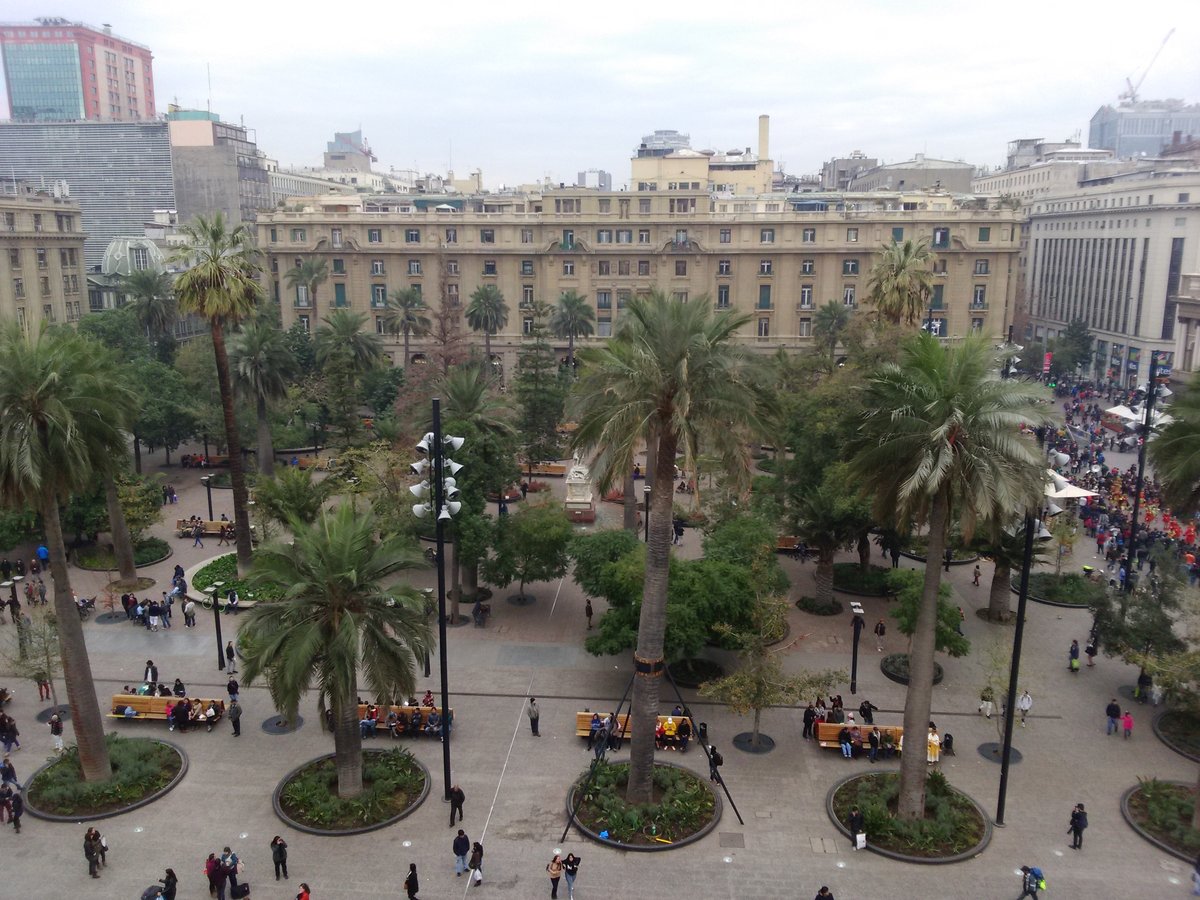
Spend the evening around Lastarria, browsing cafés, galleries and boutiques. Keep the evening relaxed after your arrival — Lastarria works well as a first-night base because many restaurants sit within walking distance. Chile Travel's Santiago guide is a useful overview.
- Morning / afternoon: Plaza de Armas, cathedral, La Moneda, Mercado Central and Cerro Santa Lucía.
- Evening: Dinner and a short walk in Lastarria.
Day 2 — Santiago: San Cristóbal, Bellavista & City Views
Head to Cerro San Cristóbal in the morning, reaching the summit by funicular or teleférico for sweeping views across Santiago and towards the Andes. Confirm current opening hours before you go. Continue into Bellavista, known for colourful streets, murals, cafés and restaurants, with the option to visit La Chascona.
Later, visit Sky Costanera for another perspective over the city, ideally around sunset. If you prefer more recent history, swap this for the Museum of Memory and Human Rights; otherwise, finish the day with dinner in Bellavista or Lastarria.
- Morning: Cerro San Cristóbal and the descent into Bellavista.
- Afternoon / evening: Sky Costanera or the Museum of Memory, then dinner nearby.
Day 3 — Santiago → Calama → San Pedro de Atacama
Fly from Santiago to Calama (El Loa, CJC). Direct flights typically take about 2 hours 10 minutes. Then take a transfer of roughly 1–1.5 hours along Ruta 23 to San Pedro de Atacama, about 100 km from the airport. After checking in, keep the afternoon easy and explore San Pedro's adobe-lined streets, central plaza and small cafés.
If you still have energy, stay into sunset for the changing colours across the desert; otherwise, keep the evening relaxed. San Pedro is already at about 2,400 metres, so use the first afternoon to hydrate, move slowly and settle in before higher-altitude tours begin. See also Chile Travel's Atacama and Altiplano overview.
- Morning: Flight to Calama and road transfer to San Pedro.
- Afternoon / evening: Easy town walk, hydration and an early night.
Day 4 — Valley of the Moon (Valle de la Luna)
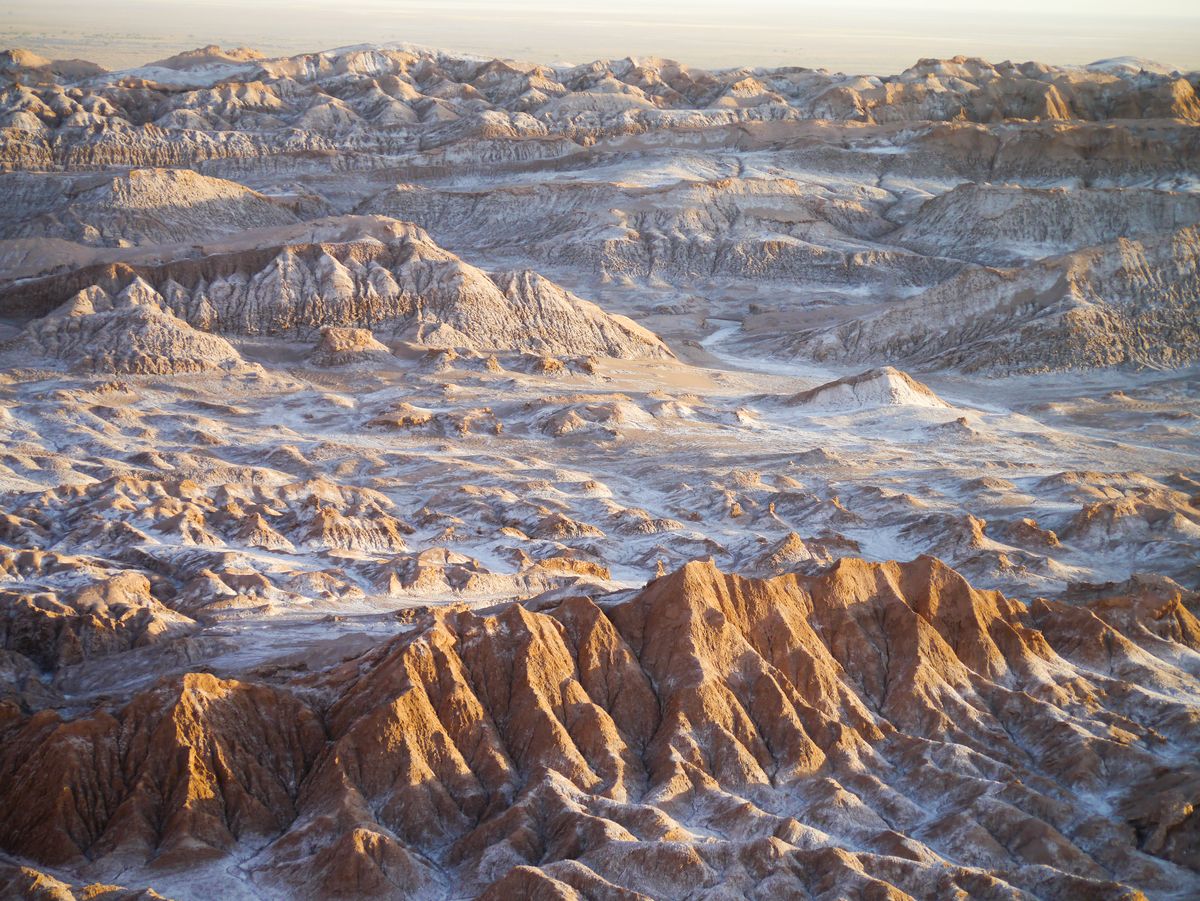
Spend the afternoon exploring Valley of the Moon (Valle de la Luna), where salt formations, eroded ridges and dramatic desert valleys create some of the Atacama's most unusual scenery. Located close to San Pedro, it makes an easy first excursion. Check timings and book tickets in advance on the official site.
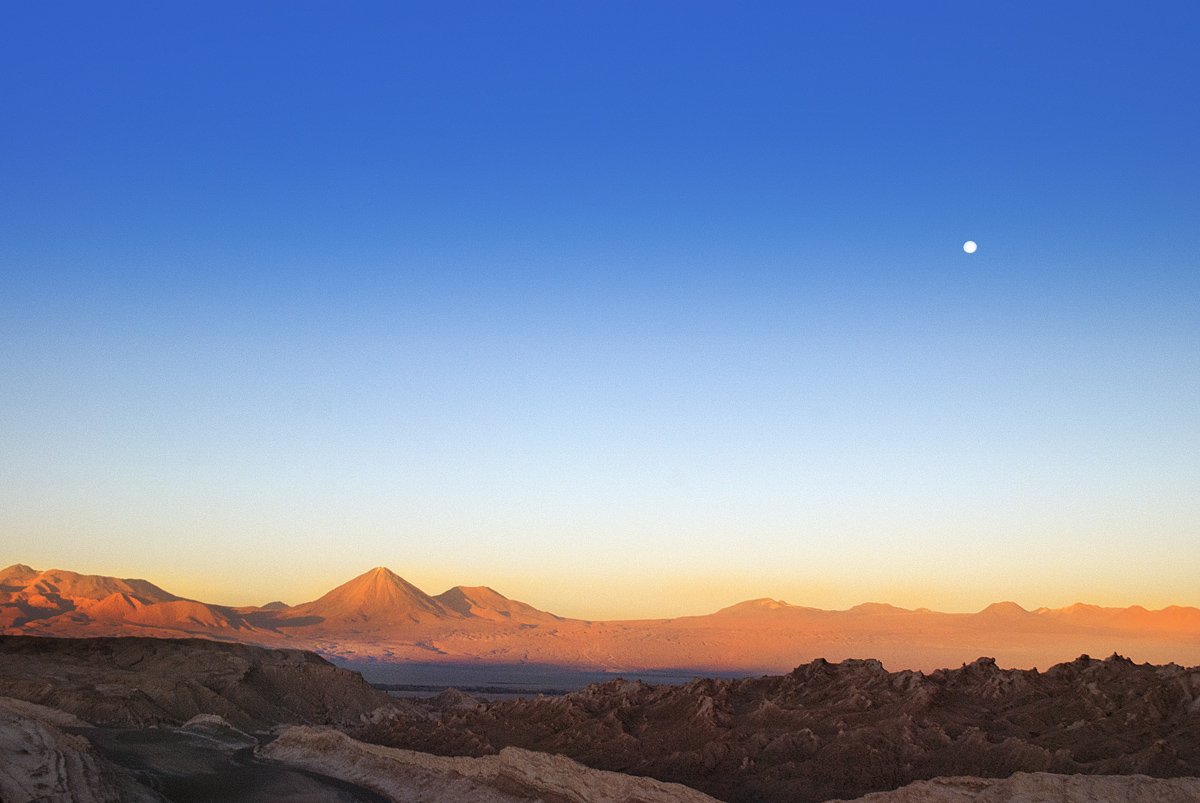
If you feel well after the journey, a gentle sunset outing works well; otherwise, keep the evening free to rest and acclimatise.
Did you know? The Atacama Desert is one of the driest places on Earth. Its exceptionally dry, clear skies have also made the region important for astronomical research and Mars-like environmental studies.
- Afternoon: Valle de la Luna on a half-day tour, ideally timed toward sunset.
- Evening: Quiet dinner in San Pedro and rest.
Day 5 — Altiplano Lagoons: Salt Flats, Flamingos & Volcanoes
Take a full-day excursion toward the Salar de Atacama, stopping at Laguna Chaxa to see Andean flamingos against the salt-flat landscape. Continue towards Lagunas Miscanti and Miñiques, where high-altitude lagoons sit beneath volcanic peaks at about 4,200 metres. Take the day slowly — this is the first big altitude jump, after two nights in San Pedro. Much of this area sits within Reserva Nacional Los Flamencos.
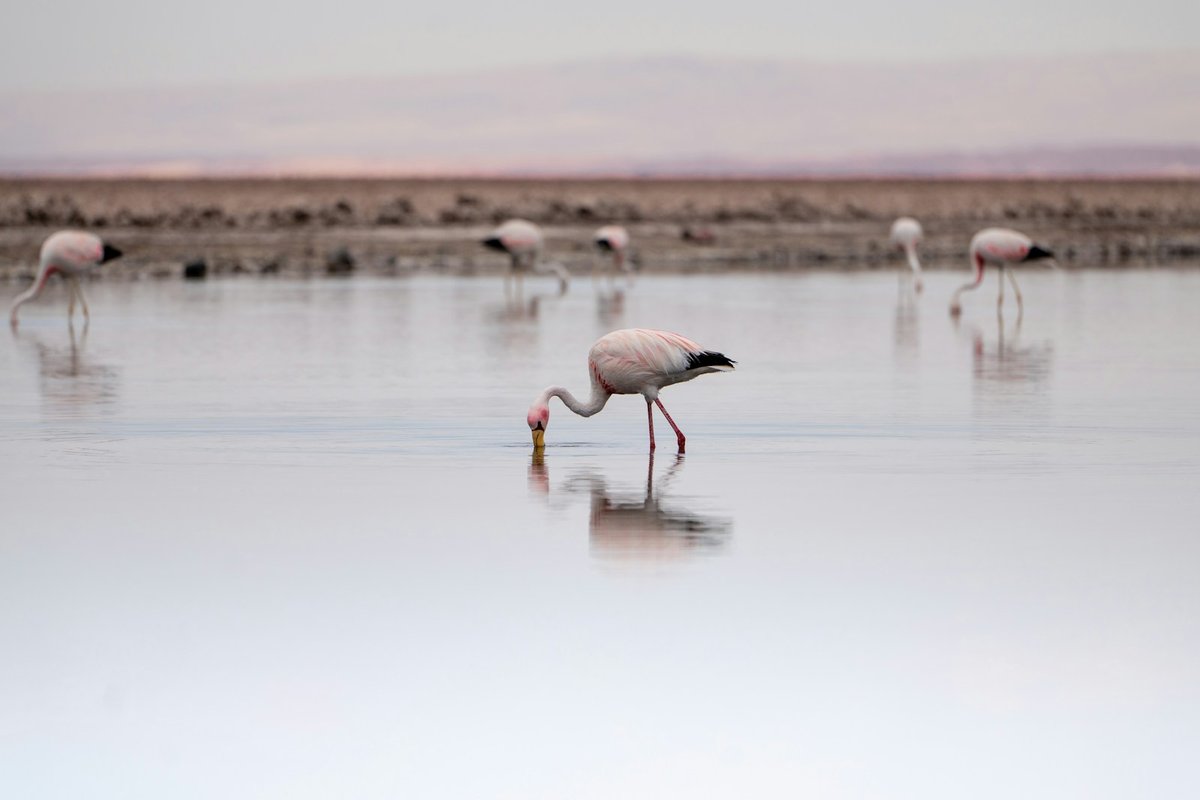
If your tour includes Piedras Rojas, add it for its reddish volcanic landscape. This is one of the longest days of the itinerary, so return to San Pedro for a relaxed evening and try an Andean-inspired meal such as llama with quinoa.
- Full day: Salt flats, flamingo lagoons and high-altitude lakes on a guided tour.
- Evening: Early dinner and recovery in San Pedro.
Day 6 — El Tatio Geysers & a Slow Afternoon
Leave before sunrise for El Tatio, a geothermal field at about 4,320 metres, about 80–90 km north of San Pedro. Geysers and steam show best in the cold dawn air. The morning is extremely cold, so bring thermal layers, a warm insulating layer, a windproof jacket, hat and gloves. Tours often depart around 04:30–05:00.
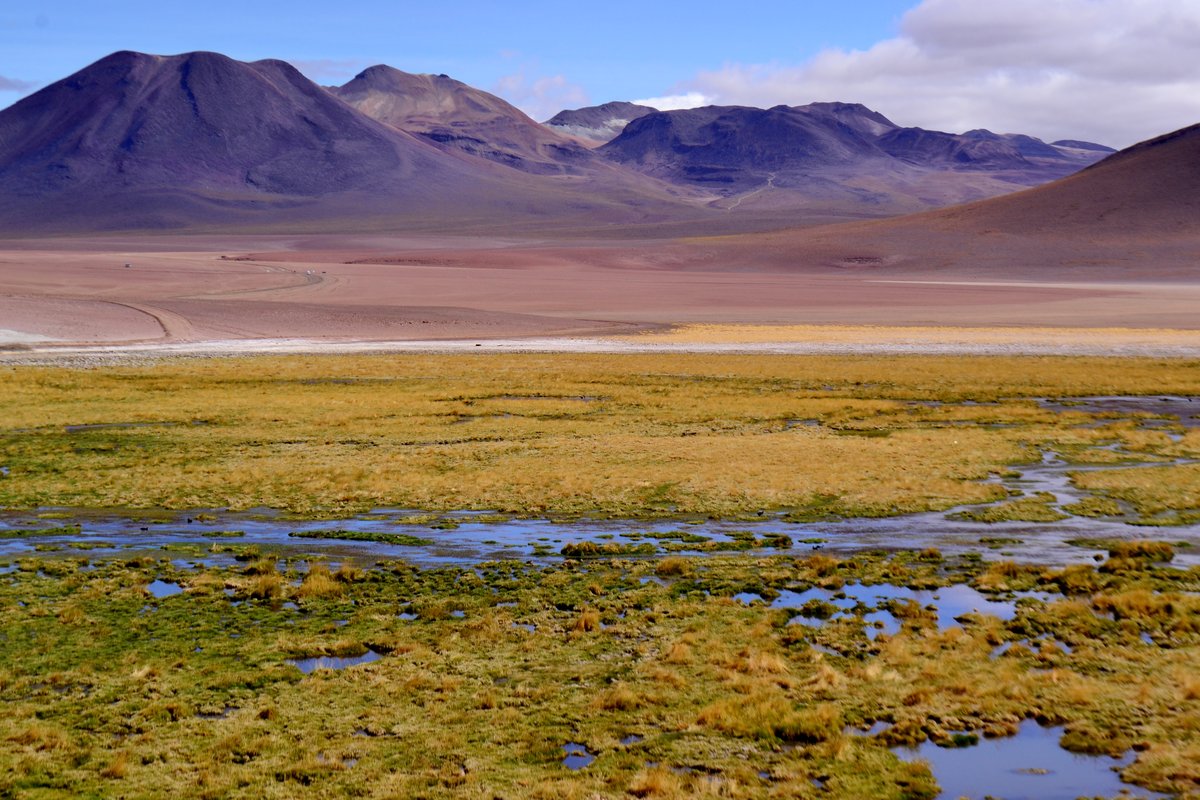
Return to San Pedro after the excursion and keep the afternoon free for lunch, rest and a relaxed walk around town. If your tour includes a hot-spring stop, you can add it, but avoid packing another demanding activity into a day that already starts before dawn.
- Pre-dawn / morning: El Tatio geysers with a registered guide.
- Afternoon: Rest, lunch and a short town walk.
Day 7 — Stargazing & a Flexible Desert Day
Keep your final full day flexible after several early starts. Choose a relaxed morning in San Pedro, a short desert excursion, sandboarding or simply a slow afternoon in town. That buffer also helps if weather or tour availability changes earlier in the trip.
In the evening, join a stargazing tour. The Atacama's high elevation, extremely dry conditions and limited light pollution create exceptional conditions for astronomy, with the Milky Way and southern night sky as a strong final experience.
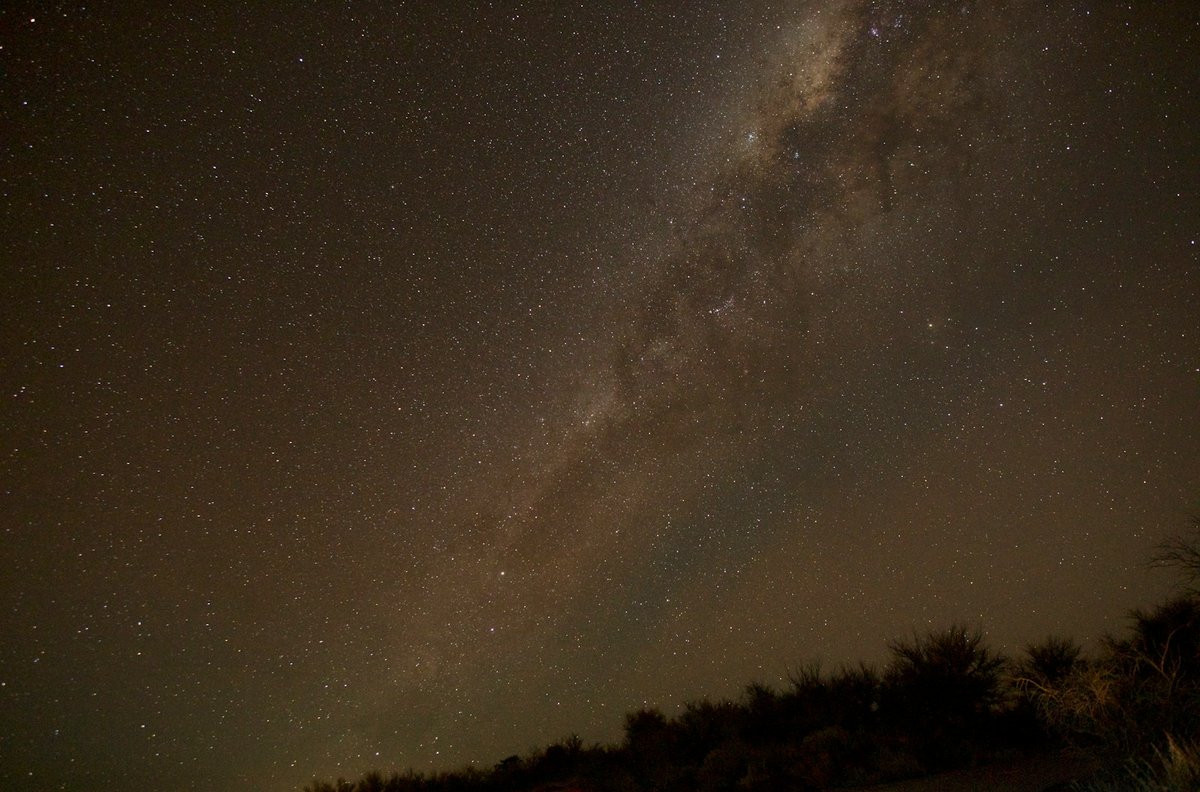
- Daytime: Flexible — short outing or rest in town.
- Evening: Guided astronomy / stargazing tour.
Day 8 — San Pedro → Calama → Santiago
Have breakfast and take one final walk around San Pedro before transferring back to El Loa Airport in Calama. Allow plenty of time after a late stargazing night: the road is about 100 km, shared shuttles can add waiting time, and you still need domestic check-in. If you are connecting to an international flight from Santiago the same day, leave a wide buffer rather than a tight layover.
Fly back to Santiago and continue with your onward journey. If your flight is later in the day, you can leave some buffer for lunch or a final city stop, but avoid scheduling anything that could make you miss the connection.
- Morning: Transfer to Calama and flight to Santiago.
- Afternoon: International connection or a short buffer stop only if timing is generous.
Where to Stay
This route is planned around neighbourhoods rather than named hotels. Book San Pedro early in peak months; rooms near the centre fill when tours are busy.
Santiago
- Providencia: A practical base if you want easy metro connections, restaurants and a modern neighbourhood atmosphere.
- Lastarria: Good for cafés, galleries, restaurants and a more cultural, walkable atmosphere.
- Las Condes: A more modern option with higher-end hotels, restaurants and shopping.
San Pedro de Atacama
- Stay close to the town centre for easy access to restaurants, cafés and tour departures.
- Adobe-style accommodation fits the desert setting, and some properties offer their own astronomy experiences or telescopes.
Rental Car or Guided Tours?
Santiago: Skip the rental car. The metro covers a lot, while Uber, Cabify and taxis handle places that are less convenient by metro.
Atacama: For an 8-day trip focused on the classic sights, guided excursions are the practical choice. Main attractions are spread across large areas, some reach high elevations and several require very early starts. A rental car can give experienced travellers more flexibility, but you need to be comfortable navigating remote desert roads, planning fuel and managing altitude and weather yourself.
For this itinerary, use transfers between Calama and San Pedro and book guided excursions from San Pedro.
Guided tour options
- Valley of the Moon: Half-day guided excursion from San Pedro, ideally around sunset.
- Altiplano lagoons and salt flats: Full-day tour covering Salar de Atacama, flamingo lagoons and Miscanti & Miñiques.
- El Tatio Geysers: Pre-dawn guided excursion from San Pedro.
- Stargazing: Evening astronomy tour with a local guide and telescope experience.
For registered local tourism services, Chile Travel recommends checking SERNATUR-registered services or visiting the SERNATUR office in San Pedro de Atacama.
Best Time to Visit
- March–May: A particularly comfortable window. Autumn brings pleasant conditions for Santiago, while the Atacama remains well suited to desert excursions and stargazing.
- October–November: Another strong period — comfortable sightseeing in Santiago and clear, dry desert conditions.
- December–February: Summer is hot and dry in Santiago and can work if you are combining the trip with coastal destinations. Expect stronger sun and warmer daytime temperatures.
- June–August: Winter is colder, particularly on early-morning excursions to El Tatio and the high-altitude lagoons. Santiago can also be cooler and wetter.
Chilean Food to Try
Use Santiago for the broader Chilean food experience, then look for Andean-influenced dishes in San Pedro.
- Empanadas: A simple Chilean classic and an easy lunch while exploring the city.
- Pastel de choclo: A comforting corn-based dish worth trying in Santiago.
- Lomito: A pork sandwich often served with tomato and avocado.
- Mote con huesillos: A traditional drink made with wheat and dried peaches.
- Seafood: Mercado Central is a classic place to explore Santiago's seafood scene.
- Llama and quinoa: Look for Andean-influenced dishes around San Pedro.
- Pisco sour: A natural choice for an evening drink back in Santiago.
Altitude, Weather & Packing Tips
- Move slowly at altitude. This route puts Valley of the Moon first (similar height to town), then the lagoons after two nights, then El Tatio after three. If you feel unwell, swap the lagoon day with the flexible Day 7 rather than stacking two 4,000-metre outings while still adjusting.
- Layer rather than pack only for heat. The Atacama can swing from warm, intense sunshine to very cold conditions after dark and before sunrise.
- Protect yourself from the sun: sunscreen, sunglasses, a hat and water should be daily essentials.
- Keep water with you. Extreme dryness makes hydration especially important.
- Bring warm clothes for El Tatio: thermal layers, gloves and a windproof jacket make a major difference.
- Do not underestimate excursion timing. El Tatio means a very early start; stargazing means a late night.
Itemised Budget for 8 Days (Per Person, Excluding International Flights)
These are approximate planning ranges in US dollars for one person, covering 7 nights (2 in Santiago, 5 in San Pedro). Peak southern summer and last-minute Atacama tours sit at the high end.
| Item | Budget | Mid-range | Comfortable |
|---|---|---|---|
| Accommodation, 7 nights | $210–350 | $470–760 | $900–1,400 |
| Domestic flights (Santiago–Calama return) | $120–220 | $180–300 | $250–400 |
| Food and drinks | $140–210 | $250–350 | $400–550 |
| Local transport and transfers | $60–100 | $100–160 | $150–220 |
| Tours and activities | $150–250 | $250–400 | $400–600 |
| Miscellaneous | $40–70 | $60–100 | $100–160 |
| Total per person | About $720–1,200 | About $1,310–2,070 | About $2,200–3,330 |
International flights are not included. Booking desert tours as a package and sharing transfers can pull costs toward the mid-range; private astronomy nights and higher-end lodges push the comfortable column.
Extending Your Trip: 10, 12 or 14 Days in Chile
This 8-day route is the Santiago–Atacama core. Extra days work best as a second region after you return from San Pedro, not squeezed into the same desert nights.
10 days: Valparaíso and Casablanca
Keep this itinerary, then add two nights on the coast. Valparaíso brings colourful hillsides, street art, historic funiculars and Pacific views — its historic quarter is a UNESCO World Heritage site. Pair it with a half-day in the Casablanca Valley for white wines such as Sauvignon Blanc and Chardonnay on the way to or from the coast.
12 days: deeper north or a soft south start
Add more Atacama buffer (an extra slow day after El Tatio), or leave San Pedro earlier and spend two extra nights in Santiago for museums and neighbourhoods before a coastal add-on. Do not try to open Torres del Paine in a 12-day window that still includes Atacama — the flights eat the hiking days.
14 days: Torres del Paine or Easter Island as a second trip block
A fortnight can hold this 8-day core plus a dedicated southern or island block. Treat Torres del Paine, broader Patagonia, or Easter Island / Rapa Nui as their own base with separate flights, not a side trip from San Pedro. Finish Atacama, return to Santiago, then fly south or west with clear buffer days.
How to Arrive and Depart
Most international travellers arrive through Santiago's Arturo Merino Benítez Airport (SCL). Domestic flights to Calama are frequent; build a buffer if you land internationally and connect the same day.
Return to Santiago for your international departure. If Day 8 is a tight connection, prefer an earlier Calama–Santiago flight over a last-minute city stop.
What to Pack
- Comfortable walking shoes for Santiago cobbles and dusty San Pedro streets
- Sun protection: high-SPF sunscreen, sunglasses and a wide-brim hat
- Thermal layers, gloves, hat and a windproof jacket for El Tatio
- A reusable water bottle
- A small daypack for excursions
- A light scarf or buff for dust and wind
Key Places and Exact Locations
- Santiago Airport (SCL): Days 1 and 8
- Plaza de Armas, Santiago: Day 1
- Mercado Central: Day 1
- Barrio Lastarria: Days 1–2
- Cerro San Cristóbal: Day 2
- Bellavista: Day 2
- Calama Airport (CJC / El Loa): Days 3 and 8
- San Pedro de Atacama: Days 3–7
- Valley of the Moon: Day 4
- Laguna Chaxa: Day 5
- Lagunas Miscanti and Miñiques: Day 5
- El Tatio Geysers: Day 6
Useful Links
- Chile Travel — official tourism website
- Chile Travel — itineraries
- Chile Travel — Santiago
- Chile Travel — San Pedro de Atacama
- Atacama Desert and Altiplano
- Cerro San Cristóbal
- Valley of the Moon — tickets and hours
- SERNATUR — registered tourism services
- CONAF — Reserva Nacional Los Flamencos
- Museum of Memory and Human Rights
- Sky Costanera
- Santiago Airport (SCL)
- Calama Airport — El Loa (CJC)
- UNESCO — Historic Quarter of the Seaport City of Valparaíso
FAQs
How many days in Chile is enough?
Eight days works well for Santiago plus a focused Atacama base: two city nights and five in San Pedro for Valley of the Moon, lagoons, El Tatio and stargazing. It does not cover Patagonia, Easter Island or Torres del Paine — add Valparaíso if you have about 10 days.
Do I need a rental car?
Not for this itinerary. Public transport and taxis are more practical in Santiago, while guided excursions simplify the main Atacama sights.
Is Atacama really cold?
It can be. Daytime temperatures can feel hot under the intense sun, but early mornings and nights can be very cold, particularly at El Tatio.
How high is the Atacama?
San Pedro de Atacama sits at about 2,400 metres. Valley of the Moon is at a similar height. The Altiplano lagoons and El Tatio climb to about 4,200–4,320 metres.
Can I visit the Atacama without doing strenuous hikes?
Yes. Many of the major experiences are viewpoint- and excursion-based, although altitude can still make even relatively easy activities feel more demanding.
Is stargazing worth doing?
It is one of the defining experiences of the Atacama. The combination of dry air, altitude and low light pollution makes astronomy particularly special here.
Should I visit the Valley of the Moon at sunset?
It is a strong option because the landscape changes colour as the light fades.
What should I eat in Santiago?
Start with empanadas, pastel de choclo, lomito, seafood and mote con huesillos, then try Andean-influenced dishes such as llama with quinoa in San Pedro.
When is the best time to visit?
March–May and October–November are the most comfortable windows for sightseeing in Santiago and desert excursions in the Atacama. Summer is hotter; winter brings very cold desert mornings.
Prompts to Try in Honge
- Plan an 8-day Chile trip covering Santiago and the Atacama Desert, with a moderate pace and minimal hotel changes.
- Turn this Chile itinerary into a slower trip with more free time and fewer early mornings.
- Find hotels in Santiago near Lastarria or Providencia and San Pedro de Atacama near the town centre.
- Add a wine-country day trip from Santiago without changing my Atacama plans.
- Rework this itinerary for a family with children and include activities suitable for them.
- Show me the Atacama excursions on a map and group nearby attractions together.
- Plan this trip around stargazing, desert landscapes and photography.
- Adjust this itinerary for October and include practical weather and packing advice.
Ready to Start Your Adventure?
Start with this Chile itinerary on Honge, then tailor the route around the neighbourhoods you want to explore in Santiago, the desert landscapes you want to see and the experiences you want to leave room for under the Atacama sky.
Ready for Andes views and desert night skies?
Plan your Chile trip with Honge
Keep Santiago and San Pedro as bases, then shape museum days, excursion timing and stargazing around your pace.
Related itineraries
- 8 Days in Ecuador: Quito, Cotopaxi, Baños & Cuenca
- 8-Day Jordan Itinerary: Amman, Petra, Wadi Rum & the Dead Sea
- 8 Days in the Yucatán: Mérida, Chichén Itzá, Bacalar & Tulum
- 8 Days Solo in Samoa: Upolu, Savai‘i & the South Pacific
- 7 Days in Uruguay: Montevideo, Colonia & José Ignacio
- Panama 5-Day Itinerary: Panama City, Canal & San Blas
Written by
This blog was contributed by Sheba M, a travel enthusiast and writer. Sheba can be reached at shebaranjitha@gmail.com.
About Honge
Honge is an AI travel planning platform focused on practical, experience-led itineraries with realistic pacing and logistics. All blog content is edited and published by Honge. Our Chile research draws on updated practical logistics as of September 2026. © Honge. All rights reserved.
Image credits: Photos are sourced from Unsplash and Wikimedia Commons. Copyright remains with their respective photographers and rights holders. Unsplash images are used according to the Unsplash License. Wikimedia Commons images are used according to their applicable license terms: CC BY 2.0 or CC BY-SA 2.0.
Travel disclaimer
This itinerary is intended as general travel inspiration and planning guidance only, not as personalised travel, safety or medical advice. Domestic flight times, Calama–San Pedro road transfers and desert tour schedules shift with weather, altitude conditions and operator availability. Several Atacama excursions climb well above San Pedro; altitude can make even short walks more demanding, and El Tatio starts before sunrise in extreme cold. Confirm Valley of the Moon tickets, astronomy tours and SERNATUR-registered operators before you travel, and do not book a tight international connection after the Day 8 return to Santiago. Protect yourself from intense sun and carry water daily. Altitude at the lagoons and El Tatio can exceed 4,000 metres; if you feel unwell, skip or postpone a high excursion. Take out comprehensive travel insurance that covers medical treatment at altitude and cancellation. Suggested stay areas in this article are samples only and depend on availability; in the Honge app they may appear as booking options when offered by our vendors at the time of your search. Honge is not responsible for any changes to conditions, services or experiences described in this article after the date of publication. Always follow current local guidance from operators and park authorities on the day you travel.