
Romania is easier to enjoy when you leave enough time for ordinary streets, local food and scenery rather than trying to check off every famous attraction.
Start with this itinerary
Open this Romania route in Honge as your starting point, then shape castle visits, Transylvanian day trips and café breaks around how you travel.
Introduction
Romania is a country where grand cities, medieval towns, dramatic mountains and legendary castles come together in one memorable journey. Over eight days, this route takes you from the lively streets of Bucharest to the mountain city of Brașov, through Bran and Transylvania, and finally to the elegant historic centre of Sibiu.
Along the way, you'll explore atmospheric old towns, visit castles linked to Romania's royal and Dracula stories, ride scenic trains through the Carpathians and try traditional Romanian food. This route is designed for independent travellers who want a mix of history, architecture, mountain scenery, castles, local food and relaxed city exploration.
Romania's walkable historic centres, useful rail network and relatively affordable food and accommodation make it possible to travel independently.
Why This Trip Works
Romania gives you a varied trip without requiring you to cross the entire country. You can begin with Bucharest's grand architecture and lively cafés, move into the Carpathians around Brașov, visit castles and medieval towns, and finish in Sibiu's elegant historic centre.
The route also works well for solo travel because several of the main destinations are compact and walkable.
Good to Know
- Romania uses the Romanian leu (RON), not the euro.
- Cards are widely accepted, but keeping some cash is useful.
- English is common in tourist areas and among younger people.
- Mountain weather can change quickly.
- Trains are useful between major cities, although journey times can be longer than expected.
Before You Go
- Book accommodation in Bucharest, Brașov and Sibiu ahead during busy periods.
- Check CFR Călători schedules before each train journey.
- Reserve popular castle visits when advance tickets are available.
- If you want to combine Bran, Râșnov and Peleș in one day, consider a guided tour or private driver rather than trying to connect everything independently.
Route at a Glance
The route gradually moves from Romania's capital into the Carpathian Mountains and Transylvania, finishing in one of the region's most atmospheric historic cities.
| Day | Base | Focus |
|---|---|---|
| Day 1 | Bucharest | Old Town, historic centre & cafés |
| Day 2 | Bucharest | Grand buildings, museums & neighbourhoods |
| Day 3 | Brașov | Train journey, Old Town & Black Church |
| Day 4 | Brașov | Bran Castle, Râșnov & mountain scenery |
| Day 5 | Brașov | Peleș Castle or Sighișoara |
| Day 6 | Sibiu | Travel to Sibiu & historic centre |
| Day 7 | Sibiu | Local food, architecture & slower Transylvania |
| Day 8 | — | Return / departure |
Bucharest → Brașov → Bran & Râșnov → Peleș or Sighișoara → Sibiu
Day 1: Bucharest's Old Town & Historic Centre
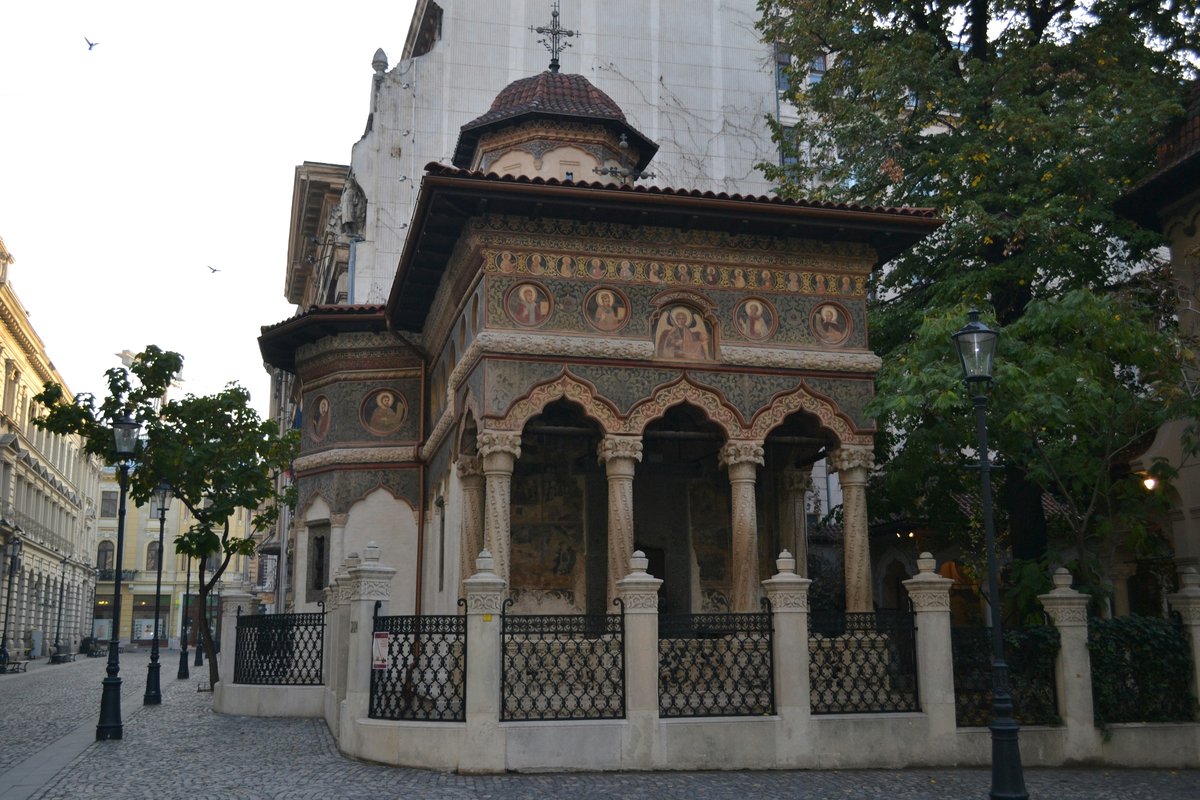
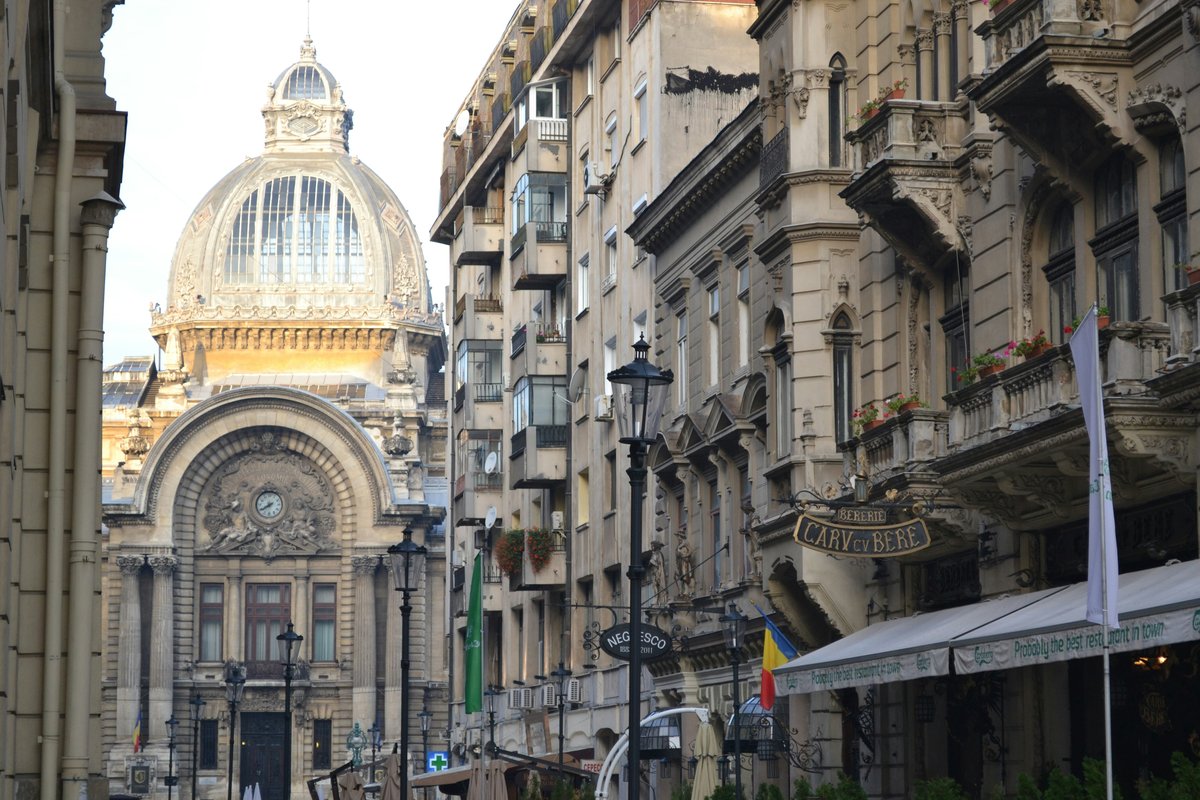
Begin in Bucharest's Old Town, where narrow streets, colourful buildings, churches, restaurants and cafés make it easy to explore on foot. Start around Lipscani and Stavropoleos Monastery Church, then continue towards the National Bank of Romania, historic commercial buildings and the older streets around the centre.
Keep the afternoon deliberately unstructured. Stop for a coffee, browse independent shops, visit a historic building or simply wander through the centre. Cărturești Carusel is an easy addition if you enjoy architecture and bookshops, while a traditional Romanian restaurant makes a good solo dinner stop.
Try a covrig with coffee during the day, then look for sarmale with mămăligă in the evening.
Day 2: Grand Buildings, Museums & Green Spaces
Spend your second day seeing another side of the capital. Begin with the Palace of Parliament and Constitution Square, then walk along Calea Victoriei, one of Bucharest's major historic boulevards. The route brings together landmarks, churches, restored historic buildings and museums, while the Old Town contains institutions such as the National Bank and the National Museum of Romanian History.
For a slower afternoon, head towards Herăstrău Park (officially King Michael I Park) and the Dimitrie Gusti National Village Museum. The large park and lake provide a break from the city centre, while the open-air museum gives an introduction to traditional Romanian houses and rural life. Finish with dinner or a café stop back in the city rather than packing the day with another major attraction.
Day 3: Bucharest to Brașov: Train Journey & Old Town
Take a morning train from Bucharest Nord to Brașov. Allow roughly 2.5–3.5 hours, depending on the service. The train ride itself is part of the experience as the landscape changes from the capital towards the Carpathians.
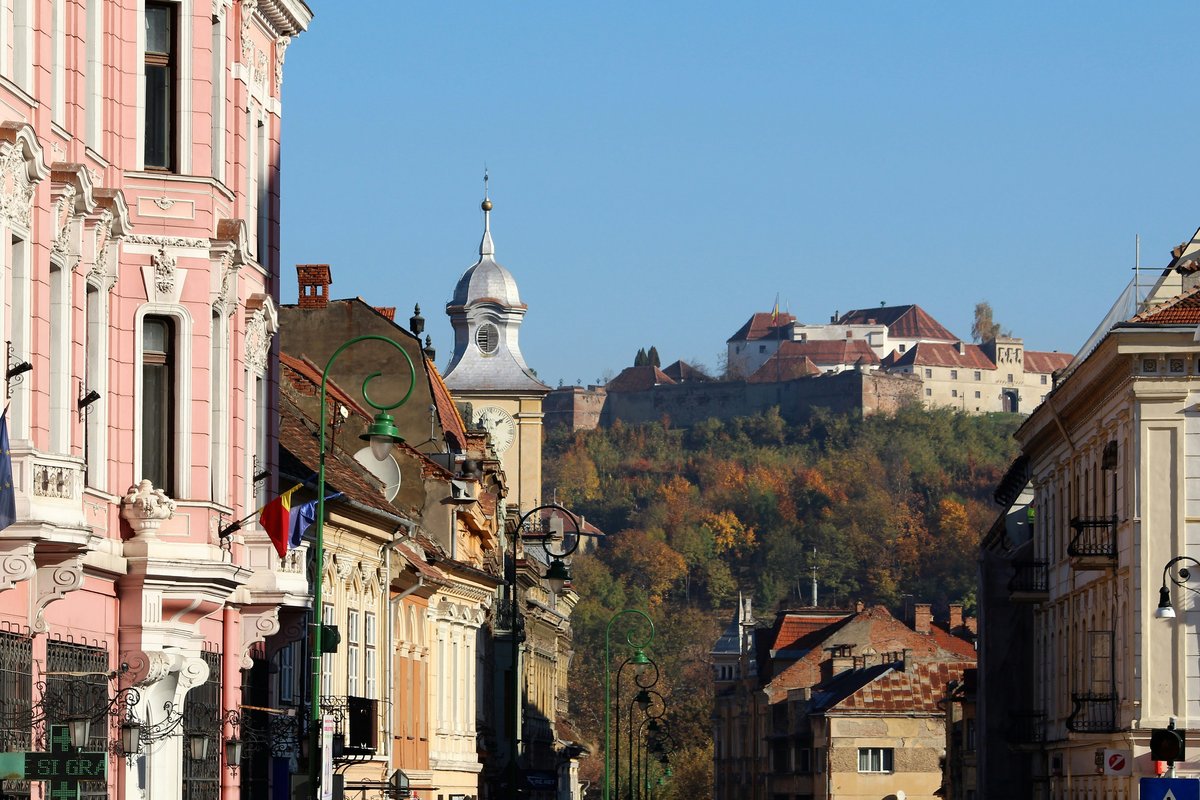
After checking in, explore Brașov's historic centre on foot. Begin in Piața Sfatului (Council Square), visit the Black Church, walk along Strada Sforii and explore the old fortifications and surrounding streets. Leave time for a coffee in the square and a relaxed dinner.
Day 4: Bran Castle, Râșnov & Transylvanian Scenery
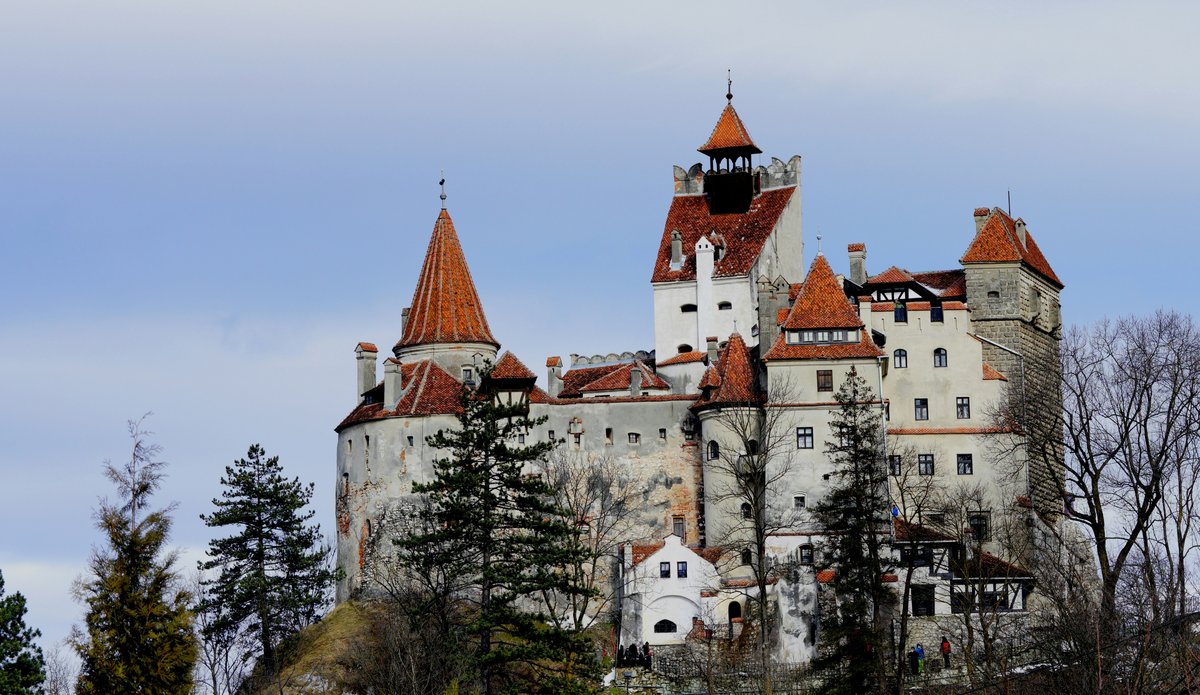
Make Bran Castle the main focus of the day. It is widely promoted as "Dracula's Castle", but the historical connection between Bran and Vlad III, commonly known as Vlad the Impaler, is more complicated than the tourism story suggests.
After Bran, continue towards Râșnov Citadel if transport and time allow. Bran itself is a small settlement largely centred around the castle, with traditional souvenirs and tourist businesses. For independent travellers, a tour can simplify transport; otherwise, check local bus and taxi options before leaving Brașov.
Day 5: Choose Your Transylvania Experience: Peleș Castle or Sighișoara
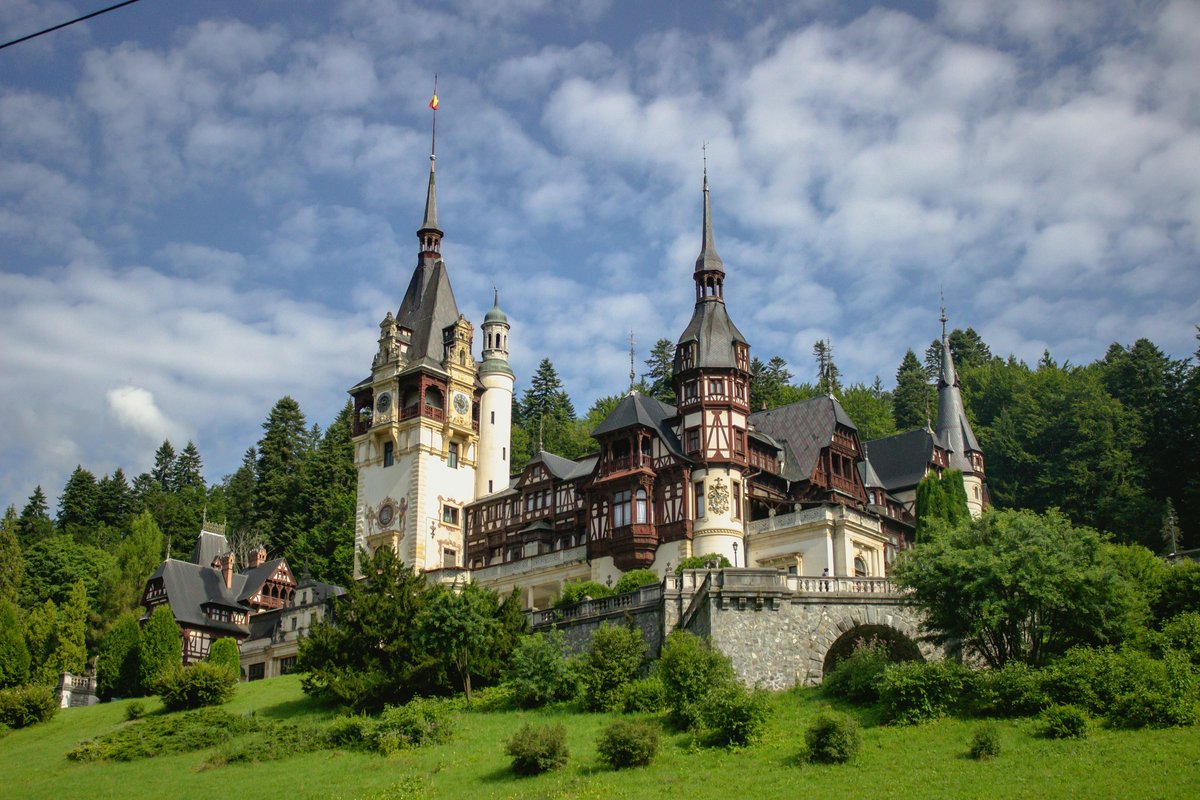
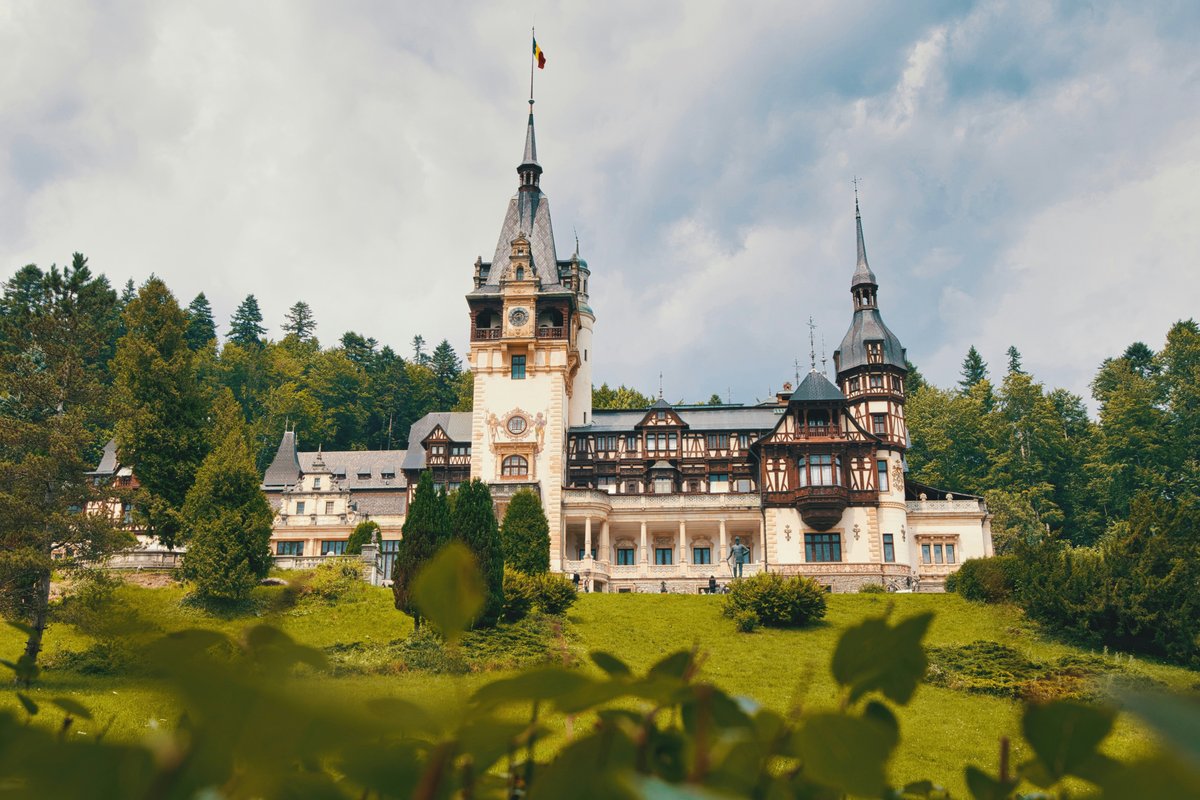
Keep Day 5 flexible and choose the experience that best matches your interests. If you enjoy royal architecture and mountain scenery, head to Sinaia and Peleș Castle, set in a forested mountain setting. The castle offers a different experience from Bran, with its royal history and elaborate architecture.
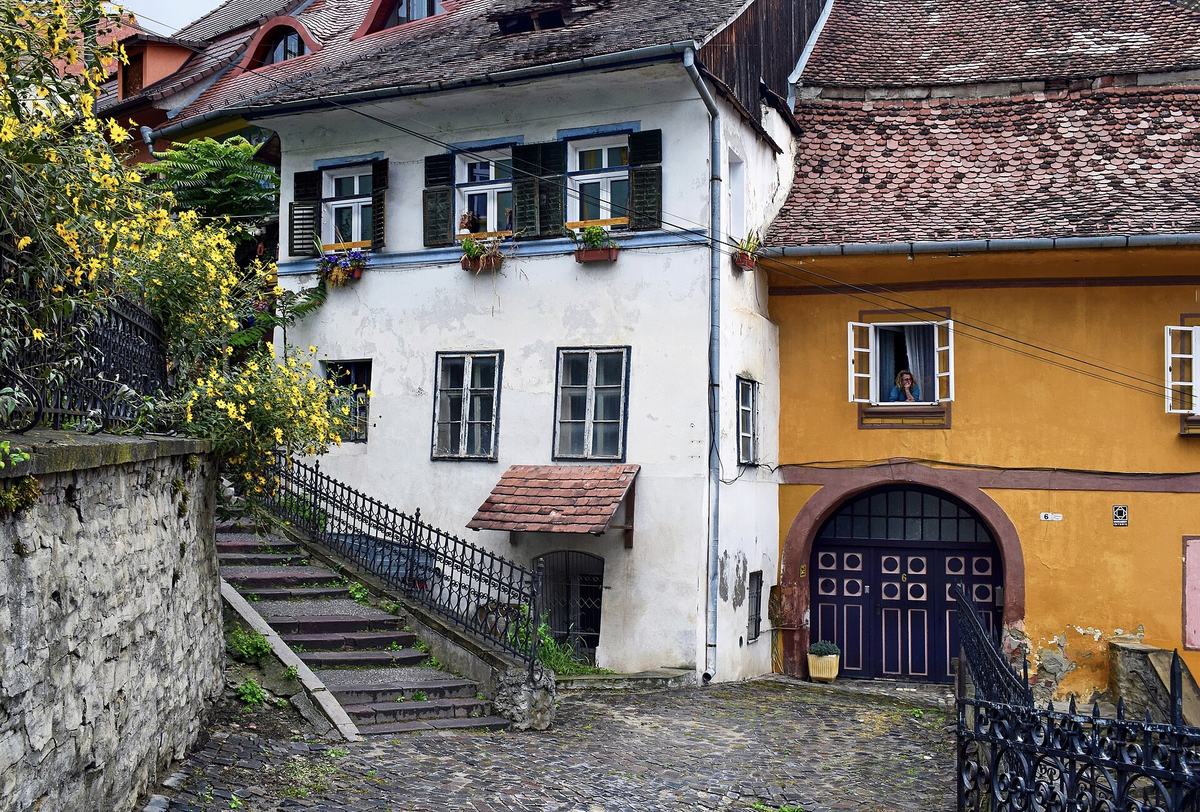
If you prefer medieval Transylvania, choose Sighișoara instead. Its compact historic centre is filled with colourful houses, cobbled streets, defensive walls and the famous Clock Tower. Sighișoara is traditionally regarded as the birthplace of Vlad III, but the town is worth visiting for its medieval character beyond the Dracula connection.
Note: Peleș is the easier day trip from Brașov, at around an hour each way by train. Sighișoara is rewarding but much longer: expect roughly 4–6 hours of train travel for the round trip, which leaves only a few hours in the town itself. Check the same-day return trains to Brașov before you set out and plan your visit around the last one, because missing it can mean an unplanned night in Sighișoara. If the return timings look tight, a tour or private driver may be the easier option.
Day 6: Travel to Sibiu & Historic Centre
Travel from Brașov towards Sibiu, allowing roughly 2.5–3.5 hours by road, while train timings vary by service. Rather than treating the journey as wasted time, use it as an opportunity to watch the landscape change from mountain scenery to the broader Transylvanian countryside.
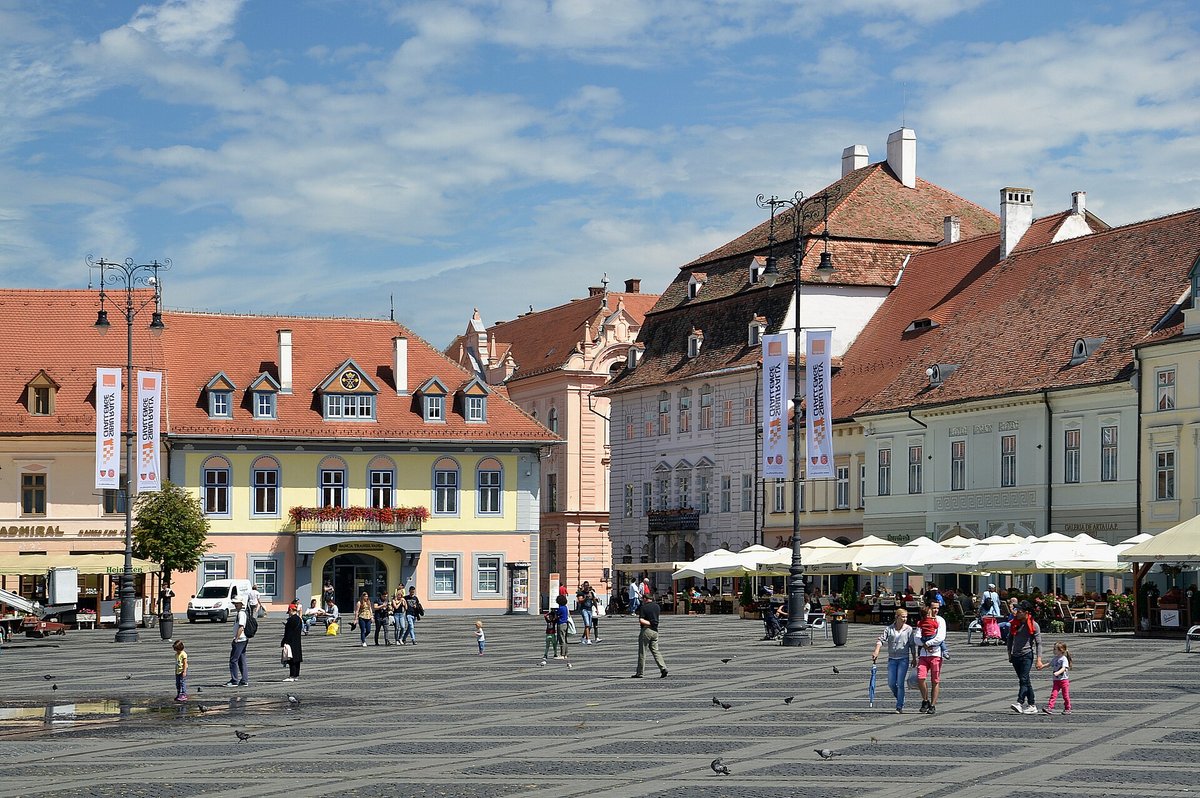
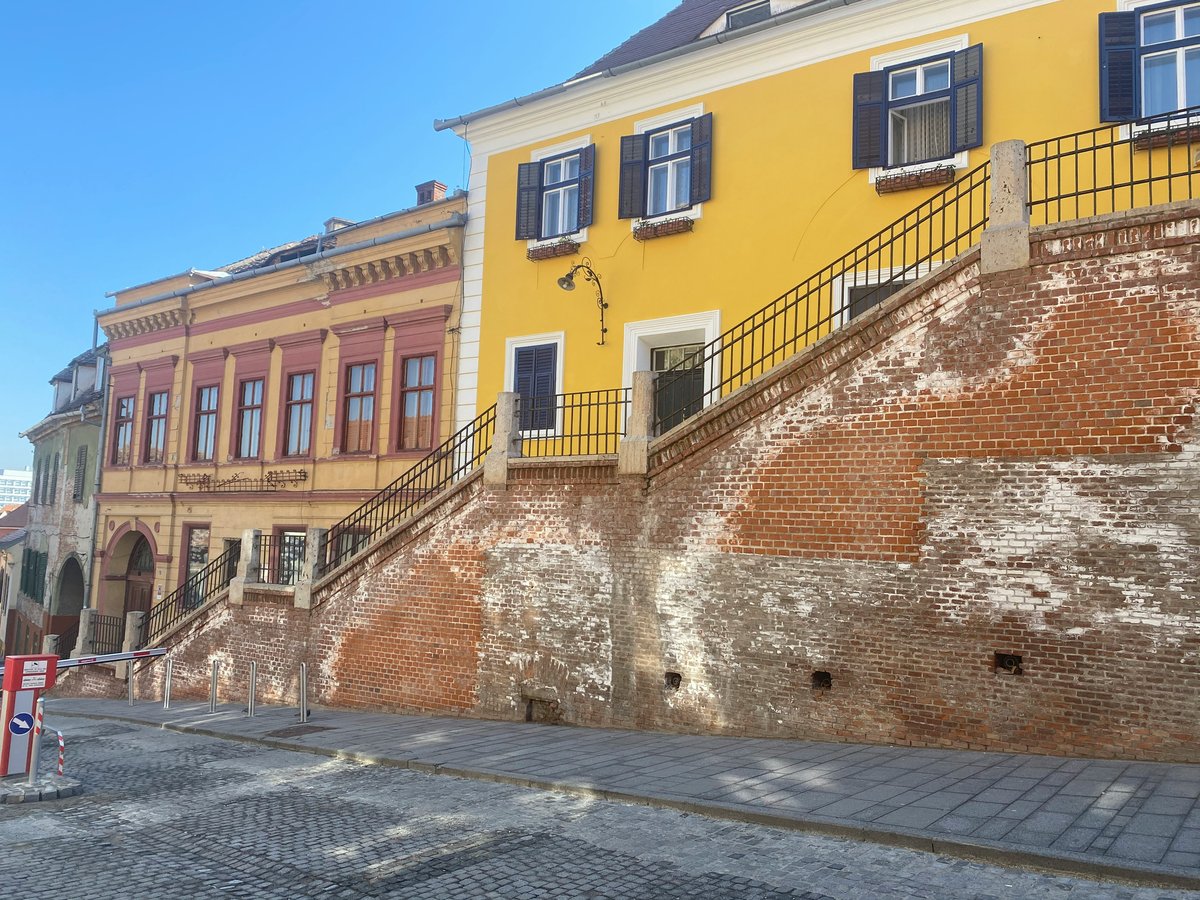
After checking in, begin around Piața Mare (Grand Square) and continue into Piața Mică and the surrounding historic streets. Look for the famous rooftop windows often called the "Eyes of Sibiu", then cross the Bridge of Lies and explore the smaller lanes around the centre.
Keep the evening relaxed with a café or traditional Romanian dinner.
Day 7: Food, Architecture & Slower Transylvania
Use your final full day to experience Sibiu without rushing between attractions. The historic centre is filled with elegant squares, colourful buildings, churches, museums and cafés, but some of the most enjoyable parts are the quieter streets and courtyards away from the main square.
This is also a good day to explore Romanian food. If you want a rural experience, consider a short excursion towards nearby villages or the ASTRA Museum, rather than adding another long-distance city.
Day 8: Return & Departure
Keep your final morning flexible. Have breakfast, take one last walk through Sibiu's historic centre, pick up souvenirs and allow plenty of time for your onward train or flight.
If you are returning to Bucharest for an international flight, avoid scheduling a tight same-day connection because Romanian rail journeys can take longer than expected. If your flight allows it, use the final hours for one last café or quiet walk rather than adding another attraction.
Getting Around Romania
- Trains: Trains are useful for the main route. Journey times vary considerably by service, so check the current timetable rather than relying on a fixed estimate. The network is practical, but mountain routes can be slower than expected.
- Rental car: A car is not essential for this itinerary. It becomes more useful if you want to reach rural villages, viewpoints and several castles in a single day.
- Guided tours: Tours can be particularly useful for Bran, Râșnov and Peleș, where attractions are spread across different directions and public transport connections can make an independent day complicated.
| Route | Approximate time | Transport |
|---|---|---|
| Bucharest → Brașov | 2.5–3.5 hrs | Train |
| Brașov → Bran | 40–60 min | Bus / car / tour |
| Brașov → Sinaia | Around 1 hr | Train |
| Brașov → Sighișoara | Around 2–3 hrs | Train / car |
| Brașov → Sibiu | Around 2.5–3.5 hrs | Car / bus / train |
| Sighișoara → Sibiu | Around 2–2.5 hrs | Train / car |
Times are approximate and should be checked against the current timetable.
Where to Stay
| Destination | Best area for a solo traveller |
|---|---|
| Bucharest | Old Town or around Calea Victoriei |
| Brașov | Historic Old Town |
| Sibiu | Historic Centre |
Accommodation prices can rise in busy periods. For better value, consider simple guesthouses or hostels just outside the busiest tourist streets.
Best Time to Visit
Overall best: May–June and September–October. These months offer a good balance of comfortable weather, longer days, mountain scenery and pleasant conditions for exploring Romania's historic towns and castles.
- May–June: Best overall for comfortable sightseeing and mountain scenery.
- September–October: Great for cooler weather and autumn colours.
- July–August: Longer days, but generally busier and potentially more expensive.
- Winter: Atmospheric and potentially snowy, but with shorter daylight and colder conditions.
How to Arrive & Depart
| Arrival | Henri Coandă International Airport (OTP), Bucharest |
|---|---|
| Start point | Bucharest Old Town / city centre |
| Main onward route | Bucharest → Brașov by train |
| Departure options | Sibiu Airport, Bucharest airport or an onward train, depending on your flight |
From the airport: The airport is connected with central Bucharest by train, public buses and taxis/ride-hailing services. If you arrive late, check your accommodation's check-in arrangements and transfer options in advance.
Romanian Foods to Try
- Sarmale: Cabbage rolls traditionally filled with meat and served with accompaniments such as mămăligă.
- Mămăligă: A Romanian cornmeal dish commonly served alongside meat, cheese or stews.
- Ciorbă: A broad family of Romanian sour soups, with many regional variations.
- Mici: Small grilled meat rolls, usually served with bread and mustard.
- Papanași: A traditional fried or boiled cheese-based dessert, commonly served with sour cream and fruit preserves.
- Covrigi: Romanian pretzel-like bread rings that make an inexpensive breakfast or snack.
Solo Dining & Café Culture
A simple approach is to combine:
- Covrig and coffee for breakfast
- Soup or a simple local dish for lunch
- A traditional restaurant for dinner
- Papanași or a pastry when you want something sweet
Optional Dracula Experiences
If you want to make the Dracula theme a bigger part of your trip, consider:
- Bran Castle
- Sighișoara's historic centre
- A guided Dracula-history tour
- Medieval Transylvanian villages
- Gothic architecture and fortified churches
- Local folklore experiences
Just keep the historical and fictional stories separate. Vlad III was a real 15th-century ruler of Wallachia; Count Dracula is a fictional character created by Bram Stoker, who never visited Romania. Bran Castle's association with Dracula developed largely through later popular culture and tourism, while Sighișoara is traditionally regarded as Vlad III's birthplace.
Bad-Weather Alternatives
If rain disrupts your castle or mountain plans, switch to indoor activities:
- Bucharest museums
- A Palace of Parliament tour
- Cărturești Carusel
- Cafés and historic buildings
- The Black Church in Brașov
- Bran Castle
- Peleș Castle interiors
- Sibiu museums
- The ASTRA Museum
Keep outdoor-heavy activities flexible rather than cancelling an entire day because of bad weather.
Practical Safety Tips
- Use established taxis or ride-hailing services.
- Keep some Romanian lei with you.
- Check weather conditions before mountain excursions.
- Do not rely on the last available bus or train connection when visiting remote areas.
- Keep accommodation and transport confirmations accessible offline.
Luggage & Train Tips
A small suitcase or backpack is easier than a large wheeled case because several historic centres have cobbled streets.
For train journeys:
- Arrive at the station with some time to spare.
- Download your ticket before boarding if you are using a mobile ticket.
- Expect some journeys to take longer than the headline travel time.
The train-window scenery is one of the advantages of not trying to make every transfer as fast as possible.
Estimated 8-Day Budget
| Category | Budget approach | Mid-range approach |
|---|---|---|
| Accommodation (7 nights) | €30–55/night | €60–100/night |
| Food | €15–25/day | €30–45/day |
| Intercity transport | €30–60 | €60–100 |
| Local transport | €15–30 | €30–60 |
| Attractions | €30–60 | €60–100 |
| Tours/taxis | €30–70 | €70–150 |
| Approx. total | €435–805 | €880–1,470 |
These are per-person planning ranges for an 8-day trip, excluding international flights. Attraction and transport costs can change by season and operator.
Useful Links
- Romania Travel
- CFR Călători (Romanian Railways)
- CFR Călători train tickets
- Bran Castle
- Peleș Castle
- ASTRA Museum, Sibiu
Prompts to Try in Honge
- Plan an 8-day solo trip to Romania covering Bucharest, Brașov, Bran, Sighișoara and Sibiu.
- Should I visit Bran Castle, Peleș Castle or Sighișoara if I only have one free day?
- Plan a day trip from Brașov to Bran and Râșnov using public transport.
- Suggest the best traditional Romanian foods and cafés to try in Bucharest, Brașov and Sibiu.
- Plan a rainy-day alternative for a Romania trip, focusing on museums, castles, cafés and indoor attractions.
FAQs
Is Romania good for a first solo trip?
Yes. The main cities on this route offer walkable historic centres, established tourist infrastructure and several easy independent day trips.
Is Bran Castle actually Dracula's castle?
It is marketed as Dracula's Castle, but the historical connection to Vlad III is much more complicated. Dracula is a fictional character created by Bram Stoker.
Should I stay in Bran?
For most travellers, Brașov is the more practical base because it offers more accommodation, restaurants and transport connections. Bran works better as a day trip.
Should I visit Bran or Peleș?
They offer two different experiences. Bran Castle is strongly associated with the Dracula story and has a medieval fortress atmosphere, while Peleș Castle focuses on Romanian royal history, elaborate architecture and its mountain setting.
Is a rental car necessary?
No. Trains and buses cover the main route. A car becomes useful if you want to explore rural areas or combine several attractions in one day.
Is Sighișoara worth adding?
It fits particularly well if you enjoy medieval architecture. Its compact centre, Clock Tower, fortified streets and colourful houses make it easy to explore in a few hours or a full day.
Is Romania affordable?
It can be, particularly for food, public transport and basic accommodation. However, castle tickets, private rooms and frequent transfers can increase the cost.
Ready to Start Your Romania Adventure?
From Bucharest to the castles and medieval towns of Transylvania, build your route, choose your stops and start planning your Romania adventure with Honge.
Ready for castles and Carpathian trains?
Plan your Romania trip with Honge
Keep Bucharest, Brașov and Sibiu as bases, then shape castle days, train journeys and café stops around your pace.
Related itineraries
- 7 Days Solo in Cyprus: Paphos, Troodos, Limassol & Nicosia
- 7 Days Solo in Malta & Gozo: Valletta, Mdina, Beaches & Island Life
- 7 Days in Malaysia: Kuala Lumpur, Penang & Langkawi
- 5 Days Solo in Luxembourg: City, Moselle Wine Country & Müllerthal
- 7 Days Solo in Slovakia: Bratislava, the High Tatras & Košice
- The Perfect 10-Day Ireland Road Trip: Dublin to the Wild Atlantic Way
Written by
This blog was contributed by Sheba M, a travel enthusiast and writer. Sheba can be reached at shebaranjitha@gmail.com.
About Honge
Honge is an AI travel planning platform focused on practical, experience-led itineraries with realistic pacing and logistics. All blog content is edited and published by Honge. Our Romania research draws on updated practical logistics as of September 2026. © Honge. All rights reserved.
Image credits: Photos are sourced from Unsplash and Wikimedia Commons. Copyright remains with their respective photographers and rights holders. Unsplash images are used according to the Unsplash License. Wikimedia Commons images are used according to their applicable CC BY-SA 4.0 license terms.
Travel disclaimer
This itinerary is intended as general travel inspiration and planning guidance only — not as personalised travel, safety or medical advice. Conditions change. Before you travel, check current entry requirements and any travel advisories, review mountain weather, and confirm train timetables, castle and museum opening days (which vary by season), tickets and fees directly with official sources. Romanian rail journeys can run late, so avoid tight same-day connections to international flights. Take out comprehensive travel insurance that covers medical care, cancellation and disruption. Weather in the Carpathians can change quickly, and brown bears live in the forests around Brașov, Bran and Sinaia; follow local signage and advice, stay on marked paths and avoid forest edges alone at dusk. Guided tours, private drivers and taxis are run by third parties; use licensed operators and agree prices in advance. If you rent a car, follow local traffic rules and take care on narrow, winding mountain roads. The Dracula and Vlad III history in this guide reflects commonly accepted accounts and popular tradition. Suggested hotels and stay styles in this article are samples only and depend on availability; in the Honge app they may appear as booking options when offered by our vendors at the time of your search. Honge is not responsible for decisions made based on this guide or for changes to places, prices, access, services or experiences after the date of publication.