
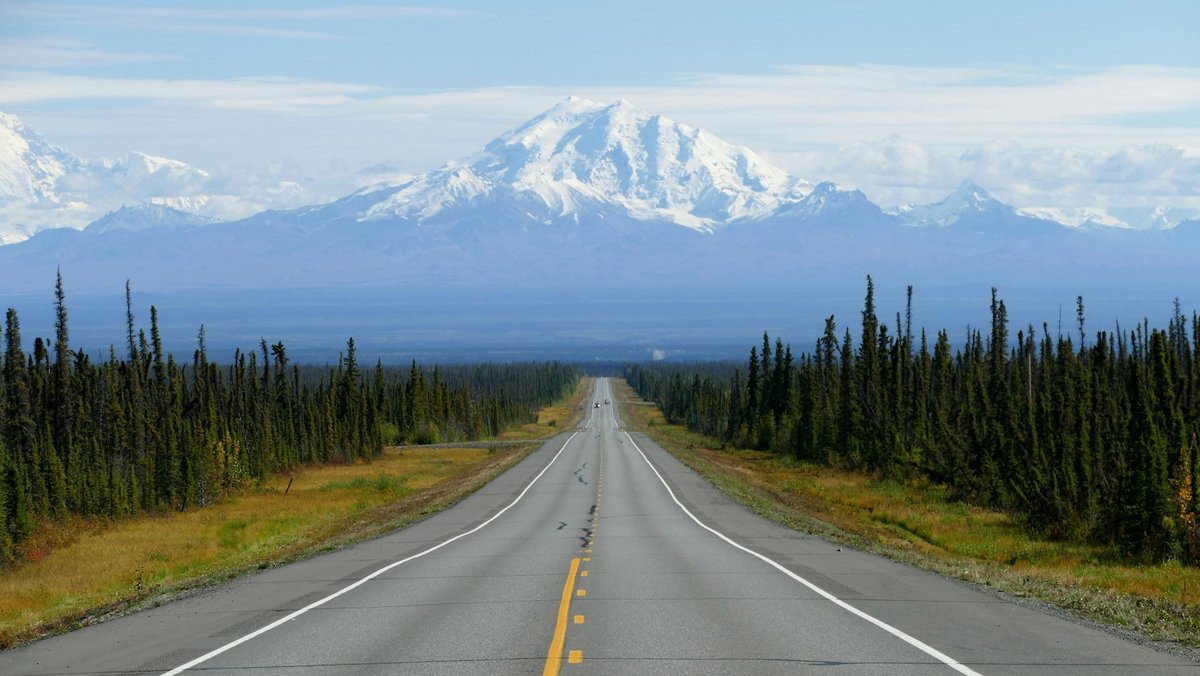
Start with this itinerary
Open this Alaska road trip in Honge as your starting point, then shape the pace around scenic drives, glacier cruises, seafood stops, wildlife days and how far you want to go on the Kenai Peninsula.
Introduction
You leave Anchorage with a full tank of fuel and a rough idea of where you are going, and then the landscape begins changing around you. Mountains rise beside the highway, turquoise rivers appear between forests, glaciers emerge from distant valleys and lakes reflect peaks that look almost too large to belong to the same landscape.
For first-time visitors, the challenge is not finding things to do. The challenge is understanding how much space there is between them.
Alaska is enormous, and a map can make a ten-day itinerary look far more manageable than it actually is. It is tempting to add Fairbanks, Arctic Alaska, Valdez, Wrangell-St. Elias, the Inside Passage and every famous national park to the same trip. The result is usually more time spent driving than actually experiencing the places you came to see.
This road trip deliberately does less. It concentrates on Southcentral Alaska, where you can experience some of the state's most spectacular scenery without spending the entire holiday behind the wheel. The route begins and ends in Anchorage and travels south along the Seward Highway, through the Kenai Peninsula and toward Seward and Kenai Fjords National Park.
From there, the journey continues through the Kenai Peninsula, with time for coastal scenery, wildlife, seafood and small-town Alaska. The longer version of the route reaches Homer, sitting dramatically at the end of the Kenai Peninsula, before turning north again toward Talkeetna and Denali National Park. Two days around Denali are set aside for wildlife viewing, park experiences, mountain scenery and short hikes before the loop returns to Anchorage.
Ten days is not enough to see Alaska, but it is enough to experience a remarkable section of it properly.
Who This Alaska Road Trip Is For
- First-time Alaska visitors: highlights of Southcentral Alaska without attempting to cross the entire state.
- Road-trip lovers: the Seward Highway turns the journey from Anchorage to Seward into one of the main experiences.
- Outdoor travellers: short trails, glacier viewpoints, boat cruises and kayaking, with more active options if you want them.
- Wildlife enthusiasts: moose and bears on land, marine life around Kenai Fjords, and another chance to look for moose and caribou at Denali.
Why This Road Trip Works
- A geographically sensible loop: Anchorage, Seward, the Kenai Peninsula, Homer, Talkeetna and Denali sit on one connected highway network.
- The road is part of the holiday: Turnagain Arm, the Kenai Peninsula and the Parks Highway are destinations, not only transfers.
- Glaciers from land and water: a Kenai Fjords cruise and Exit Glacier give two different ways to see ice.
- Two days at Denali: park access is more controlled than a typical national park, so an extra day is useful.
- Room to stop: the itinerary is paced rather than packed, with time for viewpoints, hikes and spontaneous pullouts.
Good to Know
- Distances deceive. Build time into every day for viewpoints, wildlife, roadwork and weather.
- Refuel early. Stations exist along the main route, but do not wait until the tank is nearly empty.
- Book the big pieces. Reserve the rental car, Seward and Denali stays, and the Kenai Fjords cruise well ahead in summer.
- Check Denali access. Current bus schedules and road arrangements can change; use official National Park Service information.
- Long daylight is not extra energy. June and July evenings stay bright, but keep normal meal, rest and driving limits.
Journey Overview
| Day | Base | Focus | Travel / getting around |
|---|---|---|---|
| Day 1 | Anchorage | Coastal trail, downtown and first seafood | Arrival and local walking |
| Day 2 | Seward | Seward Highway, Turnagain Arm and the harbour | Anchorage → Seward, about 125 miles; allow 5–7 hours with stops |
| Day 3 | Seward | Kenai Fjords cruise: glaciers and marine wildlife | Boat excursion from Seward |
| Day 4 | Soldotna / Kenai or Homer | Exit Glacier, then the Kenai Peninsula | Seward → Exit Glacier 15–20 minutes; then several hours west |
| Day 5 | Homer | Homer Spit, Kachemak Bay and seafood | Central Kenai → Homer, several hours with stops |
| Day 6 | Talkeetna | Retrace the peninsula, then historic Talkeetna | Homer → Talkeetna, about 334 miles; allow 7–9 hours with stops — the longest drive of the trip |
| Day 7 | Denali area | Parks Highway and the park entrance | Talkeetna → Denali, about 2.5–3 hours plus stops |
| Day 8 | Denali area | Park bus, wildlife and a short trail | Organised park transport |
| Day 9 | Anchorage | Scenic drive south | Denali → Anchorage, about 4–5 hours plus stops |
| Day 10 | — | Final morning and departure | Car return and airport transfer |
Day 1 — Anchorage: Start Slowly
Arrive in Anchorage, pick up your rental car, check into your hotel and resist the temptation to start driving north immediately. After a long journey, Anchorage is an easy introduction to the state, with mountains surrounding the city and plenty of places to pick up anything you may need before heading into more remote areas.
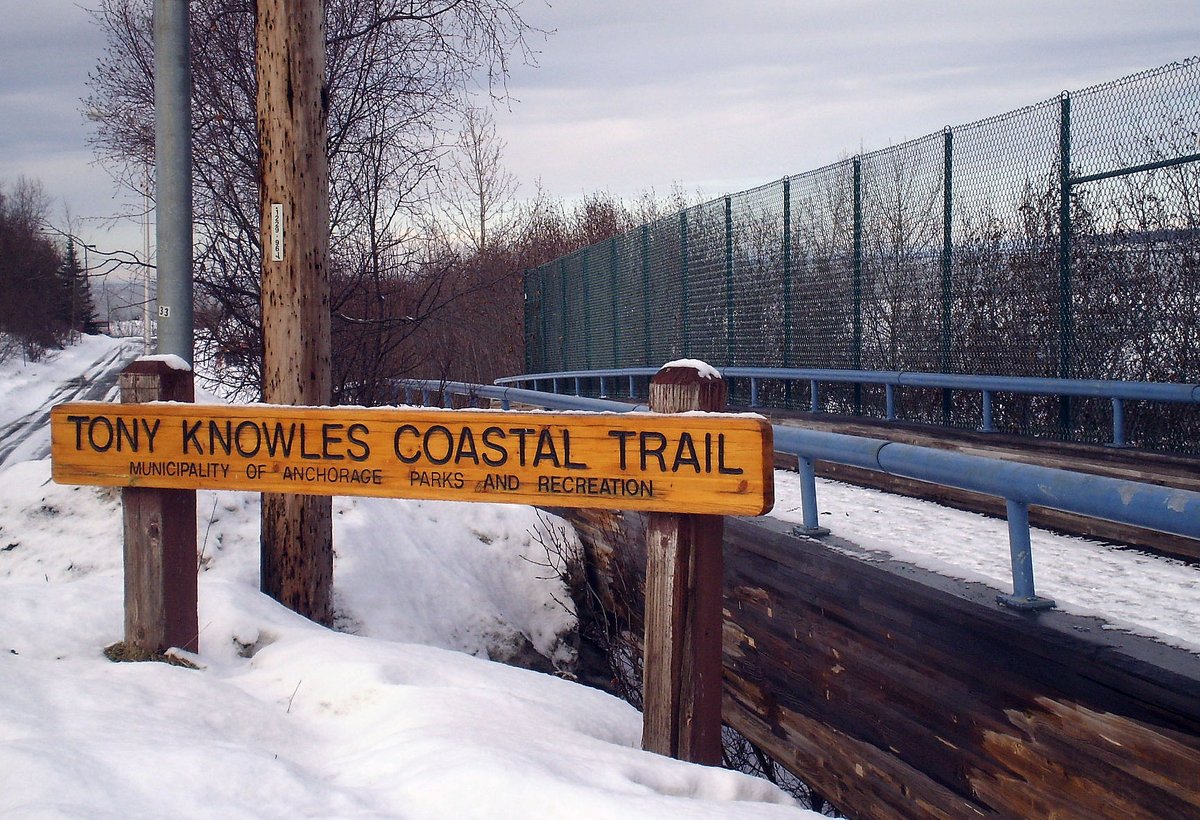
Start with a walk along the Tony Knowles Coastal Trail, one of the easiest ways to experience Anchorage without committing to a major hike. The trail follows the coast from downtown toward Kincaid Park, with views across Cook Inlet and the surrounding mountains. You do not need to complete the entire trail; a shorter out-and-back walk is enough to stretch your legs.
Afterwards, spend time exploring downtown Anchorage. This is a good day for the Anchorage Museum, local shops and galleries, and a relaxed look at the city's food scene. Stock up on snacks, water, layers, sunscreen, insect repellent and anything else you will want in the car before the route becomes more remote.
If you arrive early and the weather is clear, take a short introductory drive along the beginning of the Seward Highway toward Turnagain Arm. You do not need to go far. If the weather is poor or you arrive late, skip this completely and enjoy Anchorage instead.
- Morning / afternoon: Collect the car, check in, then walk a section of the coastal trail.
- Late afternoon: Downtown Anchorage, supplies and an optional preview of Turnagain Arm.
- Evening: First proper Alaska meal — salmon, halibut or seafood chowder — then an early night.
Do not miss: the Tony Knowles Coastal Trail. It can be shortened or extended depending on your arrival time.
Logistics: Stay in Anchorage. Check the vehicle before leaving the airport or rental location, and make sure you have offline maps. Keep Day 1 flexible rather than booking a major excursion, especially after a long international flight.
Day 2 — Anchorage to Seward: The Seward Highway Begins
Leave Anchorage in the morning and follow the Seward Highway south toward the Kenai Peninsula, but do not treat the drive as a journey you need to complete as quickly as possible. This is one of the most scenic stretches of road in Alaska, and the real experience comes from giving yourself permission to stop.
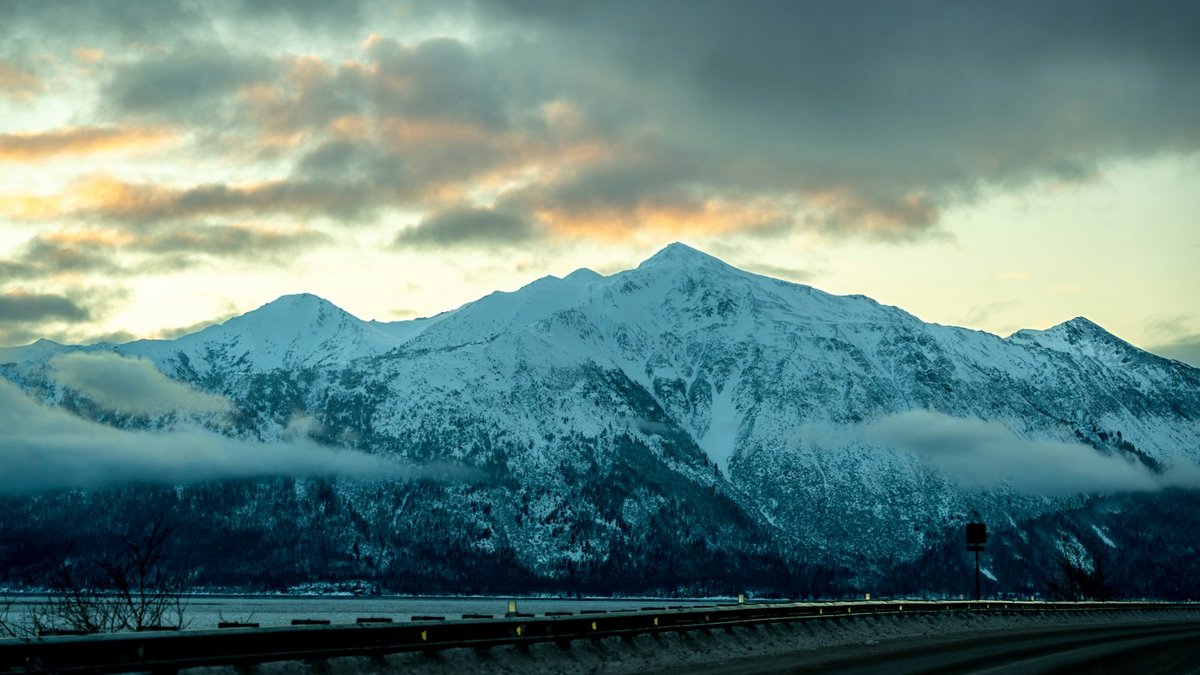
The road initially follows the shoreline of Turnagain Arm, a long tidal inlet framed by steep mountains. Mountains rise directly from the water, forests climb the lower slopes and the road winds between the coastline and the Chugach Mountains.
One of the first worthwhile stops is Beluga Point, a roadside viewpoint overlooking Turnagain Arm. There is a chance of spotting beluga whales in season, although wildlife sightings are never guaranteed. Even if the whales stay hidden, the views across the inlet make this an easy stop.
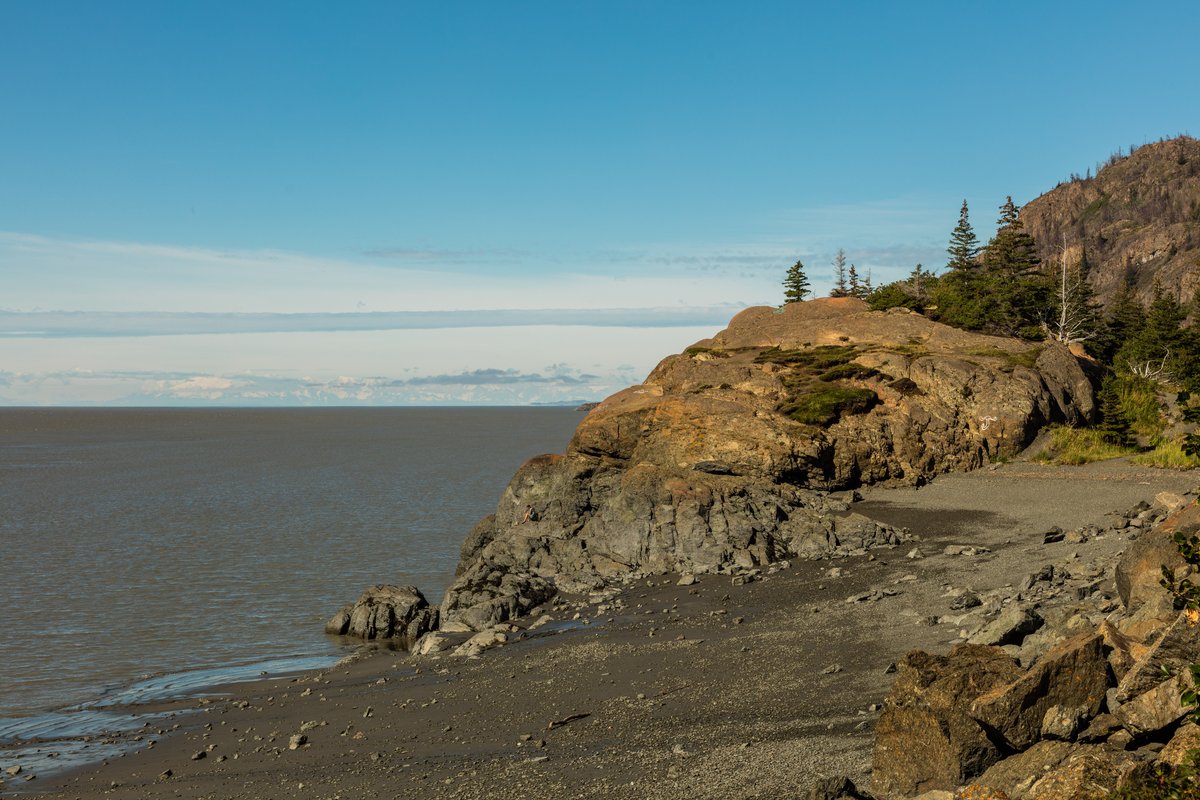
Continue south toward Bird Point, another excellent viewpoint. The short walks around the area make it possible to experience the landscape without committing to a long hike.
Keep your eyes open for wildlife along the roadside, particularly moose, but watch from a distance and never stop in an unsafe location simply because you think you have spotted an animal. Further south, Tern Lake is a quieter scenic stop where the landscape opens around the water.
Seward sits at the head of Resurrection Bay, surrounded by peaks and water. Spend the afternoon getting to know the town rather than immediately filling it with another major excursion. Walk the waterfront, explore the harbour and watch fishing boats come and go.
- Morning: Leave Anchorage with a full tank; stop at Beluga Point and Bird Point.
- Afternoon: Optional Tern Lake walk, then arrive in Seward and check in.
- Evening: Harbour walk and a seafood dinner — salmon, halibut or chowder near the water if you can.
Do not miss: the Seward Highway viewpoints along Turnagain Arm. Do not treat this day as a simple transfer.
Logistics: Without stops the drive is roughly 2.5–3 hours; realistically allow 5–7 hours. Summer daylight makes it easy to stay out later than planned, but still avoid driving after you are tired.
Day 3 — Kenai Fjords: Glaciers, Whales & the Wild Coast
If there is one day on this itinerary that deserves to be protected from unnecessary scheduling, it is today.
The waters around Seward provide access to Kenai Fjords National Park, a coastal landscape where glaciers, mountains and ocean meet. For first-time visitors, one of the best ways to experience the region is from the water.
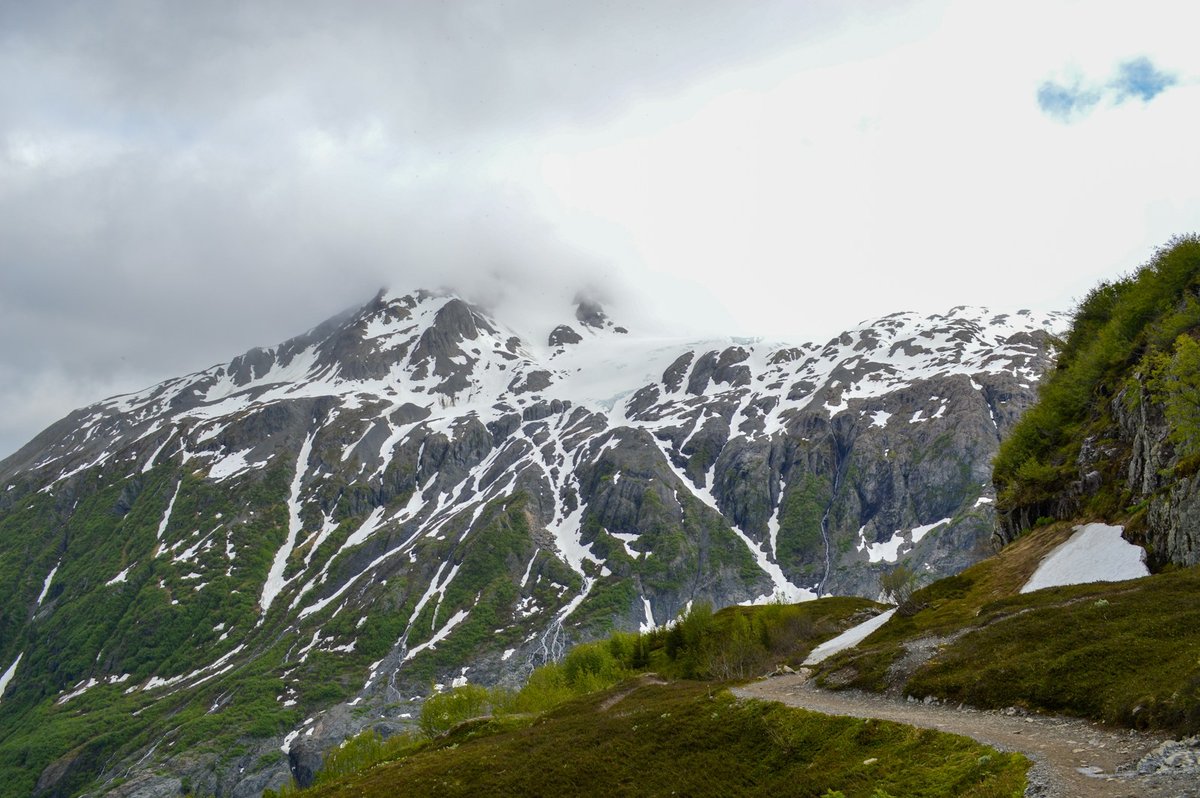
Join a Kenai Fjords wildlife and glacier cruise from Seward. The boat takes you beyond Resurrection Bay into rocky islands, steep coastal cliffs, ice-filled waters and mountains that appear to drop directly into the sea. Depending on the season and conditions, you may encounter humpback whales, orcas, sea otters, harbour seals, sea lions, puffins and other seabirds. Wildlife sightings are never guaranteed, and that uncertainty is part of the experience.
Keep your camera ready, but do not spend the entire trip looking through it. Depending on the cruise route and current operating conditions, you may see one or more tidewater glaciers. If you witness ice calving into the water, you may hear the sound before you see what happened — a useful reminder of how large the landscape is.
Bring warm layers even if Seward feels mild. Conditions on the water can be considerably cooler and windier. Once you return, resist organising another activity. Finish with a relaxed evening in town and a proper seafood dinner.
- Morning: Breakfast before the cruise; dress in layers and waterproof outerwear.
- Day: Wildlife and glacier cruise; spend as much time as possible on deck if conditions allow.
- Evening: Waterfront walk and salmon or halibut in Seward.
Do not miss: glacier viewing and wildlife from the water, preferably from the deck rather than the cabin.
Logistics: Cruise durations vary, so check the current operator schedule. Protect cameras from spray and book ahead in summer.
Day 4 — Exit Glacier & the Kenai Peninsula
After a day on the water, start with Exit Glacier, one of the most accessible glacier experiences in the area. The road from Seward quickly takes you into a quieter landscape of forest and mountains. Shorter trails provide viewpoints; longer routes allow more terrain. For a road trip like this, a shorter trail followed by time simply looking at the glacier can be more rewarding than exhausting yourself early.
The retreat of the glacier is visible in the surrounding terrain, and interpretive information helps explain the processes that have shaped the region.
Return toward Seward and begin the next stage along the Kenai Peninsula. Rather than racing all the way to Homer, enjoy the smaller communities and landscapes along the way. Depending on your interests, you can explore around Kenai Lake, Cooper Landing or Soldotna. The Kenai Peninsula is famous for its salmon rivers; even if you are not fishing, the Kenai River can be fascinating in season, with anglers, bald eagles and a more local peninsula atmosphere.
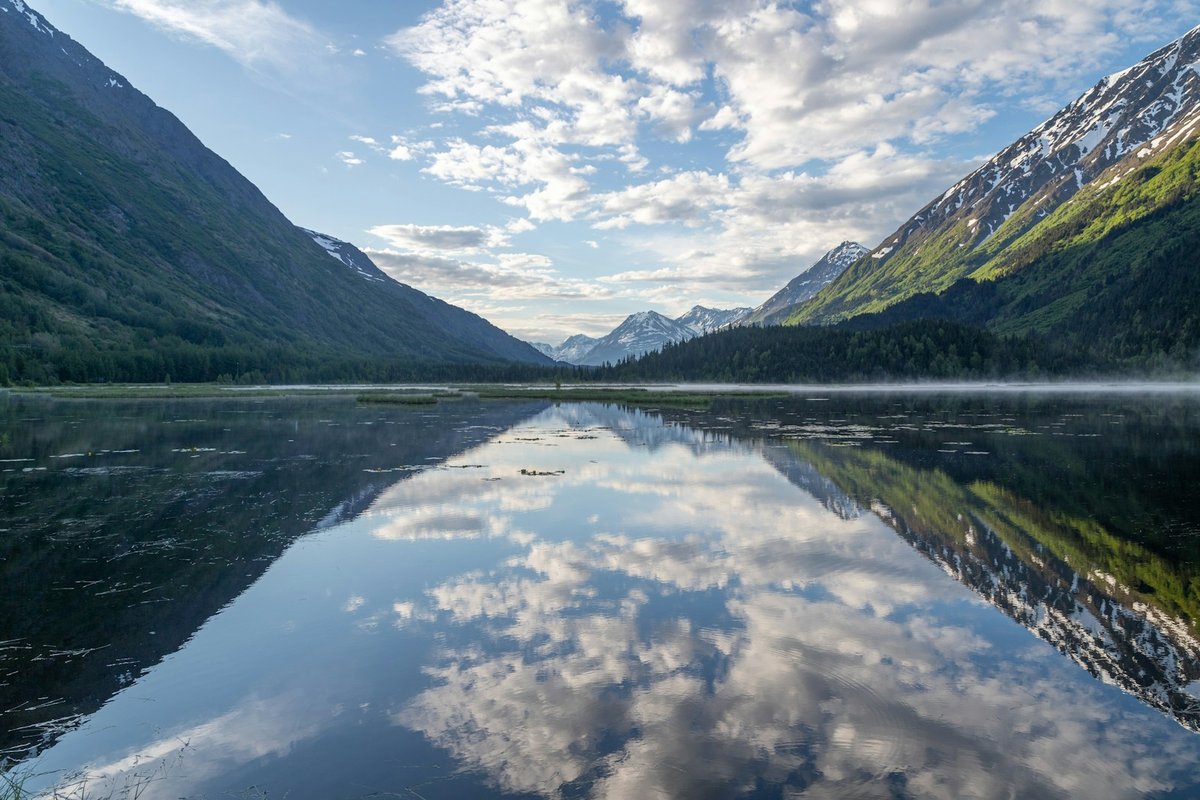
- Morning: Exit Glacier walk (Seward to the area is roughly 15–20 minutes).
- Afternoon: Drive west with stops at Kenai Lake or the Kenai River.
- Evening: Local café or seafood in Soldotna or Kenai, unless you continue toward Homer.
Do not miss: time around Exit Glacier before continuing south.
Logistics: From Seward toward the central Kenai Peninsula, allow several hours depending on your final stop. Stay around Soldotna or Kenai for a more relaxed driving day, or continue toward Homer if you prefer to make tomorrow easier.
Day 5 — Homer: The End of the Road
Homer sits at the end of the Sterling Highway on the southern Kenai Peninsula, with the Homer Spit extending into Kachemak Bay. It feels as though the road has carried you to the edge of the continent, with mountains and water stretching beyond the harbour.
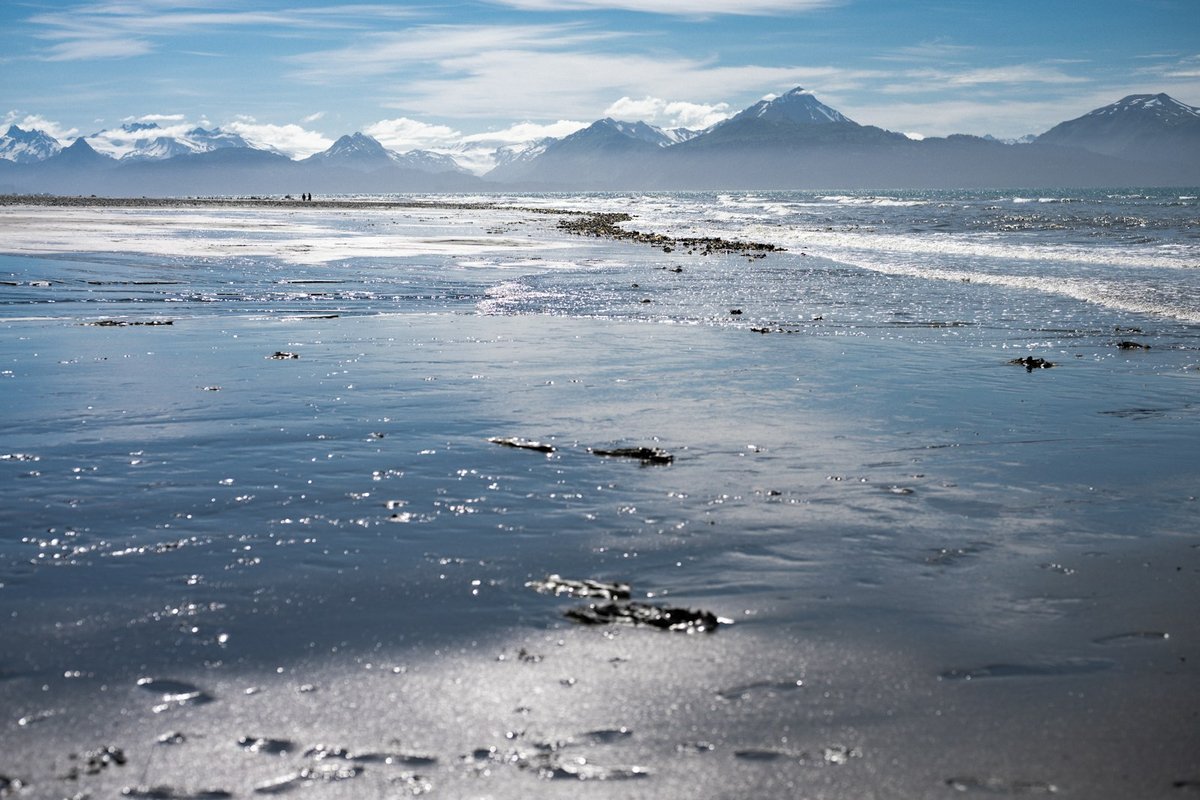
Head toward the Homer Spit, the narrow strip of land extending into the bay. Fishing boats, seafood restaurants, small shops and views across the water give the area a distinctly Alaskan character. On clear days, the mountains across Kachemak Bay create an extraordinary backdrop. Walk the Spit before lunch. Homer is particularly known for its fishing culture, so this is a good opportunity to try fresh halibut or salmon.
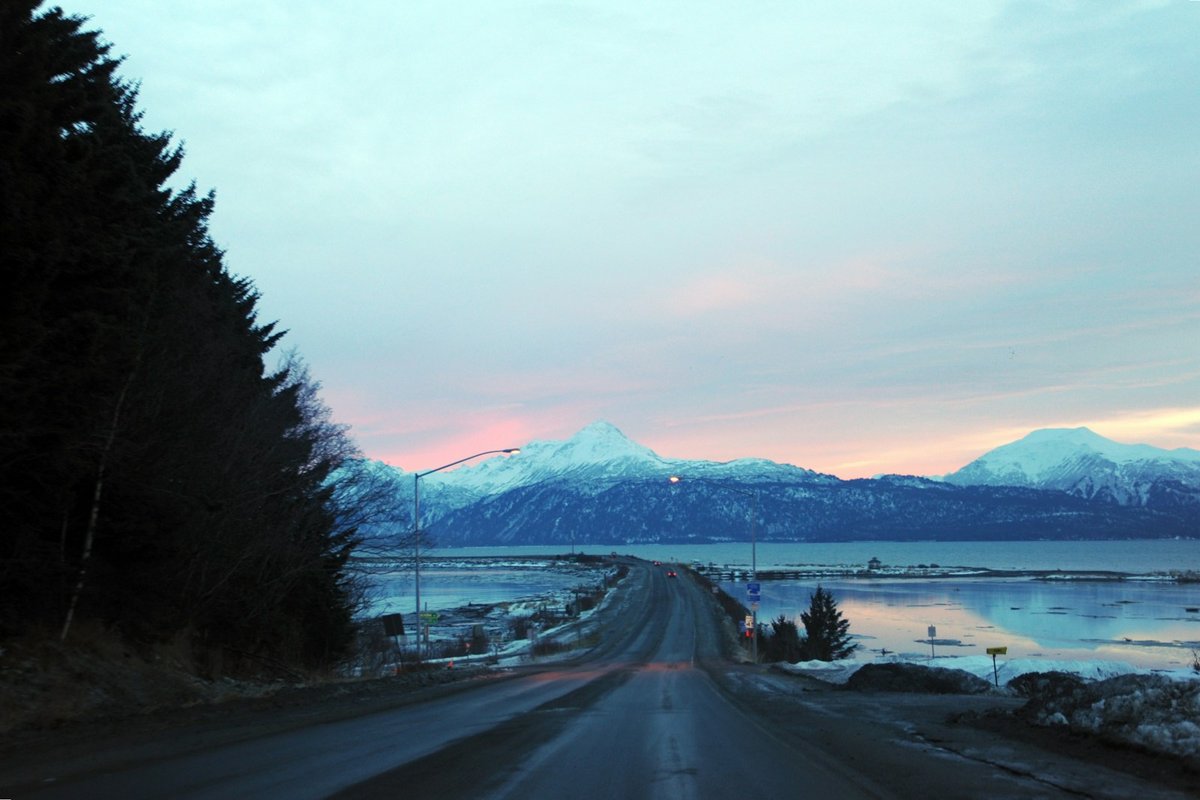
If you want a more active experience, Homer is a gateway for kayaking, hiking and boat trips into Kachemak Bay State Park. You do not need to fit all of these in. Choose one experience that genuinely appeals and leave the rest of the day open. By evening, watch the changing light over Kachemak Bay. During long summer evenings, the landscape can remain illuminated well after dinner.
- Morning: Finish the drive to Homer if you stayed further north, then walk the Spit.
- Afternoon: Seafood lunch and one optional kayak or bay excursion, or galleries and shoreline walks.
- Evening: Light over Kachemak Bay and a casual coastal dinner.
Do not miss: walking the Homer Spit and looking across Kachemak Bay toward the mountains.
Logistics: Reaching Homer from the central Kenai Peninsula can take several hours. If you choose a Kachemak Bay excursion, book ahead in peak summer and keep flexibility for weather.
Day 6 — Homer to Talkeetna: Back Through the Kenai Peninsula
Today is one of the longer driving days, but it is also a day when the road deserves your attention. Leave Homer relatively early and retrace your route through the Kenai Peninsula. The journey feels different in the opposite direction: the light changes, the weather may be completely different and you may notice viewpoints you missed on the way south.
Allow time around Tern Lake and the Kenai River. As you leave the peninsula, broad valleys, forests and distant mountains replace the immediate coastal scenery. Watch for moose, but only stop when there is a safe place to pull over.
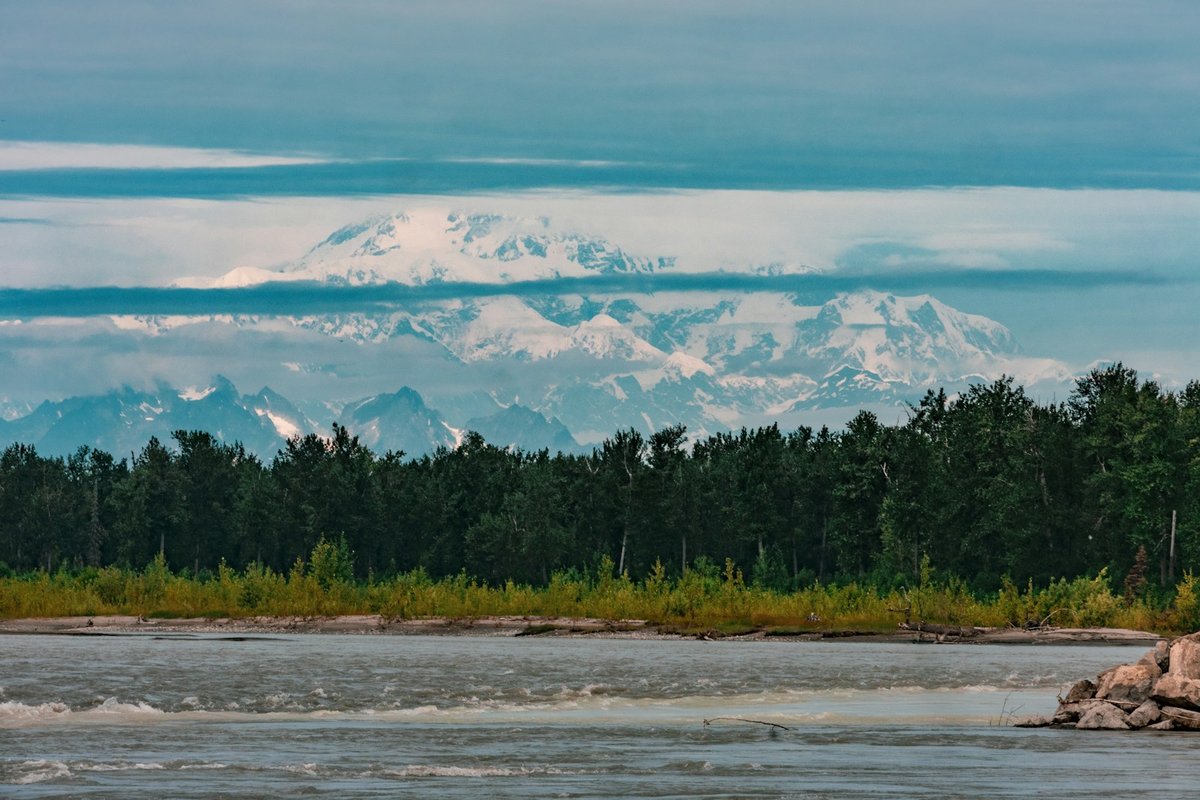
By late afternoon or evening, arrive in Talkeetna, a small community known as a staging point for climbers heading toward Denali. It has a small-town atmosphere, colourful historic buildings and views toward the Alaska Range when the weather allows. Do not try to turn your arrival into another packed sightseeing session. Walk the town, find dinner, and do not structure the visit around seeing Denali's summit — the mountain is frequently hidden by cloud.
- Morning: Early departure from Homer; scenic stops on the way north.
- Afternoon: Continue toward Talkeetna with food and water in the car.
- Evening: Walk historic Talkeetna and keep dinner relaxed.
Do not miss: simply walking around historic Talkeetna and looking toward the Alaska Range when the weather allows.
Logistics: At about 334 miles, this is the longest drive of the entire trip — longer than the Anchorage–Seward and Denali–Anchorage legs combined. Non-stop it takes roughly 6.5–7 hours, but with fuel, food and photo stops it commonly runs 8–9 hours, so leave Homer as early as you reasonably can and avoid planning any major activity on the same day.
Day 7 — Talkeetna to Denali: Into the Alaska Range
The landscape becomes increasingly expansive as you head north, and the Alaska Range begins to dominate the horizon when the weather is clear. The road itself is straightforward compared with earlier dramatic sections, but the best moments may happen when you stop unexpectedly.
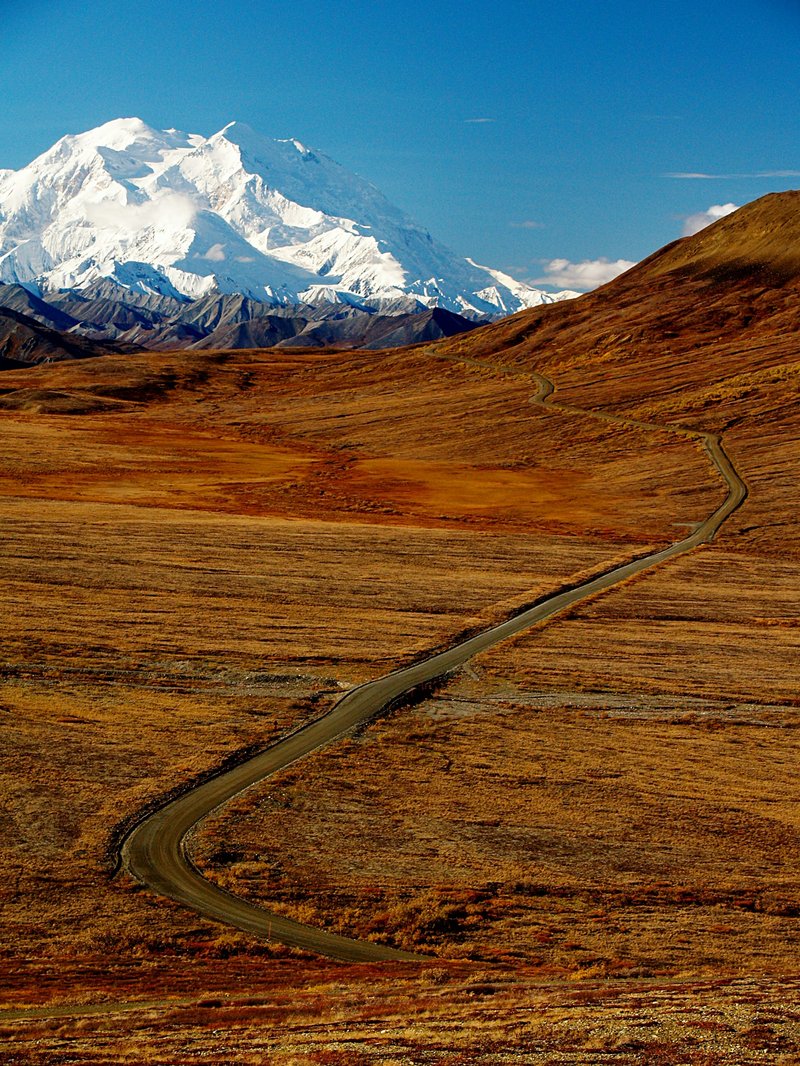
Arrive in the Denali area, stop at viewpoints along the route, explore the visitor area around the park entrance and get familiar with logistics for the following day.
Visiting Denali is not the same as driving into a conventional national park where you can simply spend the entire day following a public road. Access within the park is more controlled, and park bus excursions and other organised transportation are an important part of the visitor experience. Current access arrangements can vary, so check the latest official National Park Service information before your trip. This is why two days around Denali are useful.
- Morning: Leave Talkeetna and drive north, stopping at viewpoints.
- Afternoon: Park entrance, visitor information and check-in.
- Evening: An easy, filling dinner near your accommodation.
Do not miss: the Alaska Range around the Denali area, even if the mountain itself is hidden by cloud.
Logistics: Accommodation near the park can fill quickly in summer. Confirm bus schedules and operating conditions before travelling.
Day 8 — Denali National Park: Wildlife, Wilderness & the Alaska Range
After coastal scenery, glaciers and long road journeys, the landscape around Denali feels different. There are fewer obvious landmarks competing for your attention, and that is the point. The experience is about entering a much larger wilderness and giving yourself time to watch it unfold.
For most first-time visitors, a park bus excursion is one of the best ways to experience the accessible areas of Denali. Organised transportation lets you travel deeper into the landscape while keeping your attention on the surroundings rather than on driving. Bring binoculars if you have them.
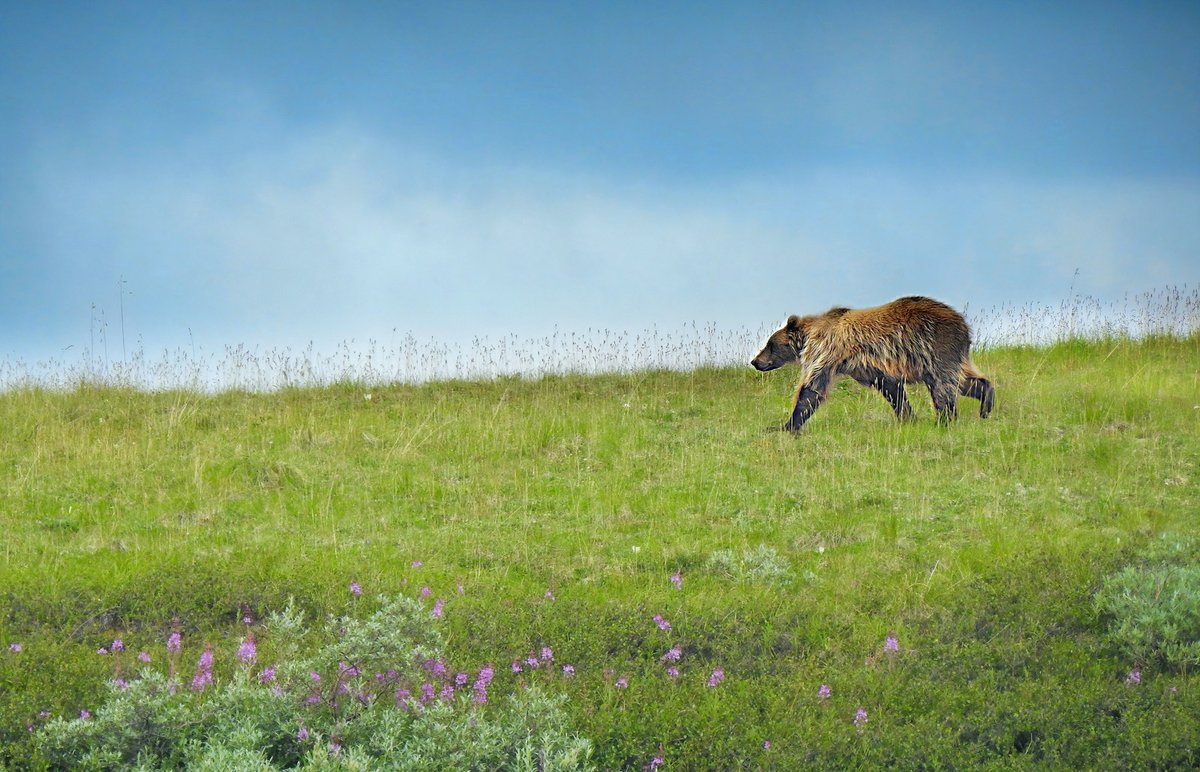
You may see moose, caribou, Dall sheep, grizzly bears, wolves or other wildlife, sometimes at a considerable distance and sometimes surprisingly close to the road. Denali is not a zoo, and wildlife does not appear on schedule. The real reward is spending hours moving through a landscape where the road feels almost insignificant.
After returning, keep the afternoon flexible. If you have the energy, choose a short trail around the park entrance rather than another major activity. Keep wildlife awareness in mind, carry water and follow current trail guidance. Long summer evenings can make the day feel almost endless.
- Morning / day: Park bus excursion with layers, rain protection, water, snacks and binoculars.
- Afternoon: A short entrance-area trail if energy remains.
- Evening: Hearty dinner — casual restaurants around the Denali area serve burgers, soups and Alaskan-inspired dishes.
Do not miss: getting into Denali's wilderness. Do not spend the entire day only searching for animals; the landscape itself is the attraction.
Logistics: Check current NPS access arrangements and bus schedules before your trip, because services and road access can change.
Day 9 — Denali to Anchorage: One Last Scenic Drive
Leave Denali in the morning and head south toward Talkeetna and the Parks Highway. If you missed anything around Talkeetna earlier, this is a good short stop. Otherwise continue toward the landscapes around the Susitna River and the Alaska Range. Do not worry about seeing Denali itself. The mountain is frequently hidden, and the surrounding range remains spectacular.
This is a good day to stop at viewpoints you may have ignored on the northbound journey. If you want one final short walk, choose something that does not require a major detour. As you approach Anchorage, traffic increases and the wilderness begins to feel slightly farther away.
- Morning: Depart Denali without rushing.
- Afternoon: Optional Talkeetna or viewpoint stops; keep any walk gentle.
- Evening: Final Alaskan seafood dinner in Anchorage. Return the car if tomorrow's departure requires it, or stay near the airport for a very early flight.
Do not miss: roadside viewpoints on the drive back. The journey does not need another major attraction to be worthwhile.
Day 10 — Anchorage: One Last Morning in Alaska
If your flight is later in the day, use the time for one last Anchorage experience rather than adding another major destination. You might take a final walk along the waterfront or Tony Knowles Coastal Trail, browse for souvenirs, pick up local products or simply have a slow breakfast.
Ten days of driving, hiking, wildlife viewing, glacier cruises and mountain scenery is a lot, and the final morning is better spent letting the trip settle in. If you have an evening flight, you can use the extra time for a relaxed lunch and perhaps one final scenic drive before returning the car.
- Morning: Easy breakfast or a short coastal walk.
- Afternoon: Car return and airport, with plenty of time in the busy summer season.
Do not miss: a final moment to appreciate that the road itself was part of the journey, not simply the way you moved between attractions.
Where to Stay
Choose convenience over trying to find the most luxurious property in every destination. Being close to the road, harbour, trailhead or park entrance is often more valuable than a long list of hotel facilities. These are area suggestions, not a hotel booking list.
Anchorage: Stay convenient to downtown or the airport depending on arrival and departure. Downtown is useful for restaurants, museums and the city; an airport-area hotel can help a very early departure.
Seward: Near the harbour is particularly convenient because many Kenai Fjords cruises depart from the waterfront, and you can walk to dinner.
Kenai Peninsula: Soldotna and Kenai are practical bases for the central peninsula. Homer makes more sense if you have included the southern coastal extension.
Homer: The Homer Spit gives immediate waterfront access; the town centre can be quieter with broader access to local businesses.
Talkeetna: Stay within or close to the historic town so you can walk to restaurants and shops.
Denali: Near the park entrance is generally the most practical choice for first-time visitors, particularly with an early bus departure. Book this stay early in summer.
How to Get Around
A rental car is essential. Public transportation is not designed to connect all of these destinations conveniently. Choose a reliable vehicle with enough room for luggage, outdoor clothing and day packs. A midsize SUV can be comfortable for couples or families, but there is no need to automatically choose the largest vehicle available. The main roads on this itinerary are generally suitable for ordinary rental vehicles during the summer season.
Before leaving Anchorage, familiarise yourself with the vehicle, check the tyres and fuel level, and understand the rental company's roadside assistance arrangements. Download offline maps because mobile coverage can become less reliable away from larger towns. Fuel stations are available along the major route; refuel whenever you have a convenient opportunity, particularly before longer stretches.
Itemised Budget for 10 Days (Per Person, Excluding International Flights)
These are approximate planning ranges in US dollars for one person sharing a room and rental car, covering 9 nights. Summer rates in Seward, Homer, Talkeetna and the Denali area sit at the high end because inventory is limited.
| Item | Budget | Mid-range | Upscale |
|---|---|---|---|
| Accommodation, 9 nights | $540–810 | $900–1,500 | $1,800–3,150 |
| Rental car and fuel, shared | $400–550 | $475–800 | $700–1,100 |
| Food and drinks | $250–400 | $400–700 | $700–1,200 |
| Kenai Fjords cruise | $180–250 | $200–350 | $400–600 |
| Denali experiences | $40–80 | $80–250 | $250–500 |
| Other activities and extras | $50–100 | $100–300 | $200–500 |
| Total per person | About $1,460–2,190 | About $2,155–3,900 | About $4,050–7,050 |
One of the easiest ways to control the budget is to mix restaurant meals with groceries, picnic lunches and casual cafés. The Kenai Fjords cruise and Denali activities are the organised experiences that move a mid-range trip toward the top of the range.
What to Book Ahead
- Accommodation, particularly in Seward, Talkeetna and around Denali.
- The Kenai Fjords cruise, if it is a priority. Choose a duration that fits your energy rather than automatically selecting the longest excursion.
- Denali access and bus services for your travel dates. Park access has changed over time, and conditions can vary by season.
- A kayak or boat trip around Homer or Kachemak Bay if you want a specific departure time in peak summer.
First-Time Visitor Tips
- Driving: A standard vehicle or midsize SUV is generally enough for the main highways. Check your rental agreement if you plan to use any roads with vehicle restrictions.
- Weather and packing: Summer weather can change quickly. Pack waterproof outerwear, warm layers, comfortable hiking shoes, sunglasses, sunscreen and insect repellent. Keep an extra layer and rain protection in the car.
- Wildlife: Moose, bears, Dall sheep, eagles and marine wildlife can appear unexpectedly. Never approach or feed wildlife, and never stop in an unsafe position just to take a photograph. Use designated pullouts.
- Daylight: Summer brings exceptionally long days, particularly in June and July. Enjoy the extra sightseeing time, but do not feel you need to fill every hour.
- Hiking: Check weather, tell someone your plans when appropriate, carry water, extra layers, a charged phone and a small first-aid kit.
What to Pack
- Layered clothing: lightweight base layer, fleece or warm mid-layer and waterproof outer shell.
- Comfortable hiking or trail shoes for Exit Glacier, Denali-area walks and scenic trails.
- Waterproof footwear if you expect wet or muddy conditions.
- Sunglasses, sunscreen and a hat — long daylight and reflections from glaciers and water still burn.
- Insect repellent, especially around forests, lakes and wetlands.
- Daypack, reusable water bottle, power bank, camera and binoculars.
- Small first-aid kit, plus snacks, water and a rain jacket within easy reach in the car.
Best Time for This Alaska Road Trip
June through August is the easiest period for a first-time Alaska road trip because the days are long, seasonal businesses are generally operating and most major tours are available. June is particularly appealing if you want enormous amounts of daylight and relatively early summer conditions. July is the heart of the travel season and generally offers the fullest range of services. August can bring a slightly different atmosphere, with shorter evenings and the possibility of early autumn colour toward the end of the month.
The shoulder seasons can be rewarding if you want fewer visitors and potentially lower accommodation prices, but they require more flexibility. Some tours may not yet be operating in late May, while early September can bring reduced seasonal services and changing weather.
Key Places and Exact Locations
- Ted Stevens Anchorage International Airport: arrival and departure
- Tony Knowles Coastal Trail: Day 1 and Day 10
- Beluga Point: Day 2
- Bird Point: Day 2
- Tern Lake: Days 2 and 6
- Seward Harbour: Days 2–3
- Kenai Fjords National Park: Day 3
- Exit Glacier: Day 4
- Kenai Lake: Day 4
- Kenai River, Soldotna: Day 4
- Homer Spit: Day 5
- Historic Talkeetna: Days 6–7
- Denali National Park visitor area: Days 7–8
Useful Official Links
- Visit Anchorage — attractions, neighbourhoods, events, dining and visitor information
- Travel Alaska — statewide trip-planning information from the Alaska Travel Industry Association
- National Park Service — Kenai Fjords National Park
- National Park Service — Denali National Park
- Alaska Department of Fish and Game — wildlife, fishing regulations and safety
- Homer Chamber of Commerce
- Talkeetna Chamber of Commerce
FAQs
Is 10 days enough for Alaska?
Ten days is not enough to see the whole state, but it is enough to experience Southcentral Alaska properly: the Seward Highway, Kenai Fjords, the Kenai Peninsula, Homer, Talkeetna and Denali.
Do I need a rental car?
Yes. A rental car is essential for this route. Public transport is not designed to connect Anchorage, Seward, Homer, Talkeetna and Denali conveniently.
When is the best time for this road trip?
June through August is the easiest period for a first-time Alaska road trip, with long daylight, seasonal businesses generally operating and most major tours available.
How long is the drive from Anchorage to Seward?
The Seward Highway is about 125 miles. Without stops it takes roughly 2.5–3 hours; with viewpoints, photographs and short walks, allow 5–7 hours.
Should I book the Kenai Fjords cruise ahead?
Yes, if the cruise is a priority. Book ahead during the busy summer season and choose a duration that fits your energy rather than automatically taking the longest excursion.
Can I drive into Denali National Park?
Not in the same way as a typical national park. Access inside Denali is more controlled, and park bus excursions or other organised transport are an important part of the visitor experience. Check current National Park Service information before you travel.
Are wildlife sightings guaranteed?
No. You may see moose, bears, whales, sea otters, puffins, caribou or Dall sheep, but wildlife does not appear on a schedule. Watch from a safe distance and never stop in an unsafe place to take a photograph.
How much does a 10-day Alaska road trip cost?
A comfortable mid-range trip often lands around US$2,150–3,900 per person excluding international flights, depending on accommodation, tours and whether you share a car and room. Alaska is not generally a budget destination in summer.
Prompts to Try in Honge
- Plan a 10-day Alaska road trip from Anchorage to Seward, Homer, Talkeetna and Denali.
- Build a slower Kenai Peninsula version that stays two nights in Homer.
- Suggest a Kenai Fjords cruise length for first-time visitors who get cold easily.
- Create a Denali day around current park bus options and a short entrance-area hike.
- Find seafood stops between Seward, Soldotna and Homer that work with a driving day.
- Shorten this route if I only have eight days and still want Kenai Fjords and Denali.
- Add a wildlife-focused packing list for a summer Alaska road trip.
- Compare staying in Seward versus Cooper Landing for a first-time Kenai Peninsula visit.
Ready to Start Your Adventure?
This 10-day route gives first-time visitors a taste of Alaska's greatest contrasts: Anchorage's city energy, the dramatic drive to Seward, the glaciers and wildlife of Kenai Fjords, the coastal character of Homer, the charm of Talkeetna and the immense wilderness of Denali.
You will drive quite a bit, but the journey is deliberately broken into manageable sections. Because ten days will not show you all of Alaska, the goal is not to collect every national park. It is to experience a section of Alaska deeply enough that the road itself becomes part of the memory.
Take the scenic road when the weather is good. Pull over safely when the mountains appear. Watch the water for whales. Give the glaciers time. Order the local seafood. Walk a little farther. Let the itinerary breathe.
And if you want to turn this itinerary into a trip that feels truly yours, use it as a framework and customise or remix it with Honge AI around your preferred routes, budget, travel style, interests and pace.
Ready for glaciers, highways and Denali?
Plan your Alaska trip with Honge
Keep Anchorage, Seward, Homer, Talkeetna and Denali as bases, then shape driving days, cruise length and wildlife time around your pace.
Related itineraries
Written by
This blog was contributed by B. Sai Nikita, a travel enthusiast and writer. B. Sai Nikita can be reached at bsainikita10@gmail.com.
About Honge
Honge is an AI travel planning platform focused on practical, experience-led itineraries with realistic pacing and logistics. All blog content is edited and published by Honge. Our Alaska research draws on updated practical logistics as of September 2026. © Honge. All rights reserved.
Image credits: Photos are sourced from Unsplash and Wikimedia Commons. Copyright remains with their respective photographers and rights holders. Unsplash images are used according to the Unsplash License. Wikimedia Commons images are used according to their applicable license terms: CC BY 2.0 or CC BY-SA 4.0.
Travel disclaimer
This itinerary is intended as general travel inspiration and planning guidance only, not as personalised travel, safety or medical advice. Driving times are estimates: weather, roadwork, wildlife and viewpoint stops can add hours, so do not treat GPS times as the day. The Seward Highway, Kenai Peninsula and Parks Highway are generally suitable for ordinary rental cars in summer, but check your rental agreement for restricted roads. Refuel whenever you have a convenient opportunity and keep offline maps. Kenai Fjords cruises and Denali park transport depend on weather, season and current National Park Service access, which can change. Wildlife sightings are never guaranteed; never approach or feed animals, and only stop in safe pullouts. Summer weather shifts quickly, so pack layers and waterproofs even on a clear morning. Book accommodation in Seward, Talkeetna and around Denali early in peak season. Take out comprehensive travel insurance that covers medical treatment, car hire and cancellation. Stay areas in this article are location suggestions only, not a hotel booking list; in the Honge app they may appear as booking options when offered by our vendors at the time of your search. Honge is not responsible for any changes to conditions, services or experiences described in this article after the date of publication.