
A few months before this trip, we listened to a podcast episode featuring Boyd Varty, and throughout the conversation the host kept returning to one particular book:
The Lion Tracker's Guide to Life.
Start with this itinerary
Open this route in Honge as your starting point, then shape the days, stays, and pace around how you travel.
The way they spoke about it made us curious enough to pick it up ourselves.
We expected a wildlife memoir.
Instead, the book turned into something far more immersive — part safari storytelling, part philosophy, part reflection on attention, instinct, and the strange clarity that comes from spending time in the wilderness.
What stayed with us most was not just the animals.
It was the place itself.
Again and again, the stories returned to Londolozi Private Game Reserve in South Africa’s Sabi Sands region:
early morning tracking,
lantern-lit dinners in the bush,
leopard sightings,
the rhythm of safari life,
and the deep connection between guides, trackers, and landscape.
By the time we finished the book, Londolozi had quietly moved from being “a safari lodge we had heard about” to the actual reason we wanted to visit South Africa.
And once we accepted that we were flying all the way to the southern tip of Africa for safari, the rest of the itinerary slowly built itself around that idea.
Cape Town gave us coastline, energy, and dramatic scenery.
The Winelands added slower afternoons, food, and long summer lunches.
And then Londolozi completely shifted the emotional tone of the journey into something quieter, more immersive, and far more memorable than we had expected.
What made the trip work especially well for us in our 50s was the pacing.
Instead of trying to cover huge parts of the country, we focused on doing fewer places properly:
lingering longer,
driving less,
and leaving enough space for the trip to breathe.
That decision changed everything.
To adapt this journey to your own dates, pace, and budget, you can use Honge's AI trip planner and map each day before you book.
Some mornings were spent watching waves crash against the Atlantic beneath Table Mountain.
Others began before sunrise tracking animals through the bush while storm clouds slowly built over the reserve.
And somewhere between Cape Town sunsets, vineyard lunches, and silent safari drives, South Africa became one of the most emotionally layered trips we have taken together.
Why January Worked Beautifully
We planned this trip for early January, which meant South Africa felt very alive from the moment we arrived.
Cape Town was in full summer mode with busy cafés, bright beaches, late sunsets, warm evenings, and outdoor restaurants packed well into the night.
The Winelands were lush and green beneath intense blue skies, while safari at Londolozi felt vibrant and dramatic with thick summer vegetation, baby animals, birdlife everywhere, and huge afternoon thunderclouds building slowly over the bush.
January is definitely active tourist season, especially around Cape Town, but the energy suited the trip perfectly.
One thing we learned quickly, though, was that South African weather changes fast: Cape Town mornings could begin hot and sunny before strong Atlantic wind rolled in by afternoon, so keeping layers in the car became unexpectedly important even during summer.
Flights, Driving & Getting Around South Africa
Before the trip, we spent a lot of time debating whether we should self-drive or rely entirely on guided transport.
In the end, doing a combination of both worked perfectly.
We arrived internationally into Cape Town and rented a car directly from Cape Town International Airport using:
Automatic vehicles should absolutely be reserved early during January because availability becomes limited during peak summer season.
Driving around Cape Town and the Winelands turned out to be far easier than we expected. The roads were excellent, distances manageable, and many of the drives themselves became major highlights of the trip.
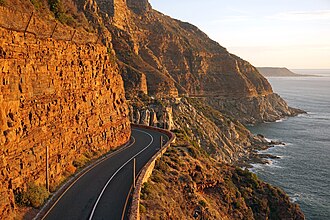
Chapman’s Peak Drive especially felt unforgettable, with ocean cliffs, dramatic bends, summer light reflecting off the Atlantic, and constant excuses to stop the car for photographs.
That said, South Africa also required consistent situational awareness throughout the trip.
Nothing actually went wrong during the trip, but we were definitely more conscious about not leaving bags visible in the car, avoiding isolated areas late at night, and generally paying attention to local advice.
The route itself worked beautifully:
- 4 nights Cape Town
- 2 nights Franschhoek / Winelands
- 3 nights Londolozi Safari
That pacing ended up feeling ideal.
Cape Town brought energy.
The Winelands slowed everything down.
Safari completely changed the emotional tone of the trip.
By the end, it genuinely felt like three different vacations inside one journey.
South African Food We Still Think About
One thing we underestimated before the trip was just how diverse South Africa’s food culture actually is.
Before arriving, we mostly associated the country with wine, steakhouses, and safari lodge dining.
But once we started travelling, we realized South African food reflects an enormous mix of influences, with Cape Malay, Dutch, British, Indian, Afrikaner, and indigenous African traditions layered together into something that feels completely unique.
Food in South Africa felt bold, comforting, social, and deeply tied to gathering people together.
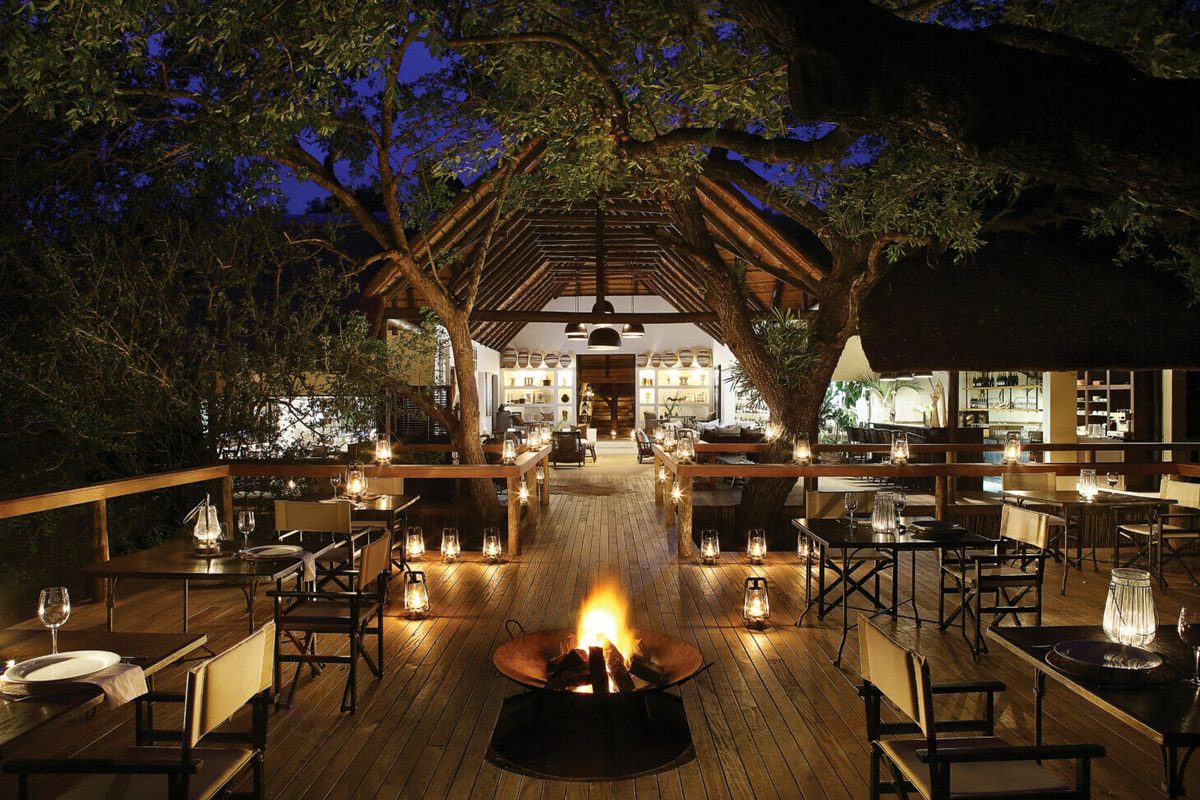
Long lunches in the Winelands, late seafood dinners in Cape Town, open-fire braais, and safari lodge meals beneath the stars all became part of the atmosphere of the trip itself rather than simply something between activities.
Food became part of the atmosphere of the trip itself rather than simply something between activities.
Bobotie — The Dish We Kept Seeing Everywhere
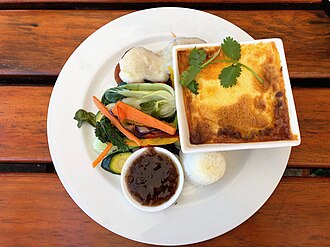
One of the first dishes we encountered repeatedly was Bobotie, which many South Africans casually refer to as the country’s national dish.
At first glance it sounds unusual:
spiced minced meat baked beneath an egg-based custard topping and usually served with yellow rice, raisins, and chutney.
But the balance works beautifully.
The flavor felt mildly sweet, warmly spiced, savory, and deeply comforting all at once.
We first tried it in Cape Town, and it immediately made sense why the dish is so closely tied to Cape Malay culinary traditions around Bo-Kaap.
Bunny Chow — Messy, Spicy & Completely Worth It
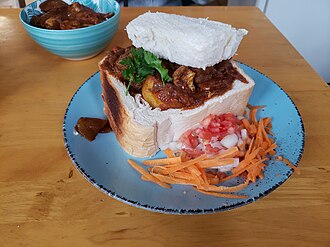
Bunny Chow became one of the most unexpectedly fun meals of the trip. Originally from Durban’s Indian community, it consists of a hollowed-out loaf of bread filled with spicy curry, and it is messy, heavy, slightly chaotic to eat, and completely addictive after a long day.
We tried a version filled with rich lamb curry, and somewhere halfway through eating it with curry dripping onto our hands, we realized why South Africans speak about Bunny Chow with near-religious enthusiasm.
Braai Culture Feels Bigger Than Food
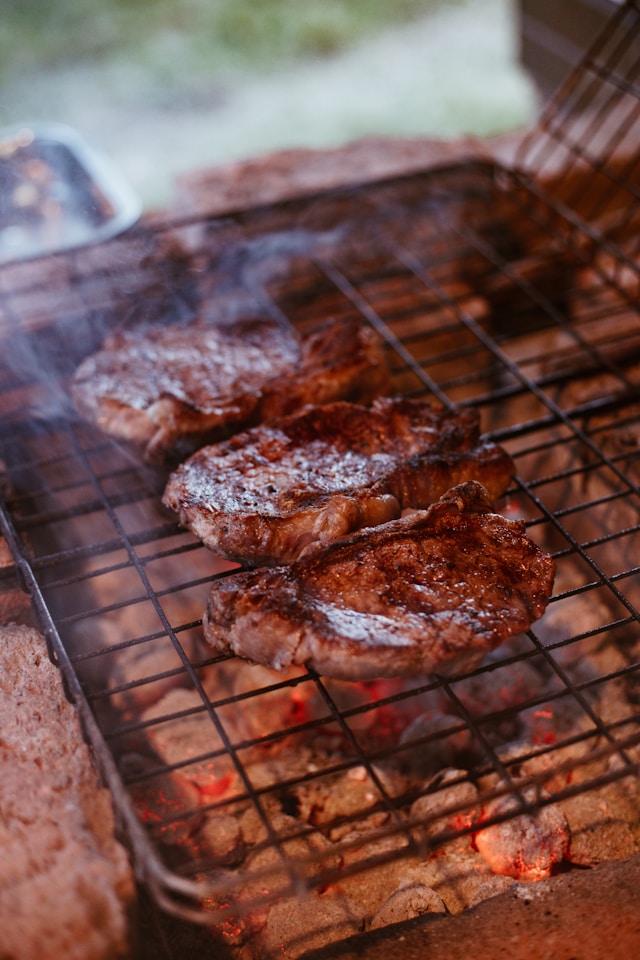
Very quickly we realized that “braai” in South Africa means far more than simply barbecue; it is almost a social institution, and people talk about braais the way other countries talk about family gatherings or holidays. At wineries, lodges, and restaurants, conversations constantly drifted toward favorite meats, wood choices, fire techniques, or who makes the best Boerewors, and Boerewors itself became another food we encountered repeatedly throughout the trip.
The coiled sausage is heavily seasoned with coriander and spices, and when cooked over open flame, the smell instantly feels like South Africa.
At one lunch stop near Stellenbosch, the table slowly filled with Boerewors, steak, chakalaka, pap, grilled vegetables, and local wine while everyone lingered outdoors beneath trees for hours, and that relaxed outdoor rhythm seemed deeply woven into South African culture itself.
The Desserts Deserve More Attention
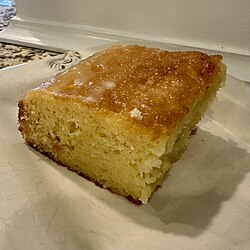
South African desserts surprised us almost as much as the landscapes, and Malva pudding became the clear standout: warm, sticky, soft sponge soaked in buttery caramelized sauce and usually served with custard or cream, rich in the most comforting possible way.
One evening in Franschhoek after a long winery lunch, we shared a malva pudding while golden evening light moved slowly across vineyards outside the restaurant windows, and honestly it became one of those oddly perfect travel moments that stays with you afterward.
Day 1 — Arrival in Cape Town
We landed in Cape Town tired but immediately distracted by the scenery.
Even from the drive out of the airport, Table Mountain dominated the skyline in a way that almost looked artificial.
Very few cities arrive with such a dramatic backdrop.
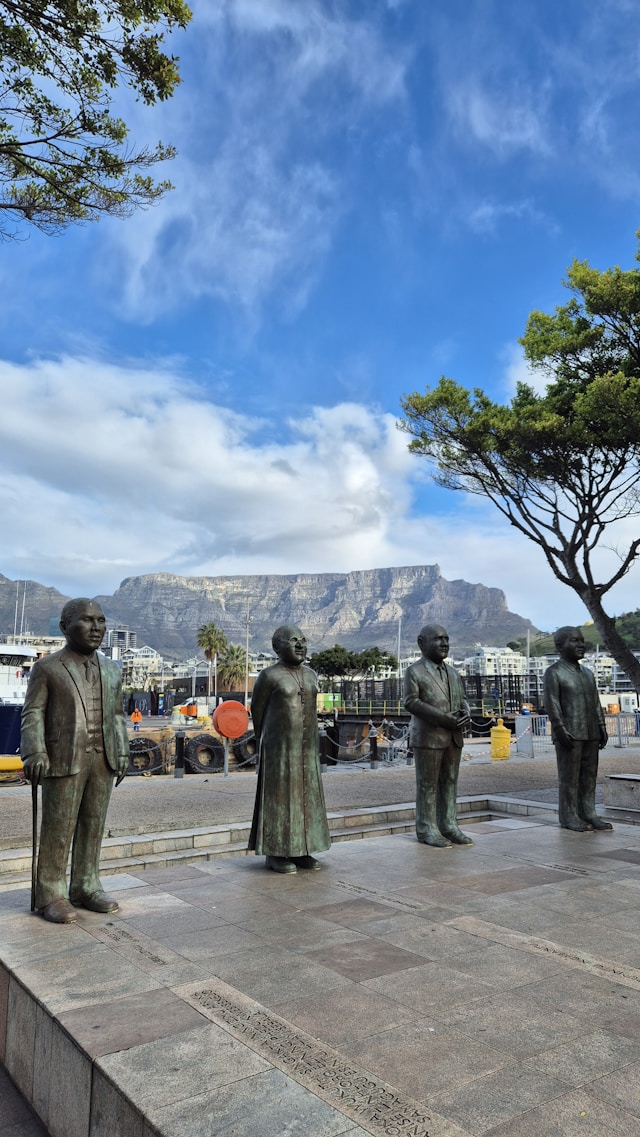
We stayed near the V&A Waterfront for the first few nights, which turned out to be the perfect introduction after a long international flight. The area was lively, walkable, and filled with restaurants, cafés, harbor views, and people lingering outdoors late into warm summer evenings.
That first evening, we intentionally kept things simple.
That first evening, we intentionally kept things simple with no major sightseeing and no rushing.
We walked along the waterfront while seals slept beside the marina and the last light faded behind Table Mountain.
After months of planning, finally being there felt strangely surreal.
Day 2 — Table Mountain, Bo-Kaap & Cape Town Energy
We learned very quickly that Cape Town weather makes plans unreliable even during summer.
The original plan had been simple:
Table Mountain in the morning,
city exploration afterward.
Instead, strong wind shut down the cable car completely.
For nearly an hour we sat at a café near Kloof Street debating whether the entire day needed to be rearranged.
That unpredictability quickly became part of Cape Town.
Eventually the weather cleared enough for operations to resume, and going up Table Mountain ended up being worth every bit of uncertainty.
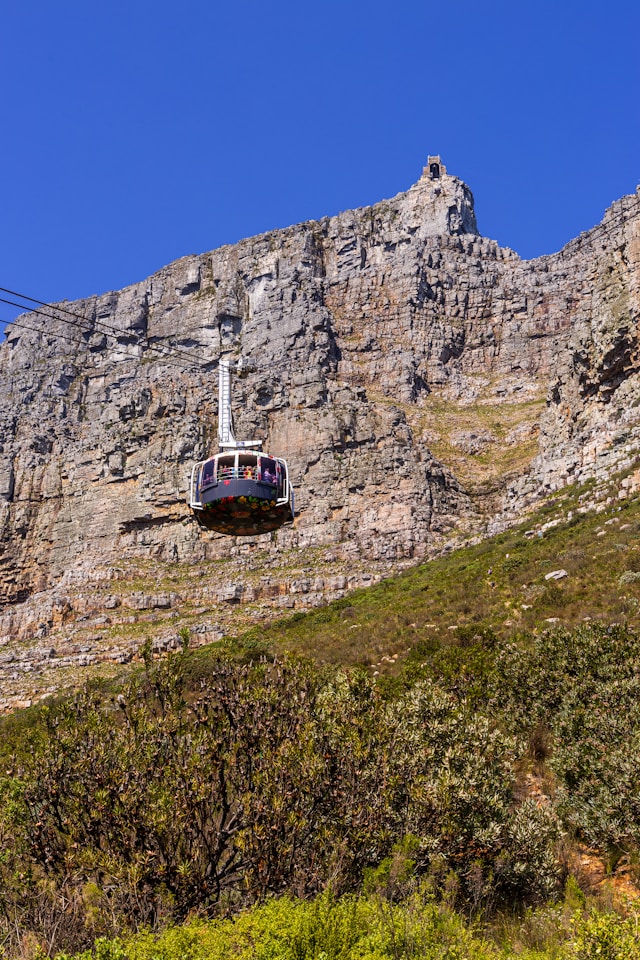
The views from the top genuinely felt enormous, with ocean, city, mountains, beaches, and coastline stretching endlessly into haze beneath bright summer skies.
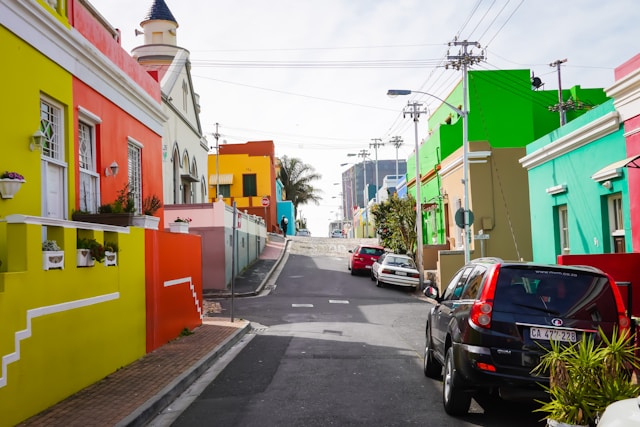
Later that afternoon, we wandered through Bo-Kaap where brightly colored homes climbed steep cobbled streets beneath the mountain backdrop.
By evening, the V&A Waterfront had transformed into full summer energy:
street musicians,
busy outdoor restaurants,
families walking along the harbor,
and warm evening air carrying just enough cool Atlantic breeze to stay comfortable.
Day 3 — Cape Peninsula & Chapman’s Peak Drive
This became one of our favorite days of the entire trip.
We left Cape Town early and within an hour the city had completely disappeared behind dramatic coastline and mountains, while the scenery constantly shifted between empty beaches, cliffside roads, small coastal towns, wild ocean, and enormous summer skies; Chapman’s Peak Drive alone felt worth the trip.
Every few minutes we stopped again because the views kept changing around each bend.
At Boulders Beach, watching penguins casually wandering across white sand felt both ridiculous and charming at the same time.
Later we continued toward Cape Point where strong coastal wind nearly blew hats and sunglasses away repeatedly despite the bright summer heat.
By the time we returned to Cape Town that evening, we were exhausted but in the best possible way.
Day 4 — Slowing Down in Cape Town
After several active days, we intentionally slowed the pace down.
That decision ended up being extremely important.
Travel in your 50s feels different from travel in your 20s.
Leaving breathing room between major sightseeing days dramatically improved the overall experience.
That morning, we explored Kirstenbosch Botanical Gardens slowly without much structure. Compared to the dramatic coastline of the previous day, the gardens felt calm and restorative.
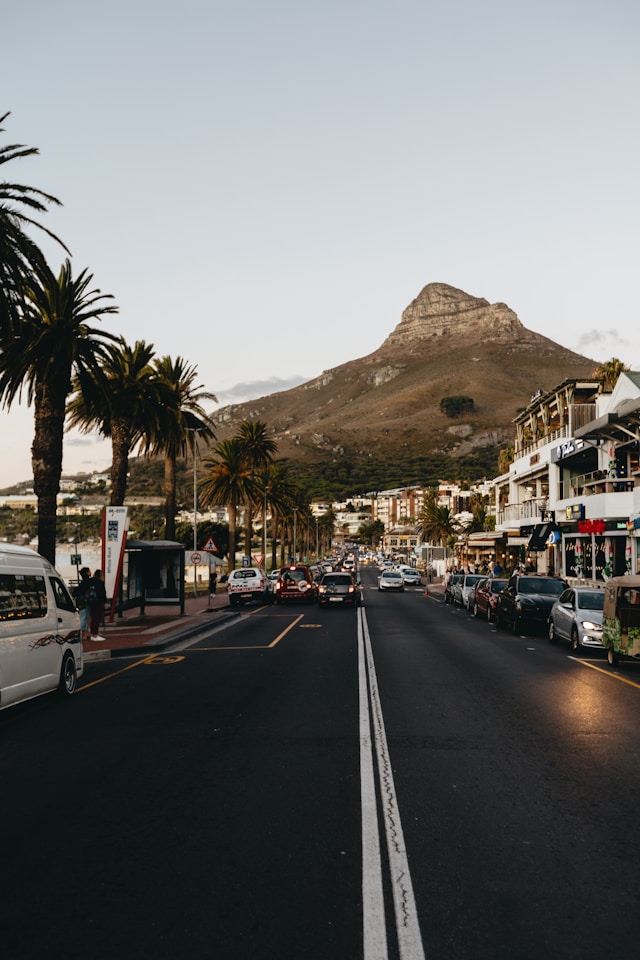
Later in the afternoon, we spent several relaxed hours at Camps Bay where the promenade remained busy well after sunset with beachgoers, runners, outdoor diners, and people lingering beneath palm trees while the Atlantic rolled in behind them.
Some of our favorite memories from South Africa were honestly moments where very little happened.
Day 5 — Cape Town to Franschhoek
Leaving Cape Town for the Winelands immediately changed the atmosphere of the trip.
The roads became quieter.
The mountains felt closer.
The pace slowed noticeably.
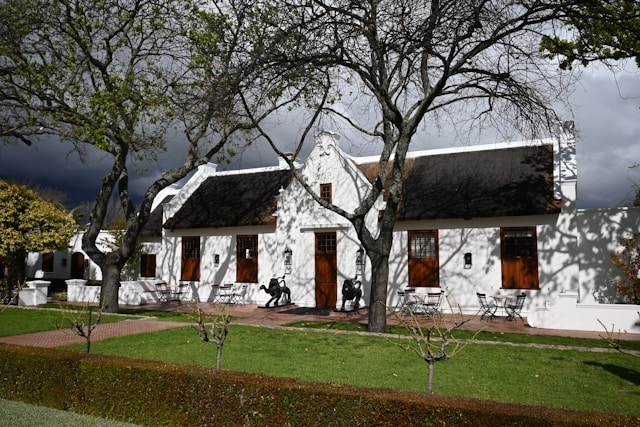
Franschhoek felt almost impossibly picturesque, with vineyards beneath mountains, whitewashed buildings, oak-lined streets, wine estates, and long lunches that stretched into entire afternoons.
We checked into a boutique hotel surrounded by vineyards and spent most of the day doing very little beyond wine tasting, eating, and relaxing beside mountain views.
One thing we appreciated in South Africa was how naturally scenic even ordinary drives became.
Simply driving between estates often felt like sightseeing itself.
Day 6 — Franschhoek at a Slower Pace
By Day 6, we realized one of the smartest decisions of the trip had been not overloading the itinerary.
South Africa constantly tempted us to add more:
another coastal town,
another safari region,
another scenic drive,
another wine estate.
But slowing down in Franschhoek for an extra day ended up being exactly the right decision before safari.
That morning started slowly with coffee outdoors, warm January sunlight, mountains already glowing above the vineyards, and absolutely no pressure to rush anywhere, and we spent part of the afternoon using the Franschhoek Wine Tram because it allowed us to enjoy the scenery without constantly thinking about driving between estates.
Even for people who are not deeply into wine, the experience itself felt memorable:
open-air trams moving between vineyards,
long lunches beneath oak trees,
cold white wine during hot summer afternoons,
and conversations stretching lazily into evening.
By night, we intentionally kept dinner light and returned early knowing the next morning would begin very differently.
Safari logistics start early.
That early night created a subtle feeling of anticipation.
Day 7 — Arrival at Londolozi Private Game Reserve
On the morning of Day 7, we drove back toward Cape Town International Airport, returned the rental car, and flew north toward the Greater Kruger region using Airlink.
That flight quietly marked the emotional transition into safari.
The further north we travelled, the more the landscape changed:
cities disappeared,
roads faded,
and eventually the scenery below became green bushveld, winding river systems, scattered trees, and enormous open wilderness stretching toward the horizon.
By that stage of the trip, Cape Town and the Winelands already felt far away mentally.
Safari changes the energy of travel before you even arrive.
The small airport felt different from normal travel terminals:
fewer people,
soft duffel bags instead of large suitcases,
sun-faded safari hats,
and conversations quietly shifting toward animal sightings and weather conditions in the bush.
From there, the transfer toward Londolozi Private Game Reserve immediately started feeling immersive.
Even before reaching camp, giraffes appeared between trees beside the road while impalas scattered through tall grass almost casually around the vehicle.
It felt as if the boundary between “journey” and “safari” had already disappeared.
What immediately stood out was that Londolozi does not feel like a hotel built inside nature.
It feels like nature itself shaped the entire experience.
The camps sit organically beneath enormous trees beside the Sand River, and almost everything is designed to pull your attention outward toward the bush rather than inward toward luxury.
And yet the luxury is extraordinary.
We stayed at Londolozi Tree Camp, which felt deeply luxurious and completely connected to the wilderness at the same time.
The suite itself felt less like a room and more like a private safari home suspended inside the trees:
open decks,
outdoor showers,
freestanding bathtubs,
soft neutral interiors,
canvas textures,
lantern lighting,
and complete silence except for birds and distant animal sounds.
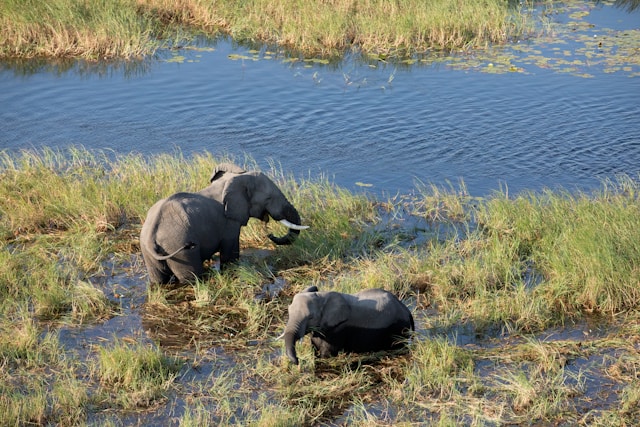
At one point that afternoon, we were sitting on the deck drinking coffee when elephants quietly moved through the riverbed directly below us; nobody announced it, nobody staged it, and the wilderness simply moved around camp naturally.
That first evening drive already delivered more than we expected, with giraffes, elephants, zebras, and eventually a leopard stretched across a tree branch while evening light filtered through the bush.
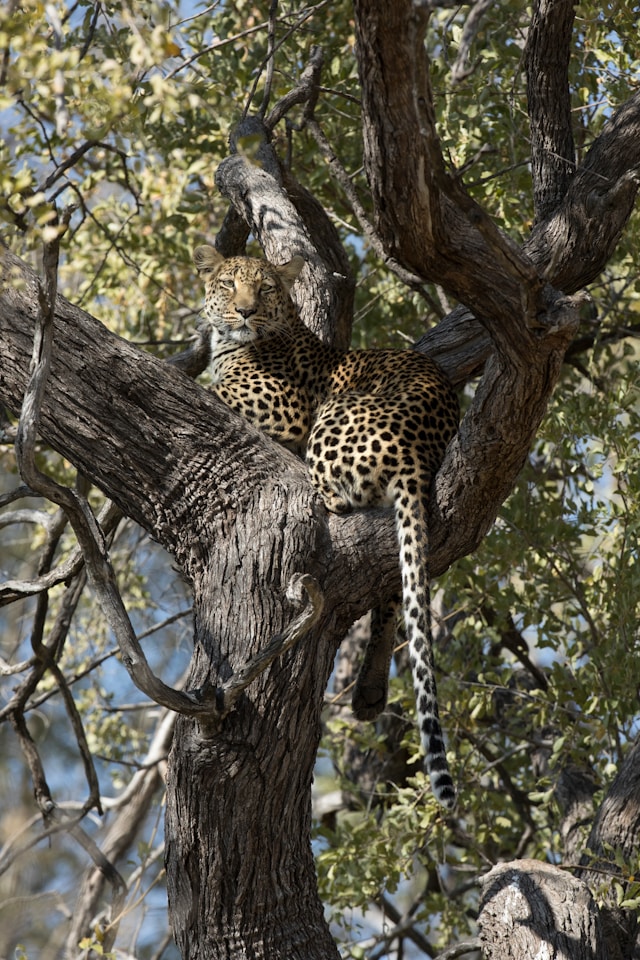
The silence inside the vehicle during that sighting felt almost emotional.
Later that night, after dinner beneath lantern light, the reserve settled into a completely different soundscape with frogs calling loudly after earlier rain, insects buzzing through the trees, and somewhere beyond the darkness near the Sand River, hippos grunting intermittently through the night.
It was the first moment during the trip where modern life truly felt very far away.
Day 8 — Londolozi Safari Rhythms
Safari days developed their own rhythm surprisingly quickly:
early wake-up calls,
coffee before sunrise,
morning game drives,
slow breakfasts,
afternoon rest,
evening drives,
firelight dinners,
and complete darkness at night except for distant animal sounds.
January safari felt vibrant and alive.
The bush was lush and green after summer rains, birds seemed to fill every tree, and dramatic thunderclouds slowly built during hot afternoons before dissolving into spectacular sunsets.
It was not always effortless. One afternoon drive was delayed by a storm, the roads turned muddy, and we returned to camp later than expected with boots covered in red-brown clay. Another day, heat and humidity on the late-morning return left us more tired than expected, so the midday rest window became essential rather than optional.
One thing that impressed us enormously at Londolozi was the depth of guiding and tracking.
The trackers were not simply “finding animals.”
They were reading the bush almost like a language:
paw prints,
bird calls,
disturbed grass,
vulture movement,
warning signals from antelope,
and tiny environmental clues we would never have noticed ourselves.
Watching them work became almost as fascinating as the wildlife itself.
And then there were the leopard sightings.
Londolozi is famous for them, and after a few days there, we completely understood why so many guests return repeatedly over many years specifically because of the leopard tracking inside the reserve.
But surprisingly, some of our strongest memories involved no major sightings at all.
At one point we spent nearly forty minutes simply watching elephants moving silently through green river vegetation beneath heavy summer clouds while nobody spoke much at all.
Safari changes your relationship with silence.
That evening, dinner was served outdoors beneath lantern light while distant animal calls echoed somewhere beyond camp.
At some point during dinner, we realized nobody had checked their phone for hours.
Not because we were trying to disconnect.
Because the environment itself made screens feel irrelevant.
Day 9 — Final Safari Day
By the final safari day, we had stopped obsessing about spotting the “Big Five” and started appreciating everything else instead: changing light, bird sounds, tree silhouettes, sunrise colors, summer storm clouds, and the quiet stillness between sightings, and ironically that was also the day we experienced our most intense moment.
A lioness moved slowly through tall grass incredibly close to the vehicle while everyone sat completely silent.
There were no fences, no barriers, and no artificial feeling whatsoever, only stillness.
The rawness of that moment became one of the strongest memories of the entire trip.
Later that afternoon, we spent several quiet hours simply sitting on our deck watching animals move through the riverbed below camp.
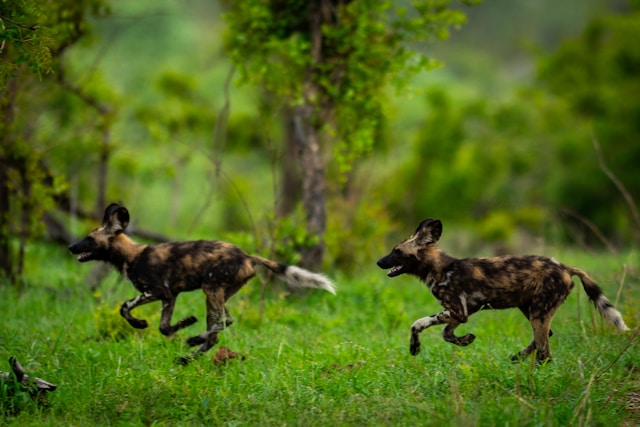
That became another thing Londolozi did exceptionally well: the safari never completely stopped, and wildlife constantly moved naturally through the camp itself, with nyala, monkeys, elephants, and birdlife everywhere; by the final evening, Londolozi no longer felt like a lodge.
It felt like a temporary rhythm of life we had stepped into for a few days.
Why Londolozi Over Kruger Self-Drive?
We discussed this repeatedly before booking because it is one of the biggest South Africa decisions: private reserve or Kruger self-drive.
For us, Londolozi was worth it for three reasons. First, guiding and tracking depth: instead of navigating ourselves, we had expert trackers reading spoor, bird calls, and movement patterns we would have missed. Second, fatigue management: in our 50s, not driving long bush routes at dawn and dusk made the experience more immersive and less tiring. Third, access and rhythm: private reserve game-drive structure, camp hospitality, and flexible sightings felt very different from a self-drive checklist mindset.
Kruger self-drive can be excellent for budget control and independence. But if your priority is a high-touch, low-friction safari with strong wildlife interpretation, Londolozi-style private reserve travel is a different category of experience.
Practical Notes: Packing, Health, Tipping, and Cost
Packing and clothing: neutral layers, light long sleeves, hat, sunglasses, and a warm top for sunrise drives worked best. Mornings could be cool even in summer, then turn hot by midday.
Health and malaria: we discussed malaria precautions with our doctor before travel and followed up-to-date local guidance for the Greater Kruger region. We also carried high-SPF sunscreen and insect repellent, both used daily.
Tipping and cost expectations: safari costs vary widely by lodge category and season, and tipping norms are part of budgeting. We planned tips for guide/tracker teams and camp staff separately so there were no awkward last-day decisions.
Day 10 — Leaving South Africa
Our final morning began before sunrise with one last game drive followed by breakfast back at camp before transferring toward the airstrip for onward flights through Johannesburg.
Even the departure felt emotional.
Partly because the landscapes had been extraordinary.
But mostly because the itinerary never felt rushed.
That ended up being the biggest success of the trip.
We had enough time to:
slow down,
adjust,
rest,
wander,
and actually absorb the places we visited instead of constantly racing toward the next destination.
Some of our strongest memories were not dramatic highlights at all.
They were:
coffee before sunrise on safari,
summer evenings in Cape Town,
penguins at Boulders Beach,
quiet vineyard afternoons,
and watching elephants move silently below our Londolozi deck.
South Africa felt beautiful in a way that was sometimes almost overwhelming.
But it also felt unexpectedly calming.
And for us, that combination made it unforgettable.
FAQ
Was January safari too rainy?
Not for us. We had storms and muddy stretches, but drives still ran and the lush summer bush made wildlife viewing feel dynamic and alive.
Did Londolozi feel worth the price?
For this trip, yes. The guiding quality, tracking depth, wildlife access, and overall camp rhythm delivered a level of immersion we would not have had on a self-drive format.
Was safari tiring in your 50s?
Some days were physically tiring, especially with heat and early wakeups, but pacing and midday rest made it manageable and enjoyable.
How much should you plan for tips on safari?
Budget tips in advance for guide/tracker teams and lodge staff. Exact amounts vary by lodge policy and service level, so check guidance before arrival.
What should couples pack for this route?
Neutral layers for safari, comfortable walking shoes, sun protection, insect repellent, and one smarter outfit for winery dinners covered nearly every setting.
Ready to make it yours?
Customize this itinerary with AI
Now that you've seen the full route, use Honge to tailor stays, activities, and day-by-day pacing to your trip.
Related itineraries
- 8-Day Egypt Itinerary: Cairo, Luxor & Nile Cruise
- 15-Day New Zealand Couples Road Trip: Auckland to Queenstown
- 3-Day Maasai Mara Safari Itinerary for Friends & Couples
- Ethiopia Coffee Trip Itinerary: Addis, Highlands & Coffee Ceremony
- 8-Day London and Southern England Itinerary: Museums, Cricket, Bath & Jurassic Coast
- 5-Day Panama City & San Blas Itinerary: Canal, Casco Viejo & Islands
- 4-Day Santa Fe & Taos Itinerary: Art, Culture & Rio Grande Gorge
About The Author
Honge is a travel planning platform focused on practical, experience-led itineraries. Our editorial travel stories combine first-person route context, local friction, and planning realism so readers can convert inspiration into workable plans. We prioritize grounded detail over checklist-style travel content.
Image credits: Photos are sourced from Wikimedia Commons, Unsplash, and Londolozi. Copyright remains with the respective photographers and rights holders. Images from Wikimedia Commons are used in accordance with their applicable licensing terms, including the Creative Commons Attribution-Share Alike 4.0 International license where noted. Unsplash images are used in accordance with the Unsplash License.
Travel disclaimer
This itinerary is intended as general travel inspiration and planning guidance only — not as personalised travel advice. Conditions change. Before you travel, check the current entry requirements, visa rules, and any travel advisories issued by your government for your destination. Review weather forecasts for your specific travel dates, confirm opening hours and ticket availability for attractions directly, and take out comprehensive travel insurance that covers medical, cancellation, and disruption. Honge is not responsible for any changes to conditions, services, or experiences described in this article after the date of publication.