
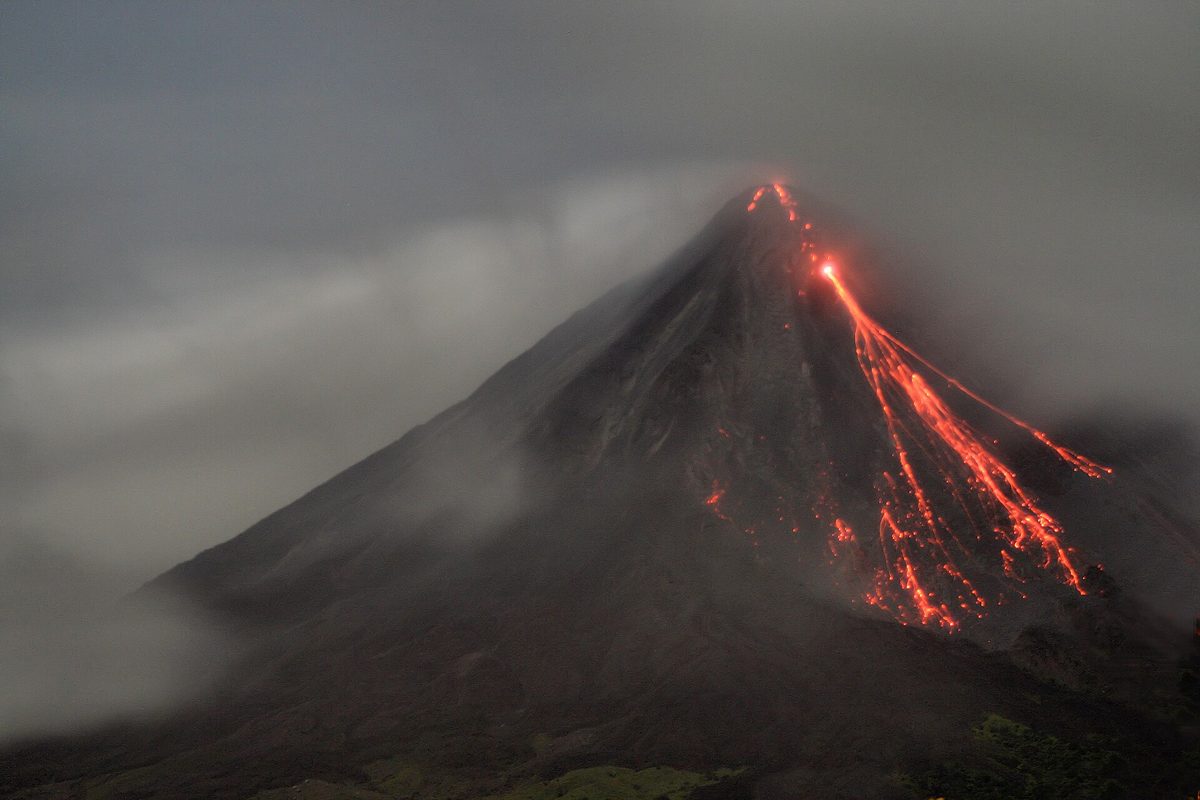
Costa Rica is roughly the size of West Virginia, and that tempts first-time visitors into trying to see all of it. That's the mistake. This route does the opposite: three bases, three genuinely different ecosystems, and each transfer moves you forward instead of doubling back.
Start with this itinerary
Open this route in Honge as your starting point, then shape the days, stays, and pace around how you travel.
Why This Route Works
Costa Rica is roughly the size of West Virginia, and that tempts first-time visitors into trying to see all of it. That's the mistake. Caribbean coast, Osa Peninsula, Guanacaste and Rincón de la Vieja all pull in different directions, and a nine-day trip that chases them spends most of itself in a van.
This route does the opposite. Three bases, three genuinely different ecosystems, and each transfer moves you forward instead of doubling back: volcanic lowlands at ~600m, cloud forest at ~1,400m, then down to sea level on the Pacific.
The pacing is deliberate too. Mornings are for hikes, wildlife and adventure activities, when animals are active and the heat hasn't arrived. Afternoons and evenings stay open for hot springs, beaches, or doing nothing at all. You come home rested rather than needing a second holiday.
What Is the Best Time to Visit Costa Rica?
December through April is Costa Rica's dry season and the most reliable window for this route — clearer volcano views in La Fortuna, easier hiking conditions in Monteverde, and calmer seas in Manuel Antonio. February and March are peak months for both weather and quetzal sightings in Monteverde.
May through November is the green (rainy) season: afternoon showers are near-daily but mornings are often clear, prices drop, and rainforest wildlife activity increases. September–October is the wettest stretch and the one period worth avoiding for this specific itinerary, since it overlaps with the roughest road conditions between La Fortuna and Monteverde.
Should You Rent a Car or Take Shuttles?
A rental car makes sense for the San José–La Fortuna and Manuel Antonio–San José legs, both mostly paved and straightforward.
The La Fortuna–Monteverde stretch is the exception. Rough, unpaved roads around Lake Arenal make a standard rental impractical, and the Jeep-Boat-Jeep shuttle is both faster and considerably less stressful.
Most first-time visitors find it simplest to shuttle the entire route and skip renting altogether — you lose a little spontaneity and gain a lot of peace of mind.
If you do rent: book a 4x4 rather than a standard sedan, check the insurance terms carefully (mandatory local liability insurance is often not included in the headline price), and confirm the fuel and deposit policy before you sign.
Hiking Options in Costa Rica
Nothing on this route requires mountaineering experience. Trails are short, well-marked and mostly shaded.
Easier options
- Arenal Heliconias / Ceiba loop
- Arenal Hanging Bridges circuit (3km)
- Monteverde reserve main trails with a guide
- Manuel Antonio main trail to the beach coves
Moderate options
- 1968 lava-field trail
- La Fortuna Waterfall (500 steps down — and back up)
- Longer Santa Elena reserve loops
- Canyoning with 4–6 waterfall rappels
Pick the trail that matches your own fitness, not the one with the most photos online.
What Should You Eat in Costa Rica?
Costa Rican food is fresh, unfussy and built around rice, beans, plantain and whatever fruit is in season. Eat at sodas — small family-run local restaurants — wherever you can.
Try:
- Casado (the standard lunch plate: rice, beans, plantain, salad, protein)
- Gallo pinto (rice and beans, breakfast staple)
- Chifrijo
- Ceviche
- Olla de carne
- Patacones
- Tamales
- Fresh fruit batidos (with water or milk)
- Tres leches cake
- Locally grown coffee
Which Base Is Best for What?
| Base | Best for | Atmosphere |
|---|---|---|
| La Fortuna | Volcano hikes, waterfalls, hot springs, adventure sports | Lively small town, tourism-focused, warm and humid |
| Monteverde / Santa Elena | Cloud forest, quetzals, ziplining, night walks | Cool, misty, laid-back highland village |
| Manuel Antonio | Wildlife, beaches, water activities, restaurants | Beachy, busier, best food variety on the route |
Suggested hotels in the day-by-day notes are samples only and depend on availability; in the Honge app they may appear as booking options when offered by our vendors.
What Should You Pack?
Lightweight quick-dry clothing, rain jacket, hiking shoes with grip, sandals, swimwear, reef-safe sunscreen, insect repellent, a warm layer and long sleeves for Monteverde evenings, a dry bag, a refillable water bottle, and binoculars if you care at all about birds.
Tap water is drinkable in most of the country, including all three bases on this route.
Is This Itinerary Family-Friendly?
Yes, and unusually so. Hanging bridges, hot springs, boat crossings, sloth spotting and beach days do most of the work. The Manuel Antonio trails are short and flat, ziplines have minimum-age options at every major operator, and the Jeep-Boat-Jeep transfer is more fun than a four-hour van ride.
Swap canyoning on Day 3 for the waterfall and a chocolate or coffee tour if you're travelling with younger kids.
What Is the Perfect Nine-Day Rhythm?
- Volcanic lowlands: 3 nights La Fortuna → Arenal NP → waterfalls and adventure → hot springs evenings
- Highland crossing: Jeep-Boat-Jeep over Lake Arenal into the cloud forest
- Cloud forest: 2 nights Monteverde → reserve walk → canopy bridges and ziplines → night walk
- Coastal descent: Pacific highway south to Quepos
- Pacific coast: 3 nights Manuel Antonio → national park → water activities → beach evenings
- Final day: Manuel Antonio → San José → departure
Three ecosystems, three bases, and only two long transfer days across the whole trip.
Introduction
This 9-day Costa Rica itinerary is built for first-time visitors who want volcanoes, rainforest wildlife and a Pacific finish without spending the week in transit. Mornings go to trails and animals; afternoons stay open for hot springs, beaches or rest.
Journey Overview
Before you pick dates: Manuel Antonio National Park (Day 7 below) is closed every Tuesday and requires an advance online ticket. Count forward from your planned arrival date — if Day 7 lands on a Tuesday, swap it with Day 8's water-activity day so the park visit falls on an open day.
| Day | Route | Highlights |
|---|---|---|
| Day 1 | San José → La Fortuna | Arrival, scenic drive past Zarcero and Lake Arenal, first volcano views, town evening |
| Day 2 | La Fortuna → Arenal NP → La Fortuna | 1968 lava-field trail, Arenal Hanging Bridges, hot springs |
| Day 3 | La Fortuna area | La Fortuna Waterfall, rafting or canyoning, night wildlife walk |
| Day 4 | La Fortuna → Monteverde | Jeep-Boat-Jeep across Lake Arenal, arrival into cooler highland air |
| Day 5 | Monteverde → Reserve → Monteverde | Guided cloud forest walk, quetzal spotting, hanging bridges and zipline |
| Day 6 | Monteverde → Manuel Antonio | Morning birdwatching, coastal highway drive, arrival in Quepos |
| Day 7 | Manuel Antonio National Park | Early park entry, sloths and monkeys, beach coves, afternoon swimming |
| Day 8 | Manuel Antonio area | Mangrove kayaking or snorkelling, beach time, dinner in Quepos |
| Day 9 | Manuel Antonio → San José | Coastal drive back, buffer for Jacó traffic, departure |
Route Map
The route runs north-west from San José to La Fortuna, crosses Lake Arenal into the Monteverde highlands, then drops south to the Pacific coast at Manuel Antonio before returning to San José.
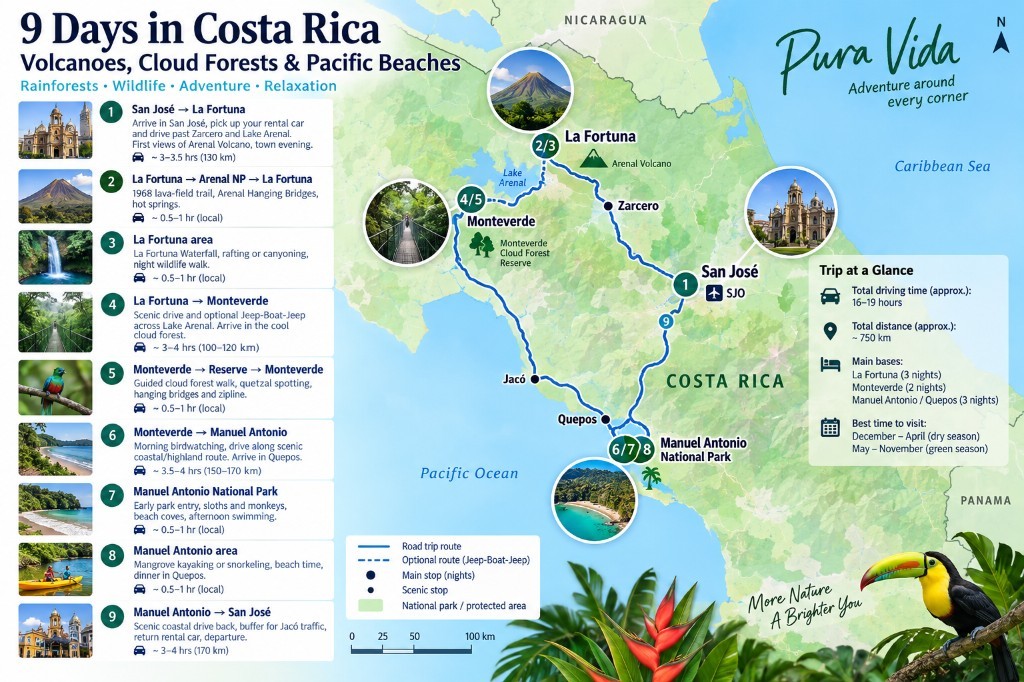
San José (SJO) → La Fortuna / Arenal → Lake Arenal crossing → Monteverde / Santa Elena → Pacific coastal highway → Quepos / Manuel Antonio → San José
Day 1: Arrival in San José, Transfer to La Fortuna
Land at Juan Santamaría International Airport (SJO). La Fortuna is 3.5–4 hours by road; a shared shuttle ($25–45) is the standard choice over a rental car for this leg. The route passes Zarcero's topiary park and Lake Arenal before Arenal Volcano comes into view.
Check into a hotel with volcano views, such as Arenal Volcano Inn or Tabacón Grand Spa. Keep the evening light: a walk through town and dinner at a local soda.
Day 2: Arenal Volcano and Hanging Bridges
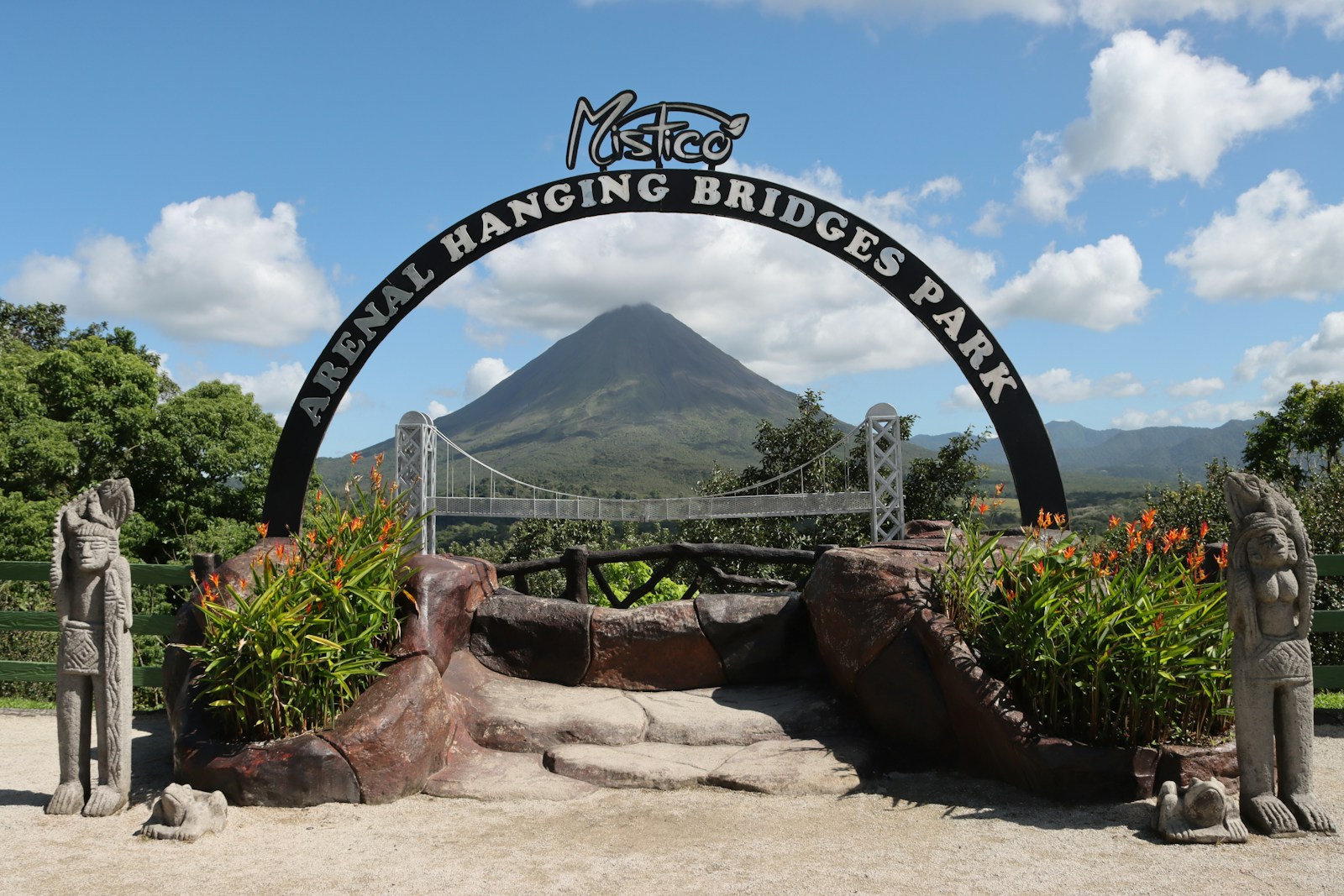
Morning hike in Arenal Volcano National Park, either the 1968 lava-field trail or the Heliconias/Ceiba loop (2–3 hours, easy terrain). Afternoon at the Arenal Hanging Bridges, a 3km suspension-bridge circuit through primary rainforest canopy. Expect howler and capuchin monkeys, sloths, toucans, and hummingbirds along both trails. End the day soaking at Baldi or Tabacón hot springs ($50–85 entry).
Day 3: Waterfalls and Adventure Activity
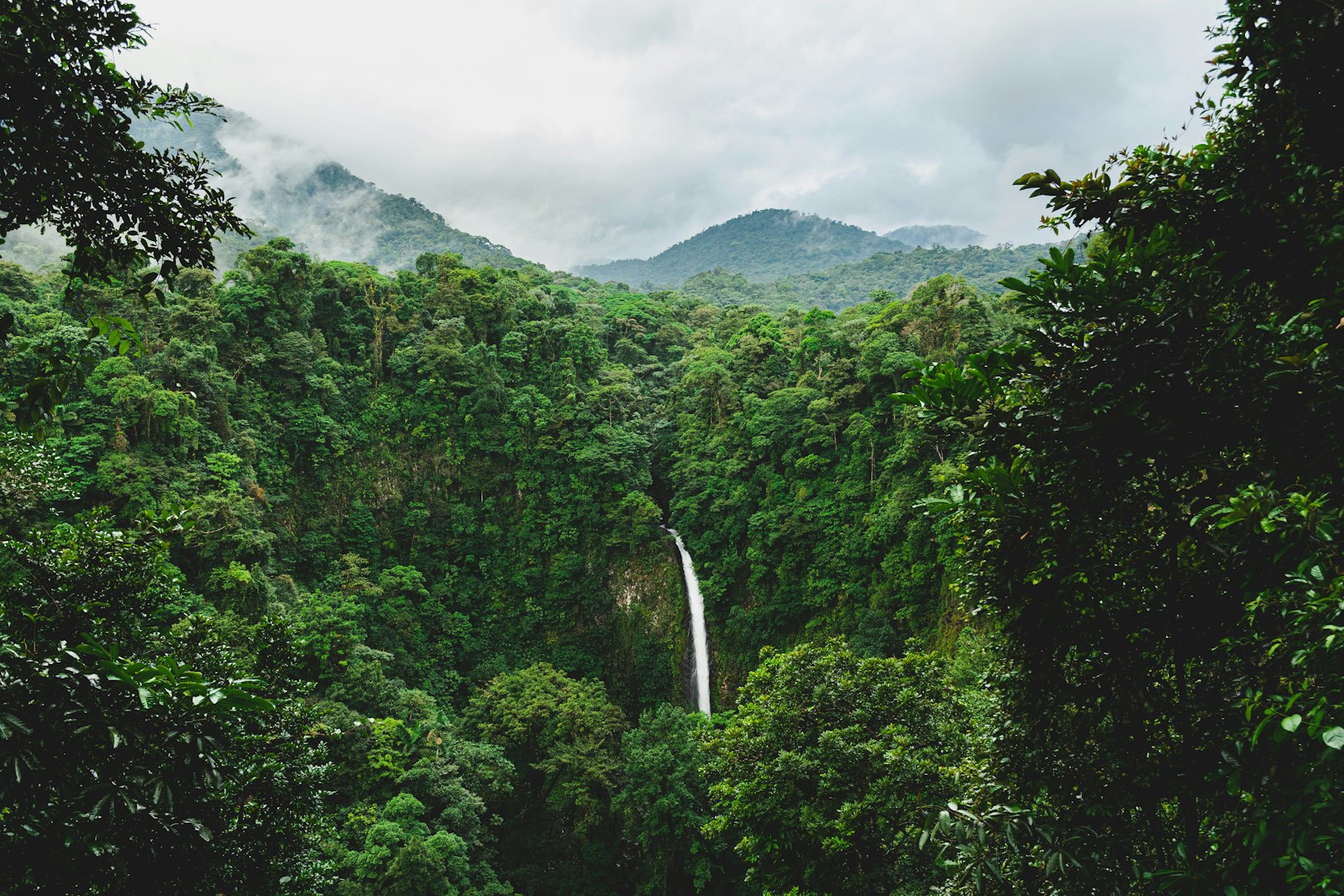
Early visit to La Fortuna Waterfall: 500 steps down through rainforest to a 70-meter cascade with a swimmable pool. Midday, pick one activity — Class II–III rafting on the Balsa River, or canyoning with 4–6 waterfall rappels ($75–110, half-day, gear included). Evening wildlife often shows up on the hotel grounds itself: agoutis, coatis, and red-eyed tree frogs on a short night walk.
Day 4: Transfer to Monteverde
Driving direct is 3–3.5 hours on rough, unpaved roads around Lake Arenal, not recommended in a standard rental. Most travelers take the Jeep-Boat-Jeep transfer instead: van, 30-minute lake crossing, van again (about 3 hours, $25–35). Arrive by early afternoon into noticeably cooler, mistier highland air (~1,400m elevation). Settle into Santa Elena or Monteverde town; suggested stays are Hotel Belmar or Monteverde Lodge & Gardens.
Day 5: Cloud Forest, Bridges, and Ziplining
Morning guided walk in Monteverde or Santa Elena Cloud Forest Reserve (2–3 hours, $20–25 guide plus ~$25 entry); Santa Elena has better odds for the resplendent quetzal. Afternoon at Selvatura or Sky Adventures for a hanging-bridges walk paired with a zipline canopy tour. Zipline circuits run 8–15 cables, including a "Tarzan swing" finale at most operators. Both parks are well-organized with short waits outside peak midday hours.
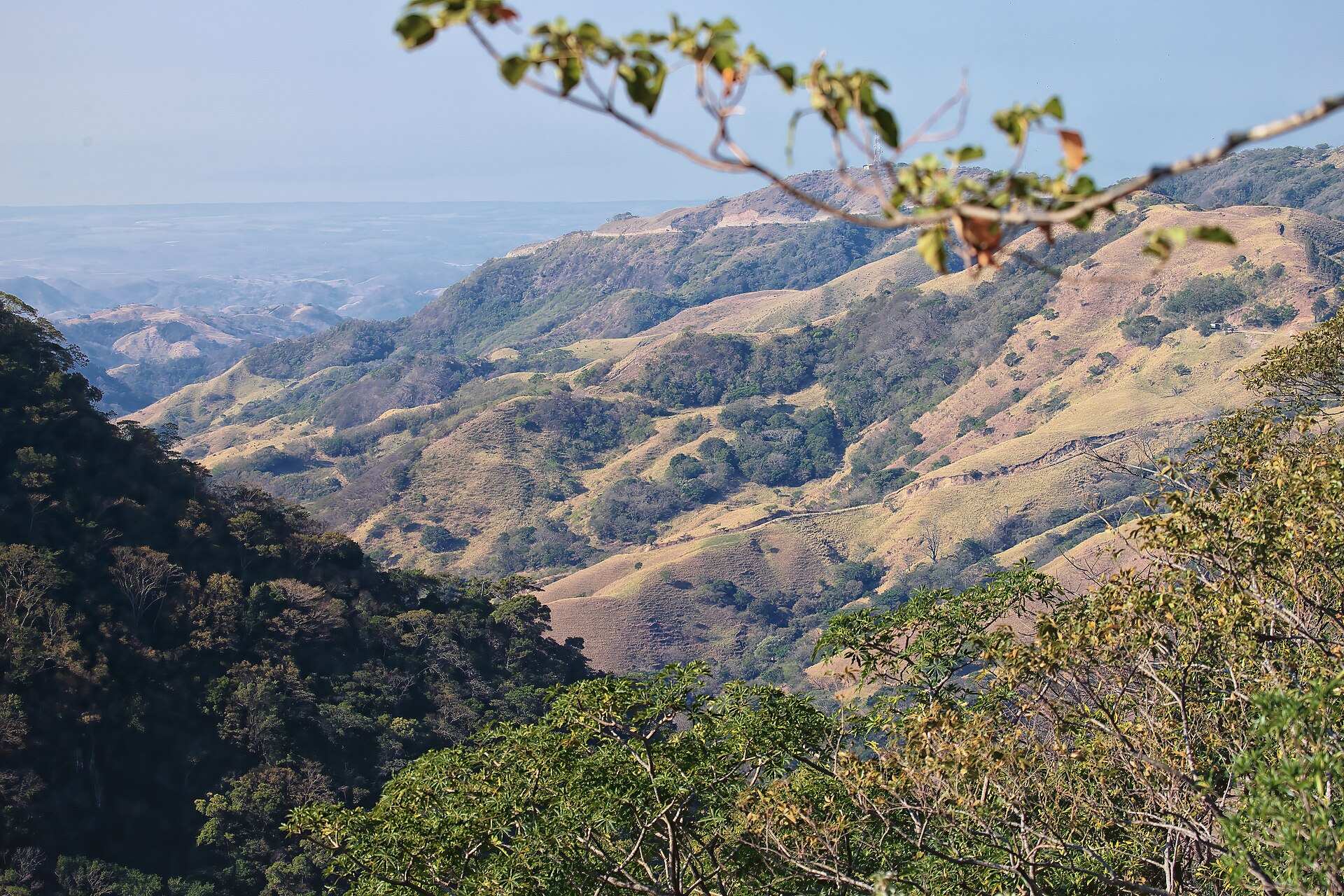
Day 6: Birdwatching and Night Walk, Transfer Toward Manuel Antonio
Early birdwatching walk near the hotel gardens or reserve entrance — hummingbird feeders around Monteverde attract a dozen-plus species reliably. Optional: a guided night walk the evening before (many operators run these at 5:30–7:30pm) to spot kinkajous, tarantulas, and sleeping birds.
Depart late morning for Manuel Antonio: the drive is 4.5–5.5 hours, mostly paved, via the Pacific coastal highway. Shuttle vans ($40–50) remain the easier option; a rental car works fine on this leg since roads are in better condition. Arrive by evening and settle in near Quepos or Manuel Antonio village.
Day 7: Manuel Antonio National Park
Before you go: Manuel Antonio National Park is closed every Tuesday, and tickets are sold online only, for a specific entry time, with no walk-up sales at the gate. They can sell out days in advance during dry season. Buy yours ahead through SINAC's ticket portal, and if this day-by-day plan puts your Day 7 on a Tuesday, swap it with Day 8's more flexible water-activity day instead.
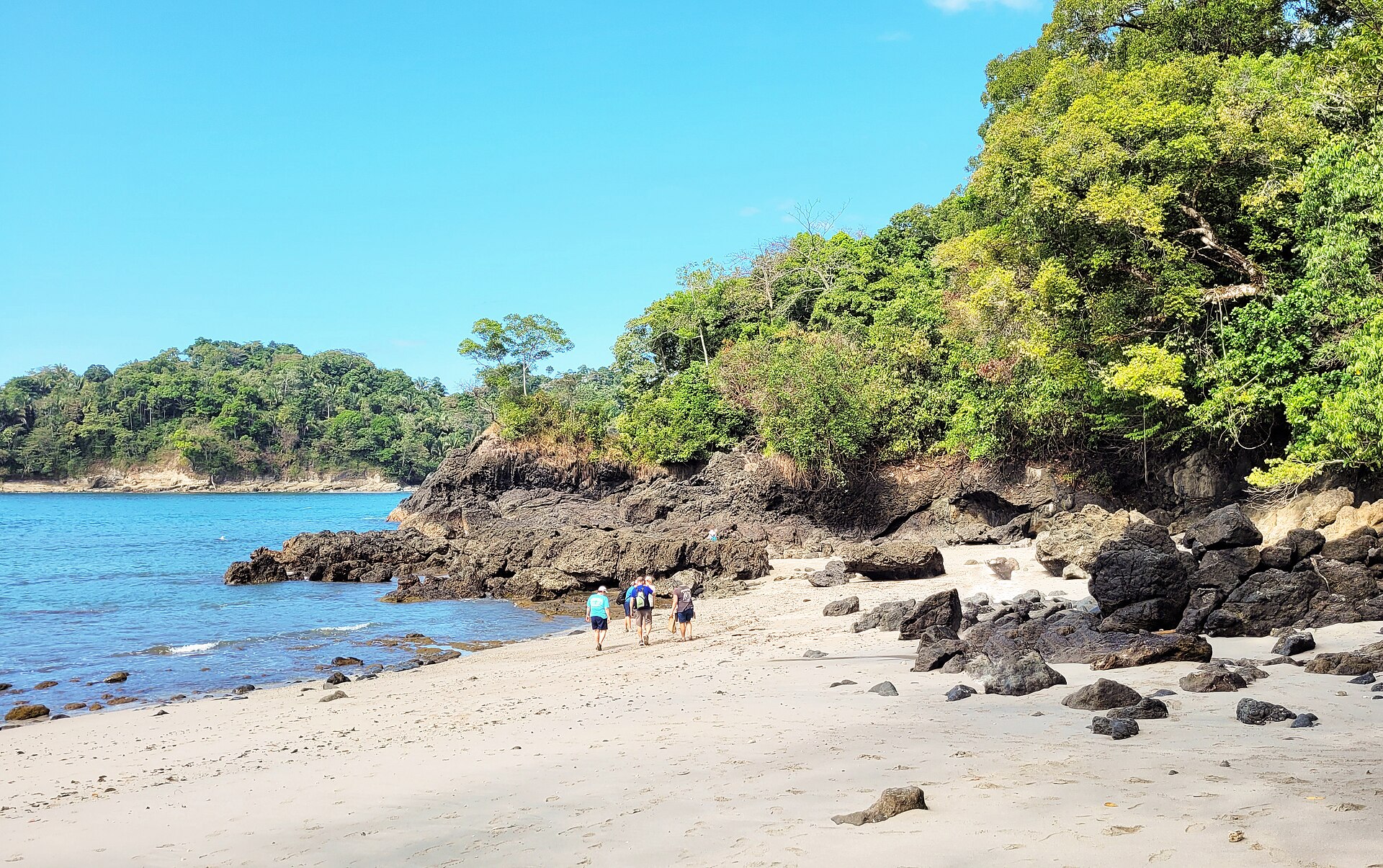
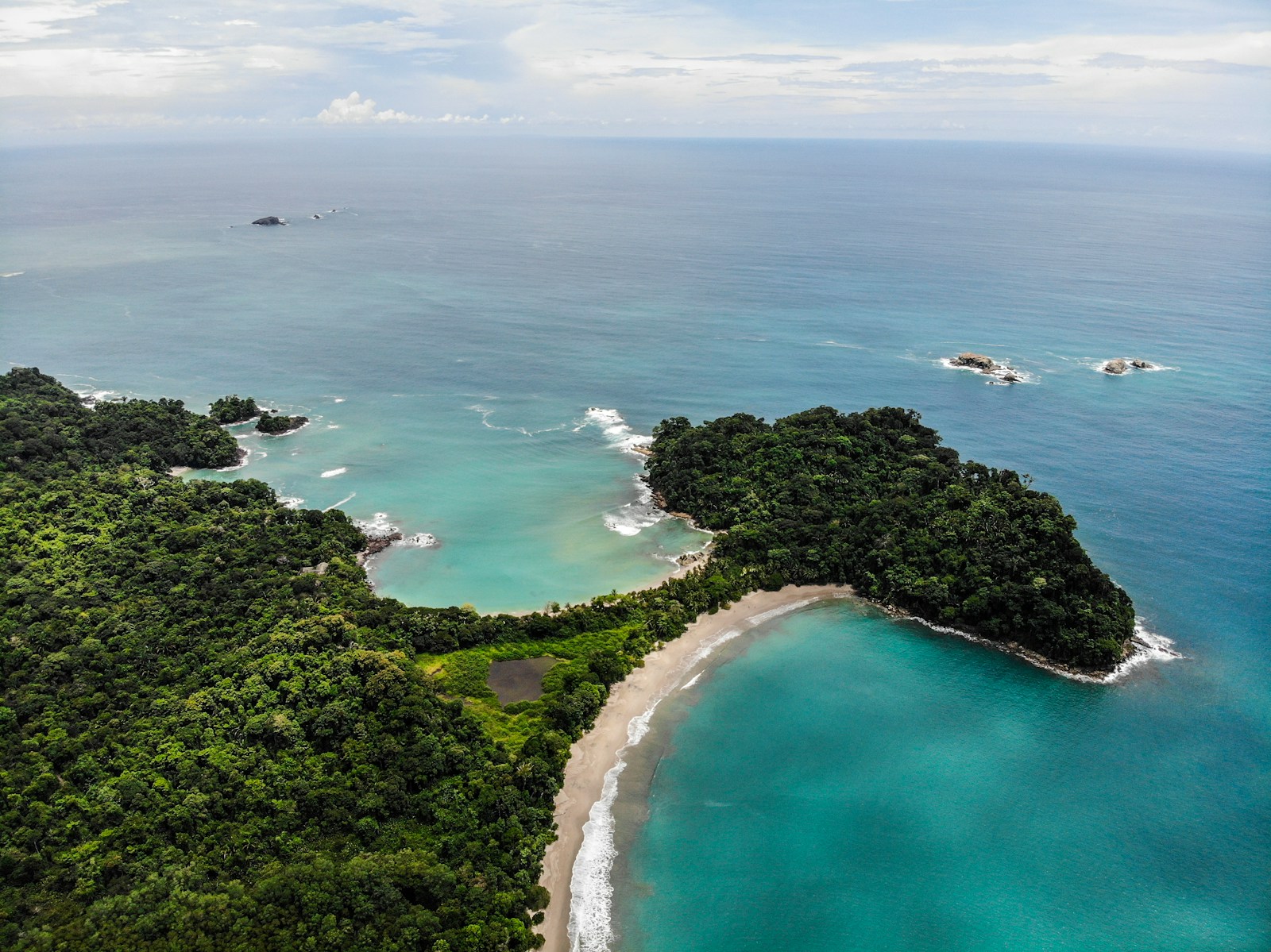
Full morning inside Manuel Antonio National Park (entry ~$18, best visited early as daily visitor numbers are capped). Trails are short and flat, connecting rainforest to several beach coves. Sightings here are dense and reliable: white-faced capuchins, squirrel monkeys, two- and three-toed sloths, and iguanas are commonly seen right along the main trail. Afternoon free at Playa Espadilla or Playa Manuel Antonio for swimming. Suggested stays: Tulemar Resort or Hotel Si Como No, both set into the hillside with beach access.
Day 8: Kayaking or Snorkeling, Beach Time
Morning water activity: mangrove kayaking in the Damas Island estuary (spotting crocodiles, herons, and monkeys along the banks) or a snorkeling/catamaran tour to nearby reef patches, both around $65–90 for a half-day. Afternoon left open for the beach or hotel pool. Optional add-on for more active travelers: a short ATV or horseback tour into the hills above Quepos for coastline views. Dinner in Quepos or Manuel Antonio village, which has more restaurant variety than La Fortuna or Monteverde.
Day 9: Departure
Manuel Antonio to San José airport is 3–3.5 hours by road; shuttles typically depart early to accommodate afternoon flights. Build in buffer time, since this stretch can slow with weekend beach traffic near Jacó. A short domestic flight (San José/Quepos–SJO, ~25 minutes) is available if the schedule is tight. Confirm departure transfer the night before, as pickup windows on this route are wider than on the earlier legs.
Useful Booking & Travel Links
- Visit Costa Rica (ICT)
- Visit Costa Rica — National Parks
- SINAC — National Parks
- SINAC — Park tickets and reservations
Prompts to Try in Honge
- Plan a 9-day Costa Rica trip for me with bases in La Fortuna, Monteverde and Manuel Antonio, using shuttles instead of a rental car.
- Make this Costa Rica itinerary more family-friendly and replace canyoning with a coffee or chocolate tour.
- Adjust this Costa Rica route for a trip in February and tell me what I should book in advance.
- Find the best places to stay in La Fortuna, Santa Elena and Manuel Antonio with parking or easy shuttle pickup.
- Give me a bad-weather alternative for every hiking day while keeping the same three hotels.
FAQs
How many days do you need in Costa Rica?
Nine days is enough for a first visit if you stick to three bases. This route covers Arenal, Monteverde and Manuel Antonio without chasing the Caribbean, Osa or Guanacaste on the same trip.
What is the best time to visit?
December through April is the dry season and the most reliable window. February and March are the sweet spot for weather and resplendent quetzal sightings. September–October is the wettest stretch and the one period worth avoiding for this itinerary.
Should you rent a car or take shuttles?
Most first-time visitors find it simplest to shuttle the entire route. A rental can work on the paved San José–La Fortuna and Manuel Antonio–San José legs, but the La Fortuna–Monteverde stretch is rough and unpaved; Jeep-Boat-Jeep is faster and less stressful.
Is this itinerary family-friendly?
Yes. Hanging bridges, hot springs, the lake crossing, sloth spotting and beach days do most of the work. Swap canyoning on Day 3 for the waterfall and a chocolate or coffee tour if you're travelling with younger kids.
How hard is the hiking?
Trails are short, well-marked and mostly shaded. The steepest stretch is the 500 steps down to La Fortuna Waterfall — and back up.
Is Manuel Antonio National Park open every day?
No. The park is closed every Tuesday. Tickets are sold online only for a specific entry time and can sell out days ahead during dry season, so buy through SINAC's ticket portal rather than planning to buy at the gate. If Day 7 lands on a Tuesday for your dates, swap it with Day 8's water-activity day.
Is Arenal Volcano still erupting or can you see lava?
No. Arenal's active period ran from 1968 to 2010; it's been dormant since, with no lava flows or glow. It's still classified as active and well worth visiting for its cone, trails and hot springs — just not for lava.
Is tap water drinkable?
Tap water is drinkable in most of the country, including La Fortuna, Monteverde and Manuel Antonio.
Plan Your Costa Rica Trip with Honge
Whether you want more time in the cloud forest, an extra beach day, or a slower shuttle schedule around your SJO flights, you can keep the three bases and reshape the days around your pace.
Ready for Costa Rica?
Customize this itinerary with AI
Turn this Costa Rica route into a trip that fits you — keep La Fortuna, Monteverde and Manuel Antonio as bases, swap adventure days, and plan around your San José flights.
Related itineraries
- 9-Day Andalusia Road Trip: Seville, Córdoba, Granada, Ronda & Málaga
- 8 Days in Tasmania: Hobart, Freycinet & Cradle Mountain Road Trip
- 9 Days in Slovenia: Lake Bled, Soča Valley, Piran & Ljubljana
- 7-Day Montenegro Road Trip: Kotor, Durmitor & the Adriatic Coast
- 8 Days in the Yucatán: Mérida, Chichén Itzá, Bacalar & Tulum
- 8-Day Gold Coast Itinerary: Beaches, Rainforests & Coastal Adventures
- 10-Day Philippines Island-Hopping Itinerary: El Nido, Coron & Bohol
Written by
This blog was contributed by Ishita Minia, a travel enthusiast and writer. Ishita can be reached at ishitaminia@gmail.com.
About Honge
Honge is an AI travel planning platform focused on practical, experience-led itineraries with realistic pacing and logistics. All blog content is edited and published by Honge. Our Costa Rica research draws on updated practical logistics as of September 2026. © Honge. All rights reserved.
Image credits: Route map illustration created for this Honge itinerary. Photos are sourced from Unsplash and Wikimedia Commons. Copyright remains with their respective photographers and rights holders. Unsplash images are used according to the Unsplash License. Wikimedia Commons images are used according to their applicable CC BY-SA 4.0 license terms.
Travel disclaimer
This itinerary is intended as general travel inspiration and planning guidance only — not as personalised travel, safety, driving, hiking or medical advice. Conditions change. Before you travel, check current entry requirements, visa rules and any travel advisories issued by your government for Costa Rica. Review weather and road conditions for your dates, confirm national-park hours, visitor caps, tickets and operator bookings (including Arenal, Monteverde / Santa Elena reserves and Manuel Antonio) directly with official sources, and take out comprehensive travel insurance that covers medical care, adventure activities, cancellation and disruption. Rental-car terms, insurance, 4x4 requirements and shuttle schedules vary; follow local traffic rules and posted site instructions. Hiking, waterfalls, rafting, canyoning, ziplining, wildlife encounters and water activities involve risk; choose routes that match your fitness and experience, and follow local operators, signs and staff. Suggested hotels and stay styles in this article are samples only and depend on availability; in the Honge app they may appear as booking options when offered by our vendors at the time of your search. Honge is not responsible for decisions made based on this guide or for changes to places, prices, access, services or experiences after the date of publication.