
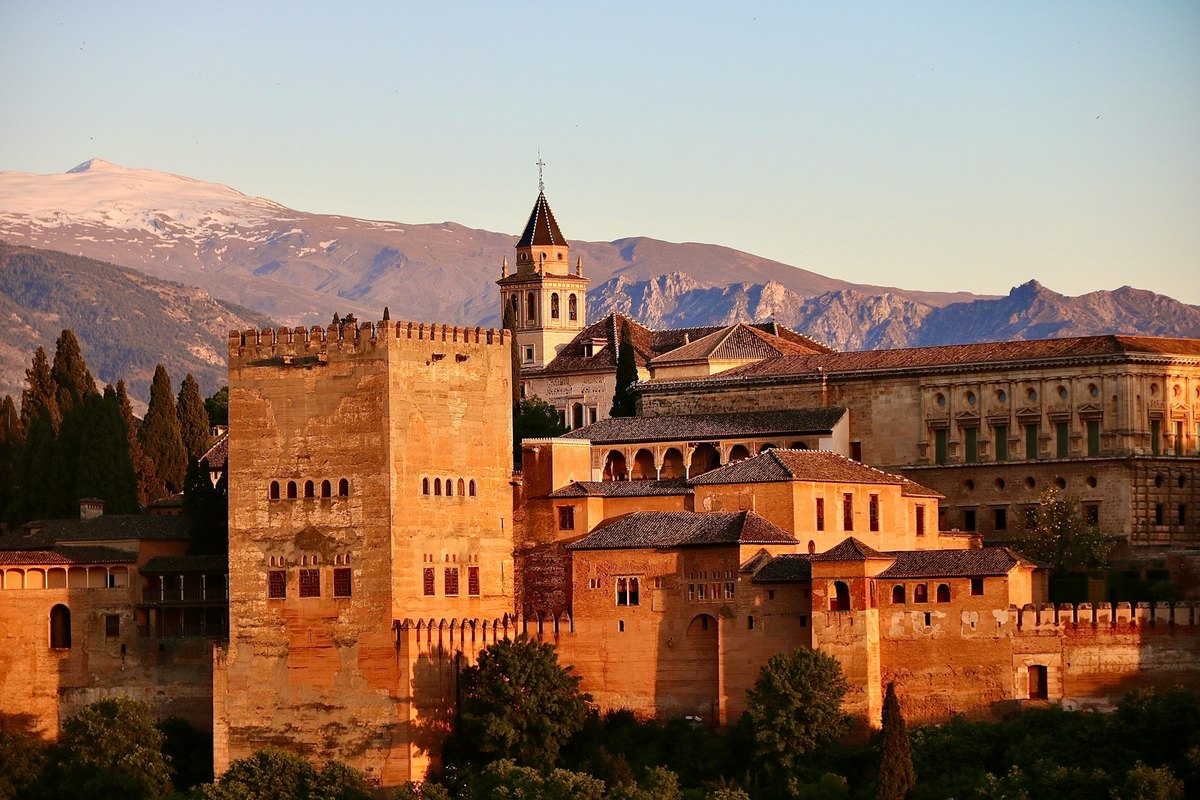
Some of the best moments of this itinerary may be a coffee in a White Village, an unplanned viewpoint, a tapas bar in Granada or an evening walk beside the Guadalquivir.
Start with this itinerary
Open this Andalusia loop in Honge as your starting point, then shape the trains, White Village drives and Alhambra timing around how you travel.
Introduction
Andalusia is made for a road trip, combining grand historic cities, Moorish architecture, whitewashed mountain villages and Mediterranean coastlines.
The journey balances famous landmarks with slower local experiences. Explore the historic streets of Seville, step inside Córdoba's Mezquita-Catedral, wander through the Albaicín in Granada and discover the dramatic gorge of Ronda, while leaving time for tapas, markets, cafés and relaxed evenings.
This 9-day itinerary is designed for first-time visitors to Andalusia who want to experience the region's major historic cities, Moorish landmarks, white villages, scenic drives and Mediterranean coast without rushing. You'll use trains for the Córdoba day trip and a rental car for the countryside section, ending in Málaga with Mediterranean views, seafood and a final taste of Andalusian culture.
Why This Road Trip Works
Andalusia is large enough to feel varied, but compact enough to explore several highlights without rushing. Begin with walkable historic cities like Seville and Córdoba before heading into quieter rural landscapes.
Seville and Córdoba are ideal for wandering through historic streets, plazas, cafés and landmarks. The route then takes you through olive groves, mountain roads, whitewashed villages and viewpoints. Having a car makes it easy to stop spontaneously at villages, local cafés and lesser-known spots.
Starting in Seville and finishing in Málaga creates a smooth one-way route and makes the most of your time.
When to Visit Andalusia
Spring and autumn are generally the most comfortable periods for this itinerary. April to June brings pleasant sightseeing weather, blooming landscapes and longer days, while September and October offer warm temperatures without the peak summer heat.
Where to Stay
Suggested hotels and stay styles in this article are samples only and depend on availability; in the Honge app they may appear as booking options when offered by our vendors.
| Nights | Base | Why stay here |
|---|---|---|
| Nights 1–4 | Seville | Walkable historic centre and the Córdoba day trip by train |
| Nights 5–6 | Ronda | Puente Nuevo, the gorge and the White Villages loop |
| Night 7 | Granada | Albaicín walks and an early Alhambra morning |
| Night 8 | Málaga | Historic centre or the waterfront before departure |
Seville
Santa Cruz is best for staying close to the Cathedral, Giralda and Real Alcázar, with a historic atmosphere and plenty of restaurants within walking distance. Sample stays: Hotel Fernando III and Hotel Boutique Casas de Santa Cruz.
Triana is a good alternative if you want ceramics, flamenco, riverside walks and a more neighbourhood-oriented atmosphere. Sample stay: Hotel Ribera de Triana.
Ronda
Stay around Puente Nuevo or Ronda's Old Town so the main viewpoints, historic streets and restaurants are easy to reach on foot. Sample stays: Hotel Montelirio and Hotel Maestranza.
Granada
Albaicín offers atmospheric streets, traditional architecture and views towards the Alhambra, although the steep and narrow streets can make luggage and car access more difficult. Sample stays: Hotel Plaza Nueva and Hotel Carlos V.
Málaga
Historic centre: stay here if you want easy access to the Picasso Museum, Alcazaba, Roman Theatre, restaurants and the city's main attractions. Sample stay: Sallés Hotel Málaga Centro.
Waterfront / La Malagueta: choose this area if you prefer being closer to the beach, Muelle Uno and the Mediterranean. Sample stay: Hotel MS Maestranza.
Journey Overview
| Day | Route | Transport | Main highlights |
|---|---|---|---|
| Day 1 | Seville | Walk | Santa Cruz, Cathedral, Giralda |
| Day 2 | Seville | Walk | Real Alcázar, Plaza de España, María Luisa Park |
| Day 3 | Seville | Walk + local transport | Triana, Mercado de Triana, Metropol Parasol |
| Day 4 | Seville → Córdoba → Seville | High-speed train ~45 min | Mezquita, Jewish Quarter, Roman Bridge |
| Day 5 | Seville → Zahara → Grazalema → Ronda | Rental car | White Villages, mountain roads, Ronda |
| Day 6 | Ronda → Setenil → Ronda | Rental car | Puente Nuevo, Old Town, Setenil |
| Day 7 | Ronda → Granada | Rental car ~2–2.5 hrs | Albaicín, Mirador de San Nicolás, tapas |
| Day 8 | Granada → Málaga | Train ~1.5–2 hrs | Alhambra, Alcazaba |
| Day 9 | Málaga | Walk | Picasso Museum, Atarazanas Market, Muelle Uno |
Route Map
The journey starts in Seville, uses the train for Córdoba, then a rental car through the White Villages and Ronda before Granada and Málaga. Overnight bases and the main driving and train legs are marked on the map.
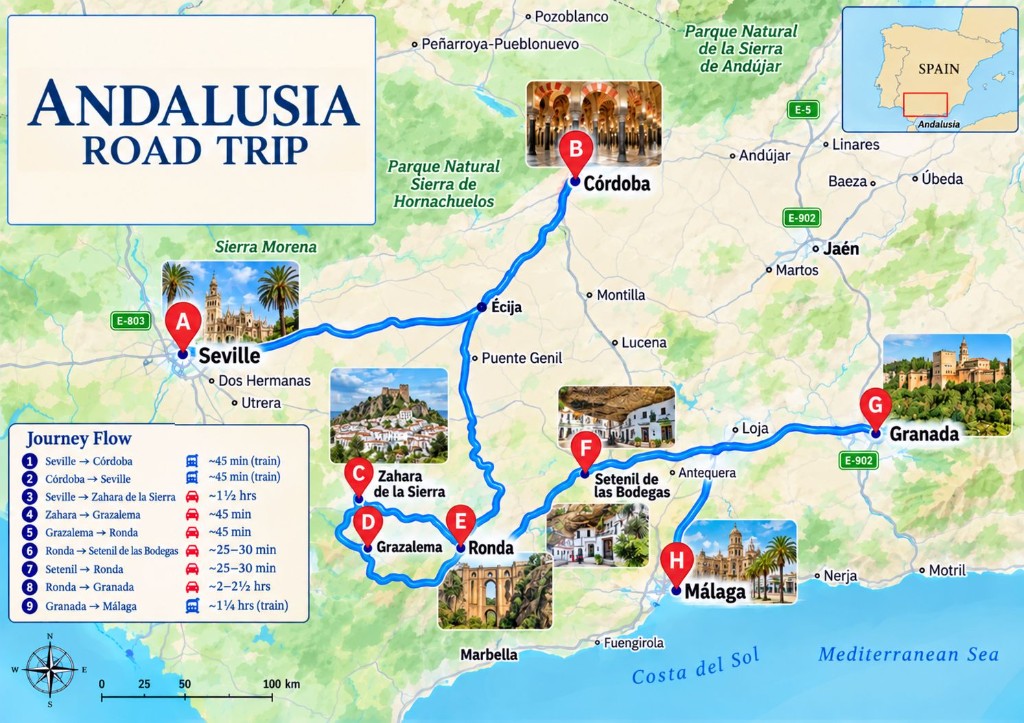
Seville → Córdoba (day trip) → White Villages → Ronda → Granada → Málaga
Day 1: Arrive in Seville & Explore Santa Cruz
Start your Andalusian road trip in Seville, the region's vibrant capital. After checking in, begin exploring on foot, starting with Santa Cruz, the former Jewish quarter known for narrow lanes, tiled courtyards and orange trees. Continue towards Seville Cathedral, the Giralda's exterior and take time to wander the surrounding historic streets. Visit Seville is a useful local starting point.
As evening arrives, settle into Seville's famous tapas culture or enjoy dinner at a traditional restaurant. You can also cross the Guadalquivir River to Triana, a neighbourhood closely associated with flamenco and ceramics, and catch a flamenco performance before returning to your accommodation.
Day 2: Real Alcázar, Cathedral & Plaza de España
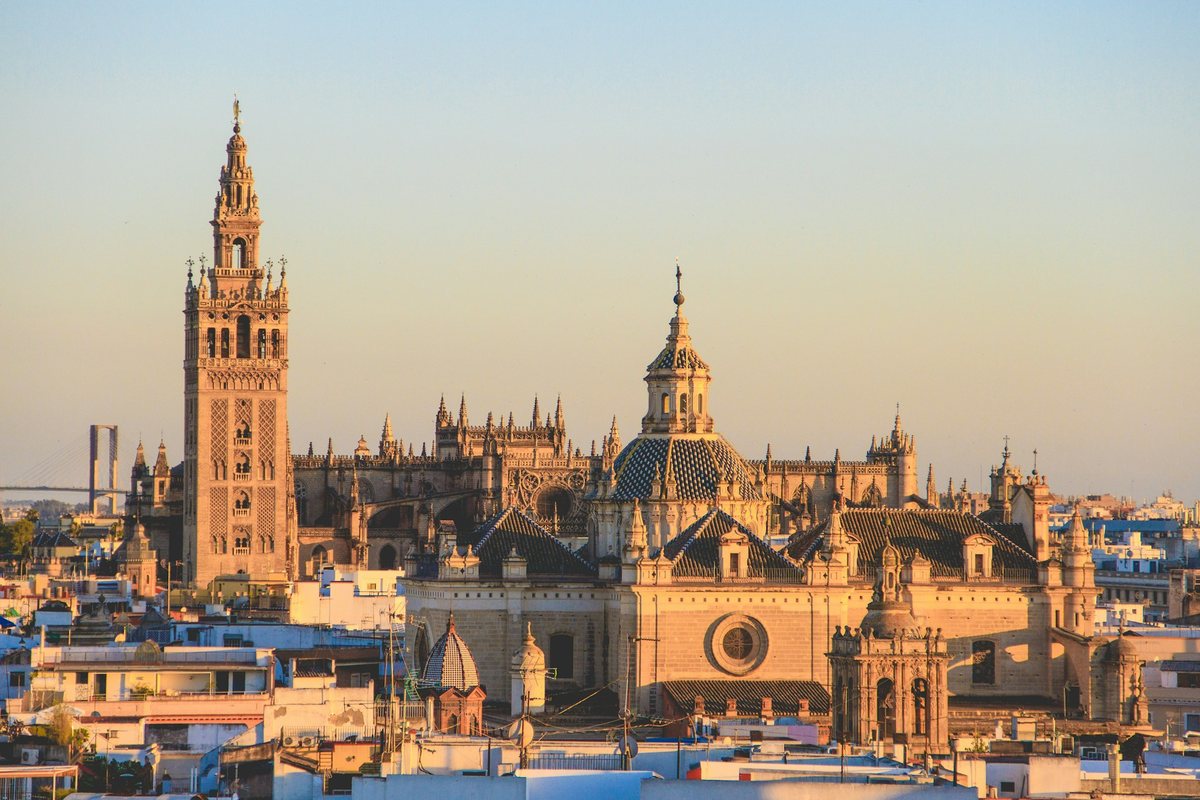
Start early at the Real Alcázar, exploring its Mudéjar, Islamic, Gothic and Renaissance influences, ornate tiled rooms and extensive gardens. Allow around 2 to 3 hours, then continue to Seville Cathedral and climb the Giralda for views across the historic centre.
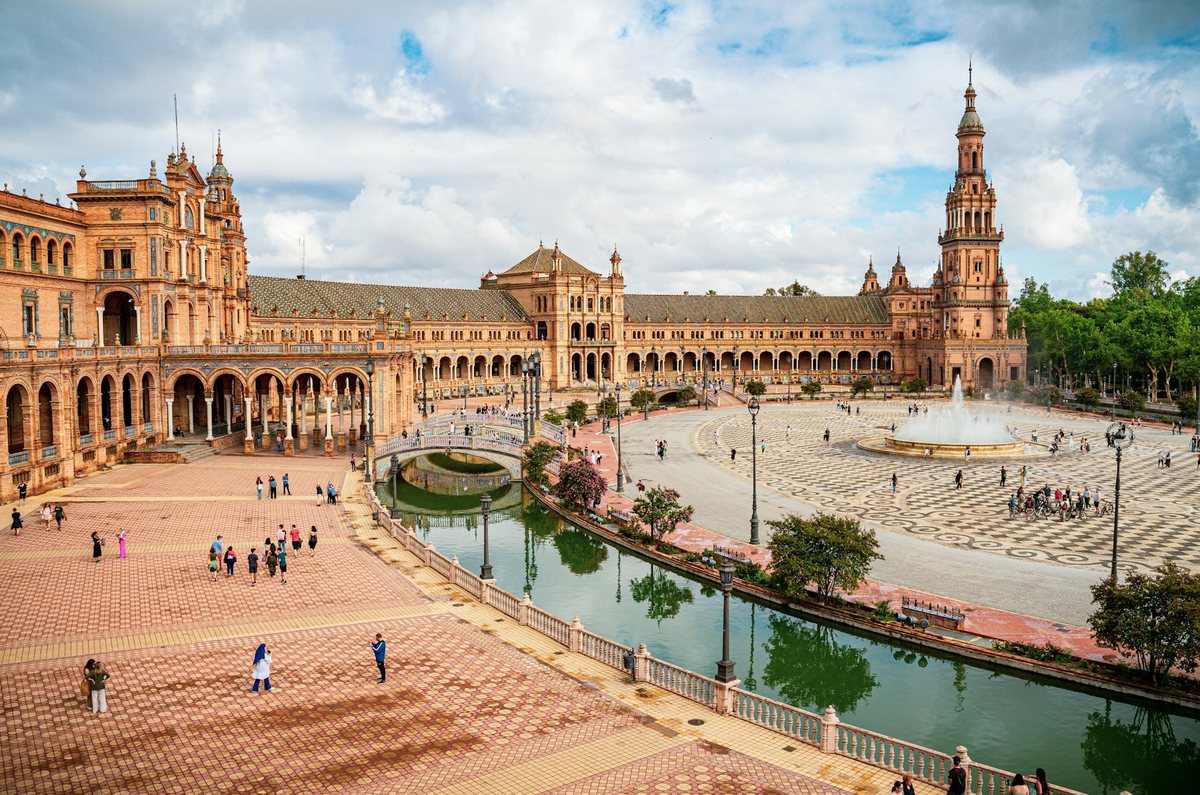
In the afternoon, walk towards Plaza de España and María Luisa Park, taking in the tiled alcoves, canals and grand architecture. Finish the day with a relaxed walk beside the Guadalquivir River.
Day 3: Triana, Market & Seville at Your Own Pace
Spend your final Seville day at a slower pace, beginning in Triana. Browse the Mercado de Triana, explore its ceramic shops and riverside streets, then return towards the centre to see Metropol Parasol. Leave some time for cafés and shopping.
Use the day to experience Andalusian dining rather than rushing between attractions. A lunchtime menú del día can be a practical way to sample several local dishes.
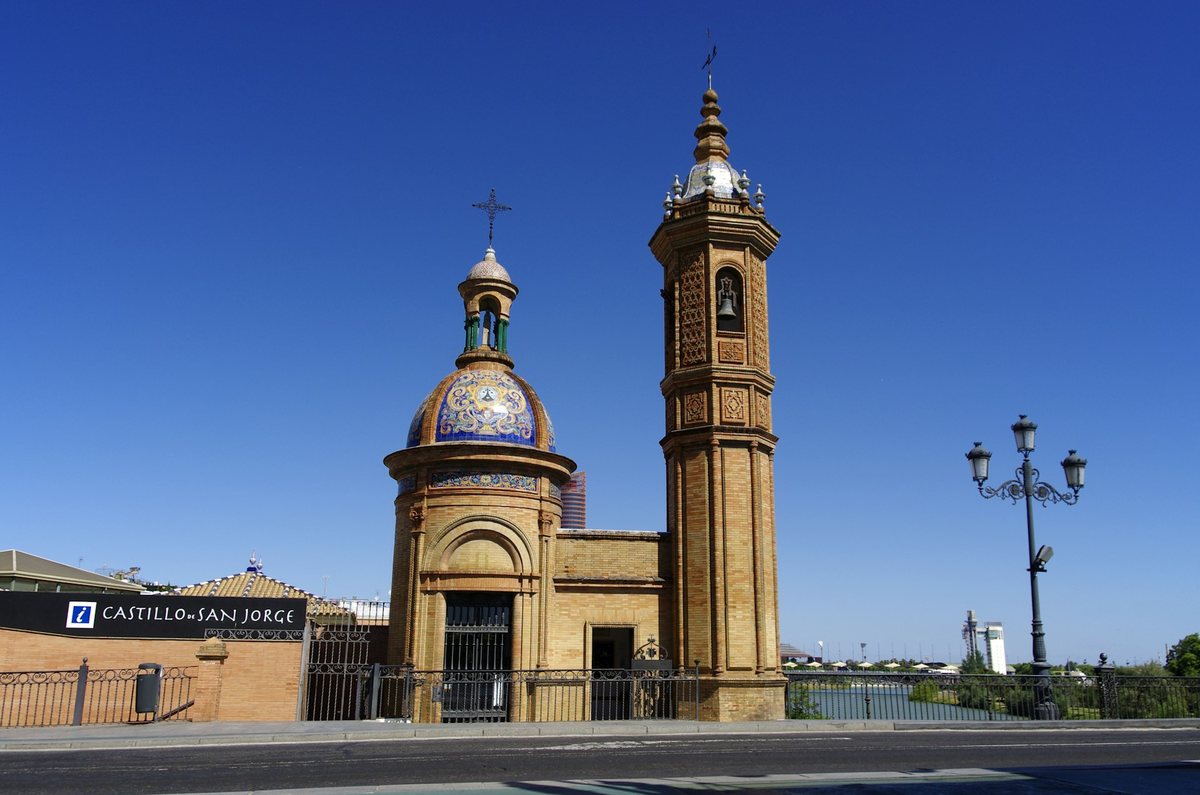
Day 4: Córdoba Day Trip
Train: ~45 minutes each way
Seville → Córdoba → Seville
Take a high-speed train from Seville to Córdoba. Check schedules and book tickets through Renfe. Make the Mezquita-Catedral your main priority, where rows of horseshoe arches and columns reveal the building's Islamic origins alongside the later cathedral. Afterwards, wander through the Judería, looking for Calleja de las Flores. Turismo de Córdoba is a useful local starting point.
Continue towards the Roman Bridge for views across the Guadalquivir before exploring more of the old city. Córdoba is also a great place to try salmorejo, rabo de toro, flamenquín and fried aubergines with honey, before returning to Seville.
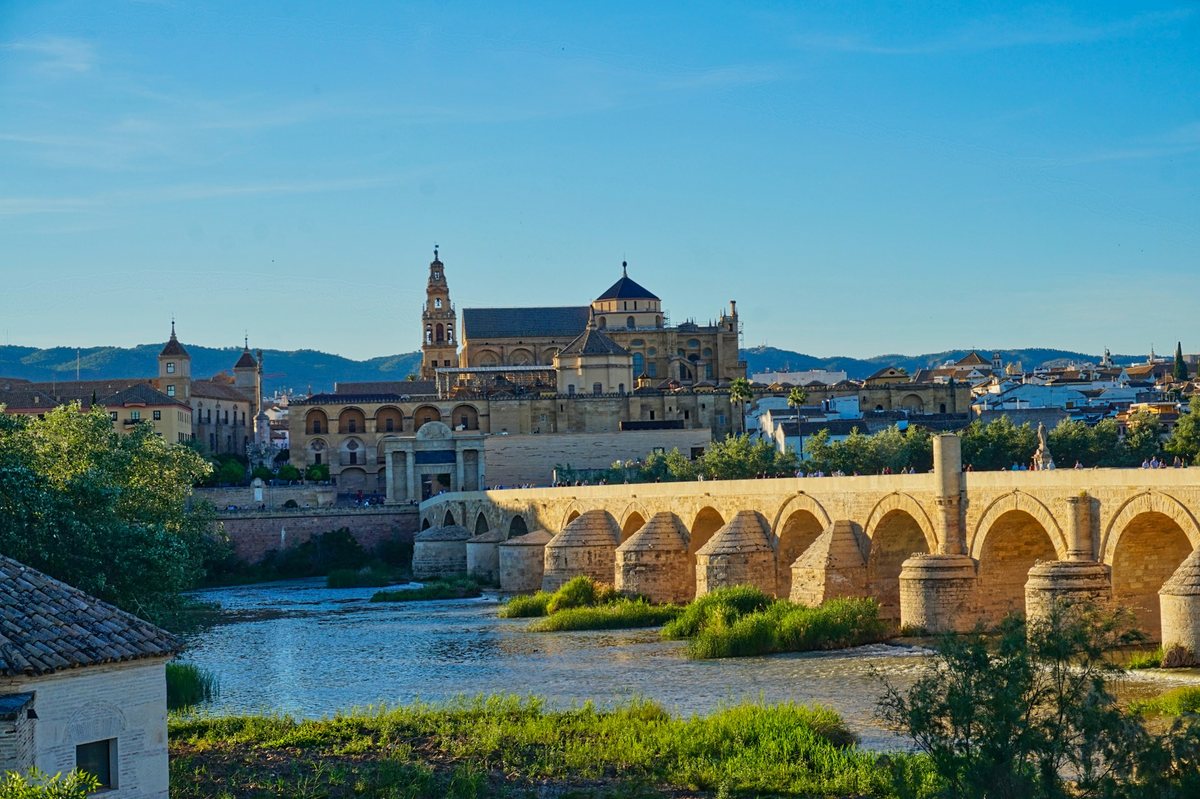
Day 5: Seville → Zahara de la Sierra → Grazalema → Ronda
Pick up your rental car in Seville and head into the Andalusian countryside towards Zahara de la Sierra, dramatically positioned above a turquoise reservoir. Walk through the village and stop at a viewpoint before continuing through the Sierra de Grazalema towards Grazalema, where you can enjoy a short walk or relaxed lunch.
Continue to Ronda, perched above the El Tajo gorge, and spend the afternoon exploring the Old Town, Puente Nuevo, Plaza de España and surrounding viewpoints. For a different perspective, walk towards the lower viewpoints beneath the bridge, then stay within walking distance of the old town so you can leave the car parked.
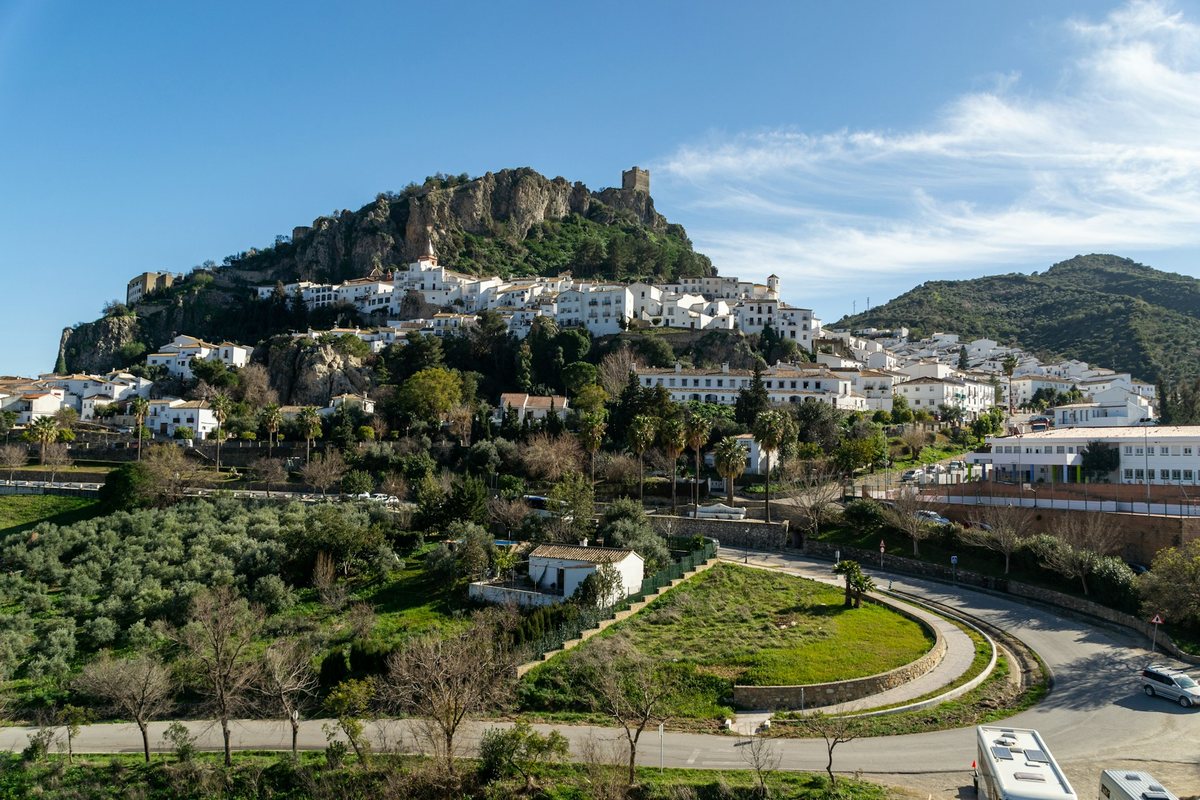
Day 6: Ronda & Setenil de las Bodegas
Spend the morning exploring Ronda at a relaxed pace, with time for the Plaza de Toros, historic quarter and Arab Baths. Walk along the gorge viewpoints and through the old streets before stopping for lunch.
In the afternoon, drive to Setenil de las Bodegas, one of Andalusia's most distinctive White Villages. Its houses, cafés and shops are built beneath enormous rock overhangs, particularly along Calle Cuevas del Sol and Calle Cuevas de la Sombra. Return to Ronda for your final evening and, if conditions are clear, enjoy sunset around the gorge.
Day 7: Ronda → Granada
Drive: ~2–2.5 hrs depending on your route and stops
Drive from Ronda to Granada. If possible, return the rental car on arrival, as Granada's historic centre has narrow streets and restricted areas that are much easier to navigate on foot. After checking in, begin exploring the city at a relaxed pace.
Walk through the Albaicín, Granada's historic Moorish quarter, and make your way towards Mirador de San Nicolás for views across to the Alhambra. In the evening, explore Granada's tapas scene by stopping at different bars and letting dinner stretch into the night rather than following a strict schedule.
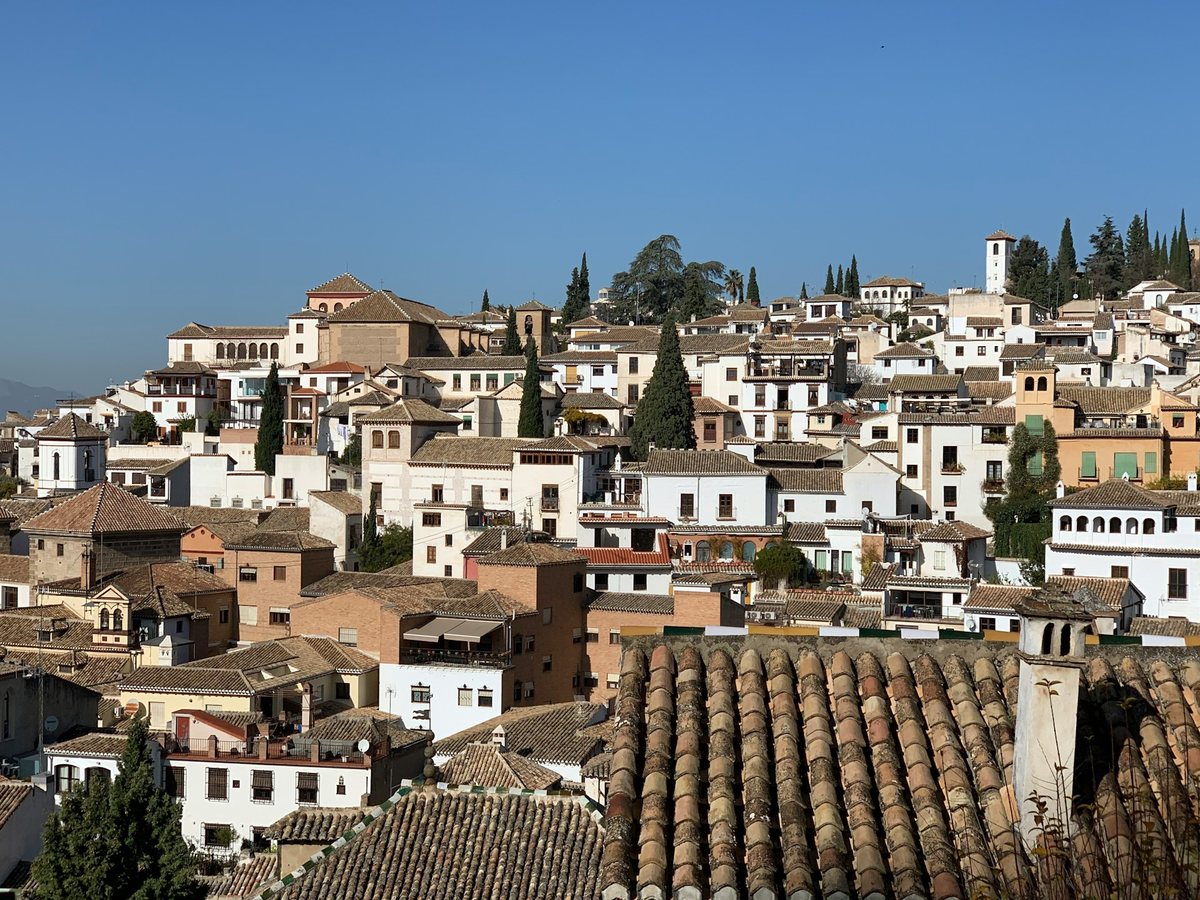
Day 8: Granada → Málaga
Train: ~1.5–2 hrs after the Alhambra
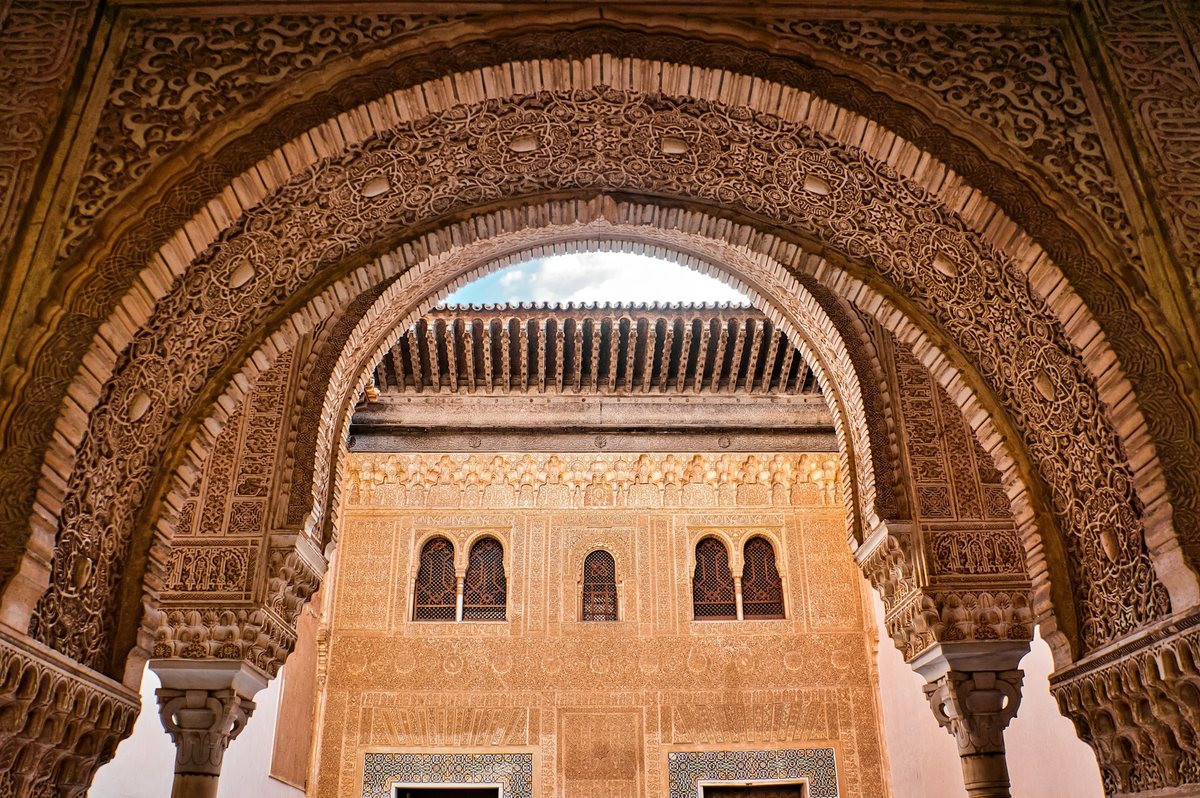
Start the morning with the Alhambra, allowing several hours to explore the Nasrid Palaces, Generalife gardens and fortress area. Book through the official Alhambra ticket portal; the Alhambra Patronato is the official site for visitor information. After exploring the Alhambra, return to Granada for lunch and travel onwards to Málaga by train, giving you the rest of the day to settle in and explore the city.
Once in Málaga, explore the Alcazaba and historic centre. If time allows, visit the Roman Theatre before spending the evening around La Malagueta or the waterfront. Then enjoy a relaxed dinner featuring espetos de sardinas at a beachside chiringuito.
Day 9: Málaga & Departure
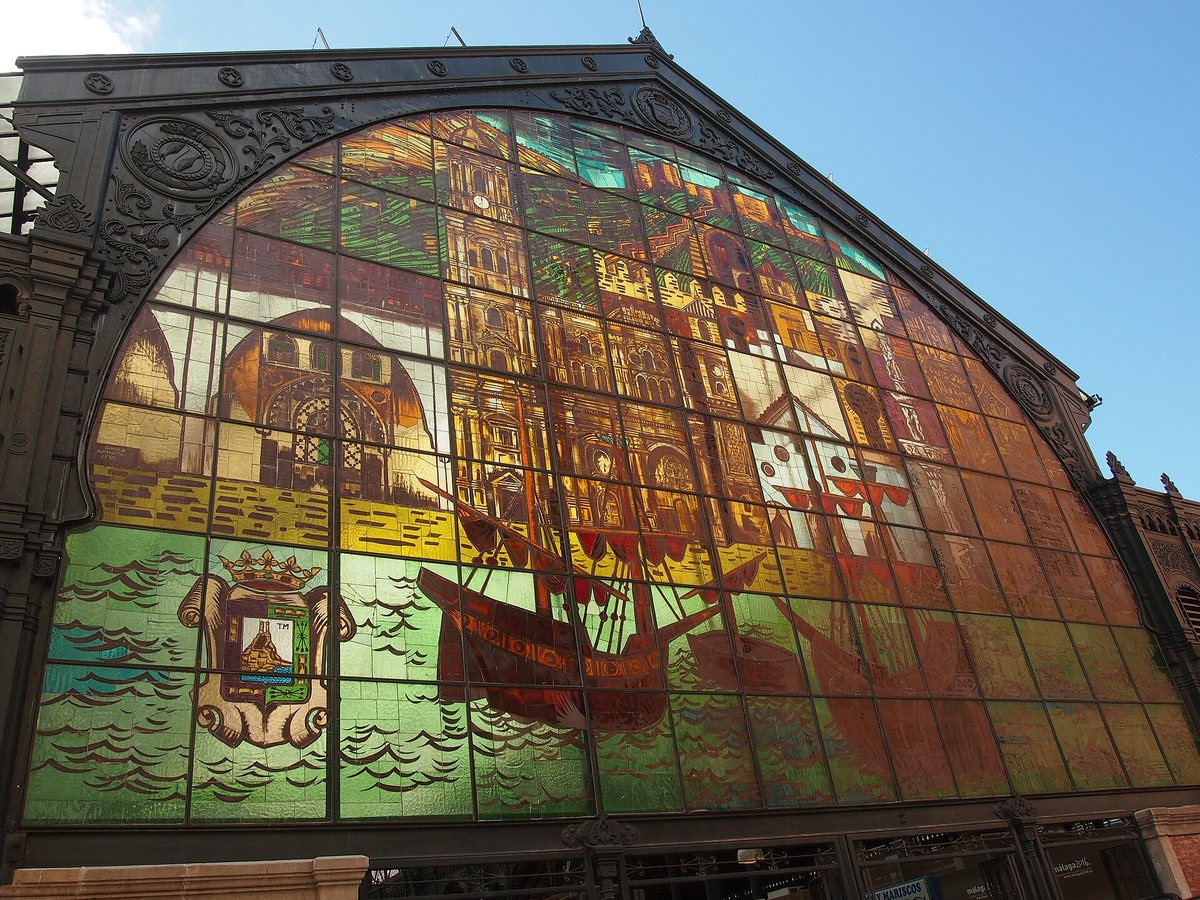
Start your final day with a visit to the Picasso Museum, dedicated to Pablo Picasso, who was born in Málaga. Afterwards, walk through the historic centre and stop at Atarazanas Market for breakfast or a final taste of local food before picking up souvenirs.
If your departure time allows, take a final walk along the waterfront or around Muelle Uno before heading to Málaga Airport or the station. Keeping the last day light gives you some flexibility to continue with your adventure.
Getting to Andalusia
For this itinerary, Seville Airport (SVQ) and Málaga Airport (AGP) are the most convenient international arrival points. You can also reach Seville by high-speed train from Madrid, with the journey taking around 2.5 hours.
Because the itinerary ends in Málaga, flying into Seville and home from Málaga avoids unnecessary backtracking.
Driving & Rental Car Tips
- Days 1–4: public transport and walking
- Days 5–7: rental car — Seville → White Villages → Ronda → Granada
- Days 8–9: train/public transport — Granada → Málaga, then explore Málaga without a car
This keeps driving to the parts of the journey where it actually adds flexibility. Return the rental car when you arrive in Granada on Day 7, then travel to Málaga on Day 8 so you don't have to deal with parking or driving in Málaga.
A smaller car is easier on narrow village roads and in older town centres. Avoid trying to drive directly through the historic centres of Seville, Córdoba and Granada. Park in a designated garage and explore on foot.
If your hotel is inside a historic neighbourhood, check exactly where you'll park before driving there. Some centrally located hotels may require you to leave the car in a nearby garage and walk the final few minutes. Download maps before heading into the countryside and make sure you have mobile data available for navigation, opening hours and accommodation directions.
Andalusian Food to Try
Don't leave Andalusia without trying salmorejo, gazpacho, rabo de toro, flamenquín, fried aubergines with honey, tortilla de patatas, jamón ibérico, espetos de sardinas, fried fish, local tapas, toast with tomato and olive oil, and sherry.
Practical Tips
- Book the Alhambra early. This should be one of the first things you arrange after deciding on your dates, via the official Alhambra ticket portal.
- Check opening days. Museums, monuments and other attractions can have different opening schedules, so check the official calendar before building your day around a specific attraction.
- Start major sights early. The Mezquita, Alhambra and Alcázar are much easier to appreciate when you aren't trying to see them during the busiest part of the day.
- Carry water. Spring and autumn can still be warm, and you'll spend plenty of time walking.
- Wear comfortable shoes. Expect cobblestones, stairs, steep streets and uneven village lanes.
- Leave room for slow travel. Some of the best moments may be a coffee in a White Village, an unplanned viewpoint, a tapas bar in Granada or an evening walk beside the Guadalquivir.
Optional Extensions
These work better as extensions rather than additions to the core nine-day itinerary, so the main route doesn't become rushed.
- El Torcal Natural Park: a striking landscape of unusual limestone rock formations, suitable for hiking and scenic walks.
- Caminito del Rey: a dramatic cliffside walkway that can be added with additional planning and time. Check the official Caminito del Rey site.
- Cádiz & Jerez: extend towards the Atlantic coast for beaches, seafood and Jerez's sherry culture.
- Nerja: a coastal extension with beaches, viewpoints and the famous Nerja Caves.
What to Pack
Bring comfortable walking shoes, lightweight clothing, a light jacket for evenings, sun protection, a reusable water bottle, a small daypack, sunglasses, offline maps, travel documents and small luggage for the road-trip section.
Estimated Budget
Prices below are approximate per person and can vary significantly with season, accommodation type, car-sharing and how many paid attractions you visit. The ranges exclude international flights.
| Expense | Estimated cost per person |
|---|---|
| Accommodation — 8 nights | €400–650 |
| Food & drinks | €250–350 |
| Car rental — 3 days | €150–250 |
| Fuel & tolls | €70–110 |
| Trains — Seville ↔ Córdoba | €30–50 |
| Attractions & activities | €100–150 |
| Estimated total | €1,000–1,560 |
Around €125–195 per person per day. The Granada–Málaga train is extra to the Seville–Córdoba figure above.
Useful Booking & Travel Links
- Spain Tourism
- Andalusia Tourism
- Visit Seville
- Turismo de Córdoba
- Renfe
- Real Alcázar of Seville
- Mezquita-Catedral of Córdoba
- Alhambra tickets
- Alhambra Patronato
- Picasso Museum Málaga
- Seville Airport
- Málaga Airport
Prompts to Try in Honge
- Plan this Andalusia road trip around my travel dates and flight times.
- Find the best parking options near my hotel in Seville, Ronda, Granada or Málaga.
- Which White Villages should I visit based on today's weather?
- Plan a day in Granada around my Alhambra entry time.
- Find traditional Andalusian food I should try in each city.
- Plan a rainy-day alternative for Seville, Córdoba or Granada.
- Find scenic stops between Ronda and Granada.
- Build a Málaga food itinerary focused on seafood and local dishes.
FAQs
Is 9 days enough for Andalusia?
Yes, nine days works well for a focused route covering Seville, Córdoba, Ronda, the White Villages, Granada and Málaga. It won't cover every corner of Andalusia, but it gives you a balance of major cities, countryside and coast.
Do I need a car for the whole trip?
No. The car is most useful for the White Villages and countryside. Seville and Córdoba are easy to explore without one, and Granada is better explored without driving through its historic centre.
How long should I spend in Seville?
Four days works well for this itinerary, including a day trip to Córdoba. The first three days give you enough time for the Alcázar, Cathedral, Plaza de España, Santa Cruz, Triana, flamenco and some unstructured time.
Can I visit Córdoba as a day trip?
Yes. Seville to Córdoba takes around 45 minutes by high-speed train, making it practical as a day trip.
Are the White Villages worth adding?
They add a completely different side of Andalusia: mountain landscapes, whitewashed houses, local cafés and winding roads. Setenil de las Bodegas is particularly distinctive because of its buildings beneath the rock overhangs.
Is Andalusia suitable for a road trip?
Yes. A mixed train-and-car itinerary works particularly well: use trains for major city connections and a rental car for Ronda and the White Villages.
Ready for Your Andalusia Road Trip?
From Seville's Moorish palaces and flamenco evenings to Córdoba's extraordinary Mezquita, Ronda's dramatic gorge, the rock-built streets of Setenil and Granada's Alhambra, Andalusia brings together many defining experiences.
Ready for white villages and palaces?
Plan your Andalusia road trip with Honge
Keep Seville, Córdoba, Ronda, Granada and Málaga as bases, then shape driving days around the Alhambra booking and the trains.
Related itineraries
Written by
This blog was contributed by Sheba M, a travel enthusiast and writer. Sheba can be reached at shebaranjitha@gmail.com.
About Honge
Honge is an AI travel planning platform focused on practical, experience-led itineraries with realistic pacing and logistics. All blog content is edited and published by Honge. Our Andalusia research draws on updated practical logistics as of September 2026. © Honge. All rights reserved.
Image credits: Photos are sourced from Unsplash and Wikimedia Commons. Copyright remains with their respective photographers and rights holders. Unsplash images are used according to the Unsplash License. Wikimedia Commons images are used according to their applicable CC BY-SA 4.0 license terms.
Travel disclaimer
This itinerary is intended as general travel inspiration and planning guidance only — not as personalised travel, safety, driving or medical advice. Conditions change. Before you travel, check current entry requirements and any travel advisories, review weather and road conditions for mountain routes around the White Villages, Sierra de Grazalema and Ronda, and confirm monument hours, fees and timed-entry tickets (including the Alhambra, Real Alcázar and Mezquita-Catedral) directly with official sources. Take out comprehensive travel insurance that covers medical care, driving, cancellation and disruption. Rental-car terms and insurance vary; follow local traffic rules, low-emission or historic-centre driving restrictions, and posted site instructions. Suggested hotels and stay styles in this article are samples only and depend on availability; in the Honge app they may appear as booking options when offered by our vendors at the time of your search. Honge is not responsible for decisions made based on this guide or for changes to places, prices, access, services or experiences after the date of publication.