
Start with this itinerary
Open this Ecuador route in Honge as your starting point, then shape Quito, Cotopaxi, Baños and Cuenca around your dates, altitude and the weather.
How Many Days in Ecuador Is Enough?
Eight days is enough for Quito, Cotopaxi, Baños and Cuenca if you ease into the altitude, keep Cotopaxi to viewpoints and a short walk, and accept one long transfer south. Leave the Galápagos, the Amazon and the coast for another trip, or add Otavalo or Ingapirca on a 10-day extension.
Ecuador packs historic cities, volcanic highlands and waterfall valleys into a relatively compact country, but altitude and mountain roads still set the pace. This itinerary is a first-visit highland route, not a tour of the whole country.
Introduction
Ecuador is one of South America’s most rewarding destinations for travellers who want dramatic landscapes, historic cities, outdoor days and cultural stops without an endless string of internal flights. In eight days you can walk Quito’s colonial centre, stand under Cotopaxi’s high volcanic scenery, follow waterfalls through the green valleys around Baños, and finish in Cuenca, known for its architecture, riverside paths and calmer atmosphere.
What makes the country especially interesting is how quickly the scenery changes. Within a few days the trip moves from high-altitude Andean streets and volcanic peaks to cloud-covered valleys, thermal pools and historic neighbourhoods. It can feel like several different journeys stitched into one.
This itinerary is for people who want sightseeing and outdoor time without rushing every transfer. It mixes cultural walking, scenic travel, short hikes and adventure options, with downtime built in so the landscapes have room to land.
Treat the first days as acclimatisation, not a race up the volcano.
Quito sits at about 2,850 metres above sea level, and parts of Cotopaxi National Park rise considerably higher. Allow your body time to adjust, especially in the first two days, and approach high-altitude activity gradually.
Why This Trip Works
- Four distinct landscapes: a colonial capital, a volcano, a waterfall town and a calmer historic finish, without trying to add the Galápagos or the Amazon.
- Altitude first: two nights in Quito before Cotopaxi, then a drop toward Baños where the air is easier.
- One long transfer, not several: the Baños–Cuenca day is the hard travel day; the rest of the route stays shorter.
- Buses can carry it: rental cars help, but they are not required if you use terminals, transfers and one organised Cotopaxi excursion.
Good to Know
- Currency: US dollar ($).
- Language: Spanish; English is understood in some visitor-facing businesses, especially in Quito and established travel areas.
- Altitude: Quito and Cotopaxi are high; Baños and Cuenca sit lower but still in the highlands.
- Weather: equatorial latitude does not mean consistent warmth. Elevation changes everything.
- Electricity: typically 110V, with US-style sockets in many places; carry an adaptor if you need one.
Before You Go
- Keep the first afternoon in Quito gentle: water, a slow walk, no strenuous hike.
- Check current access, weather and volcanic-activity notes for Cotopaxi with IGEPN and park guidance before you travel.
- Book the Baños–Cuenca bus or transfer ahead where possible; it is the longest day on the route.
- Pack layers, a waterproof jacket, grip-soled shoes and swimwear for thermal baths.
- Download offline maps before leaving major towns; coverage thins around the park and mountain roads.
Journey Overview
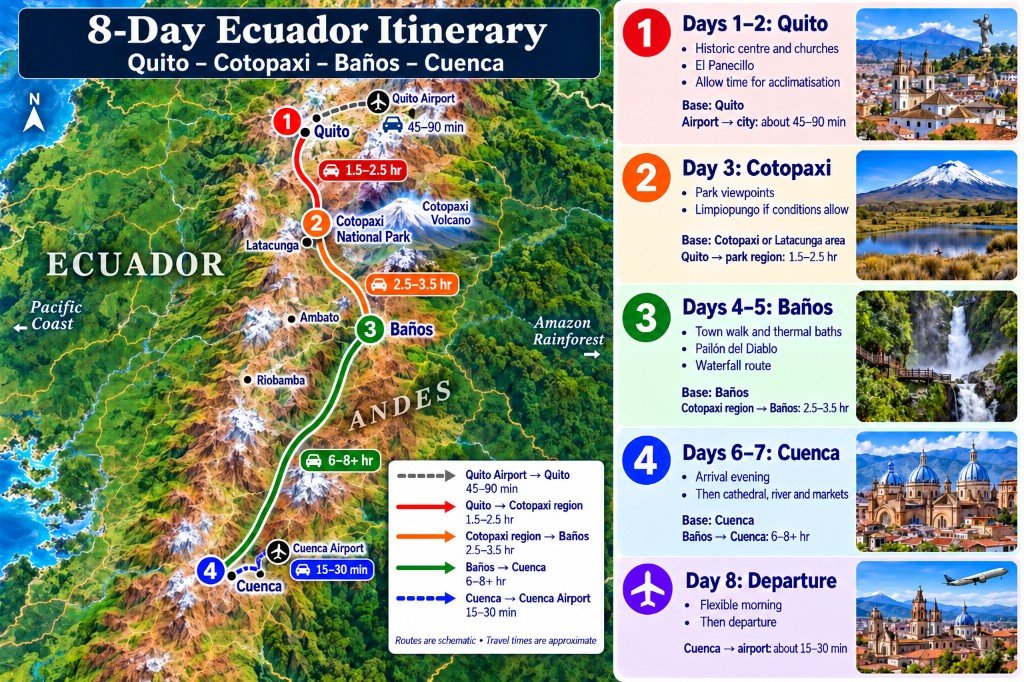
The week starts high in Quito, visits Cotopaxi while you are still based in the north-central Andes, drops into Baños for waterfalls, then makes one long southbound transfer to Cuenca.
| Days | Base | What to do | Travel |
|---|---|---|---|
| 1–2 | Quito | Historic centre, churches, El Panecillo, acclimatisation | Airport → city: about 45–90 min |
| 3 | Cotopaxi or Latacunga area | Park viewpoints, Limpiopungo if conditions allow | Quito → park region: 1.5–2.5 hr |
| 4–5 | Baños | Town walk, thermal baths, Pailón del Diablo, waterfall route | Cotopaxi region → Baños: 2.5–3.5 hr |
| 6–7 | Cuenca | Arrival evening, then cathedral, river and markets | Baños → Cuenca: 6–8+ hr |
| 8 | — | Flexible morning, then departure | City → airport: about 15–30 min |
These are approximate planning estimates, not live navigation times. Traffic, weather, roadworks, park access and the exact bus connection can add considerable time.
Route Map
Day 1: Arrive in Quito
Arrive in Quito and settle into your stay before a light walk. Ecuador’s capital sits high in the Andes, and the elevation can be noticeable even if you are generally fit. Keep the first afternoon simple, drink water regularly, and avoid strenuous activity until you know how your body is responding.
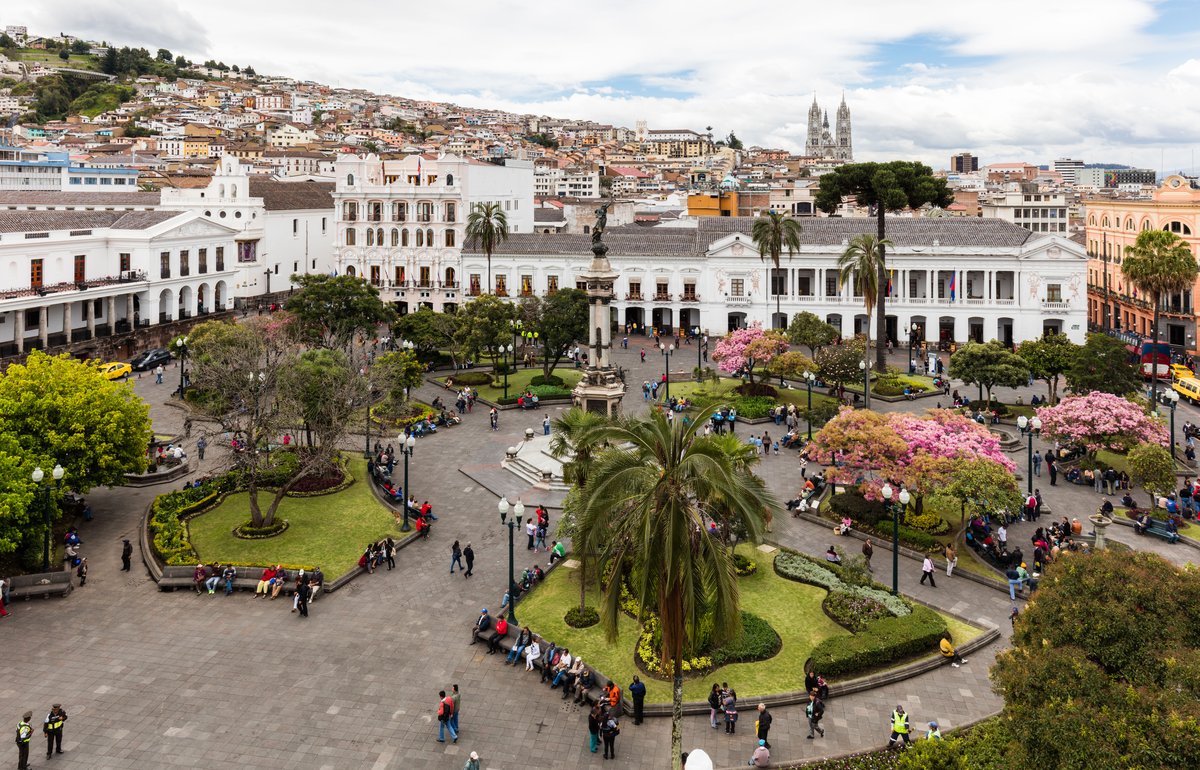
Start with a relaxed walk through the historic centre. Streets of colonial buildings, churches, plazas and shops feel quite different from a modern business district. Begin around Plaza Grande, the central square framed by civic and religious buildings.
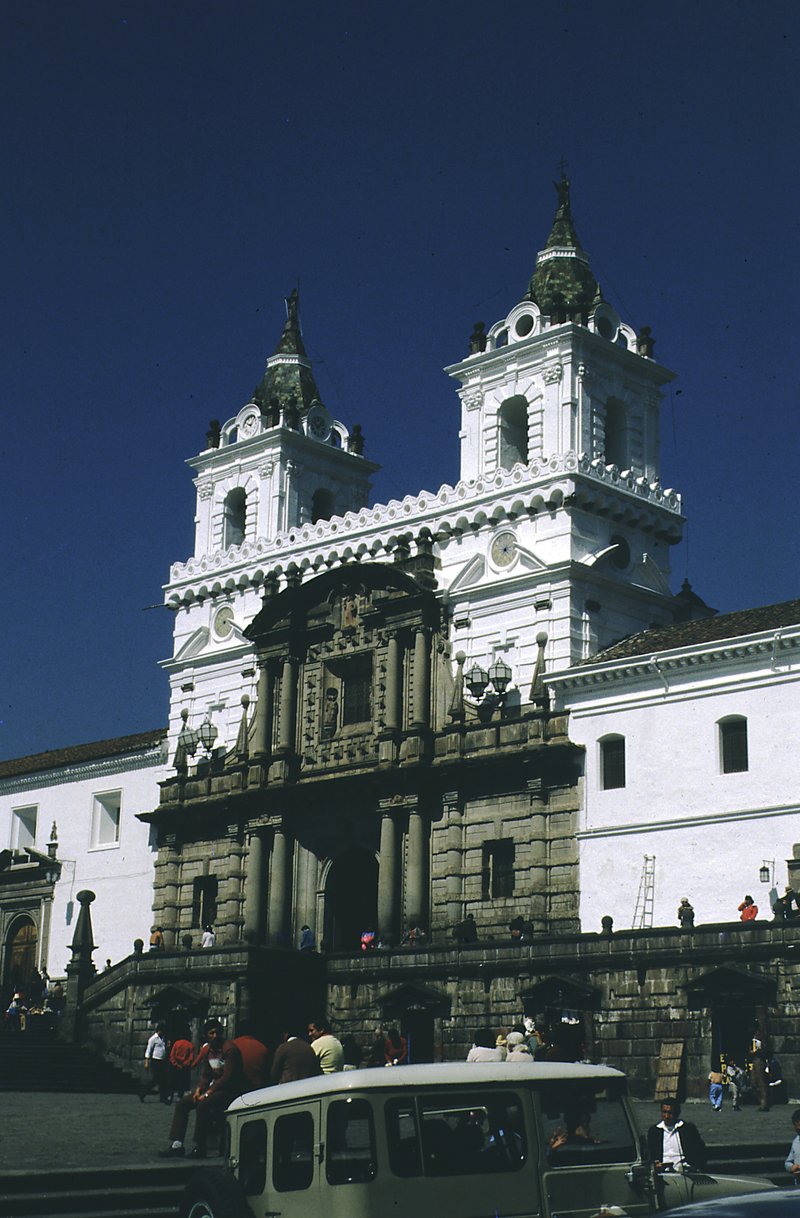
Continue along nearby historic lanes, where balconies, carved doorways and older façades reward a slow pace. Stop for coffee rather than ticking every church on arrival day. If you feel comfortable with the altitude, a nearby viewpoint or a short neighbourhood walk can wait until later; otherwise save demanding sightseeing for day 2.
For dinner, look for a traditional highland restaurant and try locro de papa, a potato and cheese soup often served with avocado. Keep the first meal moderate while you adjust.
- Do not miss: Plaza Grande, a slow circuit of the historic streets, and a first taste of highland food.
- Food: locro de papa, empanadas or a juice. Avoid a heavy, late meal if you already feel the altitude.
- Logistics: Mariscal Sucre International Airport sits outside the central urban area. Use an official taxi, authorised transfer or trusted service. Skip strenuous exercise and excessive alcohol on the first evening.
Day 2: Quito Churches, Viewpoints and Food
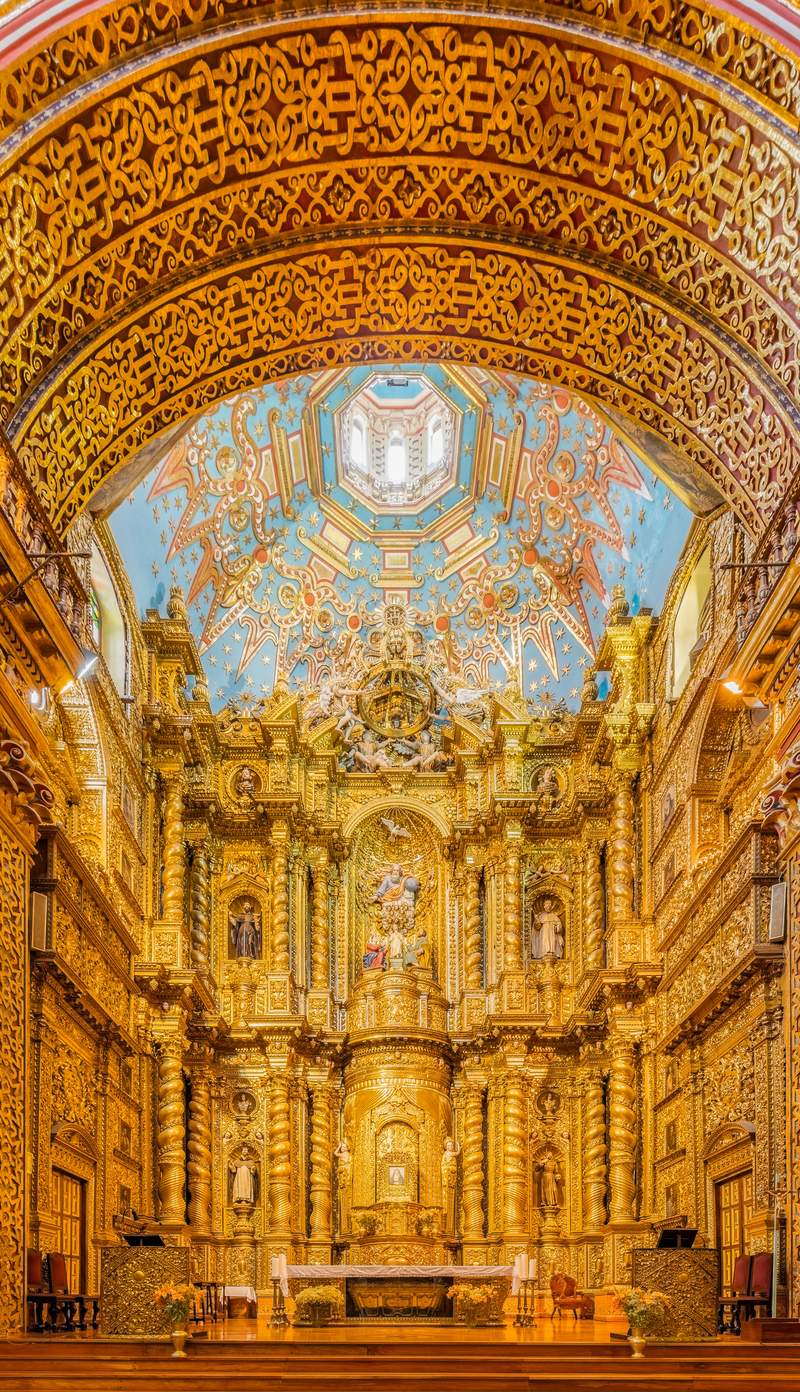
Return to the historic centre with a fuller day. Start with the Church of the Society of Jesus, commonly known as La Compañía, known for its elaborate interior. Continue toward the Basílica del Voto Nacional, whose towers are among Quito’s most recognisable city silhouettes.
If you enjoy museums, choose one that matches your interest — colonial art, Ecuadorian history or local culture — rather than trying to see several. They help with Indigenous heritage, the colonial period and the city’s later identity.
Later, head toward El Panecillo, the hill overlooking the city. Use authorised transport and follow local safety advice rather than walking unfamiliar routes simply to save time. For lunch, look for highland dishes such as fritada or llapingachos. In the afternoon, a café stop or artisan shops are enough; if you still have energy, La Floresta is a lively dining neighbourhood of cafés and restaurants.
- Do not miss: La Compañía, the Basílica del Voto Nacional, and a viewpoint from El Panecillo.
- Food: llapingachos, fritada and fresh fruit juices from reputable cafés.
- Logistics: historic streets can be steep and uneven. Wear comfortable shoes, carry water, and use reputable taxis or ride services for longer distances. Check museum hours before you build the day around a single visit.
Keep Quito and Cotopaxi in the same plan
Open the route in Honge, then decide whether Cotopaxi is a day trip from Quito or an overnight near the park.
Day 3: Cotopaxi National Park
Leave Quito in the morning and travel south toward Cotopaxi National Park. The drive to the park region generally takes around 1.5–2.5 hours, depending on your entry point, traffic and stops. If you use public transport, allow extra time and arrange the final connection to the park in advance.
As you approach, the scenery opens into highland grassland, volcanic terrain and distant peaks. Cotopaxi is one of Ecuador’s most recognisable volcanoes, and the snow-covered summit can be spectacular when the weather is clear.
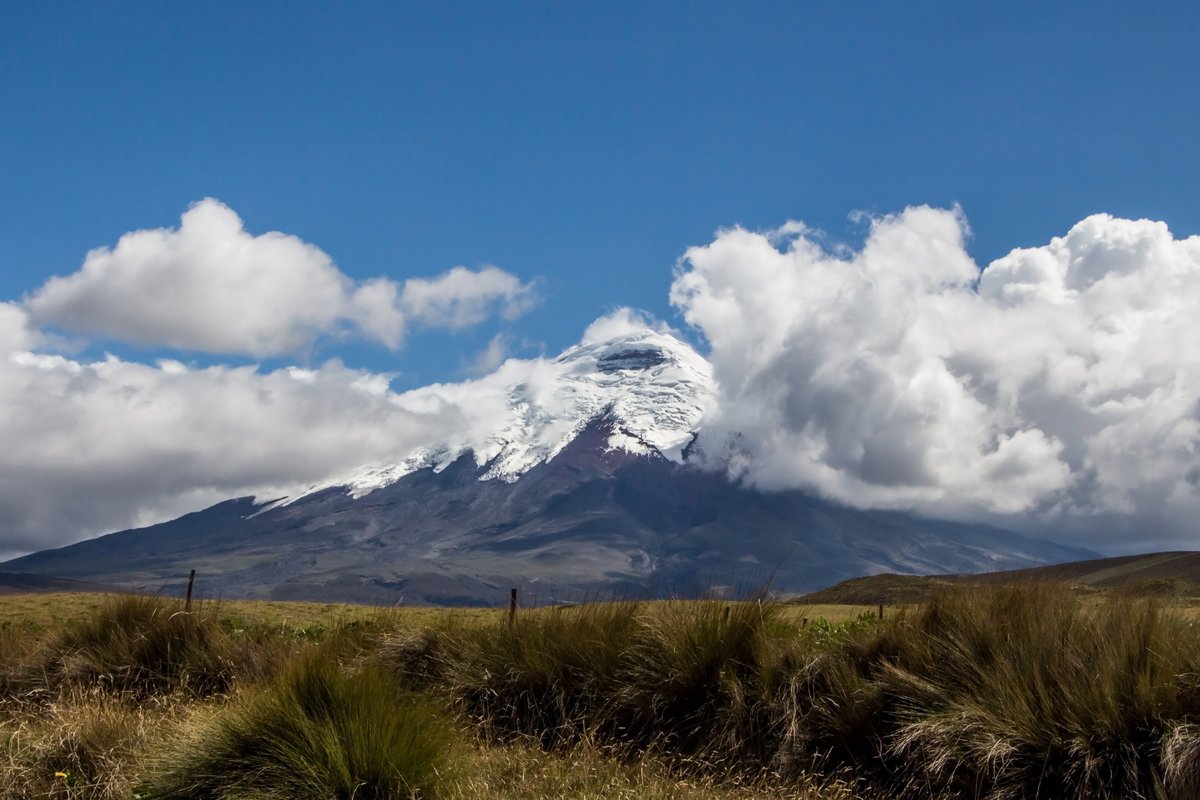
Spend time at suitable visitor areas and viewpoints, and give yourself a chance to adjust to the elevation. The park’s high-altitude environment can feel demanding even for experienced hikers, so avoid treating the day as a race to the highest possible point.
Depending on current access, weather and how you feel, a short walk around the Limpiopungo Lagoon area is a strong choice. Higher routes toward a mountain refuge should wait until conditions, access rules and your acclimatisation allow. Check current park guidance and consider a qualified local guide.
After exploring, travel toward your overnight base in the wider Cotopaxi or Latacunga area. Continuing all the way to Baños the same day is possible if timing and energy allow, but an overnight near the park keeps the day less rushed.
- Do not miss: Cotopaxi’s volcanic views and a short walk around Limpiopungo if conditions allow.
- Food: a highland lunch of soup, potatoes, grilled meat or corn dishes. Carry snacks; food options inside park areas may be limited.
- Logistics: check park access, weather, volcanic-activity advisories and transport before departure. Bring warm layers, sun protection, water and suitable footwear. Do not attempt strenuous high-altitude hikes if you have symptoms of altitude illness.
Day 4: Travel to Baños
After breakfast, travel toward Baños de Agua Santa, a town set among green Andean slopes and a dramatic valley. From the Cotopaxi region the journey generally takes around 2.5–3.5 hours.
Baños feels like a change of pace after Quito and the high volcanic landscapes. The town is known for waterfalls, thermal baths, outdoor activities and easy access to the surrounding hills. Streets are lively without losing the atmosphere of a small destination.
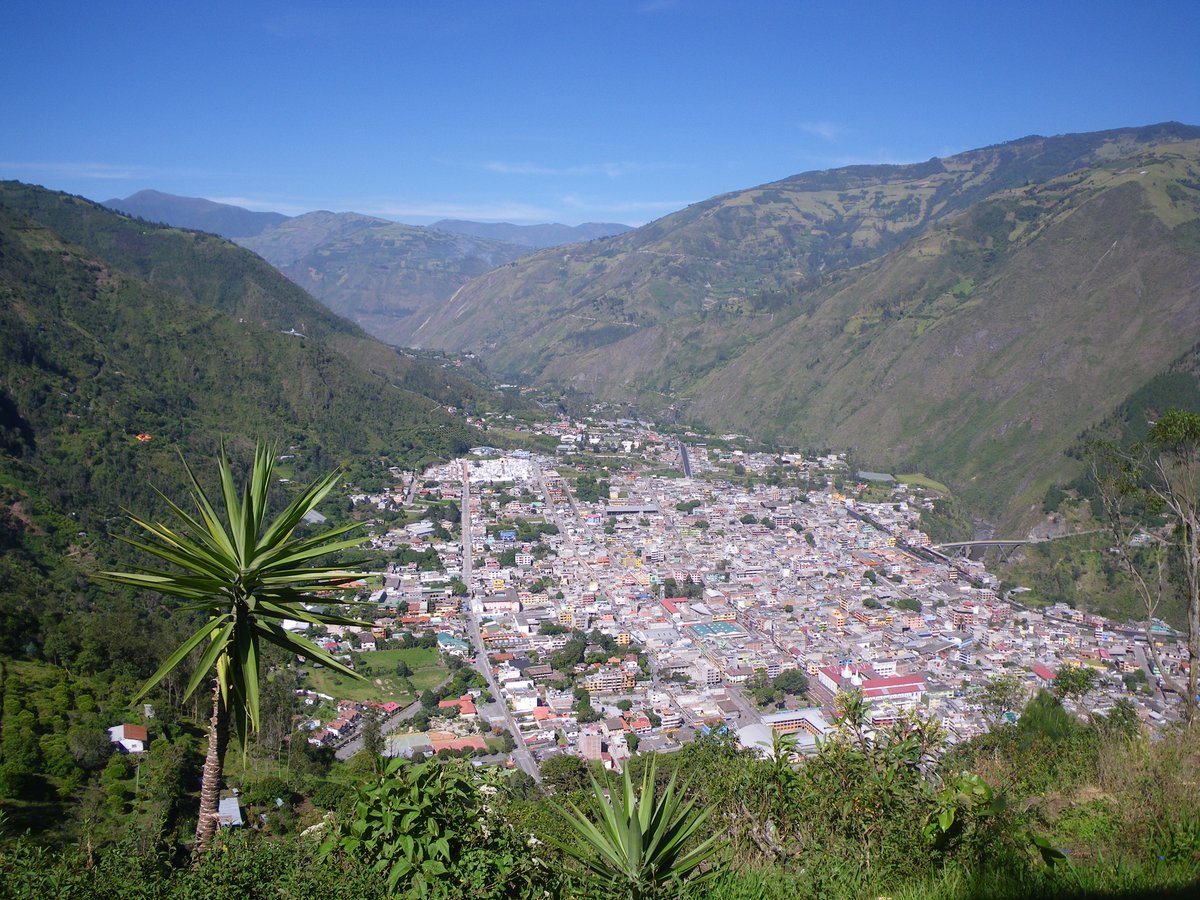
After checking in, explore the centre on foot. Browse shops, stop at a café and look up at the surrounding hills. Baños is also known for melcocha, a pulled sugar confection often made in small shops where you can see the process. In the afternoon or evening, visit one of the town’s thermal bathing facilities. Choose a place that suits your comfort level and check opening times, entry rules and water conditions.
- Do not miss: a thermal bath and an evening walk through town.
- Food: melcocha, soups, grilled dishes and fruit juices.
- Logistics: bring swimwear, a towel if required, and sandals for the pools. If you still feel the altitude, do not stack a strenuous activity onto this transfer day.
Day 5: Waterfalls and the Ruta de las Cascadas
Give the fifth day to the natural attractions around Baños. The region is known for its waterfall route, where the road follows a valley of rivers, cliffs and dense vegetation. The scenery is especially impressive after rain, although wet conditions can affect visibility and access.
Begin with Pailón del Diablo, one of the area’s best-known waterfalls. The walk toward the falls passes through green surroundings to viewpoints where the water is close and loud. Some paths and stairways are steep, wet and slippery, so take your time and use appropriate footwear.
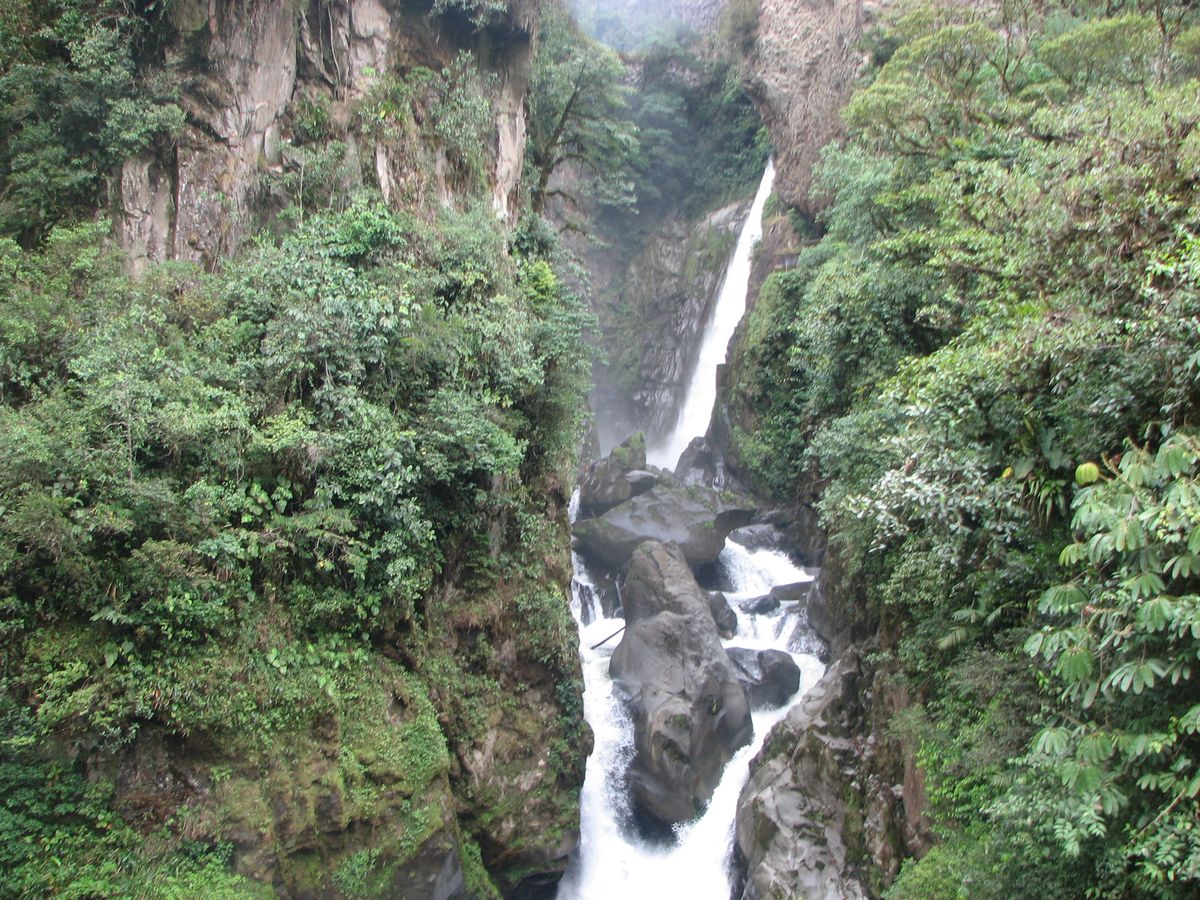
Continue along the Ruta de las Cascadas by bicycle, local transport or an organised excursion. Cycling is popular, but choose a reputable operator, check route conditions and use safety equipment. If you prefer a quieter day, use transport between selected stops rather than attempting the full route.
Adventure options around Baños include ziplining, canyoning, rafting and other guided experiences. Confirm equipment, insurance and weather or river conditions before you book. In the afternoon, pause for lunch and return to town before evening.
- Do not miss: Pailón del Diablo and at least part of the Ruta de las Cascadas. Add one adventure activity only if it fits your interests and the conditions.
- Food: a hearty lunch, local soups or a regional sweet. Carry water and a snack if you will be out for several hours.
- Logistics: waterfall paths can be slippery. Wear sturdy shoes, carry a waterproof layer, and do not cycle unfamiliar routes after dark.
Day 6: Travel to Cuenca
Leave Baños after breakfast and begin the journey south toward Cuenca. This is the longest transfer of the itinerary. Travel commonly takes around 6–8 hours or more depending on method, route, traffic and stops. If you travel by bus, choose a reputable operator and official terminals, and allow extra time on arrival.
The journey is part of the experience: mountain slopes, valleys, farmland and small settlements show how Ecuador’s regions change. Arrive in Cuenca and stay near the historic centre if you can. The city has a calmer atmosphere than Quito, with colonial architecture, riverside paths and plazas.
After settling in, take a gentle walk around Parque Calderón and the surrounding streets. The New Cathedral, with its distinctive blue domes, is a natural starting point. Keep the first evening simple after the long journey.
- Do not miss: Parque Calderón, the New Cathedral exterior, and a first walk through the historic centre.
- Food: mote pillo, a regional soup, or a simple hearty meal. Cuenca is also known for baked goods.
- Logistics: book intercity transport ahead where possible, keep valuables secure, and avoid a fixed evening activity that depends on an exact arrival time.
Day 7: Cuenca’s Historic Centre
Spend a full day in Cuenca’s historic centre. The city is known for preserved colonial architecture, cobbled streets, churches, plazas and a riverside setting. The pace is noticeably more relaxed than Quito, which makes it a good place to slow down toward the end of the trip.
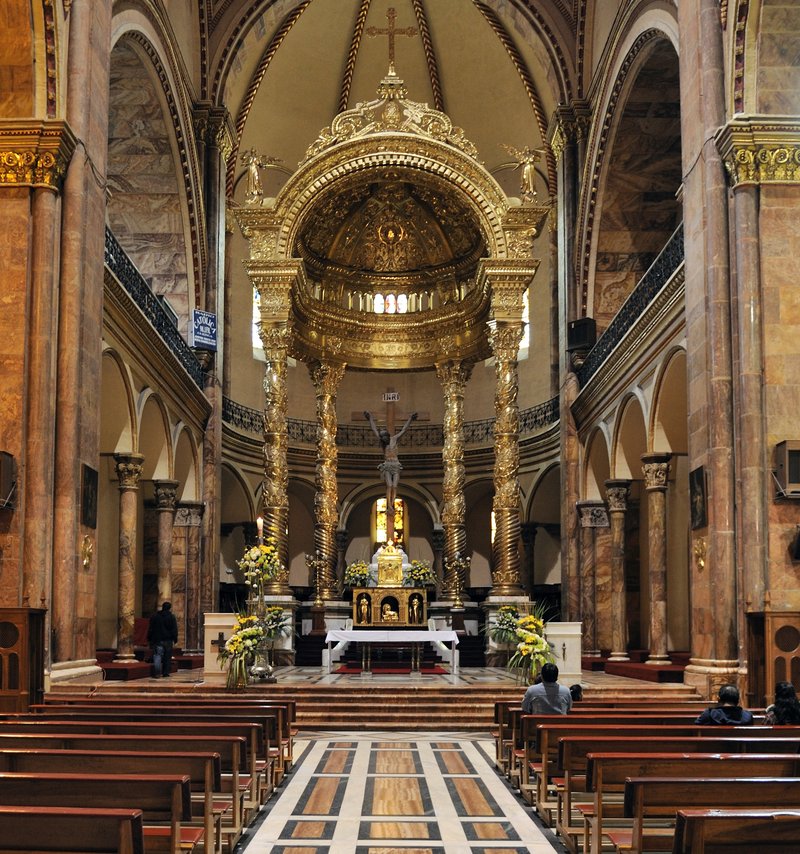
Start at Parque Calderón and the New Cathedral, then continue through historic streets for balconies, courtyards and artisan shops. If you enjoy museums, choose one focused on local history, art or Indigenous culture rather than several.
Later, walk toward the Tomebamba River, where riverside paths offer a contrast to the plazas. In the afternoon, browse markets or craft shops. Cuenca is associated with Ecuadorian craftsmanship, and an unhurried browse fits the city’s tempo better than a rigid sightseeing list.
- Do not miss: Parque Calderón, the New Cathedral, Tomebamba River walks, and the historic streets around the centre.
- Food: mote pillo, tamales, local soups and traditional sweets. A leisurely lunch suits Cuenca.
- Logistics: cobbles can be uneven. Check museum hours and keep some cash for smaller purchases and market stalls.
Day 8: Departure from Cuenca
Enjoy a final breakfast before departure. If you have a later flight, take a short morning walk through the historic centre or a coffee near Parque Calderón. Keep the morning flexible rather than adding another major attraction.
Depending on your onward plans, you may fly from Cuenca or connect through another Ecuadorian city. Confirm the airport, baggage rules and check-in times the evening before. If you continue by bus or private transfer, allow extra time for delays. Keep documents, medication and valuables in hand luggage.
- Do not miss: a last relaxed walk through Cuenca if your schedule allows.
- Food: a traditional breakfast, pastry or coffee before you leave.
- Logistics: Cuenca’s airport is generally around 15–30 minutes from the historic centre, depending on traffic. Leave a generous buffer for airport procedures and any connecting travel.
Extending to 10 Days in Ecuador
This 8-day route is the core: highlands only, with time to acclimatise. Two extra days work better as one extra place, not as a squeeze toward the Galápagos.
What to do with the two extra days
The cleanest 10-day version keeps this itinerary and adds one of these blocks:
- Otavalo from Quito: an extra night at the start for the market and surrounding highland villages. It sits north of the capital, so it is easier before you head south to Cotopaxi.
- Ingapirca or El Cajas from Cuenca: two extra nights at the end for an archaeological day at Ingapirca or a weather-dependent highland park day in El Cajas, then fly out of Cuenca as planned.
What you could do differently
- Do not add the Galápagos in the same two extra days. Island logistics usually need a dedicated trip.
- The Amazon is a better add-on from the Baños / Puyo side if you have more than two spare days and are prepared for a different climate.
- If you would rather not add a new destination, spend the extra nights in Quito for Mitad del Mundo or the TelefériQo once you have acclimatised, or linger in Cuenca.
Where to Stay in Ecuador
Split the week across four areas rather than chasing particular hotel names: Quito, the Cotopaxi or Latacunga region, Baños and Cuenca.
| Stop | Nights | Best for |
|---|---|---|
| Quito historic centre or La Floresta | 2 | Colonial walking, museums, food and city viewpoints |
| Cotopaxi or Latacunga area | 1 | Park access, volcano scenery and a quieter overnight |
| Baños town centre | 2 | Waterfalls, thermal baths and adventure operators |
| Cuenca historic centre | 2 | Architecture, markets, cafés and a short airport transfer |
Quito: the historic centre is convenient for colonial landmarks. La Floresta suits travellers who prefer cafés and a livelier neighbourhood. Check how steep the walking routes are from your stay, given the altitude.
Cotopaxi region: countryside lodges and small hotels near Latacunga or the park approaches make an early start easier. Confirm meals and transport if you stay outside a town.
Baños: stay near the centre for restaurants, baths and tour desks, or just outside the busiest streets for a quieter night.
Cuenca: near Parque Calderón keeps architecture, museums and the river within walking distance. Check airport or bus-terminal transfer options, especially for an early departure.
Getting Around
Ecuador’s geography makes this route manageable, but it still involves high elevations and mountain roads. A mix of intercity buses, private transfers and organised excursions works well.
| Route | Approximate time |
|---|---|
| Quito to Cotopaxi region | 1.5–2.5 hours |
| Cotopaxi region to Baños | 2.5–3.5 hours |
| Baños to Cuenca | 6–8+ hours |
| Quito city to airport | Around 45–90 minutes, depending on traffic |
| Cuenca city to airport | Around 15–30 minutes, depending on traffic |
Intercity buses are a practical and often economical way between major towns. Use reputable companies and official terminals, and keep valuables secure. For Baños to Cuenca, check schedules and connections in advance.
Private transfers are useful for Cotopaxi, especially for viewpoints or walking areas not served by regular transport. They also make long transfer days more flexible, at a higher cost.
Organised day trips can simplify Cotopaxi when park access, altitude routes or local connections are involved. Confirm what is included before booking.
A rental car offers flexibility if you are comfortable with mountain driving. Roads can be winding, visibility can change quickly, and driving times are often longer than distances suggest. Confirm insurance, vehicle condition, parking and current road requirements.
Best Time to Visit Ecuador
June to September often brings drier highland conditions and better chances of clear mountain views, though weather stays variable. It is a popular period around major destinations, with cooler temperatures at altitude, especially in the evenings.
October to November can be quieter than peak months and still good for city sightseeing, with more need to stay flexible around mountain days.
December to May is greener, with rainfall that can affect hiking, waterfalls and visibility. Some days remain excellent for walking cities; pack waterproof layers and avoid relying on a single weather-dependent activity.
Ecuador does not have one uniform climate. Quito, Cotopaxi, Baños and Cuenca differ because of elevation. Check the forecast for each stop rather than a single national average.
Understanding the Weather
- Quito: high-altitude climate, cool mornings and evenings, changeable daytime conditions.
- Cotopaxi: significantly colder and more exposed, especially higher up.
- Baños: greener valley weather, with rain and cloud possible throughout the year.
- Cuenca: mild highland conditions, cooler evenings and shifting cloud.
The usual planning mistake is assuming Ecuador will feel consistently warm because it sits near the equator. A sunny afternoon in Baños can feel very different from a windy morning near Cotopaxi.
Keep Cotopaxi flexible, start outdoor excursions early when conditions look favourable, and use rain for museums, cafés and historic streets. Confirm waterfall access and adventure activities locally, and skip exposed hikes when visibility is poor.
Altitude and Outdoor Safety
Spend the first day in Quito at a gentle pace. Drink water regularly and avoid excessive alcohol during acclimatisation. Increase activity gradually. Headache, nausea, dizziness or unusual fatigue can be signs of altitude illness; descend and seek medical help if symptoms become severe or worsen. Use qualified guides for demanding high-altitude activity, and follow official park guidance plus current volcanic-activity advisories.
Altitude affects people differently, including healthy and physically active travellers. Fitness is not protection against altitude sickness. If you have a relevant medical condition, discuss high-altitude travel with a healthcare professional before departure.
Food to Try in Ecuador
Highland cooking leans on potatoes, corn, soups, pork and fresh produce, with regional differences between Quito and Cuenca.
- Locro de papa: a potato soup often made with cheese and served with avocado — particularly welcome in Quito’s cool evenings.
- Llapingachos: potato patties, often with cheese, served with sausage, salad or peanut sauce.
- Fritada and hornado: traditional pork dishes, commonly with corn, potatoes or plantain, found in restaurants and some markets.
- Mote pillo: a Cuenca speciality of hominy corn and eggs, good for breakfast or a simple meal.
- Cuy: roasted guinea pig is a traditional Andean food in parts of Ecuador. It is optional, not a requirement of the trip.
- Fresh juices: Ecuador has a wide range of tropical and Andean fruit. Choose reputable cafés or restaurants.
How Much Does 8 Days in Ecuador Cost?
Ecuador uses the US dollar, which makes daily costs easier to track. Totals depend mainly on accommodation, whether you use buses or private transfers, and how many paid adventure activities you add. These are broad planning estimates, not live prices. They exclude international flights.
| Travel style | Estimated daily budget per person |
|---|---|
| Budget | About $35–$55 |
| Mid-range | About $55–$120 |
| More comfortable | About $120–$200+ |
Hostels and guesthouses can keep rooms affordable; boutique hotels and countryside lodges cost more. Local restaurants and bakeries help with food. Buses are generally economical; private transfers and a rental car add flexibility. National-park excursions, thermal baths, guides and adventure sports sit on top of the daily figure. For a balanced trip, use buses for the long southbound transfer and consider private transport for Cotopaxi.
Practical Tips Before You Go
- Payments: cards are accepted in many hotels and larger restaurants; carry smaller dollar notes for markets, local transport and rural stops.
- Language: basic Spanish makes everyday interactions easier outside the main visitor streets.
- Connectivity: consider a local SIM or eSIM. Coverage can be inconsistent around the park and mountain roads.
- Safety: use reputable transport, stay aware of belongings in busy terminals and markets, and follow local guidance on neighbourhoods and travel times.
- Adventure activities: choose established operators and ask about equipment, guide qualifications, insurance and weather cancellation policies.
- Responsible travel: stay on marked paths, follow park rules, and avoid leaving waste on trails or around waterfalls.
FAQs
Is 8 days enough for Ecuador?
Yes. Eight days is enough for a rewarding first visit covering Quito, Cotopaxi, Baños and Cuenca. It does not cover the Galápagos, the Amazon or the coast; those belong on a later trip or a longer extension.
Do I need a rental car in Ecuador?
No. Intercity buses, organised excursions and private transfers can complete this route. A rental car adds flexibility on mountain roads, but it is not essential if you prefer not to drive.
Is Cotopaxi suitable for beginners?
Some visitor areas and short walks can suit travellers with limited hiking experience, but altitude makes even relatively short activity more demanding. Choose viewpoints and Limpiopungo rather than higher trails until you know how you feel.
Can I visit Cotopaxi as a day trip from Quito?
Yes. Cotopaxi is commonly visited on organised day trips from Quito. An overnight in the wider Cotopaxi or Latacunga area makes the itinerary more relaxed and reduces travel on a single day.
Is Baños worth two days?
Yes. Two days allow time for the waterfall route, a thermal bath and an optional adventure activity without making the stay feel rushed.
How long is the journey from Baños to Cuenca?
Allow approximately 6–8 hours or more, depending on transport type, route, road conditions and stops. Check current schedules if travelling by bus and avoid planning a tight evening commitment.
What is the best time of year for this itinerary?
June to September is often useful for highland sightseeing and outdoor activities, but Ecuador’s regional weather varies. Other months can also work with flexible planning and rain protection.
Is altitude sickness a concern?
Yes. Quito and Cotopaxi are high-altitude destinations, and symptoms can affect travellers regardless of fitness. Acclimatise gradually, avoid strenuous activity at first, and seek medical assistance if symptoms become severe or worsen.
Prompts to Try in Honge
- Plan an 8-day Ecuador trip with Quito, Cotopaxi, Baños and Cuenca, keeping the first two days gentle for altitude.
- Turn Cotopaxi into a day trip from Quito if I prefer not to change hotels on night three.
- Add a 10-day Ecuador extension with Otavalo before Cotopaxi, or Ingapirca after Cuenca.
- Build an Ecuador food list around locro de papa, llapingachos, mote pillo and market lunches.
- Compare buses and a private transfer for Baños to Cuenca on a 6–8 hour mountain day.
Ready to Start Your Adventure?
Eight days in Ecuador can feel like several trips at once: colonial Quito, a high volcano, waterfall valleys and a calmer finish in Cuenca. The route works because it uses the country’s highland strengths without requiring a complicated island or jungle add-on.
Plan around altitude, leave Cotopaxi flexible, and keep the Baños–Cuenca transfer as the one long day rather than stacking several of them.
Ready for Quito, Cotopaxi, Baños and Cuenca?
Plan your Ecuador trip with Honge
Keep the highland spine, then decide whether Cotopaxi is an overnight and whether Otavalo or Ingapirca belongs on a 10-day extension.
Useful Map Links
- Plaza Grande, Quito: Day 1
- La Compañía: Day 2
- El Panecillo: Day 2
- Limpiopungo Lagoon: Day 3
- Pailón del Diablo: Day 5
- Parque Calderón, Cuenca: Days 6–7
- Tomebamba River: Day 7
Useful Official Links
- Ecuador Travel
- Quito Turismo
- Quito International Airport (Quiport)
- Visit Cuenca
- IGEPN Cotopaxi volcanic monitoring
Check current park access, transport schedules, weather, volcanic-activity advisories and attraction opening times before departure.
Related itineraries
- 8 Days in Chile: Santiago & the Atacama Desert
- 7-Day Peru Family Itinerary: Lima, Cusco & Machu Picchu
- 12-Day Colombia Itinerary: Coffee Region, Medellín & Cartagena
- Panama 5-Day Itinerary: Panama City, Canal & San Blas
- 9 Days in Costa Rica: Volcanoes, Rainforests & Pacific Beaches
- 8 Days in Belize: Maya Ruins, Jungle Adventures & the Caribbean
More Honge guides for similar trips
Written by
This blog was contributed by B. Sai Nikita, a travel enthusiast and writer. B. Sai Nikita can be reached at bsainikita10@gmail.com.
About Honge
Honge is an AI travel planning platform focused on practical, experience-led itineraries with realistic pacing and logistics. All blog content is edited and published by Honge. Our Ecuador research draws on updated practical logistics as of October 2026. © Honge. All rights reserved.
Image credits: Photos are sourced from Wikimedia Commons. Copyright remains with their respective photographers and rights holders. Wikimedia Commons images are used according to their applicable licence terms, including CC BY-SA 4.0 and CC BY-SA 3.0.
Travel disclaimer
This itinerary is general travel inspiration and planning guidance only, not personalised travel, safety, driving or medical advice. Quito and Cotopaxi are high-altitude destinations; acclimatise gradually, drink water, and do not treat fitness as protection against altitude illness. Seek medical help if symptoms become severe. Check park access, weather and volcanic-activity advisories before visiting Cotopaxi, stay on marked paths, and skip higher trails if you feel unwell. Waterfall routes around Baños can be steep and slippery; thermal pools have their own entry rules and water conditions. Adventure activities such as cycling, rafting or canyoning depend on weather, river levels and operator safety procedures — choose established companies and read cancellation terms. Intercity buses and mountain roads can run late; keep valuables secure in terminals and avoid tight connections, especially on the Baños to Cuenca transfer. Suggested stay areas in Quito, the Cotopaxi or Latacunga region, Baños and Cuenca are samples only and depend on availability; in the Honge app they may appear as booking options when offered by our vendors at the time of your search. Honge is not responsible for changes to conditions, services or experiences after publication.