
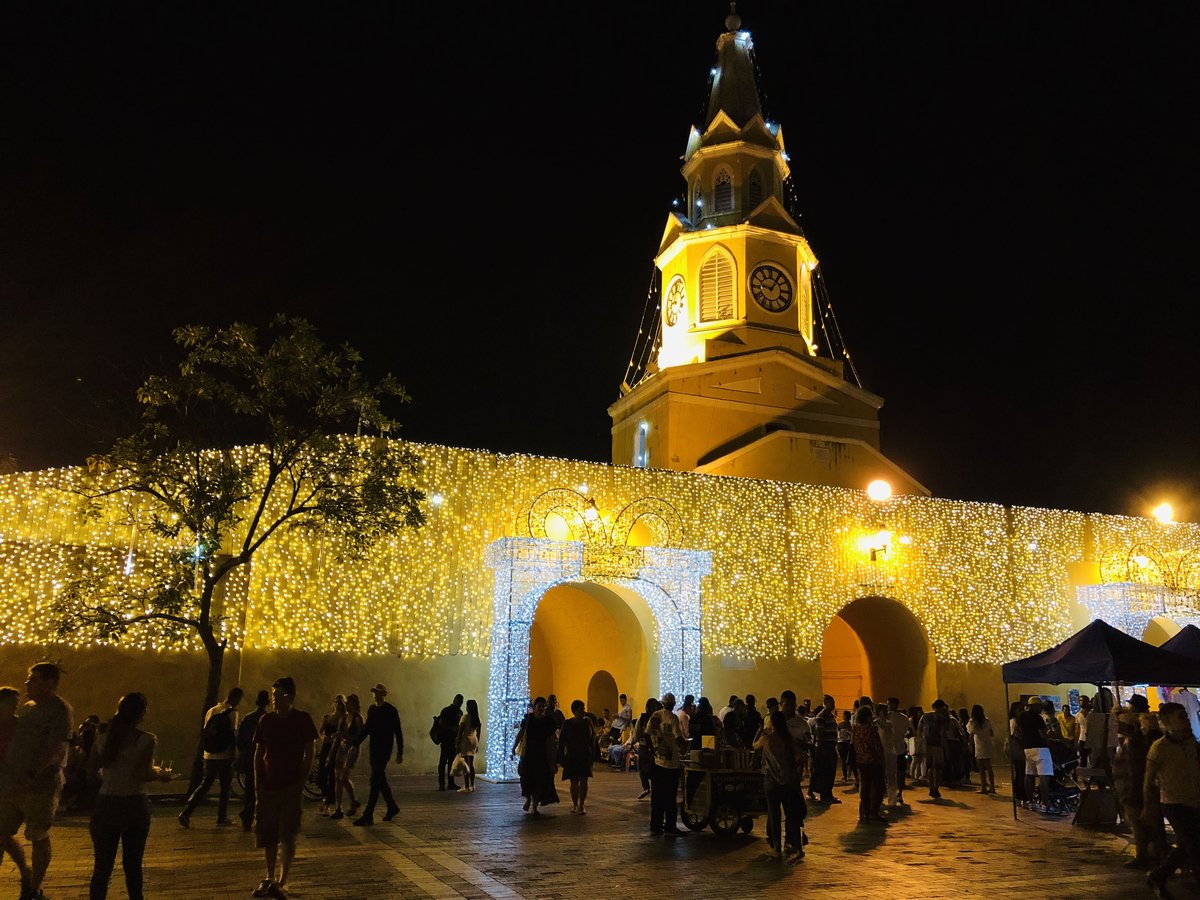
Colombia in December is the kind of trip you talk about for years afterwards.
Start with this itinerary
Open this route in Honge as your starting point, then shape the days, stays and pace around how your group travels.
The dry season is arriving on the Caribbean coast. Medellín is draped in millions of Christmas lights for its famous Alumbrado Navideño. The beaches of Tayrona are at their most swimmable. And Cartagena counts down to New Year's inside the most beautiful walled city in South America.
We were a group of friends looking for somewhere none of us had been before, somewhere that would give us mountains and beaches, food and culture, adventure and late nights. Colombia gave us all of it and more.
Why 12 Days Works for This Route
Colombia is a big country, and the distances between these four destinations are real. A bus covers the hop from the coffee region to Medellín, a flight covers the long leg to the Caribbean, a shuttle runs along the coast, and each place rewards more than a single night. Twelve days gives you:
- Three proper days in the coffee region: enough for a plantation visit, a full valley hike and time in Salento
- Three days in Medellín: one for the city centre and Botero, one for Christmas Eve and the lights, one for Comuna 13
- Two days at Tayrona: long enough to reach the best beaches and feel the park rather than just pass through it
- Four days in Cartagena: the walled city rewards slow walking, and New Year's Eve is the finale
The trips that feel best are not the ones that cover the most ground. They are the ones where there is enough time in each place to stop rushing and start noticing.
Colombia 12-Day Itinerary at a Glance
| Day | Focus | Night | Book ahead |
|---|---|---|---|
| Day 1 | Fly into Pereira, settle in outside the city | Near Pereira | Hotel or finca; flight to Pereira |
| Day 2 | Half-day coffee plantation tour | Near Pereira | Coffee tour (at least a week ahead) |
| Day 3 | Cocora Valley loop, afternoon in Salento | Near Pereira | Driver or car for the day (optional) |
| Day 4 | Bus to Medellín, Plaza Botero, El Poblado | Medellín | Pereira–Medellín bus |
| Day 5 | Slow day, Christmas Eve and the lights | Medellín | Christmas Eve dinner, if you want one |
| Day 6 | Comuna 13 with a community guide | Medellín | Guide running on Christmas Day |
| Day 7 | Early flight to Santa Marta, hike into Tayrona | Inside or near Tayrona | Medellín–Santa Marta flight; park lodging |
| Day 8 | Tayrona beaches, back to Santa Marta | Santa Marta | Santa Marta hotel |
| Day 9 | Shuttle to Cartagena, sunset on the walls | Cartagena | Shuttle (by the day before) |
| Day 10 | Chocolate workshop, Getsemaní | Cartagena | Chocolate workshop |
| Day 11 | Peruvian lunch, Castillo San Felipe, walls at sunset | Cartagena | Lunch reservation |
| Day 12 | New Year's Eve dinner and countdown | Cartagena | NYE dinner (weeks ahead); hotel (months ahead) |
Traveller-Tested Notes: What I'd Tell a Friend
These are the things I'd pass on to anyone doing this route, from our own trip.
- Don't miss the Cocora Valley hike. If you only do one thing in the coffee region, make it this one.
- Do a walking tour in Medellín. It's a must. A good local guide gives you the history and context of the city that you won't get by wandering on your own.
- Botero fans: see the plaza and the gallery. Plaza Botero is a must, but so is the Museo de Antioquia right next to it, with its large collection of Botero's work.
- Stay inside Tayrona. Sleeping inside the park is amazing, but it needs booking, especially in December.
- Cartagena is a party town, especially on New Year's Eve. Go up on the city walls: it's a lot of fun.
- Eat at the divey food spots in Cartagena. The small, no-frills places serve amazing food, including fresh ceviche. For a proper sit-down meal, Cuzco Cocina Peruana in the walled city is a nice option.
Getting Between Stops: Bus, Flight, Shuttle and Travel Times
There are only four real transfers on this trip. Book the Medellín–Santa Marta flight as soon as your dates are fixed: prices climb quickly in late December. The Pereira–Medellín bus can be bought closer to the day, but still book it a few days ahead over the holidays.
| Leg | How | Time | Approx. cost |
|---|---|---|---|
| Arrival: Bogotá → Pereira | Domestic flight to Matecaña Airport (PEI); most international visitors connect in Bogotá | About 1 hour | Varies with your international ticket |
| Pereira → Salento → Cocora Valley | Car, driver or bus to Salento, then a shared Willys jeep from the main square | About 1 hour, then 20–30 minutes | Jeep about COP 5,000–7,000 each way |
| Pereira region → Medellín | Intercity bus from Pereira's Terminal de Transportes; most services arrive at Terminal del Sur | About 5 hours on the bus, plus 20–40 minutes from a stay outside Pereira to the terminal | About COP 50,000–80,000 (roughly US$12–20) |
| Medellín → Santa Marta | Direct flight from José María Córdova (MDE) | About 1 hour 20 minutes, plus 45–60 minutes to reach MDE | Roughly US$50–150 |
| Santa Marta → Tayrona | Taxi or local bus to the Zaino entrance | About 45 minutes (32 km) from the city | Bus a few dollars; taxi more |
| Santa Marta → Cartagena | Shared door-to-door shuttle, for example Marsol, with a stop in Barranquilla | About 4–5 hours | About COP 90,000–97,000 per person |
| Departure: walled city → Cartagena airport | Taxi or ride-hailing app to Rafael Núñez Airport (CTG) | About 10–20 minutes | A few dollars |
Days 1–3: Pereira & the Coffee Region
Pereira is the gateway to the Eje Cafetero, Colombia's UNESCO-listed coffee cultural landscape: a region of green mountains, working farms and some of the finest coffee produced anywhere in the world. The city itself is warm, unpretentious and immediately likeable.
Day 1: Arrive in Pereira
Base yourself out in the green rather than in the city centre: it puts you in the landscape instead of looking at it from a hotel window, and it's the right way to start this trip. One option is Sazagua, a boutique hotel set in gardens in Cerritos, just outside Pereira. Many groups choose a finca, a farmhouse stay in the hills, for the same reason.
- Arrival: Fly into Matecaña Airport (PEI), which sits right on the edge of Pereira. Cerritos and most fincas are 20–40 minutes away by taxi, and many places will arrange a pickup.
- Afternoon: Nothing planned. Unpack, walk the gardens and adjust to the altitude and the pace.
- Evening: Dinner where you're staying and an early night before the plantation tour.
Day 2: Coffee Plantation Visit
This is the day everyone had been waiting for. A working coffee farm in the hills offers a full seed-to-cup experience that permanently changes how you think about the drink. A good one to try is Hacienda Guayabal near Chinchiná, run by a family that has been in the coffee business for more than 60 years.
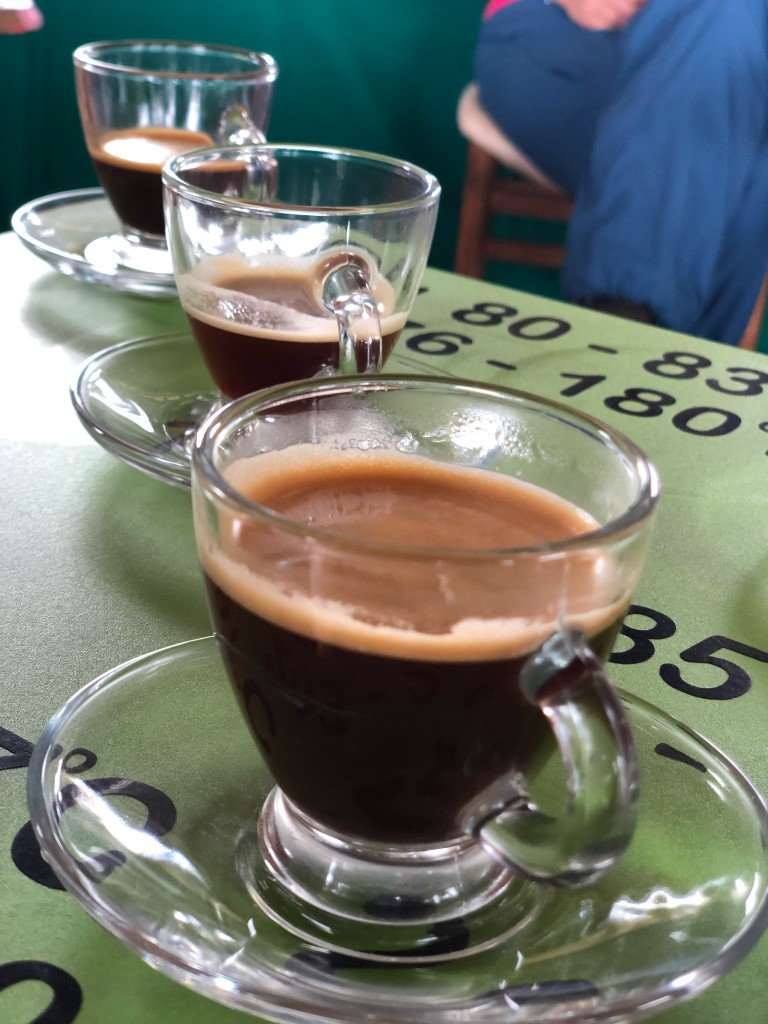
A good tour walks you through the difference between varietals grown at this altitude, how rainfall and soil affect flavour, the hand-picking process (only red cherries, every time), wet processing, drying on raised beds, roasting in small batches, and a cupping session at the end comparing different roasts. Nothing you drink at home will be quite the same again.
- Morning: Most tours run half a day and start mid-morning, so allow for the drive from where you're staying.
- Afternoon: Lunch near the farm, then back to the hotel or into Pereira for a wander.
- Evening: Keep it early: tomorrow starts at dawn.
Day 3: Hiking the Cocora Valley
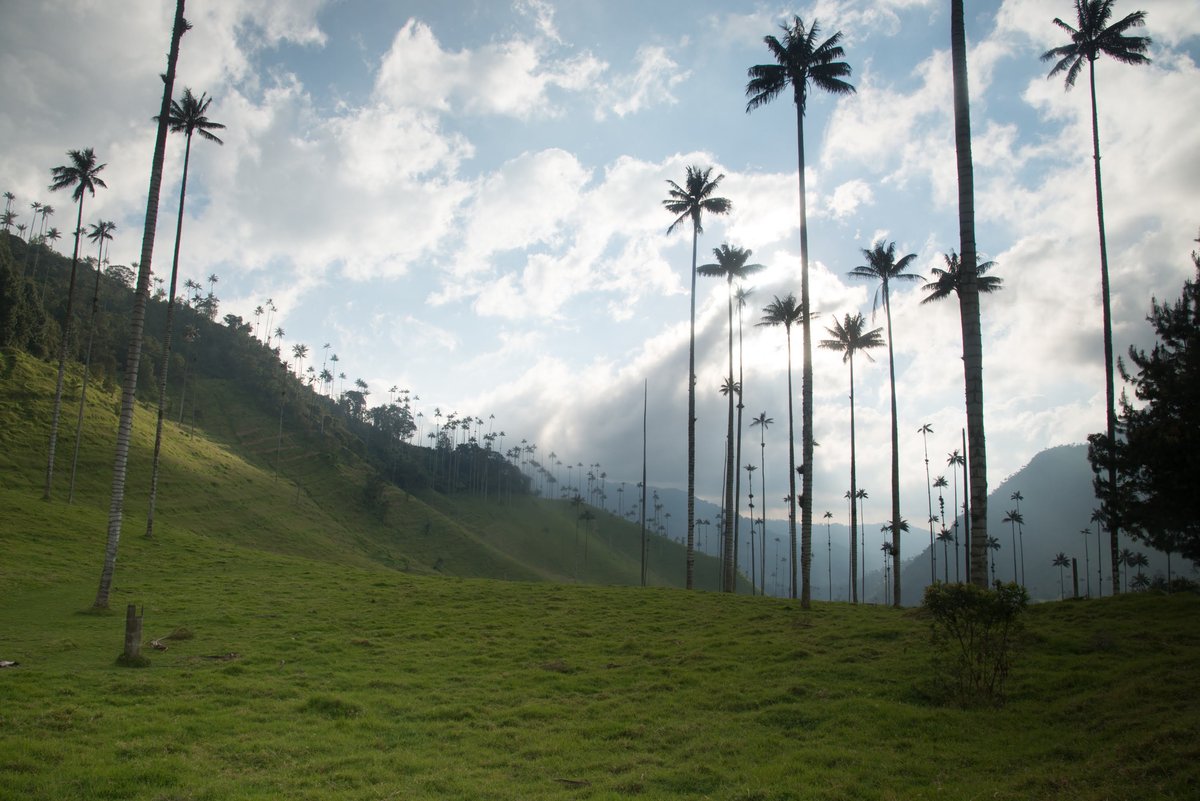
An early start for the crown jewel of the Eje Cafetero. The Valle de Cocora sits just beyond the town of Salento, about an hour's drive from Pereira plus a 20–30 minute jeep ride, and it is genuinely surreal.
The full loop is about 12 km and takes 5–7 hours depending on pace. It moves through dense cloud forest, crosses a series of hanging bridges over rushing rivers, climbs into highland pasture and delivers you to the sight that makes everyone stop: Colombia's national tree, the wax palm, rising up to 60 metres from the hillside like something from another planet. Nothing else in South America looks quite like it.
Hike in the morning while clouds are low and dramatic, eat lunch in Salento afterwards and spend the afternoon in the town's colourful streets. Buy coffee here to bring home. Seriously, it is some of the best you will find anywhere.
- 6:00–6:30am: Leave Pereira for Salento (about 1 hour).
- 7:00–7:30am: Shared Willys jeeps leave Salento's main square as they fill; the ride to the trailhead takes 20–30 minutes.
- 7:30am–2pm: Hike the loop. The palm meadow alone is a much shorter walk if anyone in the group doesn't want the full hike.
- Afternoon: Late lunch and coffee in Salento, then back to Pereira before dark. The last jeeps back from the valley leave around 6pm.
Days 4–6: Medellín at Christmas
Medellín was once a byword for danger. Today it is one of the most visited cities in South America: innovative, proud and genuinely fun. At Christmas, it becomes something else entirely.
Day 4: Bus to Medellín, Botero & Pastel Gloria
Take an early bus from Pereira's Terminal de Transportes. The ride to Medellín takes about five hours, and from a stay outside the city you should allow another 20–40 minutes to reach the terminal. Most buses arrive at Terminal del Sur, which is handy for El Poblado: a taxi or ride-hail from there is about 15–25 minutes. Leave early enough and you still have the afternoon for downtown.
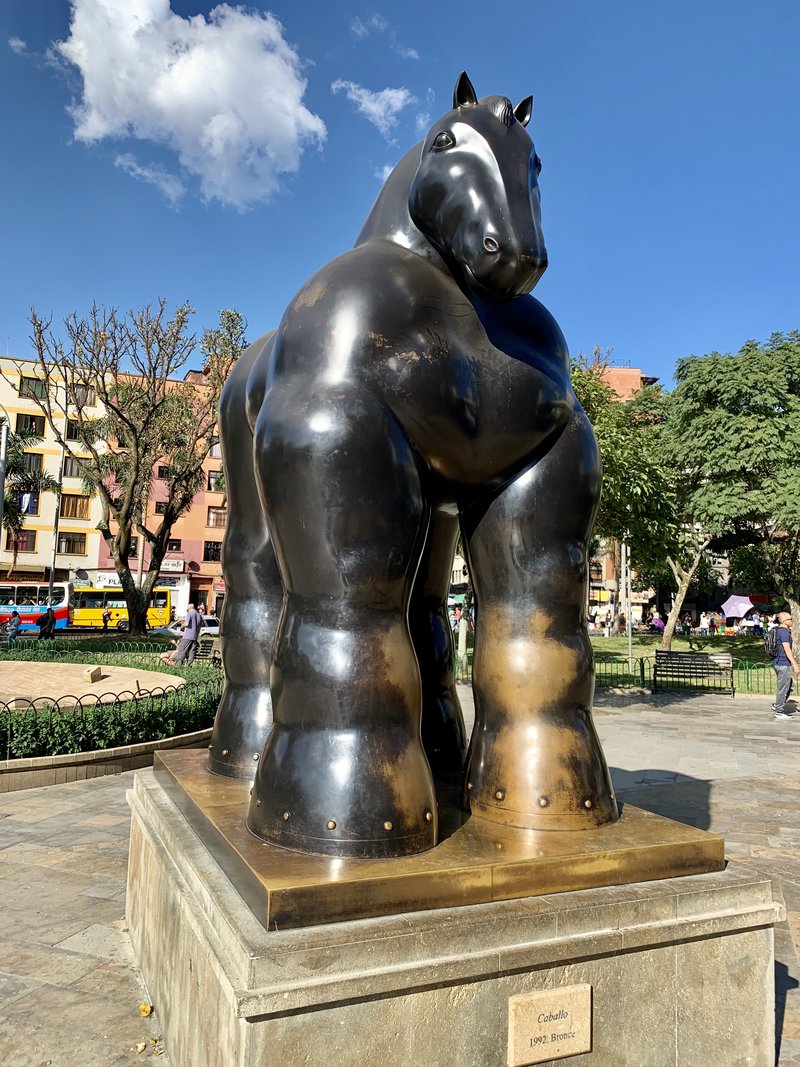
Medellín's downtown rewards slow walking. Start with a guided city tour: Plaza Botero, where 23 of Fernando Botero's famously voluminous bronze sculptures stand in the open air; the Museo de Antioquia next door, whose Sala Fernando Botero brings together some of the best of his paintings and sculpture; and the civic buildings that frame the square. The museum opens Monday to Saturday from 9:40am to 5:30pm, and on Sundays and public holidays until 4:30pm. It is closed on Christmas Day and New Year's Day, so on a holiday trip visit on Day 4 rather than Day 6.
Botero is Colombia's most famous artist, and seeing his work at this scale, free, outdoors and public, is one of those experiences that is somehow better than you expected. The sculptures are enormous and slightly absurd and completely absorbing.
Lunch that day had a clear agenda: pastel gloria. Medellín has a serious sweet tooth, and this flaky puff pastry filled with guava paste and arequipe and dusted with sugar is a local favourite. Find a local bakery, order too much and do not regret a thing.
The evening belongs to El Poblado, Medellín's liveliest neighbourhood, for wandering, drinks in Parque Lleras and dinner somewhere recommended by the day's tour guide.
Day 5: Christmas Eve & the Alumbrado Navideño
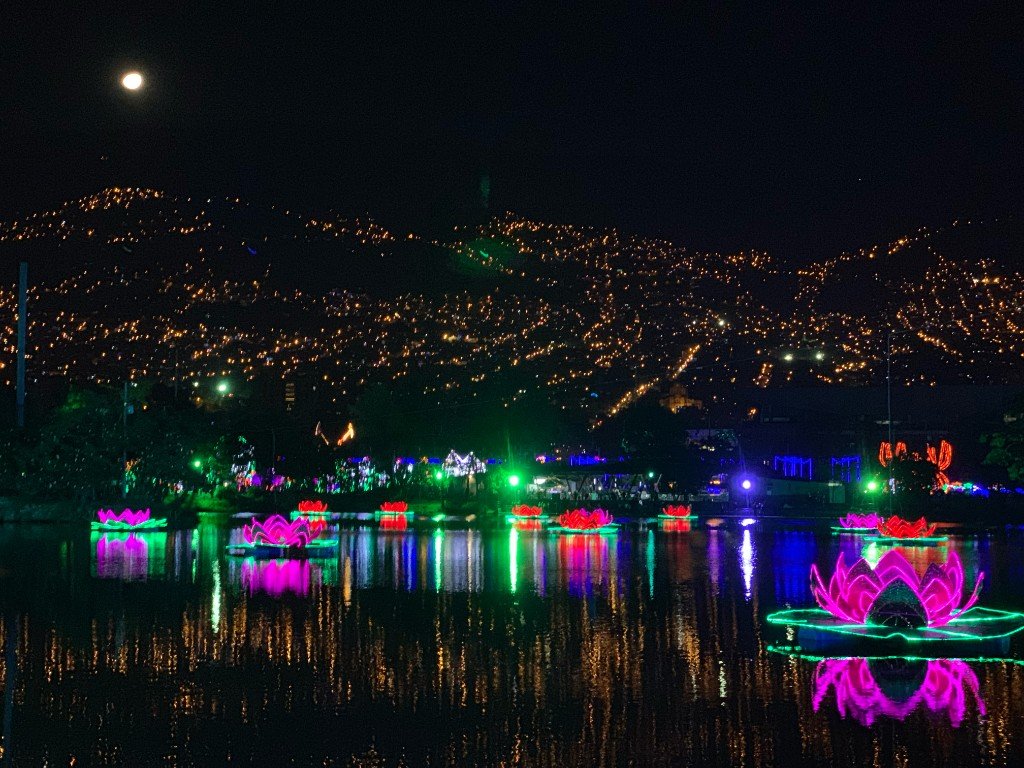
The Alumbrado Navideño is the reason Medellín fills up in December. Every year the city hangs millions of lights across bridges, parks, the river corridor and entire neighbourhoods. It is not subtle. It is spectacular.
We went on Christmas Eve, Nochebuena, and joined what felt like the entire city out in the streets. Families with small children. Groups of teenagers. Couples. The light displays shift and pulse along the Río Medellín for several kilometres, with specific installations changing every year. We walked the full illuminated corridor, stopped for aguardiente with strangers who became temporary friends, and stayed out far too late.
- Morning and afternoon: Keep them slow. A late breakfast, a nap, maybe a café in Laureles. Many shops close early on the 24th.
- Evening: The lights normally run from 6pm to midnight, from late November until around mid-January, with special hours on 24 and 31 December. The main corridor runs along the river towards Parques del Río; Parque Norte's lake, north of the centre, is another good stop. Entry is free.
- Getting there: Ride-hailing is easiest on a busy night. If you use the Metro, check its holiday hours first.
Day 6: Comuna 13 & the Barrios on the Hill
No trip to Medellín is complete without going uphill. The city's comunas, the hillside neighbourhoods that were once its most troubled, are now home to remarkable community art, outdoor escalators connecting vertical streets, and some of the most generous people we met anywhere in Colombia.
Comuna 13 was once one of the most dangerous urban areas in the world and is now covered in murals that tell the neighbourhood's own history. Going with a guide from the community changes what you see. The context of what happened here, what it cost, and what it looks like to live through a city changing around you is not visible without it. It was the most moving few hours of the whole trip.
- Morning: Sleep in after Nochebuena. Christmas Day is quiet, and many businesses stay closed until later in the day.
- Afternoon: Take Metro Line A to San Antonio, change to Line B and ride to the end of the line at San Javier. From there, take a feeder bus or taxi to the escalators, or walk uphill for 20–30 minutes. Guided walks take 2–3 hours.
- Evening: An easy dinner and an early night: tomorrow's flight is early.
Days 7–8: Santa Marta & Tayrona National Park
From Medellín we flew north to Santa Marta, Colombia's oldest city and the gateway to Parque Nacional Natural Tayrona. The temperature jumped fifteen degrees and we were suddenly in the Caribbean.
Santa Marta itself is a pleasant base for a night: a compact historic centre, good seafood, and a useful position between the park and the wider Caribbean coast.
Days 7–8: Hiking and Beach Days in Tayrona
Tayrona is what most people imagine when they picture the Colombian coast: jungle pressing down to white-sand beaches, warm turquoise water and large boulders worn smooth by the sea. It is a protected national park, which means no big hotels on the beach, limited visitor numbers, and trails connecting the coves rather than paved roads.
We entered through the main Zaino gate and hiked roughly 90 minutes through dense tropical forest to reach the beach system. The trail is well marked and manageable, but it is hot: start early and carry water.
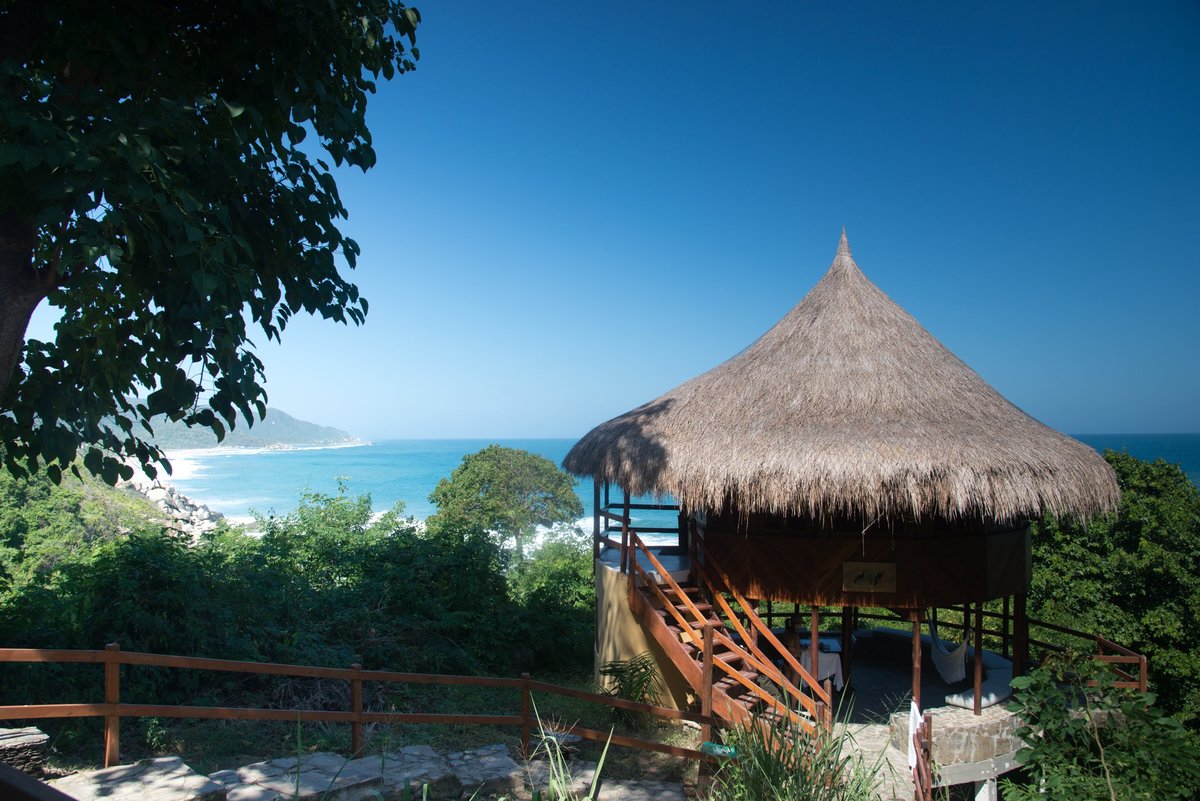
The beaches vary significantly. Cabo San Juan is the most famous, with its iconic thatched platform and a long stretch of swimmable water. Arrecifes has wilder surf, and swimming is not recommended there because of rip currents. La Piscina has calmer, clearer water that is good for snorkelling.
Two days in Tayrona was enough to hike between beaches, swim, read in hammocks and eat fresh fish at the small restaurants operating inside the park. It was exactly what we needed between Medellín and the final stretch.
Day 7
- Early morning: Take the first flight from Medellín (MDE) to Santa Marta. Leave your big bags at your Santa Marta hotel for tomorrow night; most will store them.
- Late morning: Taxi to the Zaino entrance (about 45 minutes from the city) and buy your tickets. The last entry is around 2pm.
- Afternoon: A short shuttle takes you from Zaino to Cañaveral, where the trail starts. Arrecifes is about an hour's walk, La Piscina a little further, and Cabo San Juan roughly 2–2.5 hours from Cañaveral.
- Night: Sleep inside the park (hammocks or tents at Cabo San Juan, or eco-cabins at Cañaveral) or just outside the gate.
Day 8
- Morning: Swim at Cabo San Juan and La Piscina before the day visitors arrive.
- Afternoon: Hike back to Cañaveral and Zaino, then return to Santa Marta.
- Evening: Seafood in Santa Marta's historic centre, and confirm tomorrow's shuttle pickup time with your hotel.
If your flight lands too late to be at Zaino by early afternoon, spend Day 7 in Santa Marta and do Tayrona as one long day on Day 8, entering at opening time.
- Tickets are sold only at the gate. There is no online general admission; anything sold in advance as a "Tayrona ticket" is a tour, a transfer or insurance. Daily entries are capped, so arrive early in high season.
- Costs: foreign visitors pay COP 96,500 in high season (December–January) and COP 81,000 in low season, plus mandatory accident insurance of COP 7,000 per day, bought at the entrance.
- Yellow fever vaccination is required: bring proof that you were vaccinated at least 10 days before entering.
- Closures: the park closes 1–15 February, 1–15 June and 19 October–2 November, and in 2026 it also closed at short notice for weather and security. Check Parques Nacionales the week you travel.
- Pack: cash, reef-safe sunscreen, insect repellent, a dry bag for electronics and more water than you think you need. There's no swimming at Arrecifes because of rip currents.
Days 9–12: Cartagena & New Year's Eve
Cartagena de Indias is one of the great cities of the Americas. The Ciudad Amurallada, the walled old city, is a UNESCO World Heritage Site and one of the most beautiful colonial urban spaces anywhere in the world. Narrow streets, balconies draped in bougainvillea, pastel buildings in pink and yellow and coral, the great stone walls rising above the Caribbean.
We had four days here, which was just enough.
Day 9: Shuttle to Cartagena & First Walk Inside the Walls
We took the shuttle bus from Santa Marta. Door-to-door minivans pick you up at your hotel, stop in Barranquilla and take about 4–5 hours in total. Book by the day before (your hotel can do it) and take a morning departure so you arrive with the afternoon free. Expect one main bag per person.
We checked into a boutique hotel inside the walls (the guesthouses here are extraordinary, converted colonial mansions with internal courtyards and rooftop terraces) and went immediately for a walk with no particular destination.
This is the best way to start in Cartagena. The walled city is small enough to cover entirely on foot, and every street rewards wandering. We found the Torre del Reloj (the clock tower gate at the main entrance to the walls), walked the Camellón de los Mártires, and climbed up onto the city walls themselves as the sun went down and the Caribbean turned orange.
Dinner at a rooftop restaurant with a view over the rooftops and a breeze off the sea. We ordered ceviche and did not stop talking until midnight.
Day 10: Chocolate-Making Workshop & Getsemaní
Colombia is one of the world's great cacao producers, and Cartagena is one of the best places to learn about it properly. We did a hands-on chocolate-making workshop at a local operation sourcing cacao from small Colombian farms.
The process starts with the raw bean and ends with you taking home something you made yourself. Fermentation, roasting, grinding, tempering, and tasting at every stage. Dark chocolate at 70% from cacao grown two hours away tastes completely different from anything commercial.
Afternoons in Cartagena belong to the streets and the shade. After the workshop we explored Getsemaní, the neighbourhood just outside the walls with its own distinct energy. Street murals, local restaurants, a younger crowd, and the Plaza de la Trinidad in the evening with its casual football, tejo and some of the best people-watching in Colombia.
- Morning: Chocolate workshop (about 2 hours). Book ahead: group sizes are small.
- Afternoon: Rest through the midday heat, then walk to Getsemaní in the late afternoon for the murals.
- Evening: Plaza de la Trinidad, street food and dinner in Getsemaní.
Day 11: Peruvian Food, Castillo San Felipe & the Walls at Sunset
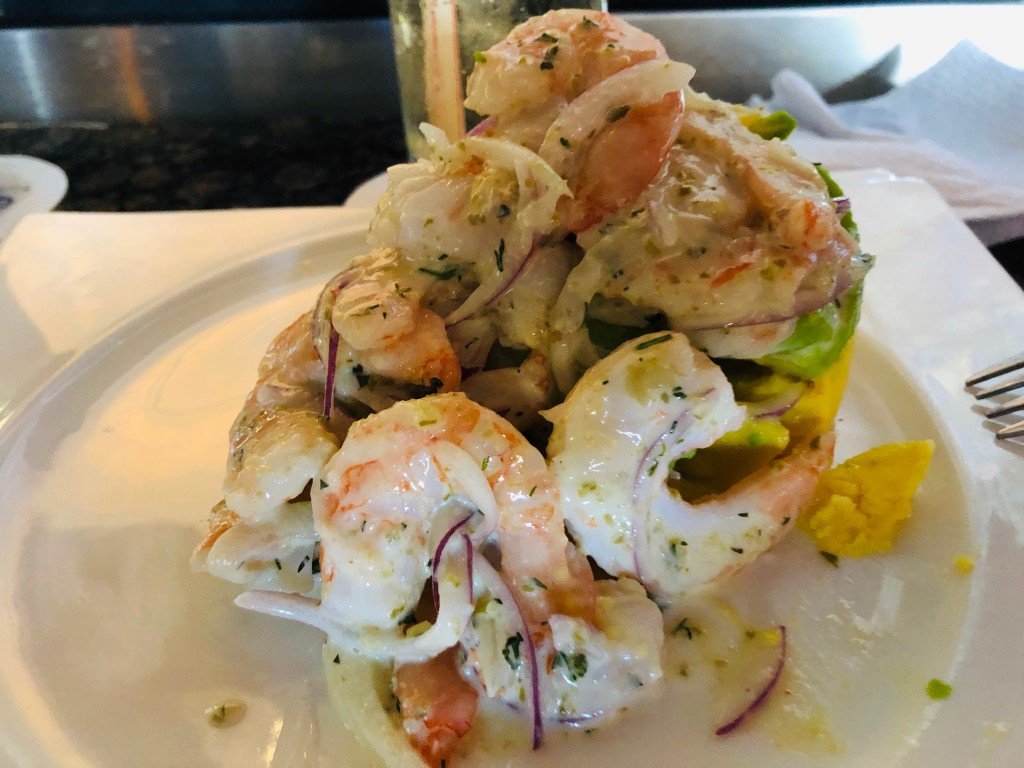
This one surprised us. Cartagena has an exceptional Peruvian restaurant scene. Peruvian food has spread across Latin America much as Japanese food spread globally, and the version here is genuinely outstanding. Go for ceviche and tiradito: fish or shrimp cured in citrus with ají amarillo and a clean heat of chilli. Our Peruvian lunch was one of the best meals of the entire trip. One suggestion is Cuzco Cocina Peruana, on Calle Santo Domingo inside the walled city.
The afternoon: Castillo San Felipe de Barajas, the massive Spanish fortress just outside the walled city. The scale of the thing is staggering: the largest fortress Spain built in its American colonies, with a tunnel system you can still walk through. Give it two hours, go in the late afternoon when it's cooler, and bring water.
At dusk, back onto the walls with cold beer and the sun dropping into the sea. Then dinner inside the old city. By this point in the trip, you know the streets well enough that dinner is wherever the group ends up rather than wherever anyone planned.
Day 12: New Year's Eve Inside the Walled City
Cartagena knows how to celebrate. By evening the walled city was electric: music from every doorway, the streets filling up, restaurants overflowing, vendors selling horns and sparklers from every corner.
Start with dinner: find a nice place in Cartagena, ideally inside the walls so you're close to the action, and book it well ahead. Eat well, have some ron colombiano, and be out in the streets by 11pm.
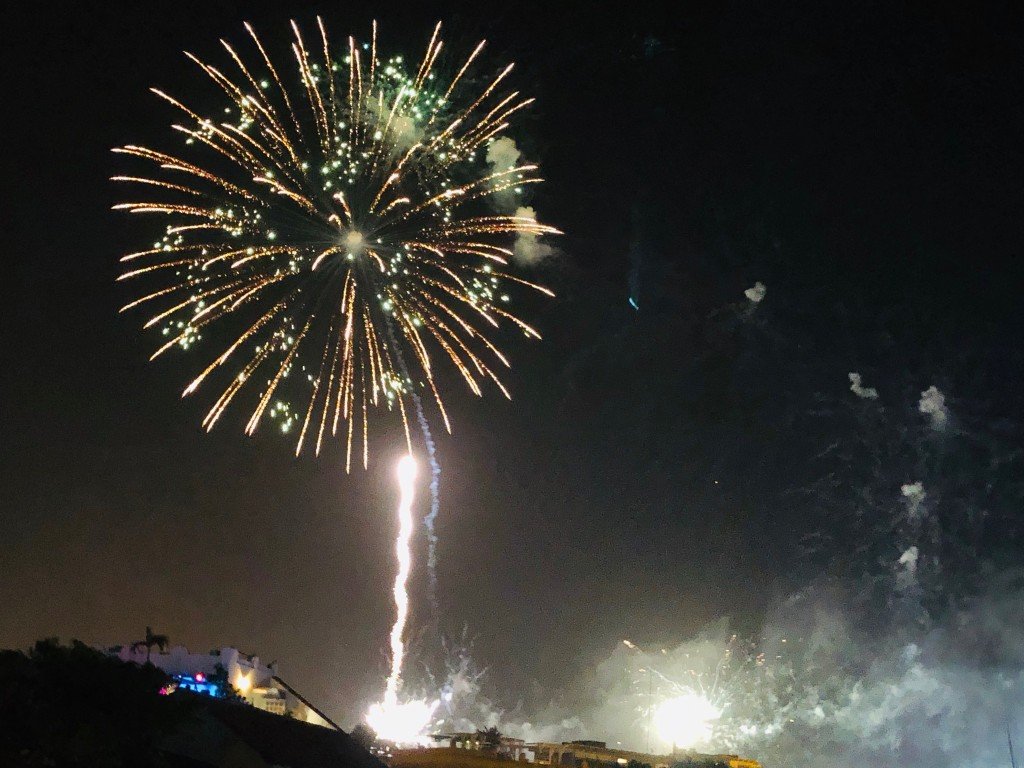
The countdown happened in Plaza de los Coches, surrounded by hundreds of people from every country, the old stone walls lit up above us and someone's speaker system competing with someone else's from the next street over. At midnight, the sky above the walled city went white with fireworks bouncing off 400-year-old walls, and we celebrated the new year in what felt like the perfect ending to a perfect trip.
- Morning and afternoon: Sleep in, swim at the hotel pool if you have one and rest. It's a late night.
- Evening: Many restaurants run set New Year's menus with fixed sittings, so check your time and dress code. Aim to be in the streets by 11pm, and get up on the city walls at some point in the night: it's a lot of fun.
- After midnight: Stay inside the walls. Taxis and ride-hailing are scarce and expensive in the early hours.
Where to Stay
Neighbourhood choice matters more than star ratings on this trip.
Pereira / Coffee Region: Stay out in the countryside rather than in the city centre, because waking up in the landscape you came to see is the point. One option is Sazagua, a boutique hotel in Cerritos on the edge of Pereira. A finca (a farmhouse stay) is the other good option, and most include breakfast and can arrange the plantation visits and transport.
Medellín: El Poblado is the default for most friend groups: walkable, full of restaurants and bars, and well connected to the rest of the city. Laureles is a good alternative if your group wants a slightly more local, less touristy feel.
Tayrona and Santa Marta: Staying inside the park is worth it, but book ahead. For the night inside the park, choose between hammocks or tents at Cabo San Juan and the eco-cabins at Cañaveral; otherwise stay just outside the Zaino gate. In Santa Marta, small hotels in the historic centre work well for a night.
Cartagena: Inside the walled city if budget allows. The boutique hotels here, mostly converted colonial mansions, are genuinely special, and the location is irreplaceable on New Year's Eve, when you can walk to the celebrations. Expect peak prices and minimum stays over New Year. Getsemaní is the alternative if the walls are beyond budget: cheaper, younger and full of its own character.
Itemised Budget for 12 Days (Per Person, Excluding International Flights)
These are approximate planning ranges in US dollars for a group of friends sharing rooms (dorms or basic rooms on the budget tier), covering 12 nights over Christmas and New Year, the most expensive time of year. Travelling outside the holidays can cut accommodation costs substantially.
| Item | Budget | Mid-range | Upscale |
|---|---|---|---|
| Accommodation, 12 nights (holiday rates) | $330–480 (hostels, simple fincas) | $850–1,300 (fincas, boutique hotels) | $2,000–3,500 (top fincas, luxury hotels inside the walls) |
| Pereira–Medellín bus | $15–25 | $15–25 | $40–80 (private van) |
| Domestic flight: Medellín–Santa Marta | $50–90 | $70–150 | $150–270 |
| Santa Marta–Cartagena shuttle | $25 | $25 | $40–60 (private transfer, shared by the group) |
| Tayrona entry, insurance and park shuttle | $30–35 | $30–35 | $30–35 |
| Tours and entries: coffee tour, Cocora jeep and fees, Museo de Antioquia, Comuna 13 guide, chocolate workshop, Castillo San Felipe | $120–180 | $180–300 | $350–600 (private guides) |
| Food and drinks | $180–280 | $350–550 | $700–1,100 |
| New Year's Eve dinner | $60–120 | $150–300 | $300–600 |
| Taxis, ride-hailing and airport transfers | $50–80 | $80–130 | $150–250 |
| Total per person | About $860–1,315 | About $1,750–2,815 | About $3,760–6,495 |
Day to day, Colombia is still excellent value. A good sit-down meal often costs US$8–15, and street food such as arepas and empanadas costs a dollar or two. The holidays are what push the total up: hotels inside Cartagena's walls, New Year's Eve dinners and late-December flights all carry peak prices.
What to Book Before You Arrive
- Cartagena hotel over New Year: accommodation inside the walled city sells out early. This is the one booking where procrastination has real consequences; book months ahead.
- New Year's Eve dinner in Cartagena: the best restaurants inside the walls take reservations for 31 December weeks in advance. Do not leave this to chance.
- Medellín–Santa Marta flight: book as early as possible; demand spikes around Christmas and New Year.
- Pereira–Medellín bus: frequent services from Pereira's terminal to Terminal del Sur. Book a few days ahead over the holidays and take an early departure so Day 4 still has an afternoon in the city.
- Coffee plantation tour: the best operators fill up. Book at least a week ahead, more in December.
- Tayrona lodging: if you're sleeping inside the park, reserve it early. Park entry itself can't be booked; you buy it at the gate.
- Yellow fever vaccination: needed for Tayrona at least 10 days before entry, so arrange it before you fly.
- Chocolate workshop in Cartagena: worth reserving ahead, as group sizes are kept small.
- Santa Marta–Cartagena shuttle: reserve by the day before; your hotel can do it.
Everything else (the Cocora Valley hike, Botero, Getsemaní, the walls at sunset) needs only good shoes and a morning with nothing fixed before noon.
Practical Information
Entry: Check the entry rules for your passport before you travel. Colombia's online pre-registration, Check-MIG, is optional but can speed up immigration; it opens 72 hours before your flight on the Migración Colombia website.
Getting around: An intercity bus, one domestic flight and one coastal shuttle connect the four bases. In cities, Uber, DiDi, inDrive and Cabify are the usual apps; use them rather than hailing unmarked cars at night. In Medellín, the Metro is clean, cheap and the easiest way to reach Comuna 13.
Money: Colombia uses the Colombian peso (COP). Credit cards are widely accepted in cities and at most restaurants and hotels. Carry cash for markets, small local restaurants, the Cocora checkpoints, Tayrona's insurance and anything inside the park. ATMs are easy to find in all four cities, but not at the Cocora trailhead or inside Tayrona.
Safety: All four destinations on this route are well-established tourist areas where normal urban precautions apply. Don't display expensive gear openly, use hotel safes, use ride-hailing apps at night and never leave a drink unattended in bars. Colombia has changed enormously over the past two decades, and the areas on this itinerary are well visited, but check your government's travel advice before you go.
What to Pack by Destination
- Pereira / Cocora Valley: Hiking boots or trail shoes, a waterproof layer (afternoon rain is common in the mountains) and light layers for cool mornings.
- Medellín: Smart-casual clothing for rooftop bars and better restaurants, and a light jacket for evenings, which can be cooler than expected at around 1,500 m.
- Tayrona: Swimwear, reef-safe sunscreen, a dry bag for electronics, hiking sandals or water shoes, insect repellent and your yellow fever card.
- Cartagena: Light summer clothes (it is hot and humid all year), comfortable walking shoes for the cobblestones and something slightly better for New Year's Eve.
Key Places and Exact Locations
Open any of these in Google Maps to save them before you go.
- Matecaña International Airport, Pereira (PEI): arrival, Day 1
- Salento main square (Willys jeeps): Day 3
- Sazagua Hotel Boutique, Cerritos: a suggested base for Days 1–3
- Hacienda Guayabal, near Chinchiná: a suggested Day 2 coffee tour
- Valle de Cocora trailhead: Day 3 hike
- Terminal de Transportes, Pereira: Day 4 bus departure
- Terminal del Sur, Medellín: Day 4 bus arrival
- Plaza Botero and the Museo de Antioquia: Day 4
- Parque Lleras, El Poblado: Day 4 evening
- Parques del Río (Christmas lights): Day 5 evening
- Parque Norte lake (Christmas lights): Day 5 evening
- San Javier Metro station: Day 6
- Comuna 13 outdoor escalators: Day 6
- Simón Bolívar Airport, Santa Marta (SMR): Day 7 arrival
- El Zaino entrance, Tayrona: Day 7
- Cabo San Juan, Tayrona: Days 7–8
- Torre del Reloj, Cartagena: Day 9
- Plaza de la Trinidad, Getsemaní: Day 10 evening
- Cuzco Cocina Peruana, walled city: a suggested Day 11 lunch
- Castillo San Felipe de Barajas: Day 11
- Plaza de los Coches: Day 12 countdown
- Rafael Núñez Airport, Cartagena (CTG): departure
Useful Official Planning Links
- Colombia Travel (official tourism site)
- Tayrona National Natural Park (Parques Nacionales)
- Yellow fever vaccination requirement for national parks
- Migración Colombia
- Metro de Medellín
- Museo de Antioquia
- Marsol shuttles (Santa Marta–Cartagena)
How Honge Helps You Plan This Trip
A 12-day Colombia trip with four different destinations, an intercity bus, one domestic flight, a coastal shuttle, a national park with its own entry rules, Christmas Eve in Medellín and New Year's Eve in Cartagena has a lot of moving parts.
Honge is where you pull all of it into one place.
Start with the basic shape, "12 days in Colombia for a group of four, starting in Pereira and ending in Cartagena over New Year's", and build out from there: flights anchored to specific dates, accommodation sorted by neighbourhood with the right nights in the right places, a reminder about the Tayrona vaccination before anyone forgets, and enough flexibility that when Day 4 in Medellín turns into something nobody planned, the rest of the trip adjusts without rebuilding from scratch.
The trip is better when the logistics are already sorted and the group can argue about coffee instead.
Colombia Friends Trip Prompts to Try in Honge
FAQ
Is Colombia a good destination for a friends trip?
Yes. In 12 days you can move from the coffee mountains around Pereira to Medellín's city culture, the Caribbean jungle beaches of Tayrona and the colonial walled city of Cartagena. The variety suits groups who want both adventure and celebration.
When is the best time to do this Colombia route?
December works best for this exact route. The Caribbean coast is entering its dry season, Medellín's Christmas lights usually run from late November to mid-January, and Cartagena's New Year's Eve is the finale. It is also peak season, so flights, hotels and Tayrona entries are at their busiest and most expensive.
Is 12 days enough for Colombia?
Twelve days is enough for four bases: three days in the coffee region, three in Medellín, two around Tayrona and four in Cartagena. It uses one intercity bus, one domestic flight and one shuttle, so no day is lost entirely to travel. Adding Bogotá or the Amazon would need more time.
Do I need to book Tayrona tickets online?
No. General admission to Tayrona is sold at the park entrance on the day, and daily capacity is limited, so arrive early in high season. Foreign visitors pay COP 96,500 in high season plus mandatory accident insurance of COP 7,000 per day. The park closes 1–15 February, 1–15 June and 19 October–2 November, and sometimes at short notice.
Do I need a yellow fever vaccine for Tayrona?
Yes. Colombia's national parks authority requires visitors to Tayrona to show proof of yellow fever vaccination given at least 10 days before entry. Carry your vaccination card or international certificate.
How hard is the Cocora Valley hike?
Moderate. The full loop is about 12 km with roughly 700 metres of climbing and takes 5–7 hours, with steep, muddy sections in the cloud forest. Start early, wear proper shoes and carry cash for the entry points; there is no ATM at the trailhead.
How do you get to Comuna 13 in Medellín?
Take Metro Line B to San Javier station (change from Line A at San Antonio if you are coming from El Poblado). From there, take a feeder bus or taxi to the outdoor escalators, or walk uphill for 20–30 minutes. Many community guides meet at San Javier or at the foot of the escalators.
How do you get from Santa Marta to Cartagena?
By shared shuttle. Door-to-door minivan services such as Marsol pick you up in Santa Marta and take about 4–5 hours, including a stop in Barranquilla, for roughly COP 90,000–97,000 per person. Reserve by the day before.
Is staying inside Cartagena's walled city worth the extra cost?
For New Year's Eve, yes. Being able to walk to the celebrations and back without transport is worth a premium, and the converted colonial mansions have courtyards and rooftop terraces that hotels outside the walls can't match. Book early: rooms inside the walls sell out and often carry minimum stays over New Year.
Is Cartagena safe for tourists?
The walled city and Getsemaní are busy, well-visited areas. Normal urban precautions apply: keep expensive gear out of sight, use Uber, DiDi, inDrive or Cabify rather than hailing unmarked cars at night, watch your drinks and use the hotel safe.
How much does a 12-day Colombia trip cost?
Excluding international flights, expect about US$860–1,315 per person on a budget, US$1,750–2,815 mid-range and US$3,760–6,495 upscale, sharing rooms. New Year's Eve in Cartagena is the biggest cost driver.
Ready to make it yours?
Customise this itinerary with Honge
Now that you've seen the full route, use Honge to tailor stays, activities and day-by-day pacing to your group and your dates.
Related itineraries
- 8 Days in Ecuador: Quito, Cotopaxi, Baños & Cuenca
- Panama 5-Day Itinerary: Panama City, Canal & San Blas
- 7-Day Peru Family Itinerary: Lima, Cusco & Machu Picchu
- 7-Day Buenos Aires Couples Itinerary: Tango, Steak & Río de la Plata
- 10-Day Mexico City Itinerary: World Cup, Food & Culture
- 10-Day South Africa Itinerary: Cape Town, Winelands & Londolozi
- 3-Day Madrid Itinerary: Tapas, Museums & Neighborhoods
Written by
Shailesh Phansalkar, Co-founder, Honge
Editorial contact: shailesh@honge.ai
About Honge
Honge is a travel planning platform focused on practical, experience-led itineraries. Our editorial travel stories combine route logic, neighbourhood context and planning realism so that readers can move from inspiration to a trip that actually works. This Colombia guide is based on our own trip, with practical logistics updated in September 2026.
Travel disclaimer
This itinerary is intended as general travel inspiration and planning guidance only, not as personalised travel, safety or medical advice. Prices, fees, flight routes and opening hours can change without notice. Before you travel, check entry requirements and your government's travel advice for Colombia, which may warn against some regions. Tayrona can close at short notice for weather, security or cultural reasons, requires proof of yellow fever vaccination and has strong currents at several beaches; swim only where it is signposted as safe. The Cocora Valley reaches roughly 2,400–2,900 metres, and its trails get slippery and muddy after rain. In cities, use registered ride-hailing apps at night, keep valuables out of sight and never leave drinks unattended. New Year's Eve brings dense crowds and fireworks. Take out comprehensive travel insurance that covers medical treatment, cancellation and disruption. Suggested hotels and stay styles in this article are samples only and depend on availability; in the Honge app they may appear as booking options when offered by our vendors at the time of your search. Honge is not responsible for any changes to conditions, services, or experiences described in this article after the date of publication.