
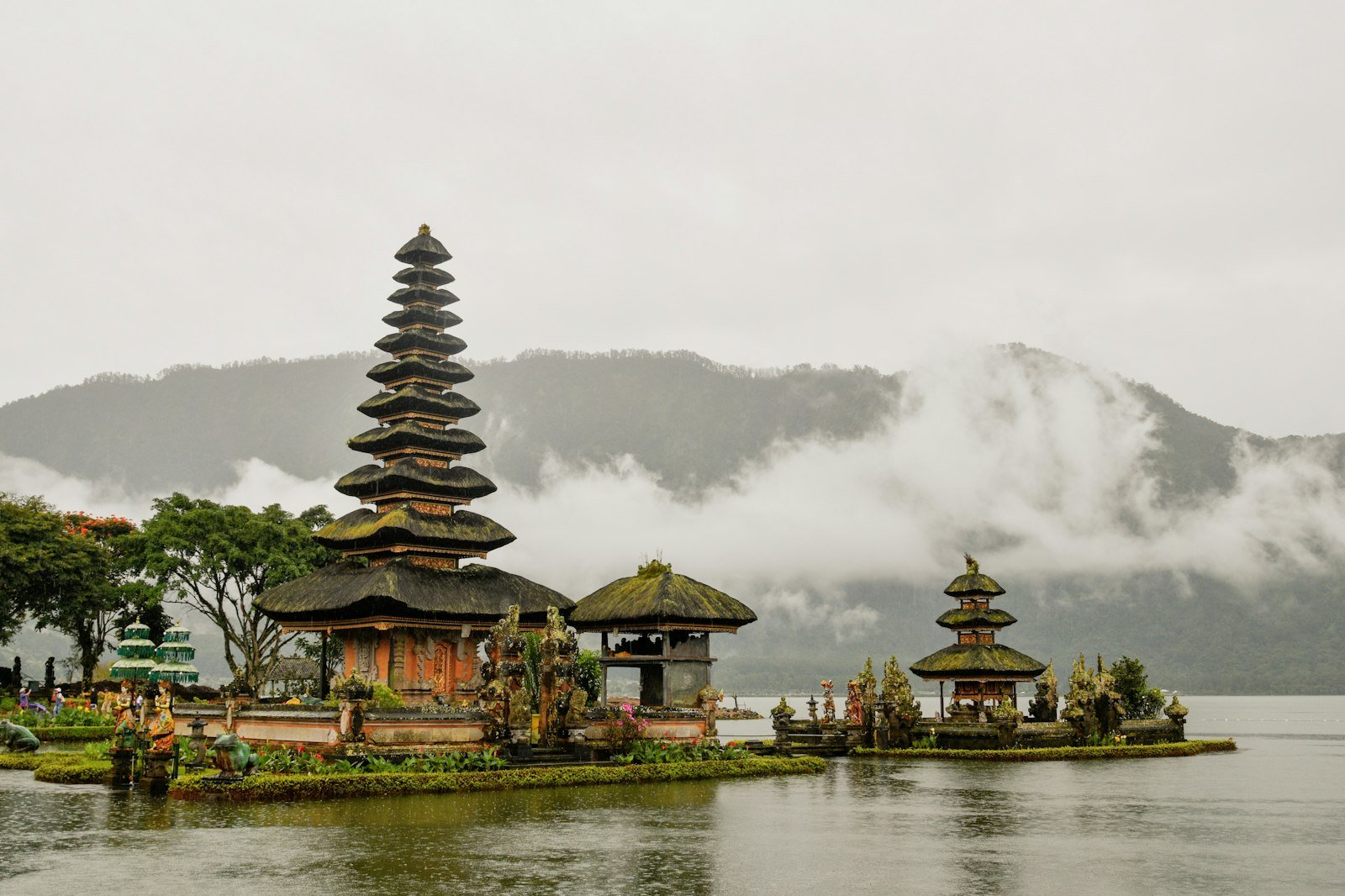
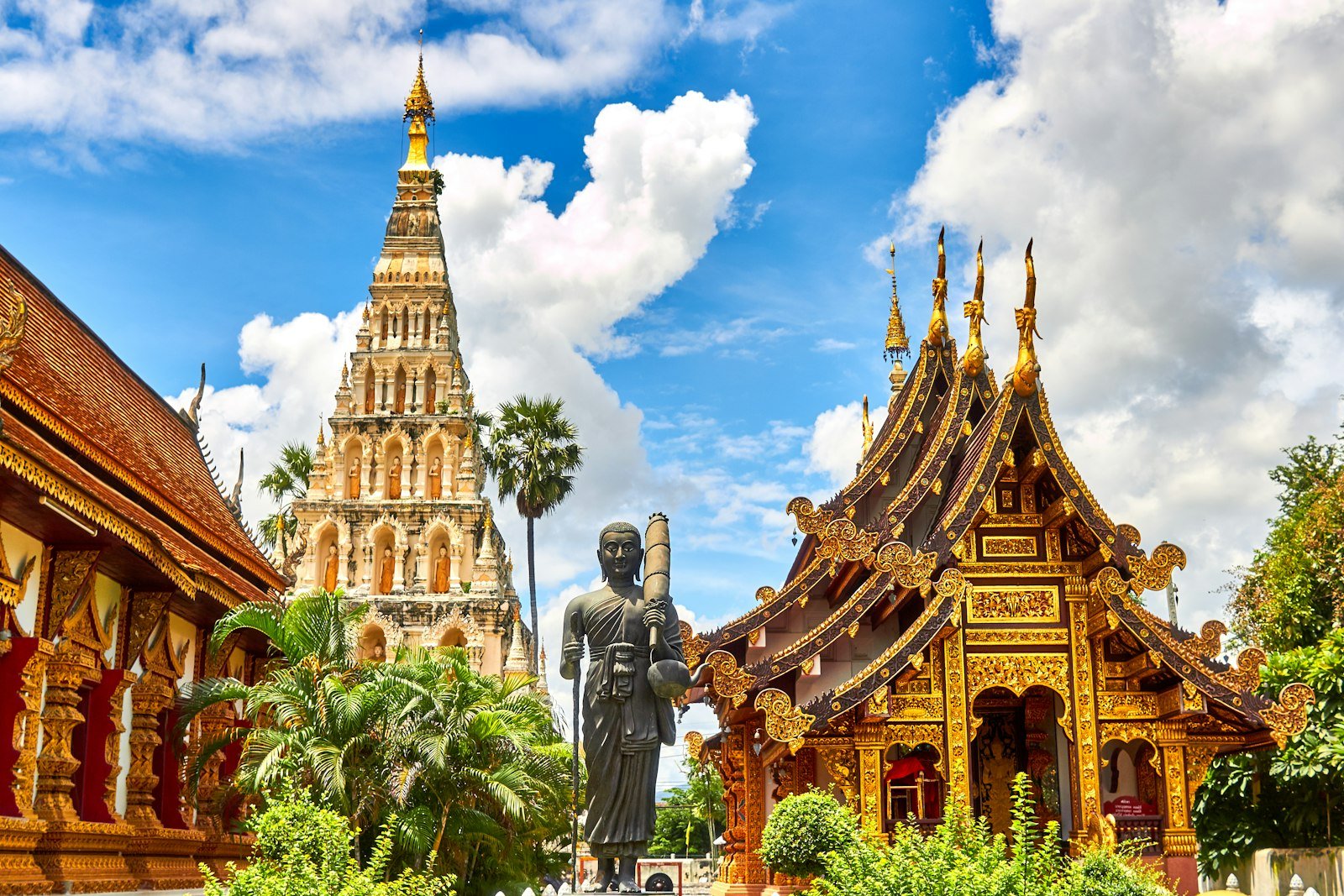
Bali and Thailand are Southeast Asia's two most popular tropical destinations, but they offer remarkably different travel experiences.
Bali and Thailand are Southeast Asia's two most popular tropical destinations, but they offer remarkably different travel experiences. Choosing between them depends less on which is better and more on the kind of holiday you want.
Plan either destination in Honge
Once you know which travel style fits you better, open Honge with a Bali slow-travel route or a Thailand multi-stop itinerary as your starting point.
Introduction
For many first-time visitors to Southeast Asia, the decision comes down to two names.
Bali.
Thailand.
They're often mentioned together in travel conversations, appear side by side on countless "best destinations" lists and both promise tropical beaches, welcoming people, incredible food, beautiful temples and unforgettable sunsets. Yet despite these similarities, they offer surprisingly different travel experiences.
One traveller comes home convinced Bali is the most peaceful place they've ever visited.
Another insists Thailand is easier, more exciting and offers better value.
Both are probably right.
That's because comparing Bali and Thailand isn't really about deciding which destination is objectively better. It's about understanding what kind of holiday you want, how you like to travel, with whom you are travelling and what you expect from your first experience in Southeast Asia.
Do you imagine yourself beginning the morning in a jungle villa overlooking rice terraces before finishing the day in a quiet beach café? Or do you picture hopping between tropical islands, exploring colourful street markets, eating incredible food every few hours and discovering a completely different place every couple of days?
Those are very different trips.
This guide is designed to help you recognise which destination feels most like your holiday.
Throughout this comparison, we'll look at costs, culture, food, transport, beaches, accommodation, photography, family travel, digital nomad life, nightlife, safety and the kinds of experiences each destination does particularly well.
Quick Answer
Bali vs Thailand at a Glance
| Category | Bali | Thailand |
|---|---|---|
| Best For | Relaxation, wellness, couples | Variety, first-time Asia travel |
| Travel Style | Slow travel | Multi-destination adventures |
| Food Scene | Excellent cafés & Indonesian cuisine | World-famous street food & regional cuisine |
| Budget Travel | Good | Excellent |
| Luxury | Outstanding villas | Outstanding beach resorts |
| Island Hopping | Limited | Excellent |
| Transport | Mostly by road | Flights, ferries, trains & buses |
| Culture | Hindu traditions | Buddhist culture |
| Nature | Rice terraces, volcanoes, waterfalls | Beaches, jungles, limestone islands |
| Nightlife | Relaxed to lively | Everything from beach bars to world-famous nightlife |
| Families | Very good | Excellent |
| First-Time Visitors | Easy | Slightly easier |
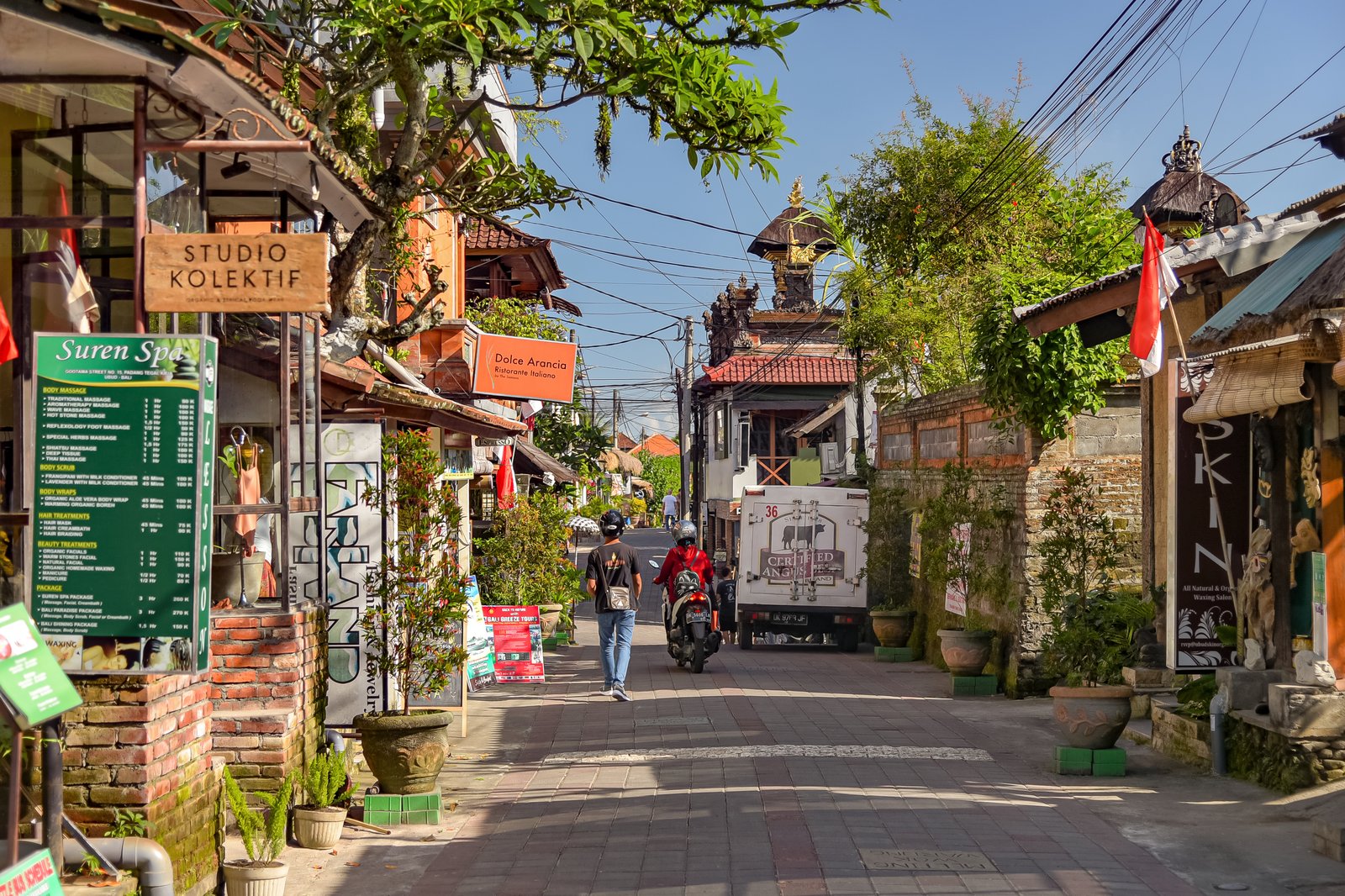

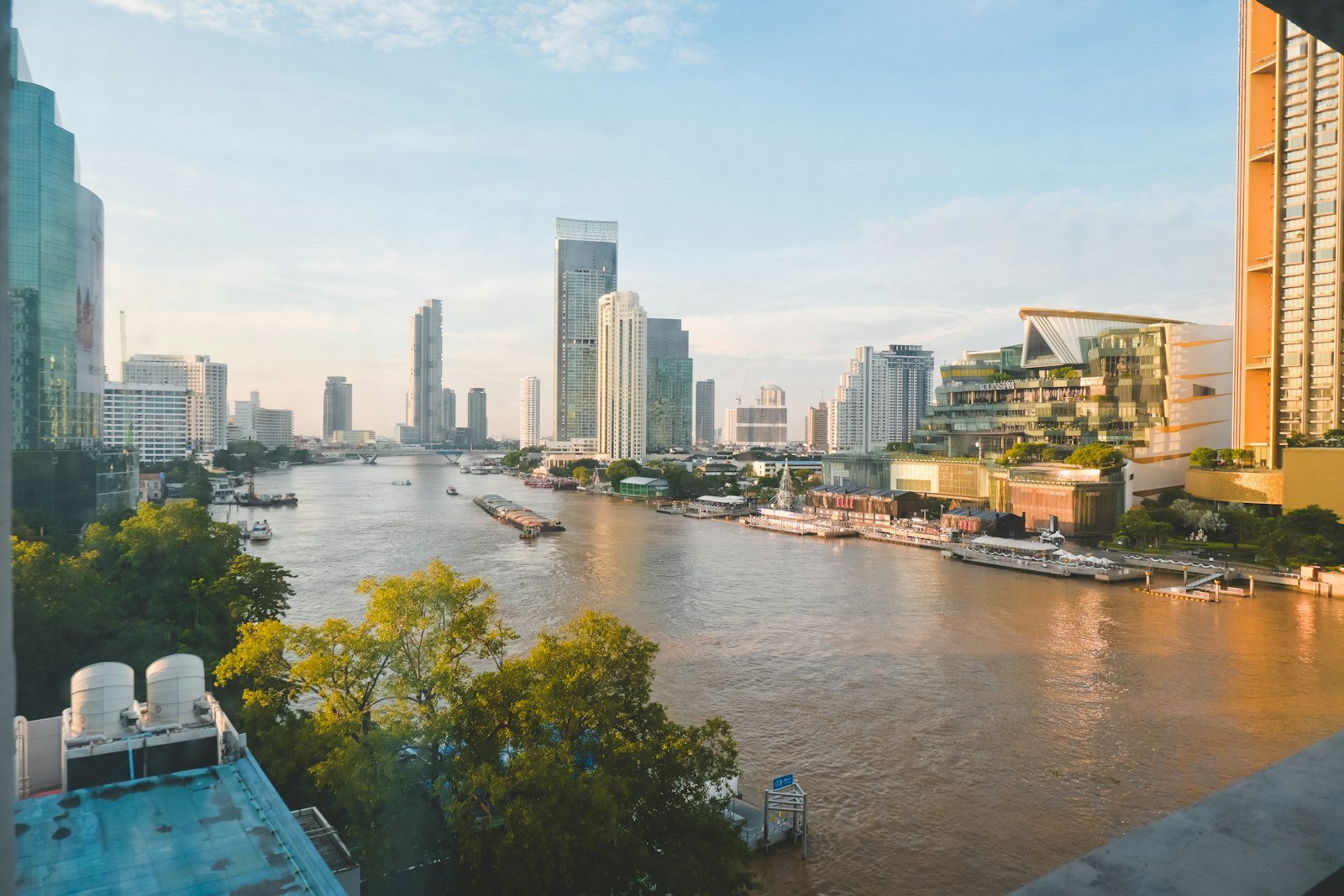
Bali encourages travellers to slow down and settle into one place, while Thailand often begins with the excitement and energy of one of Asia's most dynamic cities.
Who This Guide Is For
This comparison is written for travellers asking questions like:
- Which destination is better for a first Southeast Asia holiday?
- Is Bali cheaper than Thailand?
- Which has better beaches?
- Which is easier without hiring a scooter?
- Which destination is better for families?
- Where should couples go?
- Which place has better food?
- Which feels less overwhelming for first-time visitors?
If you're already planning a very specific type of holiday, perhaps a dedicated surfing trip or a diving expedition, you'll probably have a clearer answer already. But if you're choosing between two incredible destinations without knowing where to begin, this guide is designed to make that decision much easier.
The Biggest Difference in One Sentence
If someone asked me to explain the difference between Bali and Thailand without mentioning beaches, food or prices, I'd say this:
Bali encourages you to stay. Thailand encourages you to explore.
In Bali, it's perfectly normal to spend four or five nights in Ubud without feeling as though you're missing out. Your days naturally revolve around cafés, temples, rice terraces, waterfalls, yoga studios, local restaurants and relaxed evenings. Even when you change locations, the pace often remains slow and intentional.
Thailand feels different from the moment you begin planning. The country is simply larger and more geographically diverse. Domestic flights are straightforward, ferry networks connect many of the islands, and it's tempting in the best possible way to keep adding one more destination to your itinerary.
What Kind of Traveller Are You?
Before comparing prices, food or beaches, ask yourself something much simpler. When you look back on your favourite holidays, what do you usually remember? Was it discovering somewhere different every day? Or was it finding one place you never wanted to leave?
Some people love movement. They enjoy airports, ferries, train journeys and constantly changing scenery because every transfer feels like the beginning of another adventure. Others prefer familiarity. They enjoy waking up in the same hotel, recognising the café around the corner and slowly getting to know a destination rather than racing through it.
That's why so many online debates about Bali versus Thailand never reach a conclusion.
Bali vs Thailand – Atmosphere, Culture & the Kind of Holiday You'll Have
The easiest way to compare Bali and Thailand is by looking at flights, hotels and prices. The better way is to ask a much simpler question:
How do they make you feel once you arrive?
Because that feeling shapes everything else.
It influences how quickly you slow down, how often you move between destinations, what your days naturally look like and, ultimately, what kind of memories you take home. While Bali and Thailand share tropical weather, welcoming hospitality and extraordinary scenery, they create remarkably different travel experiences from the moment your holiday begins.
Your First Impressions: What Does Each Destination Feel Like?
Most travellers notice the difference between Bali and Thailand long before they've visited their first attraction.
Arriving in Bali often feels as though the destination is asking you to slow down immediately. Even in the island's busier areas, daily life appears to unfold at a gentler pace. Roads wind past temples decorated with intricate stone carvings, family compounds display small offerings outside their entrances each morning, and cafés seem designed to encourage lingering over breakfast rather than eating quickly before rushing to the next activity. There is a softness to Bali that many visitors struggle to describe until they've experienced it themselves. There is no pressure to start soul searching immediately.
Thailand creates a different first impression. Whether you arrive in Bangkok, Phuket or Chiang Mai, there is an immediate sense of movement and energy. Streets feel busier, transport networks appear more extensive, and every destination seems to offer another place worth visiting tomorrow. Even if you planned a relaxing holiday, Thailand has a remarkable ability to make you curious about what lies beyond the place you're currently exploring. Instead of encouraging you to stay still, Thailand often inspires you to keep moving.
The Pace of Travel: Slow Island Living or Constant Discovery?
The rhythm of your holiday is perhaps the single biggest distinction between these two destinations.
Bali rewards travellers who enjoy staying in one place long enough to feel connected to it. While many visitors divide their trip between two or three regions — perhaps Ubud for culture, Uluwatu for dramatic coastlines and Seminyak or Canggu for cafés and beaches — the transitions rarely dominate the holiday. Once you've checked into your accommodation, it's entirely possible to spend several days exploring the surrounding area without feeling that you're missing out elsewhere.
This slower style of travel often becomes one of Bali's greatest strengths.
Instead of treating each day as another opportunity to tick attractions off a list, you begin noticing smaller details.
Thailand, by contrast, naturally lends itself to movement.
A first-time visitor might spend three nights in Bangkok before flying north to Chiang Mai, then continue south to Krabi or Phuket before finishing on one of the country's islands. Domestic flights are frequent, ferries connect many coastal destinations and an extensive transport network makes changing locations relatively straightforward.
That flexibility is one of Thailand's greatest advantages.
Rather than experiencing one destination in depth, travellers often enjoy the contrast between several completely different environments during the same holiday. A single trip can combine vibrant cities, mountain temples, tropical beaches and limestone islands without feeling repetitive.
Culture and Religion: Two Very Different Traditions
Although both destinations are known for beautiful temples and rich cultural traditions, the religious and historical foundations behind them are entirely different.
Bali is the only Hindu-majority island in predominantly Muslim Indonesia and its religious traditions shape daily life in ways that visitors encounter almost constantly. Small woven offerings filled with flowers, rice and incense appear outside homes, restaurants and shops each morning, while temple ceremonies and festivals regularly become part of everyday life rather than special tourist events.
Even travellers who know very little about Balinese Hinduism quickly notice how naturally spirituality blends into ordinary routines. Temples are not simply historic landmarks but remain active places where local communities gather, celebrate and worship, creating an atmosphere that feels deeply woven into the island's identity.
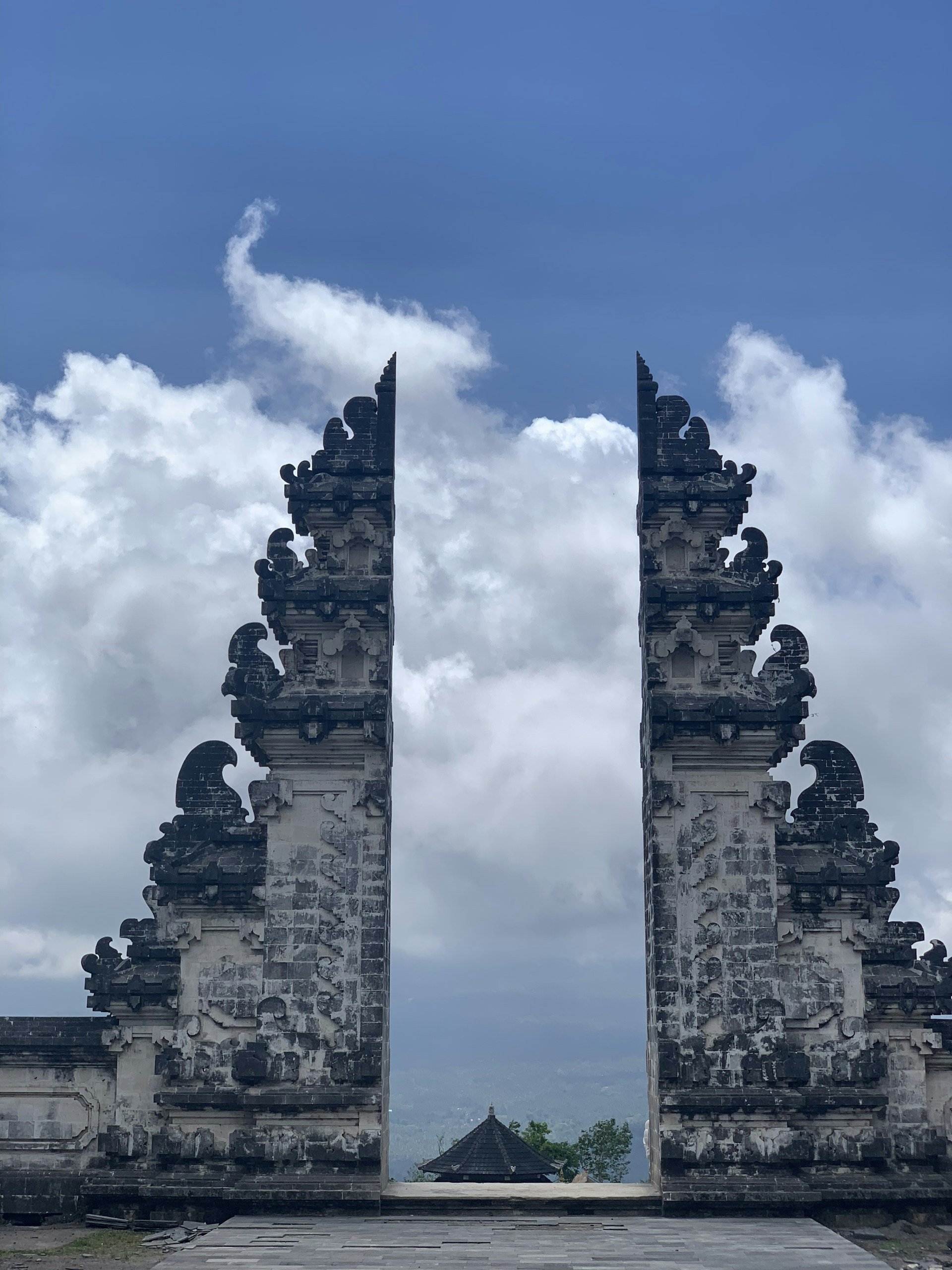
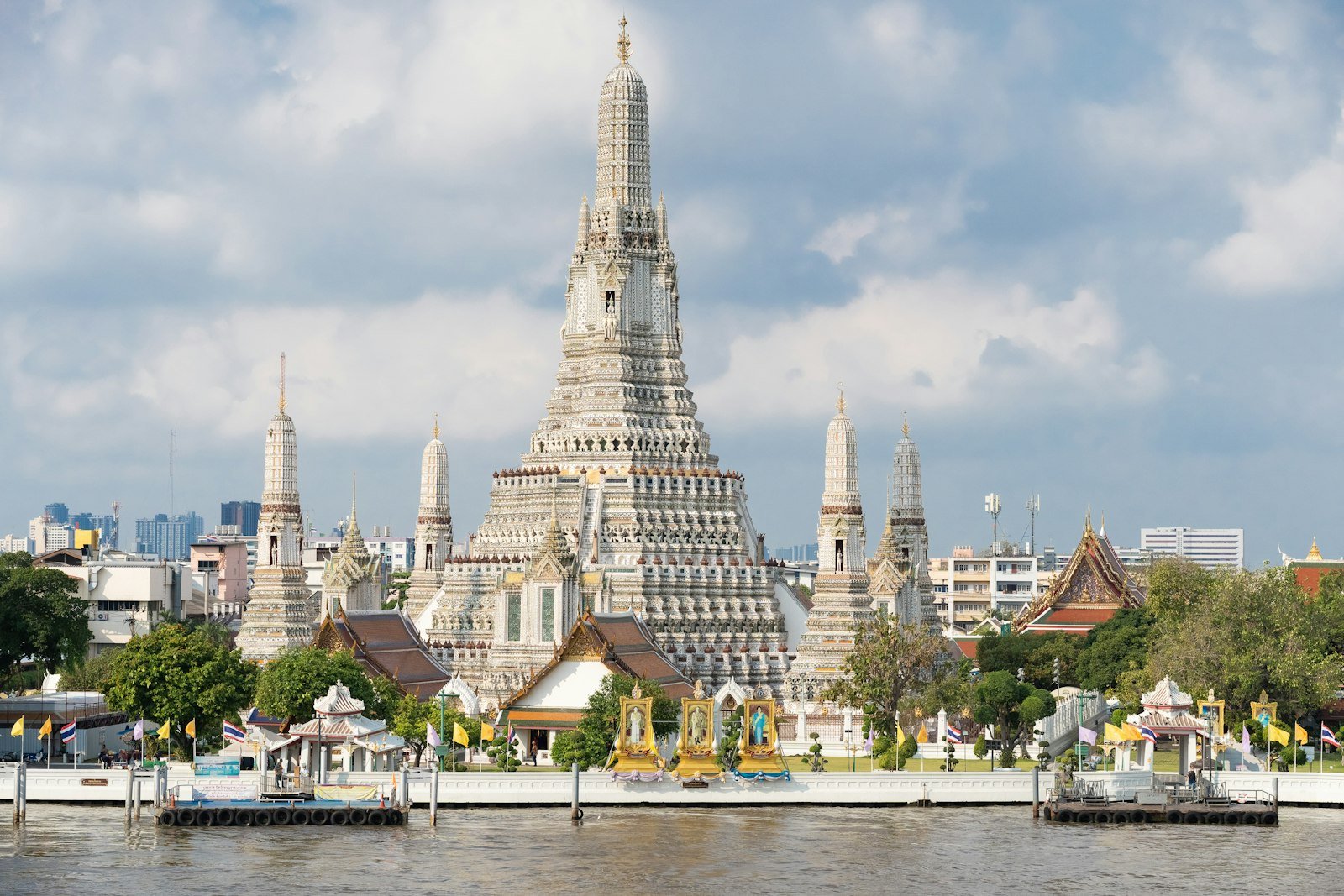
Although both destinations are celebrated for their temples, Bali's Hindu traditions and Thailand's Buddhist heritage create two very different cultural experiences.
Thailand's cultural experience grows from a different tradition. Theravada Buddhism influences much of the country's religious life, and magnificent temples can be found in almost every city, town and village. Golden stupas, reclining Buddhas, ornate monasteries and saffron-robed monks become familiar sights as you travel through the country. What often surprises first-time visitors is how accessible these places feel.
A morning might begin at one of Bangkok's most famous temples before continuing to a lively street-food market only a few streets away. Spiritual life and everyday urban life exist comfortably alongside each other, creating an atmosphere that feels vibrant rather than solemn.
Tourism Style: Boutique Retreats or Endless Variety?
Another noticeable difference lies in the way tourism has developed.
Bali often feels curated around slower experiences. Boutique villas, wellness retreats, yoga studios, artisan cafés and small independent hotels are woven into villages and landscapes in ways that encourage visitors to spend time rather than simply pass through. Many people arrive intending to stay three nights in Ubud before extending their visit because they discover they're perfectly happy doing very little.
The island encourages travellers to enjoy unstructured afternoons, long breakfasts, quiet walks and spontaneous discoveries rather than constantly chasing famous attractions.
Thailand offers a broader tourism landscape simply because it is a much larger country. Luxury beach resorts, backpacker hostels, family hotels, floating markets, island ferries, national parks, rooftop bars, cooking schools and mountain villages all exist within the same destination.
This variety means almost every traveller can find a version of Thailand that suits their interests. A couple seeking luxury, a backpacker travelling for three months and a family with young children can all visit Thailand at the same time while having completely different holidays. That flexibility is difficult for many destinations to match.
Crowds: Does One Feel More Relaxed Than the Other?
It's tempting to assume Bali is always quieter than Thailand simply because people often describe it as peaceful. The reality is more complicated.
Popular areas such as Canggu, Seminyak and parts of Ubud have experienced significant tourism growth in recent years, and traffic can become frustrating during busy periods. Restaurants and cafés may require reservations, and well-known viewpoints can attract considerable crowds around sunrise and sunset.
Thailand experiences similar challenges in its most famous destinations. Places like Phuket, Phi Phi Islands and central Bangkok can feel extremely busy during peak travel periods, particularly around major holidays.
The important difference isn't necessarily the number of visitors. It's how those crowds affect the overall atmosphere.
In Bali, even busy destinations often encourage slower activities. People spend time in wellness spaces creating a generally relaxed environment despite the popularity. Thailand's busiest destinations often feel more energetic. Markets, transport hubs, shopping streets and nightlife districts naturally generate more movement, making the overall atmosphere feel livelier rather than calmer.
Travellers looking for complete solitude won't find it in either destination's most famous locations. However, both Bali and Thailand reward those willing to explore slightly beyond the obvious places. A quieter beach, a smaller village or an overlooked neighbourhood can dramatically change your experience without requiring enormous detours from the main tourist routes.
Hospitality: Different Styles, Same Warm Welcome
One similarity almost every traveller notices is the warmth of the people they meet. Hospitality is one of the defining strengths of both Bali and Thailand, although it often expresses itself in subtly different ways.
In Bali, interactions frequently feel personal and quietly genuine. Family-owned guesthouses, boutique villas and small cafés create opportunities for conversations that extend beyond simple transactions. Visitors often return to the same accommodation because they remember not only the place itself but also the people who welcomed them.
Thailand's hospitality is equally well known, earning the country its long-standing nickname as the "Land of Smiles." Across markets, restaurants, hotels and transport services, visitors generally encounter friendly service and a willingness to help, even when language barriers exist.
Travel Costs: Which Destination Gives You Better Value?
One of the reasons Bali and Thailand appear so frequently on first-time travel lists is that both allow visitors to enjoy experiences that would cost significantly more elsewhere.
Luxury hotels, private villas, spa treatments, excellent restaurants and memorable excursions are often surprisingly affordable compared with destinations in Europe or the Caribbean. That affordability makes both destinations attractive to backpackers, families and honeymooners alike.
The difference lies in how your money is spent.
In Bali, accommodation often feels like the biggest bargain. Even travellers with a relatively modest budget can stay in boutique villas, beautifully designed guesthouses or private pool properties that would command premium prices in many other countries. It isn't unusual to find accommodation where the surroundings become part of the holiday itself, with tropical gardens, infinity pools and open-air living spaces creating an experience that feels far more luxurious than the price suggests.
Thailand offers excellent accommodation too, but its greatest strength lies in overall travel value. Hotels remain competitively priced, yet the savings often continue throughout the rest of your trip. Local transport, street food, domestic flights and everyday travel expenses can all be remarkably affordable, particularly outside the country's busiest resort destinations.
Over the course of a two-week holiday, many travellers find that Thailand allows them to experience more destinations, more activities and more variety without dramatically increasing their overall budget. That doesn't necessarily make Thailand cheaper. Instead, it often stretches your travel budget further because so many aspects of moving around the country remain relatively accessible.
Accommodation: Villas or Hotels?
Accommodation is one of the clearest distinctions between Bali and Thailand because each destination has developed a very different style of hospitality. Bali has become internationally known for its boutique accommodation.
Private villas surrounded by tropical gardens, infinity pools overlooking jungle valleys and beautifully designed guesthouses have become almost synonymous with the island itself. Even travellers choosing mid-range accommodation frequently discover properties with thoughtful architecture, peaceful courtyards and an atmosphere that feels far more personal than a conventional hotel. This emphasis on design is one of Bali's greatest strengths.
Thailand approaches accommodation from a broader perspective. Because the country welcomes such a wide range of travellers, the options feel almost limitless. Luxury beachfront resorts, modern city hotels, family apartments, backpacker hostels, riverside retreats and island bungalows all exist within the same destination. The standard of accommodation is generally excellent across most price ranges, but Thailand places slightly less emphasis on boutique aesthetics and slightly more emphasis on variety.
If you're looking for an overwater-style luxury resort, a bustling city hotel, a mountain guesthouse or a family-friendly beach property, Thailand is likely to offer several strong choices. If your dream holiday revolves around waking up in a beautifully designed private villa surrounded by lush greenery, Bali remains difficult to surpass.
Luxury Travel: Where Does Your Money Go Further?
Luxury travellers are often surprised to discover that neither destination requires an extravagant budget to feel indulgent.
Bali has built an international reputation around luxury wellness resorts, cliffside villas, private chefs, spa experiences and elegant boutique hotels. Even relatively short stays can include accommodation that feels exceptionally exclusive without approaching the prices often associated with luxury travel elsewhere in the world. Luxury in Bali often emphasises privacy, tranquillity and connection with nature.
Instead of focusing primarily on boutique villas, Thailand excels at offering world-class hospitality across an enormous variety of destinations. Whether you're staying in a sophisticated hotel overlooking Bangkok's skyline, a beachfront resort on Phuket or a secluded island property in Krabi, service standards are often exceptional. Luxury in Thailand also benefits from diversity. One holiday can combine five-star city hotels, boutique mountain lodges and beachfront resorts without sacrificing comfort or convenience.
Rather than asking which destination offers better luxury, it's worth considering what kind of luxury you enjoy. If relaxation and privacy are your priorities, Bali often feels more intimate. If variety, service and changing scenery appeal more, Thailand offers an experience that's equally rewarding in a different way.
Budget Travel: Which Destination Is Easier for Backpackers?
Budget travellers have embraced both Bali and Thailand for decades, but their experiences can differ considerably. Thailand has long been one of the world's most established backpacking destinations. Extensive public transport, affordable guesthouses, inexpensive street food and well-developed tourist infrastructure make independent travel remarkably straightforward, even for people visiting Southeast Asia for the first time.
Bali is certainly possible on a backpacker's budget, but daily costs can become less predictable. Accommodation remains good value, yet transport often relies more heavily on private drivers, taxis or scooter rentals. If you aren't comfortable riding a scooter and frequently depend on car journeys, your transportation expenses can gradually become more noticeable than they might in Thailand.
Food Culture: Two Completely Different Experiences
Comparing Balinese and Thai food is almost impossible because each cuisine reflects its own history, geography and cultural influences. Rather than deciding which is better, it's more interesting to understand how differently food shapes the overall travel experience.
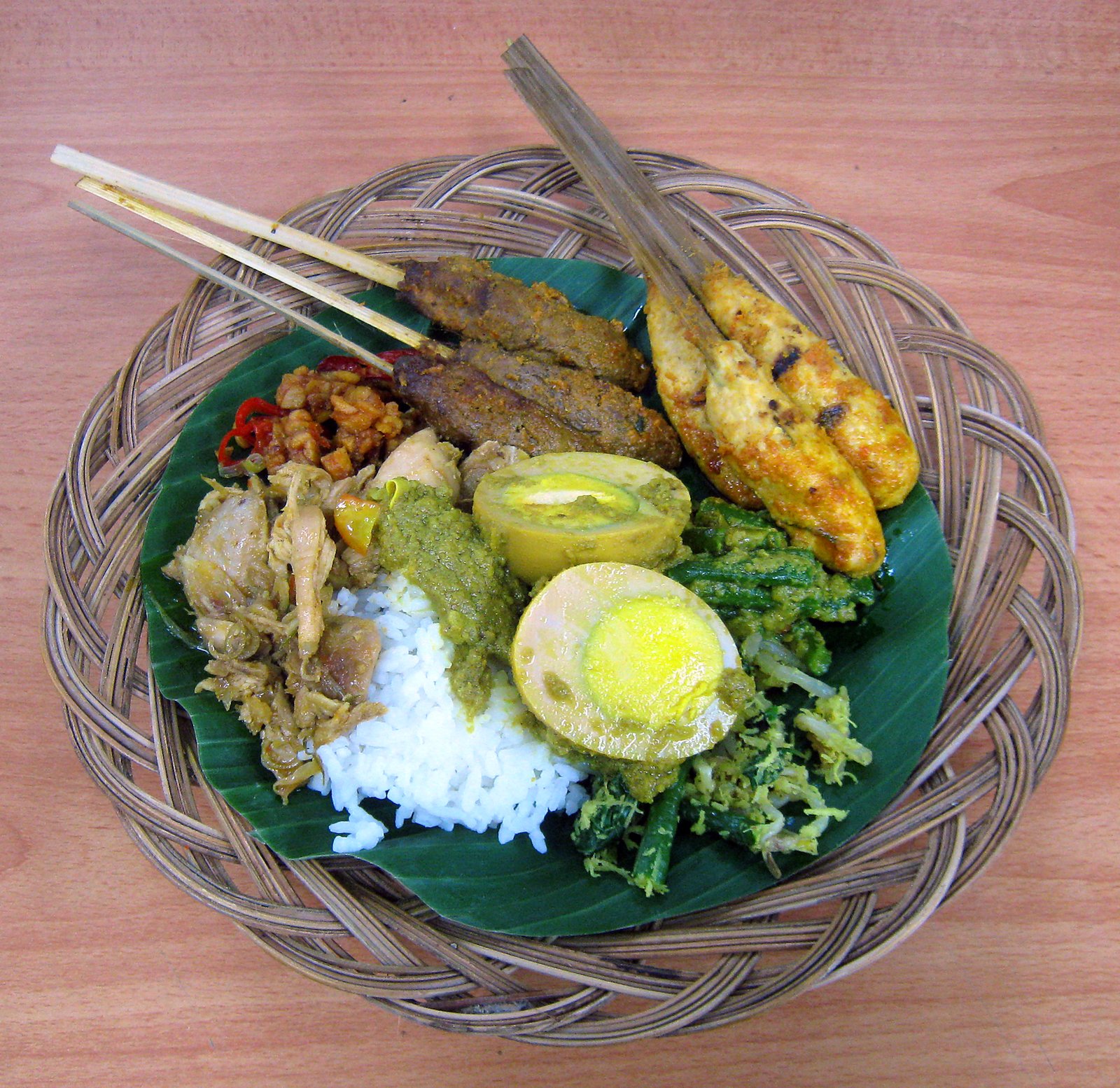

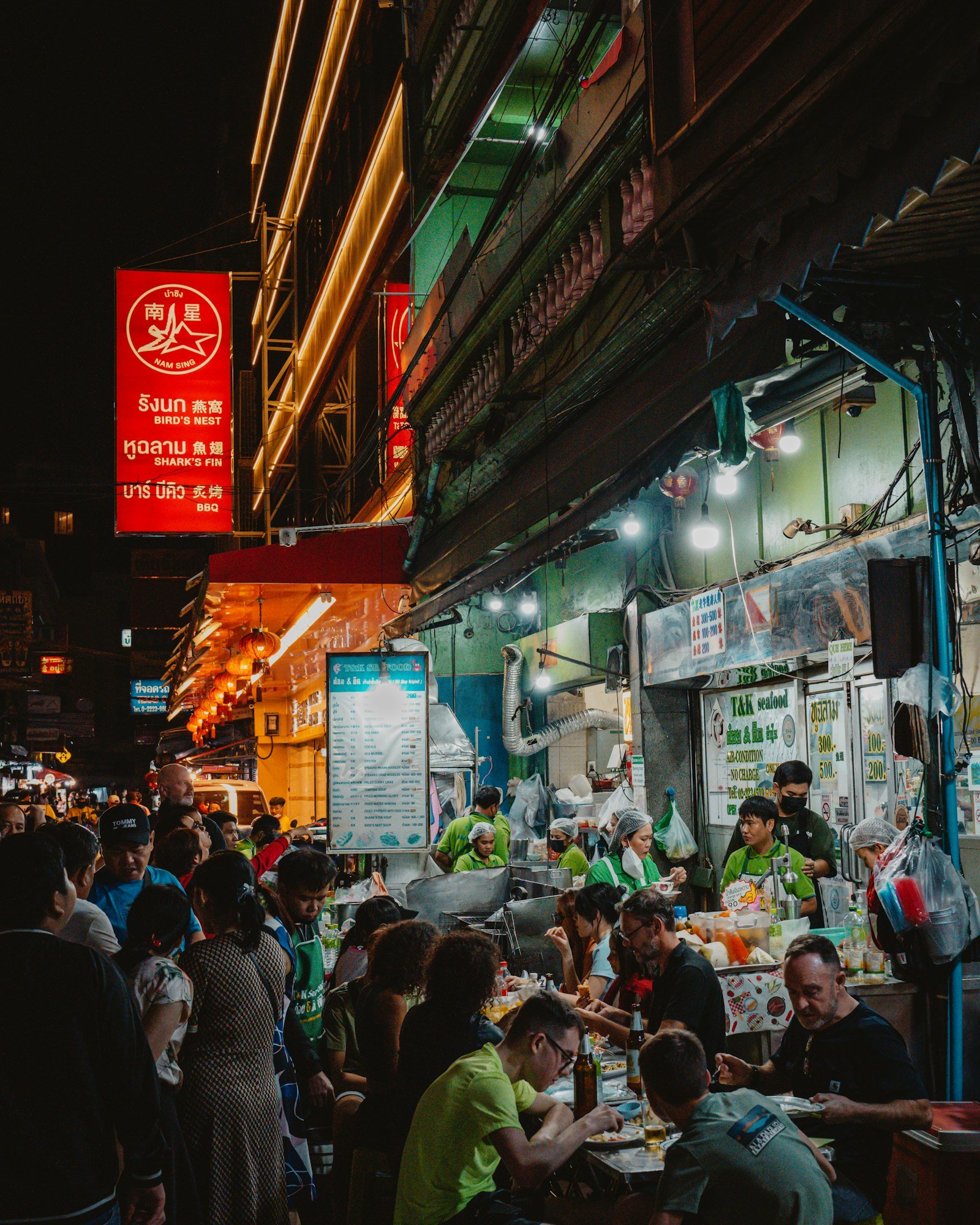
Bali's relaxed café and warung culture contrasts beautifully with Thailand's vibrant street-food scene, where every neighbourhood seems to have its own culinary speciality.
Thailand is one of the world's great food destinations. Eating becomes part of daily exploration rather than something scheduled between attractions. Street corners, local markets, floating markets and neighbourhood restaurants all contribute to an incredibly diverse culinary landscape where each region introduces its own specialities. Bangkok alone can keep food lovers occupied for weeks.
Northern Thailand offers fragrant curries and dishes such as khao soi, while southern Thailand introduces seafood, coconut-rich curries and bold regional flavours. Even familiar dishes often taste noticeably different depending on where you order them.
Bali approaches food from another direction. Traditional Balinese cuisine remains deeply rooted in local culture, with dishes centred around rice, vegetables, spices, grilled meats and aromatic seasonings. Alongside these traditional meals, Bali has also become internationally recognised for its contemporary café culture. Healthy breakfasts, artisan coffee, smoothie bowls, creative vegetarian cooking and beautifully presented brunches have become part of the island's identity, particularly in places such as Ubud, Canggu and Seminyak.
You might enjoy authentic Balinese food for lunch before spending the afternoon in a specialty coffee café that wouldn't feel out of place in Melbourne or Copenhagen.
Vegetarian and Vegan Travel
Both destinations have become increasingly welcoming to vegetarian and vegan travellers, although they achieve this in different ways.
Bali's wellness culture has encouraged an impressive number of entirely plant-based cafés and restaurants, particularly around Ubud and Canggu. Menus frequently highlight seasonal ingredients, creative plant-based cooking and beautifully presented dishes that appeal equally to vegans and non-vegans. Finding vegetarian or vegan meals rarely feels like an afterthought.
Thailand requires a little more awareness, particularly in traditional restaurants where ingredients such as fish sauce, oyster sauce and shrimp paste are deeply woven into local cooking. However, dedicated vegan restaurants, Buddhist vegetarian establishments and an increasing number of plant-based cafés make travelling as a vegan entirely achievable with a little preparation.
Which Destination Feels Easier for First-Time Visitors?
Both Bali and Thailand are exceptionally welcoming destinations, which is one reason they continue attracting millions of first-time visitors every year.
If your ideal holiday involves arriving, settling into one beautiful area and gradually discovering everything nearby, Bali feels remarkably approachable. Once you've chosen your accommodation, much of the trip naturally falls into place.
Thailand asks you to make a few more decisions because the country offers so many possibilities. Yet paradoxically, those choices are supported by excellent infrastructure, reliable domestic transport and decades of tourism experience that make moving around surprisingly straightforward.
For travellers who enjoy independent exploration, Thailand often feels easier than expected. For those who prefer simplicity and slower days, Bali usually feels more intuitive.
Once you've considered costs, accommodation and transport, the next question becomes much more personal.
What do you actually want to spend your holiday doing?
This is where the comparison between Bali and Thailand becomes far more interesting because, despite sharing tropical coastlines and warm weather, the experiences they offer are surprisingly different.
On paper, both destinations promise beaches, temples, waterfalls and unforgettable sunsets. In reality, those experiences feel completely different once you arrive.
Thailand's greatest strength is its extraordinary variety. One day might begin exploring a centuries-old temple in Bangkok before ending on a tropical island reached by ferry. Bali, on the other hand, excels at creating a deeper connection with a smaller number of places. Instead of constantly changing scenery, it encourages you to experience each landscape more slowly and more completely.
The Beaches: Tropical Paradise Looks Different in Each Destination
When people imagine Southeast Asia, beautiful beaches are usually among the first images that come to mind. Crystal-clear water, palm trees leaning towards the ocean and soft white sand appear in countless travel photographs, making it easy to assume Bali and Thailand offer almost identical coastal experiences, but they do not.
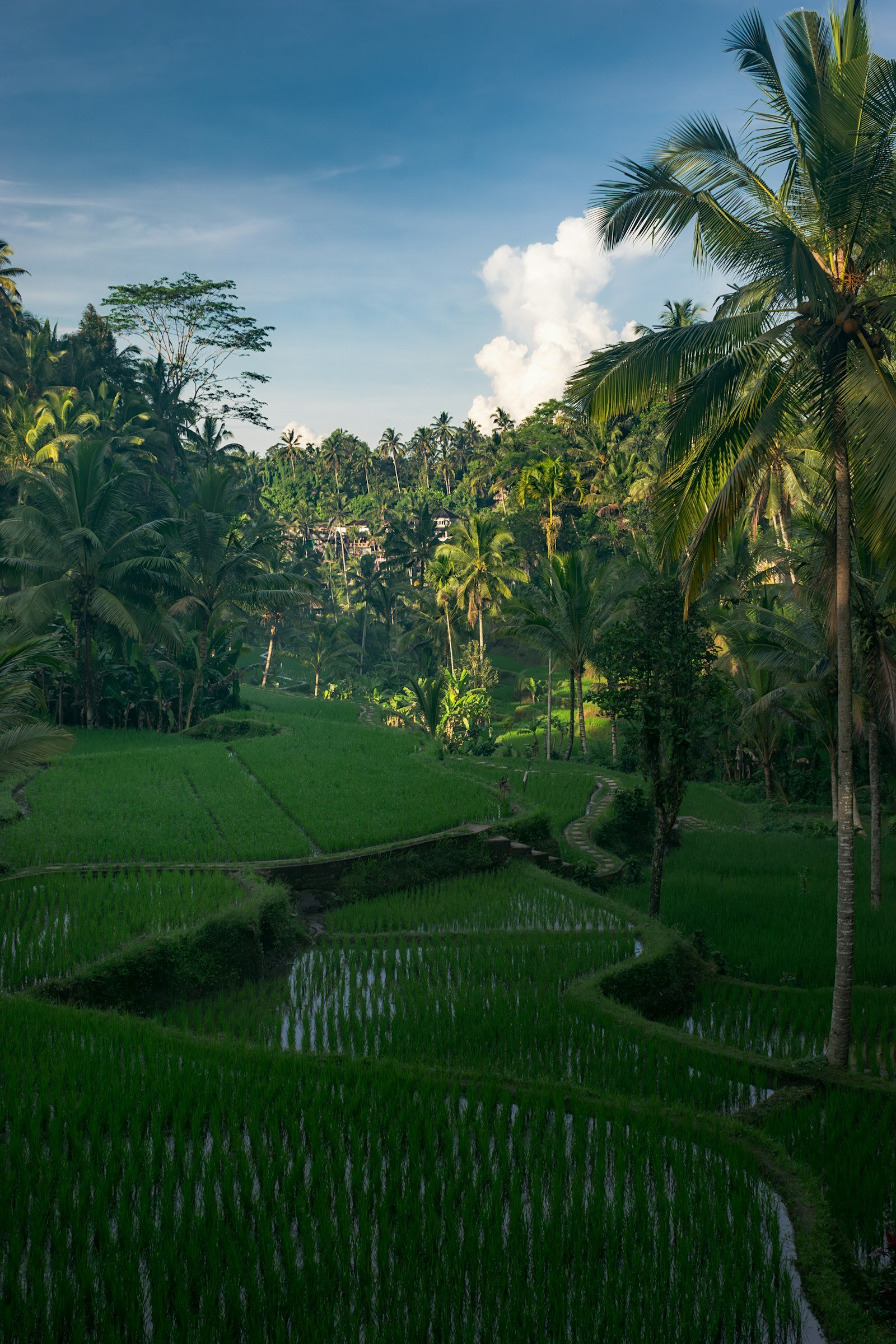
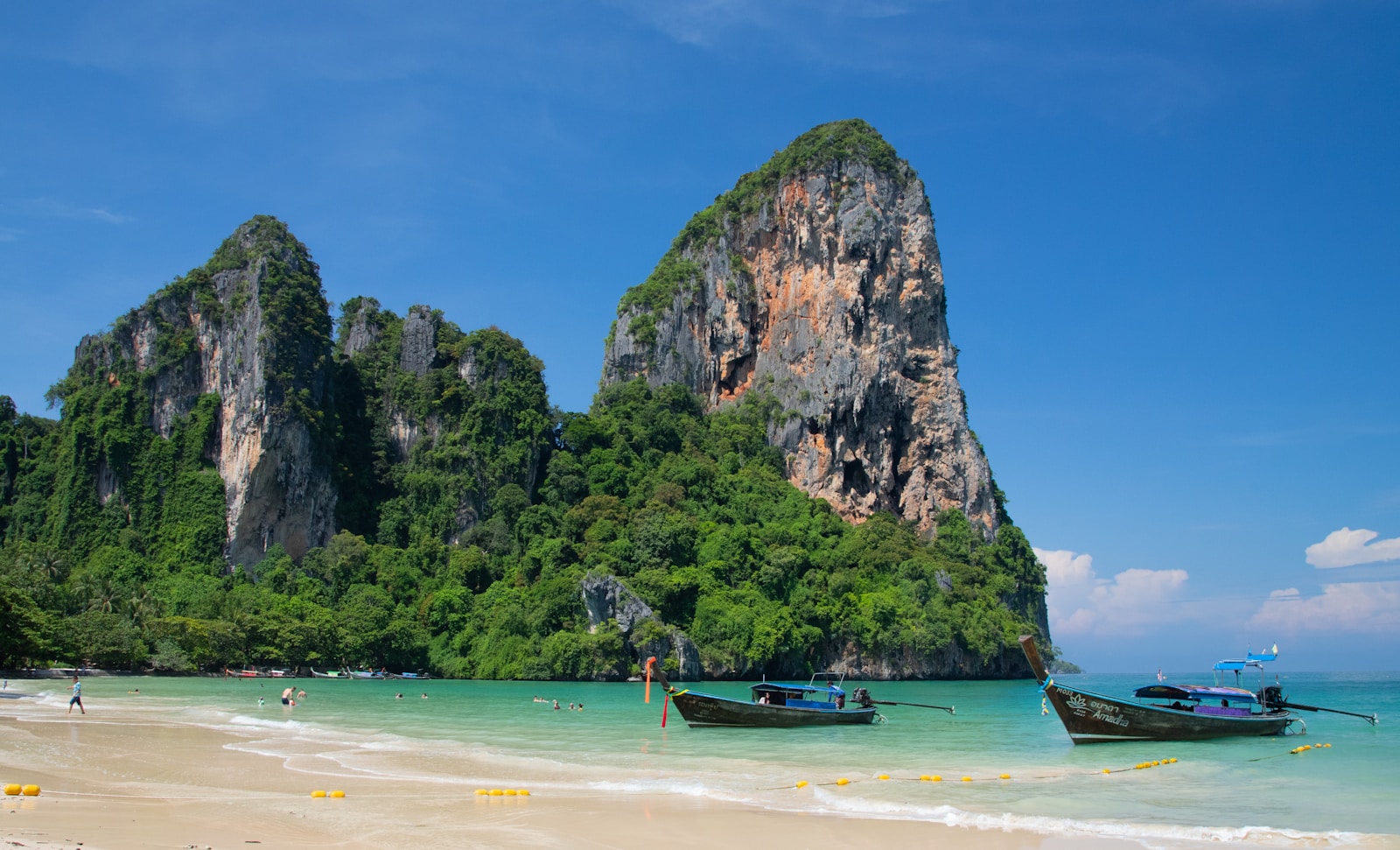
Bali pairs beaches with rice terraces and inland culture, while Thailand offers some of Asia's most varied island and limestone coastlines.
Thailand has some of the most varied beaches in Asia because they are spread across hundreds of islands and two very different coastlines. From the dramatic limestone scenery of Krabi to the powder-soft beaches of Koh Lipe, the lively atmosphere of Phuket or the relaxed pace of Koh Lanta, each destination has its own personality. A traveller could spend three weeks exploring different Thai beaches without ever feeling that they're seeing the same place twice.
Bali approaches its coastline differently. The island certainly has beautiful beaches, but they are rarely the only reason people visit. Many travellers divide their time between inland destinations such as Ubud and coastal regions like Uluwatu, Seminyak or Nusa Dua, allowing the beaches to become one part of a broader experience rather than the holiday's sole focus.
Even Bali's beaches differ significantly from one another. Some are known for surfing, others for luxury resorts and calm swimming, while dramatic cliff-backed coastlines create scenery that feels every bit as memorable as the sand itself.
If your dream holiday revolves almost entirely around discovering spectacular beaches, Thailand generally offers greater variety. If you're looking for beaches that complement waterfalls, rice terraces, temples and cafés, Bali creates a beautifully balanced experience.
Island Hopping: One of Thailand's Greatest Advantages
If there is one experience that immediately gives Thailand an advantage over Bali, it is island hopping.
The country's extensive network of ferries and domestic flights makes it remarkably easy to combine several islands within a single trip. Travellers often move between destinations such as Phuket, Phi Phi, Krabi, Koh Samui, Koh Phangan and Koh Tao, with each location offering a noticeably different atmosphere despite being part of the same holiday. The journey itself becomes part of the adventure.
Bali doesn't naturally lend itself to this style of travel. Although neighbouring islands such as Nusa Penida, Nusa Lembongan and the Gili Islands can certainly be included, most visitors still spend the majority of their holiday on Bali itself. The emphasis remains on exploring different regions of one island rather than constantly moving between separate destinations.
Mountains, Rice Terraces and Volcanoes
One of Bali's defining characteristics is the way its interior landscapes become just as memorable as its coastline. Rice terraces cascade down hillsides in carefully sculpted layers, volcanic peaks dominate the horizon and waterfalls appear hidden within dense tropical forests. The scenery often feels intimate.
Walking through the famous rice terraces around Ubud isn't simply about photographing a beautiful landscape. It's about moving through a living agricultural environment where farming traditions continue much as they have for generations.
Volcanoes also play an important role in shaping Bali's identity. Mount Batur, in particular, has become one of the island's best-known sunrise hikes, rewarding early starts with panoramic views across volcanic landscapes that look completely different from the beaches only a short drive away.
Thailand's mountain scenery is concentrated primarily in the north. Around Chiang Mai and Chiang Rai, forested hills, national parks and winding mountain roads replace tropical beaches, creating a striking contrast to the country's southern islands. While Thailand doesn't have the iconic rice terrace landscapes most people associate with Bali, it offers remarkable diversity by allowing travellers to experience mountains and islands within the same itinerary.
This ability to combine entirely different landscapes during a single holiday is one of Thailand's greatest strengths.
Temples and Cultural Landmarks
In Bali, temples often appear integrated into everyday life rather than standing apart as major tourist attractions. Small village temples, elaborate gateways and family shrines become familiar sights as you explore the island, creating the impression that spirituality quietly accompanies daily routines wherever you go. Larger temples such as Uluwatu or Tanah Lot certainly attract significant numbers of visitors, yet they remain part of a much broader cultural landscape where religious traditions are visible almost everywhere.
Thailand's temples are often more monumental. Whether you're standing before Bangkok's Grand Palace, admiring the Reclining Buddha at Wat Pho or exploring centuries-old temple ruins in Ayutthaya, the architecture frequently feels grand in both scale and historical significance.
Many travellers who enjoy history find Thailand particularly rewarding because the country's temples often tell stories stretching back hundreds of years, connecting kingdoms, religious traditions and architectural styles across different regions.
Adventure Activities: Where Does Each Destination Excel?
Travellers looking for active holidays will find plenty to enjoy in both destinations, although the emphasis differs noticeably.
Bali's adventure experiences tend to revolve around its natural landscapes. Hiking Mount Batur before sunrise, exploring waterfalls, cycling through villages, rafting along jungle rivers or learning to surf all fit comfortably within the island's slower rhythm. Even active days often conclude with a relaxed evening rather than another high-energy activity.
Thailand provides a broader adventure playground simply because of its geography. Scuba diving around Koh Tao, sea kayaking through limestone caves in Phang Nga Bay, jungle trekking in the north, rock climbing at Railay Beach and island-hopping boat tours all sit comfortably alongside each other within the same country.
Nightlife: Energy or Elegance?
Nightlife is another category where the destinations differ more in character than quality.
Thailand offers extraordinary variety. Bangkok's rooftop bars, lively night markets and entertainment districts create an energetic urban atmosphere, while destinations such as Phuket and Koh Phangan have become internationally famous for beach parties and late-night celebrations.
Yet it's important to remember that Thailand isn't exclusively about nightlife. Many islands remain wonderfully peaceful after sunset, with evenings centred around beachfront restaurants and quiet walks rather than clubs and bars.
Bali's nightlife tends to feel more refined than energetic. Beach clubs, sunset lounges, cocktail bars and live music venues create memorable evenings without necessarily encouraging all-night celebrations. Destinations such as Seminyak and Canggu certainly know how to entertain visitors, but the atmosphere often remains more relaxed than Thailand's busiest nightlife centres.
The choice depends less on how late you want to stay out and more on the kind of evening you enjoy.
Wellness and Relaxation
If Bali has one category where it consistently stands apart, it is wellness. The island has become synonymous with yoga retreats, meditation, holistic therapies, luxury spas and wellness-focused accommodation. Even travellers with little interest in structured retreats often find themselves slowing down naturally because the island encourages relaxation almost effortlessly.
Thailand certainly offers exceptional spas and wellness resorts, particularly within its luxury hotels, but wellness is usually one option among many.
In Bali, it often becomes one of the defining reasons people visit.
Shopping: Local Craftsmanship or Endless Variety?
Shopping reflects another interesting contrast between the two destinations.
Bali is particularly rewarding for travellers interested in handcrafted products, home décor, textiles, ceramics, jewellery and artisan workshops. Markets and boutique stores often emphasise craftsmanship, making shopping feel like an extension of the island's creative culture rather than simply another tourist activity.
Thailand offers greater variety. Modern shopping centres, lively night markets, floating markets, designer boutiques and traditional craft villages all contribute to an experience where every destination offers something different. Bangkok alone rivals many major global cities for shopping opportunities, while smaller towns introduce regional handicrafts and locally made products.
Those looking for beautifully crafted souvenirs often favour Bali. Travellers who enjoy browsing everything from luxury malls to bustling street markets usually find Thailand more satisfying.
Which Destination Is Better for Someone Like You?
For First-Time Visitors to Southeast Asia
If this will be your very first experience in Southeast Asia, it's completely natural to wonder whether one destination provides a gentler introduction than the other.
Both Bali and Thailand are exceptionally welcoming, but they introduce the region in different ways.
Bali offers a relatively gentle learning curve because the island encourages travellers to settle into one or two locations rather than constantly navigating new transport systems, airports or ferry terminals. Once you've arrived in Ubud, Seminyak or Uluwatu, the rest of the holiday often unfolds quite naturally. Day trips are easy to organise, accommodation is widely available and many visitors find themselves relaxing into the rhythm of island life surprisingly quickly.
For travellers who feel slightly nervous about visiting Asia for the first time, this slower pace can be reassuring. There are fewer logistical decisions to make, allowing you to focus on enjoying the destination rather than constantly planning the next stage of the journey.
Thailand, however, introduces first-time visitors to a much broader picture of Southeast Asia. You'll experience bustling cities, remarkable temples, mountain landscapes, tropical islands, vibrant markets and one of the world's most celebrated food cultures—all within the same country. At first, that variety may seem intimidating, but Thailand's tourism infrastructure is so well developed that moving between destinations is often easier than many people expect.
If you're confident organising independent travel and enjoy exploring different places during the same holiday, Thailand can actually feel surprisingly straightforward.
For Couples Looking for a Romantic Escape
Few destinations appear on honeymoon and anniversary lists as consistently as Bali. The island has developed a reputation for romance that extends far beyond luxury accommodation. Beautiful villas tucked into tropical landscapes, private infinity pools, candlelit dinners overlooking rice terraces and sunset walks along dramatic coastlines create an atmosphere where slowing down together feels completely natural.
Thailand approaches romance differently. The country offers an extraordinary range of romantic settings, from luxury beachfront resorts to private island retreats and elegant rooftop restaurants overlooking Bangkok's skyline. Couples who enjoy combining relaxation with exploration often find Thailand particularly rewarding because the holiday never feels confined to a single atmosphere.
If your idea of romance centres around privacy, tranquillity and beautifully designed accommodation, Bali often feels almost tailor-made. If your perfect trip combines romantic moments with constant variety and new experiences, Thailand provides an equally memorable alternative.
For Families Travelling with Children
Families often assume that tropical destinations are naturally child-friendly, but the reasons Bali and Thailand work well for children are surprisingly different.
Bali's slower pace can be wonderfully suited to family travel, particularly when children are younger. Staying in one comfortable villa for several days means fewer hotel changes, less time spent packing and more opportunities to settle into a routine. Days naturally become flexible, with swimming pools, beaches, cafés and easy excursions replacing tightly scheduled sightseeing. Children often respond well to this slower rhythm because the holiday doesn't constantly ask them to adjust to new surroundings.
Thailand offers families something of a variety in the trip. A single holiday can include temples, wildlife experiences, cooking classes, island beaches, boat rides, floating markets and vibrant night markets without feeling repetitive. Older children and teenagers often appreciate this constant change because every few days brings an entirely new environment to explore.
Thailand also offers an enormous range of family-friendly accommodation, making it relatively easy to tailor the holiday to different ages and budgets.
For Solo Travellers
Travelling alone always feels slightly different from travelling with family or friends because every practical decision, conversation and experience depends entirely on you.
Bali has become one of the world's most popular destinations for solo travellers seeking community without sacrificing independence. Even if you arrive knowing nobody, you're unlikely to remain isolated for long unless that's exactly what you want.
Thailand offers an equally rewarding but noticeably different solo travel experience. Instead of building community around cafés and wellness spaces, Thailand's extensive backpacker network naturally encourages conversations during train journeys, ferry crossings, walking tours and hostel stays. The country's long-established tourism infrastructure means solo travellers rarely feel unusual, even when travelling independently through several destinations.
For Food Lovers
Choosing between Bali and Thailand purely on food is one of the hardest decisions in this guide because both destinations have developed remarkable culinary identities.
Thailand is one of the world's great food destinations. Street food forms an essential part of everyday life. Markets overflow with regional specialities, family-run restaurants preserve recipes passed down through generations and every destination introduces flavours that differ noticeably from the last. Eating becomes one of the primary reasons to travel.
Bali offers a more layered dining experience. Traditional Balinese cuisine remains deeply rewarding, but the island has also embraced international café culture in a way few destinations have managed. Plant-based restaurants, artisan bakeries, speciality coffee, beautifully presented brunches and innovative contemporary cooking sit comfortably alongside authentic local warungs.
If your dream holiday involves discovering extraordinary local cuisine every single day, Thailand has the advantage. If you enjoy balancing local food with exceptional cafés and long, leisurely meals, Bali creates an experience that's equally satisfying in a different way.
For Travellers Who Love Photography
Photography is one of the few categories where the answer depends almost entirely on what inspires you creatively. Bali rewards patience. Its landscapes often look their best in soft morning light, when mist drifts across rice terraces and temple courtyards remain quiet before the day's visitors arrive. Photographers who enjoy carefully composing images and waiting for the perfect conditions frequently fall in love with the island's atmosphere.
Thailand feels more spontaneous. Colourful markets, bustling streets, ornate temples, floating markets, dramatic coastlines and vibrant festivals provide an endless stream of visual opportunities that reward curiosity rather than careful planning.
So... Which Destination Should You Choose?
After comparing culture, food, beaches, accommodation, transport and travel styles, it's tempting to expect a simple verdict. The truth is that neither destination deserves to "win" — they simply appeal to different travellers.
If your ideal holiday involves slowing down, staying in beautifully designed accommodation, exploring rice terraces, discovering cafés you'll return to every morning and allowing your itinerary to remain flexible, Bali is likely to become one of your favourite destinations in the world.
Thailand offers a different kind of reward. Every few days presents another opportunity to experience something completely new, whether that's a vibrant capital city, a mountain temple, an island reached by ferry or a beach you've only ever seen in photographs.
Understanding which style feels more exciting to you is far more valuable than deciding which destination appears higher on somebody else's ranking.
Frequently Asked Questions
When Is the Best Time to Visit Bali or Thailand?
Timing is one of the few factors that can genuinely change how a destination feels.
Bali experiences two broadly recognisable seasons. The dry season, which generally runs from April to October, is the most popular time to visit. Sunny days, lower humidity and more predictable weather make this an excellent period for beach holidays, volcano hikes, surfing and exploring the island's interior. The wet season, typically from November to March, brings higher humidity and more frequent tropical showers. Rain rarely falls all day, but afternoon downpours become more common, particularly in the island's greener central regions. Travelling during this period often means fewer crowds and lower accommodation prices, although outdoor activities may occasionally need to be adjusted.
Thailand's weather is more complex because of the country's size. Northern Thailand, central Thailand, the Gulf islands and the Andaman coast all experience slightly different seasonal patterns. For many first-time visitors planning a classic route through Bangkok, Chiang Mai and the Andaman coast, the period between November and February generally provides some of the most comfortable weather for sightseeing and beach travel.
How Much Time Do You Need?
Bali is remarkably satisfying even as a relatively short holiday. A week allows enough time to divide your stay between two contrasting regions, perhaps combining the cultural atmosphere of Ubud with the beaches of Uluwatu or Seminyak. Ten to twelve days creates a much more relaxed pace, giving you the opportunity to settle into each location rather than constantly moving.
Thailand benefits slightly differently from extra days. The country's size means additional time allows you to experience another region rather than simply spending longer in the same place. A ten-day itinerary might comfortably include Bangkok, Chiang Mai and a beach destination, while two weeks opens opportunities for island hopping or exploring lesser-known regions.
Can You Combine Bali and Thailand in One Trip?
It's certainly possible to visit both destinations during the same holiday, and many experienced travellers eventually do exactly that. However, for a first visit to Southeast Asia, combining them often creates a more rushed experience than people anticipate.
Although they appear close together on a map, they are located in different countries with separate transport arrangements, immigration procedures and flight schedules. Travelling between them usually requires dedicating a significant portion of a day to airports and transfers rather than sightseeing.
For travellers with three weeks or more, combining Bali and Thailand can work extremely well. A slower week in Bali followed by a more varied route through Thailand creates an enjoyable contrast between the two destinations. For shorter holidays, however, choosing one destination almost always leads to a better experience.
Is Bali cheaper than Thailand?
Bali often offers exceptional value for accommodation, particularly private villas and boutique guesthouses that would cost considerably more in many other destinations. Thailand, however, frequently provides better overall value across transport, food and the wider holiday experience.
If your budget is focused on accommodation, Bali may feel more affordable. If you're travelling around several destinations, Thailand often stretches your money further.
Which destination is better for first-time visitors to Southeast Asia?
Both destinations are excellent introductions to Southeast Asia, but they suit different travel styles. Bali is ideal for travellers who want a slower, simpler holiday centred around one or two locations. Thailand is better suited to visitors who enjoy exploring several destinations during the same trip while benefiting from a well-developed transport network.
Does Bali have better beaches than Thailand?
Not necessarily.
Bali offers beautiful beaches, particularly when combined with dramatic cliffs, surfing and nearby cultural attractions. Thailand generally offers greater variety, with hundreds of islands providing everything from lively resort beaches to quiet stretches of sand that feel almost untouched.
If beaches are your highest priority, Thailand usually offers more choice.
Which destination has better food?
This is entirely subjective. Thailand is internationally recognised for one of the world's most celebrated cuisines, particularly its regional diversity and vibrant street food culture. Bali combines traditional Indonesian and Balinese cooking with one of Asia's strongest contemporary café scenes, creating a dining experience that balances local flavours with international influences.
Is Bali or Thailand better for families?
Both work exceptionally well for family holidays. Bali suits families who prefer a slower pace with fewer hotel changes, while Thailand is often better for older children who enjoy variety, boat trips, markets, wildlife experiences and exploring different regions.
Is Thailand safer than Bali?
Both destinations are generally considered welcoming for international visitors, and millions of travellers visit each year without experiencing significant problems. As with any destination, sensible precautions remain important. Protect valuables, respect local customs, use reputable transport providers and remain aware of your surroundings, particularly in busy tourist areas. Road safety deserves particular attention in both destinations, especially if considering scooter rentals.
Which destination is better for honeymooners?
Bali has long been associated with romantic holidays thanks to its private villas, luxury resorts, spa culture and peaceful atmosphere. Thailand is equally rewarding for couples who enjoy combining romance with exploration, allowing city experiences, tropical islands and luxury beachfront accommodation to exist within the same itinerary.
Can you enjoy either destination without renting a scooter?
Absolutely. Although scooters are common in Bali, visitors should never feel pressured to rent one if they aren't experienced riders. Private drivers, taxis and ride-hailing services provide practical alternatives throughout much of the island. Thailand offers even greater transport flexibility through domestic flights, trains, buses, ferries, taxis and ride-hailing applications, making independent travel entirely possible without riding a scooter.
Which destination is better for digital nomads?
Both have thriving remote-working communities. Bali, particularly Ubud and Canggu, has become internationally recognised for its creative atmosphere, wellness culture and co-working spaces. Thailand offers strong digital nomad communities too, especially in Chiang Mai and Bangkok, while also providing greater geographical variety for longer stays.
Quick Decision Guide
| Choose Bali if... | Choose Thailand if... |
|---|---|
| You prefer slower, more immersive travel and are happy exploring one or two regions in depth rather than moving constantly. | You enjoy multi-destination trips and want to experience cities, mountains and tropical islands within a single holiday. |
| Your ideal accommodation is a boutique villa surrounded by nature, where the property itself becomes part of the experience. | You want a huge range of accommodation styles, from city hotels to beachfront resorts and island bungalows. |
| Wellness, yoga, cafés, creative communities and peaceful surroundings are high on your priority list. | Street food, markets, island hopping and discovering different regions appeal more than staying in one place. |
| You enjoy photographing rice terraces, waterfalls and slower landscapes where patience is rewarded. | You prefer photographing lively streets, temples, dramatic coastlines and constantly changing scenery. |
| You want a holiday that encourages you to slow down and settle into the rhythm of one destination. | You want a holiday that feels like several different adventures woven into one unforgettable journey. |
Ready to choose?
Turn this comparison into a real itinerary
Once you know whether Bali's slower pace or Thailand's variety fits you better, open Honge with the matching starting route and shape the days around how you travel.
Related itineraries
- 10-Day Laos & Cambodia Itinerary: Luang Prabang, Vang Vieng & Angkor
- Where to See the Northern Lights: Best Places, When to Go, and How to Plan Your Trip
- 9-Day Vegan Thailand Itinerary: Bangkok, Chiang Mai & Islands
- 5-Day Singapore Family Itinerary: Gardens, Attractions & Easy Transit
- Family Vietnam Itinerary: Hanoi, Halong Bay & Ho Chi Minh City
- 9-Day Greek Islands Itinerary: Santorini, Naxos & Paros
- 10-Day Australia Family Wildlife Itinerary: Sydney to Great Ocean Road
Written by
This blog was contributed by B. Sai Nikita, a travel enthusiast and writer. B. Sai Nikita can be reached at bsainikita10@gmail.com.
About Honge
Honge is an AI travel planning platform that helps travelers turn destination ideas into realistic, customizable itineraries.
Image credits: Photos are sourced from Unsplash and Wikimedia Commons. Copyright remains with the photographers and rights holders. Unsplash images are used under the Unsplash License. Wikimedia Commons images are used under their applicable Creative Commons license terms.
Travel disclaimer
This guide is intended as general travel inspiration and planning guidance only — not as personalized travel advice. Conditions change. Before you travel, check the current entry requirements, visa rules, and any travel advisories issued by your government for your destination. Review weather forecasts for your specific travel dates, confirm opening hours and ticket availability for attractions directly, and take out comprehensive travel insurance that covers medical, cancellation, and disruption. Honge is not responsible for any changes to conditions, services, or experiences described in this article after the date of publication.