
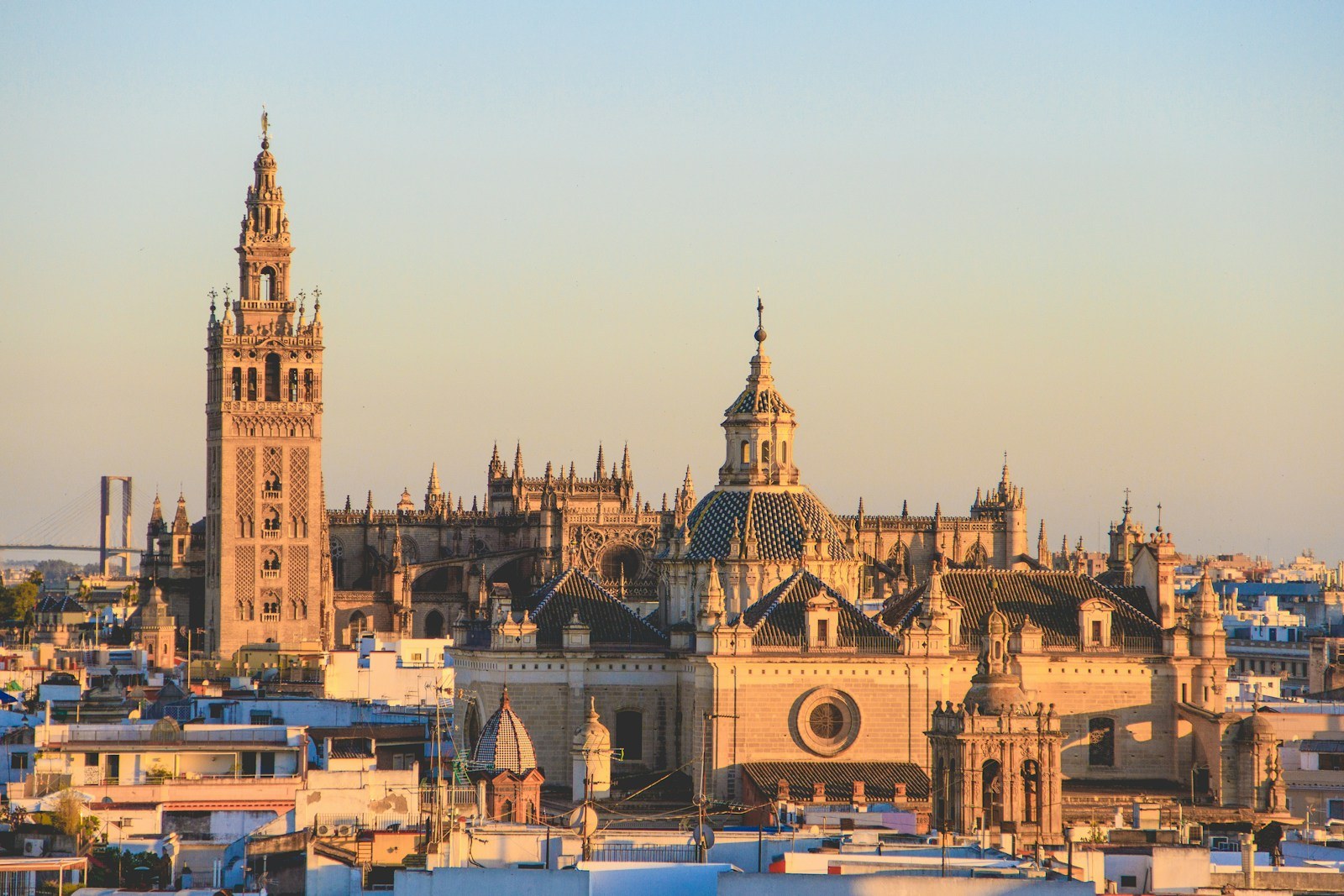
Start with this itinerary
Open this 4-day Seville itinerary in Honge as your starting point, then shape your Alcázar booking, flamenco evening and Triana day around your dates.
How Many Days in Seville Is Enough?
Four days is enough for a first visit to Seville: one day for Santa Cruz, the cathedral and the Giralda, one for the Real Alcázar and flamenco, one for Triana’s markets and ceramics, and a final day for Plaza de España and a slower neighborhood afternoon. Stay in the historic center or El Arenal so most of the itinerary stays walkable.
Introduction
Seville is a city that seems to move to its own rhythm. The sound of flamenco guitar drifts from intimate courtyards, the scent of orange blossom fills historic streets, and lively tapas bars spill onto sunny squares well into the evening. Everywhere you turn, centuries of history sit alongside the everyday pleasures of Andalusian life.
As the capital of Andalusia, Seville is one of Spain’s most captivating cultural destinations. Its architecture reflects Roman, Islamic, Gothic and Renaissance influences, while its food traditions and music give the city a character that feels unmistakably southern Spanish.
A four-day visit is an ideal introduction. You will have time to explore the narrow lanes of Santa Cruz, admire the extraordinary architecture of the Royal Alcázar, climb the Giralda, experience an authentic flamenco performance and discover Triana, a neighborhood with its own strong identity and traditions.
There is also time to slow down: enjoy a long lunch, browse a traditional market, sit beside the Guadalquivir River and experience the relaxed rhythm of Andalusian evenings.
This itinerary combines Seville’s essential landmarks with neighborhood exploration and local food experiences, leaving enough space to appreciate the atmosphere rather than simply ticking off attractions.
Seville at a Glance
- Duration: 4 days
- Base: Seville, Spain
- Main areas: Santa Cruz, El Arenal, Triana, Plaza de España and the historic center
- Best for: Moorish architecture, flamenco, tapas, history, art and Andalusian culture
- Getting around: Walking, tram, local buses, metro and taxis
- Suggested pace: Moderate, with time for relaxed meals and evening experiences
- Best time to visit: March to May and September to November
- Currency: Euro (€)
- Language: Spanish, with English understood in many visitor areas
- Arrival: Seville Airport (SVQ), linked to the center by airport bus and taxis; Santa Justa is the main train station
- Plugs: Type C/F sockets (230 V)
The Route
| Day | Focus | Highlights |
|---|---|---|
| Day 1 | Historic center | Santa Cruz, Seville Cathedral, the Giralda and tapas |
| Day 2 | Alcázar & flamenco | Royal Alcázar gardens, then an evening performance |
| Day 3 | Triana | Markets, ceramics, food and riverside atmosphere |
| Day 4 | Plaza de España | Grand architecture, parks and a relaxed farewell meal |
Santa Cruz & Cathedral → Real Alcázar & Flamenco → Triana → Plaza de España & farewell
Day 1: Historic Seville — Santa Cruz, the Cathedral & Tapas
Begin your Seville adventure in the historic heart of the city, where grand monuments, narrow lanes and lively squares introduce you to the layers of Andalusian history. This is the part of Seville that feels most immediately romantic: whitewashed buildings, traditional balconies, tiled courtyards and orange trees creating a beautiful backdrop for a day of exploration.
Morning: Wander Through Barrio de Santa Cruz
Start in Barrio de Santa Cruz, Seville’s most famous historic neighborhood. Once part of the city’s Jewish quarter, Santa Cruz is a maze of narrow streets and small plazas. Its character is best appreciated on foot, without trying to follow a strict route.
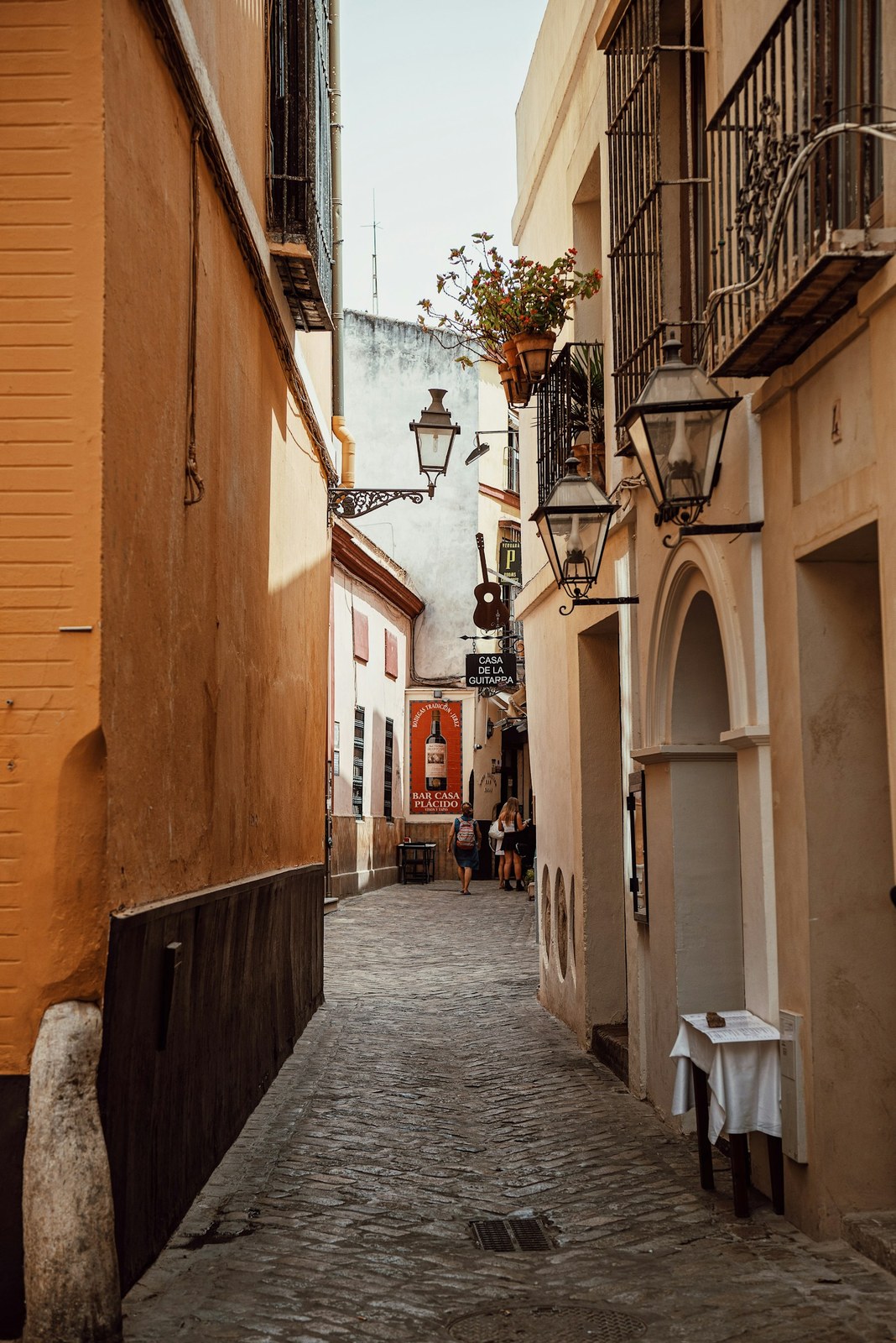
Wander through the lanes around Plaza de Doña Elvira and Plaza de Santa Cruz, looking out for traditional tiled façades, wrought-iron balconies and hidden courtyards. The neighborhood is particularly atmospheric in the morning, before the busiest sightseeing hours.
Pause for coffee at a small terrace and enjoy the slower start to the day. This is also a lovely area for browsing independent shops selling ceramics, leather goods and traditional souvenirs.
As you explore, notice how Seville’s architecture combines Moorish details with later Christian and Renaissance influences. The city’s history is visible in its buildings, decorative patterns and public spaces.
Late Morning: Seville Cathedral
Continue towards the magnificent Catedral de Sevilla, one of the largest Gothic cathedrals in the world. Built on the site of a former mosque, the cathedral reflects the city’s transformation following the Christian reconquest. Its scale is impressive, with soaring vaulted ceilings, elaborate chapels and an extraordinary collection of religious art.
Inside, look out for the monumental main altarpiece, the richly decorated chapels and the tomb traditionally associated with Christopher Columbus. Allow plenty of time to explore rather than rushing through the interior. The cathedral is one of Seville’s most important landmarks and deserves a proper visit. Together with the Real Alcázar and the Archivo General de Indias, it forms a UNESCO World Heritage Site.
Check the day: The cathedral is open Monday to Saturday from 10:45 to 18:00 (last entry 17:00), but on Sundays only from 14:30 to 19:00. If Day 1 falls on a Sunday, spend the morning in Santa Cruz and along the river, and visit the cathedral and Giralda in the afternoon. A general ticket costs about €13 online and includes the Giralda climb. Hours can change for worship and special events, so confirm them on the official website.
Climb the Giralda
The cathedral’s famous bell tower, La Giralda, is one of the most recognizable symbols of Seville. Originally constructed as the minaret of the city’s mosque, the tower was later adapted for Christian use. Its architecture is a striking example of the cultural influences that shaped Andalusia.
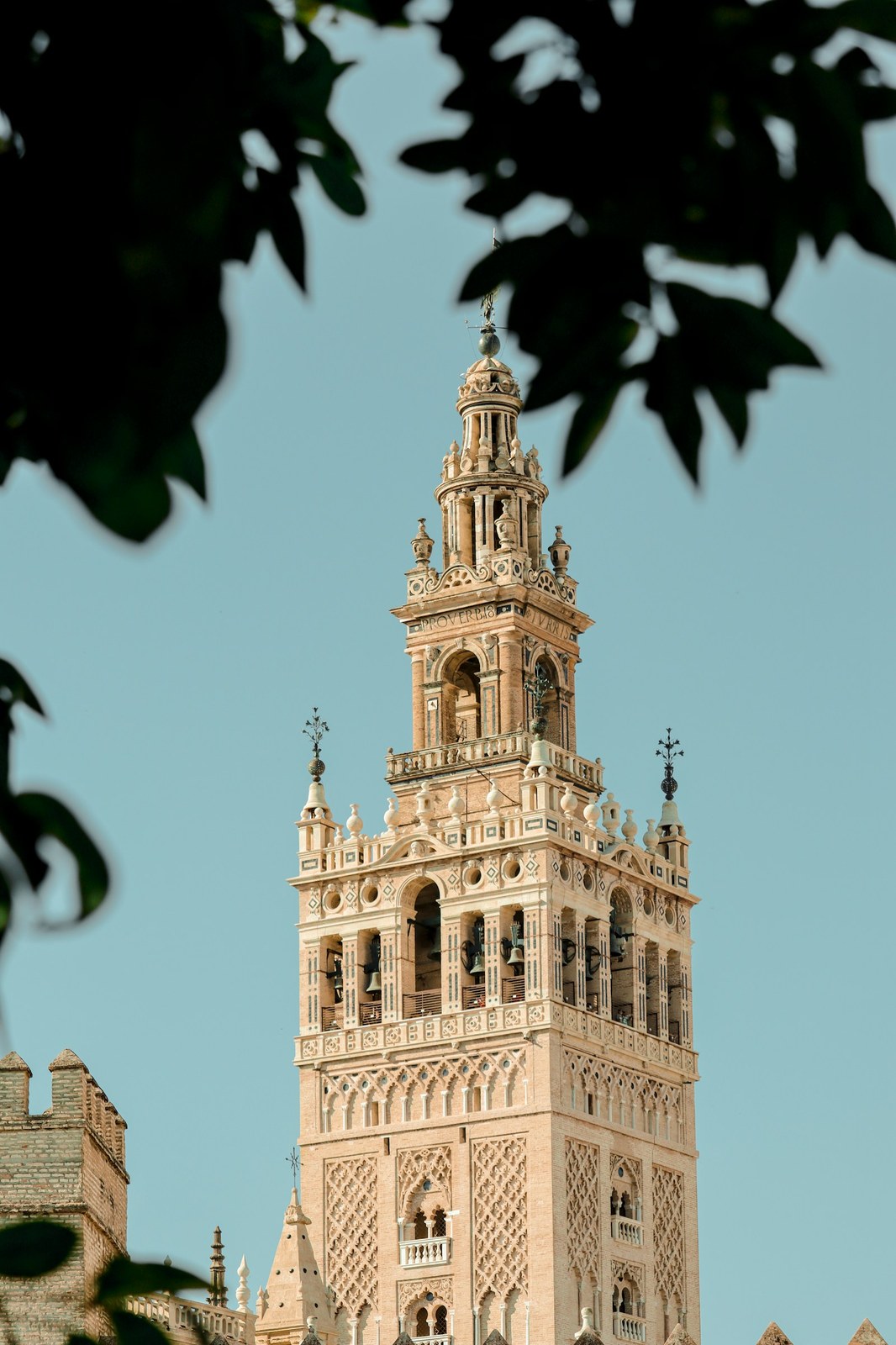
The climb is included in your cathedral ticket and is unusual because it uses a series of ramps rather than a conventional staircase. At the top, you are rewarded with panoramic views across the historic center, including the cathedral rooftops, Santa Cruz and the surrounding city. On a clear day, the view helps you appreciate just how much of Seville’s historic character has been preserved.
Afternoon: El Arenal and the Guadalquivir
After visiting the cathedral, walk towards El Arenal, the historic district between the cathedral area and the river.
This neighborhood has long been connected with Seville’s maritime and trading history. Today, it is known for its traditional bars, elegant streets and proximity to the riverfront. Walk towards the Torre del Oro, a historic riverside tower that once formed part of the city’s defensive system. Its position beside the Guadalquivir makes it one of Seville’s most recognizable waterfront landmarks.
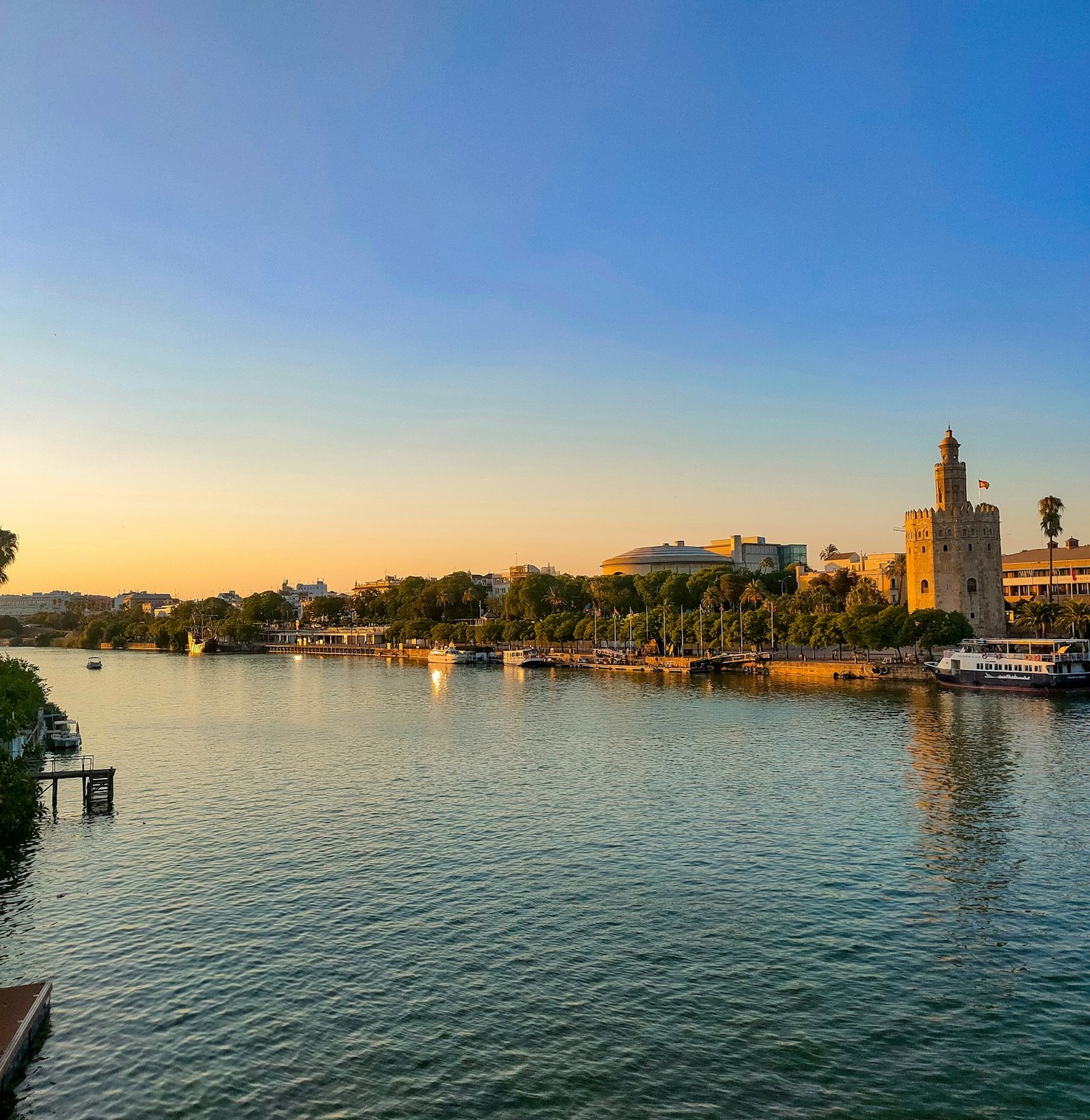
Continue along the river promenade, enjoying views of the bridges and buildings across the water. If you want a longer break, find a shaded terrace for a drink before returning towards the historic center.
Evening: Tapas in Traditional Seville
Seville is one of Spain’s great tapas cities, and your first evening is the perfect opportunity to explore its food culture.
Rather than choosing one large restaurant meal, consider visiting two or three traditional bars and ordering a few small dishes at each.
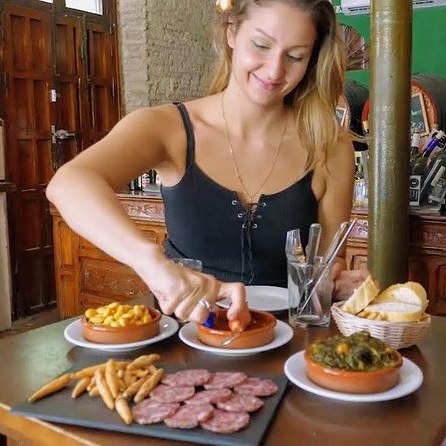
Look for espinacas con garbanzos (spinach with chickpeas), croquetas, jamón ibérico, solomillo al whisky and montaditos.
Many tapas bars have lively interiors, standing-room counters and tables that fill quickly as the evening progresses. The atmosphere is part of the experience. Finish with a relaxed walk through the illuminated historic center, where the cathedral and surrounding streets take on a particularly beautiful appearance after dark.
Food note: Try espinacas con garbanzos, croquetas and jamón ibérico. These are excellent introductions to Seville’s traditional tapas culture. Order several small dishes to share rather than committing to one large meal.
Do not miss: The panoramic views from the Giralda and the atmosphere of Santa Cruz in the early morning.
Logistics: The historic center is best explored on foot. Wear comfortable shoes for cobbled streets and long sightseeing days. Book cathedral and Giralda tickets in advance, particularly during spring and busy holiday periods.
Tour on Honge
Seville Small-Group City Highlights Walking Tour
A 2-hour licensed walking overview of the cathedral exterior, Alcázar, University and Plaza de España — a natural Day 1 orientation if you want the landmark stories before deciding which interiors to book.
Tour on Honge
Sevilla Food Tour: Tapas, Wine, History & Traditions
A small-group tapas walk with food tastings and drinks included — an easy Day 1 evening if you want local bars and flavors guided rather than choosing restaurants solo.
Day 2: The Royal Alcázar, Moorish Gardens & Flamenco
Today is dedicated to some of Seville’s most extraordinary architecture, followed by one of the city’s defining cultural experiences.
The Real Alcázar is a remarkable complex of palaces, courtyards and gardens that brings together Islamic, Mudéjar, Gothic and Renaissance influences. In the evening, flamenco provides a very different but equally important expression of Andalusian identity.
Morning: Explore the Real Alcázar
Begin at the Real Alcázar de Sevilla, the city’s spectacular royal palace complex. Although its origins stretch back to the Islamic period, the Alcázar evolved over many centuries, with different rulers adding buildings, decorative details and landscaped spaces.
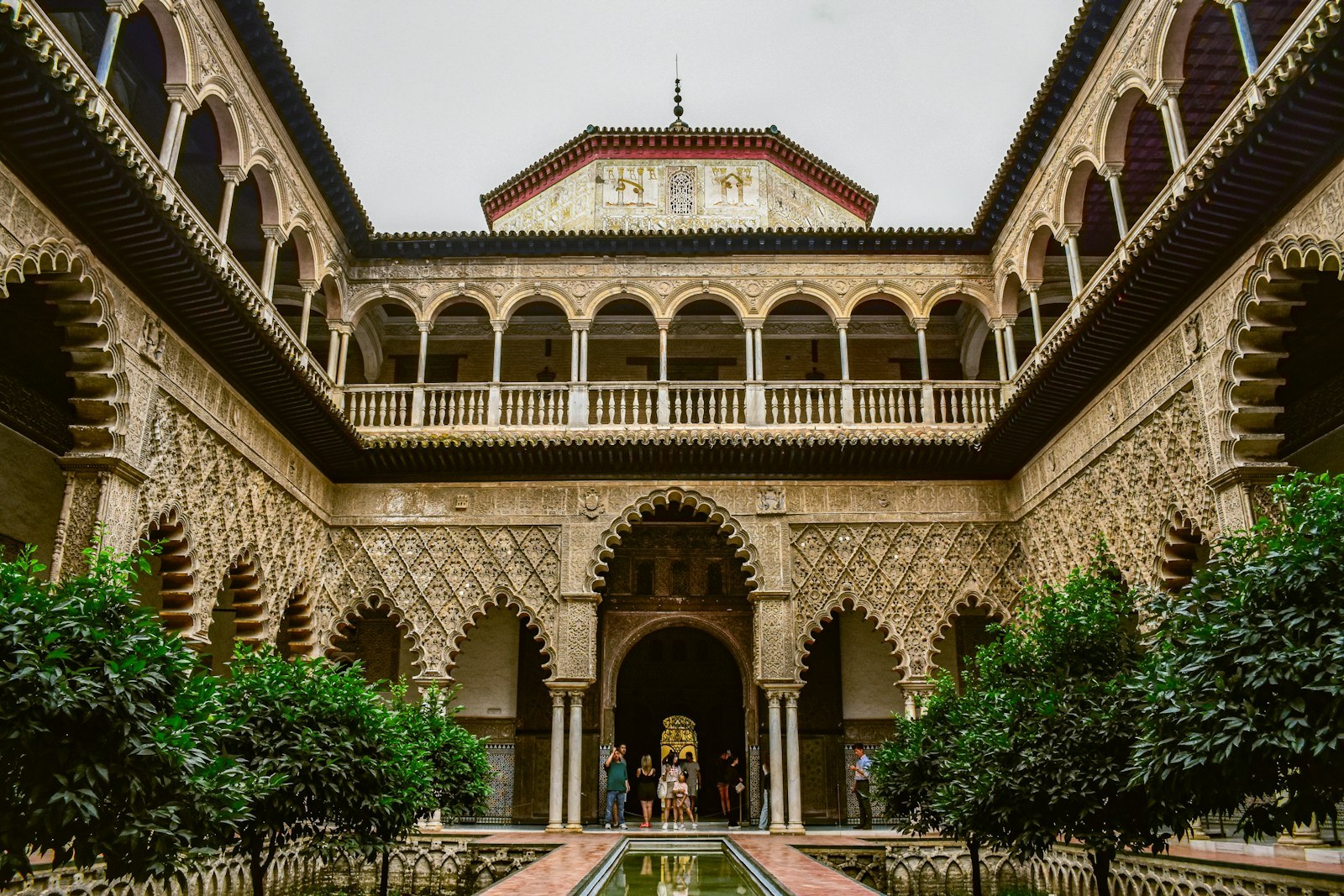
One of its most celebrated areas is the Palacio de Pedro I, known for its remarkable Mudéjar architecture. Its intricate plasterwork, carved wooden ceilings, patterned tiles and ornamental arches reveal the extraordinary craftsmanship of the period. Look closely at the decorative details. Geometric patterns, calligraphy and elaborate surfaces create an atmosphere that feels very different from the Gothic architecture of the cathedral.
The Alcázar is still a royal residence used on certain occasions, making it one of the oldest royal palaces in Europe still in use, which adds another layer to its long history.
Plan ahead: The Alcázar is open daily, from 9:30 to 17:00 between October and March and from 9:30 to 19:00 between April and September, but it closes on January 1 and 6, Good Friday and December 25, and it can close for royal events. Entry is by timed slot, so book online and aim for the first slot of the day. The royal upper rooms (Cuarto Real Alto) need a separate, extra ticket. Prices depend on the ticket type, so check the official website.
Late Morning: Courtyards, Galleries & Gardens
Allow plenty of time to explore the palace’s courtyards and gardens.
The Patio de las Doncellas is among the most beautiful spaces, with its reflecting pool, decorative arches and carefully balanced proportions. Beyond the palace buildings, the gardens offer a peaceful escape from the busy streets outside. Walk along shaded pathways, admire the fountains and tiled details, and enjoy the mixture of Mediterranean and subtropical planting.
The gardens are extensive, so there is no need to explore every corner. Take your time and enjoy the atmosphere.
Afternoon: A Relaxed Lunch and More of the Historic Center
After your Alcázar visit, enjoy a leisurely lunch near Santa Cruz or in the surrounding historic center.
This is a good opportunity to try more Andalusian dishes, perhaps grilled vegetables, local cheeses, seafood or a plate of salmorejo, a chilled tomato and bread soup. If you want another cultural stop, consider the Archivo General de Indias, located close to the cathedral and Alcázar.
The archive holds important documents connected with Spain’s colonial history and its relationship with the Americas. Even if you do not spend long inside, its historic building and central location make it an interesting addition (check its opening hours before you go). Alternatively, enjoy a slower afternoon with coffee, shopping and a return to your hotel before the evening performance.
Evening: Experience Authentic Flamenco
No Seville itinerary would be complete without an evening of flamenco. Flamenco is deeply connected with Andalusian culture, combining expressive singing, guitar, rhythmic footwork and dance. It is not simply a performance style but an art form shaped by generations of musical traditions.
For a more intimate experience, choose a traditional tablao or a small performance venue rather than a large theatrical production. Look for performances that emphasize live music and singing alongside dance. The emotional intensity is often what makes flamenco so memorable.
Seville has several established venues, including Casa de la Memoria and Museo del Baile Flamenco, which offers performances as well as exhibitions about the art form. Arrive a little early, settle in and give yourself time to appreciate the performance without rushing off afterwards.
Late Evening: A Drink and Andalusian Atmosphere
After the show, enjoy a final drink in the historic center. The streets around Santa Cruz and the cathedral are especially atmospheric in the evening, with outdoor terraces and softly lit façades creating a memorable end to the day.
Food note: Try salmorejo, grilled vegetables, local cheeses or seafood for lunch. In the evening, keep dinner flexible around your flamenco booking, or choose a nearby tapas bar afterwards.
Do not miss: The intricate Mudéjar decoration inside the Real Alcázar and a live flamenco performance in an intimate venue.
Logistics: Book Real Alcázar tickets well in advance, particularly for spring weekends and public holidays. Check the official opening arrangements and timed-entry requirements. Reserve flamenco tickets ahead of time, especially for smaller venues and popular evening performances.
Day 3: Triana — Markets, Ceramics & Riverside Life
Today, cross the Guadalquivir and discover Triana, one of Seville’s most distinctive neighborhoods. Triana has a strong identity of its own. Historically associated with pottery, ceramics, sailors and flamenco, it feels more residential and local than the grand monument district across the river.
It is an ideal place to experience another side of Andalusian culture.
Morning: Cross the Puente de Isabel II
Begin by crossing the Puente de Isabel II, often called the Triana Bridge. The bridge connects the historic center with the neighborhood and offers lovely views along the Guadalquivir. From here, you can see the Torre del Oro, riverfront buildings and the colorful streets of Triana.
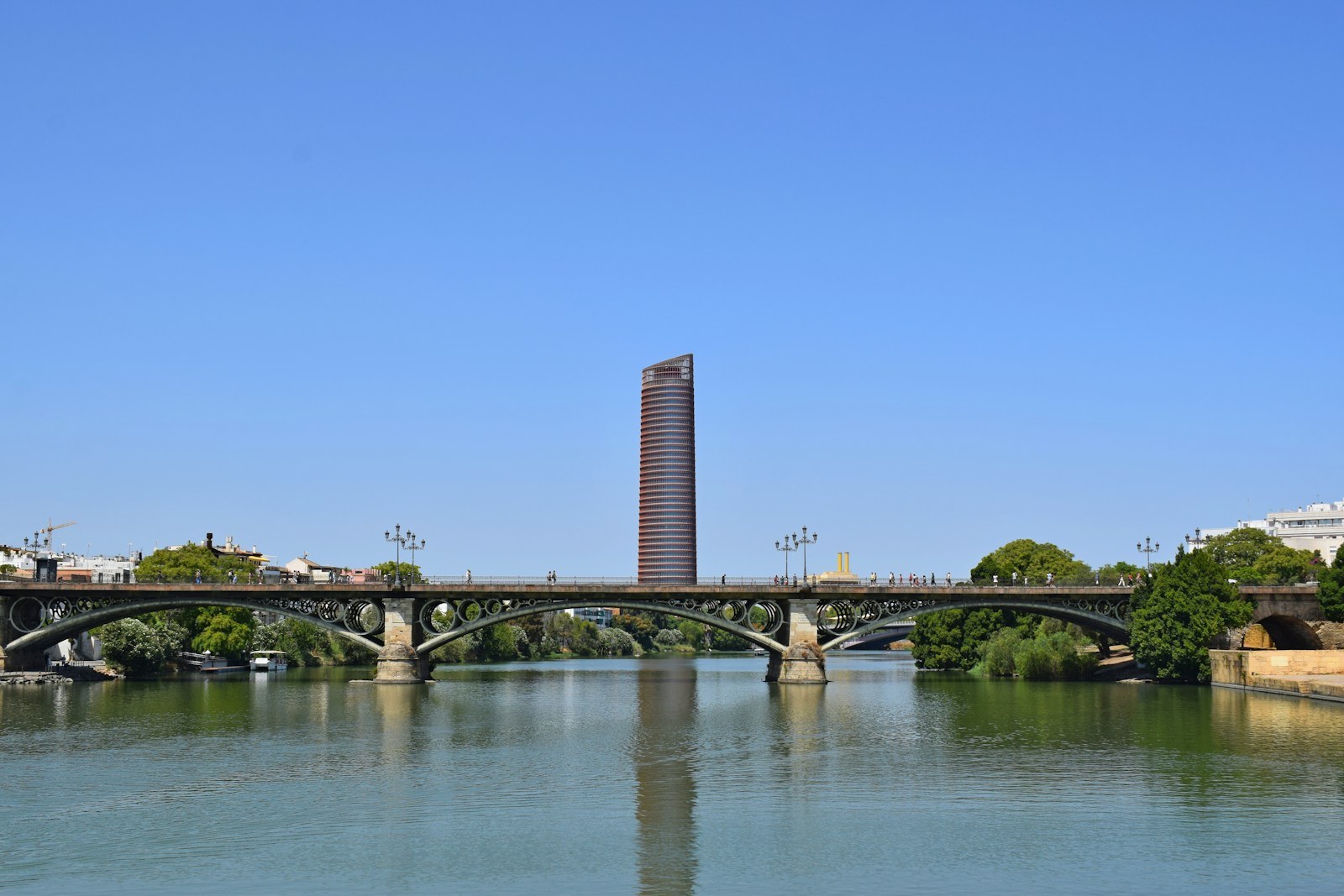
Once across, take time to explore the streets around Calle San Jacinto and Calle Betis. Triana’s atmosphere is different from Santa Cruz. It is lively and colorful, with neighborhood shops, traditional bars and ceramic workshops.
Late Morning: Mercado de Triana
Make your way to the Mercado de Triana, a traditional covered market beside the bridge. The market is a wonderful place to explore Andalusian food culture. Stalls sell fresh produce, seafood, meats, cheeses, olives and other regional ingredients.
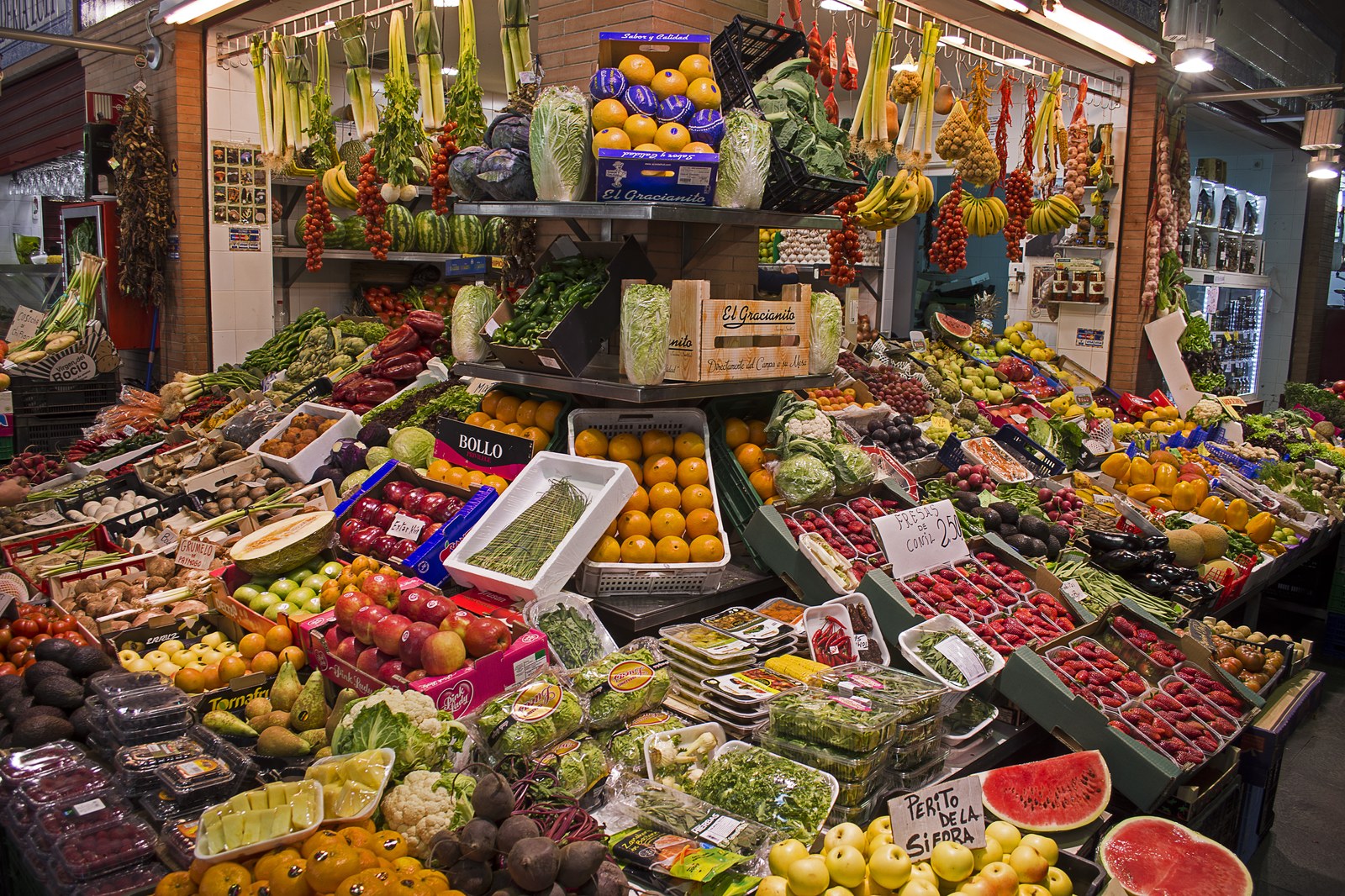
Mercado de Triana is a wonderful place to discover local ingredients, regional specialties and the everyday food culture of Seville.
Browse at a relaxed pace and look for small places serving tapas or simple market dishes. The market building also has an interesting history, occupying a site connected with the former Castillo de San Jorge. It is a good place to stop for a light breakfast or an early lunch, particularly if you want to try a variety of small dishes.
Afternoon: Ceramics and the Character of Triana
Triana has a long history of ceramic production, and its traditional tiles are among the most recognizable decorative features of Seville. Explore the neighborhood’s ceramic shops and workshops, where you can find colorful plates, bowls, decorative tiles and handmade souvenirs.
The Centro Cerámica Triana is particularly worthwhile if you are interested in the area’s pottery traditions. It explores the history of ceramic production and the role it played in the neighborhood’s development. As you wander, notice the tiled façades and decorative details on local buildings. Ceramics are not simply souvenirs here; they are part of Triana’s architectural identity. Opening hours for the Centro Cerámica Triana and for smaller workshops vary, so check before you go.
Late Afternoon: Calle Betis and the Riverfront
Walk along Calle Betis, one of Triana’s most picturesque streets. Its colorful buildings face the Guadalquivir, with beautiful views towards the historic center. It is particularly attractive in the late afternoon, when the light falls across the river and the opposite riverbank.
Find a riverside terrace for a drink or coffee and enjoy the slower pace. If you want to explore further, walk along the river promenade or visit the nearby Capilla del Carmen, a small chapel beside the bridge with a distinctive architectural appearance.
Evening: Dinner in Triana
Stay in the neighborhood for dinner if you want to experience its local atmosphere after dark. Triana has plenty of traditional tapas bars and casual restaurants. Look for grilled seafood, fried fish, local pork dishes and seasonal vegetables.
It is also a good area to enjoy a relaxed evening drink, particularly around Calle Betis. Compared with the cathedral district, Triana often feels a little less focused on sightseeing and more connected to everyday neighborhood life.
Food note: Explore the Mercado de Triana and try a selection of local cheeses, olives, seafood and tapas. If you enjoy fried fish, look for pescaíto frito, a classic Andalusian specialty.
Do not miss: The views from Calle Betis across the Guadalquivir and the traditional ceramic heritage of Triana.
Logistics: Triana is an easy walk from the historic center across the bridge. You can also use local buses or taxis if you prefer not to walk back after dinner. Market stalls are liveliest earlier in the day and wind down in the afternoon, so visit in the morning or around lunchtime.
Day 4: Plaza de España, Parks & a Relaxed Seville Farewell
For your final day, explore one of Seville’s most impressive architectural landmarks before enjoying a slower introduction to its parks and residential streets. The focus today is less about fitting in as many attractions as possible and more about enjoying the atmosphere that makes Seville such a rewarding city break.
Morning: Plaza de España
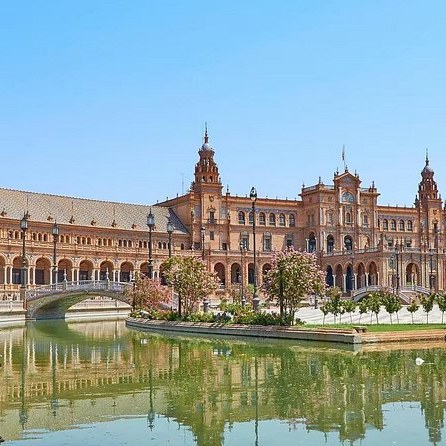
Begin at Plaza de España, one of Seville’s most spectacular public spaces. Built for the Ibero-American Exposition of 1929, the enormous semicircular complex combines Renaissance Revival and regionalist architectural influences.
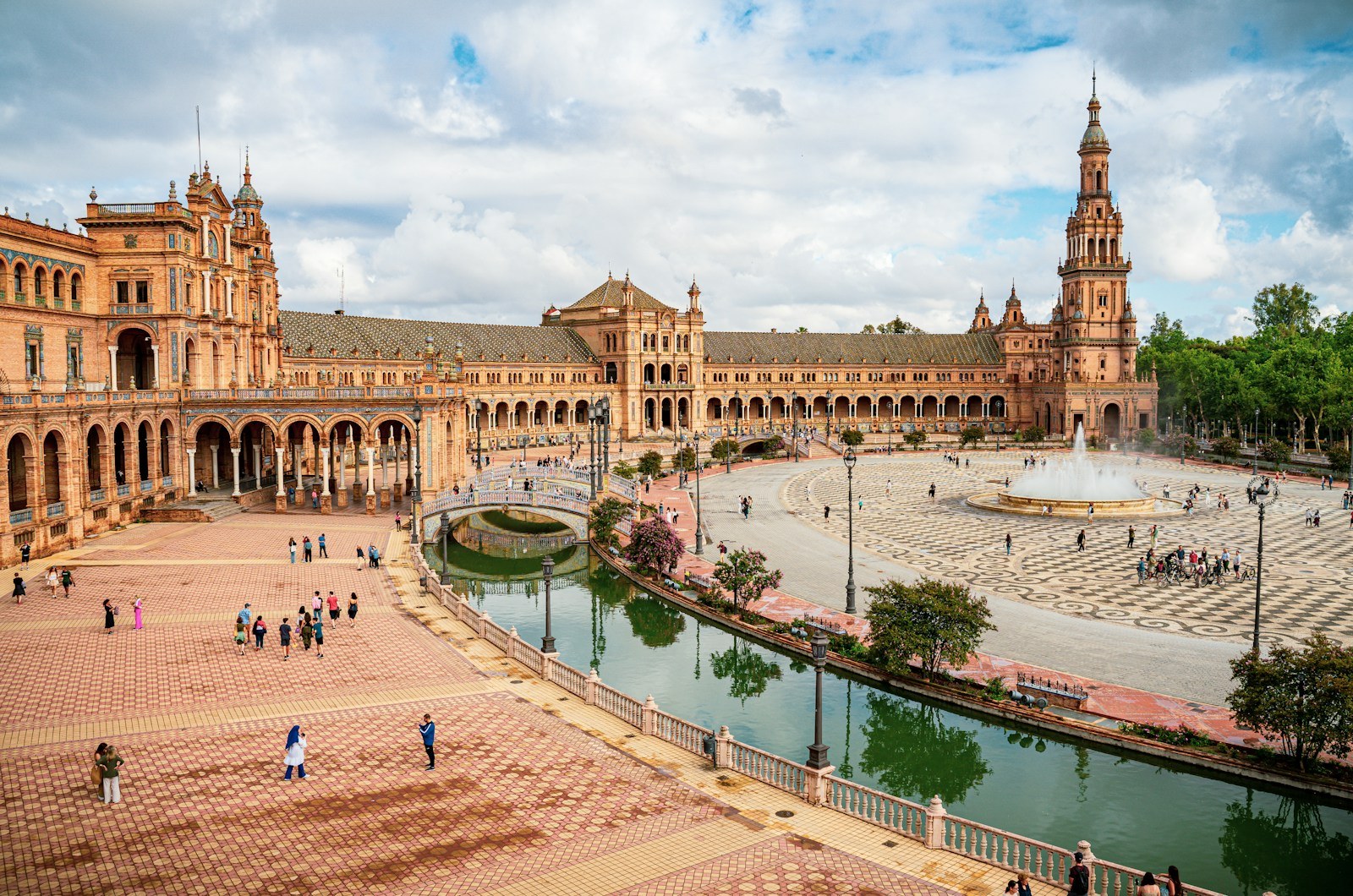
Its curved buildings, bridges, towers and central canal create a remarkable setting. The long decorative tiled alcoves represent Spain’s different provinces, each with its own design. Entry to the plaza is free at the time of writing; the city has proposed a visitor fee, so check the latest news before you go.
Walk around the plaza, admire the colorful tilework and explore the bridges crossing the water. The scale of the complex is impressive, and it is worth spending time noticing the details rather than simply taking a photograph and moving on.
Late Morning: Parque de María Luisa
Continue into Parque de María Luisa, the beautiful green space beside Plaza de España. The park is filled with shaded pathways, fountains, ponds and mature trees. It provides a peaceful break from the historic center and is especially enjoyable during spring and autumn.
Take a relaxed walk, find a quiet bench or enjoy a coffee nearby. The park is also a lovely place to appreciate Seville’s outdoor lifestyle, with locals walking, cycling and enjoying the open spaces.
Afternoon: Explore More of Seville’s Neighborhoods
Return towards the center and choose a neighborhood for your final afternoon.
El Arenal is a good option if you want to revisit the riverfront and explore its traditional bars and historic streets. Alternatively, explore the area around Alameda de Hércules, a lively square surrounded by cafés, restaurants and independent venues. It has a younger and more contemporary atmosphere than Santa Cruz, making it a good place to experience another side of the city.
You could also browse the shops around Calle Sierpes and Calle Tetuán, two of the historic center’s main shopping streets. If you prefer a cultural visit, consider the Museo de Bellas Artes de Sevilla, one of Spain’s important art museums, housed in a former convent. Its collection includes significant works by Spanish artists, particularly from the Baroque period. The museum is closed on Mondays, and admission is about €1.50 (free for EU citizens).
Late Afternoon: Coffee, Pastries & a Final Stroll
Make time for one final coffee or pastry. Seville’s cafés and bakeries are ideal for a slower afternoon, particularly if you have spent the previous days exploring monuments and neighborhoods.
Try a traditional sweet such as torrijas when in season, or look for local pastries and almond-based treats. Take one last walk through the streets around Santa Cruz or return to the river for a final view of the city.
Evening: A Long Andalusian Farewell Dinner
Finish your four days with a memorable meal.
Choose a traditional restaurant or a relaxed tapas bar and order a selection of dishes to share. This is a good opportunity to revisit your favorites, whether that is croquetas, jamón ibérico, grilled seafood or a regional stew.
If the weather is pleasant, choose an outdoor terrace and enjoy the warm evening atmosphere. Seville is a city that rewards unhurried evenings, and a long final dinner is a fitting way to end the trip.
Food note: For a final meal, combine a few favorite tapas with a regional main dish. If you have not yet tried pescaíto frito or a traditional Andalusian stew, this is a good opportunity.
Do not miss: Plaza de España and its remarkable tiled architecture. It is one of Seville’s most impressive public spaces and a highlight of any visit.
Logistics: Plaza de España and Parque de María Luisa are walkable from the historic center, although local buses and taxis can save time. Plan your final afternoon around your departure schedule and allow enough time to return to your accommodation.
Where to Stay in Seville
For a four-day trip, staying in or close to the historic center is the most convenient choice.
Seville is a very walkable city, and a central base makes it easy to explore the cathedral, Alcázar, Santa Cruz, El Arenal and the riverfront without relying heavily on public transport.
- Santa Cruz — Best for Historic Atmosphere: Santa Cruz is one of the most attractive places to stay in Seville. Its narrow streets, traditional buildings and proximity to the cathedral and Alcázar make it ideal for first-time visitors. You can walk to many of the city’s major attractions, and the neighborhood is particularly atmospheric in the evening. The main drawbacks are its popularity, potentially higher accommodation prices and occasional noise from busy streets.
- El Arenal — Best for Central Convenience: El Arenal is an excellent all-round option. It sits between the cathedral area and the Guadalquivir River, giving you convenient access to the historic center, Torre del Oro and many restaurants. It is a good choice if you want to be close to the main attractions without staying directly in the busiest parts of Santa Cruz.
- Centro — Best for Shopping and Restaurants: The central shopping district is practical and lively. You will find a good range of hotels, shops, cafés and restaurants, with easy access to the cathedral and other major sights. It is particularly convenient if you enjoy exploring different parts of the city on foot.
- Triana — Best for Local Character: For a more neighborhood-focused stay, consider Triana. It has traditional bars, ceramic shops, markets and a lively local atmosphere. The historic center is only a short walk away across the river. Triana is particularly appealing if you prefer a slightly less tourist-focused base.
Recommendation: Choose Santa Cruz or El Arenal for a first visit. Both make the four-day itinerary easy to follow and allow you to enjoy Seville’s evening atmosphere without needing to travel far back to your hotel.
Getting Around: Walking, Trams, Buses & Taxis
Seville is one of Spain’s easiest major cities to explore on foot. Many of its most important attractions are concentrated around the historic center, and walking is often the most enjoyable way to discover the city.
- Exploring the Historic Center: The cathedral, Giralda, Real Alcázar, Santa Cruz and El Arenal are all within comfortable walking distance of one another. Triana is also easy to reach on foot via the Puente de Isabel II. Wear comfortable shoes, particularly in the older neighborhoods, where paving can be uneven.
- Local Buses and Tram: Seville has a network of local buses and tram services operated by TUSSAM. These are useful for reaching areas further from the historic center, including parts of the city around Plaza de España and other neighborhoods. Check routes, tickets and service updates through the official operator before traveling.
- Metro: The metro can be useful for some journeys outside the central sightseeing area, although most first-time visitors will find that walking and buses are sufficient.
- Taxis and Ride Services: Taxis are readily available and can be useful for airport transfers, late-night journeys or traveling with luggage. If you are arriving or departing early, arranging your transfer in advance can make the journey easier.
- Arriving from Seville Airport: Seville Airport is connected to the city center by airport bus and taxis. The airport bus is generally a practical option for reaching central areas, while taxis offer a more direct transfer to your accommodation.
Check current service information before traveling, especially if you have an early flight or arrive late in the evening.
Should You Hire a Car?
A rental car is unnecessary for this itinerary.
Seville’s main attractions are walkable, and driving in the historic center can be inconvenient because of narrow streets, restricted access and limited parking.
A car is more useful if you are planning a longer Andalusian trip that includes smaller towns or countryside destinations.
Best Time to Visit Seville
Seville has a hot Mediterranean climate, with mild winters, pleasant spring and autumn seasons, and very hot summers.
Choosing the right time of year can make a significant difference to how comfortable your sightseeing days feel.
- March to May — Best Overall for Sightseeing: Spring is one of the most beautiful times to visit Seville. Temperatures are generally pleasant, orange blossom fills the air and the city’s parks and gardens are especially attractive. Semana Santa (March or April, depending on Easter) and the Feria de Abril (April or May, about two weeks after Easter) are particularly lively. In 2027, Semana Santa begins on March 21 and the Feria runs April 12–18. These major celebrations offer extraordinary cultural experiences, but they also bring large crowds, higher accommodation prices and busy restaurants. Book well ahead if traveling during these periods.
- June to August — Best for Evening Atmosphere, but Very Hot: Summer in Seville can be extremely hot, with temperatures regularly reaching uncomfortable levels during the afternoon. If you visit in summer, plan outdoor sightseeing for the morning and evening, and use the hottest part of the day for lunch, museums or a rest at your accommodation. The city remains lively, but this is not the easiest season for long walking days.
- September to November — Best for a More Relaxed Visit: Autumn is another excellent time to visit. Temperatures become more comfortable, outdoor dining remains enjoyable and the city often feels less crowded than during the spring peak. September and October are particularly good for combining sightseeing with relaxed evenings.
- December to February — Best for a Quieter City Break: Winter is generally mild compared with much of northern Europe. It is a good time for museums, architecture, food and cultural visits, although evenings can be cool and some days may be rainy. The city is quieter outside major holiday periods, making it easier to enjoy the historic center at a slower pace.
What to Eat in Seville
Food is one of the highlights of visiting Seville.
Andalusian cooking combines olive oil, vegetables, seafood, cured meats and regional produce, with tapas culture making it easy to sample a variety of dishes throughout the day.
Here are some specialties worth looking for.
- Espinacas con garbanzos: Spinach cooked with chickpeas and spices, a classic Sevillian dish.
- Salmorejo: A thick, chilled tomato and bread soup, often topped with egg and jamón.
- Jamón ibérico: Famous Spanish cured ham, traditionally served in thin slices.
- Croquetas: Small fried bites with a creamy filling, commonly made with ham, chicken or other ingredients.
- Pescaíto frito: A selection of small fish, lightly coated and fried, popular throughout Andalusia.
- Solomillo al whisky: Pork tenderloin served with a rich garlic and whisky sauce, a well-known Sevillian bar dish.
- Montaditos: Small sandwiches filled with meat, cheese or other savory ingredients.
- Tortilla española: Spanish potato omelette, a familiar but satisfying tapas choice.
- Torrijas: A traditional sweet treat made with bread soaked in a flavored mixture and cooked, particularly associated with Easter.
- Local Andalusian wines: Try regional wines from Andalusia, or enjoy a chilled glass of manzanilla or another local style.
For the best experience, visit a mixture of traditional tapas bars, market stalls and relaxed restaurants. Do not feel obliged to order everything at once; part of the fun is moving between places and discovering new dishes.
Practical Tips for Your Seville Trip
- Book the Major Attractions in Advance: The Real Alcázar is one of Seville’s most popular attractions, and timed-entry tickets can sell out. The cathedral and Giralda are also busy, particularly in spring and during holiday periods. Reserve tickets through official websites wherever possible and check entry times carefully.
- Reserve Your Flamenco Performance: Smaller flamenco venues offer an intimate experience, but seating is limited. Book ahead, especially if you have a particular performance or evening in mind.
- Avoid the Midday Heat: If traveling between June and September, plan outdoor sightseeing early in the morning or later in the afternoon. Use the hottest hours for a long lunch, indoor attractions or a break at your hotel.
- Adjust Your Meal Times: Spanish meal times are generally later than those in many other countries. Lunch often takes place in the early to mid-afternoon, while dinner can begin quite late. Many tapas bars become particularly lively later in the evening.
- Wear Comfortable Walking Shoes: Seville’s historic center is best explored on foot, but cobbled streets and long sightseeing days can be tiring. Choose comfortable shoes and carry water, particularly in warmer months.
- Respect Religious and Cultural Sites: When visiting churches, cathedrals and religious buildings, dress appropriately and follow local photography rules. During Semana Santa, processions can affect pedestrian access and public transport in the center.
- Explore Beyond the Main Monuments: Santa Cruz and the cathedral area are essential, but neighborhoods such as Triana and Alameda de Hércules offer a more varied picture of everyday Seville. Leave time to explore them without a fixed schedule.
- Check the Closing Days: The Museo de Bellas Artes closes on Mondays, the cathedral opens only in the afternoon on Sundays, and the Alcázar closes on January 1 and 6, Good Friday and December 25. Confirm hours on each official website.
- Watch Your Belongings: Pickpockets operate in crowded places such as the cathedral area, Santa Cruz and Semana Santa processions. Keep bags closed and in front of you.
- Tipping: Service is included in restaurant prices. Rounding up or leaving a few euros for good service is appreciated but not obligatory.
- Carry Some Cash: Cards are widely accepted, but having a little cash can be useful for small purchases, traditional markets and occasional local establishments.
Estimated Budget for 4 Days in Seville
The following is a broad planning estimate per person, assuming two people sharing a room, a mixture of tapas bars and sit-down meals, and a selection of paid attractions.
| Expense | Approximate cost per person |
|---|---|
| Accommodation, 3 nights | €150–€330 |
| Food and drinks | €100–€180 |
| Local transport | €10–€30 |
| Museums and major attractions | €35–€70 |
| Flamenco performance | €25–€55 |
| Additional activities and treats | €20–€60 |
| Estimated total | €340–€725 |
These are indicative planning figures rather than live prices. Actual costs depend on the season, accommodation standards, restaurant choices and the flamenco venue you select. The figures do not include the optional guided tours shown above, and hotel prices can run well above this range during Semana Santa and the Feria de Abril.
For a more affordable trip, stay slightly outside the busiest historic streets, enjoy traditional tapas bars and focus on walking between attractions.
For a more indulgent visit, choose a boutique hotel in Santa Cruz, reserve a premium flamenco performance and enjoy a few longer restaurant meals.
Important Links
- Santa Cruz introduction — Seville Official Tourism
- Cathedral and Giralda — Seville Cathedral
- Real Alcázar — Official Alcázar Website
- Flamenco evening — Museo del Baile Flamenco
- Alternative flamenco show — Casa de la Memoria
- Triana market — Mercado de Triana
- Art museum — Museo de Bellas Artes
- Airport information — Seville Airport
- Weather planning — AEMET
Frequently Asked Questions
Is four days enough to explore Seville?
Yes. Four days is an excellent amount of time for a first visit. You can explore the cathedral, Giralda, Santa Cruz and Royal Alcázar, experience flamenco, discover Triana and enjoy Plaza de España without rushing through the city.
What is the best area to stay in Seville?
Santa Cruz and El Arenal are particularly convenient for first-time visitors. Both offer easy access to the major attractions, restaurants and historic streets. Triana is a good alternative if you prefer a more neighborhood-focused atmosphere.
Do I need to book the Real Alcázar in advance?
Yes. The Real Alcázar is one of Seville’s most popular attractions, and advance booking is strongly recommended. Timed-entry availability can be limited during busy periods.
Where can I experience authentic flamenco in Seville?
Seville has several established flamenco venues, including Casa de la Memoria and Museo del Baile Flamenco. Smaller tablaos can offer an intimate atmosphere, with live singing, guitar and dance.
Is Seville walkable?
Very much so. Most major attractions are concentrated in or close to the historic center. Triana is also within walking distance across the river, while buses and trams are useful for longer journeys.
When is the best time to visit Seville?
March to May and September to November are generally the most comfortable periods for sightseeing. Spring is particularly attractive, although major festivals such as Semana Santa (March or April) and the Feria de Abril (April or May) bring larger crowds.
Is Seville too hot in summer?
Summer temperatures can be very high, especially in July and August. If visiting then, plan outdoor sightseeing early and late in the day, stay hydrated and take a break during the afternoon.
What food should I try in Seville?
Start with espinacas con garbanzos, salmorejo, jamón ibérico, croquetas, pescaíto frito and solomillo al whisky. A tapas crawl is one of the best ways to discover the city’s food culture.
Which days are the main Seville sights closed?
The Museo de Bellas Artes closes on Mondays. The cathedral is open Monday to Saturday from 10:45 and on Sundays only from 14:30 to 19:00. The Real Alcázar is open daily but closes on January 1 and 6, Good Friday and December 25. Hours change for worship and events, so confirm each official website before you go.
How do I get from Seville Airport to the city center?
Take the airport bus (line EA) or a taxi. The airport is a short ride from the historic center, and the bus is the most economical option. Check the current schedule and fares before you travel, especially for early or late flights.
Is Seville safe, and do I need to tip?
Seville is generally safe for visitors. Pickpockets operate in crowded areas such as the cathedral, Santa Cruz and processions, so keep bags closed and in front of you. Tipping is not obligatory; rounding up or leaving a few euros for good service is appreciated.
Conclusion
Seville is a city that rewards curiosity.
Its great monuments tell stories of different cultures and centuries, while its neighborhoods reveal the everyday character that makes the city so memorable. The intricate architecture of the Real Alcázar, the scale of the cathedral and the lively streets of Santa Cruz provide a remarkable introduction to Andalusian history.
But Seville is about more than its landmarks.
It is the rhythm of a flamenco performance, the pleasure of sharing tapas with friends, the colorful ceramics of Triana and the sound of conversation spilling into the streets on a warm evening.
Four days give you enough time to experience the city’s defining attractions while still enjoying the small moments that make travel special.
Take the time to explore the side streets, order another tapa, sit beside the river and let the city set the pace.
Seville is not simply a destination to see. It is a place to experience through its food, music, architecture and atmosphere.
Ready for Seville?
Plan your Seville trip with Honge
Open this itinerary in Honge and make it yours: keep a central base, then slot the Alcázar, flamenco and Triana around your dates.
Related itineraries
Written by
This blog was contributed by B. Sai Nikita, a travel enthusiast and writer. B. Sai Nikita can be reached at bsainikita10@gmail.com.
About Honge
Honge is an AI travel planning platform focused on practical, experience-led itineraries with realistic pacing and logistics. All blog content is edited and published by Honge. Our Seville research draws on updated practical logistics as of November 2026. © Honge. All rights reserved.
Travel disclaimer
This itinerary is intended as general travel inspiration and planning guidance only — not as personalized travel, safety or medical advice. Opening hours, ticket types, tour availability, event schedules, weather, transport timetables and seasonal closures can change. Confirm details with official sources before you travel, and check weather and conditions before any outdoor sightseeing. Take out comprehensive travel insurance. Suggested stay areas in this article are samples only and depend on availability; in the Honge app they may appear as booking options when offered by our vendors at the time of your search. Honge is not responsible for decisions made based on this guide or for changes to places, prices, access, services or experiences after the date of publication.